Retail News CRM

Tag: parkson

  • Parkson China closing stores as sales slump

    Parkson China closing stores as sales slump

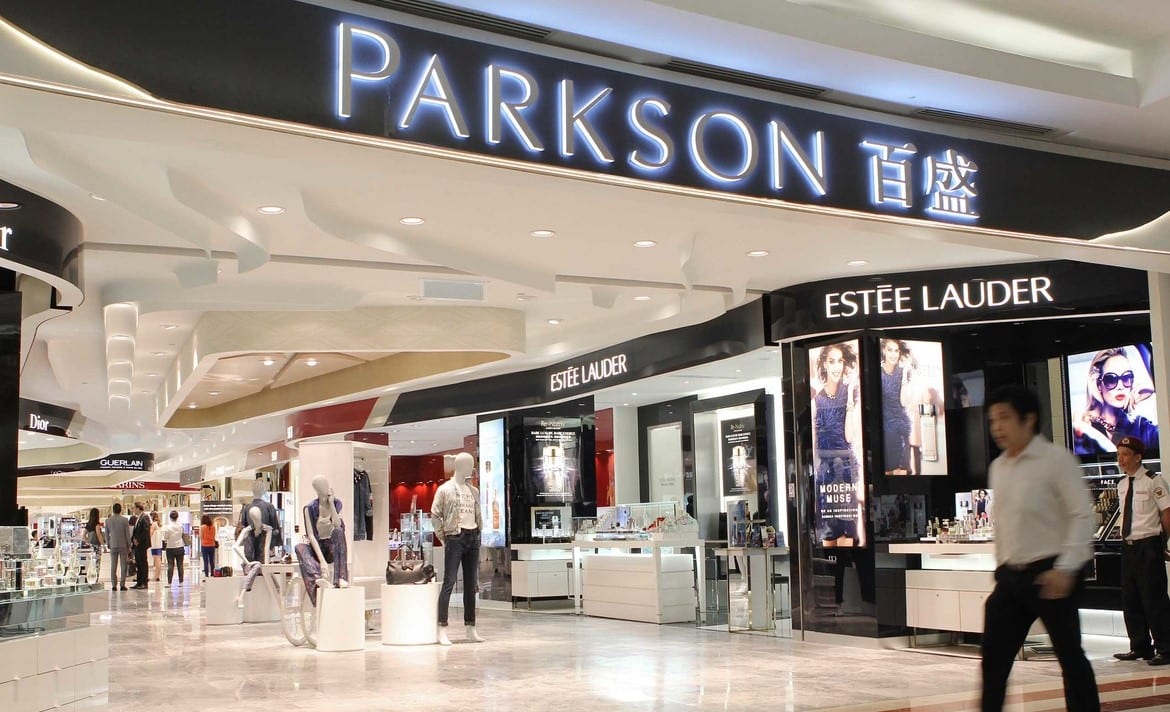
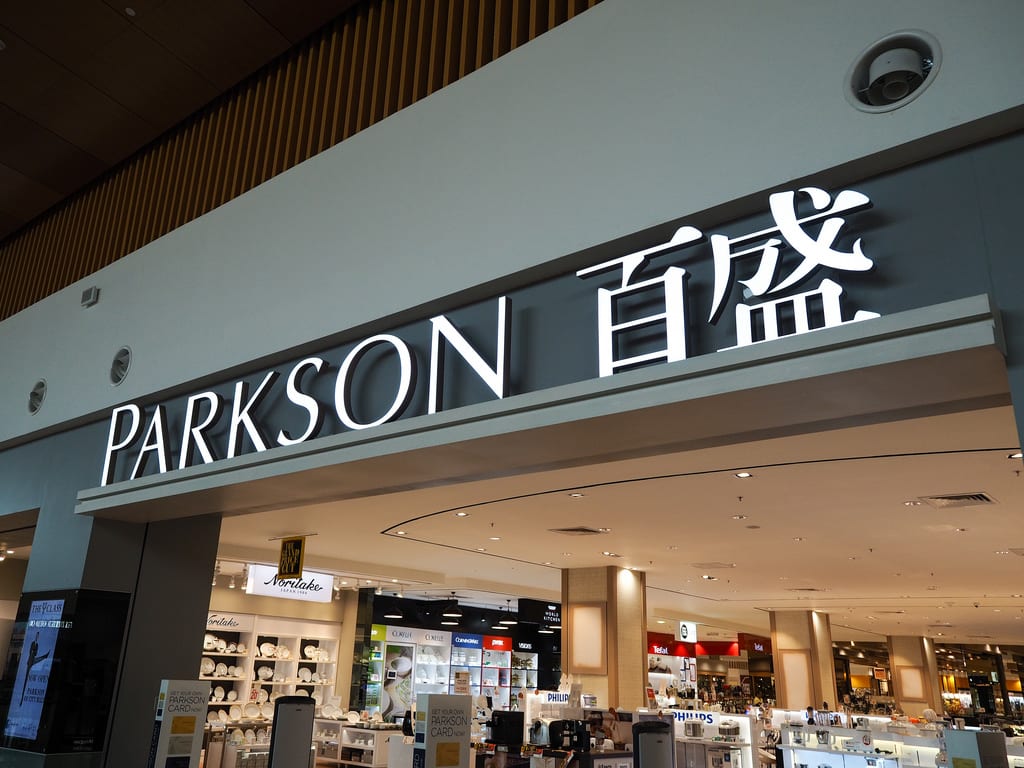
    Parkson China’s first department store, which opened on Beijing’s Fuxingmen Rd in 1994, is the brand’s last remaining outlet in the capital as slumping sales force it to close outlets across the country.

    Parkson closed its Longhu Beijing Changying Street department store and similar outlets in the cities of Hefei and Zhengzhou at the end of May, according to a Chinese news agency.

    A pioneer foreign investor in China’s retail scene, Malaysia-based Parkson now has 46 department stores across China, down from 60 in 2015.

    Its total sales in China have dropped 8.3 per cent year-on-year from 2013 to last year to RMB14.3 billion (US$2.1 billion), according to the latest annual report of the brand’s Hong Kong-listed business. This reflects an industry-wide trend – a survey of 85 department stores found that 55.3 per cent had lower sales last year, with 15 companies experiencing a drop of more than 10 per cent.

    Parkson joins such domestic chains as Hualian Department Store and Jiuguang Department Store in shuttering stores. Last year alone, Parkson terminated five mainland department stores, including Beijing’s Sun Palace Parkson, which it sold for RMB2.3 billion.

    Shanghai officials last month closed the iconic No. 1 Department Store and Orient Shopping Center for a major renovation. Parkson is also branching out into more modern retail formats with its parent company, Lion Group, opening its first full-fledged shopping centre in China last year. The 230,000 sqm Qingdao Lion Mall offers F&B, entertainment and grocery shopping along with traditional retail fare.

    Parkson also launched a standalone gourmet grocery store, Parkson Supermarket, and a flagship bakery store, Hogan Bakery, in Shanghai last year. The company has even made a belated foray into the mobile e-commerce world by rolling out a shopping app.

    These moves helped the company’s sales pick up by 1.4 per cent in the fourth quarter of last year, bucking a downward trend.

    Meanwhile, Britain’s Marks & Spencer has already closed down all 10 of its Mainland China stores in the face of continuing losses, which the company attributed to low brand awareness and a struggle to grow market share.

  • Community park to be settled in MyTown Kuala Lumpur

    Community park to be settled in MyTown Kuala Lumpur

    MyTown Shopping Centre has opened in the Kuala Lumpur CBD as a joint development by Boustead Holdings and retail banker Ikano.

    It features 1.6 million sqft (148,644 sqm) of retail space (more than 400 stores), an alfresco dining area and a park.

    Anchor tenants include the biggest Ikea and Zara stores in Malaysia, Malaysia’s first Best flagship, Food Empire, Golden Screen Cinemas, H&M, Parkson Department Store and Village Grocer.

    Biggest ZARA in Malaysia @ MyTOWN

    Its two-acre (0.8ha) Town Park has been set aside for community events. It includes ramps and tracks for rollerblading and skateboarding. A Sunken Garden features amphitheater-style.

    MyTown is the first shopping centre in Malaysia to feature Soundscapes – special compositions and custom designed sounds to offer an immersive environment in key locations.

    MyTOWN Launch

    Mr Christian Rojkjaer – Managing Director of Ikea Southeast Asia & Director of Boustead Ikano Sdn Bhd (3rd from left) & Tan Sri Dato’ Seri Lodin Wok Kamaruddin – Deputy Chairman / Group Managing Director, Boustead Holdings Berhad (4th from left) flanked by Directors from Boustead Ikano Sdn Bhd, Boustead Holdings Bhd & Ikano Ptd Ltd including (from left to right), Mr Lee Hartigan, Dato Sri’ Ghazali Mohd Ali, Datuk Koo Hock Fee, Ms. Cheah Swee Choo, Mr Sebastian Hylving, Mr Joakim Hogsander – General Manager of MyTOWN Shopping Centre & Mr Thomas Malmberg.

    GM Joakim Hogsander describes the centre as a lifestyle mall. “We have created a special customer journey through our choice of tenants, design and experience.”

    MyTown has been awarded green building status by the US Green Building Council (USGBC) and Malaysian Green Building Index.

  • Thailand’s Central Group set to build mall in Cambodia

    Thailand’s Central Group set to build mall in Cambodia

    Thai ambassador to Cambodia Nuttavudh Photisaro says Central representatives have already studied the proposed site, not yet revealed publicly.

    “By investing in a shopping mall, they hope the trade volume between the two countries will increase,” says Nuttavudh.

    CBRE Cambodia associate director Ann Sothida says shopping malls still have a chance to grow in Cambodia because the market has increased purchasing power and has only a limited number of shopping malls of international standard.

    Trade between Thailand and Cambodia eased by 6 per cent last year to US$5.6 billion. Cambodian exports to Thailand amounted to $936 million, while the country’s imports from Thailand amounted to $4.7 billion.

    Phnom Penh’s shopping centres comprise Aeon Mall, which is building a second outlet in the city, City Mall, Parkson and Soriya Mall.

  • Parkson Retail sales continue to slide

    Parkson Retail sales continue to slide

    Parkson Retail Asia has flipped from a S$2.9 million (US$2 million) net profit a year ago to a net loss of $2.23 million for its second quarter.

    This is despite a 7.4 per cent year-on-year rise in revenue to $111.14 million, with Parkson attributing its red ink to weak same-store sales growth as well as losses by some new stores and businesses.

    For the six months to December 31, the department-store group had a net loss of S$7.42 million, compared to a net profit of $52.36 million for the same period the previous year. Revenue rose 4.2 per cent to $204.48 million.

    Parkson Retail Asia says its performance in Malaysia will remain muted because of “fragile” consumer sentiment, while rising competition will make Vietnam challenging.
    Meanwhile, its business in Indonesia could be affected by the changing retail landscape in Jakarta, it says.

    In Myanmar, its store at FMI Centre in Yangon will be closed in the third quarter for property redevelopment by the landlord, with a replacement store scheduled to open later in the year.

  • Malaysian retailer leaves Hanoi after two stormy years

    Malaysian retailer leaves Hanoi after two stormy years

    After closing some of its department stores in Hanoi within a two-year period, Parkson, a retail giant from Malaysia, has officially decided to leave the capital. Parkson Viet Tower on Thai Ha street will close on December 15. Meanwhile, Vincom, just opened Vincom Pham Ngoc Thach in early November.

    In early 2015, Parkson closed Parkson Keangnam Hanoi Landmark. The closure produced a big stir as the owners of the shops were asked to move at night.

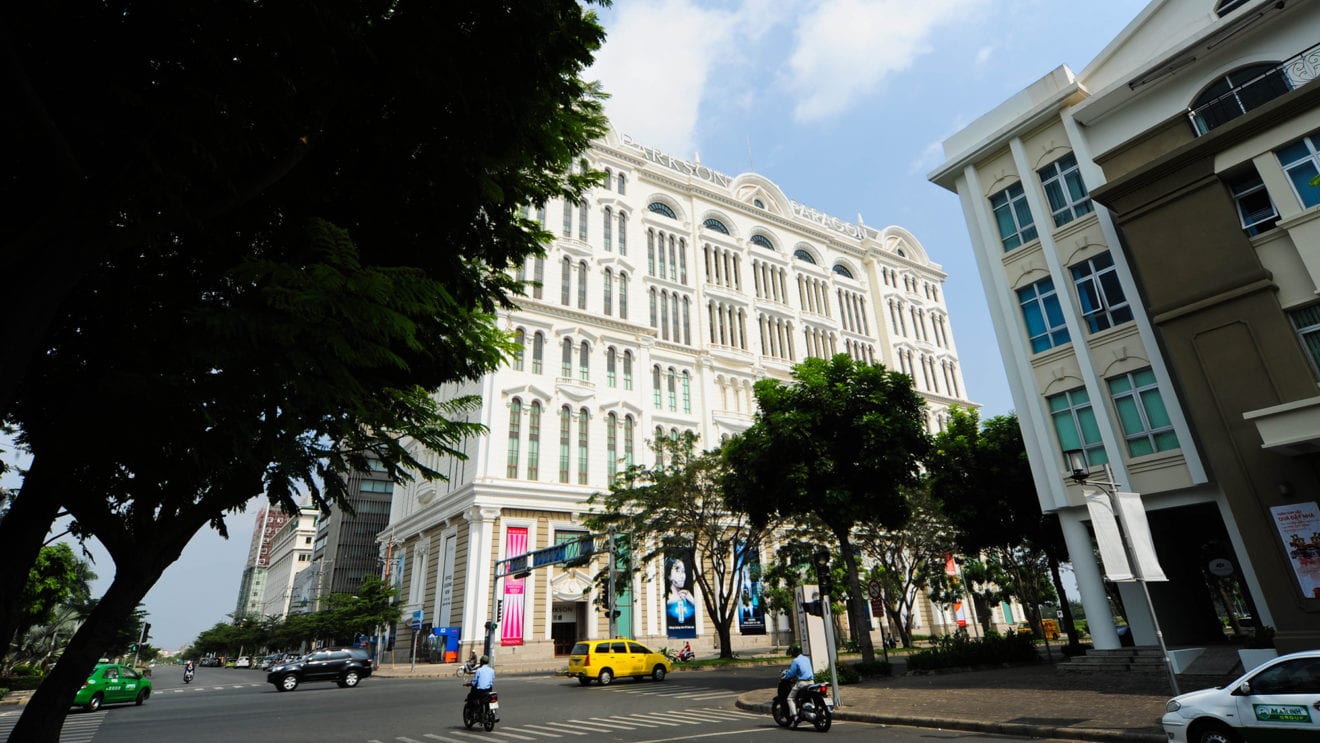
    In May 2016, Parkson shut down Parkson Paragon in Phu My Hung Urban Area in district 7 in HCM City.

    Located outside the central area of the city, Parkson Paragon was prominent in Phu My Hung new urban area, on Nguyen Luong Bang street, the financial heart of the area.
    However, the advantageous position could not help Parkson Paragon, especially when it had to share the pieces of the market cake with many other retailers with similar business models in HCM City.

    Parkson still maintains seven malls in three cities, including five in HCM City: Parkson Saigontourist in district 1, Parkson Hung Vuong Plaza in district 5, Parkson C.T Plaza in Tan Binh district, Parkson Cantavil Premier in district 2 and Parkson The Flemington in district 11. The latter has not had good customer traffic.

    It also has Parkson TD Plaza in Hai Phong City and Parkson Vinh Trung Plaza in Da Nang. Sources said the business in Da Nang has not been satisfactory.

    Parkson is a brand of Lion Group from Malaysia. Analysts believe that the insistence on the ‘department store’ model put Parkson at a disadvantage in comparison with the ‘shopping mall’ model applied by other big brands such as Vincom, Aeon, Mipec and Crescent Mall.

    Parkson has also had to share the branded-goods market with new rivals. And a series of counterfeit goods scandals also contributed to Parkson’s unsatisfactory business results.

    In 2010, when many retail brands appeared in Vietnam and the shopping mall model joined the market, Parkson became entangled in some scandals on counterfeit goods.

    Topics like ‘be cautious when buying goods at Parkson’ or ‘Parkson sells fake goods’ were shared on forums. Many customers also made complaints about the service quality at Parkson centers.

    Parkson admitted that it will face big problems in the last quarter of the 2016 fiscal year. The retailer has not mentioned the opening of more stores in Vietnam in its strategy to expand its network in SE Asia.

  • Sunway Velocity Mall opens doors

    Sunway Velocity Mall opens doors

    Sunway Velocity Mall has opened in Cheras, with a catchment of 1.72 million residents including the nearby areas of Ampang and Kuala Lumpur.

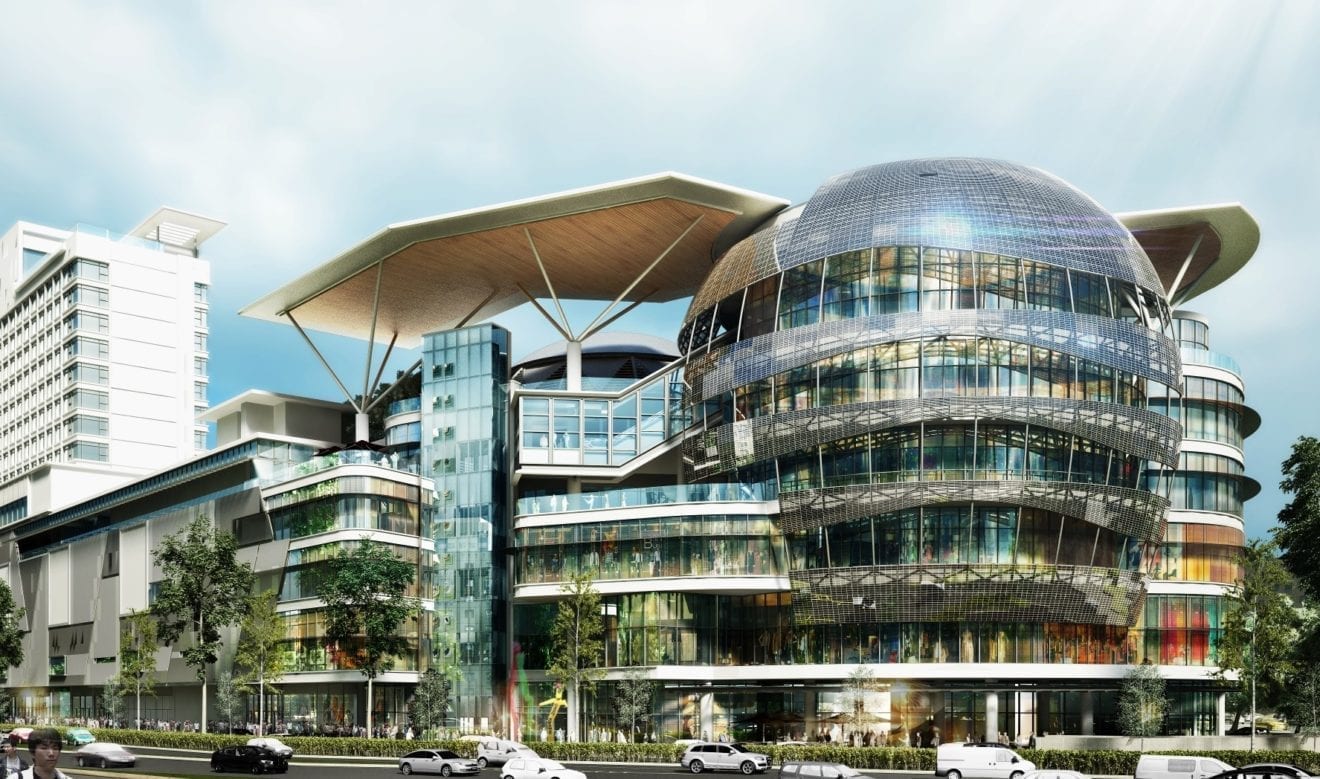
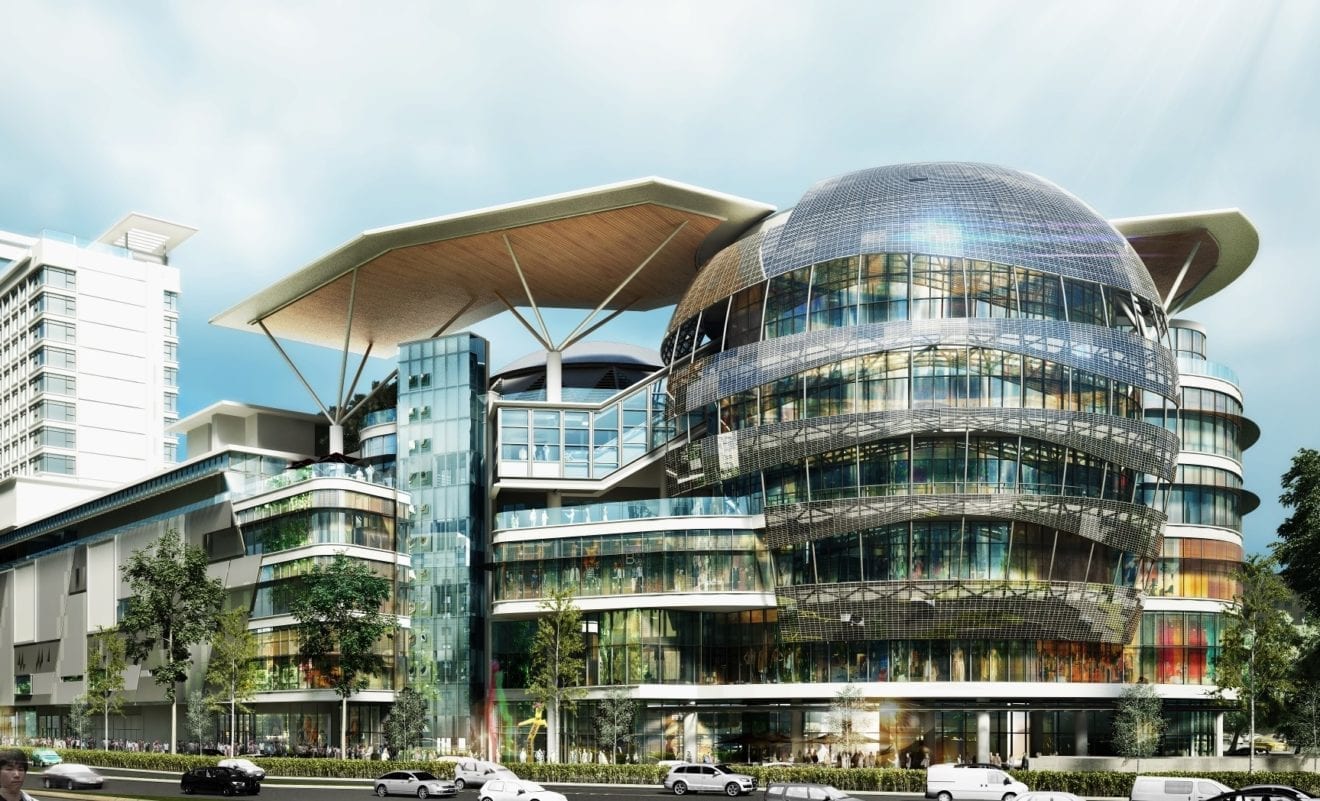
    With a neo-futuristic appearance, the sphere-shaped shopping centre, known as the “KL Orb”, is set to be a landmark on the city’s skyline, especially with its LED light display.

    Its opening is also a milestone for the Sunway Group’s retail division. The group’s fifth mall, it integrates shopping, entertainment and gastronomy in an integrated development.

    “Sunway Velocity Mall was built and designed with one key purpose – to enrich the life experiences of its surrounding community,” says Sunway Shopping Malls & Theme Parks CEO HC Chan.

    The centre has four precincts: Vanity Hall, Marketplace, Food Street, and Commune @ Sunway Velocity. The seven-storey mall offers the first-ever Aeon MaxValu Prime in Malaysia – the third such outlet in the world following Japan and Hong Kong.

    The other two main anchors are Parkson and TGV Cinemas, which has the largest Imax screen in Malaysia. Other tenants include Chi Fitness, Grand Imperial, Harvey Norman, JD Sports, Padini Concept Store, Popular Bookstore, Toys‘R’Us and Uniqlo.

    Chan says the mall is part of the “golden triangle of retail spaces” comprising the new Ikea Cheras, Aeon Maluri Shopping Centre, MyTown Shopping Centre and the Tun Razak Exchange (TRX) Lifestyle Quarter development.

    Sunway Velocity Mall has been “dressed” for the festive season with decorations including a 30ft (9m) Christmas tree surrounded by giant presents in the main atrium. There is also a Christmas spend-and-win campaign, Santa City, which runs until February 12. Prizes include a Volvo V40 car, a Celistar diamond ring by SK Jewellery, a Hero bed frame, and a Nature’s Finest Himalaya mattress from Harvey Norman.

    There are also free weekend Christmas workshops for children.

  • Last Hanoi Parkson to close its doors

    Last Hanoi Parkson to close its doors

    The last Hanoi Parkson department store has been closed after eight years of trading.

    In an announcement to customers released on November 19, the company said the center “will be moved” on December 15.

    The 11,000 sqm department store located in Viet Tower in the city’s CBD was once expected to become the busiest shopping avenue in Hanoi. However, during eight years, the customer flow has been little.

    Another Hanoi Parkson in the Keangnam area was closed due to a dispute between the retailer and the building owner. All retailers had to move out of the building overnight. Former Parkson CEO Toh Peng Koon once said Vietnam was the toughest market for the company and poor sales was the main reason for that closure.

    In Ho Chi Minh City, Parkson Paragon was closed in May of this year, just five years into a 19-year lease.

    So within two years, Parkson Vietnam has closed three stores and now has none left in the capital.

    The Malaysian department store operator first came to Vietnam in 2005, opening in Saigon Tourist Plaza in Ho Chi Minh City.

    Positioning in middle market, Parkson expected to dominate the retail market in Vietnam. In fact, it brought many international brands to Vietnam such Porsche Design, Sub Jeans, and was considered a shopping icon in the city. However, it quickly faced difficulties when consumer trends changed and other retail giants from Japan, Korea and Vietnam joined the market.

    The most recent arrival is luxury Japanese department store brand Takashimaya.

    Parkson Vietnam now has seven stores in Vietnam – five in HCMC, one in Hai Phong, and one in Danang.

  • Parkson Retail Asia cuts Q4 loss by 80%

    Parkson Retail Asia cuts Q4 loss by 80%

    South-east Asian department store operator Parkson Retail Asia narrowed its fourth quarter net loss by 80 per cent, owing to the absence of costs associated with a store closure a year earlier.

    Parkson, which does not have stores in Singapore, reported a net loss of $12 million for the three months to June 30.

    Revenue was up 10.9 per cent to $93.9 million from a year earlier, it added yesterday.

    The closure of a store at Landmark 72 in Hanoi, Vietnam in January last year had cost the firm $68.4 million. This went under other expenses – which include advertising, selling and administrative expenses, for instance – which improved 70.4 per cent to $27.6 million.

    Owing to this, the firm added in a statement that “as a percentage of revenue, the other expense ratios for the fourth quarter and the full year declined substantially year on year”.

    For the 12 months to June 30, Parkson reversed a net loss of $34.7 million to a net profit of $33 million, while revenue dipped 9.4 per cent to $388.4 million from a year earlier.

    Parkson has department stores in cities across Malaysia, Vietnam, Indonesia and Myanmar.

    Malaysia reported same store sales growth being up 21.5 per cent, thanks to “early festive buying arising from the shift in the Hari Raya calendar”. The growth also came from a low base a year earlier, where consumers bought less after the 6 per cent goods and services tax was introduced on April 1 last year.

    Even though consumer sentiment remains subdued in Malaysia, the firm said it has initiated new concepts such as introducing South Korean apparel, affordable private labels and shoe speciality stores to diversify earnings.

    Parkson added: “We have been consolidating our department store space by identifying non-performing stores with the view to closure upon tenancy expiry.”

    The Myanmar operations’ same store sales growth, however, took a 25 per cent hit in the fourth quarter.

    Parkson added that there are plans to close the store in FMI Centre in Yangon for re-development, and this upcoming closure has affected sales.

    “The landlord has not confirmed the timing for the re-development,” the firm added.

    Overall, it expects the first quarter of the next financial year to remain challenging.

    Quarterly loss per share stood at 1.78 cents, up from a loss of 8.82 cents in the same period last year. Net asset value per share was 24 cents as at June 30, up from 19 cents as at the same date last year.

    Parkson proposed a final dividend of 0.5 cent.

    Its shares closed 0.3 cent lower at 15.6 cents yesterday.

  • Two more Kuala Lumpur malls opening

    Two more Kuala Lumpur malls opening

    Two Kuala Lumpur malls, collectively offering more than 2 million sqft (185,806 sqm) in net lettable area, will open in Cheras, Klang Valley, by the end of the year.

    Moreover, the MyTown Shopping Centre (below picture) and Sunway Velocity Mall (above picture) will be just 800m away from each other.

    Cheras already has the Aeon Maluri shopping centre and Cheras Leisure Mall, with The Tun Razak Exchange also on the horizon, reports The Star.

    MyTown is being developed by Boustead Ikano while Sunway Velocity Mall is a Sunway Groupproperty. MyTown will be structurally linked to Ikea Cheras, the largest outlet mall in Malaysia.
    With a population of 800,000 people, Cheras is an “ample market”, says Sunway Shopping Malls & Theme Parks CEO HC Chan.

    myTown mall Malaysia

    “Fundamentally, the real issue is the absence of lifestyle and experiential malls in Cheras – Sunway Velocity Mall fills this void. I am looking from a quality rather than a quantity perspective… we are addressing this from multiple angles.”

    Boustead Ikano GM Jo Hogsander agrees there is demand for more retail space, especially in Cheras. He says that when the MRT line opens it will ease traffic congestion and boost accessibility to the mall.

    “Game changer”

    Chan also sees the MRT as a “game changer”. “Two out of six MRT stations in Cheras will serve Sunway Velocity, which translates to a capacity of about 400,000 passengers a day.”
    He says Sunway Velocity Mall would not only compete, but also complement the MyTown Shopping Centre.

    “Competition is healthy, but in the longer term we will complement each other. Just look at the Bukit Bintang area and the number of malls there. It’s thriving because it gives consumers a choice.”
    Despite the number of malls in the Klang Valley, Hogsander says they are still crowded, even on a weekday afternoon.

    “I went to our competitors on a Thursday afternoon and couldn’t find a parking space. I then went to another competitor and had to do laps to find parking – and these are big shopping centres with more than 6000 parking bays.”

    Sunway Velocity Mall and MyTown Shopping Centre will open on October 28 and November 15 respectively, 18 days apart. Both malls boast 6500 parking bays.

    Sunway will have a NLA of 1 million sqft and accommodate 500 shops, while MyTown will have 460 stores on 1.1 million sqft of space.

    Sunway Velocity Mall’s anchor tenants include Harvey Norman, Parkson, TGV Cinemas and Toys’R’Us, while MyTown has secured such brands as Golden Screen Cinema, Mango, Uniqlo and Village Grocer.

  • Saigon retail market to be put to the test

    Saigon retail market to be put to the test

    Is there too much retail space in Saigon – downtown Ho Chi Minh City – the commercial hub of Vietnam?

    With more than 1.1 million sqm of retail space, it looks like the Saigon retail market is oversupplied. The closing of Parkson Paragon in the city’s District 7  last month only amplified such concerns.

    But Cushman & Wakefield Vietnam GM Alex Crane begs to differ. He says demand is there if the retail formats are built to meet the market.

    He believes with the population of 10 million, the city is far from overloaded with retailers. The main problem lies in the wrong location or design – and incorrect retail segments.

    “I think the real test will show in the opening of shopping malls in the city center. Let’s just wait,” Crane said.

    The malls he may well be referring to are the upmarket Japanese department store Takashimaya-anchored Saigon Center 2 under completion now in District 1 and The One opposite Ben Thanh market when will be connected to the underground rail network currently at easing stage prior to construction.

    When these malls are operating, it will be easier to evaluate the real positioning of the retailers and the real demand of the market, says Crane, who is optimistic that it is not about the balance of population and retail space, but the practical demand.

    To Sigrid Zialcita, MD of Research Department, the key for shopping malls is to have suitable retailers (for market demand) and logical space designs – as well as market-savvy managers.

    “Joining WTO and TPP is turning Vietnam into a rising star in the retail market,” added Zialcita.

    HCMC’s demand for F&B, household supplies and fast moving consumer goods remains high based on the young population. But retailers entering the market need to conduct careful research to ensure their positioning strategies meet the market.

    While the retail market requires constant change and adjustment to customer demands, globally there is a continuing trend towards ‘one stop shopping’. Vietnamese are increasingly looking to go to places where they can eat, entertain and shop in a modern, air conditioned mall.

    According to data from AT Kearney, Vietnam has been one of the top 30 rising retail markets for foreign investors since 2008. Retail and consumer merchandising revenue has increased considerably between 2011 and 2015.

  • Parkson Vietnam shutters store

    Parkson Vietnam shutters store

    Parkson Vietnam has closed another of its stores as it continues to struggle to make its business profitable.

    The Malaysian department store operator has closed the 19,000 sqm District 7 outlet in Ho Chi Minh City, a multi-story department store beneath a commercial tower.

    The store opened in April 2011 after the company invested US$5 million in a new fitout of a small shopping mall bought from Kim Cuong Company.  But the store has never attracted sufficient customers to make it viable, despite a cinema on the top floor. The building is two blocks from the giant Crescent Mall shopping centre which opened in late 2011 in the largely expat-populated suburb some 20 minutes drive from downtown Ho Chi Minh City.

    The mall reportedly closed on Monday.

    Parkson did not give local news media an explanation for the decision – or why it persevered with the site for five years before pulling the plug. But the company did say the closure would not affect the other eight stores in its network, five of which are in Ho Chi Minh City.

    In January last year, Parkson closed another store opened in 2011, Hanoi’s Keangnam Hanoi Landmark Tower. That followed a dispute with the building’s owners over rent which Parkson said was set at a level sales could not sustain.

  • Giant Cambodia launches in Phnom Penh

    Giant Cambodia launches in Phnom Penh

    Giant Cambodia has opened its first store in the kingdom, in Phnom Penh’s Grand City Mall.

    It is part of a major expansion into Cambodia by the Malaysian wholly owned subsidiary of pan-Asian retailer Dairy Farm International, which also has a 70 per cent stake in Lucky Private, the owner of Lucky Supermarkets.

    Dairy Farm International Indochina CEO Paul Sheldrake says Giant will offer a new experience and choices for Cambodians with its brand-name health and beauty products and housing accessories.

    New international shopping complexes are boosting retail supply in the capital, such as the 57,000 sqm Parkson’s Phnom Penh City Centre scheduled to open last year but revised to late this year. Also coming on line then will be Lion City, an integrated project by Malaysia’s Lion Group covering 61,000 sqm.

    Other new entrants include HongKongLand’s Exchange Square, covering 8000 sqm and opening early next year.

    Real estate analyst CBRE has forecast retail space in Phnom Penh to increase more than 110 per cent by early next year.

  • PRG China expanding in confidence

    PRG China expanding in confidence

    Despite economic growth cooling, Parkson Retail Group (PRG China) is confident about its shopping mall opening this month in Qingdao.

    This confidence is underlined by an Asian Development Bank prediction that the Chinese economy will grow 6.5 per cent this year, with retail sales expanding 10.6 per cent in the first two months of this year.

    A unit of Parkson Holdings in Malaysia, PRG has 57 department stores in China, with one already in Qingdao. Its latest store is in the new Lion Mall, which the group has acquired for nearly RM1 billion (US$258 million) from Shanghai Industrial Qingdao Development via its indirect unit Qingdao Lion Plaza Retail Management.

    For the financial year ended June 30 last, the group’s China stores contributed about 70 per cent of Parkson Holdings’ revenue and profits.

    Parkson’s first store in Qingdao opened in 1998, its brand equity providing the platform for the group to expand its market share and strengthen its foothold in the fast-growing market. Lion Mall will offer a fully integrated shopping experience, with Parkson and Foodpark as anchor tenants. There will be cinemas, fast-fashion brands, international cosmetics and accessories, F&B, entertainment and other amenities.

    In the Laoshan district of Qingdao, a new financial and commercial hub, the mall is part of a fully integrated development known as the Beer City Project. It has a total gross floor area of about 230,000 sqm, of which about 130,000 sqm are for retail. There will be parking for 2000 cars.

    An exit gate is planned as a direct link to the M2 subway line, which is under construction and will come into service next year.

    On the group’s future plans, a spokesperson says a Lion Mall Phnom Penh in Cambodia is being developed, with the foundation works almost complete.

    “Another development is Parkson City Centre in Phnom Penh, where Parkson has taken a lease of 36,500 sqm and will open the first Parkson department store in Cambodia with sub-tenants in the fourth quarter of this year.”

    Parkson City Centre will include Golden Screen Cinema, making its debut in Cambodia, and Giant Supermarket’s second store.

  • Parkson confident new China mall will do well

    Parkson confident new China mall will do well

    Parkson Retail Group Ltd (PRG), a unit of Parkson Holdings Bhd, is confident its new shopping mall in Qingdao, China, which opens later this month, will attract strong retail interest, even as rapid economic growth in China cools down.

    The Asian Development Bank has predicted the Chinese economy to grow 6.5% this year. Retail sales in the world’s second largest economy expanded 10.6% in the first two months of this year.

    PRG currently operates and manages 57 department stores in China, of which two are located in Qingdao, including the new Lion Mall, expected to open its doors later this month,

    The group has already forked out close to RM1bil for the acquisition of the mall from Shanghai Industrial Qingdao Development Co Ltd, via its indirect unit Qingdao Lion Plaza Retail Management Co Ltd.

    For the financial year ended June 30, 2015, the group’s China operations contributed about 70% to both the revenue and profits of Parkson Holdings.

    Parkson said its first store in Qingdao has been in operation since 1998 and has since established strong brand equity, providing the platform for the group to further increase its market share and strengthen its foothold in the fast-growing market with the new mall.

    “In order to maintain the group’s competitive edge and continue to further capitalise on the growth of the retail industry in Qingdao, there is a need to further expand its operations in the east side of Qingdao city where Lion Mall Qingdao is located,” a spokesperson from Parkson told StarBiz.

    “With the ideal size and modern infrastructure, Lion Mall will provide a fully integrated shopping experience to customers, with comprehensive offerings such as Parkson department store and Foodpark serving as one of the anchor tenants, coupled with cinema, fast fashion brands, international cosmetics and accessories brands, F&B, entertainment and other amenities,” the spokesperson said.

    The mall will be located at the Laoshan district of Qingdao, which is the new financial and commercial hub of the city, and will be part of a fully integrated development project, known as Beer City Project.

    It has a total gross floor area of about 230,000 square metres, of which about 130,000 square metres are for retail use and the balance for ancillary and 2,000 car park lots.

    The spokesperson said the mall had a planned exit gate to be directly linked to the subway line M2, which is currently under construction and will commence operations next year.

    The company has spent some 1.5 billion yuan (RM905.78mil) on the acquisition, including the costs related to payment of underground land premium, following a new law imposed by the Government there.

    In January 2015, the Qingdao Government implemented the management rules which set out, among other things, the procedures and requirements for registration of titles to properties situated underground.

    It also outlined the mandatory payment of land premium to the Government for those underground properties which are to be used for commercial purposes.

    Following this new ruling, Parkson had entered into a supplemental agreement on Feb 25, 2016 to provide for the additional land premium payment.

    On the group’s future plans, the spokesperson said an upcoming Lion Mall Phnom Penh in Cambodia was currently under construction with foundation works almost completed.

    “Another development is Parkson City Centre in Phnom Penh where Parkson has taken a lease of 36,500 square metres in the building and will open the first Parkson department store in Cambodia together with other sub-tenants in the fourth quarter of 2016. Notable names within Parkson City Centre are Golden Screen Cinema making its debut in Cambodia, and Giant Supermarket opening its second store in the country,” he said.

  • Mobile, millennials to drive retail innovation

    Mobile, millennials to drive retail innovation

    Mobile commerce, millennials and faster fulfilment will drive retail innovation this year, according to commercial supply chain specialist Manhattan Associates.

    It predicts a rapid migration to more personalised shopping, with mCommerce presenting big challenges as well as inspiring innovation.

    Emerging Asia is still the fastest-growing region of the global economy, says the company, with strong labour markets and a growth in disposable income expected, especially in Southeast Asia. This means a continued rise in consumer spending along with mounting pressure for retailers to keep up with consumers and their rising expectations.

    “Millennials particularly demand seamless experiences across multiple channels, as well as more and slicker order and fulfilment options,” says Manhattan’s Southeast Asia MD Richard Wright.

    This means retailers must make informed choices about not only what is right for the consumer, but also right for the business.

    Wright says retailers will have to make some fundamental changes this year to address growing consumer demand, expectations for a more personalised shopping experience and increased use of mobile technology.

    “We have identified five key areas in which retailers can focus attention, not only to achieve customer satisfaction but also to drive business growth and profitability.”

    He defines the five key areas as:

    • Making the shopping experience personal and frictionless,
    • Recognising the power of millennials,
    • Embracing mobile technology to achieve customer-centric retailing success,
    • Delivering faster; and
    • Being more flexible with returns.

    “The anonymous shopping experience has had its day,” says Wright. “On the back of digital personalisation success, retailers are turning their attention to the in-store experience, recognising both the rise in customer expectation and the differentiation personal service can offer.”

    He says this experience can range from recipe ideas and ingredients lists in supermarkets to intuitive, customer-inspired fashion recommendations. “Retails have the chance to transform the in-store engagement.”

    Research by the group last month has shown that tailored shopping experiences will encourage more shoppers to engage with the in-store experience. In a consumer survey, 49 per cent of respondents said they would interact more with store staff members if the shopping experience was personalised.

    “When a shopped reaches the point of sale, give them tailored discounts, recommendations based on their shopping history, and even style tips matched to their recent purchases,” the group suggests.

    Manhattan Associates also says personal shopping is back. “It is time for retailers to redefine the role of stores, embrace technological innovation that drives both service enhancements and operating margins, and engineer a cultural shift that will enable staff to reinforce brand value and deliver personalised service across every channel.”

    There is a need to redefine the role of the store assistant. As consumers become ever more connected, store assistants need the knowledge, skills and desire to offer the best possible shopping experience.

    Dissatisfaction impacts brand reputation

    “Failing to give customers what they want will result in dissatisfaction and more complaints, which can have a longer-term impact of brand reputation and sales.”

    In Malaysia alone, says the company, the National Consumer Complaints Centre received 41,531 complaints in 2014, a 28 per cent increase for the previous year.

    Retailers can avoid such dissatisfaction by educating their store staff, but more is needed than just product information, says Manhattan Associates.

    Frontline staff need access to stock levels across all stores, warehouses and distribution hubs so they can sell the entire network of available inventory rather than just the stock in an individual store.

    Having an overview of enterprise stock and being able to offer delivery alternatives will keep customers loyal.

    “We predict that many retailers will being emulating the experiences of companies like Parkson, and change their structure so the store assistant plays a fundamental part in the buying process from start to finish, and acts more as a personal advisor.

    “However, a cultural change such as this cannot happen unless it is championed from the top down. Board-level executives need to buy into the potential results possible from investment in staff and customer experience initiatives.”

    Manhattan Associates believes millennials, who constantly interact with the online world, are frequent yet demanding shoppers.

    “We think it is time for millennials to take the lead on what they would like from a retail experience, and help retailers drive new strategies and initiatives. With 40 per cent of Millennials happy to give up cash completely, and 91 per cent opting to use a self-service checkout, it is clear these 18 to 34-year-olds shop differently to the traditional retail model. They adapt to technology quickly and expect retailers to do the same.”

    Another finding from the company’s research is that customers shopping via mobile devices spend up to 66 per cent more than those solely shop in a store. But as mobile devices now play a more important role in not only browsing and buying, but also paying for goods, the potential is even greater.

    Manhattan Associates predicts that retailers will use more beacons this year to augment the in-store experience.

    “Not only are these devices cost-effective, they communicate directly with smartphones through Bluetooth, meaning stores can lure in passing customers with offers and discounts.”

    Store assistants can also use mobile technologies to enhance the shopping experience. Tablet devices can enable assistants to deliver a personalised experience. They can access an online product catalogue populated with a shopper’s purchasing history, wish lists, online shopping cart and return history, improving their ability to up-sell and cross-sell.

    Meanwhile, POS technology is transitioning from fixed-point transactions to mobile engagement, offering payment acceptance “on the go” for all of a customer’s orders in a single transaction. This can be by cash, cheque, credit or such systems as Apple Pay.

    Advanced mobile POS technology can handle the most complex return situation with the least amount of friction, regardless of which channel initiated the order or how the customer chooses to receive credit.

    While price is the main attraction for 67 per cent of shoppers, across both online and in-store shopping, fast delivery is important for 51 per cent, and flexible returns for 42 per cent.