Tag: passengers

  • China’s cruise passengers set to soar to 5.4m by 2020

    China’s cruise passengers set to soar to 5.4m by 2020

    In a conference session entitled ‘China’s cruise market sets sail’, Mike Feely, Vice President of research agency Horizon Consumer Science, revealed the telling statistic that, Asia will be the No 2 cruise region by 2020, if it maintains its growth trajectory.

    The session took place on day two of the China’s Century Conference in Guangzhou.

    Chinese already account for half of Asian cruisers and are predicted to grow from 1m passengers to 5.4m in 2020. In this respect Feely said that the onboard retail market poses a great opportunity for international brands to introduce and showcase their products to middle class Chinese consumers, but that it isn’t really being taken advantage of at present.

    According to the China Cruise & Yacht Industry Association, the volume of inbound and outbound passengers calling at Chinese ports has increased more than 50 times since 2006.

    During his session, Feely revealed highlights of a TFWA-sponsored study into the cruise market in East Asia while Jared Lee, VP Product Management & Guest Services of Costa Cruises – the first international cruise line in China – offered his perspective.

    CRUISE & AIRPORT RETAIL TOO SIMILAR?

    From the initial field research – among 1,200 cruise passengers – Feely concluded that much more could be done to take advantage of the uniqueness of the cruise environment, and not enough was being done to differentiate the offer from airports.

    During a session taking place on day two of the China’s Century Conference in Guangzhou, Feely revealed highlights of a TFWA-sponsored study into the cruise market in East Asia.

    Feely also pointed out that the novelty of cruising for the Chinese in particular could actually be viewed as a hindrance to onboard shopping, as many customers are being exposed to the high seas for the very first time and shopping may be one of the last activities on their agenda.

    He also suggested that the dwell time afforded to cruise ship retailers – three-plus days – is simply being missed. Feely suggest that perhaps the integration of entertainment might encourage more passengers to shop.

    “Cruises present ripe venues for onboard events, activities and education that can all be linked with retail, to make shopping more experience-centric,” said Feely.

    LACK OF TOYS AND AFFORDABLE GIFTS

    He also said that the product portfolio onboard does not currently cater very well to children; important customers onboard cruise ships.

    “There are very few products onboard for children and when you are aboard these ships you suddenly realise how important they are,” added Feely. “Cruises are safe and carefree environments ideal for the elderly and children, so there are many more onboard these cruise ships.”

    Feely says the motivation to spoil ‘only children’ (those with no siblings) is only intensified in this environment.

    “There are very few products onboard for children and when you are aboard these ships you suddenly realise how important they are,” said Feely.

    What’s more is that Chinese passengers are also looking to spoil their friends and family back home, but potential gift items at affordable prices are lacking, says Feely.

    “Accessibly-priced accessories (that aren’t made in China) are in demand by passengers, but tend to be lacking in onboard retail,” he said today.

    HIGHLIGHT POPULAR PRODUCTS

    When Chinese passengers actually make it into the stores, retailers and brands appear to be communicating ineffectively with them, even unknowingly creating negative perceptions of the offer.

    “Cruise ships need to highlight the popularity of their products to Chinese shoppers who respond positively to popularity indicators on products such as ‘ this is the No 1. most searched items on Baidu’.” [Baidu is a Chinese-American web services company.]

    Feely said that there is potential to capture on-shore spend and increase spend on-board, but currently the on-shore shopping experience is ‘insufficient, rushed and tiring’.

    Jared Lee, VP Product Management & Guest Services of Costa Cruises (part of Carnival Cruise Line which boasts 46% global cruise market share) importantly pointed out that the onboard cruise market must be treated differently to airports retail. “Most passengers onboard are holidaymakers whereas those at airports are there for numerous reasons,” said Lee.

    He also pointed out that the average duration of a cruise trip is 4-5 nights in China, where travellers have fewer national and public holidays to take advantage of.

    GWPS ARE EXCELLENT MOTIVATORS

    When asked what sort of initiatives could be employed to make the most of the captive cruise audience, Lee suggested offering a free gift with purchase would bring passengers ‘in their hundreds’ into stores.

    He also said that the current retail model – one concessionaire taking care of the whole onboard retail channel – is now outdated and is likely to evolve to include various companies specialising in certain categories.

    “This is slowly changing,” he said, “it’s difficult for one concessionaire to be good at all things. The retail model will evolve to incorporate more players.”

    Lee reiterated Feely’s point about the integration of retail with entertainment and activities as Chinese passengers often like to ‘get involved’ in these.

    When asked why the cruise market isn’t making the most of its captive audience and phenomenal dwell time, Lee said that passenger satisfaction is very hard to maintain at a high level, compared to airlines and airports.
  • SIA among 5 airlines told to compensate passengers for delays

    SIA among 5 airlines told to compensate passengers for delays

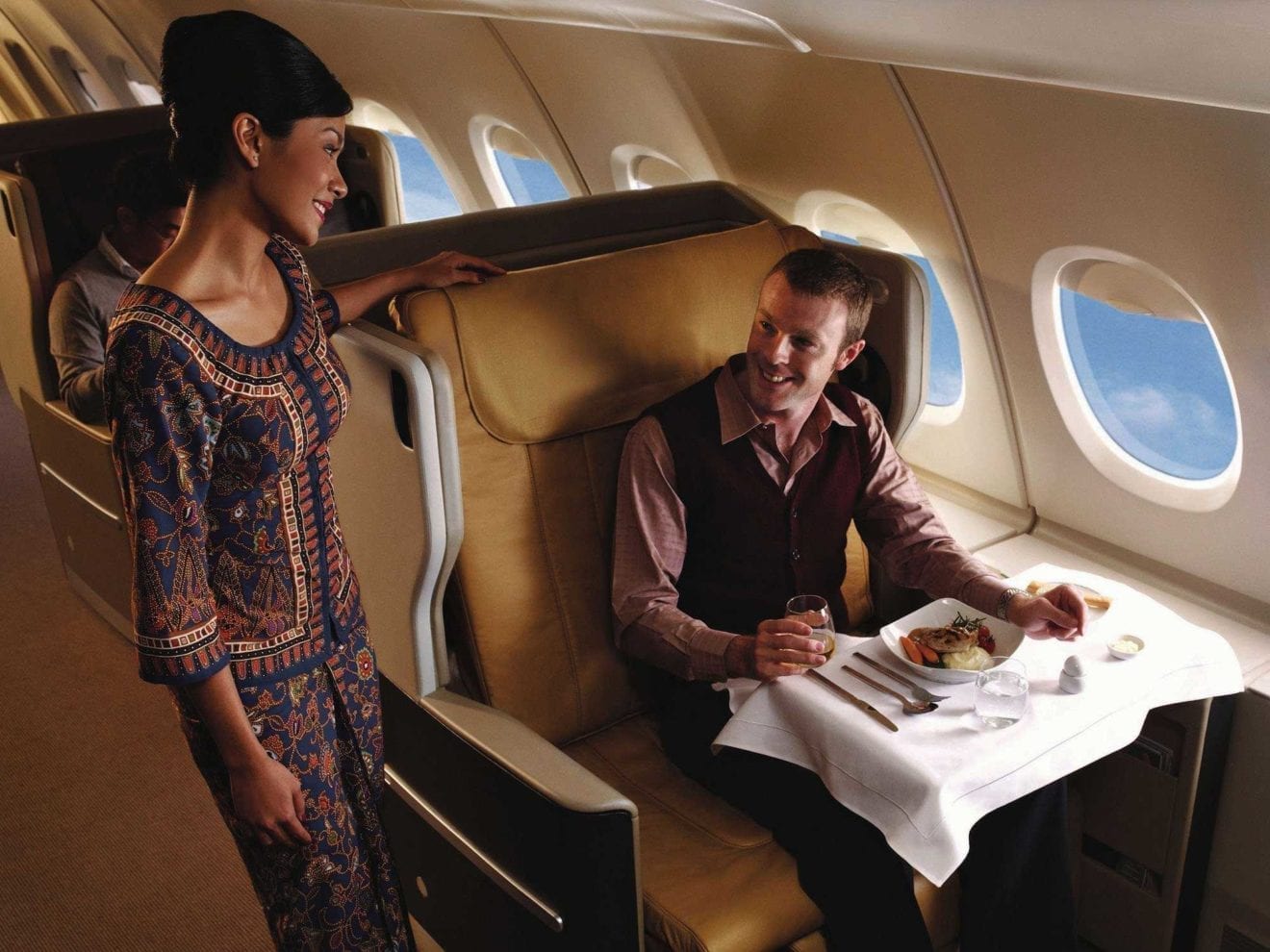
    Singapore Airlines (SIA) is among five international airlines that fly into Europe that have been told to pay passengers for delays they may have experienced.

    The UK Civil Aviation Authority (CAA) said in its press release on Wednesday (Feb 22) that American Airlines, Etihad Airways, Emirates, SIA and Turkish Airlines will have to obey European laws or be taken to court. They all face enforcement action after a CAA review found them to be breaching consumer law, it added.

    These airlines had told the UK Civil Aviation Authority (CAA) that they did not pay compensation to passengers who had experienced a delay on the first leg of a flight that caused them to miss a connecting flight and, as a result, arrive at their final destination more than three hours late, the press release said.

    CAA added that SIA currently places compensation claims for these delays “on hold”.

    Under European Union (EU) law, airlines may have to provide compensation if passengers arrive at their destinations late. These rules, however, only apply to certain flights to, from or within the EU and only if the airline was at fault, such as if it was through poor aircraft maintenance or flight crew being available, the UK CAA website said.

    Compensation ranges from 250 euros (S$372.70) for delays of more than three hours for short-haul flights to 600 euros for delays of more than four hours for long-haul flights, it added.

    Mr Richard Moriarty, director of Consumers and Markets at the CAA, said: “Airlines’ first responsibility should be looking after their passengers, not finding ways in which they can prevent passengers upholding their rights.

    “So it’s disappointing to see a small number of airlines continuing to let a number of their passengers down by refusing to pay them the compensation they are entitled to,” he said.

    In response to queries, SIA said it has been in contact with the UK’s CAA on the issue “for some time”.

    “There is a lack of clarity in the law which is currently the subject of ongoing litigation before the Court of Appeal,” a spokesperson for the airline said, adding that SIA will continue to work with the CAA to resolve differences with respect to the application of the regulation to missed connections.

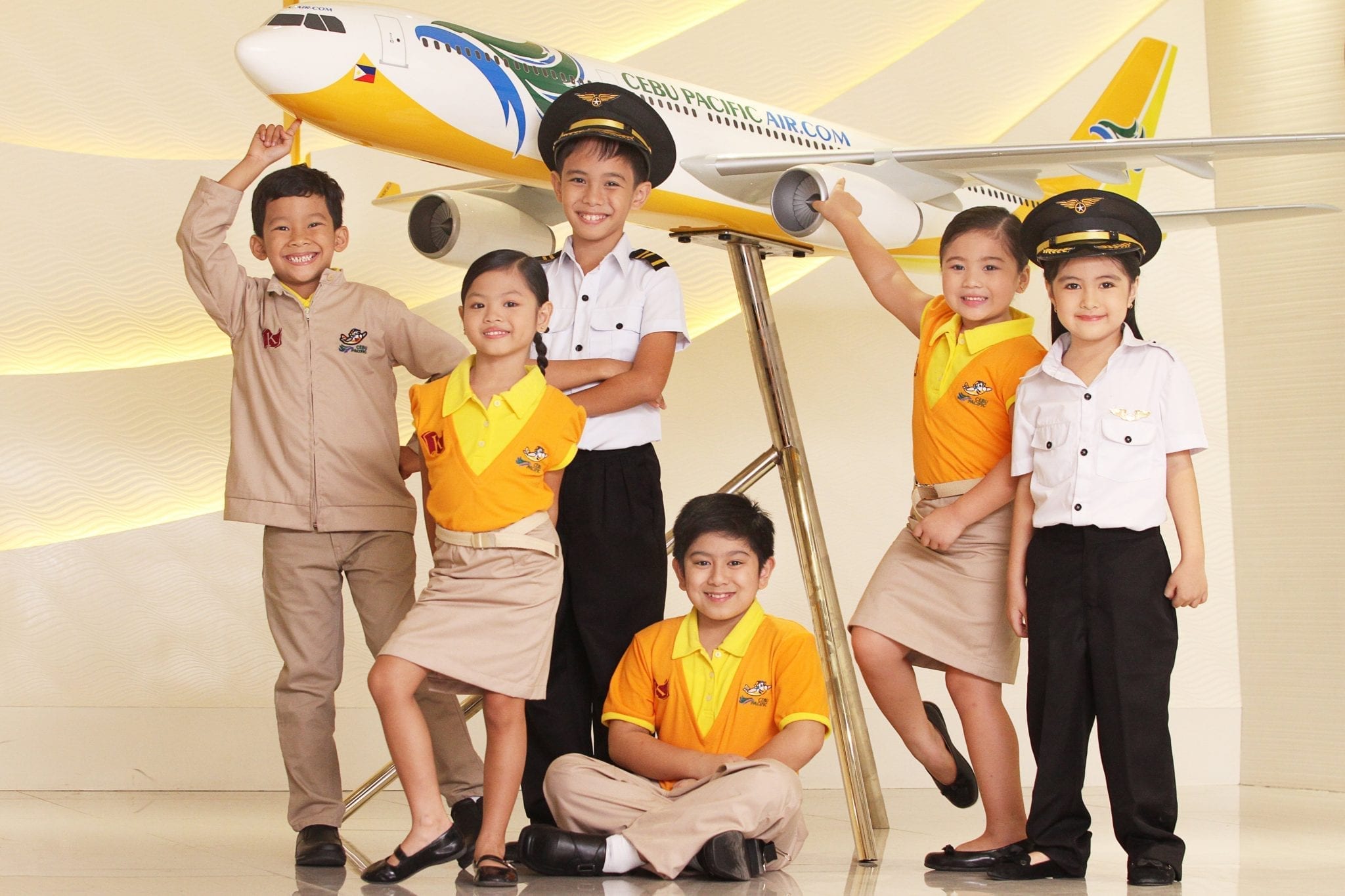
  • Cebu Pacific carries 17.5 M passengers in 11 months

    Cebu Pacific carries 17.5 M passengers in 11 months

    The number of passengers carried by Cebu Pacific and subsidiary Cebgo rose five percent in the first 11 months of last year.

    Latest operating statistics data available showed the group served 17.48 million passengers in the 11-month period last year, up from the 16.68 million passengers carried in the same period in 2015.

    The group’s capacity was unchanged at 20.32 million as of end-November, while seat load factor climbed 3.9 percentage points to 86 percent last year from 82.1 percent in 2015.

    Despite the higher passenger volume for the January to November period, the group’s total number of flights declined slightly to 120,617 in the 11-month period from the previous year’s 121,009.

    For the month of November, the Cebu Pacific group had a total of 1.48 million passengers last year, an uptick of 1.2 percent from the 1.46 million passengers in 2015.

    Cebu Pacific group’s capacity declined to 1.70 million in November last year from 1.71 million a year earlier, while seat load factor went up to 87.1 percent last year from 85.7 percent in 2015.

  • Singapore Airlines records low passenger numbers on Canberra flights

    Singapore Airlines records low passenger numbers on Canberra flights

    Singapore Airlines struggled to fill its planes in the first week it flew between Canberra and Wellington in New Zealand, data has revealed.

    The International Airline Activity report by the Department of Infrastructure and Regional Development showed, on average, each of the six flights from Wellington to Canberra in September held just 94 passengers.

    The Boeing 777 has 266 seats, meaning there was an average passenger load factor of just 35 per cent.

    The Singapore to Canberra to Wellington rotation runs four times a week, with the first flight touching down in Canberra on September 21.

    According to the report, the carrier’s strongest performing route was a direct service between Canberra and Singapore which was 68 per cent full.

    In September, Singapore Airlines started the first direct international flights to the Australian capital in more than a decade.

    It followed a long-fought campaign by the ACT Government and the Canberra Airport to attract carriers to the city.

    The activity report shows Canberrans were more eager to leave the city than outsiders were to visit the capital.

    A total of 1,421 passengers flew into Canberra on the 12 flights from Singapore and Wellington in September while 1,784 people flew out to those destinations.

    On the 24 Singapore Airlines flights operating in the later part of September, only 13 tonnes of freight left Canberra, with no freight recorded entering the ACT.

    The September figures were released as Qatar Airways announced earlier this week plans to start flights to Doha, becoming the Canberra Airport’s second international carrier.

    Today FlyPelican also announced it would launch regional flights connecting Canberra and Dubbo 10 times a week from next month.

    The October figures for international flights have not yet been released.

  • Cebu Pacific passenger volume jumps 5% in January-October

    Cebu Pacific passenger volume jumps 5% in January-October

    Cebu Air and its wholly owned subsidiary Cebgo, Inc. flew 5.1% more passengers in the first ten months of the year, as the budget carrier increased its load factor and added new planes.As of end-October, however, the tally showed passenger volume of 1.519 million, lower by 3% against the 1.566 million last year, amid lesser seat capacity, load factor and number of flights during the period.

    The group ferried a total of 15.996 million passengers from January to October from the 15.218 million recorded during the same period in 2015, according to the latest operating statistics uploaded on its Web site.

    Seat load factor in the 10 months to October stood at 85.9% compared to the 81.8% seen during the comparable period last year.

    Cebu Pacific mounted 110,467 flights from 111,091. The airline currently operates across 36 local and 30 international destinations with a fleet of 58 aircraft.

    Cebu Air President and Chief Executive Officer Lance Y. Gokongwei had said the budget carrier is seen flying 19 million passengers this year, a record passenger volume, driven by the airline’s low-cost, long-haul services and increased frequencies in key domestic markets from 18.4 million passengers in 2015 and also up from the 16.9 million passengers flown in 2014.

    The airline is targeting to ferry 20 million passengers next year, as the company expect the delivery of 48 additional planes in the next five years to 2021.

    Cebu Air, operator of budget airline Cebu Pacific Air, saw its profit double in the first nine months of the year to P7.1 billion from P3.56 billion a year ago, led by strong passenger volume, higher ticket prices and lower fuel costs during the period, it told the stock exchange in its quarterly report.

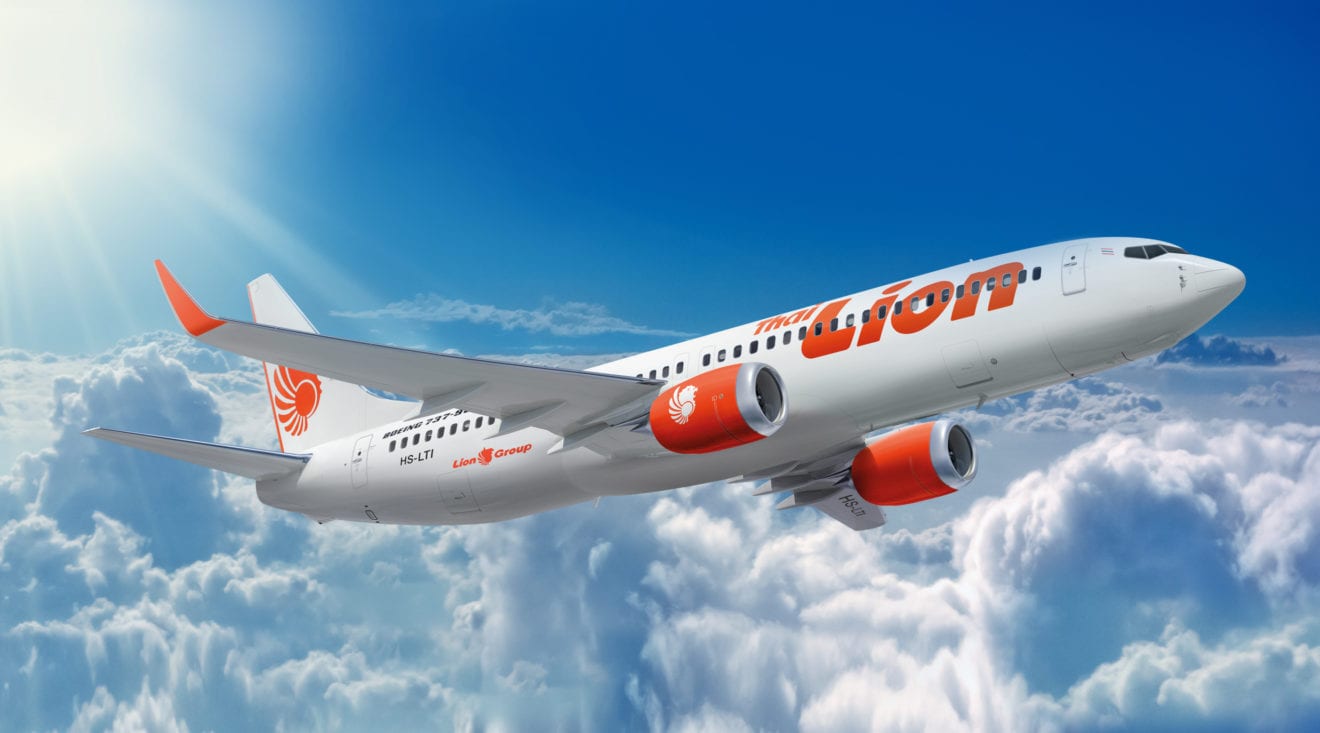
  • Lion Air should not just return passengers` tickets

    Lion Air should not just return passengers` tickets

    The airline company, Lion Air, should not resort to merely returning passengers tickets after it postponed 277 flights following sanctions imposed by the ministry of transportation, a consumer institute has said.

    “The Lion Air management should transfer the passengers tickets to other airlines, instead of only returning the tickets purchased by them,” Chairman of the Indonesian Consumers Institute (YLKI), Tulus Abadi, demanded here on Monday.

    He argued that while the Lion Airs decision to postpone 277 of its flights for one month did not basically violate any rule, it should also not violate consumers rights.

    “The ministry of transportation should supervise this strictly to prevent the company from violating consumers rights,” he stressed.

    The ministry of transportation has imposed a sanction on the Lion Air, freezing its flights for five days for having recently disembarked international passengers from Singapore at the domestic terminal of Soekarno Hatta Airport.

    The management of Lion Air opposed the sanction by reporting the directorate general of air transportation to the police and postponed 277 of its flights for a month.

    Tulus was of the view that the Lions legal move to oppose the ministry of transportations sanction was rather awkward.

    “It is rather an anomaly. Probably this is the only case of its kind in the world where the operator is taking a stand against the regulator.”

    On May 10, Lion Air pilots went on strike at the Soekarno-Hatta Airport on Tuesday, leading to a delay in the low-cost carriers flights to several regions in Indonesia.

    The corporate secretary of state airport operator, Angkasa Pura I, Farid Indra Nugraha, explained in a press statement released on Tuesday that his side has been in close touch with the representatives of the Lion Air Group at the airport.

    Farid claimed that his side had made efforts to ensure that the airline is able to serve the passengers despite the delay in flights.

    “In response to the Lion Air pilots strike at several airports under the purview of Angkasa Pura I, we call on the passengers to understand the conditions and be patient,” he pleaded.

    The strike led to a delay in Lion Air flights from Sam Ratulangi Ariport in Manado, North Sulawesi, Sultan Hasanuddin Airport in Makassar, South Sulawesi, Lombok International Airport in West Nusa Tenggara, I Gusti Ngurah Rai Airport in Bali, and Adisutjipto Airport in Yogyakarta.

    Public relations manager of the Lion Air Group, Andy M Saladin, denied that the pilots had gone on strike because they had not received transport allowances.

    “There is no strike. The airlines operations have returned to normal,” he pointed out.

    Meanwhile, Lion Air President Director Edward Sirait insisted that the fact that some of the airlines pilots fell sick, coupled with an administrative problem, was what had led to flight delays.

    “We, on behalf of the Lion Air Management, apologize for the inconvenience,” he said.

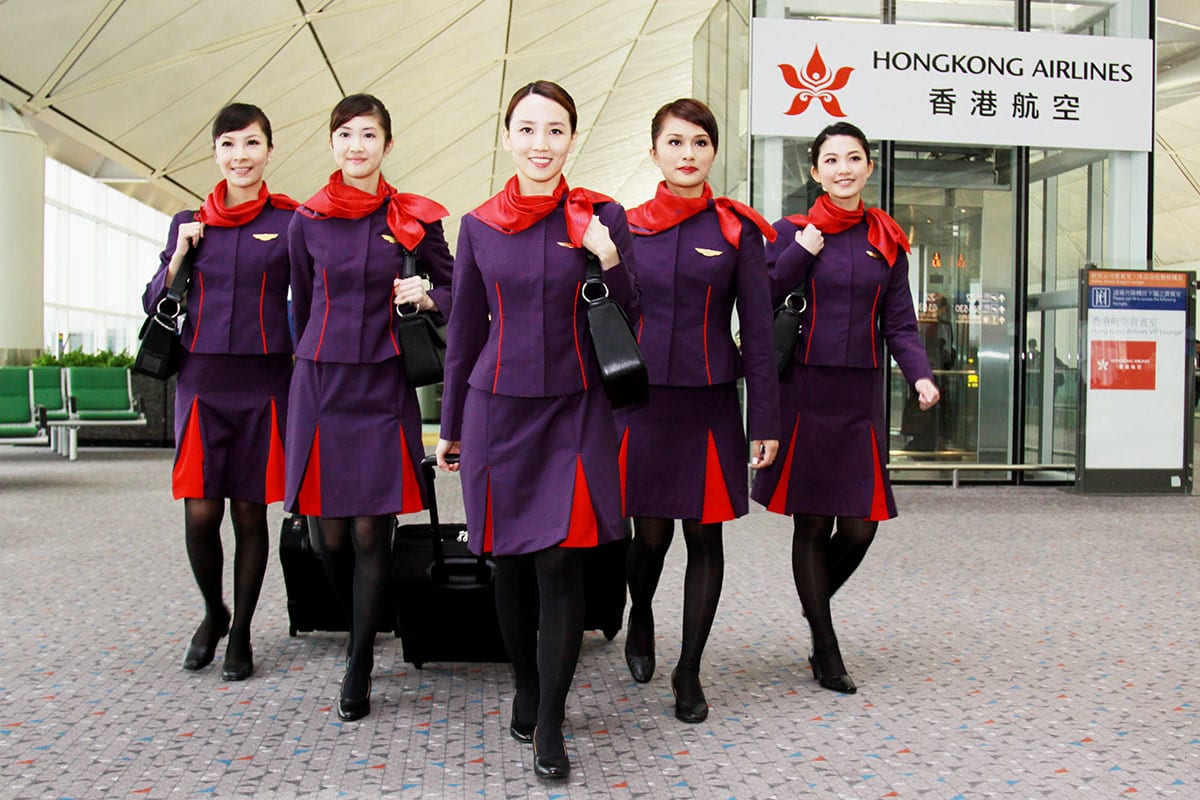
  • Hong Kong Airlines passengers flown by Garuda Indonesia

    Hong Kong Airlines passengers flown by Garuda Indonesia

    Some 95 passengers of Hong Kong Airlines flight HX-6704 which encountered severe turbulence have been flown to Hong Kong from Denpasar by a Garuda Indonesia plane later on Saturday.

    “At least 95 passengers of the Hong Kong Airlines plane who survived the turbulence incident have been flown to Hong Kong at 9.35 am Central Indonesia Standard Time (Wita), but the rest have still been given the facility to stay at a hotel to wait for the next scheduled departure,”Ngurah Rai Airport management company PT Angkasa Pura I spokesperson Sherly Yuanita remarked Saturday.

    The severe turbulence on the Hong Kong Airlines flight to Hong Kong over the sky of Kalimantan Island left 17 passengers injured early Saturday morning.

    The ill-fated Hong Kong Airlines plane with 204 passengers and 12 crew members on board took off from Ngurah Rai airport at 1.05 am Wita and was expected to arrive in Hong Kong at 7.05 am local time but the severe turbulence forced it to “return to base.”

    Trikora Harjo, the general manager of PT Angkasa Pura-I remarked that the pilot, Tinios Peter decided to return to Denpasar and landed safely at the airport at 4.28 am Wita.

    “The 12 injured passengers were sent to a hospital in Denpasar soon after the plane landed safely at the Ngurah Rai airport,” he said.

    Turbulence, the most common cause of injury to air passengers, is what nervous fliers fear the most when they board an aircraft.

    Pilots will always keep their seat-belts fastened while seated on an aircraft and will usually advise the passengers to do the same.

    Many different things may cause turbulence, but each and every one of them is known and understood by pilots.

    Turbulence is uncomfortable but not dangerous. It is part of flying, and is not to be feared as different aspects of the weather cause different types of turbulence.

  • Thailand’s airports set new passenger records

    Thailand’s airports set new passenger records

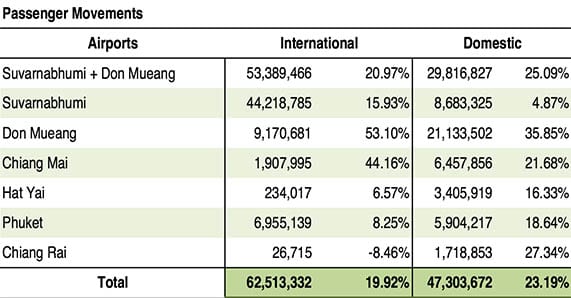
    Airports of Thailand has reported 2015 calendar year ending international passenger traffic of $62.5m passengers across all six airports. Added together with the 47.3m domestic passengers last year, this set a new record of nearly 110m passengers for the 12-month period according to Airports of Thailand (AOT).

    All but one of the six airports reported positive international numbers, with Suvarnabhumi Airport in Bangkok generating a +15.93% increase to 44,218,785, followed by Don Mueang with 9,170,681 (+53.10%); Phuket with +8.25% to 6,955,139; Chiang Mai +44.16% to 1,170,681; and Hat Yai +6.57% to 234,017 and Chiang Rai -8.46% to 26,715.

    All six airports were also in positive territory in terms of domestic passenger numbers, with Don Mueang leading the rest up 35.85% to 21.2m (see table for full list).

    Suvarnabhumi New Year

    Thai airports traffic 2015 copy

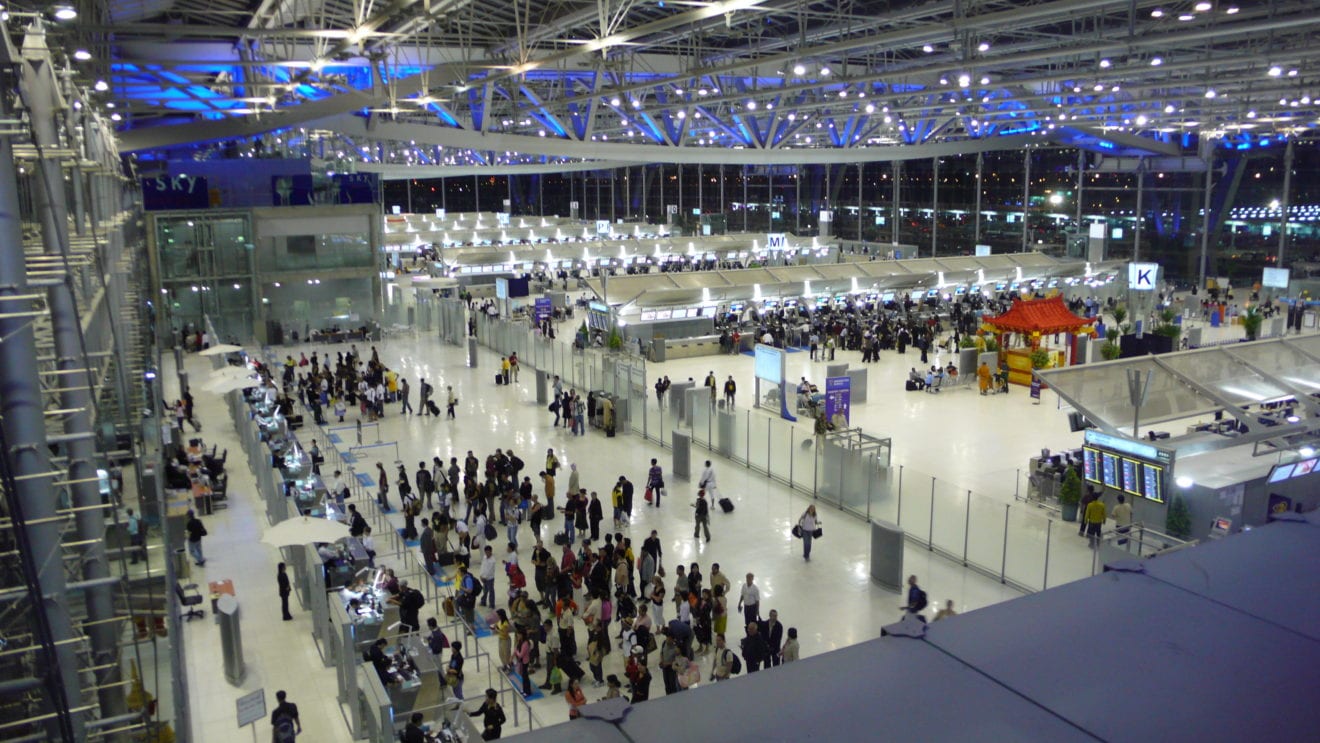
    Above: Suvarnabhumi International Airport, Bangkok. (Data source: Airports of Thailand).

    Meanwhile, in the last declaration of AOT’s financial results dated 27 November 2015, the publicly listed AOT reported a rise of more than 20% in operating performance for the year ended September 30 2015.

    Reported net profits were up by 53%, thanks to a 15.97% increase in flights and a 21.94% rise in passengers in this quoted period. This, in turn, resulted in aeronautical revenues increasing by 18.87% and concession revenues rising by 19.99%.

    AOT’s exclusive duty free concessionaire is the King Power International Group, which operates airport shops at Suvarnabhumi, Don Mueang, Phuket and Chiang Mai.