Tag: paypal

  • Stripe and Advent Propose $53 Billion Deal to Acquire PayPal: A Giant Leap in Payments Industry

    Stripe and Advent Propose $53 Billion Deal to Acquire PayPal: A Giant Leap in Payments Industry

    In significant financial news, payment giant PayPal Holdings Inc has reportedly received a joint acquisition bid from payments provider Stripe and private equity powerhouse Advent International. The offer, which values PayPal at a staggering $53 billion USD, was allegedly initiated earlier this month.

    The proposed offer places PayPal’s share value at $60.50, marking an impressive increase of around 28% on PayPal’s closing share price last Tuesday. This proposal leverages approximately $50 billion in committed financing from banking institutions, according to insiders.

    Under the proposed agreement, Stripe and Advent International would retain co-ownership of PayPal, with each party securing an equal share. This arrangement ensures that PayPal would continue operating as a unified entity instead of facing potential fragmentation.

    However, it’s important to note that these discussions remain in the early stages, and there is no assurance that this preliminary approach will actualize into an official transaction. The individuals providing the information have chosen to remain anonymous due to the confidential nature of these ongoing negotiations. Official representatives from Advent, PayPal, and Stripe have yet to issue public comments on the subject.

    PayPal’s first-quarter performance reported a promising 7% increase in revenue, amounting to around $8.35 billion. This figure comfortably surpasses analysts’ predicted average of $8.05 billion. Furthermore, on a currency-neutral basis, total payment volumes experienced an 8% rise over the past year, totaling about $464 billion.

    Questions & Answers

    What is the proposed offer for PayPal’s shares?
    The joint acquisition bid by Stripe and Advent International is proposing a value of $60.50 per PayPal share.

    How is the proposed acquisition to be financed?
    The proposed acquisition is backed by approximately $50 billion in committed financing from banking institutions.

    What were PayPal’s first-quarter performance figures?
    PayPal reported a 7% increase in revenue in the first quarter, amounting to $8.35 billion. On a currency-neutral basis, total payment volumes saw an 8% rise over the past year, reaching approximately $464 billion.

  • SoftBank’s PayPay Poised for Exciting Launch into International Markets!

    SoftBank’s PayPay Poised for Exciting Launch into International Markets!

    PayPay, the mobile payment service owned by SoftBank Group, is poised to expand its reach beyond Japan, with plans to launch its app for international use as early as late September. This move aims to cater to the growing number of Japanese travelers seeking seamless payment solutions while abroad.

    The service will initially be accepted at Alipay+ partner stores in South Korea, marking a significant step in PayPay’s strategy to capture the attention of international consumers and support Japanese tourists. This opening coincides with a surge in cross-border tourism as the world continues to rebound from pandemic restrictions.

    Masayoshi Yanase, a corporate officer at PayPay, shared insights during a press conference, affirming the company’s commitment to enhancing its digital services for users navigating unfamiliar markets. “With the globe opening up, we’ve recognized the need for our customers to make transactions abroad as smoothly as they do at home,” he stated.

    This initiative by PayPay represents more than just a functional upgrade; it’s a strategic pivot in the competitive landscape of mobile payment solutions in Asia. With increasing collaboration among digital payment platforms, this could very well be the start of a payment revolution across the region, and who wouldn’t want to pay with a simple tap instead of fumbling for cash?

    Questions & Answers

    How will PayPay’s expansion benefit travelers?
    The expansion allows Japanese travelers to make transactions in South Korea seamlessly, addressing a crucial need for smooth payment solutions abroad.

    What strategic advantages does this move present for PayPay?
    By collaborating with Alipay+ partner stores, PayPay positions itself competitively in the rapidly evolving mobile payment landscape in Asia, enabling it to attract both tourists and international consumers.

    What recent trends in tourism might influence PayPay’s strategy?
    The rebound in cross-border tourism following pandemic restrictions increases demand for accessible payment solutions, making this expansion timely and relevant for their target audience.

  • Your PayPal credit and debit cards will now support Apple Pay

    Your PayPal credit and debit cards will now support Apple Pay

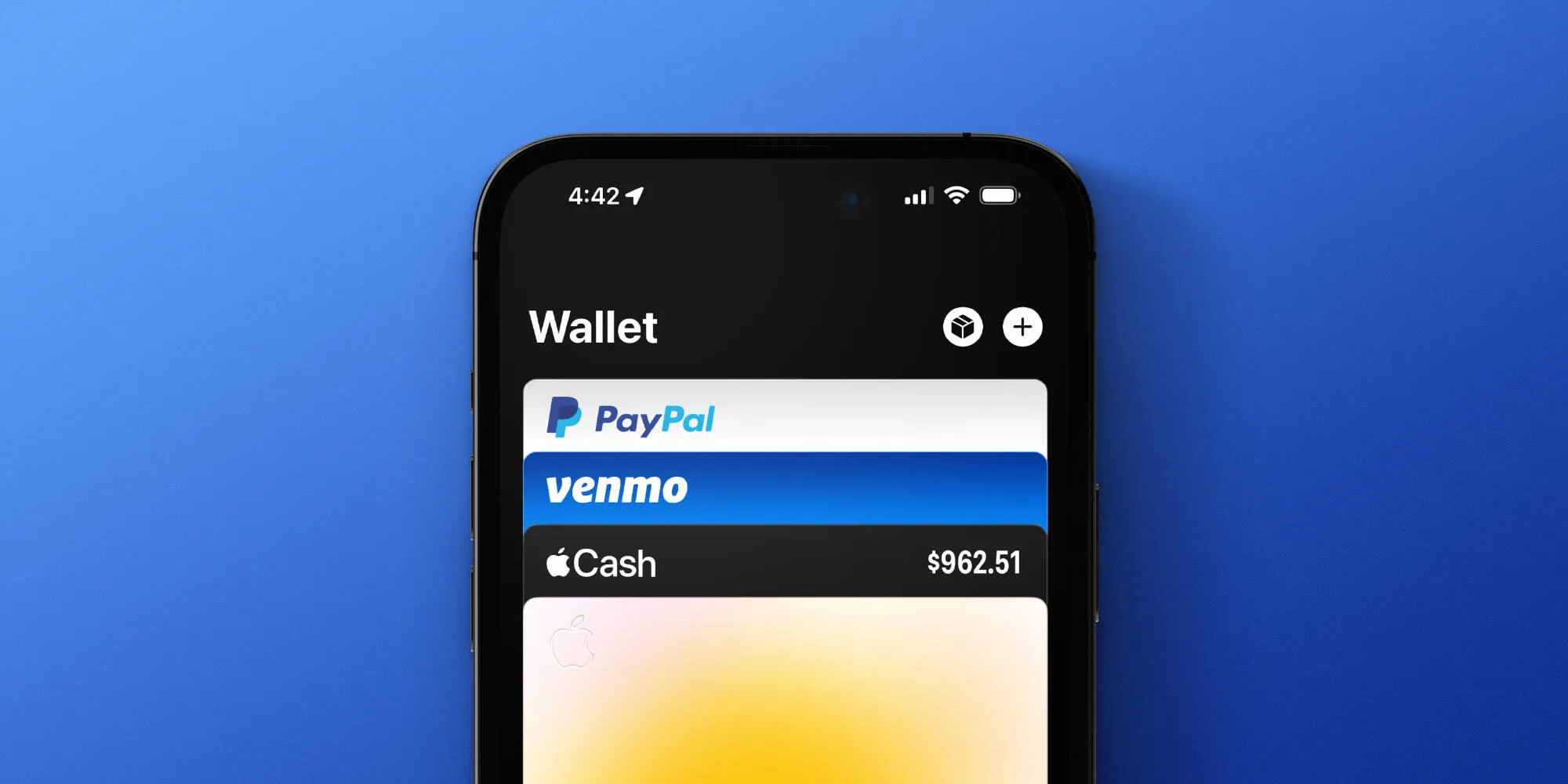
    If you have a PayPal debit or credit card, starting today you can add them to your Apple Wallet app where they can be selected for use with the Apple Pay mobile payment service. There are two ways that you can accomplish this. Number one, you can open the iOS PayPal app and find the banner on the app’s homepage that screams, “Pay with your iPhone.” Tapping this will take you to the Apple Wallet app from where you can add your PayPal debit or credit cards.

    The second way to add your PayPal cards to your Apple Wallet is to open the app and press the plus icon in the upper right corner of the display. Follow the directions to add your PayPal credit card, debit card, or both to your Wallet app. Once listed in the app, you can choose either one to handle the transactions that you pay using Apple Pay. Once again, we would like to inform you that Apple keeps .15% of the value of each transaction which means that the tech giant keeps 15 cents out of every $100 rung up using Apple Pay.

    Venmo, which PayPal owns, is also supposed to add Apple Pay support to its Venmo credit and debit cards although this has yet to occur. All of this is taking place as Apple recently started a promotion for its Apple Pay service by releasing two 30-second videos and two shorter 15-second versions of the same ads.

    According to one analyst, Apple could generate as much as $4 billion in revenue from Apple Pay this year. Last month we told you that Apple Pay is the fifth-most widely used payment method worldwide after PayPal, Visa, Mastercard, and American Express.

    PayPal’s move to support Apple Pay was belated, especially compared to all of the other banking and financial services cards that have added Apple Pay support over the years. Perhaps, as the number one method of payment globally, the company was skeptical about how its business could be improved by allowing the cards to be used with Apple Pay. It’s fair to say that with today’s announcement, whatever concern was stopping PayPal from adding Apple Pay support in the past has now been overcome.

  • Nearly 35,000 PayPal user accounts were hacked due to reused passwords

    Nearly 35,000 PayPal user accounts were hacked due to reused passwords

    Nearly 35,000 PayPal user accounts have been breached by so-called “credential stuffing”. PayPal managed to stop the two-day intrusion and reset the affected users’ passwords.

    In fact, PayPal’s own servers weren’t hacked. The reason for the hack was the so-called “credential stuffing”, a technique the hackers used to gain access to the user accounts. This type of attack is when a hacker uses previously leaked login info – and if the user has reused it for their PayPal account, the hacker can get access.

    The intrusion reportedly lasted two days, between December 6 and December 8, 2022, and it affected 34,942 user accounts. It is possible that the hackers were able to access a significant amount of personal information for the affected users, including full names, birth dates, postal addresses, social security numbers, and individual tax identification numbers. On top of that, hackers had access to transaction histories, connected credit and debit card details, and PayPal invoicing data.

    However, PayPal was able to stop the attack and reset the passwords for the users so the hackers would lose access. The popular online payments platform reassures that no unauthorized transactions were attempted. The affected users also get two free years of credit monitoring from Equifax.

    All in all, this could have become a very bad situation if the hackers were trying to make transactions from the affected users’ accounts. Fortunately, this didn’t happen. The entire situation shows that not reusing the same password across platforms (especially PayPal or other payment platforms) is of primary importance.

    Basically, PayPal wasn’t hacked; so if the users had not reused passwords, they wouldn’t have been hacked either. So, better not to reuse passwords. If you’re having trouble remembering all your passwords, you can use a service like 1Password or other password managers. Also, you can benefit from PayPal’s two-factor authentication for an even tighter security of your account.

  • Creating new cross-border opportunities post-Covid

    Creating new cross-border opportunities post-Covid

    Discover the current and upcoming shopping behaviours that will shape the future of cross-border commerce, and emerging trends that will help integrate and bring seamless shopping experiences to your customers.

    During the pandemic, 10 years of forecasted growth happened in the span of 90 days. This year, the global e-commerce market is expected to be valued at US$5.55 trillion and will reach $6.17 trillion by 2023, making up nearly a quarter of total retail sales. Though retailers have often shied away from expanding into new markets due to their complexity, closed borders pushed businesses to venture beyond their native markets, supported by the advancement of merchant tools. In a recent webinar hosted by Inside Retail Asia, luxury flash sale showroom OnTheList shares its international expansion journey amidst the pandemic, with global payments provider PayPal advising strategic tips for merchants looking to enter foreign markets.

    The pandemic impact

    The fight for survival spurred by product shortages and in-person shopping safety accelerated consumers’ digital adoption, as countries with the lowest e-commerce penetration saw the largest migration to online shopping with Southeast Asia welcoming 70 million new shoppers since the beginning of the pandemic with no signs of slowing down. As shoppers become more comfortable with the online environment and shopping globally, consumers’ expectations have increased, urging retailers to keep up and meet their demands in competing with new entrants. Having the wealth of product options suddenly available (albeit faced with shipping challenges) has lured shoppers away from brick-and-mortar to the world wide web.

    Despite national campaigns and broad sentiment to support local retailers, consumers are choosing to shop outside of their home countries for numerous reasons. A study by PayPal revealed that Japanese consumers favour shopping abroad due to price sensitivity and unique products available. Equally, businesses have been casting their net beyond their home markets in hopes of recapturing lost businesses overseas. Cross-border merchants have found new revenue opportunities abroad and larger audience reach, all the while competing with local sellers. One in two surveyed e-commerce merchants in Hong Kong had been actively looking to reach new customers in other markets as part of their efforts to recapture lost businesses.

    Originally starting with a 7000sqft physical showroom in Central, Hong Kong, the space had been temporarily shut during lockdowns. Shifting from a 90 per cent offline presence to online, members were pushed to snatch Jimmy Choo flash sales online, all the while inventory build-up became a problem for luxury retailers.

    “Many of them (brand partners) were impacted at different stages with regards to traffic in their stores or even stores being closed, so this posed an opportunity for OnTheList to step in and partner with them to find solutions for their inventory”, shared Adele Leong, SEA MD at OnTheList. The organic transition to online catapulted OnTheList’s digital transformation to scale and expand to Australia, Malaysia and South Korea all within a short period.

    What normally was recognised as slow sales seasons in the months of March and April, PayPal equally witnessed a volume uptake in transactions and merchant sign-ups as more consumers turned online for products and services overseas that were not available locally due to supply shortages.

    “A lot of businesses had to look for new ways of survival; they have to think about being agile and responding to new ways of catering to consumer demands” explained Syd Wong, head of enterprise sales at PayPal (Hong Kong, Taiwan, Korea). As new consumers migrated from traditional in-store experiences to online, more than 67 per cent of transactions were also taken on mobile rather than desktop, prompted by the government’s push to use digital payments and wallets during subsidy payouts in an attempt to reignite the retail economy.

    Entering new markets

    The challenges of global expansion and localisation cannot be tackled with just one global site and a currency converter widget. Truly understanding customers abroad is the key to every successful market entry, where localisation plays a huge part in connecting and retaining local consumers through understanding cultural nuances and adapting content appropriately. E-commerce marketplace Techsembly identified localisation can increase a site’s conversion rate by up to 70 per cent, where consumers are more likely to purchase if the retailer’s website is displayed in their native language with their preferred local payment options available.

    “We just couldn’t make that trip to each market to see what has happened to find opportunities, particularly for offline. We had to really depend on the local teams to maximise our operational expertise,” said Leong.

    From an organic China expansion to cross-border scaling, OnTheList is a successful case study of a retailer’s international growth during the pandemic, all the while remote. The brand relied on brand partners and members as the main basis to explore new market openings.

    “There’s really no big secret. We took the time to understand all the localisation factors that were important for us to be successful. For example, the type of brands that we worked with, the way we communicated with our members and understanding the types of shopping habits, cultures and payment methods” revealed Leong. OnTheList expanded into new markets as pure online retailers, all the while dabbling with physical pop-ups to test market potential to expedite expansion.

    The long-standing debate between outsourcing to service providers or building in-house for cross-border retail and payments stands to benefit retailers without remote resources abroad.

    “One of the barriers to think about is the sensitivity to some of the local country’s consumer behaviours and their types of payment preferences,” commented Wong, noting specific local payment behaviours vary from Octopus-loving Hong Kongers as opposed to consumers in Europe in comparison.

    PayPal prides itself on its flexibility, being able to work with local partners and shopping cart solutions to integrate payment options for a seamless checkout experience, with language and customer support provided.

    “Work with a global partner with experience and feet on the street of each market that you’re actually expanding into so you can actually leverage some of the expertise and experience in the local markets” suggested Wong. “We have actually started to work with local partners to accept local payment types to cater towards local consumer preferences to help merchants go into new markets easier” he adds.

    With over 180 fiat currencies available, it is suggested at least 30 to 40 currencies need to be available in order to be recognised and supported in order to gain substantial sales benefits. Offering multiple payment options may be complex, but payment technology providers such as PayPal have simplified cross-border payments, allowing merchants to scale into new markets with ease.

    Future payment trends

    With the rise of social commerce, consumers have higher expectations for convenience and seamless checkout experiences. Retailers like OnTheList are pressured to invest in improving their e-commerce platform and apps to cater to the demand and new expectations. Mobile payments are deemed a must-have as 99 per cent of Gen Z have the highest smartphone usage compared to all generations.

    “You need to present a smooth user interface across all devices for consumers, especially the ability to checkout and pay, regardless of what devices you’re actually on,” emphasised Wong.

    As Gen Z and Gen Alpha enter the workforce with new spending power, young and aspiring professionals wanting to spend more at certain times have prompted the uptick of ‘Buy Now Pay Later’ schemes. Though more prominent in Western countries such as the US, UK and Europe, the trend is also seen catching up in Asia.

    Leong reports: “This for us has been particularly interesting because it brings us a very new and interesting pool of aspiring customers, people that are in the earlier stages of their career who may not be able to afford full-price luxury. But by having Buy Now Pay Later, they can experience luxury brand products before becoming a full-price customer eventually.”

    As Asia adapts to the new normal, so are solutions and services that have been evolving ever since to better serve the various different markets and changing consumer behaviours. Brands are to face the latest demands with agility to cater for the future generation of consumers under new opportunities, across the borders.
  • PayPal says it is not pursuing Pinterest acquisition

    PayPal says it is not pursuing Pinterest acquisition

    PayPal is not pursuing an acquisition of Pinterest at this time, the online payments provider said on Sunday, responding to market rumors.

    Earlier in the week, it was reported that the payments behemoth had offered to buy digital pinboard site Pinterest for US$45 billion, or about $70 per share, mostly in stock.

    Pinterest did not immediately respond to a Reuters request for comment outside of business hours.

  • PayPal preparing US$45 billion bid for Pinterest

    PayPal preparing US$45 billion bid for Pinterest

    PayPal has made an offer to buy digital pinboard site Pinterest for US$45-billion, people familiar with the matter said on Wednesday, a combination that could herald more tie-ups between fintech and social media companies in e-ecommerce.

    The per-share price would represent a 26% premium to Pinterest’s closing price of $55.58 on Tuesday.

    PayPal plans to finance the acquisition mostly through stock, the sources said.

    The payments behemoth was among the big winners of the pandemic as more people used its services to shop online and pay bills to avoid stepping out. The pandemic boost over the past 12 months have driven up its shares by about 36%, giving it a market capitalization of nearly $320-billion.

    PayPal’s shares were down about 3.5% on Wednesday, while Pinterest was up over 10% at $61.55. Pinterest’s shares, which had jumped over 13% earlier in the day forcing trading to be halted briefly, have shed about 16% of their value this year.

    San Jose, California-based PayPal, and Pinterest did not immediately respond to requests for comment. The sources requested anonymity as the discussions are confidential.

    News of the potential deal comes less than a week after Pinterest co-founder Evan Sharp announced plans to leave the company to join LoveFrom, a firm led by Jony Ive, the designer of many iconic Apple products.

    Sharp founded the San Francisco, California-based online scrapbook and photo-sharing platform along with Ben Silbermann, who is the company’s CEO, and Paul Sciarra, who left in 2012.

    Over the past few years, PayPal has displayed growing ambitions to increase its footprint in online shopping through a series of acquisitions, including a $4-billion deal to buy online coupon finder Honey Science in 2019, a $2.7-billion deal to buy Japanese buy-now-pay-later firm Paidy in September this year, and a deal to buy return-service provider Happy Returns in May.

  • PayPal Inks Deal to Expand Asia Reach

    PayPal Inks Deal to Expand Asia Reach

    The U.S. fintech giant announced a mostly cash deal to acquire Japan’s buy now, pay later (BNPL) payments platform Paidy for ¥300 billion (about $2.7 billion) on Wednesday.

    The acquisition will expand PayPal’s capabilities, distribution and relevance in the domestic payments market in Japan, the third-largest e-commerce market in the world, complementing the company’s existing cross-border e-commerce business in the country, PayPal said in a statement.

    According to an investor presentation, shopping volume in Japan more than tripled to around $200 billion in the last 10 years, with more than two-thirds of all purchases paid for in cash, thereby presenting a huge opportunity for BNPL to proliferate.

    Founded in 2008, Paidy has 6 million users. PayPal already has stakes in other BNPL businesses, including Sezzle and Z1P.AX.

    Under the BNPL model, unsecured loans are extended to online shoppers similar to a credit card, but these are smaller in amount and have a shorter repayment schedule. Such platforms have seen a boom in popularity over the past year, though critics see them as a debt trap.

    In another major deal in the space, Square, run by Twitter CEO Jack Dorsey bought Australian Afterpay for $29 billion last month.

  • PayPal Launches Singapore Hiring Spree

    PayPal Launches Singapore Hiring Spree

    The U.S. online payments giant is expanding the Singapore-based workforce by 25 percent to support the region’s growing demand for digital solutions.

    Some 150 job openings are on offer at PayPal’s its international headquarters in Singapore, under the Infocomm Media Development Authority of Singapore’s TechSkills Accelerator (TeSA) program and supported by Digital Industry Singapore (DISG), according to an announcement on Tuesday.

    PayPal said it will provide opportunities over the next three years for Singaporeans in areas such as product management, software engineering, cybersecurity, and data science, according to a statement.

    The new hires will work on projects that cover SME digitalization, PayPal’s e-wallet and commerce platform, as well as risk, compliance, trust and security, the announcement said.

    Singapore is a strategic market for the online payments platform, and is home to the only international PayPal Innovation Lab, which has contributed to over 140 patents.

    PayPal is determined to support Singapore’s continued digital transformation into a global technology and fintech hub, Aaron Wong, chief executive officer of PayPal Pte Ltd, said.

    According to the company’s recent earnings report, PayPal processed a total payment volume of $311 billion during in second quarter of 2021, up 36 percent year-on-year. There are 403 million active accounts, including 32 million merchant accounts, on the platform.

    PayPal operates in over 200 markets, with 44 percent of active accounts located outside of the United States.

    Earlier this week, PayPal announced the first international roll-out of its crypto product that first launched in the U.S. in October last year, which lets customers buy or sell bitcoin, bitcoin cash, ethereum or litecoin. It said it hopes to open this functionality to other global markets in the coming years.

  • PayPal to Enter Chinese Digital Payments Market

    PayPal to Enter Chinese Digital Payments Market

    With the acquisition of GoPay, PayPal will become the first foreign firm to enter China’s digital payments market.

    The People’s Bank of China has approved the acquisition of a 70-percent stake in Guofubao Information Technology Co. (GoPay) by Yinbaobao, a local subsidiary of payments platform PayPal, GoPay announced in a statement earlier this week.

    Foreign players have found it tough to break into China’s digital payment space to compete with local giants, though Beijing has promised to open up this market. With the acquisition, PayPal will be the first foreign firm to receive an online payments license in China, ahead of the likes of Visa and Mastercard, who have yet to get their licenses approved.

    We look forward to partnering with China’s financial institutions and technology platforms, providing a more comprehensive set of payment solutions to businesses and consumers, both in China and globally, PayPal CEO Dan Schulman said in a statement posted on its website, adding that the deal is expected to be finalized by the end of the year.

    GoPay, founded in 2011, is a joint venture between the China International Commerce Center (CIECC) and HNA Retailing Holding, a subsidiary of HNA Group.

  • PayPal-Backed Digital Lenders Raise $110 Million

    PayPal-Backed Digital Lenders Raise $110 Million

    PayPal-backed digital lender Tala has raised another $110 million to enter the Indian market, increasing the firm’s total estimated value to more than $750 million.

    The five-year old California-headquartered startup specializes in digital lending, building credit profiles based on customer texts, call logs, merchant transaction, app usage and other behavioral data through an Android app. Loans can then be approved within minutes and the firm has lent over $1 billion to more than 4 million customers, up from $300 million and 1.3 million customers last year.

    The firm has raised over $215 million, according to a media report, and the latest round’s funds will be used to enter the India market. Prior to the launch, the firm conducted a 12-month pilot program to research the market and also set up a tech hub in Banglore.

    In addition to India, a portion of the funds will be used to expand to existing markets including East Africa, Mexico, and the Philippines and also build new solutions. Moving forward, Tala is also eyeing other markets in South Asia and Latin America.

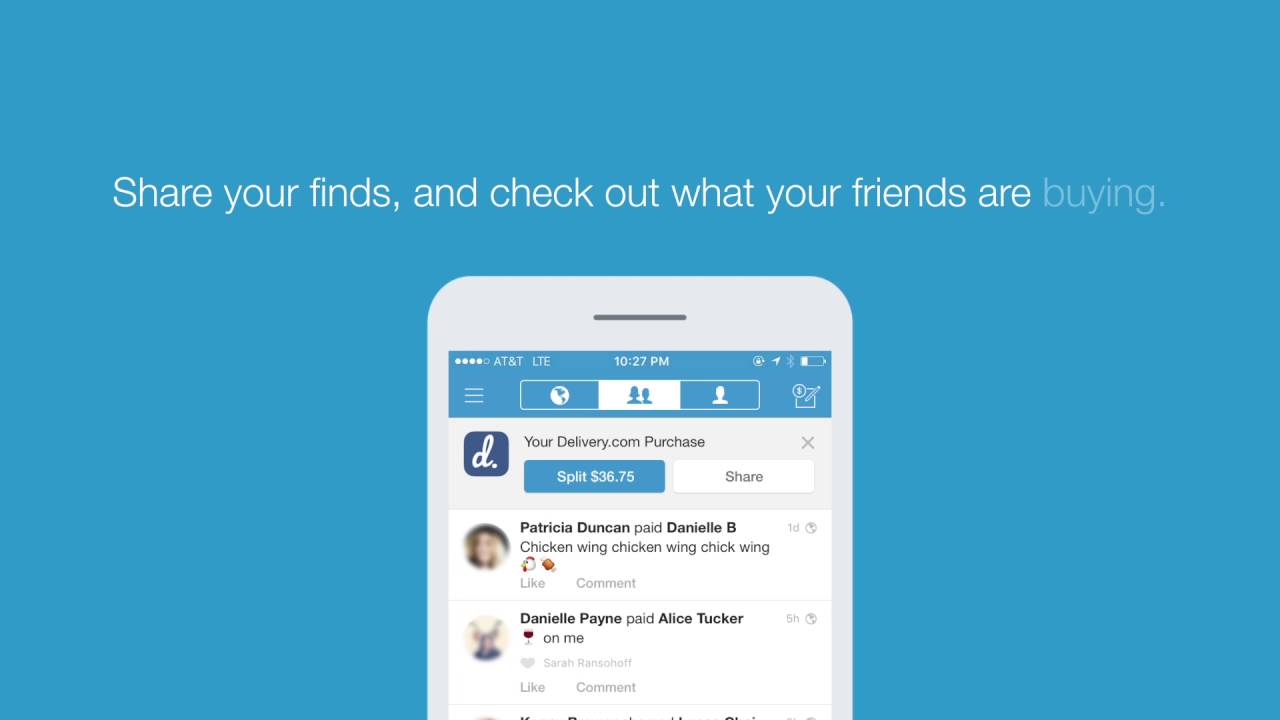
  • Venmo borrows popular PayPal feature to expand on its Instant Transfer capabilities

    Venmo borrows popular PayPal feature to expand on its Instant Transfer capabilities

    PayPal has been doing pretty much everything in its power to keep the likes of Apple Pay at bay in the increasingly competitive online and mobile payment market, joining forces with Google on a number of mutually advantageous initiatives, vastly improving its main app, and making it easier and faster to transfer funds to a US bank account.

    Of course, the company’s arsenal includes a popular special weapon in Venmo, the 2009-released digital payments system that PayPal acquired in 2013 as part of Braintree. It shouldn’t come as a surprise that PayPal is attempting to unify the user experience across its multiple services in a way, adding the aforementioned Instant Transfer feature to Venmo’s already robust list of strengths.
    While Venmo picked up a similar functionality for both iOS and Android devices last year, that only allowed its users to send money to Visa and Mastercard debit cards “within minutes.” Now it’s possible to do the same for actual bank accounts, and once again, the only restriction you need to take into consideration is geographical. Otherwise, you’re looking at (almost) instant transfers in the US for a 1 percent fee that can’t exceed $10 or go under $0.25.
    If that feels too rich for your blood, fret not, as the free standard bank transfer option isn’t going anywhere. Just remember that might keep you waiting up to three whole business days. Depending on your bank, an “instant” transfer from Venmo could take up to 30 minutes as well, but unless your funds are frozen for some reason, you will never have to wait a second longer. The feature is being slowly rolled out to iPhones and Android handsets with the latest app version, which means it could take a few weeks before “wide” availability is achieved.
  • PayPal-Backed Korean Fintech Raises $64 Million

    PayPal-Backed Korean Fintech Raises $64 Million

    South Korean fintech unicorn, Viva Republica, raised $64 million for its financial service platform Toss pushing the firm’s total value to $2.2 billion.

    The Seoul-based fintech has raised a total of $250 million, including $80 million in the December round, and new funding joins prominent existing investors such Singapore’s GIC and Sequoia Capital.

    Viva Republic was founded in 2013 and launched Toss in 2015 as a P2P money transfer service. It has since grown the platform to include various other financial services including banker, money transfer, credit score management and more. It currently boasts 13 million registered users with more than $42 billion of translation processed.

    This funding round was led by newly established Aspex Management (founded in 2018) which specializes in Asian equity investments in industries and firms with long-term structural tailwinds.

    We like the large addressable market financial services offer and the unique leading position Toss occupies amongst mobile consumers, said Hermes Li, founder and CIO of Aspex Management.

  • Google announces customers can now use PayPal with Google Pay

    Google announces customers can now use PayPal with Google Pay

    Google has just announced it has expanded its partnership with PayPal to provide merchants with more ways to accept payments online. Starting next week, Google Pay will benefit from PayPal integration in all 24 countries where customers can link their PayPal account to Google Pay.

    Merchants that enable PayPal as a payment method on their Google Pay integration will allow consumers to seamlessly check out on their website or app. Basically, users will no longer have to sign in to PayPal when they use it with Google Pay once they link their PayPal account.

    With the new option, customers will be able to switch between debit cards, credit cards, their PayPal account, and more just by choosing Google Pay at checkout.

    Enabling PayPal integration in Google Pay will let merchants keep all the benefits they currently have, including the ability to receive payments directly to their PayPal Business Account within minutes, no minimum processing requirements, as well as seller protection on select transactions.

    Now, if you’re a merchant who can’t wait to enable the option to pay with PayPal in Google Pay, there are a couple of things that you need to do before customers can use the new feature. However, instead of going too technical, we’ll just redirect you to Google’s developer blog, which has all the information needed to enable PayPal in Google Pay.

  • Rapyd Hires Senior Execs From PayPal Singapore

    Rapyd Hires Senior Execs From PayPal Singapore

    Strategic hires follow the digital payments firm’s $40-million series B funding round in February. Silicon Valley-based fintech-as-a-service platform Rapyd has hired Richard Oh as its APAC Senior Director of Network Management and Larry Lee as Senior Director of Network Growth and Optimization, the firm announced in a statement.

    Oh and Lee, who have four decades of experience in the industry between them, join from PayPal. Both will be based in Singapore, where they will support the firm’s strategy to expand operations and infrastructure in Asia Pacific.

    Richard and Larry join Rapyd at an inflection point of our global growth, and their expertise will be essential as we build out the Rapyd Global Payment Network,» said Joel Yarbrough, Rapyd’s VP, Asia Pacific.

    Rapyd bundles a range of digital payments-related services for businesses, including funds collection, funds payouts, currency transfers, ID verification and card issuing.

    The hires come some three months after the announcement of the firm’s successful $40-million series B funding round led by payments giant Stripe and General Catalyst, one of Stripe’s biggest backers. This brings the total amount raised by Rapyd, which was founded by Arik Shtilman in 2015 and started business in 2017, to $60 million.

    In Wednesday’s statement, Rapyd said it plans to significantly expand its network capabilities and use cases in 2019 and 2020, extending its disbursement, compliance, foreign exchange management, and issuing solutions.

    Oh was responsible for building the backbone of the payment of PayPal’s business, expanding its payment and disbursement capabilities across Asia Pacific, Latin America, and the emerging markets. He also worked for eBay, where he was part of the company’s core payments and partnerships team.

    Lee also joins Rapyd after working at PayPal and eBay, where he held key responsibilities including geographic expansion, cross border trade, partnerships, regulatory licensing, financial operations, and corporate structure and governance. He was most recently director of International Licensing at PayPal, where he helped develop market entry strategies and was responsible for a portfolio of payments and e-money licenses for the international business.

    In Singapore, Rapyd has partnered OCBC Bank to enable real-time bank payments for local consumers and online retailers. The partnership leverages PayNow, Singapore’s national peer-to-peer funds transfer service, to allow the bank’s customers to make real-time bank transfers using the OCBC Pay Anyone app.