Retail News CRM

Tag: Pepsi

  • PepsiCo Revolutionizes Supply Chain Management with AI, Launches Groundbreaking Partnership with Siemens and Nvidia

    PepsiCo Revolutionizes Supply Chain Management with AI, Launches Groundbreaking Partnership with Siemens and Nvidia

    PepsiCo, a multinational food, snack, and beverage corporation, is set to revolutionize its plant and supply chain operations through an unprecedented partnership with Siemens and Nvidia. This strategic move employs artificial intelligence (AI) to meet the growing demands for production and distribution capacity.

    Digital Transformation for Enhanced Operations

    PepsiCo aims to upgrade its existing operations by integrating AI into every aspect of its large-scale and multifaceted business. This integration will allow the company to have an improved understanding of its consumer base and business partners’ needs. Ramon Laguarta, PepsiCo’s CEO and Chairman, emphasized that this collaboration with Siemens and Nvidia would help facilitate the company’s transition into a future-ready organization marked by agility and foresight.

    The company has also adopted a digital-first planning strategy, utilizing Siemens’ digital twin composer, which is powered by Nvidia’s tools.

    The Dawn of AI in Physical Industries

    Jensen Huang, Nvidia’s founder and CEO, highlighted that the era of AI is entering physical industries. He pointed out that digital twins serve as the foundation for companies owning real-world assets to embark on their AI journey. By collaborating with Siemens and Nvidia, PepsiCo is reconfiguring its operations, using digital twins and AI to revolutionize how it designs, optimizes, and operates its global operations.

    Siemens’ innovative software enables the creation of ‘industrial metaverse’ environments that assist companies in making decisions virtually and on a large scale. PepsiCo now has the capability to reproduce every machine, conveyor, pallet route, and operator path with physics-level accuracy. This allows AI agents to simulate, test, and refine system changes, identifying up to 90% of potential problems before any physical changes are made.

    Roland Busch, Siemens AG’s CEO, expressed his pride in partnering with PepsiCo and Nvidia to digitally transform their manufacturing facilities. He highlighted the digital twin composer as a vital tool in enabling PepsiCo’s transformation in manufacturing and warehousing.

    Questions & Answers

    What is the purpose of PepsiCo’s collaboration with Siemens and Nvidia?
    The collaboration aims to integrate AI into PepsiCo’s operations, enhancing its production and distribution capacity to meet growing demands.

    What role do digital twins play in this new operational strategy?
    Digital twins, powered by Nvidia’s tools and built using Siemens’ digital twin composer, allow for the physical reproduction of every aspect of PepsiCo’s operations. This enables AI agents to simulate, test, and refine system changes, identifying potential issues before they occur.

    How will this change impact PepsiCo’s operations?
    The integration of AI and the use of digital twins will revolutionize how PepsiCo designs, optimizes, and runs its global operations. This could lead to increased efficiency, reduced potential issues, and improved capacity to meet consumer and partner demands.

  • “PepsiCo Ignites Power Play with Mercedes F1 Team: A Trio of Iconic Brands Gear Up for 2026 Partnership”

    “PepsiCo Ignites Power Play with Mercedes F1 Team: A Trio of Iconic Brands Gear Up for 2026 Partnership”

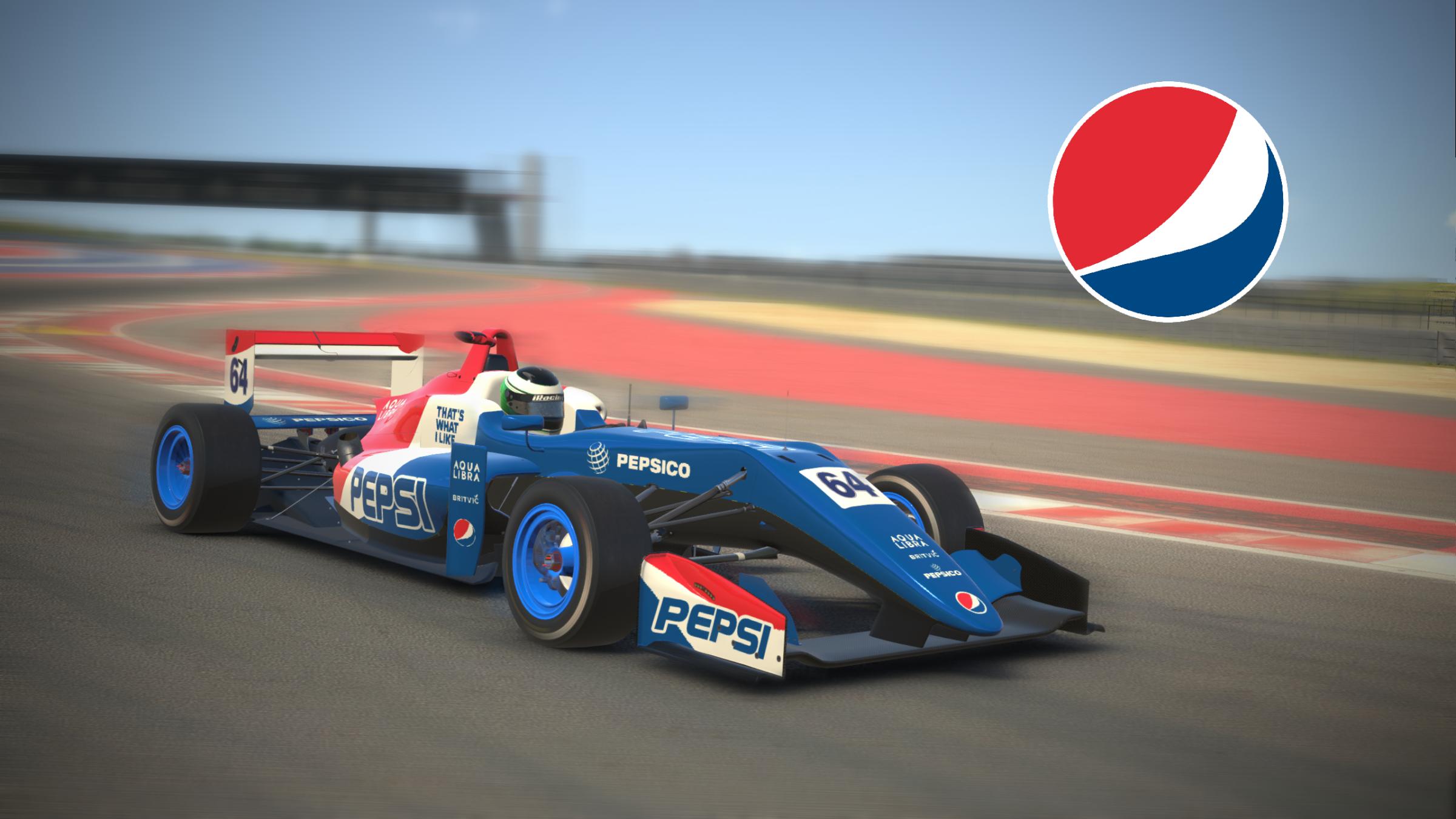
    PepsiCo has recently unveiled a global alliance with the Mercedes-AMG Petronas Formula One Team that will commence in 2026. This marks a first for the company, as three of its brands, Gatorade, Sting, and Doritos, will collectively collaborate with a Formula 1 team. This enduring partnership will incorporate these brands into various aspects of the team’s operations, including hydration plans and fan interaction initiatives.

    Uniting Performance, Energy, and Flavor

    Eugene Willemsen, the CEO of International Beverages at PepsiCo, expressed enthusiasm regarding the partnership. He noted that it symbolizes the unification of performance, energy, and flavor. The collaboration brings together three of PepsiCo’s most prominent brands and the world’s most successful Formula 1 team, both of which share a commitment to performance, innovation, and excellence.

    Gatorade will provide backing for the team’s hydration and performance programs. Sting, on the other hand, will concentrate its efforts on high-growth markets that coincide with the sport’s expansion. Doritos will augment fan experiences and worldwide activations associated with Grand Prix events.

    Alignment of Objectives

    Toto Wolff, the team principal and CEO of Mercedes-AMG Petronas F1, stated that the partnership mirrors the alignment between the team’s objectives and PepsiCo’s brand portfolio. In his words, the brands perfectly align with the team’s belief of chasing ultimate performance through innovation and excellence. He highlighted Gatorade’s expertise in sports science, Sting’s vibrant energy, and Doritos’ cultural significance each as bringing something unique to the partnership. Together, they forge a partnership that not only fortifies the team’s performance, but also amplifies the experience for their global fan base.

    This partnership will utilize the profiles of drivers George Russell and Kimi Antonelli. Russell, with his reliable track record and extensive fan base, together with Antonelli, a representative of the incoming generation of drivers, will be featured in communications, behind-the-scenes content, and fan interaction programs with the three brands.

    Richard Sanders, the Chief Commercial Officer of the Mercedes-AMG Petronas F1 Team, lauded the partnership. He stated that their proficiency in this sector will assist in delivering fantastic experiences for their guests and fans, both on and off the track. He added that this partnership brings real value to how they function on a daily basis and how they connect with people around the world.

    Questions & Answers

    What are the main PepsiCo brands involved in this partnership?
    The three main brands involved are Gatorade, Sting, and Doritos.

    What roles will Gatorade, Sting, and Doritos play in the partnership?
    Gatorade will support the team’s hydration and performance programs, Sting will focus on high-growth markets aligned with the sport’s growth, and Doritos will contribute to fan experiences and global activations linked to Grand Prix events.

    Which drivers’ profiles will the partnership utilize?
    The partnership will leverage the profiles of drivers George Russell and Kimi Antonelli.

  • Pepsico Surpasses Q3 Projections; Announces Leadership Transition And Future Growth Strategies

    Pepsico Surpasses Q3 Projections; Announces Leadership Transition And Future Growth Strategies

    PepsiCo recently reported robust Q3 results that exceeded projections, also unveiling key leadership changes as it intensifies its commitment towards expansion, cost efficiency, and meeting shareholder expectations.

    The beverage giant’s Q3 net income saw a 2.6% year-on-year surge, reaching an impressive US$23.94 billion ($36.5 billion). This was fueled mainly by robust pricing strategies and a boost in international sales, which helped offset the mild market performance in North America.

    Regional Performance

    In terms of regional performance, the company’s Latin American Foods division enjoyed 4% organic growth. The European, Middle Eastern, and African (EMEA) sectors also showed a strong performance, reporting 5.5% organic growth. While the Asia Pacific Foods division saw a slightly slower growth rate, it still managed to report a 1% organic increase.

    PepsiCo Beverages North America (PBNA) also contributed towards the company’s overall growth, with 2% organic revenue growth. This was attributed to their effective execution strategies for the Pepsi and Mountain Dew product lines, and the successful introduction of innovative platforms such as Pepsi Zero Sugar.

    Future Plans and Leadership Transition

    Ramon Laguarta, the Chairman and CEO of PepsiCo, stated, “As we look towards the remainder of this year and the future, our prime objectives are to speed up growth and drastically streamline our cost structure. To achieve these goals, we are leaning into a robust pipeline of innovation to expedite portfolio transformation, continually refining our price pack architecture to offer excellent value to consumers, and recalibrating our entire cost base to help finance our activities.”

    In a significant leadership transition, Steve Schmitt, the former CFO of Walmart U.S., will succeed Jamie Caulfield as PepsiCo’s CFO on November 10. Caulfield will continue to serve as an advisor until late next year. Schmitt’s extensive experience in retail, supply chain, and financial sectors is viewed as crucial for PepsiCo’s efforts to improve its operating leverage and address investor pressures.

    Laguarta added, “Steve’s track record in handling complex supply chains, adapting to the evolving retail landscape and omnichannel consumers, and delivering operational excellence at a large scale will be instrumental at PepsiCo. He will play a pivotal role as we expedite growth, streamline our cost structure, and generate enhanced value for our shareholders.”

    Questions & Answers

    What is PepsiCo’s focus for future growth?
    PepsiCo aims to accelerate growth and aggressively optimize their cost structure. They plan to introduce a strong innovation pipeline, continuously refine their pricing architecture, and right-size their entire cost base to fund their activities.

    Who is succeeding Jamie Caulfield as PepsiCo’s CFO?
    The former CFO of Walmart U.S., Steve Schmitt, will be succeeding Jamie Caulfield as PepsiCo’s CFO on November 10.

    What role will Steve Schmitt play at PepsiCo?
    Schmitt’s expertise in retail, supply chain, and financial sectors will be crucial to PepsiCo. He will be instrumental in handling complex supply chains, adapting to the dynamic retail landscape and omnichannel consumers, and delivering operational excellence on a large scale.

  • Pepsico Expands Australian Snack Portfolio With Smith’s Crackers And Mini Canisters

    Pepsico Expands Australian Snack Portfolio With Smith’s Crackers And Mini Canisters

    PepsiCo is diversifying its snack offerings in Australia by launching two new formats: Smith’s Crackers and Mini Canisters. These new products are expected to add variety and cater to consumer preferences for diverse flavours and convenient sizes.

    Smith’s Crackers: A New Take on a Classic

    Smith’s Crackers present a fresh twist on PepsiCo’s classic chip offerings. These oven-baked snacks come in a variety of flavours to satisfy diverse taste preferences. The available flavours include Cheddar Cheese, Barbecue, Salt & Vinegar, Sour Cream & Onion, and Crispy Chicken. With this range, PepsiCo is betting on a combination of familiar flavours and a new snack format to appeal to consumers.

    Mini Canisters: A Compact Format for Popular Snacks

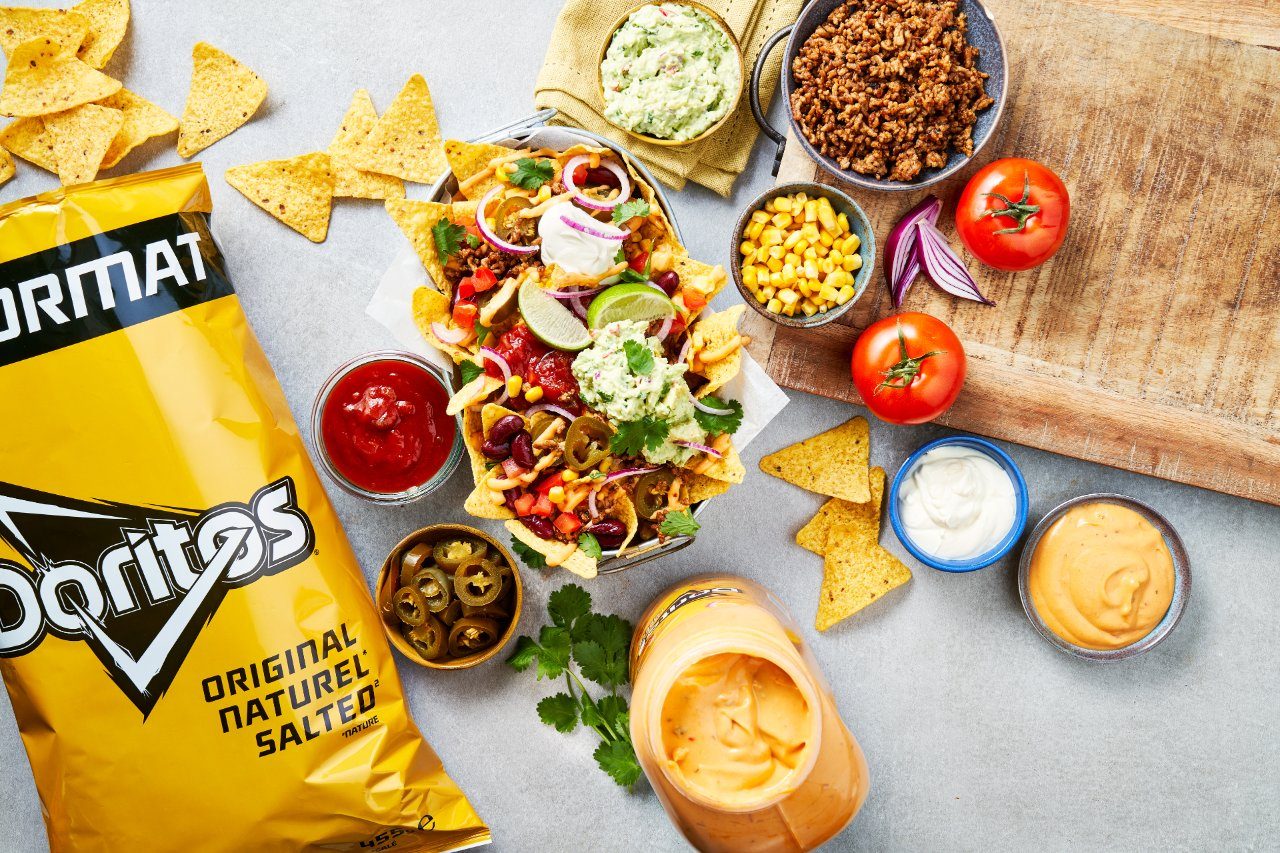
    In addition to the Smith’s Crackers, PepsiCo is also launching Mini Canisters. These compact containers host smaller-sized versions of four popular snack brands. The selection includes Doritos Cheese Supreme, Cheese Twisties, Grain Waves Sour Cream & Chives, and Cheetos Cheese & Bacon. This new format caters to consumers who prefer snack-sized portions and appreciate the convenience of resealable containers.

    Alexia Horley, CEO for ANZ Foods at PepsiCo, expressed the company’s excitement for the introduction of these innovative offerings. She stated, “We think it’s time to shake up the category, with these new snack formats.”

    Availability and Pricing

    The new Smith’s Crackers and Mini Canisters are now available for purchase in supermarkets across Australia. Smith’s Crackers are set at a recommended retail price (RRP) of $4, while the Mini Canisters are priced at $5.50.

    Questions & Answers

    What are the new snack offerings introduced by PepsiCo in Australia?
    PepsiCo has launched two new snack formats in Australia: Smith’s Crackers and Mini Canisters.

    What flavours are available for Smith’s Crackers?
    Smith’s Crackers offer a range of flavours including Cheddar Cheese, Barbecue, Salt & Vinegar, Sour Cream & Onion, and Crispy Chicken.

    What snack brands are included in the Mini Canisters?
    The Mini Canisters contain smaller versions of four popular snack brands: Doritos Cheese Supreme, Cheese Twisties, Grain Waves Sour Cream & Chives, and Cheetos Cheese & Bacon.

  • Pepsi Unveils Prebiotic Cola: A Revolutionary Step In Classic Beverage

    Pepsi Unveils Prebiotic Cola: A Revolutionary Step In Classic Beverage

    PepsiCo has announced the launch of Pepsi Prebiotic Cola, a significant development in the traditional cola category that it hasn’t seen in two decades.

    The Modern Twist to Classic Pepsi

    The new product brings a fresh perspective to the conventional Pepsi flavor, enhanced with functional prebiotic fiber aimed at promoting gut health. Pepsi Prebiotic Cola is available in two distinctive flavors: Original Cola and Cherry Vanilla. Each 350ml can of this innovative concoction includes five grams of cane sugar, 30 calories, and three grams of prebiotic fiber, and is void of any artificial sweeteners.

    A Leap Forward in Cola Experience

    PepsiCo’s US CEO, Ram Krishnan, expressed his excitement about the new product, stating that Pepsi Prebiotic Cola takes a significant leap forward in offering consumers more choice and functional ingredients in their cola drinking experience, without sacrificing the iconic Pepsi taste that the brand is renowned for.

    Reflecting Mindful Consumption Trends

    The introduction of Pepsi Prebiotic Cola is a marker of shifting trends towards more conscious consumption. This product complements PepsiCo’s existing portfolio, which includes Pepsi Zero Sugar and Poppi, a rapidly growing prebiotic soda brand recently acquired by PepsiCo.

    Availability and Packaging

    The new Pepsi Prebiotic Cola range is scheduled to launch online in the fall, and it is expected to be available in retail stores nationwide in the early part of next year. The product will be sold as single cans and in eight-packs, allocated in the conventional soft drink aisle, alongside Pepsi’s comprehensive range.

    Questions & Answers

    What is the new product that PepsiCo has launched?
    PepsiCo has launched Pepsi Prebiotic Cola, a product that brings a modern twist to the traditional Pepsi flavor with the addition of functional prebiotic fiber.

    What are the key features of Pepsi Prebiotic Cola?
    Pepsi Prebiotic Cola contains five grams of cane sugar, 30 calories, and three grams of prebiotic fiber. It does not contain any artificial sweeteners and is designed to support gut health.

    When and where will Pepsi Prebiotic Cola be available?
    The new Pepsi Prebiotic Cola range will be available online in the fall and in nationwide retail stores in the early part of next year.

  • PepsiCo brings Doritos Cool Ranch back to Australia

    PepsiCo brings Doritos Cool Ranch back to Australia

    PepsiCo has announced the triumphant return of Doritos Cool Ranch to the Australian snacking scene after a six-year hiatus. Ahead of a nationwide launch scheduled for September, these flavorful chips will be exclusively available at select 7-Eleven stores starting from July 30.

    Iconic Flavor Makes a Comeback

    According to Kathryn Miller, Doritos’ marketing manager, Cool Ranch has been one of the most sought-after flavors from the brand’s fan base. Miller expressed the intent to make the return of this beloved flavor a memorable event, thus the creation of a unique treasure hunt designed to satiate the snack cravings of their consumers. She emphasized that this re-release is targeted towards snack enthusiasts who enjoy bold flavors and the thrill of the so-called FOMO (Fear of Missing Out) experience.

    A Digital Treasure Hunt

    To enhance the excitement surrounding the flavor’s comeback, Doritos has crafted a digital campaign which revolves around a national treasure hunt. Clues will be released on popular social media platforms, TikTok and Instagram, urging participants to solve a code that will unveil hidden stashes of the returning Cool Ranch flavor. The grand prize includes a year’s supply of the coveted Cool Ranch chips, adding a tantalizing incentive for Doritos fans to partake in the digital endeavor.

    Availability

    The Cool Ranch flavor will be available for a limited period, with a national rollout planned across major supermarket chains like Coles and Woolworths, as well as leading convenience retailers, from September onwards.

    Questions & Answers

    When will Doritos Cool Ranch be available in Australian stores?
    Starting from July 30, the chips will be exclusively available at select 7-Eleven stores. A broader release is planned across major retailers from September onwards.

    What is the marketing strategy for the return of Doritos Cool Ranch?
    Doritos has planned a digital campaign revolving around a national treasure hunt on TikTok and Instagram. Participants can solve a code to discover hidden supplies of the returning flavor.

    What is the prize for the Doritos treasure hunt?
    The grand prize for the treasure hunt is a year’s supply of Cool Ranch chips.

  • PepsiCo to acquire Poppi for US$1.95 billion

    PepsiCo to acquire Poppi for US$1.95 billion

    PepsiCo has signed a definitive agreement to acquire probiotic soda brand Poppi for US$1.95 billion.

    The transaction amount includes $300 million of anticipated cash tax benefits for a net purchase price of $1.65 billion.

    “We’ve been evolving our food and beverage portfolio over many years, including by innovating with our brands in new spaces and through disciplined, strategic acquisitions that enable us to offer more positive choices to our consumers,” said Ramon Laguarta, PepsiCo chairman and CEO.

    “More than ever, consumers are looking for convenient and great-tasting options that fit their lifestyles and respond to their growing interest in health and wellness. Poppi is a great complement to our portfolio transformation efforts to meet these needs.”

    The agreement also includes a further potential earnout consideration subject to reaching certain performance milestones within a specified period after the transaction’s closing.

    Poppi, which combines apple cider vinegar with natural fruit flavours and probiotics, gained attention after appearing on the reality TV show Shark Tank in 2018.

  • PepsiCo to invest $400M more in two new plants in Vietnam

    PepsiCo to invest $400M more in two new plants in Vietnam

    U.S. food and beverage giant PepsiCo has committed to investing an additional US$400 million to build two new plants powered by renewable energy in Vietnam, its government said.

    The announcement came last Friday as delegations of more than 60 U.S. enterprises, including Suntory PepsiCo Vietnam Beverage, paid a 3-day work visit to Vietnam last week.

    The Vietnamese government said one beverage manufacturing factory will be in southern Long An Province and cost over $300 million, and another for food processing will be in northern Ha Nam Province, with an investment of $90 million.

    The report did not give details on the commissioning time of the two factories.

    Late last year, the company said it had been granted an investment certificate for the Ha Nam factory, which was scheduled to start operating in the third quarter of 2025.

    PepsiCo, which runs five factories across Vietnam, entered the country in 1994.

  • PepsiCo makes new leadership appointments across ANZ

    PepsiCo makes new leadership appointments across ANZ

    PepsiCo has appointed Kyle Faulconer – its current CEO for Australia and New Zealand (ANZ) – to a wider role, including responsibility for IndoChina Foods.

    Faulconer moved from the US in 2021 to join the company as its new leader in the ANZ market. According to Wern-Yuean Tan, chief commercial officer and CEO for Apac at PepsiCo, Faulconer’s leadership over the past two years has helped drive the company to new heights.

    “Kyle has identified new growth platforms that have enabled portfolio and channel expansion, as well as stronger capabilities, including marketing transformation and demand acceleration,” said Tan.

    “With a people-first approach, Kyle has also personally invested significant time into talent development, empowering teams and facilitating growth opportunities.”

    The company has also made two new GM appointments to support Faulconer’s promotion.

    Alexa Horley, CCO for PepsiCo Australia, has been named GM of Australia Foods and has end-to-end responsibility for the food business.

    Horley has an 18-year tenure at PepsiCo and has held various leadership positions locally and in Asia. In her most recent role, she has led the commercial agenda, delivering strong category growth and business expansion, transforming commercial capabilities – including the digital and data agenda – and accelerating e-commerce.

    Stephan Anderson, current CFO for PepsiCo ANZ, has been given an additional role as GM for ANZ Beverages.

    In his new role, Anderson will lead the finance functions across ANZ Food and Beverages and will be responsible for the entire beverages business.

    Anderson joined PepsiCo in 2022 and has helped transform its finance function by introducing innovative digital solutions and elevating its partnering capabilities.

    The company added that Anderson played a pivotal role in the beverage business by improving relationships with bottling partners and successfully launching Bubly last year, the first brand PepsiCo has launched since it began operations in Australia.

    “Alexia and Stephan are valuable members of our leadership team, and I am thrilled that they have taken up their new roles,” shared Faulconer.

    All appointments are effective immediately.

  • PepsiCo loses tax fight with ATO

    PepsiCo loses tax fight with ATO

    PepsiCo has been ordered by the Federal Court to pay royalty withholding tax and, in the alternative, diverted products tax (DPT), which would apply.

    The first time it has been considered in court, DPT is a new tool to ensure large global businesses operating in the country are paying the correct amount of tax by the level of their economic activities.

    The tool was designed to prevent the diversion of profits offshore through contrived arrangements and imposes a 40 percent tax penalty rate to be paid upfront.

    It is a separate tax liability from income tax; therefore, a taxpayer may have an income tax assessment and DPT assessment for the same period.

    The Australian Taxation Office (ATO) has been targeting arrangements where royalty withholding tax has not been paid because payments have been mischaracterized, mainly for using intangible assets, such as trademarks.

    “The PepsiCo matter is a lead case for our strategy to target arrangements where royalty withholding tax should have been paid,” remarked Deputy Commissioner Rebecca Saint.

    “While there may still be more to play out in this matter, it sends strong signals to other businesses with similar arrangements to review and consider their tax outcomes.”

    The Tax Avoidance Taskforce (TAT) focuses on multinational tax avoidance and profit shifting. Most large businesses are meeting their tax obligations; however, the ATO said it will continue to use all the tools to challenge those who don’t.

    Since 2016, the TAT has secured more than $27.7 billion in additional tax revenue from multinational enterprises and large public and private businesses (up to 31 August this year).

  • PepsiCo to support Aussie farmers’ greenhouse gas reduction efforts

    PepsiCo to support Aussie farmers’ greenhouse gas reduction efforts

    PepsiCo has unveiled the third year of its Positive Agriculture Outcomes (PAO) accelerator, a global initiative to address critical agriculture challenges while advancing its pep+ (PepsiCo Positive) agenda.

    As part of this program, the company supports eight innovation projects across nine countries, including a project with Australian grain growers to test and validate soil health management practices to reduce greenhouse gas emissions on farms.

    PepsiCo’s PAO accelerator will provide co-investment to local farming communities to accelerate diverse and results-driven positive agriculture projects and funding for ag-tech startups that offer proven products or technology with the potential to scale.

    “With this latest round of projects, we’re not only fostering a powerful network of innovators across global farmland but growing closer to achieving a more regenerative future, with farmers’ insight at the forefront,” said Margaret Henry, VP of sustainable and regenerative agriculture, PepsiCo.

    Since its launch in 2021, the PAO accelerator has supported various projects, including adopting efficient irrigation systems in response to increased drought, developing kilns to turn agricultural waste into fertiliser, and improving soil health.

    PepsiCo said it will continue to offer funding to diverse projects that build resiliency through climate-related analysis, improve soil health, and strengthen farms’ climate resilience.

  • PepsiCo has no plans to change portfolio after WHO aspartame warning

    PepsiCo has no plans to change portfolio after WHO aspartame warning

    The World Health Organization reaffirmed its recommended intake of aspartame Thursday, but the agency’s classification of the sweetener as a possible carcinogen could still scare away diet soda drinkers and lead to new beverage formulas.

    Soda consumption has fallen over the past two decades as consumers have switched to drinking more water or picking beverages with less sugar. However, diet sodas have been a bright spot for the category in recent years.

    Although full-calorie options still dominate the soda segment, diet sodas now represent more than a quarter of sales. Coca Cola’s and Pepsi Co’s bets on zero-sugar versions of their namesake sodas have been paying off for both companies. Diet Coke, Coke Zero, Pepsi Zero Sugar and Diet Mountain Dew all contain aspartame.

    On Thursday, the International Agency for Research on Cancer, a WHO agency, identified a possible link between aspartame and a type of liver cancer called hepatocellular carcinoma. WHO officials said more research on the potential connection is needed.

    A separate body, the Joint Expert Committee on Food Additives, said in its own report that the acceptable daily intake of the sweetener is under 40 milligrams per kilogram of body weight, reaffirming prior recommendations. For most adults, that means drinking less than nine to 14 cans of diet soda every day.

    While the findings on possible links to cancer may not deter consumers who drink smaller amounts of diet soda, the announcement could at least temporarily hurt sales.

    Diet sodas are at least 50% more popular with higher-income consumers than with lower-income people, according to TD Cowen data. Those consumers could be concerned by the WHO’s report, TD Cowen analyst Vivien Azer wrote in a research note last week.

    The biggest risk for soda makers is how much attention the announcement garners. CFRA analyst Garrett Nelson wrote in a June 29 note that the news could hurt sales volumes of low-calorie sodas if enough consumers see the headlines.

    Likewise, Wedbush analyst Gerald Pascarelli told CNBC he thinks the report could hit sales in the category. But the dip might not last long.

    “These companies are quick to pivot and to do what’s necessary to maintain momentum for their brands, and we suspect they’ll do the same thing,” he said.

    Dr. Francesco Branca, head of the WHO’s nutrition and food safety division, said manufacturers who use aspartame in their food and drinks should consider making their products without the sweetener.

    But PepsiCo Chief Financial Officer Hugh Johnston said on Thursday that the company has no plans to change its use of aspartame. He added that the company doesn’t include the sweetener in much of its portfolio.

    Aspartame was used in Diet Pepsi until 2015, when the company tweaked the formula. After backlash from customers, PepsiCo brought it back a year later. But the change didn’t last long — the beverage giant got rid of aspartame in Diet Pepsi in 2020. It still uses it in Pepsi Zero Sugar.

    Coke faces more risk of losing out on sales over aspartame concerns, according to CFRA’s Nelson. The beverage giant currently uses the sweetener in both its Diet Coke and Coke Zero, but could swap it out for another, such as stevia, in the future.

    Even so, Edward Jones analyst Brittany Quatrochi said she isn’t expecting a big hit to diet soda sales.

    “Consumers may trade into a different sugar-free offering, but this isn’t the first kind of food or beverage product to be labeled a carcinogen,” she said.

    For example, the IARC classified red meat as a probable carcinogen in 2018.

    Makers of diet sodas aren’t fretting over lost sales yet. The American Beverage Association, which lobbies on behalf of Coke, PepsiCo, and Dr. Pepper’s took the WHO announcement as further confirmation of the sweetener’s safety.

    “With more than 40 years of science and this definitive conclusion from the WHO, consumers can move forward with confidence that aspartame is a safe choice, especially for people looking to reduce sugar and calories in their diets,” ABA interim CEO Kevin Keane said in a statement.

    Besides diet sodas, aspartame can also be found in a variety of foods, including breakfast cereals, chewing gum and ice cream. It’s widely used as a sugar substitute because it is 200 times sweeter, meaning it can be used in much lower concentrations.

  • PepsiCo expert reveals how to leverage technology to future-proof personalization

    PepsiCo expert reveals how to leverage technology to future-proof personalization

    For years, brands have been perfecting personalization strategies that resonate with consumers and make them feel like individuals. For many B2C brands like PepsiCo, classic personalization has meant plugging simple forms of data like email, names, addresses or recent purchases into outbound channel communications to ensure touchpoints are viewed as timely, relevant and contextual.

    Tim Glomb, VP of Content and Data at Cheetah Digital and Chris Muscutt, Head of MarTech at PepsiCo, recently discussed their take on the use of zero- and first-party data and technology to power effective strategies.

    Personalization marketing tools rushed on the scene more than 15 years ago to help brands engage with consumers in digital channels like web, social and mobile. These tools help brands test out different colors, icons, images and offers on websites to optimize the consumer journey.

    However, they rarely offered any meaningful psychographic intelligence about visitors like their interests, hopes or needs. The cookie apocalypse and browser-based targeting solutions further contribute to the challenge of getting to know the customer, with Google announcing its plans to phase out third-party cookies altogether.

    “Brands have to look at all the different signals they’re receiving from consumers, even the more subtle ones, as the third-party cookie crumbles,” Chris says. “They have to prioritize the useful data in their marketing strategies and then focus on developing those data-collection opportunities. With that, brands can start to build impactful strategies, which can improve the customer journey.”

    Game-changing technologies revealed

    For maximum impact, brands need to invest in and bring together three game-changing marketing technologies, including:

    1. Real-time personalizationThis allows brands to learn more about consumers to deliver a better experience every time. It’s about understanding what the consumer intends to do in that specific moment and includes monitoring web interactions as well as mobile SMS, web, app, social, point of sale, etc. This personalization strategy ensures real-time data is captured from these touchpoints and brought back to the platform to be appended to the consumer’s profile.
    2. Journey orchestration: Journeys should be simple in nature; think triggered events or a multi-pronged approach that unfolds over time based on consumer behaviors and preferences. Personalized customer journeys lead to growth in interactions, increasing the likelihood of purchases and conversions.
    3. Intelligent offers: Leveraging the power of machine learning and analytics to score content and determine not only the right offer but the best sequence of offers, time and optimal context and channel is something that can be greatly automated at scale. This can drive efficiency and efficacy.

    To remain competitive in today’s signal-saturated world, brands need to deliver relevant, personalized content throughout the customer journey. According to a new e-Consultancy report, in partnership with Cheetah Digital, entitled ‘2022 Digital Consumer Trends Index: Consumer Attitudes and Trends in Personalization, Privacy, Messaging, Advertising and Brand Loyalty’, consumers are rewarding brands that make personalization a priority. In fact, more than half of the respondents shared that they would trade personal and preference data to feel part of a brand’s community.

    Furthermore, real-time offers and content can be ten times more effective than traditional outbound marketing campaigns.

    With all the “buzz”, Tim says the term personalization is getting thrown around a lot these days, especially with consumers being more aware of privacy than ever before. However, he isn’t convinced that brands are truly grasping the meaning of personalization. And Chris agrees.

    “There’s definitely room to improve efforts,” Chris says. “Making things relevant is one thing, but true personalization is another journey altogether. There can be pockets of both, but they’re not the same thing. That’s where the gaps come — is it personalization, contextualized marketing, or journey planning? Many brands still have a long road ahead before they achieve true personalization.”

    Solving data dilemmas through personalization

    Big organizations like PepsiCo have mountains of data, and it can be hard to find and make sense of it all. While the process improves as technology advances, Chris says, it’s still a struggle to secure insights.

    And he’s not alone. According to a CDP Institute member survey, 63% of marketers can’t assemble unified customer data. Even more, Gartner research reveals that 58% of marketers say integrating customer data is a major obstacle in their multi-channel strategy.

    That’s a problem. With consumers empowered to engage with a brand whenever and however they want – and oftentimes, unpredictably – it’s critical for brands to understand them to build a personalized connection. Why? Because personalized connections lead to better outcomes like increased engagement, customer loyalty and brand advocacy.

    The solution, however, is quite simple. Brands need to have a single, accessible view of the consumer. Customer data resides in systems like analytics, email, mobile, campaign management, point-of-sale and social – areas that weren’t designed to be integrated.

    And while there’s certainly a lot of buzz around relationship marketing and personalization, it’s important for brands to cut through the noise, leverage technology and get to the heart of what truly matters – connecting with and delighting consumers.

  • PepsiCo launches the world’s first-ever nitrogen-infused cola

    PepsiCo launches the world’s first-ever nitrogen-infused cola

    The cola category has been around for over a century. While it’s had its share of flavor and packaging innovation, one thing has remained the same since the category’s inception – the bubbles. Pepsi is taking on its most ambitious feat yet, reimagining the cola experience with a massive innovation – Nitro Pepsi. Nitro Pepsi is the first-ever nitrogen-infused cola that’s actually softer than a soft drink – it’s creamy, smooth and has a mesmerizing cascade of tiny bubbles topped off by a frothy foam head.

    Nitro Pepsi will have you reconsider what you know about cola. Smaller bubbles, also infused with nitrogen, create an unbelievably smooth, creamy texture made possible by a unique widget placed at the bottom of every can. This is the first time this type of widget technology, often seen in beer and coffee products, is being applied to the cola category and creates the frothy, foamy, smooth texture unique to Nitro Pepsi. It does not look and taste like a traditional cola or soda, and in fact, it’s best consumed differently as well.

    While Nitro Pepsi is enjoyed from the can, there are a few steps you can take for optimal consumption. Nitro Pepsi is:

    • Best served cold, ideally without ice
    • Best “hard poured” or fully inverted into a tall glass
    • Best enjoyed sipped directly from the glass (rather than through a straw), allowing the unique foam head to leave a frothy, foamy mustache

    Nitro Pepsi will be available in two delicious flavors, Draft Cola and Vanilla Draft Cola, in newly designed cans in both single-serve and 4-pack varieties.

    “While soda has been a beverage of choice for so many consumers over the past century, some people still cite heavy carbonation as a barrier to enjoying an ice-cold cola.  With this in mind, we wanted to come up with a new way for people to enjoy delicious Pepsi cola, but with a new experience around the bubbles,” said Todd Kaplan, VP of Marketing – Pepsi. “Nitro Pepsi is a first-of-its-kind innovation that creates a smooth, creamy, delicious taste experience for fans everywhere. Much like how nitrogen has transformed the beer and coffee categories, we believe Nitro Pepsi is a huge leap forward for the cola category and will redefine cola for years to come.”

    Pepsi announced its intent to use this nitro technology in 2019 and has been working tirelessly to build out this innovation ever since. Finally, Nitro Pepsi will be available nationwide on March 28. Accompanying the roll-out will be a fully integrated marketing campaign including a new national television commercial that reinforces the uniquely smooth and creamy experience of Nitro Pepsi. In addition, fans will be able to try Nitro Pepsi ‘on tap’ for the first time beginning March 25 in the Sky Lounge at The High Roller Observation Wheel at THE LINQ Promenade on the Las Vegas Strip.

  • PepsiCo Australia achieves its renewable energy target

    PepsiCo Australia achieves its renewable energy target

    PepsiCo Australia has effectively converted to 100 percent renewable electricity across all of its operations. Focusing on reducing global emissions, this initiative helps PepsiCo limit the amount of CO2 added into the environment – around 26,000 tones per year – and goes some way in helping the business hit its target to achieve net-zero emissions globally by 2040.

    PepsiCo manufactures Smiths chips, Doritos, Red Rock Deli, Twisties, and Grain Waves in Australia, including at Regency Park in SA, Tingalpa in Queensland, and Forrestfield in WA which are now powered by a mixture of solar and wind energy sources. The achievement does not include the manufacturing of beverages that are undertaken by the brand’s local partner Asahi Beverages.

    As one of the global business’ first 15 markets globally to switch to 100 percent renewable electricity, PepsiCo Australia is now seeking sustainable solutions such as converting organic waste into bio-methane, converting its fleet to EV or hydrogen, and decarbonizing its snack manufacturing processes.

    The company has teamed up with Engie and the Northam Solar Farm – developed by Indigenous Business Australia (IBA) and Bookitja – to get Power Purchase Agreements (PPAs) that support a range of wind and solar farms across Australia.

    “Climate change is one of the most pressing concerns facing our global food system and we’re committed to working across our value chain to reduce emissions,” said Danny Celoni, CEO of PepsiCo Australia and New Zealand.

    “The move to renewable electricity is positive for our business and for the local economy. We are pleased to support sustainable initiatives that create local jobs and proud to partner with IBA and Bookitja through the Northam Solar Farm, which aims to provide a sustainable economic base for future generations of Whadjuk people”.

    PepsiCo is also a member of Re100, a global renewable energy initiative led by The Climate Group and CDP to make a commitment to renewable energy as a large business.

    “Companies that join Re100 pledge to go 100 percent renewable with their electricity use by a set date,” added Jon Dee, Re100 Australia coordinator

    “Here in Australia, PepsiCo is one of 110 major companies that have joined Re100. By successfully completing their transition to 100 percent renewable electricity, PepsiCo has demonstrated a high level of commitment to sustainability and it’s set a positive example for other companies to follow.”