Tag: pepsico

  • Pepsi-Cola Partners with 7-Eleven Thailand to Launch Lay’s Loaded DIY

    Pepsi-Cola Partners with 7-Eleven Thailand to Launch Lay’s Loaded DIY

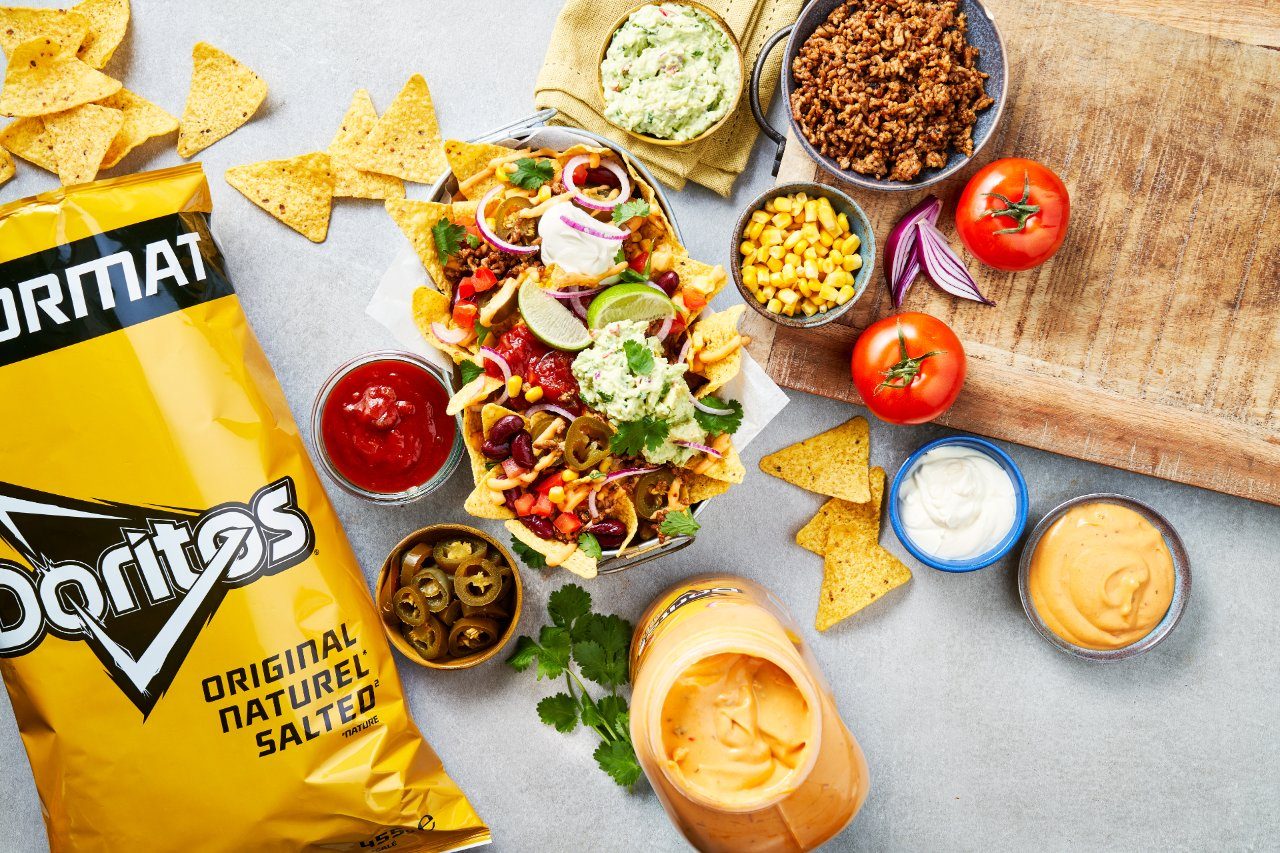
    In October 2026, Pepsi-Cola (Thai) Trading partnered with 7-Eleven Thailand to launch Lay’s Loaded D.I.Y., selling customisable snack combinations across the convenience store network and digital channels.

    The promotion lets buyers take bags of chips and combine them with add-ons and toppings purchased directly in-store.

    How the in-store concept works

    Shoppers select participating base chip packets and add savoury ingredients to build custom snack bowls inside the store. The retail mechanic turns standard packaged goods into quick-prep food options without requiring dedicated kitchen equipment or extra staff behind the counter.

    Digital channels handle the same ordering flow. Customers can select their chip base and topping combinations directly through the 7-Eleven mobile application and order them via 7-Eleven Delivery for home drop-off.

    Influencer recipes drive app orders

    To establish baseline recipes, the campaign brought in four Thai key opinion leaders to develop signature combinations based on their personal flavour choices. These recipes serve as default menu items on the 7-Eleven application, giving shoppers direct templates rather than forcing them to invent combinations from scratch.

    Social sharing anchors the promotional push. By circulating specific topping formulas online, the brand aims to convert casual social media viewers into app-based delivery orders.

    Commercial shift for snack makers

    Packaged snack producers in Southeast Asia face stagnant volume growth in conventional shelf placements. Turning standard chip packets into assemble-at-home meals allows manufacturers to lift basket size without reformulating the underlying product.

    For convenience operators like CP All’s 7-Eleven, the mechanic drives cross-category sales. A single snack transaction now pulls in additional high-margin chilled toppings, sauces, and packaged side items from adjacent shelves.

    Earlier product experiments in Bangkok

    The campaign follows several product variations rolled out by PepsiCo in Thailand during 2026. The company introduced Lay’s Light with a 40 per cent sodium reduction in September, alongside a co-branded ice cream crunch stick developed with Nestlé Éxtreme Pop.

    Earlier in May 2026, the brand tested texture additions through Lay’s Max paired with crunchy crab sticks. The latest DIY promotion shifts that experimentation from factory packaging directly to the retail point of sale.

    What to track next

    Retail buyers are monitoring whether the DIY format generates repeatable basket additions beyond the initial social media campaign. The metric to watch is whether 7-Eleven expands the loaded snack concept to other savoury snack categories across its nationwide footprint.
  • PepsiCo Introduces STING Energy as Official Formula 1 Partner in Southeast Asia

    PepsiCo Introduces STING Energy as Official Formula 1 Partner in Southeast Asia

    PepsiCo introduced its STING Energy brand as an official partner of Formula 1 in Malaysia and Singapore on September 28, 2026. The debut links the multinational’s regional energy beverage line directly to Southeast Asian motorsport race calendars.

    The push expands PepsiCo’s sports sponsorship presence in core ASEAN convenience and retail channels. STING centers its promotional activations on high-speed brand association across retail shelves and consumer engagement events in both territories.

    Race Season Rollout

    Activations roll out across hypermarkets, mini-marts and petrol stations throughout peninsular Malaysia and Singapore. Retailers receive co-branded point-of-sale displays and seasonal packaging designed to capture race-weekend shoppers.

    STING Energy uses the global motorsport platform to target young, mobile consumers seeking functional beverages at affordable price tiers. The campaign coordinates convenience-store placement with digital race-week content.

    Energy Drink Market Dynamics

    Energy drinks continue to generate consistent velocity for modern trade operators in Southeast Asia. Category volumes benefit from high turn rates at petroleum forecourts and 24-hour convenience chains, where grab-and-go purchases drive basket margins.

    Rival brands have long dominated motorsport sponsorships across the region. By stepping into Formula 1, PepsiCo challenges established competitors for prime counter placement and cold-vault real estate in urban hubs.

    Channel Strategy Across Southeast Asia

    Distributors face the task of keeping store shelves stocked through high-traffic race periods. Regional convenience chains routinely report beverage volume surges during major regional sports broadcasts.

    For retail buyers, tiered sports partnerships provide predictable promotional calendars. Stocking commitments tied to international race circuits allow supermarkets and regional distributors to plan inventory buys months ahead of key fixtures.

    What to Track Next

    Attention turns to distribution figures across regional retail chains following the race season launch. Inventory turnover numbers across Malaysian and Singaporean convenience outlets during upcoming race fixtures will show how effectively global sports branding converts to sustained register receipts.

  • PepsiCo Backs Australia Foods Unit with $150 Million Produce Spend

    PepsiCo Backs Australia Foods Unit with $150 Million Produce Spend

    In September 2026, PepsiCo highlighted the scale of its Australian supermarket presence, supported by an annual spend of about $150 million on locally grown produce.

    The company’s domestic foods business spans household snack brands including Smith’s, Red Rock Deli and Doritos, backed by three manufacturing sites and more than 1,700 employees.

    For Alexia Horley, CEO of PepsiCo’s Australia and New Zealand foods business, a key focus is keeping its familiar brands relevant and visible across store shelves.

    Sourcing and Factory Operations

    Local agricultural supply chains form the backbone of the manufacturer’s domestic processing network. The company directs approximately 150 million Australian dollars each year into domestic farm produce, primarily processing potatoes and grains across three dedicated factories.

    Those production hubs include manufacturing facilities such as its Regency Park operations in South Australia. Plant operations run round-the-clock shift schedules covering bulk liquid intake, grain handling, automated frying, seasoning and high-density palletised distribution into national retail distribution centres.

    Rivalry in the Snack Aisle

    Competition in Australian grocery aisles is tightening as supermarket chains Coles and Woolworths push private-label alternatives against multinational branded goods. Discount retailers like Aldi continue to squeeze standard packet pricing across core chip segments.

    Branded manufacturers face pressure on margins from elevated ingredient input costs, transport tariffs and retail listing fees. To defend volume without discounting away brand equity, packaged goods suppliers must push established names into premium formats, alternative grain bases and cross-category pantry lines.

    Supply Chain Priorities

    Sustaining local manufacturing gives multinational consumer groups an operational hedge against international shipping volatility and foreign currency swings. Processing close to farm gates cuts transport lead times and secures direct supply agreements with domestic growers.

    The group has kept its regional manufacturing base intact while many consumer goods competitors outsourced production to lower-cost Southeast Asian packing hubs. That domestic manufacturing base allows fast product turnover and seasonal flavour runs tailored directly to Australian shoppers.

    Next Steps for Retail Distribution

    PepsiCo plans to roll out line extensions under its Smith’s and premium snack banners across supermarket networks over the coming retail quarters. Procurement teams are tracking raw material contracts across eastern state farming districts ahead of the next seasonal harvest cycles.

  • PepsiCo Launches House of Brands Campaign as Only 18% Know Wider Range

    PepsiCo Launches House of Brands Campaign as Only 18% Know Wider Range

    In September 2026, PepsiCo launched a House of Brands campaign across retail channels after finding only 18 per cent of consumers associate the group with products beyond its core carbonated drink.

    The push highlights major portfolio names such as Lay’s, Cheetos, Gatorade and Quaker Oats under the corporate parent banner.

    Closing the Portfolio Perception Gap

    Consumer recognition remains heavily concentrated in beverages despite decades of multi-category expansion into snacks and packaged foods. The campaign uses hypothetical names such as Lay’s-Co, Cheetos-Co and Quaker-Co to demonstrate the scale of brands operating under the central corporate identity.

    Supermarket retailers across Asia-Pacific traditionally manage these product lines across separate aisle categories rather than as a single supplier block. Grouping savory snacks, sports beverages and breakfast staples under one umbrella strengthens supplier use during retail category reviews and joint promotional scheduling.

    Shifting Consumer Perception on Shelf

    Rival consumer goods conglomerates face similar challenges when corporate holding identities remain detached from daily shopping baskets. Linking individual product equities back to a central masterbrand helps defend shelf placement against store-brand lines across packaged grocery aisles.

    The strategy also introduces distinct exposure risks for the manufacturer. Any consumer scrutiny affecting carbonated beverage categories can transfer more readily to packaged grains or hydration products once corporate links become explicit.

    Retail performance metrics and cross-category purchasing data will show whether the awareness push drives higher basket conversion across Australian grocery chains.

  • PepsiCo Appoints Johnson & Johnson CEO Joaquin Duato to Board

    PepsiCo Appoints Johnson & Johnson CEO Joaquin Duato to Board

    PepsiCo has appointed Johnson & Johnson chairman and CEO Joaquin Duato to its board of directors and as an independent member of its audit committee, effective in December.

    Duato has spent more than three decades at Johnson & Johnson, stepping into the role of chief executive in 2022 before adding the chairmanship in 2023.

    Director Compensation and Audit Role

    Under PepsiCo’s non-employee director compensation program, Duato receives an initial grant of 1,000 shares of common stock upon taking his seat. The company will also award him a prorated annual equity package in phantom stock units valued at $166,667, calculated by dividing that sum by the stock’s closing price on December 1, 2026.

    Each phantom unit represents the economic equivalent of one share of common stock. Duato will also receive cash compensation for his board service, starting with a semi-annual retainer payment of $60,000 scheduled for distribution in June 2027.

    Three Decades of Operational Leadership

    Duato, 64, has spent his career navigating large-scale distribution, consumer health manufacturing and international supply chains. He joined Johnson & Johnson in 1989 and held multiple executive posts before taking the chief executive role in 2022 and adding the chairmanship in 2023.

    His previous responsibilities included serving as vice chairman of the executive committee and worldwide chairman of pharmaceuticals. Across those roles, Duato directed commercial portfolios that spanned consumer health, medical technologies and enterprise software deployment.

    Governance Focus for Packaged Goods

    Consumer goods manufacturers face tighter scrutiny over ingredient sourcing, functional nutrition claims and international compliance standards. Adding seasoned pharmaceutical leadership gives PepsiCo direct access to enterprise-level regulatory risk management as packaged food lines shift toward health-focused formulations.

    RetailNews Asia views the addition of dual-sector executive experience as a defensive step for consumer packaged goods boards. Large food companies are managing stricter packaging directives and retail price pushback across emerging markets, where audit committees must balance heavy capital spending on distribution networks against operating margin targets.

    Timeline and Next Steps

    The regulatory filing under Item 5.02 formalizes board appointments without requiring a shareholder vote prior to the standard annual meeting cycle. Duato joins a board overseeing global operations that generated tens of billions of dollars across beverage bottling and convenience food segments.

    His formal committee duties begin on December 1, 2026, with the initial cash retainer distribution following at the close of the second quarter in June 2027.

  • PepsiCo Launches Nobby’s Protein Coated Almonds in 45G Packs

    PepsiCo Launches Nobby’s Protein Coated Almonds in 45G Packs

    PepsiCo Australia expanded its impulse snacking portfolio on September 16, 2026, with the launch of Nobby’s Protein Coated Almonds.

    The single-serve range comes in 45g packages featuring whole roasted almonds enclosed in a protein-enriched coating and seasoning.

    Functional Formats for Front-of-Store Displays

    The product enters the market in two flavours: Cacao, delivering 11g of protein per pack, and Salted Caramel, providing 10.8g of protein per pack.

    Traditional packaged nuts already carry a natural health halo, but multinational snack makers face rising competition from dedicated sports nutrition bars and fortified confectionery. Adding a concentrated protein coating lets PepsiCo position a heritage pub-snack brand like Nobby’s directly against specialized fitness snacks on convenience racks.

    Margin Pressure and Category Competition

    For convenience operators and grocers, the format offers higher revenue per square centimetre of impulse shelf space compared to conventional salted peanuts. The risk rests in repeat purchase behaviour: coated nuts carry a heavier processing load, and shoppers buying functional protein often scrutinize sugar levels and ingredient purity before committing to daily consumption.

    Rival consumer goods manufacturers in Australia and across broader Asia-Pacific markets have pursued similar line extensions, turning core confectionery and nut brands into macro-friendly alternatives. PepsiCo itself continues to tweak recipe formulations across its regional portfolio to counter slowing volume growth in traditional fried snacks.

    Shelf Performance Metrics to Watch

    The Australian launch follows wider category revamps across PepsiCo’s regional business, where the company has sought to offset shifts away from high-sodium savoury snacks with portion-controlled, higher-margin impulse items.

    Retailer uptake across nationwide fuel and grocery chains over the fourth quarter will indicate whether the brand can hold dedicated impulse real estate outside its traditional salted nut stronghold.

  • PepsiCo NZ Revolutionizes Snack Game with Mini Canisters and Bluebird Crackers: Trustworthy Brands in Exciting New Formats

    PepsiCo NZ Revolutionizes Snack Game with Mini Canisters and Bluebird Crackers: Trustworthy Brands in Exciting New Formats

    PepsiCo New Zealand has announced the addition of two innovative product offerings to its popular snack portfolio. The new product lines include Bluebird-branded crackers and a ‘Mini Canister’ range, marking a significant shift in the company’s strategy as they move their existing flavour profiles across varied food categories and packaging formats.

    Product Rollout

    The new additions consist of two distinctive formats: Mini Canisters priced at an RRP of NZ$4.99 and Bluebird Crackers at an RRP of $3.79. The Mini Canisters comprise smaller versions of fan-favourite snacks such as Doritos Cheese Supreme, Grain Waves Sour Cream & Chives, and Cheetos Cheese & Bacon, all conveniently packaged in portable containers.

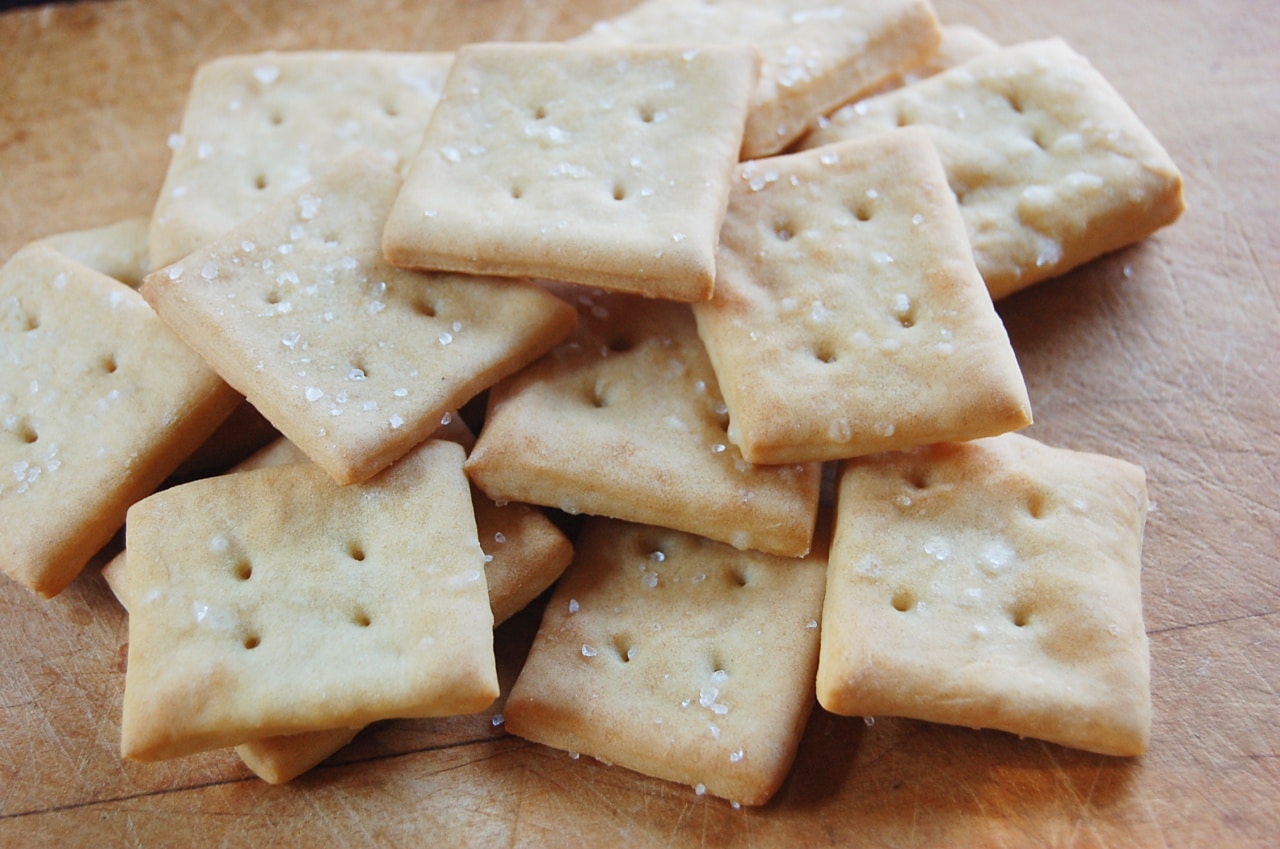
    On the other hand, the Bluebird Crackers consist of oven-baked biscuits. They’ve been designed to incorporate flavours previously unique to the company’s potato chip range. These flavours include Cheddar Cheese, Salt & Vinegar, Sour Cream & Chives, and Crispy Chicken.

    Both the Mini Canister and Bluebird Cracker ranges will be made available throughout major supermarkets across the country, offering consumers wide access to these new snack options.

    Meeting Consumer Needs

    Lee Kent, GM of NZ Foods at PepsiCo, shared insights about the new product launches. According to Kent, the company’s latest offerings reflect the preferences of Kiwi consumers who value choice, convenience, and the trust they place in familiar brands that continue to innovate.

    Kent further expressed PepsiCo’s commitment to growing its snack category through these new products. The ultimate goal, he shared, is to continue introducing fresh, relevant innovations that meet and exceed consumer needs and expectations.

    Questions & Answers

    What are the new product lines PepsiCo New Zealand has introduced?
    PepsiCo New Zealand has launched two new product lines – Bluebird-branded crackers and a ‘Mini Canister’ range.

    What does this expansion indicate for the company?
    This expansion marks a shift in the company’s strategy as they move their existing flavour profiles across different food categories and packaging formats.

    Where will the new snack ranges be available?
    Both the Mini Canister and Bluebird Cracker ranges will be distributed through major supermarkets nationwide.

  • Pepsico Surpasses Q3 Projections; Announces Leadership Transition And Future Growth Strategies

    Pepsico Surpasses Q3 Projections; Announces Leadership Transition And Future Growth Strategies

    PepsiCo recently reported robust Q3 results that exceeded projections, also unveiling key leadership changes as it intensifies its commitment towards expansion, cost efficiency, and meeting shareholder expectations.

    The beverage giant’s Q3 net income saw a 2.6% year-on-year surge, reaching an impressive US$23.94 billion ($36.5 billion). This was fueled mainly by robust pricing strategies and a boost in international sales, which helped offset the mild market performance in North America.

    Regional Performance

    In terms of regional performance, the company’s Latin American Foods division enjoyed 4% organic growth. The European, Middle Eastern, and African (EMEA) sectors also showed a strong performance, reporting 5.5% organic growth. While the Asia Pacific Foods division saw a slightly slower growth rate, it still managed to report a 1% organic increase.

    PepsiCo Beverages North America (PBNA) also contributed towards the company’s overall growth, with 2% organic revenue growth. This was attributed to their effective execution strategies for the Pepsi and Mountain Dew product lines, and the successful introduction of innovative platforms such as Pepsi Zero Sugar.

    Future Plans and Leadership Transition

    Ramon Laguarta, the Chairman and CEO of PepsiCo, stated, “As we look towards the remainder of this year and the future, our prime objectives are to speed up growth and drastically streamline our cost structure. To achieve these goals, we are leaning into a robust pipeline of innovation to expedite portfolio transformation, continually refining our price pack architecture to offer excellent value to consumers, and recalibrating our entire cost base to help finance our activities.”

    In a significant leadership transition, Steve Schmitt, the former CFO of Walmart U.S., will succeed Jamie Caulfield as PepsiCo’s CFO on November 10. Caulfield will continue to serve as an advisor until late next year. Schmitt’s extensive experience in retail, supply chain, and financial sectors is viewed as crucial for PepsiCo’s efforts to improve its operating leverage and address investor pressures.

    Laguarta added, “Steve’s track record in handling complex supply chains, adapting to the evolving retail landscape and omnichannel consumers, and delivering operational excellence at a large scale will be instrumental at PepsiCo. He will play a pivotal role as we expedite growth, streamline our cost structure, and generate enhanced value for our shareholders.”

    Questions & Answers

    What is PepsiCo’s focus for future growth?
    PepsiCo aims to accelerate growth and aggressively optimize their cost structure. They plan to introduce a strong innovation pipeline, continuously refine their pricing architecture, and right-size their entire cost base to fund their activities.

    Who is succeeding Jamie Caulfield as PepsiCo’s CFO?
    The former CFO of Walmart U.S., Steve Schmitt, will be succeeding Jamie Caulfield as PepsiCo’s CFO on November 10.

    What role will Steve Schmitt play at PepsiCo?
    Schmitt’s expertise in retail, supply chain, and financial sectors will be crucial to PepsiCo. He will be instrumental in handling complex supply chains, adapting to the dynamic retail landscape and omnichannel consumers, and delivering operational excellence on a large scale.

  • Pepsico Expands Australian Snack Portfolio With Smith’s Crackers And Mini Canisters

    Pepsico Expands Australian Snack Portfolio With Smith’s Crackers And Mini Canisters

    PepsiCo is diversifying its snack offerings in Australia by launching two new formats: Smith’s Crackers and Mini Canisters. These new products are expected to add variety and cater to consumer preferences for diverse flavours and convenient sizes.

    Smith’s Crackers: A New Take on a Classic

    Smith’s Crackers present a fresh twist on PepsiCo’s classic chip offerings. These oven-baked snacks come in a variety of flavours to satisfy diverse taste preferences. The available flavours include Cheddar Cheese, Barbecue, Salt & Vinegar, Sour Cream & Onion, and Crispy Chicken. With this range, PepsiCo is betting on a combination of familiar flavours and a new snack format to appeal to consumers.

    Mini Canisters: A Compact Format for Popular Snacks

    In addition to the Smith’s Crackers, PepsiCo is also launching Mini Canisters. These compact containers host smaller-sized versions of four popular snack brands. The selection includes Doritos Cheese Supreme, Cheese Twisties, Grain Waves Sour Cream & Chives, and Cheetos Cheese & Bacon. This new format caters to consumers who prefer snack-sized portions and appreciate the convenience of resealable containers.

    Alexia Horley, CEO for ANZ Foods at PepsiCo, expressed the company’s excitement for the introduction of these innovative offerings. She stated, “We think it’s time to shake up the category, with these new snack formats.”

    Availability and Pricing

    The new Smith’s Crackers and Mini Canisters are now available for purchase in supermarkets across Australia. Smith’s Crackers are set at a recommended retail price (RRP) of $4, while the Mini Canisters are priced at $5.50.

    Questions & Answers

    What are the new snack offerings introduced by PepsiCo in Australia?
    PepsiCo has launched two new snack formats in Australia: Smith’s Crackers and Mini Canisters.

    What flavours are available for Smith’s Crackers?
    Smith’s Crackers offer a range of flavours including Cheddar Cheese, Barbecue, Salt & Vinegar, Sour Cream & Onion, and Crispy Chicken.

    What snack brands are included in the Mini Canisters?
    The Mini Canisters contain smaller versions of four popular snack brands: Doritos Cheese Supreme, Cheese Twisties, Grain Waves Sour Cream & Chives, and Cheetos Cheese & Bacon.

  • Lee Kent Takes Reigns As Pepsico New Zealand’s GM Of Foods, Aiming To Amplify Brand’s Impact

    Lee Kent Takes Reigns As Pepsico New Zealand’s GM Of Foods, Aiming To Amplify Brand’s Impact

    PepsiCo New Zealand has announced the appointment of Lee Kent to the position of General Manager (GM) of Foods, effective from the 1st of August. He is set to succeed Michelle Cassettari in this role.

    Lee Kent’s New Role

    In his new position as GM of Foods, Kent will oversee operations, strategy, and management of the Bluebird brand, which is part of PepsiCo’s portfolio in New Zealand. Additionally, he will spearhead a cross-functional team with a primary focus on expanding the presence of PepsiCo within the country.

    Alexia Horley, the Chief Executive Officer (CEO) of PepsiCo Australia and New Zealand Foods, spoke highly of Kent’s abilities. She emphasized his bold strategic approach and his proficiency in establishing, managing, and executing business relationships. Horley believes that these skills will be a crucial differentiator in building effective leadership.

    Lee Kent’s Background

    Kent’s move to PepsiCo New Zealand comes after a notable tenure of more than 11 years at PepsiCo UK. In the UK, he held a number of senior commercial roles spanning organized trade, traditional trade, e-commerce, and value retail.

    In his most recent role, Kent served as the Senior Sales Director for PepsiCo’s Tesco business. He was an integral member of the UK sales leadership team. Additionally, Kent was responsible for leading cross-functional collaboration across marketing, supply, and finance sectors as the commercial lead for UK snacks.

    Questions & Answers

    Who is the new General Manager of Foods at PepsiCo New Zealand?
    Lee Kent has been appointed as the new General Manager of Foods at PepsiCo New Zealand, succeeding Michelle Cassettari.

    What will Kent’s responsibilities include in his new role?
    Kent will oversee operations, strategy, and management of the Bluebird brand, and lead a team aimed at expanding PepsiCo’s presence in New Zealand.

    What was Kent’s role at PepsiCo UK?
    Lee Kent served as the Senior Sales Director for PepsiCo’s Tesco business in the UK and was responsible for cross-functional collaboration across marketing, supply, and finance.

  • Pepsi Unveils Prebiotic Cola: A Revolutionary Step In Classic Beverage

    Pepsi Unveils Prebiotic Cola: A Revolutionary Step In Classic Beverage

    PepsiCo has announced the launch of Pepsi Prebiotic Cola, a significant development in the traditional cola category that it hasn’t seen in two decades.

    The Modern Twist to Classic Pepsi

    The new product brings a fresh perspective to the conventional Pepsi flavor, enhanced with functional prebiotic fiber aimed at promoting gut health. Pepsi Prebiotic Cola is available in two distinctive flavors: Original Cola and Cherry Vanilla. Each 350ml can of this innovative concoction includes five grams of cane sugar, 30 calories, and three grams of prebiotic fiber, and is void of any artificial sweeteners.

    A Leap Forward in Cola Experience

    PepsiCo’s US CEO, Ram Krishnan, expressed his excitement about the new product, stating that Pepsi Prebiotic Cola takes a significant leap forward in offering consumers more choice and functional ingredients in their cola drinking experience, without sacrificing the iconic Pepsi taste that the brand is renowned for.

    Reflecting Mindful Consumption Trends

    The introduction of Pepsi Prebiotic Cola is a marker of shifting trends towards more conscious consumption. This product complements PepsiCo’s existing portfolio, which includes Pepsi Zero Sugar and Poppi, a rapidly growing prebiotic soda brand recently acquired by PepsiCo.

    Availability and Packaging

    The new Pepsi Prebiotic Cola range is scheduled to launch online in the fall, and it is expected to be available in retail stores nationwide in the early part of next year. The product will be sold as single cans and in eight-packs, allocated in the conventional soft drink aisle, alongside Pepsi’s comprehensive range.

    Questions & Answers

    What is the new product that PepsiCo has launched?
    PepsiCo has launched Pepsi Prebiotic Cola, a product that brings a modern twist to the traditional Pepsi flavor with the addition of functional prebiotic fiber.

    What are the key features of Pepsi Prebiotic Cola?
    Pepsi Prebiotic Cola contains five grams of cane sugar, 30 calories, and three grams of prebiotic fiber. It does not contain any artificial sweeteners and is designed to support gut health.

    When and where will Pepsi Prebiotic Cola be available?
    The new Pepsi Prebiotic Cola range will be available online in the fall and in nationwide retail stores in the early part of next year.

  • PepsiCo brings Doritos Cool Ranch back to Australia

    PepsiCo brings Doritos Cool Ranch back to Australia

    PepsiCo has announced the triumphant return of Doritos Cool Ranch to the Australian snacking scene after a six-year hiatus. Ahead of a nationwide launch scheduled for September, these flavorful chips will be exclusively available at select 7-Eleven stores starting from July 30.

    Iconic Flavor Makes a Comeback

    According to Kathryn Miller, Doritos’ marketing manager, Cool Ranch has been one of the most sought-after flavors from the brand’s fan base. Miller expressed the intent to make the return of this beloved flavor a memorable event, thus the creation of a unique treasure hunt designed to satiate the snack cravings of their consumers. She emphasized that this re-release is targeted towards snack enthusiasts who enjoy bold flavors and the thrill of the so-called FOMO (Fear of Missing Out) experience.

    A Digital Treasure Hunt

    To enhance the excitement surrounding the flavor’s comeback, Doritos has crafted a digital campaign which revolves around a national treasure hunt. Clues will be released on popular social media platforms, TikTok and Instagram, urging participants to solve a code that will unveil hidden stashes of the returning Cool Ranch flavor. The grand prize includes a year’s supply of the coveted Cool Ranch chips, adding a tantalizing incentive for Doritos fans to partake in the digital endeavor.

    Availability

    The Cool Ranch flavor will be available for a limited period, with a national rollout planned across major supermarket chains like Coles and Woolworths, as well as leading convenience retailers, from September onwards.

    Questions & Answers

    When will Doritos Cool Ranch be available in Australian stores?
    Starting from July 30, the chips will be exclusively available at select 7-Eleven stores. A broader release is planned across major retailers from September onwards.

    What is the marketing strategy for the return of Doritos Cool Ranch?
    Doritos has planned a digital campaign revolving around a national treasure hunt on TikTok and Instagram. Participants can solve a code to discover hidden supplies of the returning flavor.

    What is the prize for the Doritos treasure hunt?
    The grand prize for the treasure hunt is a year’s supply of Cool Ranch chips.

  • PepsiCo to acquire Poppi for US$1.95 billion

    PepsiCo to acquire Poppi for US$1.95 billion

    PepsiCo has signed a definitive agreement to acquire probiotic soda brand Poppi for US$1.95 billion.

    The transaction amount includes $300 million of anticipated cash tax benefits for a net purchase price of $1.65 billion.

    “We’ve been evolving our food and beverage portfolio over many years, including by innovating with our brands in new spaces and through disciplined, strategic acquisitions that enable us to offer more positive choices to our consumers,” said Ramon Laguarta, PepsiCo chairman and CEO.

    “More than ever, consumers are looking for convenient and great-tasting options that fit their lifestyles and respond to their growing interest in health and wellness. Poppi is a great complement to our portfolio transformation efforts to meet these needs.”

    The agreement also includes a further potential earnout consideration subject to reaching certain performance milestones within a specified period after the transaction’s closing.

    Poppi, which combines apple cider vinegar with natural fruit flavours and probiotics, gained attention after appearing on the reality TV show Shark Tank in 2018.

  • PepsiCo loses tax fight with ATO

    PepsiCo loses tax fight with ATO

    PepsiCo has been ordered by the Federal Court to pay royalty withholding tax and, in the alternative, diverted products tax (DPT), which would apply.

    The first time it has been considered in court, DPT is a new tool to ensure large global businesses operating in the country are paying the correct amount of tax by the level of their economic activities.

    The tool was designed to prevent the diversion of profits offshore through contrived arrangements and imposes a 40 percent tax penalty rate to be paid upfront.

    It is a separate tax liability from income tax; therefore, a taxpayer may have an income tax assessment and DPT assessment for the same period.

    The Australian Taxation Office (ATO) has been targeting arrangements where royalty withholding tax has not been paid because payments have been mischaracterized, mainly for using intangible assets, such as trademarks.

    “The PepsiCo matter is a lead case for our strategy to target arrangements where royalty withholding tax should have been paid,” remarked Deputy Commissioner Rebecca Saint.

    “While there may still be more to play out in this matter, it sends strong signals to other businesses with similar arrangements to review and consider their tax outcomes.”

    The Tax Avoidance Taskforce (TAT) focuses on multinational tax avoidance and profit shifting. Most large businesses are meeting their tax obligations; however, the ATO said it will continue to use all the tools to challenge those who don’t.

    Since 2016, the TAT has secured more than $27.7 billion in additional tax revenue from multinational enterprises and large public and private businesses (up to 31 August this year).

  • PepsiCo has no plans to change portfolio after WHO aspartame warning

    PepsiCo has no plans to change portfolio after WHO aspartame warning

    The World Health Organization reaffirmed its recommended intake of aspartame Thursday, but the agency’s classification of the sweetener as a possible carcinogen could still scare away diet soda drinkers and lead to new beverage formulas.

    Soda consumption has fallen over the past two decades as consumers have switched to drinking more water or picking beverages with less sugar. However, diet sodas have been a bright spot for the category in recent years.

    Although full-calorie options still dominate the soda segment, diet sodas now represent more than a quarter of sales. Coca Cola’s and Pepsi Co’s bets on zero-sugar versions of their namesake sodas have been paying off for both companies. Diet Coke, Coke Zero, Pepsi Zero Sugar and Diet Mountain Dew all contain aspartame.

    On Thursday, the International Agency for Research on Cancer, a WHO agency, identified a possible link between aspartame and a type of liver cancer called hepatocellular carcinoma. WHO officials said more research on the potential connection is needed.

    A separate body, the Joint Expert Committee on Food Additives, said in its own report that the acceptable daily intake of the sweetener is under 40 milligrams per kilogram of body weight, reaffirming prior recommendations. For most adults, that means drinking less than nine to 14 cans of diet soda every day.

    While the findings on possible links to cancer may not deter consumers who drink smaller amounts of diet soda, the announcement could at least temporarily hurt sales.

    Diet sodas are at least 50% more popular with higher-income consumers than with lower-income people, according to TD Cowen data. Those consumers could be concerned by the WHO’s report, TD Cowen analyst Vivien Azer wrote in a research note last week.

    The biggest risk for soda makers is how much attention the announcement garners. CFRA analyst Garrett Nelson wrote in a June 29 note that the news could hurt sales volumes of low-calorie sodas if enough consumers see the headlines.

    Likewise, Wedbush analyst Gerald Pascarelli told CNBC he thinks the report could hit sales in the category. But the dip might not last long.

    “These companies are quick to pivot and to do what’s necessary to maintain momentum for their brands, and we suspect they’ll do the same thing,” he said.

    Dr. Francesco Branca, head of the WHO’s nutrition and food safety division, said manufacturers who use aspartame in their food and drinks should consider making their products without the sweetener.

    But PepsiCo Chief Financial Officer Hugh Johnston said on Thursday that the company has no plans to change its use of aspartame. He added that the company doesn’t include the sweetener in much of its portfolio.

    Aspartame was used in Diet Pepsi until 2015, when the company tweaked the formula. After backlash from customers, PepsiCo brought it back a year later. But the change didn’t last long — the beverage giant got rid of aspartame in Diet Pepsi in 2020. It still uses it in Pepsi Zero Sugar.

    Coke faces more risk of losing out on sales over aspartame concerns, according to CFRA’s Nelson. The beverage giant currently uses the sweetener in both its Diet Coke and Coke Zero, but could swap it out for another, such as stevia, in the future.

    Even so, Edward Jones analyst Brittany Quatrochi said she isn’t expecting a big hit to diet soda sales.

    “Consumers may trade into a different sugar-free offering, but this isn’t the first kind of food or beverage product to be labeled a carcinogen,” she said.

    For example, the IARC classified red meat as a probable carcinogen in 2018.

    Makers of diet sodas aren’t fretting over lost sales yet. The American Beverage Association, which lobbies on behalf of Coke, PepsiCo, and Dr. Pepper’s took the WHO announcement as further confirmation of the sweetener’s safety.

    “With more than 40 years of science and this definitive conclusion from the WHO, consumers can move forward with confidence that aspartame is a safe choice, especially for people looking to reduce sugar and calories in their diets,” ABA interim CEO Kevin Keane said in a statement.

    Besides diet sodas, aspartame can also be found in a variety of foods, including breakfast cereals, chewing gum and ice cream. It’s widely used as a sugar substitute because it is 200 times sweeter, meaning it can be used in much lower concentrations.