Retail News CRM

Tag: pepsico

  • PepsiCo plans to buy Chinese snack Be & Cheery

    PepsiCo plans to buy Chinese snack Be & Cheery

    PepsiCo is poised to purchase Chinese online snack vendor Be & Cheery owned by Haoxiangni Health Food Co.

    PepsiCo had proposed the Be & Cheery acquisition before the coronavirus outbreak began in China.

    Valued at US$705 million, the acquisition will help PepsiCo strengthen its position in Mainland China as the company suffers slowing business growth globally.

    “Be & Cheery adds direct-to-consumer capability, positioning us to capitalize on continued growth in e-commerce, and a local brand that is able to stretch across a broad portfolio of products, through both online and offline channels,” said Ram Krishnan, CEO of PepsiCo Greater China.

    “We also expect to leverage Be & Cheery’s innovation and consumer insights capabilities to drive innovation in other key PepsiCo growth markets.”

    The acquisition still needs approval from Haoxiangni’s shareholders and other customary conditions, according to the company.

    Founded in 2003, Be & Cheery is one of the China’s largest online snack companies. Its products include nuts, dried fruits, meat snacks, baked goods and confectionery.

  • PepsiCo franchise rights to be acquired in South, West India

    PepsiCo franchise rights to be acquired in South, West India

    PepsiCo India’s bottling partner Varun Beverages Monday said its board has approved plans to acquire franchise rights of the beverages and snacks major in South and West regions. The board has approved the company’s intent to enter into a binding agreement with PepsiCo India Holdings to acquire franchise rights in the two regions for a national bottling, sales and distribution footprint in seven states and five UTs, Varun Beverages Ltd (VBL) said in a regulatory filing.

    According to a report, upon completion of these acquisitions, VBL will be a franchise of PepsiCo beverages business across 27 states and seven Union Territories (UTs), it added.

    “The proposed acquisitions are in line with the company’s strategy to expand into contiguous territories and will help to acquire greater scale, operational productivity and efficiency leading to higher revenues and profitable growth,” it said.

    VBL, however, did not disclose financial details of the proposed acquisitions.

    The company further said its board will meet on February 26 to consider raising of capital through Qualified Institutions Placement (QIP).

    Last year in January, VBL had entered into a pact with PepsiCo to sell and distribute the latter’s entire Tropicana range of juices along with Gatorade and Quaker Value-Added Dairy in North and East India.

    VBL already held manufacturing, sales and distribution rights for Tropicana Slice and Tropicana Frutz in the two regions.

    PepsiCo had then stated that North and East regions together accounted for 80 percent of the juice market in India and VBL’s contiguous reach would help it more than double the distribution reach in these states.

  • Pepsi India betting big on digitisation for growth; to connect 10 million retailers

    Pepsi India betting big on digitisation for growth; to connect 10 million retailers

    Food and beverages major PepsiCo India is betting on digitisation as a big growth opportunity and is looking at using technology in both backward and forward integration. According to a report: The maker of Lay’s, Kurkure and many a cola brand, including Pepsi, said it is working on a project to digitally connect about 10 million retailers along with about 600 million consumers, with the supplier.

    Ahmed El Sheikh, President and Chief Executive Officer, PepsiCo India, said that the company has just finalised a project which is digitising the total supply chain within PepsiCo India, end-to-end.

    “We are working on another project to digitise our connection with farmers. We are talking about thousands of farmers where we want to be connected with the crops in the field, getting certain parameters measured and taking corrective action against it through digital solutions.

    “We are using digital in backward integration of supply chain network,” he said.

    Sheikh said the company is making technology as the cornerstone and building the business around it.

    “We are looking at how technology is going to reshape India and I think this is one of the key enablers to unleash the potential of our business in the country,” he said.

    The company, which reported profit in 2017-18, after a gap of seven years, is bullish on the prospects in the country and is rolling out the first river shipment of its snack portfolio from Kolkata to Varanasi.

    “We are going to start the first river shipment this month, from Kolkata to Varanasi. This is based on GST, which we are leveraging. We are starting a pilot with the Government.

    “It is the first containerised movement on inland waterway on river Ganga,” he said.

    Sheikh, PepsiCo India’s first expat president, further said the company, which has been in the country since 1989, isseeing healthy growth coming out of India, which is well balanced between food and beverage, while the nutrition segment comprising Quaker Oats and Tropicana, is growing faster albeit on a lower base.

    “We need to be positive growth driver for PepsiCo, but that growth needs to be sustainable and responsible,” he said.

    He added that the water and juice segment outgrows the soft drink segment in India, and the company is counting on being glocal to succeed in the food segment.

  • New product helps Vietnam’s canned coffee market

    New product helps Vietnam’s canned coffee market

    One of the largest beverage makers in the world is hoping to ‘capture’ Vietnamese taste with its new canned coffee product. Coca-Cola, one of the two biggest players in the Vietnamese carbonated beverages market, has entered the canned coffee market with Georgia Coffee Max.

    Though Vietnam is the second largest exporter of coffee in the world, its ready-to-drink coffee market has not attracted much attention from major players.

    Coca-Cola’s move could breathe life into it, but the challenge is not a small one, industry insiders said.

    For instance, at a supermarket on Quan Hoa Street in Hanoi’s Cau Giay District, canned coffee products do not have their own section, but are placed among other carbonated and energy drinks.

    Four brands of this rarely-seen product — Birdy, Nescafe, Highlands Coffee, and My Café — sit inconspicuously among dozens of other beverages.

    According to the shop assistants, canned coffee is hardly purchased, and sometimes is not bought for weeks at a time.

    The market for canned coffee came to existence 10 years ago with the entry of Birdy Coffee from Japan’s Ajinomoto.

    A year later Nestlé, which wanted a piece of the action, established a canned coffee production line at its plant in the southern Dong Nai Province.

    Other early birds included local dairy giant Vinamilk, which started putting up ready-to-drink coffee production facilities, followed by two then-emerging brands, Tan Hiep Phat and Highlands.

    Though initially many of the brands ran aggressive marketing campaigns, the market gradually fizzled out. Many products disappeared completely within a short time.

    In 2013 local coffee giant Trung Nguyen launched a range of fresh coffee products in bottles and cartons in sizes ranging from 500 ml to a liter. Within two years these too disappeared from grocery store and supermarket shelves.

    Today only a few names are left in the market, like PepsiCo, Highlands Coffee, Nestlé, Ajinomoto, and the new entrant, Coca-Cola.

    The real challenge for producers is no longer getting market share but changing consumer habits.

    Industry insiders quoted customer feedback as saying canned coffee is like fast food, sweet and lacking the authentic coffee taste.

    Speaking at the launch of the new product, a Coca-cola executive said though there are other brands in the market, their research showed the pie is large enough for new players to enter.

    Le Trung Tin, director of the Georgia Coffee Max line, said the secret to success is capturing the Vietnamese taste in the canned coffee.

  • Pepsi India to install plastic crushing machines across Maharashtra

    Pepsi India to install plastic crushing machines across Maharashtra

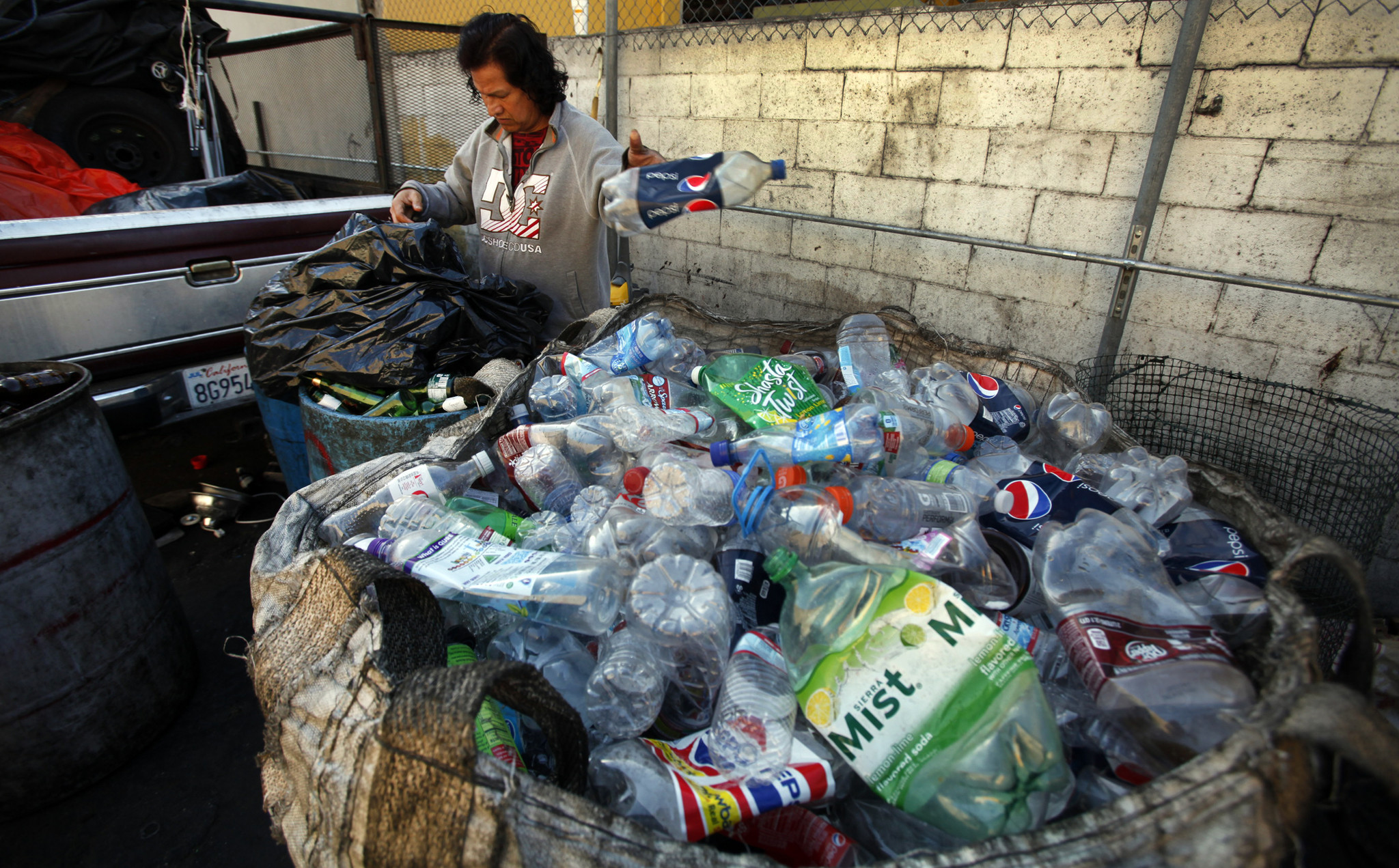
    Food and beverages firm PepsiCo India is planning to install reverse vending machines to crush PET plastic bottles in all the 36 districts of the state over the next two years as part of its plastic waste management initiative, a top executive said.

    According to a report: It aims to collect, segregate and recycle 6,500 tonnes of PET bottles in the state in the first year through this initiative.

    “We plan to roll out this (plastic waste management) initiative to all the 36 districts of the state over the next two years,” Neelima Dwivedi, Vice President, Pepsi-Co India said.

    In a meeting with chief minister Devendra Fadnavis in Nagpur in July, PepsiCo India’s president Ahmed ElSheikh had said the company is committed to the government’s vision and focus on addressing the issue of plastic waste in a sustainable manner.

  • PepsiCo India Beverages head Vipul Prakash resigns

    PepsiCo India Beverages head Vipul Prakash resigns

    PepsiCo said its head of beverages Vipul Prakash has quit the company to pursue an entrepreneurial opportunity outside the company.

    The company announced appointment of another PepsiCo stalwart Vishal Kaul, who recently re-joined the India team, to replace Prakash.

    “Vipul Prakash, Senior Vice President, Beverages Category, India Region has decided to pursue an entrepreneurial opportunity outside PepsiCo. He will be completing 20 years of his career journey with us and leaves a strong legacy,” the company said in a statement.

    Kaul will take over the leadership of the Beverage Category, in addition to leading the transformation agenda for India, with immediate effect, it said.

    PepsiCo expressed confidence that Kaul will bring his creative and commercial expertise to take the beverage category to the next level.

    Vipul joined PepsiCo in November 1998 in India, where he held positions in marketing and franchise. Since then, he has had stints at the sector, global and India region in various capacities. He has led brand strategy for the firm’s most iconic and loved brands like Mountain Dew, 7Up, Pepsi and Mirinda across geographies.

    “He has been an excellent mentor and coach to our talent across the system. His heart bleeds blue, and he will continue to be our ambassador. We will truly miss him!,” the statement said.

    PepsiCo India Chairman & CEO Ahmed ElSheikh said the company has built a very strong talent pipeline by giving people a mix of different critical experiences in India and internationally.

    “We are pleased to have Vishal Kaul take on the role of Vice President for the Beverage Category. Prior to his last role outside the company, Vishal had a long stint with PepsiCo in leadership roles across various geographies. “He takes the baton from Vipul Prakash, who has taken an entrepreneurial opportunity outside PepsiCo after a successful stint of 20 years with the Company. We will miss him and we wish Vipul all the very best for his future endeavours,” he said.

    Kaul, Vice President Beverage Category and Transformation, PepsiCo India, said it was an honour and privilege to lead PepsiCo to the next stage of growth and evolution of the beverage category.

    “The expansion of our portfolio to include healthier options, new packaging choices, and new ways of connecting with consumers is incredibly exciting,” he said.

  • PepsiCo enters into agreement to acquire SodaStream International Ltd.

    PepsiCo enters into agreement to acquire SodaStream International Ltd.

    PepsiCo, Inc. and SodaStream International Ltd. announced that they have entered into an agreement under which PepsiCo has agreed to acquire all outstanding shares of SodaStream for US $144.00 per share in cash, which represents a 32 percent premium to the 30-day volume weighted average price.

    “PepsiCo and SodaStream are an inspired match,” said PepsiCo Chairman and CEO Indra Nooyi. “Daniel and his leadership team have built an extraordinary company that is offering consumers the ability to make great-tasting beverages while reducing the amount of waste generated. That focus is well-aligned with Performance with Purpose, our philosophy of making more nutritious products while limiting our environmental footprint. Together, we can advance our shared vision of a healthier, more-sustainable planet.”

    Daniel Birnbaum, SodaStream CEO and Director said, “Today marks an important milestone in the SodaStream journey. It is validation of our mission to bring healthy, convenient and environmentally friendly beverage solutions to consumers around the world. We are honored to be chosen as PepsiCo’s beachhead for at home preparation to empower consumers around the world with additional choices. I am excited our team will have access to PepsiCo’s vast capabilities and resources to take us to the next level. This is great news for our consumers, employees and retail partners worldwide.”

    PepsiCo’s strong distribution capabilities, global reach, R&D, design and marketing expertise, combined with SodaStream’s differentiated and unique product range will position SodaStream for further expansion and breakthrough innovation.

    The transaction is another step in PepsiCo’s Performance with Purpose journey, promoting health and wellness through environmentally friendly, cost-effective and fun-to-use beverage solutions.

    “SodaStream is highly complementary and incremental to our business, adding to our growing water portfolio, while catalyzing our ability to offer personalized in-home beverage solutions around the world,” said Ramon Laguarta, CEO-Elect and President, PepsiCo.

    Laguarta added, “From breakthrough innovations like Drinkfinity to beverage dispensing technologies like Spire for foodservice and Aquafina water stations for workplaces and colleges, PepsiCo is finding new ways to reach consumers beyond the bottle, and today’s announcement is fully in line with that strategy.”

    Under the terms of the agreement between PepsiCo and SodaStream, PepsiCo has agreed to acquire all of the outstanding shares of SodaStream International Ltd. for US $144.00 per share, in a transaction valued at US $3.2 billion. The transaction will be funded with PepsiCo’s cash on hand.

    The acquisition has been unanimously approved by the Boards of Directors of both companies. The transaction is subject to a SodaStream shareholder vote, certain regulatory approvals and other customary conditions, and closing is expected by January 2019.

    Goldman Sachs acted as financial advisor to PepsiCo in this transaction. Centerview also acted as financial advisor to PepsiCo in the transaction. Gibson, Dunn & Crutcher LLP acted as lead counsel to PepsiCo, Davis Polk & Wardwell LLP as U.S. tax counsel, and Herzog, Fox & Ne’eman as Israeli legal counsel. Perella Weinberg Partners acted as financial advisor to SodaStream with White & Case LLP acting as SodaStream’s U.S. legal counsel and Meitar Liquornik Geva Lesham Tal as Israeli legal counsel.
  • PepsiCo India’s Indra Nooyi to step down as CEO in October

    PepsiCo India’s Indra Nooyi to step down as CEO in October

    Indian American business executive Indra K. Nooyi will step down as the Chief Executive of food and beverage major PepsiCo Inc in October, the company said on Monday.

    According to the US-based multinational, Nooyi, 62, will step down on October 3 after 24 years with the company, the last 12 as the CEO. However, Nooyi will remain the Chairman of the company until early 2019, Pepsico said.

    She will be succeeded by Ramon Laguarta, 54, as the Chief Executive Officer.

    “Growing up in India, I never imagined I’d have the opportunity to lead such an extraordinary company,” Nooyi was quoted as saying in a company statement.

    “Guided by our philosophy of ‘Performance with Purpose’ – delivering sustained performance while making more nutritious products, limiting our environmental footprint and lifting up all the communities we serve, we’ve made a more meaningful impact in people’s lives than I ever dreamed possible.

    “PepsiCo today is in a strong position for continued growth with its brightest days still ahead.”

    While Nooyi departs, the rest of PepsiCo’s senior leadership team will remain unchanged.

    Speaking on behalf of PepsiCo’s Board of Directors, presiding Director Ian Cook said: “As Chairman and CEO, Indra has provided outstanding leadership over the past 12 years, serving as a model both within our industry and beyond for responsible corporate stewardship in the 21st century.

    “As CEO, she grew revenue more than 80 percent, outperforming our peers and adding a new billion-dollar brand almost every other year. And shareholders have benefited: US $1,000 invested in PepsiCo in 2006 is worth more than two-and-a-half times that amount today.”

    Cook pointed out that under her leadership the company invested “for the future, leading the way on corporate sustainability and responsibility, and embedding a sense of purpose in everything the company does.

    “As one of the first Fortune 100 CEOs to embed sustainability targets into business operations, Indra was a pioneer, paving the way for a new generation of business leaders who seek to ‘do well by doing good’.

    “Under her leadership, PepsiCo grew its portfolio of ‘Good for You and Better for You’ options from about 38 percent of revenue in 2006 to roughly 50 percent in 2017, almost tripled its investments in research and development to expand its more nutritious offerings and minimize its environmental impact, and achieved global recognition for the company’s work in communities around the world.”

  • PepsiCo to help India implement plastic ban

    PepsiCo to help India implement plastic ban

    PepsiCo on Wednesday expressed its commitment to support the plastic ban enforced in Maharashtra, India, including the extended producer responsibility for PET plastic waste bottles, a top company official said.

    PepsiCo India President and CEO Ahmed ElSheikh met Chief Minister Devendra Fadnavis here and said it has partnered with Gem Enviro Management for setting up infrastructure to collect and recycle the PET plastic bottles in the state.

    Pledging to collect and recycle all the PET plastic bottles generated through PepsiCo’s beverages, he said that Gem Enviro will set up Reverse Vending Machines, collection points and centres at various locations in Maharashtra.

    “The programme will also ensure effective recycling of the PET waste collected. In addition, through the Indian Beverage Association, we are also setting up a consortium for industry players to come together and work towards enhancing the plastic waste management infrastructure in the state,” ElSheikh announced.

    He added that the company plans to design all packaging to be recoverable or recyclable by 2025 for which it is working on new technologies for sustainable packaging solutions.

    “We will be piloting the first ever 100 per cent compostable, plant-based packaging for our popular snacks products – Lay’s and Kurkure – this year, and have resized these snacks packaging to reduce paper consumption in the value chain,” ElSheikh said.

    For the beverages business, the company has launched Pepsi Black in non-returnable glass packaging and will collaborate with Central Pollution Control Board for two pilot projects for multi-layered packaging waste management.

    “As part of our efforts to increase recycling, we have also successfully piloted a ‘Film to Fuel’ project at our Pune plant to convert all the packaging film waste from the plant, into fuel, ensuring 100 percent recycling of packaging waste at the plant,” said ElSheikh.

  • PepsiCo Cuts Ties With Indofood’s Palm Oil Unit Over Labor Abuse Claims

    PepsiCo Cuts Ties With Indofood’s Palm Oil Unit Over Labor Abuse Claims

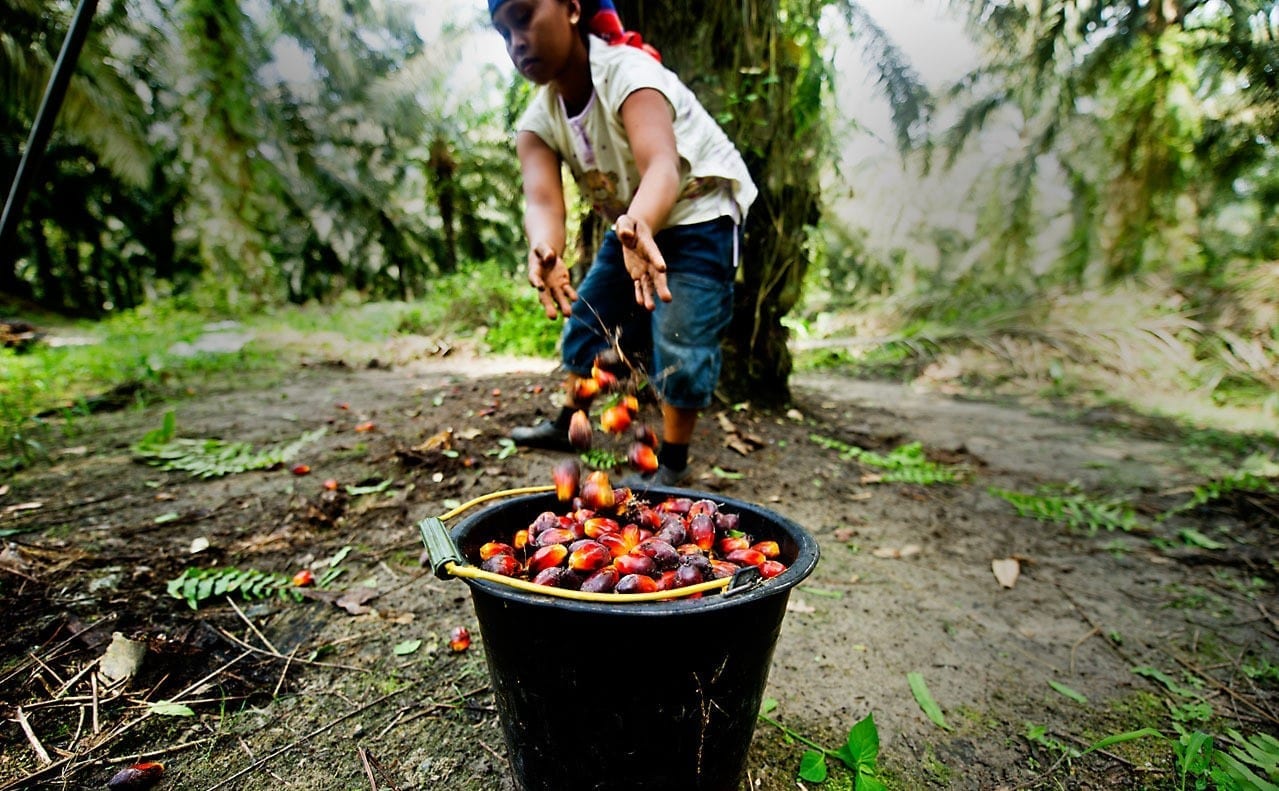
    Food and beverage giant PepsiCo has suspended procurement from a palm oil supplier over claims of labor abuses on its Indonesian plantations, a move hailed by campaigners on Wednesday (24/01).

    A 2016 probe by several campaign groups alleged there were child labor and worker exploitation, such as low wages and hazardous working conditions, on Indonesian plantations operated by Singapore-listed Indofood Agri Resources (IndoAgri).

    Although IndoAgri has taken action to address the complaints, PepsiCo said it decided to suspend ties “pending further progress and visibility around the issues” after it looked into the allegations.

    “PepsiCo is very concerned about the allegations that our policies and commitments on palm oil, forestry stewardship and human rights are not being met,” it said in a statement.

    Neither IndoAgri nor its parent company, Indofood, were immediately available to comment. IndoAgri said on its website that it has a sustainable palm oil policy which ensures human rights are respected.

    Businesses are facing increasing pressure from governments and consumers to disclose what actions they are taking to ensure their supply chains are free from modern-day slavery.

    Indonesia is the world’s largest palm oil producer but it has been regularly linked to the destruction of rainforests and wildlife habitats, as well as displacement of indigenous communities.

    IndoAgri is a subsidiary of Indonesian food manufacturer Indofood, which produces PepsiCo’s snacks in Indonesia under a joint venture partnership. The joint venture sourced palm oil from IndoAgri.

    The investigation was carried out by San Francisco-based Rainforest Action Network (RAN), Indonesian labor rights group OPPUK and Washington-based International Labor Rights Forum.

    “After years of denial, PepsiCo has admitted to the high risks associated with its palm oil supply chain and business partner,” RAN campaigner Robin Averbeck said in a statement.

    Palm oil, used in soap, cosmetics and food spreads, has been one of the fastest expanding crops in the last few decades.g