Tag: pharmacy

  • Big Caring Group’s Bold Move: Malaysia’s Biggest Pharmacy Retail Chain Gears Up for High-Stakes IPO

    Big Caring Group’s Bold Move: Malaysia’s Biggest Pharmacy Retail Chain Gears Up for High-Stakes IPO

    Big Caring Group, Malaysia’s premier pharmacy retail chain, is gearing up for an initial public offering (IPO) as part of its strategic plan to strengthen its standing in the country’s burgeoning retail health sector.

    A Promising IPO

    Based in Kuala Lumpur and backed by private equity firm Creador, Big Caring Group aims to sell up to 25.5 per cent of its shares, amounting to approximately 1.88 billion ordinary shares. This information was found in a preliminary prospectus lodged with the Securities Commission Malaysia. Currently, the company has about 1.29 billion shares in existence; the remainder of the IPO will comprise new shares intended to fund future expansion and decrease existing debt.

    Expanding Retail Presence

    With a strong network of 626 stores across the nation, Big Caring Group continues to display its ambitious growth strategy. The company has plans to open an additional 50 stores within the next three to five years.

    Institutional and Retail Investors

    The structure of the IPO is designed to cater to institutional and selected investors; around 1.61 billion shares will be made available for them. Meanwhile, retail investors, which include company employees, contributors, and the general public, will have the opportunity to subscribe to approximately 268 million shares.

    Leading the Offering

    Maybank Investment Bank and RHB Investment Bank will spearhead the IPO as joint principal advisors, global coordinators, bookrunners, managing underwriters, and underwriters. Additionally, AmInvestment Bank and UBS will play essential roles in coordinating and underwriting the tranche for institutional investors.

    The IPO price and timeline have not yet been disclosed. The listing is pending approval from Bursa Malaysia and the Securities Commission.

    Questions & Answers

    What is Big Caring Group planning?
    Big Caring Group, the largest pharmacy retail chain in Malaysia, is preparing for an initial public offering (IPO) to strengthen its position in the country’s growing retail health sector.

    How many shares is Big Caring Group considering selling in its IPO?
    The company plans to sell up to 25.5 per cent of its shares, or around 1.88 billion ordinary shares, according to their preliminary prospectus.

    What is the company’s expansion plan?
    Big Caring Group intends to open 50 more stores across the nation within the next three to five years. Currently, they operate 626 stores nationwide.

  • Japanese pharmacy Ain to acquire rival for $690 million

    Japanese pharmacy Ain to acquire rival for $690 million

    Japanese pharmaceutical retailer, Ain, has unveiled plans to acquire its competitor, Kraft, which operates the Sakura pharmacy chain. The proposed transaction is estimated to be worth over 100 billion yen (approximately US$690 million).

    Ain’s intention is to purchase the entirety of Kraft’s shares from investment firm Nippon Sangyo Suishin Kiko. The deal, which includes assuming all the company’s debts, is estimated to cost Ain nearly 60 billion yen. If all goes to plan, the transaction is expected to be finalized in August.

    In the business year ending April 2024, Ain’s dispensing pharmacy business reported strong sales figures of 357.5 billion yen. On the other hand, Kraft’s sales for the business year ending March 2024 were reported at 153.7 billion yen.

    By acquiring Kraft, Ain aims to cement its leading position over its competitor Nihon Chouzai. The latter posted impressive sales of 321.9 billion yen in the last fiscal year.

    Questions & Answers

    What is the estimated value of the acquisition deal between Ain and Kraft?
    The proposed acquisition deal is estimated to be worth over 100 billion yen (approximately US$690 million).

    What is the expected completion date for the transaction?
    The acquisition transaction is expected to be finalized in August.

    What were the sales figures for Ain and Kraft in the last business year?
    Ain’s dispensing pharmacy business reported sales figures of 357.5 billion yen in the business year ending April 2024, while Kraft posted sales of 153.7 billion yen for the same period.

  • South Korea’s SK Group may sell some Southeast Asia assets

    South Korea’s SK Group may sell some Southeast Asia assets

    South Korea’s second-largest conglomerate SK Group said on Monday it is considering selling some of its assets in Southeast Asia and reinvesting in other businesses in countries in the region, including Vietnam.

    An SK Group spokesperson said in a statement that the conglomerate plans to decide which assets to sell depending on buyers’ offers, and is considering reinvesting some of the proceeds from any stake sales in local firms.

    The statement didn’t disclose details of which assets might be sold.

    The comments came after South Korean newspaper the Korea Economic Daily reported SK’s plans late on Sunday citing unnamed investment banking sources.

    Assets held by SK Group’s Southeast Asia investment firm that could be sold, according to the paper, include stakes in Vietnam’s Vingroup, Masan Group, retail pharmacy chain Pharmacity, retailer VinCommerce and consumer retail platform The Crown X.

    The paper said it also has a stake in Malaysian fintech company Big Pay.

  • Carlyle eyes investing in Malaysia’s Caring Pharmacy

    Carlyle eyes investing in Malaysia’s Caring Pharmacy

    Multinational private equity investor Carlyle Group is reportedly in talks with Caring Pharmacy to acquire a majority stake in the Malaysian drugstore chain.

    According to DealStreetAsia, the deal is projected to reach more than US$300 million in size.

    Earlier this year, Caring Pharmacy’s majority owner, 7-Eleven Malaysia Holdings was said to be in talks with several potential Japanese investors about a potential divestment of Caring Pharmacy. The chain was previously estimated to be worth around US$400 million.

    Established in 1994 by five pharmacists who were course-mates in the School of Pharmacy at Universiti Sains Malaysia (USM), Caring offers pharmaceuticals, healthcare, and personal care products. As of 2019, the company had more than 120 stores nationwide.

    7-Eleven Malaysia recently forayed into the Indonesian pharmacy business through a joint venture between Caring Pharmacy and PI Era Prima Indonesia.

  • Long Chau Pharmacy sees revenues triple in H1

    Long Chau Pharmacy sees revenues triple in H1

    Long Chau Pharmacy tripled its revenues year-on-year in the first half-year to VND4 trillion ($171.38 million) and opened hundreds of new stores.

    It increased its contribution to FPT Retail’s revenues from 15 percent to nearly 30 percent in the period.

    At the end of June, Long Chau had 678 pharmacies, 278 more than at the beginning of the year.

    FPT Retail, a subsidiary of tech giant FPT, expects the pharmacy chain to make a profit of VND50-100 billion this year.

    Another major contributor to FPT Retail’s revenues is electronics retailer FPTShop, which saw revenues rise by 31 percent to VND10 trillion.

  • Priceline Pharmacy launches health insurance

    Priceline Pharmacy launches health insurance

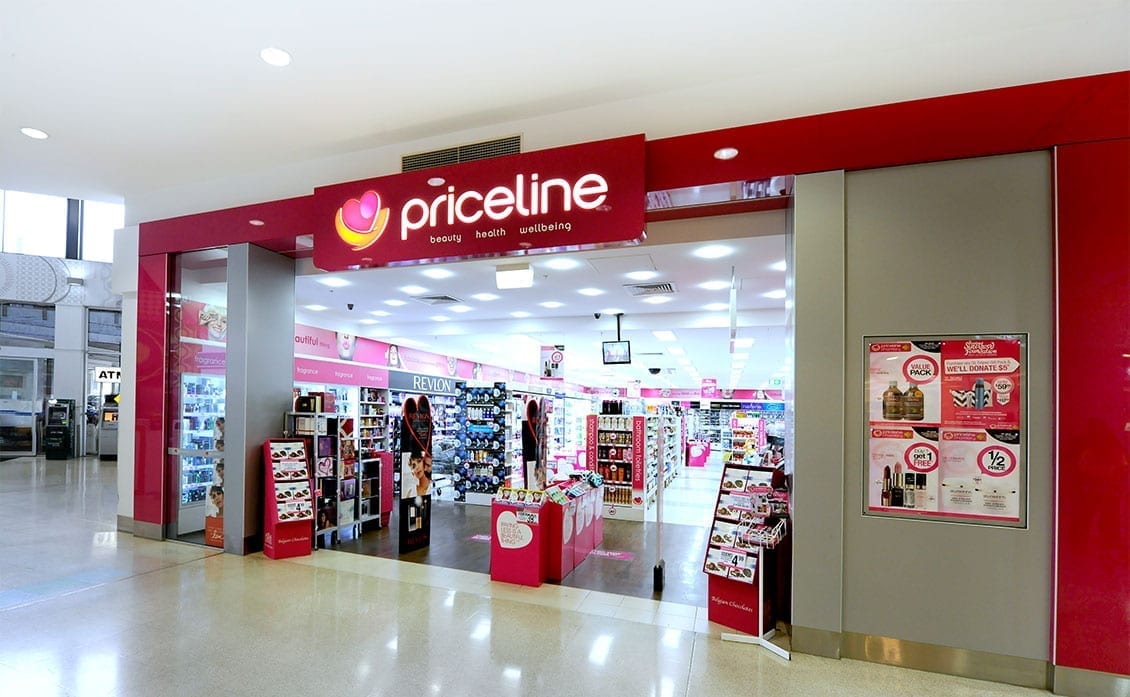
    Priceline Pharmacy has launched a unique health insurance brand and products in partnership with health fund nib.

    The launch of the health insurance products sees Priceline Pharmacy become the first pharmacy retailer to offer this to its customers.

    The cover includes all the stuff people would typically expect with private health insurance but the real benefits are the Priceline perks thrown in for good measure.

    “Priceline has operated as a health and beauty destination for over 40 years. We are constantly looking to provide products and services that our customers want and Priceline Health Insurance now provides an extension of our brand’s trusted pharmacy offer,” General Manager, Priceline Pharmacy, Andrew Vidler said.

    There is no other health insurance product like this: from $5 vouchers, which accrue with every $50 purchase (and I can tell you they add up quickly!) to offering annual flu vaccinations through more than 370 Priceline Pharmacies around Australia.

    “It’s important to us that our Franchisees who operate these local pharmacies in their communities will also see these new health insurance customers in their stores and create even more loyal Sister Club members for our brand,” he said. 

    Priceline says the pharmacy brand is leveraging the power of its Sister Club program. Specifically, Priceline health insurance members will receive Sister Club bonus points for every $1 spent on the premium and a $5 voucher for every $50 spent in Priceline and Priceline Pharmacy stores.

    Additionally, Priceline says that health insurance members will also be bumped up to automatic ‘Pink Diamond’ status, which is the highest status a Sister Club member can attain. This comes with numerous benefits including more $5 vouchers and gifts for birthdays and Christmas.

    Additionally, every health insurance customer will reportedly receive an annual flu vaccine at Priceline Pharmacy.

    nib’s Chief Executive Australian residents’ health insurance, Ed Close said the launch of Priceline health insurance presented a unique and exciting opportunity, particularly for the more than seven million Sister Club members.

    “As one of Australia’s largest loyalty programs, Sister Club members will benefit from a bespoke range of best-in-class health insurance products, but with the bonus of Sister Club points on joining and when they pay their premium, making sure they get ongoing value from simply being a Priceline health member,” Mr Close said.

    “In addition, we will be able to use Priceline’s national pharmacy network and digital assets to provide an enhanced service offering as well as ongoing customer benefits.”

  • 7-Eleven Malaysia ventures into Indonesia’s pharmacy market

    7-Eleven Malaysia ventures into Indonesia’s pharmacy market

    7-Eleven Malaysia Holdings Bhd has teamed up with a listed company on the Jakarta Stock Exchange to set up a retail pharmacy chain in Indonesia.

    SEM, in a filing today, said its 75% owned Caring Pharmacy Retail Management Sdn Bhd has entered into a joint venture with PT Era Prima Indonesia (EPI) to establish the business.

    Caring would take a 50.1% stake in the JV.

    SEM said the total funding of the proposed JV was about RM8.55mil. “The proposals represent an opportunity for the SEM Group to venture into the pharmaceutical industry in Indonesia,” it said.

    EPI is a subsidiary of listed firm PT Erajaya Swasembada Tbk, a distributor and retailer of mobile communication products.

  • E-pharmacy startup Medigo raises $1 million

    E-pharmacy startup Medigo raises $1 million

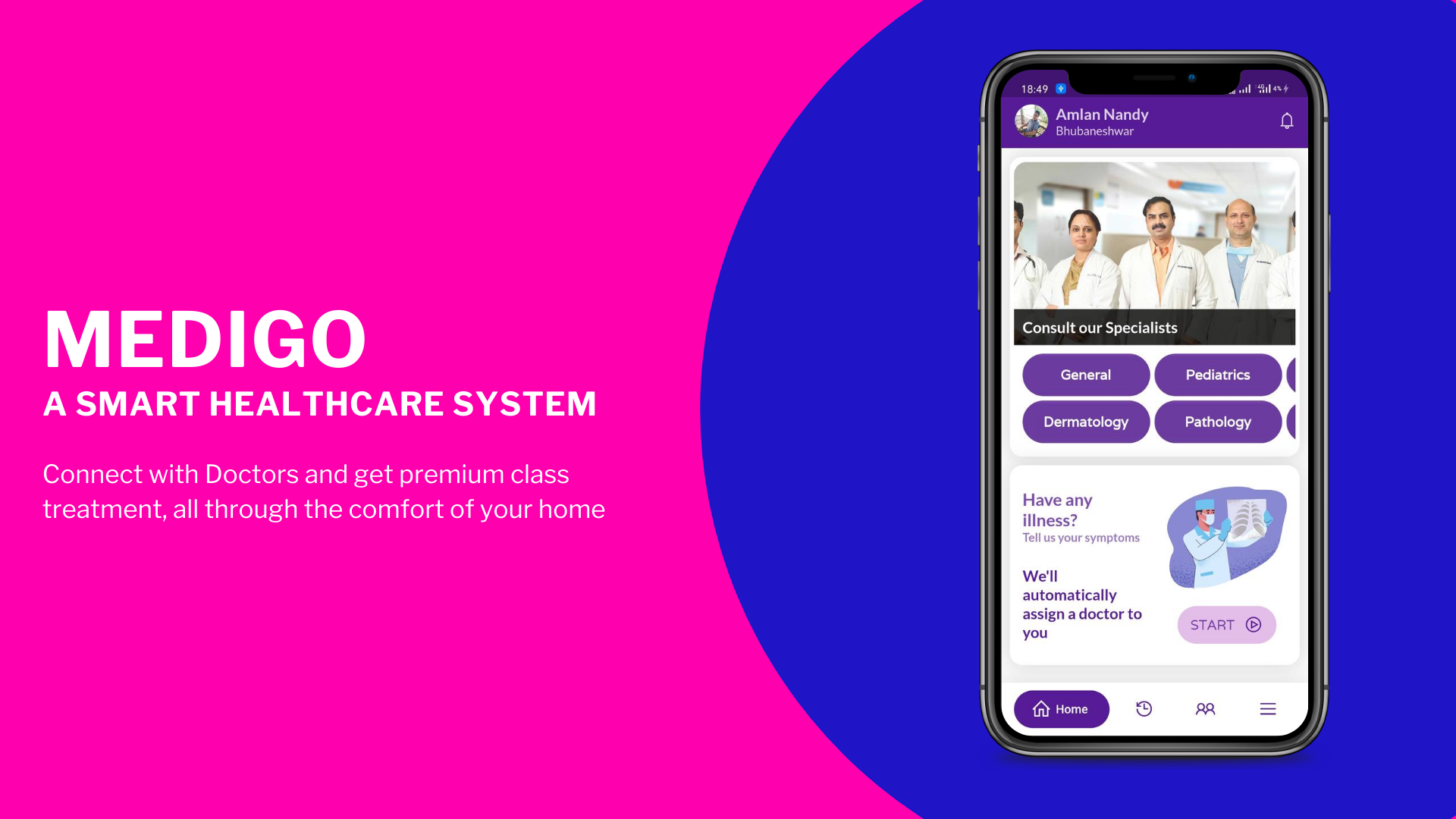
    E-pharmacy startup Medigo has received a $1 million investment from venture capital firm Touchstone Partners.

    The med-tech company, which helps users order medicine from pharmacies in the comfort of their homes, plans to expand its offerings to telemedicine and other healthcare services amid growing healthcare spending in Vietnam.

    Medigo, launched in July 2019, has partnered with over 200 medical institutions in Ho Chi Minh City, Hanoi, and Da Nang.

    In the past six months, it saw gross merchandise value increase eight times. Medigo currently has over 200,000 users on its platform.

    Touchstone Partners is an early-stage Vietnamese venture capital firm that launched its inaugural $50 million fund earlier this year.

    Speaking of the investment, co-founder of the firm Ngo Thuy Ngoc Tu said that amid the pandemic, Medigo has offered sustainable solutions to help Vietnamese access healthcare services at reasonable costs.

  • Amazon launches Pharmacy subscription offer in US

    Amazon launches Pharmacy subscription offer in US

    Amazon.com Inc said on Tuesday it was now offering six-month prescriptions starting at $6 for medications of common health issues through its pharmacy.

    The company said prime members would get additional savings when paying without insurance. Customers can pay as low as $1 per month for select medications, including drugs to treat diabetes and blood pressure, and will get free two-day delivery.

    The e-commerce giant launched an online pharmacy in November for delivering prescription medications in the United States and stirring up competition with drug retailers such as Walgreens Boots Alliance, CVS Health and Walmart.

    Shares of pharmacy chains and drug wholesalers fell in morning trading as Amazon’s launch of online pharmacies has been a threat to brick-and-mortar pharmacies at a time when e-commerce has surged due to Covid-19 restrictions.

    Shares of Walgreens and CVS were down 1.2% each, and those of drug distributors AmerisourceBergen Corp and McKesson Corp fell 1% and 1.7%, respectively.

    Amazon is also looking at launching physical pharmacies in the United States, the Insider reported last month.

    Under the new offering, customers can search for their medication by name and find out if it’s eligible for a six-month supply and what the price it will be when using the Prime prescription savings benefit, the company said.

    It added that the supplies would be available only for customers who have a prescription from their healthcare providers.

    Amazon has been trying to enter the pharmacy market since its 2018 acquisition of PillPack, which is a platform used by customers who need pre-sorted doses of multiple drugs.

    Rival Walgreens offers free same-day and next-day delivery options for drugs.

  • Online concierge pharmacy platform POC raises $4.5 mln to improve services in Vietnam

    Online concierge pharmacy platform POC raises $4.5 mln to improve services in Vietnam

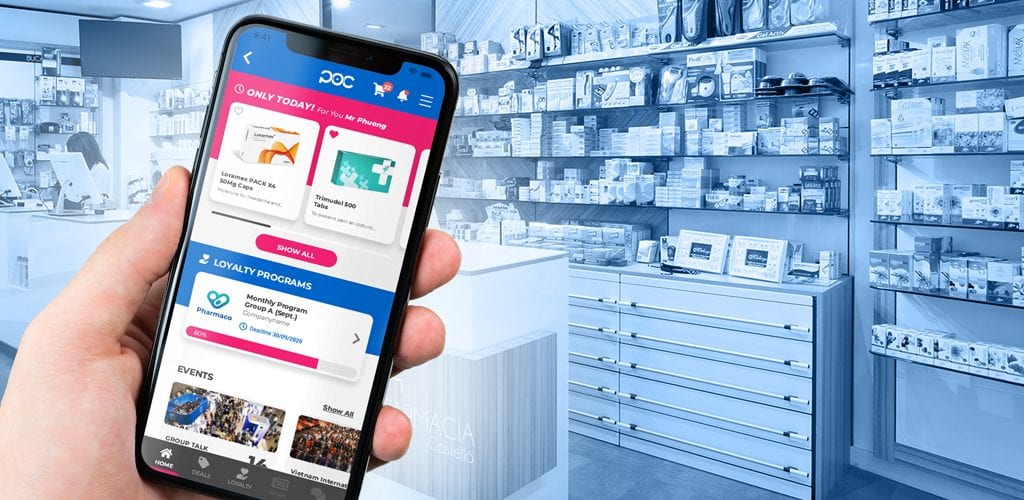
    Pharmacy Online Concierge Pharma has secured $4.5 million in an equity financing round to digitize pharmacies in Vietnam.

    Based in Vietnam and Hong Kong, the platform helps stakeholders such as pharmacies, drug manufacturers, distributors, wholesalers, and consumers to digitally manage their interactions.

    It raised the money from Picus Capital of Germany, Goat Capital and FJ Labs that of the U.S., Febe Ventures 500 Startups Vietnam of Singapore, and several unnamed angel investors. It is one of the biggest rounds at this stage in Vietnam.

    POC Pharma said it would use the money to improve its services in Vietnam, focusing on selling pharmaceutical products online first and then aiming to launch in more countries.

    Its services include trade programs and trade offers management, content and information sharing, data integration and visualization, customized customer engagement, multichannel commercialization, and order management. Established in 2020 by Thomas Miklavec and Charles Defrance, POC helps pharmacists manage all their processes, increasing revenues and profits while improving their quality of service.

    The startup said it has five global pharmaceutical company customers, including Bayer and Pfizer, and more than 20,000 pharmacies in 22 different markets use its platform.

  • Amazon looking at $100 million investment in India’s Apollo Pharmacy

    Amazon looking at $100 million investment in India’s Apollo Pharmacy

    Amazon.com Inc is considering a nearly $100 million investment in India’s pharmacy chain Apollo Pharmacy, facing up to Reliance Industries Ltd and Tata Group in the country’s fast-growing drug market, the Economic Times reported on Wednesday, citing two people aware of the plans.

    Amazon already delivers medicines in India and the potential investment would come amid rising competition from Mukesh Ambani’s Reliance, which bought a majority stake in online pharmacy Netmeds.

    Tata Group here, meanwhile, was reportedly in talks to pick up a majority stake in e-pharmacy firm 1mg.

    Both Amazon and Apollo Hospitals, which owns Apollo Pharmacy, declined to comment.

    The growth of e-pharmacies, however, has left many Indian trader groups feeling threatened, who say online drugstores can contribute to medicine sales without proper verification and the entry of large players can cause unemployment in the sector.

    Amazon’s plan to further expand in India also comes close on the heels of its launch of an online pharmacy to deliver prescription drugs in the United States, increasing competition with drug retailers such as Walgreens, CVS Health and Walmart.

  • Amazon US launches online pharmacy in new contest with drug retail

    Amazon US launches online pharmacy in new contest with drug retail

    Amazon.com Inc on Tuesday launched an online pharmacy for delivering prescription medications in the United States, increasing competition with drug retailers such as Walgreens, CVS and Walmart.

    Called Amazon Pharmacy, the new store lets customers price-compare as they buy drugs on the company’s website or app. Shoppers can toggle at checkout between their co-pay and a non-insurance option, heavily discounted for members of its loyalty club Prime.

    The move builds on the web retailer’s 2018 acquisition of PillPack, which Amazon said will remain separate for customers needing pre-sorted doses of multiple drugs.

    Over the past two years, Amazon has worked to secure more state licenses for shipping prescriptions across the country, which had been an obstacle to its expansion into the drug supply chain, according to analyst notes from Jefferies Equity Research.

    The company founded as an online bookseller has disrupted industries including retail, computing and now potentially pharmaceuticals, drawing criticism of its size and power from labor groups and lawmakers along the way.

    TJ Parker, PillPack’s CEO and vice president of Amazon Pharmacy, said in a statement the retailer aimed to bring “customer obsession to an industry that can be inconvenient and confusing.”

    Amazon faces entrenched competition from Walgreens Boots Alliance Inc, CVS Health Corp, Walmart Inc, Rite Aid Corp , Kroger Co and others. Take-up of online ordering of drugs has been low, according to market research from J.D. Power.

    Should Prime members prefer buying in person, Amazon said its discounts on non-insurance purchases apply at more than 50,000 brick-and-mortar pharmacies – including those run by rivals. Inside Rx, a subsidiary of Cigna Corp’s Evernorth, administers that benefit, Amazon said.

    Still, the pandemic may help bring drug orders online. E-commerce has surged this year as governments told people to stay home to stave off infections of COVID-19, and Prime members – more than 150 million globally – may be receptive to buying medication online now that it’s from Amazon.

    The company said Prime subscribers get up to 80% off generic and up to 40% off brand drugs when they pay without insurance, as well as two-day delivery.

    Amazon’s online pharmacy is not yet available in Illinois, Minnesota, Louisiana, Kentucky, and Hawaii, a spokeswoman said.

  • JV arrives to create US$7.9bn Chinese pharmacy giant

    JV arrives to create US$7.9bn Chinese pharmacy giant

    China’s Laobaixing and Yixintang Pharmaceutical Group are in advanced talks to create the country’s biggest drugstore chain via a share swap, three people familiar with the matter said.

    Laobaixing’s founders, Xie Zilong and Chen Xiulan, are expected to have a bigger stake in the merged firm than Yixintang’s founder Ruan Hongxian, said two of the people. Shanghai-listed Laobaixing, formally known as LBX Pharmacy Chain Joint Stock Company and which boasts Tencent Holdings as a backer, has a market value of around US$4.4 billion, while Shenzhen-listed Yixintang is valued at about $3.5 billion.

    The talks have been ongoing for more than three months, the two people said. One person said the firms are aiming to finalize and announce the deal in the coming days, adding that Laobaixing would remain the listed entity.

    The sources declined to be identified as the discussions were not public. Laobaixing, Yixintang did not immediately respond to requests for comment.

    Tencent, which took a 1-per-cent stake in Laobaixing to become a strategic partner this year, has endorsed the merger and is planning to work with the combined firm to speed up implementation of a “smart retail” strategy, according to two people.

    The tech giant is looking at helping with the integration of their online and physical store businesses and will help drive traffic through its messaging service WeChat as well as other platforms, said one person.

    Laobaixing, also backed by private equity firms FountainVest Partners and Primavera Capital, had 6.7 billion yuan ($1 billion) in revenue for the first half, while Yixintang had 6 billion yuan, filings show.

    Together they exceeded the 8.6 billion yuan in first-half sales for a current industry leader, state-backed Sinopharm Holding Guoda Drugstores. Their combined number of stores at around 13,100 would also be more than double Guoda’s.

    China’s drugstore market is, however, highly fragmented. According to market research firm Qianzhan, Guoda had a market share of 2.9 percent last year, ahead of Laobaixing with 2.6 percent and Yixintang with 2.4 percent.

    Both Laobaixing and Yixintang sell pharmaceuticals, traditional Chinese medicine, nutritional supplements, and medical equipment. They also complement each other geographically with Laobaixing strong in central and eastern China while Yixintang has focused on the southwest of China, particularly it’s home province of Yunnan.

    Laobaixing, established in 2001, is 33-per-cent held by its founders. For years it counted EQT as a key backer but the Swedish private equity firm sold its 25 percent stake to FountainVest and Primavera for $557 million a year ago.

    Yixintang, founded in 1981, is 31-per-cent owned by founder Ruan.

  • Malaysia’s first pharmacy for pets opens – Vet Pharmacy

    Malaysia’s first pharmacy for pets opens – Vet Pharmacy

    Malaysian pet food and supplies retailer Pet Lovers Centre (PLC) has opened its first pharmacy for pets called Vet Pharmacy.

    Vet Pharmacy is also Malaysia’s first veterinary-exclusive pharmacy where owners can find pet supplements, shampoos, and seek basic medical guidance for their pets. The pharmacy features different brands of medications – which they dub “petceuticals” for preventing ticks and fleas, heartworm, and intestinal worms.

    “With the opening of Malaysia’s first vet pharmacy exclusively for pets, PLC hopes to step up the level of pet care offered by the pet industry in Malaysia,” the company said in a statement.

    Vet Pharmacy said it will add flavorings into compounded medicines, made on-site, to make them more palatable to pets with picky appetites.

  • Chinese pharmaceutical group may bid for ailing GNC

    Chinese pharmaceutical group may bid for ailing GNC

    Chinese firm Harbin Pharmaceutical Group is poised to take over and privatize US vitamin and retailer supplier GNC.

    The firm acquired a 40-per-cent shareholding in the company last year, initiating an e-commerce business in joint venture with GNC in China. Harbin currently owns its stake as convertible preferred shares.

    The potential takeover is complicated by GNC’s heavy debt load, which four months ago stood at US$900 million, and the current political climate between China and the US. GNC has lost more than half its value over the past year.

    GNC operates more than 4800 stores in the US and has franchises in 46 international territories. It is expected to shutter 900 outlets by the end of next year.