Tag: phuket

  • Crackdown on Underground Hospitality: Thailand Targets Illegal Hotels on Phuket Island

    Crackdown on Underground Hospitality: Thailand Targets Illegal Hotels on Phuket Island

    The Thai government is stepping up its measures against unauthorized accommodations, following the discovery of three illegal hotels on Phuket, the nation’s largest island. During a recent operation, Deputy Interior Minister Polapee Suwunchwee led a task force targeting three hotels consisting of approximately 200, 240, and 45 rooms. The investigation revealed that none of the properties held valid construction permits or operating licenses.

    Two of these establishments had initially received approval as residential buildings or condominiums but had been unlawfully converted into hotels. In addition, officials conducted online booking simulations, which showed that the hotels were mostly selling rooms to European and other international tourists, with very few Thai patrons.

    Illegal Ownership and Consequences

    The investigation further exposed suspected nominee ownership arrangements, involving companies with a shareholding structure that is 49% foreign and 51% Thai. In some instances, the properties were legally owned by Thai citizens but rented out to Chinese investors, who allegedly ran the hotels without the necessary licenses.

    This operation is part of a larger scheme covering over ten locations across Phuket. Local authorities, under the instruction of Phuket Governor Sophon Suwannarat, have been directed to immediately close businesses that fail to provide the necessary documentation.

    Director-General of the Department of Provincial Administration, Narucha Kosasivilize, highlighted the triple-edged harm of illegal lodging operations. They disadvantage legal, tax-paying businesses, pose safety hazards due to non-compliance with government safety standards, and damage Thailand’s reputation, thereby undermining long-term confidence in its tourism industry. Efforts are being made in conjunction with the Royal Thai Police, Ministry of Commerce, Department of Special Investigation, and other agencies to broaden probes into foreign business networks nationwide.

    In a separate development, Deputy Government Spokeswoman Lalida Pervsivatan announced that Thailand will implement a new intelligence-based screening system on August 1 to enhance the detection of nominee businesses. This system will scrutinize company registration records, shareholder structures, and financial statements to pinpoint high-risk firms with Thai shareholders in suspicious circumstances. Lalida emphasized, however, that these measures are not designed to deter rightful foreign investment but to distinguish legal investors from those employing nominee structures to operate illicitly.

    Questions & Answers

    What is the focus of the crackdown in Thailand?
    The Thai government is focusing on the detection and closure of illegal hotels without the necessary operating licenses.

    What consequences do these illegal operations bring?
    Illegal hotels disadvantage legal businesses, pose safety threats due to non-compliance with government safety regulations, and tarnish Thailand’s reputation, undermining confidence in its tourism sector.

    What is the future plan of the Thai government to curb these illegal operations?
    Thailand plans to introduce a new intelligence-based screening system to improve the detection of businesses that are high-risk or suspicious, focusing on those with Thai shareholders.

  • Fry to Fly: Thailand’s Innovative Fuel Exchange Turns Used Cooking Oil into Gasoline

    Fry to Fly: Thailand’s Innovative Fuel Exchange Turns Used Cooking Oil into Gasoline

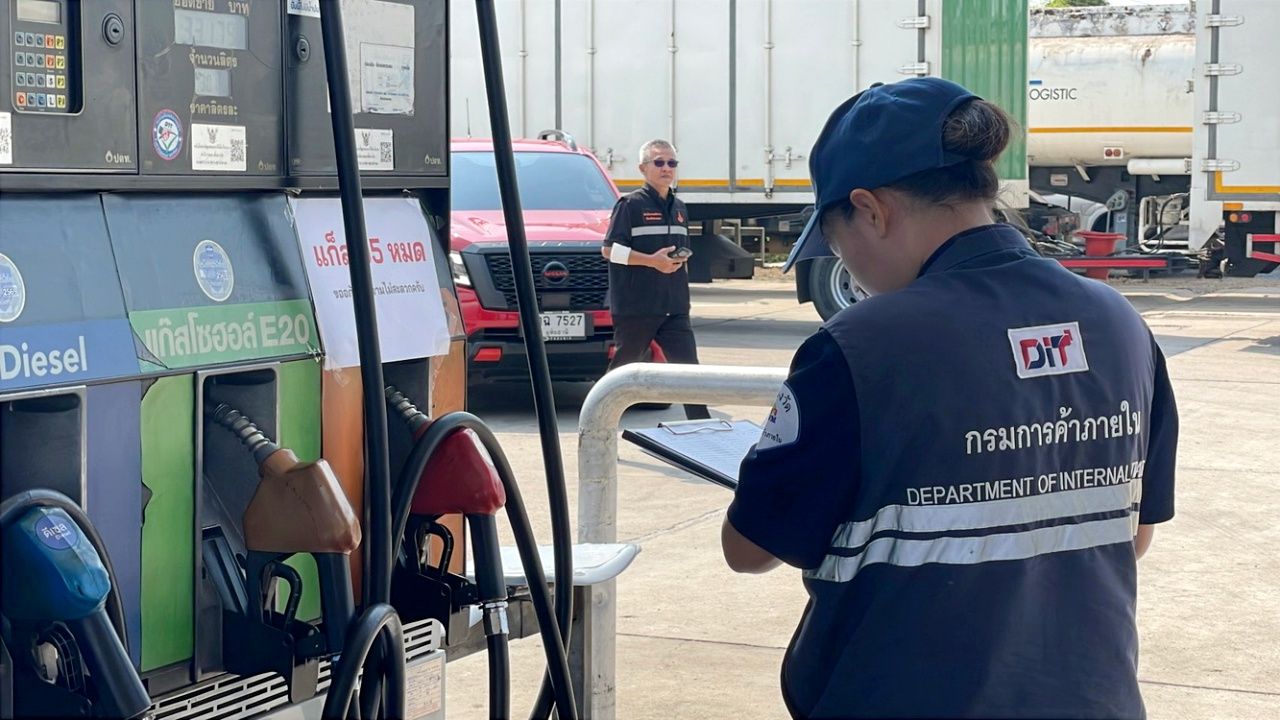
    A leading Thai oil corporation, Bangchak Corporation, has introduced an innovative programme enabling individuals to swap used cooking oil for regular-grade diesel or gasohol, offering relief to the escalating cost of living. Billed as the “Fry to Fly – 2 litres for 1 litre” campaign, it is set to run from April 6-30, with several service stations across Bangkok and neighbouring provinces participating.

    Under this initiative, consumers are invited to bring in 2 liters of used cooking oil, which can be exchanged for 1 liter of either diesel or gasohol fuel on the spot. The offer, however, does not extend to premium fuel grades.

    The campaign is a continuation of Bangchak Corporation’s ongoing efforts to repurpose used cooking oil into sustainable aviation fuel. With this new initiative, the company seeks to provide more immediate, daily benefits to consumers by transforming domestic waste into usable transport fuel. This is particularly crucial in the current climate of increasing energy prices, largely spurred by geopolitical tensions and conflicts in the Middle East.

    Each participant can exchange up to 20 liters of used cooking oil, with the conversion rate set at 1 kilogram of used oil per liter for ease of computation. Fifteen Bangchak service stations in Bangkok, Samut Prakan, Nonthaburi, and Pathum Thani are taking part in this pioneering project.

    Questions & Answers

    What is the “Fry to Fly – 2 litres for 1 litre” campaign about?
    The campaign allows consumers to exchange 2 liters of used cooking oil for 1 liter of regular-grade diesel or gasohol fuel at participating Bangchak service stations.

    What is the purpose of this initiative?
    This initiative is designed to provide direct, everyday benefits to consumers by transforming waste into usable transport fuel, especially during a time of escalating energy costs.

    What is the limit on the quantity of used cooking oil that can be exchanged?
    Each participant can exchange up to 20 liters of used cooking oil under this campaign.

  • Central Phuket’s Expansion: Transforming Thailand’s Luxury Retail Landscape by 2028

    Central Phuket’s Expansion: Transforming Thailand’s Luxury Retail Landscape by 2028

    Central Pattana is embarking on a significant expansion of Central Phuket, aiming to transform the mixed-use development into a keystone of Phuket’s transition from a tourist-centric locale to a global lifestyle hub.

    The expansion will enlarge the project’s existing area by approximately 40%, pushing the total developmental value past 26 billion baht (US$835.7 million) when completed in 2028. The expanded project will cover an approximate 500,000 square meters of gross building area, solidifying its standing as one of southern Thailand’s major retail and lifestyle establishments.

    Transition to Luxury Lifestyle Destination

    Situated in Phuket City, Central Phuket has gradually evolved from a traditional mall set-up to a luxury-focussed, experience-centric destination. It is designed to cater to high-spending local and international consumers. The latest development phase is set to tap into the escalating long-term residency, growth in branded residential spaces, and infrastructure improvements across Phuket.

    A key aspect of the expansion plan is the doubling of luxury retail space in Central Phuket Floresta. Central Phuket Festival will also be repositioned to enhance its appeal in the fashion and lifestyle sector. The expansion will additionally usher in new high-end dining areas and significant attractions, including immersive entertainment concepts, scheduled for gradual introduction by 2028.

    Central Pattana’s chief marketing officer, Nattakit Tangpoonsinthana, has drawn comparisons between this development model and successful examples in Miami, Saint-Tropez, and Barcelona. He emphasized Central Pattana’s commitment to strengthening this approach with a ‘Global Coastal City’ model. This model is underpinned by three core elements: luxury lifestyle, downtown economy, and a global community, positioning Phuket for long-term sustainable growth.

    Store Expansions and Exclusive Concepts

    The expansion will see the introduction of multiple store expansions and unique shopping concepts. These include the largest Louis Vuitton outlet in southern Thailand, a 597 square meter Prada boutique showcasing one of its widest beachwear collections, a pop-up by Celine, and revamped concept stores from Balenciaga and Saint Laurent.

    In a separate development, Central Pattana allocated 21 billion baht (US$640 million) last year to construct a new mega shopping and lifestyle complex, The Central Phaholyothin, in northern Bangkok.

    Questions & Answers

    What is the projected value of the expanded Central Phuket project?
    The total developmental value is estimated to exceed 26 billion baht (US$835.7 million) upon its completion in 2028.

    What new features will the expansion of Central Phuket introduce?
    The expansion plans include the doubling of luxury retail space, the introduction of new high-end dining areas, major attractions including immersive entertainment concepts, store expansions, and unique shopping concepts.

    What is the ‘Global Coastal City’ model?
    The ‘Global Coastal City’ model is driven by three core elements: luxury lifestyle, downtown economy, and a global community. It aims to position Phuket for long-term sustainable growth.

  • Thailand to Levy Taxes on All Foreign Online Purchases in Boost to Local Businesses

    Thailand to Levy Taxes on All Foreign Online Purchases in Boost to Local Businesses

    Beginning January next year, Thailand will impose taxes on all foreign goods sold through online platforms, thereby ending the current exemption on low-value imports priced under 1500 baht (US$46.30).

    Creating a Fair Market

    According to Panthong Loikulnan, the Director-General of the Customs Department, the objective of this move is to level the competition for local businesses and increase government revenue. The current situation gives foreign goods an edge over Thai businesses, putting Small and Medium-sized Enterprises (SMEs) at a disadvantage.

    New Tax System for Imports

    The newly instated system will subject all imported goods, regardless of their value, to customs duties and Value-Added Tax (VAT) as required by the law. This change supersedes the existing tariff exemption, which will be phased out by the end of this year.

    Goods priced below 1500 baht currently represent over 30 billion baht ($927 million) in annual imports. Loikulnan estimates that imposing an average 10 per cent duty could generate at least an additional 3 billion baht ($92.7 million) in government revenue each year.

    The proposed system will primarily rely on data verification from online platforms and random inspections to ensure compliance. Furthermore, Thailand’s customs department is currently in discussions with major e-commerce operators to directly link their sales and import data.

    Protecting Domestic Retailers

    Loikulnan believes that this reform will help establish a fair market for domestic retailers who are already paying taxes and are particularly impacted by the wave of low-cost imported products.

    In his opinion, delaying the implementation of such a system would put Thailand at a disadvantage since many other countries are grappling with the same issue: domestic sellers pay taxes, while foreign goods are imported tax-free.

    Lump-sum Tax Proposal

    For the long term, Loikulnan suggests introducing a “lump-sum tax”, which implies a flat rate of 20 to 30 per cent per imported package. This would simplify the system and increase efficiency. However, he acknowledges that such a change would necessitate legislative amendments and would take time to implement.

    Questions & Answers

    What is the objective of Thailand’s new tax system?
    The aim is to level the playing field for local businesses and increase government revenue.

    How will the new system work?
    All imported goods, regardless of their value, will be subject to customs duties and VAT. The system will rely on data verification from online platforms and random inspections to ensure compliance.

    What is the proposed “lump-sum tax”?
    The “lump-sum tax” refers to a flat rate of 20 to 30 per cent per imported package, suggested as a long-term solution to simplify the system and increase efficiency.

  • Phuket Real Estate Soars as Foreign Buyers Fuel Thriving Market Expansion

    Phuket Real Estate Soars as Foreign Buyers Fuel Thriving Market Expansion

    Phuket’s property market is undergoing a notable transformation, embracing modern, eco-friendly designs while catering to the rising demand for long-term living. Recent insights from Kate Nonteraransi, director of Sales at Mouana, reveal that foreign buyers represent an impressive 70% of real estate demand, reflecting shifting preferences among investors.

    In a conversation with Real Estate Asia during the Global Property Expo in Singapore, Nonteraransi highlighted the evolving landscape of buyer expectations. “Buyers initially favored Balinese-style properties, but we’ve seen a significant shift towards modern, contemporary design,” she stated, indicating a clear pivot in the market’s aesthetic sensibilities. This evolution is not just a trend but a reflection of broader lifestyle changes, particularly in the wake of the pandemic.

    Investments in branded developments are increasingly popular, with Mouana positioning itself as a trusted name among investors. Nonteraransi noted, “We have our construction workers, an architect team, civil engineering teams, and an after-sales service team. This comprehensive support makes us a very trustworthy brand in the eyes of buyers.” The melding of quality construction with attentive service is proving to be a key differentiator in a competitive market.

    The rise of remote work has also reshaped buyer priorities, with many seeking properties that accommodate co-working spaces. Nonteraransi elaborated, “As more buyers work from home, they are looking for larger, more usable areas.” This newfound flexibility is fostering a demand for designs that harmoniously blend living and working environments.

    Transactions are predominantly led by foreign buyers from Russia, Ukraine, Europe, and Southeast Asia, underscoring the global appeal of Phuket’s real estate. This international interest is buoyed by the island’s robust infrastructure, which boasts 17 international schools, three international hospitals, and attractive rental yields ranging from 8% to 12%. Such features not only enhance the quality of life but also solidify Phuket’s position as a compelling long-term investment hub.

    As Phuket continues to modernize its real estate offerings, it appears that the island is not just a paradise but also a savvy destination for those seeking a viable and vibrant living investment.

    Questions & Answers

    What key trends are shaping the property market in Phuket?
    The market is shifting towards modern, eco-friendly designs, with a significant demand for properties that cater to remote working needs, like co-working spaces.

    Who are the primary buyers in Phuket’s real estate market?
    Foreign buyers, primarily from Russia, Ukraine, Europe, and Southeast Asia, dominate the transactions, indicating strong international interest.

    What aspects make Phuket an attractive investment destination?
    Phuket offers a solid infrastructure with international schools and hospitals, alongside promising rental yields of 8-12%, making it appealing for long-term investments.

  • True Unveils DSS Technology to Enhance 5G Experience on 2600 MHz Spectrum

    True Unveils DSS Technology to Enhance 5G Experience on 2600 MHz Spectrum

    True Corporation is stepping up the game in Thailand’s telecommunications landscape with the launch of dynamic spectrum sharing (DSS) technology on the 2600 MHz spectrum band. The rollout kicked off in the vibrant Thonglor district of Bangkok, setting the stage for a sweeping nationwide enhancement aimed at improving the 5G experience for millions.

    A Bold Move Towards Enhanced Connectivity

    This initiative is a cornerstone of True’s Network Modernization plan, which aspires to support over 14.2 million 5G subscribers by the first quarter of 2025. The upgrade promises to deliver heightened speed and performance for both TrueMove H and dtac customers, ushering in a new era of connectivity.

    DSS Technology: A Smart Solution for Spectrum Use

    Dynamic spectrum sharing represents a breakthrough in how spectrum is utilized. Unlike traditional fixed-allocation systems that segment parts of the spectrum for 5G and 4G, DSS allows for flexible, real-time management of bandwidth in high-demand areas. This adaptable approach ensures that both 5G and 4G users on the 2600 MHz band receive the optimal service they need.

    For example, if a sudden influx of 5G users appears in a bustling area, DSS can allocate the entire 2600 MHz band to boost 5G performance. Conversely, if 4G users surge, the system can pivot to ensure that they, too, enjoy quality service. It’s like having a versatile chef in a high-pressure kitchen—always ready to whip up what’s needed, when it’s needed!

    Expanding the Spectrum Portfolio

    True Corporation’s recent acquisition of 70 MHz of the 2300 MHz spectrum adds another layer to its strategy, providing the necessary mid-band for 4G services while enhancing the 2600 MHz band for 5G. This dual benefit ensures that users of both generations benefit from heightened network performance, effectively breaking through previous limitations.

    On the Ground Efforts to Ensure Success

    Mr. Sigve Brekke, Group CEO of True Corporation Public Company Limited, along with a skilled team of network engineers, recently visited Thonglor to oversee the implementation of this cutting-edge technology. This visit marks not just an investment in infrastructure but a commitment to elevating Thailand’s digital telecommunications framework through innovative technologies and maximized spectrum resources.

    Questions & Answers

    What is dynamic spectrum sharing (DSS), and why is it important?
    DSS technology optimizes how spectrum is managed, allowing flexible and real-time allocation between 5G and 4G users. This improves service delivery, especially in areas with high data demand, ensuring all users get the best experience possible.

    How many 5G subscribers does True Corporation aim to support by 2025?
    True Corporation is targeting to support over 14.2 million 5G subscribers across Thailand by the first quarter of 2025, significantly enhancing its network capacity and performance.

    What recent acquisition has True Corporation made to enhance its services?
    True Corporation has acquired 70 MHz of the 2300 MHz spectrum, which helps to provide mid-band for 4G services and enhance the existing 2600 MHz for 5G, ensuring a seamless connectivity experience for users of all generations.

  • AIS Unveils Nation’s First Homegrown Hyperscale Cloud Platform, Pioneering the Future of Digital Services

    AIS Unveils Nation’s First Homegrown Hyperscale Cloud Platform, Pioneering the Future of Digital Services

    Thailand is making waves in the digital landscape with AIS Business unveiling the country’s first hyperscale cloud infrastructure, entirely operated by a Thai company. This bold move comes as demand for artificial intelligence (AI)-ready platforms surges, underscoring an important step toward achieving digital sovereignty.

    Empowering Thailand’s Digital Future

    Dubbed ‘AIS Cloud powered by Oracle Cloud Infrastructure,’ this ambitious initiative involves an investment of THB 4 billion dedicated to locally governed data centers. As concerns over data security and compliance grow, this infrastructure aims to provide peace of mind in a rapidly changing digital environment.

    Phupa Akavipat, Chief Enterprise Business Officer at AIS, emphasized the importance of localized AI capabilities for Thailand’s future. “We firmly believe that Thailand must have its own AI capabilities to ensure long-term technological sovereignty and resilience. Digital infrastructure owned and operated by Thais is the cornerstone of national development in the digital era,” he stated, illustrating the initiative’s strategic importance.

    On-the-Ground Benefits Beyond Technology

    AIS Cloud promises a range of localized benefits, including Thai-language contracts and the ability to conduct transactions in Thai baht, effectively mitigating concerns surrounding currency fluctuations. Moreover, the platform is designed for high scalability, making it well-suited for handling large workloads while supporting cutting-edge technologies like machine learning (ML) and big data analytics. It’s as though the cloud just got a Thai twist!

    Government Support Fuels Innovation

    The launch has garnered strong endorsements from the Thai government, with Dr. Passakon Prathombutr of the Digital Economy Promotion Agency (DEPA) announcing that AIS Business has achieved the prestigious dSURE 3-Star certification. This accolade marks the highest national standard for cloud services, ensuring secure, local data storage without cross-border transfers—an essential alignment with Thailand’s digital economy ambitions.

    Wisit Wisitsora-at, Permanent Secretary of the Ministry of Digital Economy and Society, hailed AIS Cloud as a crucial element in the national cloud policy. He highlighted the vital collaboration between government and industry to enhance the country’s digital infrastructure, bolster the talent pool, and update regulatory frameworks.

    Questions & Answers

    What is the primary goal of AIS Cloud powered by Oracle Cloud Infrastructure?
    The primary goal is to establish a robust, secure cloud infrastructure that supports Thailand’s digital sovereignty and AI capabilities, allowing for localized control over data and compliance.

    How does AIS Cloud cater to the specific needs of Thai users?
    The platform offers Thai-language contracts, transactions in Thai baht, and local expert support, ensuring that services are tailored to the needs of Thai businesses and consumers.

    What significance does the dSURE 3-Star certification hold for AIS Cloud?
    Achieving the dSURE 3-Star certification means AIS Cloud meets the highest national standards for security and data management, assuring users of safe, localized data storage without cross-border transfers.

  • Phuket Beckons: Thai Developers Attract US and Chinese Buyers Amid Bangkok Market Slowdown

    Phuket Beckons: Thai Developers Attract US and Chinese Buyers Amid Bangkok Market Slowdown

    Phuket’s real estate market is poised for a significant influx of new properties, with approximately 10,000 new flats set to hit the market this year, according to property consultancy Colliers, as highlighted by the South China Morning Post. New project launches have started happening weekly, creating a buzz in the region.

    The Supply-Demand Conundrum

    However, the situation is complicated by a rising unsold inventory in Phuket, which stood at 4,982 units across 16 projects by the end of the fourth quarter last year. “Developers are counting on the upcoming high season to attract new buyers to the island,” commented Nasupha Suwansri, vice-president at Juwai IQI, a leading real estate broker managing over US$4 trillion in global listings.

    A Record Year for Launches

    The surge in new supply could further intensify the existing oversupply issue. Colliers reported a staggering 14,700 units launched across 56 projects last year, with only 64% finding buyers. This scenario reflects increasing competition among Thai developers, particularly as sales growth in Bangkok cools and mortgage rejection rates rise.

    Developers Shift Focus

    Many prominent Thai developers are shifting their focus to Phuket due to sluggish sales in Bangkok. Stuart Reading, managing director of group property development at Banyan Group Residences, noted, “There is an oversupply situation for certain projects in Phuket priced between US$100,000 and US$200,000. They are pushing many of these developments.” In contrast, Banyan, which has maintained its Phuket land bank for years, is taking a more measured approach and plans to unveil US$1 billion in luxury residential projects over the next two to three years, notably targeting Hong Kong buyers.

    Fostering Foreign Interest

    Meanwhile, T.H Group is optimistic about international investor demand for its Ayana project. They are hosting around 100 American passport holders—many of them Asian-Americans looking to retire in Thailand—for property viewings in both Bangkok and Phuket later this month. “This is the first time we have encountered such a large-scale American property viewing group,” shared Allen Su, Ayana’s project leader.

    The Dynamics of Foreign Investment

    Chinese buyers remain the largest group of foreign investors in Bangkok flats, but demand saw a 19% drop to 1,481 units valued at THB6.12 billion (US$187 million) in the first quarter. “The Bangkok condo market is recovering, but it presents a mixed picture,” remarked Kashif Ansari, co-founder and group CEO of Juwai IQI, noting that local buyers are cautious due to policy uncertainties while Chinese investors continue to be pivotal.

    In the first half of last year, Chinese buyers represented 39.5% of all foreign buyers in Thailand’s condo market, acquiring 2,872 units for THB13.2 billion, as per the Government Housing Bank and reported by Thai PBS. The popular locations for foreign buyers included Bangkok, Phuket, Chiang Mai, and Samut Prakan, indicating a diverse interest in Thailand’s real estate landscape. After all, who wouldn’t want a slice of paradise?

    Questions & Answers

    What is driving the increase in new flats in Phuket?
    Developers are launching around 10,000 new flats this year, hoping to capitalize on the high season to attract more buyers to the island.

    How is the unsold inventory affecting the market?
    The unsold inventory has climbed to nearly 5,000 units, contributing to concerns about oversupply and heightened competition among developers.

    Which foreign buyer group remains key to the market?
    Chinese buyers continue to dominate the foreign investment scene, comprising a significant portion of the market despite a recent dip in demand.

  • Thailand expedites durian exports to compete with Vietnam

    Thailand expedites durian exports to compete with Vietnam

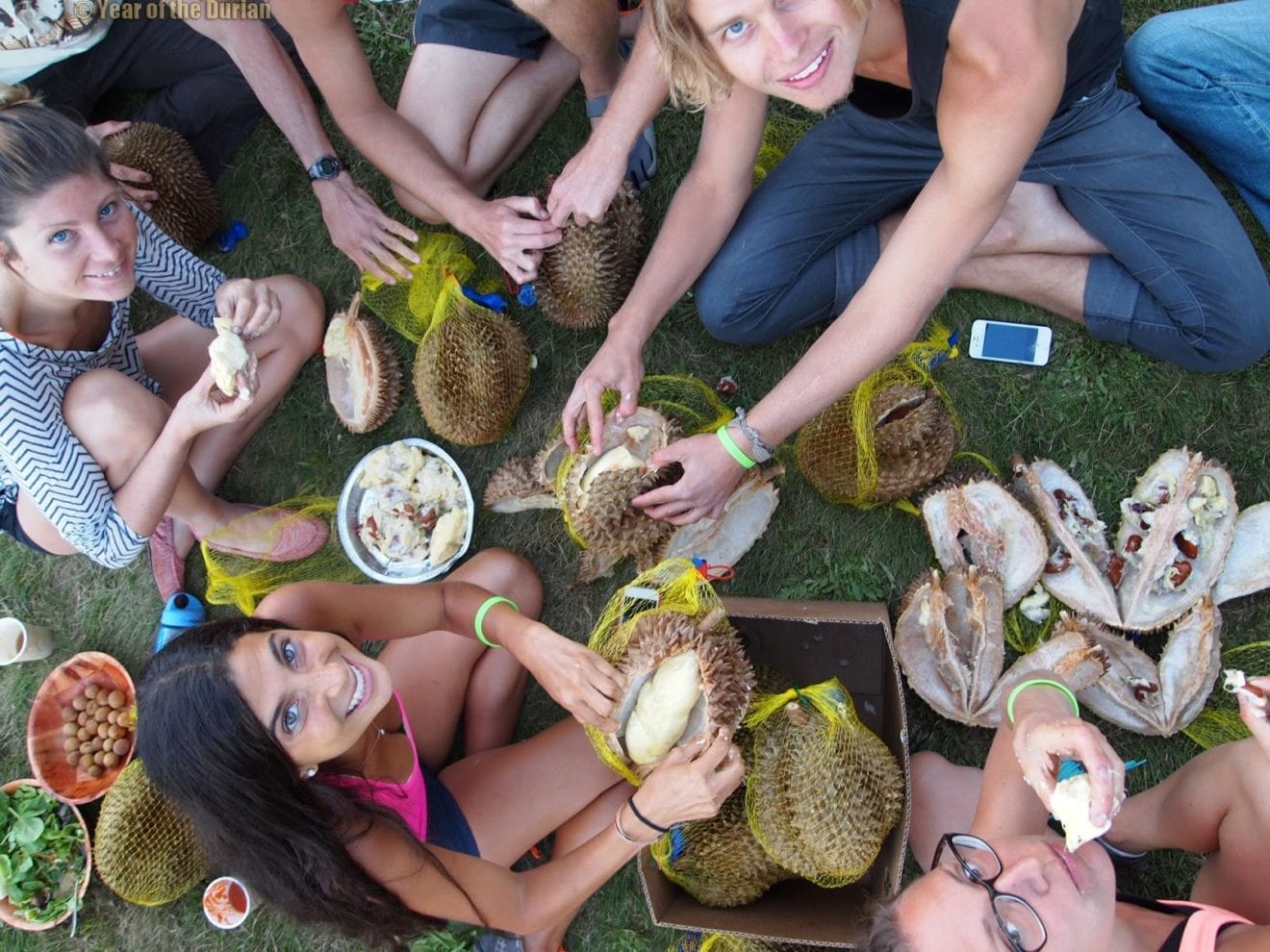
    Thai exporters are halving the time it takes to deliver durian to China, from 8 days to four days, in order to better compete with Vietnam over the pungent fruit.

    Thailand shipped 477,700 tons of fresh durian to China in the first five months, valued at a record high of $1.75 billion and the highest in 30 years, according to official data.

    This is because the country has been utilizing a new railway connecting it with Laos and China which help reduce transportation time.

    TerapongTechasathian, Assistant Chief Operation Officer at Pan-Asia Silk Road Ltd, which operates the railway, said that in April the company set the record by transporting 25 containers of durians from Thailand to China in one day.

    The train arrived at the destination in 4.5 days, quicker than the original estimate of six days, he added.

    In March, Thailand raised its durian export quality to retain Chinese customers.

    CEO of Vietnam’s fruit exporters Vina T&T, Nguyen Dinh Tung, said that Thailand is making moves to consolidate its durian market share in China amid rising competition from Vietnam.

    Vietnamese fresh durian exports to China in the first five months surged 18 times to $477 million. China accounted for 95% of all durian exports from Vietnam.

    Vietnamese durian can be harvested all year round, which is an advantage compared to Thai durian, Tung said. But Thailand has more advantage in shipment time, he added.

    Dang Phuc Nguyen, general secretary of Vietnam Fruits & Vegetables Association, said that Vietnam’s border with China means it is easier to export to there by road.

    Exporting by train from Thailand to China is fast but costly, he added.

    Vietnamese exporters need to be prepared to compete with rising competition not only from Thailand but also Malaysia and the Philippines for the Chinese market, with demand forecast to reach 2 million tons a year in the future, Nguyen said.

    Increasing exports quality, building brands and investing in technology to enhance preservation are key tasks, he added.

  • Thai 7-Eleven operator CP All appoints new CEO

    Thai 7-Eleven operator CP All appoints new CEO

    Thai retailer CP All has appointed Yuthasak Phoomsurakul as its new CEO of operations, overseeing the company’s network of more than 11,000 7-Eleven stores.

    Phoomsurakul started his career with the company as the deputy MD of marketing and product management in 2007.

    He has also held several key leadership roles in companies such as Big C Supercenter, B2S Company, Amarin Printing Company and Publishing Public Company over the years.

    “I am extremely grateful and honoured to have been trusted by the board of directors to be appointed as CEO,” said Phoomsurakul. “In continuation of our corporate philosophy, customers and employees are the heart of our business operations.”

    In his new role, he says he will work to grow the company sustainably bringing innovation and integrating the business both offline and online.

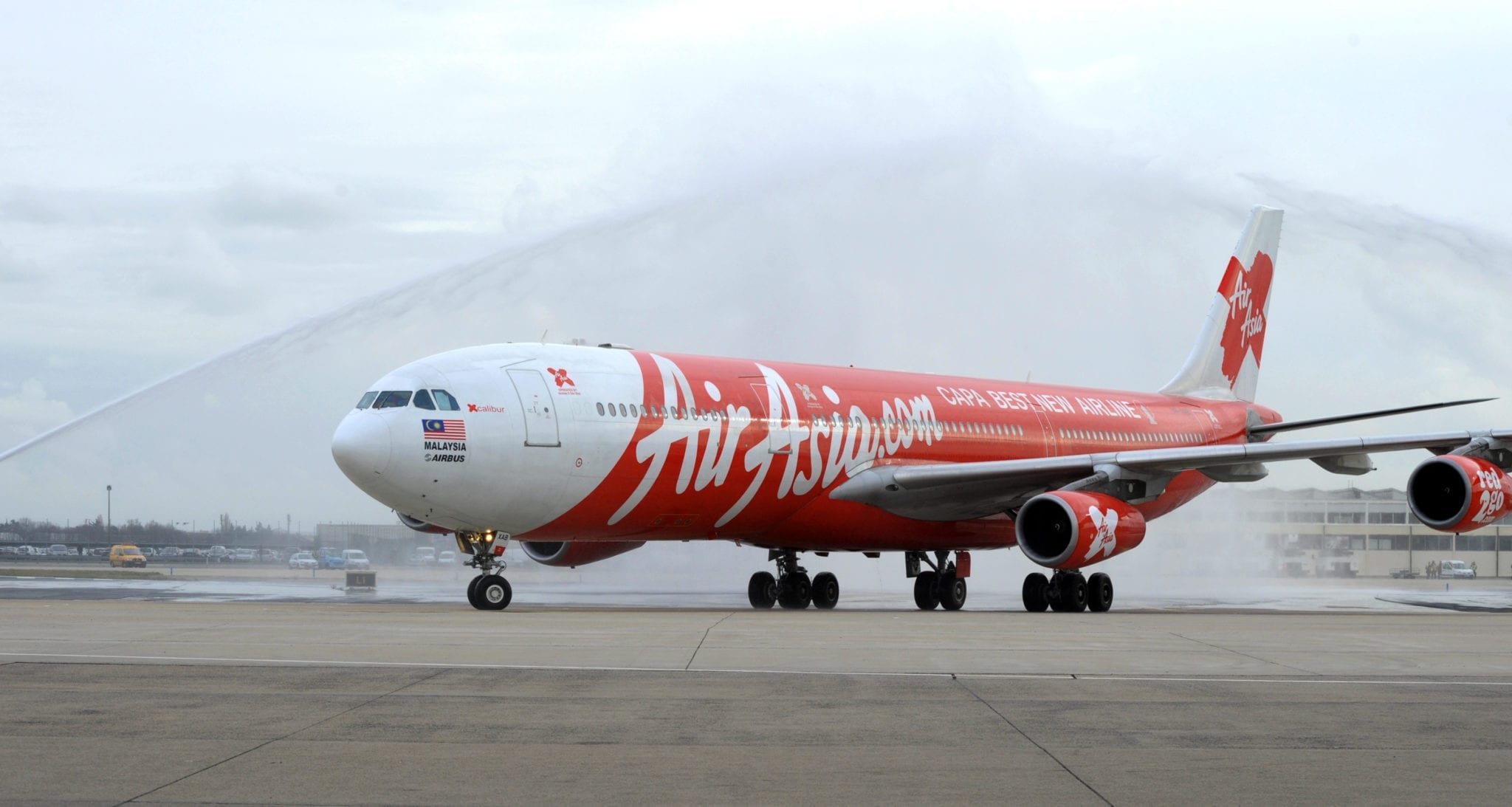
  • AirAsia Thailand returns with 11 domestic routes from Sept 3

    AirAsia Thailand returns with 11 domestic routes from Sept 3

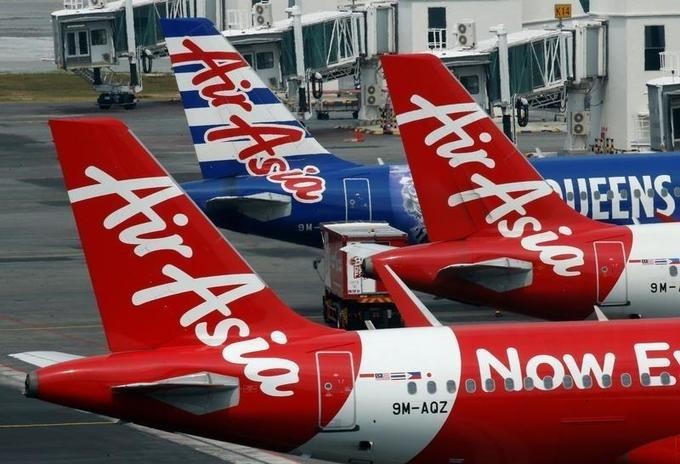
    AirAsia Thailand will return to the skies starting with domestic flights beginning Sept 3, 2021 following an announcement by the Civil Aviation Authority of Thailand allowing the operation of regulated flights.

    The reinstatement of flights by AirAsia Thailand will kickstart with 11 domestic routes from Don Mueang Airport to Chiang Mai, Phuket, Hat Yai, Nakhon Si Thammarat, Chiang Rai, Khon Kaen, Udon Thani, Ubon Ratchathani, Nakhon Panom, Roi Et and Narathiwat.

    AirAsia Thailand is offering a 30% discount on all seats for all flights including weekends and public holidays to celebrate the restart of its domestic operations. Book from Aug 28- Sept 5, 2021 and travel from Sept 3 Dec 31, 2021 at the airasia super app or visit airasia.com.

    All bookings come with an unlimited free flight change option while all flights will be operated under stringent adherence to health and safety protocols set by the government to ensure the comfort and safety of all guests.

    AirAsia Thailand Chief Executive Officer, Santisuk Klongchaiya, stated that while AirAsia Thailand hibernated all its flights throughout August in accordance with government announcements, it remained busy at work, preparing to return to service.

    All aircraft undergo regular maintenance during hibernation to ensure they are in top performance. The carrier has been working very closely with the Civil Aviation Authority of Thailand, Thai Airlines Association and other relevant public health agencies to ensure only the highest of safety and hygiene standards are in place when it resumes operations.

    From September 2021, guests will be required to meet Civil Aviation Authority of Thailand conditions in accordance with the criteria specified in the travel conditions of the destination provinces, such as to present the documents indicated of having complete cycle of vaccination and/or have documents showing results of testing for Covid-19 by RT-PCR or Antigen Test Kit (ATK), or are exempt from other measures in the destination province (such as having a document certifying that they have been naturally recovered from the infection for no more than 90 days, or have a document certifying that they have passed the quarantine requirement, or have documents for the implementation related to the country’s initiative Sandbox Project).

    Passengers are also mandated to declare their essential travel information via https://covid-19.in.th/ prior departure.

    The airline will also be maintaining stringent health and safety measures, including regular disinfection of all contact surfaces, limiting flights capacity to a maximum of 75% passengers on each flight, onboard food and beverage consumption is yet not allowed throughout the journey, and not more than 50 passengers allowed to be in the transfer bus each round to maintain social distancing and limiting contact.

    All AirAsia aircraft are equipped with hospital-grade HEPA filters that are able to filter out 99.99% of viral and bacterial particles in the air.

    The measures are including service personnel, that all staff on duties must be fully vaccinated against Covid-19 and be tested for Covid-19 according to the regulations. Pilots go through regular recurrent training and aircraft are well maintained.

    Flight and ground crew have been strictly trained to ensure the safety and wellbeing of guests at all times.

    In September 2021, AirAsia will begin its return to service with 11 routes before considering further flights.

    The flights are being introduced with a promotion of 30% off all seats on all flights, every day including weekdays and holidays. Bookings will come with unlimited flight change option that can be done conveniently through the Booking Management Menu or AVA Live Chat at no charge.

    Safety of staff and guests is always the top priority for AirAsia Group, which was one of the first airlines worldwide to achieve the top 7/7 rating for being Covid-19 safe by the aviation experts at Airlineratings.com.

    All of the airlines in the Group are IOSA accredited which is the global benchmark for upholding the highest safety standards at all times. Furthermore, the airline has used the downtime in flying to implement robust procedures and innovations to make flying even safer and more hygienic than ever.

  • Thailand Reins in Speculation in Digital Assets

    Thailand Reins in Speculation in Digital Assets

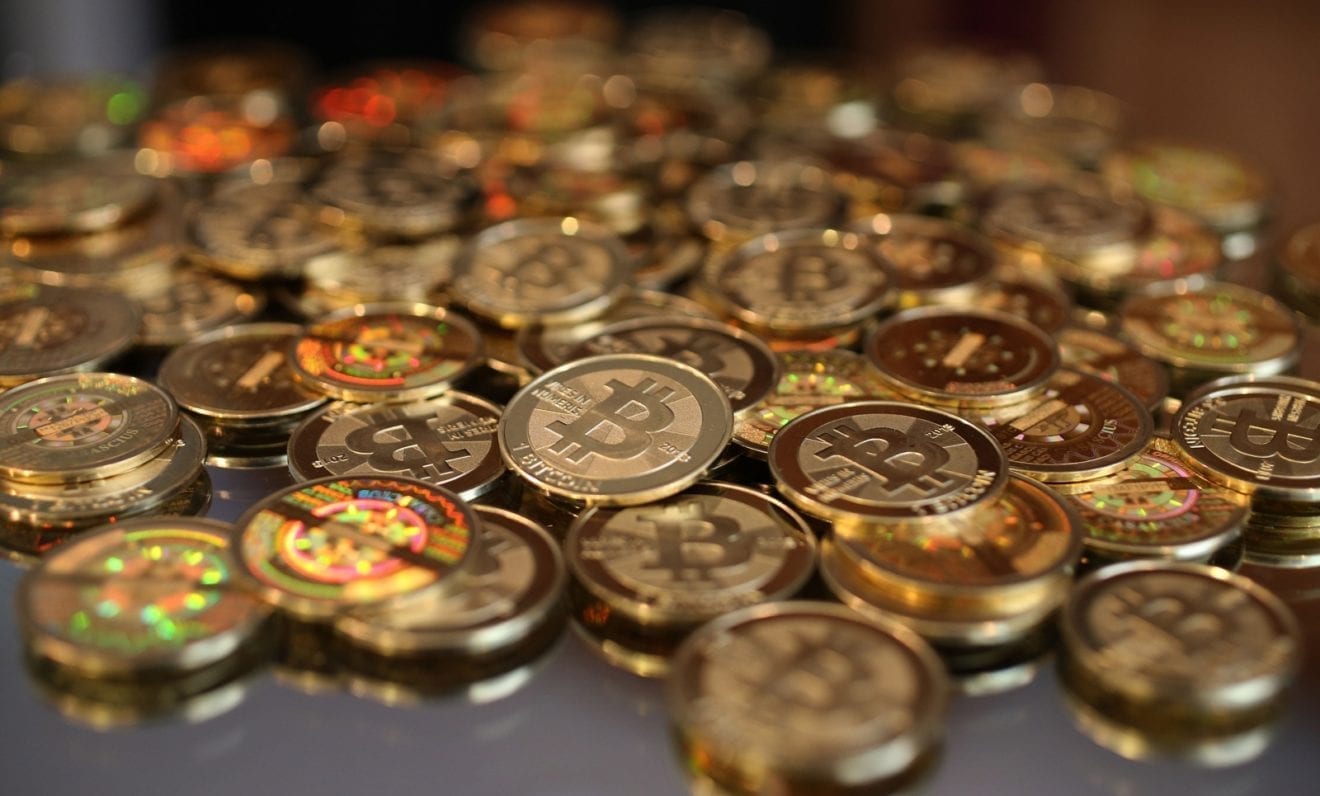
    The country’s finance regulator is banning licensed digital asset exchanges from trading meme coins, fan-based tokens, NFTs and social coins as part of its ongoing regulatory action against crypto trading.

    The Thai Securities and Exchange Commission (SEC) is prohibiting exchanges in the country from providing services related to utility tokens or cryptocurrencies to ensure customer protection and ward off attempts by anyone using digital assets to operate a grey business, the regulator announced on Friday.

    As a result, meme coins like Doge, which has attracted the interest of investors in the past year as its price surged by as much as 10,000 percent this year, will no longer be allowed to be traded in Thailand. The SEC said such coins have «No clear objective or substance or underlying, and whose price [runs] on social media trends.

    The move came amid reports that publicly listed mobile phone retailer Jay Mart was making plans to launch the country’s first non-fungible tokens (NFTs) linked to nine local stars and celebrities. However, Jay Mart said it would go ahead with the launch this week as planned, though the NFTs will be listed on foreign exchanges.

    NFTs have garnered increasing popularity in recent months, particularly as a way to sell and invest in digital artworks as verification of authenticity and ownership are stored on the blockchain.

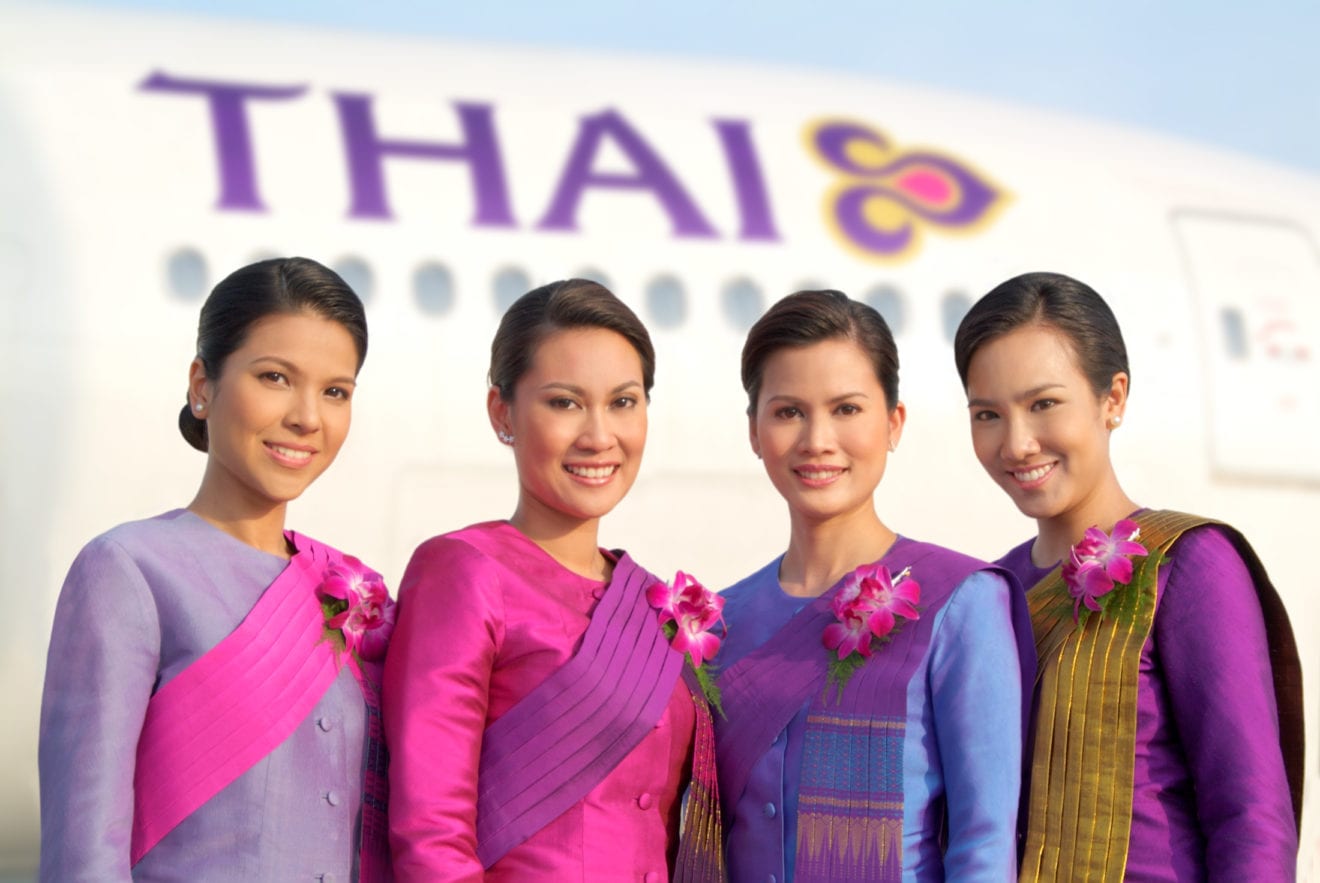
  • Thai Airways Launches Scenic Fly By and Over Buddhist Attractions

    Thai Airways Launches Scenic Fly By and Over Buddhist Attractions

    Proving the ‘flights to nowhere’ trend is taking off, Thai Airways has given religious tourists a bird’s-eye view of 99 holy places across Thailand. Olivia Palamountain reports.

    Led by “celebrity fortune-teller and religion history expert” Dr Khata Chinbunchon at the end of November, the “Thai Magical Flying Experience Campaign” from Thai Airways gave Buddhists the chance to see 99 sacred sights from the air, complete with chanting.

    Passengers on the Thai Airways flight from Bangkok received Buddhist prayer books and a special in-flight meal while flying over temples in 31 provinces before returning home. Tickets ranged in price from 5,999 baht (£149) to 9,999 baht (£248).

    The sacred sights included Bangkok’s Wat Arun and Wat Phra Kaew (commonly known as the Temple of the Emerald Buddha), Phra Samut Chedi in Samut Prakarn, Wat Phra Boromma That Chaiya in Surat Thani and UNESCO-listed heritage sites in Sukhothai and Ayutthaya, in the kingdom’s central plains.

    Part of a plan to boost domestic tourism, the initiative comes hot on the heels of similar offerings from the likes of Qantas, China Airlines and Eva Air, all of which have launched their own series of scenic and themed flights over the past few months. Globetrotter has also reported on Covid-secure luxury cruises to nowhere, recently launched in Singapore.

    Tourism accounts for up to 20 percent of GDP in Thailand, and in a blow to the national carrier, the kingdom has remained shut to foreign travellers throughout the pandemic. However, the airline had been struggling even before coronavirus turned travel upside down. Estimates suggest it is now buried under £6 billion worth of debt.

    Still, Thai Airways has been a pioneer of creative initiatives that boost revenue. The airline has put bags made from life vests and slide rafts on sale, opened an airline-themed café selling in-flight meals in Bangkok, and a food stall selling dough fritters. It has also opened its Airbus and Boeing flight simulators to the public.

    In the autumn, Thailand reopened its borders to international travelers with the launch of a new 90-day Special Tourist Visa (STV).

  • Thai AirAsia chief proposes longer weekends

    Thai AirAsia chief proposes longer weekends

    Thai AirAsia’s executive chairman is proposing to the government a policy allowing one day working from home per week to avoid public congestion and boost the domestic tourism market to reach its target of 100 million trips this year.

    As more people get used to working from home, the government should consider allowing civil servants and private companies to work remotely one day a week, said Tassapon Bijleveld, executive chairman of SET-listed Asia Aviation (AAV) and the largest shareholder of Thai AirAsia.

    He said that when people are not bound to an office routine for Fridays, there’s a chance they’ll consider taking more trips for three-day weekends.

    The Tourism Authority of Thailand and the Finance Ministry are working on a tourism stimulus plan to make activities more affordable in the second half of the year.

    Mr Tassapon said he discussed the idea with the state agency, arguing that it would help efforts to push domestic tourism once the coronavirus crisis ends.

    “The domestic market still has a chance to take the lead in restoring the national economy, but it will depend on the scale of efforts from the government and cooperation from the private sector,” he said.

    He also encouraged the Interior Ministry and governors of each province to scrap the 14-day quarantine for inter-provincial travelers, as well as make clear whether a health certificate is needed. Some provinces have not clarified the rules, and airlines cannot plan routes to those destinations.

    Mr Tassapon said that while the aviation industry in Thailand is at a critical stage, the government can help it by offering local travelers a tax deduction on expenses for domestic airfares, which the previous scheme didn’t cover.

    According to the Tourism and Sports Ministry, local travelers took 24.7 million trips during the first four months of this year, down 50.3% year-on-year, generating 190 billion baht for the economy, down 48.3%.

    Mr Tassapon said Thailand’s tourism landscape after the global health crisis will lean towards quality tourists because more requirements for each trip will make people want to stay longer and spend more in Thailand instead of coming 3-4 times a year as they did before the pandemic.

    Moreover, Thailand should preserve the natural resources that have been restored during the outbreak.

    To achieve those goals, attractions are necessary for certain areas such as the northeastern provinces of Thailand.

    In the past, most tourists went to southern Thailand, which boasts plenty of famous resort islands, resulting in exploitation of nature and unbalanced tourism revenue.

    The Board of Investment should invite a major theme park operator such as Disney or Universal Studios to open a full-scale park in destinations that lack natural attractions, Mr Tassapon said.

    He noted that almost every province in the Northeast has an airport already. New investment could create many jobs for local communities.

  • Strict Thai curfew forces stores to close cross nation

    Strict Thai curfew forces stores to close cross nation

    Thailand’s government has imposed an overnight curfew effective tonight that will force the closure of tens of thousands of convenience stores and street vendors.

    The curfew will run from 10pm to 4am. During that time all Thais and visitors to the country must remain indoors, with exceptions only for emergency services, medical workers and patients.

    Further exemptions include the transportation of goods, farm produce, medical supplies, fuel, parcels, goods destined for export or import, vehicles transporting people to quarantine sites, shift workers, and people traveling to or from airports.

    People who breach the curfew face up to two years in jail and/or a fine of up to Bt40,000 (US$1200).

    A majority of Thailand’s 7-Eleven stores, and rival chains, in urban areas traditionally trade 24 hours a day serving shift workers and tourists, but as of tonight, they will be forced to close.

    The move follows a ban on restaurants and bars serving customers on-site and a total, indefinite liquor retailing ban in one northern province.

    Thailand’s usually vibrant tourist industry has been decimated by the coronavirus epidemic with foreigners now all but banned from entering the nation and lockdowns and social-distancing measures being enforced nationwide.

    In addition to the curfew, public transport will be suspended across Thailand from 9.30pm to 4am, from tonight onwards.

    As of Thursday, Thailand had reported 1875 cases or coronavirus and 15 fatalities.