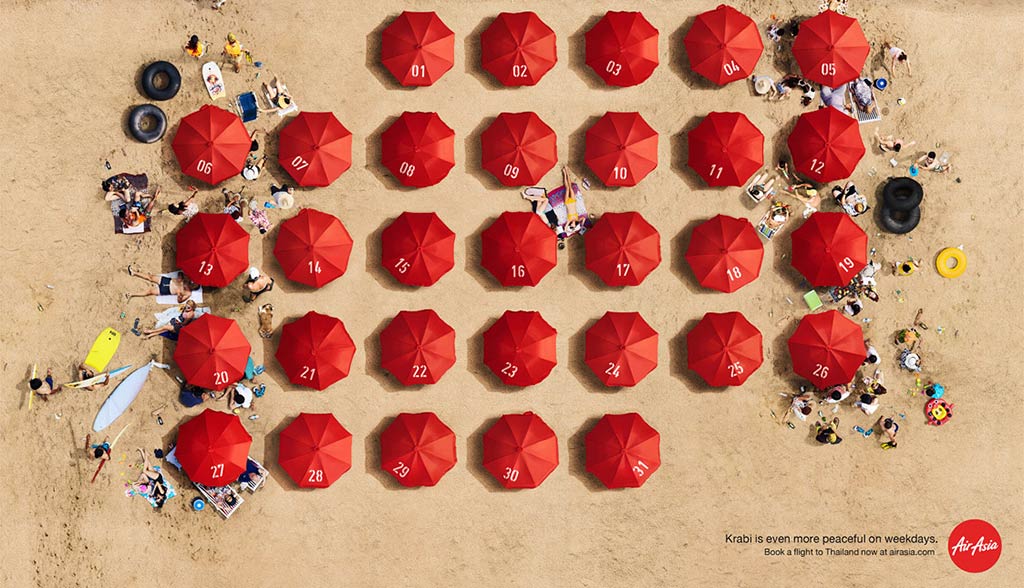
BDO Bangkok has released a follow up to a clever print campaign to encourage Thais to travel on AirAsia during the week, rather than over the weekend when Thailand’s tourist destinations are busier.
To illustrate this, the campaign uses scenes from ordinary life to look like calendars – emphasising that the weekdays are less hectic.
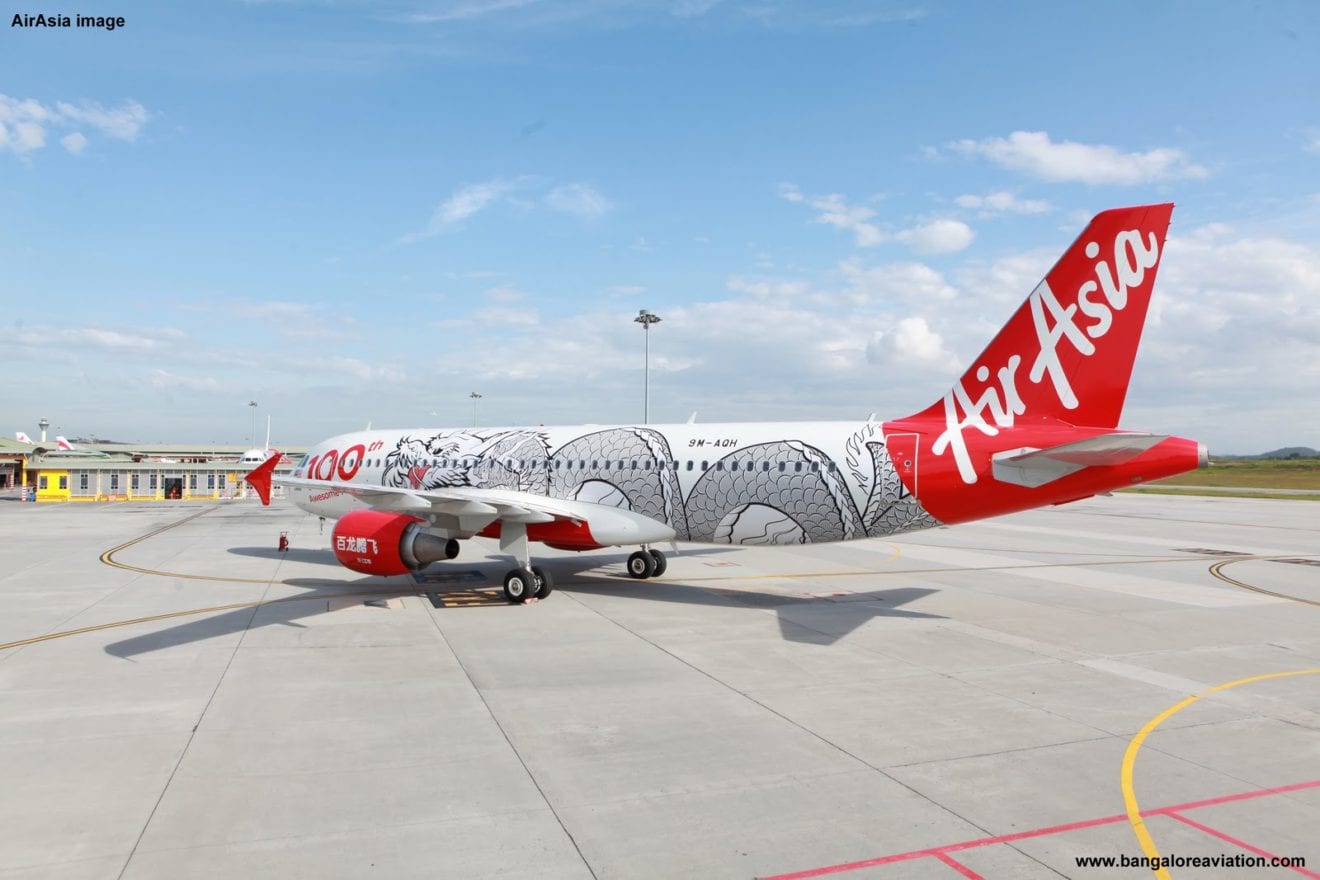
Celia Lao, CEO of AirAsia Hong Kong & Macao, said Phuket is among the top destinations for Macanese and Chinese travellers, making Thai AirAsia’s introduction of a direct flight between Phuket and Macao a wonderful opportunity for tourism.
AirAsia currently operates six flights from Macao with routes including Bangkok, Chiang Mai, Pattaya (U-tapao), Kuala Lumpur, Manila, Jakarta and will launch Johor Bahru on Nov 28.
Santisuk Klongchaiya, Director of Commercial for Thai AirAsia, said Phuket is a city built on Chinese traditions, beliefs and culture and its history is closely tied to that of China.
“Chinese visitors to the city will find it familiar and convenient while still full of travel experiences whether relishing the nature or enjoying the nightlife. AirAsia is confident the new route will be well received,” he said
“We will be launching the Macao-Phuket route on the 8th of January 2018 and believe it will attract people in Macao and its vicinity to Phuket. We will be using our strengths of low fares, on-time service and trustworthy reputation to draw in travellers and help stimulate the island’s economy,” Mr Santisuk said.
For the people of Phuket, this added route provides a new travel option to Macao, which is already a top destination for Thai travellers due to its many holy sites and European architecture. Overall, the route should prove popular among people of both nations.
In addition to Macao-Phuket, Thai AirAsia already operates a host of direct flights between Macao and and Thailand, including Don Mueang (four flights a day), Macao and Chiang Mai (daily direct) and Macao-Pattaya U-Tapao (four flights a week).
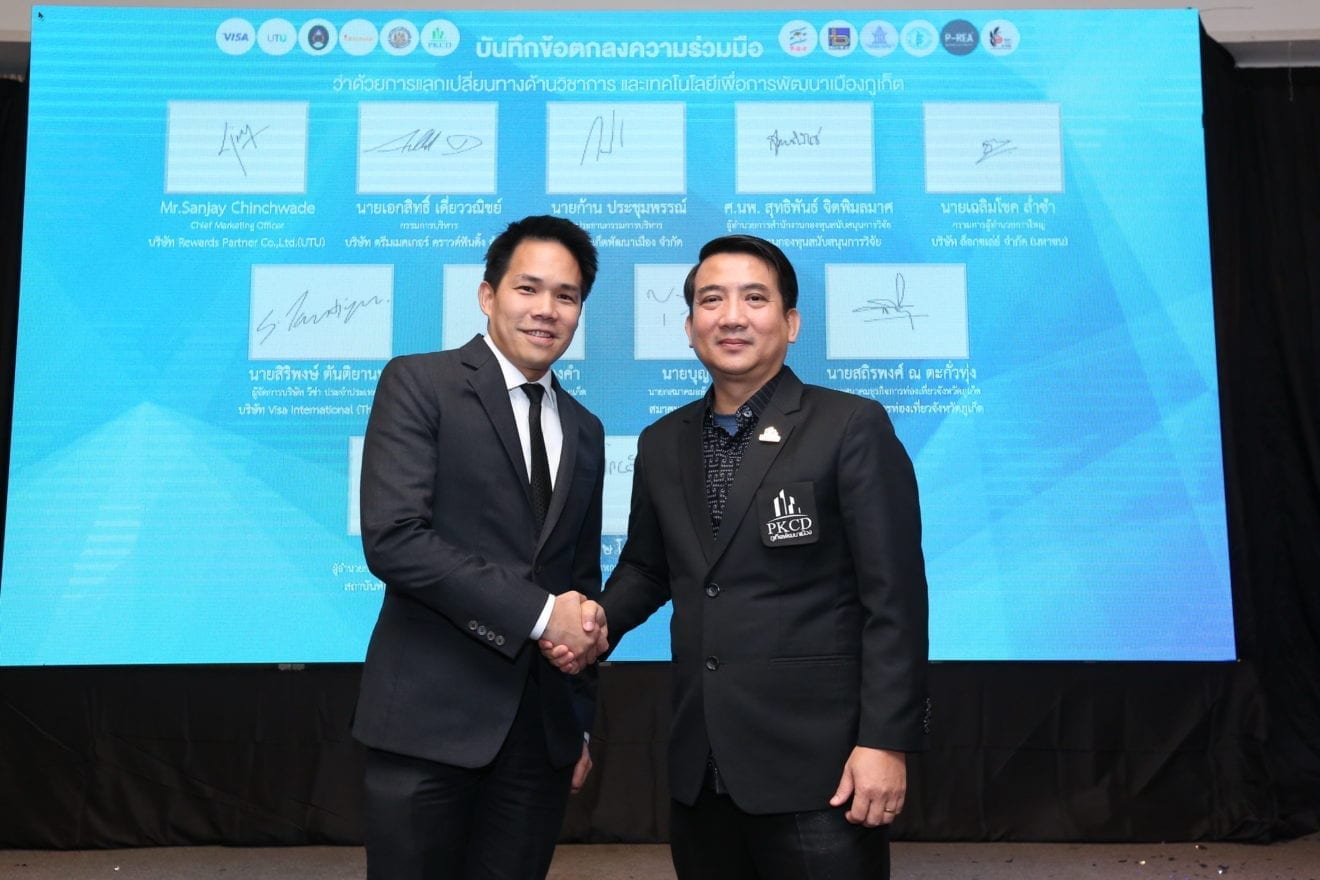
Mr. Suripong Tantiyanon (left), Visa Country Manager, Thailand signed MOU with Mr. Karn Prachumpan (right), Co-Founder and Board of Committee, Phuket City Development Co., Ltd (PKCD) as the official partner of Phuket Smart City to develop payment solutions for both residents and tourists on the island-province.
Phuket City Development was founded by local businesses in September 2016, with initial investment from 25 prominent Phuket families. The province is among the first in Thailand to embrace the Smart City concept. It aims to transform Phuket into a fully integrated digital economy, assisting business owners, managers, start-up entrepreneurs and residents in the transition.
Mr. Suripong Tantiyanon, Visa Country Manager, Thailand: “Globally, Visa is speeding up the implementation of electronic payments by working closely with public and private sectors. Visa is aligning with like-minded partners around the world to help bring this vision to life. We are using our position as a global leader in innovation and technology to create solutions for businesses to connect to their consumers. The singing of MOU agreement with Phuket City Development is another milestone that help bring the country closer to a cashless Digital Thailand.”
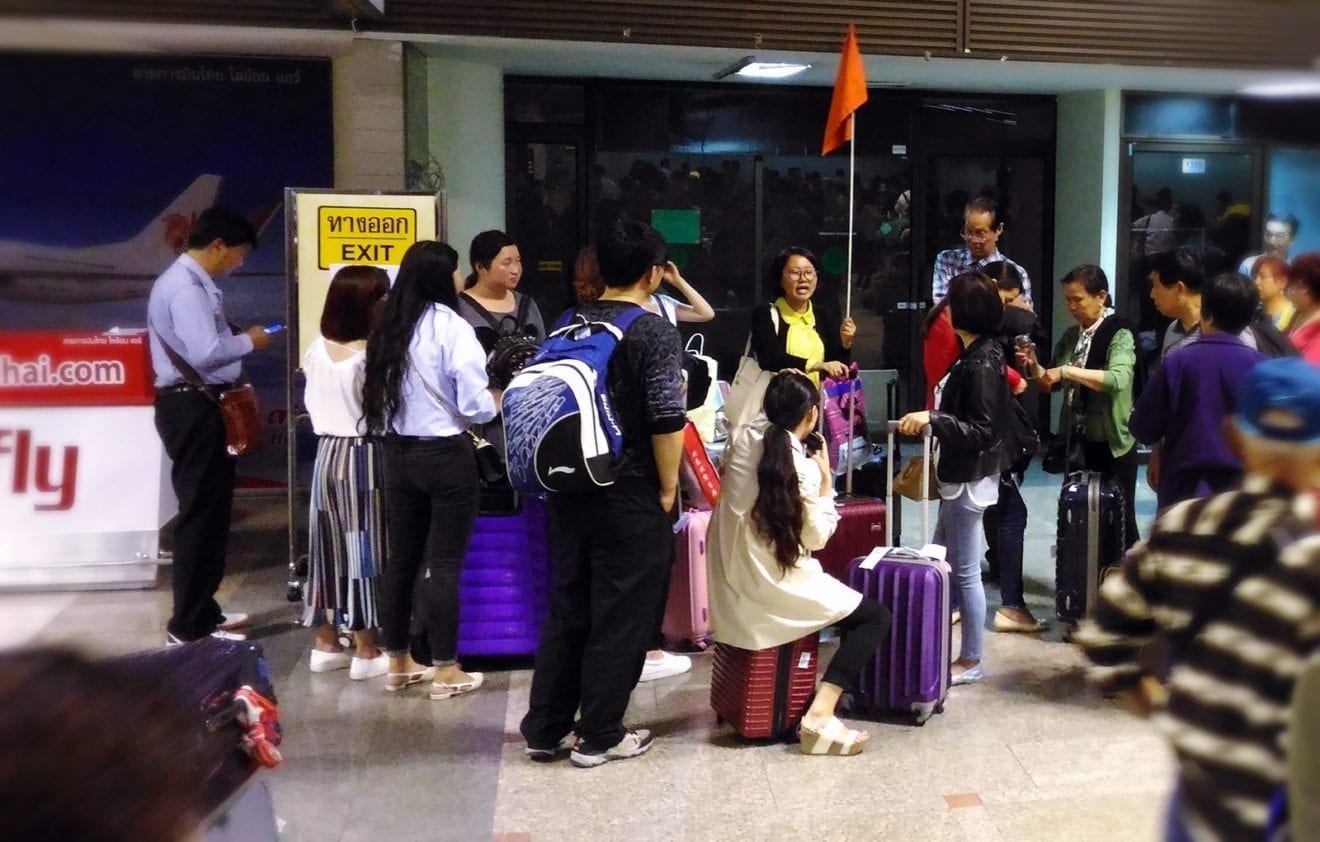
It is not just the South Korean duty free and travel retail market that is suffering from a dearth of Chinese travellers – Thailand has also seen falling traffic according to travel retail analyst, research and category expert, Counter Intelligence Retail, but for very different reasons.
Metrics from CiR’s traffic modelling and forecasting tool, Business Lounge, show that from peak growth of +101% in July 2015 (compared to July 2014 year-on-year) rates have been falling steadily ever since.
By December 2016 there was zero growth and in the first quarter of 2017 the trend was negative overall at -2%. “What this data from CiR Business Lounge tells us is that after a golden period of Chinese travel easily outstripping general international demand to Thailand, the situation has reversed – and since December 2016 international traffic to the country has been stronger,” says Garry Stasiulevicuis, President of Counter Intelligence Retail.
Political stability and ‘tours’ ban influence Chinese demand
As political stability returned, so did international traffic – from the Chinese in particular. In 2015, Chinese tourism was up by +66% (from a low base in 2014), while 2016 saw a more measured rise in Chinese PAX at +32% YoY. Nevertheless, this represents 1.3m extra Chinese arrivals to the country – a boon for duty free and travel retailers. The Chinese market is the largest source of tourists in Thailand.
While Chinese growth rates have been falling since July 2015, they were well ahead of international levels. However, a September 2016 ban on so called ‘zero-dollar’ tours (cheap group packages where tourists are herded to specific hotels and shops and unable to do much independently) Chinese numbers to Thailand have dropped dramatically.
The death of Thailand’s King Bhumibol Adulyadej a month later and official year-long mourning has also meant the cancellation of a number events and ‘full moon’ parties which affected the tourism sector.
The ‘zero-dollar’ tours ban is a joint campaign with the Chinese authorities and it has resulted in the impounding of more than 2,000 tour buses. Backed by Tourism Authority of Thailand, the initiative is designed to improve tourism quality levels so that Chinese travellers have a better experience once the market purge is completed. TAT expects this will eventually result in renewed and sustainable growth from its largest source market.
CiR sees some hopeful signs
Forecast data from Business Lounge offer some hope to travel retailers in Thailand. Based on scheduled capacities from China, the data indicates that while seat numbers have stayed below 2016 up to May, from this month (June) the trend is set to improve.
Helping FITs to Thailand will be low-cost carriers. As previously mentioned by CiR, growth in China’s LCC sector has been buoyant in recent years and this continues to be the case for traffic into Thailand. In July for example, carriers such as Spring Airlines, Juneyao Airlines & Sabaidee Airways have increased available capacity by about +43%.
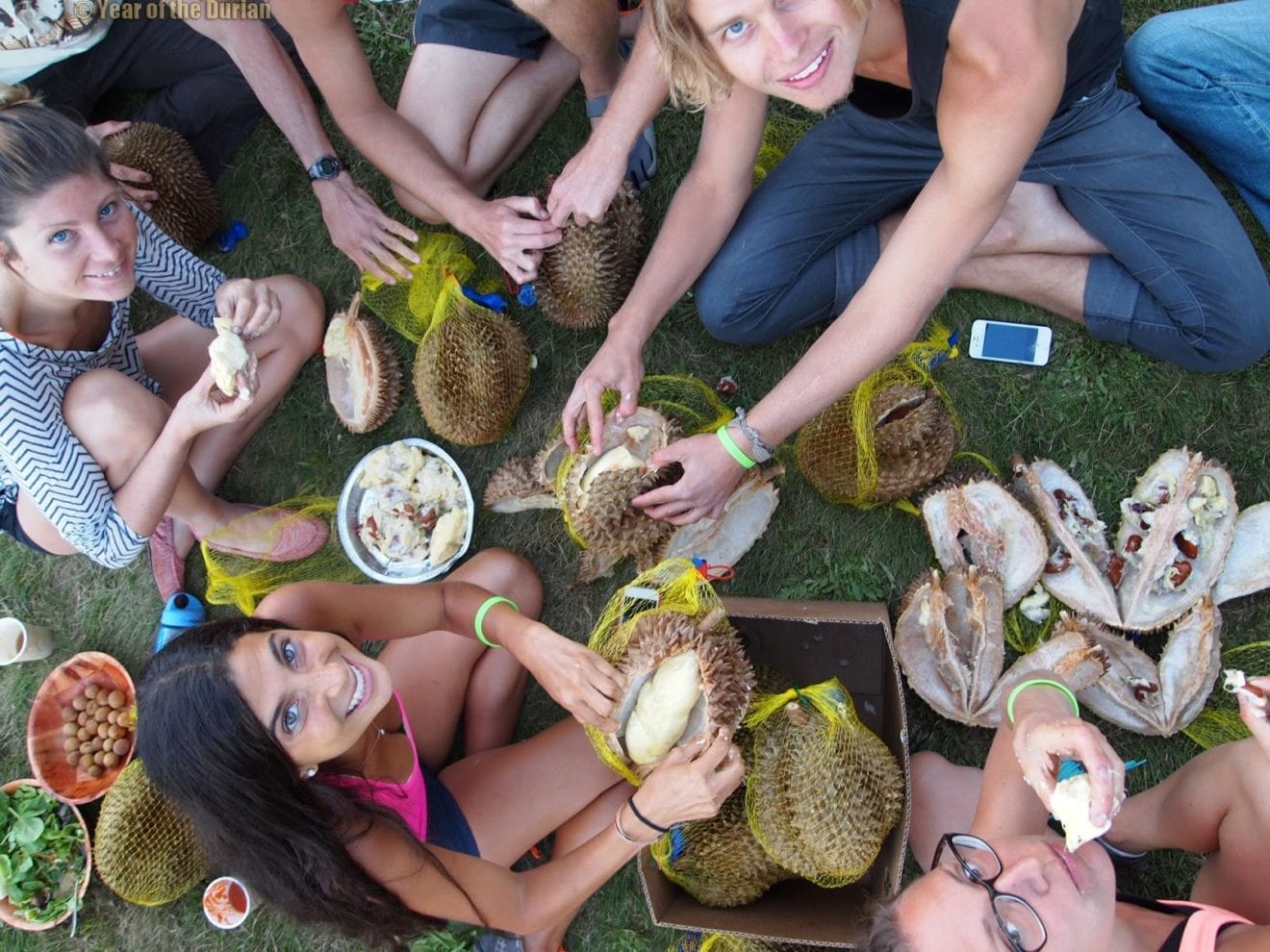
By focusing on the “King of Fruits”, the durian, the company says it hopes to encourage fruit consumption on an international level. Together with the Tourism Authority of Thailand, the Commerce Ministry and Central Pattana, Central Food Retail is organising the “Thailand Amazing Durian & Fruit Fest”. More than 300 Thai fruits and fruit-based processed foods will be served in buffet lines taking place in three popular tourist destinations, Bangkok, Chiang Mai and Phuket.
Phattaraporn Phenpraphat, executive vice president for marketing and public relations at Central Food Retail, said Thailand’s excellent geographic location and pleasant climate created its potential to cultivate tasty fruits of fine quality, which are much appreciated by both Thais and foreigners.
Fruit exports generate major income for the country. In March last year, the Office of Agricultural Economics forecasts that production of durian, rambutan, mangosteen, longan, langsat and lychee would total more than 2.3 million tonnes.
As the operator of a supermarket business, Central Food Retail is an expert in selecting fresh, delicious and quality fruits from all over the country to provide to consumers. Last year, about 7,000 tonnes of 66 domestic fruits from 62 provinces were sold, the top 10 being banana, watermelon, other melons, durian, orange, mango, pineapple, papaya, longan and rambutan.
This year, the company targets overall sales of 10,000 tonnes in 232 branches (as of May).
The company hopes durian will be a selling point to promote this year’s Fruit Fest, boost Thai fruit consumption and attract more tourists.
Last August, a durian buffet was held for the first time in Thailand – that month was in the late season for durian in the Eastern region and the harvest season in the South. Feedback from the event was excellent, the company says.
Of the participants, 70 per cent were Thais and 30 per cent foreign tourists, mostly Chinese. According to a survey, the tourists were very pleased with the durian buffet. They said the price was reasonable and they wanted to come back if the buffet were to be organised again.
“The company was really satisfied with the event last year,” Phattaraporn said. “It created a signature and an image of Thailand as the world’s destination for tropical fruit. Therefore, we are making the durian buffet one of our main events this year.
“With the intention of encouraging fruit consumption and attracting tourists, we are cooperating with the Tourism Authority of Thailand, the Ministry of Commerce and Central Pattana to promote the event and create awareness among target markets, using two main strengths: the 17 types of durians and the locations of the buffets, namely Bangkok, Chiang Mai and Phuket.”
At the event, there will be two zones, a buffet zone and a farmer’s market. In the buffet zone, there will be various kinds of Thai fruits, led by Monthong durian, the “Queen of Fruits” or mangosteen, rambutan, lychee, watermelon, banana, and papaya, along with more than 11 fruit products such as coconut water, Thai sticky rice with mango, and coconut-milk ice cream.
In the farmer’s market, the highlights of the event will be gathered, for example, E-nak durian from Rayong province, which is quite rare, Koh Chang Chanee durian, durian Tteokbokki, durian Bingsu, crispy mangosteen, durian macaron, and durian Chinese pastry. Overall, there will be about 300 products in both zones.
The Thailand Amazing Durian & Fruit Fest will be held in as follows:
• Bangkok from May 24-31 at the Square A area in front of CentralWorld;
• Chiang Mai from June 7-13 at the courtyard in front of CentralFestival Chiang Mai
• Phuket from June 28 to July 4 at the courtyard in front of CentralFestival Phuket.
The Tourism Authority of Thailand (TAT) says a new record was broken at the end of December when it received its 32-millionth visitor. The red carpet was laid out to welcome the fortunate arrival as part of ’Thailand’s Luckiest Visitor’ campaign which was originally started in 2015 to recognise and reward every millionth visitor to Thailand, from the 13 millionth to 29 millionth during June to December.
TAT says that this campaign has subsequently proved to be hugely popular, with both tourists and media helping to enhanced Thailand’s brand image.
So much so, that Thailand is expecting to earn total international tourism revenue of around Baht1.62 trillion (US$46bn) in 2016, representing a year-on-year increase of 11.68% compared to 2015.
BIG PUSH TO ENCOURAGE MORE ARRIVALS
To boost these numbers further, TAT says that several initiatives have been put in place to encourage more tourist arrivals, including visa waiver fees for visitors from 19 countries from 1 December, 2016, to 28 February, 2017 and a halving of visa-issue fees on arrival over the period.
Meanwhile, the Tourism Authority of Thailand and the Tourism Ministry have announced newly revised tourism revenue targets for 2017 Bt2.71 trillion ($76.1bn) which represents an 8.2% rise on 2016.
This follows earlier statements suggesting that Thailand’s tourist numbers for 2016 are now expected to total around 32.6m when the final count is in – an increase of around 8%.
In addition, TAT has confirmed that it is bringing back its Thailand Tourism Festival (TTF) to coincide with Chinese New Year 2017 between 25-29 January this month. It is hoping his will attract more than 650,000 visitors.
After securing dominance in its home market, China’s Alibaba Group Holding is racing to conquer the still nascent e-commerce market in Southeast Asia. Although the size of the market in Southeast Asia pales in comparison with China’s, it is expected to grow 32 percent on average each year through 2025, according to one industry executive.
US-based Amazon.com Inc also has its sights set on the region, making a face-off with Alibaba all but certain. Alibaba got to the Southeast Asian market first, but its victory is far from assured. Experts said there is no silver bullet for success, especially in an evolving e-commerce market facing difficulties of its own.
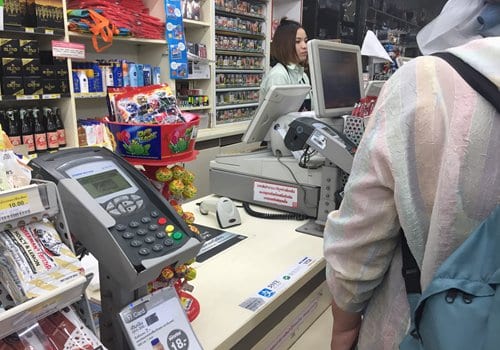
A 7-Eleven convenience store in Phuket, Thailand, that accepts Alipay.
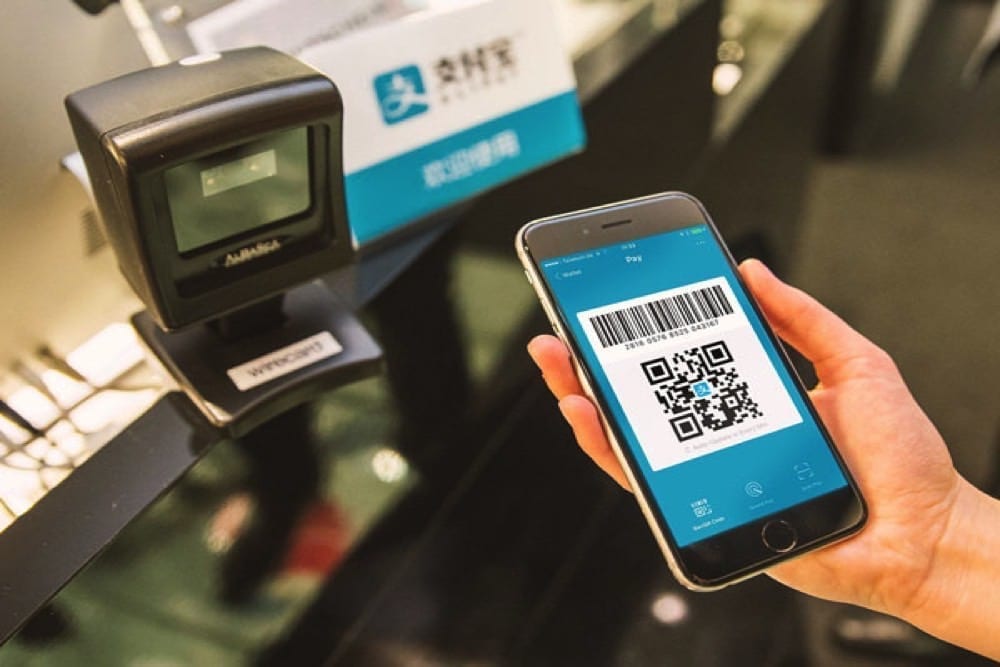
Among the glossy, green trees in Phuket, the largest island in Thailand, the landscape is dotted by many 7-Eleven convenience stores that accept Alibaba Group Holding’s mobile payment application Alipay.
“Alipay is available in almost all 7-Eleven convenience stores here, and people are encouraged to use it with random discounts,” an employee at a 7-Eleven store on Thanon Patak Road in Phuket, who declined to be identified, told the Global Times on Saturday.
7-Eleven has added Alipay to its payment options at more than 9,000 outlets across Thailand since April.
Alibaba’s move to get Alipay into Thailand is widely perceived as a way to attract Thai smartphone users and technology-savvy consumers as it expands into Southeast Asia in 2016.
In April, the Chinese e-commerce giant acquired a controlling stake in Lazada, considered the Amazon of Southeast Asia, for $1 billion.
In November, Alibaba furthered its expansion by taking over the Singaporean online grocer RedMart via Lazada.
Alibaba’s CEO Zhang Yong said several times at press conferences in 2016 that the company’s next major goal is to help merchants on its platform enter the Southeast Asian e-commerce market.
However, expanding into Southeast Asia might be easier said than done. In the region, many people are familiar with the concept of e-commerce by name only and don’t have much of an inclination to try it.
A new frontier
A 20-something resident in Phuket surnamed Kung was surprised when she heard that Chinese shoppers spent 120.7 billion yuan ($17.4 billion) on online purchases via Alibaba’s bazaars on November 11 alone.
“My friends and I seldom shop online and do not really intend to do so because we can get whatever we need in the market or at nearby convenience stores,” Kung told the Global Times on Friday.
The woman’s biggest concern is quality. She dislikes that she can’t feel the texture of clothing sold online and worries about unwittingly buying knockoffs.
The poor reception for online shopping is reflected on the streets of Phuket, where few express deliverymen can been seen – unlike in China, where they are commonplace.
Lazada Thailand CEO Alessandro Piscini acknowledged on Thursday that Southeast Asia has a small e-commerce industry.
At a press conference with about 200 Chinese reporters in Phuket on Thursday, Piscini cited the region’s 3 percent online retail penetration rate (as of November 2015), which represented about $6 billion in sales. By comparison, China had an online retail penetration rate of 14 percent and online sales totaling $293 billion during the same period.
Still, Piscini was optimistic, saying that the small penetration rate shows that Southeast Asia has a large untapped market for e-commerce. He predicted that the region’s e-commerce market will grow by 32 percent annually to more than $200 billion by 2025, thanks to local government encouragement for the digital economy and urbanization, as well as the region’s rapidly growing middle class.
By 2020, Southeast Asia’s GDP is expected to grow by an average rate of 5.5 percent a year, Piscini said. Middle-class consumers around 35 years old will account for 60 percent of the region’s overall population, which will grow to 668 million from the current 644 million, according to latest estimates by the global statistical information provider Worldometers.
Looming rivalry
Amazon.com reportedly plans to launch in Southeast Asia in the first quarter of 2017, meaning that Alibaba and its US-based competitor will soon clash in the region.
Amazon’s entry into Southeast Asia will be done via Singapore, where “the level of customer spending and consumer culture is more closely aligned with Western markets,” TechCrunch reported in November, citing unnamed sources.
The grocery store business is shaping up to be the first battleground in the region between Amazon and Alibaba, according to the report. The rivalry between the two tech mammoths in the Southeast Asian market seems unavoidable as both have stepped up their international expansion.
“The two account for a huge amount of their home e-commerce markets, with Alibaba holding about 80 percent of online sales in China and Amazon controlling about 60 percent of the US market, so competing for new territory is a logical move,” Lu Zhenwang, founder of Shanghai Wanqing Commerce Consulting, told the Global Times on Sunday.
Alibaba should not be fazed by the potential threat of Amazon, experts said.
The Chinese company has an edge on the shopping side, but also got an early start with logistics and payments via acquisitions, experts noted.
In November, Alibaba’s financial arm Ant Financial signed an investment deal with Ascend Money, a leading online payment firm in Thailand, which also operates in Indonesia, the Philippines, Vietnam, Myanmar and Cambodia. It also snapped up a stake in Singapore’s Singpost, which is experienced at delivering parcels across Asia.
Dearth of development
Alibaba may have got to Southeast Asia ahead of Amazon, but being first doesn’t guarantee victory.
“Southeast Asia is a varied e-commerce market and full of challenges that need to be overcome,” said Liu Dingding, a Beijing-based independent analyst.
In addition to weak market reception, delivery is also perceived to be a tough issue.
Lazada Thailand CEO highlighted the complexity of delivery in Southeast Asia during Thursday press conference, citing the region’s underdeveloped infrastructure.
Liu agreed, noting that the underdeveloped infrastructure hindered the inter-city cargo or parcels delivery, which harmed users’ experiences.
According to Kung, residents in Phuket usually need to wait for one to two weeks to get their online purchases. In China, this usually takes about three days.
Against this backdrop, the e-commerce ecosystem in the region is still evolving, giving anyone a possibility to lead the market as long as it can find the right local partners, Liu said.
“Amazon, though a latecomer to Southeast Asia, still has the chance to win because it has more experience than Alibaba in expanding its business in the international marketplace,” Liu told the Global Times on Sunday.
Mr. Yuthasak Supasorn, Governor of the Tourism Authority of Thailand (TAT) said, “This has been an amazing year for tourism in amazing Thailand as shown by the huge numbers of visitors. We have reached 30 million and the high season has only just kicked off. We know that more people will be coming to enjoy the cool weather and holiday festivities. Thailand has so much to offer the world and we know that the Thai people make every visitor feel as welcome as we made Ms. Huang Junyi feel today.”
Ms. Huang Junyi receives a certificate naming her as “Thailand’s Luckiest Visitor – The Amazing, Smashing Success” from Mr. Yuthsak Supasorn, TAT Governor
Ms. Huang Junyi,“Thailand’s Luckiest Visitor – The Amazing, Smashing Success”, was greeted at Suvarnabhumi Airport with a fantastic welcoming ceremony co-hosted by the Tourism Authority of Thailand (TAT), Thai Airways International and True Corporation.
Ms. Huang’s prize will be two economy-class return tickets to Thailand from her original destination, which are valid for a year. She will also be given a voucher for a five-night stay in one of Thailand’s luxury hotels in Bangkok, Pattaya or Hua Hin as well as a mobile phone with a 4G sim card and seven days of Internet usage and a certificate naming her as “Thailand’s Luckiest Visitor – The Amazing, Smashing Success” so that she can remember this day forever. The lucky 30 millionth visitor was also given an exclusive limousine transfer from the Airport to her accommodation in Bangkok.
This is the second time that Ms. Huang Junyi has travelled to Thailand. During this trip, she will be spending 10 days in Bangkok and Pattaya.
The “Thailand’s Luckiest Visitor” campaign was launched in 2015 to welcome and reward every millionth visitor to Thailand from June to December. The campaign was a great success and garnered interest from the public and media organisations across the world, boosting Thailand’s tourism sector and brand image. It has been brought back in 2016 to welcome the 30th and 31st million visitors and will continue till the end of 2016.
In 2016, Thailand is projecting total international tourism revenue of 1.62 trillion Baht (USD 46 billion), representing a year-on-year increase of 11.68% over 2015.
To boost tourism numbers, various initiatives have been put in place to encourage tourists to visit and spend. This includes the waiver of tourist visa fees for visitors from 19 countries from 1 December, 2016, to 28 February, 2017, and the price of visas issued on arrival will be halved. To encourage more domestic travel, a long New Year holiday of four days including 31 December, 2016, and 1 to 3 January, 2017, has been confirmed.
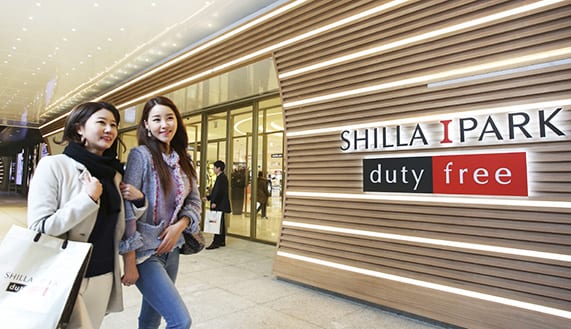
The Shilla Duty Free conducted a soft opening of its new downtown store in Phuket, Thailand at the weekend, which has allowed it to take the next step in its ‘diverse global expansion strategy’, it says.
As reported, the store was slated to open originally in August, but the South Korean TR operator was actually able to officially add the Kathu district store to its growing international store network on 19 November. The retailer first opened a store outside Thailand in 2012 with its Changi Airport concession in Singapore. Since then Shilla has opened in Macau also.
This time Shilla has partnered with two local companies (Gems Gallery and The Mall) to operate the store under a ‘GMS Duty Free’ joint venture first agreed in 2013. However the store fascia with carry ‘The Shilla Duty Free’ company name.
Shilla says it is in charge of ‘general operation of the store including MD and store operation’.
TWO-STOREY 25,000SQ M STORE
“Gems Gallery, sole market leader of Phuket’s jewellery market, and The Mall, operator of top-of-the-class department stores and shopping malls in Thailand, are in charge of sourcing of Thailand local goods and marketing,” reveals Shilla.
SSP Group, a leading operator of food and beverage outlets in travel locations worldwide, has consolidated its position in the Thai market with a number of new contract wins.
At Phuket International Airport, SSP has been awarded a four-year contract to operate eight concepts in the new international Terminal 2. Valued at approximately 1.5 billion THB (£33 million*) the new deal will make SSP the leading concessionaire at the airport.
Landside, SSP will run all food and beverage operations on the mezzanine floor. Its offer will include Burger King, Bill Bentleyn Pub, Ajisen Ramen, Thai Express, Airport Kopitiam, Dairy Queen and The Coffee Club. Airside, passengers will be able to choose from Burger King and Bill Bentley Pub.
Commenting on the win, Chris Rayner, CEO SSP Asia Pacific said; “We have been running food and beverage concessions in Thai airports, where we are the clear market leader, since 1995 in cooperation with our Thai partner Minor Food Group. SSP Thailand’s strong track record in delivering great brands, great customer service and great sales all contributed to us being awarded the contracts in Phuket, and we are delighted to be building on our success in this strategically important region.”
Separately, at Suvarnabhumi Airport, SSP has extended all its existing contracts by four years. It has also extended its contracts at Chiang Mai International Airport by two years until July 2018.
Phuket brand line-up:
Thai Express is the world’s largest chain of modern Thai restaurants. Serving traditional Thai cuisine in a relaxed and yet contemporary environment, today the brand can be found at over 30 locations from China and Malaysia to Vietnam and Singapore.
Japanese brand Ajisen Ramen is the country’s leading ramen restaurant and can now be found across the Asian continent. It serves a range of Asian dishes in a format that is simple, tasty and healthy as well as convenient.
Founded in 1954, the Burger King brand is the second largest fast food hamburger chain in the world. The original home of the Whopper, the Burger King system operates more than 14,000 locations in approximately 100 countries and U.S. territories.
Bill Bentley Pub is a classic English pub, styled to create the warm welcome of the traditional local.
Airport Kopitiam, is a bespoke SSP concept which draws inspiration from the ever popular café culture of Malaysia. Its menu features simple meals, including kaya toast and white coffees.
Founded in the 1940s in Illinois, USA Dairy Queen is famous for its dessert treats and much more. Today it is hugely popular across Asia.
The Coffee Club, which originated in Australia, is a growing coffee chain in Asia Pacific with over 400 stores across nine countries including Thailand.
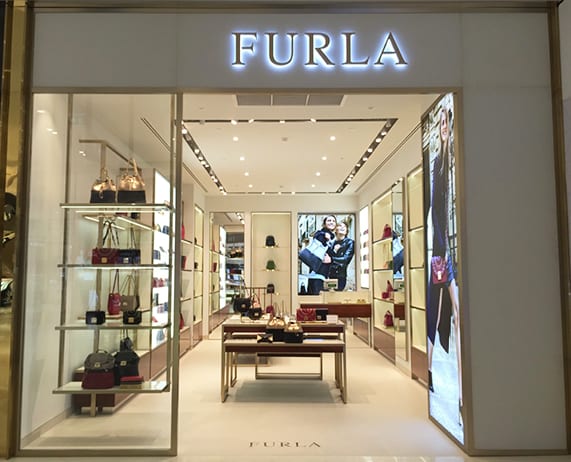
The new boutique was officially opened last Saturday ^ featuring Furla’s Autumn and Winter 2016 Collection.
The outlet is well lit and easily browsed with aisle room for customers to browse the wall-mounted leathergoods collections, as light boxes reinforce the brand’s product presentation and lifestyle.
Gerry Munday, Furla’s Global Travel Retail Director said: “We thank Shilla Duty Free for their continued support of the brand.”
The new boutique offering at Shilla Duty Free’s downtown store in Phuket.
BACKGROUND TO PHUKET STORE OPENING
It is first reported this new downtown duty free store development back in July of this year when Shilla Duty Free joint venture partner GMS Duty Free talked directly with our Asian Correspondent David Hayes.
GMS Duty Free is the joint venture company formed by Shilla Duty Free with local partners, Gems Gallery Group and The Mall Group, to operate the store.
The Mall Group is one of Thailand’s leading shopping mall operators with six malls, five of which are in Bangkok and one in northeast Thailand. The Gems Gallery Group is a leading Thai jewellery retailer and wholesaler with four showrooms in Bangkok, Chiang Mai, Pattaya and Phuket.
Ikea’s first pick-up and order point in China is currently being built in Wenzhou and is expected to officially open at the beginning of this summer.
Ikea PUP store is a new model established by the company in 2015. With an area of about 1,800 square meters, the Ikea Wenzhou PUP store will display about 2,500 kinds of products. Meanwhile, local consumers can order most of Ikea’s products at the order point. It is reportedly a small-sized Ikea and the extension of the Ikea Ningbo store.
Consumers can first experience Ikea products in the display zones and choose to buy the products directly from Wenzhou PUP store or place an order to the Ikea Ningbo store in eastern China. The ordered products will then be delivered to the Wenzhou order point or to consumers’ homes. In addition, the Wenzhou PUP store will have professional staff to provide home solution planning and purchase services. However, no food and beverage area is available at the PUP store.
A representative from Ikea China said that the establishment of the Wenzhou order point will make consumers’ shopping experience more convenient. Meanwhile, it will lay a foundation for the future expansion of Ikea’s online businesses. Ikea started the operation of this new PUP model from 2015. So far, it has launched such stores in London, Toronto, and Phuket.
Ikea’s financial report for 2015 revealed that the company’s total sales for 2015 were EUR31.9 billion, a year-on-year increase of 11.2%. Its sales increase was mainly contributed by store sales, especially new stores integrating e-commerce functions.
Hotel Shilla has described Phuket as an eventual “crown jewel” of Thai travel-retail after confirming it is to open its first overseas downtown duty-free shop on the island with a local partner in the second half of the year.
While the exact size of the store in Tambon Kathu, Amphoe is unknown, the store will consist of traditional core duty-free products such as liquor and tobacco and a mix of local Thai products. It will also be equipped with “support facilities” to ensure optimum customer experience.
A Hotel Shilla spokesman told DFNIonline that preparation is going quite well and the alliance with the local partner looks very promising.
The spokesman also said Bangkok was an option for the outlet, but the contract between Airports of Thailand (AoT) and King Power (Thailand) made it impossible. He explained: “The Shilla Duty Free chose Phuket, where the pick-up counter is serviced by a common operator which has responsibility to give a service to the duty-free operator.”
He added: “The temporary pick-up counter in [Phuket] terminal one will be operated by The Shilla Duty Free and permanent pick-up counter in T2 by King Power, which will handle the delivery of Shilla Duty Free products due to the contract between AoT and King Power.”
Reflecting on Phuket as a destination for the new store, the spokesman said: “Chinese inbound passengers have been showing constant growth in Thailand and Phuket in particular, the second most popular travel destination in Thailand, which is leading the growth. With The Shilla Duty Free’s accumulated know-how of serving Chinese travel-retail consumers, Phuket is a more than satisfactory destination.”
In order to attract even more Chinese consumers, the retailer, which secured approval this month for a new themed hotel in central Seoul – the Shilla downtown Seoul outlet will eventually move to the new hotel — will focus on travel agencies in Mainland China and Thailand. “In the case of Chinese travel agencies, The Shilla Duty Fee has a good understanding and good relationships.
“Apart from Chinese customers, Russians might be the secondary target since Phuket is also a popular choice for Russian travellers looking for somewhere sunny for holidays.”
Looking ahead, the retailer is expecting the Thai travel-retail market in general to grow significantly and the spokesman admitted it is not as mature as the Korean equivalent. “It is believed to be one the fastest growing markets in global travel-retail and our most important objective is enhancing that growth.”
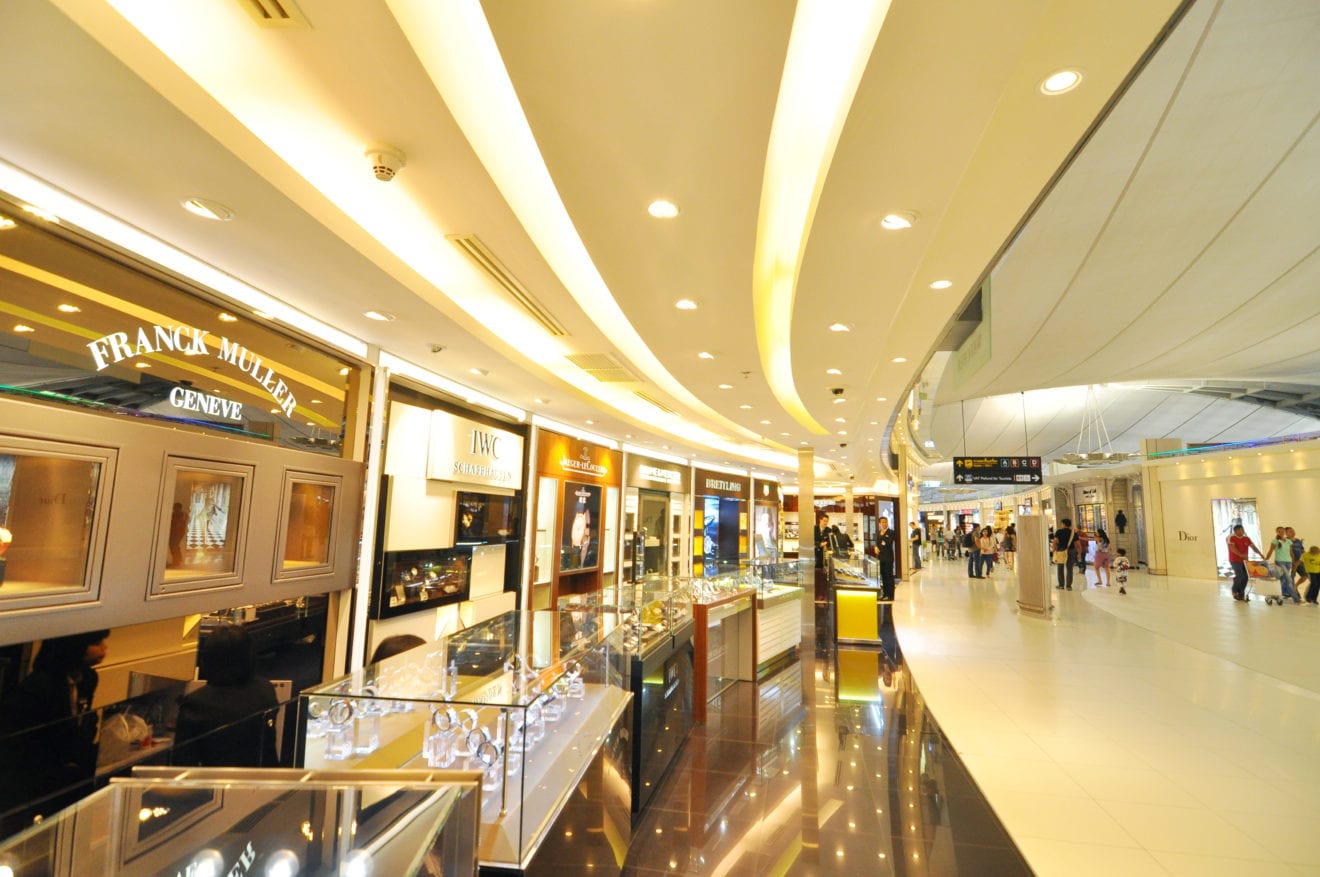
Thai duty-free monopoly King Power mixes international brands with local products in its new downtown Phuket store opened this month.
The new store’s design was inspired by the nearby Andaman Sea and uses dimensional depth and lighting to mirror the ocean.
King Power Phuket stocks perfumes, cosmetics, and skincare from leading brands such as Bobbi Brown, Clinique, Dior, Estee Lauder, Lancome, L’Occitane, L’Oreal, Mac, SKII, and Shiseido; apparel, jewellery, and eyewear from brands including Emporio Armani, Bally, Coach, Longchamp, Furla, Hugo Boss, Kate Spade, Michael Kors, Calvin Klein, Dunhill, and Ray Ban; and watches from Omega, Rolex, Chopard, Tudor, IWC, Longines, and Breguet.
A range of products from leading Thai brands, as well as local Phuket goods are on sale in a dedicated Thai Pavilion and the store also sells electronics and gadgets.
The store’s interior is painted in pearl white contrasted by fluid lines simulating the movement of water. Additionally, the design incorporates Phuket’s unique Sino-Portuguese patterns.
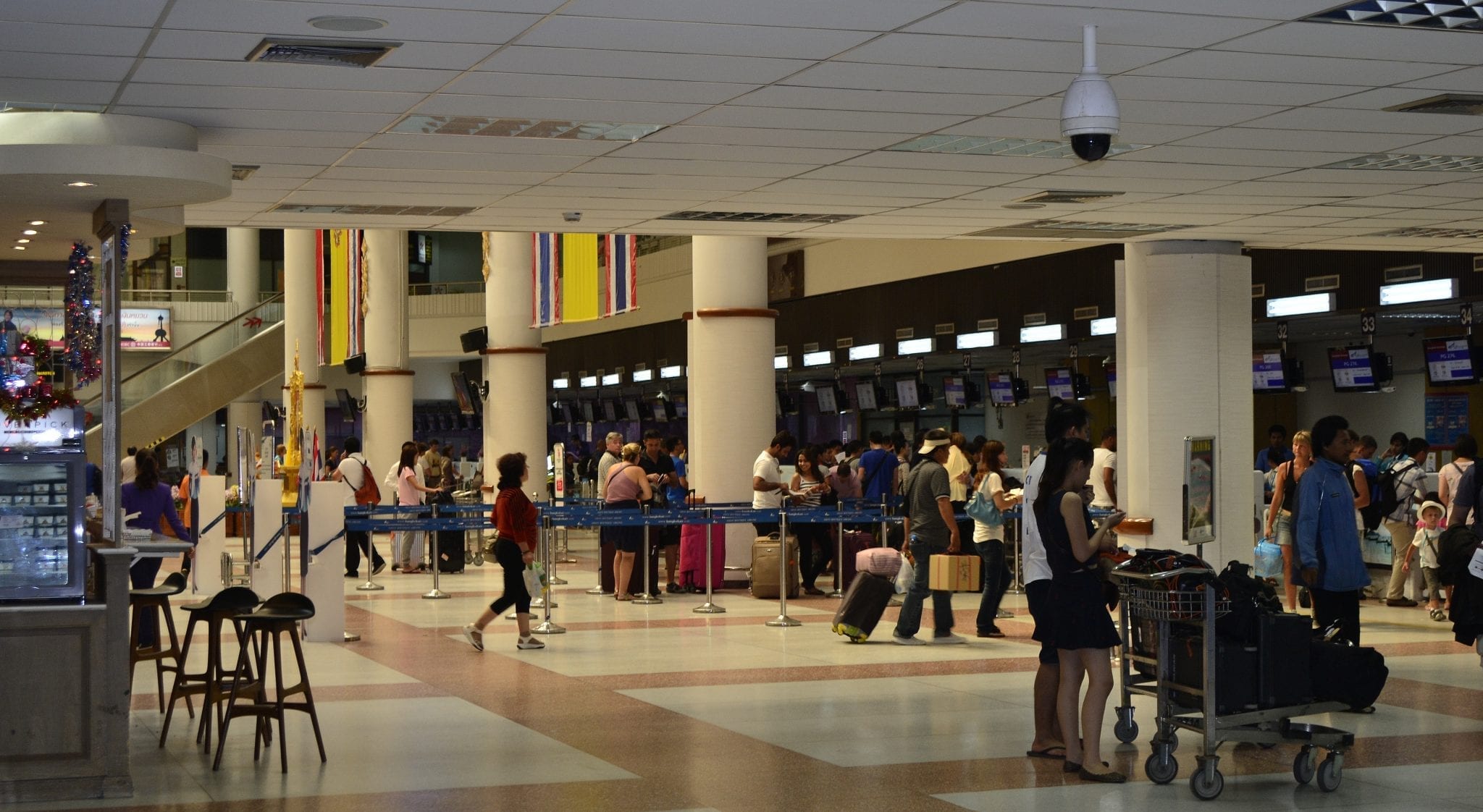
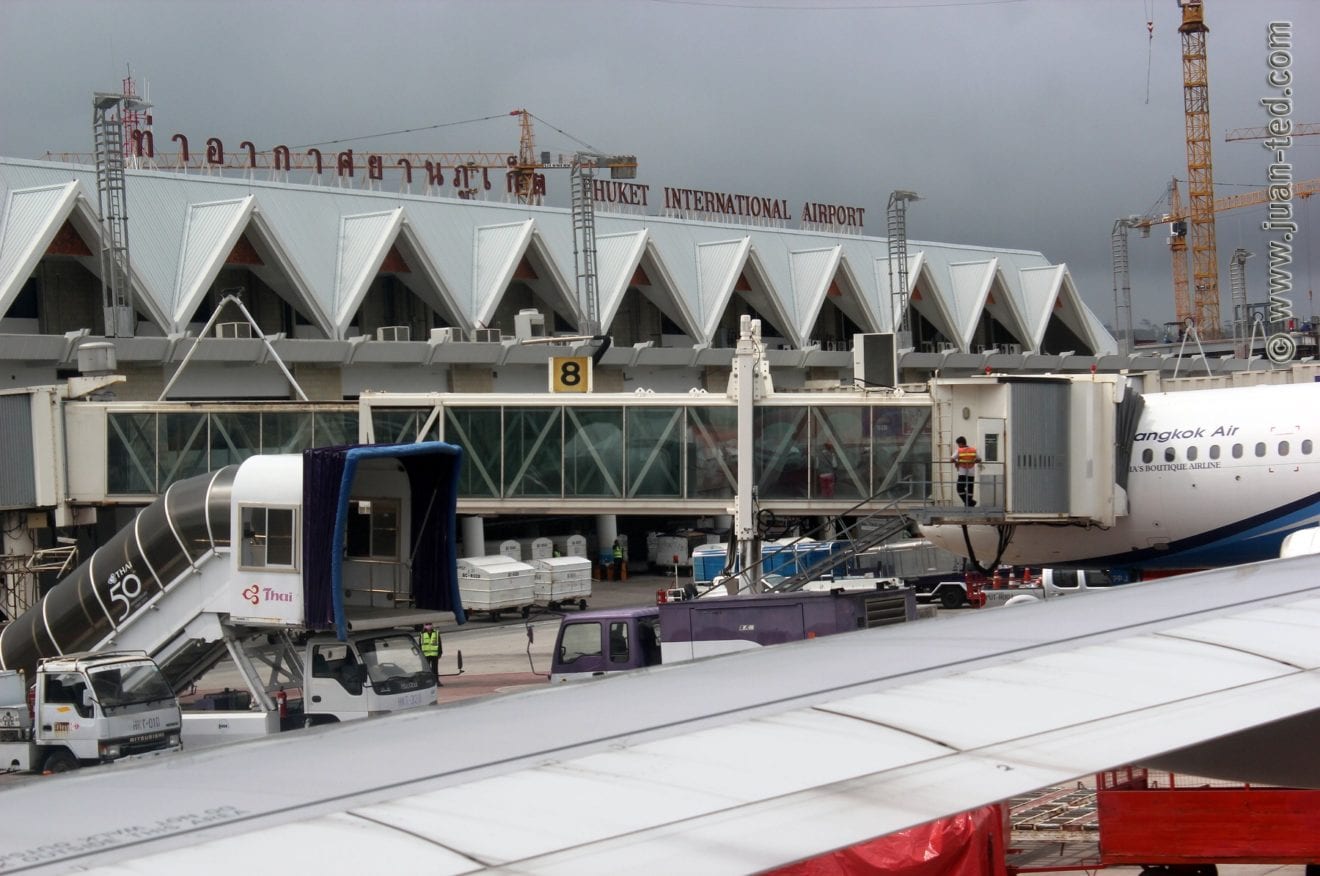
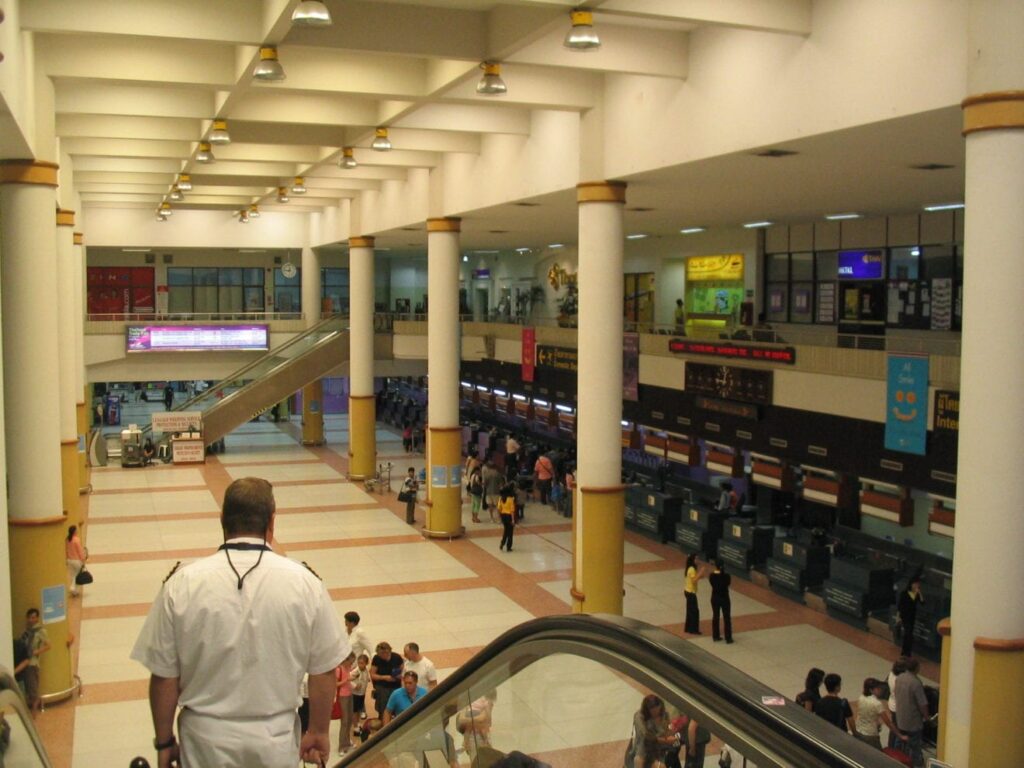
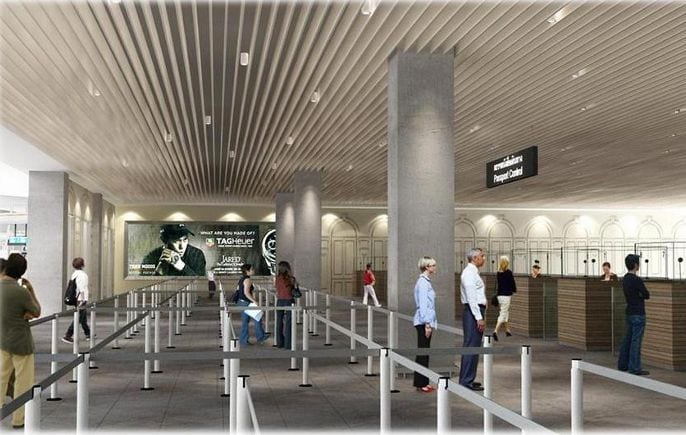
Phuket Airport’s new international terminal is set to double its passenger capacity when it opens next May, according to airport director Monrudee Gettuphan.
Construction of the terminal is more than 80 percent complete. It will undergo initial systems checks this month ahead of its soft opening on Feb. 14 and is on target to be fully operational by May, Monruidee said.
“The new international terminal will be able to handle 12.5 million passengers annually, which is almost double the existing one, which can take only 6.5 million passengers per year,” Monrudee said.
The new terminal will include 10 aircraft parking bays, four gangways for passengers to embark and disembark from aircraft, and a brand-new shopping area with duty-free shops and restaurants.
“But we are not only rushing the project to be done according to the plan, but also ensuring that the airport meets the standards by the Civil Aviation Authority of Thailand,” Monrudee added.
The new terminal is part of a major THB5.7 billion overhaul of the airport, which began more than two years ago.
Concerns have already been raised that Phuket Airport will be over-capacity soon after the expansion project is complete. A THB3 billion “upgrade of the upgrade” to raise passenger capacity to 18 million has already been tabled.