Tag: plan

  • China Targets $9 Trillion Retail Sales in Unprecedented Consumption-Driven Five-Year Plan

    China Targets $9 Trillion Retail Sales in Unprecedented Consumption-Driven Five-Year Plan

    China has unveiled its inaugural five-year scheme centered on consumption, where it anticipates annual retail sales to reach approximately 60 trillion yuan (US$9 trillion) by 2030. This indicates a deceleration in year-on-year growth to roughly 3.7 per cent, compared to the estimated 5 per cent noted between 2021 to 2025.

    Encouraging Household Consumption and Spending

    In addition to scaling retail sales, China also committed to enhancing household incomes and significantly augmenting the share of household consumption in the economy, which presently stands around 40 per cent. The yearly target for retail sales growth mirrors a declining impetus in goods consumption, prompting policymakers to shift the focus towards bolstering household expenditure as a key growth propeller.

    China’s State Council approved and unveiled the plan on Monday, with a pronounced focus on service consumption. Target sectors encompass elderly care, childcare, healthcare, culture, tourism, sports, and education. The State Council anticipates that, by 2030, the consumer market will expand further, the household consumption rate will increase considerably, and the economic growth’s reliance on consumption will be solidified further.

    The new blueprint also advocates for substantial tourism-related spending, broadening of visa-free entry to additional countries, and increasing direct international flights to Europe, the US, and countries involved in the Belt and Road Initiative.

    Addressing Consumption Imbalances and Enhancing Services

    While China’s services expenditure has outpaced goods consumption growth in recent years, it remains significantly behind developed economies. In 2025, per capita services consumption amounted to 46.1 per cent of total consumption, markedly lower than the approximately 70 per cent observed in the US.

    To redress the deepening imbalance between robust industrial output – buoyed by exports – and tepid domestic consumption, some government economists have advocated for long-overdue income and welfare reforms.

    The plan also aims to make China’s social security system more streamlined and sustainable, providing individuals with greater spending confidence and stability.

    The five-year plan underscores the need to strengthen household spending power via higher wages, increased property income, enhanced social security, and improved public services. Commitments have also been made to eliminate “unreasonable restrictive measures” in areas like car purchases, housing, and approvals for entertainment events.

    Fiscal and financial policy is expected to place heightened emphasis on direct benefits to consumers, spending related to livelihood, and consumption-related infrastructure.

    Questions & Answers

    What is China’s anticipated annual retail sales by 2030?
    China aims for annual retail sales to reach approximately 60 trillion yuan (US$9 trillion) by 2030.

    What sectors does China’s inaugural five-year scheme on consumption target?
    The industries of focus encompass elderly care, childcare, healthcare, culture, tourism, sports and education.

    What measures does China’s consumption plan propose to strengthen household spending power?
    The plan proposes measures such as increasing wages, enhancing property income, improving social security, and boosting public services. It also promises to remove restrictive measures in areas like car purchases, housing, and approvals for entertainment events.
  • Miniso Initiates $255M Share Buyback Plan Aiming for Steady Returns Amid Rapid Growth: Founders Stake Boost Imminent

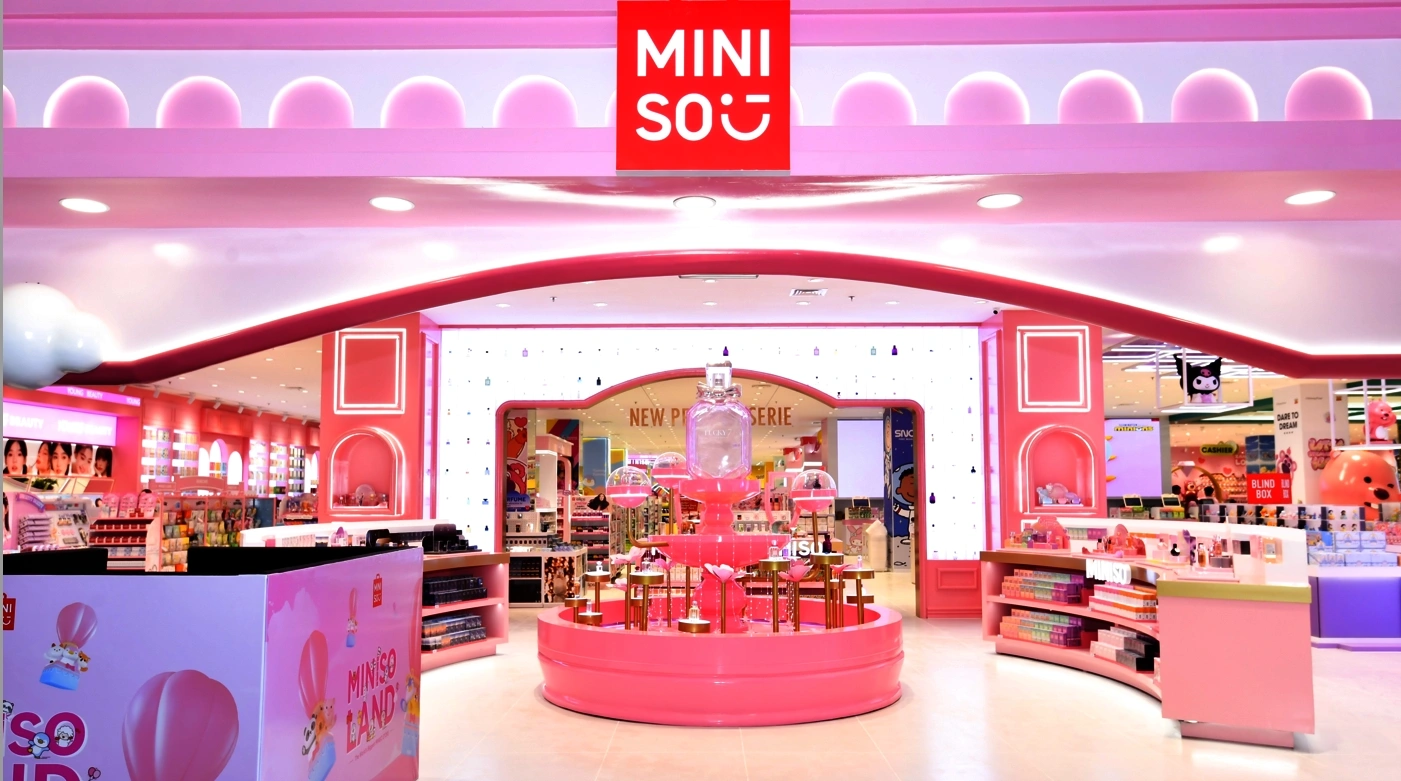
    Miniso Initiates $255M Share Buyback Plan Aiming for Steady Returns Amid Rapid Growth: Founders Stake Boost Imminent

    Retail giant Miniso has unveiled a HK$2 billion (approximately US$255 million) share buyback initiative. This strategic move comes several months after Guofu Ye, Miniso’s founder, chairman and CEO, vowed to augment his personal stake in the company. The 12-month scheme, which became effective as of June 30, allows the company to buy up to HK$2 billion worth of its standard shares and American depositary shares (ADSs).

    Funding and Confidence in Growth

    The funding for this repurchase program will come from the company’s surplus cash reserves. The company’s board believes this decision mirrors their confidence in Miniso’s long-term growth. They also believe that the current share price does not adequately represent the company’s true worth.

    This new buyback scheme follows a previous one in which approximately HK$1.37 billion worth of shares and ADSs were reacquired by the company. The main objective of this most recent initiative is to balance the group’s quick expansion with consistent and reliable returns for shareholders.

    CEO’s Confidence in Continued Growth

    This new repurchase program closely follows Ye’s April pledge to increase his shareholding by purchasing at least HK$50 million worth of Miniso shares over a one-year period using his personal finances. At that point, Ye had ownership of approximately 63.7% of the company’s shares. He stated that his planned purchase was an indication of his faith in the ongoing growth of the retailer.

    Questions & Answers

    What is the main goal of Miniso’s new share repurchase program?
    The program aims to balance the company’s rapid growth with stable, predictable returns for its shareholders.

    How is Miniso funding its share buyback program?
    The funds for the repurchase program will come from the company’s surplus cash on its balance sheet.

    What led to the launch of this new share repurchase program?
    This decision followed a pledge made in April by Miniso’s CEO, Guofu Ye, to increase his personal shareholding in the company. This new initiative reflects the company’s confidence in its long-term growth and its belief that the current share price does not fully represent its intrinsic value.

  • Starbucks Brews Plan for India Expansion, Aiming for 100 New Stores Annually in the Tea Land

    Starbucks Brews Plan for India Expansion, Aiming for 100 New Stores Annually in the Tea Land

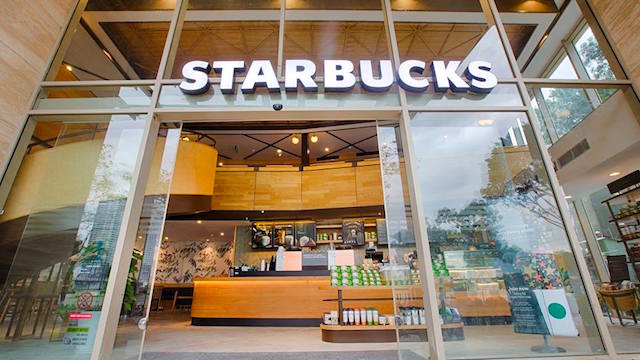
    Starbucks is setting its sights on India, one of its fastest-growing markets worldwide, with plans to launch up to 100 stores per year. The renowned coffee chain, despite coffee being a less popular choice than tea in India, sees substantial potential for growth in the region.

    Tata Starbucks, a joint venture between Starbucks and the Tata Group, currently boasts over 500 stores across India, holding around 30% of the country’s structured coffee market. It intends to continue expanding its footprint by adding 50 to 100 outlets each year.

    Sushant Dash, Tata Starbucks CEO, highlighted the significant growth rate India represents for Starbucks on a global scale. He noted that the store count in India has more than doubled over the last four to five years. This growth coincides with the rise in coffee consumption among younger and urban consumers, which has sparked competition from both local and international entrants.

    Adapting to Local Consumer Needs

    To seize the emerging opportunities, Tata Starbucks is broadening its horizons by diversifying its store formats, including drive-through stores, highway locations, kiosks, and experiential outlets. The company is investing in the Starbucks Reserve concept, now operating in six different locations in Mumbai, Delhi, and Kolkata.

    This expansion aligns with the company’s ambition to operate 1,000 retailers in India by 2028. In line with this aspiration, Tata Starbucks intends to increase its workforce to approximately 8,600 partners and extend its network of drive-through stores, airport cafes, and 24-hour locations.

    In addition, the company is exploring opportunities beyond major metropolitan areas, intending to extend its presence in Tier 2 and Tier 3 cities to capitalize on India’s upcoming wave of consumer growth.

    Questions & Answers

    What is Starbucks’ growth plan for India?
    Starbucks plans to open up to 100 stores per year in India, aiming to operate 1,000 stores by 2028.

    How is Tata Starbucks adapting to the Indian market?
    Tata Starbucks is diversifying its store formats to meet local needs, including drive-through stores, highway locations, kiosks, and experiential outlets. It is also expanding its presence in Tier 2 and Tier 3 cities.

    What is the current position of Starbucks in the Indian coffee market?
    Starbucks, through its joint venture with the Tata Group, Tata Starbucks, currently operates over 500 stores and holds about 30% of the country’s structured coffee market.

  • Don Don Donki to Bid Farewell to HarbourFront Centre Location amid Singapore Malls Redevelopment Plan

    Don Don Donki to Bid Farewell to HarbourFront Centre Location amid Singapore Malls Redevelopment Plan

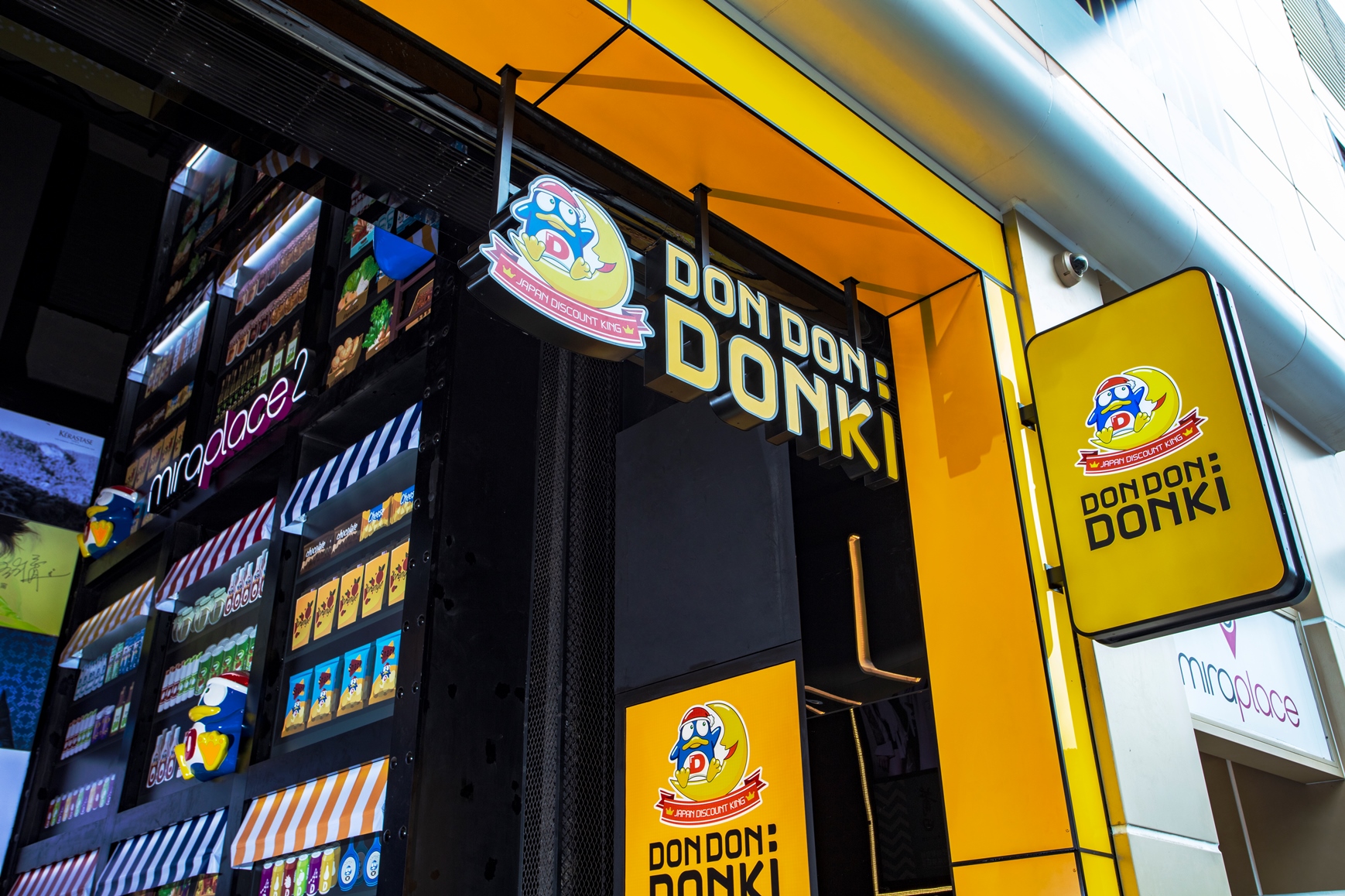
    The Japanese retail giant, Don Don Donki, has disclosed plans to close its outlet at HarbourFront Centre in Singapore this July. Shoppers will be in for a treat as select items will be sold at clearance discounts, some with up to 70% off.

    The store, popular amongst commuters, visitors venturing to Sentosa, and late-night shoppers eager for sushi, bentos, and Japanese snacks, is due to shut its doors for the last time on July 19. The imminent closure aligns with the anticipated redevelopment of the mall. The outlet is strategically located on the third floor of the mall, just above the bustling cruise center.

    A Transformation for HarbourFront Centre

    HarbourFront Centre has a storied past and is on the brink of another major transformation. Initially opened in 1978 as the World Trade Centre, the centre underwent renovations and was relaunched as HarbourFront Centre in 2003. The current redevelopment plans aim to transform the centre into a 33-storey mixed-use development, integrating retail and office spaces along with an elevated waterfront park.

    The redevelopment project ties into the larger Greater Southern Waterfront initiative, a visionary plan to revolutionize Singapore’s southern coastline into a lifestyle and recreational hub.

    Business as Usual for Other Outlets

    Despite the closure, Don Don Donki continues to operate its remaining 16 outlets across Singapore. These include locations at Orchard Central, Jem, Tampines 1, Suntec City, Waterway Point, and 100 AM. The chain was first introduced to the local market at Orchard Central in December 2017. Since then, it has flourished, with one exception – the Downtown East mall outlet, which closed this March after nearly five years in operation.

    Questions & Answers

    What is the current discount available at the Don Don Donki outlet at HarbourFront Centre?
    There are clearance discounts on selected items, with some discounted by up to 70%.

    What is the future plan for HarbourFront Centre?
    The centre is set to be redeveloped into a mixed-use development, comprising retail and office spaces, along with an elevated waterfront park.

    What will happen to other Don Don Donki outlets in Singapore?
    Don Don Donki’s remaining 16 outlets in Singapore, including those at Orchard Central, Jem, Tampines 1, Suntec City, Waterway Point, and 100 AM, will continue to operate as usual.

  • Treasury Wine Estates in Crisis: Titantic Losses Spur Massive Transformation Plan

    Treasury Wine Estates in Crisis: Titantic Losses Spur Massive Transformation Plan

    Treasury Wine Estates (TWE), renowned for its ownership of the Penfolds brand, has experienced significant losses in the initial half of the 2026 fiscal year. In spite of this, the conglomerate remains dedicated to its long-term strategic overhaul.

    First-Half Financial Decline

    The financial woes for TWE are clear, with losses mounting to a total of $649.6 million in a mere six month period. This loss was not isolated to a specific market, but rather was experienced across all of TWE’s markets. This included a notable downturn for Penfolds, the company’s premier luxury wine, which recorded a drop in earnings by 19.6%.

    Sam Fischer, TWE’s CEO, expressed his optimism during these trying times, stating, “Our current results reflect the transformational phase we are in. It’s encouraging to see the significant progress made from implementing necessary measures to steer TWE back to a trajectory of sustainable and profitable growth.”

    US Market Struggles and Brand Impairments

    The company’s performance in the Americas was particularly disappointing, with earnings plummeting by 63.6%. TWE attributed this to a subdued wine market in the region. Further exacerbating the losses was an impairment of $770.5 million related to its 19 Crimes brand in the American market.

    When disregarding the impairments, the group managed to generate a profit of $236.4 million. However, this figure is still approximately 40% lower than the corresponding period in the previous fiscal year.

    CEO Fischer emphasized the company’s resolve to bounce back, stating, “Our attention is squarely on the future. We are committed to improving execution and building a more robust, resilient business for the long haul.”

    TWE Ascent Transformation Plan

    In a bid to turn the tide, TWE is persisting with its two- to three-year strategic transformation plan named TWE Ascent. This move will involve a critical evaluation of the company’s portfolio and an effort to attain $100 million per year in operational cost efficiencies.

    Fischer explained, “TWE Ascent is the linchpin of our strategic reset. This is a structured, multi-year transformation strategy aimed at sharpening our portfolio, streamlining our organization, and optimizing our cost base. So far, we are pleased with the strides we have made.”

    He further added, “It’s heartening to see our key brands continue to perform in the marketplace and strongly resonate with customers. This bolsters our confidence in the strength of our portfolio and in our ability to enhance performance as we progress with the business transformation.”

    Questions & Answers

    What is TWE’s response to the losses observed in the first half of 2026?
    CEO Sam Fischer has expressed his optimism, stating that the company is focussed on the future and is committed to long-term growth.

    What contributed to the significant losses in the Americas?
    TWE attributed the 63.6% decline in earnings to a subdued wine market in the region, as well as a $770.5 million impairment related to its 19 Crimes brand.

    What is the company’s plan to improve their financial situation?
    TWE plans to persist with its two- to three-year strategic transformation plan named TWE Ascent, which involves a critical evaluation of the company’s portfolio and aims to attain operational cost efficiencies of up to $100 million per year.

  • FedEx Gears up for Freight Division Spin-Off: Reveals Plan in SEC Form 10 Filing

    FedEx Gears up for Freight Division Spin-Off: Reveals Plan in SEC Form 10 Filing

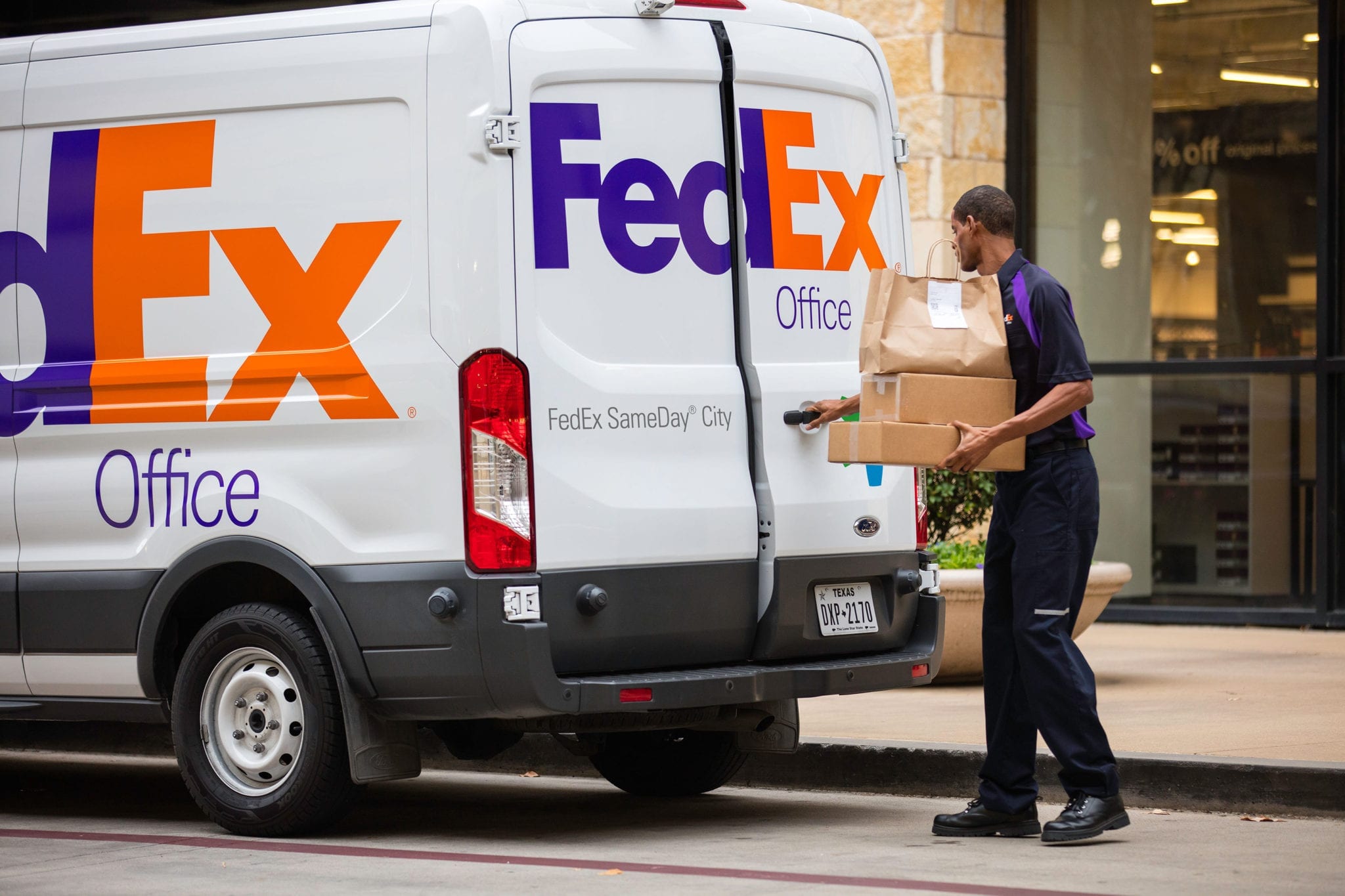
    FedEx Corp. recently publicized its plan to file a Form 10 registration statement with the U.S. Securities and Exchange Commission (SEC) for the proposed separation of FedEx Freight. This document is accessible through the SEC’s website and FedEx’s Investor Relations page.

    FedEx Excited About the Spin-Off

    Raj Subramaniam, FedEx Corp.’s president and CEO, expressed optimism about the Form 10 filing, signifying significant progress towards the imminent launch of FedEx Freight as an autonomous industry-leading Less Than Truckload (LTL) company. According to Subramaniam, this separation will allow both entities to better cater to their customers and unlock long-term value for all shareholders.

    John Smith, the incoming president and CEO of FedEx Freight, commended the organization’s strong foundation, underpinned by its vast network, unique service model, and 39,000 dedicated team members. He views this filing as a significant step towards independence, which will enable them to deliver more value as North America’s leading LTL freight carrier.

    Key Takeaways from the Form 10

    The Form 10 filing provides valuable insights into the expected future of FedEx Freight, highlighting its aim to:

    – Bolster customer relationships through its extensive nationwide LTL network, leading scale, and premium flexible model, while also improving transit times and reliability, consequently solidifying its standing in the resilient LTL market.
    – Implement a strategic commercial and operational strategy focusing on high-growth verticals, technology and infrastructure investments, and continuous efficiency initiatives to facilitate meaningful growth, amplify its competitive advantage, and maximize the benefits of a streamlined LTL-focused operating model.
    – Encourage sustainable profitable growth, robust cash generation, and prudent capital allocation to fund high-yield innovation and network investments and responsibly distribute capital to shareholders over time.

    Further Details

    The separation of FedEx Freight from FedEx is scheduled for June 1, 2026, pending final board approval and other standard conditions. FedEx Freight’s common stock is anticipated to be listed on the New York Stock Exchange under the symbol “FDXF”. The planned separation aims to be tax-neutral for both FedEx and its stockholders for U.S. federal income tax purposes, excluding any cash that stockholders may receive for fractional shares.

    Governance Update

    In anticipation of the separation, FedEx has disclosed the preliminary board of directors for the future independent FedEx Freight, chaired by the current FedEx Corp. executive chairman, R. Brad Martin. Comprising senior leaders with extensive experience in transportation, logistics, finance, and technology, the board reinforces FedEx Freight’s position as an independent LTL operator.

    FedEx Freight Investor Day

    FedEx Freight will host an Investor Day on April 8, 2026, in New York City. The leadership team will elaborate on FedEx Freight’s unique positioning, appealing financial model, and future growth opportunities during the event. A real-time webcast of the event and associated presentation materials will be obtainable on FedEx’s Investor Relations website.

    Subsequent alterations to the Form 10 will be submitted to the SEC under FedEx Freight. The Form 10 filed on January 16, 2026, may be subject to changes and will be finalized before the effective date.

    Questions & Answers

    When is the expected spin-off date for FedEx Freight from FedEx?
    The separation is scheduled for June 1, 2026, subject to necessary board approval and other customary conditions.

    Who will be leading the newly independent FedEx Freight?
    John Smith, the incoming president and CEO, will lead FedEx Freight.

    What will the common stock for FedEx Freight be listed under?
    FedEx Freight’s common stock is anticipated to be listed on the New York Stock Exchange under the ticker symbol “FDXF”.

  • Indian Telecom Giants Challenge New Spectrum Plan, Push for Greater 5G and 6G Allocation

    Indian Telecom Giants Challenge New Spectrum Plan, Push for Greater 5G and 6G Allocation

    The Department of Telecommunications (DoT) in India has formally introduced its National Frequency Allocation Plan 2025 (NFAP-2025), though it has encountered opposition from mobile operators who opine it does not sufficiently address the nation’s future connectivity requirements.

    The NFAP-2025 Policy

    The NFAP-2025, operational since December 30, 2025, outlines the management and allocation of the radio frequency spectrum throughout India. The DoT states that the policy’s objective is to synchronize the national spectrum policy with international standards, while also fostering emerging technologies and next-generation connectivity.

    In line with this plan, the spectrum ranging from 8.3 kHz to 3000 GHz is designated for assorted radio communication services. The government asserts this will facilitate the deployment of 5G, 5G-Advanced, prospective 6G networks, satellite broadband services, and vehicle-to-everything (V2X) communications.

    Contention Around the Upper 6 GHz Band

    Dissent, however, has surfaced over the earmarking of the upper 6 GHz band, particularly the 6425–7125 MHz range for International Mobile Telecommunications (IMT). While increasing the mid-band spectrum availability for mobile services, the Cellular Operators Association of India (COAI) contends it’s insufficient. The COAI has reasserted its established demand that the entire 6 GHz band, spanning 5925-7125 MHz, should be allocated for IMT usage.

    This disagreement partly arises from the government’s previous decision, declared in May 2025, to deregulate 500 MHz of spectrum in the lower 6 GHz band for indoor Wi-Fi use with low power. While expected to hasten the launch of Wi-Fi 6E and Wi-Fi 7, operators maintain it diminishes the spectrum available for wide-area mobile networks.

    Future Data Demand & Spectrum Allocation

    COAI’s Director-General, Dr. SP Kochhar, has cautioned that catering to future data demand will necessitate considerably larger, continuous blocks of mid-band spectrum. He projected that every operator will require a minimum of 400 MHz of such spectrum to provide affordable, high-quality 5G and future 6G services.

    In Dr. Kochhar’s view, next-generation networks will increasingly depend on large, uninterrupted spectrum blocks to support ultra-high data throughput, low latency, immersive digital services, applications driven by artificial intelligence, smart manufacturing, and intelligent mobility.

    As India propels its digital transformation, the debate on the optimal way to balance spectrum allocation between mobile networks, Wi-Fi services, and emerging technologies in the 6 GHz band is projected to escalate.

    Questions & Answers

    What is the main aim of India’s National Frequency Allocation Plan 2025 (NFAP-2025)?
    The primary objective of NFAP-2025 is to align national spectrum policy with global standards while supporting emerging technologies and next-generation connectivity across India.

    What is the contention within the Cellular Operators Association of India (COAI) regarding the NFAP-2025?
    The COAI argues that the allocation of the upper 6 GHz band for International Mobile Telecommunications (IMT) is insufficient. They demand that the entire 6 GHz band should be allocated for IMT usage.

    What future requirements of mobile operators does Dr. SP Kochhar highlight?
    Dr. Kochhar emphasizes the need for considerably large, uninterrupted blocks of mid-band spectrum to cater to future data demand, projecting a minimum requirement of 400 MHz per operator to deliver high-quality 5G and future 6G services.

  • DFI Retail Group Unveils Three-Year Growth Plan: Franchising and Brand Expansion on the Horizon

    DFI Retail Group Unveils Three-Year Growth Plan: Franchising and Brand Expansion on the Horizon

    DFI Retail Group recently disclosed its three-year strategic growth plan, underscoring the development of a franchise model and launching more proprietary brands. Headquartered in Hong Kong, the group aims to use these strategies to enhance customer service across Asia’s varied markets and achieve exponential profit growth.

    Expanding Health and Beauty, Convenience Store Networks

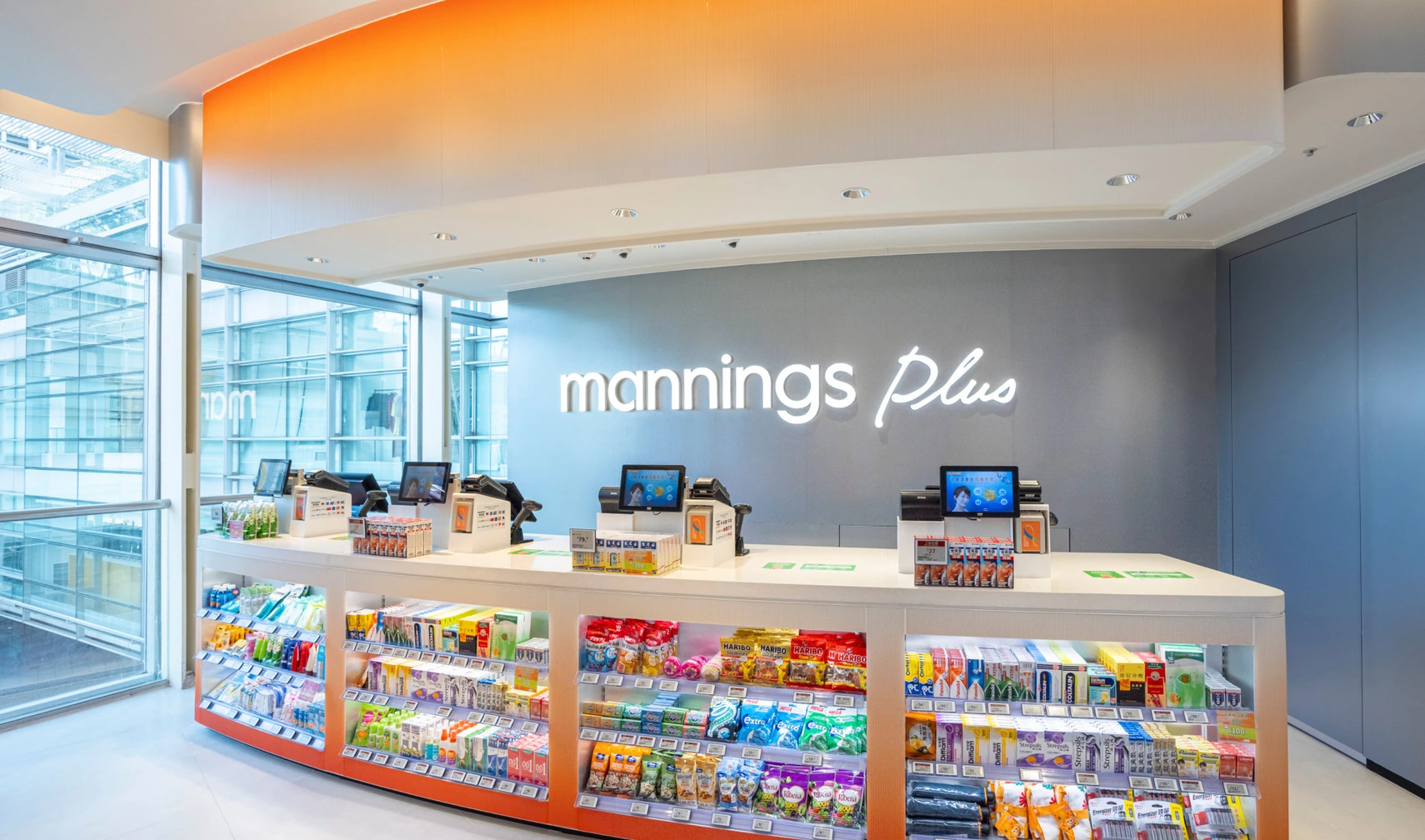
    One of the critical components of the plan is growing the health and beauty as well as convenience store networks using a capital expenditure-light franchise model. The health and beauty arm of the group operates the Mannings chain in Mainland China, Hong Kong, and Macau, and Guardian stores in Indonesia, Malaysia, Singapore, and Vietnam. The group’s convenience store network includes 7-Eleven outlets in Hong Kong, Macau, Southern China, and Singapore.

    Introducing More Proprietary Brands

    The company also plans to introduce more of its brand products, concentrating on affordable, high-quality options that cater to Asian consumers’ escalating demand for value. Other strategies include escalating store sales density, using customer data insights for digital growth, and maintaining strict capital allocation and cost efficiency.

    DFI’s CEO, Scott Price, stated, “Customers across Asia increasingly desire quality and convenience at excellent value. With our extensive format portfolio and omnichannel capabilities, we can effectively meet these needs across all channels.”

    Future Objectives and Profit Expectations

    Aligned with these aims, the group anticipates delivering an underlying profit Compound Annual Growth Rate (CAGR) of 11-15 per cent, aspiring to achieve US$310-350 million by 2028. The group also expects an organic subsidiary revenue growth of 2-3 per cent annually through 2028 and plans to reach online sales penetration of 7-10 per cent by the same year.

    Price further added, “Our robust balance sheet and disciplined capital use provide us the flexibility to invest in growth while consistently increasing returns to shareholders in the coming years.”

    As of December 1, DFI and its partners operated over 7,400 outlets across 12 markets. Despite flat sales growth in the first half of the fiscal year, the group reported double-digit profit growth.

    Questions & Answers

    What is DFI Retail Group’s plan for the next three years?
    DFI Retail Group plans to develop a franchise model, introduce more of its own brands, and achieve double-digit profit growth.

    What does the franchise model expansion involve?
    The expansion involves the health and beauty and convenience store networks, which include the Mannings chain and 7-Eleven outlets, among others.

    What are the group’s financial expectations by 2028?
    The group aims to deliver an underlying profit Compound Annual Growth Rate (CAGR) of 11-15 per cent, hoping to achieve US$310-350 million. It also targets an organic subsidiary revenue growth of 2-3 per cent annually and online sales penetration of 7-10 per cent.

  • Kopi Kenangan Brews Global Expansion Plan After Tasting Success in Malaysia

    Kopi Kenangan Brews Global Expansion Plan After Tasting Success in Malaysia

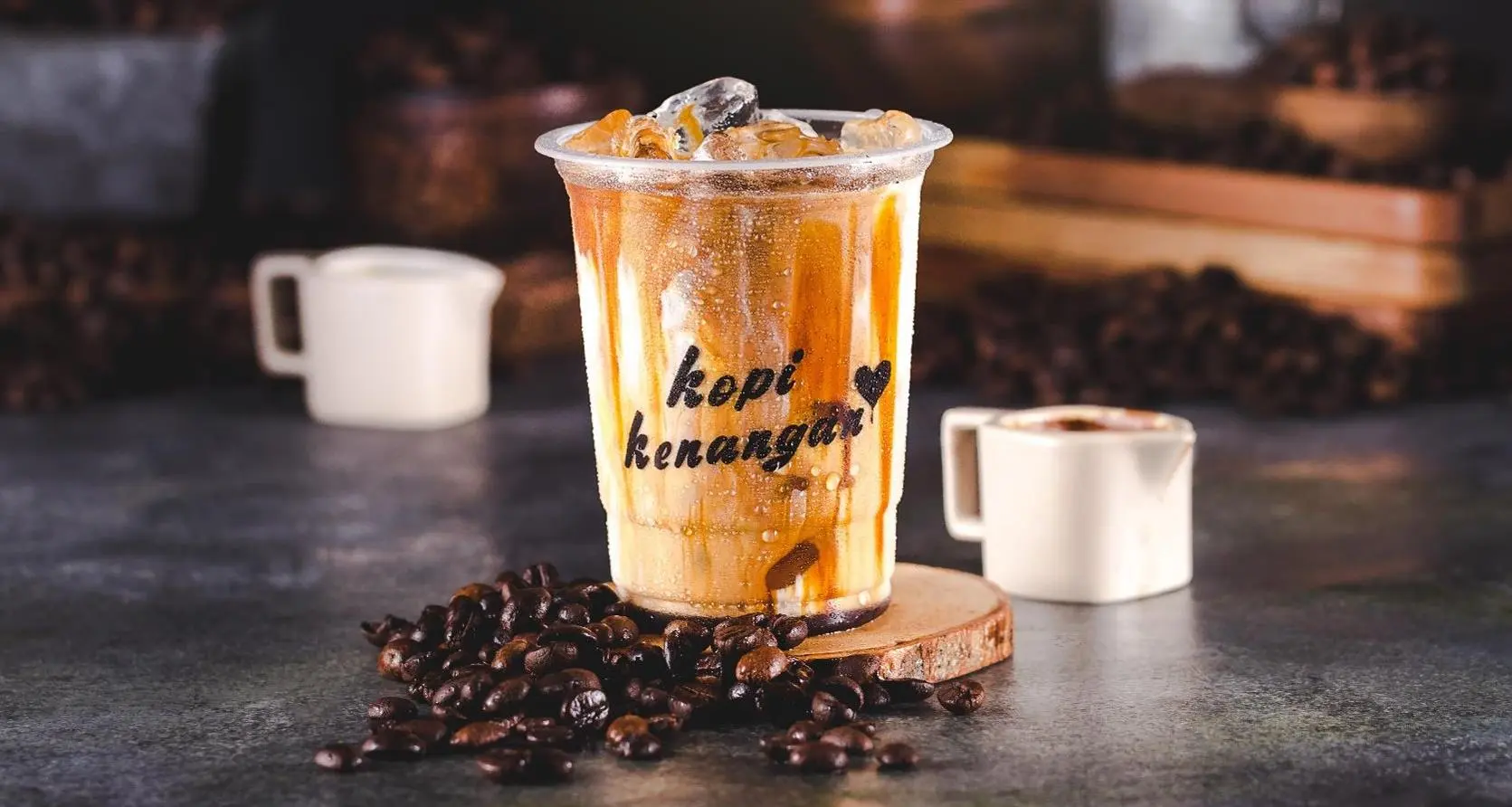
    Kopi Kenangan, an Indonesian coffee chain, is broadening its presence in Asia, subsequent to achieving profitability in Malaysia, three years after its market launch. Edward Tirtanata, the co-founder and CEO of the company, anticipates closing the current year with 150 branches in Malaysia, before broadening that number to 200 venues next year.

    Tirtanata shared that the company has been persistently opening more than one location per day this year, with approximately 70 new stores expected to launch within the next month.

    Continuing its regional expansion, Kopi Kenangan is planning to penetrate the markets of Taiwan and a Gulf Cooperation Council (GCC) country by mid-next year. Earlier this year, the brand made its first appearance in Australia and anticipates having four stores in operation by the end of the year. Meanwhile, roughly 20 additional outlets are scheduled to open in the Philippines in the latter part of this year and early next year.

    The third quarter of this year saw the company’s revenue increase by 40% year-on-year, a growth attributed to its strategy of adapting flavors, recipes, and prices to accommodate local markets. Tirtanata stated, “If you drink our coffee in Singapore, Jakarta, Malaysia, or New Delhi, it will taste different.” He further emphasized the company’s readiness to innovate and revise their recipes to cater to their diverse customer base.

    Questions & Answers

    What is the planned expansion of Kopi Kenangan within the next year?
    Kopi Kenangan aims to increase its Malaysian outlets to 200 stores. Also planned is the opening of approximately 70 new stores within the next month. Furthermore, the company is set to launch in Taiwan and a Gulf Cooperation Council (GCC) country by mid-next year.

    What contributes to Kopi Kenangan’s revenue growth?
    The company’s strategy of adapting its coffee flavors, recipes, and pricing to fit local markets has played a significant role in its revenue increase of 40% year-on-year in the third quarter.

    What differentiates Kopi Kenangan’s coffee in various locations?
    Kopi Kenangan’s coffee taste differs in various locations such as Singapore, Jakarta, Malaysia, and New Delhi. This is due to the company’s strategy of innovating and revising their recipes to cater to local tastes and preferences.

  • Ikea Expands In Philippines With Strategic Ayala Malls Collaboration: Design Services & Online Pick-up At New Outlet

    Ikea Expands In Philippines With Strategic Ayala Malls Collaboration: Design Services & Online Pick-up At New Outlet

    Ikea is expanding its presence in the Philippines by inaugurating its inaugural Plan and Order Shop through a strategic collaboration with Ayala Malls. This initiative aims to provide more convenient access to northern Metro Manila residents.

    The 500-square-meter store, situated in Ayala Malls TriNoma in Quezon City, will avail customers the opportunity to purchase selected items in-store and also function as a complimentary pick-up point for online orders.

    Ricardo Pinheiro, Ikea Philippines’ Country Retail Manager, expressed his elation about being able to serve more Filipinos, especially those in northern Manila. He noted the partnership between Ikea and Ayala Malls as an effective means to create spaces that are not only accessible but also convenient and inspiring.

    Adding to its unique features, the new store will house a design service. Here, customers can seek expert assistance in planning their home interiors from a team of 14 Ikea employees, each trained in interior design.

    Pinheiro highlighted that the new Plan and Order Shop at TriNoma encapsulates Ikea’s democratic design philosophy. He mentioned that it provides a convenient option for those residing in northern Metro Manila. He also acknowledged the strategic location of TriNoma as being in line with Ikea’s sustainability philosophy.

    He emphasized, “TriNoma’s strategic location aligns with our sustainable philosophy in the most practical sense—it saves our customers gas, time, and effort while still giving access to Ikea’s well-designed, affordable home solutions.”

    The TriNoma outlet, set to open its doors on October 23, marks Ikea’s second store in the country.

    Questions & Answers

    Where will the new Ikea Plan and Order Shop be located?
    The new Ikea Plan and Order Shop will be located at Ayala Malls TriNoma in Quezon City, northern Metro Manila, Philippines.

    What unique features will the new Ikea store offer?
    The new Ikea store will feature a design service where customers can work with Ikea employees trained in interior design to plan their home interiors. The store will also serve as a free collection point for online orders.

    When is the Ikea TriNoma outlet slated to open?
    The Ikea TriNoma outlet is scheduled to open on October 23.

  • Gold’s Gym Partners With Img Licensing To Launch Branded Consumer Products Globally

    Gold’s Gym Partners With Img Licensing To Launch Branded Consumer Products Globally

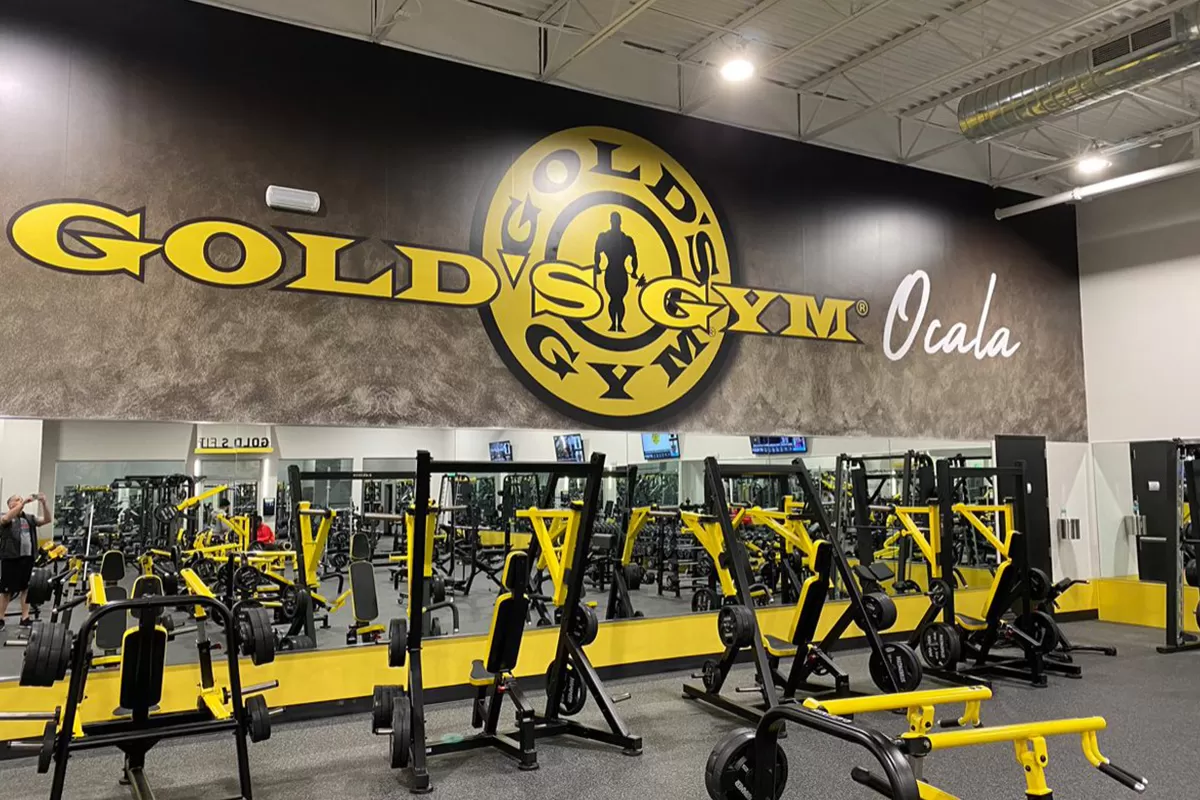
    Gold’s Gym, a long-standing name in the fitness industry, is expanding its horizons beyond its health centers. The company has entered into an exclusive multi-year agreement with IMG Licensing, marking a significant move towards the introduction of branded consumer products on a global scale.

    Sven Thierhoff, Vice President at IMG Licensing, expressed his excitement about the venture. He referred to Gold’s Gym as a legacy fitness brand, and together, they have ambitious plans to deliver high-quality, sustainable products and experiences that will further consolidate Gold’s Gym’s reputation as a trusted pioneer in serious training and fitness culture.

    This strategic move will propel the 60-year-old fitness brand into new markets, such as nutrition and supplements, footwear, travel gear, and sports and leisure goods. This will also lead to an expansion of their existing range of apparel and fashion items.

    Danny Waggoner, CEO of Gold’s Gym, commented on the partnership with IMG. He emphasized that the collaboration allowed them to extend their philosophy from the confines of the physical fitness center into products and experiences. The goal is to inspire people to lead healthier and stronger lives every day.

    Questions & Answers

    What is the primary aim of Gold’s Gym’s partnership with IMG Licensing?
    The primary aim of the partnership is to roll out branded consumer products worldwide.

    What new markets will Gold’s Gym enter with this expansion?
    With this expansion, Gold’s Gym will be entering new markets, including nutrition and supplements, footwear, travel gear, and sports and leisure goods, while also broadening their existing apparel and fashion lines.

    How does the CEO of Gold’s Gym, Danny Waggoner, view this partnership?
    Danny Waggoner views this partnership as an opportunity to extend their philosophy beyond the physical gym, inspiring people to live healthier and stronger lives every day through their products and experiences.

  • Shein’s Landmark French Expansion: A Shift In Strategy Or Threat To Local Retailers?

    Shein’s Landmark French Expansion: A Shift In Strategy Or Threat To Local Retailers?

    Online rapid-fashion retailer Shein is set to establish its first ever permanent brick-and-mortar stores in France this November. This significant move has been facilitated through a partnership with department store owner, Société des Grands Magasins (SGM), and has been met with criticism from French retailers.

    Shein’s New Brick-and-Mortar Ventures

    The new Shein outlets will be “shop-in-shops” located in the BHV department store in central Paris and in Galeries Lafayette department stores across five provincial cities. This represents a fresh direction for the retailer, which has so far only ever held transient pop-up stores worldwide, primarily for marketing purposes.

    SGM’s president, Frédéric Merlin, expressed that the introduction of Shein’s outlets would invite a younger demographic to their department stores. He went on to suggest that the same customer may well indulge in a Shein product and a designer handbag during the same shopping trip.

    Controversy Surrounding Shein’s Expansion

    Despite the optimism surrounding this new venture, Shein, known for their highly affordable apparel – including 12-euro dresses and 20-euro jeans – is facing resistance from rival retailers, politicians, and regulators in France. French lawmakers have supported a draft law that proposes regulations on fast fashion. If enacted, this law would prohibit Shein from promoting their products through advertising.

    Yann Rivoallan, head of the fashion retail association Fédération Francaise du Pret-a-Porter, responded to the news with disapproval. In his statement, he expressed his concern about the impact of Shein’s massive influx of disposable products on the French market, after already causing the decline of several local brands.

    French retailers were already experiencing tough competition from global brands like Zara and H&M when Shein made its entry, attracting customers with its continuous discounts and engaging app. This year, a number of French rapid-fashion retailers, including Jennyfer and NafNaf, have had to initiate insolvency proceedings.

    The inaugural Shein store, located on the sixth floor of the BHV, is expected to open in early November. Additional openings in Galeries Lafayette department stores in Dijon, Grenoble, Reims, Limoges, and Angers are planned for the near future.

    Questions & Answers

    What is the significance of Shein’s new stores in France?
    The establishment of permanent physical outlets marks a major change in Shein’s retail strategy, as they have traditionally relied on temporary pop-up stores and online sales.

    Why is Shein’s expansion in France causing controversy?
    The rapid-fashion retailer’s expansion has been met with resistance due to concerns about their impact on local brands, and because they are under scrutiny from lawmakers proposing regulations on fast fashion advertising.

    When and where will the first permanent Shein store open?
    The first store is set to open in early November on the sixth floor of the BHV department store in central Paris. More stores are planned for Galeries Lafayette department stores in various French cities.

  • Papa John’s Plans Major Indian Comeback: 650 Outlets In Next Decade Despite Market Challenges

    Papa John’s Plans Major Indian Comeback: 650 Outlets In Next Decade Despite Market Challenges

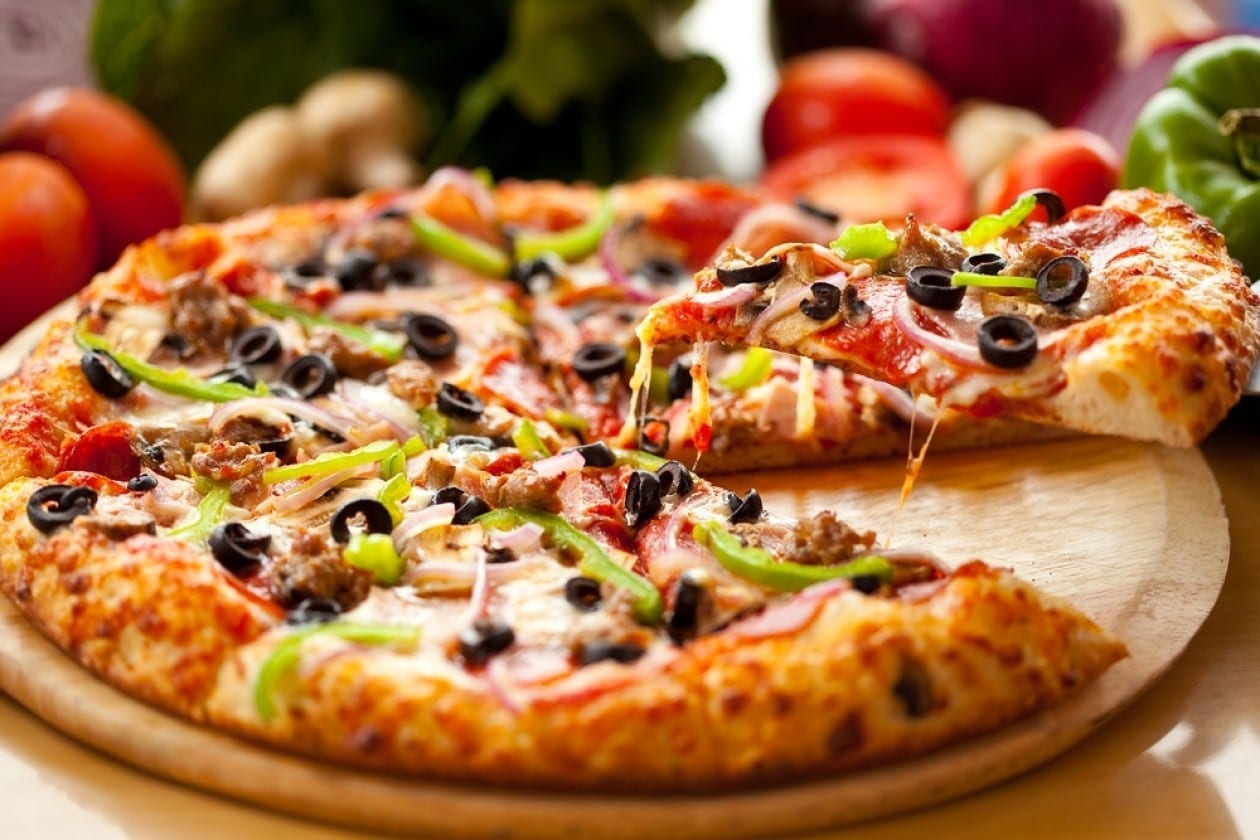
    Papa John’s International, a leading American pizza chain, has announced its intentions to re-establish its presence in India by October. The company has set an ambitious goal of opening 650 outlets across the nation within the next 10 years, despite the challenging landscape in which fast-food businesses find it difficult to maintain sustained sales growth.

    Papa John’s, ranking third worldwide in terms of pizza delivery, withdrew from the Indian market in 2017 due to unsatisfactory performance. However, this move parallels that of its American competitor, Little Caesars. The latter made its debut in India earlier in the year, with a plan to inaugurate approximately 100 establishments by the end of the decade.

    Re-entering the Indian Market

    The first Papa John’s outlet in the country is set to open in the southern city of Bengaluru, according to Vish Narain, managing partner at Pulsar Capital. This Indian investment firm, in association with the UAE-based PJP Investments Group, will serve as the joint master franchisees of Papa John’s in India.

    The pizza giant announced its plans to return to this intricate market back in April 2023. This decision comes at a time when fast-food chains are dealing with declining sales in India. Urban consumers, who form the primary customer demographic, are scaling back on expenditures due to sluggish wage growth and the burden of rising competition.

    Devyani International, one of the two Pizza Hut franchisees in India, is responding to this trend by shutting down underperforming outlets. Simultaneously, Sapphire Foods India, a smaller operator, is exercising caution with their expansion strategies.

    The Competitive Landscape

    The hurdle of competition is not one to be taken lightly. Papa John’s will have to contend with Domino’s Pizza, which boasts over 2,200 Indian outlets, Pizza Hut with around 950 stores, and upscale chains such as Pizza Bakery and PizzaExpress.

    However, Pulsar Capital seems optimistic about India’s long-term potential, mirroring the stance of consumer-facing companies like Hindustan Unilever, the maker of Dove soap, and brewery giant Heineken. Both companies continue to invest in India, banking on its massive population of 1.4 billion.

    “The fast-food category is under-penetrated, so we are many years away from saturation,” said Narain.

    Papa John’s aims to modify its pizza to cater to local taste preferences while also offering its signature dishes. This strategy aligns with the practices of other fast-food competitors. For instance, KFC offers a paneer zinger burger, Domino’s serves a chicken tikka pie, and Subway has a potato-patty sandwich on its menu.

    Questions & Answers

    When is Papa John’s planning to re-enter the Indian market?
    Papa John’s plans to re-establish its presence in India by October.

    Which city will be home to the first new Papa John’s outlet in India?
    The first new Papa John’s outlet in India will be opened in the southern city of Bengaluru.

    What is the projected number of Papa John’s outlets in India over the next decade?
    The company aims to open 650 outlets in India over the next ten years.

  • Pandora Eyes Strategic Overhaul Amid Falling Sales In China: A Turnaround In Sight?

    Pandora Eyes Strategic Overhaul Amid Falling Sales In China: A Turnaround In Sight?

    Pandora, the Denmark-based jewellery manufacturer known for its charm bracelets, is considering a strategic overhaul of its operations in China due to a sustained downturn in sales, according to insider sources. These measures may include licensing its brand and assets, including its current inventory, to China-based funds and e-commerce partners for a five-year period.

    Pandora, like many other multinational consumer-focused companies operating in the world’s second-largest economy behind the United States, has been negatively impacted by the aftermath of the global pandemic and a property crisis that has sent shockwaves through the economy. The company has struggled to compete with local, tech-savvy brands in the crowded e-commerce sector and has also been affected by a consumer trend towards gold and high-value jewellery.

    Addressing Challenges

    In a statement, Pandora acknowledged its need to reposition its brand in the increasingly challenging Chinese market and confirmed its commitment to implementing a turnaround strategy. “While this process will undoubtedly take time, China represents the world’s largest jewellery market and we remain completely dedicated to our business operations there,” commented Pandora.

    Over the past five years, Pandora’s revenue in China has plummeted nearly 80%, dropping to 416 million Danish crowns (approximately US$65.10 million) in 2024, down from 1.97 billion crowns in 2019. The company’s contribution from its China operations has also significantly reduced, falling from 11% to around 1% during the same period.

    Leadership Changes and Future Plans

    There have been several leadership changes within Pandora’s China operations since 2022, with the current Managing Director, Thomas Knudsen, joining the company at the beginning of this year. Shortly after his appointment, Pandora announced plans to shut down 50 stores in China later this year.

    There may be challenges in finding an investor or a licensing partner given the downward trends in performance and broader consumer challenges, according to Jonathan Yan, a principal at a leading consultancy firm in Shanghai. Yan stated that financial investors may not be interested in the asset, while e-commerce partners interested in owning higher-margin brands may be potential candidates.

    Speculations and Expectations

    Pandora’s e-commerce division has faced a steeper decline in sales than its physical stores, an insider revealed. Therefore, a takeover by an operator with the know-how to compete in the Chinese e-commerce market could be a positive development, although the cost of any turnaround would be significant to whoever assumes responsibility for the company’s operations.

    Yan commented, “Any successful turnaround will necessitate significant investment and the introduction of highly innovative strategies, and even then, success is far from guaranteed.”

    Questions & Answers

    What potential measures is Pandora considering for its Chinese operations?
    Pandora is reportedly contemplating licensing its brand and assets to China-based funds and e-commerce partners for a five-year period.

    How has Pandora’s revenue in China changed over the past five years?
    From 2019 to 2024, Pandora’s revenue in China has fallen nearly 80%, from 1.97 billion Danish crowns to 416 million Danish crowns.

    What challenges does Pandora face in turning around its operations in China?
    Pandora faces competition from local, tech-savvy brands, a shift in consumer preferences toward gold and high-value jewellery, and the broader economic impact of the global pandemic and property crisis.

  • SM Prime’s $9B Expansion Plan Unveils Ambitious Retail Growth Strategy

    SM Prime’s $9B Expansion Plan Unveils Ambitious Retail Growth Strategy

    SM Prime Launches Ambitious Expansion Plan Amid Rising Consumer Trends

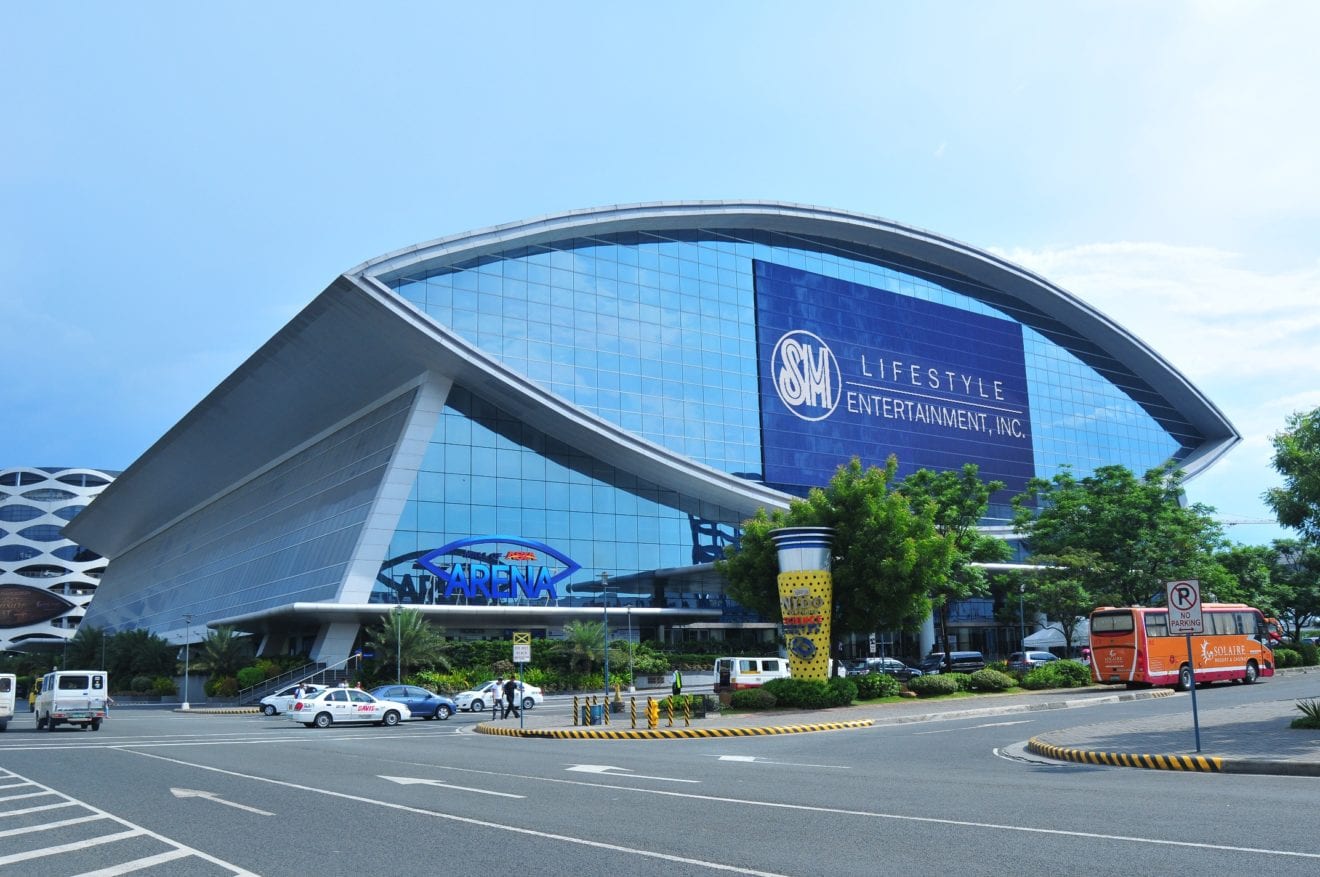
    In a bold move reflecting the growing consumer wealth in the Philippines, SM Prime Holdings is set to embark on its most extensive expansion and diversification initiative since opening its first mall in 1985. With plans to enhance its portfolio and respond to surging consumer demand, the leading mall operator aims to redefine the retail landscape in the country’s booming economy.

    A Comprehensive Expansion Blueprint

    SM Prime’s chairman, Henry Sy Jr., emphasized the urgent need for growth during the recent stockholders meeting. “We need to continue expanding and investing because the opportunities just keep growing,” he stated. With a clear roadmap, the company plans to open 10-15 new shopping malls and up to five integrated property developments. Additionally, the agenda includes establishing eight hotels, two convention centers, a dozen office and residential towers, and four luxury residential projects.

    Sustainable Funding Strategy

    Company president Jeffrey Lim revealed that the majority of the funding for this ambitious expansion will be sourced from internal cash flow, showcasing SM Prime’s commitment to sustainable growth. This strategic approach positions the company well against increasing competition from major players like Ayala Land and Robinsons Land, as the retail sector continues to evolve.

    Market Leadership and Strong Performance

    Currently, SM Prime boasts an impressive footprint as the Philippines’ largest mall operator, managing 87 shopping malls that encompass a total gross floor area of 9.4 million square meters. Additionally, its diverse portfolio includes 10 hotels, over 2,600 rooms, eight convention centers, and more than 22 office buildings.

    In the first quarter of 2023, SM Prime reported a net income of 11.9 billion pesos, an 11% year-on-year increase. Revenue also surged by 7% to 32.8 billion pesos, powered by heightened rental collections and robust real estate sales. Notably, malls remained the cornerstone of profitability, contributing 69% to the company’s earnings.

    Addressing External Challenges

    Despite the challenges posed by new U.S. tariffs, SM Prime remains optimistic about its market positioning. Lim noted that the Philippines’ predominantly domestic economy, coupled with limited exposure to adverse external factors, offers a buffer against potential risks. Continued consumer spending and favorable macroeconomic conditions are expected to further bolster growth.

    “We have a solid foundation, and we are confident in our capacity to generate long-term, sustainable value for our shareholders,” Lim remarked.

    The Future of Retail in the Philippines

    This significant expansion by SM Prime signals a transformative period for the retail sector in the Philippines, poised to adapt to shifting consumer trends and preferences. As the brand expands its presence and invests in diversified developments, the ripple effects on local economies and consumer experiences will be noteworthy.

    Questions & Answers

    1. What is SM Prime’s expansion plan? SM Prime plans to open 10-15 new malls, five large-scale property developments, eight hotels, two convention centers, and other residential projects.
    2. How is the expansion being funded? The majority of the funding will come from internal cash flow, demonstrating a commitment to sustainable growth.
    3. What are the potential impacts of this expansion? The expansion is expected to enhance the retail landscape, boost local economies, and improve consumer experiences across the Philippines.