Retail News CRM

Tag: plans

  • Uniqlo Plans Major Expansion in India: 100 New Stores by 2031

    Uniqlo Plans Major Expansion in India: 100 New Stores by 2031

    Uniqlo, a renowned clothing brand, is set to significantly extend its footprint in India. The company’s ambitious expansion plan aims to increase its store network in the country by five times, amounting to over 100 stores within the next five years.

    Expansion Strategy and Local Production

    Uniqlo’s primary expansion target will be New Delhi and other major Indian cities. The company has a comprehensive strategy in place, which includes importing apparel from its Asian factories. However, in accordance with local regulations, Uniqlo will also initiate production within India.

    Uniqlo, a subsidiary of Japanese retail mogul Fast Retailing, boasts a presence in over 25 global markets and a network of more than 2,500 stores worldwide. The brand made its entry into India in 2019, and as of June this year, it had 20 stores operating across the nation, notably in major cities like New Delhi, Mumbai, and Bengaluru.

    This expansion forms a part of Uniqlo’s business strategy to reinforce its presence in the Global South, encompassing South Asia and Southeast Asia.

    Focus on Southeast Asia

    Uniqlo’s operational presence in Southeast Asia is already substantial when compared to its Indian market. The brand has 81 stores in the Philippines, 78 in Indonesia, 73 in Thailand, 60 in Malaysia, and approximately 30 each in Singapore and Vietnam.

    The combined sales of Uniqlo in South Korea, Southeast Asia, India, and Australia have witnessed a robust increase of 32% for the first nine months ending in May. The growth in sales in India and Southeast Asia alone has continued to exhibit a sustained double-digit increase.

    Takeshi Okazaki, CFO of Fast Retailing, stated that the company views Asia as the next major global growth center for the long term. He added that, similar to successful strategies implemented in the US and Europe, Fast Retailing aims to enhance its brand power in Asia by improving its product lineup and store operations.

    Questions & Answers

    What is Uniqlo’s expansion plan in India?
    Uniqlo aims to expand its store network in India fivefold, reaching over 100 stores within the next five years.

    Where will the expansion primarily focus?
    The primary focus of the expansion will be in New Delhi and other major cities in India.

    What is the company’s strategy for product sourcing in India?
    Uniqlo plans to import clothes from its factories in Asia and also initiate production within India, in accordance with local regulations.

  • Coles Plans Closure of Crime-Plagued Elizabeth Street Store in Melbourne CBD by 2027

    Coles Plans Closure of Crime-Plagued Elizabeth Street Store in Melbourne CBD by 2027

    Coles, a leading supermarket chain in Australia, has disclosed plans to shutter its store on Melbourne’s infamous Elizabeth Street due to the location’s ongoing issues with crime and antisocial behaviour. The location, which has once again come under the spotlight following two separate machete attacks recently, is situated across from Melbourne’s Flinders Street station. The Coles Central store shares its vicinity with Woolworths Metro, located just a few doors down.

    A Strictly Commercial Decision

    Coles has stressed that the decision to vacate the premises at the end of their lease agreement in 2027 is purely a business move. This will result in the supermarket maintaining only one store in Melbourne’s Central Business District (CBD), based in Melbourne Central.

    The supermarket chain has recently made public its extended collaboration with Crime Stoppers Victoria, aiming to address the issue of crime within retail settings. Increasing instances of theft, abuse and hostility towards frontline workers have contributed to a progressively challenging environment within the retail sector, a Coles representative explained.

    Martin Smithson, General Manager of Supermarket Operations at Coles, stated that the rise in retail violence was absolutely unacceptable. He emphasized that the partnership with Crime Stoppers was just one of the steps being taken to tackle it, and called for a collaborative approach involving industry, retailers, government and police.

    Victoria: A Hotspot for Retail Crime

    Victoria, and particularly Melbourne, has been a focal point of Australia’s escalating retail crime issue. In 2025, the state recorded 95,181 criminal incidents at retail locations, marking an increase of 25.7% over the preceding decade.

    According to Chris Rodwell, CEO of the Australian Retail Council, the trend is irrefutable. Retail crime in Victoria continues to surge, posing a persistent, widespread threat to frontline workers and customers.

    Questions & Answers

    What is the reason for Coles’ decision to close its store on Elizabeth Street?
    The decision is strictly commercial, according to a Coles spokesperson.

    How is Coles addressing the issue of retail crime?
    Coles has announced an extension of its partnership with Crime Stoppers Victoria to help tackle retail crime.

    What has been the trend in retail crime in Victoria over the past decade?
    The state has seen a 25.7% increase in criminal incidents in retail locations over the past decade.

  • Thailand Rolls Out Plans to Promote 300,000 Tons of Southern Durian amidst Oversupply Concerns

    Thailand Rolls Out Plans to Promote 300,000 Tons of Southern Durian amidst Oversupply Concerns

    Thailand is working to stimulate the consumption and distribution of 300,000 metric tons of southern durian due to an oversupply caused by a decline in exports to China, primarily related to quality issues. The director-general of the Department of Internal Trade, Wittayakorn Maneenetr, revealed that the durian production in southern Thailand is expected to reach 752,515 tons this year, marking an increase of 30% compared to the last season. Around 35% of the produce has already hit the market, with almost 489,199 tons remaining undistributed.

    According to Maneenetr, the early-season price drop is linked to China’s temporary halt in orders due to the quality concerns associated with unripe durians, and the growing competition from foreign suppliers and domestic production from Thailand’s eastern and northeastern regions.

    Market Stabilization Measures

    To balance out prices, the department has stepped in with initiatives like advance purchases and consumer-targeted promotional campaigns. Currently, Southern Monthong durians are priced at 85-105 baht (US$2.5-3.1) per kilogram for AB grade, 60-80 baht for C grade, and 40-55 baht for D grade.

    The designed plan to distribute 300,000 tons of southern durian involves selling 3,700 tons through advance purchase contracts, 9,000 tons via consumption promotion campaigns, and 281,000 tons through off-farm distribution networks. Additional measures encompass establishing direct sales outlets, subsidizing postal delivery costs, and encouraging processing initiatives.

    Under its medium-term strategy, the Ministry of Commerce is aiming to engage tourists through consumption campaigns, collaborate with food brands to create durian-based menus, and organize field trips for foreign ambassadors to the major durian-producing provinces, including Chumphon, Surat Thani, and Nakhon Si Thammarat.

    Despite the seasonal challenges, the overall durian exports from Thailand remain strong. From the start of the year until July 5, Thailand has exported 908,047.46 tons of durian in 55,831 shipments, which generated more than 104.19 billion baht.

    Questions & Answers

    What were the main reasons for the drop in durian exports to China?
    The decline in exports was primarily due to quality issues associated with unripe durians, leading to a temporary suspension of orders from China.

    What are the prices for different grades of Southern Monthong durians?
    AB grade durians are priced at 85-105 baht per kilogram, C grade durians at 60-80 baht, and D grade durians at 40-55 baht.

    What strategies are being implemented to boost durian consumption and distribution?
    Strategies include advance purchases, consumption promotion campaigns, setting up direct sales outlets, subsidizing postal delivery costs, and supporting processing initiatives. Furthermore, there are plans to engage tourists and collaborate with food brands to create durian-based menus.

  • Singapore’s Metro Redefines Retail, Plans Closure of Two Major Stores for Smaller Multi-Concept Outlets

    Singapore’s Metro Redefines Retail, Plans Closure of Two Major Stores for Smaller Multi-Concept Outlets

    Metro, a well-known retailer based in Singapore, has announced plans to shutter its department stores located at Paragon on Orchard Road and Causeway Point. This decision comes in line with the company’s strategic pivot away from traditional large-format department store models, as their leases approach expiration.

    Embracing a New Retail Model

    Metro’s future plans revolve around introducing a flexible retail model that focuses on smaller-format and multi-concept stores. The company is currently exploring potential locations and liaising with landlords to advance the rollout of these innovative multi-concept stores.

    To ensure the financial viability and success of its new retail approach, Metro is considering several key factors. These include the location, rental terms, and implementation timelines of these proposed stores. This strategic move is aimed at meeting the fundamentally different consumer expectations of today’s market, while allowing more flexibility for the introduction of new concepts, brands, and partnerships.

    Commenting on the new direction, Yip Hoong Mun, Group CEO and Executive Director of Metro, said that the company’s refreshed retail strategy is designed to tackle the challenging operating environment and align with customers’ evolving expectations.

    Transforming the Retail Landscape

    Tan Soo Khoon, the chairman of Metro, further highlighted that this repositioning would pave the way for a more agile retail platform. This transformation is expected to support the company’s long-term growth ambitions. “As the retail landscape continues to transform, it is vital for us to evolve alongside it,” Tan noted.

    In the past year, Metro has been revamping its offerings through various partnerships and experiential concepts. However, despite its initiatives, the company reported a net loss of US$8.8 million for the fiscal year ending March 31, attributing the downturn to lower revenue, weaker margins, and impairment charges.

    Meanwhile, potential plans are being reviewed to optimise and selectively reconfigure parts of the Orchard Road mall, which presently houses Metro.

    Questions & Answers

    What is the new retail model that Metro is adopting?
    Metro is shifting towards a flexible retail model centred on smaller-format and multi-concept stores.

    Why is Metro shifting away from traditional department stores?
    Metro’s shift is prompted by changing consumer expectations and a desire for greater flexibility to introduce new concepts, brands, and partnerships.

    Will Metro continue to operate in the Orchard Road Mall?
    Metro has expressed interest in remaining at the Paragon on Orchard Road under its new retail concept, and discussions are ongoing.

  • Thailand Plans $362M Mega Cruise Terminal on Koh Samui to Boost Tourism

    Thailand Plans $362M Mega Cruise Terminal on Koh Samui to Boost Tourism

    Thailand is advancing a significant cruise terminal project, valued at THB12.2-billion (US$362-million), on Koh Samui, the country’s second-largest island. The terminal has been designed to accommodate large cruise ships and is part of 262 substantial transport initiatives slated for completion by 2027. The collective investment for these projects totals THB229.76 billion, as divulged by the Transport Ministry.

    Project Management and Approval Process

    The Marine Department is overseeing this major development, which aims to bolster maritime transportation, host larger cruise vessels and facilitate the growth of Thailand’s cruise tourism industry. The project is presently under review by the Transport Ministry, and once approved in principle, it will be put forward to the Cabinet for further approval.

    Simultaneously, applications for land usage under the jurisdiction of pertinent agencies such as the Royal Forest Department are being processed. The ministry expects Cabinet approval by 2027, followed by the bidding process in 2028. Construction is anticipated to begin shortly after and operations are projected to start by 2032, with an operational period of 30 years.

    Projected Benefits and Economic Impact

    Upon completion, the terminal is slated to serve between 200,000 and 400,000 tourists annually and should be able to manage approximately 240 cruise ship dockings each year. A study of the project estimates that the terminal could produce around THB46 billion in economic value over its 30-year lifespan, with an economic rate of return exceeding 15%.

    Koh Samui, located in the Gulf of Thailand and approximately 700 kilometers south of Bangkok, is the country’s second-largest island after Phuket. The island is renowned for its stunning beaches, luxurious resorts, vibrant nightlife, and access to nearby marine attractions such as the Mu Ko Ang Thong National Marine Park.

    Questions & Answers

    What is the main purpose of the cruise terminal project on Koh Samui?
    The cruise terminal project aims to enhance maritime transportation, accommodate larger cruise vessels, and support the growth of Thailand’s cruise tourism industry.

    When is the terminal expected to commence operations?
    The terminal is projected to start operations by 2032, with an operational period of 30 years.

    What is the expected economic impact of the terminal?
    The terminal could generate approximately THB46 billion in economic value over 30 years, with an economic rate of return surpassing 15%.

  • Vuori Targets Chinas Fitness Boom: Plans to Triple Store Count in Aggressive Expansion

    Vuori Targets Chinas Fitness Boom: Plans to Triple Store Count in Aggressive Expansion

    California’s Vuori, an activewear brand, is reportedly putting China at the forefront of its global expansion strategy. The company’s intention is to expand its global store network more than twofold.

    China at the Heart of Vuori’s Expansion Plan

    In a recent interview, company president Ashley Kechter revealed that Vuori is planning to elevate its store count in China from eight to 20 by the close of next year, concentrating its growth in the cities of Shanghai and Beijing. This planned expansion is a key aspect of the retailer’s larger ambition to increase its worldwide store network to over 300 outlets by 2030, more than doubling its present reach.

    Vuori initially entered the Chinese market via Tmall in 2022, setting its sight on operating in 15 international markets by the year 2026. To date, Vuori operates eight stores in China. Furthermore, the brand commenced its operations in Shanghai with the inauguration of its first store in 2024.

    Global Expansion Beyond China

    Even beyond China, Vuori is hastening its expansion into other markets, including South Korea and the Middle East. This comes as China continues to rise as a pivotal arena for high-end activewear brands.

    In competition with brands such as Lululemon and Alo Yoga, Vuori is zeroing in on a market segment where younger consumers are increasingly focusing on health, fitness, and wellness. This shift is stoking the demand for athleisure products.

    Questions & Answers

    What is Vuori’s expansion plan?
    Vuori plans to increase its store count in China from eight to 20 by the end of the following year, primarily focusing on Beijing and Shanghai.

    What is Vuori’s long-term goal?
    The company’s long-term ambition is to expand its worldwide store network to over 300 outlets by 2030, more than doubling its current reach.

    What markets is Vuori targeting alongside China?
    Besides China, Vuori is also hastening its expansion into other markets such as South Korea and the Middle East.

  • Miniso Founder Guofu Ye Doubles Down: Plans to Boost Stake by $6.4M Amid Company’s Rapid Growth

    Miniso Founder Guofu Ye Doubles Down: Plans to Boost Stake by $6.4M Amid Company’s Rapid Growth

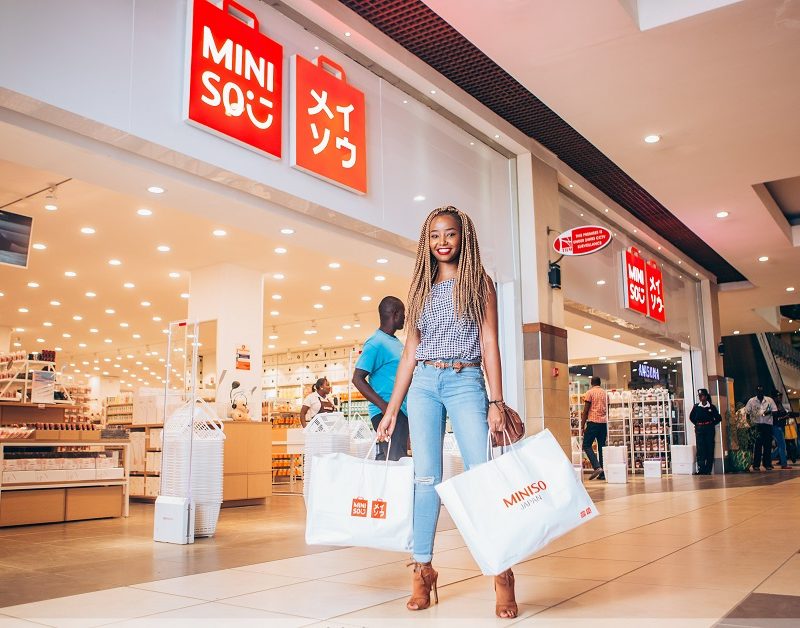
    Guofu Ye, the founder of retailing company Miniso Group Holding, is planning to augment his ownership in the business by a minimum of HK$50 million (US$6.4 million). Over the course of the next year, Ye intends to elevate his shareholding by purchasing more company shares. This includes American Depositary Shares (ADSs) and ordinary shares that are publicly listed on the Hong Kong Stock Exchange.

    The method of transactions will vary, being made either on the open market or via private transactions. These transactions will be conducted directly or through entities that Ye controls, with all purchases funded by his personal finances.

    Ye is presently a majority stakeholder in Miniso, holding approximately 63.7% of the company’s shares, not including treasury shares.

    Reflecting on Miniso’s trajectory and performance in recent years, Ye stated that these elements have confirmed the company’s strategic direction and the team’s exceptional execution capabilities. He expressed his firm belief in Miniso’s ongoing growth and demonstrated his commitment through this proactive investment decision.

    However, with the company yet to release its financial results for the first quarter ending on March 31, Ye is bound by trading blackout restrictions and director securities transaction restrictions. He will initiate his plan to increase his shareholding following the end of this blackout period, which will occur post the disclosure of the company’s first-quarter results. Ye reassured that he would not have access to any significant non-public information during this period.

    The specifics regarding the timing, cost, and volume of each purchase will be ascertained based on the prevailing market conditions at the time.

    In the previous year, Miniso reported a substantial 26.2% surge in revenue, and the total number of stores climbed to 8,485.

    Questions & Answers

    What is the intended increase in Guofu Ye’s stake in Miniso Group Holding?
    Guofu Ye plans to increase his stake by at least HK$50 million (US$6.4 million).

    How will Ye execute the purchases for this increased stake?
    Purchases will be made either on the open market or via private transactions, directly or through entities controlled by Ye.

    What are Miniso’s recent performance indicators?
    In the previous year, Miniso reported a 26.2% increase in revenue and the number of stores rose to 8,485.

  • Gap Eyes China Expansion: Plans 50 New Stores, Hong Kong Comeback and Australia Re-Entry

    Gap Eyes China Expansion: Plans 50 New Stores, Hong Kong Comeback and Australia Re-Entry

    Gap, the prominent American clothing retailer, is said to be significantly expanding its footprint in Greater China. The company’s plans include opening 50 fresh storefronts throughout mainland China during the current year, as well as reestablishing its presence in Hong Kong.

    This expansion initiative follows in the wake of Gap’s first-ever quarterly break-even performance in China. This success has been credited to Baozun, the local operator who assumed control of the business in 2022. Under Baozun’s leadership, the company completed a comprehensive overhaul of its supply chains, merchandising, and digital channels.

    The forthcoming new stores are not confined to the established business hubs of Shanghai and Beijing. Indeed, locations span from tier-one cities to tier-three cities, broadening the brand’s geographical reach.

    Baozun has set a target of approximately 30% annual growth over the coming two years. The strategy for achieving this ambitious goal blends physical retail development with a fortified online presence.

    Vincent Qiu, the chairman and CEO of Baozun, has publically expressed the brand’s readiness to “accelerate the business and scale it to a bigger size” within the next three-year period.

    In addition to its expansion in Greater China, Gap is also gearing up to make a return to the Australian market. The company will do so through a collaborative partnership with Myer. Despite forming part of its wider international strategy, this Australian venture remains secondary to Gap’s primary focus on Greater China.

    Questions & Answers

    What plans does Gap have for expansion in Greater China?
    Gap plans to open 50 new stores across mainland China this year and re-enter the Hong Kong market.

    What is Baozun’s growth target for the next two years?
    Baozun aims to achieve around 30% annual growth over the next two years by combining physical retail expansion with a stronger online presence.

    Is Gap planning to re-enter any other markets?
    Yes, Gap is preparing to re-enter the Australian market through a partnership with Myer as part of its broader international strategy. However, this remains secondary to the company’s focus on Greater China.

  • Unprepared for Tomorrow: Majority of Asia’s Wealthiest Lack Legacy Plans, HSBC Life Report Reveals

    Unprepared for Tomorrow: Majority of Asia’s Wealthiest Lack Legacy Plans, HSBC Life Report Reveals

    A report by HSBC Life reveals that a significant percentage of Asian high net worth individuals (HNWIs) do not have legacy plans in place, thereby exposing substantial wealth to potential vulnerabilities. This lack of planning is especially prevalent among those in Greater China.

    Survey Findings

    The HSBC Life report, which surveyed 900 HNWIs across nine markets in Asia and the Middle East, including Taiwan, Hong Kong, mainland China, Singapore, Indonesia, Malaysia, Thailand, India, and the UAE, found that approximately 60% of HNWIs in Asia lack legacy plans. Greater China’s HNWIs were the least prepared. Only 24% of HNWIs in Taiwan, 26% in Hong Kong, and 36% in mainland China had official legacy plans. Southeast Asia performed better, with Thailand leading the pack at 57%.

    Surprisingly, the report found that economic or financial market volatility was the primary motivator for implementing legacy plans for 45% of respondents. This outweighed traditional incentives like age or lifestyle milestones.

    Life Insurance as Legacy Solution

    The survey results indicated that life insurance was the favored legacy solution among participants, with 87% choosing it over other options such as wills (82%) or family trusts (76%).

    Edward Moncreiffe, the CEO of insurance at HSBC Group, commented on the matter, stating that the surveyed HNWIs are not only inadequately protecting their future wealth but are also missing out on potential wealth diversification and growth.

    Questions & Answers

    What percentage of high net worth individuals in Asia have a legacy plan in place?
    Less than 40% of high net worth individuals in Asia have a legacy plan according to the HSBC Life report.

    Which region had the least prepared HNWIs in terms of legacy planning?
    High net worth individuals in Greater China were the least prepared for legacy planning.

    What was the preferred legacy solution among the surveyed HNWIs?
    Life insurance emerged as the preferred legacy solution, surpassing other options like wills and family trusts.

  • Central Retail Amplifies Vietnam Presence: Plans for 30 New Stores to Bolster Retail Expansio

    Central Retail Amplifies Vietnam Presence: Plans for 30 New Stores to Bolster Retail Expansio

    Thailand’s Central Retail, a notable force in the retail industry, is gearing up to increase its investments in Vietnam. The company has announced its intentions to initiate the launch of over 30 new large-format stores in the country within the upcoming years.

    Expansion Plans

    In its expansion blueprint, Central Retail plans to introduce 10 to 12 Go! malls and hypermarkets as well as 23 to 25 mini Go! stores in Vietnam. This ambitious expansion project is set to span from 2026 to 2028. The move is indicative of Vietnam’s rapidly growing retail market, which has attracted several international and local retail entities. Companies like Japan’s Aeon, South Korea’s Lotte, and Vietnam’s own WinMart have been escalating their presence to leverage the increasing household expenditure.

    Central Retail’s Growth in Vietnam

    Central Retail made its debut in the Vietnamese market in 2012, starting with a fashion retail business. Since then, the company has evolved into one of the most prominent foreign multi-format retailers in the country. As of now, Central Retail manages 43 Go! hypermarkets, 16 mini Go! malls, nine Tops Market supermarkets, and 23 LanChi Mart stores across Vietnam.

    Digital Capabilities Strengthening

    In addition to its physical expansion, Central Retail is also dedicated to bolstering its digital capabilities. However, the company has identified several challenges that could potentially hinder its growth. Complex land procedures and the intricate licensing requirements for foreign-invested shopping mall projects could potentially impact the development timelines.

    Earlier this year, marking a shift in its business strategy, Central Retail divested its entire stake in Nguyen Kim Electronics. This move saw the company pull out of Vietnam’s consumer electronics segment after enduring years of financial losses.

    Questions & Answers

    When did Central Retail first enter the Vietnamese market?
    Central Retail made its foray into the Vietnamese market in 2012 with a fashion retail business.

    What is Central Retail’s current footprint in Vietnam?
    Central Retail currently operates 43 Go! hypermarkets, 16 mini Go! malls, nine Tops Market supermarkets, and 23 LanChi Mart stores across Vietnam.

    What challenges does Central Retail foresee in its expansion in Vietnam?
    According to Central Retail, complex land procedures and intricate licensing requirements for foreign-invested shopping mall projects could potentially impede its growth and affect its development timelines.

  • Cafe Amazon Accelerates Global Expansion, Sidesteps Vietnamese Market Amid Investor Exit

    Cafe Amazon Accelerates Global Expansion, Sidesteps Vietnamese Market Amid Investor Exit

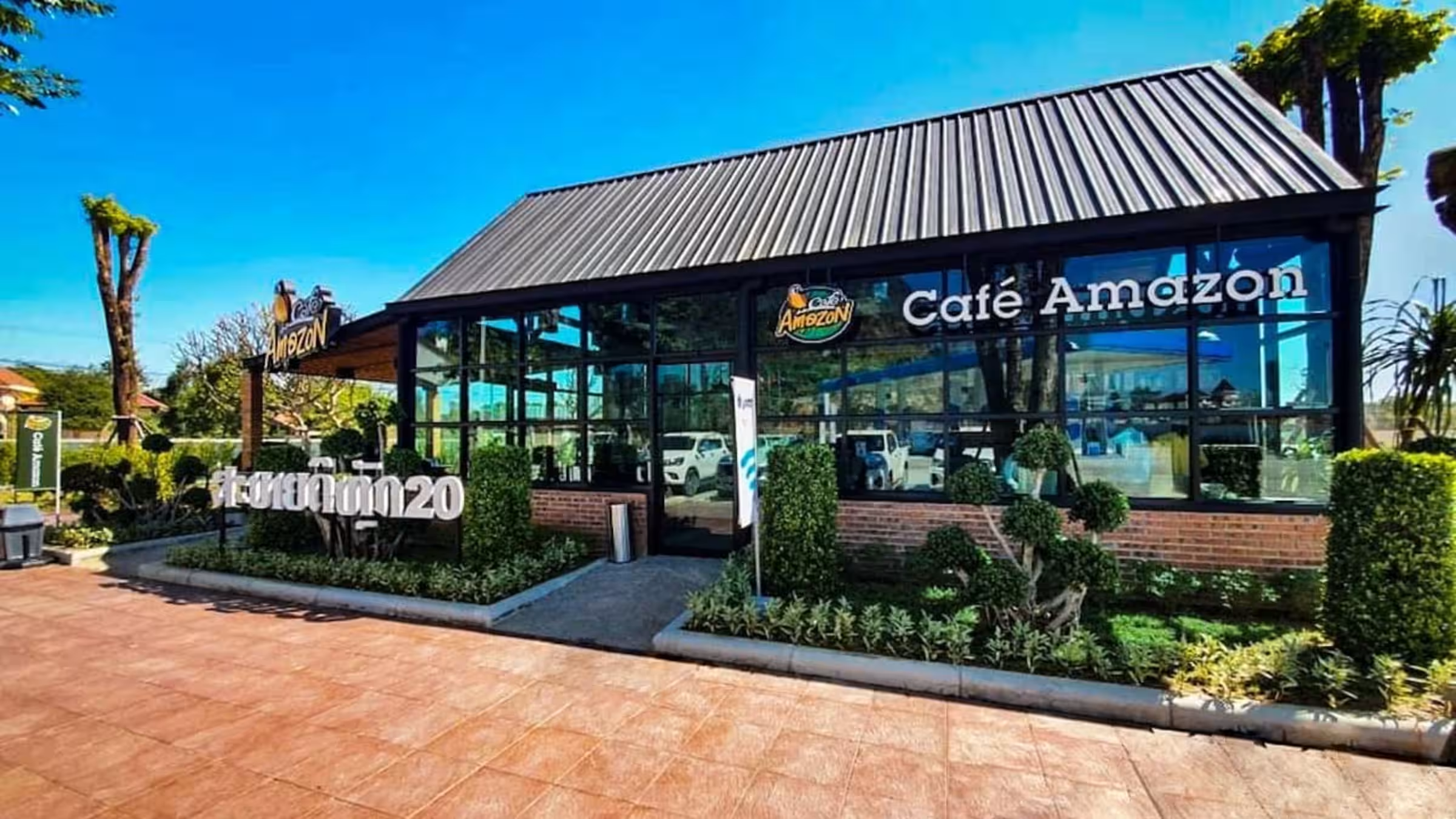
    Cafe Amazon, a coffee chain operated by PTT Oil and Retail Business (OR), is accelerating its global expansion plans. Notably absent from its target locations, however, is Vietnam. This strategic decision follows the withdrawal of a Thai investor from Cafe Amazon’s joint venture in the Southeast Asian country.

    Global Expansion Focus

    As Cafe Amazon navigates its global growth strategy, it is centering its attention on several key markets. These include Laos, the Philippines, Japan, Oman, and Bahrain. The company is implementing a franchise model in these regions with a keen focus on ensuring consistent brand standards. This encompasses all aspects from design to quality and service.

    Growth Trajectory

    Cafe Amazon has seen rapid growth over the past ten years, expanding to over 5000 outlets worldwide. This impressive global presence has positioned the company as one of Asia’s largest coffee chains. Notably, in the second quarter of the fiscal year 2025, Cafe Amazon reported sales of over 107 million cups of coffee. This represents a nearly 5 per cent increase from the same time the previous year.

    Vietnamese Market Shift

    The exit of a key investor marks a significant change in Cafe Amazon’s approach to the Vietnamese market. In recent years, this market has seen increasing competition from both local and international coffee chains. While the specifics of the company’s restructuring have not been disclosed, Cafe Amazon has indicated that it intends to focus on markets with a higher potential for growth.

    Questions & Answers

    Why is Cafe Amazon not focusing on expansion in Vietnam?
    The company has decided to shift its focus following the exit of a Thai investor from its joint venture in Vietnam.

    Which markets is Cafe Amazon focusing on for its expansion?
    Cafe Amazon is turning its attention to Laos, the Philippines, Japan, Oman, and Bahrain for its global expansion.

    How is Cafe Amazon performing globally?
    Cafe Amazon has over 5,000 outlets worldwide, making it one of Asia’s largest coffee chains. In the second quarter of the fiscal year 2025, the company sold over 107 million cups of coffee, indicating a nearly 5 per cent increase from the previous year.

  • Australia Mandates Acceptance Of Cash For Fuel, Groceries: Exemptions And Future Plans Explained

    Australia Mandates Acceptance Of Cash For Fuel, Groceries: Exemptions And Future Plans Explained

    The Australian Federal Government has made significant strides towards safeguarding the validity of cash as a payment mode for everyday necessities by issuing key provisional regulations mandating the acceptance of cash for fuel and groceries.

    Details of the Draft Regulations

    Outlined after a public consultation conducted in the early part of the year, these draft regulations dictate that the obligation to accept cash for fuel and groceries will be restricted to face-to-face transactions of less than $500.

    However, small businesses with a combined turnover of less than $10 million, along with those businesses that are part of a franchise arrangement netting under $10 million, are exempt from these regulations. Additionally, companies that face challenges in managing cash transactions are also exempt.

    Daniel Mulino, the Assistant Treasurer and Minister for Financial Services, agrees that while Australians are progressively opting for digital payment methods, the government recognizes that cash will still be a vital part of society. He appreciates this as a balanced, pragmatic, and judicious move to aid cash users while also taking businesses into account.

    A Three-Year Review Plan

    The Federal Government has announced that it will evaluate the mandate in three years to ensure the policy is effectively serving its purpose. This evaluation will also explore whether the mandate should extend to cover other businesses. It will consider the potential impact on companies presently affected by the mandate and any advancements concerning cash distribution and access.

    The Council of Financial Regulators and the Australian Competition and Consumer Commission, back in July, issued a consultation paper suggesting various propositions on the regulation of cash distribution. Mulino assured that the government would closely examine the CFR’s recommendations alongside industry feedback, and work diligently to ensure that Australians continue to have access to cash.

    Questions & Answers

    What are the new draft regulations issued by the Australian Federal Government?
    The new draft regulations mandate the acceptance of cash for fuel and groceries, specifically for in-person transactions that are less than $500.

    Who are exempted from these new regulations?
    Small businesses with an aggregate turnover of under $10 million, businesses that are part of a franchise arrangement netting under $10 million, and companies that find managing cash transactions difficult are exempted.

    What is the future plan for these regulations?
    The Federal Government will review the mandate after three years to evaluate its effectiveness. This review will also consider whether the mandate should extend to other businesses and the potential impact on the currently affected companies.

  • Anta Group’s Bold Expansion: 1000 New Outlets In Southeast Asia Within Three Years

    Anta Group’s Bold Expansion: 1000 New Outlets In Southeast Asia Within Three Years

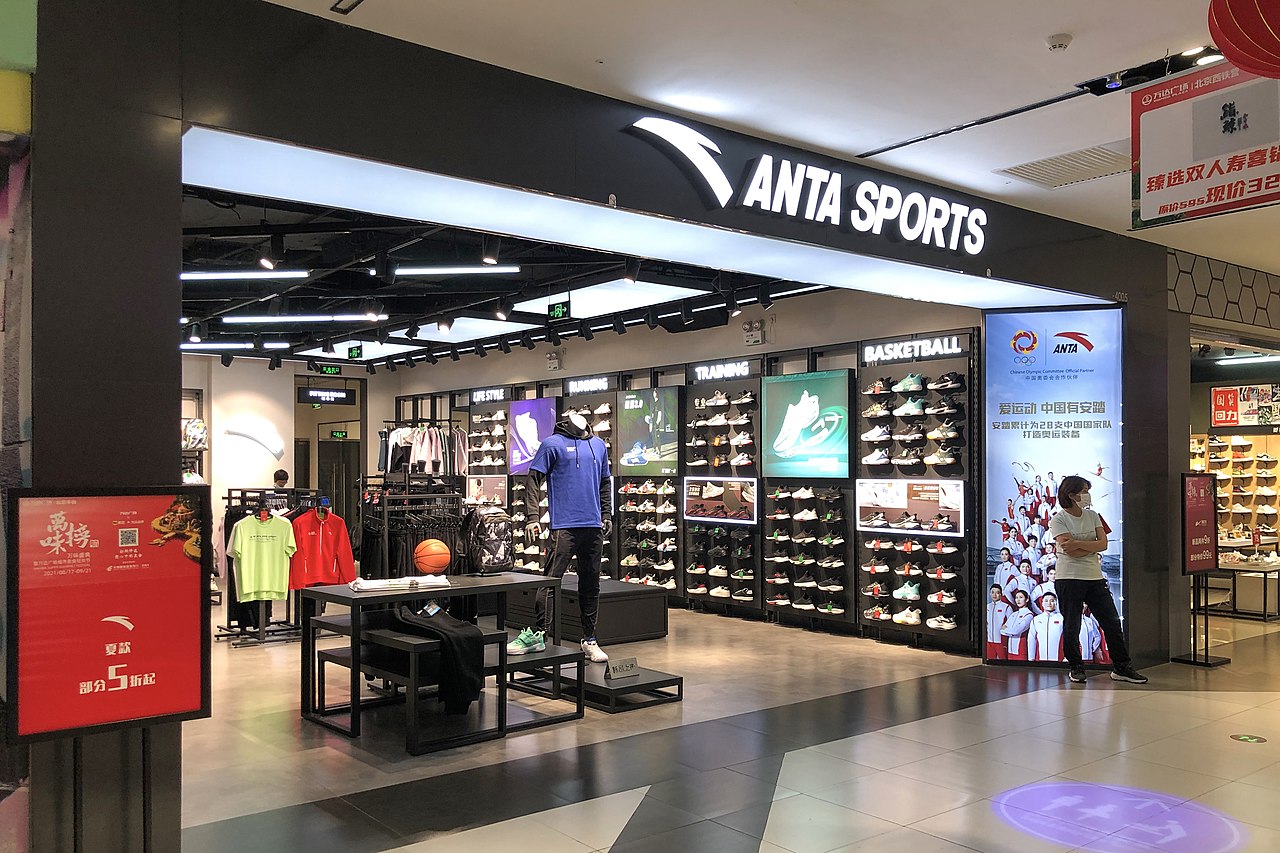
    Chinese athletic apparel corporation, Anta Group, recently announced its ambitious strategy to establish 1000 retail outlets in Southeast Asia within a span of three years.

    Anta Group currently manages a portfolio of nearly 13,000 stores, more than 200 of which are situated across Southeast Asia, spanning countries such as the Philippines, Singapore, Malaysia, and Vietnam. The new objective indicates a significant boost in the company’s retail presence in the region.

    Shaping the Future of Retail in Asia

    Unveiling the ambitious plan at the 2025 Asia New Vision Forum in Singapore was Will Wang, Vice President of Anta Group and Chairman and President of Anta SEA. The forum, themed “Shaping the Pulse: How Asia’s Brands Drive Experience, Identity, and Connection,” brought together executives from diverse sectors across Southeast Asia. The primary focus of the discussion was creating effective brand-consumer relationships, both within the region and on a global scale.

    During the forum, Wang highlighted the critical role of Southeast Asia in the group’s international expansion strategy. He revealed that the brand’s retail sales figures in the region nearly doubled in the first half of the current year compared to the same period last year.

    Wang attributed this impressive growth to the high-quality offerings of Anta, the successful localisation and digitalisation strategies, and the effective implementation of the brand’s unique “Brand+Retail” business model.

    “True globalisation involves achieving localisation in every market while maintaining the brand’s inherent qualities,” Wang emphasised during the discussion.

    He further said, “Our objective is not only to sell products in Southeast Asia, but also to deliver exceptional brand value and superior service to local consumers. We are confident in our team’s ability to realise our goal of 1000 Anta outlets in the region in the next three years.”

    Setting Global Growth in Motion

    Anta Group views Southeast Asia as both a blueprint and a springboard for its international growth initiatives. As the corporation’s presence in Southeast Asia extends to surrounding markets, and as both physical and online businesses stimulate growth, the brand’s overseas revenue rose above 150 per cent in the first half of this year.

    Apart from Southeast Asia, the Anta Group’s international retail network extends to pivotal markets such as the United Arab Emirates, Saudi Arabia, Egypt, Kenya, and North America, facilitated by strategic alliances. The group recently inaugurated its premier flagship store in the United States, located in Beverly Hills, California.

    Questions & Answers

    What is the Anta Group’s growth plan for Southeast Asia?
    The Anta Group plans to establish 1000 retail outlets in Southeast Asia over the next three years, significantly expanding its presence in the region.

    What factors have contributed to the Anta Group’s recent success in Southeast Asia?
    The group’s impressive growth in the region is attributed to high-quality product offerings, successful localisation and digitalisation strategies, and an effective “Brand+Retail” business model.

    How does the Anta Group view Southeast Asia in terms of its global growth strategy?
    The Anta Group sees Southeast Asia as a blueprint and launchpad for its international growth initiatives, leveraging the expanding market and both physical and online businesses to stimulate growth.

  • Chinese Sportswear Giant, Anta Group, Targets 1000 Stores In Southeast Asia By 2025

    Chinese Sportswear Giant, Anta Group, Targets 1000 Stores In Southeast Asia By 2025

    Anta Group, a Chinese sportswear company, has announced its goal to reach a total of 1,000 stores in Southeast Asia within the next three years. Currently, the group operates almost 13,000 stores globally, including more than 200 in Southeast Asia. These stores are spread out over various countries including the Philippines, Singapore, Malaysia, and Vietnam. The ambitious expansion plan will see the group quadruple its retail presence in Southeast Asia.

    Speaking at the 2025 Asia New Vision Forum

    The announcement was made by Will Wang, Vice President of Anta Group and Chairman and President of Anta SEA, during the 2025 Asia New Vision Forum held in Singapore. The forum assembled a panel of executives from various Southeast Asian industries to discuss strategies for creating strong connections between brands and consumers at a regional and global level.

    Wang stressed the critical role of Southeast Asia in Anta’s global expansion strategy, revealing that the brand’s retail sales in the region have nearly doubled in the first half of this year compared to the same period last year. Wang attributed this success to Anta’s high-value products, localization and digitalization strategies, and the effective implementation of its “Brand+Retail” business model.

    In his speech, Wang underscored the importance of staying true to the brand’s DNA while achieving localization in each market. He stated, “It’s not just about selling products in Southeast Asia; it’s about delivering brand value and high-quality service to local consumers with standardized excellence. Our team is confident we will achieve our 1,000-store target for the Anta brand in the next three years.”

    Anta’s Global Growth Strategy

    For Anta, Southeast Asia is not only a significant market but also a strategic starting point for its global growth. The region’s expansion into neighboring markets, combined with the growth of both its offline and online businesses, has fueled a significant increase in the brand’s overseas revenue. In the first half of this year alone, Anta’s overseas revenue grew by more than 150% year-over-year.

    Anta Group’s international retail network extends to crucial markets such as the UAE, Saudi Arabia, Egypt, Kenya, and North America, all achieved through strategic partnerships. Most recently, the group opened its first flagship store in the United States, located in Beverly Hills, California.

    Questions & Answers

    What is Anta Group’s expansion target in Southeast Asia?
    Anta Group aims to open 1,000 stores in Southeast Asia within the next three years.

    What factors have contributed to Anta Group’s success in Southeast Asia?
    The success of Anta Group in Southeast Asia can be attributed to their high-value products, effective localization and digitalization strategies, and the implementation of their “Brand+Retail” business model.

    Where has Anta Group recently opened its first flagship store in the United States?
    Anta Group recently opened its first flagship store in the United States in Beverly Hills, California.

  • Chipotle Announces Expansion Into Asian Market Starting With South Korea And Singapore

    Chipotle Announces Expansion Into Asian Market Starting With South Korea And Singapore

    Chipotle, a popular American fast-casual restaurant chain, has announced plans to penetrate the Asian market in the coming year. The expansion will begin in South Korea and Singapore, through a strategic collaboration with SPC Group.

    Chipotle’s Asian Debut

    The rapidly growing interest in international food and exceptional culinary experiences among Koreans and Singaporeans makes these two markets the perfect launching pad for Chipotle’s Asian journey. This perspective was shared by Heesoo Hur, the Executive Vice President and Owner of SPC Group, who underscored the familiarity and appreciation for the brand in these countries.

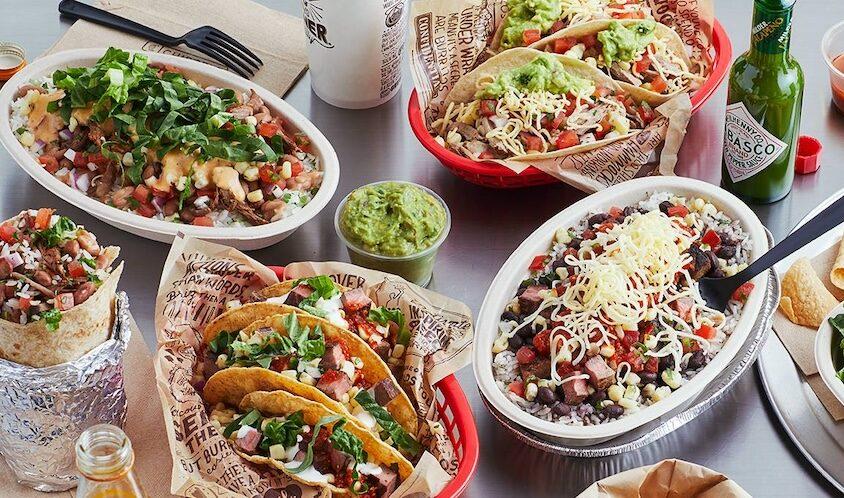
    Chipotle’s reputation for offering personalized meals using fresh ingredients, with an assortment of burritos, bowls, tacos, and salads, resonates well with the evolving food preferences in these markets. Customers can craft their meals from an array of fillings served from an assembly line, making each meal a unique dining experience.

    A Promising Growth Opportunity

    According to Chipotle’s CEO, Scott Boatwright, the move to expand into Asia represents an enormous growth potential for the brand. With the increasing demand for real, fast-prepared food coupled with significant brand recognition among consumers, he anticipates strong adoption rates from the onset.

    This expansion to Asia trails Chipotle’s series of international openings. In 2023, the company started its Middle Eastern operations by signing an agreement with Alshaya Group, resulting in six Chipotle restaurants across Kuwait and the UAE. Furthermore, Chipotle has already announced plans to establish its first eatery in Mexico next year through a deal with Alsea.

    Currently, Chipotle operates over 3,800 restaurants across the globe, with plans to inaugurate up to 345 additional locations this year. The company also aims to reach a long-term target of 7,000 restaurants in the US and Canada.

    Questions & Answers

    Why has Chipotle chosen South Korea and Singapore as its entry points in Asia?
    These markets were selected due to their familiarity with the brand and their evolving interest in international culinary experiences.

    What makes Chipotle’s dining experience unique?
    Chipotle offers customers the opportunity to customize their meals with fresh ingredients, creating a personalized dining experience.

    What are Chipotle’s future expansion plans?
    In addition to its Asian debut, Chipotle aims to open up to 345 new restaurants this year, with a long-term target of 7,000 locations in the US and Canada.