Tag: plans

  • Central Retail Amplifies Vietnam Presence: Plans for 30 New Stores to Bolster Retail Expansio

    Central Retail Amplifies Vietnam Presence: Plans for 30 New Stores to Bolster Retail Expansio

    Thailand’s Central Retail, a notable force in the retail industry, is gearing up to increase its investments in Vietnam. The company has announced its intentions to initiate the launch of over 30 new large-format stores in the country within the upcoming years.

    Expansion Plans

    In its expansion blueprint, Central Retail plans to introduce 10 to 12 Go! malls and hypermarkets as well as 23 to 25 mini Go! stores in Vietnam. This ambitious expansion project is set to span from 2026 to 2028. The move is indicative of Vietnam’s rapidly growing retail market, which has attracted several international and local retail entities. Companies like Japan’s Aeon, South Korea’s Lotte, and Vietnam’s own WinMart have been escalating their presence to leverage the increasing household expenditure.

    Central Retail’s Growth in Vietnam

    Central Retail made its debut in the Vietnamese market in 2012, starting with a fashion retail business. Since then, the company has evolved into one of the most prominent foreign multi-format retailers in the country. As of now, Central Retail manages 43 Go! hypermarkets, 16 mini Go! malls, nine Tops Market supermarkets, and 23 LanChi Mart stores across Vietnam.

    Digital Capabilities Strengthening

    In addition to its physical expansion, Central Retail is also dedicated to bolstering its digital capabilities. However, the company has identified several challenges that could potentially hinder its growth. Complex land procedures and the intricate licensing requirements for foreign-invested shopping mall projects could potentially impact the development timelines.

    Earlier this year, marking a shift in its business strategy, Central Retail divested its entire stake in Nguyen Kim Electronics. This move saw the company pull out of Vietnam’s consumer electronics segment after enduring years of financial losses.

    Questions & Answers

    – When did Central Retail first enter the Vietnamese market?
    Central Retail made its foray into the Vietnamese market in 2012 with a fashion retail business.

    – What is Central Retail’s current footprint in Vietnam?
    Central Retail currently operates 43 Go! hypermarkets, 16 mini Go! malls, nine Tops Market supermarkets, and 23 LanChi Mart stores across Vietnam.

    – What challenges does Central Retail foresee in its expansion in Vietnam?
    According to Central Retail, complex land procedures and intricate licensing requirements for foreign-invested shopping mall projects could potentially impede its growth and affect its development timelines.

  • Cafe Amazon Accelerates Global Expansion, Sidesteps Vietnamese Market Amid Investor Exit

    Cafe Amazon Accelerates Global Expansion, Sidesteps Vietnamese Market Amid Investor Exit

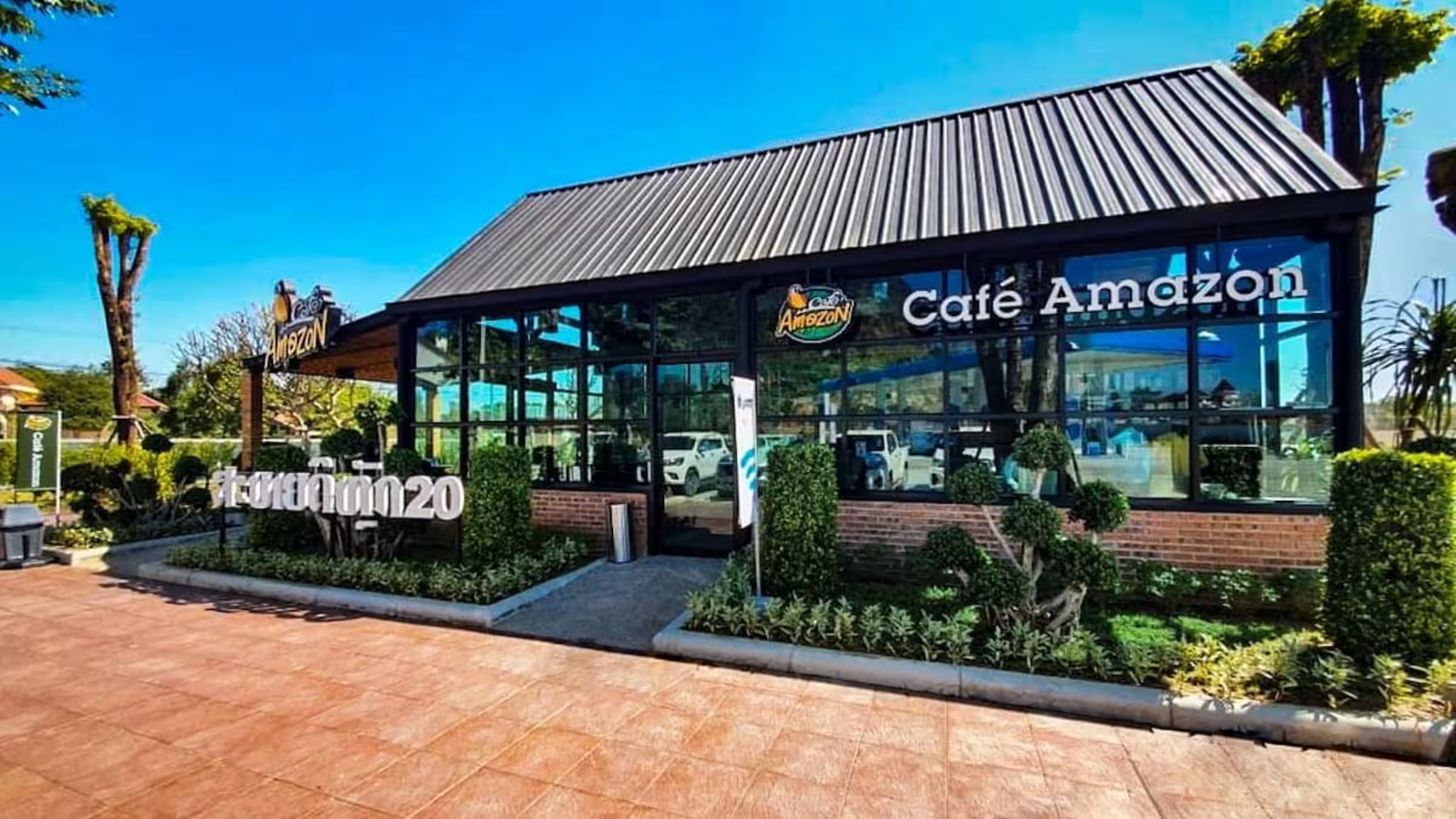
    Cafe Amazon, a coffee chain operated by PTT Oil and Retail Business (OR), is accelerating its global expansion plans. Notably absent from its target locations, however, is Vietnam. This strategic decision follows the withdrawal of a Thai investor from Cafe Amazon’s joint venture in the Southeast Asian country.

    Global Expansion Focus

    As Cafe Amazon navigates its global growth strategy, it is centering its attention on several key markets. These include Laos, the Philippines, Japan, Oman, and Bahrain. The company is implementing a franchise model in these regions with a keen focus on ensuring consistent brand standards. This encompasses all aspects from design to quality and service.

    Growth Trajectory

    Cafe Amazon has seen rapid growth over the past ten years, expanding to over 5000 outlets worldwide. This impressive global presence has positioned the company as one of Asia’s largest coffee chains. Notably, in the second quarter of the fiscal year 2025, Cafe Amazon reported sales of over 107 million cups of coffee. This represents a nearly 5 per cent increase from the same time the previous year.

    Vietnamese Market Shift

    The exit of a key investor marks a significant change in Cafe Amazon’s approach to the Vietnamese market. In recent years, this market has seen increasing competition from both local and international coffee chains. While the specifics of the company’s restructuring have not been disclosed, Cafe Amazon has indicated that it intends to focus on markets with a higher potential for growth.

    Questions & Answers

    Why is Cafe Amazon not focusing on expansion in Vietnam?
    The company has decided to shift its focus following the exit of a Thai investor from its joint venture in Vietnam.

    Which markets is Cafe Amazon focusing on for its expansion?
    Cafe Amazon is turning its attention to Laos, the Philippines, Japan, Oman, and Bahrain for its global expansion.

    How is Cafe Amazon performing globally?
    Cafe Amazon has over 5,000 outlets worldwide, making it one of Asia’s largest coffee chains. In the second quarter of the fiscal year 2025, the company sold over 107 million cups of coffee, indicating a nearly 5 per cent increase from the previous year.

  • Australia Mandates Acceptance Of Cash For Fuel, Groceries: Exemptions And Future Plans Explained

    Australia Mandates Acceptance Of Cash For Fuel, Groceries: Exemptions And Future Plans Explained

    The Australian Federal Government has made significant strides towards safeguarding the validity of cash as a payment mode for everyday necessities by issuing key provisional regulations mandating the acceptance of cash for fuel and groceries.

    Details of the Draft Regulations

    Outlined after a public consultation conducted in the early part of the year, these draft regulations dictate that the obligation to accept cash for fuel and groceries will be restricted to face-to-face transactions of less than $500.

    However, small businesses with a combined turnover of less than $10 million, along with those businesses that are part of a franchise arrangement netting under $10 million, are exempt from these regulations. Additionally, companies that face challenges in managing cash transactions are also exempt.

    Daniel Mulino, the Assistant Treasurer and Minister for Financial Services, agrees that while Australians are progressively opting for digital payment methods, the government recognizes that cash will still be a vital part of society. He appreciates this as a balanced, pragmatic, and judicious move to aid cash users while also taking businesses into account.

    A Three-Year Review Plan

    The Federal Government has announced that it will evaluate the mandate in three years to ensure the policy is effectively serving its purpose. This evaluation will also explore whether the mandate should extend to cover other businesses. It will consider the potential impact on companies presently affected by the mandate and any advancements concerning cash distribution and access.

    The Council of Financial Regulators and the Australian Competition and Consumer Commission, back in July, issued a consultation paper suggesting various propositions on the regulation of cash distribution. Mulino assured that the government would closely examine the CFR’s recommendations alongside industry feedback, and work diligently to ensure that Australians continue to have access to cash.

    Questions & Answers

    What are the new draft regulations issued by the Australian Federal Government?
    The new draft regulations mandate the acceptance of cash for fuel and groceries, specifically for in-person transactions that are less than $500.

    Who are exempted from these new regulations?
    Small businesses with an aggregate turnover of under $10 million, businesses that are part of a franchise arrangement netting under $10 million, and companies that find managing cash transactions difficult are exempted.

    What is the future plan for these regulations?
    The Federal Government will review the mandate after three years to evaluate its effectiveness. This review will also consider whether the mandate should extend to other businesses and the potential impact on the currently affected companies.

  • Anta Group’s Bold Expansion: 1000 New Outlets In Southeast Asia Within Three Years

    Anta Group’s Bold Expansion: 1000 New Outlets In Southeast Asia Within Three Years

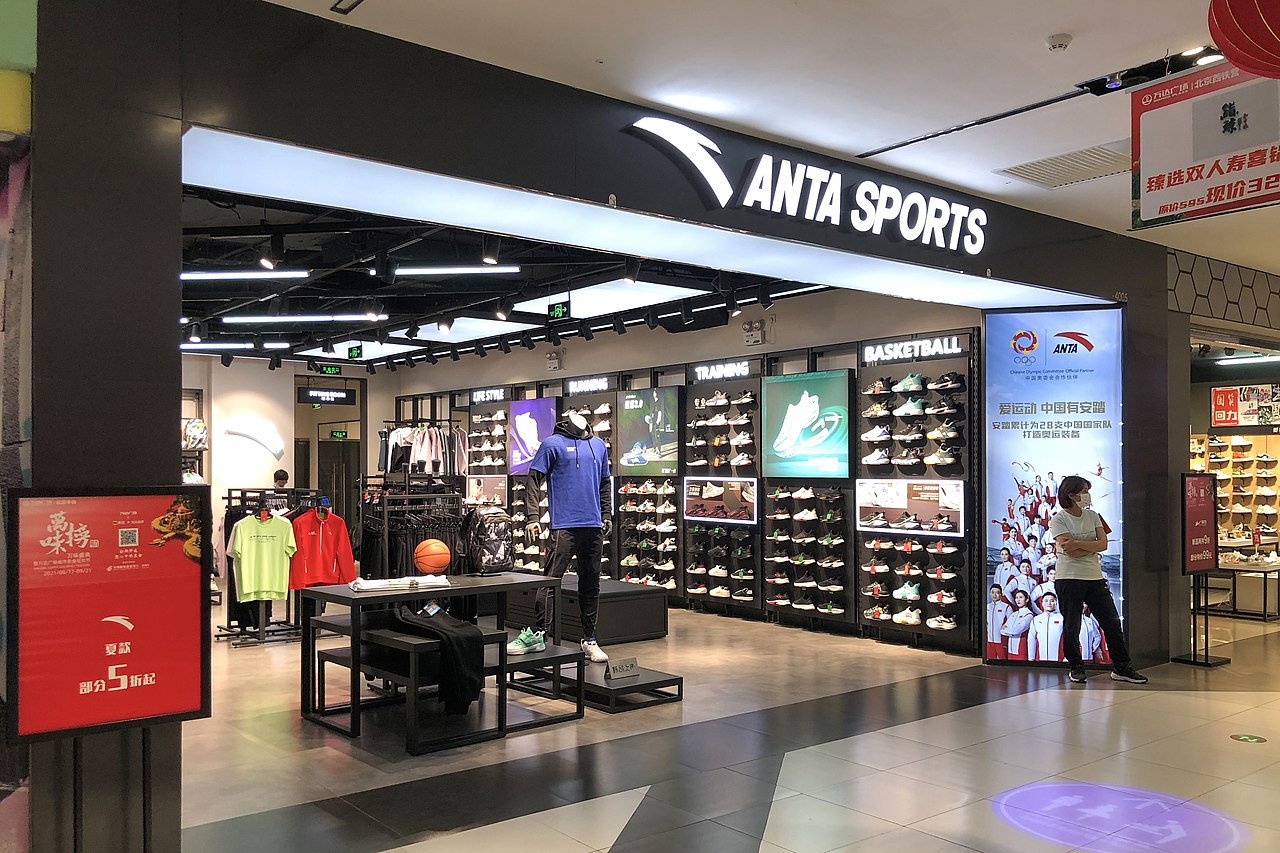
    Chinese athletic apparel corporation, Anta Group, recently announced its ambitious strategy to establish 1000 retail outlets in Southeast Asia within a span of three years.

    Anta Group currently manages a portfolio of nearly 13,000 stores, more than 200 of which are situated across Southeast Asia, spanning countries such as the Philippines, Singapore, Malaysia, and Vietnam. The new objective indicates a significant boost in the company’s retail presence in the region.

    Shaping the Future of Retail in Asia

    Unveiling the ambitious plan at the 2025 Asia New Vision Forum in Singapore was Will Wang, Vice President of Anta Group and Chairman and President of Anta SEA. The forum, themed “Shaping the Pulse: How Asia’s Brands Drive Experience, Identity, and Connection,” brought together executives from diverse sectors across Southeast Asia. The primary focus of the discussion was creating effective brand-consumer relationships, both within the region and on a global scale.

    During the forum, Wang highlighted the critical role of Southeast Asia in the group’s international expansion strategy. He revealed that the brand’s retail sales figures in the region nearly doubled in the first half of the current year compared to the same period last year.

    Wang attributed this impressive growth to the high-quality offerings of Anta, the successful localisation and digitalisation strategies, and the effective implementation of the brand’s unique “Brand+Retail” business model.

    “True globalisation involves achieving localisation in every market while maintaining the brand’s inherent qualities,” Wang emphasised during the discussion.

    He further said, “Our objective is not only to sell products in Southeast Asia, but also to deliver exceptional brand value and superior service to local consumers. We are confident in our team’s ability to realise our goal of 1000 Anta outlets in the region in the next three years.”

    Setting Global Growth in Motion

    Anta Group views Southeast Asia as both a blueprint and a springboard for its international growth initiatives. As the corporation’s presence in Southeast Asia extends to surrounding markets, and as both physical and online businesses stimulate growth, the brand’s overseas revenue rose above 150 per cent in the first half of this year.

    Apart from Southeast Asia, the Anta Group’s international retail network extends to pivotal markets such as the United Arab Emirates, Saudi Arabia, Egypt, Kenya, and North America, facilitated by strategic alliances. The group recently inaugurated its premier flagship store in the United States, located in Beverly Hills, California.

    Questions & Answers

    What is the Anta Group’s growth plan for Southeast Asia?
    The Anta Group plans to establish 1000 retail outlets in Southeast Asia over the next three years, significantly expanding its presence in the region.

    What factors have contributed to the Anta Group’s recent success in Southeast Asia?
    The group’s impressive growth in the region is attributed to high-quality product offerings, successful localisation and digitalisation strategies, and an effective “Brand+Retail” business model.

    How does the Anta Group view Southeast Asia in terms of its global growth strategy?
    The Anta Group sees Southeast Asia as a blueprint and launchpad for its international growth initiatives, leveraging the expanding market and both physical and online businesses to stimulate growth.

  • Chinese Sportswear Giant, Anta Group, Targets 1000 Stores In Southeast Asia By 2025

    Chinese Sportswear Giant, Anta Group, Targets 1000 Stores In Southeast Asia By 2025

    Anta Group, a Chinese sportswear company, has announced its goal to reach a total of 1,000 stores in Southeast Asia within the next three years. Currently, the group operates almost 13,000 stores globally, including more than 200 in Southeast Asia. These stores are spread out over various countries including the Philippines, Singapore, Malaysia, and Vietnam. The ambitious expansion plan will see the group quadruple its retail presence in Southeast Asia.

    Speaking at the 2025 Asia New Vision Forum

    The announcement was made by Will Wang, Vice President of Anta Group and Chairman and President of Anta SEA, during the 2025 Asia New Vision Forum held in Singapore. The forum assembled a panel of executives from various Southeast Asian industries to discuss strategies for creating strong connections between brands and consumers at a regional and global level.

    Wang stressed the critical role of Southeast Asia in Anta’s global expansion strategy, revealing that the brand’s retail sales in the region have nearly doubled in the first half of this year compared to the same period last year. Wang attributed this success to Anta’s high-value products, localization and digitalization strategies, and the effective implementation of its “Brand+Retail” business model.

    In his speech, Wang underscored the importance of staying true to the brand’s DNA while achieving localization in each market. He stated, “It’s not just about selling products in Southeast Asia; it’s about delivering brand value and high-quality service to local consumers with standardized excellence. Our team is confident we will achieve our 1,000-store target for the Anta brand in the next three years.”

    Anta’s Global Growth Strategy

    For Anta, Southeast Asia is not only a significant market but also a strategic starting point for its global growth. The region’s expansion into neighboring markets, combined with the growth of both its offline and online businesses, has fueled a significant increase in the brand’s overseas revenue. In the first half of this year alone, Anta’s overseas revenue grew by more than 150% year-over-year.

    Anta Group’s international retail network extends to crucial markets such as the UAE, Saudi Arabia, Egypt, Kenya, and North America, all achieved through strategic partnerships. Most recently, the group opened its first flagship store in the United States, located in Beverly Hills, California.

    Questions & Answers

    What is Anta Group’s expansion target in Southeast Asia?
    Anta Group aims to open 1,000 stores in Southeast Asia within the next three years.

    What factors have contributed to Anta Group’s success in Southeast Asia?
    The success of Anta Group in Southeast Asia can be attributed to their high-value products, effective localization and digitalization strategies, and the implementation of their “Brand+Retail” business model.

    Where has Anta Group recently opened its first flagship store in the United States?
    Anta Group recently opened its first flagship store in the United States in Beverly Hills, California.

  • Chipotle Announces Expansion Into Asian Market Starting With South Korea And Singapore

    Chipotle Announces Expansion Into Asian Market Starting With South Korea And Singapore

    Chipotle, a popular American fast-casual restaurant chain, has announced plans to penetrate the Asian market in the coming year. The expansion will begin in South Korea and Singapore, through a strategic collaboration with SPC Group.

    Chipotle’s Asian Debut

    The rapidly growing interest in international food and exceptional culinary experiences among Koreans and Singaporeans makes these two markets the perfect launching pad for Chipotle’s Asian journey. This perspective was shared by Heesoo Hur, the Executive Vice President and Owner of SPC Group, who underscored the familiarity and appreciation for the brand in these countries.

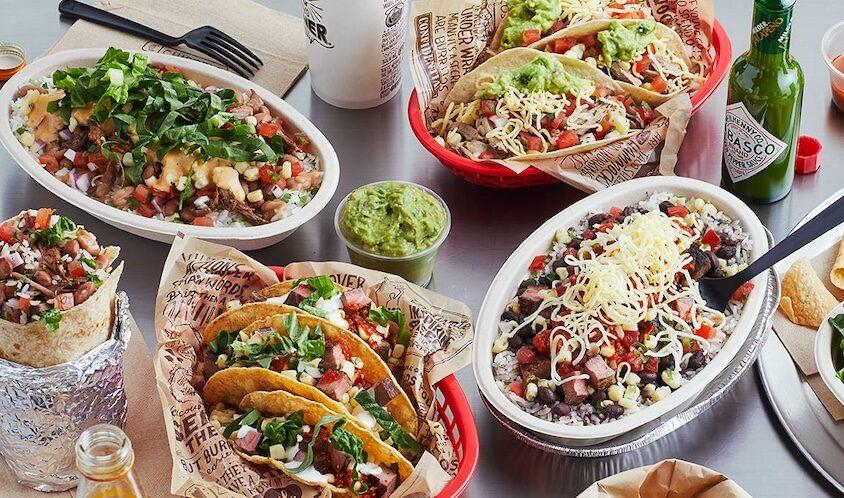
    Chipotle’s reputation for offering personalized meals using fresh ingredients, with an assortment of burritos, bowls, tacos, and salads, resonates well with the evolving food preferences in these markets. Customers can craft their meals from an array of fillings served from an assembly line, making each meal a unique dining experience.

    A Promising Growth Opportunity

    According to Chipotle’s CEO, Scott Boatwright, the move to expand into Asia represents an enormous growth potential for the brand. With the increasing demand for real, fast-prepared food coupled with significant brand recognition among consumers, he anticipates strong adoption rates from the onset.

    This expansion to Asia trails Chipotle’s series of international openings. In 2023, the company started its Middle Eastern operations by signing an agreement with Alshaya Group, resulting in six Chipotle restaurants across Kuwait and the UAE. Furthermore, Chipotle has already announced plans to establish its first eatery in Mexico next year through a deal with Alsea.

    Currently, Chipotle operates over 3,800 restaurants across the globe, with plans to inaugurate up to 345 additional locations this year. The company also aims to reach a long-term target of 7,000 restaurants in the US and Canada.

    Questions & Answers

    Why has Chipotle chosen South Korea and Singapore as its entry points in Asia?
    These markets were selected due to their familiarity with the brand and their evolving interest in international culinary experiences.

    What makes Chipotle’s dining experience unique?
    Chipotle offers customers the opportunity to customize their meals with fresh ingredients, creating a personalized dining experience.

    What are Chipotle’s future expansion plans?
    In addition to its Asian debut, Chipotle aims to open up to 345 new restaurants this year, with a long-term target of 7,000 locations in the US and Canada.

  • OMG’s Oat Milk Expansion: From 544 To 900 Woolworths Stores By November

    OMG’s Oat Milk Expansion: From 544 To 900 Woolworths Stores By November

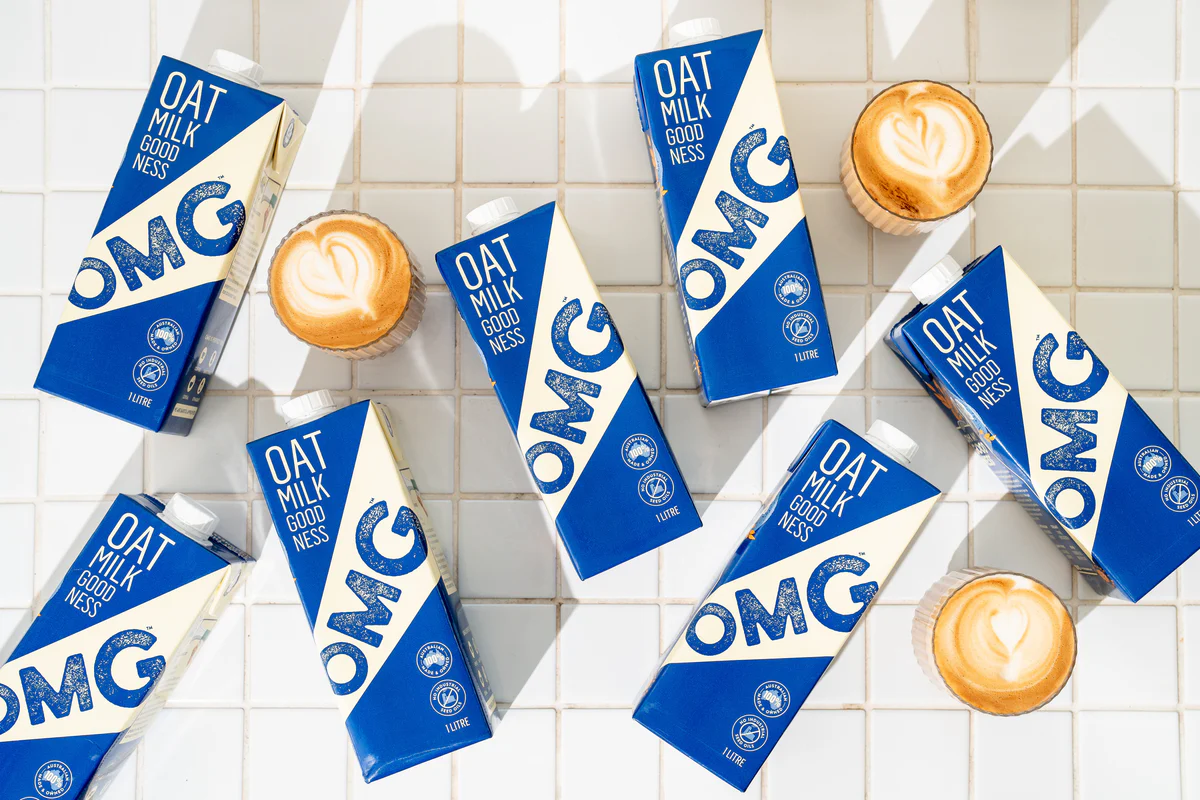
    Oat Milk Goodness (OMG), a renowned Australian plant-based beverage firm, recently announced its plan to extend the reach of its popular 1L Barista Oat Milk to 900 Woolworths outlets across the nation by November. This is a significant increase from the 544 stores currently stocking the product.

    Strengthening Partnerships

    This expansion is set to strengthen the company’s existing collaboration with Woolworths, which already offers the Proatein alt-milk range, another product from OMG, in 466 of its stores throughout Australia.

    OMG’s CEO, Alex Aleksic, expressed his satisfaction with the growth of their multi-channel sales strategy. He said, “The increase in store count marks another pleasing development across our broader multi-channel sales strategy, with momentum through a number of outlets.” Aleksic went on to reveal that the company is in advanced talks with numerous new and existing groups to further extend their reach in the coming months.

    Recent Achievements

    The announcement of expansion into Woolworths stores is the latest in a series of triumphs for OMG. Notably, the company successfully launched its Blue Dinosaur snack range into 750 7-Eleven stores on a national level. Additionally, the firm secured new distribution agreements with Quikstop and Canteen One outlets.

    Established in 2019, Oat Milk Goodness aimed to provide tasty, coffee-friendly options for individuals who cannot or choose not to consume dairy. The company’s flagship brands include Blue Dinosaur and Oat Milk Goodness.

    Questions & Answers

    What is the main product of Oat Milk Goodness?
    Oat Milk Goodness’s primary product is the 1L Barista Oat Milk, a dairy-free alternative that is especially popular among coffee enthusiasts.

    What recent achievements has Oat Milk Goodness made?
    The company has seen a series of successes including the introduction of its Blue Dinosaur snack range into 750 7-Eleven stores and new distribution deals with Quikstop and Canteen One outlets.

    What is the future expansion plan of Oat Milk Goodness?
    Oat Milk Goodness plans to extend its reach by increasing its product presence in 900 Woolworths locations across Australia. The company is also in talks with various new and existing groups for further expansion in the coming months.

  • Keurig Dr Pepper’s $25.9b Acquisition Of Jde Peet’s To Birth Two Global Beverage Titans

    Keurig Dr Pepper’s $25.9b Acquisition Of Jde Peet’s To Birth Two Global Beverage Titans

    Keurig Dr Pepper (KDP) has announced its forthcoming acquisition of JDE Peet’s, the renowned European coffee titan, in a significant deal worth A$25.9 billion (€15.7 billion). This bold strategic move will result in the division of the company into two separately traded entities.

    In the Australian market, JDE Peet’s owns top local coffee brands like Campos Coffee and Piazza D’Oro, in addition to its international brands such as Moccona, L’Or, Jacobs, and Pickwick.

    The Acquisition Deal

    As per the agreement, KDP will buy all the remaining shares of JDE Peet’s, which is listed in Amsterdam, for A$52.55 (€31.85) per share in cash. This represents a 33% premium over the 90-day volume-weighted average price of the company’s shares.

    This agreement will lead to the formation of two independent market leaders: one concentrating on the global coffee sector, while the other will focus on North American beverages.

    Formation of Two Market Leaders

    The first resultant entity, named Global Coffee Company, will combine KDP’s Keurig single-serve platform with the vast coffee portfolio of JDE Peet’s. The newly formed company will have its headquarters in Burlington, Massachusetts, with international headquarters situated in Amsterdam. The current CFO of KDP, Sudhanshu Priyadarshi, will take the reins of this new entity.

    The second entity, named Beverage Company, will concentrate on KDP’s famous beverage brands, which include Dr Pepper, 7Up, Canada Dry, and Snapple. The company will be based in Frisco, Texas, and will continue to be governed by the current CEO, Tim Cofer.

    KDP anticipates that the acquisition will result in cost savings of approximately A$660 million (€400 million) over three years, and is expected to boost earnings starting from the first year post-acquisition.

    KDP’s CEO, Tim Cofer, expressed his enthusiasm for the merger by noting, “The exceptional combination of Keurig and JDE Peet’s presents a significant opportunity to establish a global coffee giant. The timing of this transaction couldn’t be better, given KDP’s robust operational and financial position, the momentum across our diverse portfolio, and the increasing resilience of the coffee category.”

    The transaction is anticipated to close within the first half of the next year. The subsequent splitting into two distinct companies is planned to occur shortly afterward, subject to final legal and board approvals.

    Questions & Answers

    Who will head the newly formed Global Coffee Company?
    The Global Coffee Company will be led by Sudhanshu Priyadarshi, the current Chief Financial Officer of KDP.

    What will the two new entities be focused on?
    The Global Coffee Company will focus on the international coffee sector, while the Beverage Company will concentrate on North American beverages.

    What are some of the brands owned by JDE Peet’s in Australia?
    JDE Peet’s owns several well-known Australian brands, including Campos Coffee and Piazza D’Oro.

  • South Korean Fast-food Chain Lotteria Targets Malaysian Market In Strategic Expansion

    South Korean Fast-food Chain Lotteria Targets Malaysian Market In Strategic Expansion

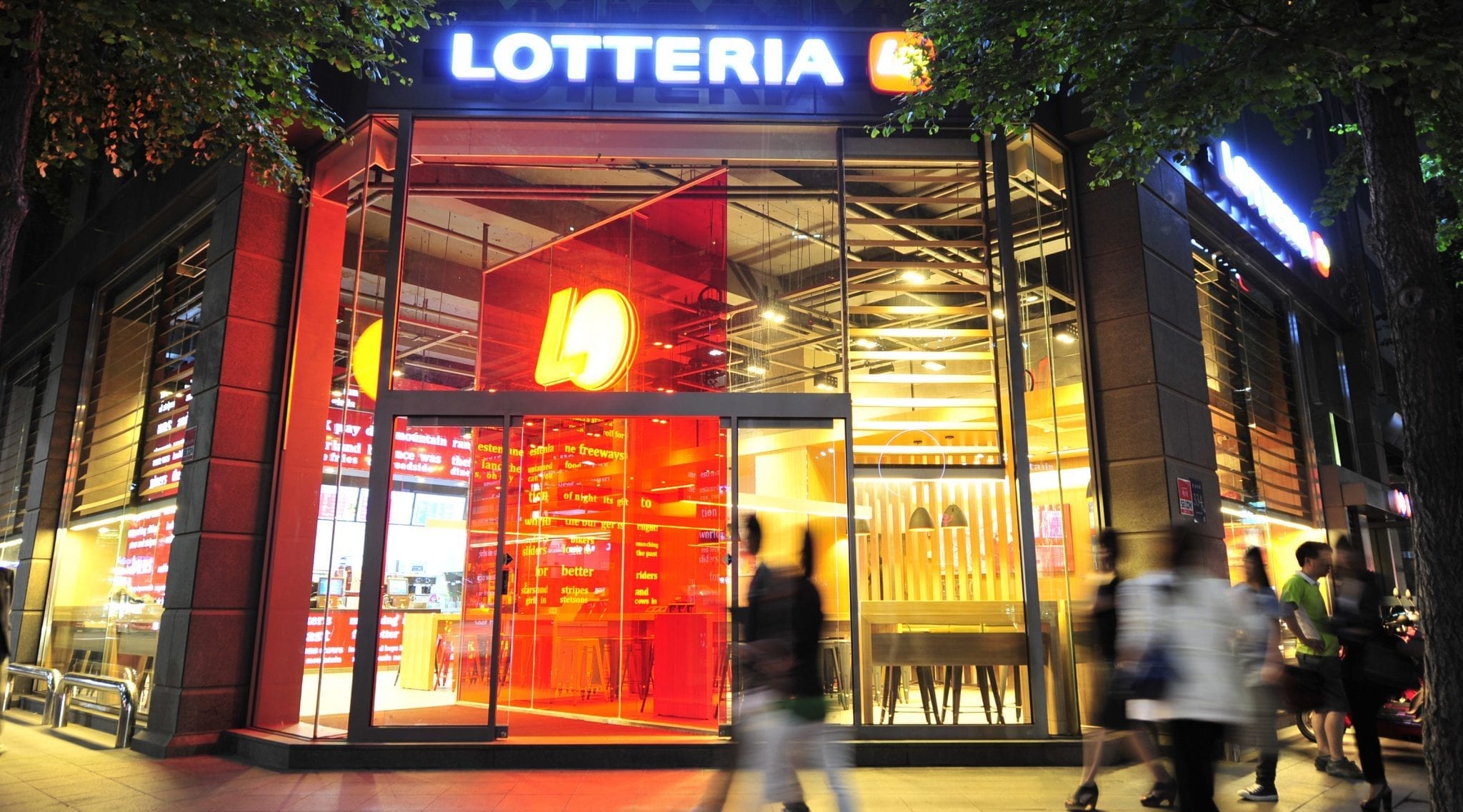
    The South Korean quick-service restaurant chain, Lotteria, is set to enter the Malaysian market by the end of the current year. This move is a result of a strategic alliance with the local firm, Serai Group.

    Exclusive Partnership with Serai Group

    As part of the collaboration, Serai Group has secured exclusive privileges to establish and manage Lotteria stores throughout Malaysia. Furthermore, it is authorized to sub-franchise the brand to other parties.

    Lotteria’s Expansion Strategy

    The venture in Malaysia is a component of Lotteria’s extensive growth strategy in Southeast Asia. This initiative is spearheaded by its parent organization, Lotte GRS Co., which is a branch of the South Korean conglomerate, Lotte Group.

    Lotte GRS has an ambitious plan to open an additional 30 Lotteria outlets throughout Malaysia in the next half-decade.

    Past Ventures and Future Prospects

    The decision to expand in Malaysia was made after Lotte GRS’s leadership, including CEO Cha Woo-cheol, conducted feasibility assessments in the region, and in Singapore, earlier in 2023. The company was exploring master franchise possibilities in these areas, indicating a strong desire to grow beyond Lotteria’s existing international markets, which include Vietnam, Myanmar, Laos, and Mongolia.

    A significant international market for Lotteria has been Vietnam, where the chain has been active since 1998. As per the 2024 financial report of Lotte Group, there are currently 253 Lotteria outlets operating across Vietnam.

    In tandem with its growth in Southeast Asia, Lotte GRS is also gearing up to open its inaugural US outlet in Orange County, California, in the middle of August.

    Questions & Answers

    What are Lotteria’s expansion plans in Malaysia?
    Lotteria plans to establish an additional 30 outlets throughout Malaysia in the next five years.

    What is the role of Serai Group in Lotteria’s expansion into Malaysia?
    Serai Group has secured exclusive rights to open and manage Lotteria stores across Malaysia, and it also has the authority to sub-franchise the brand to other parties.

    What are some of Lotteria’s established overseas markets?
    Lotteria has a strong presence in several international markets, including Vietnam, Myanmar, Laos, and Mongolia.

  • Umall Acquires Asian Grocer Online: A Strategic Leap In Multicultural Grocery Sector

    Umall Acquires Asian Grocer Online: A Strategic Leap In Multicultural Grocery Sector

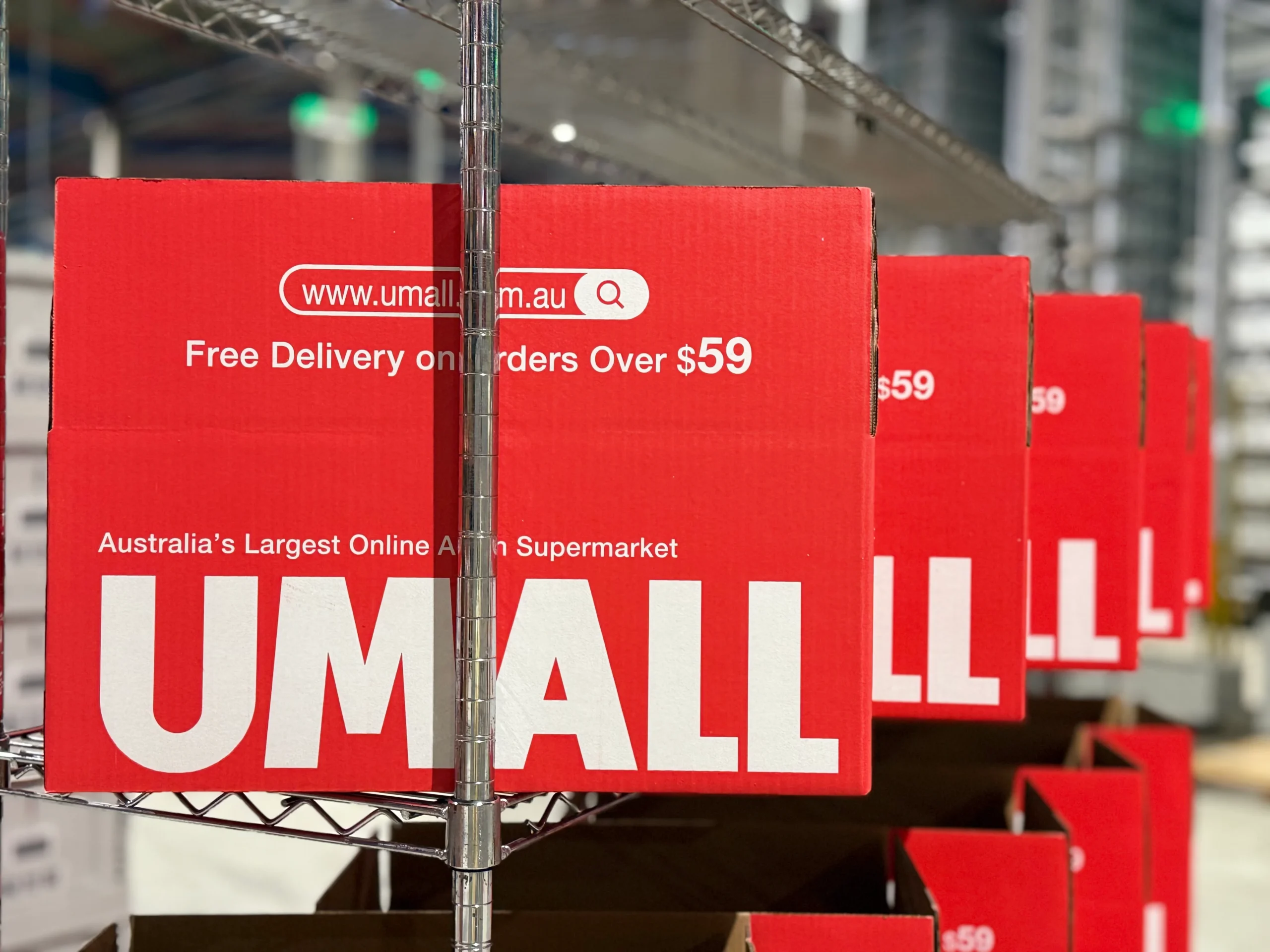
    Umall, an Australian e-commerce platform, recently announced its acquisition of Asian Grocer Online (AGO) in a bid to expand its presence in the multicultural grocery sector.

    Strategic Acquisition

    This acquisition represents a significant development in Umall’s ongoing expansion efforts. The company refers to this move as a “key milestone” in its growth trajectory. As part of this acquisition, AGO’s website is currently unavailable due to system enhancements. However, the company is working towards launching a fully refurbished, unified platform that combines the strengths of both brands.

    Expanding Reach

    With the integration of AGO’s category expertise and dedicated customer base, Umall aims to solidify its leadership position in the multicultural grocery space. The company intends to broaden its reach across Australia, providing a more diverse range of products to its customers.

    New Online Asian Supermarket

    The acquisition of AGO comes on the heels of Umall’s recent launch of a new online Asian supermarket. This venture seeks to provide a broader array of culturally diverse products, all delivered straight to customers’ homes.

    Investments in Technology

    Umall attributes much of its rapid growth to its significant investments in advanced technologies such as AI, automation, and robotics. The company maintains that these technologies have enabled it to provide faster, fresher, and more efficient service in comparison to traditional retailers.

    Questions & Answers

    What does Umall’s acquisition of AGO indicate?
    This acquisition suggests Umall’s strategic plan to extend its influence in the multicultural grocery sector and solidify its leadership position.

    What is the plan following the acquisition?
    The current plan is to launch a fully revamped, unified platform that leverages the strengths of both Umall and AGO. This integrated platform aims to provide a wider array of culturally diverse products.

    What has contributed to Umall’s rapid growth?
    Umall attributes a significant part of its rapid expansion to its substantial investments in AI, automation, and robotics. These technologies, according to the company, allow it to provide faster and more efficient service than traditional retailers.

  • Lawson Sets Ambitious Growth Plans for China and Southeast Asia Expansion

    Lawson Sets Ambitious Growth Plans for China and Southeast Asia Expansion

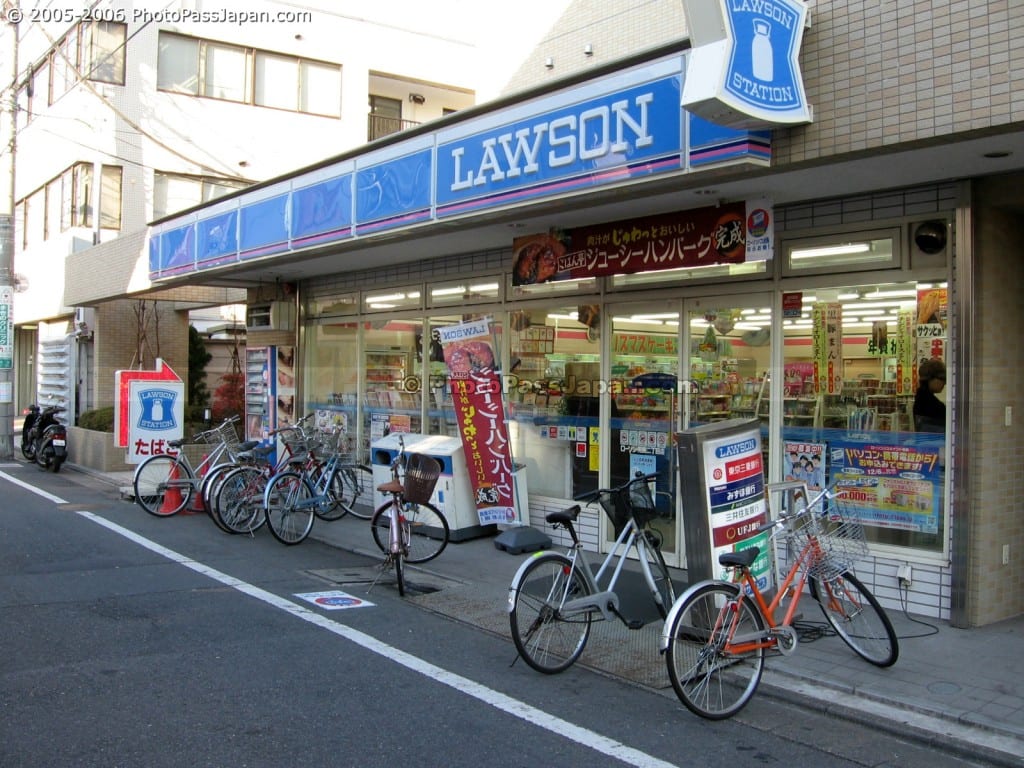
    Lawson, the prominent Japanese convenience store chain, is gearing up for an ambitious expansion, unveiling plans to launch over 5,000 new stores across China in the next six years. This initiative marks an impressive 80% growth as Lawson intensifies its efforts to extend its footprint beyond Japan and into the broader Asian market.

    As Lawson celebrates its 50th anniversary this Saturday, it has set an ambitious goal of increasing its Chinese store count to 12,000 by the fiscal year ending February 2031. This expansion is critical for achieving its previously reported target of doubling its total overseas store count to around 14,000 shops over the next six years—an endeavor that aims to bring its international presence nearly in line with that of its home market.

    With each new store opening, Lawson isn’t just selling snacks and drinks; it’s crafting a shared experience, one that aims to blend convenience with community.

    Questions & Answers

    What does Lawson’s expansion plan entail?
    Lawson plans to open over 5,000 new outlets in China over the next six years, aiming for a total of 12,000 stores.

    Why is this expansion significant for Lawson?
    This growth will help Lawson double its overseas store count to approximately 14,000, aligning its international presence with its home market in Japan.

    What milestone is Lawson celebrating this week?
    Lawson is marking its 50th anniversary this Saturday, coinciding with its ambitious growth strategy.

  • MBK plans to sell its troubled Korean supermarket chain Homeplus

    MBK plans to sell its troubled Korean supermarket chain Homeplus

    MBK Partners, a private equity firm primarily operating in Northeast Asia, recently announced plans to sell its struggling South Korean supermarket chain, Homeplus. This move aims to prevent the retailer from going under.

    In an attempt to keep the firm afloat amidst the ongoing pandemic and intensified competition from e-commerce platforms, MBK Partners initiated court-led restructuring of Homeplus, South Korea’s second-largest grocery retailer, back in March.

    MBK Partners revealed that a court-commissioned assessment showed that the firm’s liquidation value surpasses its going concern value. Therefore, the decision to sell seems to be a strategic move to salvage as much value as possible.

    The retail company is planning to issue new shares and find a buyer for them. In contrast, MBK Partners is considering cancelling the shares it currently holds, which are valued at 2.5 trillion Korean won (equivalent to US$1.83 billion).

    MBK Partners originally purchased Homeplus in 2015, buying it from British multinational company Tesco for a hefty sum of 4 billion pounds.

    Legal challenges have surfaced as South Korean prosecutors are investigating whether MBK Partners authorized Homeplus’s debt issue in 2025, despite having prior knowledge of the retailer’s potential credit downgrade. MBK has refuted these accusations.

    The investigation led to a foreign travel ban in May for MBK Partners Chairman, Kim Byung-ju.

    Questions & Answers

    Why is MBK Partners selling Homeplus?
    MBK Partners is planning to sell Homeplus to avoid its liquidation. The decision came after a court-commissioned review showed the company’s liquidation value to be higher than its going concern value.

    What legal challenges is MBK Partners currently facing?
    South Korean prosecutors are investigating if MBK Partners approved Homeplus’s debt issue in 2025, despite being aware of a possible credit downgrade. MBK has denied these allegations.

    What actions are being taken against the chairman of MBK Partners?
    As part of the ongoing investigation, a foreign travel ban was imposed on the chairman of MBK Partners, Kim Byung-ju, in May.

  • PostFinance Unveils Restructuring Plans, Leading to Job Cuts Ahead

    PostFinance Unveils Restructuring Plans, Leading to Job Cuts Ahead

    PostFinance has announced plans to implement job cuts by the end of November 2025, unveiling a consultation procedure aimed at increasing operational efficiency amidst ongoing restructuring efforts.

    Job Cuts Affecting Administrative Roles

    The Swiss financial services provider revealed on Thursday that it intends to eliminate 141 positions, primarily impacting administrative staff in Bern. Furthermore, up to 73 adjustments to contracts are anticipated. This reduction represents about 3.6 percent of its total workforce, which numbers approximately 3,900 employees as of the end of 2024.

    Consultation Process Underway

    In light of the restructuring, PostFinance is initiating a consultation process, allowing affected employees to propose measures to minimize, limit, or prevent layoffs altogether. A final decision from the management board is anticipated in July, leaving a glimmer of hope for those facing uncertainty.

    Aiming for Strategic Growth

    The job cuts stem from changes within PostFinance’s organizational framework, aligning with its Strategy 2025–2028. The goal is to foster moderate growth, enhance market positioning, and improve overall performance. This strategy includes generating additional revenue streams, augmenting non-interest income, and boosting sales. The restructuring aims to optimize resources and foster synergies in crucial areas.

    CEO Beat Röthlisberger acknowledged the distress this announcement may cause, stating, “We are aware that this announcement will be burdensome for many of our employees and may cause uncertainty and concern. We will support them closely during this period.”

    Positive News from the Federal Office of Communications

    On a brighter note, the Federal Office of Communications (BAKOM) reported in its annual review that Swiss Post has exceeded the statutory minimum levels for basic service provision. Impressively, over 90 percent of the population can access cash payment services within a 20-minute journey by foot or public transport.

    Additionally, PostFinance enjoyed good customer ratings; private clients scored the company at 81 out of 100, matching last year’s results, while business clients reported slightly increased satisfaction with a score of 77.

    Questions & Answers

    What is the reason behind PostFinance’s job cuts? The job cuts are part of a restructuring strategy aimed at increasing efficiency and adapting to changes within the organizational model.

    How many jobs will be affected? A total of 141 jobs are set to be eliminated, mainly within administrative roles in Bern, alongside potential adjustments to 73 contracts.

    What did recent reports say about customer satisfaction? According to the Federal Office of Communications, private customers rated PostFinance at 81 out of 100, while business customers scored it 77, indicating stable satisfaction levels.

  • VinFast Announces Plans for 100+ EV Service Centers Across the Philippines

    VinFast Announces Plans for 100+ EV Service Centers Across the Philippines

    Vietnam’s electric vehicle manufacturer VinFast is revving up its presence in the Philippines with an ambitious plan to establish over 100 authorized service centers by 2025. This initiative is the result of a strategic partnership with four significant Philippine companies: Goodyear Philippines, Tire King and Rubber Products, Power Tread Services, and Marcjan Cavite.

    New Horizons for EV Maintenance

    Under the recently signed memoranda of understanding (MoUs) and service level agreements (SLAs), these firms will run official VinFast service centers, offering maintenance, repairs, and dedicated customer care, all in accordance with VinFast’s stringent global standards.

    The rollout is set to be swift, with VinFast and Goodyear Philippines collaborating to introduce 50 authorized centers this year alone. Meanwhile, Marcjan Cavite plans to launch eight centers, while Tire King and Power Tread each target seven. These facilities are designed to meet high standards for equipment and technician qualifications, ensuring that VinFast owners receive only genuine parts and premium services.

    A Commitment to Excellence

    VinFast is also extending a hand of support to its partners, offering training, technical consulting, and operational expertise to facilitate the rapid establishment of this service network. This latest expansion builds upon previous agreements with Philippine partners JIGA and Motech, further underscoring VinFast’s determined strategy to bolster its EV ecosystem and enhance after-sales services in the country.

    Since entering the Philippine market nearly a year ago, VinFast has been making waves with its innovative EV models, competitive sales strategies, and a burgeoning after-sales network. Its broader ambition in Southeast Asia is to foster a “For a Green Future” ecosystem, focusing heavily on building charging infrastructures and service centers—a successful model already thriving in Vietnam and now actively being pursued in the promising Philippine market.

    As electric vehicles soar in popularity, VinFast is not just plugging into a trend; it’s setting the pace for the future.

    Questions & Answers

    What companies is VinFast partnering with in the Philippines?
    VinFast is collaborating with Goodyear Philippines, Tire King and Rubber Products, Power Tread Services, and Marcjan Cavite to establish service centers.

    How many service centers does VinFast plan to open this year?
    VinFast, in partnership with Goodyear Philippines, plans to launch 50 service centers this year, along with additional centers by its other partners.

    What support will VinFast provide to its service partners?
    VinFast will offer comprehensive support including personnel training, technical consulting, and operational knowledge to ensure a swift rollout of the service network.

  • Digital marketing trends for China in 2022

    Digital marketing trends for China in 2022

    Digital marketing trends are always evolving in China and without the set features of global platforms like Google and Facebook, Chinese digital companies are often leading the rollout of promotional and ecommerce features on their platforms. Therefore, it is very important to stay on top of  these trends to leverage the most value out of every marketing dollar.

    Live streaming shopping format

    Livestreaming is one channel that has become extremely popular in China. In 2020 alone, $1.2T of sales were generated through livestreaming with $151B generated on Singles’ Day which is a big shopping day in China. Platforms from Alibaba and Tencent are pushing this medium and social media applications like Douyin have also added very successful livestreaming options with integrated online stores. KOL marketing in China has become part of the strategy for major brands and you will find celebrities and even diplomats using the medium to get information out and sell for brands, report Ashley Dudarenok from Alarice International, a digital marketing agency specialised on the Chinese market.

    Rise of Bilibili

    Another interesting development in the social media space has been the rise of Bilibili as a force to contend with. Originally started as a community for those interested in anime and videogame culture, the site has grown to 171 millions monthly users. Bilibili offers brands the chance to target younger demographics directly and keep track of the trends popular among the young in China. 70% of users on the platform are below the age of 24 and this allows brands to push out very relevant content. Collaborations with KOLs and content creators on this platform will also reap huge benefits.

    WeChat mini programs

    WeChat mini programs allow brands to create a customized interactive experience for their followers. The number of people using WeChat mini programs has risen by 11% to 829 millions monthly users from 2019 to 2020 and continues to grow. The huge variety of applications that can be created on the platform can range from the useful, like productivity apps to the inspirational, like stories told through games. Leveraging this open form tool will be integral to marketing strategies as we move forward.

    Existing brands’ goals

    Brands should also examine case studies of other companies that have made successful forays into China. Some of the trends that these brands are focused on include:

    Brands want to create private traffic

    Over the last few years of international brand penetration competing with domestic companies, advertising and therefore, acquisition costs in China have skyrocketed. On Tmall, the customer acquisition cost more than doubled from 207RMB to 536 RMB from 2018 to 2019. So, brands have started to work out strategies to reduce reliance on traffic from external platforms like WeChat and ecommerce platforms. This means creating owned properties like blogs and email lists where customers can be contacted directly instead of having to rely on traffic from external sources.

    Brands want to reach lower-tier cities and young consumers

    Another area of growth has been targeting demographics where there is still market share to be won. Lower-tier cities have increasing mobile network penetration and spending power which makes them very attractive. This is a strategy being used by Pinduoduo, an emerging ecommerce platform looking to compete with Alibaba and Tencent. Using a combination of low prices and social features, the company has seen the most growth year on year compared to Alibaba and Tencent. Targeting younger consumers has also been on the agenda for many brands and platforms like Bilibili allow for this.

    Conclusion

    Having an appreciation that consumer expectations and buying culture in China can be very different from other countries is very important to success.