Retail News CRM

Tag: plant

  • Mondelez Injects $8M into Melbourne Candy Plant for Technological Boost: Celebrating 50 Years of Sweet Success

    Mondelez Injects $8M into Melbourne Candy Plant for Technological Boost: Celebrating 50 Years of Sweet Success

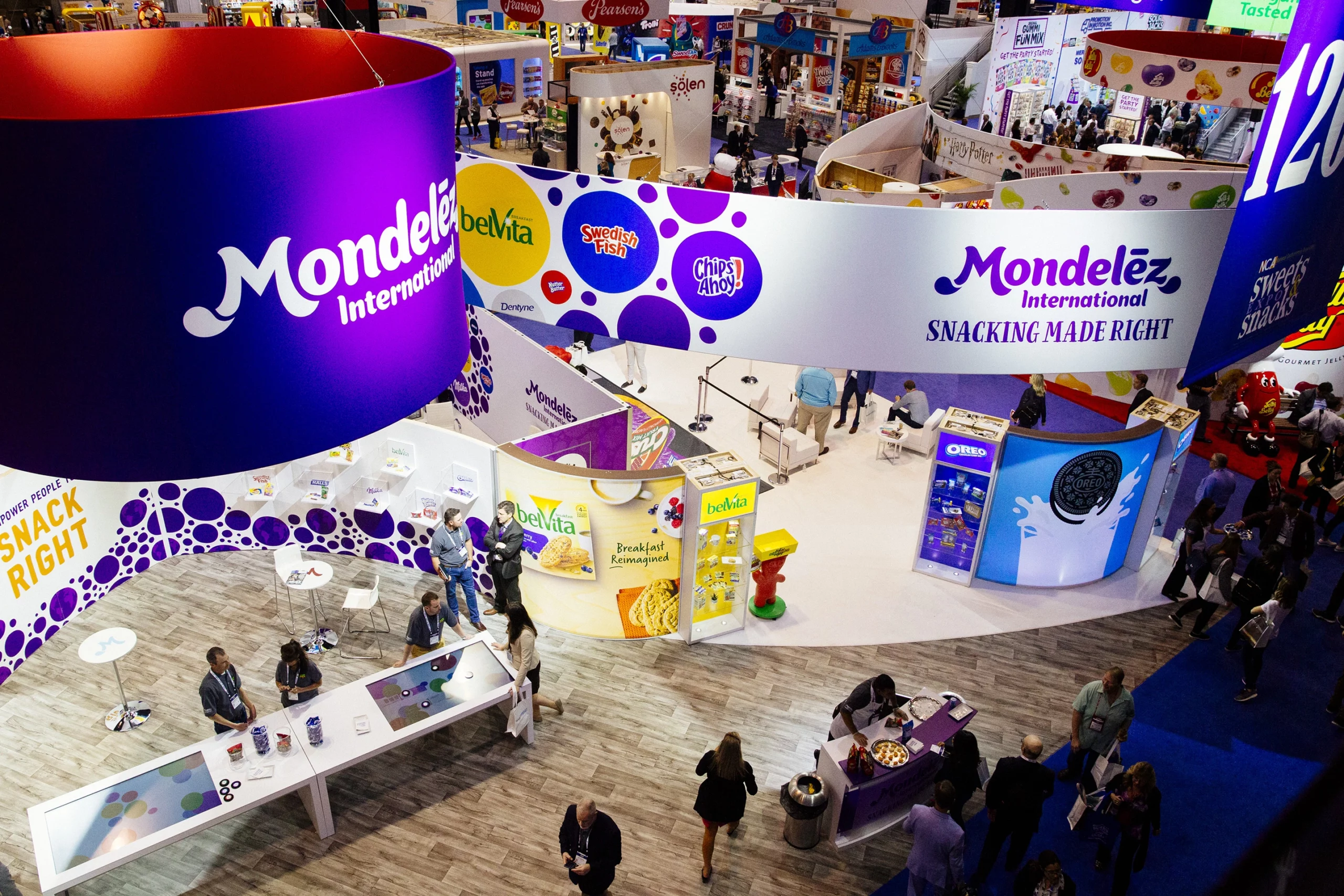
    Mondelez International recently commemorated the 50th anniversary of its Scoresby confectionery factory in Melbourne’s east, coinciding with a $8 million investment in new packaging technology. This crucial advancement will bolster the production of over 120 products, including snack-sized bags from brands like Cadbury Pascall Clinkers, Sour Patch Kids, and The Natural Confectionery Company.

    This new funding takes the total investments in the Scoresby location to $30 million since 2022. The company has clarified that this financial boost is specifically aimed at sparking regional innovation across various aspects like product flavours, range, and packaging. It will also enable the plant to accommodate ever-evolving consumer trends.

    A Commitment to Local Production

    Toby Smith, the president of Mondelez International for Australia, New Zealand, and Japan, highlighted the strategic importance of the packaging upgrade. He stated that it lay the groundwork for securing the future production at the local facility.

    This move falls in line with the company’s long-term growth projections. By 2035, Mondelez International anticipates an equal split in business growth between chocolate and non-chocolate products.

    Smith expressed immense pride in the Scoresby factory’s 50-year manufacturing history and the numerous employment opportunities it has created for Victorians in Melbourne’s east.

    Mondelez International currently employs over 1200 individuals across its operations in Victoria. Their reach extends to locations in South Melbourne, Ringwood, Scoresby, Dandenong South, and a national distribution centre in Truganina.

    Of note is the Scoresby plant’s commitment to sustainable operations, running on 100% renewable electricity. The plant is responsible for manufacturing jelly candies such as Snakes and Party Mix.

    Earlier this year, Mondelez International reintroduced its In A Biskit Crispy Potato flavour in the Australian market, a product that initially gained popularity in the 1990s.

    Questions & Answers

    What was the purpose of the $8 million investment by Mondelez International?
    It was directed towards new packaging technology, with the intention of enhancing the production of over 120 products and to adapt to changing consumer trends.

    What is the future business growth expectation for Mondelez International?
    By 2035, Mondelez International expects to see an equal split in business growth between chocolate and non-chocolate products.

    What is significant about the Scoresby plant’s operations?
    The Scoresby plant, which manufactures various jelly candies, operates on 100% renewable electricity, underlining the company’s commitment to sustainability.
  • Vingroup Launches Construction of Vietnam’s Largest LNG Power Plant, Paving the Way for Energy Advancement

    Vingroup Launches Construction of Vietnam’s Largest LNG Power Plant, Paving the Way for Energy Advancement

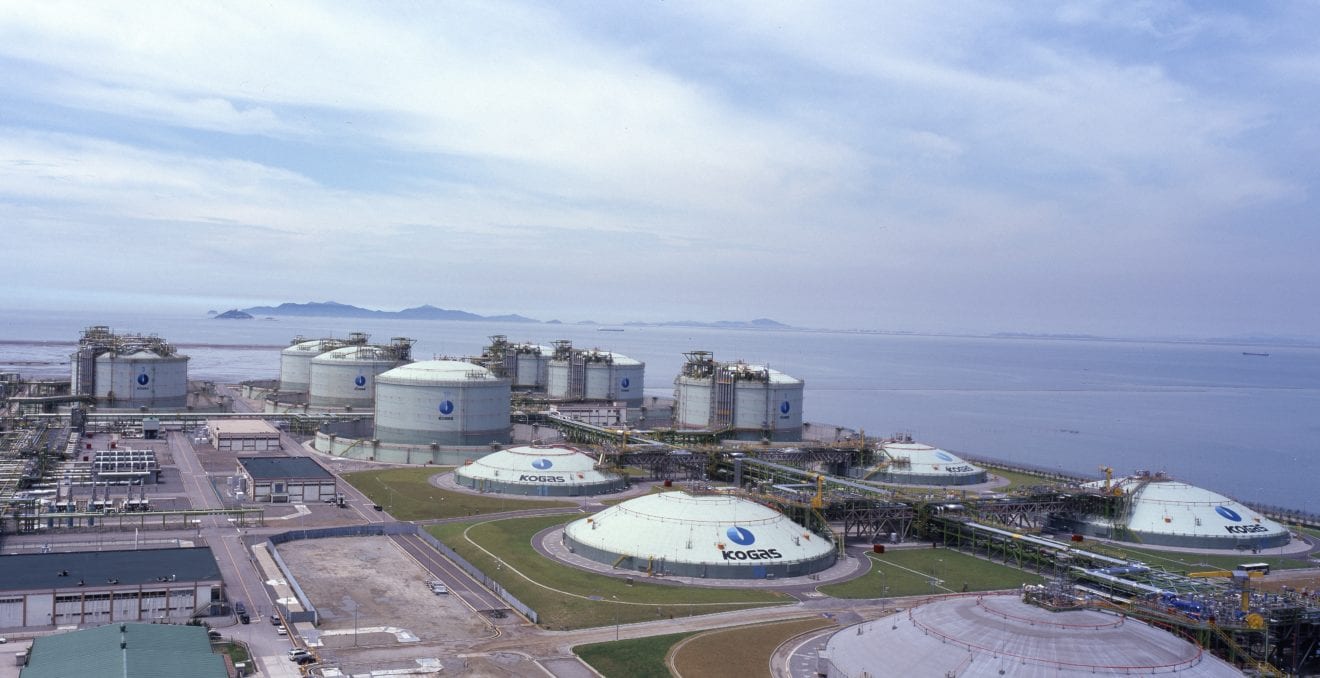
    In Hai Phong, a new chapter in the region’s energy landscape is underway as Vingroup, along with VinEnergo, kickstarts the construction of a significant liquefied natural gas (LNG) power plant. This ambitious project, stretching across 100 hectares and boasting a capacity of 4,800 megawatts, is set to energize the national grid by 2030, marking a pivotal step towards a cleaner and more sustainable energy future.

    Eco-Friendly Energy Takes Center Stage

    The plant’s utilization of LNG—a cleaner alternative to coal and oil—promises to curtail emissions, dust, and toxic gases, illustrating the ongoing transition towards sustainable energy sources. Located at the Tan Trao Industrial Park, which recently had its groundbreaking ceremony, the facility represents more than just a power source; it’s a catalyst for eco-friendly industrial development.

    Building a New Industrial Hub

    The Tan Trao Industrial Park itself covers 227 hectares with an investment of VND4 trillion, orchestrated by Vingroup’s property arm, Vinhomes. Over the next five years, construction is set to reshape this area into a nexus of new industries and technologies, with an aim to attract tens of thousands of skilled professionals. Amidst the hustle and bustle of construction, one might even wonder if Hai Phong will soon become the Silicon Valley of Vietnam—minus the tech giants!

    Government Support Fuels Development

    During the groundbreaking ceremony, Prime Minister Pham Minh Chinh underscored the strategic importance of these projects, highlighting their potential to advance industrial growth, attract foreign investment, and boost green energy initiatives. He urged rapid progression in the development of both the power plant and industrial park, particularly focusing on attracting high-tech clients.

    Aiming for Acceleration

    The Prime Minister called for accelerated procedures to enable the LNG power plant to potentially be completed a year ahead of schedule, by 2029. This calls for cooperation with foreign investors for technology transfer and a gradual mastery of the necessary tech. “Vingroup should push up progress while ensuring quality, safety, and environmental hygiene, to create numerous high-quality jobs for the people of Hai Phong,” he stated emphatically.

    Vingroup’s Vision for the Future

    Nguyen Viet Quang, Vingroup’s vice chairman and CEO, echoed the Prime Minister’s sentiments by discussing the synergy between the industrial park and the power plant. He believes that this integrated development model has the potential to attract significant investments and promote sustainable growth throughout the nation.

    A Manufacturing Powerhouse

    Hai Phong is not just any city; it’s a key manufacturing hub for Vingroup’s automaker, VinFast. Since the factory’s inauguration in 2019, VinFast has been a major driver of economic growth, elevating Hai Phong’s standing among Vietnam’s top-performing localities in recent years. As these new developments unfold, the city is poised to become a beacon of innovation and economic opportunity in the region.

    Questions & Answers

    What is the capacity of the new LNG power plant in Hai Phong?
    The LNG power plant in Hai Phong has a capacity of 4,800 megawatts and is expected to be operational by 2030.

    How does the LNG power plant contribute to cleaner energy?
    By using liquefied natural gas, the plant significantly reduces emissions, dust, and toxic gases compared to traditional coal and oil, aiding Vietnam’s transition to cleaner energy sources.

    What strategic goals did Prime Minister Pham Minh Chinh outline for these projects?
    The Prime Minister emphasized the importance of accelerating development, attracting foreign investment, and promoting high-tech industries, all while ensuring quality and creating job opportunities in Hai Phong.

  • Levi’s unveils plant-based edition of its 501 jeans

    Levi’s unveils plant-based edition of its 501 jeans

    Levi’s new jean is an example of how the food industry is setting fashion trends.

    The San Francisco-based brand unveiled the first 501 jeans made with at least 97 percent plant-based materials. Levi’s said the jeans “are an indication of what the industry could look like in the years ahead given the push to minimize synthetic materials derived from fossil fuels and the need to make more garments with renewable inputs rather than finite resources.”

    Made with 100 precent OCS-certified organically grown cotton, the 501 is made possible through a series of recent partnerships and pilots.

    The fabric is dyed with plant-based indigo from Springfield, Tenn.-based Stony Creek Colors and references Levi’s X80 archival shade. Levi’s invested in the only industrial-scale manufacturer globally of 100 percent bio-based indigo last year, following several Levi’s WellThread collections made with the naturally derived colors.

    For the internal pocket bag, Levi’s used a 100 percent cotton component printed with BioBlack TX, a plant-based black pigment made from wood waste, manufactured in a closed-loop system and developed by Nature Coatings, another collaborating partner. Levi’s used the pigment for the floral-printed denim pieces in its Spring/Summer 2023 WellThread collection.

    Levi’s replaced its traditional leather back patch with one made with Mirum by NFW. The material is comprised of 100 percent bio-based, plastic-free inputs that don’t generate effluent during production. The brand’s use of leather for patches has been a point of contention with PETA, which for years has urged it to adopt cruelty-free alternatives.

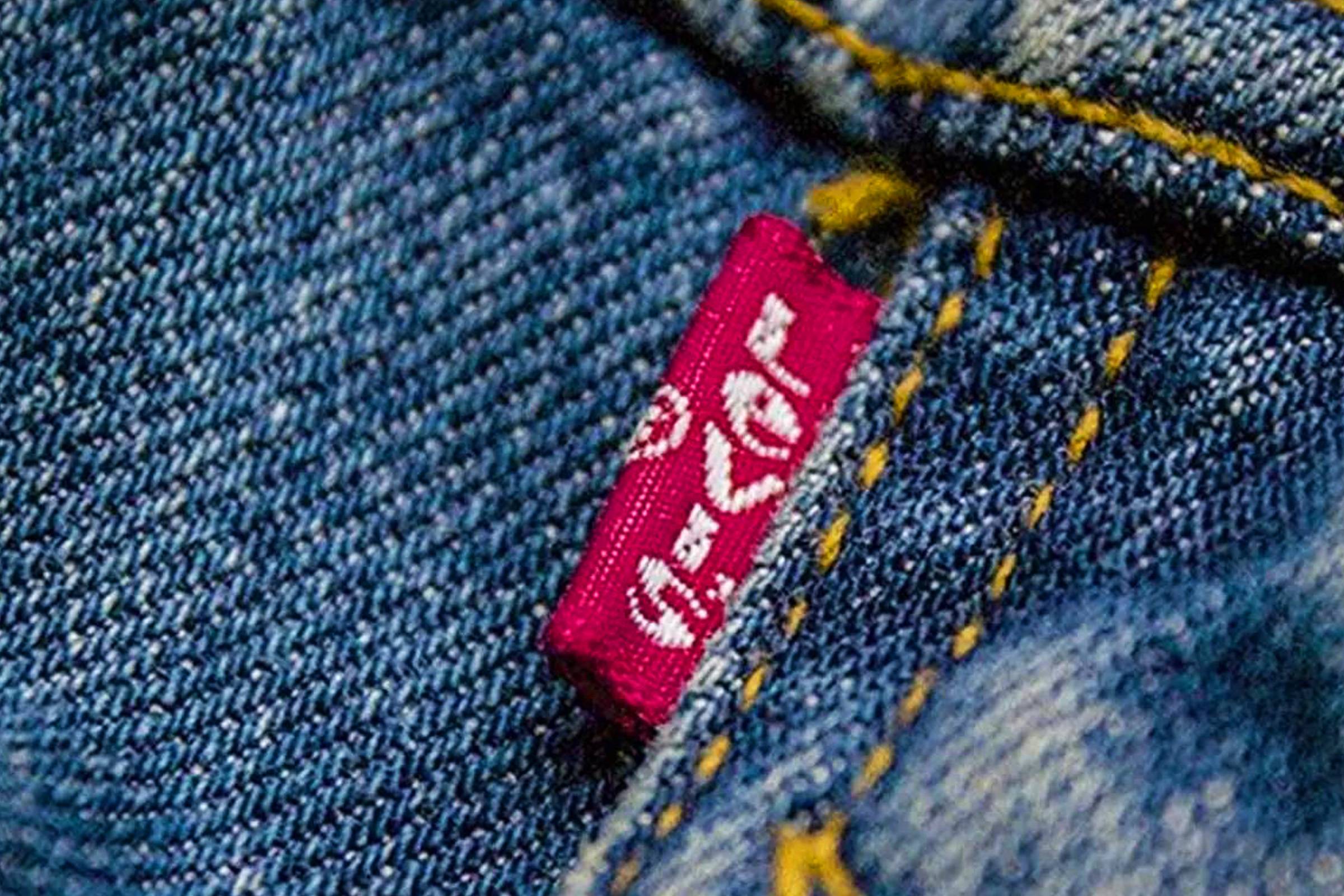
    Each patch says “plant based” and features a small green leaf next to the lot number. The leaf motif is replicated on the 501’s signature red tab.

    The sewing thread, care label and metal trims are the only materials not created from plants.

    The women’s plant-based 501 is available now in two washes, a light wash Indigo Botanics and medium wash Blue From Green, and retails for $128. A men’s version will launch on July 31.

    “In our ongoing research and development, we strive to improve our design practices and conserve environmental resources every way we can,” said Una Murphy, Levi’s director of design innovation. “By incorporating sustainable innovation, in mainline and premium product alike, we learn what’s possible and how we can continue working towards solving some of our biggest challenges.”

    The plant-based jean is part of a suite of newness from Levi’s that challenges traditional denim manufacturing.

    Levi’s will bow a cottonized hemp-cotton blend selvedge 501. The jean will be available in a variety of shades and finishes for women and men, some featuring natural dyes. Levi’s will release the jeans throughout the year.

    The brand is also putting its circular 501, first released last year, back in the spotlight. The jean is made with a blend of organic cotton and Renewcell’s pioneering Circulose fiber, a viscose derived from recycled denim and other cotton-rich textile waste.

    The 501 has been a focal point for Levi’s, which celebrates 150 years this year.

    Paul Dillinger, Levi Strauss & Co.’s VP of design innovation, said the three innovative jeans show that while Levi’s is still focused on producing classic garments, the company is looking to moving in the direction of more circular products and practices.

    “We want to show what is possible,” Dillinger said. “At the same time, we’re challenging ourselves to get closer to a state where products like this represent more of a product line, and where they’re seen not as the endgame, but a starting point that we want to top next season, and the season after that.”

  • Hyundai inaugurates 100,000-car plant in Vietnam

    Hyundai inaugurates 100,000-car plant in Vietnam

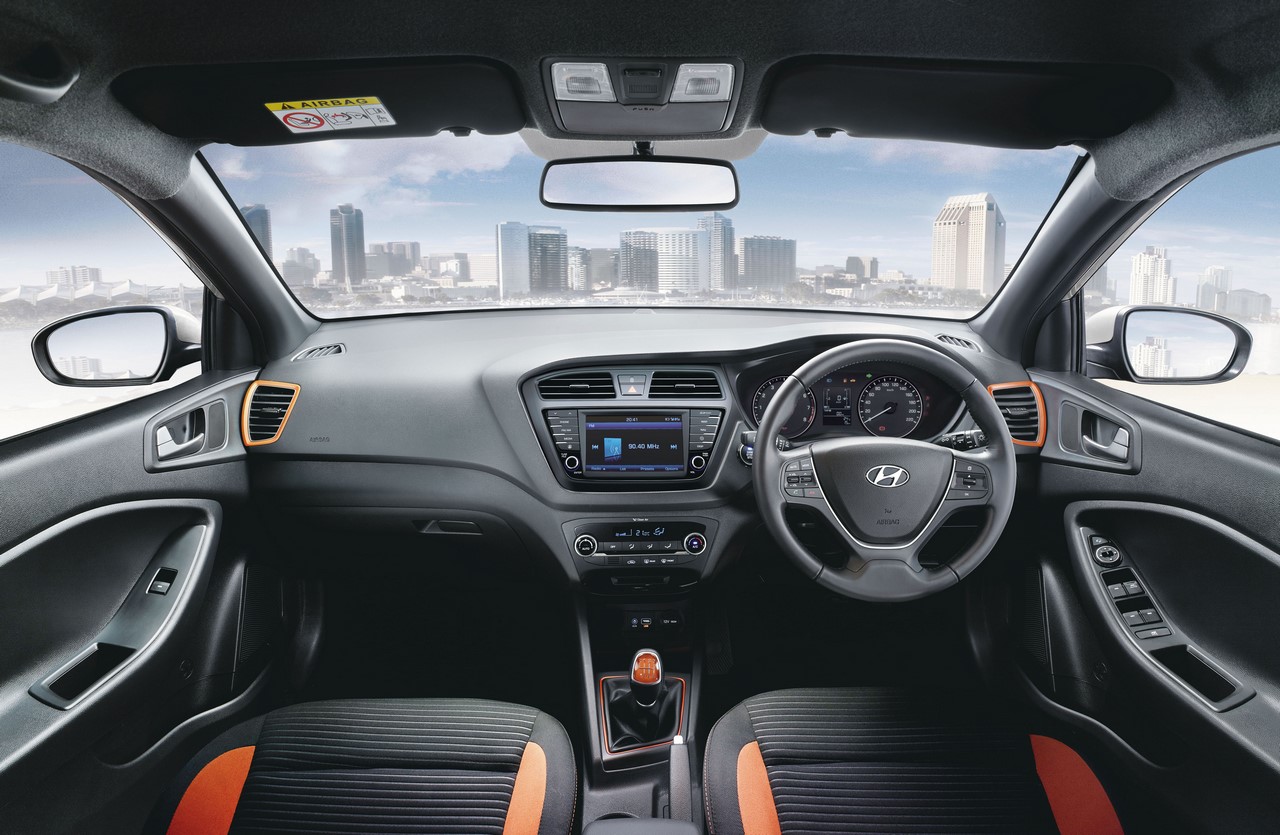
    Hyundai Motor has inaugurated its second plant in Vietnam with a capacity of 100,000 automobiles per year.

    Covering an area of over 50 hectares in the northern Ninh Binh Province, the new plant will turn out eco-friendly and fuel-saving vehicles, said Thanh Cong chairman Nguyen Anh Tuan.

    Hyundai entered the Vietnamese market in 2009 through a joint venture with local conglomerate Thanh Cong Group. It imports parts for local assembly in what are known as knock-down kits.

    The plant will increase Hyundai’s Vietnamese production capacity to 170,000 vehicles a year when it becomes fully operational, likely in 2025.

    The South Korean automaker has invested nearly VND12.3 trillion (roughly $496 million) in Ninh Binh province.

    In the first 10 months, 397,457 cars were sold and auto sales could exceed 400,000 for the first time in eight years, according to the Vietnam Automobile Manufacturers Association (VAMA).

  • Samsung Electronics Close To Finalising $17 Billion Texas Chip Plant

    Samsung Electronics Close To Finalising $17 Billion Texas Chip Plant

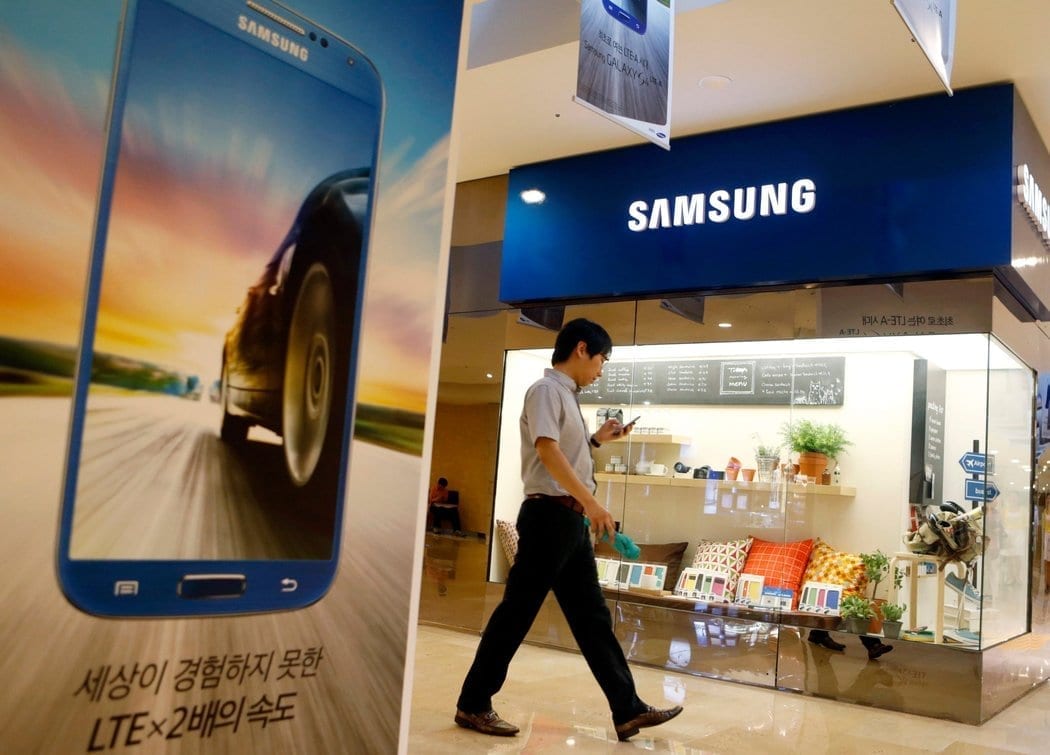
    Samsung Electronics Co Ltd is close to finalizing the construction of a $17 billion semiconductor factory in Williamson County in the U.S. state of Texas, three people with knowledge of the matter said. Samsung told Reuters that it is continuing due diligence in multiple locations and that it has yet to make a decision. The factory will make advanced logic semiconductor chips and is likely to create about 1,800 jobs, Samsung previously said in filings to state officials.

    One of the people said though no decision has been made, the Austin suburb of Williamson County is the frontrunner due to the subsidies on offer as well as the likelihood of stable sources of electricity and water. A winter storm shut down at Samsung’s existing chip plant in Austin during the first quarter caused the equivalent of 300 billion to 400 billion won ($254 million to $339 million) of damage to wafer production.

    All three people declined to be identified as they were not authorized to speak with the media. Samsung previously said it would start construction on the new 6-million-square-foot (557,418-sq-meter) plant in January, with production up and running by the end of 2024. The plan comes at a time when the global auto industry faces a significant semiconductor shortage.

    “With the United States turning semiconductors into a strategic material, it is becoming a risk to be concentrated only in Asia,” said Park Sung-soon, an analyst at Seoul-based Cape Investment Securities. “Samsung wants to be on the ground in the U.S.”

    In the global chip contract manufacturing industry, Samsung is second to TSMC which had 52.9% of market share compared to Samsung’s 17.3% as of end-June, according to analysis provider TrendForce.

  • Nissan Bets On UK ‘Renaissance’ With Battery Plant And New Vehicle

    Nissan Bets On UK ‘Renaissance’ With Battery Plant And New Vehicle

    Nissan Motor Co bet on Britain to supercharge its European electric future on Thursday, pledging $1.4 billion with its Chinese partner to build a giant battery plant that will power 100,000 vehicles a year including a new crossover model.

    Facing the most profound technological shift in a century, the titans of the auto industry are racing to secure battery supply close to the factories where they will make the new cleaner electric vehicles of the future.

    Nissan cast its backing for the 9 gigawatt-hour (GWh) plant as illustrative of rejuvenation of Britain’s automotive industry, which has for five years grappled with the fear that Brexit could cut off the rest of the European market.

    “This project is the demonstration of the renaissance of the British car industry,” Ashwani Gupta, Nissan’s chief operating officer, told reporters at the Sunderland plant, which exports 70% of its vehicles to the European Union.

    British Prime Minister Boris Johnson said Nissan’s move was “a major vote of confidence in the UK and our highly skilled workers in the North East”. Nissan said Britain had backed the plan, but did not detail any guarantees or incentives.

    The 1 billion-pound ($1.4 billion) investment by Nissan, its Chinese partner Envision AESC and local government in northeast England will create 6,200 jobs at the Sunderland plant and in British supply chains.

    Nissan will spend up to 423 million pounds to produce a new-generation all-electric crossover vehicle at the plant, where it already produces the LEAF electric vehicle and the Qashqai crossover SUV. The new vehicle has yet to be named and there is no launch date.

    As world powers try to slash carbon emissions by scrapping the fossil-fuel guzzling internal combustion engine, Britain has pledged to ban the sale of new diesel and petrol cars from 2030.

    Going electric, though, is hard.

    China dominates the production of electric vehicle batteries and the processing of the minerals used to make them, though the United States and Europe are trying to catch up.

    Western leaders, including Johnson, are loath to sacrifice hundreds of thousands of automotive jobs – often in politically sensitive constituencies – by importing batteries from China, rather than manufacturing domestically.

    And unless Britain can build both battery production and supply chains, it risks losing its four-decade reputation as the investor-friendly gateway for top companies seeking to export to the rest of Europe.

    Envision could invest an additional 1.8 billion pounds in the battery plant to expand generating capacity to up to 25GWh and create 4,500 new jobs in the region by 2030. There is potential on-site for up to 35GWh.

    “We also want to build the supply ecosystem in the country – but you do need critical mass,” Zhang Lei, Envision Group founder and chief executive, told Reuters.

    Zhang said the battery plant could supply other manufacturers and hoped that, once it expanded capacity, it would be able to export, including to Europe.

    Still, Britain is far short of the installed battery capacity it will need to power electric cars in the long term and there are risks the technology will be superseded.

    “Battery development and production is currently in a complete state of flux – chaos even,” said Bob Hancké, associate professor of political economy at the London School of Economics. “Any investment now runs the risk of closing of technologically more advanced options a few years from now.”

    Nissan said the new crossover, to be built on the Alliance CMF-EV platform shared by partners Renault and Mitsubishi, would be exported to European markets.

    Japan’s capital has used Britain as a gateway to Europe since the early 1980s, when then Prime Minister Margaret Thatcher persuaded Nissan to build a plant in Sunderland on an old airfield.

    Japanese investors worried the Brexit vote – which was particularly strong in Sunderland – would scupper their bets.

    A new trade deal agreed with the EU last year allows the free trade of cars but with a dangerous twist about rules of origin – at least 40% of the value of a car has to be produced in the United Kingdom or EU to be sold in the bloc.

    That requirement rises to 55% from 2027 – a crucial detail that would mean an imported battery, which can make up half the vehicle’s sale price, would close off the European market to British-based car factories.

    The new model takes Nissan’s total capital investment in the Sunderland plant past 5 billion pounds.

  • EU Extends Investigation Into Samsung’s EV Battery Plant In Hungary

    EU Extends Investigation Into Samsung’s EV Battery Plant In Hungary

    EU competition enforcers have extended a near two-year investigation into Hungarian state aid for South Korean manufacturer Samsung SDI Co Ltd’s electric vehicle (EV) battery factory after Hungary submitted new data to back its case.

    Samsung SDI, an affiliate of South Korean tech giant Samsung Electronics Co Ltd, began production at the Hungarian plant in 2018, making batteries for 50,000 EVs a year.

    The European Commission opened an investigation in October 2019 to assess whether Hungary’s plans to grant 108 million euros ($128.5 million) in state aid complied with the bloc’s competition rules.

    “Hungary now argues that Samsung could have benefited from an investment grant and a tax exemption in an alternative location outside the EU, which would have increased the viability of the alternative location with respect to Hungary,” the Commission said.

    It said Budapest has also produced new documentary evidence to show that Samsung’s search for a location for the plant had also included a number of new production facilities in Europe and an alternative location in a less developed region in the EU.

    Extending the EU investigation will allow third parties to comment on the Hungarian aid.

    Earlier this year, Samsung said it would invest 942 billion won ($849 million) to expand the plant.

  • Tesla Owner Gets Ticket For Parking At GM Plant

    Tesla Owner Gets Ticket For Parking At GM Plant

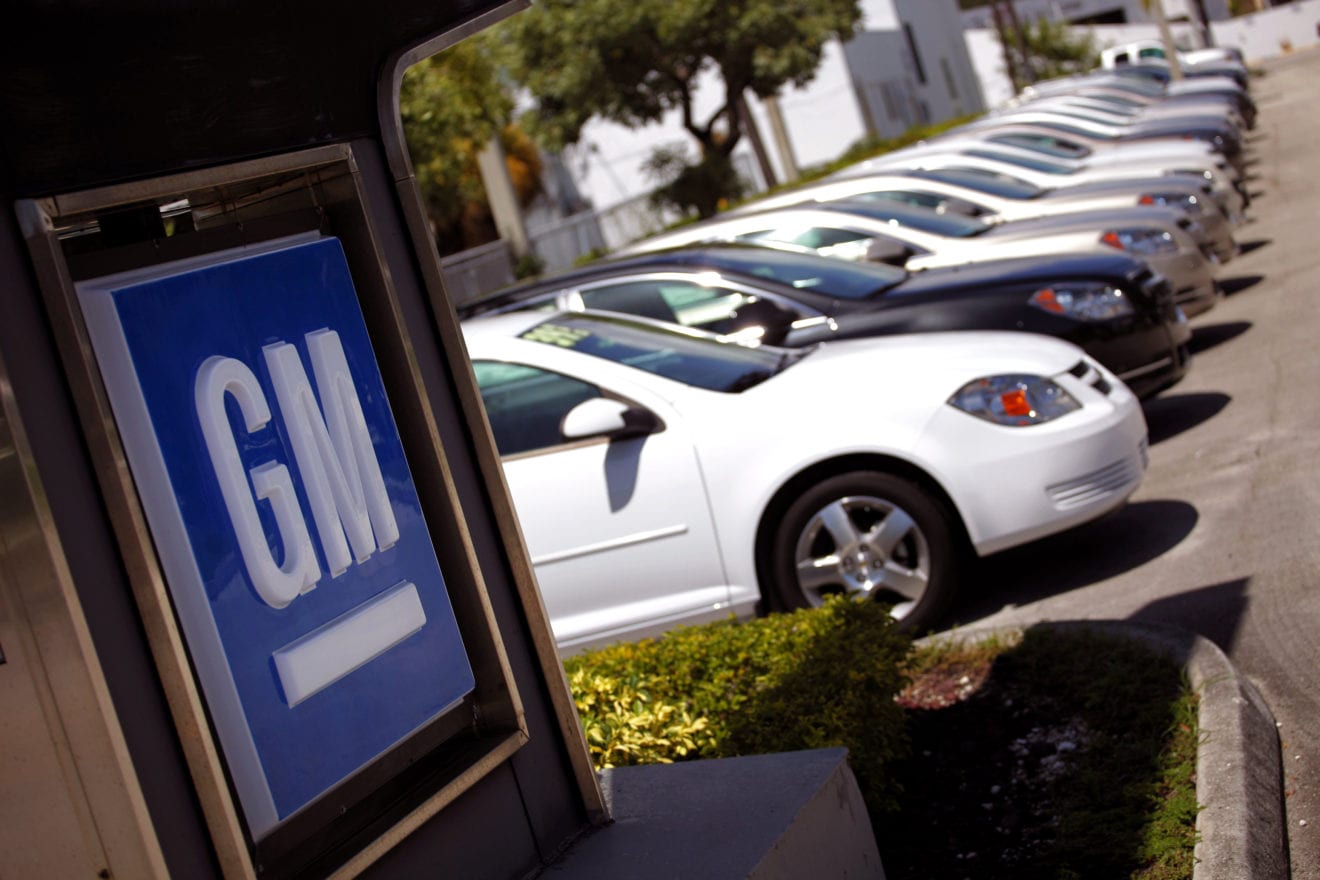
    In a crazy incident, a Tesla owner was fined with a parking ticket at a GM plant in Wentzville in the US. Apparently, the parking ticket was issued as the attendant thought the vehicle was not an American car. In many American factories, they have dedicated parking lots for brand-owned vehicles, foreign vehicles and made-in-America vehicles. In the case of this parking lot, it was just meant for American vehicles but the attendant didn’t realise the Model 3 in question was as American as a car gets.

    The car was parked in the lot which was meant for non-GM vehicles, so the mistake was quite clear, but regardless the news of this ticket was quite surprising. GM even bothered to comment on the situation.

    “Wentzville, like many of our manufacturing sites, has a parking policy and designated parking locations for GM vehicles, non-GM domestic vehicles and foreign nameplates. Plant security inadvertently thought the Tesla was a foreign car and wrote a ticket accordingly,” the Detroit based automaker revealed.

    The Model 3 is the best-selling electric car in the world. It is also the best-selling executive sedan in the world. It was also voted most American-made vehicle by cars.com’s American-made index just last week.

    In fact, the Model 3 has more American DNA than even GM’s vehicles including the Chevrolet Colorado and GMC Canyon which are manufactured at the Wentzville assembly plat. This ticket was revealed on a Facebook group called Useless, Unsuccessful and/or unpopular signage and has gone viral since.

  • Hybrid chicken nuggets launched by +Plant

    Hybrid chicken nuggets launched by +Plant

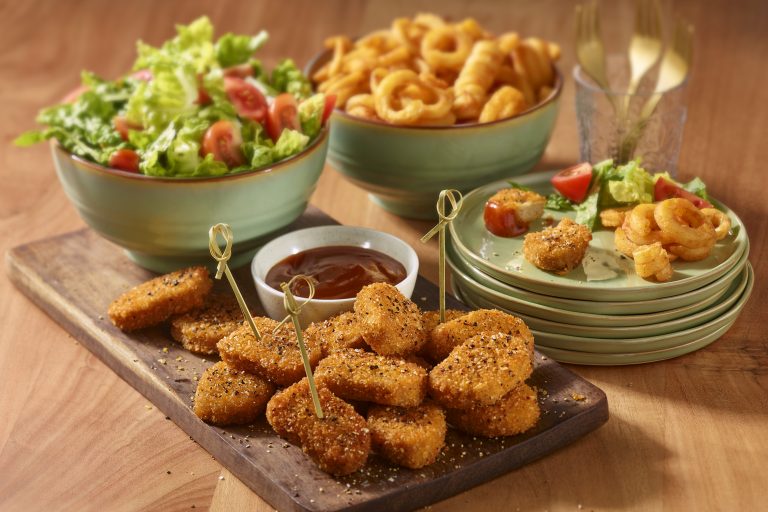
    Food company +Plant has launched a chicken nugget made of 50-per-cent chicken and 50-per-cent plant protein.

    The hybrid chicken nuggets are gluten-free, additive-free, and carry a four-star health rating.

    +Plant is part of The Positively Good Co, which aims to “bridge the gap and be the gateway” for people wanting to consume less meat and more plants. Other hybrid meat products in its range include Beef +Plant Meatballs, Lamb +Plant Meatballs and Chicken +Plant Tenders.

    Todd Robertson, founder of +Plant, says the hybrid chicken nuggets were created with the fussy eater in mind, giving it the same taste and texture as regular chicken nuggets but with the added benefit of vegetables.

    “My son was a great inspiration for the chicken nuggets because he is a fussy eater and loves his nuggets, but nutrition has always been a concern at mealtimes,” said Robertson. “We don’t have to worry anymore because he enjoys the taste of the +Plant nuggets, and I know he is still getting all of the nutrition he needs.”

    +Plant Chicken Nuggets are available for delivery through +Plant’s website or sold at Harris Farm Market, Brisbane, for RRP $7.99

  • Bosch Opens German Chip Plant

    Bosch Opens German Chip Plant

    Robert Bosch opened a 1 billion euro ($1.2 billion) chip plant in Germany on Monday, a record investment by the leading automotive supplier as it stakes a claim to equipping the latest electric and self-driving cars. The plant, located in a semiconductor hub near Dresden, opens as the automotive industry battles a global chip shortage, and will increase Bosch’s ability to serve carmakers directly, relying less on third-party manufacturers.

    “Every chip that we make here in Dresden is one chip less that is lacking. That helps,” management board member Harald Kroeger told Reuters in an interview.

    Addressing an online opening ceremony, Chancellor Angela Merkel said semiconductor shortages were hampering Germany’s economic recovery, and that it was important to strengthen resilience against external supply disruptions.

    “We aren’t in pole position – we have to catch up,” Merkel said. “We must be ambitious. Our competitors around the world aren’t sleeping.”

    The Bosch plant will make specialist power-management chips and Application Specific Integrated Circuits (ASICs) that are designed to carry out a single task, such as triggering a car’s automatic braking system.

    It will not however address shortages of products like microcontrollers which have forced automakers to halt production and are expected by industry leaders and analysts to extend into next year.

    “The fab (chip fabrication plant) may help to insulate Bosch and its key customers somewhat,” said Asif Anwar at Strategy Analytics. “But it is unlikely to serve as a gap filler to the current shortages being experienced in the automotive market.”

    The Bosch plant, which received 200 million euros ($243 million) in state aid under a European Union investment scheme, will start making chips for power tools in July, with output of automotive chips to follow from September.

    “The state-of-the-art technology in Bosch’s new semiconductor factory in Dresden shows what outstanding results can be achieved when industry and government join forces,” said European Commission Vice-President Margrethe Vestager.

    Kroeger said Bosch supported a broader strategic push by Brussels to revive Europe’s semiconductor industry. A recently unveiled plan targets doubling the region’s share of global chip production to 20% by 2030.

  • Tyson Foods to launch plant-based foods in Australia

    Tyson Foods to launch plant-based foods in Australia

    Tyson Foods, the largest meat processor in the US, says it plans to launch plant-based products in Asia Pacific, including Australia.

    A range of three products will go on sale in Malaysia imminently under the First Pride brand – frozen Bites, Nuggets and Strips made with regionally sourced ingredients including bamboo fibre, soy protein and wheat protein. They will be halal certified.

    Tyson Foods said in a statement it would expand the range into other selected markets across the Apac region through retailers and online during the coming months.

    This is the first time the company has introduced plant-based products in Asia-Pacific. The company will go head to head against Impossible Foods, Nestle and Beyond Meat, along with  Omni-branded products from Hong Kong-based plant-based startup Green Monday.

    Demand for plant-based foods is surging across Asia Pacific, with manufacturers seeing a leap in sales during the Covid-19 pandemic.

    Data from Euromonitor cited by Tyson Foods predicts alternative proteins could account for 11 percent of the global protein market by 2035. APAC retail sales of meat substitutes reached US$16.3 billion last year and are expected to exceed $20 billion by 2025.

    Tan Sun, president at Tyson Foods APAC, said the company was targeting consumers embracing flexitarian diets.

    “Our plant-based launch will complement our existing assets across Thailand, Malaysia and Australia where we offer a range of products from poultry to beef.”

    He said the Asian market is a natural fit for this category with traditional plant-based products like tofu already entrenched in the culture. “The key to meeting consumer preferences with new plant-based protein is through innovation and making locally relevant products that taste great, which is our expertise,” he said.

    “Our new product expansion delivers on taste and quality, giving consumers a modern take on familiar tastes, local flavors and texture.”

    Tyson Foods says the flavors of products and package sizes will vary from country to country but would be “priced competitively”. The initial range sold in Malaysia will be sold in 420g bags priced at RM19.90 (US$4.81). They will be launched initially in retail stores, but a foodservice range will be developed later in the year.

    David Ervin, VP of alternative protein at Tyson Foods said the company’s global culinary network and scalability positions it well to replicate the success it has had in the US with plant-based foods in Asia Pacific.

  • Vietnam’s largest wind power plant enters operation

    Vietnam’s largest wind power plant enters operation

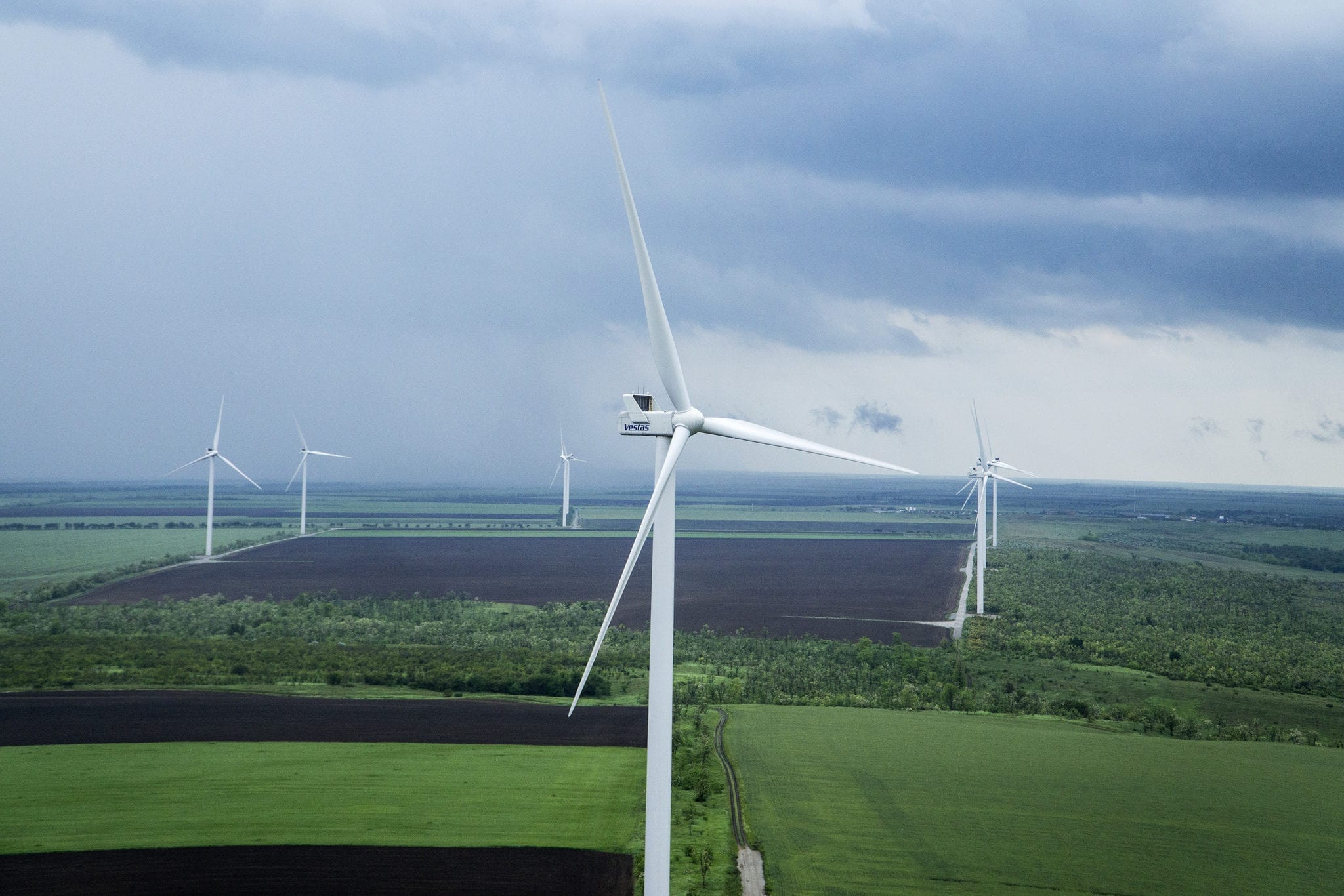
    HCMC-based energy firm Trungnam Group Friday has put its wind power plant in central Ninh Thuan Province into operation, considered the country’s largest to date.

    The plant, which spreads over an area of 900 hectares in Thuan Bac District, has 45 turbines with a total capacity of 151.95 megawatts that costs VND4 trillion ($173.4 million), the Government portal reported.

    The wind power plant is combined with a 204 MW solar power plant to form the solar-wind farm complex considered the largest in Southeast Asia. The complex will supply a total 950 million kWh per year for the country’s grid.

    The private energy company has added a total 1,064 MW to the national grid comprising hydropower, solar and wind power. It plans to have a renewable output of nearly 10,000 MW by 2027.

    Tran Quoc Nam, chairman of Ninh Thuan, said the province is now taking the lead with 32 solar power projects with a total capacity of 2,257 MW, and three wind power projects with an accumulative capacity of 329 MW.

    Vietnam has great potential for renewable energy with its long coastline and 2,700 hours of sunshine a year on average.

    Solar power currently accounts for just 0.01 percent of the country’s total power output, but the government plans to increase the ratio to 3.3 percent by 2030 and 20 percent by 2050.

    Vietnam aims to produce 10.7 percent of its electricity from renewable energy sources by 2030, mainly through solar and wind power projects.

  • Hyundai To Suspend Production At South Korea Plant Due To Chip Shortage

    Hyundai To Suspend Production At South Korea Plant Due To Chip Shortage

    It was earlier this week when Hyundai Motor suspended production at its Asan plant because of a chip shortage. The South Korean carmaker has announced that it will again halt production at its Sonata-producing plant for two days next week due to an electric parts shortage. According to a report from IANS, the automaker will stop operation at its Asan plant on Monday and Tuesday. This Hyundai plant is located around 100 km south of Seoul that produces the Grandeur and Sonata sedans.

    Hyundai has seven plants in South Korea, of which five are located in Ulsan whereas the other two facilities are located in Asan and Jeonju. Moreover, the company has ten overseas plants wherein four facilities are in China and one each in India, Brazil, Czech Republic, Turkey, Russia, and the US. The combined capacity of these plants is around 5.5 million units.

    The carmaker expects the four-day suspension will result in over 4,000 vehicles in production losses. Moreover, the company had also suspended operations at its Ulsan plant, situated 414 km southeast of Seoul, from April 7 to April 14 due to a parts shortage. Moreover, Hyundai produces Ioniq 5 and Kona EV cars at its Ulsan plant.

    The suspension comes because of a shortage of semiconductor parts used in Kona’s front vehicle camera system, along with an issue in Hyundai Mobis Company’s production line, which rolls out the traction motor for the Ioniq 5. The carmaker expects production losses of 6,000 units of the Kona and 6,500 units of the Ioniq 5.

  • Foxconn unit receives business license for $270 mln Vietnam plant

    Foxconn unit receives business license for $270 mln Vietnam plant

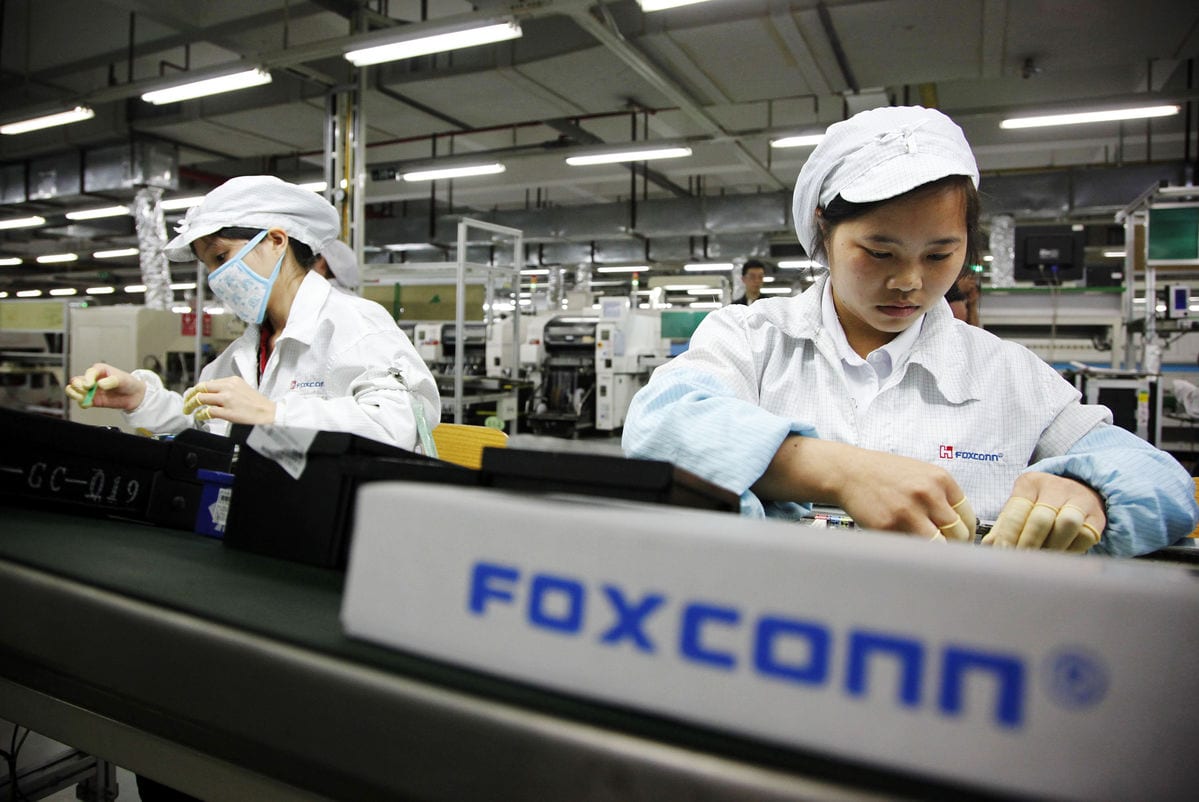
    The FuKang Technology Company, a Foxconn unit, received a business license Monday to build a plant to produce laptops and tablets in northern Vietnam.

    The plant will be located in the Quang Chau Industrial Park in the northern province of Bac Giang and will annually produce eight million units, the government said in a statement on its website.

    The Taiwanese electronics contract manufacturer has so far invested $1.5 billion in Vietnam and created jobs for more than 35,000 workers and the company, formally known as the Hon Hai Precision Industry Co., plans to raise its investment by $700 million and recruit 10,000 more local workers this year, the government said.

    Last week Foxconn was also looking into investing $1.3 billion in Thanh Hoa Province, 160 km south of Hanoi.

    Last year, the company produced the first batch of display screens at its $26-million factory in the northern Quang Ninh Province.

    Foxconn, a major assembler of Apple products, including the iPhone, and the world’s largest contract manufacturer, came to Vietnam in 2007, and has been operating mainly in the northern provinces of Bac Ninh, Bac Giang and Vinh Phuc, making computers and other electronic products and car parts.

    It has said that Vietnam is its largest manufacturing hub in Southeast Asia.

  • Starbucks expands plant-based range in Asia Pacific

    Starbucks expands plant-based range in Asia Pacific

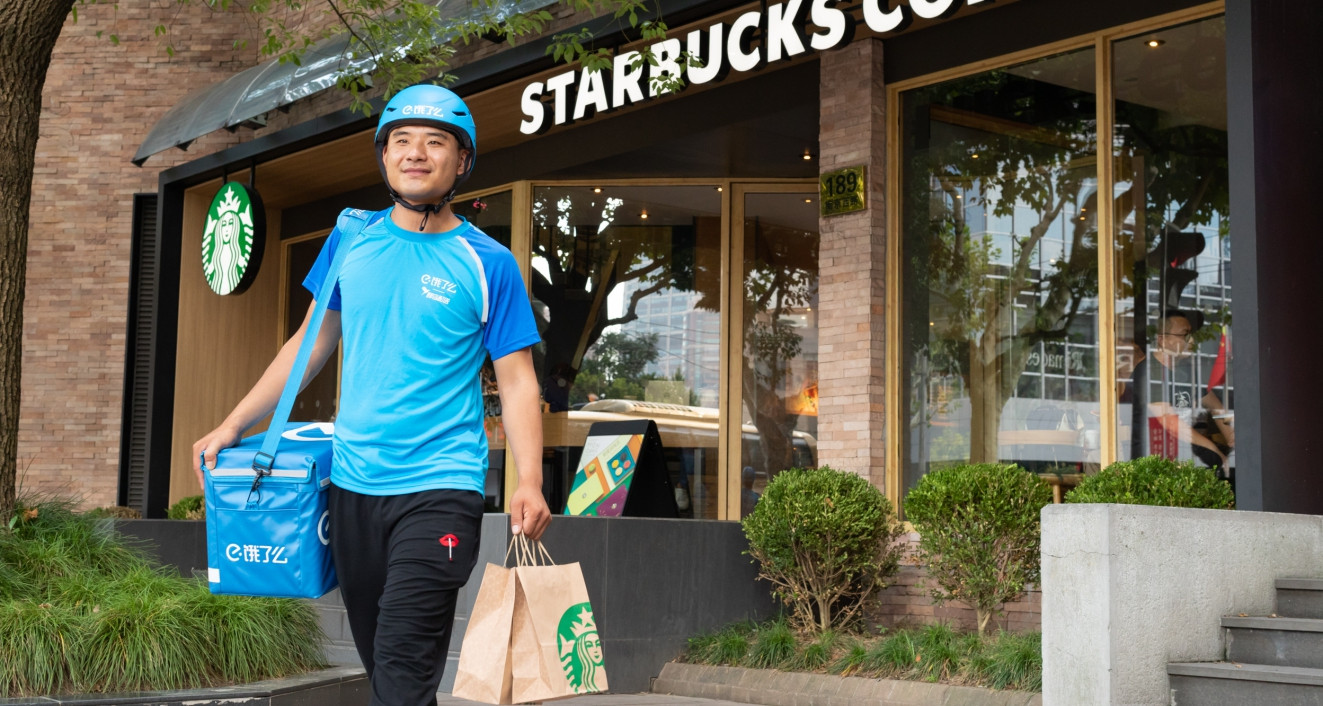
    Starbucks has rolled out a new plant-based menu in selected Asia-Pacific markets. The brand has added two new seasonal plant-based beverages – Oatmilk Cocoa Macchiato and Almondmilk Hazelnut Latte. The beverage range will be available across eight markets: Hong Kong, Indonesia, Malaysia, New Zealand, Philippines, Singapore, Thailand, and Vietnam.

    The new options will remain part of the chain’s core menu in up to seven of these markets when the seasonal promotion ends.

    Starbucks’ new plant-based food options will be sold in five markets: Hong Kong, New Zealand, Singapore, Taiwan, and Thailand. The company says they were created to suit the tastes and preferences of consumers in specific markets.

    They are:
    Hong Kong: Maize Impossible Sandwich, the Spiced Impossible Puff, and vegan chocolate breadstick.
    New Zealand: Mince & Cheese Pie.
    Singapore: Impossible Wrap.
    Taiwan: Beyond Meat Bolognese Penne, the Beyond Meat Sausage Sandwich, and the Beyond Meatball Sandwich.
    Thailand: Beyond Meat Sandwich.

    “As customer demand for plant-based choices increases, Starbucks remains committed to expanding plant-based food and beverage offerings in locally-relevant ways…,” the company said in a statement.

    “This menu expansion is designed to offer our customers the same flavors and handcrafted service they know and love from Starbucks, in a new way,” said Sara Trilling, president at Starbucks Asia Pacific.

    According to Euromonitor, Asia Pacific is the largest market for plant-based milk options as traditions in food culture have been well established.

    Industry manager at Euromonitor said plant-based options are strongly ingrained in Asian culture. Innovation is key to meeting the taste preferences of consumers seeking out new flavors and modern takes on traditional diets.