Retail News CRM

Tag: plant

  • Vietnam’s government approves Samsung extra pouring

    Vietnam’s government approves Samsung extra pouring

    According to SDV’s plan, the firm will carry out the expansion for five years starting in 2018, bringing the sum to be invested in this project to $6.5 billion and making it the largest project invested in by the South Korean giant.

    “Government approval will be officially announced soon,” said Minister-Chairman of the Government Office Mai Tien Dung at a press meeting on February 3.

    The provincial government earlier asked for government permission to offer tax incentives for the additional investment, which will enable the project to be classified as large-scale project.

    The plan for expansion is likely to be finalized as soon as the first quarter of 2017, according to local media.

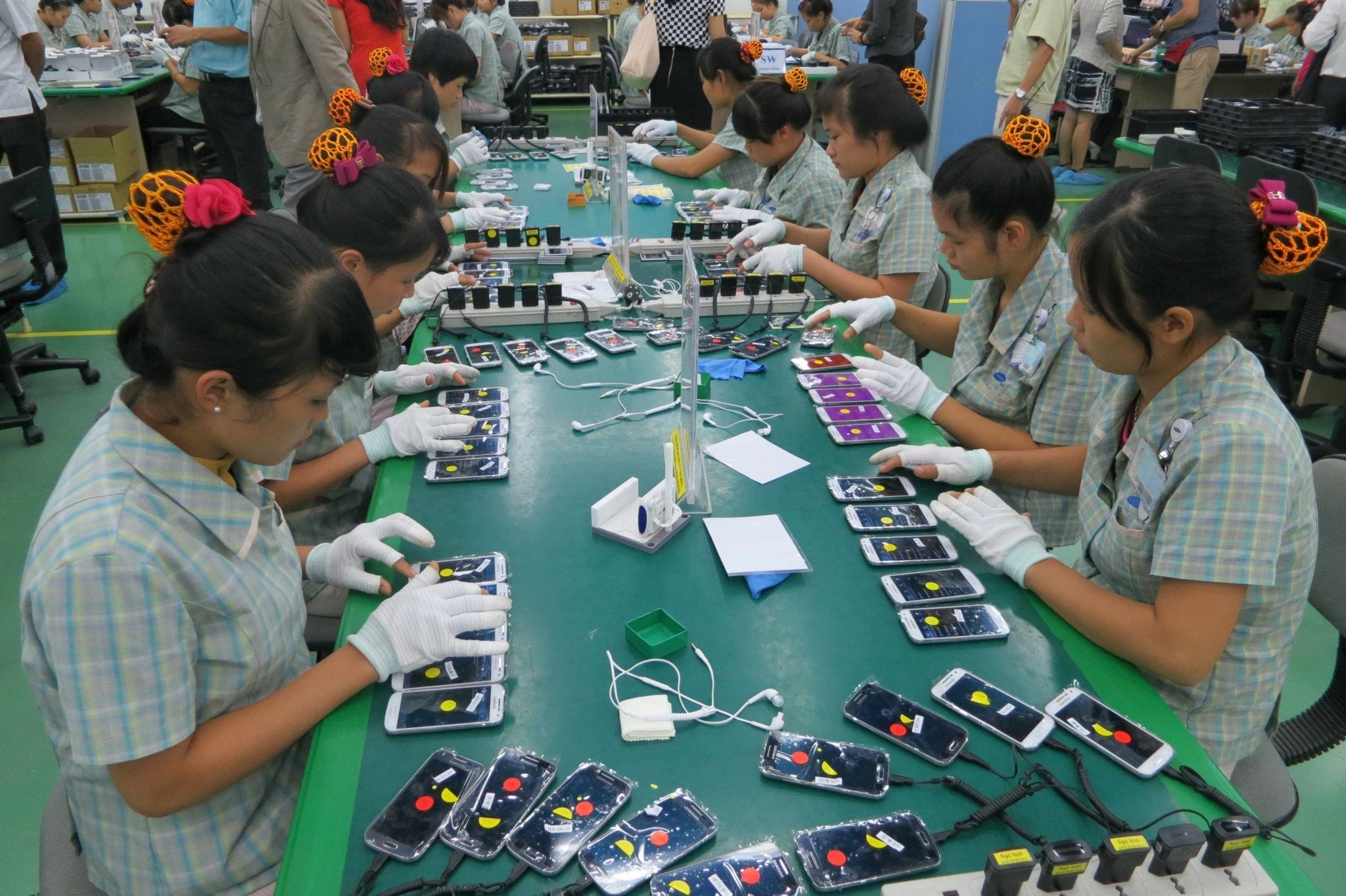
    Samsung Display in 2014 set up the factory to assemble AMOLED panels into modules for use by Samsung Electronics’ smartphone factories in Bac Ninh and Thai Nguyen, which is also in northern Vietnam.

    The AMOLED panels are transported from its factories in South Korea. The South Korean company has dominated the global supply of smartphone AMOLED panels.

    In order to maintain the market status and viewing that Apple is very likely to adopt AMOLED panels for the new iPhone to be launched in 2017, Samsung Display plans to expand the factory of AMOLED modules in Vietnam.

    Companies setting up plants in Vietnam, such as Samsung Electronics, are transforming the country into a manufacturing hub for electronics goods, including smartphones.

    From a trade deficit of $3.5 billion in 2015, Vietnam returned with a trade surplus of $2.68 billion in 2016.

    Wage cost competitiveness is the key reason it’s attracting capital away from countries with worsening demographic transitions in East Asia.

    Institutional reforms have also contributed to making Vietnam more foreign investor friendly.

    Revised investment and enterprise laws have cut the time needed to establish a new business. Lower corporate income tax rates and streamlined payments have also helped.

    South Korean companies have deployed 592 projects worth a combined $8.6 billion in Bac Ninh, accounting for 65.6 per cent of the total foreign direct investment (FDI) in the province.

    Samsung has been the largest single foreign investor in Vietnam, with its investments totaling some $15 billion.

    This is not the first time the Korean giant has asked for incentives for its projects in the country.

    The FDI sector continues to lift Vietnam upwards, with it making a contribution of more than 20 per cent to GDP growth since 2010.

    Last year, disbursed FDI rose by 9 per cent to a record $15.8 billion and committed FDI increased 7.1 per cent, to $24.4 billion.

    The Foreign Investment Agency at the Ministry of Planning and Investment announced that 2,547 FDI enterprises bought stakes of more than 50 per cent in Vietnamese companies or in conditional investment sectors last year, totaling $3.425 billion.

    But while exports rely heavily on specific FDI enterprises, the technology absorption and enhancement of human capital that Vietnam was supposed to acquire from FDI inflows are nowhere to be found.

    Vietnam’s workforce is largely engaged in the final assembly of products for export, which are primarily low value-added, labor-intensive and use low-level technologies.

    The foreign sector plays a crucial role in the Vietnamese economy, but considerable tax incentives granted to overseas investors may lead to distortions of the overall investment climate, the World Bank has said in a report.
  • Coca-Cola Amatil plans to add two new production lines at its Indonesian facility

    Coca-Cola Amatil plans to add two new production lines at its Indonesian facility

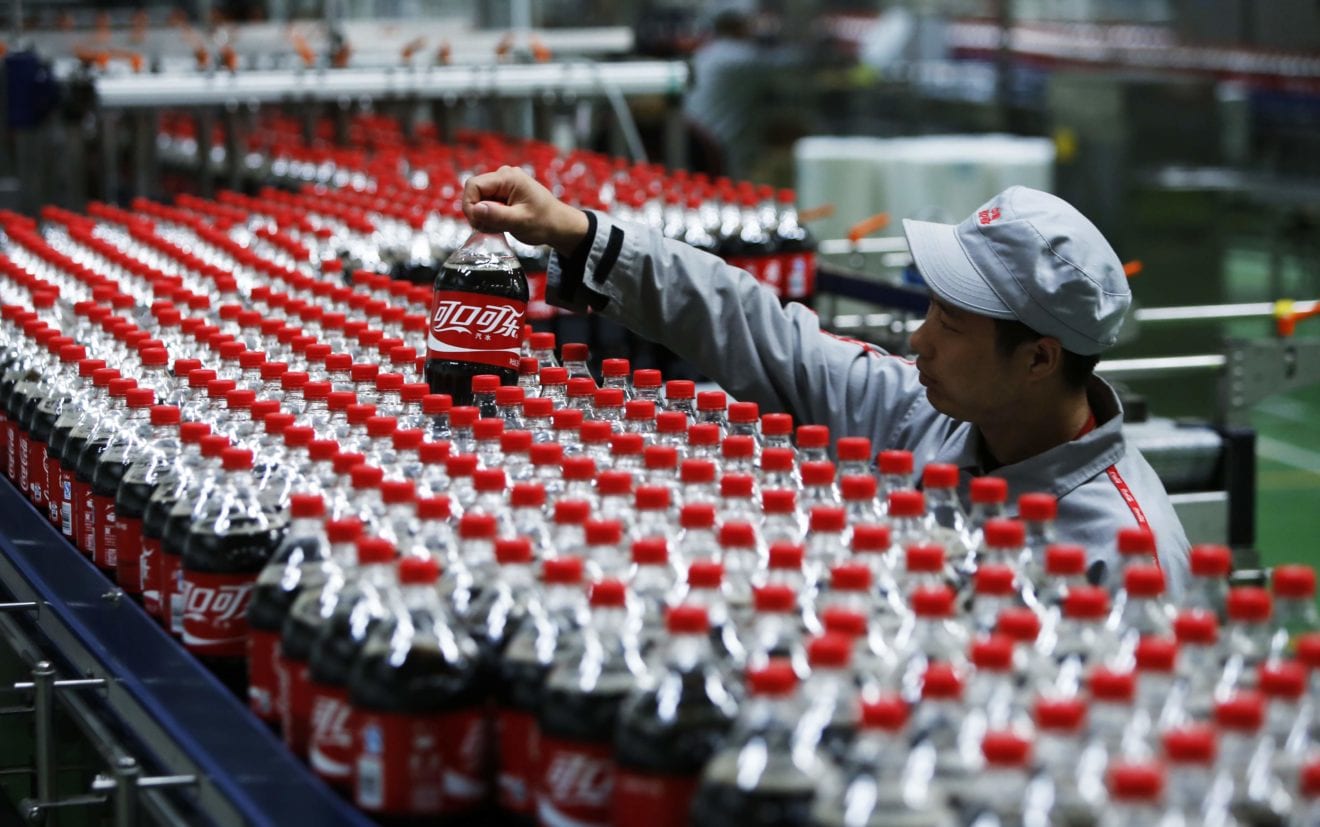
    Coca-Cola Amatil is planning to deploy two new production lines at its Cikekodan Plant in Bekasi, West Java in Indonesia. The expansion of the Cikekodan plant marks the first of the major investments being made by the company in Indonesia.

    Coca-Cola plans to invest around $500m in the country to accelerate growth in the next three to four years.

    Coca-Cola is also planning to invest $63m in the construction of a new distribution center in Surabaya, Indonesia, making it the fourth mega distribution center operated by the subsidiary of Australian-based Coca-Cola Amatil.

    Coca-Cola Company chairman and CEO Muhtar Kent said: “We consider Indonesia a dynamic and promising market and one of the growth engines to achieve our long-term vision.

    “Our company’s US $500 million investment reaffirms our belief in Indonesia and will help us capture the growth opportunity in one of the largest and most dynamic countries in the world as we enable our system to be even more responsive to consumer and customer needs.

    “We believe by creating more jobs and where possible sourcing locally, we can promote the local economy and contribute to economic growth in Indonesia.”

    This latest investment is expected to have give a huge boost to local jobs, taking the Coca-Cola’s total direct and indirect employment in Indonesia from around 60,000 to a total of 135,000 within a span of three to four years.

    However, the investment is yet to receive Indonesian regulatory approval and also subject to CCA non-associated shareholder approval.

    In last October, Coca-Cola announced plans to set up a joint venture with Coca-Cola Amatil’s local Indonesia subsidiary to invest $500m for an equity ownership interest of 29.4%.

    The funding was invested into Coca-Cola Amatil Indonesia (CCAI) operations in Indonesia to expand production, warehousing and cold-drink infrastructure.

    In the past three years, CCAI has commissioned 18 new production lines, installed 150,000 coolers and built three distribution centers to increase production capacity and build local capability with total investments of more than $300m.

    CCA group chairman David Gonski said: “These two new production lines commissioned today are an excellent example of how the US $500 million cash injection is being invested. Coca-Cola Amatil is committed to building a future hand-in-hand with our partners, customers and consumers in Indonesia.

    “The upcoming joint venture is an important step for us in accelerating our efforts to create a strong future for our communities and businesses in the areas in which we operate.”

  • Toyota starts production of new engine at its Indonesia plant

    Toyota starts production of new engine at its Indonesia plant

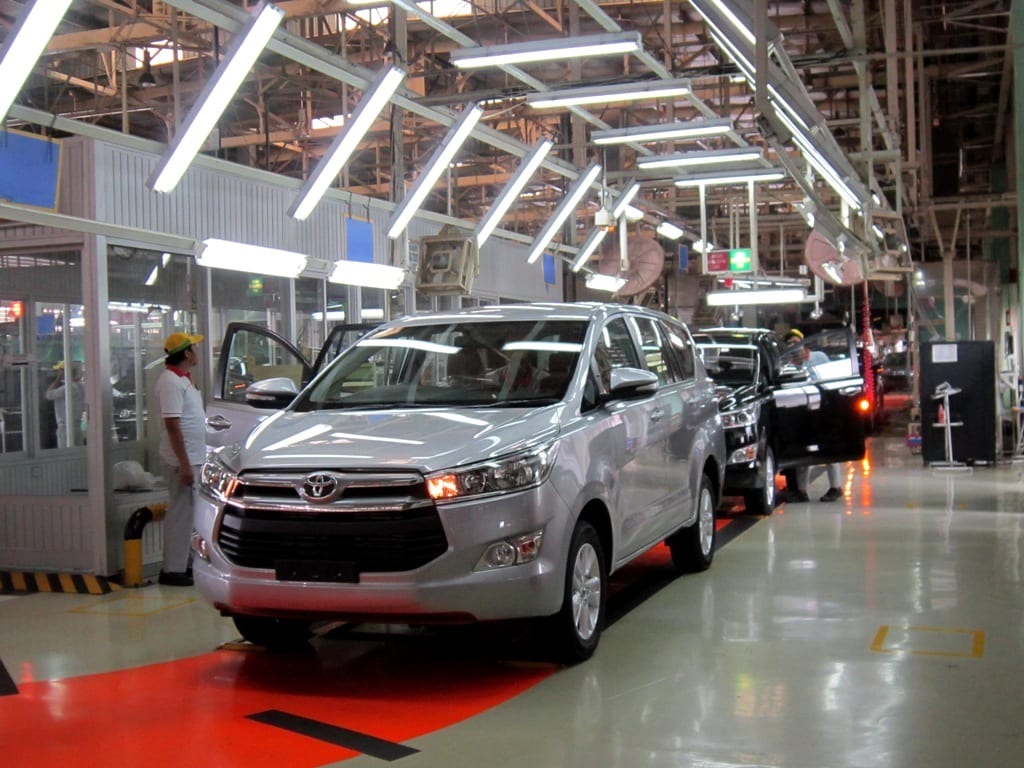
    Toyota Motor Manufacturing Indonesia has commenced production of engines at Karawang plant in West Java.

    Karawang plant has been built at a cost 2.3 trillion Indonesian Rupiah ($172m).

    The plant is expected to produce at least 216,000 engines per year by employing about 400 employees.

    The plant will produce 1.3 and 1.5 liter Toyota NR engines, which the company claims to be fuel efficient.

    According to the company, some of these engines are for export.

    Toyota already has four more plants in Indonesia, with two plants in Sunter and two more plants in Karawang. This is the third plant in Karawang.

    Speaking at the plant’s opening ceremony, Toyota’s senior managing officer Koei Saga said: “Toyota sees TMMIN as one of our core hubs for the production and supply of both vehicles and engines.”

    “Through our operations here, we hope to maintain and strengthen our position as part of the local community here in Indonesia.”

    The Japanese car manufacturer said that it wants to achieve a sustainable growth which is a significant shift from its previous strategy of high-volume production.

    It says that it wants to build plants which are safer and more environmentally friendly where innovative production techniques could be introduced.

    At this plant, Toyota is introducing two major production technologies including on-site melting, which it is deploying for the first time outside Japan.

    The company is introducing a smaller furnace which reduces the risks associated with transporting the molten alloy and improves safety.

    By using smaller furnaces, Toyota has also been able to keep the cost at minimum.

    Toyota is also introducing inorganic sand cores which will be placed inside casting molds to create cavities for final cast components.

    Earlier organic materials were being used which produce tar particles and strong odors. To remove these impurities, large dust collectors and deodorizers are required.

    By introducing inorganic materials, Toyota hopes to reduce the use of these dust collectors and deodorizers.

  • Indonesia’s Largest Solar Power Plant Ready for Operation

    Indonesia’s Largest Solar Power Plant Ready for Operation

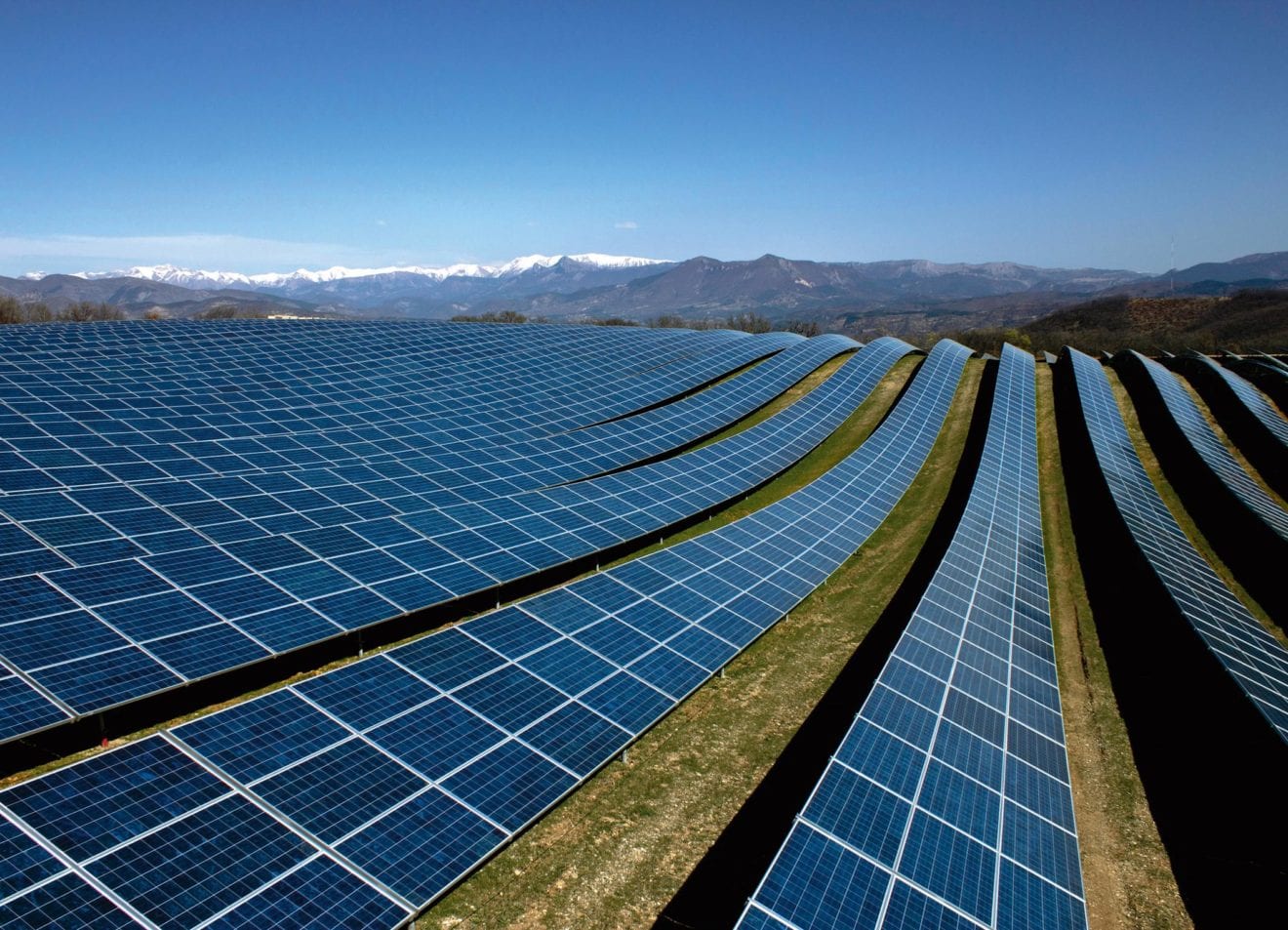
    Indonesia’s largest solar power plant built by PT Len Industri in Kupang, East Nusa Tenggara, is ready for operation as soon as it is inaugurated by President Joko “Jokowi” Widodo.

    Len Industri President Director Abraham Mose said electrical power from the solar power plant with Independent Power Producer (IPP) concept will reach five megawatts. “We will conduct test for power supply of five megawatts this December,” Abraham said.

    Abraham said that his company could finish the power plant’s construction right on time, even earlier than the deadline stated in the contract with the State Electricity Company (PLN) in East Nusa Tenggara.

    Abraham said that Len Industri’s investment value for the solar power plant reaches up to Rp125 billion.

  • Michelin to Open Rubber Plant in Indonesia

    Michelin to Open Rubber Plant in Indonesia

    Michelin will work with Barito Pacific and invest up to US$400 million (Rp5.1 trillion). The plant’s construction is scheduled to start in 2016, with the goal to have it begin operations by 2019.

    Both Michelin and Barito Pacific had also expressed their desire to develop rubber plantations in Jambi and West Kalimantan.

    Michelin plans to establish a joint venture with Barito Pacific’s subsidiary, PT Chandra Asri Petrochemical Tbk.

    Michelin’s plan is expected to help increase the absorption rate of rubber by Indonesian industries.

    Right now, about 20 percent of the national rubber production is consumed by the tire industry; far below Malaysia, China and India’s; each absorbing more than 40 percent of their production.

  • Thailand’s MEGA in JV with Sydna Farma to set up pharma unit in Indonesia

    Thailand’s MEGA in JV with Sydna Farma to set up pharma unit in Indonesia

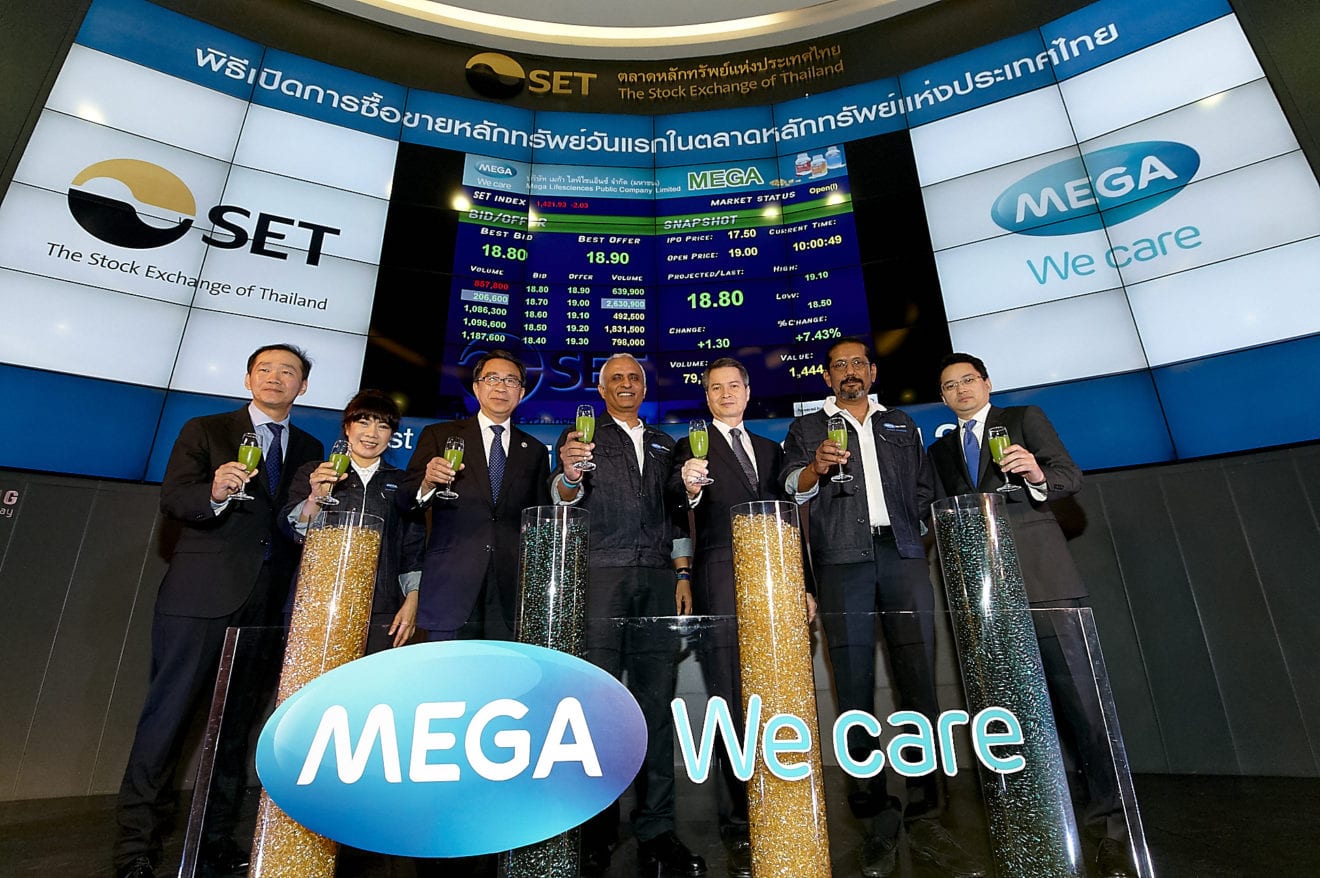
    Thailand-based pharmaceutical firm Mega Lifesciences Ltd (MEGA)  plans to set up a production plant in Indonesia with Sydna Farma. MEGA inked a partnership with the Indonesian Sydna Farma last week for the same.

    The Thai company will hold over 50 per cent in the venture, according to MEGA’s chief executive officer Vivek Dhawan. The firm has earmarked an initial investment of $1 million by early 2017. “As planned, we will take around two years to study the market and do the research and development on our products and set up the plant right after that,” he said.

    Indonesia’s pharmaceutical market is estimated to be around $6.24 billion, taking one-fourth of the total healthcare market at $23 billion. “Indonesia is the largest pharmaceutical market in ASEAN with a strong growth rate of 12.5 per cent per annum. This joint venture will strengthen our presence in this region and drive our growth significantly,” he said.

    MEGA recorded revenues of 7.77 billion baht and net profit of 547.88 million baht in 2014. It hopes the net profit will grow 10 per cent this year riding on  factors such as baht depreciation, lower production cost and the launch of supplementary products. Over 70 per cent of its revenue comes from export and the rest from domestic market, which remained largely unaffected by the slowdown.

    The company hopes to double its revenue and profit in the next five years, following its aggressive expansion in ASEAN and Africa regions. “We see a great potential in Myanmar and in Africa as they still lack of good quality food and medicine. Therefore, the proportion of our revenue from these countries should increase from 10 per cent currently to 20 per cent soon,” he added.

    Each year the company has allocated the budget of $1-2 million for doing research and development on products to boost its market share and profit margin.