Retail News CRM

Tag: play

  • YouTube Premium Lite Expands Offerings: Background Play and Downloads Now Included!

    YouTube Premium Lite Expands Offerings: Background Play and Downloads Now Included!

    Google has recently fortified its efforts to prevent unauthorized access to key YouTube Premium features. However, users will be pleased to know that the tech giant has now decided to provide an official means to obtain one of these sought-after features for a more reasonable price.

    Enhancements to the Premium Lite Plan

    YouTube is broadening the scope of its more affordable Premium Lite plan by incorporating two fundamental Premium features. The more budget-friendly tier now includes background play and download options for the majority of its video content, while maintaining its $7.99 price tag.

    Similar to the ad-free viewing provided by Premium Lite, background play and download abilities are restricted to certain types of content. Shorts, music-related content, and user-created videos featuring content from YouTube’s music partners are excluded from the download or background play features. Additionally, Premium Lite users may encounter ads while viewing music content, Shorts, or while navigating and searching on the platform.

    A Noteworthy Update

    The augmentation of YouTube’s Premium Lite features by Google seems to be a celebratory enhancement, akin to a birthday present for the plan. YouTube initially launched this more affordable subscription tier in March of the previous year, with its availability in fewer markets than the pricier $13.99 YouTube Premium. However, the Premium Lite plan can now be accessed in the United States, Great Britain, India, and approximately 20 other countries worldwide.

    A few weeks prior, Google took action against a popular workaround that let users access the background play feature on YouTube via an external browser. The tech giant had stated that this feature was designed exclusively for YouTube Premium subscribers. But it seems this feature will now be accessible to YouTube Premium Lite users as well.

    Rollout of New Features

    YouTube Premium Lite users may not immediately gain access to the new features. Google has announced that the global rollout began recently and will be fully implemented in the coming weeks.

    Google’s Strategic Move

    Given that many users already subscribe to a music streaming service, it is logical for Google to present a “non-music” YouTube plan that incorporates key Premium features. The Premium Lite tier definitely holds more appeal for those who do not use YouTube for music streaming and are interested in having ad-free podcasts and talk shows playing in the background.

    Questions & Answers

    What new features are being added to YouTube’s Premium Lite plan?
    Answer: YouTube’s Premium Lite plan is now going to include background play and download options for most of its video content.

    Are there any restrictions for Premium Lite users?
    Answer: Yes, background play and download features do not apply to Shorts, music-related content, and user-created videos that contain content from YouTube’s music partners. Also, these users may experience ads while watching music content, Shorts, or while browsing the platform.

    When will Premium Lite users have access to these new features?
    Answer: Google has announced a gradual rollout of these features, which began recently and will continue over the coming weeks.
  • “PepsiCo Ignites Power Play with Mercedes F1 Team: A Trio of Iconic Brands Gear Up for 2026 Partnership”

    “PepsiCo Ignites Power Play with Mercedes F1 Team: A Trio of Iconic Brands Gear Up for 2026 Partnership”

    PepsiCo has recently unveiled a global alliance with the Mercedes-AMG Petronas Formula One Team that will commence in 2026. This marks a first for the company, as three of its brands, Gatorade, Sting, and Doritos, will collectively collaborate with a Formula 1 team. This enduring partnership will incorporate these brands into various aspects of the team’s operations, including hydration plans and fan interaction initiatives.

    Uniting Performance, Energy, and Flavor

    Eugene Willemsen, the CEO of International Beverages at PepsiCo, expressed enthusiasm regarding the partnership. He noted that it symbolizes the unification of performance, energy, and flavor. The collaboration brings together three of PepsiCo’s most prominent brands and the world’s most successful Formula 1 team, both of which share a commitment to performance, innovation, and excellence.

    Gatorade will provide backing for the team’s hydration and performance programs. Sting, on the other hand, will concentrate its efforts on high-growth markets that coincide with the sport’s expansion. Doritos will augment fan experiences and worldwide activations associated with Grand Prix events.

    Alignment of Objectives

    Toto Wolff, the team principal and CEO of Mercedes-AMG Petronas F1, stated that the partnership mirrors the alignment between the team’s objectives and PepsiCo’s brand portfolio. In his words, the brands perfectly align with the team’s belief of chasing ultimate performance through innovation and excellence. He highlighted Gatorade’s expertise in sports science, Sting’s vibrant energy, and Doritos’ cultural significance each as bringing something unique to the partnership. Together, they forge a partnership that not only fortifies the team’s performance, but also amplifies the experience for their global fan base.

    This partnership will utilize the profiles of drivers George Russell and Kimi Antonelli. Russell, with his reliable track record and extensive fan base, together with Antonelli, a representative of the incoming generation of drivers, will be featured in communications, behind-the-scenes content, and fan interaction programs with the three brands.

    Richard Sanders, the Chief Commercial Officer of the Mercedes-AMG Petronas F1 Team, lauded the partnership. He stated that their proficiency in this sector will assist in delivering fantastic experiences for their guests and fans, both on and off the track. He added that this partnership brings real value to how they function on a daily basis and how they connect with people around the world.

    Questions & Answers

    What are the main PepsiCo brands involved in this partnership?
    The three main brands involved are Gatorade, Sting, and Doritos.

    What roles will Gatorade, Sting, and Doritos play in the partnership?
    Gatorade will support the team’s hydration and performance programs, Sting will focus on high-growth markets aligned with the sport’s growth, and Doritos will contribute to fan experiences and global activations linked to Grand Prix events.

    Which drivers’ profiles will the partnership utilize?
    The partnership will leverage the profiles of drivers George Russell and Kimi Antonelli.

  • Google Play Store’s Major Overhaul: New Personalized Hub With Game-changing Features For Gamers

    Google Play Store’s Major Overhaul: New Personalized Hub With Game-changing Features For Gamers

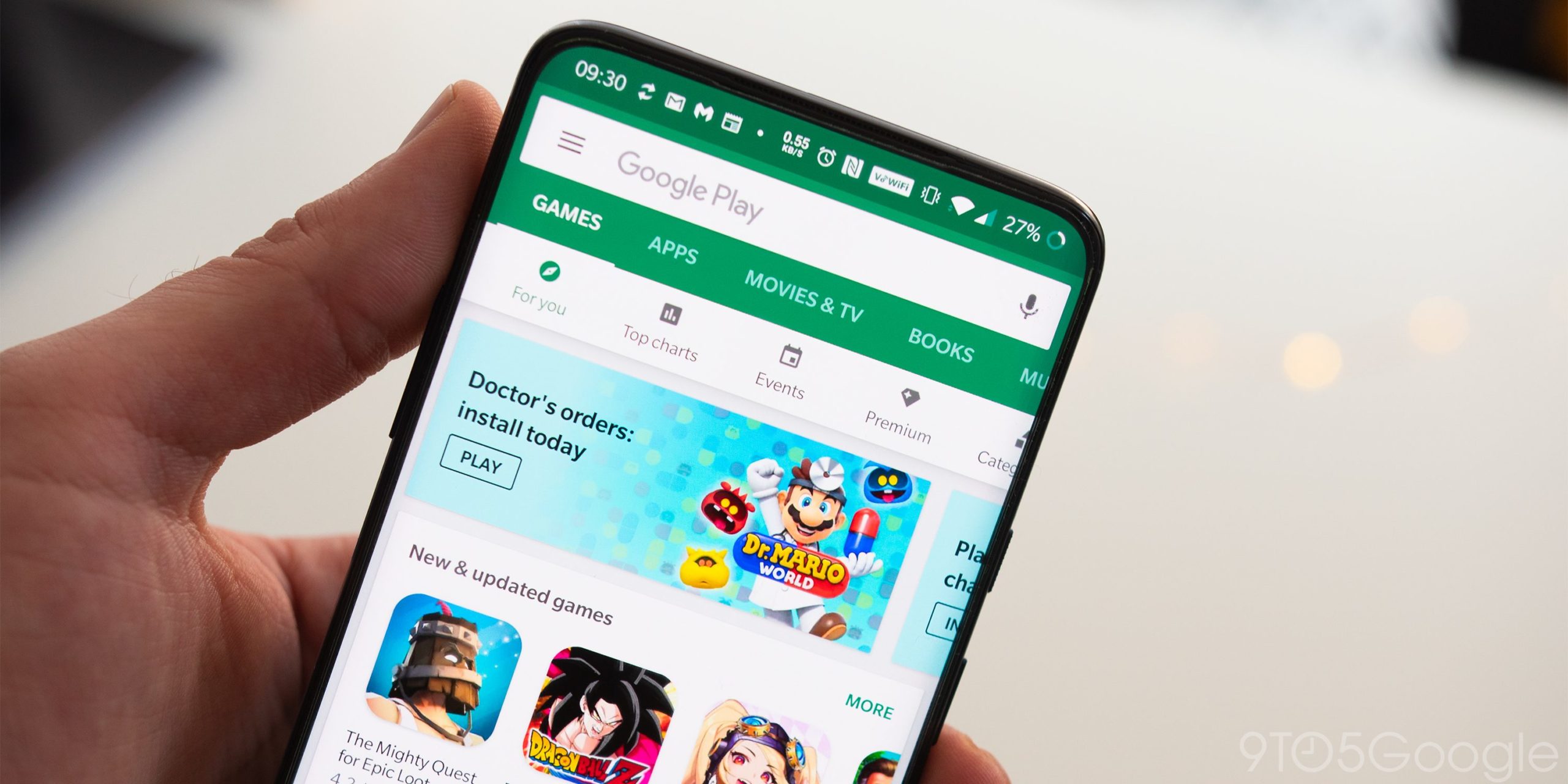
    Google Play Store is undergoing a significant update that will reimagine the platform not just as a place for app downloads, but as a personalized hub for all your content. The update will feature a new “You” tab and a “Sidekick” for gamers.

    What’s New?

    The revamp of Google Play Store features several key updates focusing on personalization and gaming. The update aims to present content without users having to seek it out.

    The primary “Apps” tab is becoming more intelligent. It will feature new sections curated for seasonal topics, visually spotlighting events such as the WNBA playoffs or Halloween, with content aggregated from various apps. The new “Guided Search” will allow users to type in a goal like “find a home,” and AI will categorize relevant apps into useful groups.

    Game-Changing Features for Gamers

    The most substantial transformations are intended for gamers. Google is creating a unified gaming platform embedded within the Play Store. The gaming platform will feature a new gamer profile that tracks stats and achievements across all your games, both mobile and PC. Users can customize these profiles with a Gen-created avatar. A new feature called “Play Games Leagues” will allow users to compete against others in games like Subway Surfers for Play Points rewards.

    The most noticeable addition is the “Play Games Sidekick.” This in-game overlay gives users access to Gemini Live using screen sharing. The feature offers verbal tips and walkthroughs without the need to exit the app.

    The “You” Tab

    All these features culminate in a brand new “You” tab. This personalized home base combines your gaming profile, rewards, and subscriptions with custom recommendations for things like audiobooks and podcasts. It allows users to quickly resume previous activities.

    Questions & Answers

    What is the new “You” tab on Google Play Store?
    The “You” tab is a personalized home base that integrates your gaming profile, rewards, and subscriptions with tailored recommendations, allowing users to resume their previous activities quickly.

    What is the “Play Games Sidekick” feature?
    The “Play Games Sidekick” is an in-game overlay that gives users access to Gemini Live using screen sharing. It provides verbal tips and walkthroughs without the need to exit the app.

    What is the purpose of the Google Play Store update?
    The update aims to transform the Google Play Store into a personalized hub for all user content, with a particular focus on enhancing the gaming experience.

  • Google Play Store may soon use AI to answer your app questions

    Google Play Store may soon use AI to answer your app questions

    Google has been pouring resources into artificial intelligence lately, so it’s no shocker that it wants to weave AI into more of its products. The latest target? The Play Store – the go-to spot for most Android users looking to download apps and games for Android phones.

    A recent report reveals that the latest version of the Google Play Store, 43.3.32-31, has hints of a new AI-powered feature called “Ask a question.” This nifty addition will likely allow users to pose questions about the app or game they’re checking out.

    From the clues found in the app, it seems this feature will appear on individual app listings and search results. Users can expect to see a button or text prompting them to “Ask a question,” leading to an input field where they can type their queries and receive AI-generated responses.

    The AI-generated Q&A feature isn’t available just yet in the Google Play Store, and Google hasn’t officially commented on it. So, there’s no word on when it might roll out to users. However, this kind of functionality makes perfect sense for practical AI applications and could benefit both users and app developers. Fingers crossed, we will see this feature roll out soon.

    I think this feature would indeed be helpful when you’re trying to figure out if an app is right for you. After all, sometimes, you just don’t have the time or patience to sift through long descriptions to find the info you need. With this, you could get straight answers without the hassle.

    Last year, Google rolled out AI-generated review summaries in the Play Store to help users quickly assess whether an app or game suits their needs. Then came AI-powered FAQs, and now this upcoming feature will tie everything together, making AI an even bigger part of the Play Store experience.

  • Apple Pay Later is shut down; replacement is coming later this year

    Apple Pay Later is shut down; replacement is coming later this year

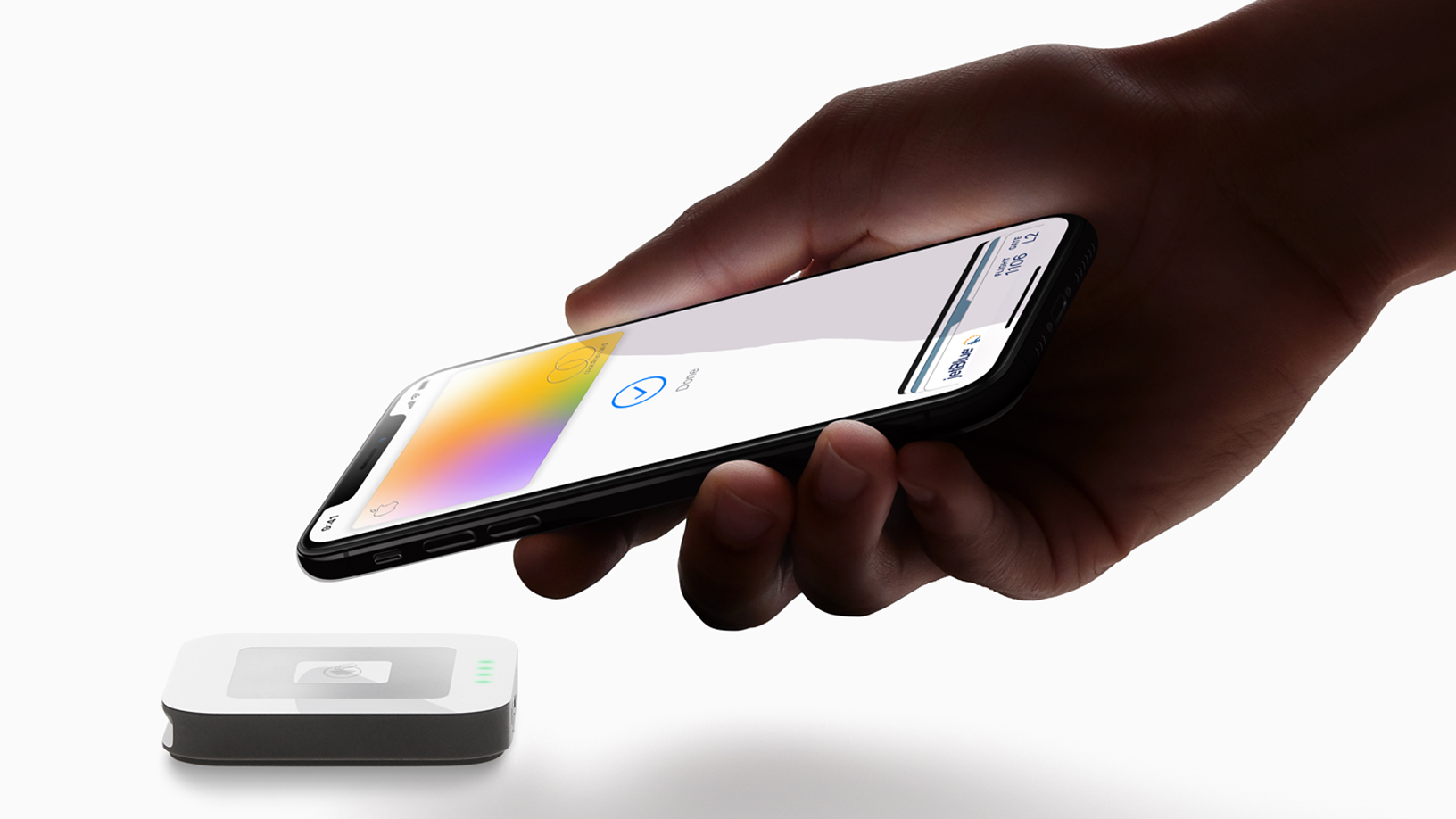
    In March 2023, a preview of Apple Pay Later was unveiled allowing users to borrow from $50 up to $1,000 and repay the debt in four equal amounts over six weeks with no fees or interest charged. By last October, Apple Pay Later was available to all iPhone users. Loans were tracked and payments were made from the Wallet app. Wait, why did we use the past tense when writing about Apple Pay Later? That’s because the feature has been discontinued by Apple starting today. Any loans still open can be paid off via the Wallet app.

    Apple is expected to add new features to Apple Pay later this year including one that will show users installment loans that they can apply for from buy now, pay later firm Affirm, and from credit and debit cards.

    “Starting later this year, users across the globe will be able to access installment loans offered through credit and debit cards, as well as lenders, when checking out with Apple Pay. With the introduction of this new global installment loan offering, we will no longer offer Apple Pay Later in the U.S. Our focus continues to be on providing our users with access to easy, secure and private payment options with Apple Pay, and this solution will enable us to bring flexible payments to more users, in more places across the globe, in collaboration with Apple Pay enabled banks and lenders.”-Apple statement made to 9to5Mac

    While Apple Pay Later was available only to U.S. iPhone users, the new installment loans feature available later this year will be offered in various countries worldwide. During WWDC last week, Apple posted that later this year “The ability to access installments from credit and debit cards with Apple Pay will roll out starting in Australia with ANZ; in Spain with CaixaBank; in the U.K. with HSBC and Monzo; and in the U.S. with Citi, Synchrony, and issuers with Fiserv. Users in the U.S. will also be able to apply for loans directly through Affirm when they check out with Apple Pay.”

    Also looking ahead to later this year, Apple wrote, “Apple Pay introduces even more flexibility and choice for users when they check out online and in-app. Users can view and redeem rewards, and access installment loan offerings from eligible credit or debit cards, when purchasing online or in-app with iPhone and iPad. These features will be available for any Apple Pay-enabled bank or issuer to integrate in supported markets.”

    From the preview in March 2023, Apple Pay Later lasted 447 days. But from the full launch of the service last October, the feature lasted only eight months. My gut feeling is that Apple would rather offer the new installment loans feature coming later in 2024 possibly because it will be available in more countries rather than just the U.S.

  • WhatsApp will soon allow you to preview photos and videos within pinned messages

    WhatsApp will soon allow you to preview photos and videos within pinned messages

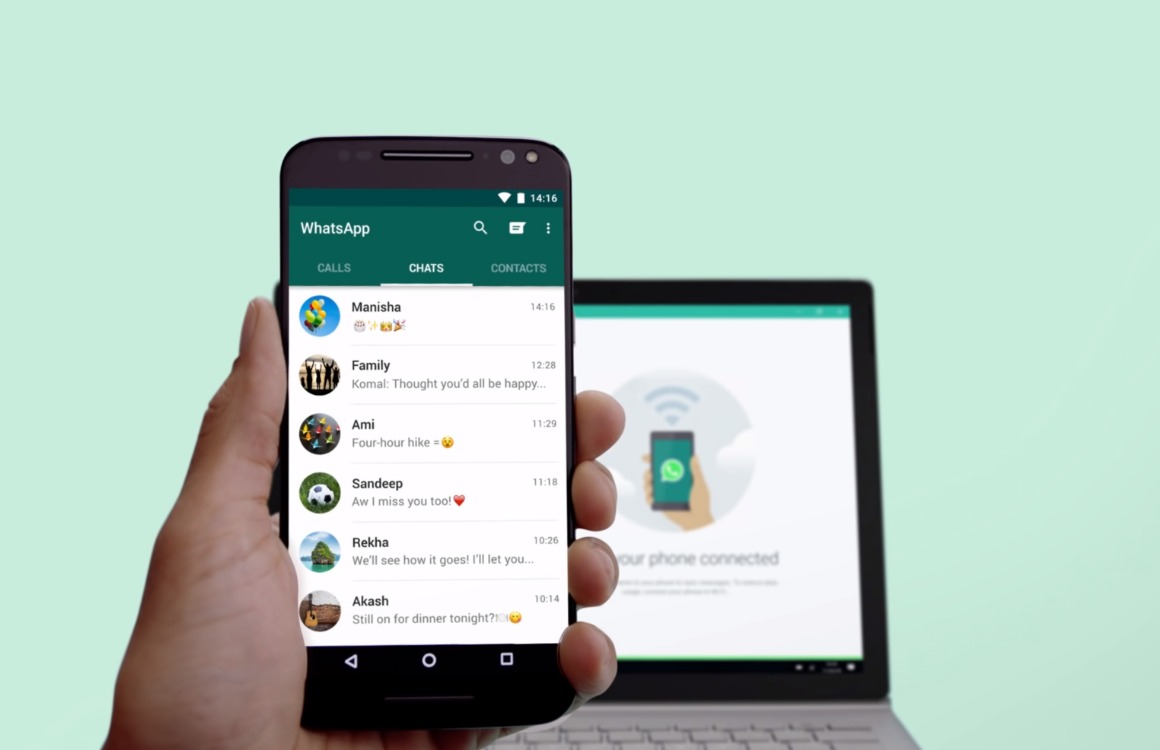
    WhatsApp, the popular messaging app, is continuously testing new features for its large user base, and it usually does that by pushing them first to its beta app available through the Google Play Store. Recently, according to WABetaInfo, the company has been testing a new preview feature for pinned messages that can be found in the latest beta version 2.24.11.12. This new update aims to make it easier for users to manage and access important messages within their chats.

    This feature was first spotted in a previous beta version, 2.24.7.27, and it has now progressed to public testing. By incorporating a thumbnail preview for pinned messages, WhatsApp is taking another step towards enhancing user interaction and organization within chats. This means users will be able to quickly identify the content of a pinned message without having to open it fully, streamlining their messaging experience.

    The thumbnail preview will be particularly useful for media messages, including photos and videos. Users can now instantly recognize the media content directly within the pinned message preview area, saving time and effort. Whether it’s a funny meme, an important document, or a memorable video, the new preview feature is designed to make navigating through pinned messages a breeze.

    This enhancement builds upon previous updates, such as the ability to pin multiple messages and the 24-hour, 7-day, and 30-day pinning durations. While the preview feature is currently available to select beta testers, it is expected to roll out to more users in the coming days. If you’re eager to try it out, you can join the WhatsApp beta program on the Google Play Store and install the latest update. However, do note that availability for this program is almost always full to capacity, however, your mileage may vary.

    WhatsApp continues to innovate and refine its features to cater to the needs of its vast user base. The new preview feature for pinned messages is a testament to the company’s commitment to making messaging more seamless and efficient.

  • It’s now easier to update your apps in the Google Play Store

    It’s now easier to update your apps in the Google Play Store

    The guys over at Mountain View are tinkerers by nature. How else can you explain why there are so many small changes made to the Android UI or the UI on Android apps? These changes are usually made to improve the user experience. And Google has done it again, this time making a small but subtle change to the Google Play Store via a server-side update.
    Such updates are done without the user being involved and typically, a user might spot something different and say to himsel,f “this button didn’t look like this the other day, did it? Or am I seeing things?” The latest such change took place, as we said, in the Google Play Store where the “Update” and the “Update all” buttons have been made larger. The pill-shaped buttons are “plumper” which makes it easier to press when there is a long list of apps to update and there is one specific one you want to have updated first.
    The bigger “Update” and “Update all” buttons can be found on this writer’s Pixel 6 Pro running Android 13 QPR1 Beta 3. If you are still dealing with the “skinnier” buttons, there isn’t much you can do except wait for Google to tap the button that sets off the server-side update for your Android phone.
    To update the apps on your Android phone open the Google Play Store. Tap the round button with your initials or photo on the right side of the search field at the top of the screen. Press on Manage apps & device and you’ll be taken to a page that shows the number of app updates you have ready. Tap on details and you’ll see all of the updates that are ready in a queue. You can tap on each app’s individual (and hopefully plumper) “Update” button or press on the “Update all” button to take care of business with a single press.
  • Netflix brings new Play Something feature to Android users

    Netflix brings new Play Something feature to Android users

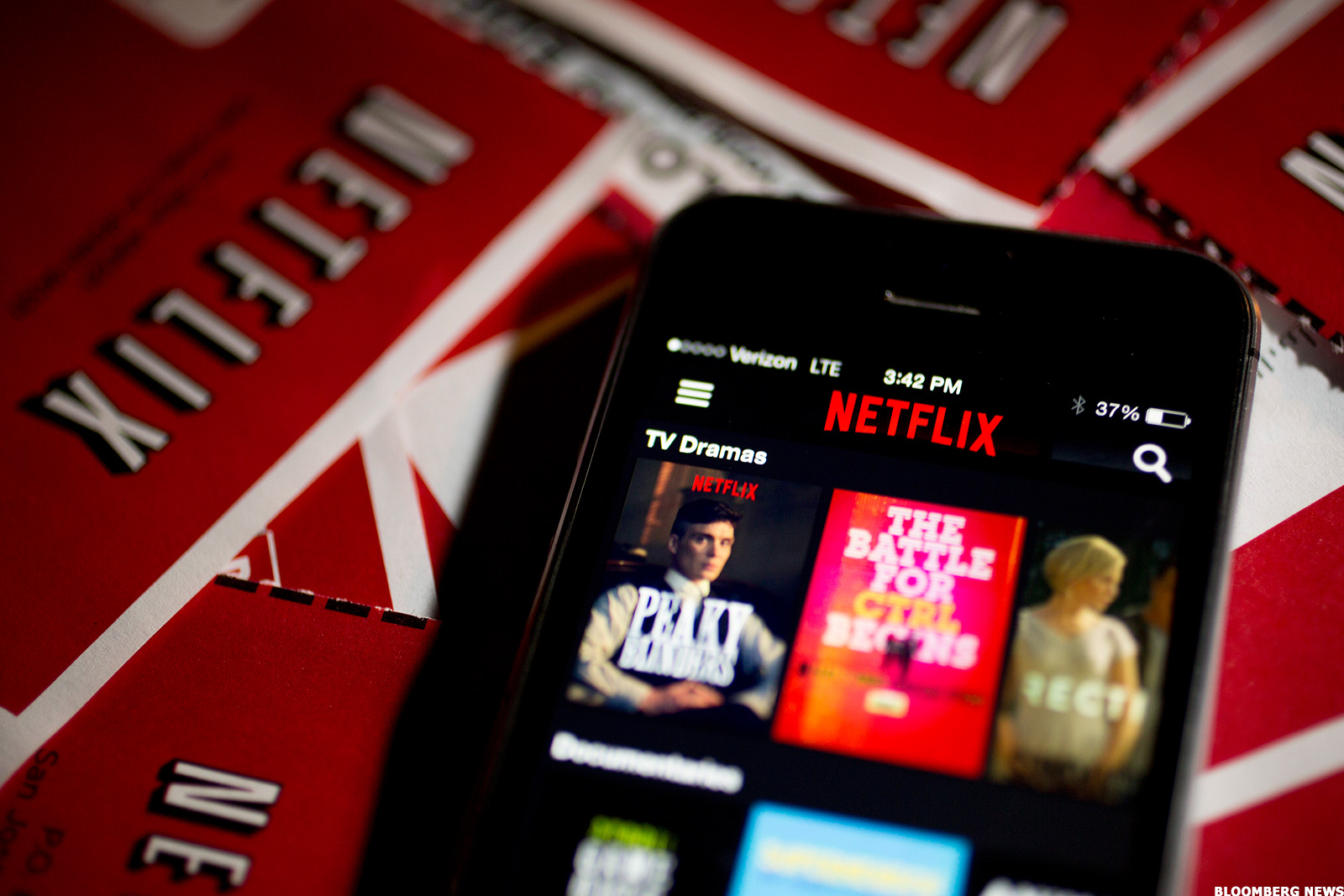
    Play Something is a new feature that Netflix begun testing back in April in select markets on Android devices. Today, the company announced that it will make Play Something available to all Netflix users on Android.

    The new feature is Netflix’s take on the “shuffle” function that many music streaming services offer. Although it’s been available on desktop for quite some time, Play Something has only been added to Android this week.

    Unfortunately, iOS users won’t benefit from the new shuffle feature, but Netflix announced that it will start testing Play Something on iOS in the coming months. This means that it’s unlikely that iPhone/iPad users will be getting a similar feature this year.

    In the same piece of news, Netflix released another feature called Fast Laughs. It’s a TikTok-like feature but for movies and TV shows. Fast Laughs was launched on iOS early this year and it’s now making its way to Android devices in select markets, including Australia, Canada, Ireland, India, Malaysia, Philippines, United States, and the UK.

    Last but not least, the long-awaited Downloads for You tool will be coming to iOS next month, Netflix announced today. Currently, the option to automatically download movies and TV shows to watch offline based on viewing history is only available on Android devices.

  • Google Play Music’s last update helps users get rid of the Android app

    Google Play Music’s last update helps users get rid of the Android app

    Google’s Play Music service is officially dead, but it seems that the Android app needed one last update that will allow users to completely get rid of it. Even those who have already migrated to YouTube Music are required to download the update since this is the only way to permanently hide the app.

    Most likely the last update for the Play Music app enables users to hide the app and all data associated with it. Many Android smartphones come preinstalled with the Play Music app and Google still hasn’t found a way to let people uninstall it, even though the service has been discontinued.

    If you don’t own a smartphone that doesn’t allow you to uninstall the Play Music, then this update is of no use since you probably already removed the app after switching to YouTube Music. The rest of you who can’t do that though should update the Play Music app and then tap the “Hide app” and/or “Delete all local data” options.

    Once both options are selected, the Play Music app should no longer appear in the app drawer. On top of that, you will no longer be able to run the app on your Android phone.

  • Amazon Music Unlimited users are getting a surprising new feature

    Amazon Music Unlimited users are getting a surprising new feature

    Amazon has been competing for years against music streaming services like Google Play Music, Spotify, and Apple Music, hence the large number of resources the US giant has been pouring into development.

    Lately, Amazon Music Unlimited has been gaining a lot of new customers to the point that the service is now just 5 million subscribers away from Apple Music, which recently revealed a 60 million subscriber count.

    But Amazon isn’t stopping here, so the next step is yet another important new feature that only Music Unlimited users will benefit from. Starting this week, Amazon Music Unlimited users will have access to a database of music videos they can watch.

    There’s little information about the new feature, although Amazon does mention that “paid subscribers can start with videos from a favorite artist or a video playlist.” At the moment, music videos can only be watched in the United States, and it’s unclear whether or not the feature will be introduced in other countries too.

  • Face unlock support coming soon to WhatsApp on Android

    Face unlock support coming soon to WhatsApp on Android

    WhatsApp already offers users security features that allows the lock of the app using various methods. The easiest form of protection involves the fingerprint sensor, but there’s another one that’s just as easy to use, yet unavailable for WhatsApp users: face unlock.

    It looks like WhatsApp is recognizing that there are phones that don’t feature a fingerprint sensor, so owners have to rely on other methods of protecting their WhatsApp conversations. If your phone does feature support for face unlock, you’ll be happy to know that you’ll soon be able to use it with WhatsApp.

    A new WhatsApp update has been submitted through the Google Play beta program, which adds two important features. The first one is the ability to join a group call even after you missed the initial invitation.

    The second major feature we expect WhatsApp to release soon is face unlock support. A new “Biometric lock” menu has been added in the new beta version of WhatsApp, which will replace the current “Fingerprint lock” menu.

    The new panel confirms that WhatsApp will let users authenticate with fingerprint, face, or other unique identifiers to open the app. As the title says, the new security features have been spotted in the Android version of WhatsApp, although there’s no telling when they will be available for everyone.

  • Google shuts down Play Music Store, users advised to transition to YouTube Music

    Google shuts down Play Music Store, users advised to transition to YouTube Music

    Despite repeatedly announcing the upcoming closure of Google Play Music, there are probably a lot of people who are still using the music streaming service. Google has been adamant that regardless of whether or not YouTube Music will reach the parity of Play Music feature-wise, those using the latter will eventually have to switch to the former.

    Today, Google took one important step toward the deprecation of Play Music. The search giant announced that the Music store on Google Play is no longer available. If you’re one of the many music lovers who are still using Google Play Music, you have three choices as of today.

    First off, if you wish to continue listening to your Play Music library, discover new music with personalized recommendations, you must transfer your library to YouTube Music. Secondly, if you don’t want to transition to YouTube Music, you can keep your purchased music via Google Takeout. This option allows you to download previously purchased music from Google Play Uploaded tracks, your music wishlist and reviews, a list of the tracks, playlists, and radio stations in your library.

    Finally, there’s also the option to delete your Play Music library and recommendations history from the Google Play Music account settings. No matter which of the three options you choose, you must act by the end of the year, since that’s when the Google Play Music app will no longer be accessible and all data will be lost.

  • Google Play Store update helps parents find content for their shut-in kids

    Google Play Store update helps parents find content for their shut-in kids

    Parents of young children are really having a tough time with the stay-at-home orders. Not only do they have to try and entertain their kids 24/7, but the parents also have to explain to them why they are stuck at home. Most kids that understand death will worry about their own demise and will be frightened at the possibility that their parents could die. Children this young probably should not be allowed to watch or listen to the news.

    To help parents find things for their kids to do, Google announced that starting today, it will be adding a new Kids tab to the Google Play Store. Tapping on the tab will deliver what Google calls “teacher-approved” apps that are “both enriching and entertaining.” Parents can browse the Play Store looking for apps with the “Teacher approved” badge, or they can check the Kids tab when it appears on the Play Store app on their Android devices. The update should be received by U.S. Android users during the next few days and will roll out the feature to international users during the coming months. And those with a Google Play Pass subscription can find such apps under “Apps and games for kids.” Google Play Pass costs $4.99 a month for unlocked access to over 350 apps. While there is normally a 10-day free trial, right now Android users can grab a 30-day free trial of the service throughout the month of April.

    The launch of the new tab was pushed up after Google was told by parents testing it how useful the Kids tab is, especially during the times we live in. Those checking out the tab might not spot their favorite kiddie apps, but Google notes that it is adding new content as fast as possible. Apps in the Play Store that are approved by educators have a page that shows why they received such acclaim. Google explains what age group each of these apps is appropriate for and what makes each individual app fun & engaging. It also notes what makes a particular app creative and the positive emotions elicited by this title.

    Google says, “Today’s announcement wouldn’t be possible without teachers who’ve been working closely with us for the last few years to curate apps that can help kids develop, grow and have fun. We trust teachers to enrich our kids while they’re in school, and we’re grateful they’ve shared their expertise to rate the apps kids use when they’re not in school as well.”

  • Google to bring Play Music’s most useful feature to YouTube Music

    Google to bring Play Music’s most useful feature to YouTube Music

    Google is reportedly testing Play Music’s best feature for YouTube Music, the ability to upload your music library. It’s one of the features that prevent many Play Music users from moving to YouTube Music despite the fact that Google plans to deprecate the former at some point.

    Google is internally testing music library upload for YouTube Music, which suggests the Mountain View company is very close to transitioning Play Music users to YouTube Music, something that should have happened last year.

    The change doesn’t come as a surprise since YouTube Music’s head confirmed that Google plans to allow Play Music users to preserve and migrate their collection, playlists, and preferences to YouTube Music.

    What’s surprising is the fact that Google missed its own imposed deadline and didn’t manage to add this feature to YouTube Music last year. And we don’t even know if the music library upload will even land this year, although the fact that the feature is already being tested internally suggests that we’re not very far from a public release.

  • Tinder swipes left on the Google Play Store’s payment platform

    Tinder swipes left on the Google Play Store’s payment platform

    Dating app Tinder has a UI designed to allow users to make quick decisions on whom to meet. In fact, it has become part of pop culture. Swiping to the right on a profile indicates that you are interested in that person while swiping to the left means that you have no interest. According to Bloomberg, which cited research done by Macquarie analyst Ben Schachter, Tinder’s parent company is swiping left on the Google Play Store’s in-app subscription platform. Similar to music streamer Spotify’s complaint against Apple, Tinder’s parent company, the Match Group, objects to Google taking a 30% cut of in-app revenue generated in its app storefront.

    Spotify took its complaint to the European Union’s competition commission which has opened an antitrust investigation against Apple. But there is a huge difference between iOS and Android. Those using the former are essentially forced to use the App Store while Android users can easily sideload apps. That could be the difference between being called a monopoly or just an opportunist.

    Apple responded by noting that the 30% cut that Spotify CEO Daniel Ek keeps mentioning actually drops to 15% after a year. As a result, Apple claims that a cut of 15% is being applied to only 680,000 Spotify members. These are subscribers who upgraded from the free tier to the premium tier of service between 2014-2016. After that time period, Spotify stopped allowing iOS users to upgrade through Apple’s in-app payment system (iAP). Instead, payments for upgrades must be through Spotify’s website.

    Similarly, those using Tinder are being asked to enter their credit card information directly into Tinder’s own payment platform. While Tinder is free, you are limited to 100 right swipes a day. With Tinder Plus and Tinder Gold, you get unlimited swipes and a few other perks as well. Tinder Gold also allows users to see who has swiped right on their profile. The latter costs $12 per month for a six-month subscription or $10 per month for a year’s subscription. And Match Group has included an ingenious plan to keep subscribers wedded (see what we did there) to its own platform. After the first payment is made through Match Group, every subsequent payment will automatically take subscribers to the platform bypassing the Google Play Store’s payment system.

    If all of this sounds familiar, and for reasons other than Spotify’s complaints against Apple, it could be that what is happening with Tinder reminds you of what Epic Games did with Fortnite. One of the most popular video games ever, Fortnite had to be sideloaded from Epic Games’ own website to be installed on Android devices. This was done to avoid the 30% cut of revenue that Google would have taken on in-app subscriptions.

    More companies are looking to avoid both the App Store and Google Play Store in-app payment systems. Last December, Netflix stopped allowing new and returning subscribers using iOS to pay for their subscriptions using the App Store. And even Apple’s own customers are concerned that the tech giant is forcing them to pay more for apps because of its 30% cut. In fact, a large number of iOS users are part of a class-action suit that claims Apple’s role as a monopoly is forcing them to pay more for apps. The U.S. Supreme Court ruled in May that the suit can continue. Apple argued that it merely distributes apps sold to iOS users by third-party developers. That position helped it win a unanimous verdict from the United States Court of Appeals for the Ninth Circuit, in San Francisco. But the Supreme Court decided that Apple is actually more than just a distributor of apps and cited the contracts it signs with these developers as proof of that.

    Both Google and Apple argue that they are providing a high-profile storefront for developers to sell their apps and that they aren’t being unreasonable for asking them to make contributions to the eco-systems that allow their apps to thrive.