Tag: play

  • Tinder swipes left on the Google Play Store’s payment platform

    Tinder swipes left on the Google Play Store’s payment platform

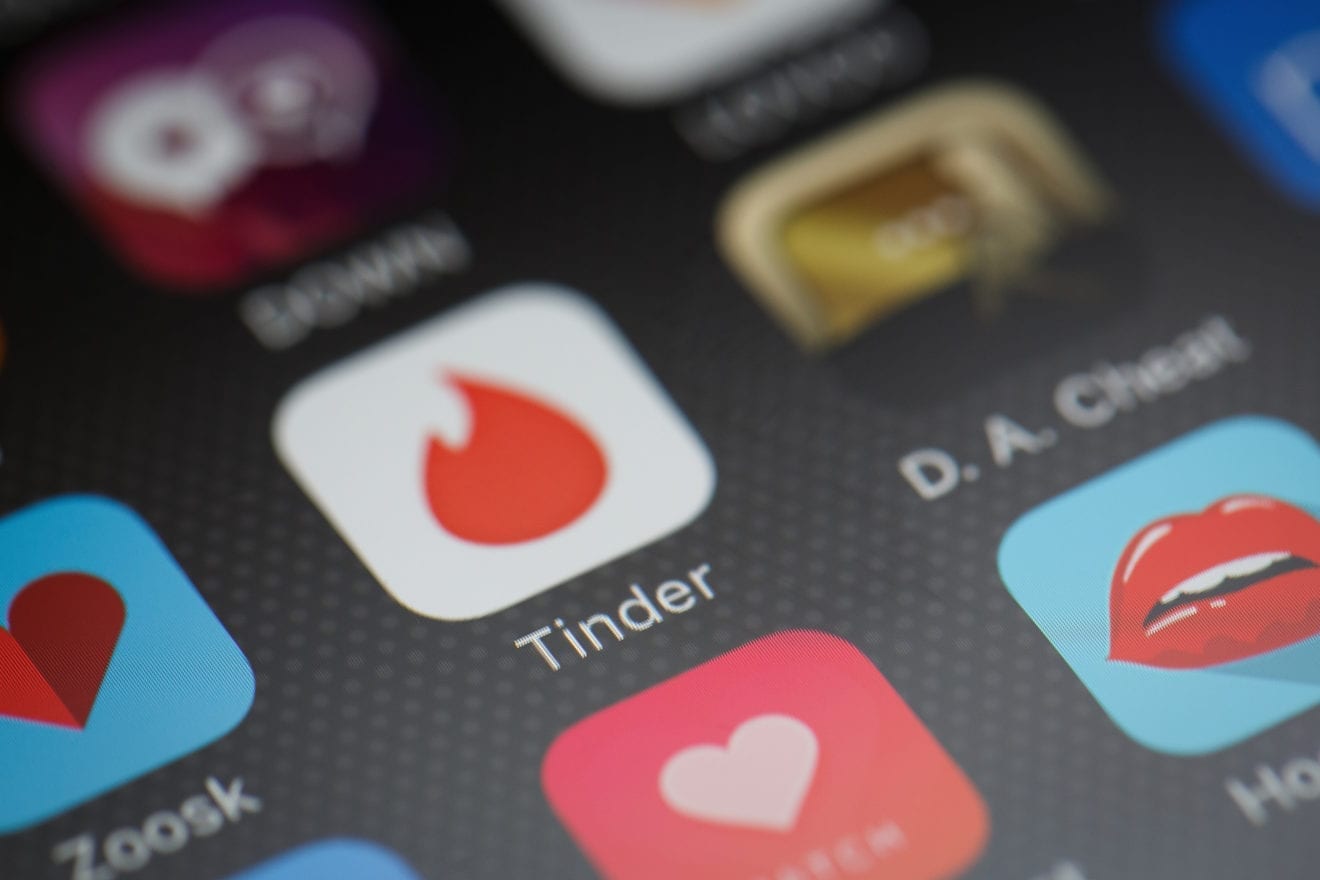
    Dating app Tinder has a UI designed to allow users to make quick decisions on whom to meet. In fact, it has become part of pop culture. Swiping to the right on a profile indicates that you are interested in that person while swiping to the left means that you have no interest. According to Bloomberg, which cited research done by Macquarie analyst Ben Schachter, Tinder’s parent company is swiping left on the Google Play Store’s in-app subscription platform. Similar to music streamer Spotify’s complaint against Apple, Tinder’s parent company, the Match Group, objects to Google taking a 30% cut of in-app revenue generated in its app storefront.

    Spotify took its complaint to the European Union’s competition commission which has opened an antitrust investigation against Apple. But there is a huge difference between iOS and Android. Those using the former are essentially forced to use the App Store while Android users can easily sideload apps. That could be the difference between being called a monopoly or just an opportunist.

    Apple responded by noting that the 30% cut that Spotify CEO Daniel Ek keeps mentioning actually drops to 15% after a year. As a result, Apple claims that a cut of 15% is being applied to only 680,000 Spotify members. These are subscribers who upgraded from the free tier to the premium tier of service between 2014-2016. After that time period, Spotify stopped allowing iOS users to upgrade through Apple’s in-app payment system (iAP). Instead, payments for upgrades must be through Spotify’s website.

    Similarly, those using Tinder are being asked to enter their credit card information directly into Tinder’s own payment platform. While Tinder is free, you are limited to 100 right swipes a day. With Tinder Plus and Tinder Gold, you get unlimited swipes and a few other perks as well. Tinder Gold also allows users to see who has swiped right on their profile. The latter costs $12 per month for a six-month subscription or $10 per month for a year’s subscription. And Match Group has included an ingenious plan to keep subscribers wedded (see what we did there) to its own platform. After the first payment is made through Match Group, every subsequent payment will automatically take subscribers to the platform bypassing the Google Play Store’s payment system.

    If all of this sounds familiar, and for reasons other than Spotify’s complaints against Apple, it could be that what is happening with Tinder reminds you of what Epic Games did with Fortnite. One of the most popular video games ever, Fortnite had to be sideloaded from Epic Games’ own website to be installed on Android devices. This was done to avoid the 30% cut of revenue that Google would have taken on in-app subscriptions.

    More companies are looking to avoid both the App Store and Google Play Store in-app payment systems. Last December, Netflix stopped allowing new and returning subscribers using iOS to pay for their subscriptions using the App Store. And even Apple’s own customers are concerned that the tech giant is forcing them to pay more for apps because of its 30% cut. In fact, a large number of iOS users are part of a class-action suit that claims Apple’s role as a monopoly is forcing them to pay more for apps. The U.S. Supreme Court ruled in May that the suit can continue. Apple argued that it merely distributes apps sold to iOS users by third-party developers. That position helped it win a unanimous verdict from the United States Court of Appeals for the Ninth Circuit, in San Francisco. But the Supreme Court decided that Apple is actually more than just a distributor of apps and cited the contracts it signs with these developers as proof of that.

    Both Google and Apple argue that they are providing a high-profile storefront for developers to sell their apps and that they aren’t being unreasonable for asking them to make contributions to the eco-systems that allow their apps to thrive.
  • Toys ‘R’ Us returning to Australia with online focus and small-format stores

    Toys ‘R’ Us returning to Australia with online focus and small-format stores

    Toys ‘R’ Us and Babies ‘R’ Us are returning to the Australian market through an exclusive licensing agreement with Hobby Warehouse.

    The agreement allows Hobby Warehouse to sell through the Toys ‘R’ Us and Babies ‘R’ Us websites in Australia and New Zealand, including private label products owned by parent company Tru Kids Brands – such as Fastlane, Imaginarium, Koala Baby, and Koala Kids. This is the first time Toys ‘R’ Us and Babies ‘R’ Us have had a presence in the New Zealand market.

    Launching on June 12, the offering will initially be online-only, but Hobby Warehouse plans to launch smaller-format ‘experience centres’ for Toys ‘R’ Us and Babies ‘R’ Us beginning in 2020.

    “We are delighted to bring the much-loved brands of Toys ‘R’ Us and Babies ‘R’ Us back to Australia and introduce them to New Zealand,” Hobby Warehouse chief executive and Toys ‘R’ Us Australia director Louis Mittoni said.

    “Our mission is to encourage children to engage with as many forms of play as we possibly can. Hobby Warehouse is a digital native with a keen understanding of how to accelerate and match the requirements of the modern shopper.”

    Tru Kids executive vice president of global licensing and general counsel James Young said that Mittoni and his team have a strong digital vision, and understand the heritage of the Tru Kids brands, as well as how to evolve this heritage for the modern consumer.

    “This is an exciting milestone for our company as we continue to grow Toys ‘R’ Us and Babies ‘R’ Us around the world,” Young said.

    The Toys ‘R’ Us Australia management team. Left to right: Toys ‘R’ Us marking manager Tristan McLindon, Toys ‘R’ Us Australia director Louis Mittoni, Mittoni Pty Ltd general manager Lian Yu and Toys ‘R’ Us Australia chairman Kevin Moore

    Tru Kids Brands president and chief executive Richard Barry confirmed in February that the company had begun discussions with partners in Australia, and that the brand would focus on serving customers through all retail channels.

    Prior to its demise, Toys ‘R’ Us was the largest toy retailer in the country with a market share of over 20 per cent, according to IBISWorld senior industry analyst Kim Do.

    The retailer will be returning to a very different market, however, with its collapse changing the way consumers shop for toys.Adtech Ad

    “The company’s decline… accelerated the rate at which department stores and online-only retailers have captured market share, as consumers have shifted their spending away from industry retailers,” Do said.

    The shift away from physical retail, and towards a more online-centric offer, should make the retailers re-entry smoother.

    “Previously, the Toys ‘R’ Us and Babies ‘R’ Us business model in Australia was focused primarily on large physical retail stores which had high fixed costs and extended periods of relatively low sales due to seasonal factors,” said commercial advisor Kevin Moore, who helped negotiate the agreement.

    “Going forward, the business model for Australia and New Zealand will be online focused, with smaller and fewer physical ‘experience centres’ that allow children and their families and friends to see and touch our products.”

    According to IBISWorld data, the toy and game retailing industry is expected to see a revenue drop of almost 16 per cent over 2019, with the market expecting to generate around $740 million – down from the $880.2 million seen in the prior year.

  • Google Assistant brings its bedtime stories to Smartphones

    Google Assistant brings its bedtime stories to Smartphones

    One of the major Google Assistant features aimed at children, the ability to tell them stories, made its way to Google Home smart speakers about two years ago. Starting this weekend, the so-called Tell Me a Story feature, which is available in English, will be coming to Android and iOS phones in the US, UK, Canada, Australia and India.

    To activate the feature, simply say “Hey Google, tell me a story,” but you can also use the “Hey Google, tell me a bedtime story” if you want to get your kids ready for bed. Before you’ll be able to do that, make sure that you have the latest version of Google Play Books for Android or iOS installed.

    In addition to being able to listen to bedtime stories, families in the United States will be given access to a feature called read along, which is available on all Google Home smart speakers, including Home, Mini, Max, and Hub. Thanks to this feature, your bedtime stories will be more immersive since Google Assistant will add sound effects as you read select Disney Little Golden Books aloud, such as Coco, The Three Little Pigs, Alice in Wonderland, and many more.

    If you want to use read along, you’ll have to use a different command: “Hey Google, let’s read along.” You’ll also be able to ask Google Assistant to read an audiobook on Google Play by saying “Hey Google,” and you’ll hear a free sample if you don’t already own the audiobook.

    Keep in mind that audiobooks are available on Google Assistant in English in the US, Australia, Canada and Great Britain, in addition to German and Japanese.

  • Google Maps update brings Nokia’s classic Snake Game

    Google Maps update brings Nokia’s classic Snake Game

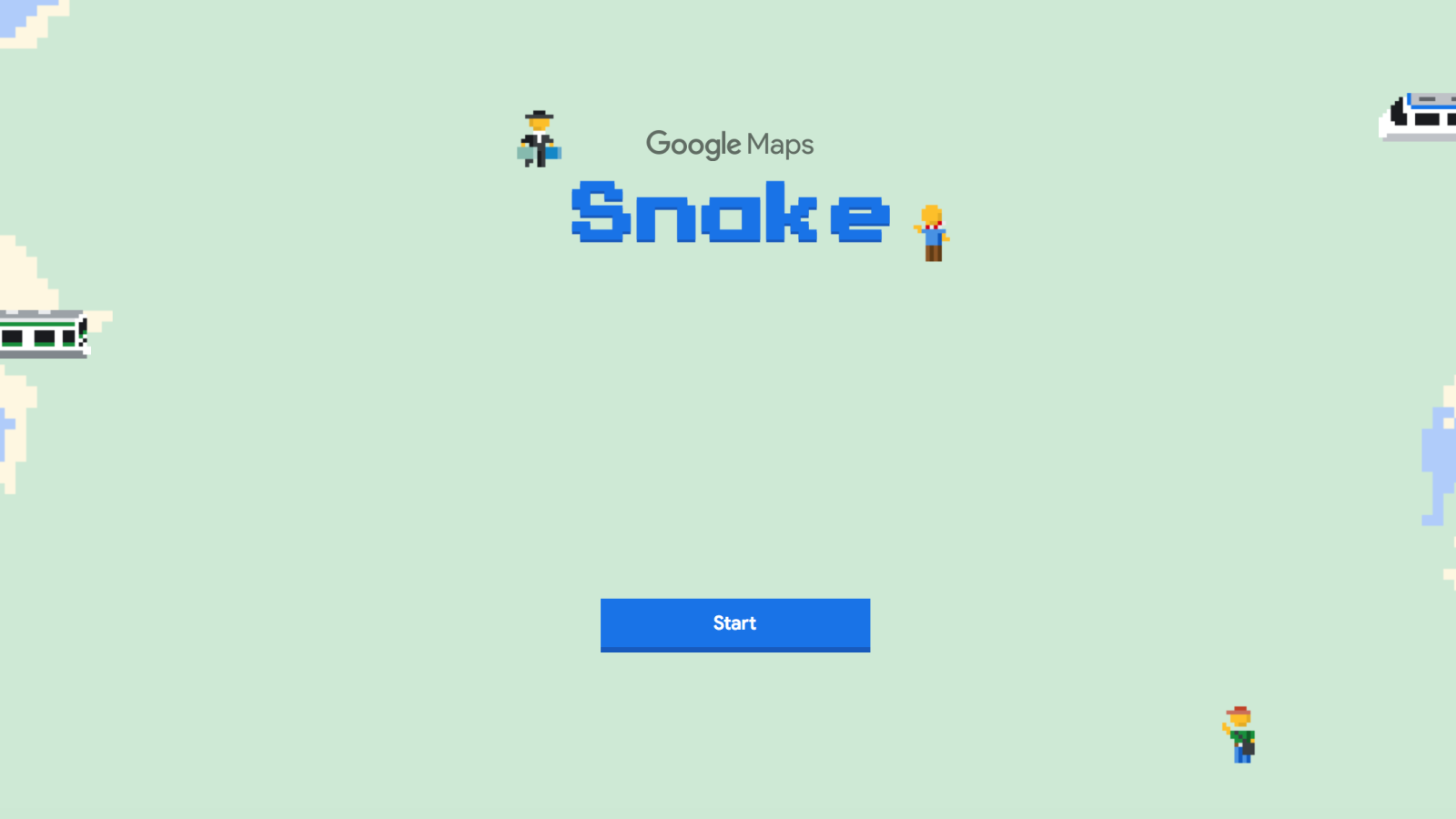
    The classic Snake game that made its debut on Nokia phones back in 2007 and achieved popularity not long after, is now available to all Google Map users. Well, let’s say that a very improved version of that game can now be played by Android and iOS users directly in Google Maps.

    Apparently, Google continues the tradition of celebrating April Fools with a long-lasting gag that will be available to those using some of its services on mobile and desktop. This year Google has decided to make Maps the main platform of its gag.

    All Android and iOS users will be able to play Snake on their phones and achieve high scores by picking up as many passengers and visiting as many iconic locations as possible. You’ll be able to play in different locations across the world, such as Cairo, London, San Francisco, Sao Paolo, Sydney, and Tokyo, or simply choose to play in the World.

    In order to start playing Snake, you’ll have to open the Google Maps app, tap on the menu icon on the top left corner, then select “Play Snake” to start playing directly in the app.

    Depending on what city you chose to play in, you’ll have to gather passengers with your ever-growing train and visit important locations around the world, including Big Ben, the Great Sphinx of Giza, and the Eiffel Tower.

    The Snake game is now rolling out worldwide on Android and iOS and will be available from within the Google Maps app for about a week.

  • Google yanks controversial app from the Play Store

    Google yanks controversial app from the Play Store

    Axios revealed last week that Google has removed the Living Hope Ministries app from the Google Play Store. Those who installed the app could listen to recordings of sermons and view texts of devotionals for men, women, parents and their children. However, despite the Ministry’s denial, the app was also known for offering gay conversion therapy. This is a controversial method that some (including Vice President Mike Pence) believe will convert gay and bisexual men and women to a heterosexual orientation. The conversion is done by a brainwashing-like technique that uses psychology and religious belief to pound messages into subjects over and over again. Some say that this technique is harmful, ineffective, and could lead to depression, drug use and suicide.

    Meanwhile, Google’s action came after 142,212 people signed a petition on Change.org that called for the app’s removal. Several LGBTQ organizations also demanded that the app is removed. But Google did not respond immediately; it took months of protesting before the company finally followed the lead of other tech firms that had already removed the app from their storefronts such as Apple, Microsoft and Amazon.

    “It took months of activism by Truth Wins Out and Change.org, and today Human Rights Campaign, to get Google to pull a conversion therapy app. I called Google out in the press about this in January. They took no action. Credit is due for finally acting — but Google now needs a serious internal audit examining why it delayed so long.”-Sen. Brad Hoylman.

    “After consulting with outside advocacy groups, reviewing our policies, and making sure we had a thorough understanding of the app and its relation to conversion therapy, we’ve decided to remove it from the Play Store, consistent with other app stores.”-Google

    Before the Human Rights Campaign fought for the removal of the app, it had given Google a perfect 100% score for its annual Corporate Equality Index. The score was based on Google’s offering of health benefits for same-sex couples, and for providing health care to Transgender employees. However, the organization pulled its support for Google because it would not originally remove the Living Hope Ministries app.

  • Apple Music is rapidly growing in popularity on Android

    Apple Music is rapidly growing in popularity on Android

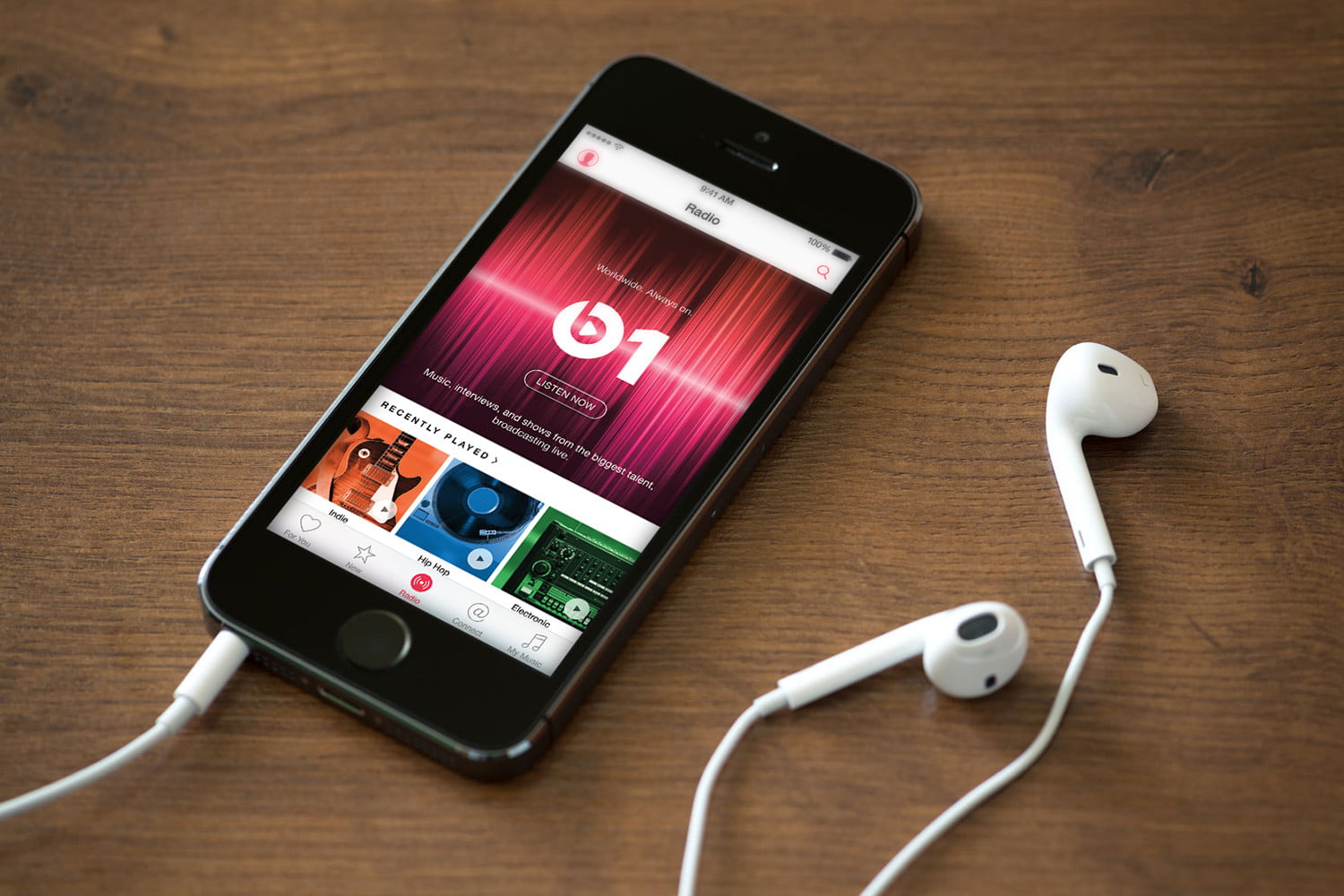
    Apple unveiled a ton of interesting stuff at a (Hollywood) star-studded event yesterday, but much to the disappointment of iPod Touch fans and potential AirPower buyers, not a single hardware announcement was made on stage in the Steve Jobs Theater during this “Show Time” shindig. While Apple’s focus on the so-called “services” business has sharply increased over the past year or so, it’s safe to assume the company’s TV+, News+, and Arcade platforms wouldn’t have happened were it not for the success of Apple Music.

    Released back in 2015 in more than 100 countries around the world, the music streaming service quickly emerged as the primary challenger to Spotify’s throne. Almost four years later, the global subscriber gap between the two remains pretty large, but Apple Music continues to make great strides in the US, as well as on other platforms apart from iOS.
    After expanding its support to Alexa-powered smart speakers, the service recently crossed an interesting milestone on Android, according to Sensor Tower estimates. Even though the app isn’t exactly well-reviewed in Google’s Play Store, with a mediocre 3.5-star average score based on over 280,000 ratings, a whopping 40 million Android users in total have reportedly tried out Apple Music since its 2015 debut. That’s not bad for something that’s only gained Android tablet compatibility a couple of months back.
    What’s perhaps even more impressive is that quarterly Android installs have apparently begun to surge again after a temporary but steep decline in late 2017 and early 2018. In fact, Q1 2019 could be Apple Music’s best-ever three-month period in terms of Google Play downloads, which are expected to reach 3.8 million by the end of March. That would represent an increase of half a million downloads from the final quarter of last year and an incredible 1.5 million more installs than back in Q2 2018.
    Obviously, it’s unclear how many of these downloads typically end up converting into long-term paid subscriptions, but that figure is also up, so there’s definitely a correlation between the two, even when not taking iOS usage and install numbers into consideration.
  • Apple Music for Android update brings a slight redesign

    Apple Music for Android update brings a slight redesign

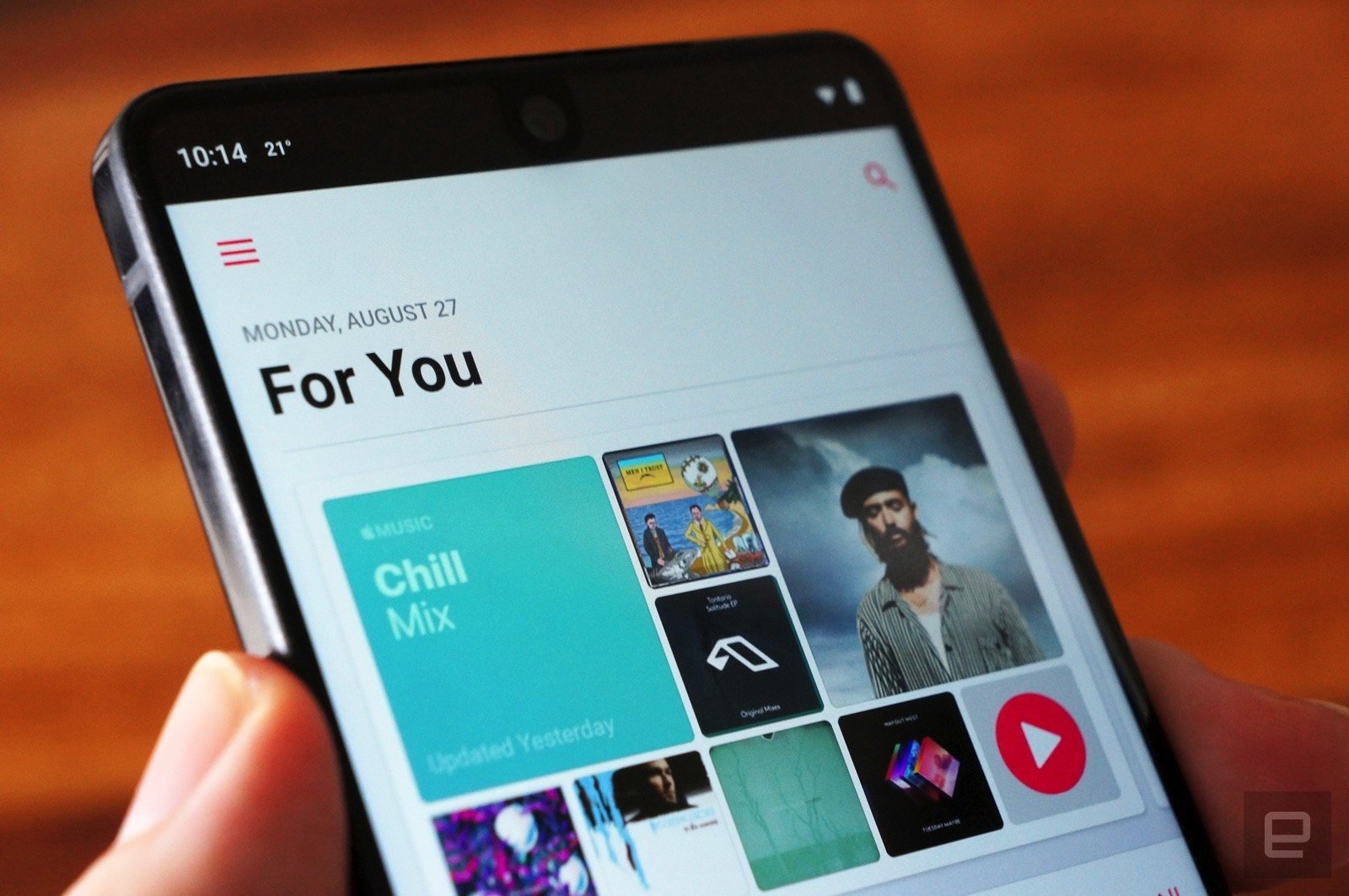
    Judging by the reviews left by Android users on Apple Music’s page in the Google Play Store, the app isn’t on par with the iOS version. However, it looks like Apple is making efforts to make the users experience as satisfying as possible.

    The latest update released today brings a slight redesign of the Browse tab and support for more devices. The update adds a new Browse tab that was initially made available on the iOS version of Apple Music.

    The Browse tab contains more editorial highlights which are supposed to make it easier for Apple Music users to find playlists and new music they might like. With the new tab, starting to play music becomes a breeze as it removes a few clicks previously needed.

    The second major change included in the update is support for Chromebooks. If you own one, you’ll now be able to access Apple Music from Chrome OS. Last but not least, Apple mentions that it squashed some bugs as well, so expect fewer issues with the app after you download the update.

  • Globe opens its first Esports Center

    Globe opens its first Esports Center

    The Philippines’ Globe Telecom has announced the launch of its first Esports Center, aimed at supporting various local esports communities.

    The Esports Center at Play Nation in the UP Town Center in Quezon City will offer various initiatives including esports competitions, as well as support helping gamers create live streaming content and interact with other members of different esports communities.

    Globe SVP and head of content business group Nikko Acosta said the facility will help Globe’s Games and Esports division achieve one of its key goals of strengthening support for esports in the Philippines in cooperation with various fan communities.

    “We want to bring together different communities of popular games like Arena of Valor, Rules of Survival, League of Legends, and Tekken – among others – in one venue to upgrade their knowledge and gauge their skill levels with others through peer learning of new strategies and techniques,” he said.

    “We are positioning esports as a real sport, to make a gamer into a real athlete harnessing both physical and mental attributes by playing it right,” Acosta added, mentioning the company’s #PlayItRight advocacy campaign, which seeks to emphasize the importance of discipline, nutrition, physical wellness, and cognitive development in esports.

  • First Sony Lounge opens in Malaysia

    First Sony Lounge opens in Malaysia

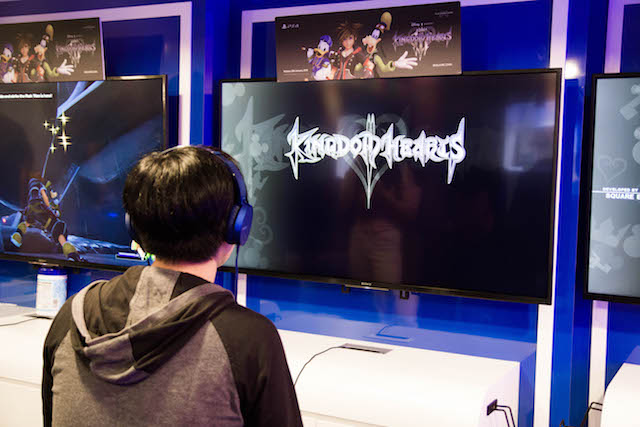
    Sony has opened its first Play Everything Lounge by PlayStation in Southeast Asia at Sunway Pyramid. The lounge, operated by Sony Interactive Entertainment’s local office, will be open until February 17. Sunway Malls and Theme Parks CEO HC Chan said he was honoured the mall has remained a mall-of-choice for experiences. “The partnership with Sony Interactive Entertainment signifies a true collaborative curation by two of the leading names of the industry. It is our privilege to work with a world-renowned gaming giant to bring another dimension of experiences for our shoppers. It is important for malls to go beyond conventions to stay relevant.”

    Sony’s regional head Hidetoshi Takigawa noted the strong performance of the PlayStation business in Malaysia, and said the Sunway Pyramid store is a means for the brand to engage with its local fans.

    Southeast Asia’s first PlayStation Experience was held in Kuala Lumpur last year.

    Gaming tournaments, community engagement activities and unreleased game trials are expected to be held in the space. A virtual reality area allows visitors to try Sony’s PlayStation VR gaming system for PlayStation 4.

    View the image of the lounge below (6 pictures) :

  • Toys R Us reopened in Brunei

    Toys R Us reopened in Brunei

    Toys R Us Brunei has relaunched its Mabohai Shopping Complex store. The reopening, after extensive redesign and renovation works, attracted long queues of shoppers hoping to pick up special deals promoting the event. Along with the reopening, the store has expanded its product range by 70 per cent.

    Toys R Us (Singapore) group country director Raymond Burt reassured customers the brand is “here to stay”.

    “We have been in Brunei for around six years and we have re-signed our lease here at Mabohai Shopping Complex. We have also reinvested in the store and spent quite a bit of money to bring the latest design of the market to the store. We have renovated the store with a layout that is segmented by age for children, to make it easier for customers to shop.

    “We have updated the design and signage as well as added elements of interactive play that we didn’t have before.”

    Toys R Us operates 67 stores in Asia and has 18 new stores planned for launch by the end of the year, the majority in China. It is part-owned by Fung Retailing and not affected – as yet – by the collapse of the company in the US.

  • Omantel taps Redknee for multi-play monetization

    Omantel taps Redknee for multi-play monetization

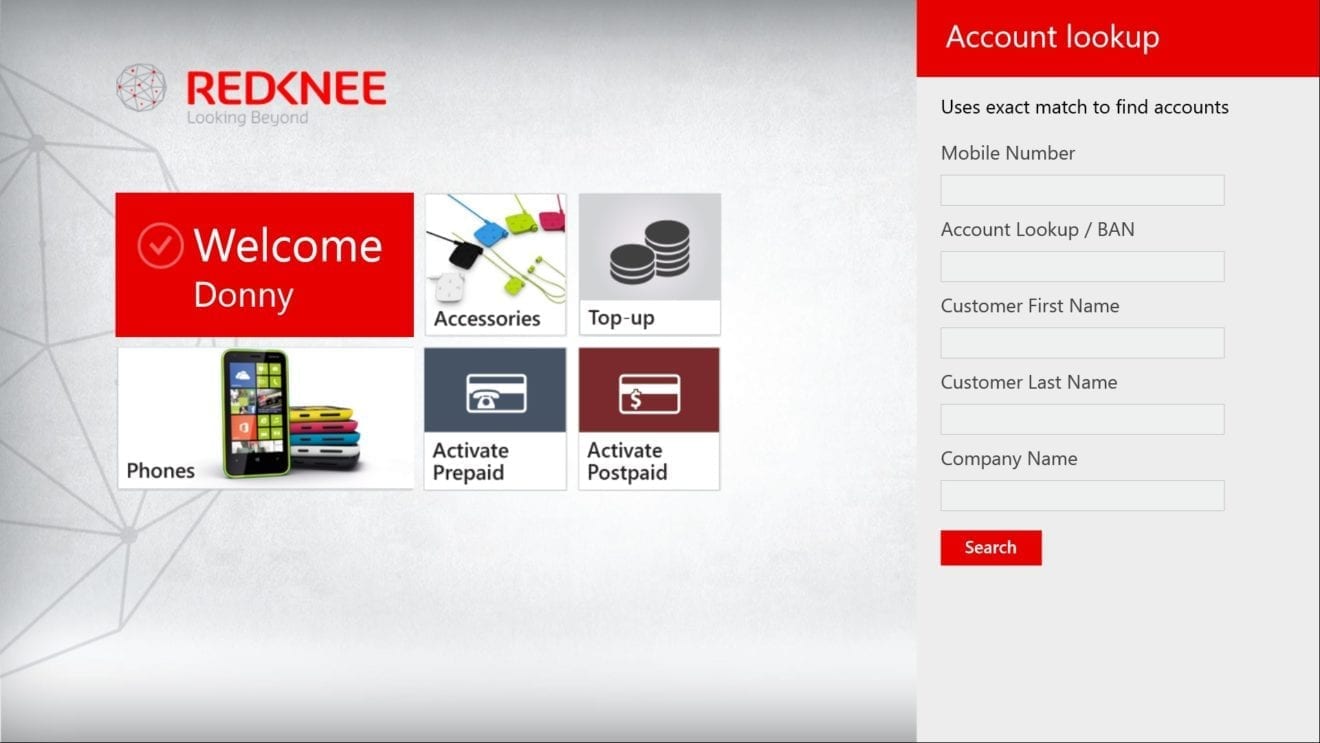
    Omantel, a communication service provider (CSP) in the Middle East, has implemented Redknee Unified, a converged multi-play billing, charging and customer care platform from Redknee Solutions.

    The successful implementation of Redknee Unified transformed Omantel’s IT infrastructure across multiple lines of business including mobile, fixed, IPTV, Internet, and cable.

    Redknee Unified reduces time to market and provides Omantel with the flexibility it needs to create new product offerings and connect with different customer groups to generate greater business value.

    Redknee said the solution is an agile, flexible and scalable real-time converged rating, charging and billing solution that is easy to deploy and which delivers an enriched customer experience across multiple industries including telecommunications, utilities, transportation, connected homes, and IoT.

    By leveraging Redknee’s experience with large scale BSS transformation projects, Omantel was able to consolidate multiple systems and processes onto one platform to create cost savings and operational efficiency.

    Redknee Unified also simplifies price plan configurations across the business and improves competitiveness by offering multi-play solutions that are tailored to Omantel’s customer base.

  • Brightcove unveils product enhancements

    Brightcove unveils product enhancements

    Brightcove unveiled a series of product enhancements and technology innovations for its video platform and gave a sneak peek of its upcoming roadmap for the remainder of the year at its annual conference, PLAY 2016.

    The following products and enhancements were announced. First, the turnkey OTT solution for media companies and content owners — OTT Flow — which enables customers to rapidly deploy high-quality, direct-to-consumer, live and on-demand video services across platforms with no up front development costs.

    Second, Zencoder UHD Support now provides media companies with the ability to deliver 4K UHD content to devices of all types by adding support for UHD features.

    Third, Brightcove Audience has added a Salesforce integration that alerts sales teams about the viewership behavior of  individual prospects and customers. It also now enhances marketers’ ability to drive conversion and ROI from their video marketing initiatives by delivering new custom forms with call-to-action capabilities.

    Fourth, Brightcove customers can now easily provide their viewers with personalized programming to grow audiences and increase engagement through a new partnership between Brightcove and IRIS.TV.

    Fifth, the Brightcove Player now features support for 360 video. The feature is available now in beta for desktop browsers including Chrome, Firefox, Edge, and IE 11/Windows 8.1.

    And sixth, media companies can now expand their content libraries and create incremental revenue streams through a new content marketplace integrated into Video Cloud.