Retail News CRM

Tag: Policy

  • Indonesian Vape Retailers Implement 21+ Policy to Curb Youth Smoking Rates: A Step Toward Healthier Choices

    Indonesian Vape Retailers Implement 21+ Policy to Curb Youth Smoking Rates: A Step Toward Healthier Choices

    The Association of Indonesian Vape Retailers (Arvindo) has issued a directive to all its member stores to cease the sale of e-cigarettes to individuals under the age of 21. The Association has mandated that retailers display signage indicating the age restriction and confirm the age of customers using valid identification.

    The Chairman of Arvindo, Fachmi Kurnia, stated that this move aligns with governmental attempts to restrict access to vaping amongst the youth. This sentiment is shared by the Tar and Smoke Free Movement (Gebrak), which advocates for the usage of alternative tobacco products to be limited to adult smokers only.

    Additionally, Arvindo has encouraged policymakers to incorporate science-based regulations into their considerations and recognize the potential of vaping to reduce harm. This suggestion was supported by a 2025 study from the JAMA Network, which found that e-cigarettes were the leading tool for smoking cessation in England.

    On the other hand, Garindra Kartasasmita, Chairman of Gebrak, emphasized that e-cigarette retailers need to take a more proactive role in informing customers about the health risks associated with smoke and tar. He also urged retailers to provide comprehensive information about alternative products.

    These developments come at a time when Indonesia is grappling with persistently high smoking rates. According to government data, there are an estimated 70 million active smokers in the country, a significant portion of which are youths.

    Data from a global youth survey further revealed an increase in the smoking prevalence amongst students aged 13-15, from 18.3% in 2016 to 19.2% in 2019. The survey also indicated high smoking rates amongst those aged 15-19.

    Questions & Answers

    What directive has Arvindo issued to its member stores?
    Arvindo has asked all its member stores to stop selling e-cigarettes to customers under 21, display 21+ signage, and verify the customers’ age with valid identification.

    What is Arvindo asking of policymakers?
    Arvindo is urging policymakers to adopt science-based regulation and to consider the potential of vaping as a harm reduction strategy.

    What has been the trend in smoking prevalence among young people in Indonesia?
    According to a global youth survey, smoking prevalence among students aged 13-15 in Indonesia increased from 18.3% in 2016 to 19.2% in 2019, with the highest rates seen among those aged 15-19.

  • Renewed Confidence in Asian Trade: HSBC Reveals Progress in Intra-Region Connectivity and Policy Certainty

    Renewed Confidence in Asian Trade: HSBC Reveals Progress in Intra-Region Connectivity and Policy Certainty

    Recent reports indicate that trade policy uncertainty in Asia has lessened, largely due to ongoing adjustments within supply chain structures that boost intra-regional connections. This is an important development considering the unpredictable global business climate, exacerbated by persistent geopolitical tensions. However, there is now evidence of adaptation and stabilization in the sector, a stark contrast to the anxiety prevalent in the early months of 2025, during the height of the “Liberation Day” fear.

    Revelations from the Trade Pulse Report

    Based on the findings of the “Global Trade Pulse” report by HSBC, approximately 68% of Asian respondents expressed a higher degree of certainty about the effects of trade policy compared to their sentiments six months prior. Looking forward, an average of 13% predict a negative impact on their revenue in the upcoming two years, a decrease from the 18% who held similar concerns half a year ago.

    Reconfiguration as a Means of Adaptation

    One of the key strategies to alleviate these concerns has been the reconfiguration of supply chains, particularly within the Asian region. Southeast Asia emerged as the top choice for Asian firms seeking to increase their dependencies, with 41% of companies making this shift. This is followed by East and North Asia (34%), and South Asia (29%).

    Aditya Gahlaut, HSBC’s Regional Head of Global Trade Solutions in Asia, provides further insight into these trends. He notes that the data suggests a positive adaptation from Asian companies to the shifting trade environment. While there is a noticeable easing of concerns about potential revenue loss, companies are still actively identifying and managing risks. The uncertainty around tariffs has, in fact, stimulated the Asian markets. Additionally, a growing sense of certainty is empowering companies to make more informed decisions, better preparing them for the future.

    Questions & Answers

    What is the key finding of the “Global Trade Pulse” report?
    The report found that 68% of Asian respondents feel more certain about the impact of trade policy compared to six months ago.

    How are firms in Asia adapting to the uncertain trade environment?
    Firms are adapting by reconfiguring their supply chains, particularly within the Asian region. Southeast Asia has become the leading destination for this change.

    What has been the impact of tariff uncertainty on Asia?
    While the uncertainty has galvanized the region, it has also stimulated the markets and created a growing sense of certainty that is enabling companies to make more informed decisions and plan better for the future.

  • Vietnam Cracks Down on Pet Policy: Harsher Fines for Free-Roaming Dogs and Cats on the Horizon

    Vietnam Cracks Down on Pet Policy: Harsher Fines for Free-Roaming Dogs and Cats on the Horizon

    Beginning December 15, a new government decree in Vietnam is set to impose stricter regulations and heftier fines against pet owners who allow their animals to roam freely in public spaces or those who graze livestock and poultry within residential complexes. Violators could face fines up to VND1 million (approximately US$38).

    New Regulations on Pets and Livestock

    The government decree, which pertains to administrative penalties in security, public order, and societal issues, significantly increases the existing fine for loose pets. Previously, the fine was between VND100,000 and VND300,000. With the new regulation in place, the fine will range from VND500,000 to VND1 million.

    The same penalties will apply to individuals who permit their pets, plants or other items to obstruct public spaces such as sidewalks, roads, parks, or communal residential areas.

    Heavier Penalties for Property Damage and Unauthorized Content

    The authorities plan to enforce tougher penalties on pet owners whose animals cause injury or damage property. Fines for such violations will fall between VND2 and VND3 million. In addition, individuals who deface public property such as walls and power poles, or attach unauthorized images or content to these structures, will face the same penalties.

    Regulations against Grazing Livestock in Residential Areas

    For the first time, clear rules have been established against the practice of grazing livestock or poultry within apartment buildings. The decree also outlines the penalties that will be imposed on pet owners whose animals cause harm to people or property.

    Questions & Answers

    What are the new regulations for pet owners in Vietnam?
    Pet owners are now required to prevent their animals from roaming freely in public spaces and grazing livestock within residential complexes. Failure to do so could result in fines of up to VND1 million.

    What are the penalties for property damage caused by pets?
    Pet owners whose animals cause injury or damage will face fines between VND2 and VND3 million.

    Are there penalties for obstructing public spaces with pets, plants, or other objects?
    Yes, individuals who allow their pets, plants, or other items to obstruct public spaces such as sidewalks, roads, parks, or shared residential areas will face fines similar to those for free-roaming pets.

  • AI Sovereignty: How Nations Can Harness Technology to Shape Their Futures

    AI Sovereignty: How Nations Can Harness Technology to Shape Their Futures

    Artificial intelligence (AI) has shifted from being merely a competitive advantage for businesses to an essential cornerstone of national security and economic prosperity. In response, nations around the globe are crafting robust strategies to boost their AI capabilities.

    A Broader Definition of AI Sovereignty

    While some may view AI sovereignty as solely linked to infrastructure development, a more comprehensive perspective is crucial. It should encompass a broad set of competencies that empower a country or region to create and maintain its own AI technologies.

    Local Innovations Take Center Stage

    According to Rena Bhattacharyya, Chief Analyst and Practice Lead for Enterprise Technology and Services at GlobalData, achieving AI sovereignty involves various elements: chip design and manufacturing, AI processing facilities, data sovereignty, the development of AI models (including large language models), a supportive regulatory environment, and a skilled workforce. “AI sovereignty should consist of capabilities related to these crucial domains,” she noted.

    As global advancements accelerate due to sovereign AI strategies, businesses must remain agile to meet shifting requirements and competitive pressures. Bhattacharyya stressed the importance of a flexible strategy that not only ensures continuity and resilience but also addresses evolving AI needs. “Organizations need to be able to pivot when necessary,” she said. This might involve leveraging solutions from local markets rather than relying on distant vendors.

    Seizing the Moment for Talent Development

    Building local expertise is pivotal for implementing a successful AI strategy. Companies and governments outside the U.S. have a unique opportunity to expand their talent pools significantly. Bhattacharyya remarked, “The current immigration and visa challenges in the U.S., coupled with increased AI investments from governments worldwide, create an attractive landscape for tech-savvy individuals who would typically seek opportunities in the U.S.” With a wealth of opportunities emerging across various nations, AI professionals may find local prospects just as appealing as those in Silicon Valley.

    So, will this be the moment when AI becomes completely a local affair? Only time will tell, but it’s clear that the global race for AI talent is more competitive than ever.

    Questions & Answers

    What is AI sovereignty?
    AI sovereignty refers to a nation’s capability to develop and sustain its own AI technologies, which includes everything from chip design to skilled workforce development.

    Why is local talent important for AI development?
    Local talent is essential for executing a robust AI strategy, enabling companies and governments to innovate and compete effectively in the global landscape.

    How are countries responding to the shift in AI dynamics?
    Countries are enhancing their AI strategies by focusing on local capabilities, talent acquisition, and developments in response to global AI trends and challenges.

  • Retail Associations Push Government to Tackle Rising Costs and Crime in Australia

    Retail Associations Push Government to Tackle Rising Costs and Crime in Australia

    Retail Associations Urge Australian Government to Tackle Industry Challenges as New Term Begins

    As the Albanese government embarks on its new term, the Australian Retailers Association (ARA) and the National Retail Association (NRA) are calling for immediate governmental action to address critical challenges confronting the nation’s expansive $430 billion retail sector.

    Urgent Call for Economic Support

    Chris Rodwell, CEO of the ARA and CEO Designate of the Australian Retail Council (ARC), emphasized the necessity of government policies that foster investment, industry growth, and job creation. With retail employing one in ten Australians and contributing nearly 20% of the nation’s GDP, Rodwell asserts that the sector’s performance is integral to the economy.

    “Retail performance impacts every Australian,” Rodwell stated. “We require robust economic leadership to navigate these challenging times. Alongside the current cost-of-living crisis, our retailers have grappled with rising expenses across various fronts—rent, wages, energy, insurance, transportation, and persistent supply chain issues.”

    The Impact of U.S. Tariffs on Retailers

    A significant concern highlighted by the ARA is the effect of U.S. tariffs, which have intensified financial pressures on retailers. “For many, especially smaller businesses, there is limited capacity to absorb these costs. As we look ahead, it may become increasingly difficult to avoid raising prices,” Rodwell warned.

    Enhancing Productivity and Security

    In their plea for national support, both the ARA and NRA stress the importance of enhancing productivity as a means to bolster both the economy and living standards. “Seizing this opportunity during the current term is critical; our nation cannot afford to let this agenda slide into the 2030s,” Rodwell remarked, reflecting the urgency of timely action.

    Moreover, the associations are advocating for the implementation of a national retail crime strategy to safeguard businesses and protect employees.

    Support for Small Business Initiatives

    While the ARA and NRA expressed their backing for the Labor government’s pledges concerning small business support, workforce development, and digital transformation, they raised concerns regarding governmental intervention in penalty rate decisions.

    As the retail landscape continues to evolve, the potential impact of these developments could ripple throughout the sector, influencing consumer trends and purchasing behaviors. Retail stakeholders keenly await the government’s response, as decisive action has the power to reshape the future of retail in Australia.

  • WhatsApp tests Material Design tweaks on Android to make it look more like its iOS app

    WhatsApp tests Material Design tweaks on Android to make it look more like its iOS app

    WhatsApp has been hard at work lately adding features and applying design tweaks in order to set itself apart from competing products and become more relevant in the U.S. market, where SMS/MMS/RCS and iMessage are king. The latest of these attempts being its apparent attempt to make its iOS and Android apps look more alike than ever.

    In the latest update of WhatsApp Beta on Android (v2.23.13.16), as reported by WaBetaInfo, WhatsApp appears to be experimenting with a bottom navigation bar (also called an action bar) in the style of Material Design 3.
    The navigation bar will replace the current tabbed interface that sits at the top of the chat list. This gives users the option to access Chats, Communities, Status, and Calls from the bottom by cycling through a more clearly labeled navigation system accentuated by its corresponding icons.
    The bottom navigation bar switches between a dark and white color scheme, depending on your theme choice. This is the same navigation bar that is used on the iOS version of WhatsApp, and it is more in line with Google’s design guidelines for Android apps.
    The new bottom navigation bar is currently being tested with a limited number of users, but it is expected to be rolled out to everyone eventually. The change is likely to be welcomed by users who prefer a more simplified interface, and it will also make it easier to use WhatsApp with one hand.

    In addition to the new bottom navigation bar, WhatsApp has also been rolling out Material Design tweaks such as redesigned switches and floating action buttons with rounded menus. It is unclear when these changes will be rolled out to everyone, as they are currently available in beta and to a limited amount of users, but they are all part of WhatsApp’s efforts to improve the app’s user experience.

  • McDonald’s Korea fined for breach of customers’ personal data

    McDonald’s Korea fined for breach of customers’ personal data

    McDonald’s Korea was given a fine of 696 million won ($532,110) on Wednesday after the personal data of 4.87 million customers was leaked to hackers due to the firm’s lax data management.

    The Personal Information Protection Commission handed out the fine to the Korean branch of the American fast food chain, along with a financial penalty of about 10 million won for the data breach.

    According to the commission’s findings, McDonald’s Korea did not perform sufficient access control, leaving a backup file containing the personal data of its restaurant and McDelivery customers accessible via protocols for file sharing.

    As a result, the personal data of more than 4.87 million customers was hacked and leaked. McDonald’s Korea was also found to have not destroyed the personal data of 766,846 customers for whom the data retention period had expired, and belatedly notified authorities and customers of the data leakage.

  • Insurance Policy For Electric Scooters In India

    Insurance Policy For Electric Scooters In India

    The government of our country recently created a goal of going “completely electric” to limit the spread of pollution. India is one of the first five countries globally which use conventional fuels. Due to this, the environment faces a grave threat, which is why electric scooters are being promoted more and more these days. Having proper insurance if you have an electric scooter is important as well because your scooter is an asset. When you claim the insurance in case of damage, you get reimbursed.

    Some of the main benefits of getting your electric scooter insured include:

    • Getting insurance for your electric scooter complies with the government’s law. The government requires every vehicle to be registered and insured.
    • It helps you financially in case of accidents and mishaps. The components of electric scooters are very expensive and therefore, having insurance to cover the costs is very important.
    • Even if your electric scooter malfunctions or breaks down, the money will get reimbursed. Thus, an insurance policy saves you from spending money out of your pocket in case of accidents.
    • Go for a policy that offers full coverage at a reasonable price.
    • Prioritize going for digital-based insurance companies since they can be quickly acquired and easily claimed.
    • Compare the pros and cons of numerous policies before locking in on one.
    • Ensure that you are legally ready and responsible.
    • Read the fine print stating the terms and conditions thoroughly before making the purchase.

    DOCUMENTS NEEDED:

    • Proof of Identification – Voter’s ID Card, Aadhaar
    • Proof of Address – Passport, Driver’s License, Aadhaar
    • Recently-Captured Passport-Sized Photographs

    TYPES OF INSURANCES:

    There are generally two variants of electric scooter insurance in India. They are:

    • Third-Party Liability Insurance – Considered to be the main type of insurance, the third-party liability insurance protects the insured vehicle from any sort of financial as well as legal liability caused as a result of accidental damages.
    • Comprehensive Two Wheelers Insurance – This kind of insurance offers an extra layer of security and safety. This policy provides protects the insured vehicle from numerous natural as well as man-made disasters.

    WHY PURCHASE AN INSURANCE POLICY?

    There are two main reasons why you should get your electric scooter insured as soon as possible. They are:

    • Electric Scooters sport a heavy price tag and therefore, they should be insured to save money in case an accident takes place.
    • Electric scooters have high maintenance charges. They are quite powerful and therefore, need as much protection as they can get. An insurance policy guarantees that.

    Getting your electric scooter insured is both a logical and a sensible thing to do if you wish to save money in the long run. There are many insurance companies out there that offer electric scooter insurance. Do proper research and compare the plans before locking on a particular one.

  • More Warning Signs at Another Chinese Developer

    More Warning Signs at Another Chinese Developer

    Tianjin-headquartered Sunac is the latest major property developer to reportedly face troubles, with a letter to Chinese authorities asking for policy assistance.

    Sunac China Holdings Ltd. asked authorities in Shaoxing – a city in the eastern coastal province of Zheijiang – to offer policy assistance due to operational difficulties, according to a report citing a letter from a subsidiary.

    The letter did not elaborate on the type of assistance requested but said that it had never experienced such a radical change in the external environment, underlining a 60 percent year-on-year drop in home sales in Sunaac’s Shaoxing office.

    The market is almost frozen, the letter said. The radical change in policy and environment has seriously disrupted our business and made it very difficult to maintain normal operations.

    Year-to-date, Sunac’s Hong Kong-listed share price has more than halved to HK$13.44, as of publishing.

    On Friday, Sunac’s dollar bonds slumped after the letter circulated in the market with its 5.95 percent bond due 2024 dropping 4.6 cents on the dollar to 85 cents – a record-low closing level.

  • Google Assistant is secretly listening to you, it turns out

    Google Assistant is secretly listening to you, it turns out

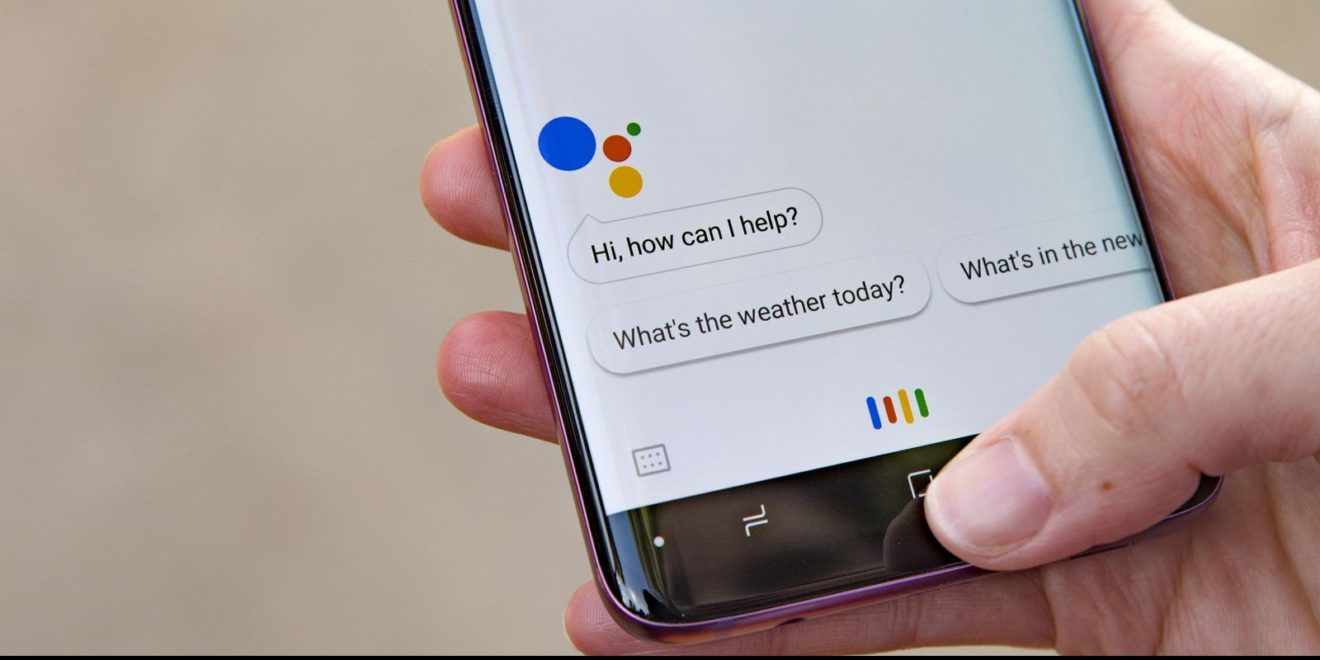
    In a strange turn of events, Google allegedly confirmed that Google Assistant on your phone or smart speaker may be recording your audio without your knowledge, but just “at times”.

    Google representatives on Tuesday told the Parliamentary Standing Committee on Information Technology that Google employees listen to some recordings of conversations between users and Google Assistant.

    Back in 2019, Google confirmed that its employees occasionally listen to conversations between users and Google Assistant. “We take a number of precautions to protect data during the human review process-audio snippets are never associated with any user accounts and language experts only listen to a small set of queries (around 0.2 percent of all user audio snippets), only from users with VAA turned on,” Google stated at the time.

    That’s all in the fine print but as it turns out, sometimes audio was recorded by the Google Assistant on a smartphone or smart speaker even when a user had not triggered the AI by saying Ok Google. IndiaToday sources claim that in response to a question from BJP MP Nishikant Dubey, the Google team confirmed the aforementioned.

    Google’s privacy policy states, “Occasionally, the Assistant will activate when you didn’t intend it to because it incorrectly detected that you wanted its help. If that happens, just say Hey Google, that wasn’t for you, and the Assistant will delete the last thing it sent to Google.”

    That’s all fine and dandy but there’s nothing about the times when Google Assistant is secretly listening to your conversations. How would you know in the first place? It’s a major scandal that has the potential to blow way out of proportion! We’re monitoring the situation closely and we’ll keep you posted if there’s any further information.

  • Important Google Photos storage policy changes rolling out in June

    Important Google Photos storage policy changes rolling out in June

    It’s no secret that Google will no longer offer unlimited free photo and video backup at “high quality” come June 2021. The Mountain View company announced late last year a change to its high-quality storage policy, which will drop as early as June 1.

    So, starting next month, Google will roll out the new changes so that any new photos and video users back up will count toward the free 15GB of storage that comes with every Google Account or the additional storage purchased as a Google One member.

    However, there are a couple of things that Google Photos users should know before the new storage policy change comes into effect on June 1. First off, any photos or videos that you backed up in high quality before June 1, 2021, will not count toward your Google Account storage. Yes, these photos and videos will remain free and exempt from the storage limit.

    Another important aspect that Google Photos users should be aware of is that Google estimates that more than 80 percent of its users should still be able to store roughly three more years of memories in high quality with the free 15GB of storage.

    If your storage nears 15GB, you’ll receive a notification from Google directly in the app, as well as via email. All Google Photos users should see an estimate that takes into account how frequently they back up photos, videos, and other content to their Google Account.

    Furthermore, Google announced it will roll out a new tool in the Photos app that will help users manage the photos and videos they’ve back up that count toward their storage quota. The new storage management tool will display photos and videos that can potentially be deleted due to being blurry or too large.

    Last but not least, to make it less confusing for Google Photos users, the search giant will rename its high-quality storage tier to Storage saver. Until this change is deployed, all photos and videos will continue to be stored at the same high quality.

  • AirAsia Updates Rebooking Policy

    AirAsia Updates Rebooking Policy

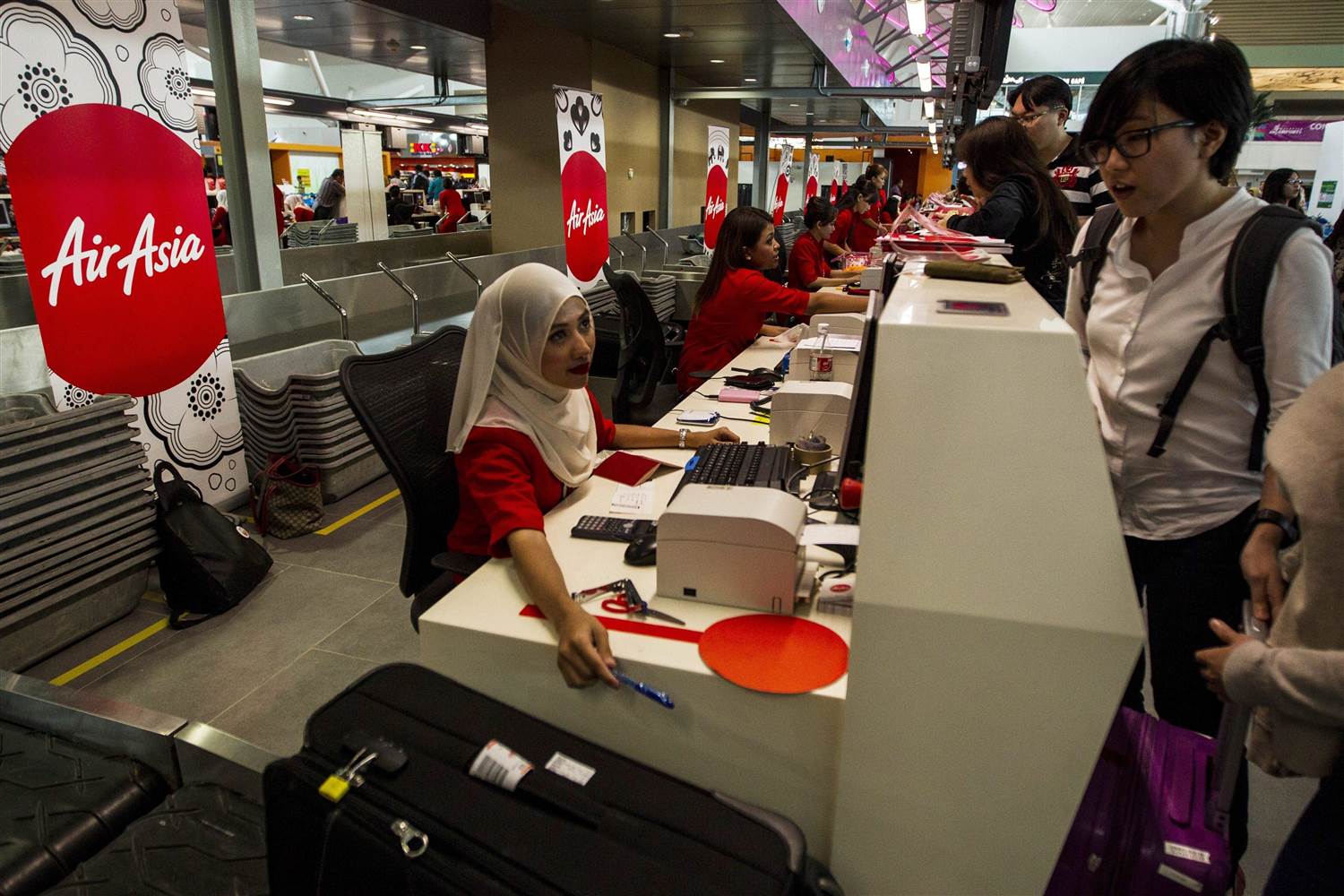
    AirAsia has updated its rebooking policy so that customers with tickets issued on or before 22 March 2020, with a departure date between 23 March and 31 May 2020, can select from the following two options:

    Unlimited Flight Change: Customers can change their ticket to any travel date before 31 October 2020 on the same route for an unlimited number of times without any additional cost subject to seat availability; OR

    Credit Account: Retain the value of the flight booking in the customer’s AirAsia BIG Member account for future travel with AirAsia to be redeemed within 365 calendar days from the issuance date. The travel date of the new booking can fall on any date within the published flight schedule on airasia.com.

    The above information is only applicable for direct online bookings made via airasia.com. For group bookings or those made with travel agents, the traveler must contact their booking agent directly for further assistance.

    As this is a rapidly changing situation, travelers should make sure that their airline has their correct contact information and should carefully monitor their airline’s website and social media accounts for any new updates.

  • Cebu Pacific announces policy on rebooking

    Cebu Pacific announces policy on rebooking

    Cebu Pacific flights continue to operate as scheduled. However, they have received rebooking and cancellation requests from passengers due to concerns over COVID-19 so they changed their booking policies to provide passengers with flexibility and peace of mind:

    Passengers traveling to Philippine and international destinations from March 10 to April 30, 2020, who would like to rebook or cancel their flights can avail of the following options:

    Free Rebooking – Rebook flights with change fees waived. Fare difference may apply.

    To rebook the flight, use the “Manage Booking” portal in the Cebu Pacific website.

    Travel Fund – Place the full cost of the ticket in a Travel Fund which can then be used as payment for a future booking. The Travel Fund is valid for 180 days and can be used for bookings as far as 12 months out.

    To avail of the Travel Fund option, they may use the “Manage Booking” portal in the Cebu Pacific website to cancel their booking and store the value in the Travel Fund.

    New flights booked from March 10 to April 30 (regardless of travel date and route) can avail of CEB Flexi for FREE. CEB Flexi enables travelers to rebook their flights up to two times, fare difference may apply. Simply select the “CEB Flexi” add-on during booking.

    Cebu Pacific practices precautionary measures against COVID-19. This includes frequent deep-extensive cleaning and disinfection of aircraft, provision of gloves and disinfectants for our cabin crew, and the use of HEPA air filters in our aircraft to block 99.99% of contaminants and viruses.

    Cebu Pacific is monitoring developments regarding COVID-19, coordinating regularly with government and other stakeholders.

  • Twitter cracks down on hate speech with new policy

    Twitter cracks down on hate speech with new policy

    Twitter is taking a sharper stance against the multitude of hate speech finding its way onto the platform with a stricter set of policies that go into effect now.

    As with any social media platform, it isn’t difficult to find any number of controversial or bigoted messages on Twitter. The platform evidently recognizes that such hate speech is a significant issue in our society that doesn’t just end at digital prejudice.

    Twitter took to its company blog to update its users on new policies, which are focused on three types of bigotry, which are described as “dehumanizing”. These include hateful speech based on age, disability, and disease.

    For example, Twitter says it will remove messages that claim disabled individuals are not human, or that certain age groups don’t deserve rights. Accounts linked to these Tweets may also be suspended.

    These policies seem quite timely in the midst of the novel coronavirus outbreak, which has unfortunately caused a surge in racism and xenophobia. It’s also worth noting that Twitter has already taken action against hate speech in other topics, such as race, religion, and others.

    Twitter’s new policies take effect today, but Tweets will still need to be reported before being deleted. Previous Tweets that go against the guidelines are also required to be deleted, but Twitter has said no suspensions will take place for Tweets from the past.

    In any case, the new policies seem to be a positive step forward in making the Internet a better place for everyone.

  • Twitter’s new policy is aimed squarely at Donald Trump

    Twitter’s new policy is aimed squarely at Donald Trump

    Many Twitter users have been complaining about several tweets disseminated by President Donald Trump. These Twitter members say that if they sent out tweets with the same insults and language used by the president, they would have had their account suspended. After all, besides giving insulting names to anyone that the thin-skinned president feels has insulted him, Trump has threatened nuclear war with North Korea, posted a video containing violence against CNN and more.

    While not mentioning Trump by name, Twitter explained in a blog post that “there are certain cases where it may be in the public’s interest to have access to certain Tweets, even if they would otherwise be in violation of our rules.” In addition, the social media site noted that “a critical function of our service is providing a place where people can openly and publicly respond to their leaders and hold them accountable.”

    “Our highest priority is to protect the health of the public conversation on Twitter, and an important part of that is ensuring our rules and how we enforce them are easy to understand. In the past, we’ve allowed certain Tweets that violated our rules to remain on Twitter because they were in the public’s interest, but it wasn’t clear when and how we made those determinations. To fix that, we’re introducing a new notice that will provide additional clarity in these situations.

    Serving the public conversation includes providing the ability for anyone to talk about what matters to them; this can be especially important when engaging with government officials and political figures. By nature of their positions, these leaders have outsized influence and sometimes say things that could be considered controversial or invite debate and discussion. A critical function of our service is providing a place where people can openly and publicly respond to their leaders and hold them accountable.”-Twitter

    Twitter’s solution is to make users go through various screens. In the “rare occasion” when it is in the public interest for Twitter to allow a tweet to remain posted even if it violates the platform’s rules, Twitter will place a notice on the tweet. This will indicate that to view such a tweet, Twitter members will have to click or tap on an additional screen. The company says that it will prevent these tweets from being “algorithmically elevated on our service, to strike the right balance between enabling free expression, fostering accountability, and reducing the potential harm caused by these Tweets.”

    So just exactly whose tweets are covered by the new policy? Government officials, those representing a government official, someone running for office or being considered for a public office are affected by the new policy if they have a verified Twitter account with more than 100,000 followers. If someone meets this criterion and sends a tweet that would normally be a violation of Twitter’s terms of service, a notice will appear that reads “The Twitter rules about abusive behavior apply to this Tweet. However, Twitter has determined that it may be in the public’s interest in the Tweet to remain available.” To the right of the notice will be a link marked “view;” tapping on that link will allow the tweet to be visible to the user. These tweets also will not appear in Safe search, Timeline when switched to Top Tweets, Live events pages, Recommended Tweet push notifications, Notifications tab and Explore.