Retail News CRM

Tag: popup

  • Bershka SoHo pop-up covers two floors

    Bershka SoHo pop-up covers two floors

    Everything in New York always seems bigger than in real life – even the definition of a pop-up store…

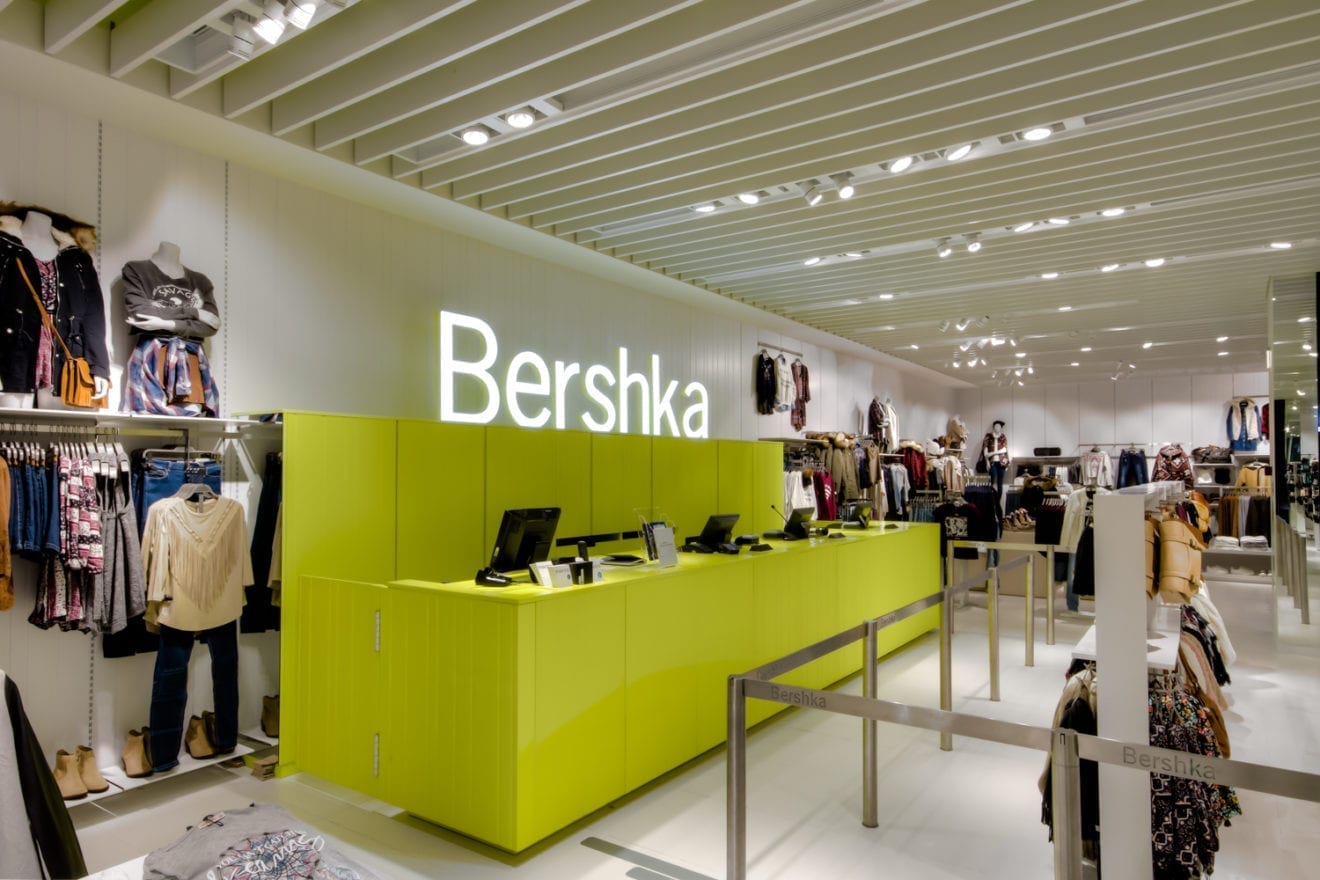
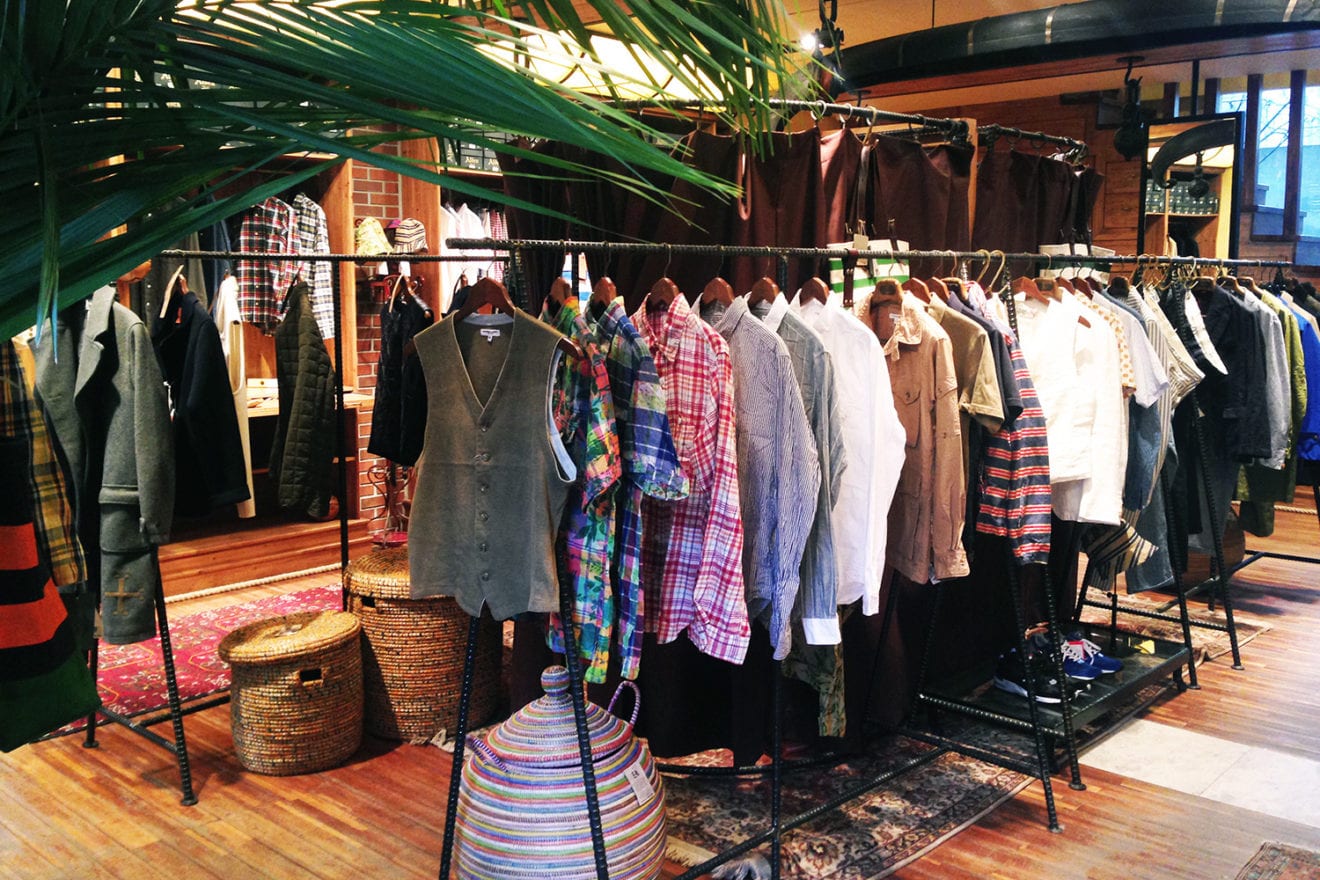
    An 8180sqft Bershka SoHo pop-up which opened its doors this week at 580 Broadway covers two stories of a previously empty retail space. The store is intended to boost the Inditex brand’s image in the US, where it launched an e-commerce platform six months ago.

    Bershka chose the heart of SoHo, one of the world’s most emblematic fashion districts, as the location, where it will trade until the end of the year, displaying all of Bershka’s FW17 collections – Bershka, Bsk and Man, as well as the sports lines, Start Moving, for young men and women.

    Features of the store include leading initiatives to be as eco-efficient as possible, guided by the Leed sustainable building criteria. Additionally, within the store, the Bershka Stage store image has guided all of the furniture and decoration designs. The layout has been similarly adapted for the store space specifically and with the US consumer in mind, offering the trendiest current looks, complete with accessories and footwear.

    Bershka Stage is the latest store design concept being rolled out internationally.

    “Inspired by the world of music concerts and what goes on behind the scenes, the Stage aesthetic epitomises Bershka’s DNA: music, fashion and youth,” the company said. “The result is an interior design that is industrial yet airy, with open ceilings that reveal the establishments’ skeletons. The structure is framed by truss scaffolding that runs around its entire perimeter and is used to hang the lighting, speakers and some of the screens that make up the whole look..

    “The Stage concept facilitates the shopping experience by means of more user-friendly and versatile furniture and fittings, making it easier to get around the store and providing a better way of displaying the brand’s garments and, by extension, each season’s new looks.”

    Bershka has 1098 stores in 75 markets across Europe, the Americas and Asia. The brand is forging ahead with an international expansion strategy that has been marked by high-profile openings in recent years in markets such as China, Japan, Taiwan and South Korea, along with flagship store openings on some of the world’s most important shopping streets, including Oxford Street, London, Via Vittorio Emanuele, Milan, Nanjing East, Shanghai, Gran Vía, Madrid, Rue Rivoli, Paris, and Shibuya, Tokyo.

  • Three fashion pop-ups for Hong Kong

    Three fashion pop-ups for Hong Kong

    Three fashion pop-ups will be in full swing in Hong Kong next month. Already open is a Prada pop-up store in Harbour City offering a special selection of men’s travel goods and accessories including backpacks, pouches, wash bags, luggage tags, eyewear cases and leather patches. The space features urban graphics inspired by the avant-garde black-and-white cinema of the 1930s as well as black Saffiano trunks and three life-size “trick robots” iconic to the brand.
    The store runs until October 8.

    From October 4 to 8, Giorgio Armani will be offering a made-to-order pop-up service for its key bag of the season, the Le Jeu bag, which can be worn as a shoulder bag, a shopper, or a wrist bag. With the pop-up service, bags can be customised with various combinations of materials, colours and linings. Customers can also have their name engraved on the metal plate inside the bag.

    The service is available at Giorgio Armani Canton Road store in Harbour City from October 4 to 8, and at Giorgio Armani Central store in Chater House, Central, from October 10 to 13.

    Another made-to-order pop-up service is being run by German fashion brand MCM, its first such venture. It is based around the Patricia bag, inspired by the brand’s Patty bag in the 1970s and featuring a structured satchel-inspired silhouette. With the pop-up service, customers will be able to customise every element of the bag from the type of leather and colour of the flap, to the front panel and the two side panels.

    The metal push-lock is available in either gold or silver, and customers can opt to add a studded trim. Each bag also comes with a leather charm to which customers can add up to three initials. Each order takes about five to eight weeks to produce, and comes with a special MCM certificate.

    At the MCM shop at IFC mall in Central, the service runs until January 5.

  • Daniel Wellington Hong Kong opens pop-up

    Daniel Wellington Hong Kong opens pop-up

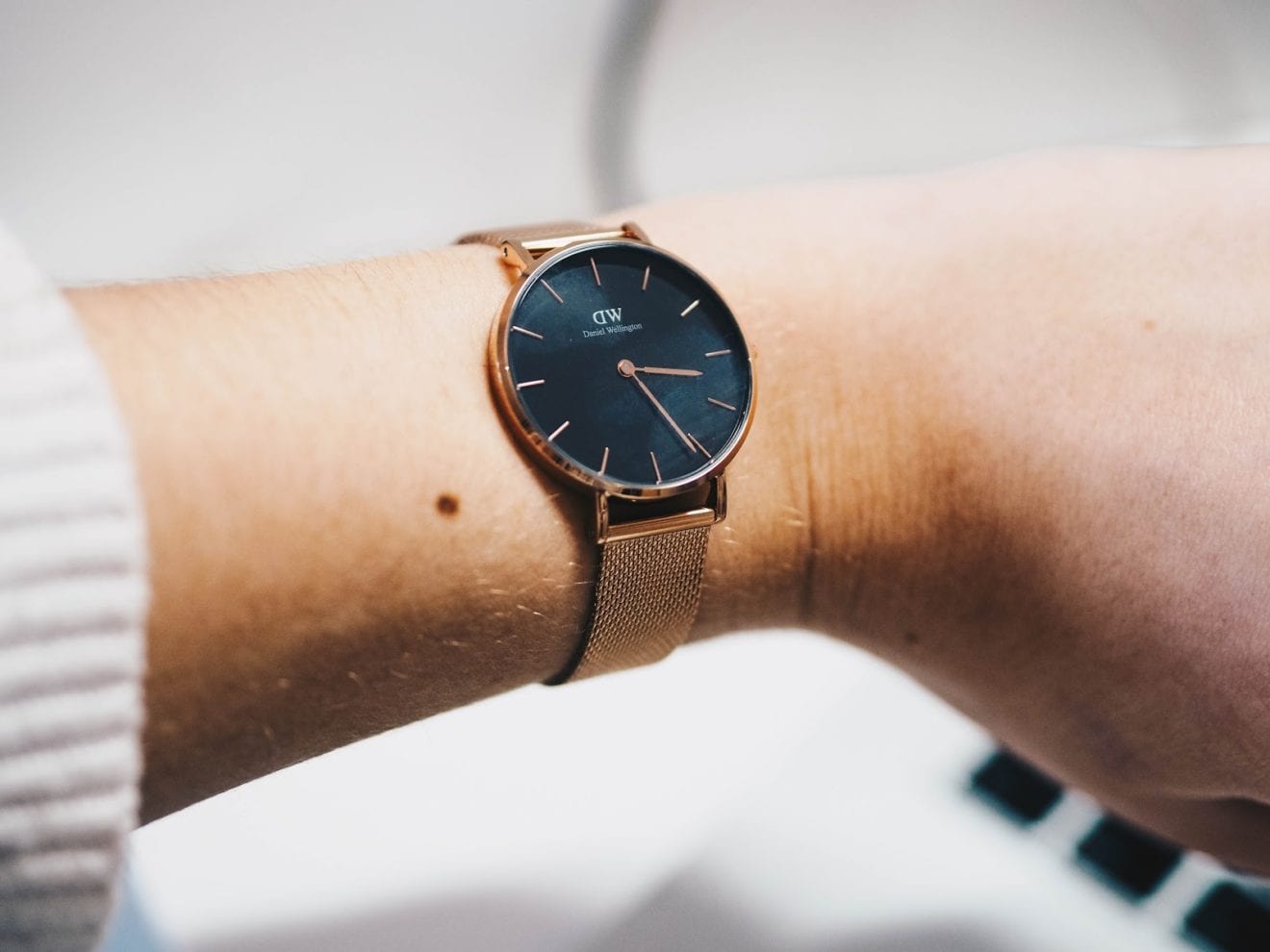
    Daniel Wellington Hong Kong has opened a pop-up store at Yoho Mall 1 in Yuen Long.

    The Swedish watch company took back the business from its from its distributor in March and now has four self-run stores in Hong Kong, at Festival Walk, Harbour City, IFC Mall and Lab Concept.

    Regional manager Jay Lam says the pop-up features a high-visibility stage design.

    He also says the brand is seeking to open more locations this year, and the aim is to eventually have up to 15 points of sale in Hong Kong.

  • Tiffany & Co. opens Hong Kong airport pop-up

    Tiffany & Co. opens Hong Kong airport pop-up

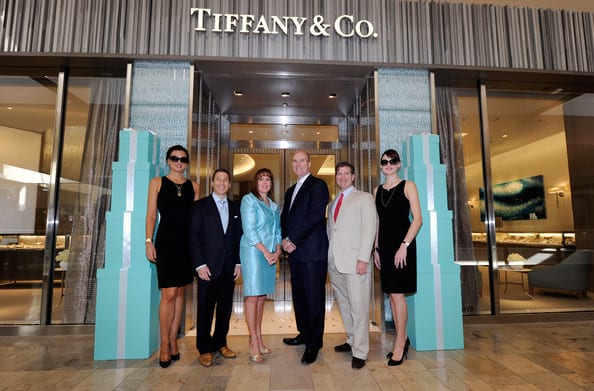
    Tiffany & Co. has opened its Hong Kong international airport pop-up store earlier this month.

    Located at Shop 6E188A, Departures East Hall on Level 6 of Terminal 1, the temporary boutique is situated right next to the famous New York jeweller’s standalone airport store.

    Inside, the pop-up store is divided by floor-to-ceiling glass panels, to increase openness and light. From a bird’s eye view, the store is designed like a diamond and is mostly white, with graphic embellishments coloured in the house’s signature Tiffany blue.

    Moreover, the store hosts special Tiffany’s collections, which will be launched consecutively to maintain interest in the store. First up, is the Wedding Diamond Series, followed by the themes Stylish Accessories, Christmas Season and Valentine’s Day.

    The new Tiffany’s pop-up serves as a convenient second shopping avenue for departing travellers leaving Hong Kong, in particular, tourists returning to mainland China.

    Hong Kong’s visitor numbers increased 1.9% in April 2017 on the same month last year, according to data from Hong Kong Tourism Board. Mainland Chinese visitor numbers increased 1.8%, while non-mainland visitor numbers lifted 2.2%, said HKTB.

  • Chanel opens Singapore pop-up store

    Chanel opens Singapore pop-up store

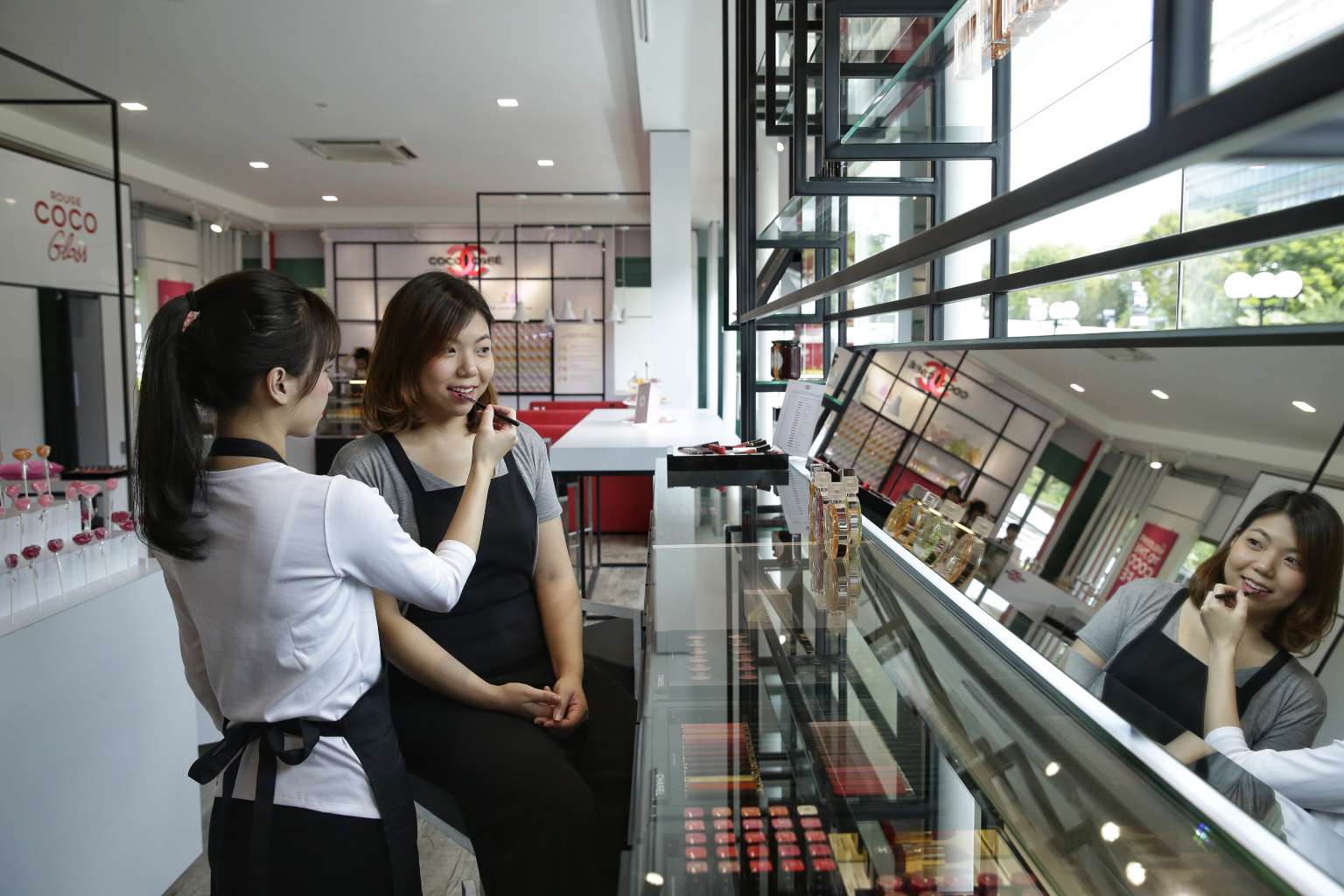
    Chanel has opened new standalone ephemeral boutique at The Shoppes at Marina Bay Sands (MBS). It’s the first of its kind to come to Singapore, in a bid to attract new customers with a hotel-esque retail experience and expanded product offering.

    The French luxury house has opened the Ritz-inspired, 3,000 square-foot-space, as a temporary replacement for the MBS Chanel store, which is currently closed for renovations.

    Split into four rooms, the boutique boasts the Parisian couture brand’s signature black, white and beige palette for an Art Deco-themed store that represents Chanel’s latest collection of women’s fashion and accessories.

    However, Chanel Singapore was very selective with the store pieces, allowing the pop-up to offer a wider selection of items.

    Of particular interest is Chanel’s Paris Cosmopolite 2016/17 Metiers d’art ready-to-wear collection. The Ritz Hotel in Paris, as well as the French capital’s cafe culture and the personal style of Chanel founder Coco Chanel inspired the new line.

    “We wanted the pop-up to not only offer something exciting and unique for our existing customers, but also to encourage new customers, who might not have visited our previous stores,” Stephanie Nussmann, managing director of Chanel for Singapore, told the Strait Times.

    The new MBS Chanel boutique will reopen in November, at the closure of the pop-up. Once completed, the renovated store will cover 9,277 square feet — from its original 6,509 square feet — with extra floor room for ready-to- wear collections. Meeting the needs of a more discerning Singapore customer, it will also offer a wider line of jewellery and watches.  Styling services, allowing customers to have personalised shopping experiences, will also be available.

  • Design your own shoes at Asia’s first Tod’s pop-up

    Design your own shoes at Asia’s first Tod’s pop-up

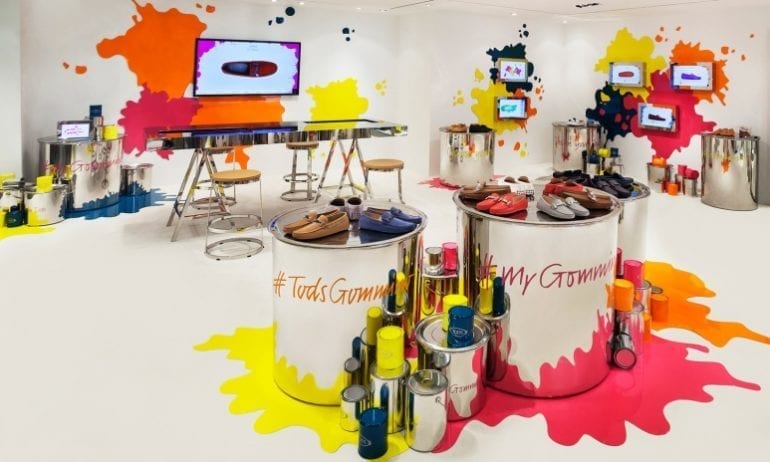
    Tod’s Gommino loafers are a style staple for celebrities, models, royalty and fashionistas the world over. It is now possible to buy a pair adding an own personal touch, as Tod’s is offering customers the chance to create their own pair of the iconic Gommino, complete with stamped initials.

    Hong Kong has been picked as the first city in Asia for a pop-up store that enables customers to create their own personalised pair of the Italian brand’s signature shoe.

    The custom loafers take just three steps to create. First, customers choose from 11 different styles of the brand’s signature shoe (there are five models for women and six for men). Next, clients decide on each of the design elements, from leather, colour and stitching, to the lining, pebbled outsole and any accompanying accessories.

    Once people confirm their initials for the hot-stamped monogram, the creation process is complete. Production takes about 10 weeks.

    With 133 rubber studs under its sole, Tod’s iconic Gommino has been a style staple since the 1970s, drawing widespread appreciation as a lightweight, unisex shoe suitable for all occasions.

    The MY Gommino pop-up is now open at Shop G309 in Harbour City, Tsim Sha Tsui for a limited time.

  • Storefront launches largest international pop-up retail space marketplace

    Storefront launches largest international pop-up retail space marketplace

    Storefront is the world’s largest marketplace for brands  to  connect with retail spaces and is being called “the Airbnb of Pop-Up Space”. Over 8,000 brands, including L’Oréal, Maje, Chloé, OnTheList, Miss Runner, Butterboom, Thierry Mugler and Giorgio Armani, have opened temporary retail stores using the Storefront platform, which offers expanded access to space in leading retail cities around the world, including New York City, Paris, London, Los Angeles, Amsterdam, Hong Kong and most recently, Milan. The platform powers over 20,000 listings worldwide and 2,000 in Hong Kong, which represent more than 60 million square feet of retail space in 6 countries.

    “We are delighted to have expanded Storefront to Asia. Hong Kong is an incredibly dynamic market with abundant opportunities for brands to gain exposure,” explains Benoît Clément-Bollée, co-founder and CEO of Storefront Asia.

    The company specializes in matching a network of over 100,000 brands including retailers, e-commerce players, entrepreneurs and artists with commercial spaces across 3 continents, enabling them to launch short-term pop-up stores, showrooms, private sales, products launches and other events. These spaces can be rented for as little as one day up to several months, offering the most prominent possibility for filling vacant spaces with brands that range from local startups to international luxury brands.

    Storefront endeavors to democratize access to the commercial real estate market by making short-term commercial space rental as easy as booking a hotel room and revolutionizing traditional rental methods in the process. 94% of retail happens offline, and the company aims  at making this part of retail accessible to any business.

    Physical retail is changing with global e-commerce companies opening physical stores. Storefront helps companies, like Etsy, to find spaces for them to develop and fine tune their

    Online to Offline (O2O) strategies thanks to pop-up stores.

    “Expanding to Asia is a top priority for many of our U.S. brands,” says CEO Mohamed Haouache, co-founder and CEO. “The ability to use a single service to find premium retail spaces for pop-up stores in cities around the world is something many brands have requested. The Hong Kong expansion opens doors for international brands in Asia and will further democratize the concept of the pop-up store.”

  • Pop-up stores giving shopping malls a boost

    Pop-up stores giving shopping malls a boost

    Hit by rising vacancy rates and competition from e-commerce websites, shopping malls are turning to a temporary solution to attract shoppers – pop-up stores.

    At least two companies have sprung up in recent months to play middleman between retailers looking for temporary shopfronts and malls with vacant spaces.

    Invade, launched last month, has a pool of 38,000 retailers and 100 landlords. The four-month-old PopUp Angels has more than 100 spaces on its platform and several hundred brands on board.

    Those looking to rent a retail space for a short term, usually between three months and a year, can browse a list of available spaces on both websites, which will earn a fee when there is a successful match.

    Pop-up stores offer a win-win solution. Landlords can fill spaces in malls while looking for long-term tenants, and retailers get to reach out to new customers without committing to costly multi-year leases.

    Shoppers benefit as well, because pop-up stores tend to have more diverse offerings, retail experts say.

    Invade founders Kent Teo, 30, and Koh Cheng Guan, 29, started out as flea market organisers seven years ago and later ventured into multi-label pop-up stores. The idea for a real-time retail booking system came when more malls started approaching them with underused spaces.

    “Two to three years ago, we would get about one landlord a month asking (for our help). But now, we get three to four,” said Mr Teo, likening Invade to a “retail space Airbnb”. Airbnb is a popular holiday rental site.

    Invade’s pool of retailers, gathered from flea-market-organising days, include online fashion labels, artisans and tech start-ups.

    PopUp Angels was set up by Mr Adrian Chan and Mr Kit Chan, the duo behind food and beverage businesses Best Fries Forever and Cloud & Cream. The two 37-year-olds wanted to ease the “cumbersome” process of finding space and setting up and marketing pop-up stores.

    More malls have been offering short-term leases in the past two years, as the supply of retail space outpaces demand, said Mr Adrian Chan.

    Urban Redevelopment Authority data shows the islandwide vacancy rate for retail space rose from 4.5 per cent at the end of 2013 to 5.8 per cent a year later. At the end of last year, it was 7.2 per cent.

    Retail space here grew in volume by 22,000 sq m in the fourth quarter of last year. Malls that have come on the scene recently include Capitol Piazza, which opened in Stamford Road last year, and Waterway Point, which opened in Punggol in January.

    But demand for retail space has dampened, given high labour costs and growing competition from online platforms and regional shopping destinations.

    Both online and brick-and-mortar retailers are starting pop-up stores, albeit for different reasons.

    Furniture and lifestyle company HomesToLife last year opened two pop-up stores, at I12 Katong and Westgate, with leases of a year each – to “build momentum” in the lead-up to launching its flagship store, which opened in Mohamed Sultan Road early this month.

    “The stores offered a sneak preview of our products and, by monitoring the sales there, we could better design our marketing campaign,” said senior branding consultant Sotiria Kostavara.

    Ms Samantha Soh, 27, who owns online clothing store Ellysage, opened her first standalone store at Orchard Gateway in January, with the help of Invade. She hopes to extend the three-month lease, which ends this month.

    “For any fashion label, a physical store is important. A lot of my customers tell me they want to try on the clothes first,” she said.

    “It’s also a very useful touchpoint… I can interact with my customers.”

    Singapore’s largest mall operator, CapitaLand Mall Asia, which owns and manages 18 malls here, said pop-up stores form about 1 per cent of its tenants. In 2014, it opened retail zone J.Avenue at its JCube mall to cater to such stores, providing an electronic point-of-sale system and basic shop fittings to make it easier for first-time retailers.

    Ms Sulian Tan-Wijaya, a senior director for retail and lifestyle at Savills Singapore, said the trend for such stores started three to four years ago, “but it was rare and not obvious to shoppers”.

    The trend is now more evident as more online, multi-label and indie brands are sprouting up in malls alongside established global retailers, she said.

    “Pop-up stores will not pay high rents, as their business model does not allow for high margins,” she said. “But they add diversity to the mall mix with their eclectic offerings and generate shopper traffic.”

    Mr Gary Nonis, property consultancy JLL’s national director for retail, warned that too many pop-up stores in one mall could hurt the mall’s branding in the long run. He said: “It might be deemed less attractive by seasoned operators, which would rather have strong branding, and this could also hurt their potential performance in the mall.”
  • Tokyo Milk Cheese popup at Hysan Place

    Tokyo Milk Cheese popup at Hysan Place

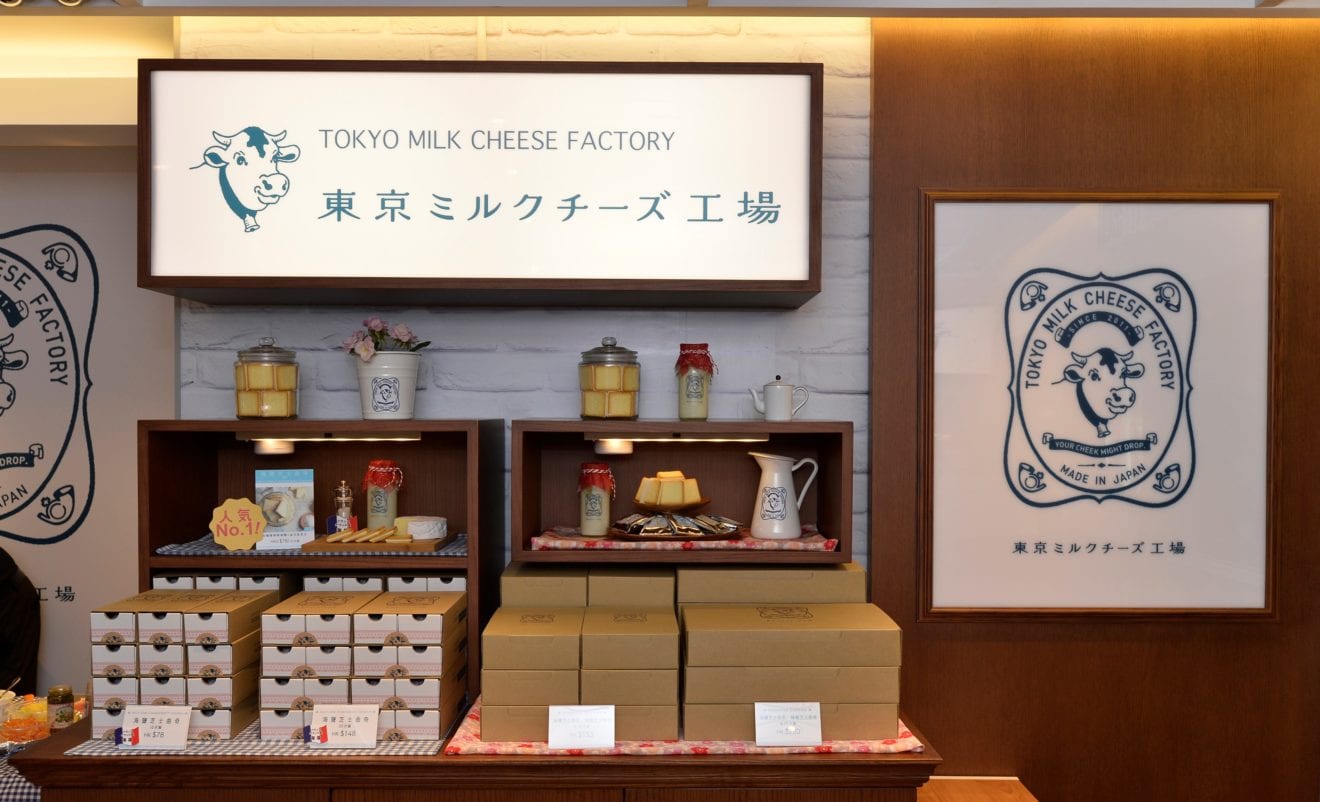
    Japanese dessert concept Tokyo Milk Cheese opened a one day popup store at Hysan Place on Saturday (January 16).

    Tokyo Milk Cheese uses Hokkaido milk to create sweets which it describes as like “no one has ever made”, using carefully selected milk and high quality cheese, combined with ingredients from not only Japan, but also around the world.

    Tokyo Milk Cheese 1

    The concept of Tokyo Milk Cheese Factory is the factory filled with creativity and innovation, the company explains. “We combine the new with nostalgic, the unexpected with the flavorful.”

    Saturday’s popup will feature the company’s Strawberry Milk Roll, combining fresh strawberries with Hokkaido milk and white chocolate mousse.

    Supplies will be flown in from Japan in time for the popup’s opening.

    Tokyo Milk Cheese has a regular store at Hysan Place, at Level 1/F.

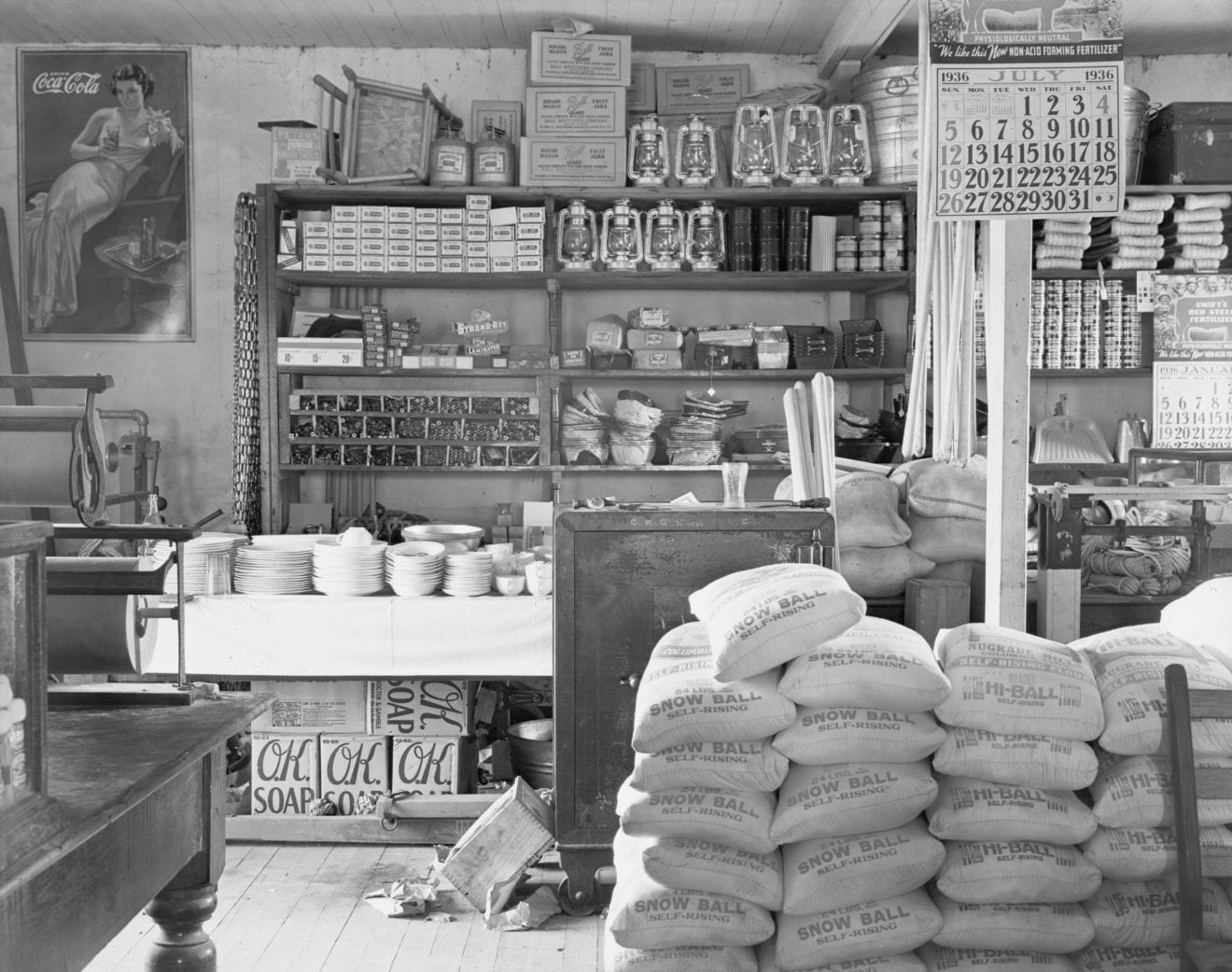
  • In Asia mom-and-pop stores continue to beat supermarkets

    In Asia mom-and-pop stores continue to beat supermarkets

    In Asia, the traditional ‘mom-and-pop’ stores draws about half of retail sales. This research firm Nielsen reveals the oversight by marketers and brand managers, who may have dismissed the transactional potential of the more traditional trade stores.

    Fast-moving consumer goods vying for market share and customer loyalty ought to look to these traditional stores when it comes to engaging the Asian shopper.

    A better understanding of this fragmented yet ubiquitous traditional trade channel – which comprises more than five million outlets in Southeast Asia alone – has the potential to drive sales by putting brands in front of more consumers.

    Traditional trade channels account for almost half of all grocery sales in Asia. In 2014, 47.9% of all retail sales were made through traditional trade channels, compared to 17.2% for supermarkets which accounts for the second-largest proportion of sales. 

    nielsen-traditional-trade-chart1

    Connie Cheng, executive director of shopper solutions for Southeast Asia, North Asia and Pacific, says traditional trade accounts for up to 70% of all retail sales in key markets such as Jakarta and Ho Chi Minh City.

    “While there’s been a headlong rush into the hypermarket and supermarket retail formats throughout most of Southeast Asia, there are untapped loyalties between brands and consumers shopping at traditional trade stores on every street corner, in every town, village and city,” said Cheng. 

    The who, what and where of traditions

    The research founds that the humble warung in Indonesia, the Philippine sari-sari, Malaysia’s kedai runcit and Vietnam’s cử a hàng tạp hóa are used by consumers in similar ways. The majority of consumers shop at traditional trade stores for daily meals, snack foods and beverages for immediate consumption, while they are less important for top-up or main shopping trips. 

    nielsen-traditional-trade-chart2a

    Majority of consumers plan their trips to the most conveniently located store in advance, and have a specific brand in mind.

    Such behaviour highlights opportunities for brands to vary pack formats or leverage loyalty for premium lines to increase basket size.

    Who are your shoppers?

    When it comes to commonly purchased products, powdered coffee blends, coffee and carbonated drinks top the list in Indonesia, the Philippines and Vietnam, respectively.

    While shoppers clearly tend to view the traditional trade store as an extension of their kitchen pantry, sales of homecare and personal care lines are also common purchases. Laundry items, shampoos, makeup, vitamins, baby-care lines and general household products are the most frequently purchased items at grocery stores in Indonesia, the Philippines and Vietnam.

    Studying segmentation

    Marketers need to undertake a more thorough segmentation analysis to maximise market share. Although traditional trade grocery outlets are plentiful in Indonesia, Malaysia, the Philippines, Thailand and Vietnam, the market is fragmented.

    Cheng suggests extending segmentation and tapping shopkeepers for their intimate understanding of hyper-local consumer behaviour. “Information on demographics, psychographics and shopper behaviour can help provide actionable information for sales teams,” she added.

    A better understanding of grocery shoppers can also assist in brand strategy and modelling, potentially unlocking value for brands in regions with a higher average GDP. This may help overcome issues in a fragmented market.

    There’s a disconnect between the desires of brand managers, who may think that bigger is better, and the demands of shoppers utilising Southeast Asia’s most popular channel for purchasing groceries – the traditional store format.

    “Traditional format stores are as relevant now as they have ever been. By better tapping into consumer behaviour, brands can discover what most Southeast Asians already know; that bigger doesn’t always equate to better,” Cheng added.