Tag: private label

  • Australian Grocery Baskets Rise 8.5% as Shoppers Trade Down

    Australian Grocery Baskets Rise 8.5% as Shoppers Trade Down

    Australian households face an 8.5 per cent jump in standard grocery costs, pushing four-person families to spend an average of $245 weekly at supermarket checkouts. That identical basket of goods climbed to $232 in July 2026 from $214 in March 2025, according to tracking data from consumer research firm Canstar.

    Overall household grocery spending rose two per cent year on year from an average of $240 per week, held down only because shoppers are actively ditching premium items and buying cheaper alternatives. Research from ANZ Institutional shows consumers are managing higher food costs by swapping beef for chicken, picking private-label staples like pasta and canned tomatoes, and structuring purchases around promotional cycles.

    Trading down to private labels

    Price scrutiny has altered basket composition across major supermarket chains. Canstar survey data indicates 40 per cent of shoppers cut back on discretionary treats and snacks, while 38 per cent spend extra time evaluating unit pricing on shelves. Another 30 per cent target marked-down stock, and 25 per cent now buy supermarket home brands instead of proprietary labels.

    The shift demonstrates how consumer adaptation blunts headline shelf inflation. Families who alter their purchasing baskets shield their weekly budgets, while those maintaining rigid preferences for items like fresh beef, dairy and convenience foods absorb the full weight of cumulative price gains.

    “Food inflation doesn’t just change prices; it changes habits,” said Matthew Mann, director of research and analysis at ANZ Institutional.

    Margin squeeze for national brands

    For packaged goods manufacturers and tier-one food brands, this behavioral pivot threatens market share in key dry-grocery and dairy categories. Major supermarket operators in Australia continue to expand their private-label ranges, securing margin while offering entry-level price points that squeeze branded suppliers off shelf space.

    Suppliers unable to fund trade promotions or justify premium pricing risk permanent volume losses as private-label loyalty solidifies. The margin pressure sits heavily on domestic food processors, who must navigate higher logistical and ingredient costs without full pricing power at the retail negotiating table.

    Tracking the checkout shift

    Cost pressures built steadily through 2025 before escalating into mid-2026, compounded by wider supply chain friction and energy costs. University of Sydney retail researcher Lisa Asher noted that real wage growth has failed to keep pace with cumulative food cost increases over that window.

    The key metric for Australian retail suppliers through the final quarter of 2026 is volume recovery in branded meat and snack categories as promotional discounting deepens.

  • Australian Shoppers Shift to Private Labels as Discretionary Sales Drop

    Australian Shoppers Shift to Private Labels as Discretionary Sales Drop

    Australian supermarket chains lifted private-label grocery sales by up to 6.1 per cent in fiscal 2026 as stubborn inflation squeezed household budgets. Coles Group reported that own-brand revenue outpaced overall company growth, with one in three customer baskets now containing its private-label lines.

    Woolworths Group recorded a 5.5 per cent increase in own and exclusive brand sales over the same period. Budget department store Kmart, operated by Wesfarmers, delivered resilient sales, while rival Big W returned to profitability before early fiscal 2027 trading slowed.

    Private Labels Win Margin and Volume

    Household goods retailers experienced a sharp pullback in consumer demand. Furniture chain Nick Scali reported that customer traffic fell by up to 15 per cent in the quarter to August as residential property turnover slowed. Australian same-store sales at Harvey Norman dropped 3.4 per cent, and electronics chain JB Hi-Fi posted its largest single-day share price decline since 2020 after missing consensus sales estimates.

    Quick-service dining networks faced similar pressure. Retail Food Group, which operates Gloria Jean’s and Donut King, booked an annual decline of roughly 3 per cent in domestic network sales. Automotive parts maker ARB posted a 3.3 per cent drop in Australian aftermarket revenue, while used-car transactions across the country fell 16.2 per cent in June.

    Property Slump Stalls Discretionary Demand

    Consumer price inflation has held above 3 per cent since 2025, outpacing wage growth of 3.2 per cent in the June quarter. With Commerzbank calculating that 60 per cent of Australian household wealth is tied up in residential real estate, higher borrowing costs and property tax adjustments targeting investors have directly curbed big-ticket purchases.

    The divergence across retail categories mirrors trends across Asia-Pacific markets, where food retailers expand low-price private lines to capture defensive trade while durable goods sellers rely on promotional financing to prevent transaction volumes from falling further.

    Trading updates for the first eight weeks of fiscal 2027 show sales at Big W have already started to decline, making the upcoming quarterly retail trade data the next key benchmark for consumer demand.

  • Aldi Loses Appeal in Little Bellies Copycat Packaging Case

    Aldi Loses Appeal in Little Bellies Copycat Packaging Case

    Aldi has lost an appeal against Australian baby food maker Little Bellies over copyright infringement in its private-label snack packaging. An appellate court upheld the 2024 Federal Court ruling against the discounter. It also extended the infringement finding to cover additional products.

    At issue is the grocer’s Mamia toddler snack line, which copied packaging created by Little Bellies. Brothers Clive and Steven Sher founded the Australian snack business before expanding it across supermarket shelves.

    Expansion of the 2024 ruling

    Federal Court judges in 2024 found that three products in the Mamia range infringed Little Bellies’ design copyright. That verdict was a rare legal defeat for the retailer’s Australian packaging strategy.

    Judges dismissed the appeal and widened the scope of that finding. The extended ruling confirms Mamia’s visual similarities went beyond allowable category cues to breach copyright protections.

    Private-label scrutiny across the region

    Aldi built its global discount model on private-label goods that mimic market-leading national brands. Across the Asia-Pacific region, grocers often test the line between standard category cues and intellectual property infringement to win value-focused shoppers.

    The decision narrows legal leeway for store-brand lookalikes across grocery aisles. The court will now determine final orders and damages for the affected product lines.

  • Best Mart 360 Lifts First Half Revenue to HK$1.45 Billion

    Best Mart 360 Lifts First Half Revenue to HK$1.45 Billion

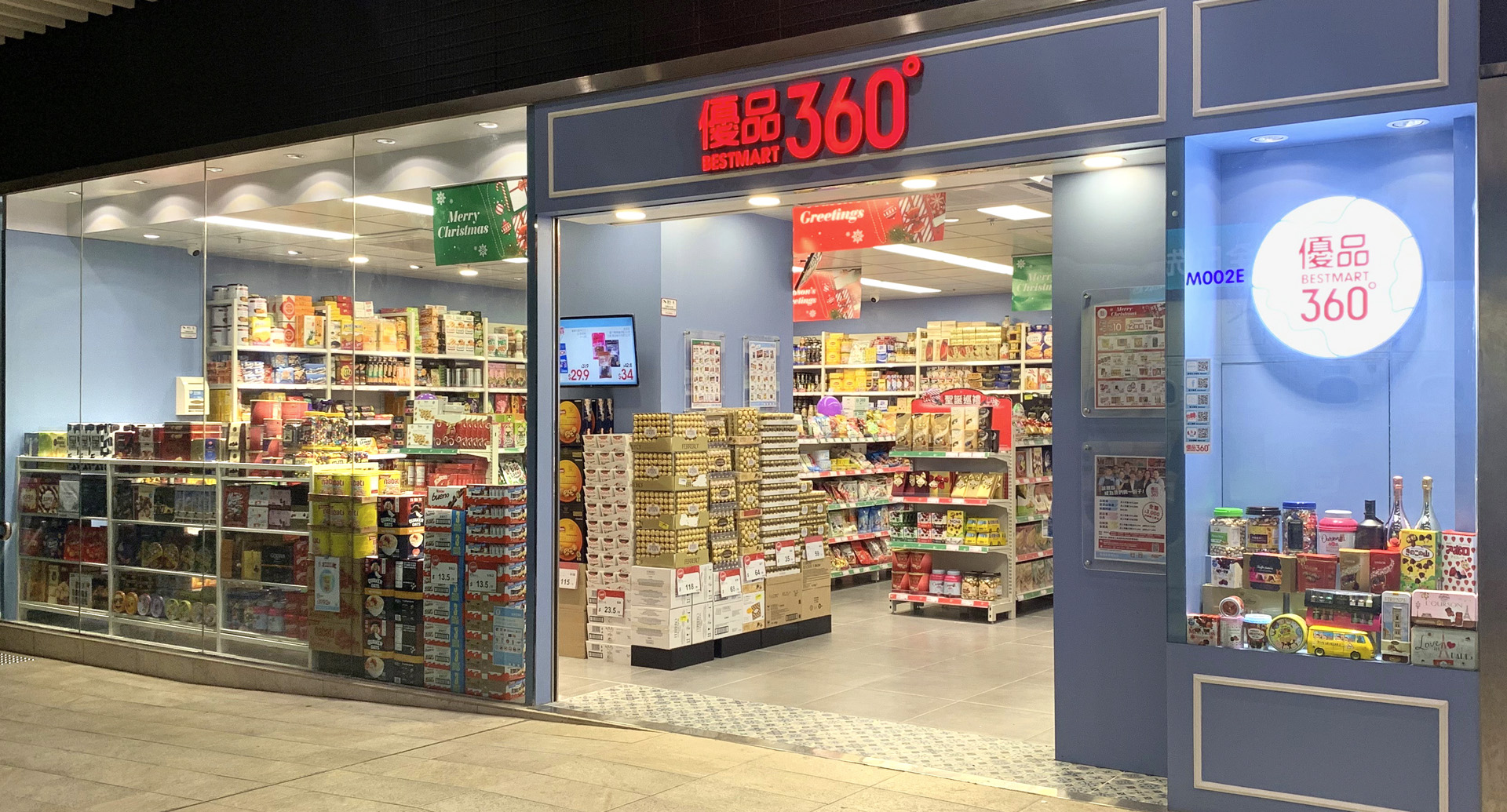
    Hong Kong snack retailer Best Mart 360 Holdings reported a 1.0 per cent rise in revenue to HK$1.45 billion for the six months ended 30 June 2026. Profit attributable to owners reached HK$116.2 million, supported by steady store-level demand for imported packaged food and household staples.

    Gross profit edged up 0.1 per cent to HK$518.8 million, translating to a gross profit margin of 35.8 per cent. The board declared an interim dividend of HK11.0 cents per share on basic earnings of HK11.6 cents.

    Private labels drive margin defence

    Sales from in-house private labels generated HK$277.2 million, up 10.3 per cent from HK$251.2 million a year earlier. These proprietary lines now represent 19.1 per cent of total turnover, spanning 12 private labels and 272 stock-keeping units across dried fruits, canned seafood delicacies, cereals, honey, and personal care items.

    Total store count reached 190 outlets at the end of June 2026, comprising 184 locations in Hong Kong and six in Macau. Cash-basis rental expenses absorbed 9.7 per cent of sales revenue during the period, while staff costs accounted for 9.6 per cent across an operational workforce of 1,257 employees.

    Expanding the FoodVille footprint

    The company continues to run a dual-banner model, deploying eight premium specialty shops under the FoodVille brand alongside its core chain. FoodVille targets mid-to-high-end consumers with selections of imported wine, chocolates, cheeses, and Western condiments. Across its entire business, the group catalogued over 3,054 stock-keeping units from 1,045 global brands.

    Hong Kong packaged food retailers face mounting headwinds as mainland Chinese e-commerce platforms expand cross-border grocery deliveries into the territory. At the same time, weekend outbound travel to Shenzhen continues to divert discretionary retail spending away from local neighborhood shopping malls. Best Mart 360 has countered this pressure by deepening promotions through its foodpanda mall delivery channel and expanding its direct-procurement supply base.

    Customer membership reached 2.47 million registered accounts by mid-year, including 1.37 million app users. Management is now negotiating lease renewals across high-density residential clusters while testing automated workflow tools to trim store-level administrative costs before the peak year-end retail season.

  • Australian Grocers Expand Private Labels as Coles Posts $1.09B Profit

    Australian Grocers Expand Private Labels as Coles Posts $1.09B Profit

    Coles Group posted a 1.09 billion Australian dollar net profit for the financial year ending June 28, as the country’s supermarket giants add thousands of private-label lines to store shelves.

    The expansion of store brands directly targets margin defence and customer retention across Australian grocery aisles.

    Private label pressure from Aldi

    Aldi entered the Australian market through Sydney in 2001, building its network on an inventory model where 90 per cent of products were private labels sold at lower price points. At that stage, Coles and Woolworths together controlled about 71 per cent of the national grocery market.

    The German discounter captured substantial market share by 2015. That persistent push forced both incumbent chains to rethink their merchandise mix and build out multi-tier house brands to compete across basic grocery categories.

    Margin defence and shelf allocation

    Supermarket operators use own-brand ranges to secure higher gross margins and gain greater use over suppliers. For grocery retailers across the Asia-Pacific region, allocating more shelf space to proprietary labels offers direct protection against wholesale price inflation.

    Both Coles and Woolworths face continued consumer demand for cheaper basket alternatives as shoppers swap branded packaged goods for supermarket-owned items.

  • Walmart To Eliminate Synthetic Dyes From Food Brands By 2027 Amid Health Initiative

    Walmart To Eliminate Synthetic Dyes From Food Brands By 2027 Amid Health Initiative

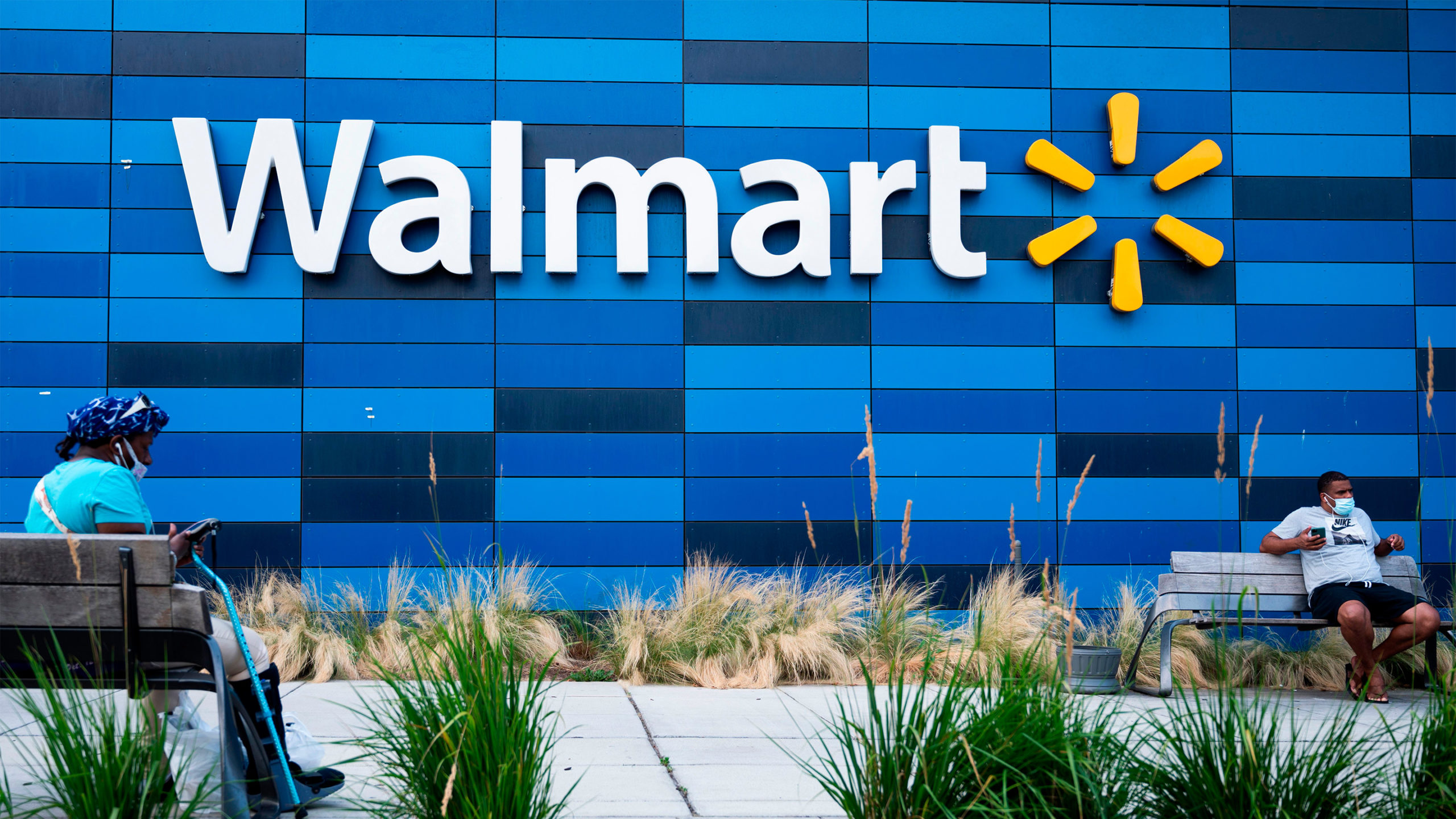
    In a move towards healthier food options, Walmart announced on Wednesday its plans to eliminate synthetic dyes from all its private-label food products in the United States. Products under its Great Value and bettergoods brands will be free of these dyes by January 2027, with this change aligning with efforts from other major corporations.

    Industry Trends Towards Healthier Options

    In response to the Trump administration’s “Make America Healthy Again” initiative, several renowned packaged food producers, including PepsiCo, Campbell’s, and Conagra Brands, have already declared similar intentions. According to Health Secretary Robert F Kennedy Jr., the move is aimed at curbing the adverse effects of ultra-processed food and chemical additives, which have been linked to various health issues such as childhood obesity, diabetes, cancer, mental health disorders, allergies, and neurodevelopmental conditions like autism.

    More Than Just Dyes

    Walmart, recognized as the world’s largest retailer in terms of sales, also intends to ban over 30 other ingredients. These include preservatives, artificial sweeteners, and fat substitutes from its private-label product range.

    “Our consumers have clearly expressed a preference for products made from simpler, more recognizable ingredients, and we are taking their feedback seriously,” said John Furner, President of Walmart US.

    The corporation manages six in-house food brands that enjoy considerable popularity among cost-conscious American consumers. Walmart reported that currently, 90% of its private-brand foods are already free from synthetic dyes.

    A Natural Substitution

    The company plans to replace artificial coloring with natural alternatives such as beetroot, turmeric, black carrots, spinach, and hibiscus. Despite the challenges in substituting blues and greens, Walmart remains committed to this health-conscious transition, a company representative explained.

    Specific changes include replacing yellow #6 and red #40 dyes in their “Great Value” brand gelatin products with Beta Carotene to achieve an orange color. For a cherry hue, the previously used red #40 and blue #1 dyes will be substituted with a blend of carrot, radish, hibiscus, blueberry, and spirulina.

    Impact on the Market

    Brian Ronholm, Director of Food Policy at the non-profit Consumer Reports, believes that as the leading grocer in the US, Walmart’s decision will significantly influence the market and enhance the safety of the food purchased by many Americans.

    The move extends beyond Walmart, as the Walmart-owned warehouse club chain Sam’s Club announced in June. They committed to remove artificial colors and aspartame from its Member’s Mark brand by the end of this year.

    Questions & Answers

    What is Walmart’s timeline for removing synthetic dyes from its private-label foods?
    Walmart plans to remove synthetic dyes from all its private-label foods in the US by January 2027.

    Why is Walmart removing synthetic dyes and other ingredients from its food products?
    The move is in response to consumer demand for products made with simpler, more familiar ingredients. It also aligns with a wider industry trend towards healthier food options, in line with the “Make America Healthy Again” initiative.

    What natural alternatives is Walmart using to replace synthetic dyes?
    Walmart plans to replace synthetic dyes with natural alternatives like beetroot, turmeric, black carrots, spinach, hibiscus, carrot, radish, blueberry, and spirulina. For example, Beta Carotene will replace yellow #6 and red #40 dyes in their gelatin products.

  • Migros to sell private label in Japan

    Migros to sell private label in Japan

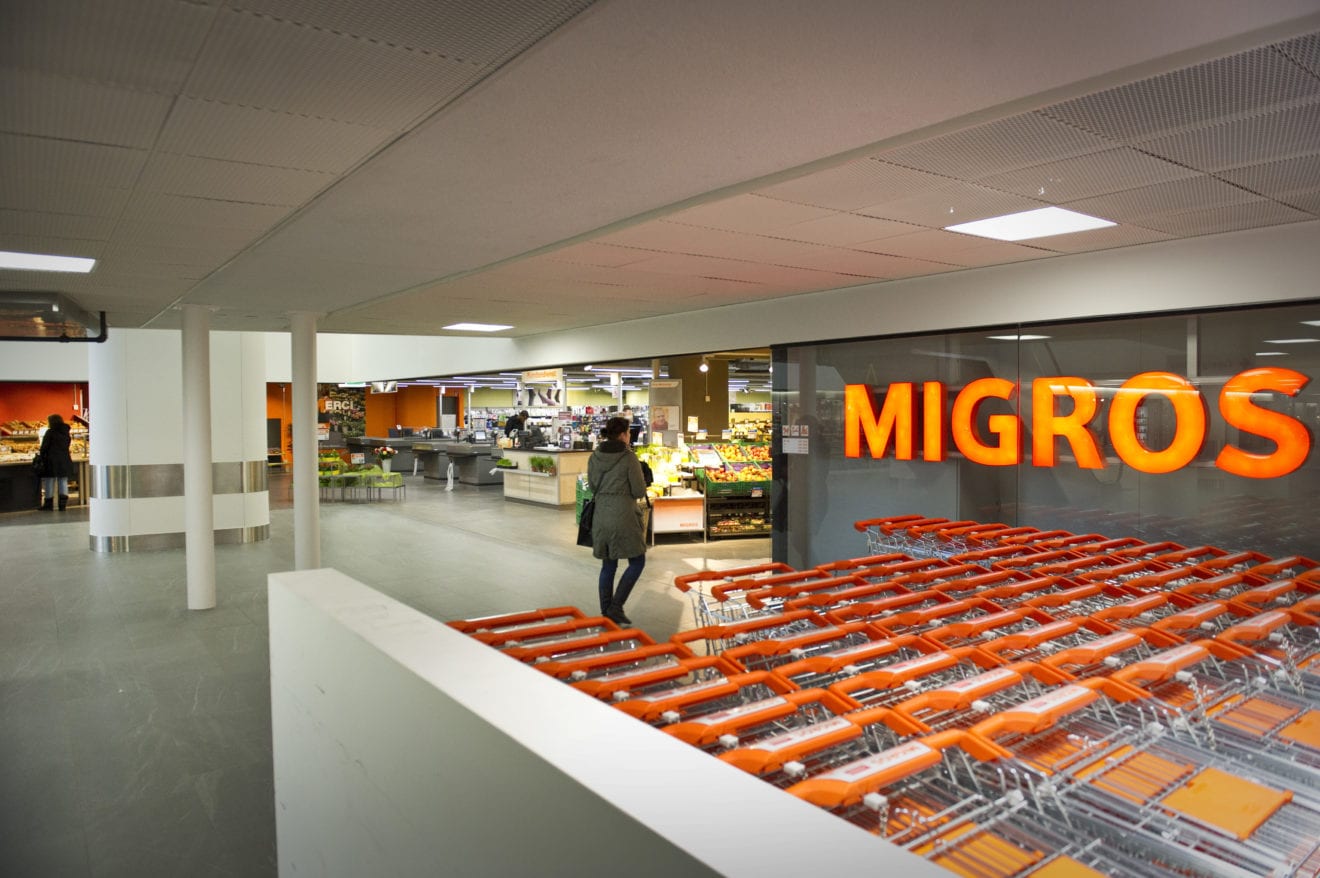
    Swiss retailer Migros is to sell private label products into two Japanese retail chains.

    Switzerland’s largest grocer, and one of the world’s 40 largest supermarket chains, is to sell lines to Lawson’s Seijo Ishii stores and Seiyu, which is Walmart’s Japan business.

    According to the Nikkei Asian Review, Migros will start with 16 premium products including Swiss Delice biscuits and iced tea, which will go on sale in 400 supermarkets trading under the Seiyu and Seijo Ishii banners.

    By 2020, Migros hopes to expand the range to 300 items, including desserts, snacks, cosmetics and skincare products, projecting sales of US$16 million annually.

    Retail research house IGD describes the move as “particularly surprising” for Seiyu, whose range already includes private label lines from Walmart’s own network, including Asda’s Extra Special wines.

    IGD describes Japan as “the most sophisticated private label market in Asia,” with strong players including Seven & I, Aeon, FamilyMart and Lawson.

    “These retailers are exploring the higher margin opportunities that premium private label ranges offer, focusing development around high quality, special ingredients and unique products.”

    Those ranges include Seven Gold and FamilyMart’s Platinum Line.

    But IGD says European influenced products are likely to appeal to shoppers’ increasingly cosmopolitan tastes, and the early line-up includes items which are mutually popular in the Swiss and Japanese markets: ice cream and iced tea.

    “Migros follows in the footsteps of European retailers Waitrose and Carrefour, whose private label products are already available in Japan through partnerships with Aeon.”

  • Personal label saving Korean retailers

    Personal label saving Korean retailers

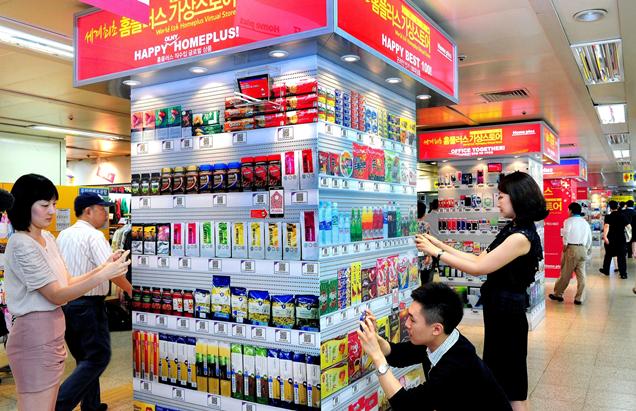
    As South Korea’s giant retailers are affected by damaging progress, personal manufacturers (PB), or personal labels (PL) are providing a ray of sunshine to Korean retailers.

    Gross sales of personal branded items have elevated 20 to 30 per cent within the first quarter in comparison with the identical interval final yr.

    PB items are often 20 to 30 per cent cheaper than different model items, and as they’re turning into more and more widespread, extra clients are constructing belief in sure manufacturers.

    Gross sales of Residence Plus PB items within the first quarter elevated 21 per cent, whereas gross sales of all items mixed solely elevated zero.9 per cent. PB merchandise now account for 28.four per cent of Residence Plus merchandise.

    Gross sales of PL items additionally elevated 15.four perc ent at E-Mart, whose administration report their  1.1 per cent gross sales improve within the first quarter – the primary year-on-year constructive progress price in 13 quarters – was because of the reputation of PB items.

    Gross sales of PB items on the CU comfort chain additionally elevated 7.6 per cent for the primary quarter in 2013, 9.1 per cent in 2014 and 22.eight per cent for a similar interval this yr. Gross sales of such items at 7-Eleven elevated a record-high 34.eight per cent.

    A person with information of Lotte Mart’s operations stated that though there was some distrust in personal manufacturers up to now, nowadays they’re among the many best items, as they’re produced by well-known producers.

    CU stated that it will give attention to creating private hygiene PB items sooner or later, because it has been solely creating snack PB items up to now.

    House Plus additionally stated that it will improve PB manufacturing, saying that as greater than 90 per cent of PB producers are SMEs, the present growth might additionally end in a constructive synergy impact on them.