Retail News CRM

Tag: product

  • FedEx Smooths APAC Business Compliance with New US Product Safety E-file Requirements

    FedEx Smooths APAC Business Compliance with New US Product Safety E-file Requirements

    FedEx Corporation, a major global express transportation company, is intensifying its support for businesses in the Asia Pacific (APAC) as they gear up for the forthcoming compulsory U.S. Consumer Product Safety Commission (CPSC) e-filing requirements, which are scheduled to become effective on July 8, 2026.

    The incoming requirement stipulates that all U.S. importers of CPSC-regulated products must e-file the necessary data elements for clearance when the goods enter the United States. This is designed to enhance safety supervision and improve compliance transparency. U.S. importers of CPSC-regulated products are required to include the complete CPSC PGA message set for each product imported. To make the process more efficient, importers have the option to pre-file product information in CPSC’s Product Registry, which allows them to send a condensed CPSC message set. This signifies a noteworthy change for APAC exporters, as this product information will now be made available before shipment.

    Awareness Versus Readiness

    While overall awareness of the mandatory CPSC e-filing is on the rise, operational readiness remains limited. Almost two-thirds (64%) of APAC businesses exporting consumer products to the U.S. are not yet prepared, with 28% understanding the requirements but yet to act, and 18% anticipating significant disruptions to U.S.-bound shipments. Only 15% of businesses are currently fully operational. Those businesses that have not yet addressed product safety data requirements, electronic documentation standards, and certificate referencing may face clearance delays, penalties, or denial of entry at U.S. borders.

    Businesses need clarity on identifying products within the CPSC scope which is the primary need (32%), followed by digital tools for pre-validating data (23%) and simplified guidance on scope, registration, and documentation (19%). In preparation for the new requirements, businesses are looking for solutions that minimize clearance delays and integrate compliance into their operations.

    The Role of FedEx

    Salil Chari, President, Asia Pacific, FedEx, noted that changes of this scale can introduce complexity for businesses operating across borders. His focus is on making compliance effortless for customers, so they can continue moving goods seamlessly while confidently meeting new standards.

    FedEx is assisting customers in navigating this transition more confidently through integrated digital solutions, regulatory guidance, and operational expertise. By simplifying compliance processes and integrating requirements into existing shipping workflows, FedEx aims to reduce disruptions while supporting timely, accurate submissions.

    Questions & Answers

    What is the new requirement set by the U.S. Consumer Product Safety Commission (CPSC)?
    The new requirement mandates all U.S. importers of CPSC-regulated products to e-file the needed data elements for clearance at the time of entry into the United States.

    What are the top needs of APAC businesses in relation to these new requirements?
    The primary need is clarity on identifying products within the CPSC scope, followed by digital tools for pre-validating data and simplified guidance on scope, registration, and documentation.

    What is FedEx doing to help businesses navigate these changes?
    FedEx is enabling customers to manage this transition more confidently through integrated digital solutions, regulatory guidance, and operational expertise.

  • Charlie’s Fine Food Expands Reach: Choc Chip Cookie Dough Hits Aldi Australia Shelves

    Charlie’s Fine Food Expands Reach: Choc Chip Cookie Dough Hits Aldi Australia Shelves

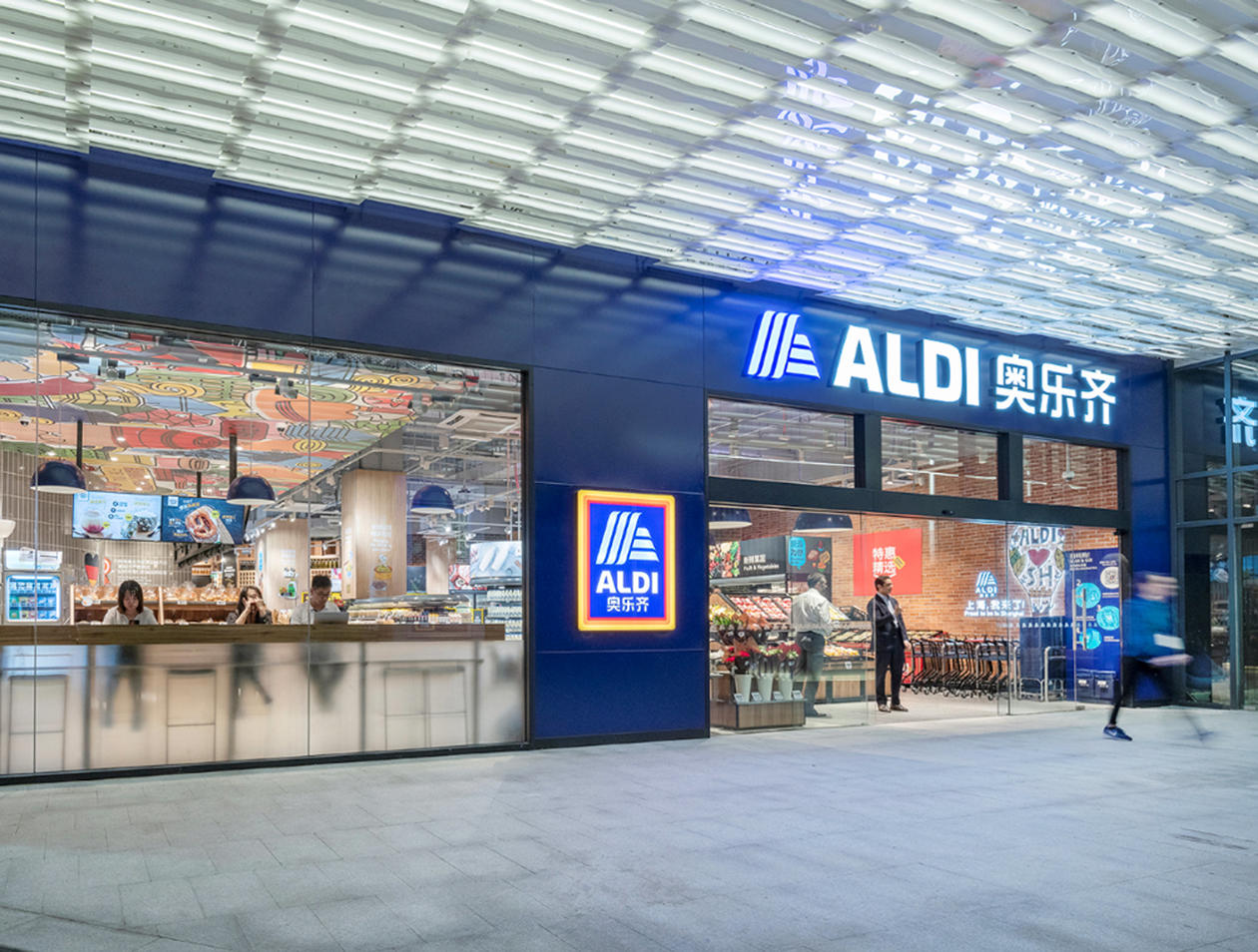
    The renowned Melbourne-based bakery, Charlie’s Fine Food, has recently made a significant splash with its products appearing on Aldi Australia’s shelves for the first time in over 20 years of operation.

    Expanding Product Reach

    The ready-to-bake Choc Chip Cookie Dough, which is the first product to be launched by the bakery in partnership with the supermarket chain, is now available in Aldi’s chilled dessert section across the nation. Priced at $6.49, the cookie dough is the result of 12 dedicated months of development. This launch is a significant achievement for the family-owned bakery.

    Jacky Magid, the director of sales and marketing, expressed her excitement about this fresh partnership with Aldi. “This is the first time we have collaborated with Aldi and the experience has been exceptional. We anticipate that this will be the first of many Charlie’s products we develop for Aldi’s shoppers to enjoy,” said Magid.

    Foundational History

    Charlie’s Fine Food was established in 2004 by Magid and her husband, Ken Mahlab. Over the years, the bakery has expanded its reach, with its products now being sold in major retailers such as Woolworths, Coles, Walmart, and Bunnings.

    In 2022, the bakery’s reputation grew even further with the popular launch of its Mini Melting Moments range in Woolworths Metro stores across the country.

    Questions & Answers

    What is the first product Charlie’s Fine Food has launched in Aldi?
    The first product from Charlie’s Fine Food to be launched in Aldi is their ready-to-bake Choc Chip Cookie Dough.

    Who are the founders of Charlie’s Fine Food?
    Charlie’s Fine Food was founded by Jacky Magid and her husband, Ken Mahlab.

    What is the significant product launch by Charlie’s Fine Food in 2022?
    Charlie’s Fine Food launched its Mini Melting Moments range in Woolworths Metro stores across the country in 2022.

  • Aldi removes single-use plastic straws from its product range

    Aldi removes single-use plastic straws from its product range

    Aldi, the multinational retail giant, has taken a significant step towards environmental sustainability by eliminating single-use plastic straws from its product line. This move aligns with the recycled soft plastics program led by the Australian Competition and Consumer Commission’s Soft Plastics Taskforce, which is prevalent in many large supermarkets.

    Aldi’s Environmental Commitment

    The decision to phase out single-use plastic straws is expected to prevent millions of these items from contributing to landfill waste and water pollution. Daniel Baker, Aldi Australia’s director of sustainability, voiced the company’s ongoing commitment to making positive changes for the environment. He highlighted how actions such as these serve as a testament to Aldi’s continuous efforts to improve the planet.

    Aldi’s dedication to environmental sustainability extends beyond this recent change. The company has also pledged to replace single-use plastic tableware in its staple and seasonal product offerings with paper alternatives. This strategy will result in an estimated reduction of 46 million plastic items annually.

    Previous Initiatives

    Aldi’s decision to eliminate plastic straws follows a series of eco-friendly initiatives introduced in 2021. Last year, the supermarket chain ceased the use of plastic straws in its juice boxes and popper cartons, substituting them with paper straws. This move led to the elimination of 70 million plastic straws.

    Industry-Wide Changes

    Aldi is not alone in its efforts to promote environmental sustainability in the retail industry. Fellow supermarket chain Coles has also stopped selling single-use plastic tableware products, opting for FSC-certified and reusable alternatives instead.

    Questions & Answers

    **What is Aldi’s latest initiative to reduce plastic waste?**
    Aldi’s most recent effort to decrease plastic waste is the elimination of single-use plastic straws from its product line.

    **What other changes has Aldi made towards environmental sustainability?**
    In addition to removing single-use plastic straws, Aldi has also pledged to replace single-use plastic tableware with paper options in their staple and seasonal product ranges.

    **Are other supermarkets making similar changes?**
    Yes, Coles, another major supermarket chain, has also stopped selling single-use plastic tableware, choosing to use FSC-certified and reusable options instead.

  • Diverse Product Options Shift Brand Loyalty Landscape in Vietnam

    Diverse Product Options Shift Brand Loyalty Landscape in Vietnam

    Kantar data shows Vietnam’s surge in options fuels consumers’ shifting brand preferences.

    In Vietnam, brand loyalty is becoming a relic of the past as consumers grow increasingly price-sensitive, a trend fueled by inflation and an explosion of choices. Peter Christou, General Manager of Kantar Vietnam’s Worldpanel Division, notes that shoppers are re-evaluating their brand allegiances, complicating efforts for companies to win their hearts.

    “Brand loyalty is being challenged not because consumers don’t care, but because they wield more power, face greater pressure, and encounter an unprecedented array of options,” Christou remarked. As economic pressures intensify, Vietnamese shoppers are opting for budget-friendly decisions, making it imperative for retailers to pivot.

    Kantar’s analysis reveals that the number of products on the market has doubled in the past decade, yet the success rate of these new offerings has plummeted by half. This paradox underscores the need for retailers to rethink their strategies in a landscape where standing out is tougher than ever.

    The evolution of online, offline, and hybrid shopping channels has transformed the way consumers engage with the market. “I can now explore so many shopping avenues—online and offline—which makes comparing deals and prices incredibly easy,” Christou emphasized.

    Retailers are now navigating a reality in which brand loyalty is elusive. Christou offers a roadmap for survival in this “low loyalty environment,” suggesting that retailers prioritize a data-driven approach, a deep understanding of consumer needs, and the delivery of personalized value.

    Looking into the future, Christou identifies key e-commerce trends that retailers must monitor closely. He highlights the burgeoning realm of social commerce platforms like TikTok, the significance of hyper-personalization driven by AI, the increasing appetite for quick commerce, and the prospective impact of augmented and virtual reality on the retail experience.

    In a world where shoppers are armed with options like never before, the question remains—how will retailers evolve to keep pace?

    Questions & Answers

    What is driving the decline in brand loyalty in Vietnam?
    The decline in brand loyalty is primarily driven by inflation, price sensitivity, and an explosion of choices available to consumers.

    What does Kantar’s data indicate about the proliferation of products in Vietnam?
    Kantar’s data suggests that while the quantity of products has doubled in the last decade, the success rate of these products has halved, indicating fierce competition for consumer attention.

    What future e-commerce trends should retailers in Vietnam be aware of?
    Retailers should monitor the rise of social commerce, the importance of hyper-personalization via AI, the demand for quick commerce, and the potential of augmented and virtual reality in the shopping experience.

  • Google improves its search criteria for product reviews

    Google improves its search criteria for product reviews

    You’ve probably been in a situation where you’ve been looking to buy a new smartphone and have been constantly searching for reviews in order to decide if this phone is worth your hard-earned cash. Apparently, Google understands how important product reviews are to potential buyers. It recently improved its search engine to display more relevant reviews for potential buyers to easily decide if they want to buy a product or not.

    From now on, for Google Search to show reviews as search results, Google will be looking to see if product reviews meet certain criteria. According to a blog post from Google, Google Search will now look for product reviews to:

    • Include detailed information that will assist potential consumers in understanding all of the product’s pros and cons.
    • Come from people who have really used the products they’re talking about and can show what the product looks like and how to use it.
    • Include additional helpful information that manufacturers don’t provide, such as additional photos, audio, or links to other content that shows the reviewer’s experience with the product.
    • Include product comparisons or explain how a certain product differs from its rivals.

    Google’s new search criteria for product reviews currently only work if you search in English. But Google stated that it would expand these new criteria to other languages as well. In this regard, Google said, “Ultimately, our goal is to help people find trustworthy, reliable advice when they come to Search — no matter what they’re looking for.”

  • Upset Tim Cook sends email to Apple employees about product leaks.

    Upset Tim Cook sends email to Apple employees about product leaks.

    Apple CEO Tim Cook once again made it clear that he is not happy with those who work at Apple and have a side hustle selling leaked information to those who pass these secrets on to Twitter tipsters and others. Cook wrote an email to employees last week and naturally, that missive leaked. Cook said in the email that Apple is doing “everything in our power to identify those who leaked” and he also stated that “people who leak confidential information do not belong” at Apple.

    Cook was upset to see details of a global employee meeting, held last Friday, September 17th, leak. During the internal meeting, the executive announced that Apple would demand frequent COVID testing for Apple employees who have yet to receive a vaccination, but that the company would not force workers to get the jab. He also was not happy that details of his response to the judge’s ruling in the Epic v. Apple bench trial were leaked.

    Cook wrote in his letter, “I want you to know that I share your frustration. These opportunities to connect as a team are really important. But they only work if we can trust that the content will stay within Apple. I want to reassure you that we are doing everything in our power to identify those who leaked. As you know, we do not tolerate disclosures of confidential information, whether it’s product IP or the details of a confidential meeting. We know that the leakers constitute a small number of people. We also know that people who leak confidential information do not belong here.”

    The executive added, “As we look forward, I want to thank you for all you’ve done to make our products a reality and all you will do to get them into customers’ hands. Yesterday we released iOS 15, iPadOS 15, and watchOS 8, and Friday marks the moment when we share some of our incredible new products with the world. There’s nothing better than that. We’ll continue to measure our contributions in the lives we change, the connections we foster, and the work we do to leave the world a better place.”

    Earlier this year, in an effort to stop leaks, Apple instructed its manufacturing partners Foxconn and Wistron, to conduct criminal background tests on all assembly line workers. Those found to have a criminal background would be banned from entering areas where unreleased Apple products are being developed and assembled. Additionally, all visitors to these factories must flash a government-issued ID, and guards must keep tabs on the movement of factory workers with possession of important components and products.

    There is a bit of inconsistency involved here. While Apple is promoting the privacy of its own employees by restricting the biometric information (like fingerprints) that Foxconn and Wistron can collect from Apple employees visiting these facilities, it still wants its manufacturing partners to collect this data from its own employees.

    The report that Apple held an internal meeting about leaks which itself leaked might have led you to experience deja vu. That’s because back in 2017 the company held an internal seminar called “Stopping Leakers – Keeping Confidential at Apple.” It was hosted by employees from Apple’s Global Security division. As you might have guessed, the seminar leaked.

    Arguably, the worse year for Apple iPhone leaks came in 2013 when images of the different colored rear shells for the more affordable iPhone 5c leaked. Many of these iPhone 5c leaks were traced to Australia’s Sonny Dickson, who at the time was a teenager.

    In 2017, Dickson told Reuters that he had 5 to 10 sources inside China who purchased prototype parts from assembly line workers paying $250-$500 a pop. The sources sent him videos of the parts and sometimes they sent him the parts themselves.

  • RangeMe opens 200,000 suppliers to Australasian retailers

    RangeMe opens 200,000 suppliers to Australasian retailers

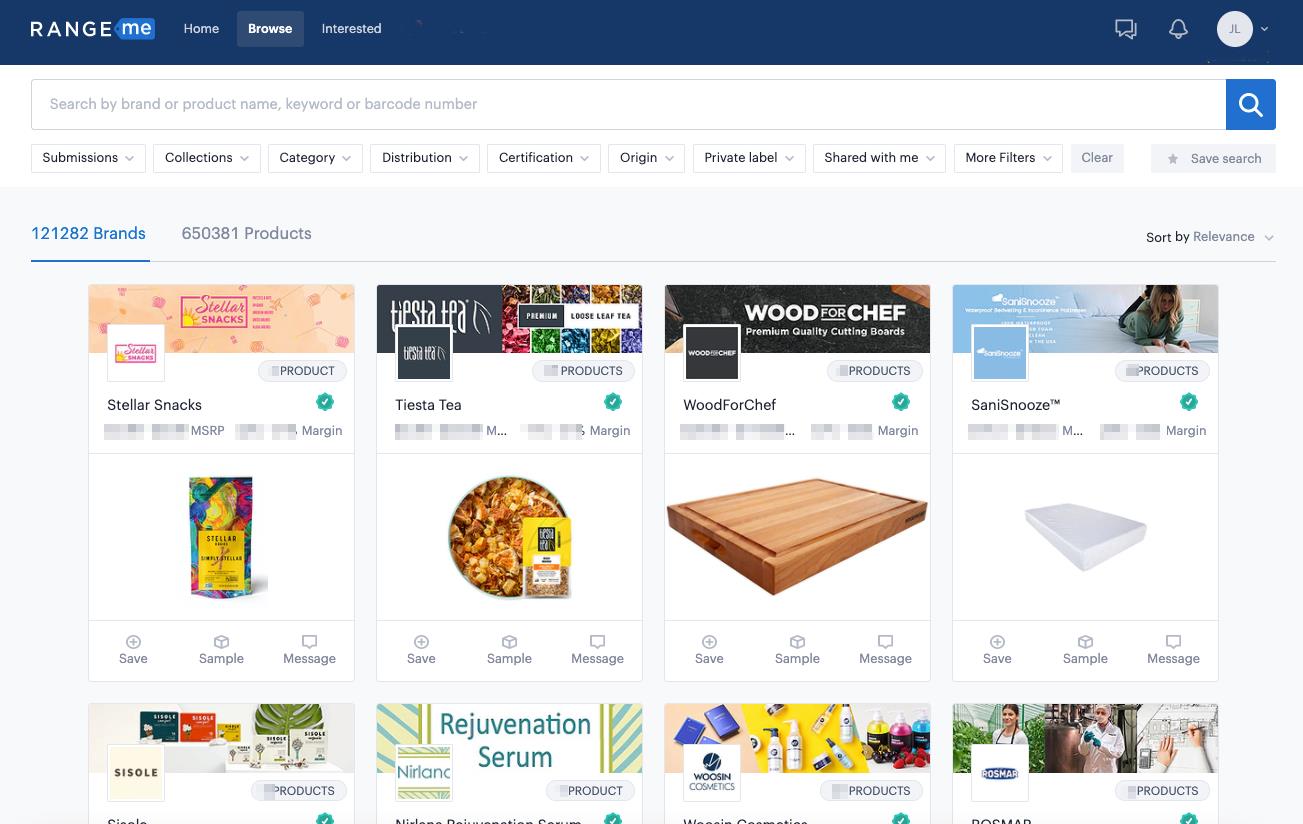
    Product discovery and sourcing platform RangeMe has fully launched its global service to retailers in Australia, New Zealand, and the wider APAC region, allowing businesses to access 200,000 international suppliers.

    A number of businesses are already using the service, such as Blooms the Chemist, Good Price Pharmacy Warehouse, Pet Circle and Pet Culture, and are now able to source new products at a time demand for a wider range of products is growing.

    “This will be a transformative experience for these retailers’ buyers,” said RangeMe chief executive Nicky Jackson.

    “Our mission has always been to empower retailers and suppliers to be productive and successful. The world has become a smaller place, but it remains distant for forging strong cross-border buyer and seller relationships

    “We built RangeMe to connect buyers and suppliers anywhere in the world.”

    RangeMe allows businesses to search and filter for products they want to sell, creating a more specific and intentional supplier relationship. The business is also open for Australian suppliers, which can sign up to be a part of the service and potentially gain new buyers from over 12,000 overseas clients – including Walmart, Sephora, Walgreens and Albertsons.

  • Facebook set to announce new audio products – Recode

    Facebook set to announce new audio products – Recode

    Facebook will announce a series of products under the umbrella of “social audio” on Monday, including its take on audio-chat app Clubhouse and a push into podcast discovery and distribution, Recode reported on Sunday.

    These plans include an audio version of Rooms, a video-conferencing product Facebook launched a year ago. The Clubhouse-like product will let groups of people listen to and interact with speakers on a virtual “stage”.

    Facebook will also launch a product allowing its users to record brief voice messages and post them in their newsfeeds, and a podcast discovery product that will be connected with Spotify, according to the report, which cited sources.

    The announcement will be made on Monday but some products will not show up for a while, the report added.

    A Facebook spokeswoman declined to comment. Spotify did not immediately respond to a request for comment on

    Facebook started public testing of a new application dubbed Hotline earlier this month, where creators can speak and take live questions from an audience.

    This Q&A product combines audio with text and video elements and comes as social media platforms experiment with a rush of new live audio features.

    The success of the invite-only, year-old app Clubhouse, which has reported 10 million weekly active users, has demonstrated the potential of audio chat services, particularly during the COVID-19 pandemic.

    Twitter has been testing its audio feature Spaces and Facebook is also dabbling with a live audio room offering within its Messenger Rooms.

  • HSBC Appoints Private Banking Product Head

    HSBC Appoints Private Banking Product Head

    HSBC Private Banking named a new global head of products, investment, and collaboration based in Hong Kong.

    Lavanya Chari joins from Deutsche Bank in Singapore where she was last its global head of products and solutions for private banking.

    According to an HSBC statement, Chari will lead HSBC’s product strategy serving both private banking and personal banking client needs, effective July 20. Chari will report to Annabel Spring, head of Customers and products for the wealth and personal banking unit as well as the CEO of HSBC Private Banking.

    Chari joined Deutsche Bank in 2002 and had since held various senior roles across its wealth amendment and global markets business. Previously, she also ran other businesses such as Asia structured investment solutions, global commodities asset structuring globally, and rates asset structuring for Europe.

    Chari will be charged to cover a full continuum of clients across HSBC’s banking segments from personal banking all the way to family offices, according to a recent comment by regional head of wealth and personal banking Greg Hinston, who placed extra emphasis on the latter segment.

    The newly merged unit, with a combined $1.4 trillion in assets, will look to target markets where it has scale – Britain, Hong Kong, and Mexico – with a focus on mortgages, wealth, and issuance products, and unsecured lending.

  • Coles drops prices of over 300 products

    Coles drops prices of over 300 products

    Coles is dropping the price of over 300 products and adding more own brand and bulk offerings as part of a refreshed “value strategy”.

    The price cuts cover a wide range of supermarket categories from the bakery to the meat section, with a big investment in lowering the price of poultry, the number one dinner protein choice for customers.

    Following in the footsteps of US giant Costco, Coles is introducing big value packs of staple items such as tea, coffee, tomato sauce, olive oil and rice, and adding hundreds of new own-brand products.

    The supermarket giant said this is its biggest investment in value in recent years, and is aimed at lowering the cost of meal times for customers.

    “We’ve been reviewing the products our customers are buying every day and determining where we can really make a difference to their cost of living. Our vision is to be the most trusted retailer in Australia and we must take a customer-obsessed approach to value,” Coles chief marketing officer Lisa Ronson said in a statement on Friday.

    Retail expert, Professor Gary Mortimer  said hat Coles’ strategy will mean, “short term gain, but long term, unsustainable pain,” as competitors match prices and demand patterns return to normal.

    “Price is the easiest, most replicable marketing strategy,” Mortimer said.

    “In an oligopolistic market, dominated by three or four major players, price cuts trigger price wars. While there will be an initial short term kick to sales at Coles in the coming weeks, as Woolworths and others follow, sales stabilize and return to normal.”

    “Short term price strategies lack sustainability, particularly in fresh foods, such as meat, fresh produce and delicatessen,” he added.

    Woolworths might be reluctant to engage in these “price wars” however, having announced in May that it was moving away from the discounting model, to focus on every day better value for customers.

    Speaking at the Australian Food and Grocery conference Woolworths’ director of buying, Peter McNamara, highlighted the importance of “value beyond price”, saying that customers want to feel like they are getting the best deal and that they can trust this is what they are getting from the retailer.

    “We want to be competitive in the marketplace, customers expect us to be competitive,” McNamara told conference attendees. “Price trust is consistently one of the key metrics of store choice.”

    The retailer is hoping that its strategy of providing “good food, good prices, good acts,” will help it to grow sales in the increasingly competitive market.

    Point of difference

    Mortimer believes that finding a point of difference is a better strategy than engaging in “price wars” particularly with the impending entry of more international players in the market.

    “With Kaufland less than 18 months away from launch, it is interesting to see a supermarket push a low price message. Going head to head on price with Kaufland is not a smart move,” he said.

    “Adopting a point of difference is much smarter, and we have seen both Coles and Woolworths move in this direction.”

    Both Coles and Woolworths have announced changes to store format this year, with Coles planning to reformat around 200 stores to focus on convenience, and Woolworths returning its focus to fresh, customer service and convenience.

  • Nike products withdrawn in Mainland China after Instagram mistake

    Nike products withdrawn in Mainland China after Instagram mistake

    Nike has elected to withdraw a new shoe design in Mainland China after a politically sensitive image was posted to Instagram by one of its designers.

    The issue overshadowed a solid result from the sportswear giant (scroll down for coverage)

    The image was in support of protests in Hong Kong – news of which has been heavily censored on the mainland – and was posted to an account belonging to one of Nike’s partnering fashion labels in Japan, Undercover, which collaborated on the shoe.

    Nike’s retail partners began pulling the shoe from sale following the post, with some vendors posting announcements that Nike had given urgent instructions to halt the shoe’s release. The withdrawal may have been a response to a negative backlash against the brand on Chinese social media for its apparent siding with Hong Kong.

    Breaching sensitive political issues has proved costly for many companies attempting to do business in China, as nationalist sentiments spread virally on platforms such as WeChat and Weibo can decimate brand credibility overnight for crossing the line.

    The Undercover Instagram post has since been removed, and the firm has claimed that the content was an “individual opinion” posted mistakenly.

    Meanwhile, Nike’s net profit increased to US$4 billion during the 2019 financial year, more than double last year’s figure of $1.9 billion.

    However, the large disparity is attributed to the enactment of the Tax Act last year, which raised Nike’s effective tax rate to 55.3 percent – causing a 54 percent drop in profits. This year, Nike’s tax rate returned to a more normalized level of 16.1 percent.

    Yesterday, Nike president, chairman and CEO Mark Parker told investors this year was a pivotal one for the company.

    “Our distinctive innovation and digital advantage led to accelerated growth across our complete portfolio, while our brand fuelled deeper relationships with consumers around the globe,” he said in a statement.

    Revenue grew 7 percent to $39.1 billion, driven by sportswear, Jordan, and running, as well as strategic investments in innovation and digitally led by Nike Direct.

    The Converse brand saw revenue grow 3 percent to $1.9 billion, which was mainly driven by double-digit growth in Asia and digital.

  • Alibaba Cloud Ranked First in Asia Pacific by Gartner

    Alibaba Cloud Ranked First in Asia Pacific by Gartner

    Alibaba Cloud, the cloud computing and data intelligence arm of Alibaba Group, has been named first in Asia Pacific(*) market share for IaaS (Infrastructure as a Service) and IUS (Infrastructure Utility Services) in two consecutive years as per Gartner’s latest report revealed earlier this month named Market Share: IT Services, 2018. It has also retained its top three global provider position in the same space.

    According to this Market Share conducted by global analyst firm Gartner, Alibaba Cloud led the Asia Pacific market for IaaS and IUS with 19.6% market share (+4.7% market share gain from 2017). The technology innovator is followed by 11.0% and 8.0% market shares of the second (AWS) and third player (Microsoft) respectively in Asia Pacific in 2018.

    Alibaba Cloud boasts a strong network in Asia Pacific, with 15 availability zones in the region outside mainland China, covering Hong Kong, Singapore, Australia, Malaysia, Indonesia, India and Japan markets. It is the only global cloud provider that has set up local data centers in Indonesia and Malaysia, offering a wide range of cloud and data analytics products.

    “It is very encouraging that our continued dedication to enabling cloud development across industries in both Asia Pacific and globally(**) has been recognized by world’s leading research and advisory company. As the only global cloud provider originated from Asia, we will continue to champion millions of businesses through our world-class infrastructure, advanced analytics tools and thriving ecosystem.” said Lancelot Guo, Vice President of Alibaba Group and Head of Strategy and Marketing at Alibaba Cloud.

  • How technology shape the future of retail in India

    How technology shape the future of retail in India

    The Indian Retail Industry is considered one of the fastest growing industries in the world and technology has emerged as a helping hand to the industry. The world has seen a transition in retail planning –with the industry going from being product-centric to being customer-centric – and retailers are leveraging technologies to reach the modern shoppers.

    Over time, retail technology has transcended from an aspiration to an expectation and has wedged itself securely between consumer and experience to create an everyday interface. While it has definitely made life easier for consumers, retailers in India have spent a better part of the last decade on their heels, reacting to profound changes throughout the sectors of the industry.

    Retailers today are not fighting with retailers anymore; instead they’re fighting with different technological interventions in order to be the most competitive in the world. With growing competition, it has become extremely vital for retailers to innovate continuously and implement cutting-edge technologies to fulfil today’s demanding customers’ need.

    In order to stay relevant in a highly competitive market, every retailer needs to stay on top of technological advances and also learn how to exploit these technical innovations to forward their business goals.

    Over the past few years, a number of technology trends have evolved and dramatically altered the retail industry. The emergence and the transformational growth of the new economy has unleashed powerful forces which are eventually and successfully reshaping the retail industry at a transformational speed. In order to succeed, today’s retailers have to offer a seamless shopping experience across all channels – and should not lose track of their customers.

    Today, the entire retail ecosystem has smartened with technology. There are so many things one can experiment with if a retailer uses technology, for example: smart displays, in-store services, smart shelves, home delivery, brand optimization options, supply chain optimization, logistics automation to name just a few.

    Then there are wallets, point of sale data, social networking – where you can home in on complaints as well as get appreciated. All this is driven by the retailer into applications where the consumer sees, feels, asks the retailer questions and eventually buys the product.

    Giant players of the retail industry have accepted technology with arms wide open to captivate and secure customers and have made optimum use of technology to optimize their business. Whereas small retailers, most of them belonging to the unorganized sector, are yet to adopt technology to be adept with the changes and technological innovations taking place in the retail market. If the entire unorganized retail trade, which is 80 percent of the entire retail trade, adopts technology, the retail industry will usher in a new era providing a much-needed thrust to the Indian economy. Technology is the knight on the white horse that will ride the retail market towards prosperity and triumph.

    What took the year 2018 by storm is phrase ‘Experiential Retail’. It became the code of the moment; delivered through convenient accessibility, in-store features, customer engagement through ATL and BTL animation or out-of-the-box blends of the physical and digital shopping universe.

    Some other trends that impacted the retail industry in a big way in 2018 are:

    IoT (Internet of Things)

    IoT has big implications for in-store marketing efforts of retailers and brands. Connected devices aren’t just changing the way consumers live, work and play – they’re dramatically reshaping the entire industry. The IoT movement offers retailers opportunities in three critical areas: customer experience, supply chain and new channels-revenue streams.

    Leading retailers across the globe are already investing heavily in IoT. They are beginning to transform their business practices and recognize that, in time, IoT will touch nearly every area of retail operations and customer engagement. In the IoT of today, everything has the potential of coming under the IOT umbrella. From the lighting system in the store, the PoS (Point of Sales) system, to the electric switches and even garbage disposal units…IOT is at the heart of retail transformation. It connects people, machines, items, and services to streamline the flow of information, enable real-time decisions, and heighten consumer experiences.

    While the IoT may still seem like science fiction, it is becoming reality faster than most of us can comprehend. Retailers that hesitate to develop and execute an IoT strategy will open the door for competitors – old and new alike – to swoop in and capture early IOT mind and market share.

    SMAC (Social, Mobile, Analytics & Cloud)

    The relationship between consumers and enterprises has never been as intrigued as in the 21st century. As digital technologies augmented by SMAC are creating new touch points for enterprises to awe their consumers, there has been an evolution in consumer experiences. Social, mobile, analytics and cloud or SMAC are the nexus of forces, which are reshaping how consumers experience a brand.

    SMAC are currently driving business innovation. It creates an ecosystem that allows a business to improve its operations and get closer to the customer with minimal overhead and maximum reach. Digital is now an essential part of the whole shopping experience and the entire business of retail, inside as well as outside the store. You don’t need to leave a physical store to get your digital fix. Instead, retailers are leveraging a wide array of in-store technologies meant to draw consumers in the door. As the impact continues to increase, the way retailers think of digital and invest in it, besides addressing the digital wants and needs of their customers is changing dramatically.

    Big Data

    Today, retailers are constantly finding innovative ways to draw insights from the ever-increasing amount of structured and unstructured information available about their customers’ behaviour.

    Data gathering, and analytics are playing a key role in evolving business models in retail. Usage of data and analytics to better understand consumers in the form of branding, product management, leveraging loyalty card information to tracking customer buying behaviour and making better pricing decisions are the key factors. Collecting and leveraging customer information to provide personalized recommendations is the norm going forward.

    Retailers – large and small – have been reaping the benefits of analysing structured data for years but are only just starting to get to grips with unstructured data. There is undoubtedly still a great deal of untapped potential in social media, customer feedback comments, video footage, recorded telephone conversations and locational GPS data. Great benefits have come to those who put it to best work, and the best solutions have more likely come from innovative thinking and approaches to analytics, rather than those who simply try to collect as much data as possible and then see what it does.

    Omnichannel Retail Adaptation

    Omnichannel is a term that extends and supersedes multi-channel. Multi-channel (or cross-channel) refers to delivering content and considering consumer experience on more than one channel. Omnichannel is about understanding and optimizing for the entire journey across all channels.

    Omnichannel today is a necessity. Brick-and-mortar retailers have been left with no option but to add online channel to their offline operations in a bid to reach as many customers as possible, and quickly. Omnichannel retailing creates benefits for consumers and opportunities for retailers. For consumers, it empowers connected consumers by making it easier for them to access information and compare product details; by increasing choice; and by increasing convenience and the range of options for shopping. For retailers Omnichannel creates opportunities, ranging from potential extension of sales and increasing brand awareness and loyalty.

    A poorly executed Omnichannel or personalization strategy, however, can do more harm than good. Handling one or two channels discretely but satisfying expectations is better than disappointing your consumers when you fail to deliver added value — or worse still, confuse or frustrate — while tackling all channels. Personalization can be even more dangerous because of very real risks that your brand can be given the dreaded creepy label.

    To be successful at delivering a personalized experience in Omnichannel marketplace, adaptive content is a requirement. It is content that is designed for both personalization and delivery across many channels.

  • Korea’s industrial output growth slowest in near 20 years

    Korea’s industrial output growth slowest in near 20 years

    Industrial output is growing at the slowest rate in nearly 20 years, while facility investment dropped the most in a decade.  Other signs that the economy is in trouble include seven straight month of declines in the coincident and leading indexes. According to Statistics Korea and the Ministry of Strategy and Finance Thursday, last year industrial output grew 1 percent compared to 2017. This is the slowest annual growth rate since 2000.

    Manufacturing industry output was only able to rise 0.3 percent, while the construction industry, which is an important contributor to the domestic economy, fell 5.1 percent, with a particularly weak second half.

    Facility investment was down 4.2 percent, the sharpest drop since 2009, when the number declined 9.6 percent. The government said the decline in facility investment was largely due to weakening in the semiconductor sector.

    Consumption statistics were relatively strong, on the rising sales of both durable and nondurable goods. When compared to the previous year, consumption rose 4.2 percent, the sharpest increase in seven years. In 2011 consumption went up 4.6 percent.

    Strength was noted at duty-free shops and online.

    While traditional retail store sales were down, including those of discount marts like Emart and Lotte Mart, falling 2.8 percent, as well as those at smaller supermarkets and miscellaneous stores, falling 0.7 percent, sales of online stores were up 14.2 percent and duty-free sales surged 31.5 percent. Chinese tourists returned to the country in great numbers as a result of easing tensions over the introduction of a U.S. missile defense system.

    Convenience store sales were up 8.5 percent, a trend that has been seen in recent years as the number of people living alone has been rising.

    December figures weren’t comforting.

    When compared to the previous year, overall output grew 0.3 percent, which is half of the 0.6 percent reported in November. When compared to the previous month, December output fell for the second consecutive month at 0.6 percent.

    Manufacturing and mining output improved compared to the previous month. It also rose 1.6 percent compared to the same month the previous year, compared to November’s 1.1 percent.

    December output fell 1.4 percent month-on-month, the second consecutive month of decline.

    While the fall in output of automobiles was one of the major factors, down 5.9 percent compared to November, semiconductor output was also another contributing factor, as it fell 4.5 percent.

    The ministry said automobile production continued to fall as exports have shrunk. Overseas and domestic demands have been weak.

    Semiconductors, which have long been a positive force, started to become a drag, with production at some companies falling on weak demand.

    Investment in December alone fell sharply, declining 14.5 percent year-on-year, the sharpest fall since September 2018, when it tumbled 19.2 percent. Even when compared to the previous month, it dipped 0.4 percent.

    The coincident index, which shows the current economic situation when compared to the previous month, fell 0.2 points, down for nine consecutive months.

    It is the longest losing streak since falling for 11 months starting September 1997, when Korea was hit by the first financial crisis.

    The leading economic index fell 0.2 points compared to November, declining for seven consecutive months.

    In a statement, the ministry said it will swiftly move on “big projects” so investment sentiment will improve.

    “The government, if possible, is trying spend a quarter of the budget as early as possible,” Finance Minister Hong Nam-ki said Thursday.

    He denied he is looking into the possibility of a supplementary budget to boost the economy.

    “We’re only in January,” Hong said. “A supplementary budget is not under consideration.”

    The minister said the government will be announcing export measures, mostly focusing on financial aid to SMEs.

    “While finding new markets [for exports] is important, currently the most difficult issue is [SME] exporters struggling to get financial aid,” Hong said.

  • China will flood US with its product

    China will flood US with its product

    Turnover in the Chinese retail industry will eclipse that of the US later this year, according to analyses. “Nothing is going to stop them,” said one commentator as new data emerged showing a fast-narrowing gap between the two markets. The fact China would overtake the US was never in doubt – China’s population of 1.4 billion is vastly more than the US population of 325 million.

    According to data from eMarketer, total Chinese retail sales will grow 7.5 per cent this year to reach US$5.636 trillion. But growth in the US is likely to be significantly slower at just 3.3 per cent, reaching $5.529 trillion.

    Not even the slowdown in China’s economic growth is likely to affect the figures – a rebound may even hasten the milestone.

    GlobalData Retail MD Neil Saunders says a big factor in the speed of China’s retail growth is the way the industry has evolved. In the US, retailers were established well before the advent of the internet meaning adapting to the new online environment has meant managing their brick-and-mortar stores while pursuing growth online.

    But in the US, the market began to mature in an online world, and online spending there will account for more than 30 per cent of total retail sales this year. In the US, online is predicted to account for less than 11 per cent.

    “The US retail environment grew up in a very different era,” says Saunders. “It grew up before the internet. There is a historical difference and an evolutionary difference, which has created this very different backdrop to retail.”

    The rapid rise of the Chinese retail industry has been fuelled by rising incomes across the country, the urbanisation of the population and a burgeoning middle class.