Tag: Property

  • Hong Kong Sees Record $2.2B Surge in Bulk Property Investments Amid Rising Rental Demand

    Hong Kong Sees Record $2.2B Surge in Bulk Property Investments Amid Rising Rental Demand

    In the wake of a record-breaking first half of the year, bulk homebuyers are anticipated to continue to be a significant influence in Hong Kong’s primary residential market throughout the second half of the year. The strong rental demand, particularly from mainland Chinese students and migrant workers, is bolstering this trend.

    Record Figures Demonstrate Investor Confidence

    From the beginning of the year to June, 654 buyers purchased two or more residences in the primary market. They bought a total of 1,794 flats with an estimated value of approximately HKD17.4 billion (US$2.2 billion). These numbers represent a significant increase from the previous year, effectively doubling and setting new records for buyer amounts, units sold, and the overall transaction value.

    Bulk buyers were responsible for about 14% of all primary home sales during this period. This means that approximately one in seven new flats was bought by purchasers acquiring a minimum of two units.

    A surge in purchases indicates a growing investor interest in rental properties. Hong Kong’s rental index reached a new high in June, making smaller apartments near educational institutions and transport hubs an attractive choice for investors.

    Increasing Appeal of Specific Developments

    The majority of bulk purchases were made in developments that were particularly well-suited to the rental market. Sun Hung Kai Properties’ Lime Spark in Tsuen Wan, which is a favored rental district with excellent transport links, had the most bulk transactions in June, with 29 deals covering 95 flats worth HKD669 million.

    Furthermore, Henderson Land Development’s Highwood in To Kwa Wan and One Victoria Cove in Hung Hom, both of which are near university campuses, recorded 16 and 13 bulk transactions, respectively. Together, these three developments accounted for approximately three-quarters of June’s bulk transactions.

    While most investors bought two units, 65 buyers purchased at least five homes and seven procured 10 or more. The most substantial single transaction in the first half of the year comprised an investor acquiring 16 flats in Highwood for over HKD111 million.

    In June, bulk-buying activity decreased as fewer projects were launched by developers. Nevertheless, bulk purchases are expected to pick up again in the third quarter as new projects are introduced and investor attention refocuses on the property market following global events such as the World Cup.

    Questions & Answers

    Why was there a surge in bulk home purchases in the first half of the year?
    The spike in purchases is primarily due to increased investor interest in rental properties, driven by robust demand from mainland Chinese students and migrant workers.

    What factors make certain properties more attractive to bulk buyers?
    Properties that are attractive to bulk buyers are typically smaller apartments near universities and transport hubs. Developments in popular rental districts with strong transport connections are especially appealing.

    What are the predictions for the third quarter of the year?
    Bulk purchases are expected to rise again in the third quarter as developers introduce new projects and investor attention shifts back to the property market. A boost in the stock market is also expected to support buying sentiment.

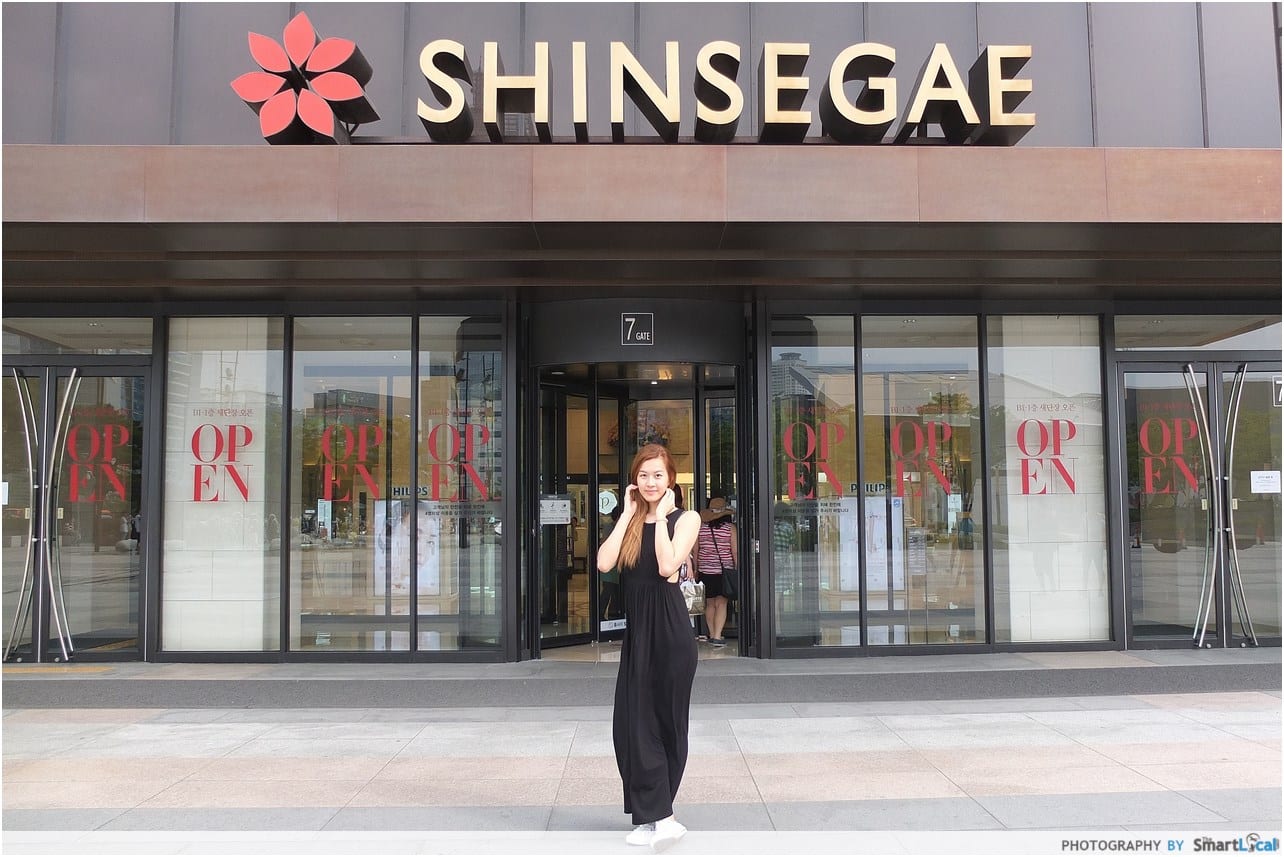
  • Shinsegae Chairman Elevates to CEO Role, Spearheading Growth for E-Mart & Property Division

    Shinsegae Chairman Elevates to CEO Role, Spearheading Growth for E-Mart & Property Division

    Shinsegae Group’s chairman, Chung Yong-jin, is set to expand his role within the organization, assuming CEO positions at both E-mart and Shinsegae Property. This move by the South Korean retail heavyweight signals an aggressive push for growth in its primary sectors.

    Shifting Responsibility and Strategy

    Chung’s dual appointment marks a significant shift within the group, with the chairman now directly overseeing the operations of the nation’s largest retailer and its property development subsidiary. This decision comes at a crucial time when the company, faced with a challenging retail environment, is actively seeking new avenues for expansion. The decision underscores Chung’s resolve to shoulder a larger part of the company’s overall direction and performance.

    Chung appreciates the market’s expectations for clear accountability in the company’s management. As the newly appointed CEO, he is prepared to submit to the evaluation of the board of directors and shareholders.

    In his capacity at E-Mart, Chung will directly oversee the retailer’s operations and future growth strategies. The company believes this change mirrors his dedication to tackling current business hurdles and boosting shareholder value.

    Leadership Changes and Future Plans

    In his role at Shinsegae Property, Chung will supervise the group’s major development projects and support plans to secure locations for a proposed AI data centre that was announced earlier this year.

    This management shakeup follows a recent controversy at Starbucks Korea, where E-Mart is the majority shareholder. Since this incident, the retailer has committed to organizational reforms to bolster governance and operational supervision.

    Shinsegae Property executive Lee Hyung-cheon has been named as co-CEO and will continue to oversee the company’s regular operations and development activities. Shin Dong-woo has been nominated as the new CEO for Starbucks Korea. Shinsegae has stated that he will focus on reinforcing internal controls, enhancing operational systems, and restoring trust among clients and partners.

    Questions & Answers

    What new roles is Chung Yong-jin assuming at Shinsegae Group?
    Chung Yong-jin is taking on the dual roles of CEO at both E-mart and Shinsegae Property.

    What implications does this dual appointment have for the company?
    This move signals a significant shift in Shinsegae Group’s strategy, with Chung Yong-jin assuming more responsibility for the company’s overall performance and direction. It also demonstrates a commitment to tackling current business challenges and enhancing shareholder value.

    How will the roles be distributed among the leadership after these changes?
    Chung Yong-jin will oversee operations and future growth strategies at E-Mart and major development projects at Shinsegae Property. Lee Hyung-cheon will continue to oversee day-to-day operations and development activities at Shinsegae Property as co-CEO. Shin Dong-woo will focus on internal controls, operational systems and regaining trust as the CEO of Starbucks Korea.

  • New Zealand Eases Property Ownership Rules for Foreign Investors: What It Means for the Market

    New Zealand Eases Property Ownership Rules for Foreign Investors: What It Means for the Market

    In a significant policy shift, New Zealand is set to open its doors to affluent foreign property investors, marking the end of a seven-year ban. This ban was initially implemented by the center-left government of former Prime Minister Jacinda Ardern in 2018 to combat skyrocketing housing prices attributed to a surge in immigration and a pronounced lack of housing availability.

    While Australians and Singaporeans were exempt from the restrictions due to existing trade agreements, the newly unveiled regulations allow holders of the Active Investor Plus residency visa to purchase or build homes valued at NZ$5 million (approximately USD$2.95 million). This change is set to take effect by the end of the year and aims to strike a balance between those desiring to restrict foreign ownership and the ambition to attract wealthy investors.

    Prime Minister Christopher Luxon reported that since the visa’s launch in April, over 300 applications have been submitted, all requiring a minimum investment of NZ$5 million within three years. “The price threshold methodically navigates a path between those who do not want foreign ownership opened up and the desire to lure high-net-worth investors,” he explained.

    Interestingly, New Zealand’s geographical remoteness — once seen as a disadvantage — has transformed it into a coveted retreat for ultra-rich individuals seeking an exclusive escape. The tale of billionaire Peter Thiel, founder of Paypal and a U.S. President Donald Trump supporter, illustrates this allure. After becoming a citizen in 2011, Thiel planned an extravagant private estate but became embroiled in controversy when it emerged he had only spent a mere 12 days in the country.

    Despite a 30% surge in property prices in various regions during the pandemic, values have since declined over the past two years. Nonetheless, the housing supply remains constrained, leaving many New Zealanders struggling to secure home ownership.

    Questions & Answers

    What prompted New Zealand to relax its restrictions on foreign property ownership?
    The relaxation stems from a desire to attract wealthy foreign investors, balancing the interests of New Zealanders who support restrictions on foreign ownership with the potential economic benefits of attracting high-net-worth individuals.

    How much must foreign investors invest to qualify for the Active Investor Plus residency visa?
    Foreign investors need to invest at least NZ$5 million (roughly USD$2.95 million) over a span of three years to qualify for the visa, which allows them to purchase or build property in New Zealand.

    What has been the trend in New Zealand’s housing market recently?
    Following a significant price increase of over 30% during the pandemic, housing prices have fallen over the past two years, but the country continues to struggle with tight housing supply, making home ownership elusive for many locals.

  • Hong Kong Sees 42% Dip in Q1 Commercial Property Investment: What’s Driving the Shift?

    Hong Kong Sees 42% Dip in Q1 Commercial Property Investment: What’s Driving the Shift?

    Transaction values in Hong Kong’s commercial property market plummeted to HK$4 billion during the first quarter of 2025, according to the latest report by Savills. This reflects a staggering 42% decline compared to the previous year and amounts to just one-tenth of the total transaction volume for 2024. As the stock market began to show signs of recovery and the impact of interest rate cuts lessened, investment sentiment within the commercial sector has remained tepid.

    Positive Trends Amid the Decline

    Despite the overall downturn, there was a noteworthy reduction in distressed sales during this period. The ratio of distressed transactions dropped to 40%, amounting to HK$1.8 billion for deals over HK$50 million. For context, these figures contrast sharply with the previous quarter, which recorded a rate of 49% and a total transaction value of HK$6.3 billion.

    High-Profile Transactions Mark the Quarter

    Among the most significant deals of early 2025 was the sale of nine office floors and select retail units at One Exchange Square, sold to the Hong Kong Exchange for HK$6.3 billion in April. This acquisition will serve as HKEX’s permanent headquarters, showcasing a remarkable average price of HK$32,000 per square foot—70% higher than recent stratified Grade A office transactions, all while featuring floor efficiency estimates of about 80%.

    This strategic move also involves extensive renovations, with Hongkong Land planning to upgrade the reception lobby and provide direct access to the HKEX Connect Hall. Public-facing areas, including the rooftop, will feature HKEX-branded signage, with total refurbishment costs potentially soaring to HK$400 million. With such ambitious updates, it seems the Hong Kong Exchange is setting itself up not just for business but for a grand presence as well.

    End Users Capitalizing on Opportunities

    In another significant transaction, the Airport Authority purchased the Winland 800 Hotel in Tsing Yi for HK$765 million, translating to HK$960,000 per room, for their own use. Meanwhile, the English Schools Foundation secured two office floors totaling 40,380 square feet for about HK$300 million, equating to approximately HK$7,429 per square foot, also intended for self-use.

    The founder of Meitu made headlines as well by acquiring Park Aura in Tin Hau for HK$650 million, planning to dedicate part of the space to AI, IT, and crypto-related ventures. Meanwhile, religious institutions are also taking advantage of declining prices, with a Buddha religious institution purchasing a retail podium on the second floor of Amber Commercial Building for an impressive HK$108.5 million, or merely HK$5,000 per square foot, further emphasizing the opportunity-filled terrain of the commercial sector.

    Market Challenges and Future Outlook

    Despite these transactions, the overall fundamentals of the office and retail sectors remain weak, with rents decreasing by 1.6% and 3.6%, respectively, during Q1 2025. Rising vacancies and an influx of new supply continue to dampen investor enthusiasm, leading many to adopt a cautious investment approach, typically seeking initial yields of 6% or higher.

    As investors gaze into the future, the trajectory of interest rate movements and lending policies from banks will be pivotal in shaping the investment landscape. If the current low levels of HIBOR hold true, and further rate cuts are on the horizon, distressed sales may decline over the next few months. However, this could also spur local investors to divest non-distressed commercial assets proactively, preparing for any anticipated shifts in interest rates.

    The broad approach of banks will significantly affect how willing investors are to offload commercial assets and the level of interest from potential new entrants into the market. With a cocktail of caution and ambition, the commercial real estate scene in Hong Kong remains one to watch closely.

    Questions & Answers

    What was the total transaction value in Hong Kong’s commercial market for Q1 2025?
    The total transaction value was HK$4 billion, reflecting a 42% decline year-over-year.

    Which entity made a significant acquisition at One Exchange Square?
    The Hong Kong Exchange acquired nine office floors and retail units for HK$6.3 billion, marking a notable transaction early in the year.

    How have rental rates in the office and retail sectors changed recently?
    Rental rates have decreased by 1.6% in the office sector and 3.6% in the retail sector during Q1 2025.

  • Hong Kong’s Property Slump Affects Celebrity and Tycoon Real Estate, Including Nicholas Tse and Ho Family

    Hong Kong’s Property Slump Affects Celebrity and Tycoon Real Estate, Including Nicholas Tse and Ho Family

    In March, Hong Kong actor Nicholas Tse secured a lease for a retail space in Central Hong Kong for HK$60,000 (US$7,721) per month—a remarkable 40% reduction from its original listed price of HK$100,000. This transaction comes after the unit languished vacant for over a year, underscoring the current challenges in the market.

    Prime Property Discounts

    In the Tsim Sha Tsui shopping district, a property owned by the family of Stanley Ho, the late “King of Gambling” with a towering net worth of $14.9 billion, has hit the market with an asking price of HK$88 million. “It is very rare to see such a prime development site in the heart of Tsim Sha Tsui for sale,” remarked Reeves Yan, head of capital markets at CBRE Hong Kong, the exclusive agent managing this sale.

    Just a few months earlier, legendary actor Chow Yun Fat made headlines when he slashed the price of his mansion in The Peak, Hong Kong’s most exclusive neighborhood, by HK$25 million, bringing it down to HK$195 million. This property, known as “Sunshine Garden,” is among Chow’s most cherished assets, once purchased for HK$128 million.

    Recently, a high-end duplex apartment that was previously owned by actress Vicki Zhao also struggled to attract bidders. The property went to auction at HK$49 million—a 32% markdown from its original price of HK$72 million—but failed to generate any interest.

    A Tumultuous Market

    Hong Kong’s real estate markets, historically favored by entertainment elites and tycoons, are feeling the weight of a downturn. Residential prices have tumbled nearly 30% since their peak in 2021, propelled by rising mortgage rates, decreased demand following an exodus of professionals, and a dismal economic outlook, according to Reuters.

    The city’s Rating and Valuation Department reported a 0.5% decline in private home prices in March, following a revised 0.6% drop in February, marking the fourth consecutive month of decline. The secondary market has also seen prices slip cumulatively by 1.7% in Q1 2023, pushing the price index to its lowest since July 2016.

    With the office and retail segments still struggling, transaction values in these sectors have plummeted for four straight years since 2021. According to Centaline Commercial, overall deals dipped by 7% to HK$64 billion in the past year, the lowest level since the SARS outbreak in 2003.

    Persistently weak retail sales remain a burden on rental prospects. In March, the city’s retail sales dropped for the 13th consecutive month, hitting HK$30.1 billion—a 3.5% decrease from the previous year. While the contraction was less severe than February’s 13% plunge, the decline continues.

    A Silver Lining?

    Despite the prolonged downturn, a few rays of optimism are breaking through, thanks to fresh investments from Southeast Asian firms and local educational institutions, which together accounted for approximately 22% of the HK$6.28 billion investment in Hong Kong properties during the first quarter, as reported by Colliers. This influx of capital is rejuvenating leasing activity.

    Thomas Chak, head of capital markets and investment services at Colliers Hong Kong, explained that investors are drawn to lower prices in the prime property sector. Following the introduction of the “Studying in Hong Kong” scheme last October, there is renewed interest in the market, further fueled by hopes for declining interest rates and a recovering stock market.

    With luxury homes once again catching the eye of affluent buyers—thanks to falling prices—the segment is witnessing an uptick in sales. Lucia Leung, director of research and consultancy for Greater China at Knight Frank, noted: “This highlights a persistent appetite for high-end properties, particularly as confidence in the market stabilizes.”

    Knight Frank anticipates a 3% increase in luxury home prices this year, suggesting that the current luxury bargains won’t stick around for long. Victoria Allan, founder and managing director of Habitat Property, added, “We will see some distressed vendors looking to exit quickly. But as this stock is sold, supply will tighten and values will firm.”

    Will it be a bumpy ride ahead for Hong Kong’s real estate? Only time will tell.

    Questions & Answers

    How far have Hong Kong property prices fallen?
    Prices have dropped nearly 30% since their peak in 2021, with private home values decreasing for four consecutive months as of March.

    What is impacting retail sales in Hong Kong?
    Retail sales have declined for 13 straight months, largely due to reduced consumer spending and shifts in demand as many professionals have left the city.

    Are there signs of recovery in the real estate market?
    Yes, recent investments from Southeast Asian firms and local educational institutions are revitalizing interest in commercial real estate, while luxury properties are seeing an uptick in sales due to lower prices and improving market conditions.

  • Thai Billionaire’s Frasers Property Sees Profit Surge and Eyes Expansion into China

    Thai Billionaire’s Frasers Property Sees Profit Surge and Eyes Expansion into China

    Charoen Sirivadhanabhakdi, the chairman of TCC Group and Thailand’s second-richest individual, is making waves in the real estate market. Frasers Property Ltd., the company under his stewardship, has reported a staggering surge in profit in Singapore while also setting its sights on expansion in China.

    The Singapore-based developer announced a remarkable net income of SGD135.6 million (approximately US$104 million) for the six months ending March 31, marking a 3.7-fold increase compared to the same period last year. Revenue saw a milder rise of 2.7%, reaching SGD1.59 billion, as disclosed during a briefing on Friday.

    Singularly, Singapore’s recovering housing market has significantly boosted Frasers’ fortunes. Profit from residential developments increased by 12% over the six-month span. Conversely, the company faced a more than 40% decline in profits from its China operations. Nevertheless, Frasers is cautiously re-entering the Chinese market after acquiring a residential plot in Shanghai in collaboration with local partners back in February.

    CEO Panote Sirivadhanabhakdi, who has been leading the company since 2016, expressed optimism about the Shanghai venture but underlined a cautious approach regarding the broader Chinese market. “Land auctions in Shanghai’s center have heated up, and we’re actively seeking opportunities in key cities,” noted Lim Hua Tiong, the company’s chief executive for emerging markets in Asia, during Friday’s earnings briefing. He added, “I understand there are many questions about China, but I always assert that Shanghai is uniquely different from the rest of China.”

    Frasers’ ownership landscape remains heavily influenced by Charoen’s Thailand-based TCC Group, which holds nearly 90% of the company’s shares. On Friday, the stock experienced a dip of as much as 1.2% but later clawed back some losses. This year, the stock has seen a decline of approximately 13%, in stark contrast to a modest gain of about 1% in Singapore’s real estate index.

    As of Friday, Charoen’s net worth sits at $11.7 billion, positioning him third in Thailand behind Dhanin Chearavanont, senior chairman of Charoen Pokphand Group, and Sarath Ratanavadi, CEO of Gulf Energy Development, according to Forbes. In the high-stakes world of real estate, it seems Charoen is firmly in the game, not just playing but reshaping the landscape.

    Questions & Answers

    What is Frasers Property’s net income for the first half of the year?
    The company reported a net income of SGD135.6 million (US$104 million) for the six months ending March 31.

    How has the Singapore housing market affected Frasers Property?
    The recovering Singapore housing market has been a crucial driver for the company, with profit from residential developments increasing by 12%.

    What are Frasers Property’s plans regarding the Chinese market?
    Frasers is cautiously looking to expand its presence in China, having made a joint acquisition of a residential plot in Shanghai while closely monitoring opportunities in key cities.

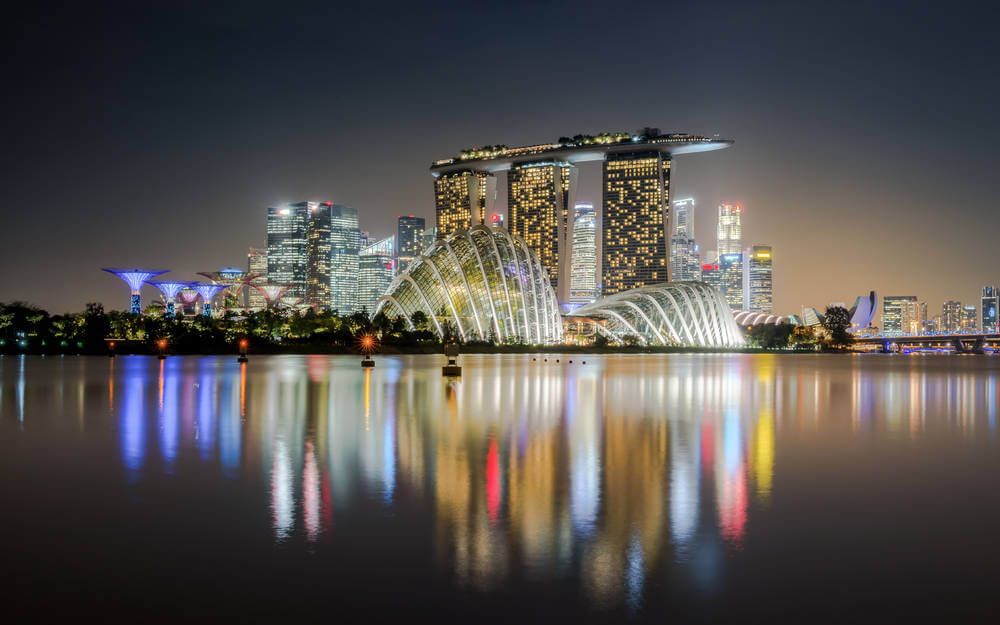
  • Singapore second most transparent property market in Asia

    Singapore second most transparent property market in Asia

    Singapore ranked second in Asia for real estate market transparency and was rated as “highly transparent” for the first time.

    The city-state moved up one spot from last year to 13th place globally, achieving an overall score of 1.92, citing the Global Real Estate Transparency Index 2024 published by property consultancy JLL on Tuesday.

    The index evaluates market transparency by combining quantitative data and survey results from 89 countries and 151 city markets.

    An overall score from one to five is given to each city based on six factors including performance, regulatory and legal policies, market fundamentals, transaction process, corporate governance and sustainability efforts.

    A lower score indicates a higher level of market transparency. Scores below 1.96 are designated as “highly transparent,” while those above 1.96 are categorized into four other groups, ranging from “transparent” to “opaque.”

    The only other Asian market in the “highly transparent” group – the top ranking category – is Japan at the 11th spot, scoring 1.83.

    Singapore’s advancement to the highest group this year is attributed to its commitment to sustainability and efforts to enhance technology and digital services.

    Notable initiatives introduced by the city-state include mandatory climate-related reporting requirements for listed companies, effective from 2025, and the Real Estate Industry Transformation Map 2025, a roadmap that aims to future-proof the property industry by upskilling the workforce and enhancing the efficiency, security, and professionalism of property transactions.

    Globally, the U.K. is the most transparent property market this year with a score of 1.24, followed by France with 1.26 and the U.S. with 1.34, according to the index.

  • Analysts expect property market to recover early next year

    Analysts expect property market to recover early next year

    The property market has overcome its most difficult period and will recover from early 2024, analysts concur.

    Speaking at the first-ever Autumn Real Estate Forum in Hanoi recently, Can Van Luc, chief economist at state lender BIDV and a member of the National Financial and Monetary Policy Advisory Council, said: “There are more opportunities [now] for the real estate market than challenges because it has overcome the most difficult period.”

    The central bank has reduced policy interest rates four times this year, leading to lower lending interest rates, and policies have been launched to support businesses and individuals such as debt restructuring and preferential credit for social housing, he said.

    He said that tax breaks have also helped companies overcome cash flow and liquidity difficulties. Tax exemptions, reductions and extensions this year are estimated to be worth VND200 trillion (nearly US$8.5 billion), he said. “These are unprecedented policies for businesses, including those in the real estate sector.”

    A lot of corporate bonds will fall due in March 2024, but the situation is under control, seems to be the consensus among analysts.

    Meanwhile, inflation and interest rates tend to gradually decrease, creating conditions for the central bank to loosen monetary policy.

    By August inflation was at 4.6% and the overnight interest rate had decreased to nearly the level of the beginning of 2021.

    The property sector also ranked second in attracting FDI with its US$2 billion accounting for nearly 10% of total inflows.

    Nguyen Van Dinh, president of the Vietnam Association of Realtors, said the market has improved.

    A number of new projects put properties on sale in the second quarter and there were 3,700 successful transactions, while there had almost been no new supply in the first quarter and only around 1,000 transactions, Dinh said.

    Between July and August there were another 5,000 transactions, 70% in the apartment segment. Supply is gradually increasing again mainly from 300 old projects.

    Many investors have restructured their products, lowering prices to attract buyers.

    Dinh said: “In the beginning of this year many developers and investors stopped launchingproducts because they were afraid no one would buy. But since the third quarter their confidence has returned.”

    Experts said the signs indicate the market would start recovering at the beginning of 2024. Luc forecast the economy to grow at nearly 6% in the third quarter and 7.5% in the fourth quarter, and the property market will perform better from the beginning of next year.

    He believed early 2024 would be a favorable time to make investment decisions as interest rates and land and housing prices are decreasing.

    Economist Dinh Trong Thinh said the market would see clear changes from the end of the first quarter and the beginning of the second quarter of 2024 when there is stronger supply of social housing.

    He said developers and buyers would focus on affordable housing rather than luxury projects like apartments, villas and resorts to ensure cash flow.

    Since the end of 2022 over 400 social housing projects have been under way. One of them, a project to build one million social and workers’ housing units is expected to contribute to the market’s recovery.

    According to the Vietnam Real Estate Research Institute, the market will make a V-shaped recovery starting in the middle of the second quarter of 2024.

    The supply of apartments is expected to soar by 20-25% annually during the recovery period in 2024-26.

    In Hanoi and Ho Chi Minh City, apartment supply during the period will be 70,000-85,000 units a year, equivalent to pre-pandemic levels.

    Experts admitted however that the market would continue to face challenges until 2030 since there is no national strategy for the housing market with a long-term vision.

    They said long-term challenges include overlaps in policies and legal mechanisms, a resource shortage, inflation and high interest rates, and modest quality of planning, infrastructure, market information, and human resources.

  • Property developers sell off assets to pay debts

    Property developers sell off assets to pay debts

    Property developers in southern Vietnam are selling off their assets despite losses to pay debts amid a slump in demand.

    A property developer in District 1, which develops projects in southern Ho Chi Minh City and Binh Duong Province, last month sold off one of its projects for VND300 billion ($12.71 million), 57% lower than its valuation.

    The company leader, who asked to remain anonymous, said that in May the landlord warned the company that it might have to move its headquarters if rents were not paid.

    “I had to mortgage my home and car to pay for the company’s rents and some short-term debts. I also had to reduce the office space to cut costs,” he said.

    Another developer in District 3 in the first quarter had to pay a VND300 billion debt and intended to use dozens of apartments as a mortgage, but the apartments were valued at VND200 billion, one-third less than three years ago.

    “Even though the assets were valued less I had to mortgage them to pay debts amid a cash crunch,” he said.

    In the second quarter, many premium apartments at a high-end project in District 1 were sold at a 40-50% discount, a price reduction of VND6-9 billion per unit.

    Nguyen Van Dat, chairman of Phat Dat Real Estate Development, said at a recent meeting that he had to sell off many of the company’s’ and his own assets to help the company pay debts.

    “I sold a VND3-trillion asset for VND2 trillion. I also sold and mortgaged many family assets to help the business through difficulties,” he said.

    Property developer Quoc Cuong Gia Lai is even considering selling its hydropower power plant in the central highlands province of Gia Lai to pay debts this year, even though the plant is making large profits.

    A recent report by the Vietnam Association of Realtors said that mid-2023 was the peak of difficulties for property developers and they had to sell off many assets for losses to pay debts.

    They either have to do this or sit still and eventually will go under due to the lack of revenue, he added.

    Tran Khanh Quang, CEO of property developer Viet An Hoa, said that the issues in the bond market and lack of access to new loans from banks, combined with declining property prices, have left companies struggling to survive.

    In the last two quarters, the situation might improve if loan interest rates are lowered, he added.

  • Bright prospects seen for Vietnam property market

    Bright prospects seen for Vietnam property market

    Economic stability, positive investor sentiment, strong demand, and a diverse range of products are keeping the property market robust. The assumption that Covid-19 would cause the market to slump has proven baseless, and market research aftermarket research shows property prices increasing across the board.

    Vietnam’s bright economic prospects and strategies adopted by many major property developers also contribute to the market’s strength.

    According to the World Economic Outlook Report, a survey by the International Monetary Fund (IMF), in 2020 Vietnam’s economy grew at 2.4 percent, one of the four highest rates in the world. Its effective anti-epidemic strategy and economic growth are expected to be highlights this year too. Fitch Ratings forecast Vietnam’s GDP to grow at 7.5 percent even of there is a new outbreak.

    “Vietnam has well-controlled the pandemic, so we think the economy will recover when domestic demand bounces back,” Sagarika Chandra, head of Vietnam analysis at Fitch Ratings, said.

    Nguyen Xuan Thanh, a Fulbright University lecturer and member of the prime minister’s Economic Advisory Group, said the positive investor sentiment despite the Covid-19 crisis is driven by the stable economy and sound financial system.

    The belief that everyone would surely get vaccinated this year further strengthens investor sentiment, he said.

    “Stocks and real estate are still good investments.”

    The market has seen a geographic shift from areas such as HCMC. If in the past the most important southern market was Saigon, it is now its satellites such as Binh Duong, Dong Nai and Long An provinces and others with tourism potential such as Binh Thuan, Ba Ria – Vung Tau and Khanh Hoa.

    Bui Nguyen Huyen Trang, senior director for Vietnam at JLL, stressed the importance of property developers in construction and urban planning.

    “They must carefully study urban planning to create sustainable value for their large-scale projects.”

    During Covid-19 times, businesses with strong foundation, offering a wide range of products towards demand for home ownership would have more opportunities to succeed.

    The eastern part of Ho Chi Minh City is forecast to be a property hotspot, when Thu Duc City has been officially established, pushing housing prices in this area to record levels.

    With rapidly improving infrastructure that boosts regional connectivity, satellite towns and tourist cities in Binh Duong, Dong Nai, Ba Ria – Vung Tau, and Binh Thuan are of immense interest to investors.

    Terence Alford, director of capital markets and investment services at Colliers Vietnam, said developers tend to search for alternative locations to HCMC to increase value.

    They also focus on creating living spaces to not only increase choices for customers but also contribute to improving the quality of life, setting new trends and offering new life experiences.

    Novaland, a property developer, has recently released its financial report. In 2020 the company achieved profit after tax of VND3.91 trillion, 7 percent higher than it targeted and up 15.3 percent from 2019.

    Total consolidated revenues from sales of units and projects and services were VND8.6 trillion. As of December 31, 2020, Novaland’s total assets were worth VND144.54 trillion, an increase of 60.6 percent from a year earlier.

    In 2020 Novaland disbursements were allocated for M&A activities and project development. The company continues to raise funding from reputed financial institutions at home and abroad despite Covid-19, showing the trust in which it is held by partners.

    Novaland introduced new products in the last few months of 2020. Despite pandemic impacts, resort real estate projects such as the NovaWorld Phan Thiet and NovaWorld Ho Tram still drew great attraction.

    Experts do not foresee the property market crashing this year despite an increase in price levels, but instead expect it to remain strong due to strong demand, economic growth and stability and businesses’ clever strategies.

    In a recent report titled ‘Ready for a new cycle from 2021,’ VNDirect Securities Company said Vietnam’s property market has a seven-year cycle.

    In 2021 it is getting ready to enter a cycle of high growth amid positive factors such as amendments to the 2020 Construction Law and 2020 Investment Law and a forecast of solid economic growth this year.

    “The development of infrastructure and lower mortgage interest rates will have a direct impact on the real estate market. The upward trend in prices will continue due to the growing demand for housing,” VNDirect added.

  • Property deal set to save Le Saunda’s bottom line

    Property deal set to save Le Saunda’s bottom line

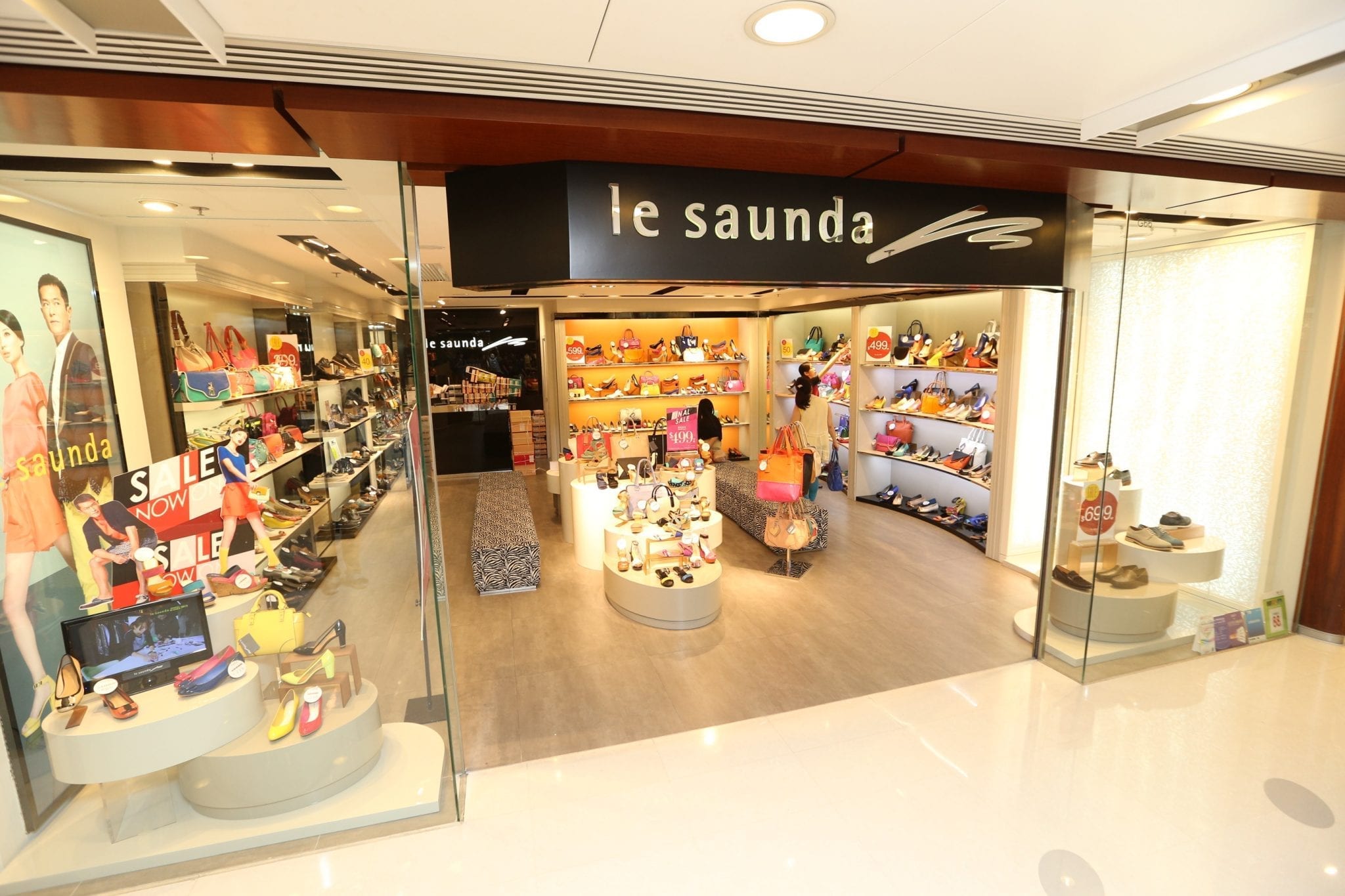
    Hong Kong-listed shoe retailer Le Saunda says same-store offline sales rose by 13.8 percent in the February quarter after it rationalized its store network.

    In a positive profit alert issued to the Hong Kong Stock Exchange, chairman James Ngai said group sales rose 5.2 percent year on year after a net 52 stores closed in Mainland China, Hong Kong, and Macau. As at February 28, the company had 389 outlets remaining, 347 of them self-owned across the three markets, and 42 franchised on the mainland.

    The company said a preliminary review of its full-year accounts shows the company “may” have recorded a profit, which would mark a significant turnaround from a US$4.7 million loss in the prior year.

    However, that was mainly attributable to the completion of the effective sale of its former factory in Shunde, Guangdong which it closed last May, and reached an agreement with the local government to hand back for $30 million. Le Saunda made a strategic decision to discontinue manufacturing and to contract production out to third parties.

    While in-store sales are on the rise after several years of decline, Le Saunda’s e-commerce business continues to underperform, with sales down 8.4 percent year on year in the fourth quarter.

  • Purchasing a Property in Singapore: 5 Things to Take into Account

    Purchasing a Property in Singapore: 5 Things to Take into Account

    Homeownership may remain an elusive dream for many people in other countries, but not so for the citizens of  Singapore. Thanks to the government’s successful public housing scheme, the Lion City is one of the countries with the highest property ownership rate in the world.

    Although there are plenty of opportunities for Singaporeans like you to own a property, it does not mean that the process is always easy. After all, buying a home is a huge decision and a long-term financial commitment that you cannot enter blindly. If you are thinking of purchasing a property in Singapore, make sure to consider the things below.

     Eligibility to Buy a Property

    Before you get excited at the thought of having a property in one of the most desirable cities in Asia, you should first ensure that you are qualified to purchase the home you want. For example, if you intend to buy a private residential property, you need to be a Singaporean citizen who is twenty-one years of age or older. If you are eyeing a Housing and Development Board (HDB) flat, the eligibility requirements will vary depending on the type of sales scheme you will choose.

    An HDB Build-To-Order (BTO) flat, for instance, requires single buyers to be Singapore citizens who are at least 35 years old. Income ceilings are also set for various types of BTO flats, among other restrictions. To check whether you met the eligibility conditions to buy an HDB flat, you may use the “Check Your Eligibility” e-service provided by the HDB.

    Your Current Finances

    Another crucial factor to consider when planning to buy a home is your finances. Make sure that you take a look at your current resources to know whether or not you can afford to purchase a property at this time. Keep in mind that even if you are eligible for a loan and have CPF savings, there are plenty of expenses that you have to cover on your own. To get an idea if you can afford all the costs involved in purchasing a property, try to assess the following:

    • Your personal funds. Examine if you have enough savings to cover upfront costs, such as the agent’s commission; the cost of renovation, furniture, and other miscellaneous expenses; as well as monthly repayments if you suddenly lose your job.
    • Your CPF Ordinary Account (OA) balance. You should also find out how much funds you have in your CPF OA account. Your OA savings and your future monthly CPF contributions are crucial factors in estimating the amount you can spend on buying a property.
    • Income. You need a stable income source if you are buying a property since you need to pay for your monthly mortgage payments and to cover other ongoing expenses, like fire insurance and management service fees. Try using an HDB BTO calculator and similar financial tools to find out the monthly repayments you have to make. This way you’ll be able to gauge whether or not your earnings can cover the cost of acquiring your dream home.

    Your CPF Savings

    Unless you have tons of cash, you will most likely rely on your CPF Savings to purchase a property. Although you can do so under the CPF Housing Scheme, you should remember that your CPF money is primarily for your retirement needs. As such, there is a limit to the amount of CPF savings you can use to fund your home.

    Your CPF withdrawal limit depends on numerous factors like the type of property and home loan you are getting. It is essential to figure out how much CPF savings you can use so that you can better plan on how to finance your new home. Try using the CPF Housing Usage Calculator to get an estimate.

    How Much You Can Borrow

    Apart from finding out how much CPF savings you can use, it is also essential to get an idea of how much money you can borrow to finance your home purchase. Note that lenders determine the loan amount based on the following:

    • Mortgage servicing ratio (MSR). The MSR shows the percentage of your gross monthly earnings allotted for your loan payments. You can compute your MSR by dividing your monthly mortgage payment by your gross monthly income. Note that your MSR should not go beyond 30 per cent if you are buying an HDB flat or executive condominium.
    • Total debt servicing ratio (TDSR). Lenders will also calculate your TDSR (your total monthly debt payments divided by your gross monthly income) to ensure that you still have enough earnings for your living expenses and debt repayments. Know that you cannot take a home loan if you exceed the TDSR limit of 60 per cent. 
    • Loan-to-value limit (LTV). Your LTV limit is the maximum amount you can borrow to finance your home. This limit varies depending on the number of outstanding housing loans you have and other factors.

    Type of Home Loan

    Make it a point to also think about the home loan options available to you when planning to purchase a property. For instance, if you are eyeing a private residential property, you can only borrow from a bank or similar financing institutions. For HDB flats, you have the option to apply for an HDB housing loan if you are eligible, in addition to a bank loan.

    When looking at home loan options, take your time to compare home loans provided by different lenders to find the loan package most beneficial to your needs. Weigh the pros and cons of various home loans, taking into account the following factors:

    • Loan amount
    • Loan term
    • Interest rates
    • Lock-in period and fees, especially penalty fees for early repayment
    • Special features and discounts

     Buying a home is not a decision that you can take lightly. It requires careful planning and honest assessment of your finances so that you will not end up biting off more than you can chew. Be sure to consider the points discussed above to help you decide if you are in the best position to achieve your homeownership goal today.


  • Homestay startup raises $4.5 million

    Homestay startup raises $4.5 million

    Luxstay has raised $4.5 million from South Korean retailer GS Shop and venture capitalist Bon Angels in its bridge round. A Luxstay representative said Wednesday that receiving funding from reputable international investors in this round is an important stepping stone for the enterprise to expand to other areas in the future.

    GS Shop is a South Korean multimedia retailer as well as a global leader in TV home shopping. It also established a retail chain called GS25 in Vietnam in 2018.

    Bon Angels Venture Partners is a South Korean venture capital firm investing in early-stage startups. It has invested in well known South Korean startups like Woowa Brothers, Daily Hotels, and My Real Trip.

    Luxstay has targeted an annual turnover of over $300 million and 30 percent of Vietnam’s home-rental market share by 2023, the representative said.

    It is also working with financial investors and strategic partners for the next funding round, a Series A round, which is expected to close in 2019, aiming to raise $15-20 million.

    Prior to this investment, Luxstay had raised a total of around $6 million from CyberAgent Ventures (Japan), Genesia Ventures (Japan), ESP Capital (Vietnam), Founders Capital (Vietnam) and Nextrans (South Korea).

    Launched in late 2016, Luxstay has a network of nearly 10,000 properties across the country. This is a short-term rental booking platform for apartments, villas and other homestay accommodations positioned in the mid and high-end segments of Vietnam’s real estate market.

    It also offers property management and maintenance solutions to assist and save time for homeowners who want to participate in the home-sharing market through its system.

    “In developed countries, home-sharing accounts for 10-20 percent of the home-rental market. This shows a huge opportunity for this industry in Vietnam, which is expected to reach $2-4 billion in 2025,” Luxstay said.

  • McDonald’s looks to create pipeline of property talent

    McDonald’s looks to create pipeline of property talent

    With $500 million to be spent on new restaurants and refurbishments over the next three years, McDonald’s Australia has established a new property graduate program to create a pipeline of future property leaders within the organisation.

    The fast food chain recently announced the names of the program’s first successful applicants, and it is currently accepting applications for the 2020 intake. Applications close on Sunday, May 12.

    The two-year program provides training in relevant fields, including real estate, construction, design and asset management, and hands-on guidance from experienced mentors in McDonald’s national development team, which maintains a portfolio of over 980 restaurants across Australia.

    Tom Veale, development director of the southern region at McDonald’s Australia, told Inside Retail the program is an important part of the fast food chain’s commitment to new restaurant growth.

    “McDonald’s is committed to new restaurant growth and we wanted to create an opportunity for young talent to come in and grow with our business, developing future property leaders,” he said.

    At a time when many retail and hospitality businesses are looking to “right-size” their store footprints, talented property leaders may very well be a competitive advantage.

    “McDonald’s prides itself on developing and promoting talent and we have so many great people in the system to learn from to give graduates a great kick start to their career,” Veale said.

    “Training graduates allows us to set up a strong pipeline for future success, creating the business leaders of tomorrow.”

    Besides its new property graduate program, McDonald’s Australia also offers a Diploma qualification through its management development program and Certificate II and III in Retail Services.

    “Macca’s is a starting point into the work force for so many young people and, in many instances, turns into a long-term career,” Lisa Althorpe, director of people and culture at McDonald’s Australia, said.

    “Our aim is to set youngsters up with skills for life and a great foundation that gives them the opportunity to build a great career, whether that’s with McDonald’s or externally.”

    Participants in the property graduate program will have the opportunity to continue in a permanent role within McDonald’s Australia upon completion.

    McDonald’s Australia was recently highlighted as a standout performer in the company’s announcement of its Q1 earnings. McDonald’s CEO Steve Easterbrook reported a 5.4 per cent increase in the company’s global comparable sales, and US$4.96 billion (A$7.09 billion) in revenue.

    This reflected the global company’s 15th consecutive quarter of comparable sales growth, but it was 20th consecutive quarter of comparable sales growth for McDonald’s Australia, Easterbrook pointed out.

    He attributed the business’s success to its pioneering initiatives, such as McCafe, which was born in Melbourne in 1993 and is now available in countries all around the world, and delivery via Uber Eats.

    A spokesperson for McDonald’s Australia told Inside Retail the focus has always been on running great restaurants and providing customers with the best possible dining experience.

    “We do this by getting the basics right and innovating in ways our customers want, including through delivery and digital,” the spokesperson said.

    “We’re a customer-driven business; everything – from the food we serve, to the design and facilities in our restaurants – is in response to their needs and is focused on providing the best possible dining experience.

    “We will continue to expand our delivery and digital offerings, as well as grow by investing approximately $500 million in new restaurants and refurbishments over the next three years.”

  • Veeko buys New Territories retail store

    Veeko buys New Territories retail store

    Veeko International has sealed a deal to buy a retail property in the New Territories, with an eye to converting it into one of its own stores.

    Veeko – which owns its namesake fashion brand along with Wanko, and the Colourmix and Morimor cosmetics-store chains – has paid HK$117.5 million to acquire the ground floor of 88 San Hong Street North in the New Territories. The 833sqft space is currently occupied by Yue Fung Dispensary Co, paying $248,000 a month until its lease expires on December 31, 2020.

    The company says that while the retail space is currently tenanted, “upon the expiry of the existing tenancy agreement, the group shall evaluate the benefit of continuing leasing of the property against the benefit of using the property as the group’s store”.

    Savills has independently valued the space at $120 million.

    The transaction is scheduled to be completed by June 18.