Tag: Property

  • New commercial landmark set to open at Huaihai Road

    New commercial landmark set to open at Huaihai Road

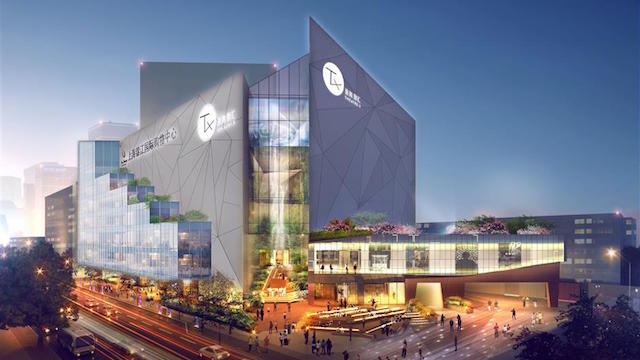
    Chinese mall operator Bailian is merging two disused department stores on Shanghai’s Huaihai Road in partnership with urban renewal firm URF to create Theatre X. The two malls on the city’s prime retail street were formerly trendy shopping destinations. Huating Isetan on 527 Huaihai Road M was the first Japanese Isetan outlet in China, while Bailian’s No.1 Department Store next door once enjoyed great popularity – both commercial gems of the 1990s.

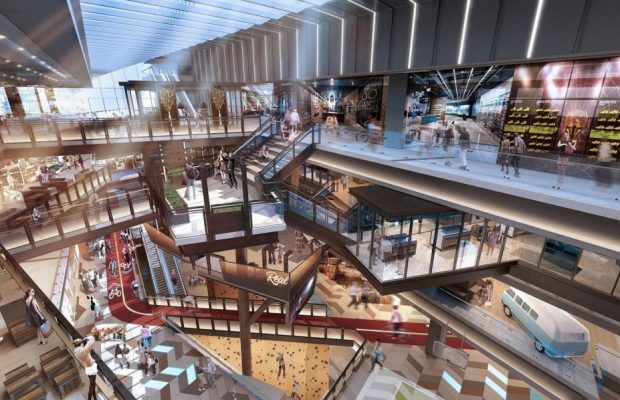
    The new Theatre X shopping mall will merge the two sites, according to an announcement, and offer “interactive and immersive experiences” to consumers. The 25,000sqm property will offer popular international brands, shared spaces for pop-ups, and exhibition stages for Ted Talks – with developers expecting the venue to become a “pilgrimage site for trendsetters.” It will feature a 40m-high waterfall and giant digital screens.

    Theater X is set to open in September, with further developments in the immediate vicinity expected to follow.

  • Retail project “Taikoo Li Qiantan” Shanghai opens door

    Retail project “Taikoo Li Qiantan” Shanghai opens door

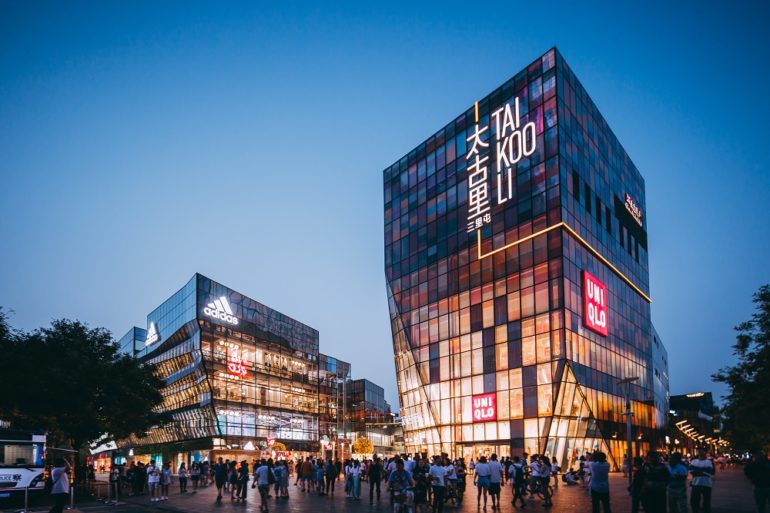
    Swire Properties and Lujiazui Group officially announced the naming of their joint-venture retail project as “Taikoo Li Qiantan”. Located in the heart of the Pudong Qiantan International Business District, this project embodies Swire Properties’ “Taikoo Li” concept, which is well-known for its distinct open-plan, lane-driven architectural design.

    Taikoo Li Qiantan will offer a gross floor area of approximately 1.3 million sq ft (120,000 sqm) and was created in accordance with a ‘naturalism’ design concept; blending elements found in nature with contemporary architecture. The project is a major component of a larger mixed-use development, which will also feature a 56-floor Grade-A office tower – “New Bund Centre” as well as a five-star luxury hotel – “New Bund Shangri-La Hotel”, both invested by Lujiazui Group.

    Qiantan is a new international business district and a rapidly developing hub for art and culture, business, entertainment, residential and world-class sporting facilities. The area is fast-becoming known for its high quality of life and excellent accessibility thanks to the well-developed transportation infrastructure. Qiantan is already home to many multinational corporations and global institutions, including New York University Shanghai and Wellington College International Shanghai. The project will be directly connected to the Oriental Sports Centre metro station which comprises three metro lines – offering direct access to major residential and commercial districts including Lujiazui, Xujiahui, People’s Square and Disneyland.

    Mr Xu Erjin, General Manager of Shanghai Lujiazui Group said, “Following the success of The Bund and Lujiazui, we are confident that the Qiantan International Business District will become yet another remarkable CBD, and our plan is to create a ‘Lujiazui 2.0’, which builds on the successful elements from Lujiazui.

    “Qiantan is quickly becoming a landmark area in Shanghai, and Taikoo Li Qiantan will be a valuable addition to this district, offering unparalleled retail, F&B and leisure experiences to local communities and the greater Shanghai population.”

    Mr Han Zhi, Director-Retail of Swire Properties, said, “Taikoo Li Qiantan marks our third ‘Taikoo Li’ project in Mainland China building on the success of Taikoo Li Sanlitun in Beijing and Sino-Ocean Taikoo Li Chengdu. We are delighted to bring this distinct retail experience to Shanghai. By once again combining local elements with the Taikoo Li concept, we are confident that our second major investment in Shanghai, after the successful launch of HKRI Taikoo Hui in 2017, will become a new retail landmark for residents and visitors.”

    Taikoo Li Qiantan has commenced the leasing process, and is scheduled to open in phases beginning from the end of 2020.

  • SM Philippines to open 4 new malls

    SM Philippines to open 4 new malls

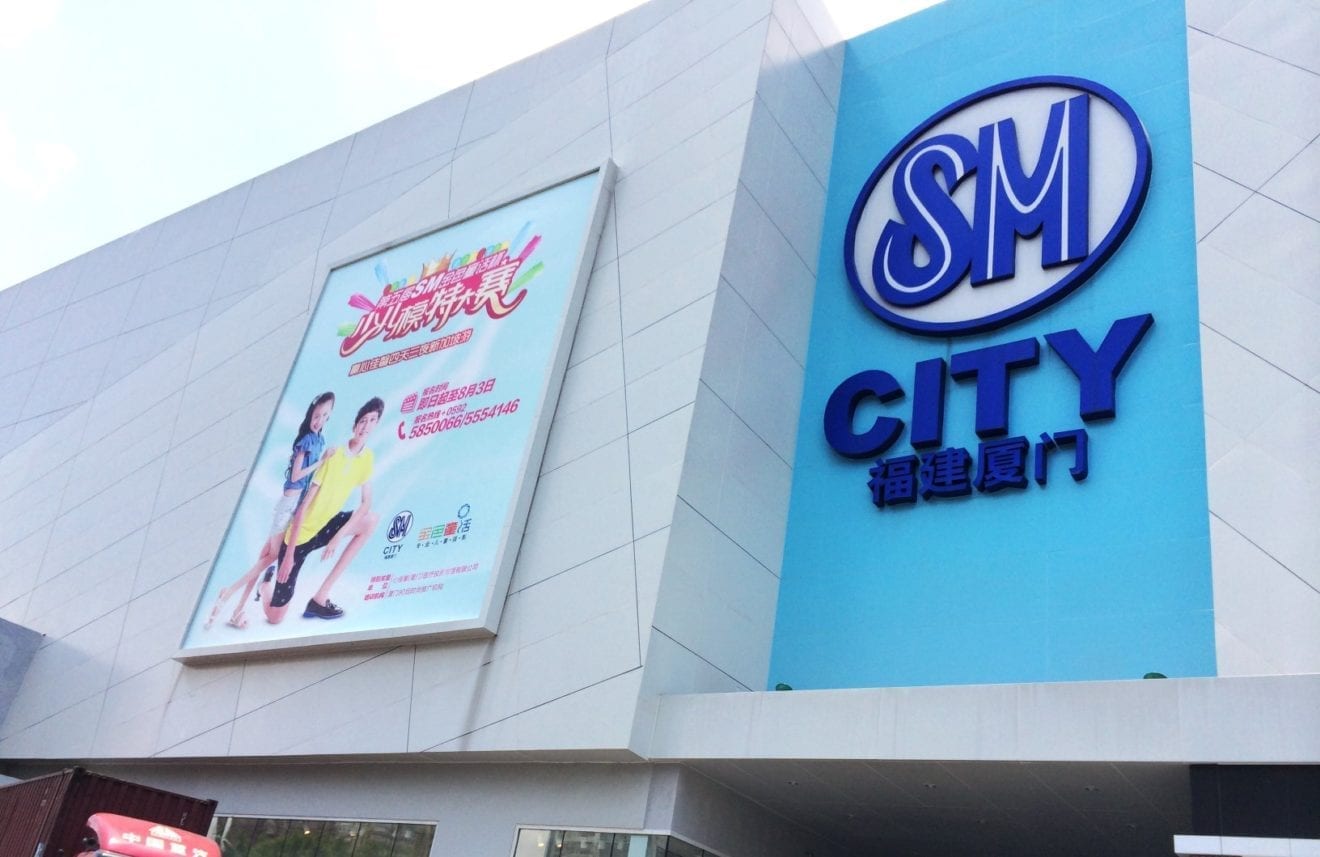
    SM Prime says it will open four new malls in Philippine provinces this year. The company will also intensify land-banking efforts to make it easier to develop properties in the future. The new SM Prime malls will be SM Mindpro Citimall in Zamboanga City, SM Center Dagupan, SM City Butuan and SM City Olongapo Central. Together they will have a gross floor area of 179,000sqm.

    “SM Prime’s mall expansion is geared toward the provinces,” the company said in a presentation posted online. “The focus is to cover most of Northern Luzon, Visayas, and the progressive cities in Mindanao.”

    Besides the new shopping centres, the company’s properties SM City Baguio and SM City Fairview will be expanded this year, adding 46,000sqm and 32,000sqm, respectively.

    All these developments will see the company finish the year with 10.5 million sqm of GFA, representing an increase of 9 per cent for the year.

    SM Prime’s profit rose 17 per cent in the first nine months of last year, to P23.44 billion (US$444.6 million) on sales up 15 per cent to P74.56 billion (US$1.414 billion).

  • CapitaLand Mall Trust’s 2018 Full-Year Earnings: Steady Growth in Distribution Per Unit

    CapitaLand Mall Trust’s 2018 Full-Year Earnings: Steady Growth in Distribution Per Unit

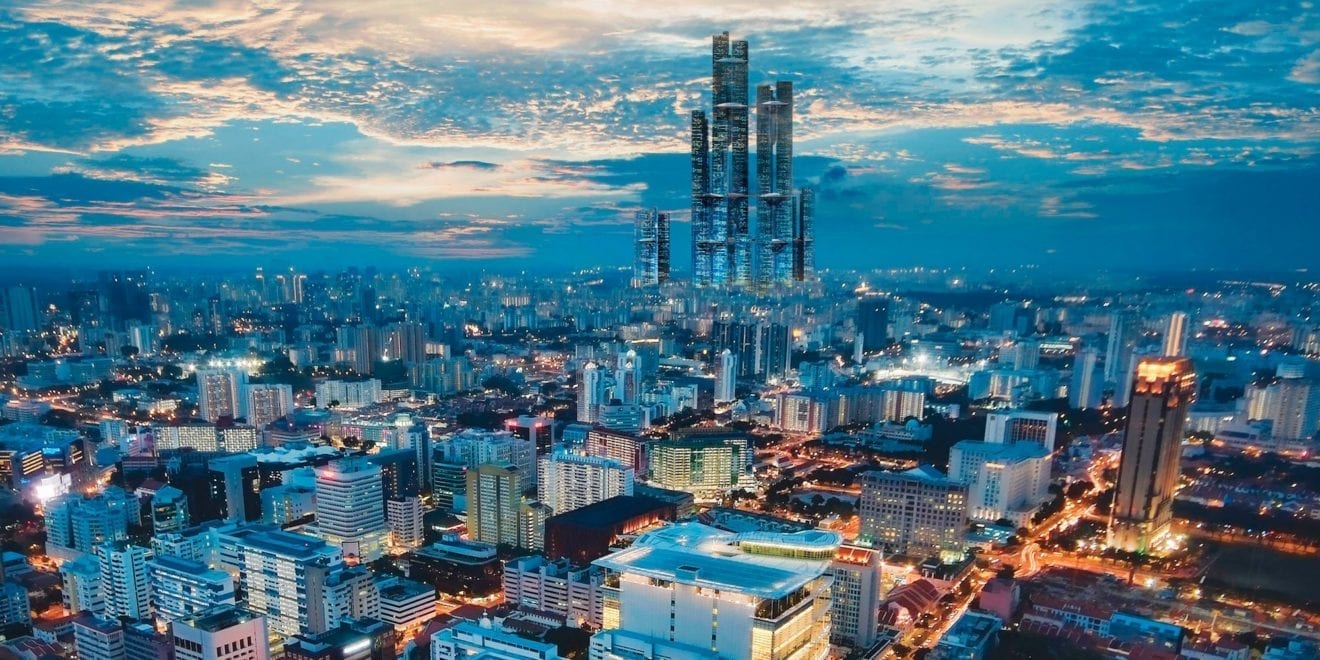
    CapitaLand Mall Trust (CMT) has achieved a distributable income of S$108.1 million for the December quarter, up 5.1 per cent on the same period a year earlier. CMT’s manager, CapitaLand Mall Trust Management (CMTML), says full-year distributable income reach S$410.7 million, up 3.8 per cent year on year. CMTML chairman Richard R Magnus said the results were achieved through “proactive asset and capital management” and reflect the quality of CMT’s portfolio, underpinned by attractive locations and diverse tenant mix.

    “Cognisant of the challenges ahead – which include slowdowns in the global and Singapore economies, uncertainty in the interest rate environment and competition from the completion of new shopping malls – we remain vigilant and will continually explore new ways to differentiate our malls from the competition and increase customer engagement.”

    CMTML CEO Tony Tan said the portfolio was rejuvenated last year by through the sale of Sembawang Shopping Centre and redeploying the proceeds into acquiring the remaining interest in Westgate – a higher-yielding quality asset.

    “During the fourth quarter, we completed the asset enhancement initiatives at Tampines Mall and Westgate, which are targeted at expanding their retail offerings and improving comfort and accessibility for visitors. In the same quarter, Plaza Singapura welcomed NomadX,

    CapitaLand’s first multi-label concept store featuring digital sensors, ePayment systems and unmanned store technology. By immersing our physical retail space with digital technology, we are empowering our tenants to strengthen interactions with a new set of customers while getting to know our shoppers better,” said Tan.

    “Through continual efforts to refresh CMT’s tenant mix and elevate the shopping experience, we ended the year with a high portfolio occupancy of 99.2 per cent.”

    Tan said the Funan redevelopment continues its leasing momentum and is on track to open in the second quarter of this year.

    “Including leases under active negotiations, the leasing for Funan has reached more than 80 per cent.”

  • Sunway, Hoi Hup Realty wins land tender in Singapore

    Sunway, Hoi Hup Realty wins land tender in Singapore

    The Housing and Development Board of Singapore has awarded a parcel of land measuring 2.5ha to Sunway Bhd’s Singaporean unit Sunway Developments Pte Ltd (SDPL) and Hoi Hup Realty Pte Ltd after a successful bid.
    The land is slated for the SG$434.45 million (RM1.32 billion) Executive Condominium Housing Development. The group told the stock exchange that the land located at Tampines Avenue 10 (Lot 7545K MK 28), Tampines, Singapore was awarded to Hoi Hup and SDPL following a successful joint tender submitted by the parties.

    “The land will be acquired by a proposed new joint venture company to be incorporated, in which Hoi Hup or its nominee company(ies) and SDPL will have equity interest in the proportion of 65:35,” it noted.

    The 99-year lease term Executive Condominium Housing Development project is scheduled to go on for 60 months, commencing Jan 22.

    It is expected to contribute positively to the earnings of Sunway Group in the financial year 2023.

  • Xiqu Centre finally opens in Hong Kong

    Xiqu Centre finally opens in Hong Kong

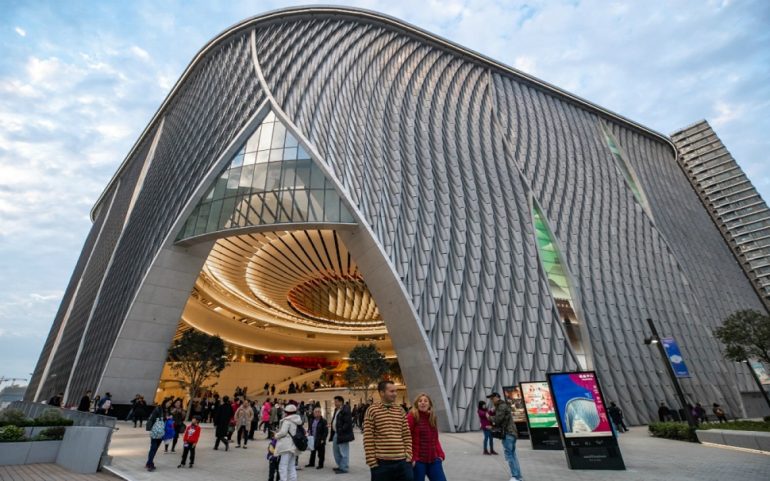
    Hong Kong’s new performing arts venue dedicated to Xiqu (Chinese Opera), has just opened. Located on the Eastern edge of the West Kowloon Cultural District, at the junction of Canton Road and Austin Road, the Xiqu Centre is directly accessible from the Hong Kong West Kowloon Station and Austin MTR station, and easy to reach by public transport from all parts of Hong Kong.

    The building’s striking design, created by Revery Architecture (formerly Bing Thom Architects) and Ronald Lu & Partners, was inspired by traditional Chinese lanterns and blends traditional and contemporary elements to reflect the evolving nature of the art form.

    Stepping through the main entrance, shaped to resemble parted stage curtains, visitors are led directly into a lively atrium with a raised podium and space for presenting the rich and ancient culture of Chinese traditional theatre.

    The eight-storey building has a total area of 28,164 sq m and houses a Grand Theatre, accommodating 1,073 seats, a Tea House Theatre, with a capacity of up to 200 seats, eight professional studios and a seminar hall, all specially designed for different types of xiqu-related functions and activities.

    The design details of each of the facilities have also been created in response to the practical requirements and aesthetic features of the art form. A unique feature of the venue is the location of the Grand Theatre at the top of the building, which allows for a large open atrium below with space for exhibitions, stalls, and xiqu demonstrations and workshops.

    Carrie Lam Cheng Yuet-ngo, the Chief Executive of Hong Kong, gave a speech at the opening ceremony of Xiqu Centre. “The launch of Xiqu Centre is not only a significant international cultural event, but Hong Kong also takes it as a great honor and we all are very proud of it.”

    In fact, Chinese opera has been inscribed in the UNESCO Intangible Cultural Heritage Lists for a decade, Carrie Lam hopes the Xiqu Centres would help promote Hong Kong as an international arts hub and consolidate the city’s position in the development of Cantonese opera.

  • Vietnam office space remains lucrative

    Vietnam office space remains lucrative

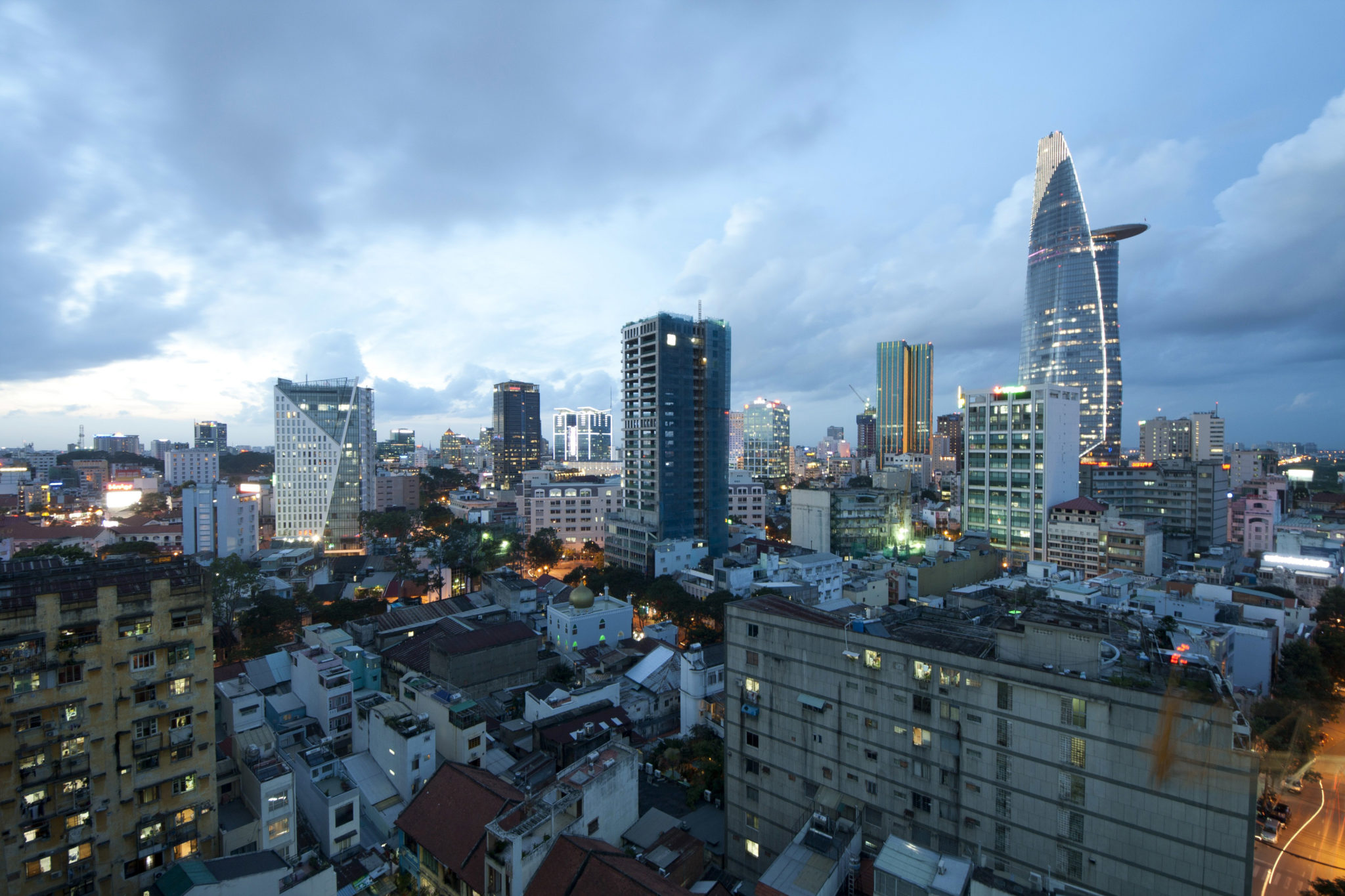
    Hanoi and HCMC will continue to be among the best performing office space markets globally in 2019, top property consultants have predicted. Troy Griffiths, deputy managing director of real estate service firm Savills, said that it was the case last year and this would continue on the back of very strong demand amidst supply constraints.

    “The demand driver is very strong, especially that from the booming financial services sectors like insurance and banking.”

    He said rentals would rise across the board as a consequence.

    “The Hanoi market’s rental might grow somewhere between 7 to 15 percent across all grades this year, while it will probably be slightly lower in HCMC, at 11 percent for A grade.

    “Rental will continue to trend up until supply catches up. Occupancy will be very strong at 90 percent and above. This will be much a story for 2019.”

    Official statistics show that at more than $19 billion, foreign direct investment (FDI) disbursement for 2018 in Vietnam was the highest in a decade.

    The country’s commitment in free trade agreements (FTAs) including the Comprehensive and Progressive Agreement for Trans-Pacific Partnership (CPTPP), which came into force on January 14, 2019, is also expected to boost economic prospects, resulting in a positive demand in office market.

    Dung Duong, head of valuation, research and consulting at CBRE, also said Hanoi and HCMC will continue to be two of the world’s the best performing office space markets this year.

    “Grade A average asking rent in HCMC is expected to increase by 4 percent in 2019, while occupancy will reach as high as 96 percent.”

    In Hanoi market, positive rental growth is expected in both Grade A and B, especially in Grade A on the back of new quality supply in the central business districts (CBD) in 2019, she said.

    “This will become the newest Grade A supply after three years of no new supply. In terms of demand, apart from traditional sectors such as banking, insurance, manufacturing and IT, co-working space is expected to continue to be a major source of demand.”

    According to a recent report by another real estate services provider, JLL, the HCMC market added 60,269  square meters of new supply from two grade B and four grade C buildings in 2018, taking the total inventory to nearly 1.97 million sq.m.

    The robust demand had pushed the occupancy rate to more than 96 percent by the end of last year, the report said.

    “Technology, IT companies and flexible space operators continued to show signs of expansion, while tenants in services, finance and manufacturing continued to dominate leasing demand in the market.”

    Average rent was $23.6 per square meter per month, up 4 percent from the previous year.

    There was no new grade A supply last year and only one new grade A building will be added this year, the Lim Tower 3 in Nguyen Dinh Chieu Street, District 1.

    In Hanoi, given the buoyant Grade A demand and limited premium supply, some buildings in the CBD with high occupancy rates continued to increase rents in the fourth quarter of 2018.

    Thai Square fronting two streets in the capital’s Hoan Kiem District, Tong Dan and Tran Quang Khai, is expected to come into the market in the first quarter of 2019, adding more than 25,000 sq.m to the inventory.

    By the end of 2019 some 153,000 sq.m of space is expected to be added in Hanoi, the report said.

    While the opportunities in office investment in the HCMC and Hanoi CBDs are obvious, Griffiths said foreign investors interested in them would find a lot of challenges.

    “The reality is that land in CBDs in HCMC and Hanoi have a great deal of domestic ownership.”

    He advised foreign investors to seek good long-term joint venture partnerships.

    “There are more and more domestic real estate companies listed on local bourses and they are very active in the property market. That gives an opportunity for greater liquidity and great foreign ownership. I think it’s pretty essential for foreign investors to have good joint venture partnerships with such firms.”

  • Shilla Vietnam to open hotel at Da Nang

    Shilla Vietnam to open hotel at Da Nang

    Hotel Shilla announced Tuesday that it will actively begin expanding its brand abroad this year, the first new location being a resort in Da Nang, Vietnam. “Starting with Da Nang, we hope to expand our brand to more than 10 overseas locations in Southeast Asia, United States and China,” the hotel company said in a statement. Hotel Shilla is Samsung’s hotel and duty-free business arm. The 46-year-old company currently operates The Shilla Seoul and The Shilla Jeju.

    It also runs 11 business hotels under its Shilla Stay name.

    The company said that it will expand overseas through hotel management agreements with local companies, a common structuring for hotel chains. This means the local partner will own the hotel building while Shilla will operate the business. For Shilla, this minimizes investment risks.

    Shilla’s new Da Nang hotel – slated to open this year under the brand-new Shilla Monogram name – will be a nine-floor building with 300 rooms. The hotel will be located on Non Nuoc Beach in Da Nang, a popular destination for Korean tourists.

    The hotel, still under construction, will feature an outdoor pool, restaurants and bars. Every room will be equipped with a balcony.

    Hotel Shilla also announced that it is preparing to open a 200-room premium business hotel in San Jose in Silicon Valley, California, under its Shilla Stay brand by 2021.

    “We hope to continue raising more revenues abroad by expanding our overseas hotel business,” said a Hotel Shilla spokesperson.

    Some 20 percent of the company’s total revenues today, or 1 trillion won ($892.5 million), come from abroad. Hotel Shilla operates several duty-free stores in domestic and foreign airports, including locations at three of Asia’s busiest airports: Singapore’s Changi Airport, Hong Kong International Airport and Incheon International Airport.

    Hotel Shilla has been operating Jinji Lake Shilla Hotel in Suzhou, China, since 2006. It was the first overseas hotel managed by the company.

    Following Tuesday’s announcement, Hotel Shilla’s stock prices closed at 76,100 won on Tuesday, 1.33 percent higher than Monday.

    As for upcoming domestic projects, Hotel Shilla is planning to open a hotel themed after hanok, or traditional Korean houses, by 2023 in central Seoul.

    If the company receives approval to build the new hotel from domestic land authorities, it will become the first to operate such a hotel in Seoul.

  • Hong Kong high-street retail rents ease

    Hong Kong high-street retail rents ease

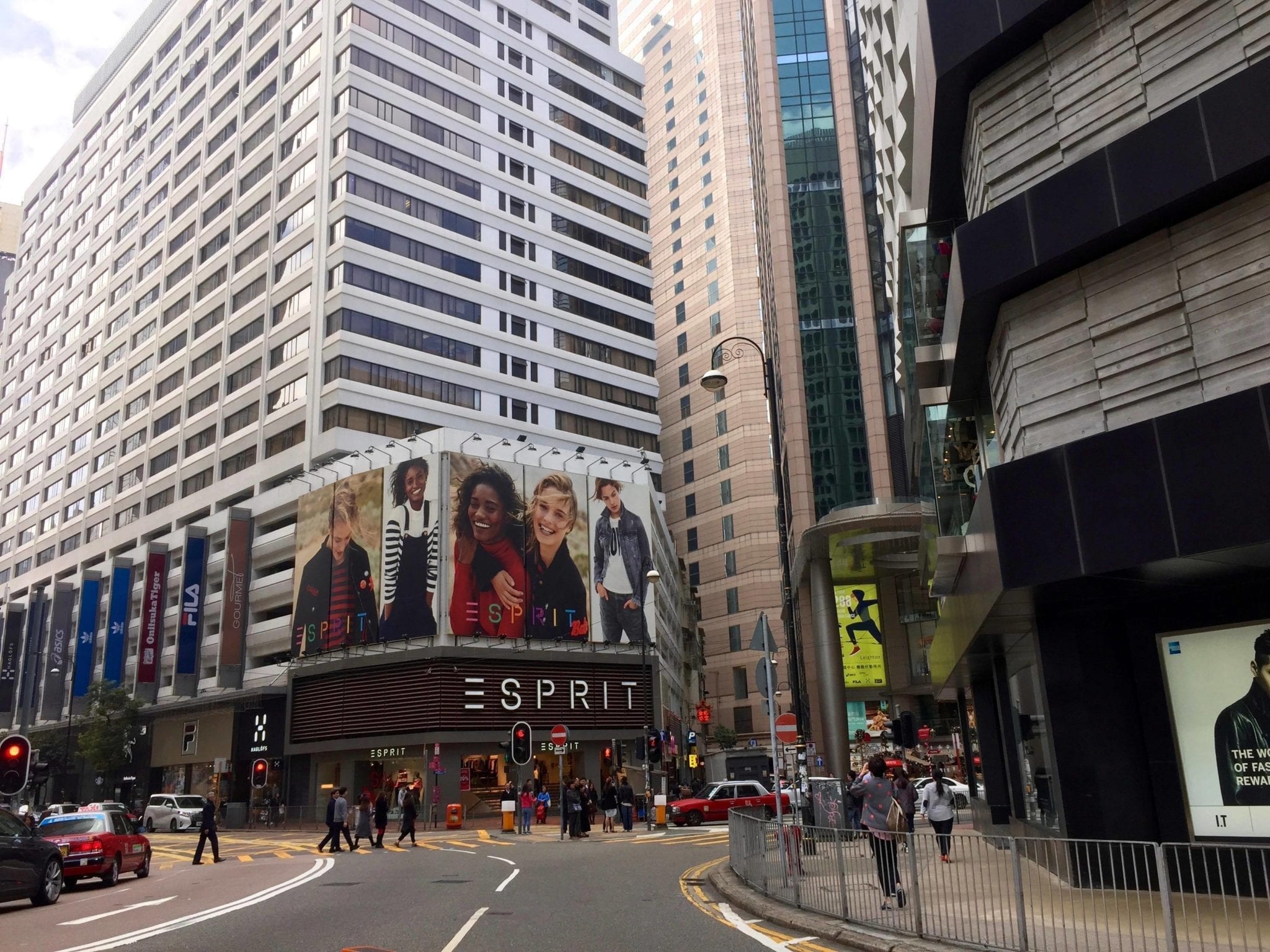
    Vacancy rates in tier 1 streets in the four core retail districts edged up by 0.2 percentage points from 3.6 per cent in the third quarter to 3.8 per cent in the last quarter. However, the full-year vacancy rate fell by 0.3 percentage points to 3.8 per cent compared to 4.1 per cent a year earlier.

    CBRE said market sentiment weakened in the fourth quarter, impacted by the US-China trade conflict and volatility in the stock market.

    While retail sales rose by 6 per cent year on year in October, growth slowed to just 1.4 per cent in November – the slowest monthly increase since June 2017.

    “Visitor arrivals remained solid, recording 15.9 per cent growth year on year in October and November combined, the strongest quarterly growth last year,” said CBRE’s report.

    “This ensured continued strong leasing demand from health, personal care and cosmetics retailers.”

  • Berjaya Land to build Four Seasons Resort in Okinawa for US$1b GDV

    Berjaya Land to build Four Seasons Resort in Okinawa for US$1b GDV

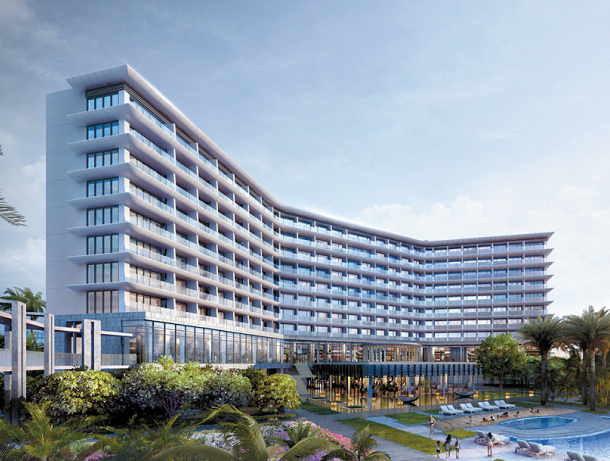
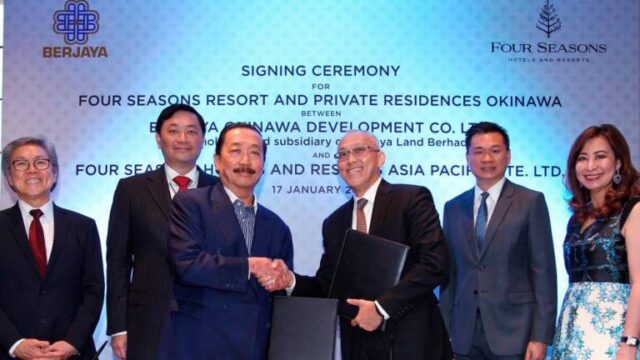
    Berjaya Land Bhd’s (BLand) subsidiary Berjaya Okinawa Development Co Ltd will develop the Four Seasons Resort and Private Residences Okinawa in Japan, which has an estimated gross development value of US$1 billion (RM4.1 billion), in partnership with hospitality company Four Seasons Hotels and Resorts. BLand’s parent Berjaya Corp Bhd founder and executive chairman and BLand major shareholder Tan Sri Vincent Tan said the project has a development cost of US$400 million (RM1.64 billion).

    Four Seasons Resort and Private Residences Okinawa will have 120 hotel rooms, 120 residences and 40 villas. The project is expected to take four years to complete.

    Tan said Four Seasons Resort and Private Residences Okinawa is another iconic project in Japan for the Berjaya group, emulating the success of Four Seasons Hotel and Hotel Residences Kyoto, which was launched in December 2016.

    “We think it will be the most valuable and expensive hotel in Okinawa. It will have the highest rate, just like Four Seasons Kyoto where the average rate is US$1,500 per night, but Okinawa will be slightly less. It will be good for BLand and BCorp,” he said at the hotel management agreement signing ceremony.

    He added that four-star hotels in Okinawa average at US$700-US$800 per night while the better ones are priced at US$1,000, viewing that Four Seasons Resort and Private Residences Okinawa will do well there.

    “I’m confident that Okinawa will be an outstanding successful project for Berjaya,” said Tan.

    The project will comprise 30 acres out of the 100 acres of beachfront land owned by BLand along the western coast of the island of Okinawa.

    “We have another 70 acres. We can build many more hotels on that land and Okinawa is a good market. We can do shopping mall, residences, three- or four-star hotels,” added Tan.

    This is BLand’s second partnership with Four Seasons but Tan said both parties are also in talks on future projects in Japan and other cities.

    Four Seasons operates 111 hotels and resorts, 41 residential projects in major city centres and resort destinations in 47 countries, and with over 50 projects under planning or development.

    “We have plans to grow our footprint in Japan such as Osaka, Hakone, leisure destination in Hokkaido, including Niseko. It’s a country that we continue to focus on, not only growth but also operating existing assets there,” said Four Seasons Hotels and Resorts senior vice-president for development Asia Pacific Christopher Wong.

    When asked if Four Seasons Resort and Private Residences Okinawa will also be put for sale, like the Four Seasons Kyoto, Tan said it is possible, adding that every thing is up for sale with the right price.

    On the divestment of the Four Seasons Hotel in Kyoto, Tan said it is talking to several parties for a better price and is expected to be finalised in the next three months.

    On the plan to carve out the hotel assets from BLand and to list the hotel business in Singapore, Tan said it is not finalised yet, but it could include Malaysian hotel assets.

    “We will list those that we’re not selling. We have a few hotels that we’re not selling like Berjaya Times Square Hotel and Ansa Kuala Lumpur. Those that we want to hold for long term, mostly are the Malaysian hotels,” he added.

  • Beijing approves blueprint for ‘Greater Bay Area’

    Beijing approves blueprint for ‘Greater Bay Area’

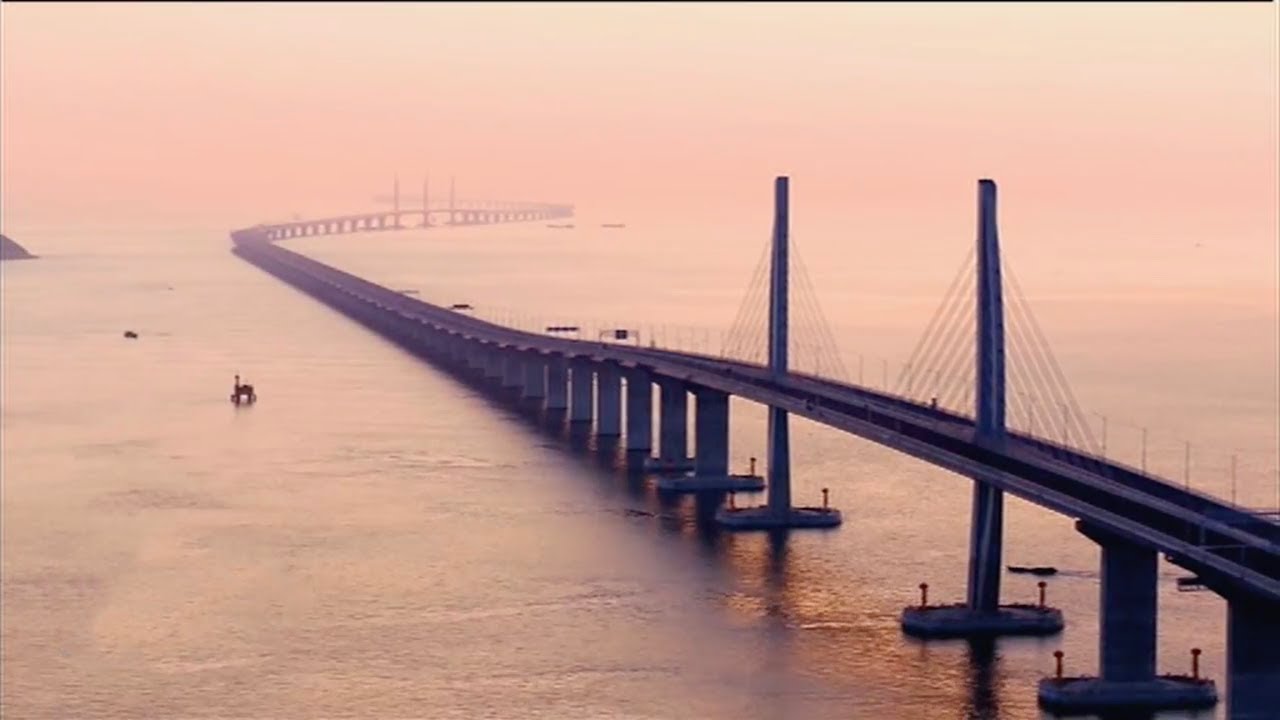
    Chinese Vice-Premier Han Zheng, the point man on Hong Kong and Macau affairs, recently gave the green light to the official document on the “Greater Bay Area” following extensive consultations with local governments, a Beijing source said. “No party or agenda, including even environmental protection, will be left behind by this all-inclusive blueprint,” the official said.

    More than three years in the making, the Greater Bay Area was first mentioned in a development action plan jointly outlined by China’s top authorities on economic planning, commerce and foreign affairs to create a new economic growth engine by pooling together Hong Kong, Macau and nine neighbouring cities in Guangdong province.

    The mega zone covers 56,500 square kilometres, has a combined population of about 67.6 million and accounted for 12.5 per cent of the country’s gross domestic product in 2016.

    Hong Kong leader Carrie Lam Cheng Yuet-ngor has taken part in discussions on the scheme since August last year, becoming the city’s first chief executive to join a leading group under China’s cabinet, the State Council.

    Authorities were now working on the implementation plan, Zhang said in an interview with state broadcaster CCTV which was aired on Saturday night.

    Hong Kong, Macau, Guangzhou and Shenzhen would be the central cities in the bay area, and each had their own unique positioning, he said.

    Hong Kong will be the international finance, navigation and trade centre, as well as a transport hub. It will have the role of pushing finance, trade, logistics and professional services towards the high-end market.

    Macau will be an international tourism city and a platform for trade with Portuguese-speaking countries. Guangzhou will take a leading role as a national central city while Shenzhen will take a leading role as a special economic region and an innovative city, he said.

    The planners hope the advantages these four cities enjoy can complement each other and offset the challenges brought by gaps in the legal and economic systems.

    The international network and mature market economy of Hong Kong and Macau could have big potential when combined with the vast hinterland and market Guangzhou enjoyed, he said.

    “Under the new circumstances, Hong Kong and Macau still have their unique position and advantages that cannot be replaced,” Zhang said.

    He revealed for the first time that there were almost 100,000 Hong Kong residents and nearly 20,000 Macau residents who had applied for a new identity card that would grant them access to a wide range of social and public services on the mainland. The arrangement was introduced on September 1 last year.

    There were high expectations that Beijing would reveal the blueprint when Premier Li Keqiang said in March last year there would be an announcement soon. But the central government has since been embroiled in a trade war with its biggest trading partner, the United States.

    Sources said that the tussles over political interests and dominance among the Greater Bay Area parties was a reason behind the delay and meant the central government had to step in to coordinate.

    “But the most important question here is whose model to follow and whether the tussle is about Hong Kong converting mainland cities or the other way around?” said an academic who has direct knowledge of the blueprint’s planning.

    “Mainland cities are hesitant to follow Hong Kong’s model in case they lose official powers.”

    An internal study by an official think tank seen by the Post said the crux of the Greater Bay Area integration was about putting “one country, two systems” into practice but differences in economic, tax, customs and legal systems that would ensure Hong Kong and Macau’s high degree autonomy have remained key challenges.

  • Courts Indonesia to close its store soon

    Courts Indonesia to close its store soon

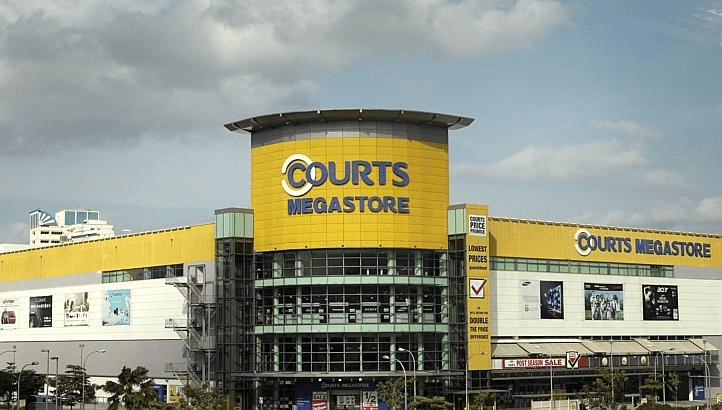
    Courts Asia is to close one of its Indonesian megastores. “The group decided to close the Courts Bumi Serpong Damai (BSD) City Megastore in Tangerang as it is historically not profitable and the group does not want to incur the high rental costs over the remaining lease term,” the retailer said in a statement. Courts Retail Indonesia will also buy the property it currently leases which houses the Kota Harapan Indah (KHI) megastore.

    Both properties were leased from Garwita Sentra Utama. Courts will forfeit a security deposit of Rp14.38 billion (S$1.379 million) and pay a penalty for early termination of the BSD site of Rp 38.7 billion ($3.6 million). The Singapore company will pay Rp97.56 billion (S$9.36 million) to purchase the other site.

    The KHI store has a total gross floor area of 21,800sqm, with about 24 years remaining on the lease.

    Courts said in its statement that the property reorganisation was part of an ongoing review of its store network.

    Having taken ownership of the KHI building, the company can consider options including downsizing its megastore and repurposing the remaining space for other commercial uses.

  • Property prices likely to continue downtrend in Malaysia: PropertyGuru

    Property prices likely to continue downtrend in Malaysia: PropertyGuru

    Property prices in the country are likely to continue their downtrend for at least the first half of the year (1H19), despite improving consumer sentiment and proactive government policies announced in the Budget 2019, online property company PropertyGuru said. It said in a statement that this is validated by the company’s Market Index, which shows that asking prices of homes in Malaysia continue to show a 2.3% drop year-on-year.

    The Market Index is an analysis of over 250,000 property listings aggregated and indexed. PropertyGuru said its online portal, which has over 1.3 million Malaysians searching for properties, has seen a surge of interest in the following property hotspots identified in the various states of Kuala Lumpur, Selangor, Penang and Johor.

    While there has been a dip in asking prices, it said the demand for properties in Kuala Lumpur is still strong with the most popular and highly searched areas being Bangsar, Mont Kiara and Cheras.

    It said the property types that are most searched in these three areas are condominiums, followed by apartments and townhouses, noting the reason for high-rises being the most preferred property type in Kuala Lumpur may be due to the more affordable entry price points.

    In terms of the price bracket, PropertyGuru said many are searching below the RM300,000 bracket which is not feasible for the locations that are preferred, since many of these locations are priced above the affordability range.

    The company said demand for properties in Selangor continues to be high despite declining prices, with properties in Petaling Jaya, Shah Alam, and Subang Jaya topping the list in this order.

    It said properties that are most searched for in these areas are condominiums, followed by apartments and two-storey terrace houses, with many looking at transit-oriented development properties.

  • Starbucks opens its Coffee Sanctuary in Bali

    Starbucks opens its Coffee Sanctuary in Bali

    Starbucks has opened its largest Southeast Asian location in Bali. The 20,000sqft Starbucks Dewata Coffee Sanctuary builds on 16 years of innovation in design, customer experience and community impact for the brand in Indonesia, where there are 370 Starbucks outlets nationwide. Customers can enjoy Starbucks handcrafted core and Reserve beverages within the store’s locally-inspired design that celebrates Indonesian tradition.

    The store pays tribute to the role that Indonesia, the fourth largest Arabica coffee-growing region in the world, plays in the Starbucks business. Sumatran coffee has been a staple offering at Starbucks since 1971.
    “We began sourcing Indonesian coffees more than four decades ago and have always been struck by the sense of community and care for the coffee journey at every step,” said Starbucks Coffee Company CEO Kevin Johnson.

    View the gallery of the new outlet below (8 images) :

    “The Starbucks Dewata Coffee Sanctuary amplifies our passion for the coffee journey, our ongoing commitment to Indonesia’s rich coffee culture, and our tireless pursuit of fostering moments of connection between our partners and customers. The Coffee Sanctuary marks the 10th Starbucks Reserve Bar store in Indonesia, one of 185 stores around the world, with the majority in Asia. This is Starbucks at its best, and we are proud to open the doors of this unique experience in one of Southeast Asia’s most dynamic markets.

    Visitors enter the store through an arabica coffee farm, try their hand at coffee bean de-pulping and washing during harvest season, dry and rake green coffee beans, visit budding seedlings in the nursery, take in the store’s locally-inspired design featuring traditional Balinese craft and Indonesian art, and enjoy the more than 100 Dewata-exclusive handcrafted beverages, food and merchandise, including the Lavender Latte.

    The  Starbucks Dewata Coffee Sanctuary store’s expansive interior is inspired by traditional Balinese houses with free-flowing, connected rooms designed to promote discovery from one space to the next.

    “Bali has an envied reputation as one of Asia’s top travel destinations and Indonesia is one of coffee’s most extraordinary coffee origin regions,” said Starbucks Indonesia director Anthony Cottan said.

    “So we’re excited to invite customers here to ignite their senses and explore the seed-to-cup coffee journey at this unique Coffee Sanctuary. We’re very pleased to further strengthen the longstanding partnership between Starbucks and [licensee] PT Sari Coffee Indonesia with this truly one-of-a-kind Starbucks store, inspired by and filled with the finest examples of Indonesian art, design and craftsmanship.”

    To support the future of coffee, Starbucks Indonesia has committed to donating 100,000 coffee seedlings to farmers annually.

  • Vietnam’s largest airport set for $496 million expansion

    Vietnam’s largest airport set for $496 million expansion

    The Tan Son Nhat Airport could get a third terminal and other facilities at the cost of over $496 million. The Airports Corporation of Vietnam (ACV), which manages and operates civil airports in the country, has submitted to the Ministry of Transport a pre-feasibility report on the construction of a third terminal (T3) at HCMC-based Tan Son Nhat International Airport to reduce overload.

    T3 will be designed to have a capacity of 20 million passengers per year, with total floor area of about 100,000 square meters. ACV proposes to construct in tandem an additional airport apron, a two-lane overhead path, a 5-lane viaduct in front of the terminal and a multi-storey car park. The total cost is estimated at over VND11.43 trillion ($496.18 million).

    The completion of feasibility reports and selection of construction blueprints is set to be finished in February 2020.

    Once T3’s design has been approved, contractors will be chosen via a tendering process so that construction starts in the third quarter of 2020 and can be completed in the second quarter of 2022.

    Because the construction area is located on the Defense Ministry’s land, ACV has suggested allowing a temporary handover of the site in Q1 next year for construction along with completion of necessary legal procedures.

    There are also plans to expand existing terminals T1 and T2 of the Tan Son Nhat airport, raising their combined capacity to 30 million passengers per year.

    The airport currently handles 36 million passengers per year, which is way above its designed capacity of 25 million.

    The Transport Ministry has hired French consulting firm ADPi to work on the plan alongside local firms. The plan proposed by ADPi was approved by the Prime Minister last March and it formed the basis for the new, detailed version.

    ACV has also proposed to the Ministry of Transport that it be assigned as investor for the construction of essential components for the proposed Long Thanh International Airport, including passenger terminal, flying zone (runway, taxiway, apron), and refueling systems.

    ACV chairman Lai Xuan Thanh said that the company is willing to spend between $1-1.5 billion for constructing the first phase of the proposed airport, which is estimated to cost $5.4 billion.

    The Long Thanh Airport, to be built in three phases over three decades, was recently listed by CNN Travel as one of the world’s 16 most exciting airport projects.

    The first phase is scheduled for completion in 2025 when it will be able to handle 25 million passengers annually. The next two phases will be built in 2030-2035 and from 2040-2050.

    The new airport would have an annual capacity of 100 million passengers and five million tons of cargo when completed.

    ACV has announced that in its 2019 plan, the company will spend more than VND10 trillion ($432.71 million) on upgrading and expanding several airports, including Cat Bi in northern Hai Phong City, Vinh in central Nghe An Province, Phu Cat in central Binh Dinh Province, and Noi Bai in Hanoi.

    Most of these upgrades are expected to be completed by the third quarter of 2019.