Retail News CRM

Tag: Property

  • New Lego land in China

    New Lego land in China

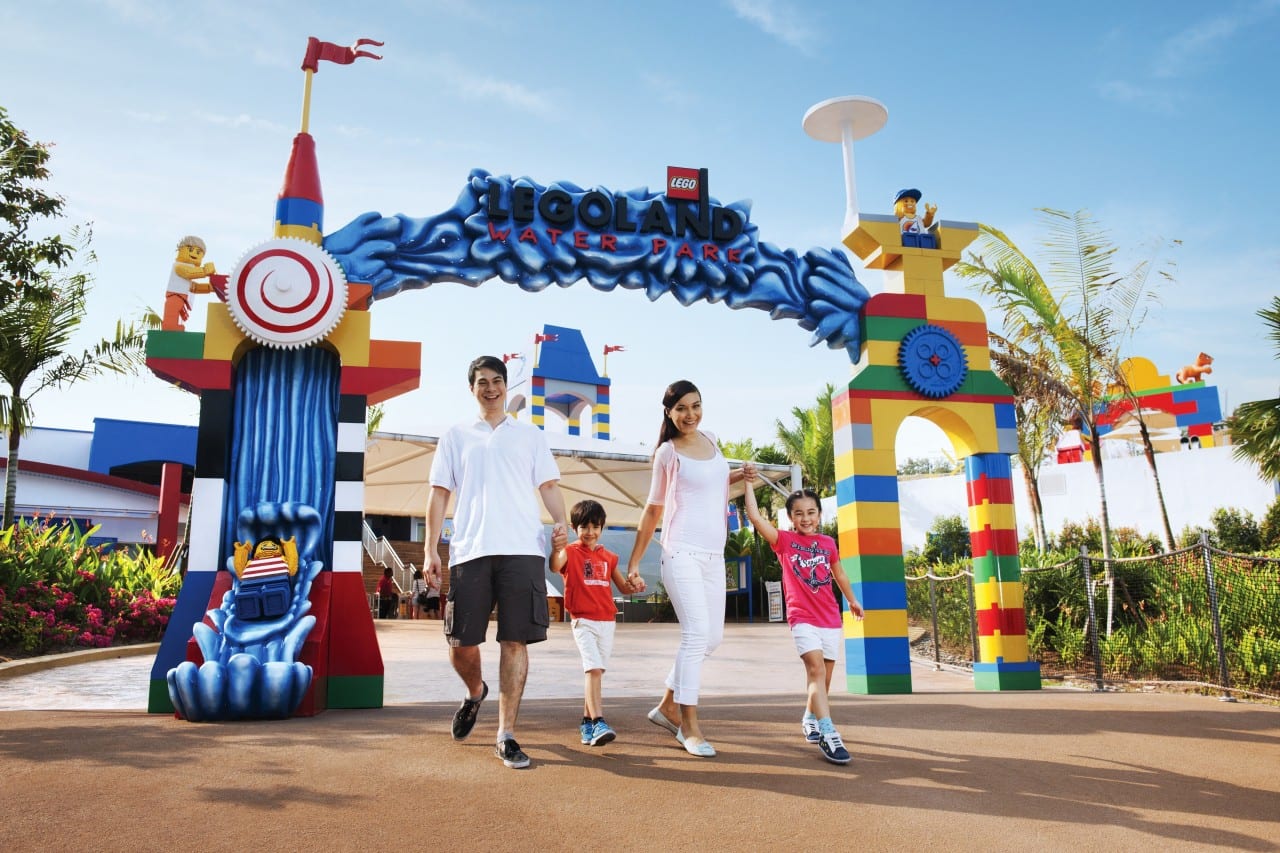
    The site where a Legoland will be built in Chuncheon, Gangwon, on Friday. The development of the Legoland, about the same size as the Legoland in Johor Bahru, Malaysia, has been approved by the Gangwon government. British amusement park developer Merlin is in charge.

  • Japanese Summit supermarket open store in Vietnam

    Japanese Summit supermarket open store in Vietnam

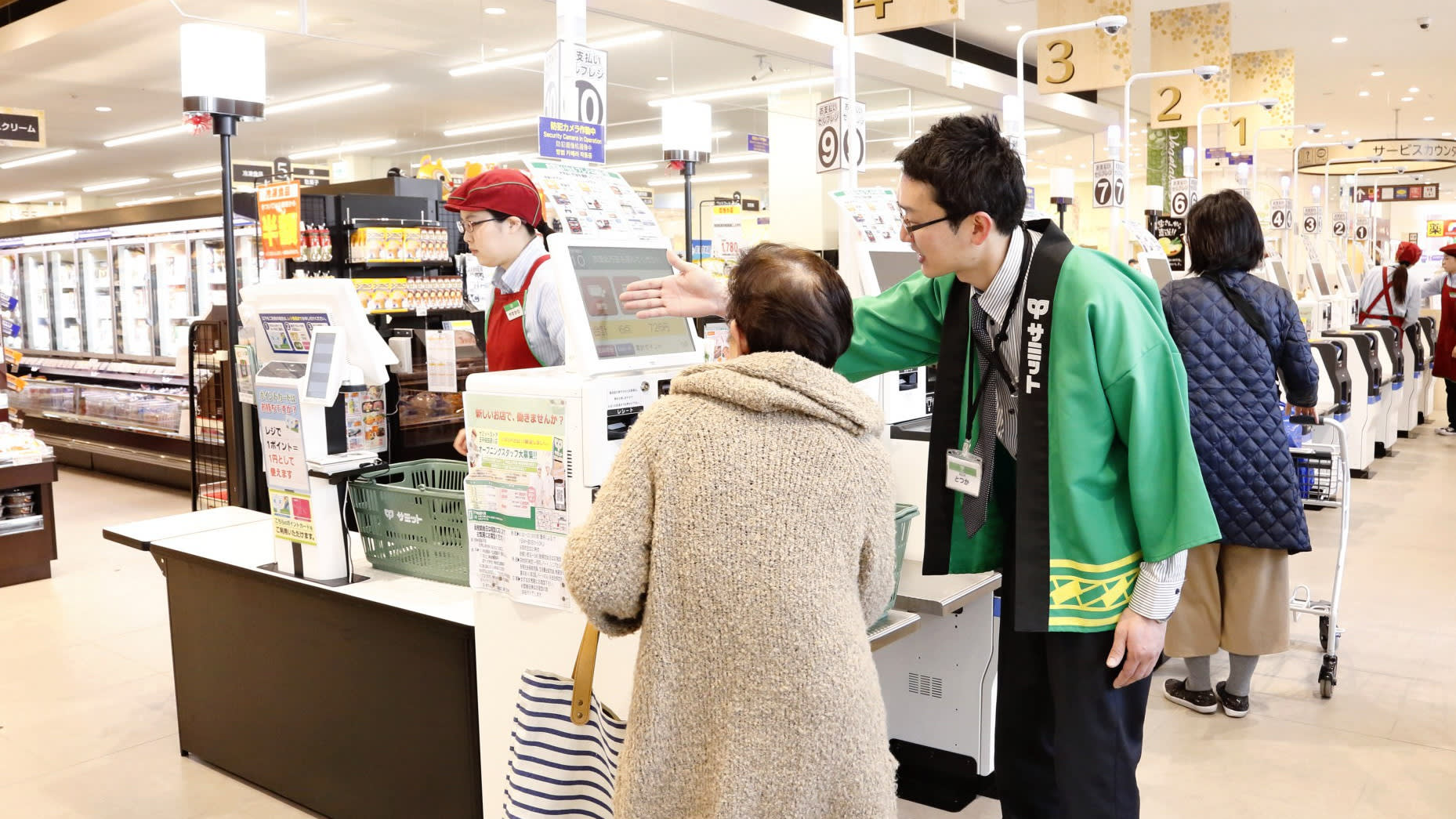
    Japan’s Summit supermarket will open first outlet in Vietnam’s capital city Hanoi this month, with two more stores expected to open next year. The Vietnamese Summit stores will be operated by Fujimart Vietnam Retail, a joint venture between Summit parent Sumitomo and real estate conglomerate BRG Group.

    BRG Group says Sumitomo will select the president and send personnel from Japanese unit while BRG will control the company operations.

    Targeting middle class consumers in the city, the stores will following the Japanese model – using the Summit supermarket group’s point-of-sale system and loyalty program to analyse customer shopping habits and plan product ranges.

  • The world’s most expensive retail street is not in NYC anymore

    The world’s most expensive retail street is not in NYC anymore

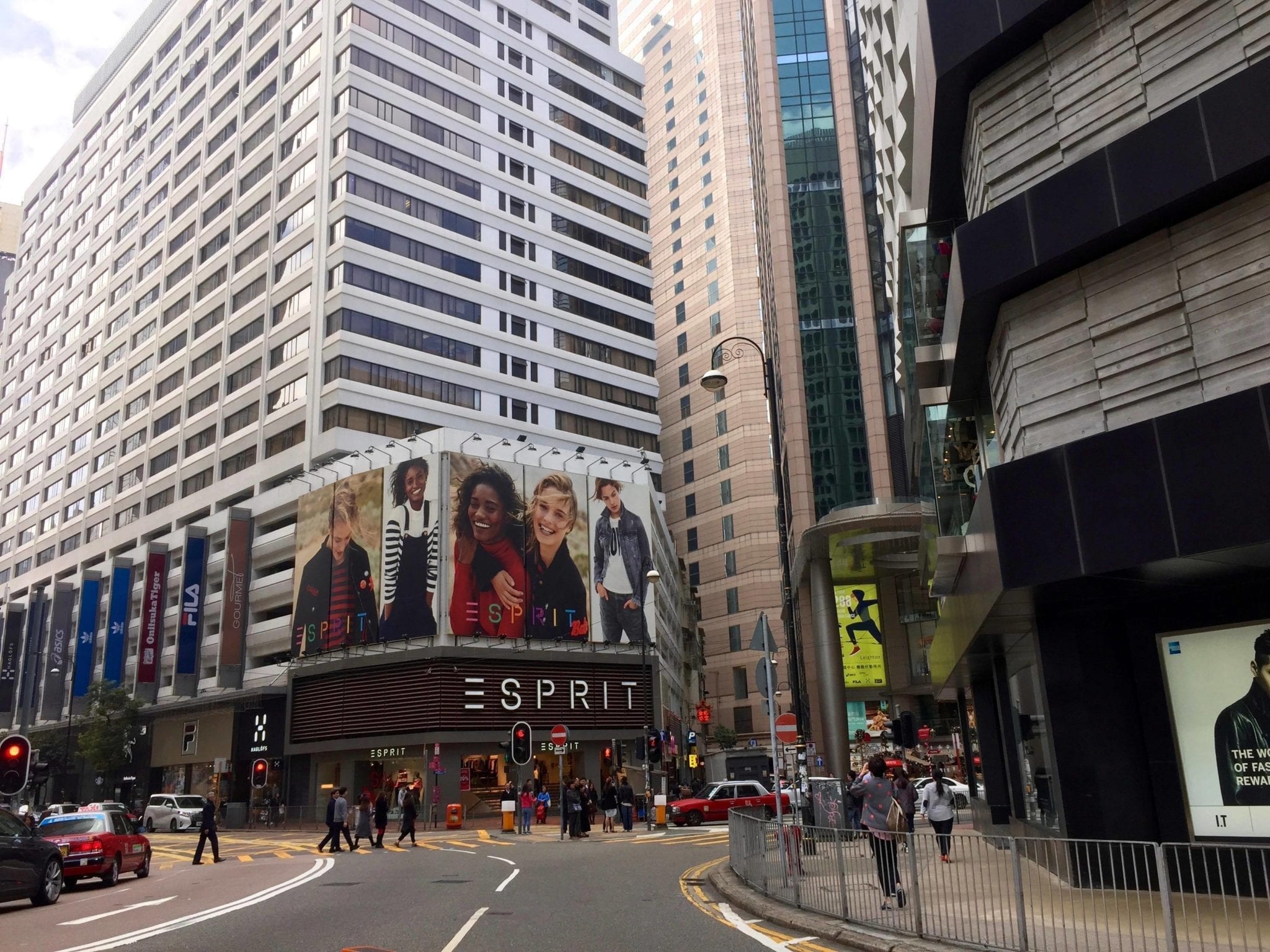
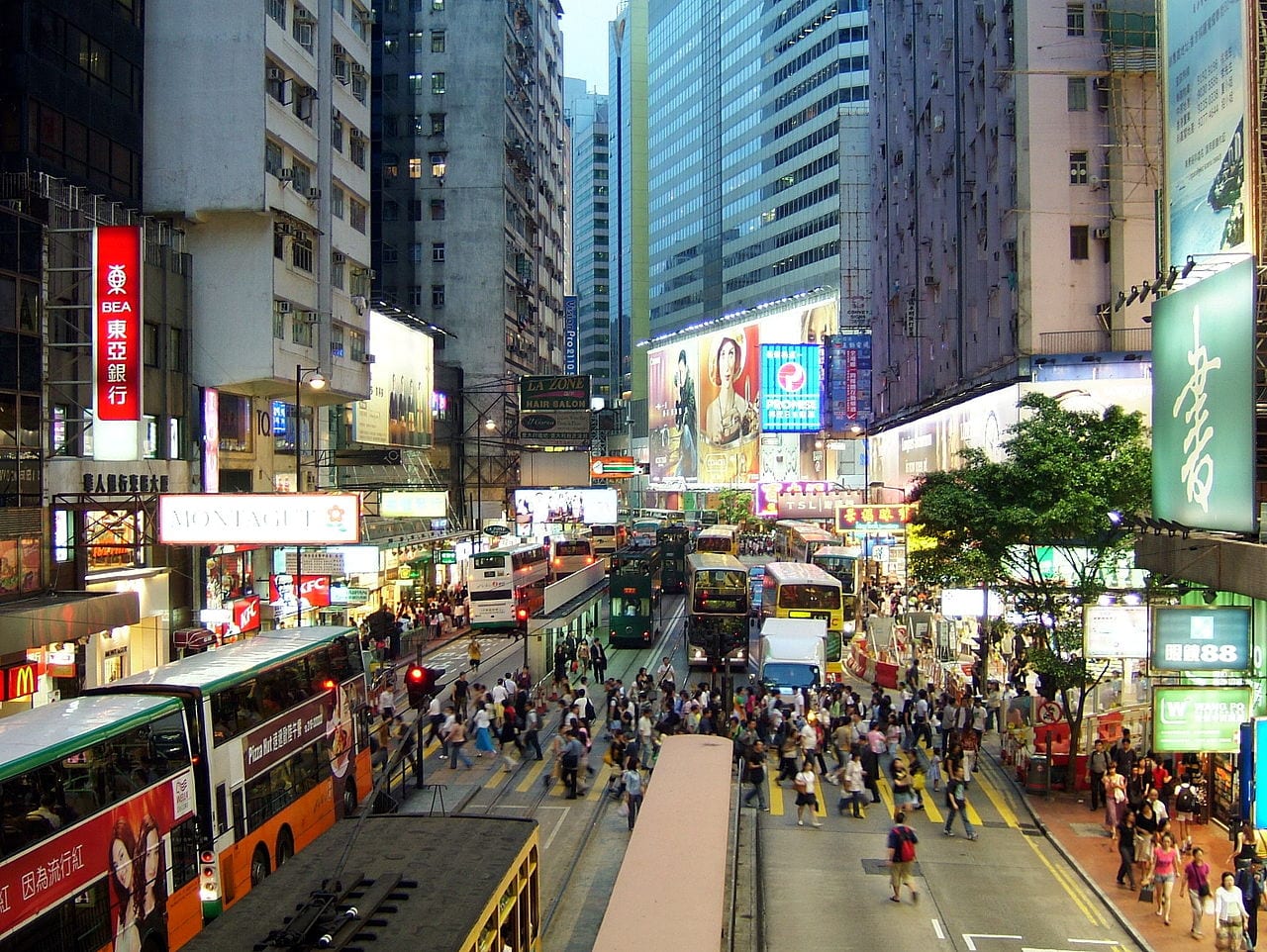
    Russell Street in Hong Kong’s Causeway Bay district has replaced New York’s Upper 5th Avenue as the world’s most expensive retail street by rental value, according to property consultants Cushman & Wakefield. For the first time in five years, the city has regained the crown, with average annual rents of US$2,671 per square foot (HK$20,953) despite a small decline of 1.5 per cent in average rents, according to the company’s annual Main Streets Across the World report.

    This was also the sixth time Causeway Bay has had the distinction of being named the world’s most expensive retail location.

    The report, now in its 30th year, tracks 446 of the top retail streets around the globe, ranking them by their prime rental value as of the second quarter of 2018.

    Upper 5th Avenue in New York slipped to second place globally, with average annual rents of US$2,250 per sq ft compared with US$3,000 per sq ft in the previous 12-month period as vacancy increased. The report said rents had fallen by 25 per cent because of the increased vacancy.

    London’s New Bond Street meanwhile is the most expensive European location and third globally. Annual rents here were broadly flat year-on-year at US$1,744 per sq ft, underlining the fact that luxury and high-end retailers still see the UK’s capital as a key retail destination.

    Beijing’s Wangfujing has become the most expensive street in China, with rents on average costing US$482 per sq ft a year, ranking 11th worldwide.

    “The retail market in Hong Kong has experienced a rebound over the last year, driven mainly by a return of mainland Chinese tourists,” said Kevin Lam, Cushman & Wakefield’s head of retail services for Hong Kong.

    Maureen Fung Sau-yim, executive director of Sun Hung Kai Real Estate Agency, said the number of mainland tourists would remain high if the yuan fell further.

    Fung manages 38 shopping malls with a gross floor area of 10 million square feet in Hong Kong and mainland China.

    One of them, APM, in Kwun Tong, was among the first to introduce round-trip direct buses from the mall to Zhuhai and Macau.

    “Since the opening of the Hong Kong-Zhuhai-Macau Bridge on October 24, APM has been running 780 round-trip direct buses to Zhuhai and Macau, serving 25,000 passengers, in which 80 per cent of them are Macau tourists who came for a one-day tour,”she said on Wednesday.

    Each of these visitors spends between HK$500 and HK$800, mainly on dining, cosmetics, and personal care.

    “APM aims to draw as many as 100,000 monthly visitors to the mall. Extra part-time staff are being hired to support the new demand,” adds Fung.

  • Number of Chinese buying high-end Saigon apartments skyrockets

    Number of Chinese buying high-end Saigon apartments skyrockets

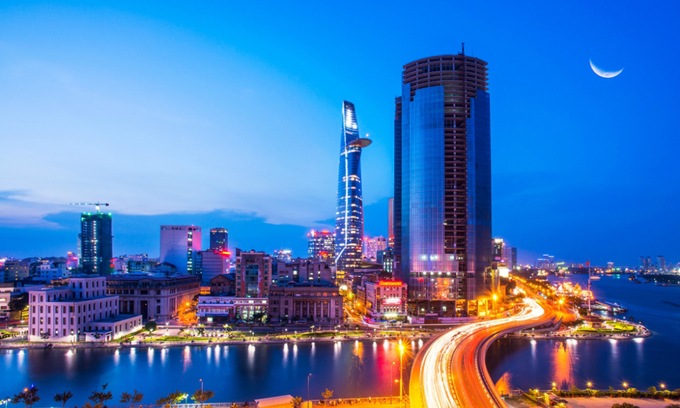
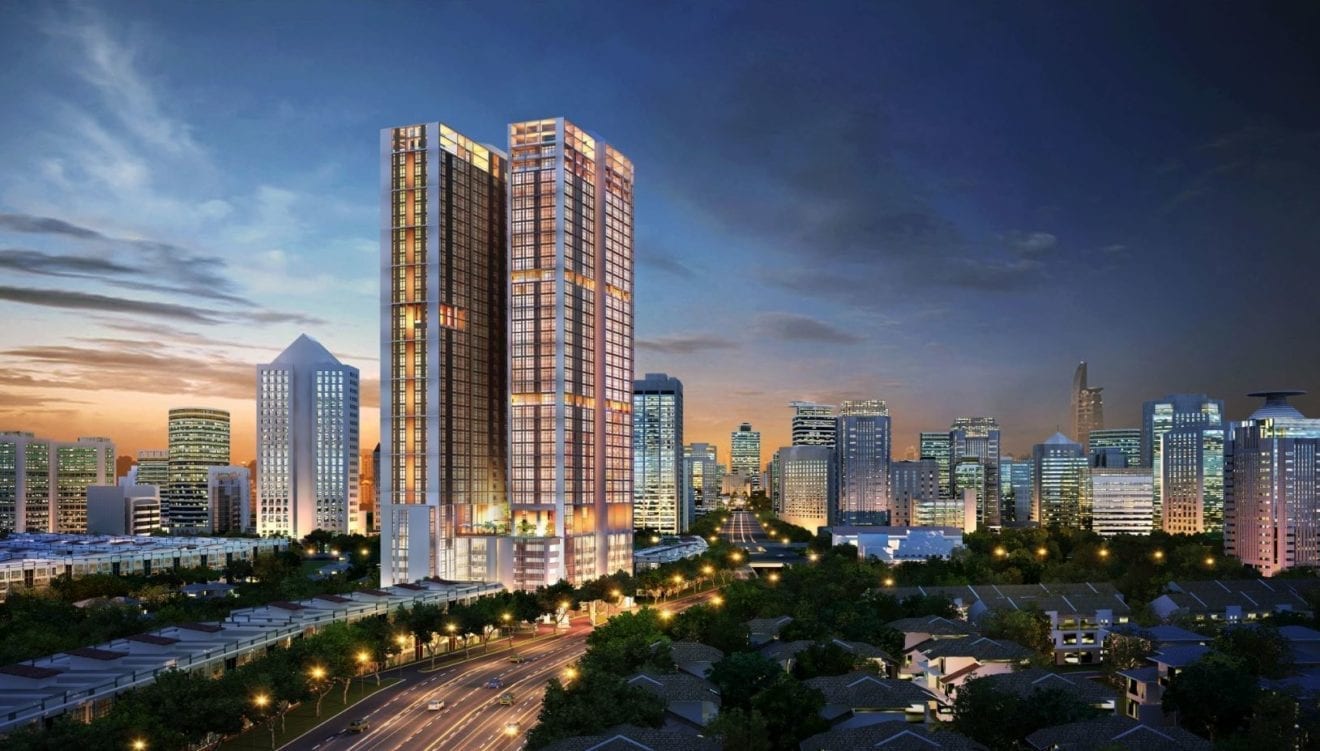
    Attractive prices and returns have seen the number of Chinese customers buying high-end apartments in HCMC soar this year. Duong Thuy Dung, senior director of real estate market research firm CBRE Vietnam, said at a recent forum that 31 percent of high-end apartment buyers in HCMC in the first nine months were Chinese. This figure increased from only 2 percent in 2016 and 4 percent last year.

    In the last two years, Chinese were sixth among all buyers, but this year, they have surpassed Vietnamese to rank first.

    Only 24 percent of high-end home buyers are Vietnamese, CBRE data shows.

    Stephen Wyatt, country head of property service firm JLL Vietnam, said the number of Chinese buyers has been increasing because Vietnam has an attractive price compared to other markets like Hong Kong, Japan, Singapore, South Korea and Taiwan.

    Chinese people often compare prices in Vietnam with Shanghai when they buy properties, he said, adding that they hope to gain profit from higher property prices in Vietnam in the future.

    A high-end apartment in the city costs around $5,000 per square meter, but the same one in Hong Kong could cost four times, said Nguyen Khanh Duy, director of residential sales at real estate service provider Savills HCMC.

    Nguyen Hoang, director of research and development at real estate firm DKRA, said that the number of Chinese and South Korean buyers in HCMC started to increase last year.

    Chinese from Shanghai and Hong Kong are buying properties as investments (not to stay in). “Most projects that foreigners bought in the last two years are under construction,” he said.

    Other industry insiders said that the high returns that HCMC high-end apartments offer is attracting many foreign buyers.

    The rate of return is 5-6.5 percent in Thao Dien ward and Thu Thiem Peninsula in District 2, while in other Asian countries, this rate is only 3.7-5.2 percent, Duy said.

    CBRE senior director Dung added that it was not just Chinese, but foreign buyers in general who are showing an increasing interest in HCMC real estate.

    Dung said that each foreigner group has a different preference for high-end apartments. Customers from mainland China, Hong Kong and Taiwan prefer large-scale projects near the downtown HCMC.

    South Koreans like to buy apartments in the southern District 7 that hosts a large community of South Koreans, while Western buyers often look for a quieter lifestyle in eastern District 2.

    Dung said HCMC is estimated to receive 40,000 new apartments in the 2018-2020 period, 60-70 percent of these in the high-end segment.

    In the last three years 35,000 luxury apartments have come into the market, CBRE said.

    This is a major increase from 2012-2014 when fewer than 10,000 units were on offer, CBRE said.

  • Le Eco Auctioning Beijing Mall on Taobao for RMB2.3B

    Le Eco Auctioning Beijing Mall on Taobao for RMB2.3B

    Chinese tech firm LeEco has put a Beijing shopping centre up for auction on Chinese e-commerce platform Taobao. Experiencing financial difficulties, yet determined to uphold its online trading practices, the firm has listed the 50,000sqm Beijing Shimao Gongsan Plaza at a reserve of RMB2.3 billion (US$334 million). The move follows legal action by mortgagor China Citic Bank against LeEco for failing to meet repayment obligations.

    The auction opens on Taobao’s distressed asset channel, which saw an 88 per cent rise in listings in October against the backdrop of China’s enormous bad debt market. Under supervision of the courts, the auction will start on January 7 at 10 am and run for 24 hours.

    The property was expected to sell last year to leading Chinese developer China Vanke, but was not traded due to unmatched expectations in price.

  • HMV owes US$600,000 unpaid rental, face legal case

    HMV owes US$600,000 unpaid rental, face legal case

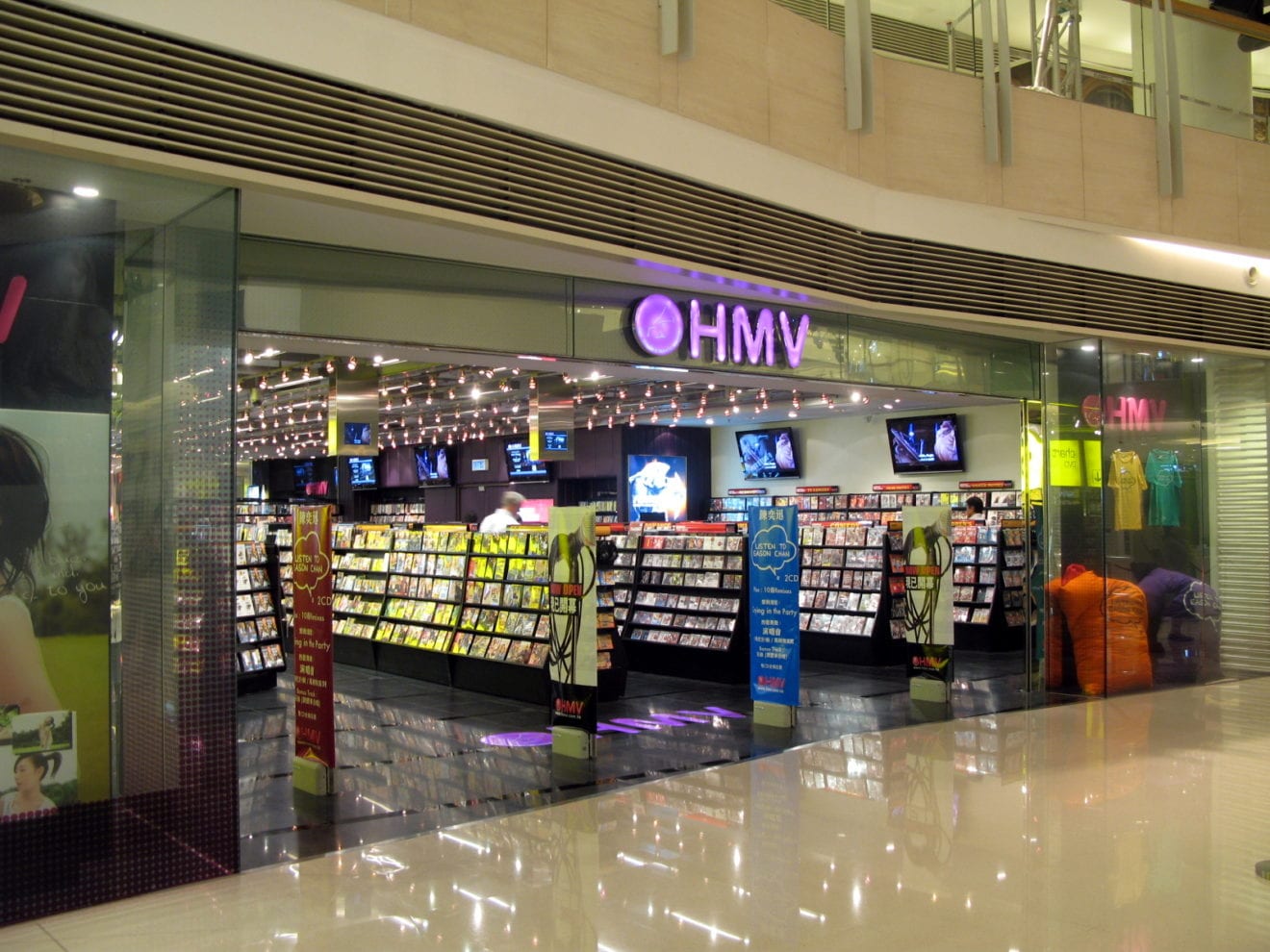
    Gadget, movie and music retailer HMV may face eviction from several of its Hong Kong store locations in coming weeks as landlords seek to recover unpaid rents and charges. Separate lawsuits have been filed relating to HMV stores in Causeway Bay, Central and Kowloon Bay, collectively seeking more than HK$5 million (US$640,000), according to court documents.

    The four-story HMV flagship store on Paterson Street in Causeway Bay was leased from Ever Light in July 2015 for four years at a monthly rent of $1.59 million for the first two years and $1.72 million for the ensuing two.

    Another store on Queen’s Road Central was leased in September 2016 from Pridemax for a term of six years at an initial monthly rent of $1 million.

    Those two landlords lodged legal action in the High Court of Hong Kong seeking payment of overdue amounts and vacation of the premises.

    About three weeks ago, MTR Corporation issued legal proceedings seeking to recover $273,300 in unpaid rent and charges and demanded the store vacate its space in Telford Plaza shopping mall.

    HMV was acquired by China 3D Digital Entertainment in March 2016 for $408 million, with the vendor, private equity company AID Partners retaining an approximate 18 per cent share.

    In 2015 AID received widespread acclaim for the restructure of the Hong Kong operations of what was once an iconic international brand name in music and movie retailing, but which collapsed in other markets with the advent of digital streaming undermining the popularity of DVDs and CDs.

    The Causeway Bay flagship, which incorporates a cafe and live music performance space, began specialising in lifestyle items including headphones, toys and even scooters, along with recognising the returning popularity of vinyl records.

  • Real estate in Saigon the most sought after in Vietnam

    Real estate in Saigon the most sought after in Vietnam

    Saigon leads Vietnam in real estate interest, drawing 300 million internet searches in the last 12 months. According to a report recently issued by Batdongsan.com.vn, one of the biggest property portals in Vietnam, Hanoi is the second most searched city when users look up real estate at 170 million searches.

    The two cities are followed by central Da Nang City, southern Bien Hoa Town, northern Hai Phong City, central Nha Trang Town, and Vung Tau Town and Can Tho City in the south in terms of popularity.

    Overall, the leading position of Saigon real estate is predicted to continue to remain the same because its housing market is still seeing a lot of actions.

    Consumer data collected from Internet queries also showed the level of interest given to real estate in each specific area.

    Saigon attracted the highest level of interest, at 41.8 percent of recorded consumers, the largest in Vietnam, while Hanoi had 29.7 percent. Central Khanh Hoa Province, Da Nang, and southern provinces of Dong Nai and Binh Duong recorded modest numbers, fluctuating between 3 to 4.5 percent. Interest is measured by saved searches, favorites and number of queries.

    The report also reveals that budget and midrange apartments in Saigon and Hanoi, which are priced between VND20-30 million ($860.47 – $1,290) per square meter, with an area of around 60-70 square meters are the type of high-rise apartments that attracts the most attention from Internet users.

    Meanwhile, in regards to content posted on the website of this organisation, foundation land (land serving as the foundation for housing projects to be built on) tops the board in the number of posts published, at 1.2 million posts.

    The land is also the most indulgent hunting with nearly 120 million searches, showing the habit of clinging to land, ownership of real estate in the territory of the Vietnamese, said the report.

    In addition, separate houses attached to land are also highly sought after, at nearly 120 million searchers. This shows the Vietnamese consumers’ preference to own land, or possess properties attached to land, according to the report.

  • HCMC a top 20 Asia Pacific office rental market

    HCMC a top 20 Asia Pacific office rental market

    With office rents rising constantly for several years, HCMC has moved into the top 20 Asia-Pacific office rent markets. Grade-A office rents in Ho Chi Minh City have reached a five-year peak of $936 per square meter a year, according to property service firm JLL. The HCMC market has come under the spotlight in a premium office rent report for the Asia-Pacific region just released by the US-based global company.

    The report said that HCMC, an emerging market, saw annual gross premium office rents rising to $635 per square meter, a year-on-year increase of nearly seven percent, placing the city in the list of top 20 office rent markets in the Asia-Pacific region.

    It highlighted the case one unnamed building in the inner city, where a record rent level of $936 per square meter a year was registered, a peak unseen for many years.

    JLL assumes that the HCMC office market is heating up with increasing investment inflow from many multinational firms.

    The US firm added that the total supply of office space in HCMC has increased to two million square meters, a five-fold hike compared to Bangkok. The scarcity of premium office space in HCMC has constantly pushed up rents.

    Financial corporations are willing to pay for high-end office space in HCMC, while banking and financial firms were keen on premium office space, topping the list of 72 key tenant categories.

    Meanwhile, JLL said in the Global Premium Office Rent Tracker Q4 2018 that Ho Chi Minh City and Manila, the two more affordable cities in Southeast Asia, are attracting significant corporate interest, along with European cities like Amsterdam, Berlin and Warsaw.

    The firm said that growth in occupation costs is likely to slow down in 2019 as new supply comes through; however, while rental growth is expected to decelerate, there are very few major markets where a downward correction is projected for 2019. In fact, the delivery of new premium buildings will set fresh rental benchmarks in several markets, it predicts.

    Total occupancy costs are calculated by combining the net effective rent with additional costs, including service charges and taxes.

    JLL’s Global Premium Office Rent Tracker 2018 compares occupancy costs for premium office buildings across the world’s leading real estate markets. This fourth edition includes 72 office submarkets across 61 cities.

    The report includes the key elements of occupancy costs – net effective rent, service charges and government tax on rent – all standardized to enable true international comparisons.

  • World’s first Nerf experience centre coming to Marina Square in 2019

    World’s first Nerf experience centre coming to Marina Square in 2019

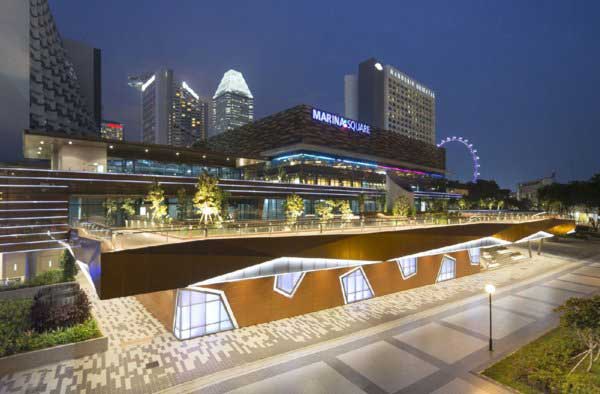
    Shopping mall Marina Square has been chosen as the venue for the world’s first Nerf family entertainment centre. The Nerf Experience Singapore will open in the second half of next year, following a licensing agreement between Kingsmen Creatives subsidiary Nax Singapore and the Nerf brand’s parent Hasbro who will co-conceptualise, create, build and operate multiple Nerf experiences across Asia Pacific. Nerf is a collection of toys, mostly foam-firing plastic guns.

    Plans are underway to translate the Nerf brand values into a vast play experience occupying an 18,000sqft space on the ground level of Marina Square. Nerf Experience Singapore will feature multiple activity zones that promote active play and teamwork.

    CEO of Marina Square Lim Hock San said “Marina Square is positioned as a family mall in the city. The injection of the Nerf experiences fits our overall positioning and strategy to provide more activity-based experiences for the whole family. We believe the concept will be a great draw for both locals and tourists, creating much life and energy in the Marina Centre precinct.”

    Group CEO of Kingsmen Andrew Cheng said Nerf Experience Singapore is designed to be a year-round family destination and Marina Square is an excellent launchpad for the attraction.

    “Our goal is to create a brand of unique participative experiences that guests of any age can enjoy and will want to return to. With families constantly on the lookout for things to do together, we are confident that our offering of adrenaline-filled fun, coupled with enriching experiences will be a hit.”

  • Alan Liis the new president of CBRE China

    Alan Liis the new president of CBRE China

    CBRE, the worldwide commercial real estate services and investment firm, recently announced the appointment of Alan Li as President, CBRE China, effective immediately. Alan will be responsible for CBRE’s advisory services across business lines in China, including Advisory and Transaction Services, Capital Markets, Asset Services, and Valuation and Advisory Services.

    Based in Shanghai, Alan will report to Ben Duncan, President of North Asia.

    To the newly created role, Alan brings approximately 18 years of professional experience in the China commercial real estate industry.

    He joined CBRE in 2015 and since this time has served as Managing Director of Capital Markets for Greater China.

    “The future of our brand in China will increasingly rely on our ability to further localize our business and solution offering to clients.” said Duncan.

    Alan is a member of Royal Institution of Chartered Surveyors (RICS) and a registered real estate broker. He is also a member of All-China Youth Federation and the standing committee of Shanghai Youth Federation, and Vice President of Shanghai Foreign-Invested Enterprises Youth Talent Association. He holds an MBA from Fudan University.

  • Central i-City to open on Jan 12

    Central i-City to open on Jan 12

    Central i-City is scheduled to open on January 12 as the largest shopping mall in Selangor’s state capital of Shah Alam, Malaysia. A joint venture between Thai retail property developer CPN Ventures and Malaysian developer I-City Properties, the 940,000sqft mall was constructed on an investment of RM850 million (US$204 million) and features 350 lettable stores, three levels of basement parking and six retail levels. Some 73 per cent of available retail space has already been leased, with the remaining stores expected to be taken up by early next year.

    CPN Ventures assistant VP of marketing Siegfried Shaun Dela Pena Tan said: “The mall is expected to transform retail experience for Malaysians. [It caters] to a more affluent target segment attracting shoppers who will spend more, appreciate better and be driven by quality. We expect that the mall will serve more than 900,000 residents in Klang and a further 700,000 in Shah Alam.”

    Central i-City Shopping Centre is CPN’s flagship project in Malaysia and first international project.

    I-Berhad executive chairman Tan Sri Lim Kim Hong said: “We are bullish about the retail market.

    People are unfazed by the economy. They are still shopping and dining out. The mall has a good tenant mix and 25 per cent of the total number of retail shops comprises food and beverage outlets.”

  • Hong Kong retail rent rises (too) fast

    Hong Kong retail rent rises (too) fast

    Prime Hong Kong street-shop rents rose 4 per cent in the first three quarters of this year, ahead of the up-to 3 per cent rise prediction by Savills a year ago. In a third-quarter real estate briefing released yesterday, Savills said shopping-centre retail rents, which Savills expected would fall as much as 5 per cent, have actually risen 2 per cent year to date.

    Savills expects prime Hong Kong street-shop rents and shopping centre rents will rise by about 2 per cent next year.

    “In the retail market, despite the headwinds of a weaker RMB, more competition from regional cities and elevated new supply in the New Territories, rents will rise modestly,” the company predicted.

    “New infrastructure in the form of the High Speed Rail Link and the Macau Bridge will improve accessibility for mainlanders, while domestic consumption expenditure is expected to remain reasonably robust. Online retail continues to make limited gains in the Hong Kong market.”

    Savills said prime street shops proved the only real estate category in Hong Kong to post a decline in sale value on a per square foot basis, falling 3 per cent – a stark contrast to the 10-12 per cent rise in flatted factories and warehouses, and 8 per cent rise in luxury apartments.

    The company predicts prices for prime high street shops are likely to fall by up to 5 per cent next year.

  • Central Premium Mall Vietnam plans to open next year

    Central Premium Mall Vietnam plans to open next year

    Ho Chi Minh City is getting a new shopping centre, Central Premium Mall, in District 8, next year. Set to open in the third quarter of next year, the six-storey mall spans 40,000sqm, and is expected to welcome more than 3 million visitors annually.

    The first and second levels will host 200 kiosks from fashion retailers, a supermarket and luxury cafes.

    The third level is for dining, with more than 30 restaurants, including China’s Melie Dimsum, America’s HolyCow, Korean BBQ Gangnam, together with sushi and buffet restaurants.


    The fourth and fifth floors are for entertainment with a children’s playground Kid World, spas, Mexican-style Ritacita Bar, Beer Club Vuvuzela, Bar Redbull and Bar Rocco, among others.

    A cinema will occupy the whole 4000sqm sixth floor.

    Project owner Quoc Cuong Gia Lai says the shopping centre will be managed by a reputable international company, whose identity has yet to be revealed.

    The mall has cost VND1 trillion (US$43 million) to build.

    Central Premium Mall occupies the lower levels of the Central Premium apartment complex currently under construction. A roof-topping ceremony was held recently and apartments are expected to be handed over to residents by the third quarter of next year. It will be managed by Savills Vietnam.

  • Investors dominate sales of Vietnam’s high-end homes

    Investors dominate sales of Vietnam’s high-end homes

    Investors buy a high percentage of high-end residence purchases in Vietnam, while occupiers take most of the low-end ones. A recent report by real estate market research firm Savills Vietnam, Vietnam Residential Spotlight, says over 70 percent of grade A (high-end) residence buyers in Hanoi are investors. The ratio in Ho Chi Minh City is just as high at 65 percent, says the report, which used data for the 2013-2017 period.

    For the grade B (middle-end) segment in Hanoi, investors accounted for 40 percent of sales, occupiers, 55 percent, and the remaining 5 percent, speculators. The corresponding ratio in HCMC is 45 percent, 50 percent and 5 percent.

    The data indicates that high-end and middle-end residences have become main interests of investors in recent years. They evince almost no interest in grade C (low-end) residences where occupiers make up 85-90 percent of transactions.

    There has been a continuous downwards momentum in residential apartment supply between January and October this year, the Ho Chi Minh City Real Estate Association (HoREA) said in a recent report.

    During this period, total housing supply in the Ho Chi Minh City market fell 39.2 percent. The biggest decrease in supply was in the low-priced apartment segment, which was down 68 percent, while that of high-end apartments fell 9.6 percent and mid-range went down 37.5 percent.

    The association warned that the structure of real estate supply showed a serious disequilibrium in the market, with low priced apartments taking up only 19.3 percent of total supply while luxury apartments took up a third.

    This showed a mismatch between demand and supply, posing a risk to sustainable development and social welfare, it said.

    However, Savills forecasts that low-end residences will dominate HCMC’s supply in 2020 at 61 percent, while in Hanoi, the middle-end segment will lead the market, taking over half of the supply. At this time, Hanoi will have a higher high-end supply at 15 percent, compared to HCMC at 8 percent.

  • Lazada Malaysia to sell houses soon

    Lazada Malaysia to sell houses soon

    Southeast Asian e-commerce platform Lazada will begin selling houses in time for its planned 12.12 shopping festival. The move, in partnership with Malaysian property developer Mah Sing Group, constitutes part of Lazada’s plans to grow the variety of items on its platform.

    Lazada Malaysia CEO Christophe Lejeune said it plans to increase the number of Malaysian sellers from the platform’s current 50,000 to hundreds more, as well as provide support for 8 million Southeast Asian SMEs by 2030.

    Lazada operates in Thailand, Indonesia, Vietnam, Singapore and the Philippines, beyond the Malaysian market.