Retail News CRM

Tag: Property

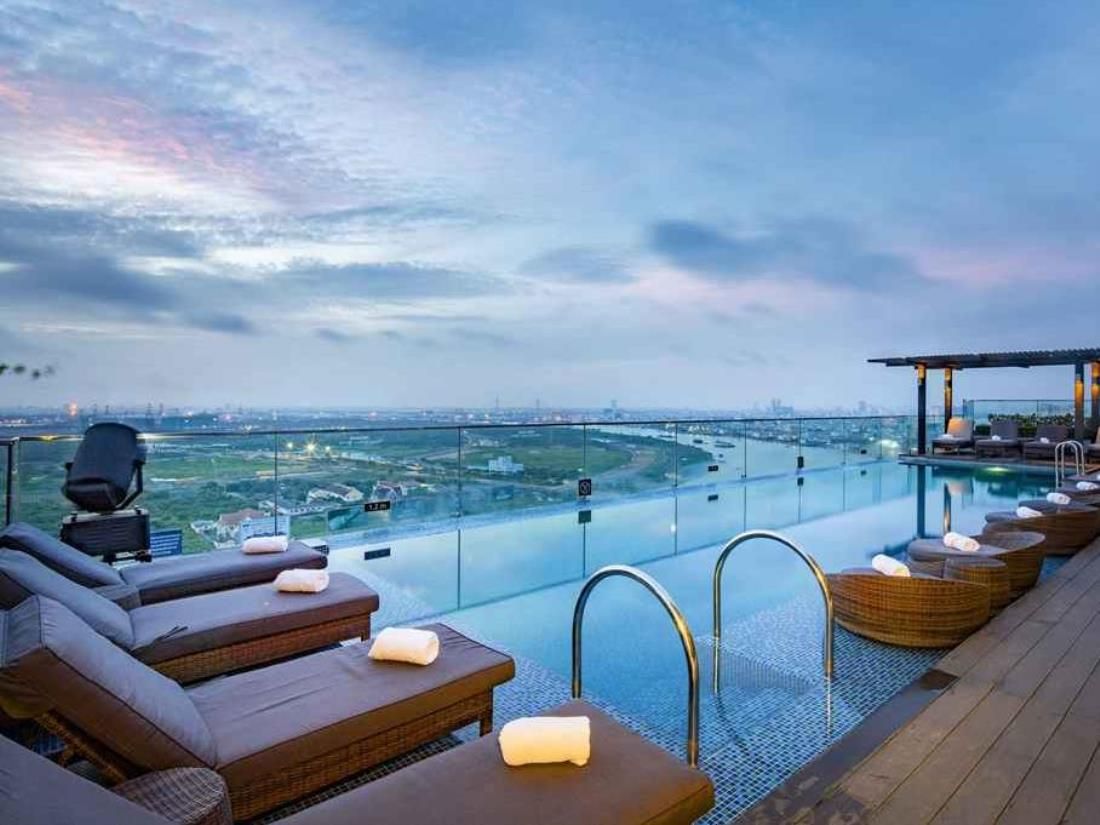
  • Vietnam needs more hotels as tourism blooms

    Vietnam needs more hotels as tourism blooms

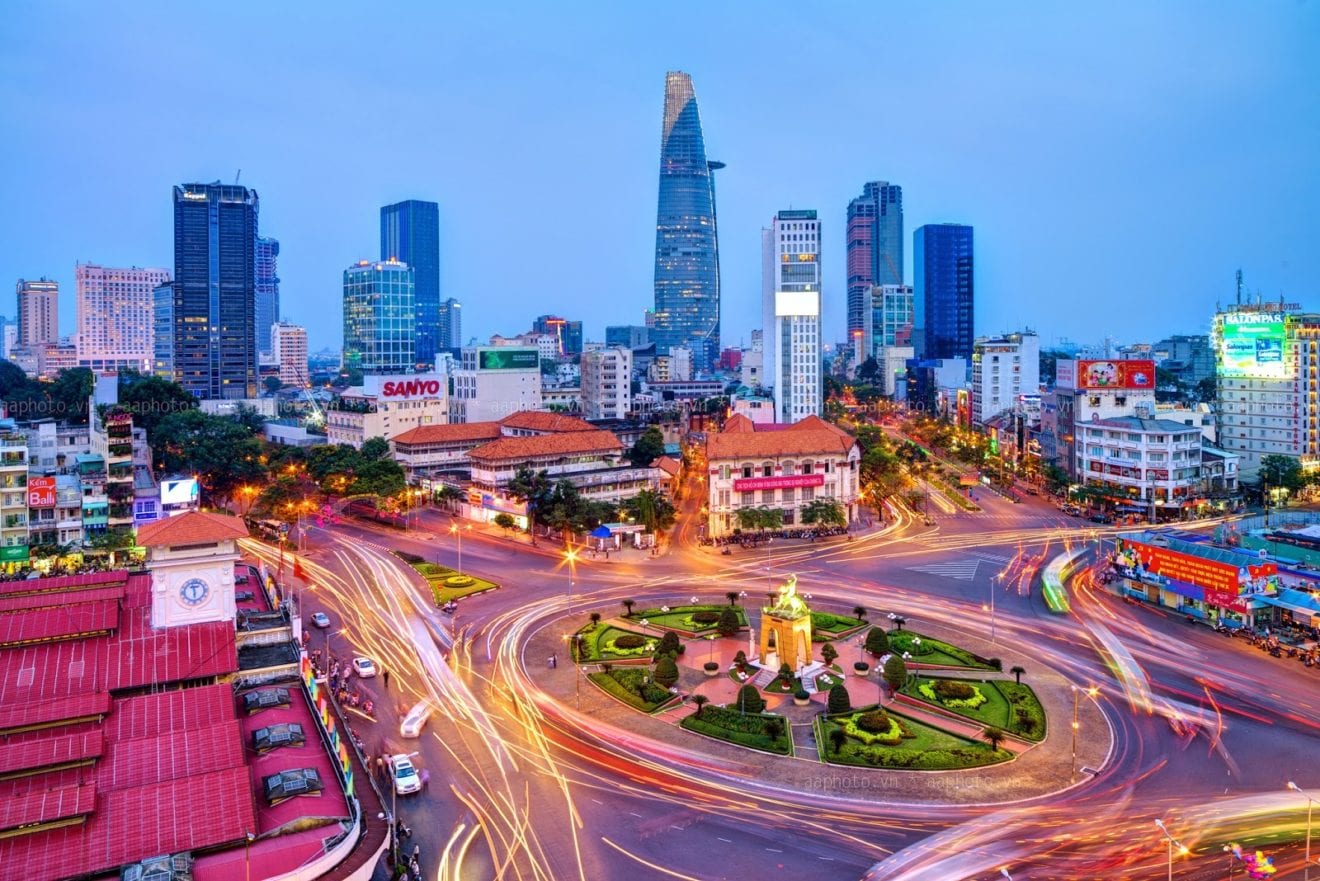
    The “golden age of tourism” in Vietnam presents robust hotel development opportunities in Vietnam’s biggest cities. Troy Griffiths, deputy managing director of real estate consultant Savills, said Ho Chi Minh and Hanoi are “under-hoteled per population, per travel and per airlift capacity”.

    “Hotel is a particularly dynamic sector at the moment as Vietnam is experiencing a golden age of tourism, with international tourism rising 20-30 percent year-on-year and more Vietnamese travelling than any time before,” Griffiths said.

    “There’s a demand for five-star hotels which will be really a strong asset class for the future,” he added.

    As of November, 14.12 million foreigners visited the country, up 21.3 per cent year-on-year and exceeding last year’s 12.9 million, according to the General Statistics Office.

    South Koreans dominated the surge at 46.5 percent, followed by Hong Kong (32.8 percent), Finland (29.6 percent), mainland China (26.9 percent), Taiwan (15.6 percent), and Denmark (15.4 percent).

    In the same period, domestic travelers rose 20.91 percent.

    “Hanoi and HCMC had been pretty quiet in the past as they went through a bit of a bad phase, when international visitors would pass and go straight to Da Nang, Phu Quoc and Nha Trang.

    “Now we see they are actually coming to Hanoi and HCMC because they are both very charming cities for international tourists,” Griffiths said.

    “And their stay is lengthening. That means more five-star demand.”

    Vo Quoc Phuong Trang, head of hotel investment consultancy at real estate service firm Jones Lang LaSalle (JLL), also said that Hanoi and HCMC, with their steady economic and tourism growth, would continue to draw foreign investors in the high-end hotel segment, which Trang said has low risk but offers steady revenue.

    A report released in July this year by global consulting firm Grant Thornton stated that increasing numbers of well-to-do Vietnamese citizens are choosing to stay in five-star hotels and spend lavishly when they travel within the country.

    Vietnamese citizens accounted for 19.2 percent of 4-star and 5-star hotels guests in 2017, according to the report. Although this is a slight decrease from last year’s figure of 20.8 percent, the number of domestic guests staying at upscale hotels had increased for three consecutive years from 2014 to 2016.

    The country has seen a strong influx of international hotel brands and hotel management companies in the last few years. From 30 hotels with international brand names in 2010, the number had increased to 79 at the end of last year, according to Savills.

    There has been a particularly big jump this year with recent announcements by Mandarin Oriental and Movenpick in HCMC and Best Western Premier in the central province of Quang Binh, it said.

    The emergence of Vietnamese hotel operators is also a highlight in the local hospitality landscape.

    “Vietnamese hotel developers are also getting mature. They are acquiring international knowledge and becoming a really strong force in their own right as we have already seen across the resort cities with Vingroup, FLC, BIM and Sun Group,” Griffiths noted.

    Savills’ third-quarter report shows that the 5-star segment in Hanoi continued its strong performance in Q3 though the high travel season for foreign tourists lasts from the beginning of Q4 to April.

    Occupancy rate of five-star hotels in the capital city was highest, at about 80 percent, followed by four-star hotels (65 percent) and three-star hotels (59 percent).

    Average revenue of five-star hotels was $100/room/night, double that of four-star and three times that of three-star properties, the report said.

    Data said, ten out of 19 high-end hotels in the best locations in HCMC have foreign owners. These include Sheraton, Caravelle, InterContinental, Asiana Saigon, and Sofitel.

    In Hanoi, nine of 16 high-end hotels have foreign firms as major owners such as Melia, Sheraton, Sofitel Metropole, Nikko, and Pan Pacific being the major names.
  • Saigon apartment sales dip to lowest in 18 months

    Saigon apartment sales dip to lowest in 18 months

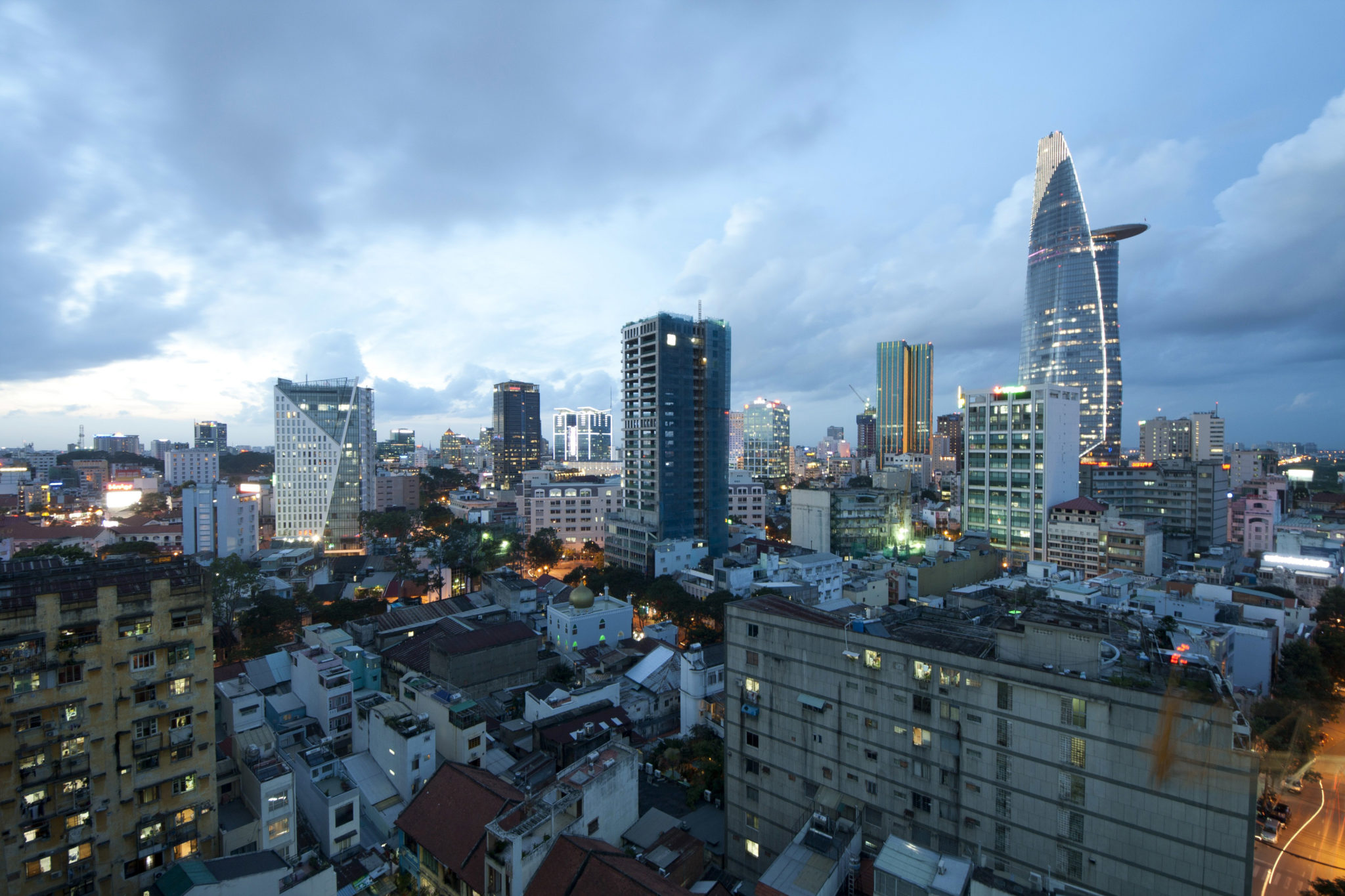
    The third quarter of 2018 saw apartment liquidity in Saigon fall to the lowest level in six consecutive quarters. According to property services provider Savills Vietnam, only 10,000 apartments were traded in Saigon in the third quarter of this year. The apartment sales were down 30 percent from last quarter and down 13 percent year-on-year.

    Grace C apartments took up 54 percent of total sales.

    Savills forecasts that by 2020, more than 124,000 apartments will be offered in the market, with Districts 2 and 9 in the eastern part of the city accounting for 55 percent of total supply.

    Meanwhile, another recent report compiled by property services provider CBRE Vietnam has reported even lower sales than Savills, at only 6,568 apartments sold in Q3. According to CBRE, sales fell 7 percent from the previous quarter, and was down 16 percent over the same period in 2017.

    Large disparities between real estate reports have existed between these two companies and are attributed to differences in statistical methodology.

    Recently, the Ho Chi Minh City Real Estate Association (HoREA) released a report on the housing market saying that as of October 31, 2018, there has been a continuous downwards momentum in apartment supply from the beginning of the year.

    During this period, total housing supply in the Saigon market fell 39.2 percent. The supply of high-end luxury apartments fell 9.6 percent, and that of midrange apartments by 37.5 percent. But the biggest decrease in supply was in the low-priced apartment segment, which was down 68 percent.

    The association warned that the structure of real estate supply showed a serious disequilibrium in the market, with low priced apartments taking up only 19.3 percent of total supply while luxury apartments take up a third.

    This showed a mismatch between demand and supply, posing a risk to sustainable development and social welfare, it said.

  • Link REIT Buys Beijing Mall for RMB 2.56B

    Link REIT Buys Beijing Mall for RMB 2.56B

    Link REIT has reached a conditional agreement to acquire a RMB2.560 billion (US$368.8 million) shopping centre in Beijing. The property, Beijing Jingtong Roosevelt Plaza, is a seven-storey mall housing 268 retail tenants, with 576 car parks on two additional underground levels. Link said in a stock exchange filing that the property is located in Tongzhou, the eastern gateway to China’s capital, a rapidly developing district about 20km from central Beijing. It is in an established residential area with 30 per cent of the district’s population living within a 3km radius.

    The property has good connectivity, located on Beiyuan South Road, the district’s main artery, is a high-quality community mall with an occupancy rate of 96.2 per cent and a dynamic mix of retailers including food and beverage, fashion/accessories, kids/education and lifestyle, health and beauty, along with a cinema.

    Leases for about 20 per cent of the four year old centre’s tenancies (by space) expire in 2020, providing Link with an opportunity to enhance rental reversion and performance of the property by upgrading the trade mix.

    Link expects the net property income of the mall will increase, in turn bosting the capital value of the property, benefiting unitholders.

  • HCMC to not build high-rise apartment until 2020

    HCMC to not build high-rise apartment until 2020

    The Ho Chi Minh City administration has decided that no high-rise apartment projects in the dowtown will be approved until 2020. Instead, priority will be given to repair and renovation of old apartment buildings. According to the housing development plan for 2016-2020 with orientation until 2025, that was approved by the HCMC People’s Committee on November 19, the city will not approve construction of new high-rise apartments in inner city areas (District 1 and 3) until 2020.

    Projects already approved and under construction will continue as usual.

    The city will also prioritize projects repairing or renovating 50 percent of 474 old apartment complexes constructed before 1975.

    It will continue to relocate households living along canals; construct new or renovate old, degraded condominiums; upgrade existing residential areas; continue developing new urban centres, and prioritize the development of social housing.

    The city will also focus on completing unfinished projects in some uptown districts and refrain from approving new housing projects if there are no plans to build adequate technical and social infrastructure in the area.

    The focus on completing existing projects will also apply to outlying districts. Housing in rural communes will be prioritized and high-rise apartments will be focused along major transport corridors or where technical infrastructure can support new housing.

    In particular, Ho Chi Minh City will invest in and prioritise the development of social housing projects to meet the needs of eligible residents, and for those who are resettled by urban beatification projects.

    The plan aims to free up more land for social housing projects in the 2021-2025 period.

    It envisages raising total living space in the city by 40 million square meters and per capita housing area to 19.8 square meters by 2020.

    To implement the housing development plan, the city estimates a budget of over VND310 trillion ($13.27 billion), of which investment capital for commercial real estate will amount to VND82 trillion ($3.51 billion), residential housing VND210 trillion ($8.99 billion), and rest for social housing.

  • Vietnam’s biggest airport start building in 2020

    Vietnam’s biggest airport start building in 2020

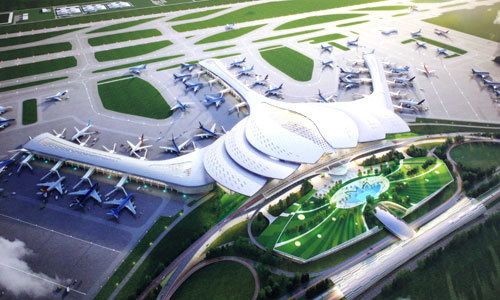
    Work on Vietnam’s biggest airport would start in 2020 and it will become operational in 2025, the Airports Corporation of Vietnam (ACV) says. ACV, which manages and operates civil airports in the country, also says that it will complete business appraisals and feasibility reports for submission to the National Assembly for approval in October 2019.

    Transport Minister Nguyen Van The had told legislators at a meeting late last month that the government was likely to approve land acquisition plans for the project this month, and release funds for it immediately after.

    Situated 40 kilometers east of Ho Chi Minh City, the Long Thanh International Airport is expected to take up overflow from the largest existing airport in the country, the Tan Son Nhat International Airport.

    Tan Son Nhat now receives 32 million passengers a year, far beyond its designed capacity of 25 million.

    The Long Thanh Airport, to be built in three phases over three decades, was recently listed by CNN Travel as one of the world’s 16 most exciting airport projects.

    The first phase is scheduled for completion in 2025 when it will be able to handle 25 million passengers annually. The next two phases will be built in 2030-2035 and from 2040-2050.

    The new airport would have an annual capacity of 100 million passengers and five million tons of cargo when completed.

    The first phase is estimated to cost VND114 trillion ($4.87 billion), and will be raised from public funds, a bond issue and private sources.

    Experts have warned that the cost of the airport could double every five years.

    ACV announced that in its 2019 plan, the company will spend more than VND10 trillion ($432.71 billion) on upgrading and expanding several airports, including Cat Bi in northern Hai Phong City, Vinh in central Nghe An Province, Phu Cat in southern Can Tho City, and Noi Bai in Hanoi.

    Most of these upgrades are expected to be completed by the third quarter of 2019.

    According to a recent announcement by ACV, by the end of October, the total amount of passengers going through airports this year was estimated at 87 million, by 12 percent over the same period in 2017.

    This year, the number of international passengers rose by 23 percent, while the figure for domestic customers increased by 7 percent.

  • Solid six months for Link Reit

    Solid six months for Link Reit

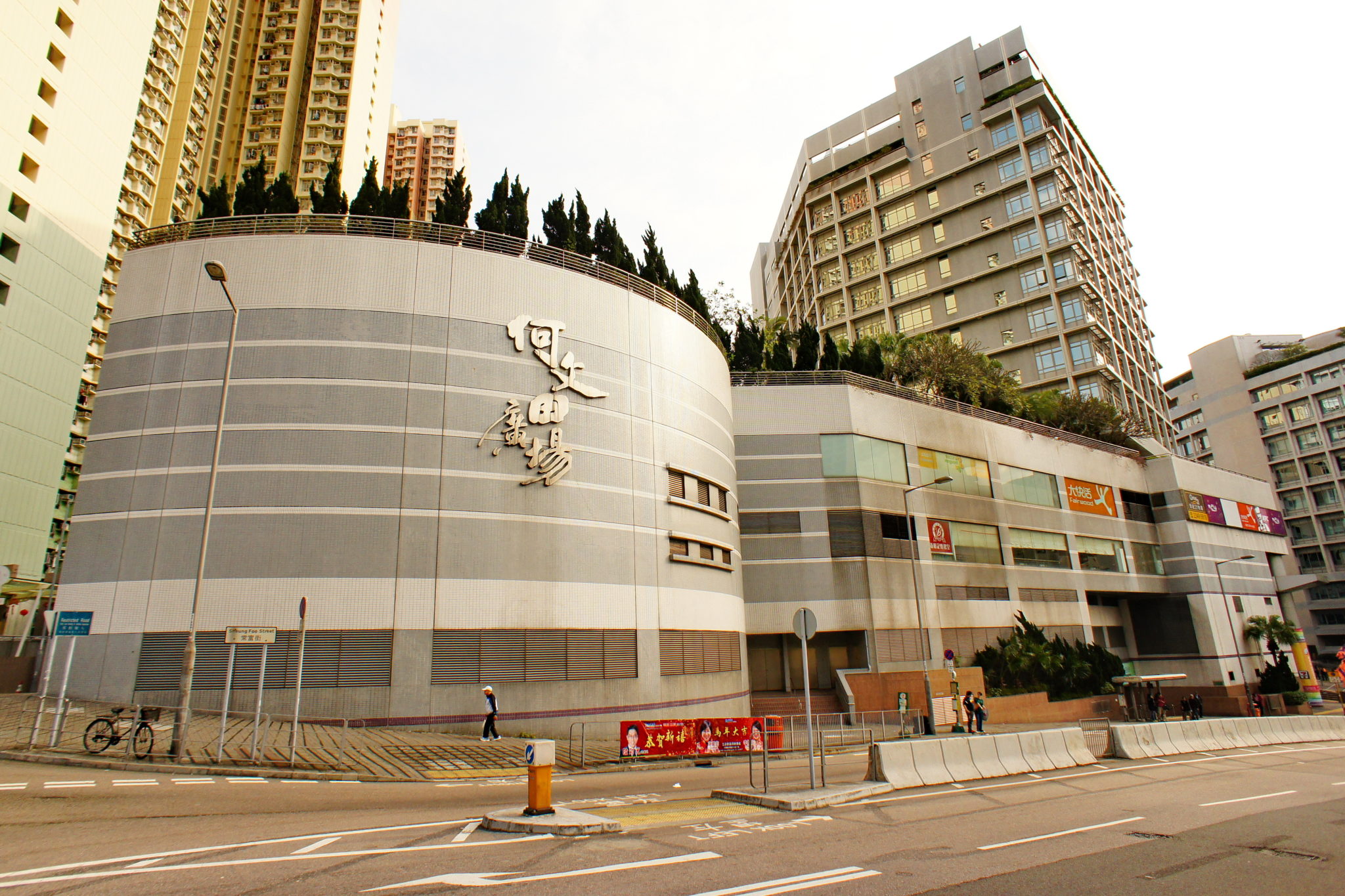
    Link Reit has improved like-for-like revenue by 7 per cent in the first half year, with car park revenues up 10 per cent and retail up 6.6 per cent. The valuation of Link’s investment properties portfolio reached HK$209.8 billion, an increase of 3.3 per cent compared to March 31.

    In a results announcement, the company said its portfolio “continued to demonstrate its resilience and provide a productive platform for our tenants to thrive” during a time of geopolitical and economic uncertainty.

    “Our efforts invested in asset management have yielded positive results for our retail portfolio,” the company said. “As at September 30, occupancy rate for the portfolio remained stable at 95.5 per cent and the overall portfolio reversion rate stood at 22.5 per cent. Average monthly unit rent improved to $65.7 per square foot (psf) as at September 30, up from $62.4 psf as at March 31.

    Four asset enhancement projects were completed during the six-month period: Fu Shin Shopping Centre, Homantin Plaza, Sam Shing Commercial Centre and Wan Tsui Commercial Complex. Link’s asset enhancement pipeline is filled with projects in various stages, including 10 projects currently underway, five preparing to commence and 19 projects undergoing review.

    On the mainland, Link’s three properties – EC Mall in Beijing, Metropolitan Plaza in Guangzhou, and Link Square 1 & 2 in Shanghai – performed “satisfactorily”, contributing a combined revenue of $490 million and net property income of $390 million. Increases of 22.8 per cent and 25.8 per cent, respectively. The retail portfolio occupancy rate was 98.8 per cent.

    “The latest addition to the portfolio, Metropolitan Plaza, continues to be a growth engine with vast potential to be unlocked. EC Mall’s reversion rate stayed at a satisfactory level and the new tenants have been warmly welcomed by the local community. Reversion rate of retail portfolio stood high at 43.2 per cent. We will continue to tailor asset management strategies to enhance our asset qualities and offerings to the neighbourhoods,” the company said.

    CEO George Hongchoy said Link is “well-placed to sustain its long-term growth trajectory while keeping foundation of business fundamentally sound and resilient”.

    The company is considering acquisitions and/or divestments that can drive sustainable return long term.

  • Retail rents in Causeway Bay are the world’s most expensive

    Retail rents in Causeway Bay are the world’s most expensive

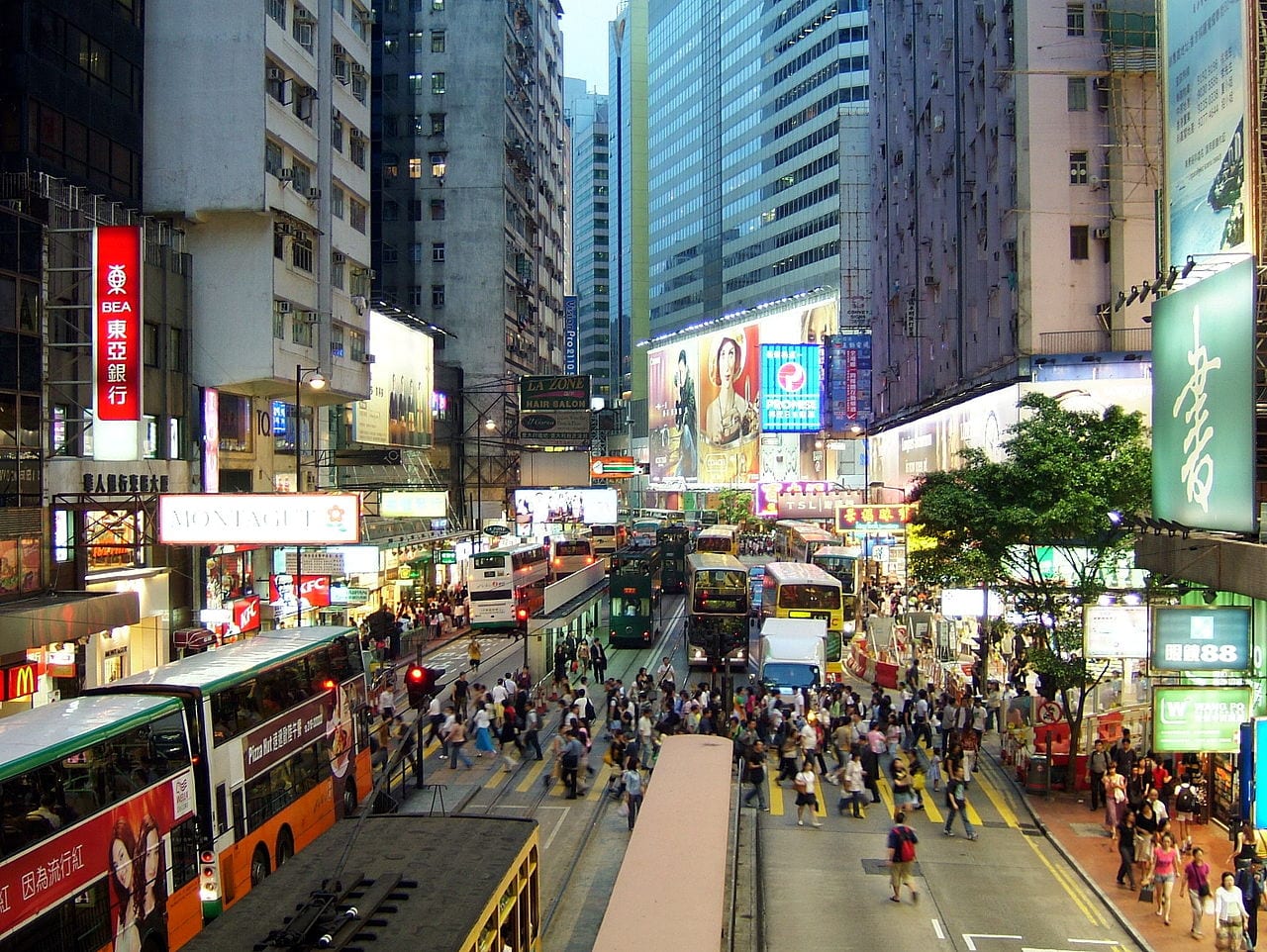
    Causeway Bay in Hong Kong is now home to the world’s most expensive retail space. According to the annual Cushman & Wakefield survey of high-street retail rents, Causeway Bay has overtaken New York’s Fifth Avenue for the top spot, with rents of US$2671 per sqft per year, or €24,606 per sqm per year.

    The calculations were completed during the second quarter of this year.

    What makes Causeway Bay’s performance on the list even more remarkable is that it was achieved as the retail rent market bottomed out after some three years of pressure from falling retail sales in the city. While that decline has turned around into positive growth over the past year, most property industry sources have said retail rents have not yet begun to climb again.

    Third place on the list of the world’s most expensive retail space – and the most expensive strip in Europe – is London’s New Bond Street.

    Of the Asia-Pacific locations, Japan’s Ginza takes sixth place this year, Sydney’s Pitt Street Mall seventh and Seoul’s Myeongdong district eighth. Those places are the same as last year. The only other change in the top 10 was Avenue des Champs Elysees in Paris overtaking Milan’s Via Montenapoleone into fourth place.

    The annual Main Streets Across The World report, celebrating its 30th anniversary, tracks 446 of the top retail streets around the globe and ranks the most expensive in 65 countries by prime rental value using Cushman & Wakefield’s proprietary data.


  • China’s Mosaic Xi’an mall opened door

    China’s Mosaic Xi’an mall opened door

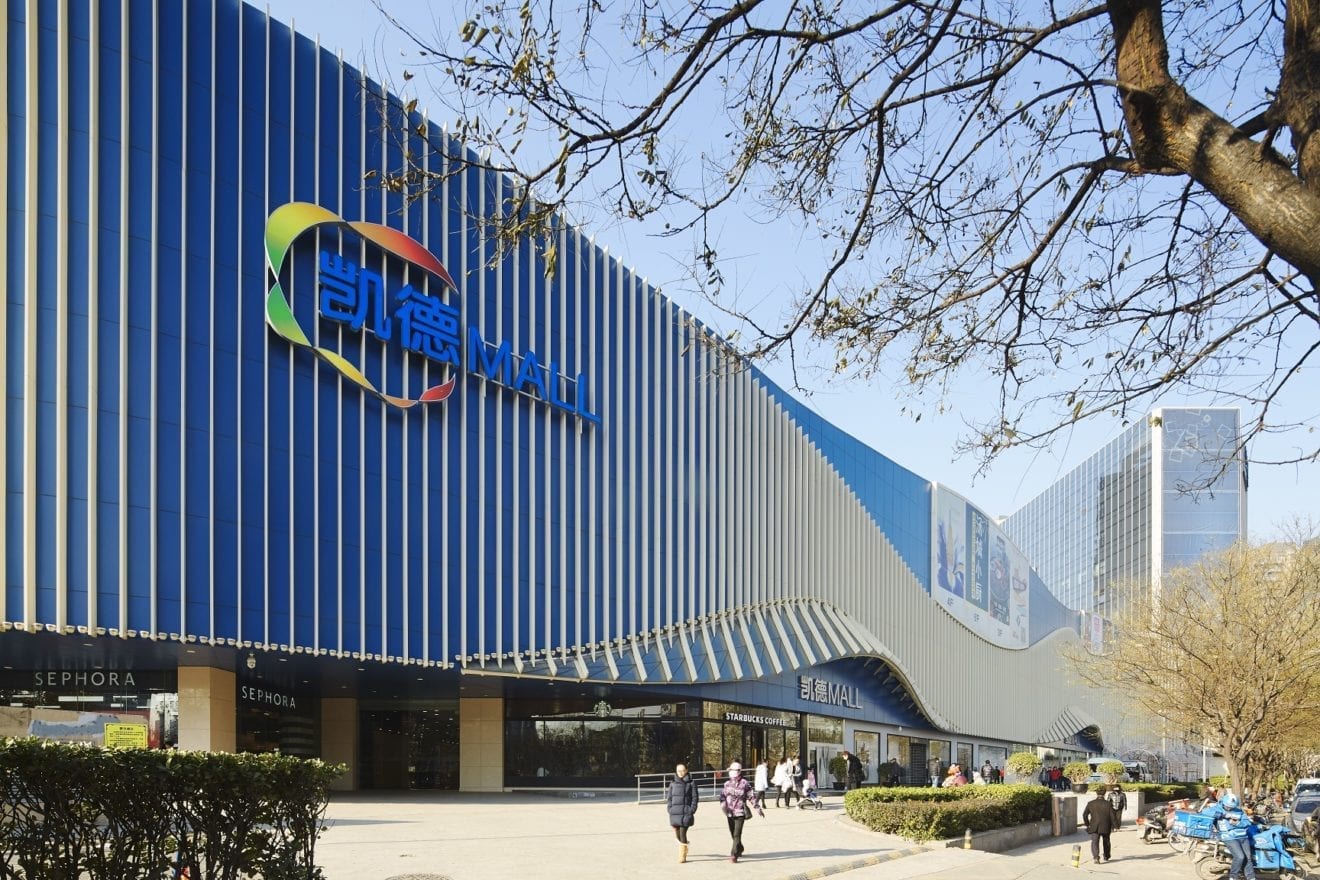
    Pradera Retail Asia has opened Mosaic Xi’an mall in China’s Xi’an city.

    The new 120,000sqm mall is Pradera’s fourth retail asset in China and targets the 20-45 age group with international fashion tenants and entertainment/F&B providers. Already 80 per cent leased, it will hold a one-year promotional program to establish the location in the local market.

    “Mosaic Xi’an creates an innovative shopping experience, so as to satisfy consumers’ booming demand for situating more creative means of entertainment in malls,” said Pradera’s CEO Alison Rehill-Erguven.

    The accents on entertainment are designed to draw customers from the surrounding region who may otherwise shop online.

    “Experiential business is critical for the overall industry,” said Rehill-Erguven. “When more and more shopping centers are transforming into ‘one-stop’ shopping experience centres, we go further to provide the latest advancements in entertainment, F&B and fashion, as well as events, customer service and technology, leading young customer groups on an unforgettable, entertaining journey.

    “Technology has inevitably changed the retail industry; consumers still want to shop in the stores to feel and touch the products … We must not underestimate the power of human interaction and the need for it.”

    Renowned as China’s ancient capital, Xi’an is located in the central Chinese province of Shaanxi. It is surrounded by 14th century city walls, an architectural feature that has been reflected in the design of the new mall.

    Pradera already operates three Mosaic retail properties in Shanghai, Qingdao and Chongqing respectively.


  • WeWork signs deal to open office in Busan next year

    WeWork signs deal to open office in Busan next year

    WeWork, a global shared work space provider, said Tuesday it has signed an agreement with Busan to make inroads into the country’s second-largest city next year. The company signed a memorandum of understanding (MOU) with the southeastern port city on Monday with a plan to open its first Busan branch in the Seomyeon area by the first half of next year, it said.

    WeWork said more locations, including in Centum City and Busan Station, will be launched down the road.

    “WeWork will contribute to creating jobs and global business opportunities as well as revitalizing the startup ecosystem in Busan,” Matthew Shampine, General Manager of WeWork Korea, said.

    Established in New York City in 2010, WeWork currently has over 300 offices in 23 countries, including 10 in Seoul. The first Korean WeWork office opened in 2016.

  • La Chapelle Vietnam launch gets closer

    La Chapelle Vietnam launch gets closer

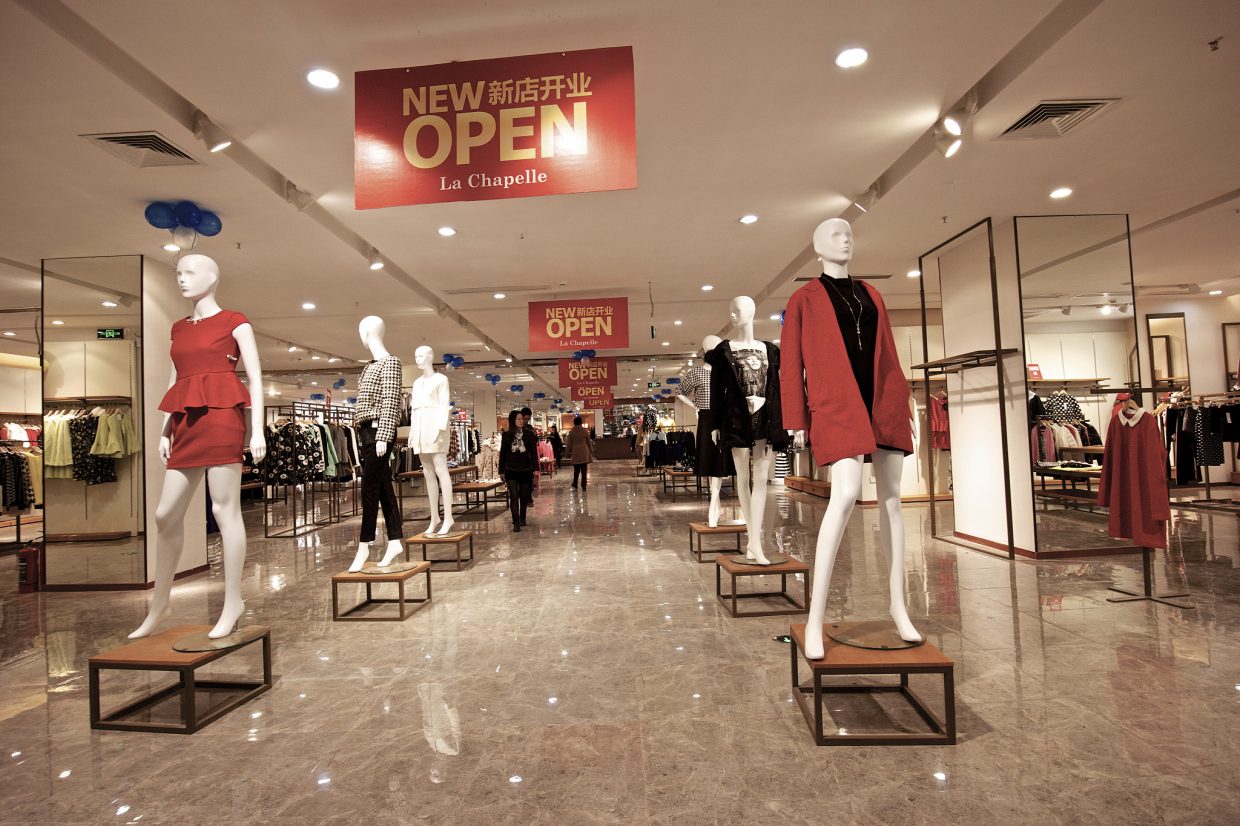
    Hong Kong-listed Chinese fashion retailer Shanghai La Chapelle is preparing to launch in Vietnam. A huge La Chapelle Vietnam standalone flagship store is under construction, next to Ho Chi Minh City’s VivoCity mall, facing to the front street of Nguyen Van Linh in District 7.

    While the opening date has not been revealed, branding has appeared on the store with the interior fitout almost complete and apparently only awaiting stock.

    The brand is using social media and online channels to recruit staff for the store and seek interest from potential nationwide distributors.

    La Chapelle Vietnam is operated by VV Mall Management Service, which owns the under-construction VV Mall in Danang. The 35,000sqm mall is set to open its doors in the second quarter of next year.

    Founded in 1998, La Chapelle has its own brands including menswear labels Jack Walk, Pote and Marc Ecko, childrenswear brand 8eM and womenswear labels La Chapelle, Puella and Candie’s.

    La Chapelle has struggled in the first nine months of this year, reporting a decline in sales of 0.5 per cent to US$889.94 million and a near 30-per-cent decline in profit to $34 million.

    Vietnam is the first country in the company’s Southeast Asian expansion plan.

  • Tmall, Swire Properties launch New Retail initiative

    Tmall, Swire Properties launch New Retail initiative

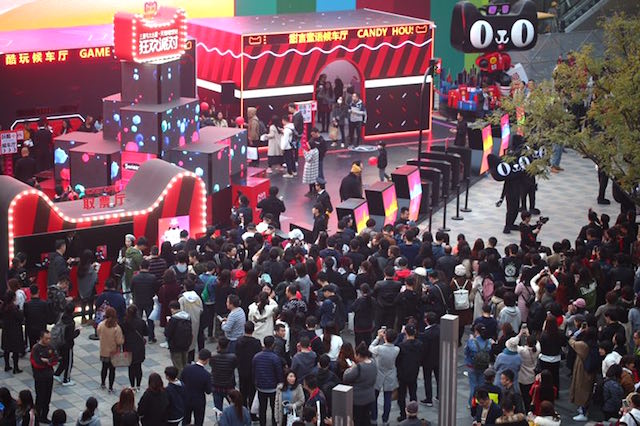
    Alibaba Group’s Tmall and Swire Properties are launching a New Retail initiative creating tailored retail experiences at Swire Properties’ five shopping malls in Mainland China. The partnership will bring benefits to customers in time for Alibaba’s 11.11 Global Shopping Festival on Sunday with Taikoo Li Sanlitun in Beijing the first brick-and-mortar shopping mall in Mainland China to experience this year’s 11.11 “red packet rain” this week.

    Swire Properties will introduce Tmall’s New Retail technologies at five of its developments: Taikoo Li Sanlitun and Indigo in Beijing; HKRI Taikoo Hui in Shanghai; Taikoo Hui in Guangzhou and Sino-Ocean Taikoo Li in Chengdu. The five New Retail initiatives include Tmall Smart Stores, a Tmall Pop-Up Store, Interactive Idol Engagement Photo Booths, Smart Nursery Rooms and a Smart Parking Service.

    Tmall Smart Stores: Shoppers will enjoy a seamless online and offline shopping experience from order to delivery (for participating physical stores). By signing up as members of selected brands, customers can instantly receive details on the latest promotions, and enjoy a return service by simply using their digital devices.

    Tmall Pop-Up Store: Tmall will open an interactive pop-up store featuring cutting-edge technology at Taikoo Li Sanlitun. This nine-day promotion during the Festival will offer shoppers in-depth and enhanced experiences.

    Interactive Idol Engagement Photo Booth: Fans will have a chance to ‘virtually interact with’ and snap a photo with their idol. This is the first-of-its-kind check-in hot spot in Mainland China.

    Smart Nursery Rooms: These offer mothers a relaxing and private space where they can nurse their babies at shopping malls. Vending machines will also offer essential nursing necessities.

    Smart Parking Service: By linking Alipay with their car license plates, drivers can pay parking fees with ease. This service will save drivers 80 per cent of the time usually spent on paying the parking charge and exiting the car park.

    “At Swire Properties, we are always looking for new ways to innovate and integrate the latest technologies into our business, so that we can bring unique experiences to our customers,” said Han Zhi, director, retail at Swire Properties. “Our collaboration with Tmall is a powerful example of digitisation. By harnessing rapidly developing online technologies and big data, our goal is to define the New Retail shopping experience.

    “This year marks the 10th anniversary of Taikoo Li Sanlitun and Alibaba’s 11.11 Global Shopping Festival, both of which have grown in leaps and bounds the past decade. We’re confident that our partnership, which also celebrates this milestone, will set a new benchmark in our respective industries and in the digital space.”

  • High occupancy pays off for CapitaLand China malls

    High occupancy pays off for CapitaLand China malls

    High occupancy rates of the CapitaLand China malls portfolio helped deliver a 10.5 per cent increase in distributable income in the three months to September. CapitaLand Retail China Trust Management Limited (CRCTML), the manager of CapitaLand Retail China Trust (CRCT), says income reached S$23.6 million this year, compared with $21.4 million the same quarter last year.

    CRCTML CEO Tan Tze Wooi said China’s retail sales rose 9.3 per cent year on year during the first nine months of this year to RMB 27.4 trillion (US$3.93 trillion), while urban disposable income and expenditure per capita grew 7.9 per cent and 6.5 per cent respectively.

    “China is now growing from a larger base and its long-term fundamentals remain strong,” he said. “With our quality portfolio of malls offering holistic lifestyle experiences, CRCT will stand to benefit from China’s improving household income and rising consumer aspirations.”

    During the latest quarter, CRCT achieved a 2.2 per cent increase in net property income to $36.7 million, driven by broad-based rental growth and effective cost management.

    Wooi said the trust’s portfolio achieved an occupancy rate of 97.7 per cent at the end of September and rental reversion was “a robust 12.1 per cent”.

    “Our active asset management strategy with a tailored approach for each mall is progressing well. Rock Square registered a strong positive rental reversion above 20 per cent for the third consecutive quarter by bringing in 25 prominent international and domestic brands, many of which are new-to-market in Haizhu District.

    “To differentiate CapitaMall Qibao’s offerings, we increased its exposure to the resilient learning and education sector by more than three times over the last five years. We also expanded the rooftop playground to host more interactive activities that are popular with children, further enhancing CapitaMall Qibao’s attractiveness to young families.”

    CRCT is the first China shopping mall Real Estate Investment Trust (Reit) in Singapore, with a portfolio of 11 shopping malls: CapitaMall Xizhimen, CapitaMall Wangjing, CapitaMall Grand Canyon, CapitaMall Shuangjing in Beijing; Rock Square in Guangzhou; CapitaMall Xinnan in Chengdu, Sichuan Province; CapitaMall Qibao in Shanghai; CapitaMall Minzhongleyuan in Wuhan, Hubei Province; CapitaMall Erqi in Zhengzhou, Henan Province; CapitaMall Saihan in Hohhot, Inner Mongolia; and CapitaMall Wuhu in Wuhu, Anhui Province.

  • Golden Mile Complex launches en bloc tender

    Golden Mile Complex launches en bloc tender

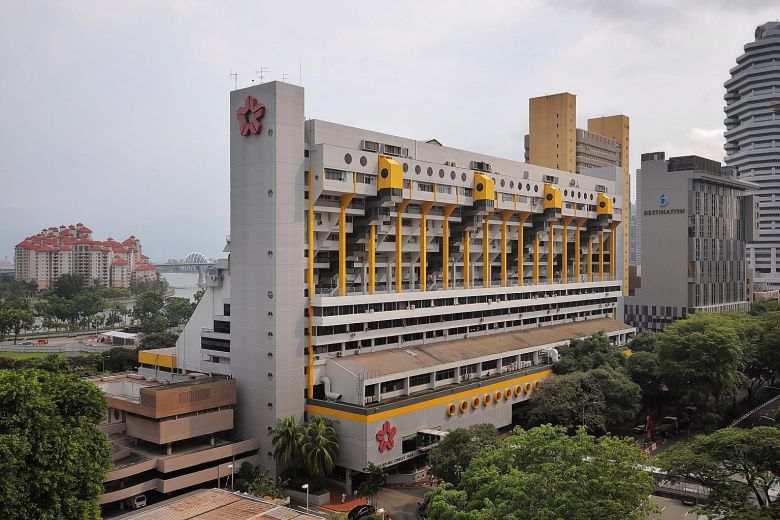
    Singapore’s Golden Mile Complex has been put up for sale by tender. The landmark property is being sold through sole marketing agent Edmund Tie & Company. It has a land area of approximately 1.3ha and is zoned for commercial use.

    The complex is considered an icon of Singaporean urbanism with its signature step-terraced building design created by DP Architects, but it has fallen into disrepair in recent years.

    There is a fascinating feature story and video about the complex here on Channel News Asia.

    Senior director of investment advisory Swee Shou Fern said Golden Mile Complex is a national icon that has shaped the visual character of our built landscape.

    “We are proud to present this rare opportunity for adaptive reuse. Its distinctive architecture and worldwide iconic status will offer tremendous potential to transform the property into an exciting work-live-play destination in this growth area. The new Golden Mile Complex will be an essential part of the rejuvenation of the Beach Road corridor and we are working closely with DP Architects and URA on the conservation of the building and further ways to enhance its potential.

    “This unique adaptive reuse opportunity provides the developer with the chance of incorporating a new vision into this iconic development. Many exciting development concepts may be considered for the Property. The collective sale of a large-scale conserved building in Singapore is unprecedented and we will be conducting a longer tender process to allow interested parties to carry out a detailed study.”

    Outline Application has been submitted to retain the existing 16-storey building and addition of a new block next to the building, subject to authorities’ approval. The Golden Mile Complex is under conservation study and discussions to facilitate conservation are open.

    The reserve price for the property is SGD800 million (US$577 million). The tender exercise will close on Wednesday, January 30.

  • Malaysia to reach 700 malls by end of the year

    Malaysia to reach 700 malls by end of the year

    Malaysia can expect to have close to 700 shopping malls trading by the end of next year, according to Malaysia Retail Chain Association (MRCA) president Datuk Seri Garry Chua. The malls will represent a net lettable area of 170 million sqft in total, potentially higher than current market demand.

    In an report, Chua said: “Currently we have about 560 Malaysian malls operating nationwide with total net lettable area of about 135 million sqft. The occupancy for majority of the malls in Klang Valley is between 85 and 87 per cent and that is considered okay if compared with neighbouring countries like Singapore.

    “One way to fill the malls, both new and existing, is tourism. The government has to do a lot more in getting tourists from around the world to come here, especially from China.

    “Chinese tourist spend about US$260 billion globally. They are the biggest spenders.”

    Chua added that tourism is likely to be the largest contributor of GDP worldwide by the 2030s. Its impact on Malaysian retail could contribute to industry growth from the current 10 per cent of GDP to 15 per cent within the next five years.

    The MRCA is estimating an average growth of 6.1 per cent during the third quarter of this year compared to the same time last year.

    “There is huge potential in the local retail industry, despite concerns of a glut in retail space,” said Chua.

    “For future retail, it will have to encompass a lot of digital and concept stores. The malls must be interactive. It must have things like artificial intelligence where you have robots moving around and interacting with people.

    “There should be new dynamics in shopping. Mall owners must keep abreast with latest trends. Pricing and design must be right, especially for fashion brands.

    “Malls are also adding more and more food and beverage (F&B) outlets. Previously, tenant mix comprised 20 per cent of F&B but today, it is 30 per cent,” he said.

  • Calm water for Singapore’s CapitaLand Mall Trust quarter

    Calm water for Singapore’s CapitaLand Mall Trust quarter

    CapitaLand Mall Trust Management (CMTML), the manager of CapitaLand Mall Trust (CMT), says CMT has achieved a distributable income of S$103.5 million (US$75 million) for the quarter to September 30. That marks an increase of 4.9 per cent over the $98.7 million for the same period last year.

    Year to date, distributable income was $302.5 million, an increase of 3.3 per cent.

    CMTML CEO Tony Tan says the portfolio continued to deliver stable returns during the quarter, despite uncertain market conditions. Occupancy was 98.5 per cent, “well above the market occupancy level of 92.7 per cent”, he said.

    Asset enhancement initiatives to uplift the customer experience at Tampines Mall and Westgate are on track to complete in the fourth quarter of this year.

    During the third quarter, CMT’s gross revenue and net property income rose by 0.7 per cent and 1.1 per cent respectively year-on-year. Gross revenue was higher from Junction 8, IMM Building, Plaza Singapura, Bedok Mall and Tampines Mall, partially offset by lower gross revenue from Sembawang Shopping Centre, which was sold in June, and lower occupancy and rental rates contracted on new and renewed leases from JCube and Bukit Panjang Plaza.