Retail News CRM

Tag: Property

  • Hong Kong’s rich have ways to get around property tax

    Hong Kong’s rich have ways to get around property tax

    People visit a viewing deck overlooking Victoria Harbour in Hong Kong. The city’s property prices have continued to climb because of the influx of mainland Chinese developers.

    Hong Kong: Here’s how billionaire Edwin Leong, one of Hong Kong’s largest retail landlords got around Hong Kong’s new property curbs and saved almost $17 million (Dh62.43 million) on his tax bill.

    He managed to qualify as a first-time homebuyer, purchasing three luxury apartments for HK$1.2 billion ($155 million) on the same day last month. Previously Leong had held no real estate in his name — despite owning more than 300 other properties, including apartments, hotels and shopping malls, through his company, Tai Hung Fai Enterprises Co., and having an estimated net worth of $4 billion.

    Wealthy buyers are finding legal ways around restrictions designed to cool home prices in the world’s least affordable city, where leaders are grappling to shrink a yawning wealth gap. Property prices have risen to near-record highs and sales volumes have surged since Chief Executive Leung Chun-ying announced the latest round of curbs on November 4, underscoring the challenges in taming the market.

    “Since the policies were introduced, most of the tycoons have been finding ways around them,” said Alan Wong, director of the Hong Kong market at Landscope Christie’s International Real Estate. About 70 per cent of new apartments sold since last month’s measures have involved first-time buyers who qualified for the lower rate, compared with about 30 per cent before the new tax was imposed, said Henry Mok, regional director of markets at Jones Lang LaSalle Inc.

    The government has tried to increase supply by releasing more land for sale, although prices have continued to climb because of the influx of mainland Chinese developers seeking a toehold in Hong Kong.

    Prices in the secondary housing market have risen 0.8 per cent since early November to just 1.4 per cent below a September 2015 record, according to Centaline Property Agency Ltd. Adrian Cheng, executive vice-chairman of New World Development Co., said the company was seeing a higher percentage of first-time buyers than before the new tax.

    Another method employed by the wealthy involves buying a shell company that owns a property, which is treated as a share transfer and only incurs a stamp duty of 0.2 per cent. If the company is registered offshore, the tax is zero.

    That’s the tactic used in the November 28 sale of a free-standing home with a yard and swimming pool in the Kowloon district that was appraised at HK$410 million. If it had been sold as a home rather than through the British Virgin Islands-registered company that holds the property, the sale would have triggered 45 per cent in taxes, including a flip tax because it was purchased earlier this year — a total of more than HK$180 million. Instead, the tax bill will be $0.

    In 2011, more than half of Hong Kong’s homes worth more than HK$20 million were sold via companies. Although the practice was virtually halted after the government in 2013 began taxing companies buying properties at higher rates than individuals, thousands of properties are still held in this way and can offer significant tax savings when they are resold.

    Wong from Landscope said he gets many requests from foreigners, mostly rich mainland Chinese, looking to buy one of these companies, as they would otherwise face the new 15 per cent tax plus an extra 15 per cent tax on non-permanent residents. In fact, the property agency’s website promotes the practice.

    “Beat the stamp duty hike,” the site says. “Intimidated by the 15 per cent stamp duty? No worries! Our keypersons have sourced an array of properties that can be sold via share transfer (of course you will need a lawyer to handle the process).”

    Still, because due diligence on the companies can be costly and complicated, only about 5 per cent of luxury homes are bought in this way.

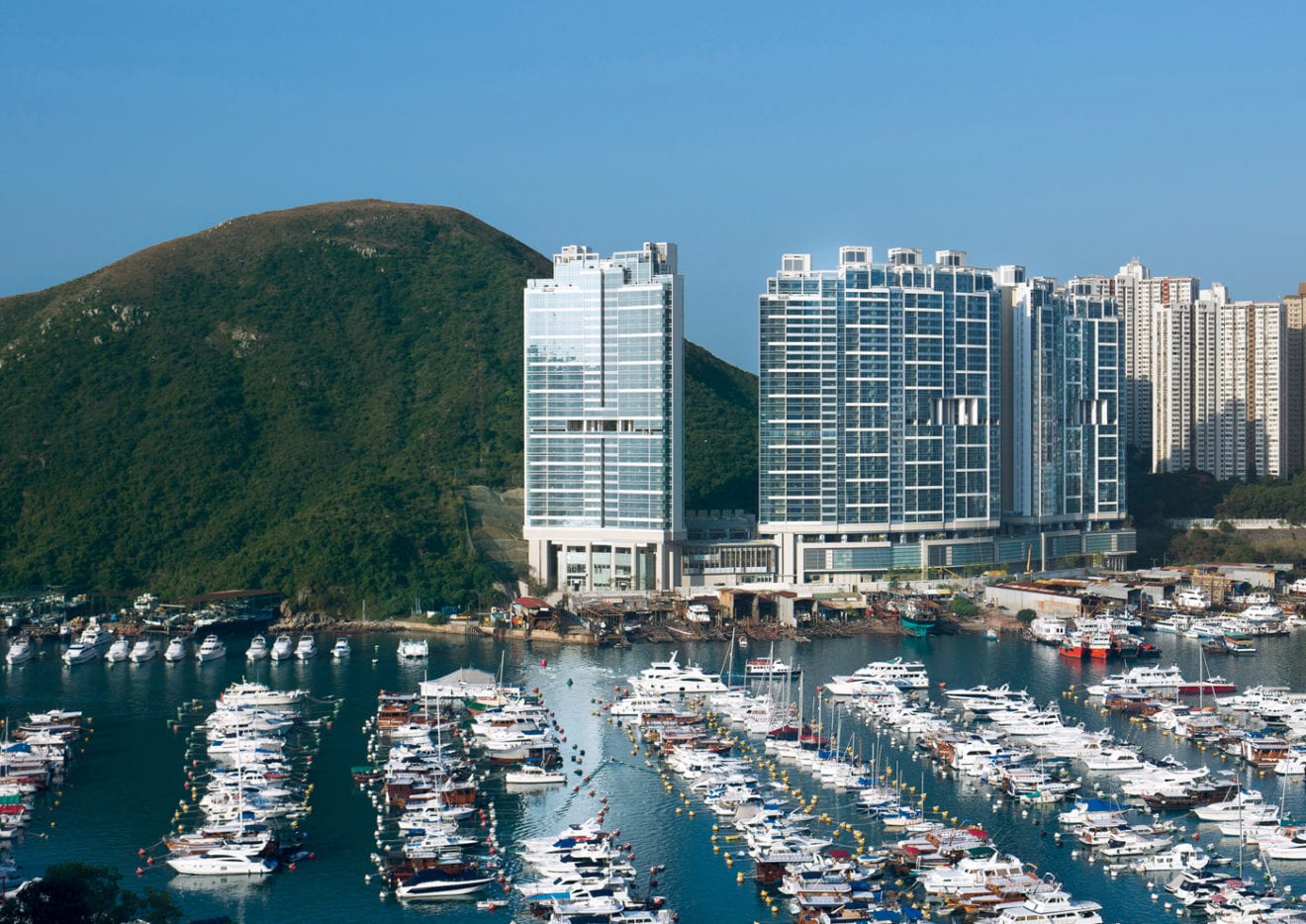
    Leong’s purchase at the Mount Nicholson development, a mountain-nestled enclave, set a record for the most ever paid per square foot for a property in Asia, according to JLL. By being able to pay a lower stamp duty for first-time buyers, Leong saved 10.75 per cent in taxes.

    Two of the new apartments are adjacent units on the 17th floor and could be combined into more than 8,700 square feet of living space for Leong as his principal residence, more than 10 times the average size of a Hong Kong apartment. The third apartment, measuring 4,566 square feet, is 10 floors below and belongs to Leong and his family.

    The new tax is the latest in a series of measures since 2011 aimed at making it easier for low-income families to get onto the property ladder while increasing the costs for investors and foreign buyers. These include a tax that penalises people who resell within three years and an extra stamp duty of 15 per cent for non-permanent residents.

    The government’s new 15 per cent stamp duty replaced taxes ranging from 3 per cent on homes worth less than HK$3 million to a maximum of 8.5 per cent on those worth more than HK$21.7 million. The rates are half that for first-time buyers, which includes people who may have owned homes in the past but currently do not.

    “This is clearly a loophole,” said Raymond Yeung, chief economist at Australia & New Zealand Banking Group Ltd. in Hong Kong. “The government hadn’t thought about this before they launched the measure.”

    Singapore, which has been successful in driving down home prices since rolling out curbs in 2009, also levies a 15 per cent tax on foreigners and companies, while first-time homebuyers face lower stamp duties. Singapore and Hong Kong both define a first-time buyer as someone who currently does not own property in their name, regardless of whether they previously owned a home.

    Unlike Hong Kong, however, Singapore doesn’t allow first-time, multiple property purchases at lower rates.

    “The government is trying to cool the market, but there is no evidence that previous measures have done that,” David Webb, a Hong Kong-based shareholder activist who bought his own home 10 years ago through a company registered in the Seychelles. “There has been a whole series of misguided measures that have not had their intended effect.”

    Still, nobody’s talking about making getting around tax measures more difficult, said Denis Ma, head of Hong Kong research at JLL. “These are loopholes that haven’t been closed, and I don’t think they can be,” he said. “Hong Kong prides itself on being a very free market, and government intervention is not very high.”
  • Indonesian property players welcome house price increases for foreign buyers

    Indonesian property players welcome house price increases for foreign buyers

    The government’s decision to increase house prices for foreign buyers has been met with positively by Indonesian real estate business players, who reason that it will help to protect the domestic property market.

    “If the government keeps the price low for foreign buyers, Indonesians will be forced to bear the high price jump. Therefore, I think this is a right decision,” Association of Housing Development in Indonesia (Apersi) chairman Eddy Ganefo said on Tuesday. He explained that the higher purchasing power of foreigners might hurt the domestic industry.

    The price increase is stipulated in a regulation issued by the Agrarian and Spatial Planning Ministry.

    The minimum house price set for foreigners in Yogyakarta and Bali now stands at Rp 5 billion (US$371,112) per unit, up from Rp 3 billion under a previous regulation.

    In West Nusa Tenggara and North Sumatra, the minimum price also jumped to Rp 3 billion from Rp 2 billion.

    Indonesian Real Estate Association (REI) chairman Eddy Hussy said he was optimistic that the changes in price would not affect demand from foreigners to purchase houses.

  • More stores closing the door in Hong Kong

    More stores closing the door in Hong Kong

    A “new wave” of Hong Kong store closures lies ahead, because many retailers have over-extended their footprints, says OC&C Strategy’s Pascal Martin.

    Commenting on the sudden closure of the Ralph Lauren flagship store in Causeway Bay this week, Martin said there will be a continuing wave of closures for the next one to two years because the lease contracts attached to each location have different terms, and in most cases tenants wait until the right time in which they can exit without incurring high penalties. The market will probably return to ‘normal’ in 2018, he said.

    “There is a common thread between the closing of Forever 21, Abercrombie & Fitch and Ralph Lauren. These three brands are experiencing challenges in terms of their overall performance. Therefore we think that they probably need to adjust their cost structure.”

    OC&C predicts that luxury and premium brands are more likely to adjust their store networks, the closures ahead “maybe not as spectacular” as the closures of those three flagships.

    More regular size stores will close because many brands over-extended their footprint in Hong Kong when there was a strong stream of Chinese tourists who were hungry for foreign brands.

    “Many of these brands had, and some continue, to have more stores in Hong Kong than in their home city. Now, they are investing more in their home city flagship stores including examples such as Louis Vuitton on the Champs-Elysees in Paris and Burberry on Regent Street in London, putting more emphasis on their roots and history, serving Chinese tourists who have upgraded their travel destinations to such global capital cities. At the same time, they have been closing a number of stores to adjust to a lower but more sustainable business in Hong Kong.”

    Martin said the exorbitant rent levels of flagship stores in Hong Kong can have significant impact on global brands’ overall bottom line. For example, Forever 21 took a big gamble opening in Causeway Bay because it takes exceptional levels of productivity to stay profitable given the level of rent they had to pay for such a large space there.

    “That being said, the Hong Kong retail context is creating opportunities for new players to take over spaces that are freed-up by store closures such as the above. And, new tenants can probably do that with better rent conditions than their predecessors in the same spaces.”

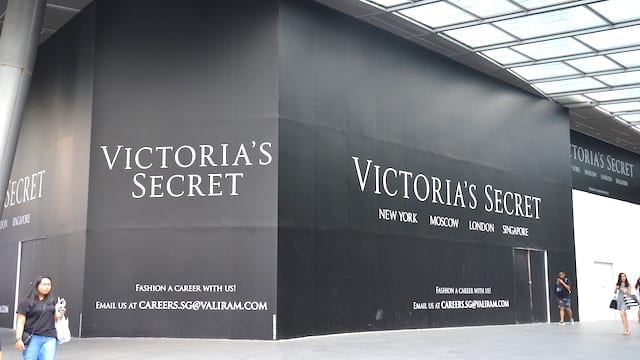
    OC&C predicts that brands that have upward momentum in their home markets and want to accelerate their momentum in Asia are the best candidates to take over large flagship space in Hong Kong, as long as these spaces are in good locations, like Victoria’s Secret taking over the Forever 21 location in Causeway Bay. Brands with on-going strong momentum like Zara and H&M may also be interested in taking up these vacant spaces.

    “Until recently, Hong Kong was often a key part of a brand’s strategy to build brand equity with Chinese tourists in view of entering China. This is still true to some extent, but now brands rely more on building brand equity directly with Chinese visitors in their flagships in Europe and the US, as well as online, rather than in Hong Kong. Therefore they rely less on opening flagships in Hong Kong as they once did. Hence, brands are more rigorous in their pursuit to achieve self-sustaining economics even in their flagship brand-building stores.”

    Martin said landlords will target the ‘up-momentum brands’ first in order to maximise rent.

    “If they are not successful with such brands, they will have to downgrade their expectations to less known but newer brands in smaller spaces, or to more experiential offerings, i.e. gyms, restaurants, who need large spaces but cannot afford apparel-brand level of rents.”

  • Mitsui Outlet Park expansion starts

    Mitsui Outlet Park expansion starts

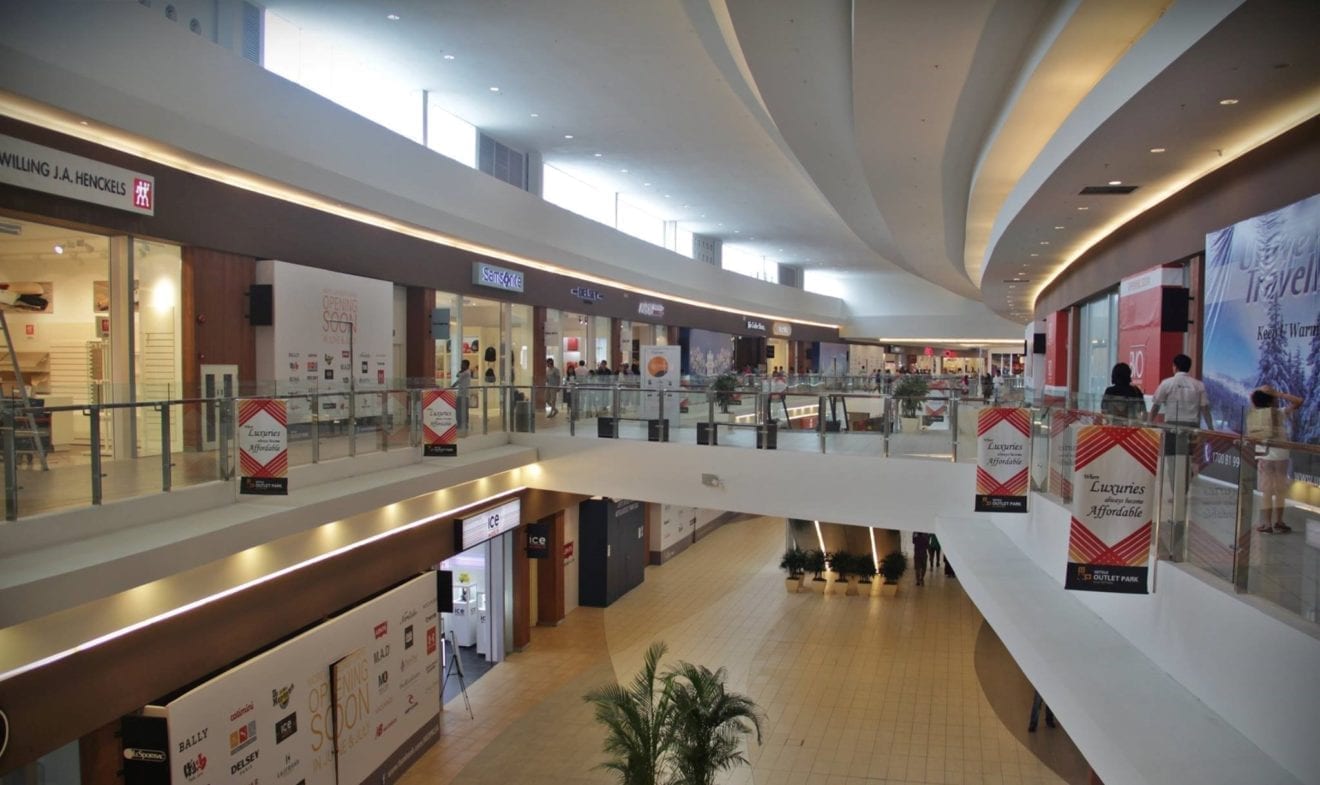
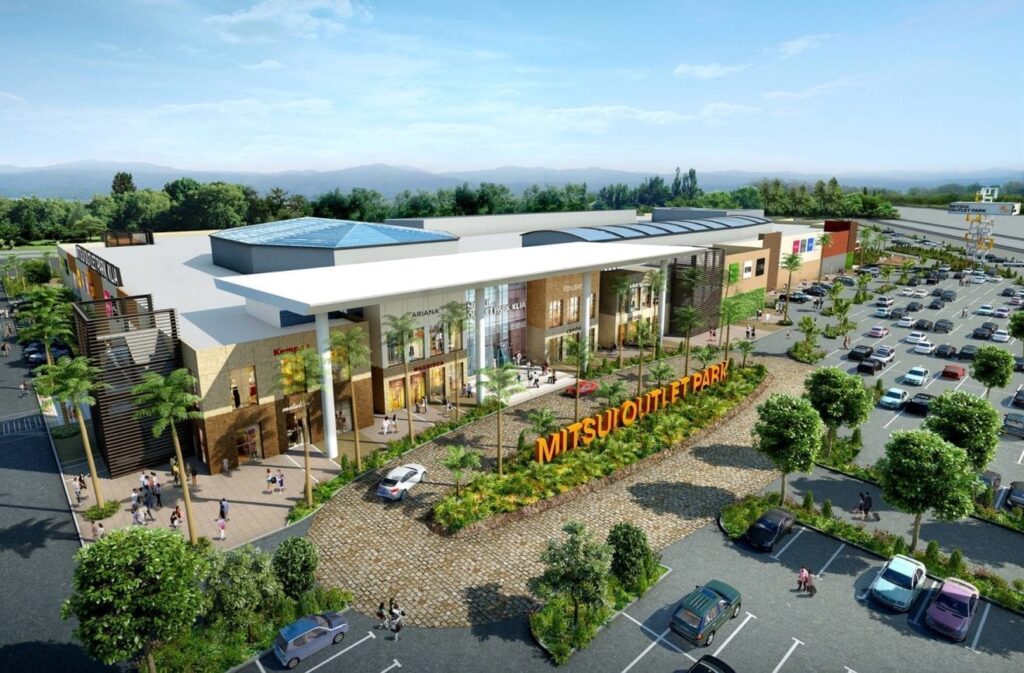
    Ground has been broken for the second phase of the Mitsui Outlet Park KLIA Sepang, claimed to be the largest factory-outlet shopping mall in Southeast Asia.

    On a 27,500 sqm site next to the current outlet near Kuala Lumpur International Airport, the double-storey extension will feature 60 shops and 500 parking lots to complement the existing 2100 bays, and is expected to open in January 2018. The present 24,000 sqm development has 130 shops.

    mitsui-sepang

    It will introduce more premiums brands in fashion, cosmetics, sportswear and accessories, with a diversification into entertainment and amusements.

    Tourism and Culture Ministry secretary-general Tan Sri Dr Ong Hong Peng officiated at the ground-breaking ceremony, which was attended by Mitsui Fudosan managing officer Osamu Obayashi.

    To complement phase one’s Paradise Village architectural concept, which features a Sunshine Square, Pier Walk, Beach Walk and Tropical Plaza concept, phase two introduces a new ambient experience with Sky Walk and River Walk themes. Sky Walk will have simulated clouds on its ceilings while River Walk will resemble a creek.

    Mitsui Outlet Park KLIA Sepang is a JV between Japanese real estate developer Mitsui Fudosan and Malaysia Airports Holdings. The outlet is managed by the JV company, MFMA Development. Free buses connect the development with the two airport terminals.

  • Nearly 30 speakers lined up for Property Report Congress Singapore 2016

    Nearly 30 speakers lined up for Property Report Congress Singapore 2016

    Singapore is the next stop of the Property Report Congress in Singapore, where the acclaimed conference series hosted by Property Report, Asia’s leading luxury real estate, architecture and design media platform, began last year.

    This year’s two-day Property Report Congress Singapore event on 23-24 November 2016 at the Shangri-La Hotel will bring together nearly 30 experts from Singapore and around around the world to discuss the current state of the region’s real estate markets.

    Crucial issues to be discussed include: the cooling measures in Singapore, infrastructure and branded projects in the Philippines, transit-oriented development and property market consolidation in Malaysia, the impact of tax and property law in Indonesia, potential oversupply in Cambodia, Bangkok’s changing urban skyline and land tax policy in Thailand, foreign investment and joint ventures in Vietnam, and affordability issues and the emerging market of Myanmar.

    Among the confirmed speakers at Property Report Congress Singapore 2016 are respected industry leaders from Asia and beyond, such as Kent Wertime, co-CEO of Ogilvy and Mather Asia Pacific, who will give the opening keynote address “Future Markets: Accessing the Next One Billion Middle Class Consumers.”

    Other panel moderators will come from eight countries of the South East Asia Property Awards, including: Simon Griffiths, senior associate director, CBRE Cambodia; Rudolf Hever, executive director, Alternaty Real Estate (Vietnam); Richard Emerson, managing director, Emerson Real Estate (Myanmar); Prem Kumar, executive director, Jones Lang Wootton; Suphin Mechuchep, managing director, Jones Lang LaSalle Thailand; Hendra Hartono, CEO, Leads Property Services Indonesia; Cyndy Tan Jarabata, president, TAJARA Leisure & Hospitality Group Inc (Philippines); and luxury expert Alexander Karolik-Shlaen, managing director, Panache Management (Singapore).

    Conference delegates will have a chance to meet and learn from Asia’s industry leaders who are redefining the property landscape in ASEAN and Asia Pacific. There will also be a dedicated panel session with the Real Estate Personality of the Year winners from Southeast Asia in 2016, including: Cambodia’s Rithy Sear, chairman of Worldbridge Group of Companies; Thailand’s Suriya Poolvaralaks, managing director at Major Development PLC; Indonesia’s Herman Nagaria, director of property and business development at PT Summarecon Agung Tbk; and Singapore’s Francis Koh, managing director and CEO of Koh Brothers Group Limited.

    As always, the opening and closing remarks will be given by Liam Aran Barnes, brand director and editor-in-chief of Property Report, while digital editor Pippa Woodhead will moderate the panel discussion featuring the Real Estate Personality of the Year 2016 winners.

    Since debuting in Singapore in October 2015, five successful Property Report Congress events have been held in Manila, Ho Chi Minh City, Yangon, Kuala Lumpur and most recently in Bangkok, which welcomed the series’ biggest audience in 2016 of about 140 delegates, speakers and media.

    Property Report Congress has been described as “a great networking event and platform for people in the real estate industry to come together and share ideas,” according to Bertil De Kleynen, sector director for Architecture, Interiors & Landscape at Atkins Global, and featured speaker at the Ho Chi Minh City conference.

    Day 1 of Property Report Congress Singapore 2016 will discuss the current state of the region’s key and emerging markets. It will run from 08:00 to 17:30 (including networking lunch and coffee break), followed by the cocktail networking reception in the evening from 17:30 to 19:00.

    Day 2 will run from 08:00 to 13:00 and include activities such as a country break-out sessions, networking lunch and networking session. Discussions on Day 2 will focus on real estate trends in 2017 and the industry’s future.

    Organised by PropertyGuru, Asia’s leading online property group, the conference will followed by the annual South East Asia Property Awards 2016 grand finals on the 24th, where around 600 of the region’s top real estate developers, executives and industry professionals will gather to reward the finest developers and projects in eight ASEAN countries.

    Property Report Congress Singapore 2016 is supported by official property portal PropertyGuru.com.sg, the country’s leading property website, and top media partners such as the Oxford Business Group and Retail Asia. OBG members are entitled to a discount of 30 percent on ticket prices.

    For registration and enquiries, email conference director at [email protected] or visit the official website: AsiaPropertyAwards.com/Congress/

  • Singapore retail rents slip over latest quarter

    Singapore retail rents slip over latest quarter

    Singapore retail rents slipped during the last quarter – but experts say the outlook is not too grim.

    According to Edmund Tie & Company Research, average monthly retail gross rents across the island eased by 1.2 per cent quarter-on-quarter to about $29.30 per sqft in the three months to September 30. This was 9.6 per cent lower than its peak in the first quarter of 2015, when the average monthly gross rent was about $32.40 per sqft.

    “The decline was primarily due to a subdued economic growth forecast, as well as job cuts across various industries that led to weaker consumer sentiments,” the company said.

    According to the Ministry of Manpower in September, the total number of workers made redundant in the second quarter of 2016 rose by 2 per cent quarter-on-quarter and 48 per cent year-on-year to 4800 workers.

    Rents in the other city areas led the overall rental decline in the latest quarter, falling by 3 per cent to about $20.10 per sqft per month. This was followed by the suburban areas, with average monthly gross rents declining by 1.5 per cent to $30.60.

    Orchard Rd holds firm

    Retail rents in Orchard and Scotts Rd precinct, however, stayed unchanged at $37.20 per sqft,

    notwithstanding the slower economy and fears over the impact on tourism of the spread of the Zika virus.

    “The resilience of this district was supported by the lack of new retail developments. While retailers in Orchard/Scotts Rd face strong competition for tourist dollars from regional countries, renowned global brands and local retailers are still attracted to set up shops there. The recent opening of several high-profile flagship stores in the area has further enhanced Orchard/Scotts Rd’s position as one of the top shopping attractions in South East Asia,” said Edmund Tie.

    “Overall, we anticipate the decline in rents to moderate in 2017, barring any external shocks. Landlords and retailers are adapting to the challenges by integrating technology with their physical stores to manage manpower constraints and tap on the growing eCommerce market.” The company cited the upcoming OUE Downtown Gallery along Shenton Way which will introduce a 11,000 sqft “trend gallery” comprising pop-up stores and retail counters on the first-storey, and a 4000 sq ft “social kitchen” fitted with 10 cooking stations available for bookings on the third-storey.

    A new F&B concept will also be introduced, whereby diners place their food orders via a mobile app. The food is prepared in a central kitchen and is subsequently placed in an assigned locker for diners to collect at a specified time. This significantly reduces the amount of leasable space required by the food establishment, as well as its reliance on manpower.

    In addition, the upcoming Singapore Post Centre in 2017 and the newly revamped Funan mall in 2019 will be introducing hands-free shopping. Shoppers will be able to browse through the products in-store, purchase the product and arrange for the product to be delivered directly to their homes. Not only does this provide greater convenience for shoppers, it also allows retailers to save on storage space in their physical stores, as logistic arrangements are done in the warehouse.

    “Separately, there is also a trend towards Click-to-Brick, where the shopping is done online and the merchandise is collected in the shops. Retailers that allow consumers to click-and-collect include Harvey Norman, Courts, NTUC, Decathlon, and Tangs.”

    Too early to write off brick-and-mortar

    Despite eCommerce gaining traction, Dr Lee Nai Jia, Edmund Tie & Company’s Southeast Asia head of research, believes it is too premature to write off the brick-and-mortar retail sector.

    “In order to remain competitive, landlords and retailers are continuously looking for ways to improve their business models and remain adaptable to challenges. Many landlords and retailers are making use of big data analytics to understand the underlying purchasing psychology, which helps them to redefine their marketing strategies to better cater to their customers’ needs.

    “Additionally, retailers are introducing experiential shopping and new retail concepts to increase footfall and encourage in-store sales. They offer hands-on activities for customers to experience at their physical stores. For example, Uniqlo’s SEA flagship store at Orchard Central will be reeling in Singaporean creatives and talents to hold a wide range of workshops in its three-storey flagship store. Similarly, K+ at Scotts Square and Naiise outlets at The Cathay, Orchard Gateway and Clarke Quay Central also provide dedicated spaces for workshops within their stores,” said Jia.

    “While it is still too early to judge the effectiveness of experiential retail in increasing footfall and in-store sales in Singapore, the concept has worked well for some brick and mortar retailers in the US, which saw eCommerce gaining an increasing foothold in the retail industry. A case in point was the success of Whole Foods in the US, which built on its success by creating personalised rewards and in-store experiences, including cooking classes, juice and coffee bars and consultations with nutritionists.”

  • Siam Discovery bags two awards from Thailand Property Awards 2016

    Siam Discovery bags two awards from Thailand Property Awards 2016

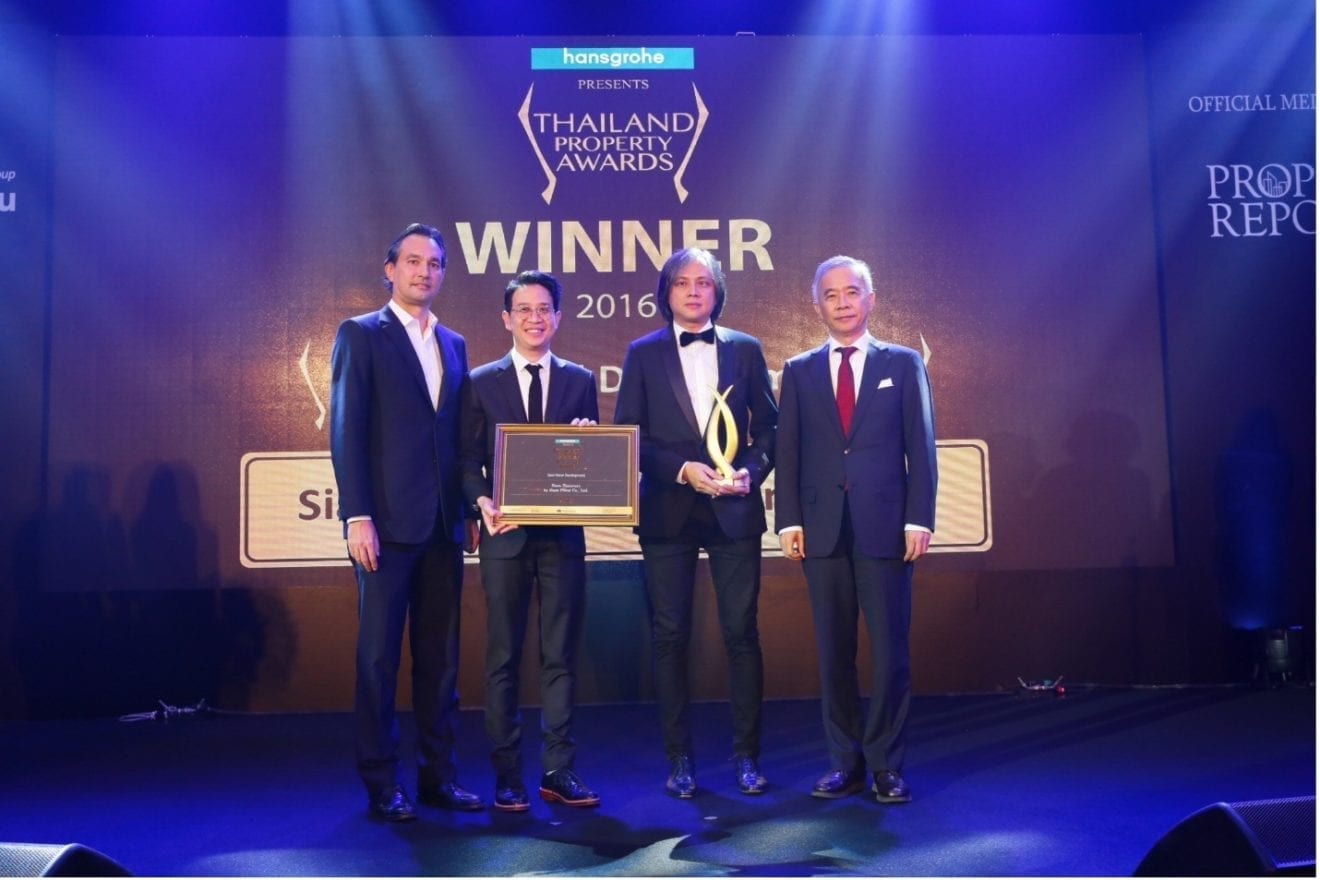
    Siam Piwat Co., Ltd., the owner and operator of world-class developments such as Siam Paragon, Siam Center, Siam Discovery, and Paradise Park shopping centers, and joint-owner of megaproject ICONSIAM, reinforced its success after the relaunch of Siam Discovery – The Exploratorium in May, Thailand’s first hybrid-retail destination and lifestyle specialty store, by winning two prestigious awards in the real estate industry, namely “Best Retail Development” and “Best Commercial Development” from Thailand Property Awards 2016.

    Ms. Chadatip Chutrakul, Chief Executive Officer of Siam Piwat Co., Ltd., said, “We are extremely proud that Siam Discovery has won Best Retail Development and Best Commercial Development awards from Thailand Property Awards 2016. These accolades stand testament to Siam Piwat’s success as the Icon of Innovative Lifestyle and Thailand’s retail and real estate innovation leader, who is ready to continue offering experiences that are novel yet meet our customers’ needs.”

    “The awards reflect the success of the distinctive design and the ideas behind it by a team of world-renowned design experts such as the world’s leading designer Nendo (Oki Sato) and Urban Architect Co., Ltd., who came together and imbued the architecture of the refurbished Siam Discovery with elegance and uniqueness. Created under the never-before-seen concept of “Thailand’s first hybrid retail store,” Siam Discovery has broken every rule of Thailand’s retail industry to offer exciting experiences and creativity. This emanates from every single design detail, not only in the general ambience of Siam Discovery, but across its entire area of over 40,000 square meters, including its open space, transforming it into Thailand’s largest lifestyle specialty store. Even the product displays and stores of over 5,000 brands are decorated to match the personalities of each specific Lifestyle Lab on each floor to give our customers the freedom to browse for products that suit their stories and interests and make shopping both convenient and a fun exploration,” said Chadatip.

    Thailand Property Awards, was held for the 11th time with the aim to boost the stability and efficiency of Thailand’s real estate market and encourage real estate entrepreneurs wishing to participate in the event to continue to enhance their projects each year. The judging panel of Thailand Property Awards was composed of respected experts in different branches of the real estate industry, ranging from consultants and project managers to designers and architects, as well as Prof. Dr. Manop Bongsadad from the Housing Development Department, the Faculty of Architecture, Chulalongkorn University, who presided over the event as the honorary chairman.

  • Property Report Congress Indonesia 2016 to debut in Jakarta

    Property Report Congress Indonesia 2016 to debut in Jakarta

    With Indonesia’s affluent middleclass and millionaire population growing rapidly amidst a temporary slowdown in the property market, there is great interest from local and regional industry players and experts on how Indonesia’s property sector can face its current challenges and how it will evolve in the future.

    Some of these experts will be at the inaugural Property Report Congress Indonesia 2016 , the acclaimed conference series hosted by Property Report, Asia’s leading luxury real estate, architecture and design media platform.

    The wholeday event will bring together experts from Indonesia and around the region to discuss the current state of the Indonesian real estate market. It will be held on 13 October, from 08:00 to 16:00 at the Fairmont Jakarta, supported by official property portal Rumah.com , Indonesia’s leading property website.

    Confirmed speakers include the who’s who of the industry and the government, including conference chairman Todd Lauchlan, country head of Jones Lang LaSalle Indonesia.

    The opening keynote address will be given by Hendra Hartono, chief executive officer of Leads Property Services Indonesia and chairman of the Indonesia Property Awards 2016 judging panel. Hartono has been tapped to give a 2016 market overview and lead a panel discussion called “What it takes to develop a luxury project.”

    Mr Bambang Brodjonegoro, the Minister of National Development Planning of Indonesia, will talk about how Indonesia’s government is supporting the real estate industry in his keynote speech.

    Panel moderators at the Jakarta leg of the conference series include: Mina Ondang, director, Cushman & Wakefield (“How the MRT could transform Jakarta real estate”); Mink Tan, chief designer/registered architect, MINKKE Architects (“The rise of stateoftheart architecture in Indonesia”); and Paulius Kuncinas, regional editor, Oxford Business Group (“What tax and the law can do improve the Indonesian real estate market”). In addition to the panel sessions, there will be a workshop on “The content marketing sweet spot and how to find it,” to be facilitated by digital strategist Ian Payton, founder of Hashtagcontent.com. Paynton

    has shared his content marketing insights at the previous Property Report Congress events in Vietnam,Myanmar and Malaysia.

    Jaime Rivera, Asia regional director at Crystal Lagoons, official sponsor of the Indonesia Property Awards 2016, in turn will talk about waterbased technology and how it can increase interest in property developments in the region. A worldrecord holder for the largest manmade lagoon, Crystal Lagoons’ first project in ASEAN was in Bali.

    Conference delegates will have a chance to meet and learn from Asia’s industry leaders who are redefining the Indonesian property landscape. Panelists will be coming from Jakarta and overseas. As always, the opening and closing remarks will be given by Liam Aran Barnes, brand director and editor in chief of Property Report. “We’re bringing our conference series to Jakarta at a time when the Indonesian government is looking for various means to implement programmes to boost the sluggish domestic market ,” Barnes said. “This is

    one of the ways that our publication can support Indonesia’s property sector apart from the annual Indonesia Property Awards.” Since debuting in Singapore in October 2015, five successful Property Report Congress events have been held in Manila, Ho Chi Minh City, Yangon, Kuala Lumpur and most recently in Bangkok, which welcomed the series’ biggest audience in 2016 of about 140 delegates, speakers and media.

    Property Report Congress has been described as “a great networking event and platform for people in the real estate industry to come together and share ideas,” according to Bertil De Kleynen, sector director for Architecture, Interiors & Landscape at Atkins Global, and featured speaker at the Ho Chi Minh City conference.

    Organised by PropertyGuru, Asia’s leading online property portal group, the Property Report Congress will be followed by the annual Indonesia Property Awards 2016 blacktie gala dinner in the evening, from 18:00 to 22:30, which will be attended by 300 of the country’s top real estate developers, executives and industry professionals.

    For registration and enquiries, email conference director at [email protected] or visit

    the official website: https://www.AsiaPropertyAwards.com/Congress/

  • Experts at Property Report Congress hopeful about Thai real estate’s future

    Experts at Property Report Congress hopeful about Thai real estate’s future

    The overall theme of the conference was one of tempered optimism

    Speakers at the first Property Report Congress Thailand 2016 have tempered optimism on the market, as experts see potential and also challenges facing the country’s real estate sector.

    DDproperty.com, the conference’s official property portal, reported that Thailand’s commercial real estate is expected to witness an upward trend in the coming year as the market becomes stronger due to growing demand from consumers, according to local and foreign experts at the event.

    property-congress-thai

    The current market situation has been often been described as resilient, supported by the healthy luxury residential segment of Bangkok even as the overall state of the economy has caused some to be concerned.

    “Although having been affected by global volatility, the impact of China’s slowdown and weakening demand in general over the past year or so, Thailand will remain on an upwards course in 2016 with several property firms projecting growth of around 5-10 percent with the Greater Bangkok luxury market expected to lead the regional resort areas into positive growth,” Clayton Wade, managing director of Premier Homes and Property Report Congress Thailand conference chairman, stated.

    Thailand’s office sector could see an increase in both rental rate and occupancy rate, especially in Grade-A office space in Bangkok’s downtown area.

    Dr Theerathon Tharachai, chief financial officer of Project Planning Service, noted that there is a huge potential in the office space for sales in the suburb area as well, especially in certain growth areas such as Rama 9 or Ekamai-Ramindra.

    When it comes to Thailand’s retail and design, the focus is on quality rather than quantity as Thailand’s sluggish economy requires outlets to create special projects that connect with consumers.

    “I wish I could paint a more rosy picture, but I do feel things will be very competitive as consumption demands are likely to remain laggard for the remainder of this year and next,” Vicharee Vichit Vadakan, co-founder and managing director of The COMMONS, one of the retail nominees at the 11th Thailand Property Awards 2016, said.

    “In a weak economy, one is more likely to find stability and growth in more focused products. Truly understanding your customers and being honest and relevant to their needs is of essence.”


  • Laguarda.Low designs Shenzhen’s ‘city within city’

    Laguarda.Low designs Shenzhen’s ‘city within city’

    New York-based Laguarda.Low Architects has finished designing a 3.7 million sqft (343,700 sqm) mixed-use development for Shenzhen in China.

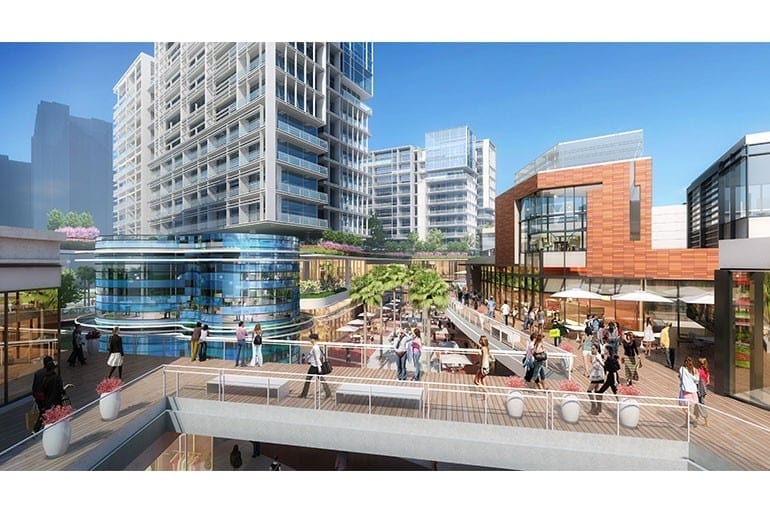
    For CM-OCT Investment Co, the Longhua New District project comprises eight highrise towers, more than 20 low-rise retail buildings, two cultural buildings and open green space.

    CM-OCT Investment Co is a joint venture of two state-owned developers, China Merchants and OCT.

    As both master planner and master architect for the project, and working with US landscape design firm SWA, Laguarda.Low envisions the project as a city within a city, giving each building a distinct architectural character and connecting the residential, office, retail, hotel and cultural buildings through landscaped pedestrian walkways and a central green corridor.

    Its plan positions a multi-level retail village at the centre of the site, surrounded by four residential towers to the northeast, three office towers to the southeast, a hotel to the south, a mall to the west; and a performance hall and exhibition centre to the north. A central loop connects the zones and provides access to parking below.

    “The quality and arrangement of the buildings, along with the dynamic public spaces, creates a vibrant setting to live, work, and enjoy the development’s cultural and entertainment facilities,” says Laguarda.Low principal Pablo Laguarda.

    Construction work has started, and when complete, the development will connect directly to public transportation via the elevated Hongshan Subway Station and a new bus terminal.

    OCT Group and Laguarda.Low have already collaborated on several mixed-use developments including the OCT Bay development in Shenzhen, comprising 3.2 million sqft of hotel, entertainment, retail and restaurant offerings on Shenzhen Bay. They also produced OCT Chengdu, a mixed-use project next to the Happy Valley theme park in Chengdu.

  • Singapore REITs’ performance falls flat in 2Q

    Singapore REITs’ performance falls flat in 2Q

    Overall DPU growth sits at -0.1%.

    While its retail sector remained resilient, other sectors such as hospitality and industrial have continued to impede Singapore real estate investment trust (REITs)’s growth, registering a flat -0.1% improvement in 2Q16.

    Even with the dismal performance, OCBC Investment Research said the REITs’ performance in 2Q is in line with the expectations.

    OCBC noted that the strong performances of OUE Commercial Trust, Lippo Malls Indonesia Retail trust and Mapletree Greater China Commercial Trust have offset the underwhelming performance of their peers in the hospitality and industrial sector.

    The three registered DPU growths of 34.7%, 16.4%, and 9.1%, respectively.

    Overall, the flat REIT DPU growth was amid the decent uptick in net property income at 8.2% and distributable income 5.2%.

    “This can be attributed to the regular issuance of new units as partial/full payment of management fees, coupled with REITs which have recently carried out equity fund raising exercises,” OCBC explained.

    Meanwhile, it explained how hospitality sector have remained the main drag during 2Q, pointing out to the weakness in revenue per available room for Singapore hotels and revenue for available unite in serviced residences.

    “Most industry players highlighted that June was a particularly poor month. We believe this could be attributed largely to the absence of the SEA Games which took place in June last year. Another key factor for the muted performance was due to weaker demand from the corporate sector,” OCBC said.

    For the industrial sector, its poor performance came from small-mid cap REITs.

    Looking forward, OCBC said the operational performance of the REITs would continue to be be pressured by the macroeconomic uncertainties and supply concerns.

    More so, it explained that some REIT managers are making use of the soft environment to carry out asset enhancement initiatives to reposition their assets in the future.

    These projects, the report warned, would result in a fall or loss of income contribution in the near future and will eventually mute DPU growth.

  • Cheung Kong puts The Center up for sale as Li Ka-shing trims Hong Kong assets

    Cheung Kong puts The Center up for sale as Li Ka-shing trims Hong Kong assets

    Hong Kong’s wealthiest man is putting his tallest building in the city up for sale, garnering bids from several Chinese buyers that point to the increasing trend of mainland companies with deep pockets snapping up local assets.

    Li’s Cheung Kong Property Holdings Co. has put The Center on the market with little fanfare for six months, according to a property agent involved in the deal, who declined to be named. A handful of keen buyers are bidding on the 73-storey tower, valued at HK$35 billion, the agent said.

    At that price, The Center will be Hong Kong’s most expensive real estate transaction.

    Analysts point to China’s state-owned companies with deep pockets as the most likely buyers for the tower in downtown Central, which has 1.2 million square feet of office space, 13,000 square feet of retail space and 402 car parking lots.

    “Only state-owned enterprises can afford such a sum,” said Knight Frank’s head of valuation and consultancy Thomas Lam.

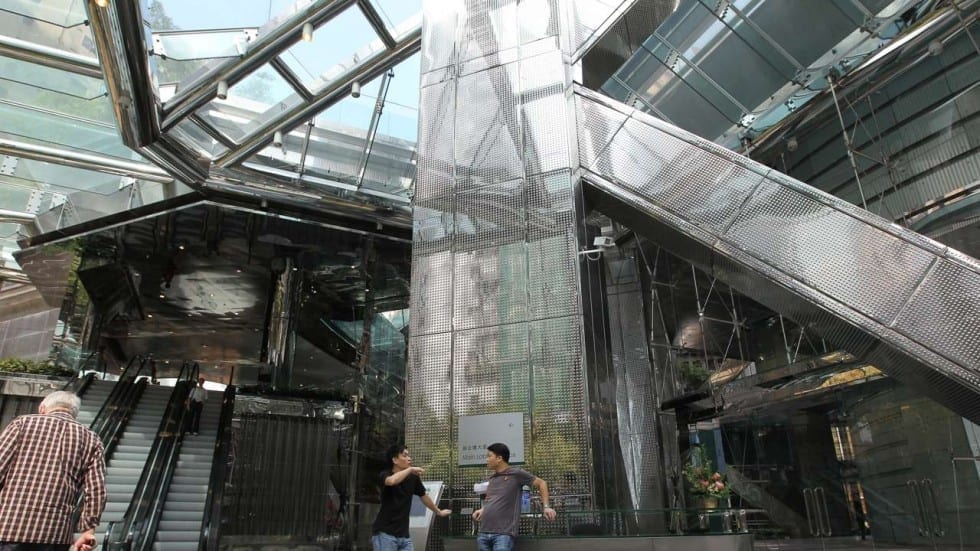
    The building, completed in 1998, is an entire steel structure without a concrete core. Its iconic lobby was featured in the Hollywood movie The Dark Knight.

    Cheung Kong owns 48 storeys in the building after Malaysian developer Guoco Group bought 11 floors in 1997. Nine of the 11 floors were sold to Singapore’s DBS Group Holdings Co. in 1998, while Cheung Kong sold the 60th and 79th floors in 1999, according to The Center’s sales brochure.

    Li has sold more than 20 billion yuan (HK$23 billion) of commercial properties in Shanghai, Beijing and Guangzhou since 2013. The tycoon’s business empire covers container ports, phone networks, power plants, real estate, retail outlets with assets in Asia, Europe and North America.

    Cheung Kong’s officials were unavailable to comment in Hong Kong.

    ICBC Asia, a subsidiary of China’s largest bank, is in discussions to buy the Center for HK$34.8 billion, Hong Kong’s Chinese-language media reported on Tuesday. The Hong Kong unit of the Industrial & Commercial Bank of China denied it’s involved in the talks.

    Cheung Kong is taking advantage of an explosive demand of office real estate by mainland Chinese companies in Hong Kong, analysts said. The decline in the Chinese yuan against the US dollar has also made it more attractive for mainland banks to seek better returns by parking their capital in real estate.

    “Chinese companies are eager to set up headquarters in Hong Kong’s central business district amid rapid business expansion,” Knight Frank’s Lam said. “They will be the key driver of new take up and office acquisition in the coming years.”

    Mainland Chinese companies hogged the limelight last year when two of them acquired two office blocks from Hong Kong-based property companies.

    China Life Insurance Co., the country’s largest insurer, paid HK$5.85 billion in November last year for Wheelock & Co.’s One HarbourGate office tower and retail podium in Hung Hom. On the same day, China Evergrande Group, the country’s second-largest developer, forked out a record HK$12.5 billion for the 26-storey Mass Mutual Tower in Wan Chai from Chinese Estates Holdings.

  • Singapore retail rent decline worsens

    Singapore retail rent decline worsens

    The Singapore retail rent decline gathered pace in the last quarter according to data from Edmund Tie & Company.

    In the second quarter, retail rents across the board fell by 3.9 per cent quarter-quarter.  That was double the 1.9 per cent decline of the preceding quarter.

    Amid weaker demand, occupancy levels also dipped, falling by 0.5 percentage points quarter-on-quarter to 92.2 per cent.

    “In light of declining rents, several established retailers have taken – or are taking – advantage of the lower rents to reinforce their brand presence in Singapore through flagship stores,” the company’s quarterly review said.

    These include:

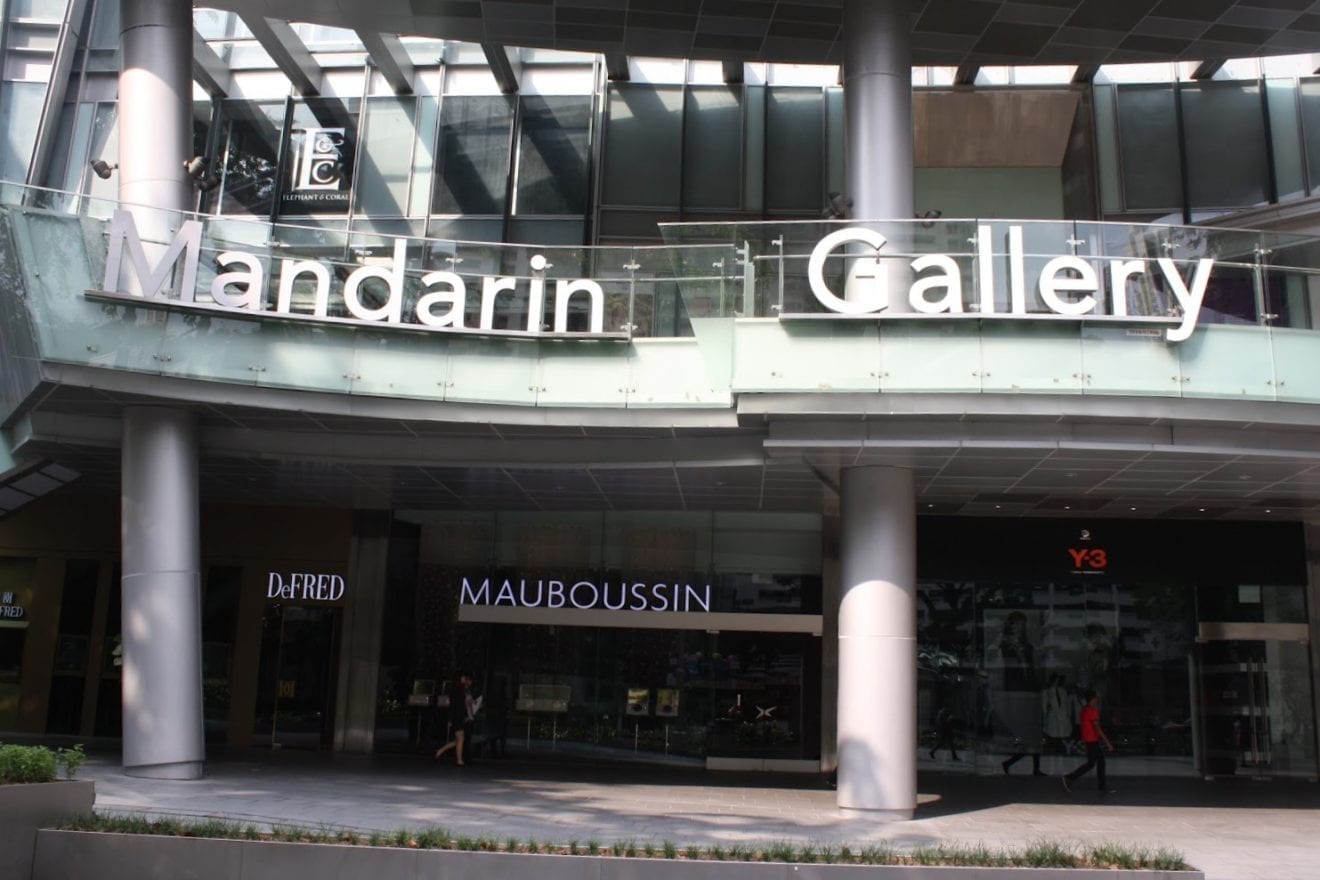
    • Choo Yilin at Mandarin Gallery.
    • HP at Marina Square.
    • Christian Dada at 268 Orchard.
    • Victoria’s Secret at Mandarin Gallery.
    • Uniqlo at Orchard Central.
    • Michael Kors at Mandarin Gallery.

    victoria secret

    “As the sector undergoes bouts of restructuring, retailers are also constantly reinventing themselves to reach out to the rising number of technological-savvy consumers. This includes the recent launch of digital wallets (eg: Apple Pay, Samsung Pay, Android Pay) which a string of established retailers have adopted, including Starbucks, Uniqlo, NTUC FairPrice and Cold Storage.”

    Headquartered in Singapore and supported by offices in Kuala Lumpur and Bangkok, Edmund Tie & Company is an established real-estate consulting firm that operates across Malaysia, Thailand and other countries in Southeast Asia.

  • Yoma to redevelop Yangon project, Centrium Square retail units sold

    Yoma to redevelop Yangon project, Centrium Square retail units sold

    A consortium – that includes Yoma Strategic Holdings, its wholly-owned subsidiary Yoma Strategic Investments (YSIL); Mitsubishi Corporation and Mitsubishi Estate; First Myanmar Investment (FMI); and the International Finance Corporation (IFC) – will redevelop a Yangon mixed-used development.

    The Asian Development Bank (ADB) will become party to the deal, with the rest of the corporate entities establishing a joint venture (JV) corporation – Meeyahta Development Limited (MDL).

    Yoma will maintain a 48 per cent share in the JV firm with smaller shares held by FMI (12%), Mitsubishi (30%), IFC (5%) and ADB (5%).

    The proposed development excludes Yoma’s plan to redevelop the former headquarters of the Burma Railway Company into a five-star hotel, The Peninsula Yangon, which was announced in 2013.

    According to Yoma Strategic, it is currently awaiting the approval from the Myanmar Investment Commission for the incorporation of the joint venture (JV) entity.

    According to the deal, yhe shareholders agreement will be terminated should the first subscription of shares fail to take place on or before the deadline of 30 June 2017.

    The agreement is deemed an interested person transaction as FMI’s chairman and controlling shareholder, Serge Pun, also holds about 36.27 per cent of direct and deemed interests of Yoma Strategic. As such, Yoma requires shareholder approval to finalise the deal.

    Centrium Square retail units sold in bulk for S$70.1m

    Thirty two retail units at Centrium Square with a total strata area of 16,738 sq ft are likely to have been sold through a bulk purchase for S$70.1 million, based on caveats published by the URA. This transaction saw first storey retail units sold at an average price of S$6,015 psf, with second storey units fetching an average price of S$3,932 psf.

    Centrium Square is a freehold development comprising two levels of retail units, 39 medical suites and 143 office located close to Farrer Park MRT station and is on the site of the former Serangoon Plaza. The developer is Feature Development, an affiliate of Tong Eng Group.

    According to a report from The Edge Property, the buyer is believed to be Canali Logistics, which purchased Hotel Grand Chancellor at Belilios Road in Little India in 2014.

    The opening of Farrer Park Hospital,  part of an integrated complex comprising Farrer Park Medical Centre, which houses specialist clinics and One Farrer Hotel and Spa, have positioned the area to be a medical hub.

    Separately, RB Capital is developing Farrer Square, a mixed-use project comprising medical suites and 300-room Park Hotel Farrer Park.

  • Binding offers sought for McDonald’s China

    Binding offers sought for McDonald’s China

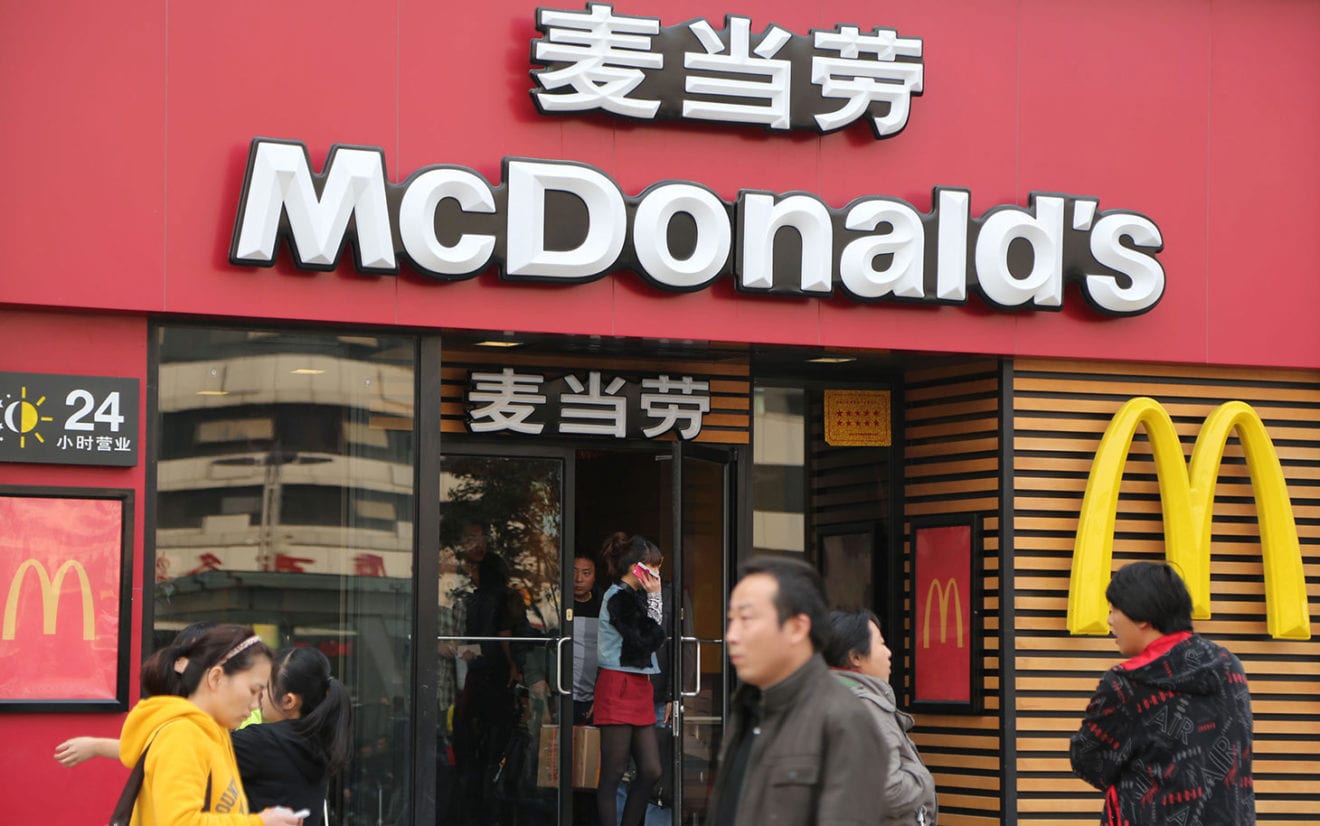
    Selected bidders for McDonald’s China and Hong Kong, including China Cinda Asset Management and dairy producer Beijing Sanyuan Foods, have been asked to make binding offers.

    Also invited earlier to submit a second-round bid are Sanpower Group, which owns UK department store House of Fraser, and GreenTree Hospitality.

    McDonald’s is selling 20-year mass franchise rights in China and Hong Kong, which could fetch $2 billion.

    Illinois-based McDonald’s has hired Morgan Stanley to run the sale of about 2800 restaurants in China, Hong Kong and South Korea along with 20-year franchise rights. The South Korean McDonald’s business is also being sold, with local cinema and cafe operator CJ Group reportedly the front-runner at this stage.

    McDonald’s announced in March that it was reorganising in Asia by bringing in partners to own restaurants within the franchise business. Competitor Yum Brands, which has the KFC and Pizza Hut chains, is also restructuring in China.