Retail News CRM

Tag: Property

  • Indonesia plans emergency law to let foreigners buy apartments

    Indonesia plans emergency law to let foreigners buy apartments

    Property sector needs reform to attract investments, says minister. Indonesia plans to issue an emergency law – known as a perppu – to break an impasse of more than a decade in efforts to streamline unfriendly laws as the country aims to allow foreigners to purchase apartments in Indonesia.

    The government had in the past repeatedly tried to move forward and set regulations to allow foreigners to own apartments in South-east Asia’s biggest economy.

    But they were never able to get these implemented because the basic stipulation under Indonesia’s 1960 Agrarian Law is that foreigners just cannot own homes in the country, Coordinating Minister for Political, Legal and Security Affairs Luhut Pandjaitan said.

    “But the era has changed now. The property sector needs a reform so we could attract foreign investment. Foreigners should be allowed to buy apartments – but not landed houses – even if they don’t hold Kitas (Indonesia’s residence permit),” Luhut told The Straits Times.

    “It is similar to that in Singapore,” he added.

    Indonesia’s Constitution gives the President the right to issue a rule in lieu of law (perppu) when he determines that an emergency in the country requires it.

    A perppu is immediately effective after the President signs it, and Parliament can either let it remain effective or end it within a year after the perppu is issued.

    Luhut said the perppu that covers a new rule allowing foreign investors to buy apartments is one of between four and five perppu that Indonesia plans to issue by August, to resolve other obstacles hindering the government reform programme.

    “This is a revolutionary step to address such problems,” he said.

    A so-called debottlenecking working committee has been set up to identify problematic and protracted clauses in all laws.

    “We will comb all legislations that overlap with each other,” Purbaya Yudhi Sadewa, who heads the working committee, told The Straits Times.

    The perppu will supersede only the problematic clauses in each law and serve to bypass them, Luhut said.

    He added that one perppu could address problems in five to more than 10 existing laws, and about 80 per cent to 90 per cent of the existing laws can be harmonised.

    Issuing perppu is a normal practice that some foreign governments, such as the United States, also use, Luhut said, adding that the term used in the US is “presidential Act”.

    In May, President Joko Widodo signed a perppu that allows courts to increase penalties for sex crimes, which include for the first time chemical castration and death sentence, after the media highlighted a growing number of attacks against children.

    Previously, the maximum sentence for a child sex offence was 15 years’ jail. Indonesians have mostly welcomed the move.

    Amending existing laws through the normal process, by proposing Bills to Indonesian Parliament, can drag on for several years, and in some cases, proposed Bills were thrown out.

    Numerous government reform programs in Indonesia in the past decades have hit a snag due to conflicting laws that need amendment.
  • Hong Kong streets and malls see character change as F&B outlets move in with cheaper rents

    Hong Kong streets and malls see character change as F&B outlets move in with cheaper rents

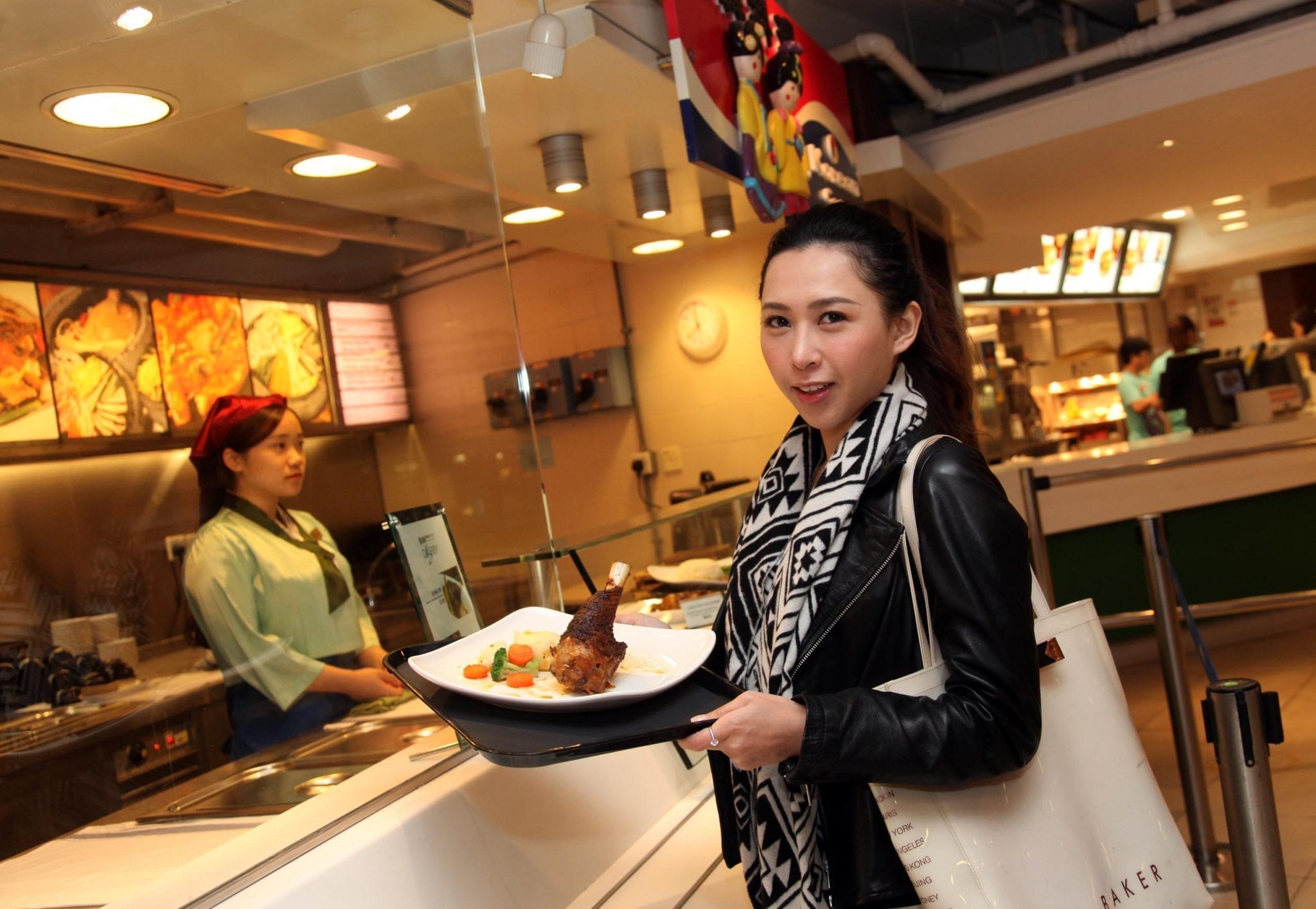
    The character of Hong Kong streets and shopping malls is changing as more overseas food and beverage operators and retailers catering to local consumers move to the city to take advantage of sharp falls in rent, says Tom Gaffney, CBRE’s managing director for Hong Kong, Macau and Taiwan.

    He expects retail rents would hit bottom in 2017 after a further 15 per cent decline this year. In 2015, overall retail rents fell by 20 per cent.

    “The retail market is not completely dying, but rather undergoing a structural transformation from one that is highly driven by luxury consumption goods to one that is more relying on mid-market brands and products,” he said.

    Besides mid-market brands in fast fashion, cosmetics and banking services, food and beverage operators have become more active, said Gaffney, who brought Jamie’s Italian restaurant chain to Hong Kong before he joined CBRE early this year.

    Last year, about 37 food and beverage brands established in Hong Kong, while about 10 new brands have set up in the city so far this year, he said.

    F&B contributed 40 per cent of revenue to CBRE’s Hong Kong retail business last year, up from 15 per cent in 2014.

    One of CBRE’s leasing transactions was negotiating for Seafood Room, which is Bulldozer Group’s first restaurant in Asia, to secure the top floor of Tower 535 in Causeway Bay. Bulldozer is one of the biggest restaurant groups in Eastern Europe and the UAE.

    CBRE is talking with some Korean cuisine operators that want to find new retail space in the city, Gaffney said.

    To tap the growing demand, CBRE plans to form an F&B business team to work with its offices in the US and London to bring new restaurants to Hong Kong. The new team is expected to start operating in September.

    “We have seen the [F&B] trend expanding into Hong Kong in the last six months,” he said.

    Most of the F&B operators specialise in European cuisine such as Italian and French, while some are Russian. Others include Asian restaurants serving Korean, Japanese and Thai dishes, Gaffney said.

    Given weaker spending on luxury items, Hong Kong shopping malls have been restructuring their trade mix to accommodate more restaurants and cafes as a way to retain shoppers.

    Sales of jewellery, watches and other luxury items – usually popular with mainland visitors – plunged by 16.6 per cent in April from a year ago, according to data released by the Census and Statistics Department. But sales of food, alcoholic drinks and tobacco saw a year on year growth of 5 per cent in April.

    The city’s total retail sales decline eased to 7.5 per cent, improved from a 9.8 per cent decline in March, to an estimated HK$35.2 billion, according to government data.

    During the retail boom in 2012 and 2013, Gaffney said F&B outlets only accounted for 10 per cent of space in shopping malls, but this has increased to 20 per cent and in some cases even 30 per cent.

    However, the rent payment ability of restaurants was just about a quarter or less than what a normal retailer could pay in terms of square foot. For example, a F&B tenant can afford HK$100 per square foot, while other retailers such as fashion could afford HK$400 per square foot with some even able to spend HK$1,000 per square foot, Gaffney said.

    “More F&B outlets will come to Hong Kong which will be overseas retailers’ first choice of expansion destination,” he said.

    In C-Suite on P3, Tom Gaffney shares his views on Hong Kong property market

  • IKEA to sell 23 retail parks across Europe

    IKEA to sell 23 retail parks across Europe

  • Consumer markets drive property retail growth in Philippines

    Consumer markets drive property retail growth in Philippines

    Retail opportunities are growing in Southeast Asia’s property sector due to the region’s strong consumer market, particularly in populous countries such as the Philippines and Indonesia, according to a report by global real estate services firm Jones Lang Lasalle.

    JLL head of research for Southeast Asia Dr. Yang Liang Chua noted that the recent real estate deals made in the region highlight the confidence of investors in the potential of retail opportunities in Southeast Asia.

    Some of the transactions cited by Chua include Alibaba’s taking a majority stake in Singapore-based Lazada.com, Chinese online computer retailer JD.com creating a sub-domain for Indonesia, and the expansion of SM Mall of Asia in the Philippines, which could become the world’s largest mall with an estimated gross floor area of more than 600,000 to 700,000 square meters.

    Chua noted that retail opportunities are particularly the strongest in Indonesia and the Philippines due to their growing urban population.

    “Jakarta and Manila have more than 140 million and 45 million urbanites, respectively, and are expected to grow at an average of 0.9 to 3.2 million people per annum between now and 2025,” Chua noted.

    Aside from the growing population, Chua said both Jakarta and Manila possess highly literate young adults, with literacy rates at 94 and 96 percent, respectively.

    “Continual urbanisation with a young and educated population will support economic growth in these cities,” Chua said. “As individuals accumulate wealth and income grows, discretionary spending is likely to increase and drive both online and physical retail demand.”

    Chua noted that the emergence of foreign brands in Manila and Jakarta are a testament to retailers’ confidence in these two consumer markets.

    In a separate report, Cushman and Wakefield agreed with Chua’s observations, noting that Manila’s retail sector is being fuelled by the entrance of foreign brands into the country.

    “Robust activity due to healthy domestic consumption on the back of higher income from remittances and the BPO industry,” Cushman and Wakefield said.

    In another report, global real estate advisor CBRE noted that the expansion of both local and foreign retail brands in the Philippines are driven by strong household consumption and steady growth in remittances from overseas Filipinos.

    “Taking advantage of the robust demand from consumers and seeing this continuing, developers have been announcing their retail expansion plans which are expected to traverse in the coming quarters,” said CBRE

    However, Chua noted that despite the huge potential of the Southeast Asian retail market, the region faces several challenges when it comes to e-commerce, citing the weak infrastructure and low network-readiness in most countries except for Singapore and Malaysia.

    “Governments could liberalise and invest more into their Information and Communication Technology industry and infrastructure, and adopt national logistics policies that focus not only on physical transportation but issues faced by traders and logistics service providers, to help facilitate the growth of e-commerce in SEA,” Chua concluded.

  • Bribery probe hammers shares of Indonesian property firm Agung Podomoro

    Bribery probe hammers shares of Indonesian property firm Agung Podomoro

    Shares in property developer PT Agung Podomoro Land Tbk plunged 10 percent on Monday, after Indonesia’s anti-graft agency launched an investigation that raised concerns that a multi-billion-dollar project could be delayed.

    Ariesman Widjaja, the firm’s chief executive officer, is suspected of bribing a member of the Jakarta provincial assembly to influence the regulation for a land reclamation, the Corruption Eradication Commission (KPK) said in a statement dated Friday.

    The anti-graft agency said it had caught the Jakarta official receiving 1.14 billion rupiah ($86,725) in cash from an Agung Podomoro employee at a shopping mall a day earlier.

    Agung Podomoro has plans for a project called Pluit City, which is estimated to be worth billion of dollars, on the northern coast of the Indonesian capital.

    The firm issued a statement late on Friday acknowledging that KPK had named Widjaja as a suspect, but gave no other details. The company’s directors and legal team are studying the case and are committed to obey the law, it added.

    Widjaja could not be reached for comment.

    Agung Podomoro Director Cesar M. Dela Cruz declined to comment.

    Agung Podomoro shares plunged as much as 10 percent after the market opened on Monday, hitting their lowest in more than four months. The broader Jakarta stock exchange was up 0.1 percent.

    With Agung Podomoro “on the hot seat”, the company’s mega project may be delayed indefinitely, broker Trimegah Securities said.

  • eCommerce won’t dent Asian retail real estate demand

    eCommerce won’t dent Asian retail real estate demand

    Growing online sales will not undermine demand for Asian retail real estate, according to the last CBRE study of major international brands.

    For the seventh edition of How Active Are Retailers Globally?, the real-estate company looked at more than 150 major international brands based in Americas, Asia Pacific and EMEA (Europe, the Middle East and Africa) countries.

    China is the top target market in the Asia Pacific (APAC) and fourth-ranked globally, with 27 per cent of retailers looking to expand there. Hong Kong follows in sixth position (24 per cent), Japan in seventh (22 per cent) and Singapore in ninth (21 per cent). The top three globally were Germany (35 per cent), France (33 per cent) and the UK (29 per cent).

    China and Hong Kong maintained their placings, while Japan, Singapore and Australia (11th) all rose higher in the ranking, up from 13th, 18th and 15th positions respectively.

    “Hong Kong will remain a desirable market for retailers, particularly as it continues to serve as a popular shopping destination for mainland Chinese tourists,” says CBRE Hong Kong executive director for retail services Joe Lin.

    “The main difference is a shift from luxury to mid-range brands. This is forcing luxury retailers to consolidate their footprint, leading to a drop in rental cost in prime locations and therefore opportunities for non-luxury retail brands.”

    Most APAC markets saw increased interest for this year, with the exception of China and South Korea. Malaysia (10 per cent), Indonesia (9 per cent), Thailand, Vietnam and The Philippines (all 8 per cent) received more than double the interest they saw last year, when all markets secured between 1 and 3 per cent.

    Asked about the risk factors for the coming year, brands indicated that real-estate cost escalation (56 per cent) and unclear economic prospects (42 per cent) continue to be at the forefront of their minds.

    “We’re seeing more of a challenging economic environment, and concerns such as high operating costs and a lack of quality space means retailers are somewhat more wary this year,” says CBRE head of Asia Pacific research Dr Henry Chin. “However, even as markets such as China and Hong Kong are experiencing a slowdown, we see increasing numbers of opportunistic retailers looking to enter markets like Hong Kong, supported by strong underlying consumer demand.

    “Japan and Australia remain attractive, while Southeast Asia showed strong growth because of opportunities for retailers around an expanding middle class and stronger economic growth.” CBRE senior director and head of retailer representation for Asia Joel Stephen says there are still opportunities for retailers to grow their business in Asia, underscored by the region having four of the 10 most popular destinations. “The goal now for all brick-and-mortar retailers is to build an engaging offer that encourages people to stay longer and spend more.”

    The survey shows that 83 per cent of brands suggest their physical store expansion plans for this year will not be affected by the growth of eCommerce. From a retailer perspective, only 22 per cent of the brands see stiff competition from online retailing as a threat to their business.

    At the same time, retailers are cautiously optimistic on physical expansion. Of those canvassed, 17 per cent have large-scale ambitions, many of them looking to open more than 40 stores this year (up from 9 per cent last year), while 67 per cent plan to open up to 20 stores.

    “A physical store presence in key locations is still critical to the strength of a brand’s image,” says Stephen. “Customers still feel a need to go into stores, to physically touch a product and enjoy the feel-good factor associated with a particular brand experience. The store is integral to the shopping journey and can be used in different ways, such as to click and collect, research of the product or brand, or to test the product. It isn’t solely about the transactional side.”

    A new trend is brands looking to expand into travel hubs, such as airports and train stations, giving them access to high footfall in busy locations. But for APAC retailers, shopping malls are still the preferred destination by far, at close to 90 per cent.

    While globally the key concern for brands in negotiations for premises is lease length, APAC retailers are most concerned with turnover rent clauses (GP). They are also particularly concerned about changing consumer behaviour (40 per cent), which is higher than the global average (31 per cent).

  • Thailand’s most illustrious real estate event returns for the 11th year

    Thailand’s most illustrious real estate event returns for the 11th year

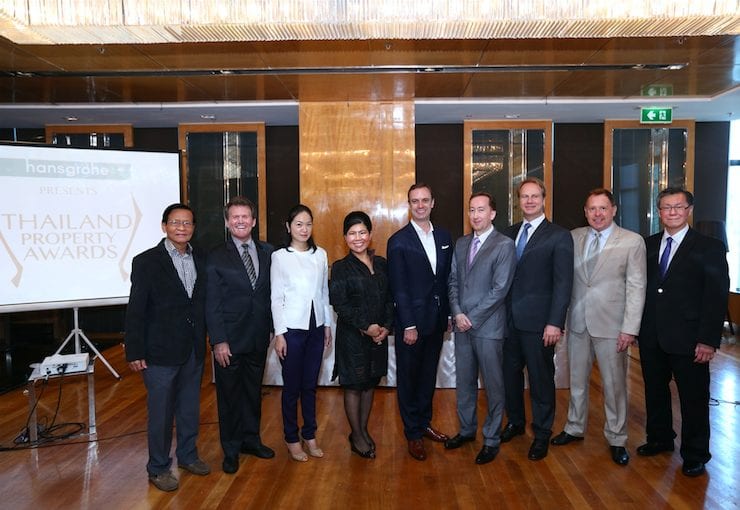
    The Thailand Property Awards presented by Hansgrohe returns for a successful 11th edition to reward the finest developers and current developments in the country’s resilient real estate sector. The annual event, which is attended by some 600 C-level executives, industry leaders and innovators annually, was officially launched to the media on 29 March 2016 at the Renaissance Bangkok Ratchaphrasong Hotel.

    Building on the monumental success of last year’s 10th anniversary event, which saw SC Asset Corporation PLC claim the biggest award for Best Developer, the kingdom’s biggest and most respected industry awards programme will champion the leading industry players in Bangkok and Phuket, which continue to evolve alongside the secondary markets of Hua Hin, Chiang Mai, Khao Yai, Samui and the Eastern Seaboard.

    “The tourism sector is playing an increasingly important role in driving the country’s economic growth,” Suphin Mechuchep, managing director of JLL Thailand and newly elected chairperson of the central panel of judges, said.

    “A decent chunk of tourist spending goes to retailers in various retail formats from street-side retail strips to modern shopping centres,” she added. “Retail markets in key tourist destinations such as Bangkok, Pattaya, Phuket, Krabi, Koh Samui, and Chiang Mai will benefit most from this trend.”

    This economic boost, as well the recently reported strong year-end finish to 2015 following the implementation of the government-led boosting measures and incentives, will be discussed by the industry’s leading experts, developers and innovators at the high-level forum that takes place before the awards gala – the Property Report Congress Thailand. The whole day conference on Thursday, 22 September from 09:00 to 15:00, and will be held at the Plaza Athenee Bangkok, a Royal Meridien hotel, the official venue of the Thailand Property Awards.

    On the panel: Srikorn Techarattanaptasert, consultant of title sponsor Hansgrohe; central panel of judges chairman Suphin Mechuchep, JLL Thailand; Terry Blackburn, founder of the Asia Property Awards and managing director of PropertyGuru International; returning judge Professor Dr Manop Bongsadadt, 2016 president of judges panel; and Alexander Kunz, Asia regional director of sponsor Kuppersbusch by Teka
    On the panel: Srikorn Techarattanaptasert, consultant of title sponsor Hansgrohe; central panel of judges chairman Suphin Mechuchep, JLL Thailand; Terry Blackburn, founder of the Asia Property Awards and managing director of PropertyGuru International; returning judge Professor Dr Manop Bongsadadt, 2016 president of judges panel; and Alexander Kunz, Asia regional director of sponsor Kuppersbusch by Teka

    An internationally recognised celebration of the country’s real estate achievements, the Thailand Property Awards 2016 have already begun accepting nominations from developers and the general public starting in late February. The nomination period will close on 8 July, with the official shortlist revealed to the world in the third week of August.

    Entry is free. All successful entries will be supervised by BDO, one of the world’s largest accounting and auditing firms, and the trusted awards supervisor of the Asia Property Awards, which, in its 11th year, is widely recognised for its fairness and transparency.

    This year’s awards programme will be boosted by the support of title sponsor Hansgrohe, a leading global manufacturer of innovative and designer bathroom products, official media partner Property Report, as well as the large network of awards organiser PropertyGuru, Asia’s largest online property portal group.

    “We’re excited to be working with PropertyGuru Group as the Asia Property Awards programme continues to expand in ASEAN in its second decade,” said Terry Blackburn, founder and managing director of the Asia Property Awards. “In trying times like these, Thailand can always depend on exceptional projects that boost investor confidence and elevate market standards. We’re delighted to reward their hard work at the Thailand Property Awards.”

    Suphin will be joined on the esteemed judging panel, which is presided by Dr Manop Bongsadadt, renowned professor of architecture at Bangkok’s Chulalongkorn University, by some of the best-known names in the industry. Aside from the central panel of judges, each region will have its own panel comprising local experts to ensure credibility of the Awards.

    A total of 31 trophies will be presented in 2016, with award categories covering the condominium, housing/villa, hotel, office, and retail segments. A special recognition for Thailand’s Real Estate Personality of Year, whose influence and achievements resonate across the kingdom, will be named by the editors of Property Report prior to the gala night.

  • Losses force Esprit to downsize

    Losses force Esprit to downsize

    Following a first half loss of HK$238 million (US$30.6 million), fashion retailer Esprit plans to prune unprofitable outlets while improving productivity.

    “In the very short term, we will continue to see the closure of unprofitable spaces from our retail store network and our wholesale partners’ points of sale,” the company says in its interim results announcement. It expects these actions will help group turnover remain stable although it may be reduced.

    During the six months, the company posted a 13 per cent dip in sales to HK$9.31 billion. It says the losses are partly the result of the unfavourable impact of the euro depreciating against the Hong Kong dollar.
    With a loss per share of 12 cents, the directors did not declare an interim dividend.

    Meanwhile, the company has seen positive retail sales growth through both online and offline channels, particularly in Europe. Its challenges lie in its wholesale business, currency risks and lower performance in Asia.
    It says the underperformance in the Asia-Pacific region was partly attributable to a combination of volatility in the financial markets, the economic slowdown in China and the devaluation of the yuan, which significantly dampened consumer sentiment.

    Esprit’s largest geographic market, Germany, had HK$4.44 billion turnover, representing year-on-year growth of 1.5 per cent. For the rest of Europe the turnover of $3.38 billion was down from $3.92 billion of the previous year’s second half. Turnover in Asia Pacific amounted to $1.42 billion, a year-on-year drop of 6 per cent.
    Esprit says it faces challenges ahead with volatility in the financial markets and economic uncertainty that could further dampen consumer sentiment, especially in Asia. And if the euro continues to be weak, it would put pressure on the group’s gross profit margin.

    Meanwhile, the group is expecting an estimated net gain of about $725 million from the sale of six wholly owned property subsidiaries in Hong Kong, a deal finalised in December. Once the sales is settled, the group plans to lease back most of the properties.

    Also the group has introduced efficiencies in its product development and supply chain processes, as well as developing a “more ambitious” commercial strategy using an omnichannel model. It has been using an intensive brand-marketing campaign since September to strengthen and rejuvenate its image.

    Already it has seen positive sales performances, plus increased customer loyalty and better online and mobile sales.

    “Driving these productivity gains further remains our top priority in the near term,” says the company, noting an increase to 49 per cent of eCommerce sales by mobile devices and a 92 per cent growth in smartphone sales.

  • Starhill Global Reit’s Q2 distribution per unit rises 2.3%

    Starhill Global Reit’s Q2 distribution per unit rises 2.3%

    YTL Starhill Global REIT (SGReit) said its second quarter distribution per unit rose by 2.3 per cent to 1.32 cents.

    Revenue for the three months ended Dec 31 grew by 13.8 per cent to S$55.6 million while net property income (NPI) rose by 10.4 per cent to S$43.7 million.

    The growth in revenue and NPI was mainly driven by the contribution from Myer Centre Adelaide which was acquired in May 2015 and the resilience of the Singapore portfolio performance.

    This was partially offset by lower contributions from China and net foreign currency movements. Income distributable to unitholders was S$28.8 million, up 3.7 per cent. On an annualised basis, the second quarter distribution represents a yield of 6.94 per cent, based on the unit closing price of 75.5 cents as at Dec 31. Unitholders can expect to receive their distribution on Feb 29.

    YTL Starhill Global chairman Francis Yeoh said the Reit delivered another strong earnings growth in the second quarter, underpinned by the resilience of the Singapore portfolio and contribution from its latest acquisition.

    “While Asia’s economic growth is expected to ease, we are confident our prime assets in key Asia-Pacific cities will remain resilient in an evolving retail landscape,” he noted.

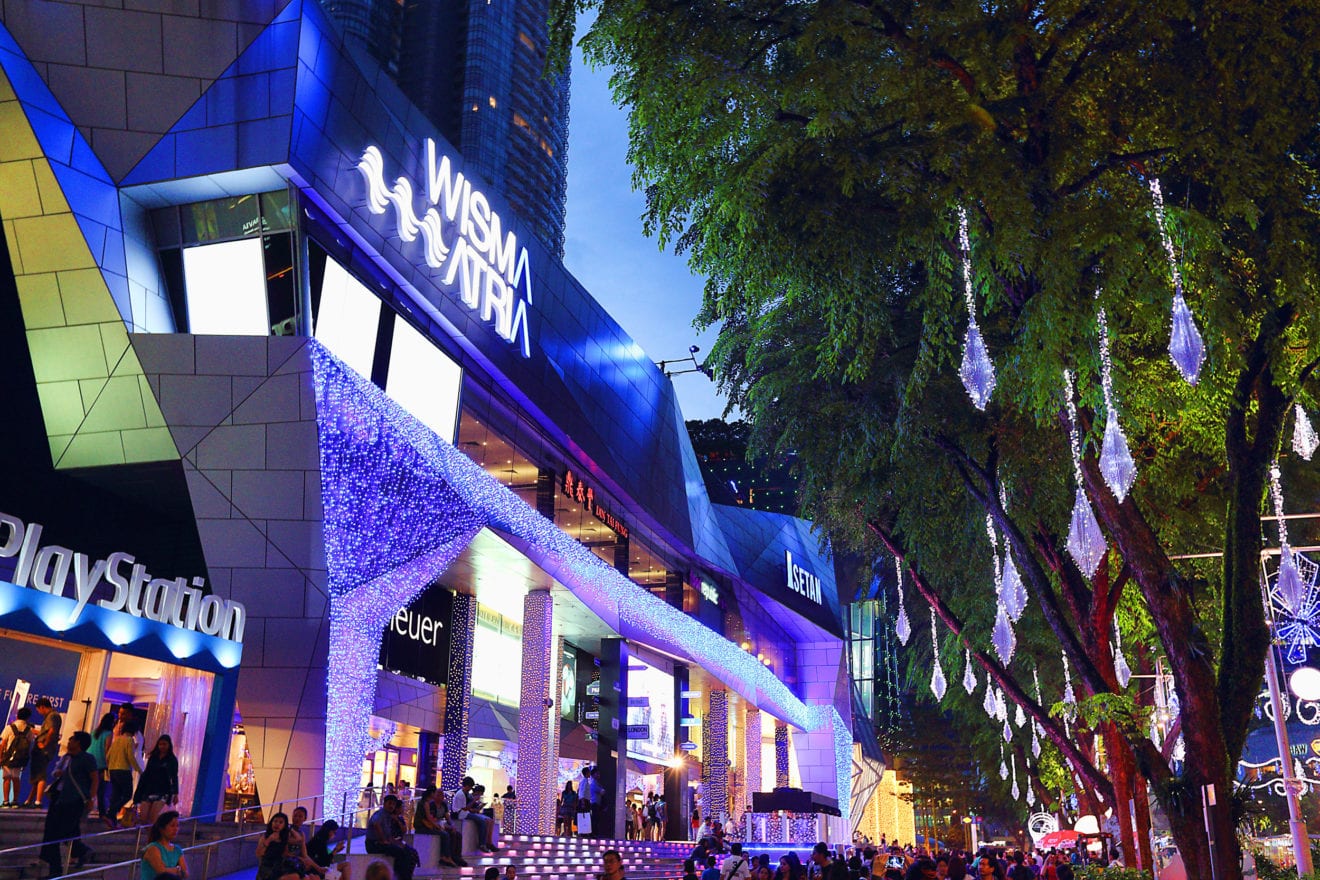
    SGReit’s Singapore portfolio, comprising interests in Wisma Atria and Ngee Ann City on Orchard Road, contributed 60.8 per cent of total revenue or S$33.8 million.

    Its NPI increased by 2.7 per cent to S$27.3 million, led by positive rental reversions achieved in previous quarters. Singapore retail portfolio recorded flat rental reversions for leases committed during the quarter.

    Wisma Atria retail revenue increased 1.7 per cent and its NPI grew 3 per cent over the previous corresponding period on the back of higher revenue and lower operating expenses.

    On the flip side, tenant sales at Wisma Atria declined 1 per cent, mainly due to lower committed occupancies at the mall and tenant transitions during the quarter. Shopper traffic was down 2.5 per cent as the majority of Isetan’s strata-owned space remained closed for renovations since April 2015.

    Wisma Atria retail recorded lower committed occupancy of 94.9 per cent as at Dec 31, largely due to tenant mix reconfiguration at level 1. Ngee Ann City retail revenue gained 1 per cent while NPI increased 2 per cent. The next rent review for the Toshin master lease is due in June 2016.

    Meanwhile, the Singapore office portfolio continues to be supported by leasing demand as office supply pipeline in Orchard Road remains limited. The Singapore office portfolio revenue and NPI increased 3.9 per cent and 3.4 per cent respectively, on the back of 1.7 per cent positive rental reversions for leases committed in the second quarter.

    As at Dec 31, full occupancies were achieved for both Wisma Atria and Ngee Ann City offices. Some 40 per cent of the office leases due for expiry this financial year by gross rent have been either renewed or newly leased out as at Dec 31. SGReit units today ended half a cent higher at 73 cents.

  • Expatriates Start Acquiring Properties in Surabaya

    Expatriates Start Acquiring Properties in Surabaya

    About 10 percent of 450 apartments and Small Office Home Office (SOHO) developed by Operational Cooperation (KSO) PT Darmo Permai and PT Waskita Karya in the 88 Avenue Surabaya Project had been purchased by expatriates.

    KSO Wskita Darmo Permai managing director Kevin Sanjoto said that 65 percent of the 450 units had been sold. About 50 percent of the buyers were from Surabaya, 10 percent were expatriates, 15 percent from Jakarta and the rest of them were buyers from East Indonesia.

    “The expatriate buyers are from Japan, Singapore, and Korea. Some of them need places during their stay in Surabaya, including as preparations to face the ASEAN Economic Community (AEC),”Kevin said during the ground breaking ceremony of the project on Saturday, January 30, 2016.

    Waskita Karya Realty president director Didit Oemar Prihadi said that KSO Waskita Darmo Permai would hold road shows in big cities to boost the sales.

    “With such a strategy, we believe that we will gain new buyers, because many investors outside Java are interested in investing in Surabaya,” Kevin added.

    The apartment and SOHO project was a part of a superblock project developed on a 3.4-hectare land in West Surabaya. It was planned that the project would have eight towers consisting of SOHO, The Residence, The Suites, The Sky, The View, The Terrace, The Heritage and The Infinity. SOHO and The Residence would be the first towers to be completed.

    “By looking at the sales figure, and since the development project has been started, we expect to complete the project by 2018, and the handover can be conducted on August 8, 2018,” Didit said.

  • Is It expensive to enjoy Rambler Channel?

    Is It expensive to enjoy Rambler Channel?

    How much would you be willing to pay for a stay at a Li Ka-shing hotel? Well, how about just a tad over HK$90?

    No, we’re not kidding! This is exactly what some mainland tourists are paying this month for a night at a Tsing Yi hotel owned by the Hong Kong billionaire. 

    According to rates quoted by Qunar, a popular mainland travel portal whose name means “Where to go?”, one can get a double bedroom at the Rambler Garden Hotel for as little as 73 yuan (HK$86.7).

    Adding the tax, you get an all-in price of 76.65 yuan (HK$91.1) for a night’s stay at the Cheung Kong Group property. That was price offered for January 28, a date that falls less than two weeks before the Lunar New Year.

    Who says Hong Kong is an expensive destination? Of course, not everyone can get a room with a splendid view of the Rambler Channel and the nearby container terminal.

    To be eligible for the offer, you have to be a mainlander. So, if you hold a passport of any other country or region — even those of Taiwan or Macau — count yourself out.

    Next, you can only check in after 5pm. Meanwhile, you would also have to put up with another problem: there won’t be in-room wi-fi.

    All these point to a typical mainland group tour package as Hong Kong’s hospitality and retail sectors grapple with a decline in visitor numbers from across the border.

    Tourism workers, meanwhile, are also faced with tougher rules as the Travel Industry Council has unveiled measures such as refund protection scheme for visitors and curbs on “forced shopping”.

    As new regulations have basically killed “zero fee” tours, travel operators and related firms have been forced to readjust their marketing strategies.

    It is possible that mainland operators are securing extra-low rates from hotels by offering firm commitments on the occupancy volume.

    As for the hotels, guaranteed bookings for a portion of their inventory, even it means selling the rooms at cost, will help them remain on the radar of cross-border tourists.

    A sub-HK$100 rate per room puts the clock back to the 70s when a breakfast at Cafe de Coral used to cost less than HK$10 and the Hang Seng Index was around 1,000.

    This makes it a screaming bargain for visitors, helping them forget the outdated TV sets in the rooms and the absence of modern communication facilities.

    Well, we should also bear in mind that January is a non-peak travel season this year given the gap between Christmas and the Lunar New Year.

    Seizing the low-season fares and hotel room rates, many people have booked trips to Hong Kong this month.

    A friend who came to Hong Kong this week for medical check-up paid merely HK$500 per night in a four-star Causeway Bay business hotel.

    He kept saying it was a bargain – although the yuan devaluation made him pay slightly more than what he used to earlier – because he remembered the same hotel was charging over HK$3,000 yuan per night during a Lunar New Year season previously.

    Mainland visitor arrivals were down 1.7 percent to 42.1 million in the first eleven months of 2015, according to Hong Kong Tourism Board data.

    Things could get more challenging this year as the weaker exchange rate will make mainlanders think twice before making their usual trips across the border.

    But if more Hong Kong hotels step up discounts and offer rooms at bargain-basement prices, the story could well turn out different.


  • Soilbuild bags US$9.4m Myanmar contract

    Soilbuild bags US$9.4m Myanmar contract

    It’s for a shopping center’s addition, alteration works. Soilbuild Construction has nabbed a build and design contract worth about US$9.4m, or $13.4m.

    According to the company’s media release, as Soilbuild’s second contract in Myanmar, the US$9.4m deal is for the addition and alteration works of St. John Shopping Center in Yangon. It was awarded by a joint venture between two reputable companies in Myanmar, which have activities in retail and real estate development.

    The work for St. John Shopping Center is expected to begin in the first quarter of 2016, and is to be completed within 8.5 months from the commencement.

    Soilbuild notes that this project is not expected to materially impact the company’s net tangible assets and earnings per share for FY16.

  • Hong Kong bets on Chinese demand to drive property market

    Hong Kong bets on Chinese demand to drive property market

    Mainland China’s influence continues to grow across the four core sectors of the Hong Kong property market, according to the latest research from JLL.

    Demand for office space is increasingly being underpinned by mainland corporates, while a persistent slowdown in inbound tourism from China has put a large dent in retail sales growth of late.

    Cross-border trade remains the lynchpin of the city’s warehouse sector, while mainland participation in the residential market is slowly transitioning from a buyer to that of a developer.

    Office market

    New mainland policy initiatives, including the development of the offshore renminbi market, the expansion of CEPA and the roll-out of the Stock-Connect Pilot Programme, have played a leading role in driving demand for Hong Kong office space.

    In 2015, mainland Chinese firms were among the most active in the market, accounting for about 36 per cent of all new leasing transactions in Central. Their share of new lettings in the Grade A office market has doubled over the past five years and today accounts for about 21 per cent of all floor space leased in Central.

    Denis Ma, Head of Research at JLL, said, “With China’s economy starting to slow and its financial markets showing increased volatility, there is growing concern whether demand from the mainland will be sustained. But looking ahead we remain confident that mainland companies will continue to play a pivotal role in the short- and long-term growth of the city’s office market.

    “Government policies will play a large part in growth and help to attract more foreign companies to establish or grow operations in Hong Kong. We estimate that up to 28 per cent or 7 million sq ft of the tenant base in the Central Grade A office market will be mainland corporates by 2021.”

    Retail market

    Hong Kong’s retail sector flourished at the same time mainland tourist arrivals increased three-fold between 2006 and 2015, accounting for more than three quarters of all tourist arrivals last year.

    Latest figures show mainland tourists spent an estimated HKD 178 billion on shopping in Hong Kong last year, accounting for about a third of all retail sales and spending an average of HKD 3,900 per visit. Despite the growth of mainland arrivals slowing since their peak in 2014, some of the causes that have led to a retail sales slump of late can be reversed through policy changes.

    “If the restrictions placed on multi-entry visas were eased and the Individual Visit Scheme (IVS) programme was expanded as proposed in 2012, up to HKD 21 billion in sales could be added to Hong Kong’s retail market. But the type of tourists would likely be more focused on mass market goods rather than luxury items,” said Mr Ma.

    Industrial market

    Since China’s economy has slowed, Hong Kong’s logistics market has shown signs of vulnerability. In 2015, trade with China retreated for the first time since the Global Financial Crisis, dropping 1 per cent y-o-y through the first 11 months. With external trade accounting for about 70 per cent of all warehousing demand in the city, the slowdown has led to an easing of new warehousing demand.

    But as Pearl River Delta (PRD) industries move up the value chain, they have increasingly turned to Hong Kong’s logistics market to move their goods, taking advantage of the higher quality provisions and security offered by warehouse in the city.

    Other positives for the sector include the completion of new infrastructure that will bring the Western PRD within a 3-hour commute of Hong Kong and permit cargo flowing from the Western PRD to be moved through export facilities at Hong Kong International Airport (HKIA) and the Kwai Chung Container Port.

    Mr Ma said, “According to HKIA Master Plan 2030, cargo handled by HKIA will increase at an average of 4.2 per cent per year, with the bulk of growth being driven by the movement of goods in and out of mainland China.

    “Based on our estimates, the increase in cargo volumes at HKIA translates to about 300,000 sq ft of additional warehousing demand per year. Hong Kong’s status as a key logistics and trading hub will further be cemented by the ‘One Belt, One Road’ policy initiative, while the demand for warehouse will increase.”

    Residential market

    Mainland homebuyers had accounted for as much as 40 per cent of all sales in individual projects in the primary market before retreating to 10 per cent in 2015, largely as a result of the government’s stiff Buyer’s Stamp Duty introduced in 2012.

    Today, attention has shifted to the growing participation of mainland developers. Mainland developers have bid on over half of all residential land sales tendered by the government in 2015, winning about a quarter of awarded tenders and elbowing aside local developers that had long enjoyed an entrenched position.

    They are also setting new benchmarks for the market. The bid prices of mainland developers exceeded market expectations in 73 out of 100 instances between 2013 and 2015, compared with 59 out of 100 for local developers.

    Mr Ma said, “We expect mainland developers will continue to expand in the city. Hong Kong’s traditional developers are still expected to dominate the market but will face increasing competition in acquiring residential plots from a larger pool of bidders.

    “Based on JLL’s supply forecasts, residential units built by mainland developers will account for up to 8 per cent of the overall private housing supply between 2016 and 2019, with the majority delivered in the New Territories (56 per cent) and Kowloon (35 per cent).

    “With around 119,000 new households expected to be formed between 2016 and 2019, about one in ten new families opting for primary homes in the private market could end up living in properties developed by mainland developers.

    “Whether mainland developers are able to grow their business in the city to a point where they can influence market direction remains to be seen and will be dependent on the response to the first wave of their units that come to the market.”

  • Tanjong Pagar Centre: New tallest building in Singapore after 20 years

    Tanjong Pagar Centre: New tallest building in Singapore after 20 years

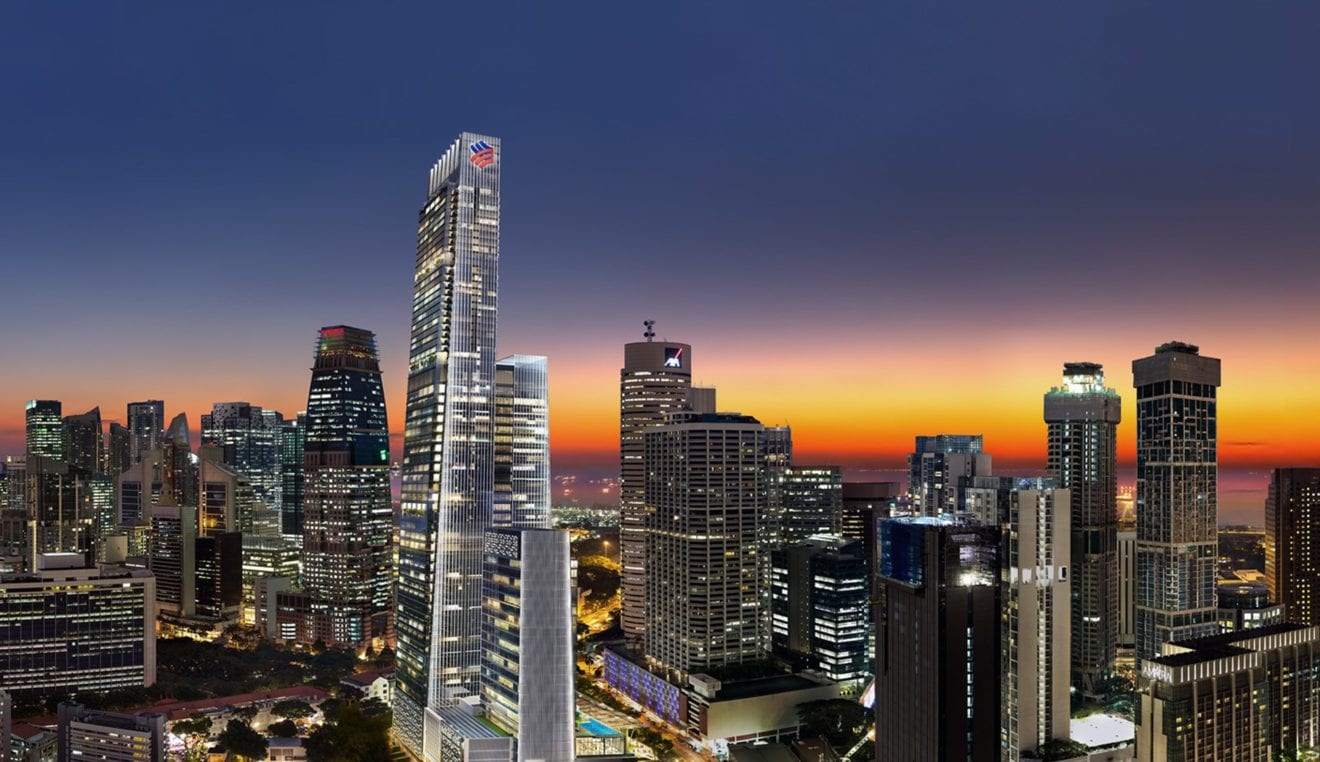
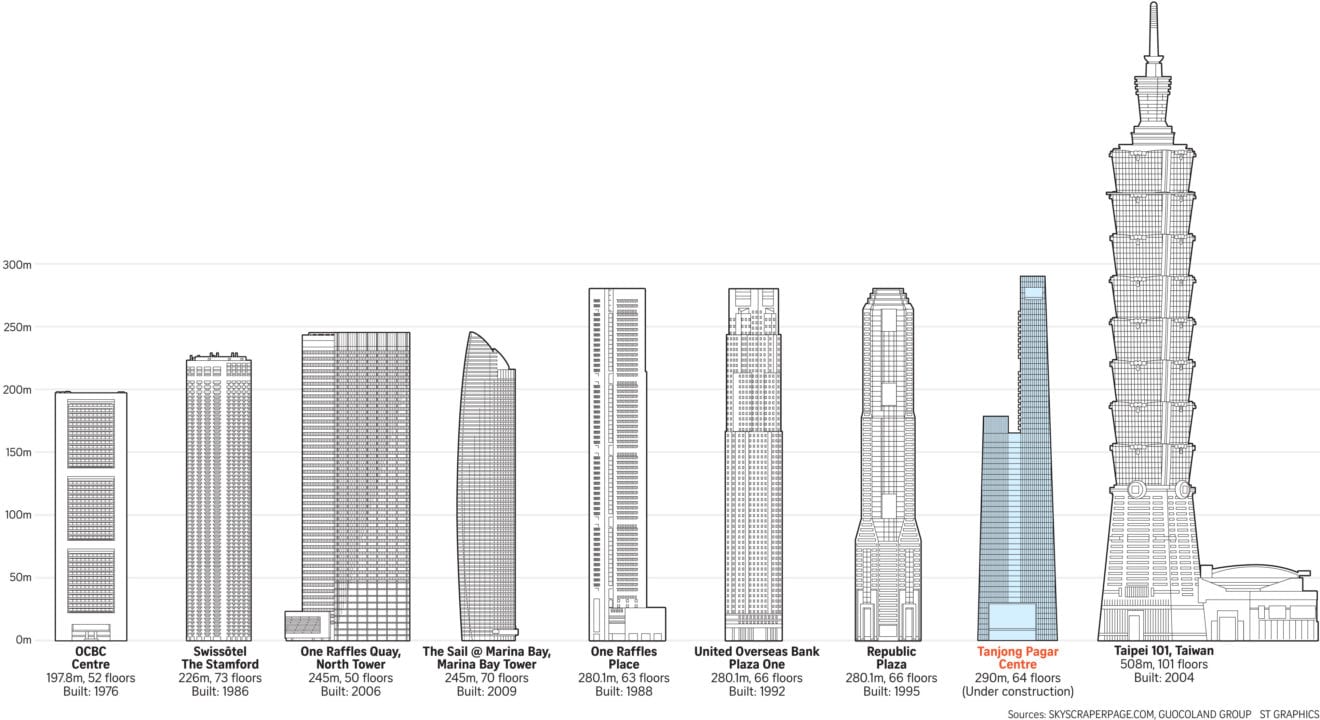
    It’s a record that has held for more than 20 years but by the middle of the year, Tanjong Pagar Centre will claim the title of the tallest building in Singapore – even if it is by just 10m.

    At 290m, Tanjong Pagar Centre will tower over the central business district, displacing UOB Plaza One, One Raffles Place and Republic Plaza, which had jointly held the title.

    The three buildings are about 280m tall – One Raffles Place was completed in 1988, UOB Plaza One in 1992 and Republic Plaza in 1995.

    But the buildings here pale in comparison to some of their overseas counterparts. The tallest building in the world is the 829.8m Burj Khalifa in Dubai; nearer home in Taiwan, Taipei 101 reaches 508m, almost double the height of Tanjong Pagar Centre.

    Last week, Tanjong Pagar Centre’s developer GuocoLand held a topping out ceremony, with National Development Minister Lawrence Wong as guest of honour.


    Sources: SKYSCRAPERPAGE.COM, GUOCOLAND GROUP ST GRAPHICS

    The 64-storey development, which cost $3.2 billion, comprises Guoco Tower, or 890,000 sq ft of Grade A office space; 100,000 sq ft of retail and food and beverage space; a 100,000 sq ft urban park; a 181-unit luxury residential component Wallich Residence; and the 222-room Sofitel Singapore City Centre hotel.

    The take-up rate at Guoco Tower is about 10 per cent. Tenants who have signed on include DNB Asia, Hong Leong Bank, Open Link and Regus. The company is in advanced discussions with tenants who could potentially form another 40 per cent of demand.

    While the office leasing market is not as exuberant as several years ago, there is still activity – from companies looking to upgrade, contract or expand, GuocoLand Singapore managing director Cheng Hsing Yao told reporters yesterday.

    Many interested parties are looking for half a floor, or a floor or two, and they tend to sign on closer to when the building is completed and they can see the product, he said.

    The retail component is 60 per cent committed, with gym operator Virgin Active as the anchor tenant.

    As for Wallich Residence – which was recently renamed from Clermont Residence, to honour its street address – 16 units have been sold since its soft launch at an average price of about $3,200 per sq ft.

    But while the building is the tallest in Singapore, Mr Cheng said it was not given a lofty name because GuocoLand wanted the building to reflect its surroundings.

    “It goes back to why we were interested in this piece of land… It is geographically in the heart of the district, which has offices, residences and hotels, and heritage shophouses… The name will grow and we are confident that we will create a transformation in Tanjong Pagar,” he said.

    And now that the building is close to completion, Mr Cheng said he had seen the view from the top and “it was really amazing”.

  • Hang Lung’s Chan Says Hong Kong Property Market Healthy

    Hang Lung’s Chan Says Hong Kong Property Market Healthy

    Hang Lung Group Ltd.’s Chairman Ronnie Chan said Hong Kong’s property market, which began a correction last quarter, is the “healthiest” he’s seen in 25 years.

    Speaking in an interview Monday with Bloomberg Television, Chan said a price decline of 10 percent to 20 percent in Hong Kong’s housing market is “no big deal.” Chan also said the residential property market in mainland China is getting “healthier and healthier,” after data showed that home-price gains are spreading to more Chinese cities, especially smaller ones.

    Chan’s optimism on the Hong Kong market comes against a backdrop of slumping prices in the city. Secondary residential prices in Hong Kong dropped 6.9 percent in the fourth quarter of 2015, the biggest quarterly slump in seven years, according to data from Centaline Property Agency Ltd. Home sales in December fell 32 percent to HK$29.8 billion ($3.8 billion) from a year earlier, the Hong Kong Land Registry said Jan. 5.

    Hang Lung, which is listed on the Hong Kong Stock Exchange, invests in property in Hong Kong and mainland China through its subsidiary.

    Chan’s outlook for the China retail market was less bullish. He said a combination of falling rents, a weakening domestic economy and the slowdown in retail sales, especially for high-end luxury, created a “triple whammy” for Hang Lung’s shopping malls in the mainland.

    He said that retail outlets in Shanghai and Beijing will weather the storm better than in second and third-tier cities, which “are being hit pretty hard.” One of those cities is Dalian, where Hang Lung just opened a new 2.4 million square foot shopping center.

    Still, Chan said the longer-term prospects for China retail are good.

    “If anything in the economic world is sure, it’s going to be consumerism in China,” he said. “In the long run we are okay, it’s just in the short run it is very very difficult.”