Tag: Property

  • Hong Kong Retail Rents Remain Sky-High Despite Slowdown

    Hong Kong Retail Rents Remain Sky-High Despite Slowdown

    Even as slumping sales force luxury brands renegotiate retail rent prices and close stores in Hong Kong, a new report finds that it’s still the second-priciest place in the world to open up shop.

    According to Cushman & Wakefield’s newly published “Main Streets Across the World” report, Hong Kong’s Causeway Bay area retained its second-place rank after New York’s 5th Avenue as the most expensive retail location globally this year. Causeway Bay retail rent cost an average of US$2,399 per square foot a year, an amount far above the next-highest cost on Paris’ Avenue des Champs Élysées, which came in at US$1,372 per square foot. However, a continued retail sales slump driven by fewer mainland tourists could drop its ranking next year as top luxury brands rethink their Hong Kong strategies.

    The listing comes in spite of several Hong Kong store closings by luxury retailers over the past year that include Coach’s Queens Road Central flagship and TAG Heuer’s Causeway Bay store. Many companies such as Burberry—which is reducing the size of its largest store in Hong Kong—have said they are attempting to renegotiate their rent prices. These include Kering, Prada, and Chow Tai Fook, and more store closings may follow depending on negotiations.

    The report notes that “downward pressure on rents is becoming increasingly evident on the back of weaker retail sales and the slowing in tourist arrivals.” As a result, rents in Causeway Bay fell by 12 percent year-on-year for the period ending in June 2015, while Central, Tsim Sha Tsui, and Mongkok fell by between 11.9 and 13.9 percent.

    Shanghai was the only other location in Greater China to make the list of 65 locations, with West Nanjing Road moving up to 11th place from 12th place last year. Tokyo’s Ginza district and Seoul’s Myeongdong area—both top destinations for Chinese tourists—also ranked high on the list at 7th and 8th, respectively.

    Mainland China is on course to become the world’s largest retail market by 2018, although brick-and-mortar growth is slowing as e-commerce becomes more popular. The report notes that retailers in both Shanghai and Beijing are testing out ways to become “lifestyle destinations” through strategies such as the introduction of food and beverage options. They’re also embracing O2O marketing with special mobile shopping apps and free in-store WiFi. Retail growth is expected to be especially strong for retailers geared toward the middle class as the luxury market remains in slowdown mode, according to the report.

    Because of Tokyo’s success from the influx of Chinese tourists, the report predicts that rents are likely to go up for luxury retailers in the coming year as brands like Burberry, Moncler, and Brunello Cucinelli have pursued store expansion in key shopping districts. In addition to the posh Ginza district, retail rent went up by 20 percent in the Omotesando area over the past year.

    There is a silver lining to the Hong Kong slump, according to the report. It states that Hong Kong’s retail scene is now becoming a “more tenant-friendly environment,” and lower rent levels “will create opportunities for luxury brands and high street retailers to enter the market such as Monica Vinader, Sotheby’s Wine, Claudie Pierlot, Rebecca Minkoff, Perrin Paris, and Filson.”

  • Vista Land takes control of Starmalls

    Vista Land takes control of Starmalls

    Philippine company Vista Land & Lifescapes has paid US$691 million for a controlling 88 per cent stake in property developer Starmalls.

    While both companies are essentially controlled by the family of former Philippine senator Manuel Villar, Vista believes the acquisition will transform it into a fully integrated property developer with continued leadership in horizontal residential projects combined with a sizeable and growing mass market retail mall and BPO platform and the ability to replicate the integrated ‘Communicity’ model across the Philippines.

    “In addition, the company believes that the enhanced scale and stability provided by the acquisition and extensive synergies between the two businesses will strongly benefit the company and its shareholders going forward,” Vista said in a statement.

    Starmalls is a developer, owner and operator of retail malls targeting mass market retail consumers in the Philippines. It focuses on densely populated areas underserved by similar retail malls and within close proximity to transport hubs and key infrastructure.

    It owns and operates 10 retail malls in key cities and municipalities in the Philippines and two BPO commercial centers in Metro Manila, with a combined gross floor area (GFA) of 509,385 sqm. It has another four retail malls and one BPO commercial centre under construction, and plans to grow to over 1 million sqm in GFA via enhancements to existing assets and to over 1.3 million sqm in total GFA including new developments by the end of 2018.

  • Croesus Retail Trust posts flat quarter

    Croesus Retail Trust posts flat quarter

    Singapore-listed Croesus Retail Trust achieved a 17.2 per cent increase in quarterly earnings to $23 million from its Japanese shopping centre investments.

    But that was not enough to change its distribution per unit (DPU) for the quarter, which remained flat at 2.08 cents.

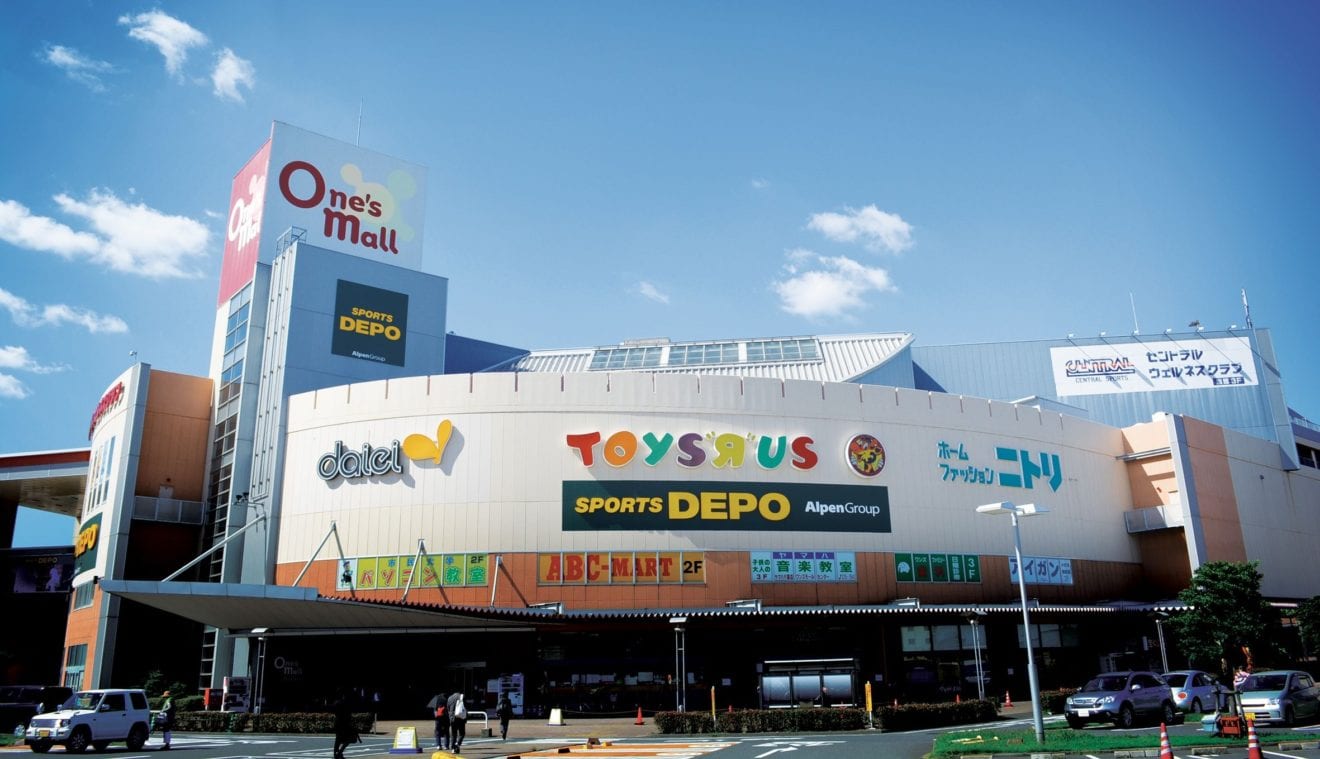
    The retail property investor says its earnings rose on the back of its acquisition of One’s Mall in Chiba and lease renewals at Mallage Shobu in the Saitama Prefecture.

    However, the increase was partially offset by the absence of a one-off income at Mallage Shobu recorded in the first quarter last year.

    Net property income rose 10.7 per cent accordingly.

    CRT has seven retail properties in Japan with a combined net lettable area of about 251,000 sqm.

    The company says competition for buying real estate assets in Japan has been keen over recent quarters, a trend expected to continue in the short term.

  • Chinese tourists deliver record sales for McArthurGlen

    Chinese tourists deliver record sales for McArthurGlen

    Chinese travellers have delivered a record spend for European outlet mall operator McArthurGlen.

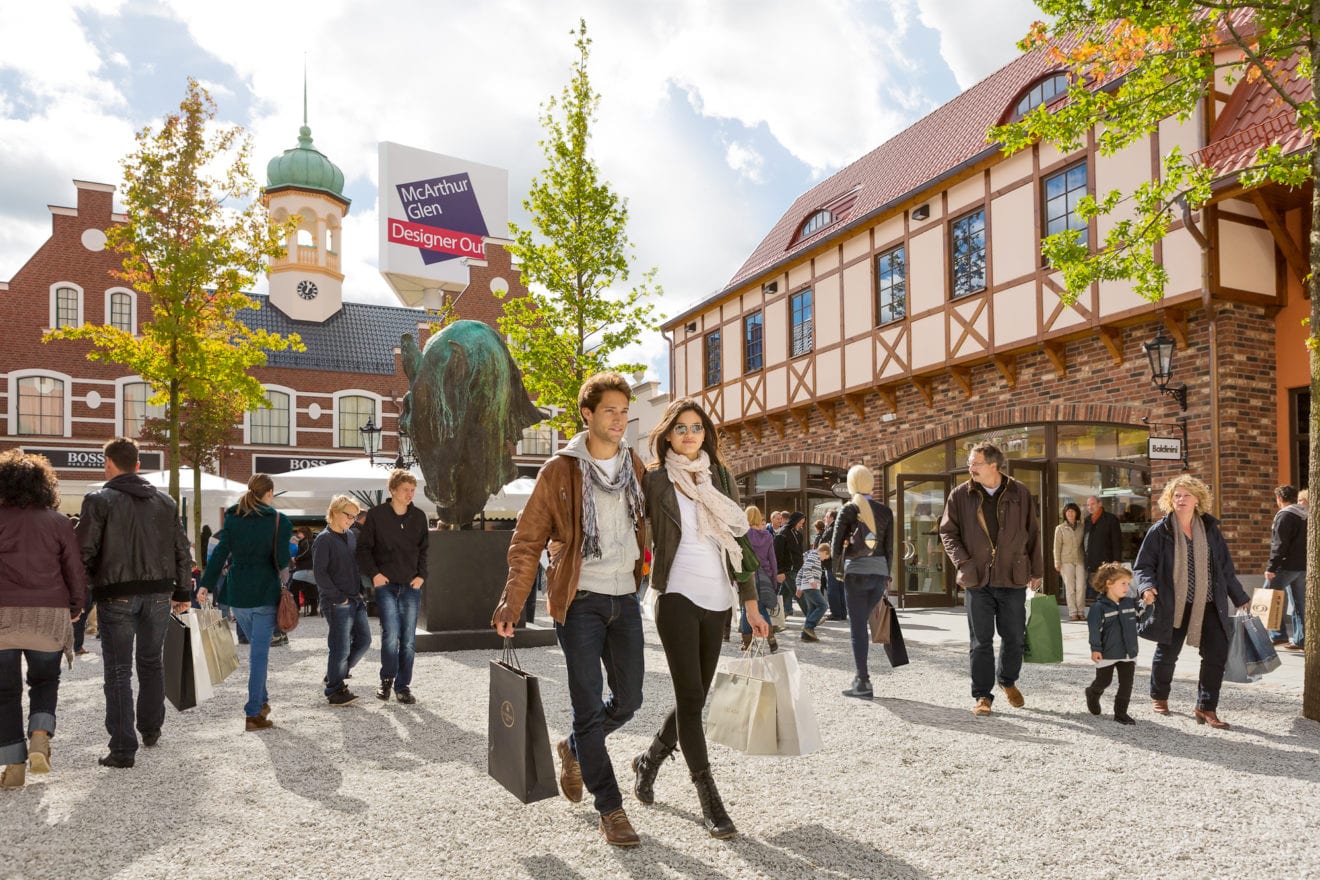
    The company operates 20 Designer Outlets in Europe specifically geared to serve Chinese tourists – and one in China.

    Spending by Chinese customers is growing faster than any other nationality visiting the Designer Outlets. Sales to Chinese travellers increased by 80 per cent in the first nine months of 2015, compared with the same period last year.

    And spending by Chinese shoppers grew more than seven-fold between 2010 and 2014. The centres offer tax free shopping alongside year-round savings of 30 to 70 per cent.

    McArthurGlen’s Designer Outlets offer the largest choice of luxury and premium lifestyle brands in the European outlet market. The centres are home to nearly 3000 stores and 900 brands. At the same time, the centres are part of the local tourism fabric, within easy reach of major European city centres by shuttle bus or public transport, including: Vienna and Salzburg in Austria; Luxembourg, near the centre in Belgium; Lille and Reims (the Champagne region) in France; Berlin and Hamburg in Germany; Athens in Greece; Düsseldorf, near Roermond, its centre in Holland; Florence, Milan, Naples, Rome and Venice in Italy; and Bath, Cardiff, London, Manchester, Nottingham and York in the UK.

    Anthony Rippingale, head of tourism with McArthurGlen, says the company is now heading for yet another record year, welcoming more Chinese shoppers than ever before.

    “As the biggest operator of designer outlets in Europe, our Chinese customers have always been extremely important to us, and even more so now given that they account for nearly one in four euros spent by our international shoppers, and rising. We have also just had our most successful Golden Week ever.”

    McArthurGlen engages with Chinese customers from when they start planning their European trip, whether through our office in Beijing, or through social media in China (including Weibo and WeChat) and its centre websites which are available in Chinese.

    Once Chinese shoppers arrive in Europe, the centres provide Chinese-language maps and guides and UnionPay is accepted in most stores. The most popular Designer Outlets offer special promotions, including limited-edition gifts and additional savings, during key Chinese holidays, namely Golden Week and Chinese New Year.

  • The Boulevard opens at Studio City Macau

    The Boulevard opens at Studio City Macau

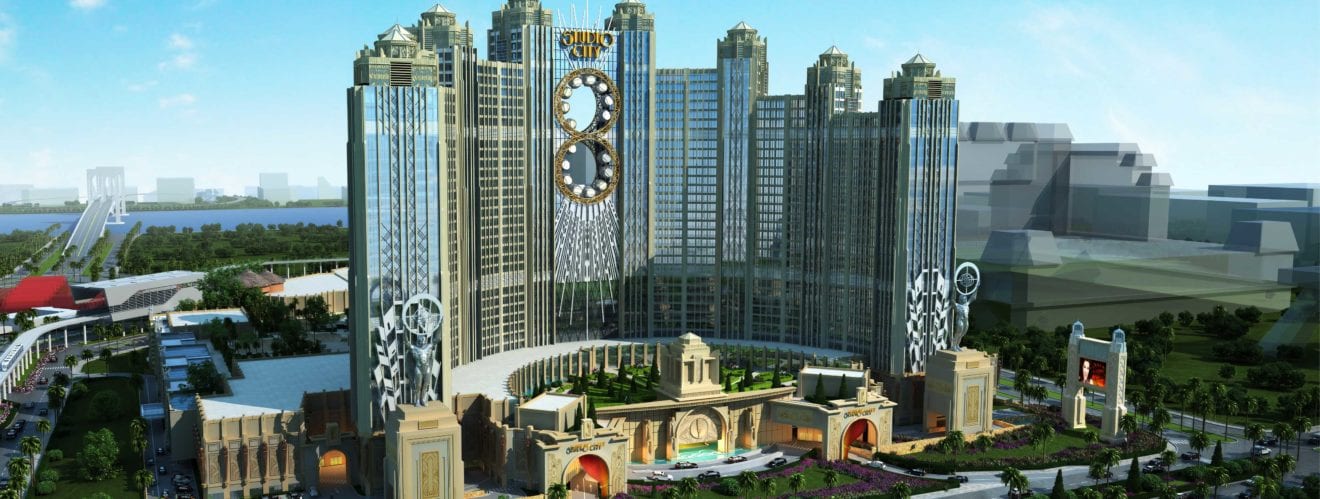
    Two Hollywood legends stepped out at Studio City Macau yesterday to mark the US$3.2 billion project’s formal opening – inlcuding The Boulevard shopping precint.

    Actors Robert De Niro and Leonardo DiCaprio joined Academy award-winning director Martin Scorsese and director and producer Brett Ratner to reveal a historic collaboration in a short film The Audition – a Hollywood production tailor-made to promote Macau’s new destination.

    Academy award-winning director Martin Scorsese and Hollywood legends Robert De Niro as well as Leonardo DiCaprio  revealed the making-of Macau’s first Hollywood production “The Audition”.

    Studio City is a Hollywood-inspired cinematically themed entertainment, gaming, retail and leisure destination, the retail mall named The Boulevard, and managed by Taubman Asia.

    René Tremblay, president of Taubman Asia, says The Boulevard brings an “unparalleled shopping experience” to Macau.

    “The Boulevard features high-energy streetscapes with the thrilling feeling of being in a studio back-lot, with featured streets and squares inspired by iconic shopping and entertainment locations, including Beverly Hills and New York’s Times Square. In this unique space, Taubman Asia delivers a mix of contemporary luxury and bespoke shopping options, all artfully curated by our team of experienced retail experts that has spent years carefully researching the market and creating an experience tailored to the needs of Macau’s many visitors,” said Tremblay.

    Macau in the spotlight for press conference of mega Hollywood short film “The Audition,”  attracting over 300 media from all over the world.

    “As Taubman Asia’s first project in Macau, The Boulevard is strategically positioned to capture the vast retail opportunity of Macau’s preeminent leisure and tourism market. We’re confident in our partnership with Melco Crown Entertainment and the opportunity Studio City holds for Taubman Asia.”

    Meanwhile, the short film launched last night and screening publicly from today, is led by Scorsese and depicts De Niro, DiCaprio and Brad Pitt playing themselves as they vie for the same part in a fictitious movie.

    Studio City Casts a Global Entertainment Spotlight 4

    “When we first envisioned building a cinematically-themed integrated resort in Macau, we wanted to bring the best of the best of entertainment to the world,” said Lawrence Ho, co-chairman and CEO of Melco Crown Entertainment.

    “[So] it made perfect sense to commission a star-studded Hollywood production to fully conceptualise our goal to reimagine entertainment for Asia. We are extremely proud that we were able to work with the world’s greatest director and actors who are true icons of Hollywood, to successfully produce the first Hollywood movie for Macau.”

    The four mega Hollywood stars completed the Chinese title of “The Audition” in Chinese calligraphy; and presented it to Studio City to commemorate the occasion.

    Melco Crown Entertainment’s co-chairman James Packer added: “Studio City’s official opening represents a key milestone in our strategy to develop Macau as a truly world-leading tourism and entertainment destination, I am extraordinarily proud of what we have achieved here.”

  • Robinson Thailand plans more border stores

    Robinson Thailand plans more border stores

    Thai department store chain Robinson says it will open outlets in planned special economic zones to encourage cross-border trading.

    The Central Retail Corporation subsidiary says it will open a new Lifestyle Centre at Mae Sot in the Tak province, on the border with Myanmar. It follows a similar store which opened in Mukdahan, on the border with Laos, last year.

    “These stores are being built to take greater advantage of cross-border trade,” CRC international business director, and Robinson president Alan Thomson said in an interview published in The Nation.

    “SEZ projects are good initiatives but will take time to develop and for us to realise any opportunities,” he said.

    CRC operates 42 department stores in Thailand; and two more in Vietnam – one in each of Ho Chi Minh City and Hanoi – which trade under the Robins brand name. Its 15 Lifestyle Centres are additional to those.

    In the interview, Thomson talks about the company’s performance in Vietnam to date, its plan to add a well known US apparel brand to its store-in-store brand portfolio next year and how the company is coping with the stagnant Thai economy.

  • Olympia Plaza mall planned for Phnom Penh

    Olympia Plaza mall planned for Phnom Penh

    A new US$60 million, seven-story shopping centre is to be built in downtown Phnom Penh, the capital city of Cambodia.

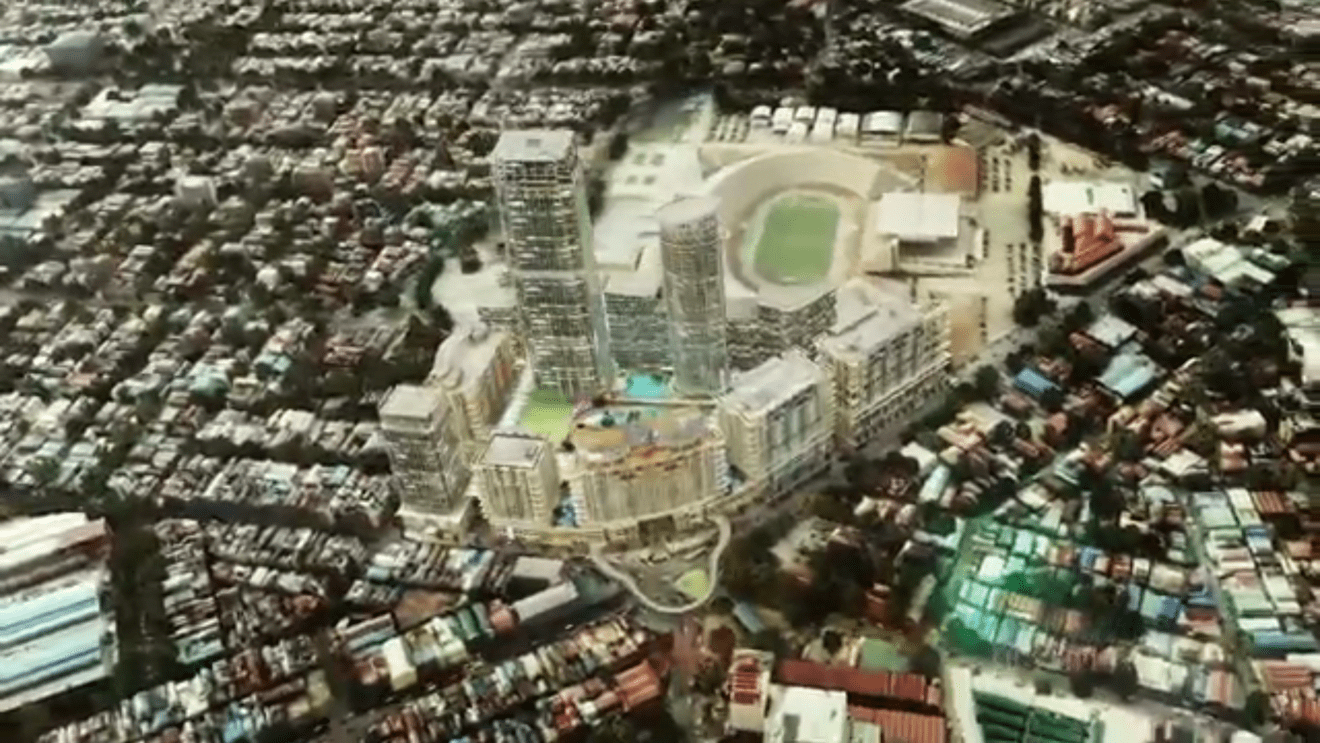
    Olympia Plaza will be built by Overseas Cambodia Investment Corporation (OCIC), to be located inside its mixed-use Olympia City project in central Phnom Penh.

    “We will invest $60 million in construction costs alone to build Olympia Plaza,” said Touch Samnang, deputy director-general of OCIC.

    “If there are no changes in the plans, [the mall] will be finished by the middle of 2017.”

    The centre will have 100,000 sqm of retail space for lease. Anchors and details of property management, have yet to be revealed.

    Construction has already commenced.

  • Bright spots on the retail property horizon

    Bright spots on the retail property horizon

    Singapore’s retail market has been experiencing a drop in sales values. Tourism arrivals and the ongoing labour shortage against the backdrop of an additional reduction in the foreign dependency ratio effective July 2013 are considered some of the key drivers behind this, along with weaker economic sentiment.

    However, the outlook is not all doom and gloom.

    One bright spot is mixed-use developments within the Central Business District that are proving to be very popular among retailers. Offering offices, residences, hotels and retail podiums within landmark new developments in prime CBD locations such as South Beach, Tanjong Pagar Centre and Downtown Gallery (part of a mixed-use property) has been extremely popular with retailers, given the enormous current catchment and the forecast catchment growth in line with the “Live, Work, Play” guidelines.

    Changing consumer attitudes and preferences are other positive aspects of the retail scene and one that is very popular is the healthy lifestyle theme. Taking the CBD as an example, we have seen a huge influx of gym operators – from large-format mega gyms to more bespoke fitness boutiques. This is being followed by growth in the sports apparel market and healthy food options as people take note of their lifestyle choices.

    BACK TO BASICS

    For the retail market to bounce back we need to not only look forward, but also look back at the underlying principles of retailing. While the global retail environment is moving at a frantic pace, the adage of “location, location, location” is still salient today. The key in all retail markets is ensuring that the retail offer is suitable for the catchment profile of its location: Are the customers looking for ease- of-convenience retail or the experience of a retail destination and does the tenant mix reflect this?

    Given the number of retail malls in Singapore and the difficulties highlighted, retail locations that do not meet these parameters or are secondary in doing so are likely to face further difficulties with increased voids (empty shops) and downward pressure on rentals given the large amount of retail space available and economic headwinds.

    During difficult retail cycles, new trends often arise as landlords seek to address occupancy levels and adapt their retail offerings. Over the past few years, we have seen an increase in pop-up stores, where retailers are able to occupy space on short-term agreements. These pop-ups allow existing retailers to experiment and new retailers to test products without the financial commitment that a standard lease requires. Trends like this are beneficial to the marketplace as they create differentiation and attract consumers to retail locations. Voids breed voids so temporary stores are an important option for landlords, and this is something that JLL envisages growing as traditional lease occupancy rates fall in certain locations.

    TENANT MIX IS KEY

    Ultimately, a key aspect in creating successful retail locations is a strong, differentiated and relevant tenant mix. Singapore has seen numerous new-to-market brands and this trend looks set to continue, with JLL working with many such operators.

    Alongside sourcing the correct real estate, one key factor for any new-to- market brand is the rent and lease terms. JLL is seeing a correction in rents in response to market conditions but in some cases lease terms remain prohibitively rigid.

    Creating flagship stores requires high capital expenditure, which must be depreciated and as such longer lease terms are required; redevelopment, relocation and performance clauses make this depreciation difficult in some cases and impossible in others. While this is not reflective of the entire marketplace, increased flexibility in lease terms is equally important for short-term temporary leases as it is to attract the world’s leading retailers – which is key for a vibrant and differentiated retail market.

    With the exception of true convenience locations, malls can no longer just be places to purchase goods. A successful retail tenant mix must also allow social interaction and enrichment to encourage repeat visits, increased dwell time and subsequent increased retail spending.

    Flexibility to attract leading international retailers, temporary stores, new start-ups and more social interaction often comes at the expense of immediate rental values. For such exercises, a long-term view is required as the upfront cost of repositioning/amending the tenant mix must be balanced against sustaining a long-term income and the overall increased appeal of retail locations.

    Tourism arrivals and economic conditions are undoubtedly affecting retailers’ sales but from a real estate perspective, retailers and their business models are also adapting to changing consumer behaviour and market sentiment.

    One outcome of ever-changing technology is that many retailers are reducing their footprint as a result of e-commerce. Historically, increasing the number of stores was one of the key weapons of a retailer in raising market share by presenting its brand to consumers in numerous locations. A strong online presence now allows retailers to ensure that their brand is never out of consumers’ minds and consumers can research, browse and purchase on the go, which ultimately means certain retailers require fewer stores than before.

    Physical stores do continue, however, to play a very important role in brand building, service, loyalty and, of course, point of sale, but their nature is adapting. JLL is seeing an increase in “brand pavilions/flagship stores” that are used by retailers to showcase the very best of the brand and are located in the prime retail locations. These stores are used alongside an online presence to build brand positioning and awareness and they allow customers to feel and try products. In many cases, the newest technology – think virtual fitting, 3D printing, etc – is utilised to maximise consumer experiences. As a result, JLL foresees demand for prime retail space growing to meet these requirements, although this is complicated by the small size of the Singapore prime market.

    To summarise, the Singapore market has been experiencing difficult times with a drop in sales volumes and the impact upon real estate is being exaggerated by the frenetic pace of change in retail itself. The most successful landlords and retailers will be those able to embrace these changes and JLL expects to see some exciting changes in the future. We do, however, foresee further downward pressure on rentals and an increase in vacancy levels in certain locations as retailers downsize their store numbers.

  • Miu Miu moves in after Marc Jacobs quits space

    Miu Miu moves in after Marc Jacobs quits space

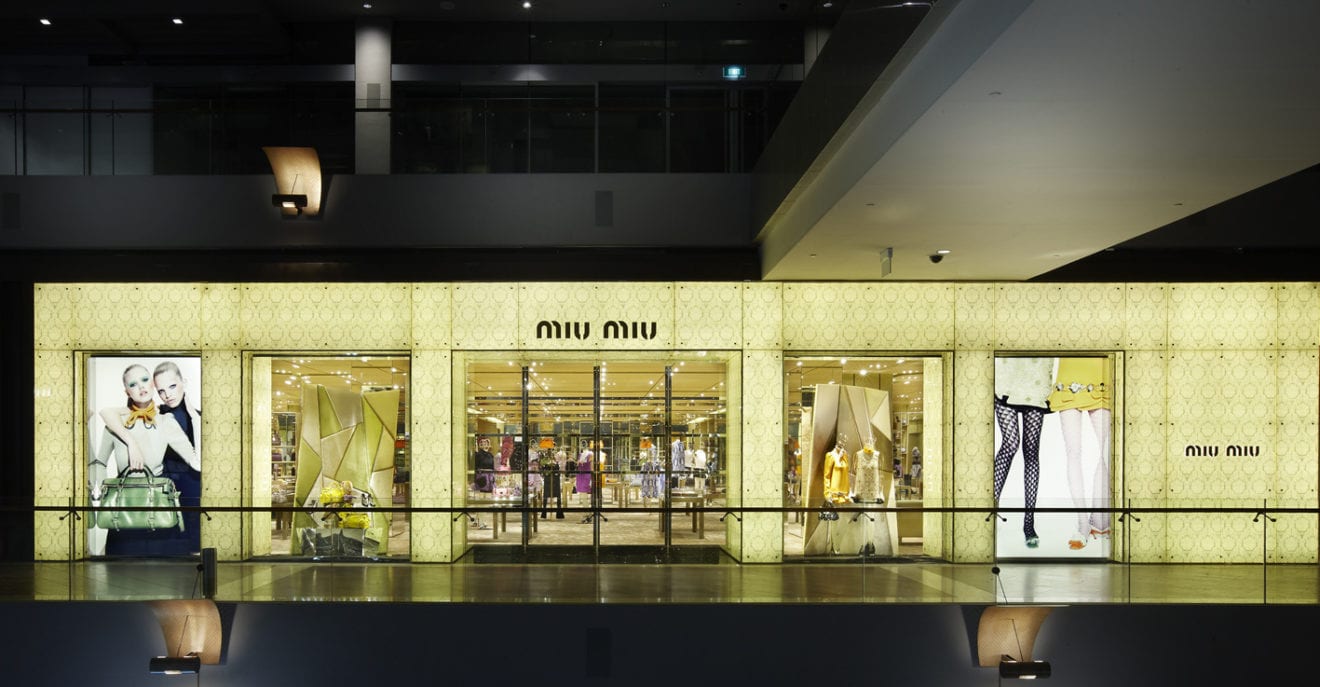
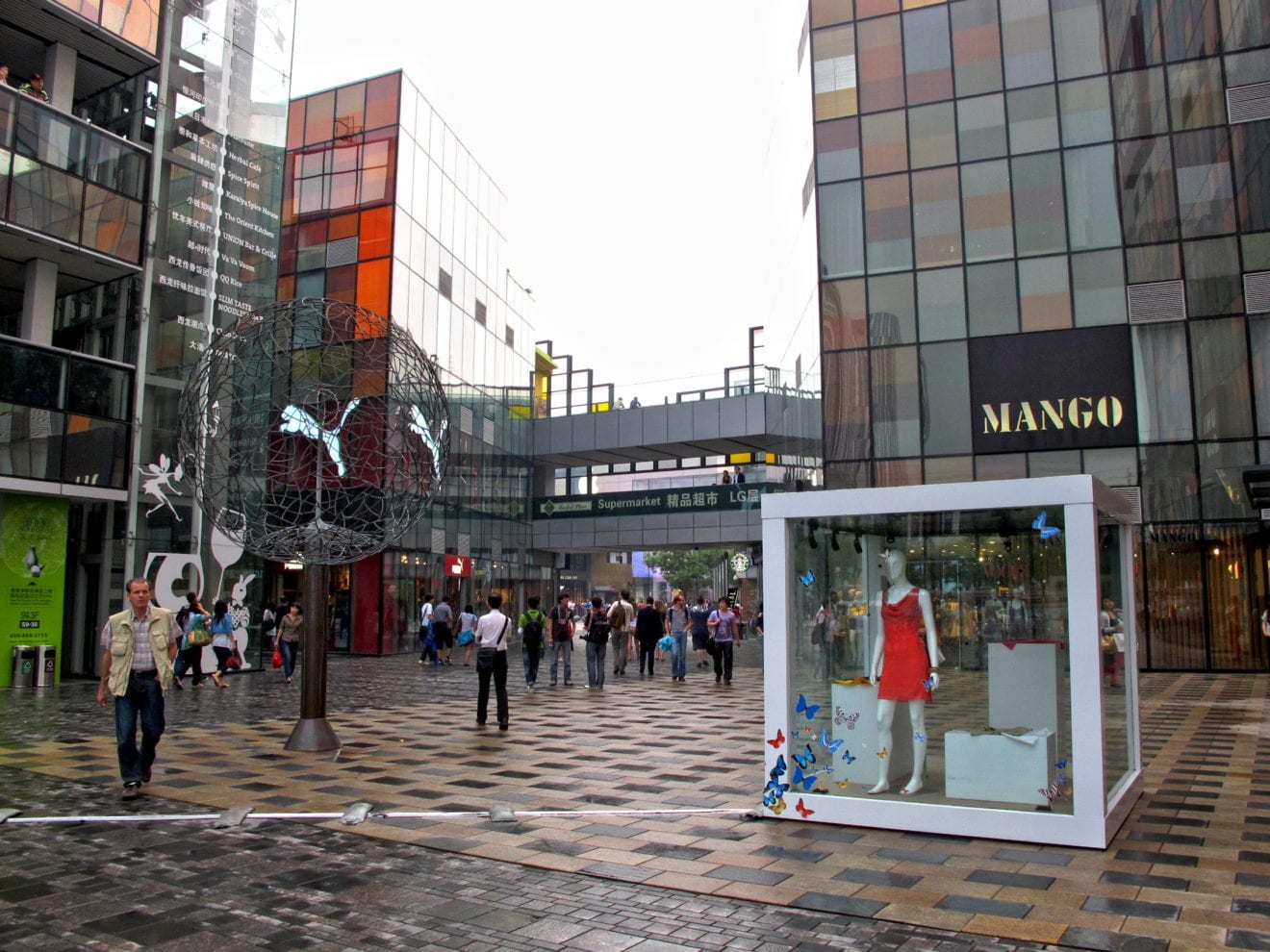
    Fashion brand Miu Miu is taking up a shop formerly occupied by Marc Jacobs on Canton Road in Tsim Sha Tsui, in the musical chairs of Hong Kong’s retail real estate as thinning crowds of shoppers force brands to look for cheaper alternatives.

    But experts are not convinced that there are enough brands willing to fill the space vacated by their peers given the dull outlook for the industry.

    Miu Miu, controlled by Prada, will take up the space formerly occupied by LMVH’s Marc Jacobs at Harbour City, according to sources.

    The new shop is expected to open next month.

    It is not clear if Miu Miu will continue to keep its shop at Peking Road, also in Tsim Sha Tsui.

    Landlord Wharf (Holdings) declined to comment. Miu Miu was unavailable for comment on Tuesday.

    The news of the relocation comes a month after sports brand Adidas leased the shop in Central that used to be occupied by US luxury brand Coach. Coach closed the shop in August in the wake of a drop in the number of mainland Chinese visitors to the city.

    Adidas has rented the 13,000 sq ft shop for HK$4.34 million a month, according to the Land Registry – 22.5 per cent less than the HK$5.6 million Coach was paying.

    “For prime areas like Canton Road, landlords do not worry about finding tenants,” said Michael Chik, the managing director of agency Sheraton Valuers, which focuses on retail shops transactions.

    But there are some landlords – especially those who do not own first-tier street shops – who are failing to attract tenants. “The fact is that some companies are consolidating their network in Hong Kong,” he said.

    Hit hard by slower growth in tourist arrivals and a drop in luxury sales, retailers are facing a challenging environment. Some have asked landlords to cut rents while others are opting to relocate.

    Since last year, luxury retailers have been struggling in the wake of Beijing’s anti-corruption measures, economic slowdown on the mainland, a weakening of Asian currencies and changing travel patterns of mainland Chinese.

    The city’s retail sales by value fell 5.4 per cent in August from a year earlier, after a decline of 2.9 per cent in the previous month as tourist arrivals slowed.

    “Despite several movements in the market, this is a fantastic opportunity for fast-fashion and sports-fashion-related sectors to capture some prime opportunities that have not been available in the market for many lease cycles,” said Tom Gaffney, the head of retail at consultancy JLL.

    Gaffney said he believed such “movements” would lead to a more sustainable retail landscape in Hong Kong.

    Chik said he expected landlords at Canton Road to come under pressure to cut rents when a number of leases expire at the end of the year and early next year.

    Leases of at least 10 shops on Canton Road will expire between next month and next year.

    Lease of the Puyi shop at 116-120 Canton Road will expire next month. Chik said the retailer, which has another shop on the same street, would give up the shop when the lease expired. Puyi leased the 1,000 sq ft shop three years ago for a monthly rent of about HK$1.7 million.

    Asia Commercial Holdings rented three shops at Manley House on 86-89 Canton Road in 2011 for a monthly rent of about HK$6.3 million. The retailer has been planning to sublet one shop with an asking rent of HK$1.3 million aimed at reducing rental pressure. But it had yet to find a replacement, said Chik.

    “When there is vacant shop, landlords of shops on that street will feel the pressure,” said Chik, who said he believed rents for new leases on Canton Road would be 30 per cent below the old leases.

    Retail high street rents in Causeway Bay, Tsim Sha Tsui, Central and Mong Kok went down by 26 to 43 per cent in the third quarter from their peak levels in the fourth quarter of 2013 and during lease renewals compared to the last rent a few years ago, according to a report by DTZ/Cushman & Wakefield.

    This article appeared in the South China Morning Post print edition as Miu Miu moves in as Marc Jacobs quits space

  • Suntec City officially reopens after S$410m revamp

    Suntec City officially reopens after S$410m revamp

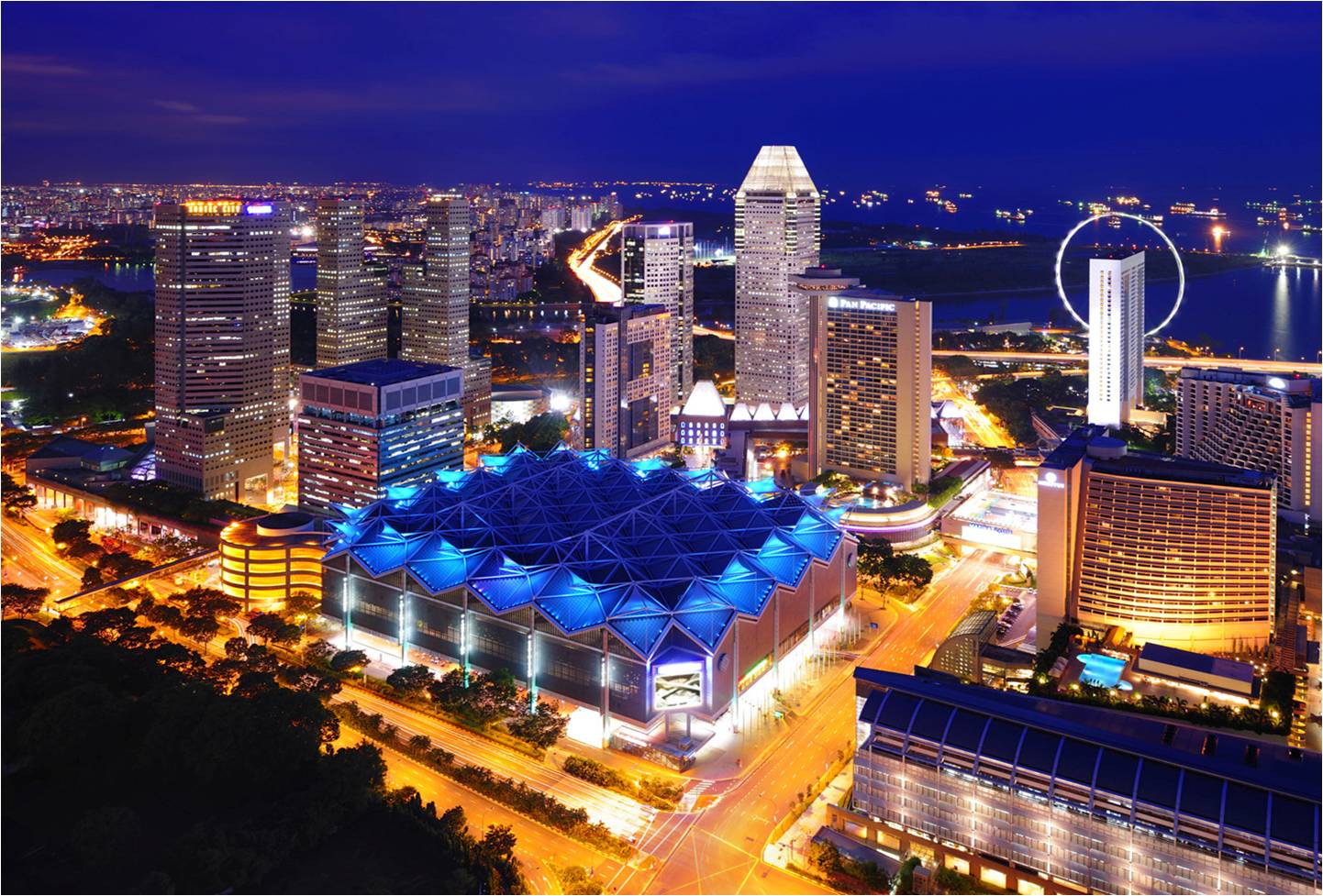
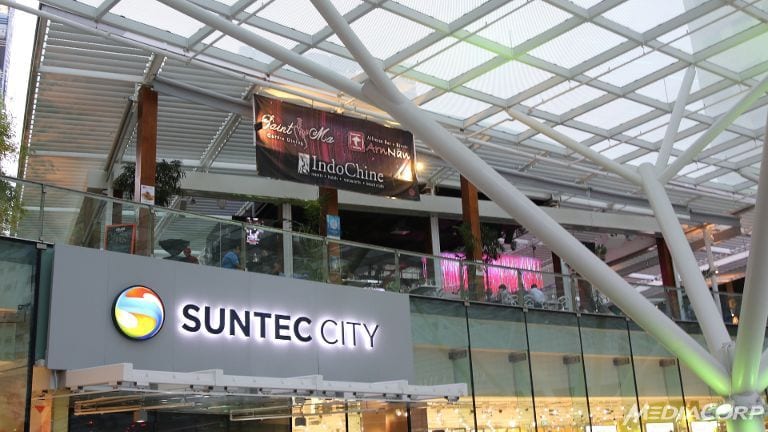
    Suntec City officially reopened on Thursday (Oct 22) following a S$410 million enhancement.

    In a press release, ARA Trust Management (Suntec) Limited, the manager of Suntec REIT, said enhancement works began in June 2012 and were completed in June this year.

    The works involved decanting low-yielding spaces and converting levels one and two of the Suntec Singapore Convention & Exhibition Centre for retail use. The retail footprint now covers close to a million square feet.

    “Today marks an important milestone for Suntec City as we celebrate its official opening,” said Mr Yeo See Kiat, chief executive officer of ARA. “Through this transformation, Suntec City is now a more vibrant and exciting destination with new retail offerings and experiences for everyone.”

    The event was attended by Minister for Social and Family Development Tan Chuan-Jin. To mark the occasion, Suntec REIT chairman Chew Gek Khim presented a cheque donation of S$200,000 towards President’s Challenge 2015 beneficiaries.

  • Flyspaces wants to be Southeast Asia’s Airbnb for office and retail spaces

    Flyspaces wants to be Southeast Asia’s Airbnb for office and retail spaces

    Flyspaces bills itself as “Airbnb for office and retail spaces.” The idea is to build a network of offices, meeting rooms, and commercial spaces that businesses and entrepreneurs can lease for short periods or whenever they need them.

    This concept isn’t new, of course. In the US, several startups like Liquidspace and Storefront are dealing with work and retail spaces. There’s also Breather, which lets users stay in quiet rooms where they can work in peace or just breath and chill out, as the name implies.

    But Flyspaces claims to be the first to bring this concept to Southeast Asia. “The idea is already a working model internationally. I just localized it to Southeast Asian markets. I decided to do it ‘cause I myself went through the pain of finding office spaces in Manila, Singapore, Kuala Lumpur, etc, and I’ve noticed the total lack of flexibility,” says founder and CEO Mario Berta.

    Mario, who comes from a sales background, served as regional CEO for Rocket Internet-backed Easy Taxi for 2.5 years and Nova Founders director for six months. He has been based in Asia for six years now, four of them in the Philippines.

    Cherry-picking tenants

    Flyspaces’ entry is timely as the region’s fast growth has heated up the real estate market.

    Citing a report by property consultancy firm Jones Lang Lasalle, Mario says some cities such as Manila and Jakarta have the lowest office vacancy rates in the world – below four percent.

    The huge demand for office spaces has made the market very “pro-landlord.”

    “Landlords can cherry-pick among possible tenants,” he says. “When I was working for Rocket Internet, I had to submit a company profile to every landlord in Manila and I kept being rejected just because the word ‘startup’ was in it. As landlords were afraid of defaulting tenants, they wanted a safe bet. I started labeling it an IT company and finally got a space.”

    As a precaution, commercial landlords would normally ask tenants to shell out six months’ worth of rent as deposit and pay another six months in advance. That lack of flexibility is a challenge for small enterprises and individual entrepreneurs who can’t afford to engage in costly long-term contracts.

    “We want to offer a complete and comprehensive selection of spaces to clients who need them on an hourly, daily, or monthly basis. These clients could be freelancers looking for a better internet connection than a coffee shop, or a company that needs meeting rooms for a couple of hours around town, or a satellite office or brand that is looking to set up a pop-up shop to test a product,” Mario explains.

    For realtors, Flyspaces also offers an attractive proposition: make money out of unutilized space that you need to maintain anyway.

    Expanding footprint

    Since its launch early this month, the company has signed up multinational office space company Regus on its site, as well as several startups providing co-working space in the Philippines, including Aspace, Acceler8, Bitspace, and Penbrothers.

    Apart from the Philippines’ capital Manila, Flyspaces is doing business in Cebu, the country’s second largest city. It will start expanding internationally to all Southeast Asian cities in December, says Mario.

    “We’ve had more than 500 sign-ups in the first seven days,” he said. “Most of these people do not have immediate need for space, but we’ve made a couple of hundreds of dollars in bookings so far.”

    Meeting rooms on the site can be rented for US$10 per hour to US$500 per hour, while offices are leased for US$100 per month per person to US$500 per month per person. Payments can be made via credit card, bank deposit, wire transfer, and soon Paypal. Just like Airbnb, Flyspaces takes a commission of 20 percent of each successful booking.

    Signing up should be a no-brainer for landlords who want to maximize their assets. The challenge for Flyspaces is how to educate the end-users about its service and have them use the platform instead of a normal phone call to landlords to inquire about rooms, says Mario.

  • Aeon Thailand opens first mall in 18 years

    Aeon Thailand opens first mall in 18 years

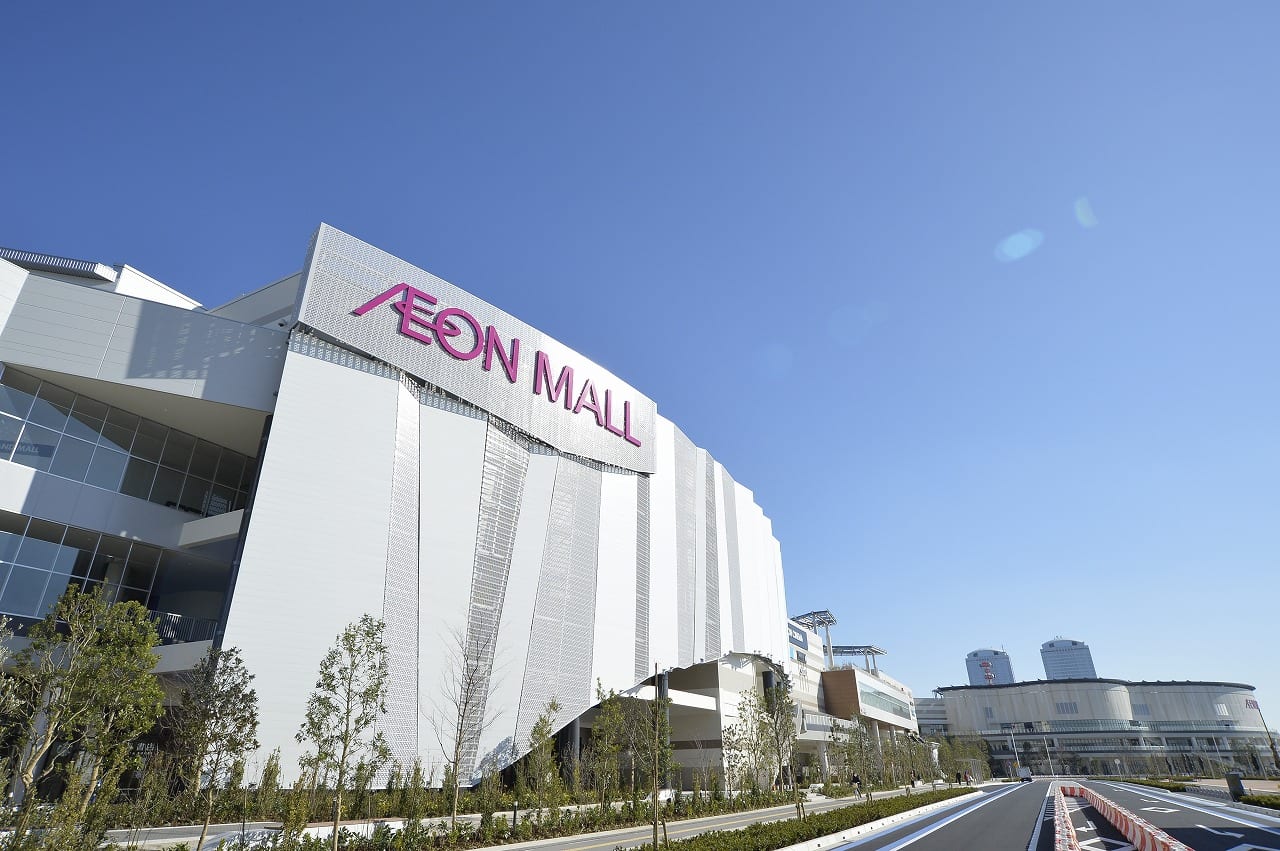
    Aeon Thailand has resumed its property development program – suspended in 1997 – opening a new shopping centre in Sriracha, Chonburi.

    The Japanese property developer and retailer has extensive interests across Thailand and has continued to expand its MaxValu hybrid supermarket-convenience store concept. But this is its first mall property in 18 years.

    The 7000 sqm, three-storey Aeon Sriracha shopping centre opened its doors on Wednesday, with a formal grand opening ceremony planned for October 21. It is anchored by a 24-hour MaxValu and features about 20 restaurants and specialty stores as well.

    The Sriracha complex has a catchment area of about 78,000 people, including a growing number of Japanese expats managing manufacturing facilities in the region, located on the coast about 90 minutes’ drive from Bangkok.

    “Major frequent customers will be Japanese housewives who have free time to shop and dine at our shopping centre,” an Aeon spokesman told the Bangkok Post. “They like shopping in a Japanese ambience.”

    Aeon is opening new shopping malls in Vietnam, Cambodia and Indonesia as part of a concerted focus on Asean as it looks to ways to maintain growth no longer possible in the mature Japan home market.

  • Hong Kong retail rents weaken further

    Hong Kong retail rents weaken further

    Hong Kong retail rents weakened further in the third quarter – and worse is to come, according to CBRE’s quarterly review.

    Against a backdrop of a seven per cent fall in watch and jewellery sales in July and August combined, there was an increase in lease surrenders by luxury brands and high-value retailers on tier one streets, the review said.

    “Overall rents in core locations slumped 9.1 per cent quarter on quarter, the largest quarterly decline recorded since 1998.”

    Among the four core submarkets, rents in Causeway Bay fell the most severely – by 11 per cent quarter on quarter – taking the total year to date decline to 22 per cent.

    “Rents in Central, Tsim Sha Tsui and Mong Kok declined by 9.2 per cent, 7.0 per cent and 7.6 per cent quarter on quarter, respectively.

    “Mid-range retailers are attempting to regain their foothold in prime locations. Cosmetics retailers, sportswear brands and fitness centers were the most active sectors in Q3.”

    Joe Lin, executive director, retail services, CBRE Hong Kong​ said the top tier retail market led the deterioration.

    “The shift in mainland Chinese tourist spending patterns coupled with slower tourist arrivals continued to erode confidence among luxury retailers. This resulted in more cases of lease surrender and rental cuts for tier one street shops by jewellery and luxury retailers. We expect the rental downcycle to continue in Q4.”

    Lin predicts average rents for space in core retail locations will continue to decline in Q4, with the full year rental downward adjustment for 2015 projected at between 20 and 25 per cent.

    “Non-luxury retailers are set to be the main driver of retail leasing demand in Hong Kong.

    “Leasing transactions signed over the past two quarters at lower rents in tier one streets will set new benchmarks for lease negotiations in the coming months.”

  • ShenYang MixC Mall opens

    ShenYang MixC Mall opens

    CR Land recently celebrated the opening of its ShenYang MixC Mall in China’s Liaoning Province.

    The centre’s opening completed a 30 month design and delivery partnership with The Buchan Group’s Shanghai studio.

    MixC Mall in Shenyang 2

    “CR Land’s design brief was to attract the local office and residential communities, particularly Gen Y and young families, by providing an elegant and efficient mall design that would also function as ‘a place to celebrate,’” said principal David MacLeod.

    “This allowed us to be more playful with our built forms and lighting when designing the interiors.”

    MixC Mall in Shenyang 1

    As a result, The Buchan Group was able to integrate strong ceiling, lighting and floor patterning to provide precinct differentiation, as well as creating a bold, unified design intent that tied the elongated centre together.

    The five-level ShenYang MixC Mall is anchored by a major entertainment and food precinct at the uppermost level, and extends two levels below ground to a fast fashion precinct connected to basement car parking and MRT hub, making the mall the major component in one of the largest mixed–use projects in the city.

    The Buchan Group provided integrated interior architecture and interior design services to all public mall areas, as well as a number of specialised customer service facilities.

  • Massive opportunity for China retail investment

    Massive opportunity for China retail investment

    China retail is “rife with opportunity” for retail and property investment according to a new report released at China Mall 2020.

    Taubman Asia, a subsidiary of US mall REIT Taubman Centers, and Mingtiandi, China’s leading source of retail intelligence, released at the Hong Kong China Mall 2020 conference today a white paper with industry-leading insights on the future of China’s retail sector. The report analyses the challenges and opportunities for retail in the world’s second largest economy and provides a holistic overview and insights on the swift growth and dynamics of Chinese consumer behaviors over the past 15 years.

    “China is uniquely positioned to build a modern, connected, and relevant retail real estate sector by 2020,” said Michael Cole, executive editor of Mingtiandi, and managing researcher for China Mall 2020.

    “China’s malls of the future will be those that embrace powerful new technological capacities made for digital marketing and incorporate smart design elements to meet increasing consumer and retailer needs – differentiating the retail experience.”

    Specifically, the report discusses several key drivers that will inform the future development and success of Chinese malls, including:

    • Shopping center designs will need to be rethought to accommodate shoppers looking for cultural and social experiences as much as for visitors looking to tick items off their shopping lists;
    • Integration of digitally-enabled strategies, such as online-to-offline (O2O) and big-data level resources will be needed to bring management of offline retail on par with online competitors;
    • Adoption of mobile technologies, to meet consumer demand for on-the-go research in stores, will be needed to keep in tune with a market of mobile-connected shoppers; and
    • Mall development, including innovative leading strategies that bring together the right mix of retailers at a pace that matches the increasing urbanisation of China and is able to anticipate the evolving needs and expectations of the Chinese consumer.

    René Tremblay, president of Taubman Asia, said the company has always been optimistic about the growth and untapped potential of the China market, “and we were encouraged to see the results of Mingtiandi’s independent research affirm this view”.

    “We believe the industry is undergoing its first stage of evolution, and we are well placed to lead the development of this next generation of malls in China – leveraging our 65 years of international development and design experience, as well as our robust local team.”

    He said that while media reports often focus on how the macro environment has played a key role for a shopping slowdown sweeping the country, China Mall 2020 forecasts the sustainable growth of Chinese consumption, and suggests the cause of the retail sector’s struggles might lie more on bullish planning and early optimism of some retailers.

    Similarly, while addressing the threats of an online retailing boom, the in-depth study showcases how traditional retailers and mall developers are on their way to fine-tune their marketing strategies, leveraging new technologies to drive more business.

    Guohua Zhang, China MD of Taubman Asia said the retail scene in China is becoming increasingly sophisticated.

    “Instead of viewing external forces as threats, many malls in China are utilising a powerful mix of digitally enabled strategies that leverage mobile, social platforms and big data together with traditional marketing approaches. These kinds of innovations are critical to our approach for the market.”

    China Mall 2020 also analyses how the unique social context in China has evolved shopping malls from a shopping oriented destination to a public space cultivating social and cultural experience for the Chinese population.

    The full report is now available for download on the Taubman Asia China Mall 2020 website. Taubman Asia, the sponsor of the project, is an active leader in retail real estate in the region. Its portfolio in China includes two CityOn lifestyle projects underway in Xi’an and Zhengzhou and The Boulevard at Studio City in Macau, which will open in October 2015. The company also owns Hanam Union Square in Greater Seoul, opening late 2016, and manages operations for the IFC Mall in Seoul which opened in August 2012.