Retail News CRM

Tag: Property

  • Singapore’s Changi seeks retail tenants

    Singapore’s Changi seeks retail tenants

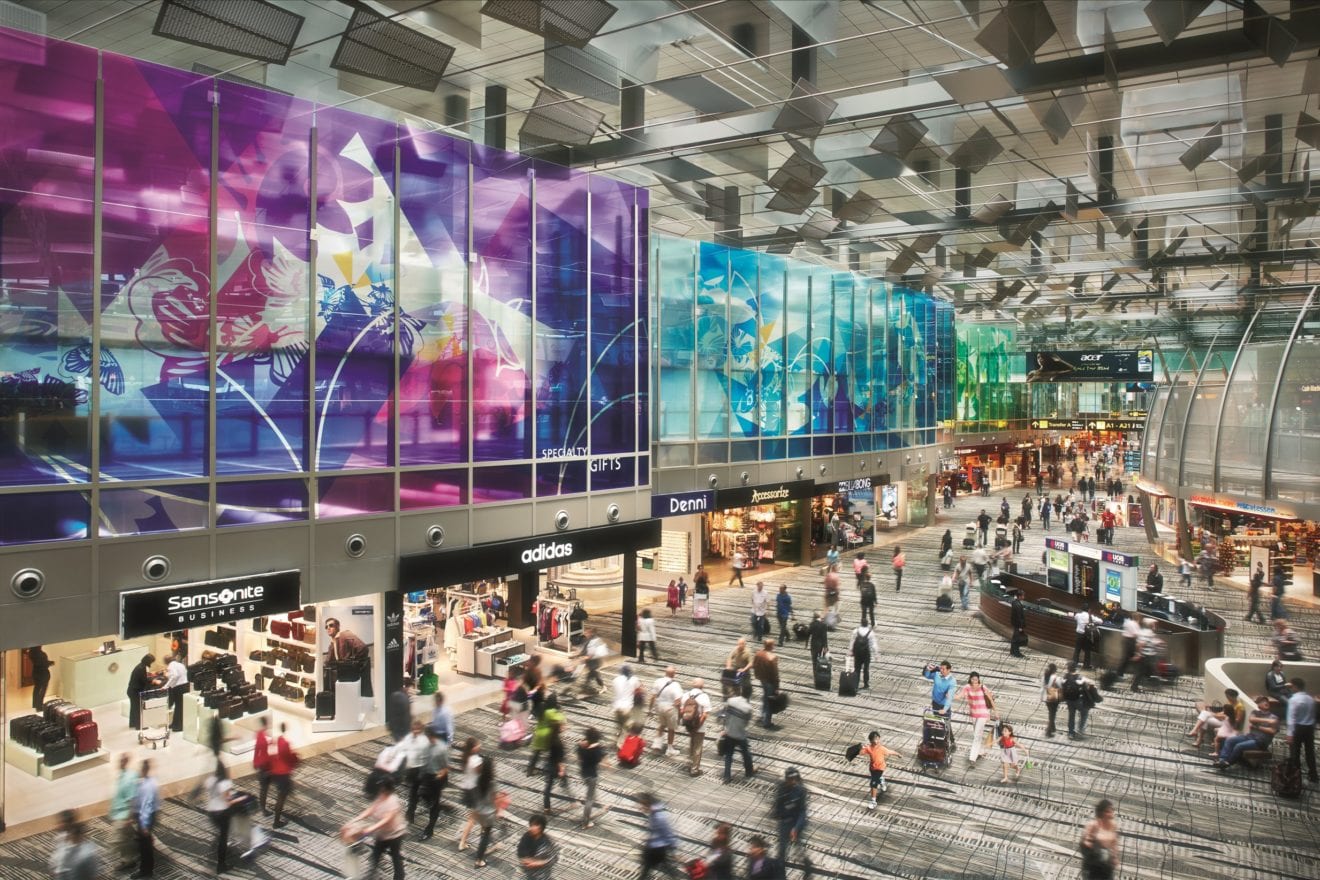
    Changi Airport is seeking new retailers for concessions in Terminals 2 and 3, along with food and beverage operators.

    The airport has a fashion concession available in Terminal 2 within the departure/transit lounge area for which it says it is seeking a multi-brand boutique from a retailer capable of delivering “a luxurious shopping experience”.

    The space is 519 sqm with a contract period of three years. Changi says the space can incorporate store-in-store concessions for individual brands.

    In Terminal 3 it has an open category concession, meaning it is open to approaches from retailers in any category. That 25.4 sqm space is on Basement 2 in the northern end of the terminal, and also has a three year term.

    “We are looking for brands with proven track record over the years that will differentiate the retail offering at Terminal 3,” said CAG in its documentation.

    Submissions close on September 21.

    Meanwhile, the airport is seeking a range of food and beverage operators – including Chinese restaurant, a food court solution and a canteen.

    The deadline for submissions for these spaces range from September 28 to October 15.

  • Burberry, Gucci at Macau

    Burberry, Gucci at Macau

    Burberry, Prada and Gucci head a list of international fashion brands progressively opening at The Promenade shopping centre in the Galaxy Macau.

    The Promenade is part of the stage 2 development of the integrated resort, which opened its doors on May 27. But a number of retail spaces were not complete.

    But on Friday, high-flying British luxury apparel brand Burberry opened its new store there – its third in Macau. And Gucci will follow later this month.

    Prada will open a store at The Promenade in October.

    UK fashion brand Daks and Japanese denim labels Evisu and Moussy will also open stores soon, according to the Galaxy Entertainment Group.

    Louis Vuitton opened a store last month.

    “We are excited to be welcoming top luxury brands to Galaxy Macau for the first time, connecting our increasingly discerning guests with the most iconic retail brands from around the globe,” said Kevin Clayton, chief marketing officer of Galaxy Macau.

  • Ananda Development PCL unveils Q Chidlom-Phetchaburi

    Ananda Development PCL unveils Q Chidlom-Phetchaburi

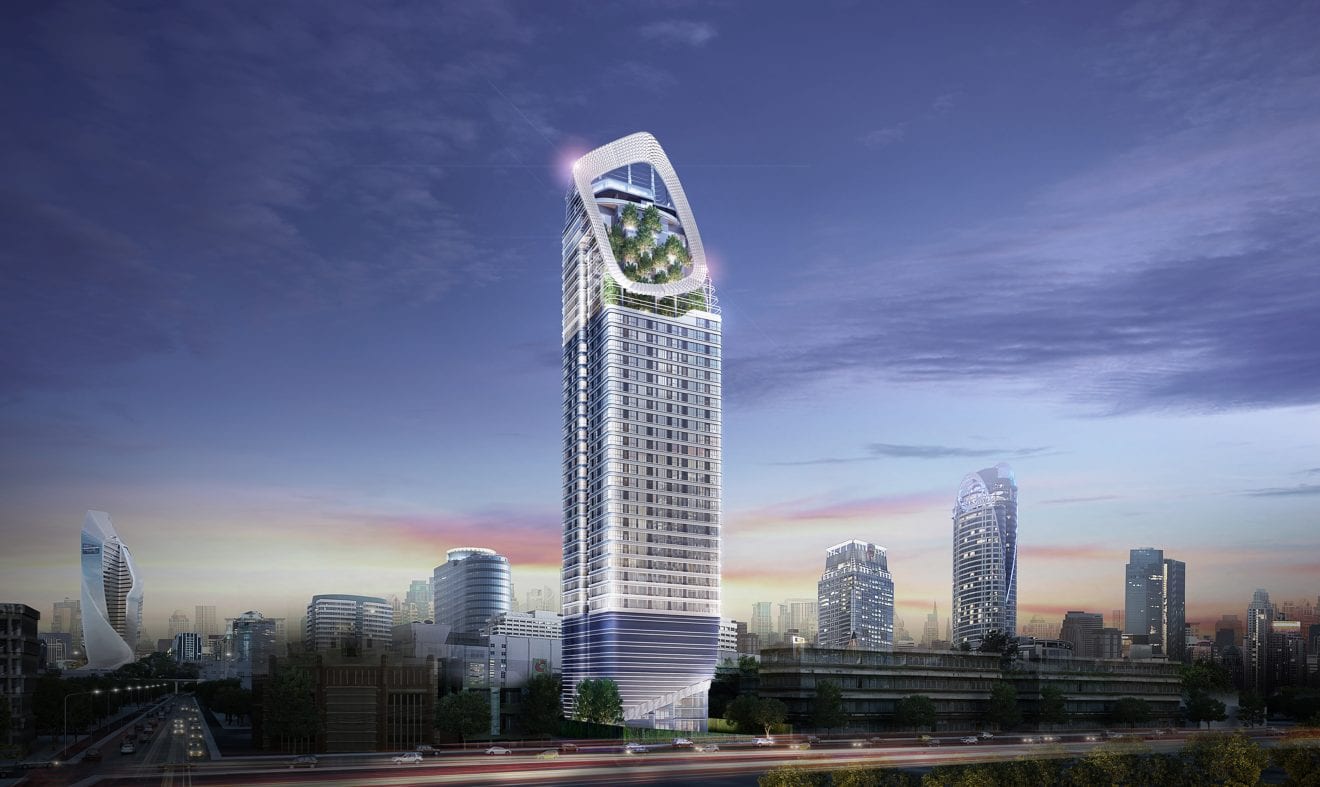
    Ananda Development Public Company Limited, Thailand’s leadingresidential condominium developer, is launching its latest project, “Q Chidlom-Phetchaburi”. Presales for the new condominium will take place during the weekend of 18th-19th September at the Park Lane Hotel in Hong Kong. With its exclusive facilities overlooking stunning cityscapes and spacious residential units, the high-rise condominium complex embodies the epitome of Bangkok’s urban living.

    Q Chidlom-Phetchaburi is a 42-story luxury lifestyle condominium which boasts 352 residential units. With a car park and lobby on the ground floor and exclusive residential facilities on the top 3 floors of the building, Q Chidlom-Phetchaburi caters to the needs of modern Asian investors who aspire for a higher quality of life. These amenities include a library and co-working space, a stylish social club, gardens, fitness centre, a swimming pool and separate Turkish Hot Tubs for men and women.

    Nestled in the heart of Bangkok’s downtown Chidlom District, residents at Q Chidlom-Phetchaburi will find themselves within easy reach of the city’s high-end shopping malls, including Siam Paragon, Central Embassy or Central Chidlom.

    Q Chidlom-Phetchaburi is the newest developmentunder brand Q by Ananda, which aims to create a brand new condo concept that seamlessly melds together personal life, work and play. Following its presale roadshow on 12th-16th August at the Siam Paragon shopping mall, Ananda launched its show unit in the Q Gallery near BTS Ratchathewi, where prospective buyers and the public can take a glimpse of what’s in store for the development.

    Chanond Ruangkritya, CEO of Ananda Development PCL states: “We, at Ananda Development PLC, are extremely proud to present our newest project Q Chidlom-Phetchaburi, which will set the benchmark for luxury lifestyle condominiums of the future.”

  • Dalian Wanda, Suning plan store rollout

    Dalian Wanda, Suning plan store rollout

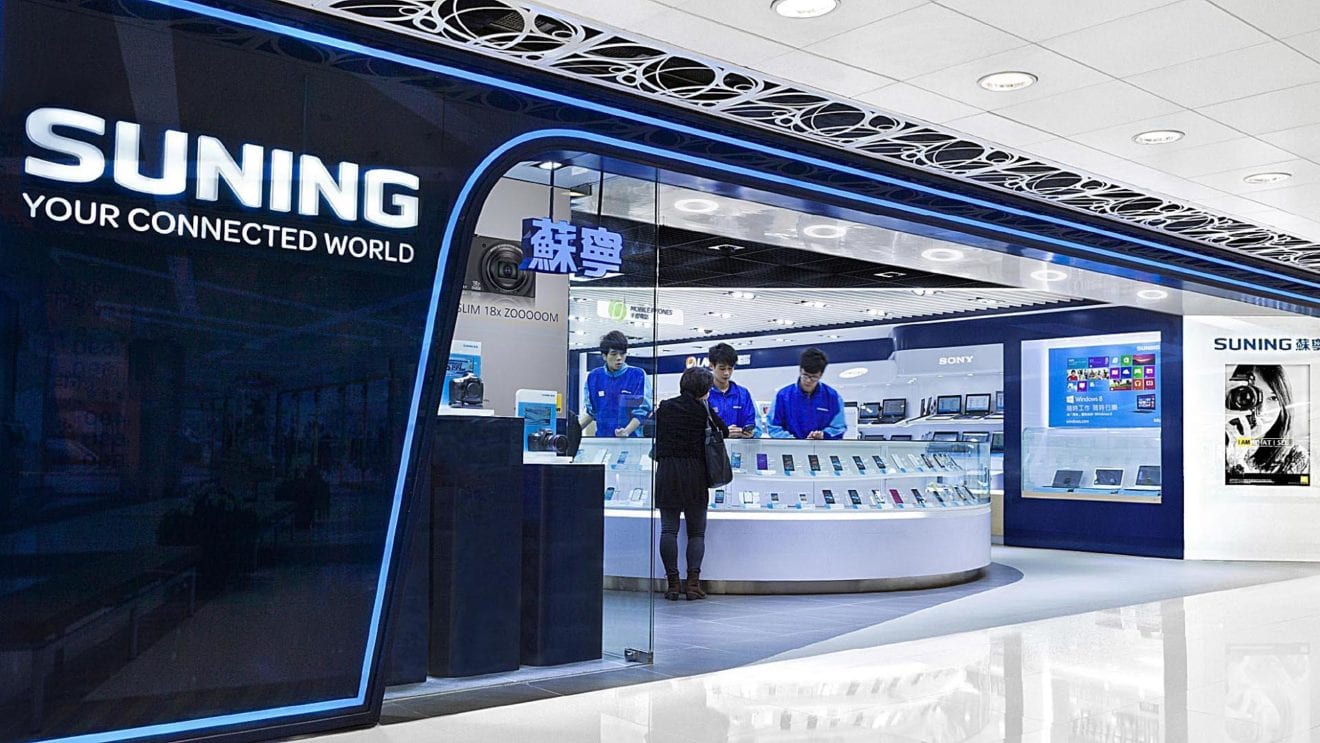
    Mall operator Dalian Wanda Commercial Properties is partnering with Suning to open electronics stores at Wanda Plazas throughout the Mainland.

    The partnership will see 40 stores open by the end of this year with more planned for next year. Suning, now 20 per cent owned by Alibaba Group, currently has a network of 1600 stores throughout China.

    Dalian Wanda has 100 Wanda Plaza shopping centres in China currently and plans to add 35 by the end of this year.

    The company is changing nature from its original model as a department store operator into a services-based company. It recently announced the closure of its Superstar karaoke chain as well as some of its less profitable department stores.

    The company owns the AMC cinema chain in the US, Hoyts in Australia and China’s largest network of movie theatres.

  • Warning bell for the end of Hong Kong’s 12-year property rally is ringing louder

    Warning bell for the end of Hong Kong’s 12-year property rally is ringing louder

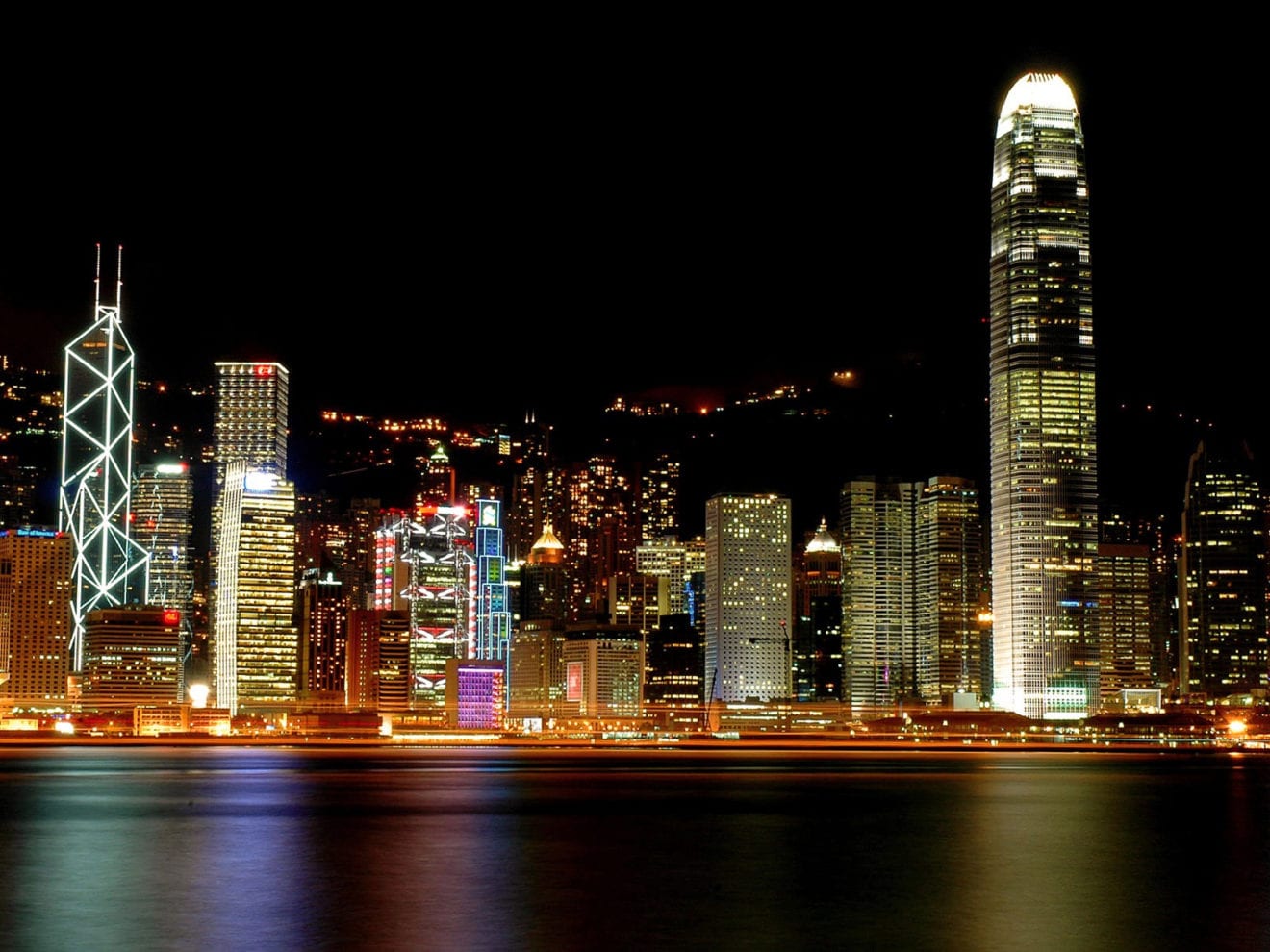
    The warning bell signalling the end of Hong Kong’s 12-year property rally is ringing louder with more experts predicting that the stock market rout and economic uncertainties at home and abroad will accelerate a price correction.

    Analysts widely expect home prices could fall as much as 10 per cent this year. Hong Kong home prices have risen 9.8 per cent since January after soaring more than 360 per cent from 2003.

    “The worrying factor is Hong Kong’s economy, especially the retail market. Some retailers will be forced to close their business or cut staff if the coming Christmas holidays fail to lift sales. It will certainly affect the home buying desire,” said Alvin Cheung Chi-wai, an associate director at Prudential Brokerage.

    He notes the increasing number of transactions recently sold for below market price in the secondary residential market.

    “It is a reverse trend. Previously, flats in the secondary market kept setting records. Today, vendors have to lower their asking prices on rising expectations home prices are going to fall,” said Cheung, who expects home prices could decline 10 per cent next year.

    His forecast comes in the wake of JP Morgan predicting flat values could drop 5 to 10 per cent a year over the next three years.

    The number of flats in the secondary residential market changing hands at steeper discounts is also on the rise. Such cases were seen from blue-chip housing estates in Taikoo Shing to mass-market homes in Castle Peak Road in the New Territories.

    One case in point was a 714 sq ft unit in Taikoo Shing – the most actively traded housing estate in Quarry Bay – which sold on Sunday for HK$12 million, or HK$16,807 per square foot, 6 per cent below prevailing transaction prices, agents said.

    A 572 sq ft unit at Belvedere Garden in Castle Peak Road sold for HK$4.98 million, or HK$8,706 per square foot, according to Louie Lui, a senior manager at Centaline’s Belvedere Garden branch.

    “It is the lowest price in terms of per square foot in the past 12 months,” he said.

    Buying sentiment may further be hit after UBS lowered its year-end target for the stock market’s Hang Seng Index to 19,775 points. The blue-chip index closed 3.28 per cent higher at 21,259.04 points yesterday.

    “Now, as we have seen a combination of the three pillars of Hong Kong’s economy weakening (tourism and re-export) or showing signs of weakness (property), along with decelerating economic growth in China, we believe our ‘black-sky’ scenario could be a better portrayal of the challenges in the current environment,” UBS said.

    Eva Lee, a property analyst with UBS, said stock market turbulence would certainly affect buying confidence.

    “But it is not a key factor to trigger a price correction. The property market outlook still hinges on the performance of our economy,” she said. The brokerage house forecasts home values will fall 5 to 10 per cent this year.

    Morgan Stanley said home prices would decline 5 per cent from the current level to the end of this year and remain flat next year.

    Joseph Tsang, the managing director of property consultancy JLL’s Hong Kong office, believes the worst-case scenario for the mass-market home sector would be a decline of 5 per cent next year because demand remains solid.

    “Development cost for mass residential projects is HK$12,000 to HK$13,000 per square foot. I believe downside risk for unit pricing not exceeding HK$15,000 per square foot will be limited,” he said.

    On September 5, Kowloon Development’s special financing scheme helped to boost the sale of its Upper East development in Hung Hom. It sold 328 units or 89 per cent of the total over the weekend.

    The developer launched the first batch of 368 flats at prices as low as HK$3 million. Buyers will only require as little as a 5 per cent deposit through its scheme of providing second mortgages of up to 35 per cent on top of the bank’s 60 per cent.

    Tsang said the luxury residential sector, particularly for flats worth HK$20 million to HK$100 million, could have room for a 10 per cent downward adjustment once interest rates rose.

    He said individual owners offering flats at discounts had not developed into a trend.

    “There are always some owners who offload their flats at low prices for some personal reasons. But most vendors still have strong holding power and refuse to sell at a low price,” he said.

  • Aeon Hanoi sets opening date

    Aeon Hanoi sets opening date

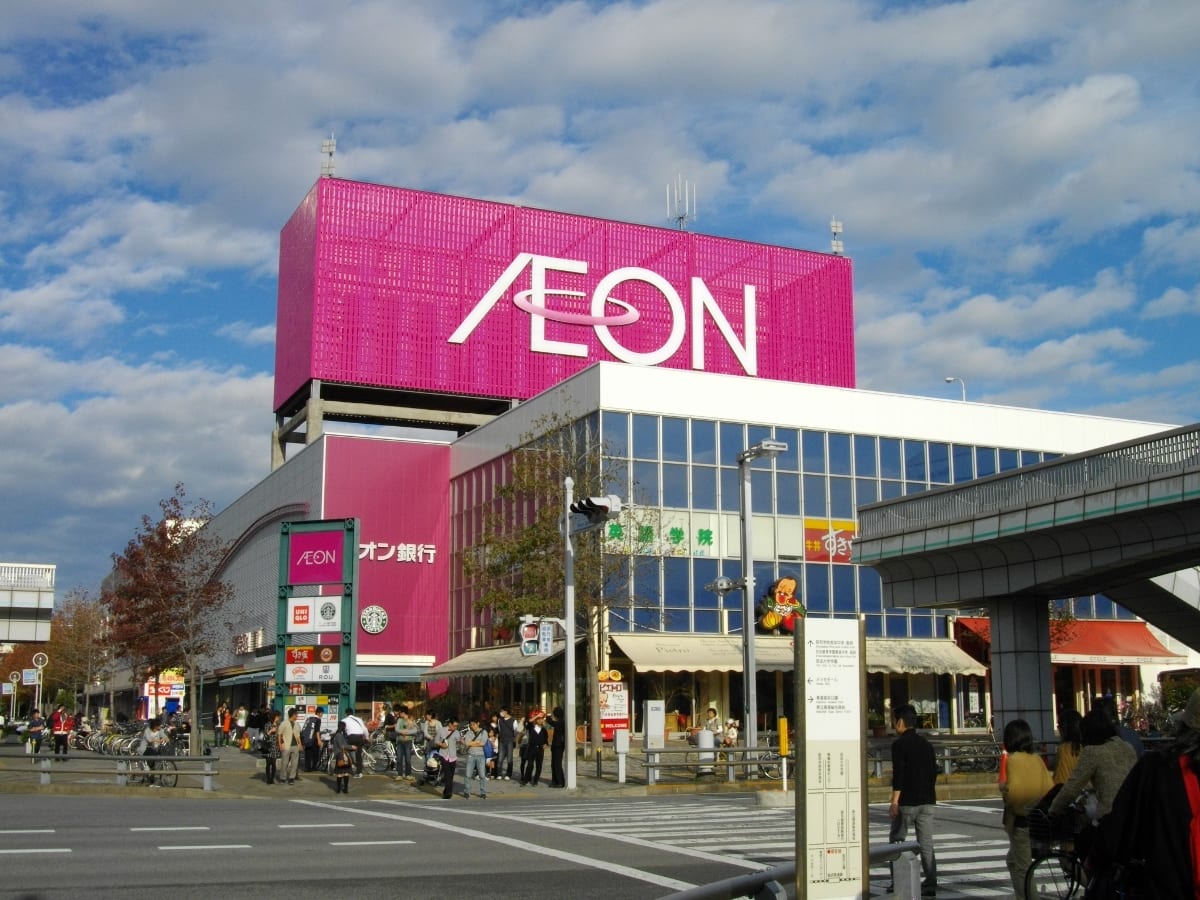
    Aeon Hanoi will open its doors on October 28.

    The Japanese-based multinational shopping centre operate and retailer Aeon says the new centre will host 180 retail stores including its supermarket and department store anchors and a mix of local and Japanese brands.

    Aeon Hanoi will be Aeon’s third store in Vietnam, following its debut in Ho Chi Minh City two years ago, and a second mall in Dong Nai, an industrial city near Ho Chi Minh City. The company has already announced a fourth to be built in Ho Chi Minh City, scheduled to open in 2016.

    The Hanoi mall will cover 9.6 hectares in the suburb of Long Bien.

    Besides its focus on fashion and specialty stores, the centre will host restaurants and a foodcourt serving cuisine from Vietnam, Japan, Thailand and Korea on the third floor.

  • SM Group, Disney seal strategic deal

    SM Group, Disney seal strategic deal

    SM Group is to collaborate with The Walt Disney Company Southeast Asia to bring Disney brands closer to Filipinos through mall, retail, entertainment and amusement opportunities.

    The two companies say they aim to bring Disney, Marvel, Pixar and Star Wars brands to life through “unique Disney experiences at SM’s many leisure and entertainment properties”.

    Fans can look forward to a host of innovative offerings including Disney branded events, promotions and other unique experiences themed around fan-favorite Disney brands and characters.

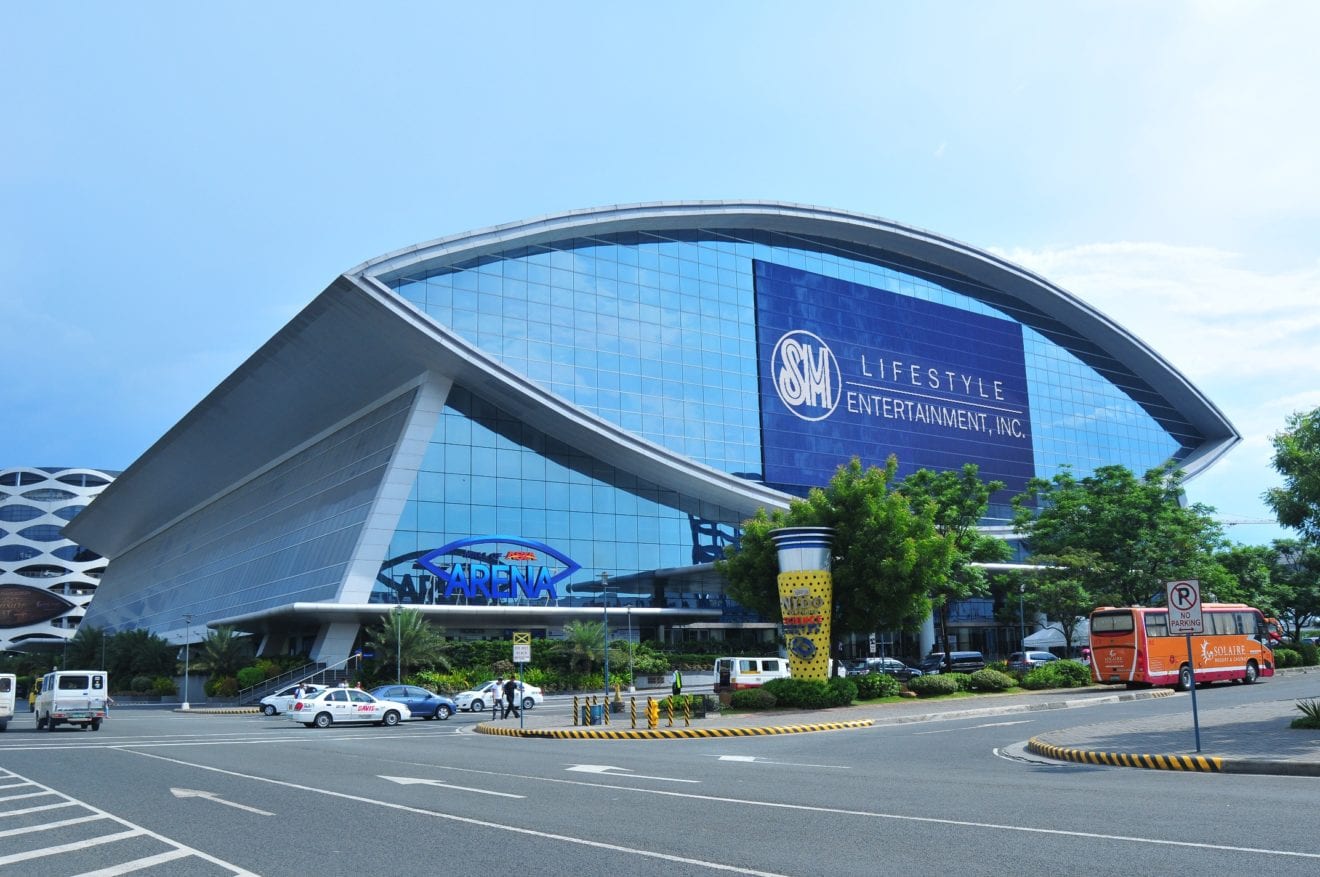
    “We are thrilled to be associated with the iconic Walt Disney Company,” said Edgar Tejerero, president of SM Lifestyle Entertainment.

    “Henry Sy Sr envisioned and purposed a second home for Filipinos across the nation where they can create memorable bonding activities with their families through amusement facilities, retail centers, and food establishments, all found in one mall. Sixty-five years later, and with 52 malls across the Philippines, it had just been high time that SM forged an official collaboration with the best family entertainment company in the world,” Tejerero said.

    Rob Gilby, MD of The Walt Disney Company Southeast Asia, said Disney makes millions of Filipinos laugh and smile with its stories and characters every day.

    “We have worked with the various arms of SM group over the years and today we are delighted to announce our collaboration on a comprehensive plan to create magical moments and memories that will last a lifetime for fans across the Philippines.”

    SM says it has synergised the efforts of all its subsidiaries – including SM Supermalls, SM Markets, The SM Store, Toy Kingdom, and its lifestyle and entertainment arm, SM Lifestyle Entertainment – to produce a complete and one-of-a-kind Disney experience for its patrons: from the moment they enter the mall to watch a movie, to the time they purchase their favourite snack and Disney merchandise. Patrons can also take their SM Cinema and Disney experience with them home, or wherever they go, through the newly launched Blink app.

    As a precursor to an already successful association, Disney and SM have worked together to bring multiple experiential events to the Filipino families such as the recent Avengers Experience in SM North Edsa, where guests were treated to life-size characters, Avenger-themed games, and a ‘meet and greet’ with Captain America, Thor and Black Widow.

    To officially jump start their partnership, SM and Disney will be launching a “Star Wars Galactic Christmas” to welcome the latest instalment of the movie, “Star Wars: The Force Awakens.” The exhibit will include life-size figurines of characters from the movie, interactive games, and official merchandise from the SM Store and Toy Kingdom.

  • Central Pattana plans four new malls

    Central Pattana plans four new malls

    Thai shopping centre operator Central Pattana has announced plans for another four or five shopping malls to be completed by 2018.

    The company says it has allocated THB30 billion (US$838 million)  for the new properties – which it says are in addition to a raft of previously announced planned properties.

    Central Pattana is the listed property development subsidiary of Central Group which owns shopping centres the length and breadth of Thailand and in Italy, Germany and China.

    The new malls will be built in the capital city of Bangkok and in larger regional cities. It has already announced plans to build centres in Phuket, Nakhon Ratchasima and Nakhon Si Thammarat.

    “CPN still aims for further expansion in major economic cities, as well as locations with potential business both in Thailand and neighbouring countries to demonstrate its sustainable growth,” said CFO Naparat Sriwanvit.

    Besides its Thai plans, the company is proceeding with a Malaysian joint venture to open a shopping mall in Kuala Lumpur and it is conducting feasibility studies on entering Vietnam and Indonesia.

    Parent Central already operates a Central Department Store in the Indonesian capital of Jakarta and the group has assets including a joint venture electronics chain and a department store in Vietnam.

    CPN runs 26 shopping malls in Bangkok and in major provinces, including Hat Yai.

  • Investors switch to Hong Kong office property market amid troubled outlook for retail sector

    Investors switch to Hong Kong office property market amid troubled outlook for retail sector

    Institutional investors are diverting their capital to Hong Kong’s office property market in the wake of a troubled outlook for the retail sector, where yields have been compressed by soaring asset prices.

    Property consultants expect more big-ticket transactions to emerge in the office investment market over the next 12 to 18 months, with investors targeting en-bloc sales.

    John Davies, an executive director of the Hong Kong institutional investment properties team at property consultant CBRE, said interest in office properties was increasing, given that the retail sector was heading for a correction and the mass residential market was under pressure.

    The office sector had become sought after by both investors and end-users because it had offered “stable but steady growth in rental income” since 2010, he said.

    The solid fundamentals of the office sector, including a low vacancy rate and a lack of major new supply from now until 2020, made investors more confident, Davies said.

    “It is quite interesting to see [office demand from] the financial sector in Central has not grown, but the insurance sector, global sourcing firms and engineering consultants doing a lot of regional infrastructure projects have been expanding in decentralised locations in the past decade,” he said.

    For instance, Kowloon Bay was becoming a favourite address among multinational corporations setting up headquarters in Hong Kong.

    There has been chatter in the market that an investor is in talks with Swire Properties to acquire an office project in Kowloon Bay for an estimated US$1 billion. If the deal eventuates, it would be the biggest office transaction in Hong Kong.

    In a stock exchange filing on August 30, Swire revealed it was considering selling its entire interest in a wholly owned subsidiary that holds an office development project in Kowloon Bay.

    Swire won the 46,235 sq ft site in November 2013 in a government tender for HK$2.6 billion, or HK$4,753 per square foot. The project is scheduled for completion in 2017.

    Jonathan Lai, an associate director at Ricacorp Properties, said there was a limited number of quality en-bloc office projects available for sale on the market.

    “Investors are willing to pay a premium for it,” he said.

    Lai said the Kowloon Bay project could prove attractive to real estate funds looking for stable income for three to five years.

    Davies expects more large deals in the next 12 to 18 months.

  • Li Ka-shing’s Moves in China Reveal Good Timing

    Li Ka-shing’s Moves in China Reveal Good Timing

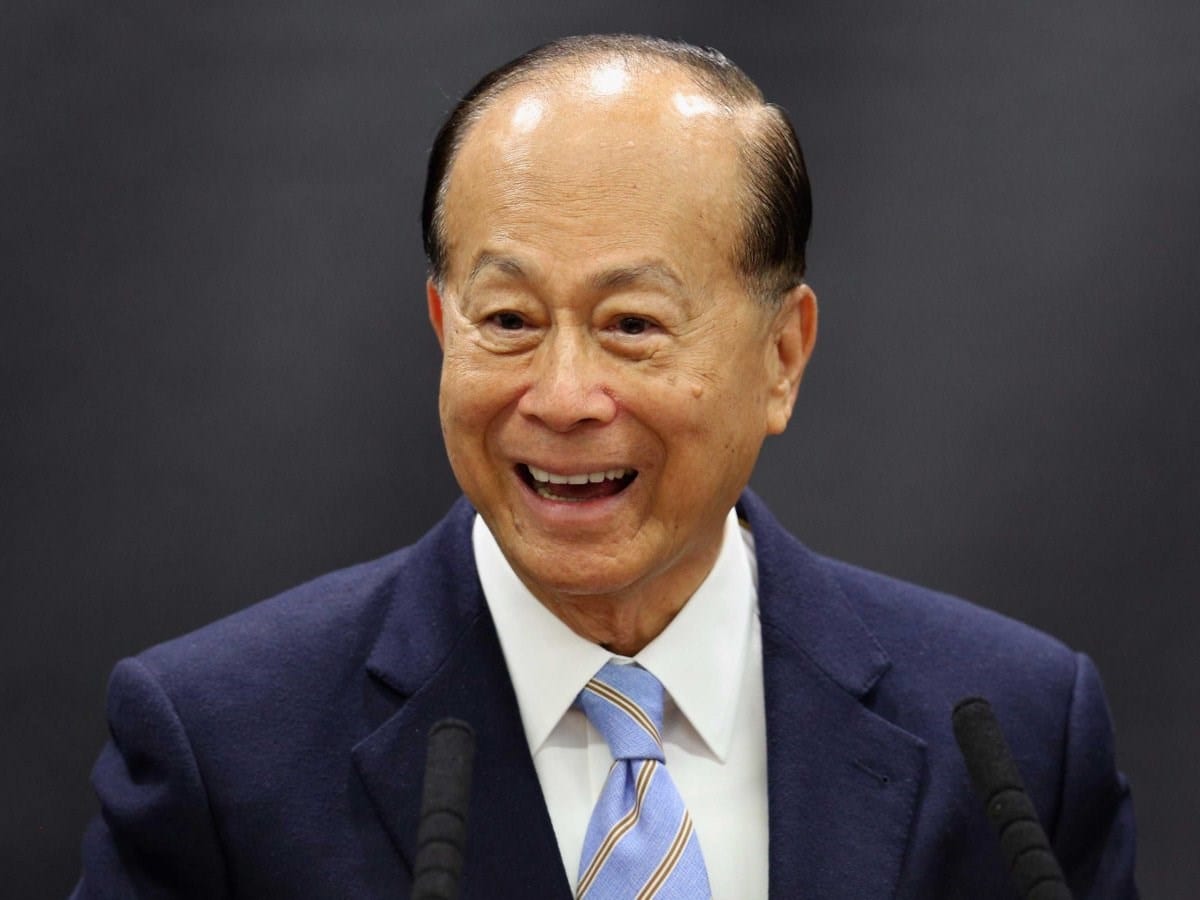
    As investors around the world fret over China’s economic tremors, Hong Kong tycoon Li Ka-shing has less reason to press the panic button: he has been quietly accelerating moves to cut his reliance on the world’s second-largest economy.

    Mr. Li, nicknamed Superman in Hong Kong for the business acumen that made him one of Asia’s richest men, has been trimming his property portfolio in China since 2011. He has also sold off parts of his ports and retail holdings in Hong Kong, which is a conduit for China’s international trade and finance.

    Instead, the 87-year-old tycoon has pivoted his two main conglomerates—Hutchison Whampoa Ltd. and Cheung Kong Holdings Ltd.—toward the old world of Europe. He has spent more than $20 billion in the past 18 months on deals that include buying the U.K.’s second-largest mobile-phone operator, a Dutch drugstore chain and a U.K. train-car maker, as well merging his Italian telecommunications company with a larger rival. Those deals were valued at more than his combined European acquisitions in the previous decade.

    Even before the spree, Europe had overtaken Greater China as the biggest contributor to Hutchison’s operating profit, by a small margin, in 2012. Last year the region accounted for 42% of the total, as Greater China shrunk to 30%.

    In a sign that easy returns from the boom years of China may be over, three people close to Mr. Li’s business say the moves were spurred in part by his belief that he can make more money in Europe—long seen as a collection of plodding economies—than in China, hitherto a magnet for investors because of its rapid growth rates. Company officials have said that the size and scale of investment opportunities in Europe exceed those of Hong Kong, where there is little left for Mr. Li to plow funds into.

    Now, as global markets stumble on concerns over China’s slowing economy, falling stock prices and a sudden devaluation in the Chinese currency, Mr. Li’s moves appear prescient, cementing his status among investors as an oracle. Company insiders and academics who study Mr. Li, however, say that the tycoon was also motivated by a weak euro that made European assets offering steady returns cheaper relative to China.

    “What Mr. Li really excels at is the timing of his selling,” said Woody Wu, an accounting professor at the Chinese University of Hong Kong. “He sells as long as the price is right. He’s a genius when it comes to finance.”

    Mr. Li, who is valued at $24.8 billion by Forbes as of Sept. 5, presides over an empire that is divided roughly into quarters: property, telecommunications, ports and infrastructure as well as retail and energy. Earlier this year, Mr. Li folded his two flagship firms together into CK Hutchison Holdings Ltd. and spun off their property businesses into a separate company, Cheung Kong Property Holdings Ltd. The companies’ combined market value is about $77 billion.

    Both companies outperformed Hong Kong’s benchmark Hang Seng Index, which has fallen nearly 24% since June 12. Shares of CK Hutchison are off 10% over the same period, while the property arm took a 21% hit, showing Mr. Li isn’t immune to any slowdown in China.

    Most of Mr. Li’s property portfolio is in China and nothing thrills Mr. Li like a development deal, according to two people who have worked closely with him. When entertaining clients over bowls of pili nuts at his office on the 70th floor in Hong Kong’s central business district, Mr. Li once pointed to the city’s skyline and boasted that one in eight buildings were made by him, according to a person who has visited him.

    He was among the first foreign developers to enter China after its leader Deng Xiaoping, with whom Mr. Li had close ties, began opening up the nation’s economy. He retained good relationships with subsequent presidents Jiang Zemin and Hu Jintao, although he is seen by China watchers as less close to the current president, Xi Jinping.

    In 2008, Mr. Li surprised observers when he sold a 40-story office tower in the heart of Shanghai’s blossoming financial district to a private investor for 4.9 billion yuan (US$769 million). Three years later, the building fetched a half billion yuan less when it was resold as the market dipped, people familiar with the matter said at the time.

    Mr. Li hasn’t made any significant land acquisitions in China since at least 2012 and has sold off malls and housing developments.

    “It shows [Mr. Li’s companies] are bearish on the market going forward,” said Samuel Hui, a conglomerates analyst at broker CLSA.

    One person close to Mr. Li said he had lost the advantage in know-how for construction that he held in the 1990s in the face of competition from rising Chinese property moguls such as Dalian Wanda Group’s Wang Jianlin, who has replaced Mr. Li as Asia’s richest man.

    Other potential motives attributed by company insiders and academics for Mr. Li’s step back range from the possible souring of his relations with the nation’s power brokers, to the tycoon preparing to hand over the business reins to his eldest son, Victor Li.

    “The more important reason why he’s moving away from China is that his influence there is dissipating,” said Joseph Fan, a finance professor at the Chinese University of Hong Kong who has studied Mr. Li’s career.

    In Hong Kong, where Mr. Li started his empire manufacturing plastic flowers in the 1950s, he has shifted the domicile of his businesses to the Cayman Islands. Last year, he sold a quarter of his Hong Kong retail chain to Singapore sovereign-wealth fund Temasek Holdings Pte. Ltd. Most recently, Qatar’s sovereign-wealth fund bought 16.5% of his electricity assets in the city.

    People close to Mr. Li say he remains in empire-building mode.

    “You still see that energy and strong interest into making deals—megadeals,” said a person familiar with Mr. Li. “I don’t see that he’s tired of doing this.”

  • Hong Kong home prices could begin falling next year, says JP Morgan

    Hong Kong home prices could begin falling next year, says JP Morgan

    Hong Kong home prices could fall by 5 per cent to 10 per cent over the next three years, according to JP Morgan, which warned of the risks of an economic slowdown in the city.

    A slowdown marked by falling retail sales and a softening mainland economy would adversely affect home purchasing power and buying desire, said  Cusson Leung, head of conglomerates and property research at JP Morgan.

    Leung told a press briefing on Friday there were a number of factors that could affect the performance of Hong Kong property market, such as credit leverage and capital flow, while adding that he did not see any immediate risk of over-leveraging of real estate or capital outflow.

    The unemployment rate is expected to rise

    However, he raised concerns over a potential slowdown of the city’s economy, linked to the risk of further decline in the mainland China economy.

    “Retail sales are declining and international brands are talking about network consolidation in Hong Kong,” he said. “The unemployment rate is expected to rise.”

    Leung said the impact of the negative factors would become more obvious early next year. “2016 will be a more difficult year when compared with 2015. Home prices could see a decline,” he said.

    While saying that JP Morgan had not yet reached a house view on the degree of home price falls, he said it was possible prices could drop by 5 per cent to 10 per cent a year over the next three years, starting from next year.

    Hong Kong home prices rose 13.5 per cent last year and 8 per cent in the first half of this year, according to the data from the Rating and Valuation Department.

    Leung said home prices were unlikely to see a sharp plunge of 30 per cent in a year unless a crisis or really bad unexpected news hit the market.

    Residential transactions in Hong Kong last month plunged 27.8 per cent month on month to 3,896, according to Land Registry data released on Wednesday, prompting some analysts to predict a modest decline in home prices in the second half of this year. Alva To, senior managing director of real estate services firm DTZ/Cushman & Wakefield, predicted home prices could see a decline of 5 per cent to 10 per cent from current levels this year.

    Leung, however, expects prices to remain stable this year, but begin falling next year.

    Centaline Property Agency said its secondary home price index hit a record high of 146.78 yesterday, up 0.91 per cent week on week.

    The decline in property transactions in the past two months was more related to a slowdown in project releases than the wealth effect from the stock market crash, Leung said.

    His comments came a day after Sun Hung Kai Properties sold out all 328 flats at phase two of its Century Link development in Tung Chung.

  • Philippines mall magnate tops rich list

    Philippines mall magnate tops rich list

    Henry Sy, the founder of the Philippines mall giant SM has maintained his place at the top of the nation’s rich list for the eighth consecutive year.

    Sy’s various business interests include property, retail and banking and his net worth is estimated byForbes Philippines as US$14.4 billion – up $1.7 billion on the 2014 figure.

    Forbes calculated Sy’s SM Investments rose 17 per cent in value during the last year and SM Prime Holdings by 20 per cent.

    Besides his retail interests, the 90 year old Sy who was born in Xiamen, China, has shares in power supplier National Grid Corp.

    Second on the list is another retailer: John Gokongwei Jr, one of the family which owns the parent company of Robinsons malls in the Philippines, amongst other assets including energy, airlines, telecommunications and food. His net worth is estimated at $5.5 billion.

  • Retail building oversupply reaches alarming level in HCM City

    Retail building oversupply reaches alarming level in HCM City

    A Cushman & Wakefield’s report shows that the retail rent in the second quarter fell by 5 percent compared with the same period last year. Meanwhile, the supply is forecast to soar to 1.5 million square meters by 2020, 200 percent higher than today.

    According to Savills Vietnam, the total retail premises area which has been put into operation by August, had reached 940,000 square meters. It is expected that the market would have an additional 200,000 square meters from 10 projects.

    In the eastern part of HCM City, which is considered the ‘hottest spot’, at least 300,000 square meters of trading floor – a basement of apartment blocks – would become operational in 2015-2018.

    The retail supply boom in the eastern part of the city is attributed to the city’s policy on increasing infrastructure investment in the area. However, the existing shopping malls in the area remain poorly patronized.

    Viet An Hoa’s CEO Tran Khanh Quang warned that 300,000 square meters of retail premises was too high and may lead to an oversupply.

    The retail premises area in the southern part of HCM City has also been increasing. According to Savills Vietnam, there are about 151,000 square meters of modern retail premises under exploitation, including 60,000 square meters, or 40 percent, in Phu My Hung new urban area.

    It is expected that 80,000 more square meters of retail premises will hit the market by 2016.

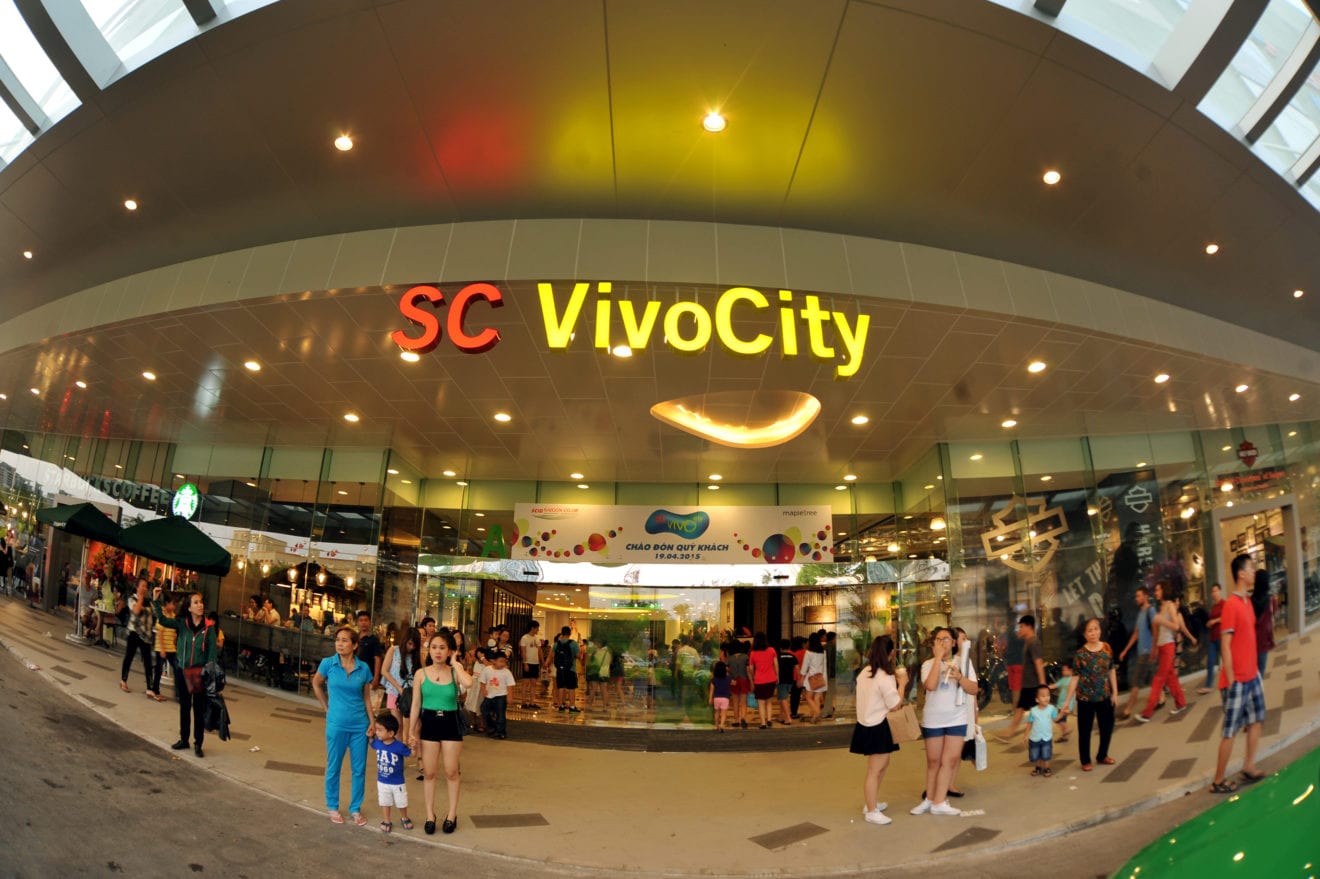
    SC Vivo City (41,000 square meters), Crescent Mall (45,000) and Parkson Paragon (12,800) are the three largest shopping malls in the southern area of the city. But they are not crowded on week days.

    “The retail premises are in oversupply,” said Nguyen Van Duc, Deputy Director of Dat Lanh Real Estate.

    “Even the shopping malls in advantageous areas are deserted these days,” he said, adding that investors should not ‘be overly excited with retail building projects’.

    He went on to say that it was a ‘blunder’ for project developers to set up shopping areas in the basement of buildings.

    The shopping malls at apartment buildings, together with separate shopping malls above ground, will lead to an oversupply of retail premises.

    However, Le Thi Kim Hoa from Cushman & Wakefield is optimistic about the market, saying that the supply would force rental prices of retail premises down, which will benefit customers.

    Savills Vietnam’s Nguyen Thi Van Khanh noted that, compared with Bangkok, which has 8 million square meters of retail premises, and Singapore with 4 million, the retail premises total area of less than 1 million was ‘modest’.


  • Major makeover for Bangkok’s Silom

    Major makeover for Bangkok’s Silom

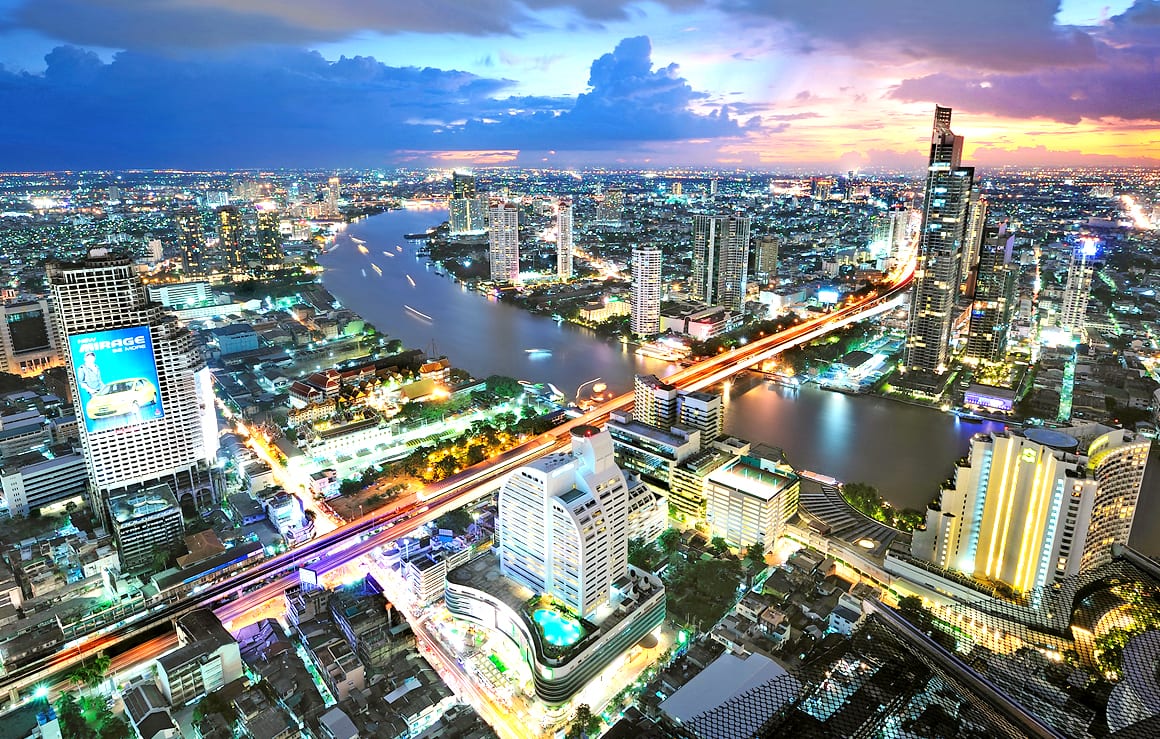
    A Thai developer has revealed plans to convert a prime corner site in Bangkok’s Silom district into a futuristic retail and office centre.

    Silom Center, on the corner of Silom and Rama 4, adjacent to the BTS Skytrain and underground MRT stations will be redeveloped by the third quarter of next year.

    The development is being undertaken by Property Perfect and We Retail PCL who believe that, once finished, the building will put the suburb on a par with Siam and Phloen Chit, both anchored by luxury malls and populated by luxury brands and high class eateries.

    The project will combine a retail mall and office space with new connections to the Sala Daeng BTS elevated walkway.

    The property developers also announced several other developments in Bangkok.

    The company is constructing the Sukhumvit Center in Nana which will feature a 30-storey high “six star” Hyatt Regency hotel and two levels of shopping space when it opens at the end of 2017.

    And in nearby Asoke the company plans to convert a Robinson department store located beneath the Westin Hotel into a retail centre branded Sukhumvit Center Asoke. That project will not be completed until late 2021, however.

  • K11 mall founder to build 17 more centres

    K11 mall founder to build 17 more centres

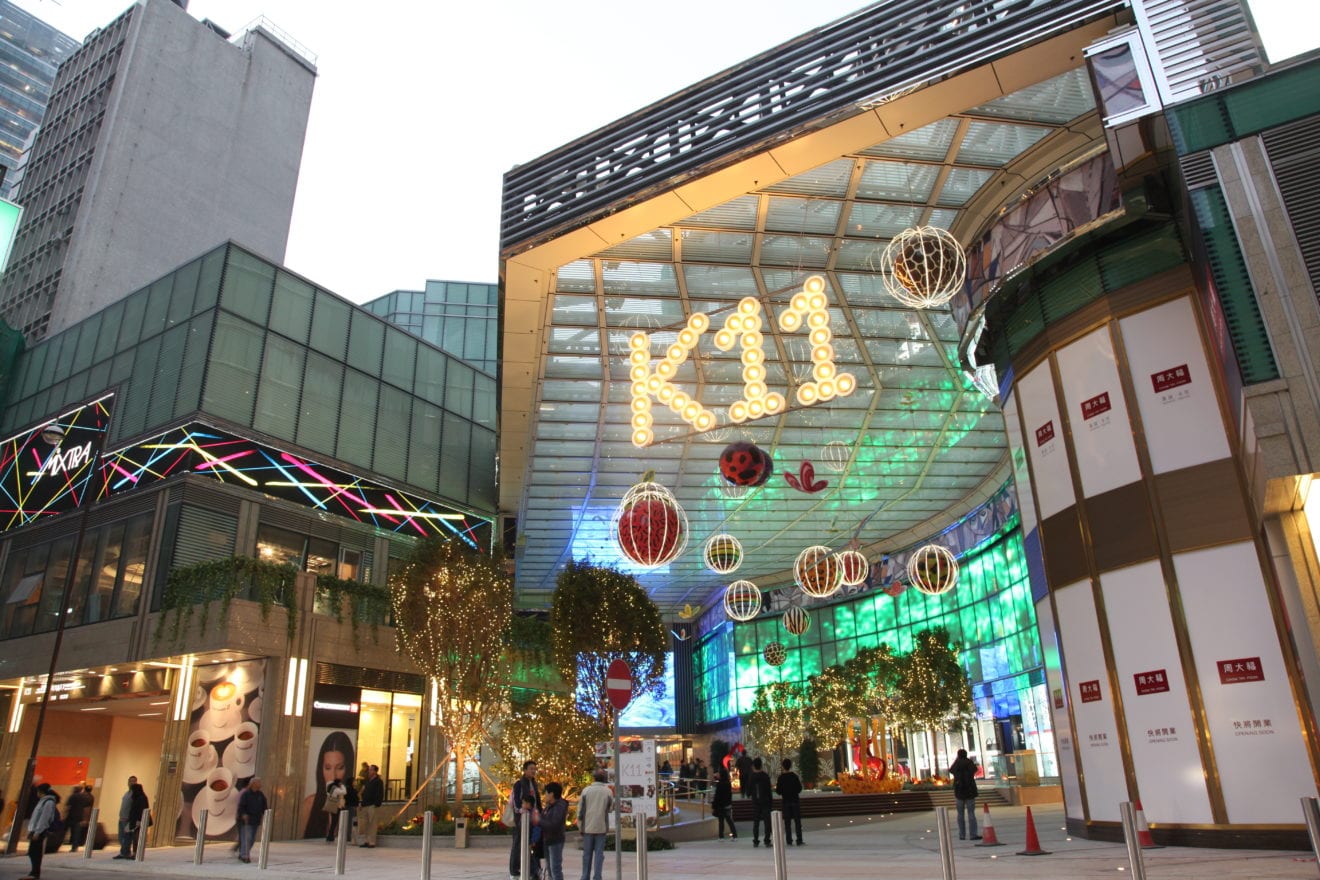
    The founder of the K11 mall concept which debuted in Hong Kong and then was replicated in Shanghai is now planning 17 more centres in Mainland China.

    Chinese billionaire Adrian Cheng founded the nonprofit K11 Art Foundation in 2010,  and subsequently opened the K11 shopping centre in the heart of Kowloon, atop the Tsim Sha Tsui railway station.

    Like its successor in Shanghai, the K11 mall features frequently-changing art installations and exhibitions, merging art gallery with a retail and dining space. Works by artists including Olafur Eliasson, Damien Hirst and Yoshitomo Nara can be found in the malls.

    A spokesman for Cheng’s business New World Development Company says the grand plan is to have 19 K11 spaces – mostly retail centres but also offices.

    Cheng is ranked among the world’s top 20 billionaires aged under 35 with an estimated worth of US$1.4 billion.