Retail News CRM

Tag: Property

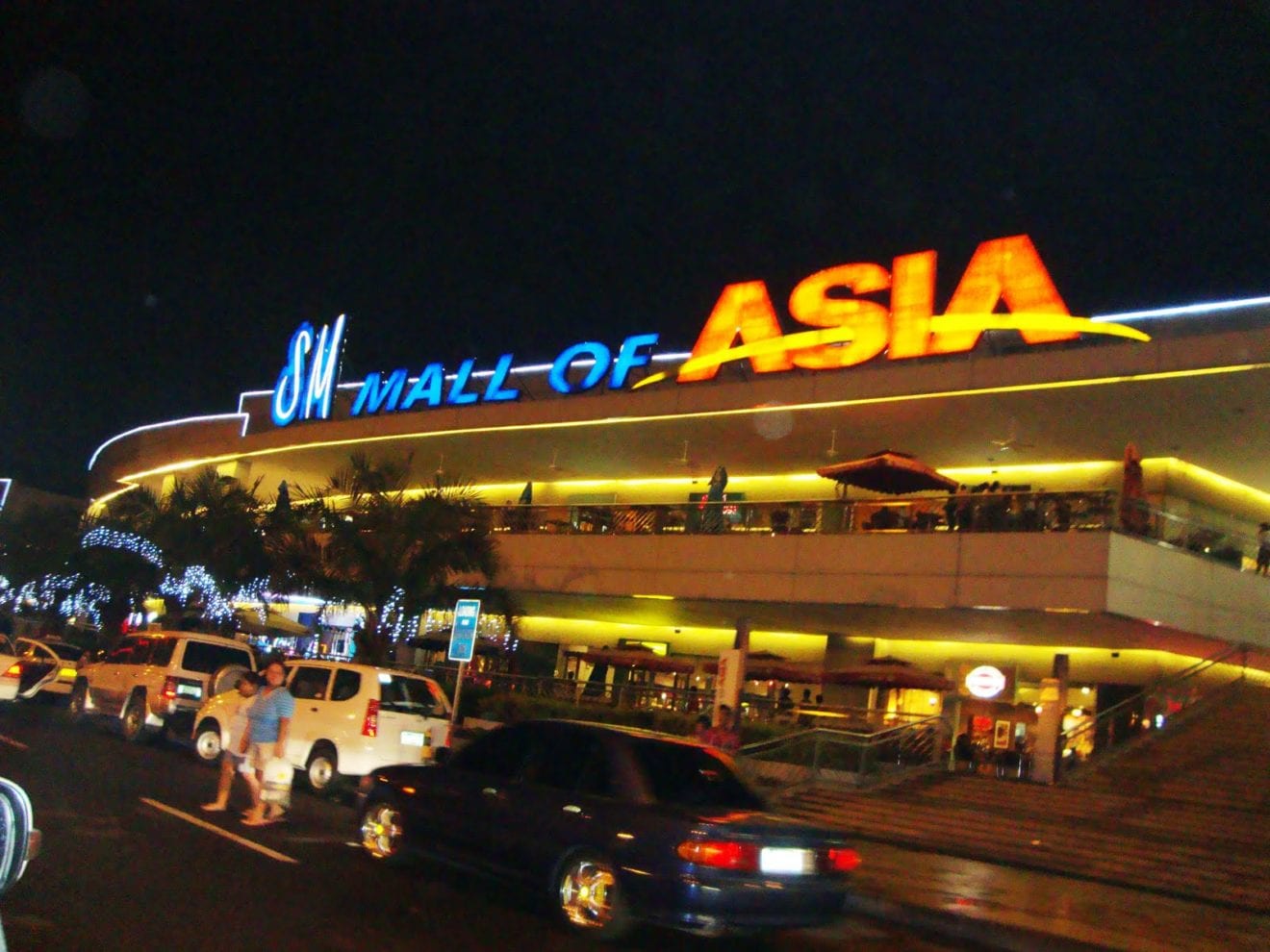
  • New malls boost SM Prime revenue

    New malls boost SM Prime revenue

    SM Prime Holdings has posted a 90 per cent increase in first half year sales to PHP18.7 billion (US$408 million).

    However the increase was largely due to one time gains on the sale of securities; recurring income grew by a more modest, but still healthy, 15 per cent.

    The company says new malls helped boost its turnover.

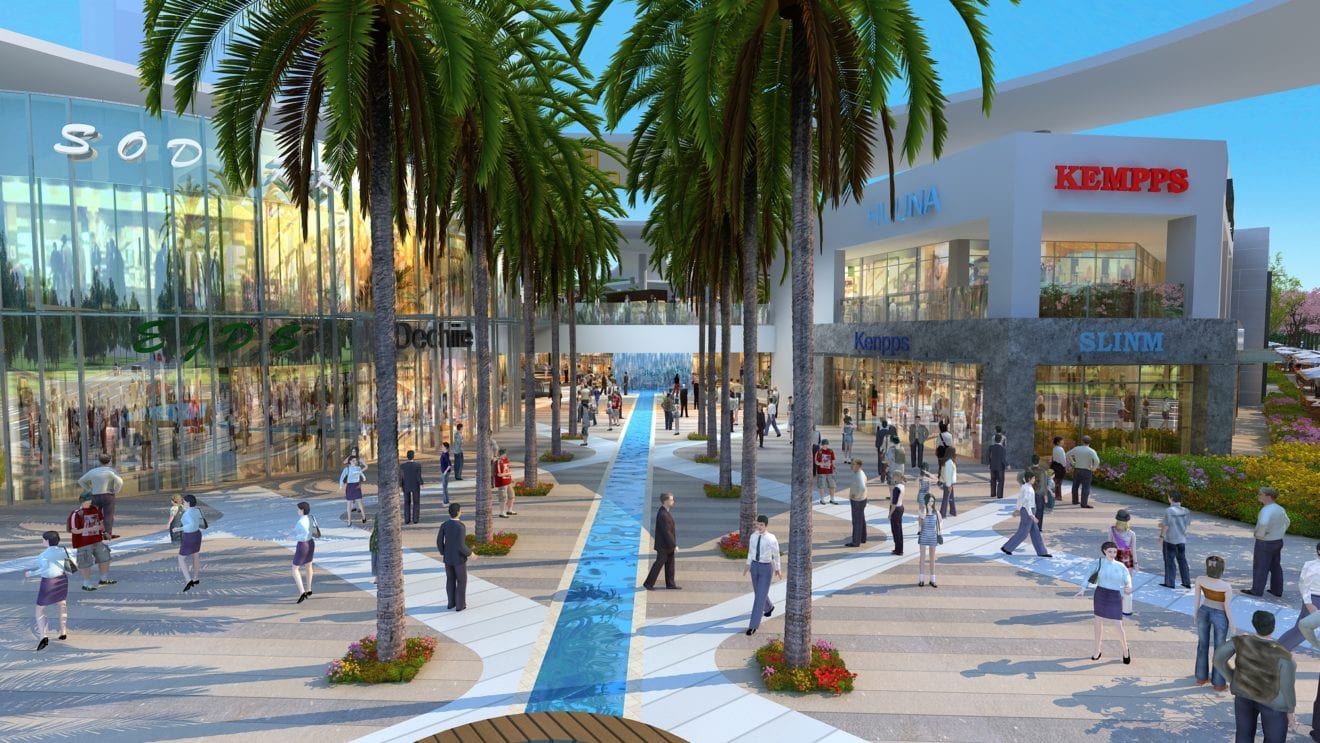
    Rental revenues from retail and commercial spaces, accounted for 54.2 per cent of consolidated revenue, up 10 per cent. The growth in rental revenues was mainly driven by rising contribution from the new malls and the expansion of shopping spaces in existing malls in 2013 and 2014. These include SM Aura Premier, SM City BF Parañaque, Mega Fashion Hall in SM Megamall, SM City Cauayan, SM Center Angono and the expansion of SM City Bacolod with a total gross floor area of 652,000 sqm.

    In the first half of the 2015, SM Prime opened SM Megacenter Cabanatuan and SM City San Mateo last April and May, respectively, taking the total Philippine operating malls to 52 with a GFA of almost 6.6 million sqm. For the rest of the year, SM Prime is set to open one mall in Metro Manila, SM Center Sangandaan in Caloocan, and two malls outside Metro Manila namely SM City Cabanatuan in Nueva Ecija, and SM Seaside City Cebu.

    The company is also expanding two existing malls, SM City Lipa in Batangas and SM City Iloilo. Combined, these new and expanded malls will have a total GFA of almost 716,000 sqm. By the end of 2015, SM Prime will have 55 malls in the Philippines and six malls in China with an estimated combined GFA of 8.3 million sqm.

    Cinema and event ticket sales, accounted for 6.6 per cent of consolidated revenues, recovered in the second quarter registering a seven per cent year-on-year increase to PHP1.4 billion as compared to a decline year-on-year of eight per cent to almost PHP1 billion the previous quarter. This brought cinema and event ticket sales to an almost flat point when compared with the same period last year.

    The recovery of ticket sales in the second quarter was due to Hollywood blockbusters like Avengers – Age of Ultron, Fast and Furious 7 and Jurassic World.

    “The strong financial performance posted by SM Prime in the first half of the year is reflective of the benefits derived from a diversified property portfolio as both rental and developmental incomes contributed to the overall performance of the company,” said SM Prime president Hans T. Sy.

    “The sustained growth could be attributed to the consolidation of SM Prime, which resulted to a strong balance sheet that allowed us to pursue all projects as planned. We are confident that we can sustain this growth in the long-term.”

  • Vista Land bags multiple awards at the 2015 Philippines Property Awards

    Vista Land bags multiple awards at the 2015 Philippines Property Awards

    Amore, an Italian-themed residential property under the luxury brand of Vista Land, Brittany, was awarded Best Housing Development in Metro Manila and Best Housing Development in the Philippines for 2015.

    Amore is a massive development that infuses Italian elements such as cupolas, cobblestone pathways, gabled roofs and pocket gardens that draw the beauty of landscape and light within an expansive central business district emerging at the south of Manila.

    The affordable housing brand, Camella, won as the Best Mid-Range Development (Resort) for the Camella Palawan development.

    Meanwhile, Vista Land’s Vista City was recognized as Highly Commended for Best Retail Development and Best Retail Architecture for its Evia Lifestyle Center. To date, the center’s first two buildings are already up and running with an elite selection of stores and restaurants.

    Concluding the list of awards Vista Land earned is the Highly Commended for the Best Architectural Design recognition for the Vista Hub at the Bonifacio Global City.

    Vista Land has been in the business of building quality homes and communities for four decades now. Its developments are present in 38 provinces and 90 cities all over the Philippines.

  • Singapore’s Orchard Rd hasn’t lost its gloss

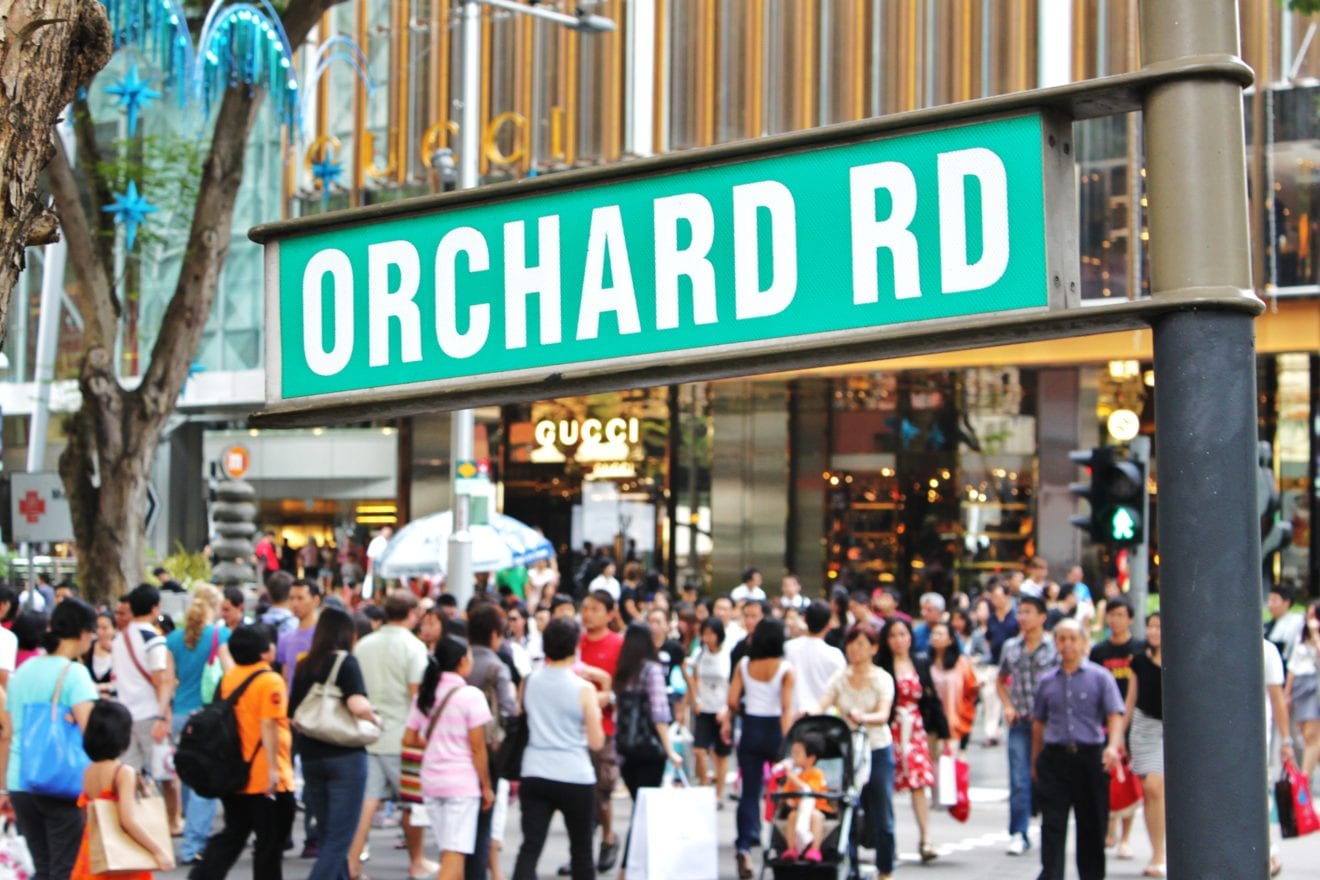
    Singapore’s Orchard Rd hasn’t lost its gloss

    Orchard Road remains the top destination for shoppers during the recent Great Singapore Sale, according to a new report, debunking calls that Singapore’s prime shopping belt may be losing its shine.

    The premier retail strip attracted the highest footfall during the city-state’s annual shopping promotion, held from May 29 to June 28 this year, a new report by location intelligence company AdNear said. The study analyzed the foot traffic data from 192,000 respondents in six retail locations, including Bugis Junction, Marina Square, Novena Square, Orchard Road, Raffles City and Suntec City, for the month of June.

    “The busy shopping district [of Orchard Road] had almost 2.5 times more foot traffic, definitely in line with the fact that it has an array of malls [compared to] Suntec City, Raffles City and Bugis Junction,” the report said.

    Long regarded as one of Asia’s best shopping streets, Orchard Road has been struggling to keep up with a competitive retail environment brought about by a confluence of factors including fewer tourist arrivals from China andincreased competition from suburban malls and online retailers.

    Reflecting slowing sales at major department stores, average monthly gross rents of prime retail space on Orchard Road slipped 1 percent in the second quarter to a four-year low of $37.79 Singapore dollars per square foot, according to data provided by property consultancy Cushman and Wakefield.

    With its position as a top shopping destination at stake, events such as the Pedestrian Night where a section of Orchard Road goes car-free once a month, have been unveiled; while a $40 million worth of facelift is on the cards to rejuvenate Singapore’s premier shopping street.

    Who likes Orchard Road more?

    To be sure, shoppers are not ditching Orchard Road just yet.

    Among consumers surveyed, the tree-lined shopping belt is ranked among the top three retail locations for the affluent group, homemakers, professionals and travelers. Only the student category gave the shopping precinct a thumbs-down, ranking Orchard Road as the second least-preferred place for retail therapy.

    Orchard Road is also the go-to destination for females, but shunned by male shoppers who ranked it as the least desirable shopping destination. Interestingly, the top choice for male shoppers – Marina Square – was ranked last by female consumers.

    The report showed Sunday as the favorite day for a shopping spree among females, whilst the men favored a mid-week splurge, with footfall at its highest on Tuesdays. Despite the preference for different days, both genders like to shop between 5pm and 9pm.

  • Hang Lung posts strong result

    Hang Lung posts strong result

    Hong Kong listed Chinese mall owner Hang Lung Group has reported a three per cent rise in turnover in the first half of 2015.

    The group said revenue reached HK$4.893 billion, with rental turnover up eight per cent to HK$4.148 billion. Property sales income decreased 17 per cent to HK$745 million due to the sale of fewer residential units.

    Overall operating profit of the group increased by three per cent to HK$3.725 billion.

    In Mainland China the group says it has benefited from increased investment in the Chinese market by luxury brands.

    “Our seven shopping malls in mainland China collectively posted an 11 per cent rental income growth to HK$1.684 billion,” the company said in its stock exchange filing.

    That portfolio comprises two malls each in Shanghai and Shenyang, and one each in Jinan, Wuxi and Tianjin. The two malls in Shanghai, Plaza 66 and Grand Gateway 66, contributed nine per cent more in rents to HK$1.059 billion and were almost fully let.

    “The young malls outside Shanghai cumulatively contributed 16 per cent more in rents year-on-year mainly attributable to contribution from the Riverside 66 shopping mall in Tianjin which commenced operation last September. All the young malls are going through different stages of gestation period with ongoing tenants or trade adjustments. Their occupancy rates ranged from 80 per cent to 90 per cent.”

    In Hong Kong, rental turnover of our diversified Hong Kong leasing portfolio rose seven per cent to HK$1.816 billion against the backdrop of declining overall retail sales in the local market.

    “All business segments of our portfolio recorded growth with total profit rose seven per cent to HK$1.556 billion. The resulting leasing margin was 86 per cent.”

    Positive rental reversions of Hang Lung’s Hong Kong commercial portfolio generated six per cent more in rents to HK$1.040 billion.

    “All the malls, which are situated in prime locations of Hong Kong, were virtually fully let. Grand Plaza in Mongkok and Amoy Plaza in Kowloon East both enjoyed a 13 per cent rental growth. The Causeway Bay commercial portfolio posted a five per cent rental income growth, despite Hang Lung Centre has been closed for renovation by H&M since January 2015.

    “The properties in Central collected seven per cent more in rents. The Peak Galleria at the

    Peak contributed extra five per cent leasing income to the Group. Kornhill Plaza, our regional mall in Hong Kong East, posted a stable rental growth of four per cent during the period.”

    Hang Lung said final preparations are underway for the opening of its shopping mall at Olympia 66 in Dalian towards the end of the year. This new mall comprises almost 222,000 sqm of retail area and 1200 car parks.

  • Prince Philippines to expand

    Prince Philippines to expand

    Hypermart chain Prince Philippines says it will open four new stores before the end of this year.

    Prince Hypermart says the new stores will be in Visayas and Mindanao and will take its network to 28, all located in provincial areas where the company has strong relationships with traditional sari-sari store owners as well as direct to consumer business. It offers micro financing options for sari-sari owners.

    Business development manager John Robertson S Go says the first new store will open in Gingoog City in Misamis Oriental.

    “Sari-sari store business is relevant to the local economy because it directly helps Filipinos at the grassroots level in getting themselves out of poverty,” another company executive said.

    The company already serves about 500,000 customers every day in its 24 existing stores

    Prince says it has been adjusting its stock range in recent years as buying habits change. Where once customers were always seeking the least expensive products, there is now growing demand for premium goods.

    “This means they have more money to spend. Their inventories have also upgraded,” the spokeswoman said.

  • Kering expects Hong Kong rent relief

    Kering expects Hong Kong rent relief

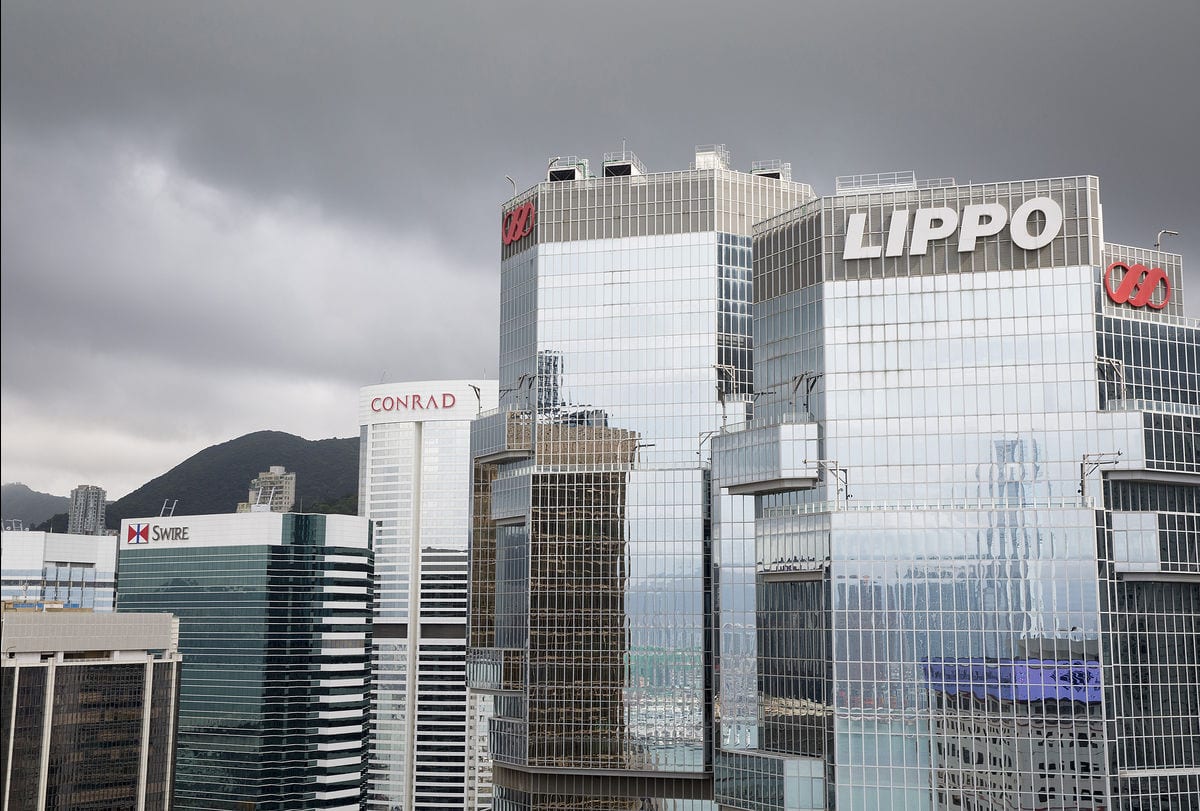
    Luxury international retail group Kering says it expects to be paying less rent in Hong Kong by the end of the year.

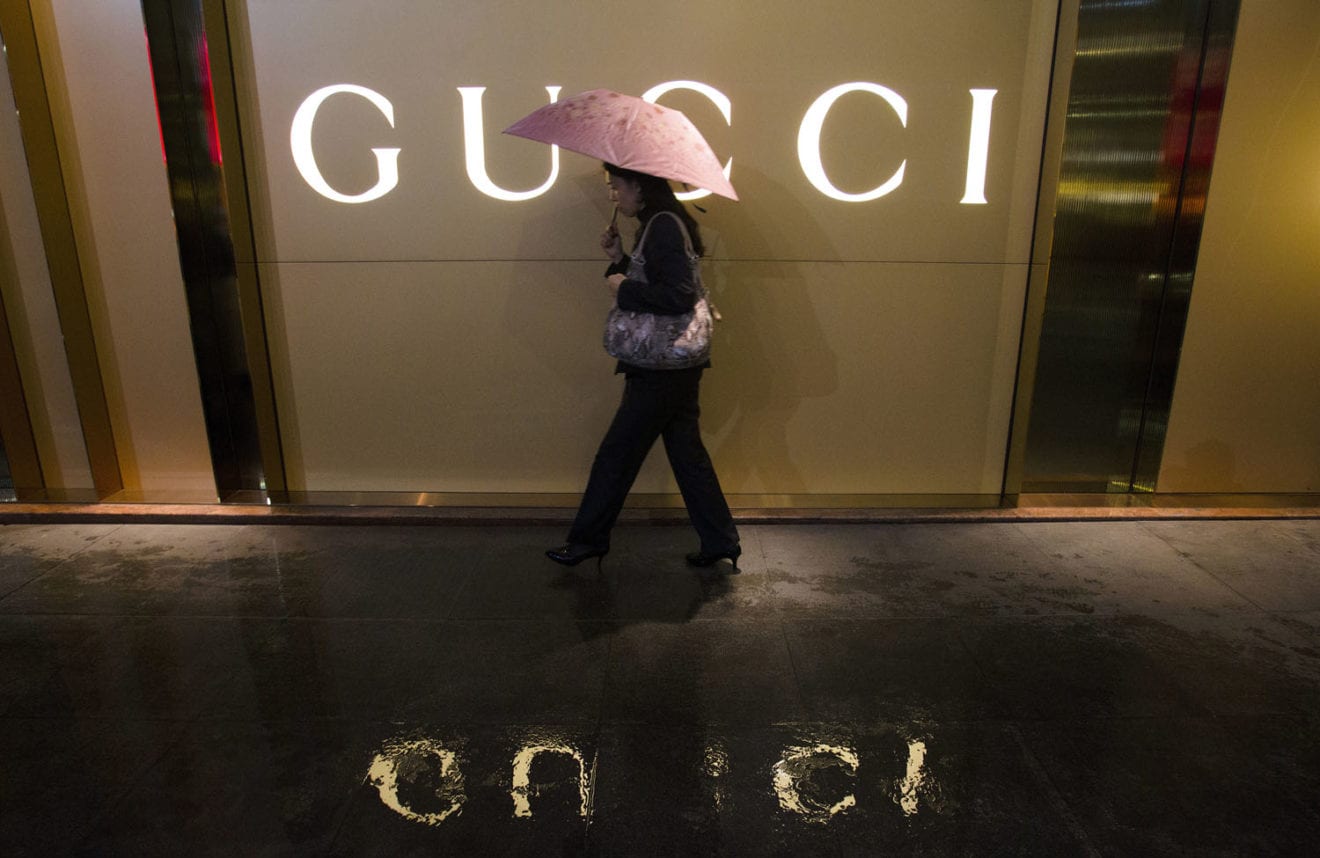
    Kering is the owner of a raft of luxury fashion brands, including Yves Saint Laurent, Bottega Veneta and Gucci, the latter of which comprises a third of its turnover.

    Kering says its global sales rose 22 per cent in the second quarter of this year, aided by a weakened euro and growing numbers of Asian shoppers in Europe. Sales reached €2.86 billion (US$3.18 billion). Excluding the impact of exchange rates, real organic growth was 7.7 per cent.

    CFO Jean-Marc Duplaix said a significant fall in sales in Hong Kong has given the company leverage in renegotiating rental terms with its landlords in the territory.

    He told an analysts’ call to discuss second half year sales that he “expects to pay less rent” by the end of the year.

    Duplaix described the retail climate in Mainland China and Hong Kong as “difficult” but said despite weakened sales it has no plans to close any of its 70 company owned stores there.

    The reality for Kering is that Chinese are still buying its luxury goods – they’re just shopping elsewhere instead of making short retail therapy sojourns to Hong Kong. The number of Chinese visitors to European stores rose nearly 30 per cent year on year and by a similar ratio in Japan.

    “All luxury brands, including Gucci, have benefited from the shift of Chinese tourists to Japan and Europe,” said Duplaix in the conference call.

    For the first six months of the current financial year, Kering’s profit fell 13 per cent to €489 million.

  • Bali prime residential prices up 15% last year

    Bali prime residential prices up 15% last year

    Prime residential prices on Bali surged 15 per cent last year, the most among comparable destinations tracked by broker Knight Frank LLP. The cost of villas on the Spanish island of Ibiza climbed 5 per cent and those in Italy’s autonomous region of Sardinia fell 8 per cent, the report said.

    Bali’s gains are set to continue as Indonesia’s government this week begins to discuss revising rules to allow foreigners to directly own luxury apartments in the archipelago, with hopes of implementing changes within two to three months.

    Mr Nathan Ryan, owner of property brokerage Bali Realty, expects interest from China and Singapore once the revisions are made.

    “Asian buyers are no doubt a sleeping giant for Indonesia,” Mr Ryan said from Kerobokan, an area north of Kuta known for its surf and nightlife. “These buyers have plenty of money, but they are turned away by the leasehold property options, as they would prefer to be able to buy freehold.”

    Currently, foreigners can get around the ban against owning real estate in Indonesia by using local citizens as proxies or by structuring the purchase as a long-term lease.

    The government will coordinate with the immigration and tax offices to draft the revisions, Coordinating Minister for Economic Affairs Sofyan Djalil said last Thursday

    Under the proposed amendments, foreigners will be allowed to buy only luxury apartments and not landed property.

    Property prices in Jakarta rose 11 per cent in March from a year earlier, Knight Frank data shows. That is the biggest gain in Asia after Bengaluru in India, where real estate costs climbed 13.6 per cent.

    “If you look at how close Jakarta is to Singapore and given that a lot of Singaporeans also work in Indonesia, there will be interest from Singaporeans,” said Ms Christine Li, director of research for Singapore at Cushman & Wakefield.

  • Sands retail profits soar

    Sands retail profits soar

    Macao’s gambling downturn may be impacting on casino operators’ bottom lines – but retailing is on the rise.

    Las Vegas Sands, which owns The Venetian Macao, Four Seasons Macao and Sands Cotai Central shopping malls in Macau – and the Marina Bay Sands in Singapore – has reported an 18.2 per cent lift in profits from its Asian retail operations year on year for the quarter to June 30.

    Gross revenue from tenants in the company’s malls on the Cotai Strip and at Marina Bay Sands, reached US$134.4 million for the second quarter of 2015, an increase of 13.6 per cent compared to the second quarter of 2014.

    “Operating profit derived from these retail mall assets increased 18.2 per cent for the quarter compared to the quarter one year ago, reaching $119.4 million,” the company said in its quarterly financial statements filed in the US.

    The company says that despite the softer gaming market in Macao, The Venetian Macao “continued to enjoy Macao market-leading visitation and financial performance”.

    “The property generated adjusted property EBITDA of $255 million in the second quarter with an EBITDA margin of 34.5 per cent.”

    Mall revenues of The Shoppes at the Venetian Macao increased 14.9 per cent during the quarter to reach $48.5 million.

    The Shoppes at Four Seasons – 100 per cent leased at the end of the quarter – brought in $31.1 million in gross revenue and turned an operating profit of $29.2 million, giving an operating profit margin of 93.9 per cent.

    The Shoppes at Cotai Central brought in $14.6 million and a profit of $12.6 million. That mall was 97.8 per cent leased.

    And in Singapore, The Shoppes at Marina Bay Sands, 93.6 per cent leased at period end, brought in $40.4 million of revenue for the quarter and a profit of $34.5 million, for an operating profit margin of 85.4 per cent.

    Tenant sales per square foot were $5589 in the luxury section of the Four Seasons property, $2646 in the non luxury section; at the Venetian Macao $1578, at Cotai Central $1004. Marina Bay, by comparison, reached $1393.

    The overall Asian retail operation achieved $1789 per square foot in the quarter to June 30.

  • Hong Kong residential property prices reached record high in May

    Hong Kong residential property prices reached record high in May

    Residential property prices in Hong Kong reached a record high in May, increasing more than 20% compared with the same month last year.

    The growth in values continues despite the government’s series of property market cooling measures.

    The transaction volume of new homes reached over 8,700 for the first half of 2015, the data from the Rating and Valuation Department shows.

    According to an analysis by international real estate firm Knight Frank it is a result of strong housing demand, ample liquidity partly attributable to the previous rally in the Mainland and Hong Kong stock markets and the continual return of wealthy Mainland investors to the city’s residential sector.

    Amid positive market sentiment, property developers have been actively acquiring residential sites this year, in line with the government’s target to boost housing supply. In early July, a large residential site in So Kwun Wat in Tuen Mun, estimated to require an investment of up to HK$8 billion, was sold for HK$3.82202 billion, representing the second highest ever accommodation value in the area.

    During the third quarter of this year the Hong Kong government will release three residential sites for sale. It has indicated that additional land may be launched by the end of September, depending on the market situation and progress of preparatory work.

    ‘The annual private housing supply target of 19,000 flats is considered achievable this year. Despite the rising supply, we expect home prices to continue rising this year, as it will take time for the new sites to be developed into flats,’ the Knight Frank report concludes.

    Meanwhile in Greater China the Grade-A office market remained active in June, driven by continual expansion demand from Chinese financial institutions, most notably fund and asset management companies.

    Knight Frank believes that Grade-A office rents in Central will continue rising steadily in the second half of 2015.

    Last month, with rents in prime retail districts softening, mid-range retailers gained opportunities to enter high profile streets at lower rents. Retail sales are not expected to recover in the near term.

    Knight Frank says that prime retail rents will continue to come under downward pressure for the remainder of the year.

  • Mitsui Outlet mall set for opening

    Mitsui Outlet mall set for opening

    Mitsui Outlet mall, located in Sepang, will finally officially open on July 29.

    The mall commenced trading in May with about 50 per cent of its stores completed. New stores have progressively opened and the first stage of the project is nearly complete.

    Located close to the original Kuala Lumpur International Airport terminal, and alongside a highway, the developers expect it will attract shoppers on stopover and from the nearby cities.

    Mitsui Outlet Park KLIA Sepang is the result of a joint venture (JV) between Mitsui Fudosan Co and Malaysia Airports Holdings. The outlet mall will be managed by the JV company, MFMA Development.

    About 130 stores are expected to be trading by the end of the month, but retailers have been struggling to find staff to work in the mall which is 60km from Kuala Lumpur city and 6km from the airport.

    With Japanese investment, the mall is promoting itself as Japanese-inspired and includes a ‘Japan Avenue’ with traditional arts and crafts, tea and food.

    The developers plan to expand the facility in 2018, as well as 2021, to become the largest outlet mall in Southeast Asia with about 250 stores and floor space of about 44,000 sqm.

    Stores offer luxury and branded products, fashion apparel and accessories, perfumes, cosmetics, confectionery, kids and sports wear, household items and luggage.

    A 24,000sqm foodcourt is included in the first stage of the project.

  • Retail property sales climb in two main cities, but not rents

    Retail property sales climb in two main cities, but not rents

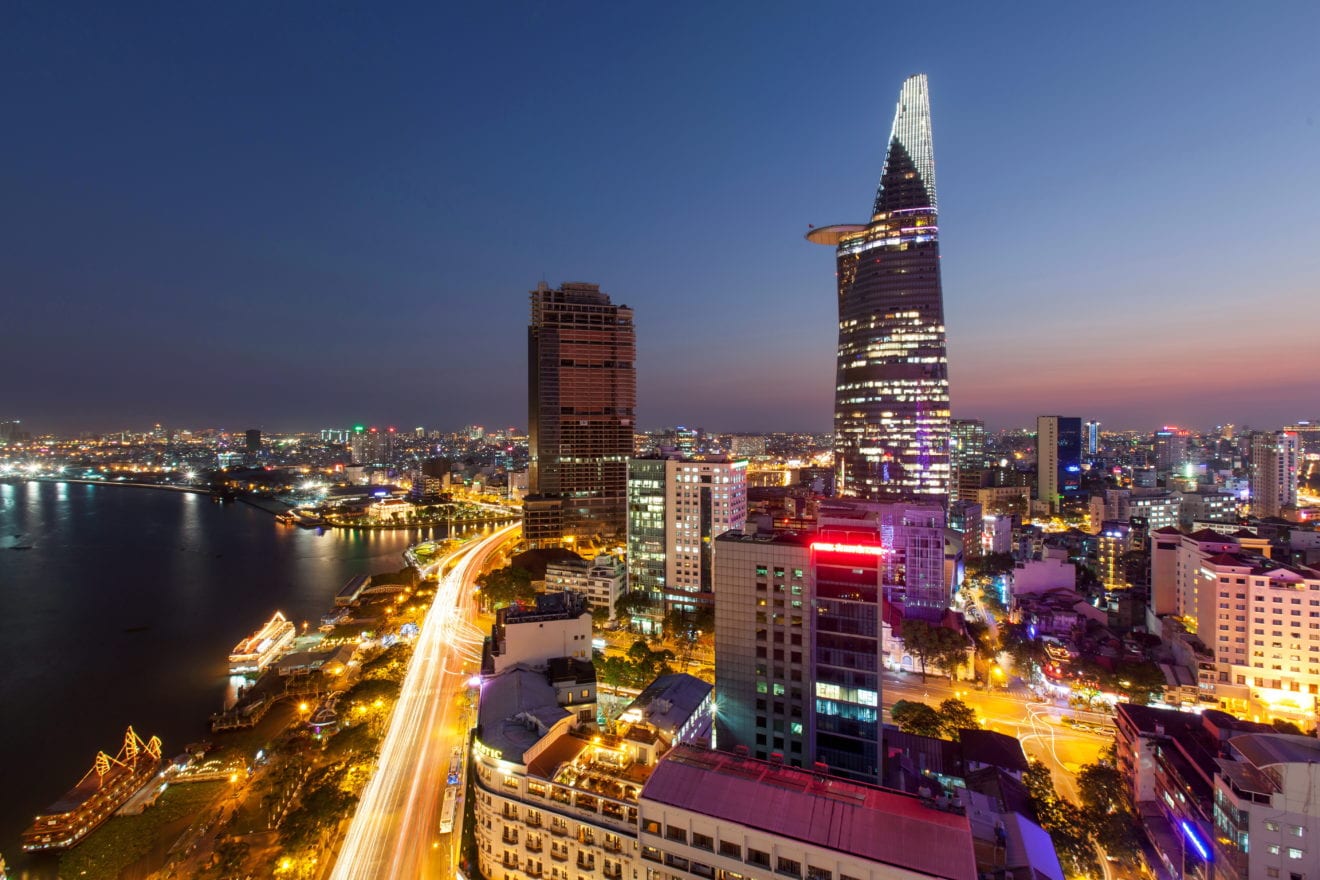
    The retail property segment in the two major cities of Ha Noi and HCM City saw recovery in occupancy but not in rent, Savills Viet Nam said.

    In its quarterly report on the two cities, the consulting firm said in Ha Noi, the occupancy was 84 per cent, stable quarter-on-quarter (q-o-q) and up 7.2 percentage points year-on-year (y-o-y). Meanwhile, the average rent was VND841,000 (US$38.7) per sq.m per month, decreasing 0.9 per cent q-o-q and 10 per cent y-o-y.

    Department store occupancy increased by one percentage point q-o-q, while shopping centre occupancy remained stable q-o-q. In the first half of 2015, Ha Noi’s retail sales were approximately VND210 trillion ($9.63 billion), increasing 10.3 per cent y-o-y.

    Without inflation, the real growth rate was 9.6 per cent y-o-y. With free-trade agreement participation and the expected signing of the Trans-Pacific Partnership in 2015, the competition between domestic and foreign retailers would continue, Savills Viet Nam said.

    In the second quarter, Ha Noi’s retail supply was approximately 950,000sq.m, increasing by 3 per cent y-o-y.

    In the second half of this year, approximately 353,000sq.m from 16 projects will enter the market. Two notable projects are Vincom Nguyen Chi Thanh and Aeon Mall Long Bien, which will provide more than 165,000sq.m. Meanwhile, the retail property segment in HCM City showed positive signs in the year’s second quarter, with average occupancy rising by seven percentage points to reach 92 per cent, Savills Viet Nam said.

    The average rent decreased by one per cent q-o-q to touch VND1.3 million ($59) per square metre per month. Shopping malls and department stores’ occupancy rates have been stable since the previous quarter at 92 per cent and 97 per cent, respectively.

    Department stores

    Retail podium occupancy was at 82 per cent, down two percentage points q-o-q, but this decrease had no impact on the overall occupancy.

    The average rent for department stores increased by one per cent to reach more than VND1.3 million, while it fell by two per cent to touch VND1.33 million in shopping malls.

    The rent for department stores increased by three per cent year-on-year, but decreased by two per cent in shopping centres and retail podiums.

    In the first half of the year, HCM City retail sales increased by 11.8 per cent y-o-y to touch VND256 trillion ($11.75 billion), significantly higher than the 7.7 per cent rate a year earlier and higher than the national figure of 10.2 per cent.

    The growing population and middle class in HCM City are driving the growth in retail demand.

    In Q2, two new shopping malls and one new supermarket entered the market, increasing the total retail stock by five per cent q-o-q to reach 940,000sq.m.

    The retail market is expected to expand faster in secondary and suburban areas than in the central business district due to upgrades in infrastructure and new residential projects.

    According to the second report in the series, Asia Pacific Consumer Survey – How We Like to Shop Online, released last week by CBRE, online shopping has overtaken bricks-and-mortar retail as the most popular method of purchase in certain Asian markets.

    Consumers in the 18-24 age group — known as ‘Generation Z’ — are also set to play an influential role in the regional retail market in the coming years. As a result of factors such as these, landlords and retailers would need to be proactive in order to remain competitive, the survey reported.

    “For emerging markets, given the lack of quality retail space — particularly in lower-tier cities — advances in technology and logistics networks mean that online retail is often the most efficient way for retailers to reach their customers,” Jonathan Hsu, head of Occupier Markets Research, CBRE Asia Pacific, said.

    The ability to compare products without having to physically visit individual stores is another key factor for the region’s consumers when shopping online. This trend is more prominent in emerging markets such as Viet Nam, China and India, where quality shopping centres or shops are often located far from each other. 


  • New NTU lifestyle hub taking shape

    New NTU lifestyle hub taking shape

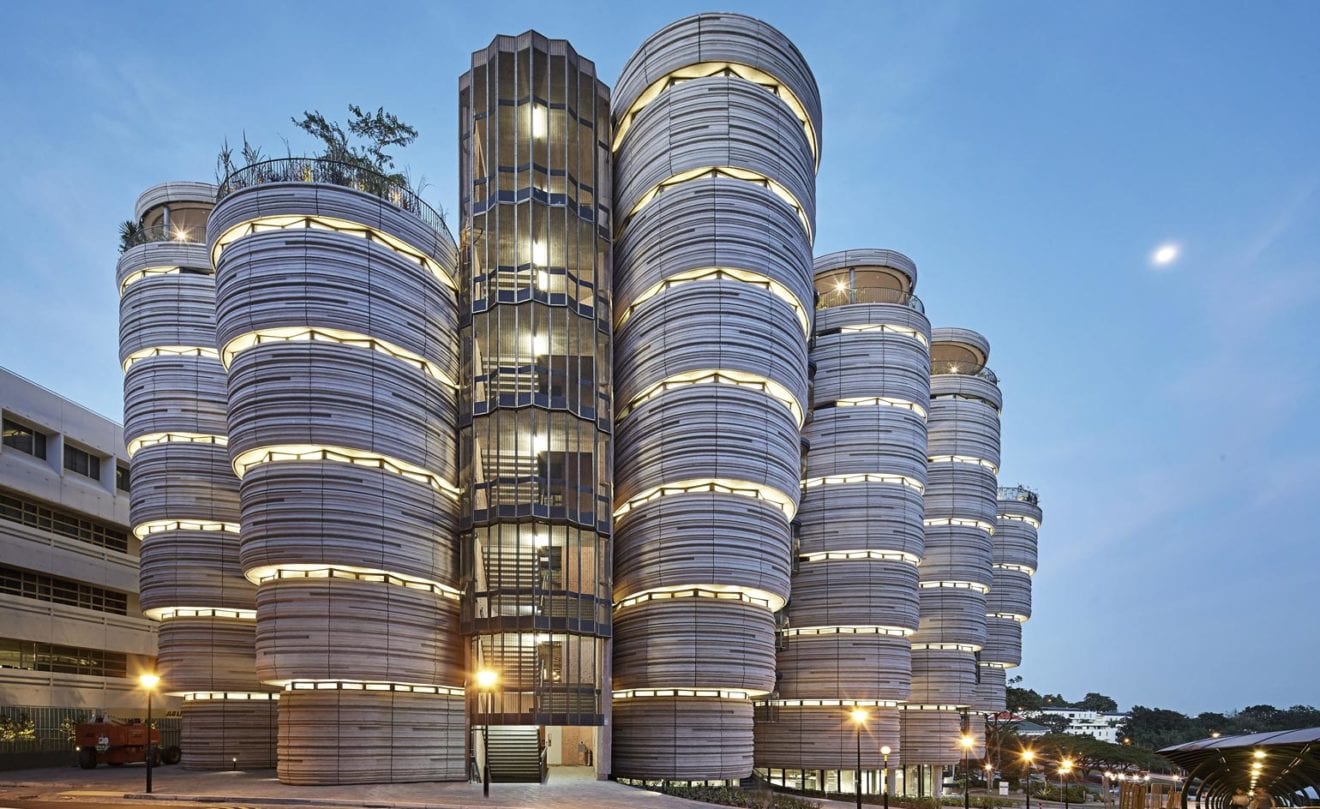
    Construction of a new lifestyle hub at the Nanyang Technological University (NTU) in Jurong West is now in its final phases.

    When ready, it will feature a supermarket, a salon, banking options, performance spaces and popular eateries, including a well-known Cantonese restaurant.

    The hub, which will span two levels at the northern end of the academic complex, will open in October, two months after the start of the academic year.

    It will occupy the area outside NTU’s Lee Wee Nam Library and is part of the university’s push to become a “mini-city”.

    Associate Professor Kwok Kian Woon, associate provost for student life, noted that more students are living on campus, with many others spending most of their day there.

    Hence, it made sense to refurbish the university’s areas of high pedestrian traffic and to offer more food and retail options.

    The northern part of the Nanyang Technological University complex, also known as the North Spine, was selected as the site for the hub as it is a focal point for most students and staff.

    The lifestyle hub, which will also be open to the public, will have more than two dozen shops, some of which will be open 24/7 and on weekends.

    On one floor, food and beverage outlets and stores line a shopping street, while interaction spaces and study areas will be available on the second level.

    The entire space will have a semi-transparent bubble roof.

    In the past, students had a modest range of food and retail options. Other services were sparsely distributed across NTU.

    Students living in the residential halls sometimes had to visit the nearest mall, Jurong Point Shopping Centre, which is a 15-minute bus ride away, for a wider range of lifestyle services.

    About 12,000 students now live on campus in 20 residential halls. This figure is expected to grow to 15,500 students over the next three years.

    Third-year physics student Tan You Sin, a Malaysian who lives on campus, is looking forward to the lifestyle hub.

    “It will be more convenient for students,” said the 23-year-old. “Hopefully, the prices will be affordable too.”

    The food and retail outlets include Peach Garden Chinese Restaurant, Starbucks and KFC Coffee, which are already open for business.

    Mr Ho Toon Chian, assistant director of sales and marketing for Peach Garden, said the NTU branch, which is one of the brand’s nine outlets, serves as a “catchment area” for the NTU community and residents in the western end of the island.

    “The university is relatively far from most areas and, being located here, we are able to reach customers within the school and vicinity,” he said.

    The Peach Garden Chinese Restaurant at NTU is run by a dozen staff. The prices are lower than at branches in the city, and NTU staff and students enjoy a small discount.

    Mr Ho added that business has been good in the seven months since the outlet’s opening, and its customers include students and staff, their families and residents of nearby estates.

    The hub will also feature a designated space with pushcarts for rental by students who would like to sell various goods or test business ideas, and an area where budding artists can display their talents.

    Third-year sociology student Andrea Tan, who has been living in the residential halls for the past three years, is happy that there will be more places for students to hang out.

    “Students spend most of their time on campus, but the university is quite far from everything else,” said the 22-year-old.

    “It is nice to have more options to choose from for a change, without venturing out of the university,” she added.

  • International retailers show great interest in Hong Kong market

    International retailers show great interest in Hong Kong market

    Foreign retailers catering to Hong Kong’s mass retail market are eager to secure shops in Hong Kong, which they consider as a mature market, said Maureen Fung Sau-yim, a director of Sun Hung Kai Development (China), a unit of Sun Hung Kai Properties.

    According to Fung, the company has signed leasing contracts with 20 new international tenants this year at its APM shopping centre in Kwun Tong.

    “Those brands, such as French shoe brands Bensimon and Palladium, as well as Korean fashion brand Stylenanda, have come to Hong Kong for the first time,” said Fung.

    She said recently agreed rents in APM had risen 16 per cent to 20 per cent compared to leases signed one to three years ago.

    Total retail sales growth declined 1.8 per cent year on year in the first five months of this year, against average growth of 11 per cent per year over the past 10 years, constrained by weaker inbound tourism.

    Spending on jewellery and watches continued to fall, affected by the anti-corruption campaign in mainland China and the shifting pattern of mainland Chinese shoppers away from luxury goods and towards mass market products, according to property consultant JLL.

    But a survey by consultancy Arcadis showed that Hong Kong was still an attractive place for retailers.

    In its first report “Retail Operations Index: Where in the world could your retail portfolio thrive?” on Monday, Arcadis said Hong Kong was the most attractive location for retailers globally, followed by Singapore and Japan.

    Asian countries dominated, taking three of the top five spots, the survey showed. It identified the locations that were the most and least difficult to execute, scale and flex large retail programmes based on an in-depth analysis of the global retail market in 50 countries.

    SHKP plans to spend HK$150 million to upgrade the APM mall, which was established 10 years ago.

    The programme, which is due for completion in 2017, includes an upgrade of technology, common and leisure areas and other facilities.

    This article appeared in the South China Morning Post print edition as HK is top pick for foreign retailers

  • CapitaLand sells Bedok Mall

    CapitaLand sells Bedok Mall

    CapitaLand has sold its 18 month old Bedok Mall in Singapore to a trust.

    CapitaLand subsidiaries Brilliance Residential and CMA Singapore Investments have entered into a sale and purchase agreement with HSBC Institutional Trust Services, trustee of CapitaLand Mall Trust (CMT), for the sale of the entire unitholding interest of Brilliance Mall Trust, which owns Bedok Mall. The sale is based on an agreed value of Bedok Mall of S$780.0 million and other net assets of Brilliance Mall Trust of about S$3.1 million. At the last valuation commissioned by CapitaLand, Bedok Mall was valued at S$775 million.

    Opened in December 2013 on New Upper Changi Rd, Bedok Mall has a net lettable area of 222,464 sq ft and is 99.3 per cent leased. Anchor tenants include Fairprice Finest, Uniqlo, Best Denki, Canton Paradise, Popular, McDonald’s and Din Tai Fung.

    It is the first major mall in the heart of Bedok Town Centre, serving Singapore’s largest estate of about 300,000 residents as well as other residents in the east of Singapore. It is part of an integrated retail-residential-transport development, which also includes the 583-unit condominium Bedok Residences developed by CapitaLand that received its Temporary Occupancy Permit in May 2015. The mall’s Basement 2 is directly linked to the Bedok MRT station while the new air-conditioned Bedok bus interchange, which began operations in January, is integrated with the mall on Level 2.

    Lim Ming Yan, president and group CEO of CapitaLand, said the proposed divestment, which remains subject to unitholder approval, as well as the ongoing divestment of a group of serviced residences and rental housing properties to Ascott Residence Trust and CapitaLand’s 30 per cent stake in PWC Building announced last month, are all examples of the company’s “robust capital recycling strategy”.

    “These transactions allow us to realise our investment value and development profit, and enhance our financial flexibility as we redeploy our capital into other ventures that will generate stronger returns for our shareholders.”

    Jason Leow, CEO of CapitaLand Mall Asia, said his company will continue to manage Bedok Mall.

    “We remain confident in the retail growth prospects in Singapore where we are the market leader with the largest network of 20 shopping malls. We are committed to the Singapore retail market and continue to be on the lookout for suitable new opportunities in Singapore and the region as we seek to strengthen our leadership position as Asia’s leading shopping mall developer, owner and manager.”

  • Orchard Rd rents slide gains momentum

    Orchard Rd rents slide gains momentum

    Retail rents on Singapore’s prime retalstrip, Orchard Rd, slipped by 1.6 per cent in the latest quarter.

    But worse is yet to come according to Colliers International in its quarterly review of Singapore retail rents, tipping a full year decline as high as five per cent.

    The average monthly gross rent for Orchard Rd retail space fell to S$35.25 per sq ft in Q2 2015 from S$35.83 per sq ft in the previous quarter. That 1.6 per cent drop follows a 0.9 per cent fall in the first quarter, showing the decline is already gaining momentum.

    Colliers says Orchard Rd rents are being dragged down by tougher competition from suburban malls which are drawing locals away from the heart of the city.

    And an apparent oversupply of space on the fringe of Orchard Rd is unlikely to be helping either.

    Complicating the picture is spirited competition for domestic and visitor spending.

    In contrast, prime rents in the city state’s regional centres were steady at S$33.94 per sq ft.

    “The retail property sector has continued to experience attrition, with reports on closure of shops and certain malls in Orchard Rd suffering from poor shopper traffic and pedestrian footfalls,” Colliers’ deputy MD Calvin Yeo said.

    “However, given the demand for more retail variety by an increasingly more affluent consumer base, new-to-market F&B and retail operators continue to set up shops in Singapore. This has helped to shore up occupancy rates of retail malls and cushion rental falls.”

    Colliers says while a five per cent decline in Orchard Rd rents is likely this year, rents in regional centres could grow by up to one per cent, based on current trends.