Retail News CRM

Tag: Property

  • International honour for Siam Center

    International honour for Siam Center

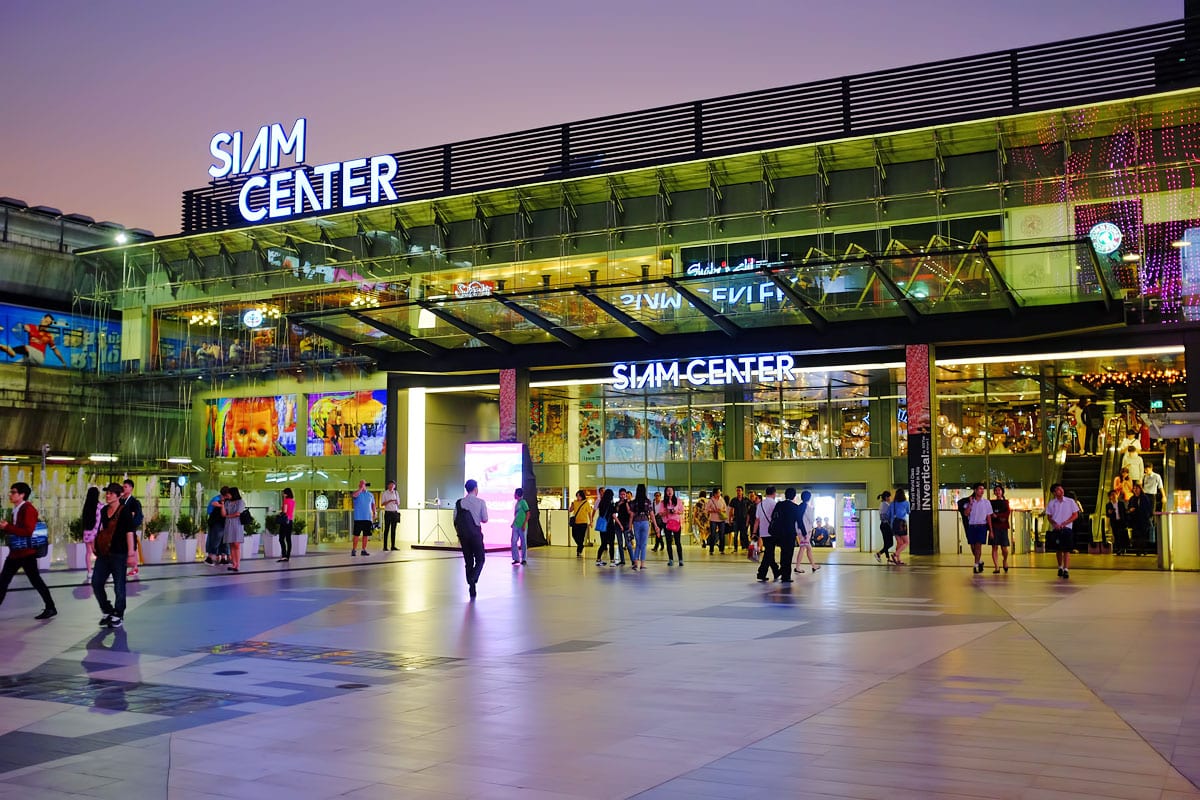
    Bangkok’s Siam Center has been chosen as one of world’s five best-designed retail centres by the International Council of Shopping Centers.

    Siam Center, owned and developed by Siam Piwat Co,  is one of five malls from around the world presented with the 2015 ICSC Viva Award in the ‘design and development’ category and is recognised for ‘most outstanding design’.  The award follows Siam Center’s selection in 2014 as a Gold Award Winner by the Asia Pacific Shopping Center Awards for its innovative new design.

    ICSC - Siam Center - Picture 1


    Siam Center completed a full-scale rejuvenation in 2013 with an investment in excess of Bht 1.8 billion (US$50.5 million) by Siam Piwat and 300 brand owners in the biggest collaborative initiative in retail development ever undertaken in Thailand.

    Siam Piwat CEO Chadatip Chutrakul said the company felt very honoured by the ICSC’s award.

    “ We want to help make Bangkok a top global shopping destination by being at the forefront of new ideas in the design of our properties.  Siam Center is one of the first lifestyle destinations in the world to pioneer a revolutionary new retail concept that involved collaboration between retail developer, retailers, and brand owners to create a consistent visual identity in the entire venue as well as concept shops which are all aligned with Siam Center’s distinctive look and mood,” she said.

    “That collaboration even extended to presenting visitors with a single promise: that, regardless of whichever store or restaurant they visited at Siam Center, they would experience something revolutionary and unexpected.”

    Chadatip said Siam Piwat decided to make a major investment in Siam Center in line with the evolution of retailing, “which is no longer just about retailing, but about providing extraordinary experiences in an arena where people can be inspired, excited and entertained”.

    “Siam Piwat’s strategy for success across all our properties is to be a thought-leader in retail development, always innovating, always being first, and always doing it at world-class standards as an ‘Icon of Innovation’,” she said.

    Chadatip, after its redevelopment Siam Center has measured a significant increases in visitors, in the number of visitors actually shopping, and in the average spend by each shopper.

    “Since the new concept was introduced, the number of people visiting Siam Center has increased by almost 12,000 people a day, as compared to the year before. And, of those people visiting Siam Center, the number of people who actually do some shopping at the venue has leapt by an incredible 34 per cent.

    “Beyond that, the average spending by shoppers has more than doubled and is now at almost Bht 3,000 ($84) per shopper, per visit. This reflects the success of the collaboration between retailers, brand owners and Siam Piwat to excite and inspire visitors,” she said.

    “Our success with Siam Center reinforces our conviction that thought-leadership will drive Siam Piwat’s success and our future growth will come from offering novel concepts as well as new retail and lifestyle ideas that are the first in Thailand, and some even in the world.”

  • SM Malls embrace future style

    SM Malls embrace future style

    On her first visit to SM Aura in Taguig, Michelle Dabuet, 38, an IT project manager, noticed that it had an “odd” shape.

    “It’s clean and classy and not like the other SM malls that are boxed-shape,” Dabuet noted.

    Gail Dacquel-Perez, 39, and a mother of three also distinctly remembers the fragrance that accosted her upon entering the mall, as well as the cleanliness and the look and feel of a bigger “Podium” mall, one of SM’s earliest upscale shopping malls in Ortigas.

    Noticeably, SM malls today have undergone a major transformation to cater to a new breed of shoppers.

    The sleek designs, open spaces, and iconic edifices in the newest SM malls are attracting shoppers who have become more aware and appreciative of style, fashion and global trends.

    Architect Fides Garcia-Hsu of SM’s Engineering, Design and Development shared that SM, in general, has taken into account two kinds of customers in retail which are also reflected in the design of its malls. Those that are focused and those who act on impulse.

    Focused buyers go to the mall with the intention of buying and carrying the right amount of money to achieve their objectives. Impulse buyers are those who visit the mall with no original intention of buying but will do so if something appeals to them or continue to window shop.

    “Both types are important for SM and that’s why zoning is equally important for us. We try to achieve the right tenant mix to cater to both types,” Hsu said.

    Take Mall of Asia, SM’s premier mall in Pasay as an example. The Hypermarket and THE SM Store are located on both north and south car parks. The Entertainment Mall which houses cinemas and various dining establishments are at the seafront side while the Cyberzone is on another floor. The Food and Beverage units are along the pedestrian streets.

    SM North EDSA, which has undergone several renovations and upgrades in the last few years, follows a similar zoning pattern which aims to provide a more convenient shopping experience while also allowing equal exposure to majority if not all the mall tenants.

    Hsu shared that SM patriarch Henry Sy, Sr. or Tatang (father) as he is fondly called, has provided the direction for the design of SM malls and is, in a way, the first architect of the SM malls.

    SM malls usually follow a straight or H-path which makes it convenient for shoppers to find their way from point A to point B, said Hsu.

    “Tatang  also taught us how to plan the space. He told us that every inch is valuable,” she said

    In recent years, SM malls have transcended the boxy look to develop into bolder and more artistic designs. SM Aura in Taguig, which was designed by Miami-based Arquitectonica drew inspiration from the elements – much like a tree melding with its roots or a waterfall cascading into a river. It also aims to be one of the first civic centers to be certified Gold under the US Green Building Council Leadership in Energy and Environmental Design (LEED) program.

    The 470,000 sqm SM Seaside City in Cebu, which promises to be a regional landmark in the Visayas, meanwhile takes inspiration from the legendary nautilus shell. The mall, which will feature a steel cube sculpture and a 148-meter tower with a viewing deck that has a breathtaking 360-degree view of Cebu, is expected to cater to various segments of the market.

    These new designs are a huge departure from the original designs of SM malls. Interestingly, the old design mirrored the shopping preferences of the era. In the 1980s, Filipinos mainly  flocked to the box-type SM malls, usually rising three storeys, for their basic needs, for convenience and for novelty while others just wanted to bask in the air conditioning to get away from the scorching heat that a tropical country like the Philippines is known for.

    The straightforward design also appeared to echo both the personality and the vision of Sy who was known to many as a “no-nonsense”, straightforward man.

    “Every mall has a touch of Tatang (as Sy is fondly called by family, friends and employees). He is always involved in the design. His direction was to make it (mall design) simple, straightforward, convenient and efficient for shoppers,” Hsu said.

    Sy was inspired by his travels to the US where he saw malls starting to proliferate, or a series of retail stores and major stores put under one space with a common pathway. The desire to offer this emerging retail concept to Filipinos was strong, says SM Prime Chairman Henry Sy, Jr , the eldest son of Sy.

    “My father saw the US model. Being in the retail business, he was attentive to the needs of the people and what will make things convenient for them here in the Philippines. When he built the first SM mall on North EDSA, what he had in mind was the real estate play and that everything should be under one roof,” Henry Jr. said.

    Many thought that the opening of SM North EDSA, with a gross floor area of 125,000 sqm then, was ill-timed in 1985, with the country plunged into political upheaval.  But Filipinos quickly latched on to the new concept, much also to the surprise of the Sy family.  The first mall opened with SM’s own brand of supermarket and department store as many businesses were fearful then to open in uncharted waters such as in North EDSA.  Cinemas in the mall were also a novelty and as more tenants warmed up to “SM City”, the new business venture flourished and was soon replicated across the country at a rate of three to four malls a year.

    The next wave: sustainable malls

    Hsu said environmental sustainability has become the paramount consideration at present and for years to come in terms of mall development.

    “SM will continue to incorporate sustainable features in its malls. Rain harvesting, water recycling and expansive skylights to provide sufficient daylighting, the use of solar panels to provide adequate percentage of the mall’s power requirement, the use of high performance IGU (insulating glass units), deck landscaping and a host of other measures will be looked into and integrated into the planning,” Hsu said.

    SM Marikina which is within the Marikina River watershed and situated in a flood prone area was built on concrete stilts to elevate the structure. The mall was constructed 20 metres farther than the suggested 90-meter distance from the center of the Marikina river.

    SM Center Muntinlupa was also enhanced to be more resilient in light of two fault exposures in the area. It stands with a five-meter buffer zone to minimise the impact of earthquakes and other disasters such as the rupturing of both sides of the fault.

    SM City Masinag in Antipolo has fully revolutionised the company’s approach to sustainable and disaster resilient design. It incorporates a 3 million gallon holding tank to reduce the impact of super typhoons that plague the area. The tank has the capacity to hold water volume generated from constant rainfall of a storm similar to Typhoon Ondoy (Ketsana) for over three hours.

    Other unique sustainable features of SM malls include high windows above eye level that use natural light to illuminate company facilities; the use of LED and CFL light bulbs to further reduce electricity consumption; environmentally-friendly materials and technology for all heating and cooling processes; water-efficient fixtures systems to reduce potable water consumption such as waterless urinals and faucet aerators; and prudently-selected construction materials that minimise the impact of certain structures, promote healthier indoor environments and enhance performance of all company facilities.

    Roof gardens are also incorporated in the malls which make both commercial and environmental sense. These not only cool the mall, but also draw people upwards, thereby providing better footfall to tenants on the higher floors; retain water during heavy rainfall and reduce flooding; reduce heat transfer to the local environment by absorbing heat through trees, plants and fauna. “The roof gardens we design for SM make a solid contribution to disaster resilience that should be considered countrywide,” Arquitectonica MD Asia Peter Brannan said.

    “As builders, we know that the most iconic monuments depend on a great foundation. Our approach to sustainability works the same way. By designing green, we are not only making a commitment to revolutionising the retail industry, but we are also creating a solid foundation for future stewards of the environment to build on,” SM Prime President Hans Sy had said.

    Indeed, today’s shoppers are exposed to international trends through frequent travels, unafraid to risk resources for experience, always on the prowl for what’s “trending” or “viral” in terms of venues, “eats”, technology and are constantly in search of new advocacies to champion.

    “The Philippines is currently one of the fastest growing economies in the world; that will inevitably result in rising disposable incomes and a much more sophisticated consumer. They will want a better environment, a better workplace, and a better home. Both designers and developers will have to respond to that, and constantly strive to improve the quality of their product. Doing business as usual will simply leave you behind in this fast-moving, interconnected world,”Arquitectonica’s Brannan said.

    This new generation of shoppers now view malls as destinations. More than just a place to hang out with friends or family, they now demand the best quality experience, the best food, the best product, the best service. And as shoppers evolve, SM malls too will adapt to ensure that there is a preferred destination for all.
  • Major Cineplex plans Laos rollout

    Major Cineplex plans Laos rollout

    Thai cinema chain Major Cineplex plans to have 30 screens in Laos within three years.

    Major Cineplex has entered the Laos market in a 60:40 joint venture with local partner Platinum Cineplex.

    With a population of 7 million, a growing economy and young population, the Thai company believes it offers strong opportunity to expand its business outside Thailand.

    “Laos is a growing area for the movie business with its young population,” Major Cineplex chairman Vicha Poolvaraluck said in an interview with The Nation this week.

    “The country is [also] attracting foreign investors, particularly from China, to erect a number of new projects including shopping malls, hotels and business centres.”

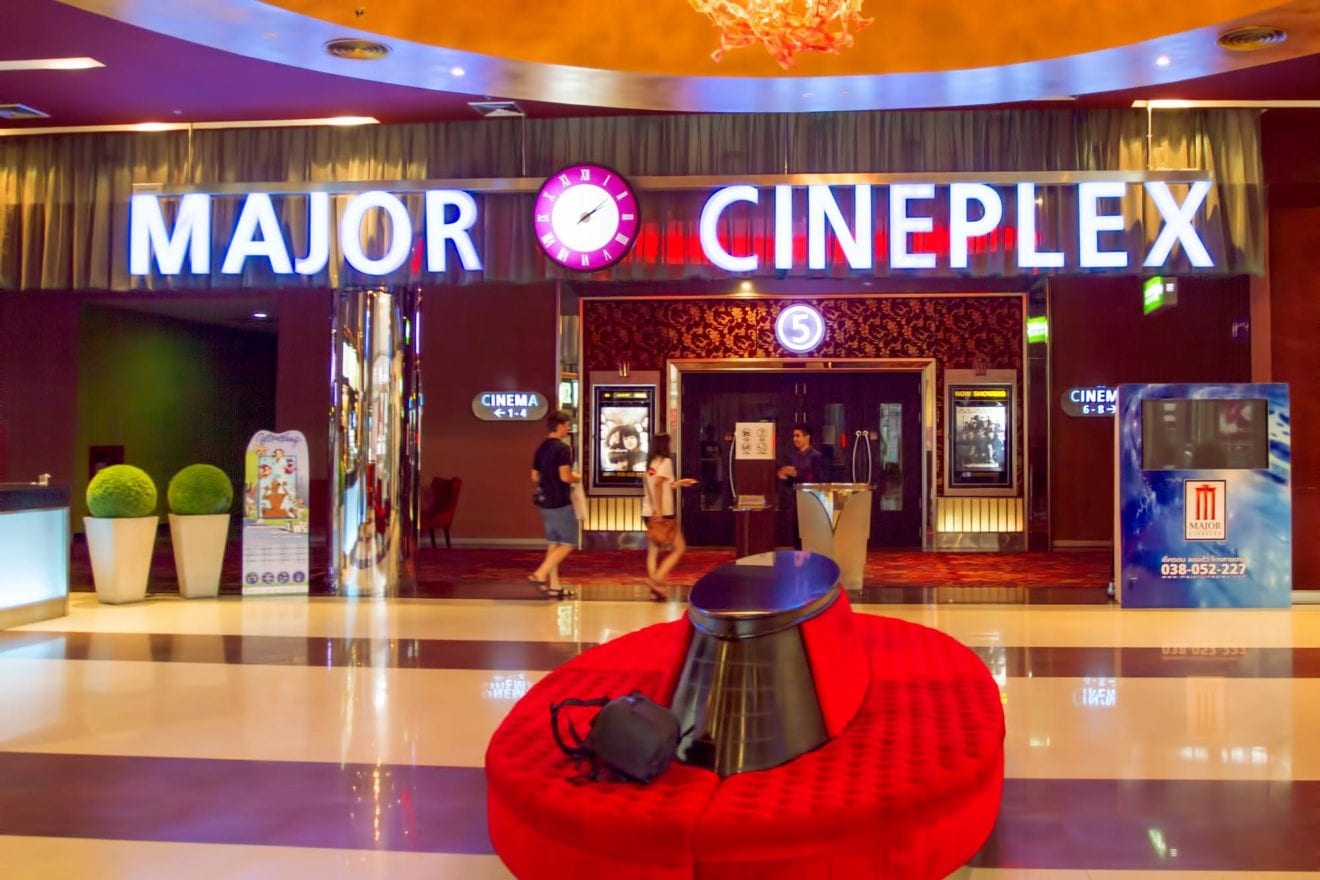
    Major Cineplex typically operates its multiplex cinemas as anchors of modern shopping malls. It has just opened its first five screen, 1148 seat facility in Vientiane Center an upmarket shopping centre developed in a partnership including China’s Huawei

    Vicha said his company expects to sell at least 500,000 tickets within the first year of operation.

    “Forty per cent of Vientiane’s 700,000 residents are aged between 10 to 35 years,” he added.

    Major Cineplex will open three more cinemas in Vientiane by 2018, one in the planned World Trade Centre and another in a development planned by Thai investors.

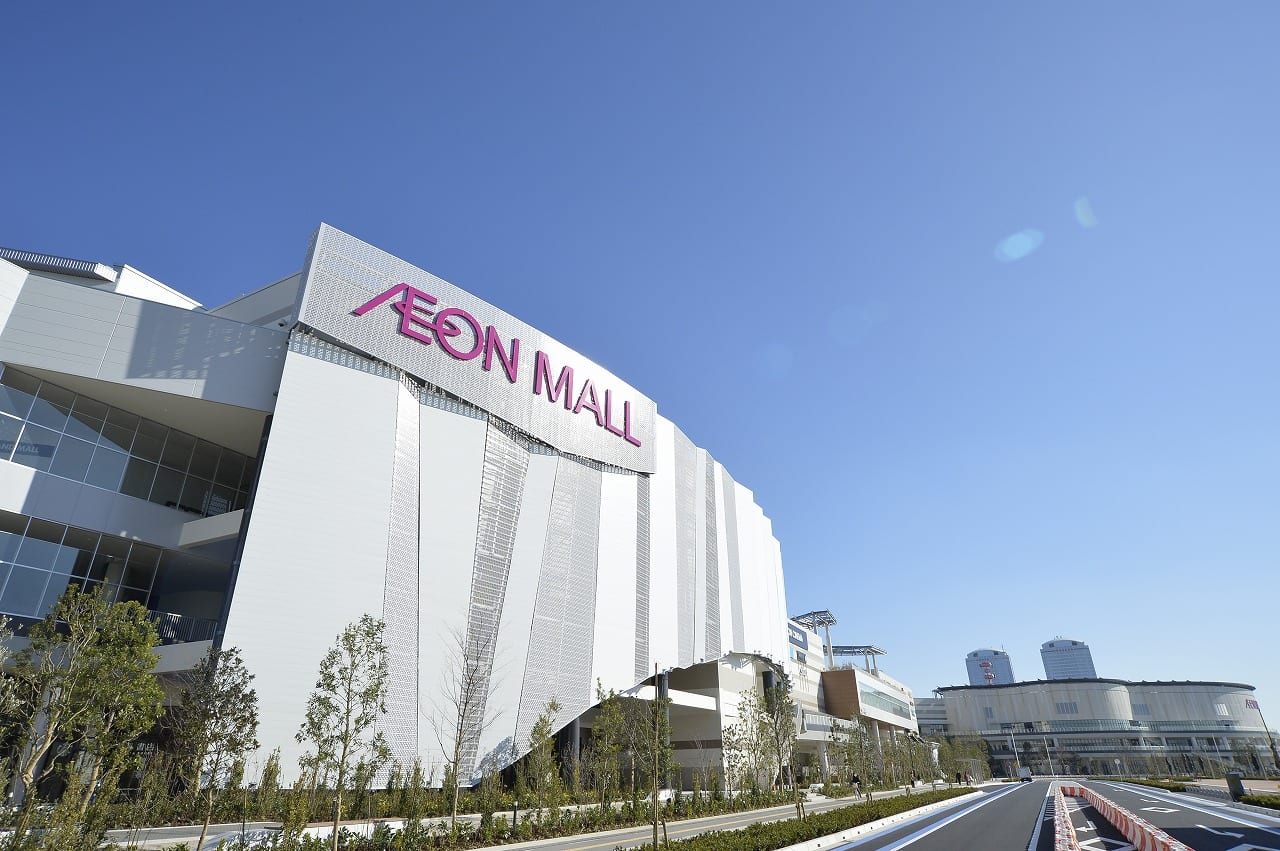
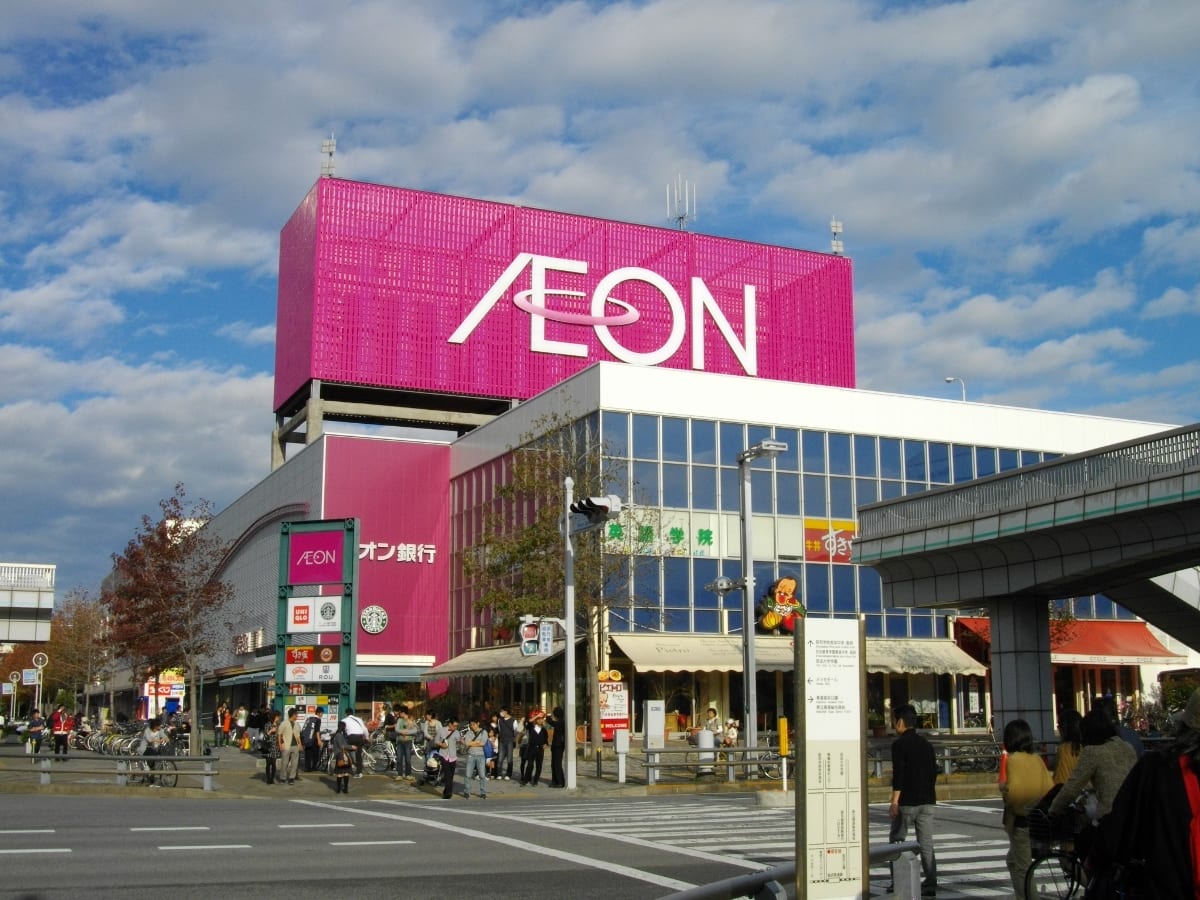
    Vicha says his company is also eyeing opportunities in Cambodia, Myanmar and Vietnam. It currently operates just one cinema outside Thailand – in the year old Aeon Mall in Phnom Penh, also in partnership with Platinum.

    He told The Nation he expects to have 100 screens outside Thailand by 2020, creating 10 per cent of the company’s revenue.

  • Aeon Hong Kong to invest in new stores

    Aeon Hong Kong to invest in new stores

    Aeon Hong Kong is ramping up its store network expansion in the territory and the mainland.

    The Japanese retailer’s locally listed subsidiary has set aside HK$420 million to build new stores and refurbish existing ones, MD Christine Chan Pui Man said in announcing the company’s half year result. The cash – vastly more than the $51 million spent in the first half of this year – will be spent during the second half of 2015 and in 2016.

    Chan said despite a “stagnant” retail industry in both China and Hong Kong, the group improved its sales by 2.4 per cent to $4.499 billion in the six months to June 30, largely from stable growth in the mainland. Gross margin rose from 30.6 per cent to 31.1 per cent due to merchandise enhancement, boosting the core business profit by 20.8 per cent to $43.7 million.

    In the first half of this year Aeon Hong Kong opened four new stores – two in Tsuen Wan, one in Sai Ying Pun and another in Sham Shui Po, giving it a network of 46 on June 30.

    Revenue from the group’s Hong Kong operations was maintained at HK$1.87 billion, down marginally on a year ago, but profit fell from $44.7 million to $23.6 million.

    On the mainland, revenue rose by 6.8 per cent to $2.626 billion and the segment results achieved a turnaround with profit of $20.2 million compared with a loss of $8.4 million last year. Aeon now has 29 stores in south China, no more than at the end of last year.

    With a focus on now expanding the network, Aeon Hong Kong believes the mainland will become a major growth driver of the group.

    “In spite of the unstable macroeconomic environment and the volatile stock market, the PRC is still one of the economies with the largest potential for further business growth,” Chan said.

    In the second half of 2015, a new store will open in Zhongshan and in the first half of 2016, one will open in Panyu and two in Guangzhou and Shenzhen respectively in the second half.

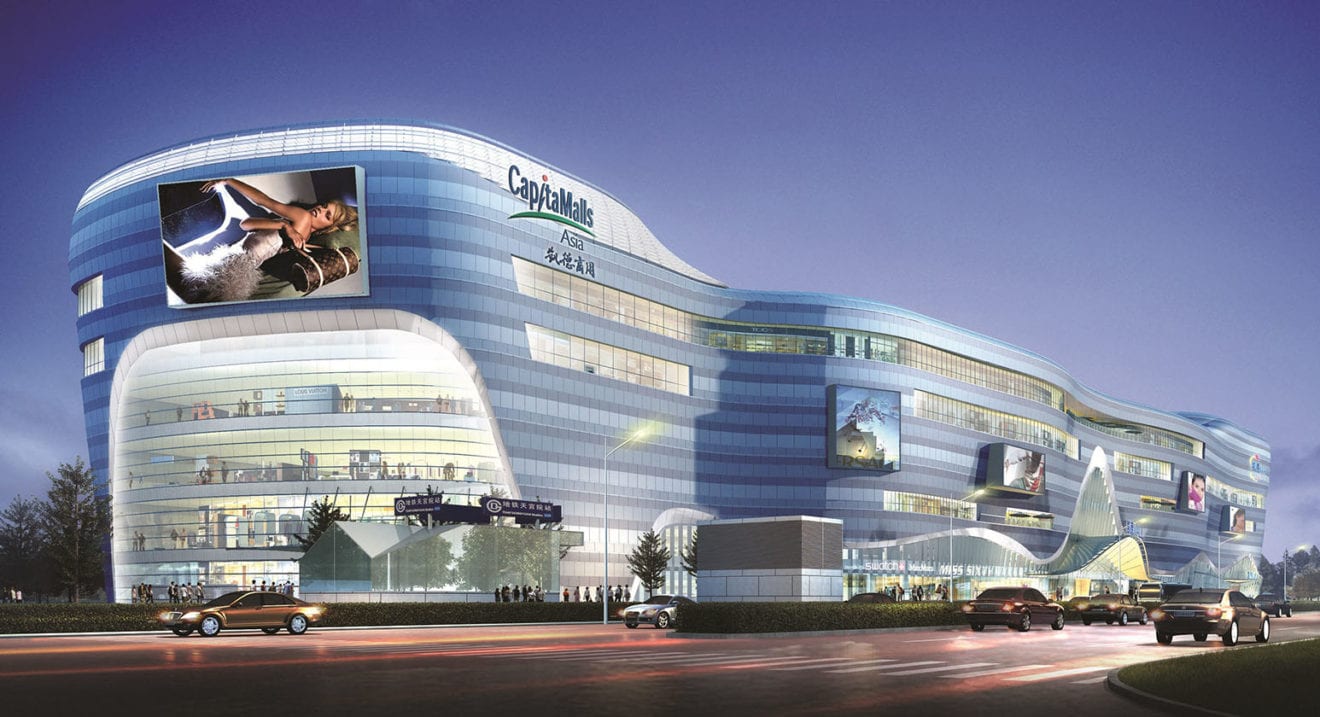
  • CapitaLand may sell Rivervale Mall

    CapitaLand may sell Rivervale Mall

    Singapore property conglomerate CapitaLand has confirmed it is reviewing its options for the future of Rivervale Mall.

    “CapitaLand Mall Trust has not come to any decision or entered into any agreement or transaction in connection with the options, nor is there any certainty or assurance that CMT will enter into or conclude any such transactions,” the company said in a disclosure to the Singapore stock exchange.

    The company said the consideration was in line with its policy of continually evaluating its portfolio of assets “and exploring opportunities to maximise” their value.

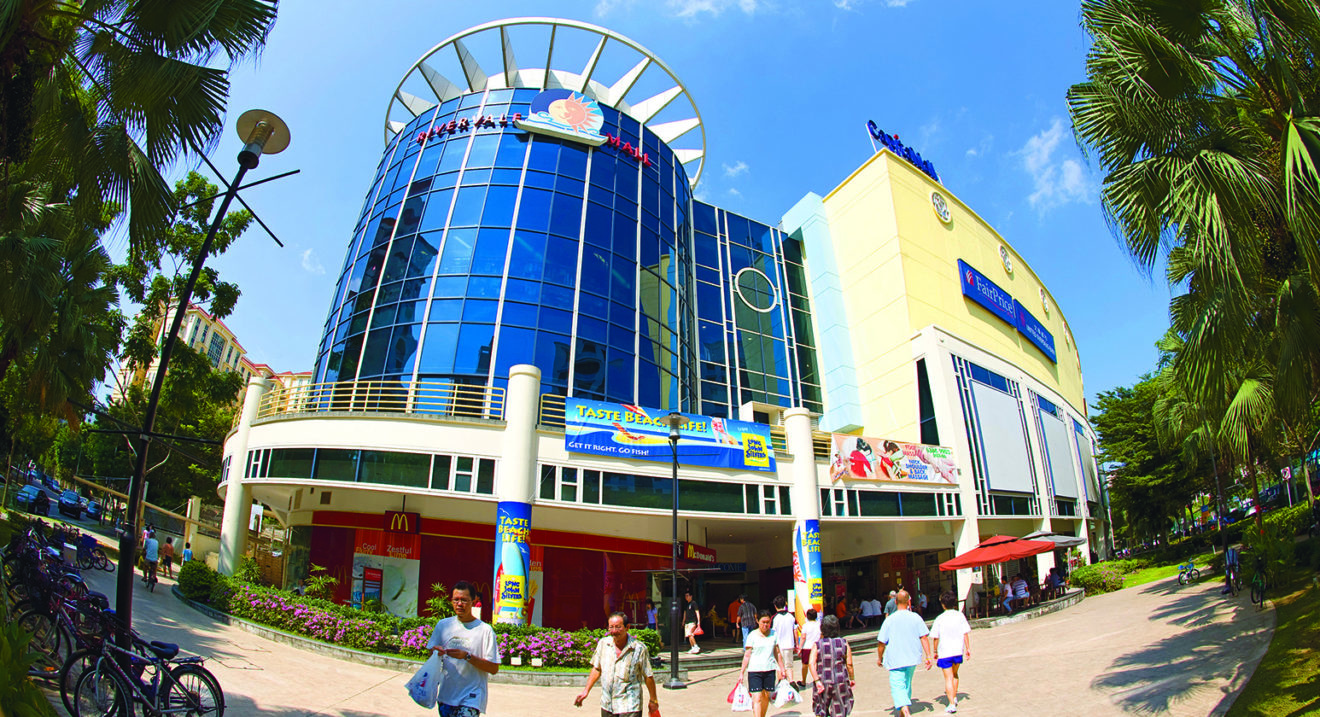
    Rivervale Mall is located in the Sengkang housing estate close to Rumbia LRT station in the north-eastern region of Singapore. The three-storey mall has a net lettable area of 81,159 sqft and serves the local community.

    Key tenants include NTUC Foodfare, Daiso, Bata, Eu Yan Sang TCM, McDonald’s, Long John Silver’s, Guardian, KFC, BBQ Chicken, Watsons, Kimage, NTUC Denticare, Unity NTUC Healthcare.

    In 2014, it had a footfall of 9.9 million.

  • Studio City retail tenants revealed

    Studio City retail tenants revealed

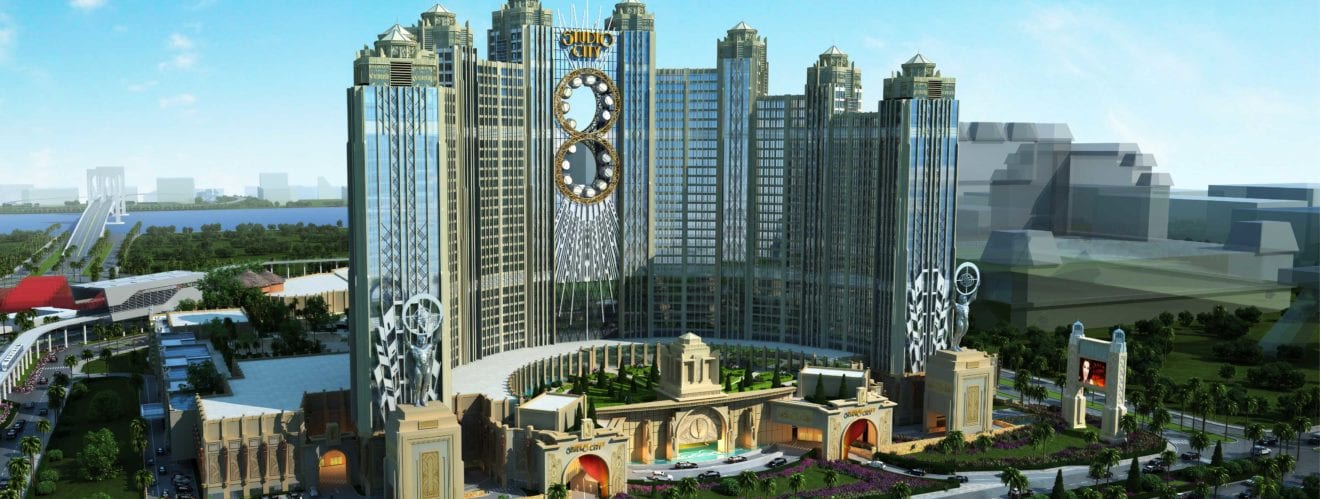
    Studio City and Taubman Asia, have revealed the lineup of fashion brands that will open inside The Boulevard at Studio City.

    A mix of fashion-forward labels and internationally-renowned luxury brands include Macau’s first Balmain, Macau’s first Belstaff, and Tom Ford’s largest store in Asia, amongst many others. The selection was assembled by Taubman Asia and Melco Crown Entertainment’s combined team of retail specialists to meet Chinese consumers’ increasing desire to express their individuality through high quality, expertly crafted clothing and accessories. Bespoke and personal services will be offered to ensure our shoppers take center stage.

    Taubman says The Boulevard at Studio City will bring “an unparalleled shopping experience” to Studio City.

    “Unlike any retail offering to be found in Asia, the unique 35,000 sqm ‘immersive’ retail entertainment environment brings shopping to life by ‘transporting’ visitors to high-energy street-scapes and entertaining them at every turn with featured streets and squares inspired by iconic shopping and entertainment locations, including New York’s Times Square and Hollywood’s Beverly Hills,” Taubman said in a statement.

    “At the futuristic Times Square Macau, inside The Boulevard at Studio City, a variety of entertainment from ‘virtual’ musicians to film stars will be shown through holographic projections.

    “Leveraging our global expertise increating extraordinary retail environments, and our exceptional relationships with the world’s leading brands, our talented team in Asia has brought together an exciting mix of brands for The Boulevard at Studio City,” said René Tremblay, president of Taubman Asia.

    “Our merchandising and management services are the industry standard for performance and excellence. We are thrilled to welcome these brands to our latest project and are committed to supporting them for the long term.”

    List of brands:

    Aeronautica Militare
    Balmain
    Bank of China
    Belstaff
    Boss
    Bottega Veneta
    Bulgari
    Cigar Emporium
    Coach
    Cosmos Food Station
    Din Tai Fung
    Dunhill
    Emporio Armani
    Fendi
    Girard-Perregaux
    Givenchy
    Glashutte Original
    Graff
    Gucci
    Hide Yamamoto
    Hublot
    ICBC
    Trattoria Il Mulino
    Image Digital
    IWC Schaffhausen
    Jaeger-LeCoultre
    Jaquet Droz
    kate spade new york
    Kenzo
    Longines
    McCafe
    McDonald’s
    MCM
    Michael Kors
    Montblanc
    Philipp Plein
    Piaget
    Prada
    Rainbow
    Rimowa
    Roberto Cavalli
    Saint Laurent Paris
    Shiki Hot Pot Restaurant
    Starbucks
    Tag Heuer
    T Galleria Beauty by DFS
    Tiffany & Co.
    Tom Ford
    UM
    Vacheron Constantin
    Valentino
    Van Cleef & Arpels
    Versace Collection
    Ermenegildo Zegna
    Zenith

  • Paradigm Mall to be new JB retail hub

    Paradigm Mall to be new JB retail hub

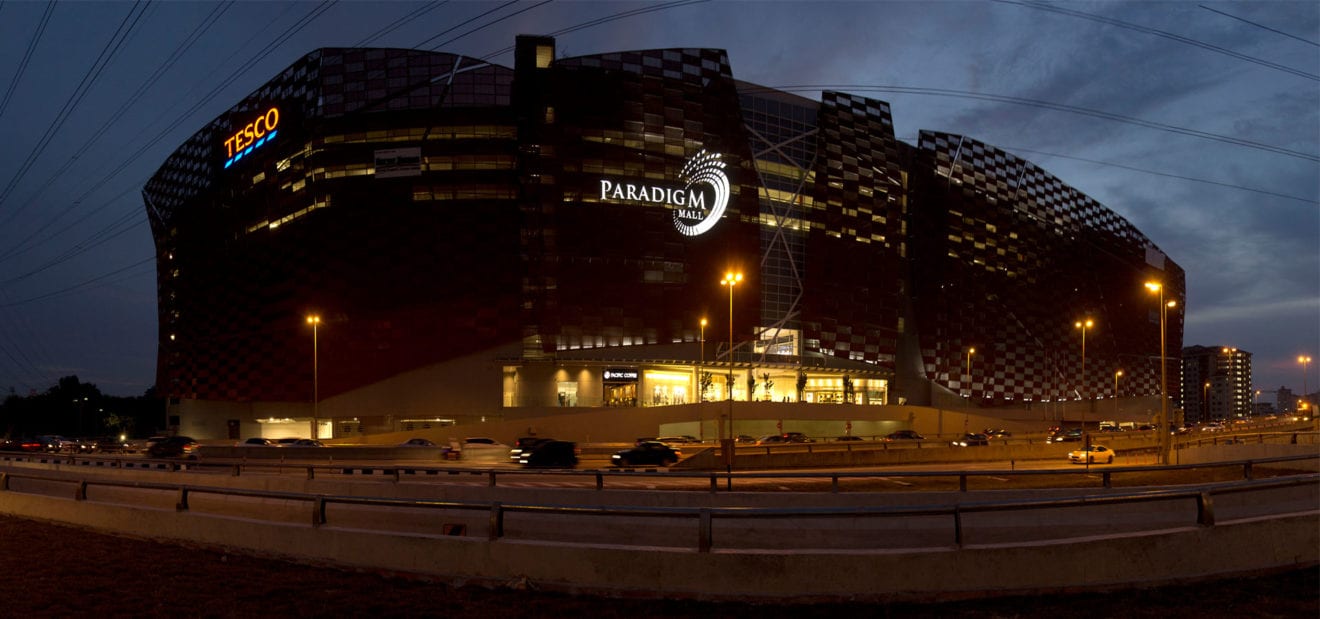
    A new shopping centre announced for Malaysia’s southern city Johor Baru, will be the largest mall in town when it opens in late 2016.

    Paradigm Mall was launched by Malaysia’s Tourism and Culture Minister Datuk Seri Mohd Nazri Aziz. It will be developed by WCT Holdings Berhard.

    The six story, 600,000 sqm mall will house a 16 screen multiplex cinema, an indoor rock climbing facility and an ice skating rink, alongside a large line-up of local and international brands inlcuding department store Sogo and the Village Grocer supermarket.

    Aziz described Johor Baru – a short drive across the border from Singapore – as “untapped potential” suggesting the new mall could help attract Singaporean shoppers to the city.

    “Johor Baru is among the top five shopping areas for foreign tourists, and I hope to work with integrated developments such as Paradigm Mall to promote Malaysia internationally,” he said at a launch function.

    The new mall will also incorporate a four-star hotel and serviced residences.

  • M&G makes first retail acquisition in South Korea

    M&G makes first retail acquisition in South Korea

    M&G Real Estate has acquired three retail assets in South Korea at a combined value of US$230 million, representing an average yield of 6.5%. The acquisition was made on behalf of its core Asia real estate strategy, managed by Singapore-based Erle Spratt.

    Under the terms of the deal, M&G Real Estate has acquired two hypermarkets: the first in Daejeon, South Korea’s fifth largest city; the second in Jeju, the capital of the Jeju Province and the nation’s premier tourist destination. The third asset is an outlet mall in Incheon City, the country’s third largest city after Seoul and Busan. All three assets are highly sought after retail outlets in prime locations and are leased to South Korea’s largest retailer, Lotte Shopping.

    Hyesik Ryu, Managing Director, M&G Real Estate Korea, comments: “We were one of the first non-domestic institutional investors to invest in South Korea when we bought into the country’s commercial office sector in 2004. M&G Real Estate has developed a deep understanding of the market, enabling us to make this latest investment in the retail sector, which will strengthen the strategy’s long term income stream.”

    Erle Spratt adds: “We’re seeing strong capital flows, particularly from global pension funds and insurance companies in the UK and Europe. With responsibility for more than US$2 billion in assets, we are well positioned to pursue property investments across the region to further improve our risk adjusted returns and sustain the outperformance of our portfolio.”

    Stefan Cornelissen, M&G’s head of institutional business, Benelux, Nordics and Switzerland, says: “The Asia Pacific real estate market is now the second largest in the world and rivals the US and Europe in terms of its maturity, transparency and liquidity. European investors in search of diversification can now benefit from Asia’s strong economic growth and attractive long term returns without going higher up the risk curve.

    “We have recently had a significant commitment from Dutch investor, Blue Sky Group, which has invested on behalf of its recently launched Core Asia Pacific Fund. We expect further capital to follow from other UK and European investors. Asian real estate has come of age and is earning itself a strategic place in a diversified core real estate portfolio.”

  • E-Land Group to open large shopping mall in China

    E-Land Group to open large shopping mall in China

    South Korean retail giant E-Land Group said Monday that it plans to open its first shopping mall in mainland China later this year in a joint venture as part of its strategy to tap deeper into the world’s biggest market.

    E-Land Group and Malaysia-based Parkson Group have agreed to establish a joint venture and open “Parkson-New Core Mall” in Shanghai in November.

    The South Korean company said it will be in charge of management of the joint venture, with a 51-percent share.

    Parkson Group is one of the largest department store operators in the Asian region, with 127 stores in China, Malaysia and Indonesia.

    It is the first time for the South Korean retailer to run a large multiplex shopping mall in China, while E-Land now operates around 7,300 apparel stores in the neighboring country.

    E-Land said the Parkson-New Core Mall will house its own fashion, houseware, shoes and accessory brands, as well as American and European luxury goods.

    “China’s retail industry has already reached a saturation point,” said an official from E-Land Group. “We will introduce a new type of retail store in the market.”

    Rival retailers including Lotte Group and Shinsegae have already entered the Chinese market but failed to produce outstanding results due to fierce competition.


  • Aeon Cambodia to build second mall

    Aeon Cambodia to build second mall

    Japan’s Aeon is to build a second shopping mall in Cambodia’s capital city Phnom Penh.

    The news was revealed on the first birthday of Aeon’s first Cambodia mall, which it says has attracted 15 million visitors.

    The new mall will be built about 10km north of Phnom Penh’s CBD in the Pong Peay City, a new residential and commercial development by the LYP Group on the city’s north side.  LYP is owned by prominent local businessman and ruling party senator Ly Yong Phat.

    With a 151,000 sqm footprint it will be significantly larger than the first mall, which is 108,000 sqm. The gross leasable area will be 70,500 sqm.

    Like all of Aeon’s malls in Asia, the centre will be anchored by an Aeon supermarket. Supporting retailers will include Japanese brands who partner with Aeon in new developing markets and international brands such as Puma, Adidas and Levi’s.

    Aeon Asia MD Washizawa Shinobu said his company is confident Cambodia’s emerging middle class will make the new centre a success, aiming to attract 10 million visitors in its first year.

    “I am sure Cambodian people will be richer with economic growth like that, which means they will buy more products,” he said.

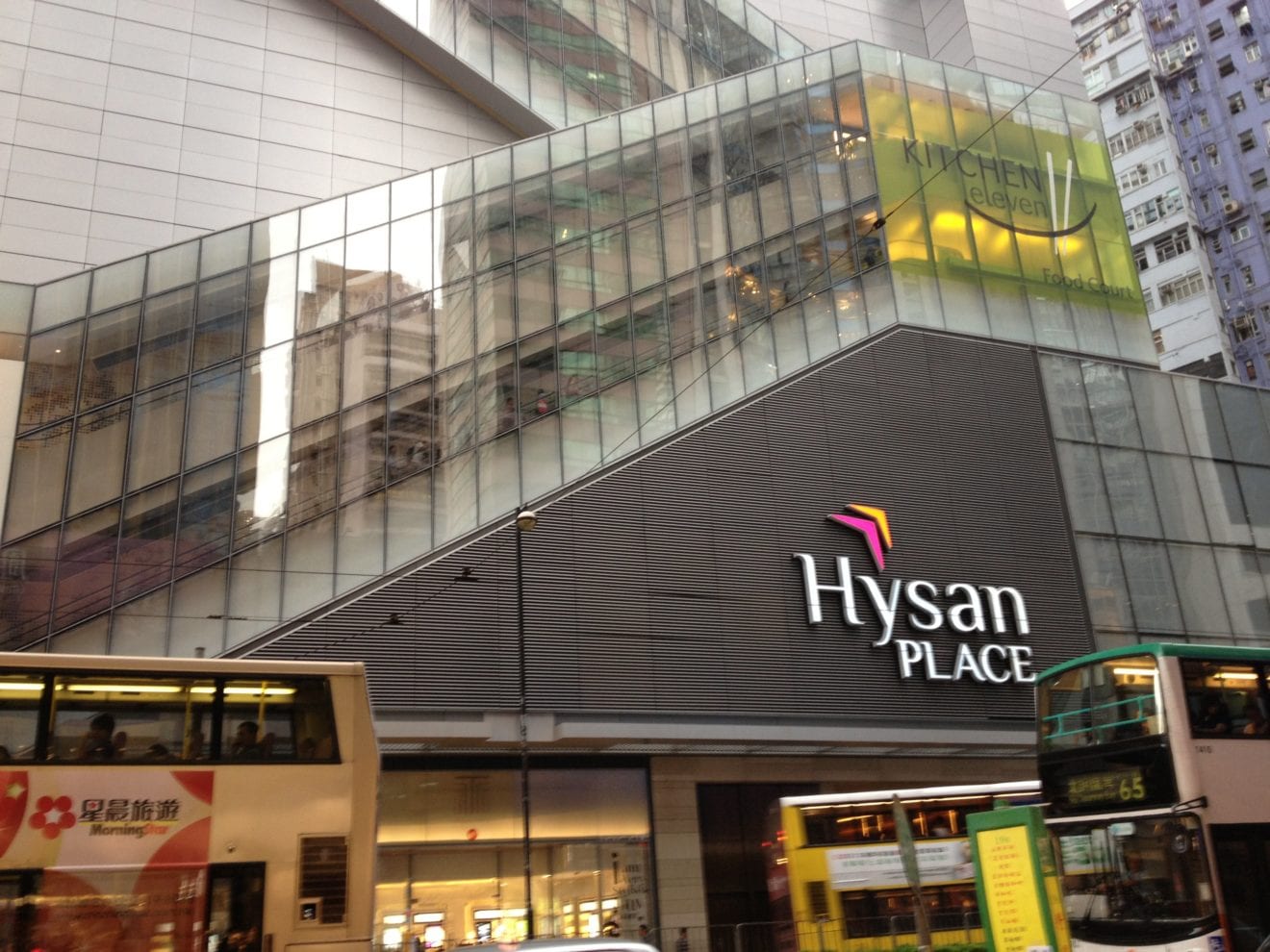
  • Hysan thrives in subdued market

    Hysan thrives in subdued market

    Hysan Development Co chairman Irene Yun Lien Lee says retail locations with proven shoppers’ traffic that have a bustling and unique surrounding atmosphere have become more sought after as retailers compete in an increasingly challenging market.

    That’s the core of the reason Hysan has thrived in the first half year while street-front shops have struggled and for lease signs have appeared in even the most popular shopping destinations, like Causeway Bay.

    “Hysan has always strived to work closely with and provide support as well as add value to our tenants, especially when shop owners are weathering market uncertainty,” said Lee in a half year report.

    “At Hysan’s portfolio in the first half of 2015, we hosted a number of high-profile customer engagement activities and experiences, including a successful dining programme in May in partnership with our food and beverage tenants and shoppers with HSBC credit cards. We also unveiled Leeisure rewards for shoppers, complemented by the inaugural Leeisure electronic and print magazines.”

    The company this week reported group turnover of HK$1.714 billion, up 7.4 per cent on the same period in 2014. And at the end of June, Hysan’s retail portfolio occupancy was 98 per cent, the office portfolio full, and residential portfolio at 95 per cent.

    Contrast that growth with the 2.1 per cent expansion of Hong Kong’s overall economy in the first quarter and the forecast for the year of between one and three per cent, and a drop in retail sales for the first half of 1.6 per cent.

    Lee said Hysan’s strategy in recent years has been to cluster its Lee Gardens portfolio of retail and office space in Causeway Bay.

    “Our iconic, well-recognised and quality Lee Gardens brand is powered by our ownership cluster. This area concentration magnifies our ability to extract synergies amongst our retail, food and beverage and office tenant mix. It also supports our active marketing and events programs to reinforce our brand, build our customer loyalty program, create a sense of community and ensure awareness as a must-visit destination,” said Lee.

    “This long-term vision has helped maintain a strong tenancy demand, an improved and broadened tenancy mix, active stakeholder engagement, and most of all, a well-regarded and sustainable brand.”

    To further emphasise the brand and highlight Lee Gardens’ heritage and distinct character, all buildings on the eastern half of Hysan’s property portfolio in Causeway Bay have been renamed under the Lee Gardens brand name from June 1.

    “We are proud of our long history and we understand our tenants also wish to be more closely associated with this brand,” said Lee.

    Hysan believes the retail market remains underpinned by “solid local support and demand”.

    “Furthermore, as retailers and landlords adapt to the changes in the shopping patterns, including that of the rising prominence of eCommerce, we are confident that the retail sector will be able to weather the market volatility,” Lee said.

    The group’s retail portfolio turnover grew 6.4 per cent to HK$950 million, including turnover rent of HK$50 million, (down $10 million).

    “Our results reflected positive rental reversions in rental renewals, reviews and new lettings across the portfolio, with an average rental increase of around 35 per cent. They also highlighted our strategy to increase the base rent while shifting the focus away from turnover rent. Around 80 per cent of retail leases expiring in 2015 have already been committed.

    The portfolio was 98 per cent occupied as at 30 June 2015, (down two percentage points from December 31st’s ‘no vacancy’ status).

    Hysan Place, a hub for the younger, fashion-forward crowd, achieved around 80 per cent growth in estimated tenant sales. Hysan says this reflects its attractive retail offerings, including some popular digital products.

    “We have been further refining our tenant mix and focusing on more unisex sports and leisure offerings, which match Hong Kong’s growing demand for a healthier lifestyle. Lululemon, the trend-setting yoga apparel brand, for example, is opening its largest Hong Kong store on the first floor. Another popular sector is cosmetics, and DFS T-Galleria has revamped an entire floor to showcase its beauty offerings with a brand new experiential format and expanded product categories, including popular Korean brands.”

    The premium Lee Gardens hub experienced a drop in estimated tenant sales when compared to the first half of last year. The sales there were inevitably affected by the slowing down in tourist spending, but they were also partially attributable to the life cycle and distribution strategy of certain brands.

    Newcomers including Roger Vivier and Dolce and Gabbana Junior helped reinforce both our adult and children’s offerings, and reflected the ongoing demand for quality space by major brands at the Lee Gardens, the company said. The hub’s food and beverage outlets, from traditional Chinese to trendy Asian and Michelin-starred French cuisines, experienced double-digit percentage growth in sales.

    Lee Theatre hub, the urban fashion and lifestyle destination, achieved around 10 per cent growth in estimated tenant sales. The flagship stores at the lower levels of Lee Theatre Plaza, including Uniqlo, Muji and Aland, have proven popular with shopping families, and these shoppers also make good use of the food and beverage outlets on the upper floors of this Causeway Bay landmark.

    “Our curation of the Leighton Centre ground level as a “sports-themed street” has also been successful in creating a new home for sporty apparel and footwear, such as adidas Originals, Asics and Onitsuka Tiger.”

  • CapitaLand posts healthy quarter

    CapitaLand posts healthy quarter

    CapitaLand Limited has today announced a second half after tax group profit of S$464 million – 5.8 per cent up on the same period last year.

    The property giant, which derives 80 per cent of its revenue from Singapore and China, has a portfolio including shopping malls, serviced apartments, office blocks and hotels trading under a variety of banners.

    In a statement, CapitaLand said its operating profit was 87.6 per cent higher than the same quarter last year on account of gains from the change in the use of development properties for sale in China, namely The Paragon (Tower 5 & 6) and Raffles City Changning (Tower 3). These projects are at prime locations in Shanghai and the group has changed its business plans for these projects from strata-sale to leasing as investment properties.

    The result was impacted by an impairment for a development project in China.

    Revenue increased by 17.8 per cent on the back of higher contribution from development projects in China, partially offset by lower revenue from development projects in Singapore and Vietnam.

    The group says it recorded higher rental revenue from its shopping mall and serviced residence businesses during the quarter.

    Lim Ming Yan, president & group CEO, said CapitaLand’s well-balanced portfolio of investment properties and residential projects will continue to generate recurring income and trading profits for the group.

    “While CapitaLand remains focused on Singapore and China as core markets, it is exploring opportunities to expand in growth markets such as Vietnam, Indonesia and Malaysia. CapitaLand has built a significant scale across diversified asset classes and strong expertise in integrated developments, shopping malls, serviced residences and capital management. Coupled with its technology efforts, CapitaLand continues to strengthen its position for growth,” he said.

  • Waterway Point Mall Singapore 90% leased

    Waterway Point Mall Singapore 90% leased

    The new Waterway Point Mall in Singapore is already 90 per cent leased, a whole six months ahead of its scheduled opening date.

    Developer Frasers Centrepoint Malls says the new centre in Punggol won’t be open for business for about six months, but the vast majority of space is now leased.

    Waterway Point is part of Watertown, an integrated waterfront residential and retail development by Frasers Centrepoint, Far East Organization and Sekisui House.

    A 24 hour FairPrice Finest supermarket, a 1500 seat Shaw Theatres multiplex cinema and a large Times Bookstore have been named as anchor tenants.

    The new 370,824 sqft mall will feature four levels of indoor retail space, alfresco dining and leisure space.

    The Times Bookstore will be the chain’s largest in Singapore with a 7335 sqft footprint.

    “Once underserved, Punggol today is a picture of rapid development,” said Christopher Tang, CEO for commercial and Greater China with Frasers Centrepoint.

    “The positive take-up underscores a healthy demand for retail space in this developing area.”

  • Tag Heuer Hong Kong to close store

    Tag Heuer Hong Kong to close store

    Tag Heuer is to close one of its Hong Kong stores as it battles high rents and falling sales.

    Tag Heuer Hong Kong’s Causeway Bay store on Russell St will close soon, according to Jean-Claude Biver, the head of Tag Heuer’s parent LVMH’s watch unit.

    While local watch and jewellery retail chains have been adjusting their store networks in the wake of plummeting sales to Chinese tourists over the last 12 months, this is the first significant closure announced by a global luxury player. Rival luxury retail group Kering has hinted it may close some stores, but has not announced firm plans as yet.

    However, the Tag Heuer plan itself is vague.

    “I am not sure if the shop will be closed this year or next but for sure I want to close it because of high rental costs and a drop in traffic,” Jean-Claude Biver told Reuters.

    Local jewellery retailers like Luk Fook and Chow Tai Fook have been renegotiating rents as they come up for renewal, and reporting reductions  of between 10 per cent and 20 per cent.

  • Chow Tai Fook wins 40 per cent rent cut

    Chow Tai Fook wins 40 per cent rent cut

    Jeweller Chow Tai Fook has reportedly re-signed a retail shop rental lease at a 40 per cent reduction.

    It’s a rent reduction which will energise the retail sector, but not doubt send shivers through Hong Kong’s property community.

    Several listed luxury retailers have in recent months been openly discussing expectations of reduced rents when re-negotiating with landlords over lease renewals. Their expectations are grounded in falling sales of luxury goods resulting from Mainland China;s gift-giving crackdown and a reduction in the number of cashed up, big spending Chinese tourists hitting the territory.

    But the sort of reductions being discussed have ranged between 10 and 20 per cent.

    According to Ming Pao, Chow Tai Fook has renewed the lease on its Mong Kok Bank centre branch – shops 6 and 7, on the ground floor.

    The previous rent agreed was $1.3 million in 2012. The new rent rate is 40 per cent lower. Other terms, such as the lease term, have not been disclosed.