Retail News CRM

Tag: QR

  • China and Indonesia Launch Innovative Pilot Program for Cross-Border QR Payments

    China and Indonesia Launch Innovative Pilot Program for Cross-Border QR Payments

    In an exciting development for cross-border commerce, selected users from China can now engage in QR payments while visiting Indonesia, thanks to a collaborative pilot initiative between the two nations. This innovation allows users to make payments using the UnionPay and Alipay apps through Indonesia’s QRIS system, which stands for “Quick Response Code Indonesian Standard.” With more than 40 million QRIS merchants participating, this move promises to enhance the purchasing experience for tourists and business travelers alike.

    As part of this initiative, the pilot program allows not just Chinese users but also selected merchants from China’s UnionPay and Alipay networks to accept QR payments from a variety of Indonesian mobile payment applications. It’s almost like creating a financial handshake between countries, all facilitated by the convenience of QR codes.

    The payment processing will unfold in the local currencies of each country, adding another layer of efficiency to the transaction process, as confirmed in the recent press release. With the pilot phase currently underway, stakeholders anticipate that the QR payment system will be fully operational by 2025, making it a significant stride towards seamless cross-border transactions.

    UnionPay International (UPI) has laid the groundwork for this ambitious project by signing a memorandum of cooperation with the Indonesian Payment System Association, Ant International, as well as the Bank of China (Hong Kong) Jakarta branch. The move solidifies the partnership, which is further cemented through separate agreements with four Indonesian switch networks: Rintis, ALTO, Artajasa, and Jalin. As the program progresses, it could transform how payments are made between these two vibrant economies, potentially sparking interest from other nations to join the QR payment revolution.

    Questions & Answers

    How does the QR payment system work between China and Indonesia?
    Users from China can make QR payments in Indonesia using the UnionPay and Alipay apps, utilizing the QRIS system to facilitate transactions through 40 million participating merchants.

    What currencies will be used in these transactions?
    The QR payment linkages will be settled in the respective local currencies of China and Indonesia, ensuring a smooth transaction process for users.

    When is the QR payment linkage expected to become fully operational?
    The initiative is projected to be fully operational by 2025, following the current sandbox phase of the pilot program.

  • Bangkok Bank Launches Paybooc QR Payments: A New Era for Cashless Transactions in Thailand

    Bangkok Bank Launches Paybooc QR Payments: A New Era for Cashless Transactions in Thailand

    Korean travelers are set to revolutionize their payment experiences in Thailand, thanks to an innovative collaboration between Bangkok Bank and BC Card, a prominent South Korean payment service provider. The launch of cross-border QR payments through the Paybooc app allows South Koreans to shop and pay with ease while exploring all that Thailand has to offer, utilizing real-time exchange rates for transactions.

    A Gateway for Seamless Travel Peering into 2025

    This partnership does not just stop at providing convenience for travelers from South Korea; it also aims to create a reciprocal system. Soon, Thai customers will be able to scan QR codes in South Korea, making cross-border transactions as effortless as a stroll down a busy street. “It’s like carrying a magic wallet that opens doors in another country,” said one industry insider, capturing the essence of this technology.

    Tourism Expectations and Economic Impact

    Looking ahead, the tourism landscape is set to flourish, with projections estimating around 2 million South Korean tourists will visit Thailand in 2025, according to Chaiyarit, the senior executive vice president at Bangkok Bank. Thai tourists, known for their high spending patterns—averaging THB59,000 per trip—will greatly benefit from the Cross-Border QR Payment service, further boosting the economies of both nations.

    Expanding Horizons—Bangkok Bank’s Wide Reach

    Bangkok Bank is not just focusing on these two markets; it currently operates QR payment services across eight markets, including Vietnam, Indonesia, Malaysia, Singapore, Laos, Hong Kong, South Korea, and Cambodia (inbound service only). This extensive network positions the bank to facilitate seamless transactions and enhance the travel experience for its customers.

    Bridging Borders with Technology

    The integration of QR payment technology not only streamlines financial transactions for tourists but also represents a significant step toward fostering stronger economic ties between South Korea and Thailand. As digital payment options continue to evolve, the two nations are positioning themselves at the forefront of a new era for global travel, where currency exchange headaches may soon become a relic of the past.

    Questions & Answers

    How does the new QR payment system work for South Korean travelers?
    Travelers utilizing the Paybooc app can instantly make QR payments in Thailand at real-time exchange rates.

    What future plans do Bangkok Bank and BC Card have for the QR payment system?
    They plan to allow Thai customers to scan and pay in South Korea, enhancing cross-border financial interactions.

    Why is the influx of South Korean tourists significant for Thailand’s economy?
    With projections of 2 million South Korean visitors by 2025 and their high average expenditure, these tourists are poised to significantly boost Thailand’s tourism revenue.

  • YouTube now offers QR codes for channel sharing

    YouTube now offers QR codes for channel sharing

    YouTube is now offering its creators another convenient way to share their channels with their audience, via QR codes. This feature is being rolled out to all creators globally and can be accessed easily from the YouTube app itself.

    If you’re a creator, here’s how you can grab your QR code:

    1. Open the YouTube app on your phone (Android or iOS).
    2. Tap on the “You” tab at the bottom.
    3. You’ll see a little button under your channel name that says “Share channel”. Tap it.
    4. In the menu that pops up, tap “QR code”.
    This will generate a full-screen QR code that you can save to your camera roll or take a screenshot of. This QR code prominently features your channel logo, making it visually identifiable.

    This update from YouTube is more than just a cool feature. It’s a smart move that benefits both creators and viewers. For creators, it’s a simple and effective way to promote their channels and gain new subscribers. For viewers, it’s a hassle-free way to find and follow the channels they love. For viewers, it simplifies the process of finding and subscribing to channels, as all they need to do is scan the QR code with their phone’s camera, and they’ll be taken directly to the channel.

    In the past, creators had to rely on third-party apps to generate QR codes for their channels. This often meant dealing with ads or limited customization options. Now, YouTube has built this feature right into their app, making it seamless and user-friendly.
    Ultimately, YouTube’s new QR code feature is a win-win for everyone involved. It’s a small but impactful change that makes the platform even more accessible and engaging. Whether you’re a creator looking to grow your audience or a viewer looking for great content, QR codes are a handy tool to have in your back pocket.
  • More Vietnamese opt for QR payments

    More Vietnamese opt for QR payments

    It has been months since Hai Van last checked her purse, since she makes almost all payments by scanning QR codes with her phone.

    The media company in Hanoi’s Cau Giay District says: “Whether it is having breakfast and lunch at the office, making supermarket trips in the evening or hanging out with friends at a cafe, QR payments are readily available, and the deductions are made directly from my e-wallet.

    “Occasionally I have to transfer money or pay cash when making online purchases. But other than that, most transactions are done through scanning codes.”

    This began unexpectedly over a year ago amid Covid-19.

    “Once, I was buying from a street vendor without any loose change, and the lady offered a QR code to pay,” she says.

    Without a purse with cash and cards, her handbag’s weight has reduced in half.

    “I am more worried about running out of phone battery than forgetting my purse.”

    The Tam, owner of a grocery store in Vinh Phuc Province, has also grown accustomed to receiving payments through online bank transfer instead of cash.

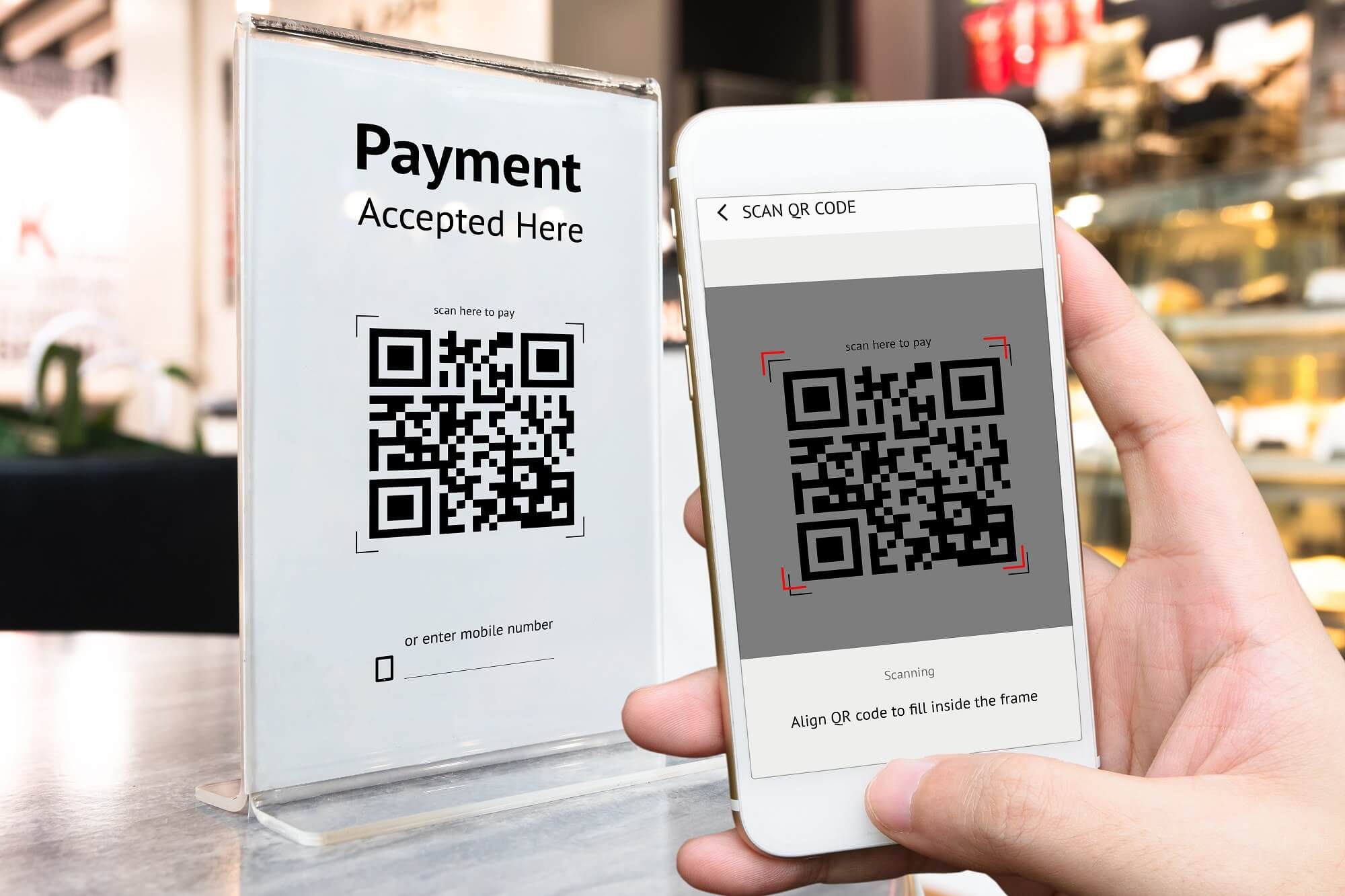
    For over a year his store has had a QR code displayed in the most prominent place with the sign “QR Payment Accepted.”

    He says: “Customers in the village often do not carry cash. Rather than buy at another shop on credit, they gradually got into the habit of coming to mine for QR payment.

    “Gone are the days when I had to count money and give back change… all there is to do now is check the numbers.”

    Now almost half of all transactions at his store are done by scanning codes.

    After gaining popularity through e-wallet apps such as VNPay, MoMo and Viettel Money, QR codes are now directly integrated into bank apps.

    Last year, Napas set up VietQR, simplifying this process and allowing customers of any bank in the system to transfer money to another bank just by scanning.

    The State Bank of Vietnam’s payments department said digital banking services, especially electronic payments, are growing rapidly.

    In the first half of this year, the number and value of transactions via mobile phones increased by 98.3% and 84.3%.

    “I have witnessed people in rural areas easily make payments using QR codes,” Tran Quy, director of the Vietnam Digital Economy Development Institute, says.

    According to statistics from the Ministry of Information and Communications, the country has 81.4 million mobile Internet subscribers, an imperative for using QR codes.

    But many experts say full potential has yet to be achieved.

    In The Tam’s case, seniors and children, a major demographic among his grocery store customers, are often unable to use QR codes due to the need for a smartphone linked to a bank account.

    Not everyone in the countryside even among other age groups has these two readily available, he says.

    His store has encountered payment errors on numerous occasions due to an unstable Internet connection, he says.

    “Just one wrong transaction and I might have to retrace the whole thing, which takes a long time.”

    Hoang Quynh, an office worker in Ho Chi Minh City who used to have three or four e-wallets with QR scanning facility but has cut down to one, says: “Sometimes stores would have an array of codes but I still cannot pay unless it includes the provider of my application. I wish there was a co

  • Singapore and Malaysia to Link Real-Time Payment Systems

    Singapore and Malaysia to Link Real-Time Payment Systems

    The link will enable more seamless payments for the high volume of remittances between the two neighbors, which reached S$1.3 billion ($960 million) in 2020.

    Singapore and Malaysia’s central banks will be embarking on a phased linkage of PayNow and DuitNow, their national real-time payment systems, the Monetary Authority of Singapore (MAS) said in an announcement.

    In the first phase, to be launched in the fourth quarter of 2022, customers of participating financial institutions will be able to make real-time transfers using a mobile phone number and make retail payments by scanning a PayNow/DuitNow QR code.

    The linkage will subsequently incorporate a wider range of features and participants. Both regulators will also explore the feasibility of integrating innovative features such as distributed ledger technology-based solutions to catalyse greater efficiencies in payments clearing and settlement between participating banks, the announcement said.

    Singapore’s remittance corridor with Malaysia is the city-state’s largest remittance corridor. The two countries also saw 12 million travelers crossing the border pre-pandemic.

    The PayNow-DuitNow linkage will be an important infrastructure to support cross-border payment needs of individuals and businesses, as well as the growing digital economic activity between both countries, Sponendu Mohanty, MAS chief fintech officer, said.

    The linkage also allows MAS and counterpart Bank Negara Malaysia (BNM) to incorporate the use of distributed ledger and smart contract technologies in the wholesale cross-border payments space, he added.

    Earlier this month, MAS also announced that it is working to connect PayNow to India’s Unified Payments Interface (UPI) by mid-2022.

    Singapore and Thailand have also connected their payments infrastructures to enable cross-border peer-to-peer transactions.

  • Transport Ministry Plans To Introduce Uniform PUC Certificate With QR Code For All Vehicles

    Transport Ministry Plans To Introduce Uniform PUC Certificate With QR Code For All Vehicles

    The Ministry of Road Transport and Highways (MoRTH) is planning to introduce uniform pollution under control (PUC) certificate for all vehicles across the country. As per the report in ETAuto, the transport ministry will soon be made uniform PUC certificates throughout the country and will come with QR code bearing important details. The QR code on the uniform PUC certificates will have specifics of the owner, vehicle and emission status. The ministry of transport issued a draft notification proposing these changes on Friday and has pursued suggestions and objections of the stakeholders.

    The transport Ministry has already proposed the changes in the Central Motor Vehicle Rules and will have the provision for a system generated SMS to the registered mobile number of the owner before getting the PUC done. This system will also help in reducing vehicle thefts which can be detected when taken to testing centres for procurement of a PUC certificate.

    According to the report, officials said that uniform format of the PUC certificates has been proposed for linking the PUC database with the national register. The government has also planned to provide a rejection slip for the first time, specifying the reason for rejection. The rejection slip will also include where the engine emission values exceed the limits set under the CMVR.

    Under the proposed modifications in the law, if the enforcement officer has a reason to believe that a vehicle is not fulfilling the provisions of the emission standards, he can direct the owner or person-in-charge for conducting a test at any authorised PUC testing stations. The communication needs to carried out to the owner or person-in-charge of the vehicle in the form of writing or electronic modes.

    Do note, if the driver or person-in-charge of the vehicle fails to submit the vehicle compliance certificate, he/she shall be liable for plenty under the provisions of Motor Vehicle Act. The owner can face up to three months of jail or up to ₹ 10,000 fine and cancellation of driving licence for three months.

  • Apple releases iOS and iPadOS 13.6 with CarKey, bug fixes, and more

    Apple releases iOS and iPadOS 13.6 with CarKey, bug fixes, and more

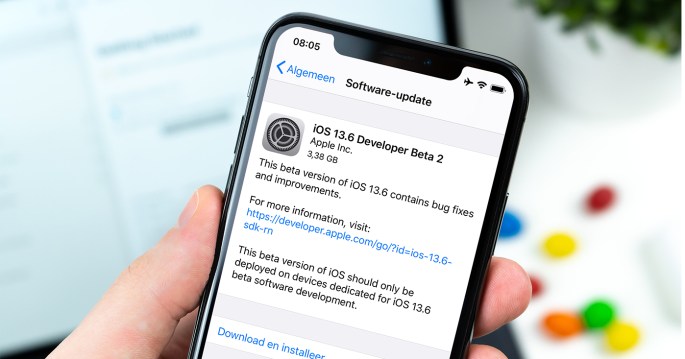
    Even as the iOS 14 public beta remains in its early days, Apple today released iOS and iPadOS 13.6. With the update, users can decide to download iOS and iPadOS updates but not install them. Or, users can decide to download iOS and iPadOS updates and install them overnight. The devices taking advantage of the automatic software updates must be charging and connected to the internet via Wi-Fi to finish updating. You can customize this feature by going to Settings > General > Software Update > Customize Automatic Updates

    The update adds new categories in the health app for symptoms that come up in the Cycle Tracking and ECG apps. It also adds new symptoms including fever, chills, sore throat, or coughing, and allows iOS and iPadOS users to share these symptoms with third-party apps. The iOS 13.6 update also adds audio features to the Apple News+ subscription app for the iPhone and iPad. It also enables the CarKey feature for the iPhone. This allows you to control a compatible automobile using your handset. Apple just posted a new support page. The key is added to the iOS Wallet app and the feature will also work with the Apple Watch Series 5. CarKey is available for the iPhone SE (2nd generation), iPhone 11 Pro, iPhone 11 Pro Max, iPhone 11, iPhone XS, iPhone XS Max and the iPhone XR.

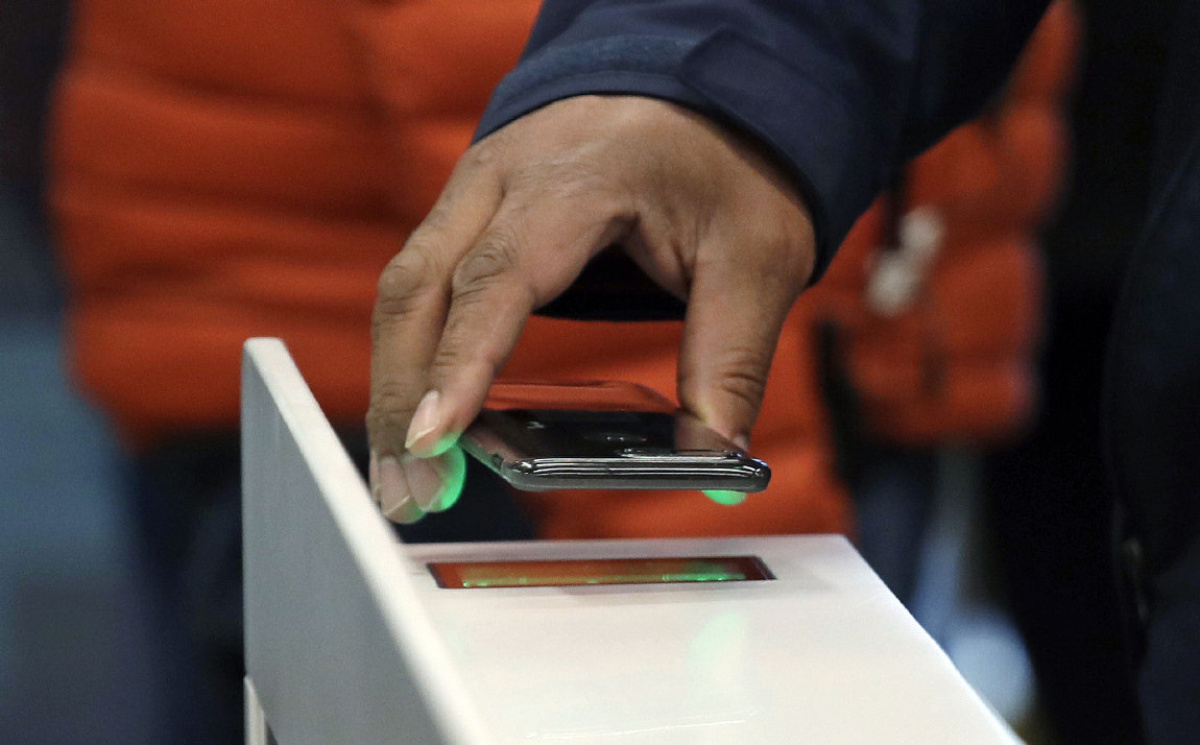
    Check out the support page to see how to set up the feature. If you use Express Mode you can put your iPhone near the car door to unlock it. And placing the iPhone near the car’s key reader will start the engine. If you turn off the Express Mode, you will have to authenticate every time you want to use your phone as a car key. Even if your iPhone battery needs to be charged, in ExpressMode it still will be able to run CarKey for up to five hours after it starts using power reserve. And you can share your digital keys with someone you trust by sending it to them via iMessage. The other party must have a compatible iPhone.

    The update also adds FaceTime to users in the United Arab Emirates (UAE). The country had banned the video chat app and even with today’s update, Apple failed to mention this in its support notes. The update also exterminates some bugs including one that drained users’ batteries after the iOS 13.5 and iOS 13.5.1 updates.

    Right now, the first Apple iOS 14 public beta is available for those who don’t mind taking a risk. Beta software is usually buggy and the battery life might suffer; as a result, you probably do not want to install the first public beta on your daily driver. The lure of new features this year is irresistible, however, and includes Android-style widgets, the App Library that separates apps by category and allows users to search for apps by name. It is the closest that iOS users have to an app drawer at the moment.

    With iOS 14, Siri’s UI no longer covers the entire screen and the digital assistant reportedly gets smarter. And incoming phone calls no longer hijack the entire screen and are greatly reduced to a small notification banner at the top of the screen. And App Clips allows an iPhone user to use a third-party app that he or she has yet to install. This is done by scanning a QR code or using an NFC signal to open only the necessary part of an app required to complete a task.

    If you feel tempted to install the iOS 14 public beta, keep in mind that the final version of the operating system will probably be ready in September. That is pnly a couple of months away.

  • GS25 opens futuristic c-store concept

    GS25 opens futuristic c-store concept

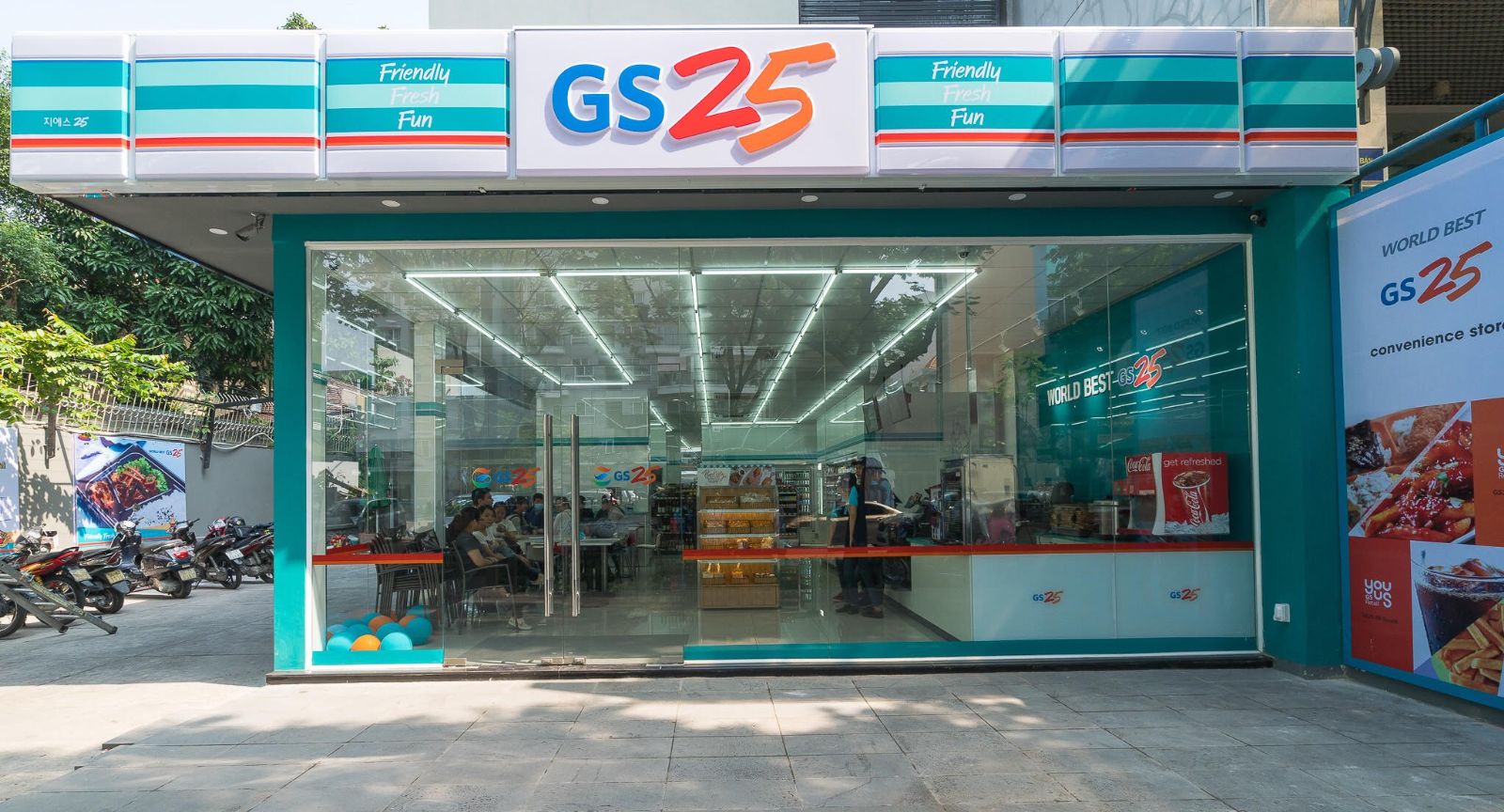
    South Korean convenience-store chain GS25, owned by GS Retail, has opened a futuristic convenience store without a checkout counter in Jung District, Seoul this week.

    The store, which is located in the headquarters building of a local credit card company BC Card, is similar to Amazon Go, checkout-free offline malls in the US.

    One can enter the convenience store by scanning a BC Paybook QR code from BC Card’s mobile payment app at the speed gate.

    When customers enter the store, 34 ‘deep-learning cameras’ will recognise their behaviour. In addition, some 300 weight sensors installed throughout the store detects the number of items that customers choose.

    When a customer chooses their purchases and exit the speed gate, all the items will be automatically paid for through a payment system using artificial intelligence (AI) technology, and a mobile receipt will be issued.

    A video-recognition speaker is also installed, where a pre-set voice will guide the customers through speakers. If customers are standing at some point or do a particular action, the speaker will provide assistance.

    In the future, the company will gradually introduce technologies that guide customers to promotions when they approach a presentation product stand.

  • UOB Launches QR-Based Payment Collection Solution

    UOB Launches QR-Based Payment Collection Solution

    UOB attempts to help businesses accelerate payment collection and improve cash flow through its new QR-based solution.

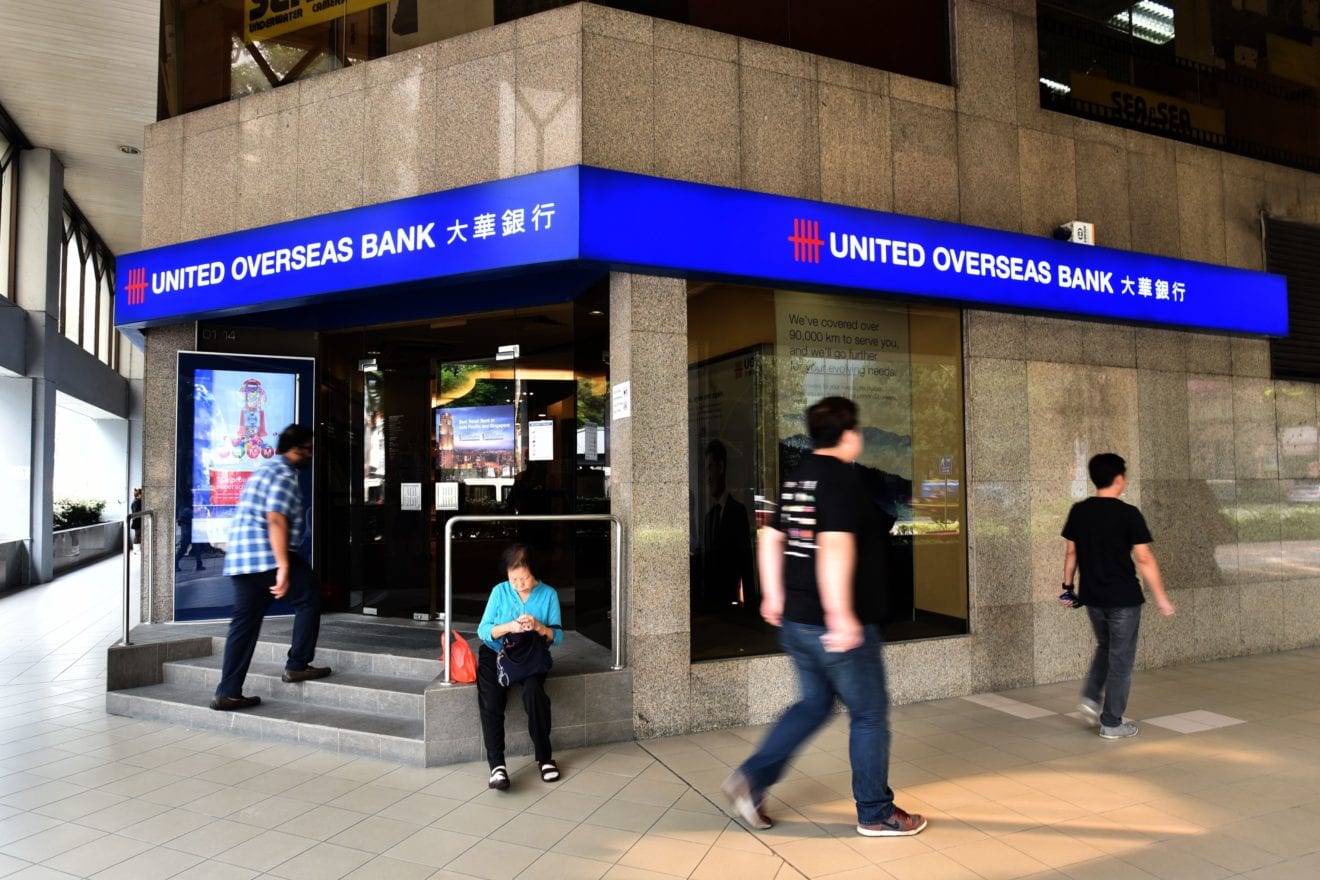
    The bank launched the QR solution mCollect which allows businesses to collect payments from buyers through fund transfer service PayNow at the point of delivery.

    Businesses can provide their customers with a QR code generated by mCollect which can be scanned to make payment which then leads to immediate crediting and automatic reconciliation. According to UOB, cash flow management is one of the «perennial bugbears» for local SMEs due to issues like late payments, citing a four-day industry average when manually dealing with payments.

    While good progress has been made to encourage more cashless payments among businesses, there is still a gap when it comes to the collection process, specifically with cash-on-delivery payments,» said So Lay Hua, UOB’s head of group transaction banking and group wholesale banking.

    In addition to faster cash flow, the bank is also wary of the risks of handling physical cash, which continues to be a common practice. UOB noted that more than two-thirds of its corporate customers still receive cash payments from buyers, especially those that are smaller businesses most commonly in the wholesale, retail and services sector.

    We make hundreds of deliveries each day, said Steve Wong, CEO of Boong Group, a meet supplier and food processor firm that participated as a user of mCollect’s pilot. When collecting payment, which is often made in cash, our salespeople have to spend time verifying the amount and payee details and tallying the payments at the end of the day.

  • Thailand Using Less Cash As QR Codes and EMV Gain Adoption

    Thailand Using Less Cash As QR Codes and EMV Gain Adoption

    The share of cash in the overall payment volume within Thailand is expected to decline between 2018 and 2022, according to research firm GlobalData.

    GlobalData’s report Thailand Cards & Payments: Opportunities and Risks to 2022» reveals that the share of cash in the overall payment volume is expected to decline from 85.6 percent in 2018 to 77.8 percent in 2022. During the same period, the total card payment value is expected to increase from 1.8 trillion Baht ($56.1bn) to 2.7 trillion Baht ($83.8bn).

    The government’s attempts to promote non-cash payments such as the introduction of faster payments and QR codes, mandatory issuance of EMV cards and push for point-of-sale (POS) adoption are contributing to the growth of electronic payments, said Nikhil Reddy, Payments Analyst at GlobalData, in a media statement.

    As part of the National e-Payment Master Plan, the Thai government launched a nationwide program two years ago to drive POS installation among smaller retailers and government agencies. Merchants were offered benefits such as tax deduction, fee waivers on POS issuance and rental, and a cut down on merchant discount rates.

    In the same year, the central bank collaborated with American Express, JCB International, Mastercard, UnionPay, Visa and other financial services providers to introduce the Thai QR Code Payment standard, with an aim to create an open, interoperable payments infrastructure.

    In 2016, the Bank of Thailand launched a faster payment system, PromptPay, allowing users to make peer-to-peer transfers and payments through their mobile phone using only the recipient’s mobile number or national ID number. As of December 2018, 46.5 million users, over half of the country’s population, had registered for the system.

    Though cash will continue to remain dominant in Thailand, these measures will certainly propel electronic payments, thereby further reduce the usage of cash over the next five years, said Reddy.

  • M1 taps UOB for QR code payment

    M1 taps UOB for QR code payment

    Singapore operator M1 has partnered with the nation’s United Overseas Bank (UOB) to offer PayNow as a payment mode for M1 customers.

    Under the agreement, M1 customers can now make mobile payments for purchases via PayNow at all M1 Shop outlets, as well as make monthly bill payments via PayNow by scanning the QR Code on the bill.

    M1 is the first communications provider in Singapore to enable retail customers to make e-payments via PayNow, providing customers with an additional payment option, in addition to existing payment modes. UOB is the key provider of PayNow Corporate services to M1, and will help enable the safe and hassle-free scan-and-pay experience for M1’s customers.

    To pay for in-store purchases, customers need to scan a dynamic QR Code that is generated at the counter using the mobile banking application of any PayNow participating banks with QR scanning functionality. Customers can also use PayNow to pay for their monthly bills by scanning the dynamic QR code on their bill statement. Customers can complete the payment by confirming the transaction details that have been automatically filled in, such as the payment amount and recipient.

    “Today, about eight in 10 consumers in Singapore have adopted e-payments and PayNow is a very convenient e-payment platform which will enhance our customers’ payment experience. This new initiative is one of many, as part of our digitalization journey to deliver a seamless digital experience for our customers,” M1 CMO  P. Subramaniam said.

  • Four in five Thais tries going cashless as confidence in digital payments grows

    Four in five Thais tries going cashless as confidence in digital payments grows

     Four in five Thai consumers (78 percent) have tried going cashless in 2018, compared to only fifty percent in previous year as confidence in digital payments grew, according to the 2018 Visa Consumer Payment Attitudes study (the “Study”). The study tracks payment habits and attitudes as well as exploring emerging topics related to payments among 4,000 consumers across eight Southeast Asian countries, including 500 respondents from Thailand.

    For Thai consumers, digital payment methods, such as cards, in-app mobile payments and QR payments combined together have a larger preference (57 percent) over cash (43 per cent).

    Suripong Tantiyanon, Country Manager for Visa Thailand said: “The higher preference towards using digital payments and the rise of confidence in going cashless are credited to industry players and the government, who have been relentlessly driving the national e-payments agenda.

    “In addition, we believe that the higher preference towards digital payments can be attributed to the proliferation of payment form factors and acceptance points.  More than ever before, Thai consumers can make payments with a wider range of connected devices and payment applications on smartphones, such as wearables and mobile payments.  At the same time, QR code offers merchants in traditionally cash-based segments with a fast, cost-effective and secure digital payments solution.”

    According to the study, two in five Thais (42 percent) said they carried less cash than they did two years ago, compared to 26 percent in 2017.  Top reasons for the decrease in cash in wallet are cash is unsafe (65 percent), higher adoption of digital payments (65 percent) and the hassle of using cash (39 percent).

    The study also showed  that of those who tried going cashless, more than half (60 percent) could manage a day without cash and forty-five percent could last without cash for more than three days.

    Overall, in terms of future expectation, more Thais are confident about the country becoming a cashless society.  Nearly one in three (29 percent) are confident that Thailand can become a cashless society in less than three years, compared to 11 percent in 2017.  Thirty-nine percent believed it will take between four to seven years while only six percent believed it will take longer than 15 years.

    “The findings are encouraging.  We believe that we are on the right track and it is important to help more consumers and merchants understand and embrace the benefits of digital payments.  At the same time, we are committed to innovate and collaborate with all stakeholders in the payment industry and beyond as we continue our journey towards transforming Thailand into a cashless society,” Suripong concluded.

  • Chinese QR payments booming

    Chinese QR payments booming

    Nuwemaru Street in Yeon-dong, Jeju City, was known as Baojian street until it was renamed in April. The street had been called Baojian from 2011 when the Chinese pharmaceutical company of the same name sent 12,000 employees to the southern tourist island as a reward.

    Despite the sharp drop of visitors since 2017 – when tensions between the two countries peaked with the deployment of a U.S. missile defense system – it still looks very much like Chinese territory today, with many store signs in Chinese.

    Upon closer examination of the shopfronts, Chinese QR codes are also evident.

    The QR codes for Chinese mobile payment services have gained popularity on the Korean tourist island over the last couple of years. Even a restaurant selling seollongtang – Korean beef-broth soup – in the middle of the street has a QR code for Chinese mobile payments.

    “Half the Chinese visitors use Alipay or WeChat pay,” said a store clerk of one of the cosmetic stores on the street.

    Currently 1,000 stores on Jeju accept Chinese QR mobile payments. The Jeju government said it was promoting the use of Chinese mobile payments in hopes of attracting more Chinese tourists.

    On Dec. 10, it signed a memorandum of understanding with the China’s Tencent, which operates WeChat, to attract more Chinese visitors to the island.

    One part of the agreement calls for tourism promotions on the WeChat platform, including discount events, while a blog will be run to introduce the island to potential visitors from China.

    The Jeju government and the tech company also agreed to share information on the consumption patterns of Chinese tourists who made payments through WeChat pay.

    Seven top officials from Tencent attended the signing ceremony, including company vice president Zhang Ying. During the ceremony, Zhang said that the only thing he carried with him when coming to Korea was his smartphone, demonstrating that he didn’t need cash or a credit card as long as he had WeChat Pay.

    “Once WeChat Pay is available at traditional markets in Jeju, it will be a great help in promoting traditional Korean culture and goods to Chinese tourists,” said Yoon Chang-ho, head of tourism and marketing at the Jeju government.

    According to convenience store CU, in the first half of 2018 87.2 percent of Chinese tourists used mobile payments when making electronic purchases at CU outlets in Korea. Only 12.8 percent used credit cards. In 2016, 65 percent used credit cards.

    Many institutions are accepting Chinese QR code mobile payments.

    Starting in September, Hanyang University will accept tuition fees via WeChat Pay. The program is being developed with Shinhan Bank. Roughly 900 or so convenience stores and restaurants at train stations in Korea have started accepting WeChat payments.

    One of the reasons Korean businesses are willing to accept mobile phone payment systems is because people tend to spend more when using them. When they buy something by simply waving their phone, they feel as though they are spending less.

    To make a payment, a customer places the store’s QR code – similar to a bar code – in front of their phone camera for 10 to 20 seconds.

    Chinese QR code mobile payment systems are not only used in Asian countries, such as Korea, Vietnam and Thailand. They are also being used in other places visited by Chinese tourists, such as the United States and Europe. These payment systems are even accepted at Amsterdam Airport Schiphol in the Netherlands.

    Roughly 78 percent of Chinese are said to use these payment systems, while only 21 percent use either credit cards or cash.

    While visiting a small restaurant in China late last year, President Moon Jae-in was surprised at the convenience of QR-code payments.

    One reason the QR-code payment system has rapidly grown in China is the country’s lack of a telecommunication infrastructure needed for credit-card processing. The QR code system doesn’t require a credit card terminal, which makes it cost effective and convenient.

    Although WeChat Pay joined the game late compared to Alibaba, it currently has 40 percent of the Chinese mobile-payment market, while Alipay has 54 percent. WeChat may overtake Alipay because of the popularity of its mobile messenger.

    Not all commercial districts in Korea accept the Chinese mobile payment systems. One such place is Myeong-dong, which attracts huge numbers of Chinese tourists. The street vendors in Myeong-dong only accept cash.

    Some critics question the growth of the Chinese payment systems. One concern is that since the networks are Chinese, it may be hard to track down the payment records, and that could lead to tax evasion.

    A person who has been installing Chinese mobile payment systems for years said this is not true as the payments made in Korean stores are deposited in local accounts, and the Korean stores have to report the payments to the Korean financial authorities.

    Loopholes do exist. If a Chinese company decides to open a branch and use a payment terminal from China, it would bypass the local institutions, making it difficult for Korean authorities to keep track of the payments.

    Because of such problems, the Vietnamese government in June banned the use of Alipay and WeChat Pay. It found that some money spent domestically by tourists did not go through local financial institutions.

    In 2016, the tax evasion question became an issue in Thailand as well. The Thai government at the time found that Chinese businesses were evading taxes through mobile payment systems. Several travel agencies were penalized.

    Some cases have been reported in Korea. In 2016, a plastic surgeon in Nonhyeon-dong, Gangnam, only accepted cash or credit cards from his Chinese patients, and the credit cards were processed using a Chinese terminal. More than 70 percent of the revenue was from Chinese patients. The hospital was found to have evaded more than 10 billion won ($8.9 million) in taxes.

    Overseas customers also present a problem. According to Korea Custom Service, more foreigners are buying goods directly from Korean online shopping malls. In 2013, 67,000 purchases were made in this way, but that figure has surged to more than 7 million.

    Chinese customers were the top purchasers and were especially big on Korean cosmetics. Last year about 2 trillion won worth of Korean cosmetics were purchased directly online by foreign buyers. That’s 10 times the 203.5 billion won worth of cosmetics purchased directly online in 2014.

    With the growing popularity of direct purchases, many online shopping malls have started accepting mobile payment systems. Since 2015, Alipay has been supporting Korean SME exporters in terms of payments and logistics.

    This could result in Korean exporters evading taxes.

    “There is major tax evasion going on with the significant increase of foreigners buying Korean goods directly online thanks to the Korean Wave,” said Lee Hye-hoon, then ruling Saenuri Party lawmaker, during the National Assembly’s audit on the Korean National Tax Service in October 2016. “We need to take action.”
  • AlipayHK Appointed QR Code Payment Solution Vendor of MTR

    AlipayHK Appointed QR Code Payment Solution Vendor of MTR

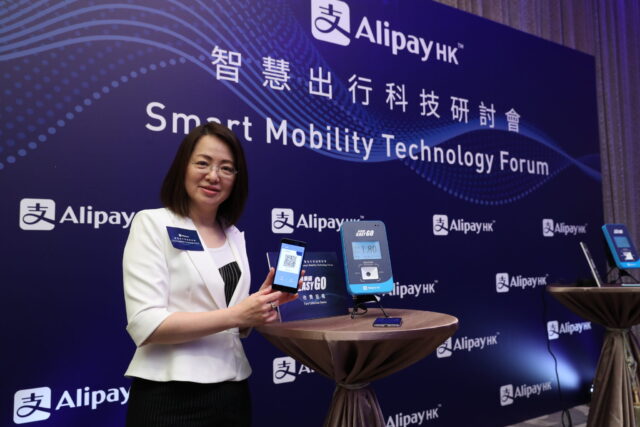
    AlipayHK users will be able to take the MTR by simply tapping their mobile phones at ticket gates at MTR stations starting from mid 2020 as the mobile payment service provider stood out from the many bidding participants and was appointed the QR Code payment solution vendor of MTR on Thursday last week.

    The QR Code solution provided by AlipayHK allows passengers to scan a code in under 0.4 seconds at ticket gates. Furthermore, the QR Code solution will support dual offline solution, so even if internet service is poor or lacking, transactions can be completed to ensure smooth journeys. The plan is to launch the QR Code payment system across  91 MTR stations in 2020. Citizens throughout Hong Kong will be able to enjoy Smart Mobility when commuting on MTR.

    AlipayHK focuses on fulfilling Hong Kong citizens’ needs in shopping, dining, living, and commuting. After its launch into the taxi industry and of the EasyGo technology,, it makes history by hitting another milestone. As Hong Kong people’s number one choice of transport, MTR caters roughly 5.8 million passengers trips every work day. In light of the high volume of passengers, MTR will introduce QR Code as an additional method of payment for passengers.

    Jennifer Tan, CEO of Alipay Payment Service (HK) Limited (APSHK) expressed: “After our collaboration with minibus operators, AlipayHK is thrilled to have won the bid in being MTR’s QR Code payment system provider. Not only is this a recognition in AlipayHK’s technological stability, we feel confident QR Code transit technology will be successfully expanded into more aspects. Commuting via QR Code is the trend for the future. Aside from gradually merging with Hong Kong’s public transports, we will also be exploring smart mobility in outbound travels by entering the most popular travel destinations of Hong Kong people, driving smart mobility across Hong Kong.”

  • FedEx QR Pay targets SMEs in five major Asian markets

    FedEx QR Pay targets SMEs in five major Asian markets

    Transport company FedEx has launched a QR-code based mobile payment system in Hong Kong, Malaysia, Philippines, Singapore, Thailand and Australia. The system, FedEx QR Pay (the QR stands for quick response), is targeted specifically at SMEs.

    Supplementing the firm’s existing online payment methods, FedEx QR Pay is a secure mobile payment option activated by QR codes embedded with unique payment links. QR Pay eliminates the need to have shopping carts, booking engines or checkouts, allowing customers to make payments with credit cards and e-wallet services.

    FedEx’s president for Asia Pacific Karen Reddington said: “FedEx is constantly looking for ways to innovate, pioneer new solutions and offerings to address customers’ evolving needs in the region … QR Pay provides greater flexibility and convenience for our customers, and ultimately a better experience when it comes to managing their logistics needs.”

    Asia Pacific leads the world in mobile payment with 53 per cent of connected consumers using their mobile devices to pay for goods or services at point of sale. Rising mobile penetration is a key driver, with the number of smartphone users across region now over a billion. Seeing the clear trend towards mobile payment adoption, SMEs are also harnessing new technologies to expand their business.

    According to a recent research commissioned by FedEx, 73 per cent of SMEs are already current users of mobile payments, with 69 per cent of these businesses likely to increase usage in the next 12 months. Thirty per cent of current non-users are likely to begin using mobile payments as well.

    FedEx QR Pay will soon be expanded to other markets in Asia Pacific.