Retail News CRM

Tag: QR

  • Cashmaster Launches QR-Connect in APAC – New Integration Software Solution for Cash Management

    Cashmaster Launches QR-Connect in APAC – New Integration Software Solution for Cash Management

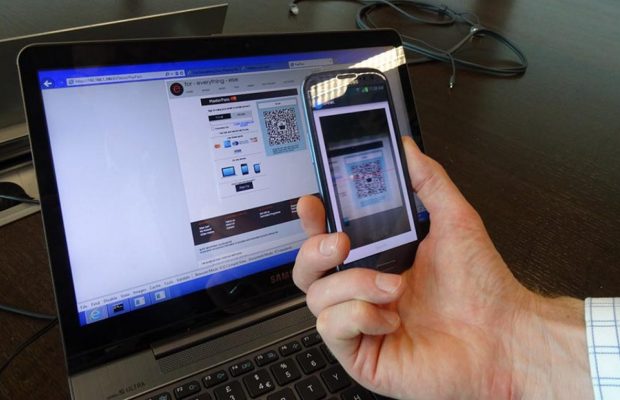
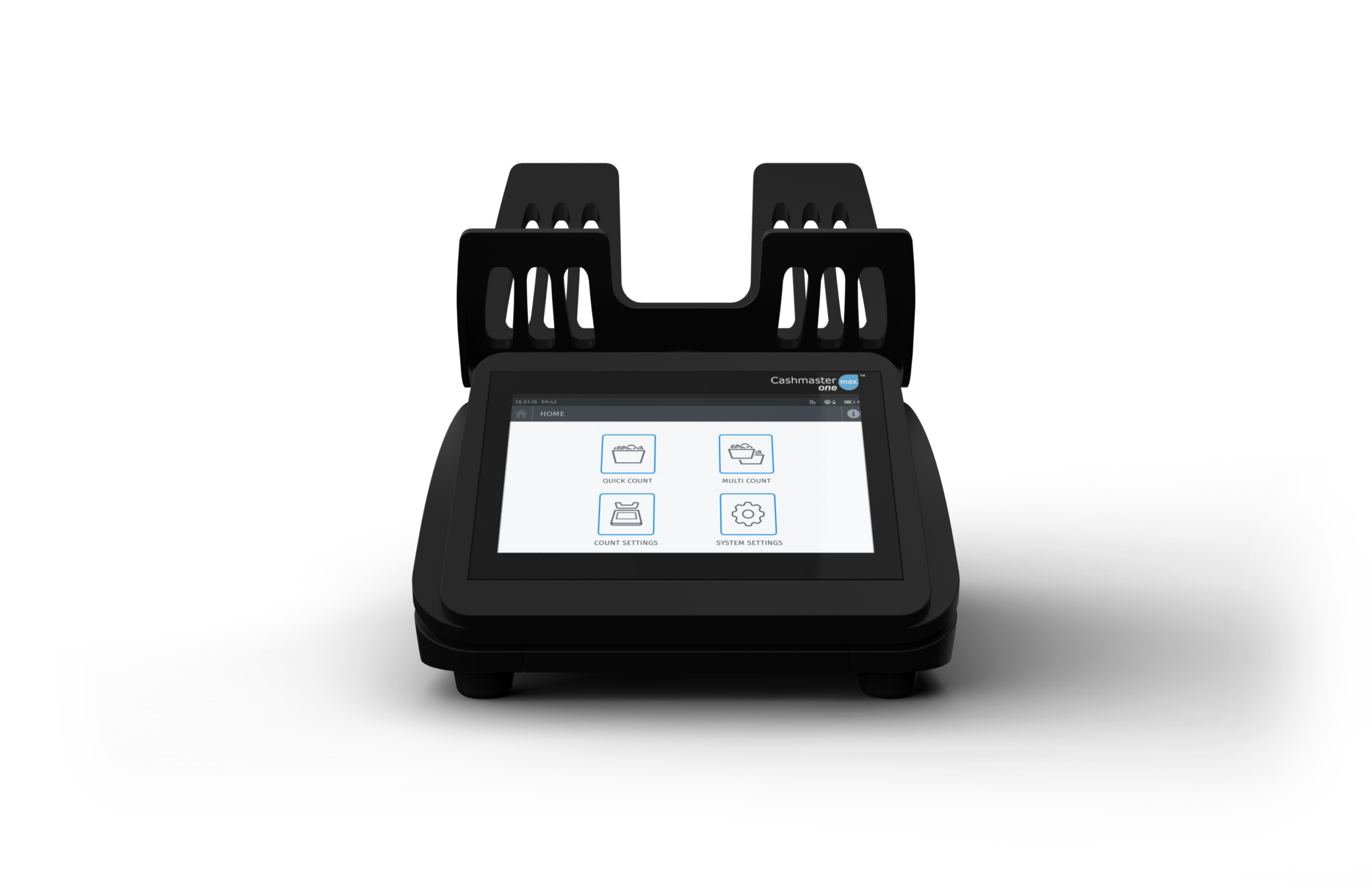
    Cashmaster Asia today announced the Introduction of Cashmaster QR-Connect, a QR code application providing enhanced software functionality for its Cashmaster One range of count-by-weight cash counting devices that offers an innovative, simple solution to integrating with back office or POS systems. When installed, count data is presented as a QR code on the display of the Cashmaster One device that can be scanned by a standard POS scanner or the camera of a mobile/tablet device.

    The count data is instantly transferred to the POS or other system. The QR code avoids the need for USB or ethernet cable connectivity between the POS and the Cashmaster Cash counter – effectively providing wireless transfer of the cash count (including vouchers/coupons in addition to notes and coins) as well as other information for process traceability, such as cashier ID and till ID.

    In a connected world, a deeper level of integration and seamless transfer of data to the POS is a growing requirement for Cashmaster’s clients. Its customers are looking to remove multiple levels of manual processing of data across their businesses in order to: reduce opportunities for errors; speed up the processing of data; give more real-time information that businesses can use to make better, faster decisions; and provide greater accuracy and accountability to their enterprises. Integration can be seen also as a key component in a loss prevention strategy.
    No matter the level of operation, these solutions provide data in a format that can be easily digested by cash management and analytics programs for big, medium or small companies. As competition increases, the rewards of deploying Cashmaster One and Cashmaster QRConnect can show directly in bottom line improvements. Gordon McKie, Group CEO of Cashmaster, commented, “Companies are under intense pressure to maximise income and improve efficiencies, while at the same time motivating staff. It’s a complex dynamic that Cashmaster understands; it has also been a powerful imperative for us in designing the intuitive technology for cash management that helps clients achieve those goals.

    “Solutions can be tailored to customers’ specific needs, from simple off-the-shelf tools requiring minimal customer resources to implement, to working with customers’ IT teams in providing more complex solutions. With a proven quick return on the initial investment to boot.”

    Cashmaster is a global company that specialises in the design and manufacture of count-by-weight cash counting devices using the most advanced touch-screen technology. The company has more than 30 years’ experience in creating innovative and reliable cash handling solutions for a wide range of international clients including supermarkets, convenience stores, retail, banking, fast-food restaurants and coffee shops.

    Website: www.cashmaster.com

    All trade enquiries for Cashmaster One:

    Tel (Hong Kong): +852 9334 8578; E-mail: [email protected]

    Tel (UK): +44 (0) 1383 416 098; [email protected]
     

  • TCB, Visa launch QR code payment in Taiwan

    TCB, Visa launch QR code payment in Taiwan

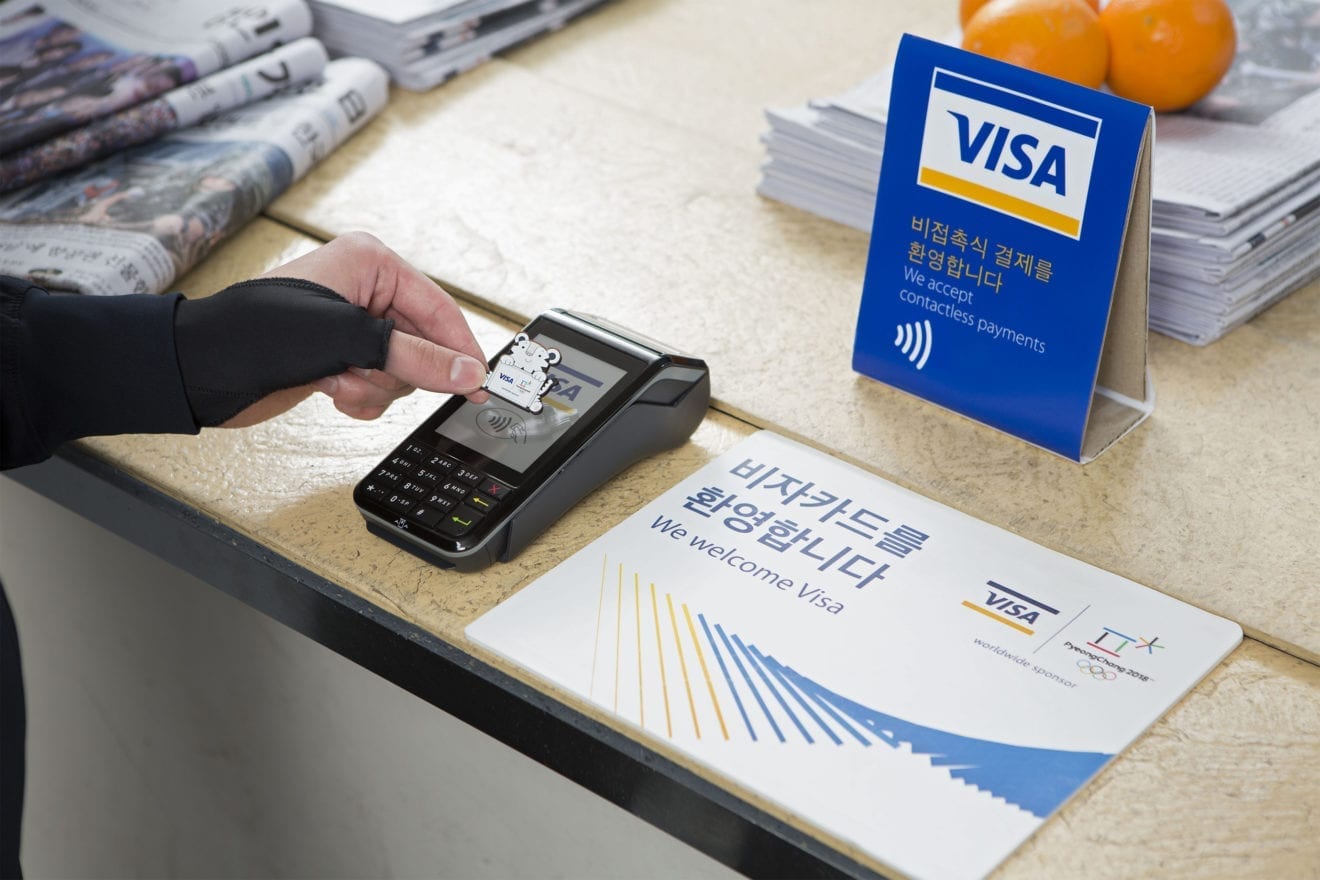
    This month, the Taiwan Cooperative Bank (TCB) and Visa have implemented what both call Taiwan’s first standardized and EMV-compliant QR code payment.

    Part of Financial Information Service Co.’s “Standardized QR Code Solutions,” the new EMV solution will be among the first large-scale deployments of standardized QR Code payments in Taiwan, initially covering more than 8,000 TCB acceptance points. In the future consumers can link their TCB Visa debit or credit cards with the Taiwan Mobile Payment mobile app to experience the security and convenience of mobile payment.

    Visa announced plans to introduce QR code payment in Taiwan in July last year. It was meant as a response to the introduction of Apple Pay, Samsung Pay and Google Pay in March, May and June of the same year.

    At the time, Visa said it had 35 million credit cards issued by 20 banks in Taiwan – presenting both a threat and opportunity for the card company with the introduction of alternative payment platforms for consumer retailers hooked to their smartphones.

    In January 2018, mobile payment in Taiwan stood at just 13% – low for a highly developed economy renowned for leading innovation. In contrast, mobile payment in China accounted for 61.2% of the global user base in 2018. With the encouragement of Taiwan Premier, Lai Ching-te, the government is aiming to have 90% of mobile phone users using mobile payment by 2025.

    “This roll-out will boost the bank’s already extensive acceptance footprint due to standardized QR Code’s cost-effectiveness as a payment method. We hope to help further advance Taiwan’s mobile payment for the benefits of all.” TCB chairman Chung-Dar Lei.

    Marco Ma, General Manager of Visa Taiwan, added that “the EMV QR Code Specifications are intended to be globally interoperable, and with the right mobile application local consumers, as well as overseas travelers will be able to use the same QR Code to make payments everywhere the specifications have been adopted, opening up more revenue sources beyond Taiwan.”

    TCB’s EMV QR code solution offers extensive payment applications including payments for credit card bills, utilities, insurance premiums, tuition fees, air tickets, taxes, food and e-commerce purchases.

  • PayMaya, Smart boost rollout of QR code payments

    PayMaya, Smart boost rollout of QR code payments

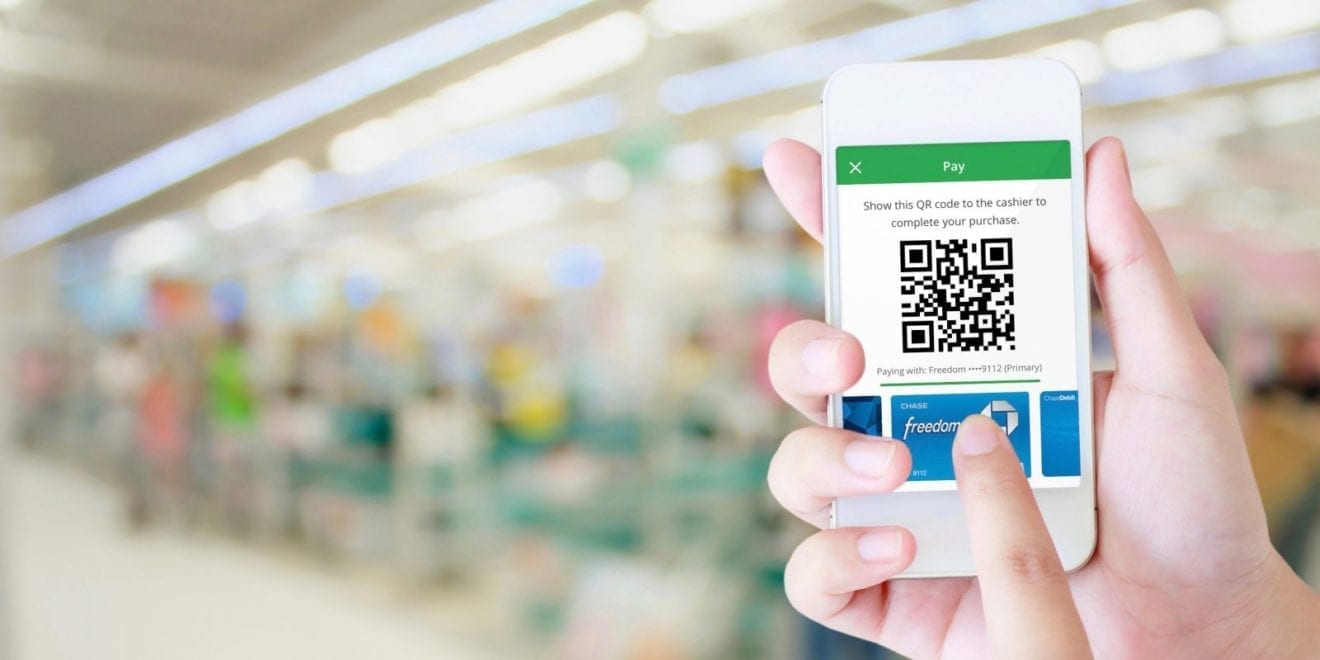
    After it introduced the first Quick Response (QR) code payments via app in the Philippines last May, PayMaya Philippines has announced that the scan-to-pay technology is now available across the country, with Smart Stores and select merchants in key cities allowing consumers to conveniently pay by simply scanning QR codes through their PayMaya app.

    Smart subscribers have a new means to transact with their accounts as Smart Stores all over the country are equipped with PayMaya QR technology. PayMaya is also enabling merchants in communities starting with canteens in partner schools like STI and commercial establishments in cashless cities such as Muntinlupa and Malabon. Similarly, PayMaya is also tapping popular merchants in SmartSpots already enabled by WiFi connectivity in key cities such as Baguio, Cebu and Davao.

    In the near future, payments enabled by PayMaya will also be accepted online and in-store in popular food chains, supermarkets and malls such as McDonald’s, Army Navy, Domino’s Pizza and Gaisano Supermarkets, among others.

    To further bring the technology to more users, Smart and PayMaya are also set to equip Smart retail partners down to the sari-sari store level with the payment technology.

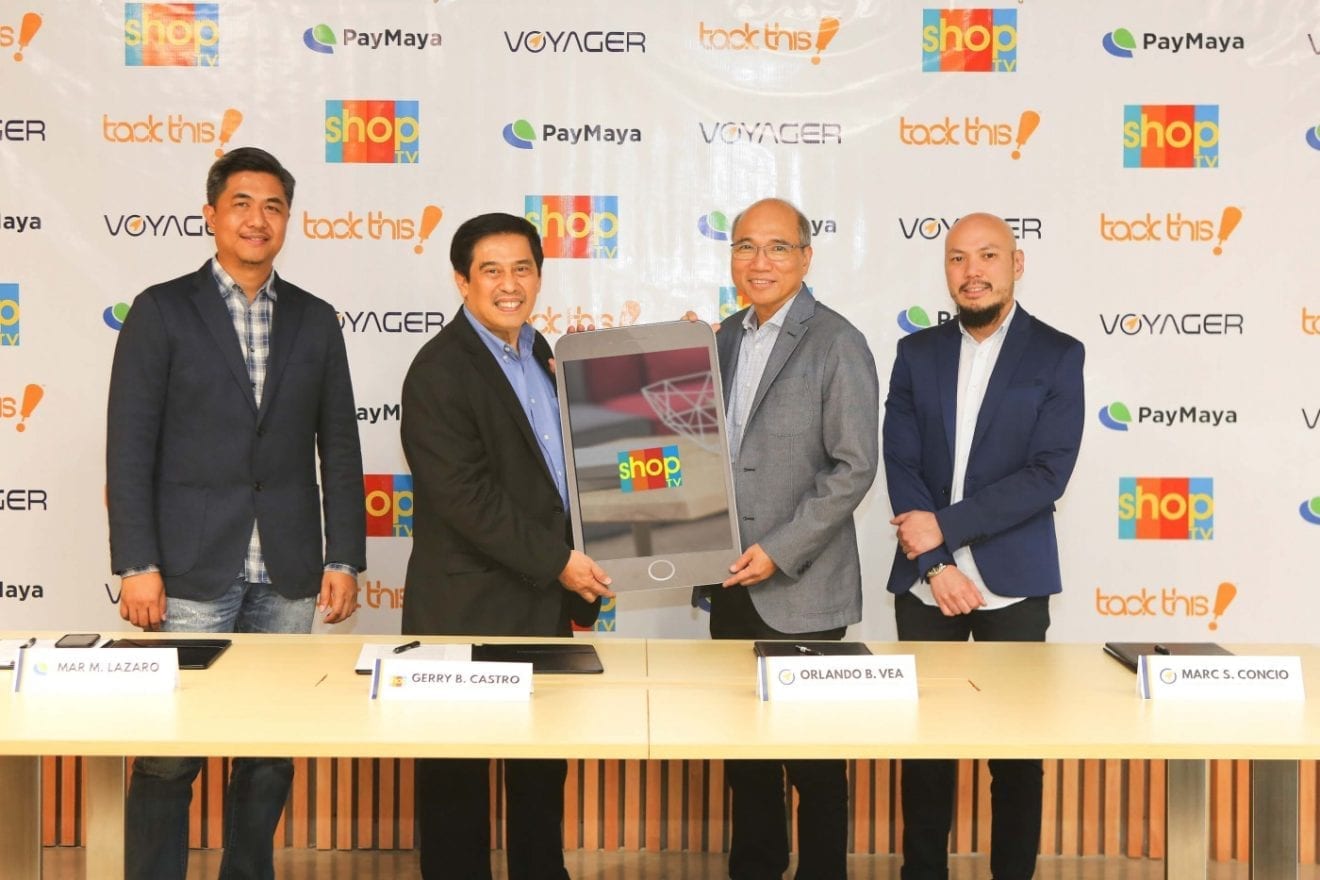
    “As PayMaya continues to grow nationwide, we take a giant step for our customers by making QR code payments available to all kinds of merchants. PayMaya is the leading digital payments wallet and on the merchant side, this will reinforce our position as the top mobile payments acquirer in the country,” said Orlando Vea, president and CEO, PayMaya Philippines and Voyager Innovations.

    “Convenient and secure cashless transactions complete the digital life experience of people and communities. Equipping our Smart Stores, partner merchants and retailers with PayMaya’s innovative platforms is a step in making our vision a reality,” said Eric Alberto, chief revenue officer, PLDT and Smart.

    Existing technology, new use cases, right conditions

    QR code technology has been in use for quite some time with many applications already in the market. However, wide adoption for payments had been previously hampered by various factors, such as lower smartphone and internet usage.

    The technology has now taken off around the world, with payment providers in various countries introducing use cases for adoption. Globally, Tencent’s WeChat app is the leader with close to a billion active users, most of them residing in China. Similar to PayMaya, every time their app is downloaded, so too is a QR code reader as the feature has already been integrated.

    In the Philippines, the growing smartphone and internet penetration is now being complemented by digital payments adoption, pioneered by PayMaya. It has made payments integration capability via QR codes available and is now accelerating consumer acceptance, as it further builds up and reinforces the payment ecosystem and infrastructure across the country.

    It takes a village to make ‘cashless’ work

    “For any kind of digital payments technology to be widely adopted, it is important to foster the right conditions and build the ecosystem. PayMaya is already leading the market toward this direction. Along with the strongest network of PLDT and Smart, we are seeing digital financial inclusion in action,” said Manuel V. Pangilinan, chairman of PLDT, Smart, Voyager Innovations and PayMaya Philippines.

    PayMaya Philippines is the digital financial services arm of PLDT and Smart’s Voyager Innovations. Its PayMaya wallet, accessible via mobile app and Facebook Messenger (@PayMayaOfficial) that comes with a virtual and physical Visa or MasterCard, is now the preferred prepaid payment by the millennial market.

    Any mobile subscriber can simply download the PayMaya app from the Play Store or the App Store and load up their wallet at any of the more than 15,000 reloading stations nationwide, which include SM Business Centers, Robinsons Department Stores Business Centers and 7-Eleven, Petron stations along NLEX and Ministop outlets with Touchpay Kiosks, UnionBank ATMs, Shopwise, Wellcome, 2Go outlets, Smart Padala centers, Palawan Pawnshop and online banking via BDO and UnionBank.

    PayMaya is also the platform of choice of local governments, enterprises and schools for disbursements and ID-plus payments cards.

    PayMaya-enabled ID-plus payment cards are being used by Balanga City, Malabon City, Malolos City, Muntinlupa City, Catbalogan City and Tacloban City, as well as by schools such as STI.

    Meanwhile, PayMaya Business, the company’s system solutions provider that allows businesses to receive online and card payments anytime, anywhere, is now the top mobile payments acquirer powering companies such as Cebu Pacific, Lazada, Meralco, Metro Pacific Tollways, Philippine Airlines, Smart, and Zalora, as well as numerous other merchants.

    Completing the cashless ecosystem is Smart Padala’s largest money-in/money-out remittance network.

  • QR-code payments could dominate mobile payments

    QR-code payments could dominate mobile payments

    QR-code payments have the potential to replace any other form of mobile payment according to new research.

    More than 1000 Chinese consumers and 60 decision-makers from global merchant companies were surveyed by mobile payments specialist Cancan and financial research company Kapronasia for the first global study covering the impact of Asian mobile POS payments worldwide.

    “Alipay and WeChat Pay, both based on QR code technology, are already dwarfing their Western counterparts tenfold with 750 million active users between them,” says Cancan MD Candice Koo.

    She says global merchants need to meet shoppers’ expectations regarding mobile payments. “Today that consumer is predominantly Chinese, but in year we could also be looking at Indians, Indonesians, Japanese and Koreans, who are already all following the Chinese trajectory.”

    “The rapid adoption of mobile payments by Chinese consumers domestically is well known, but not as much how they are using them abroad,” says Kapronasia director Zennon Kapron.

    The 2017 Mobile Payment Survey: Chinese Consumers Abroad investigates how mobile payments methods such as Alipay and WeChat Pay are shaping Chinese consumer expectations toward shopping outside of China. It also investigates global merchant preparation for this phenomenon.

    Key findings include:

    • Mainland Chinese consumers expect to spend more with mobile payments this year and next when travelling abroad, overriding the use of cash or credit cards
    • Nearly half of the consumers surveyed made between 10 and 30 per cent of their overseas shopping purchases with QR-code mobile payment methods; one-third paid for more than half their purchases in China with mobile
    • Fashion and cosmetics/skincare products are the categories most likely to attract mobile payment purchases
    • Consumers chose mobile payments for transaction convenience and the ability to track purchases in real time; they also appreciate not needing to carry cash and credit cards while travelling
    • More than a third of merchants who accept mobile payments say this payment method contributes to at least 3 per cent of their global sales, with some merchants experiencing a share as high as 25 per cent.

    The report says customer demand is driving merchant adoption of mobile payments, while merchants are attracted by the speed of mobile-payment transactions.

  • Mastercard to expand QR payments program

    Mastercard to expand QR payments program

    Mastercard has detailed plans to expand its QR-based payment programs, starting this month.

    The company will broaden its solutions to offer QR codes that can be scanned by either consumers or merchants under a common set of global specifications.

    Mastercard worked with EMVCo and other industry players to create a new global QR standard. These standards aim to ensure consistency in QR codes both generated and captured on a consumer’s mobile phone.

    The use of QR codes in certain markets aims to complement the extensive investment in contactless payments to provide merchants of all sizes with a fast, secure and inexpensive way to accept payments.

    Launched in 2016, Masterpass QR provides people with any type of mobile phone the ability to safely make in-person purchases without a plastic card. A consumer scans a QR code displayed at the merchant’s checkout on their smartphone or by entering a text code into their feature phone.

    The company’s consumer-presented solution will allow the merchant to scan a QR code from a smartphone and process the payment through the Mastercard network. It will leverage M/Chip technology to provide a secure way to pay based on EMV infrastructure.

    “Today’s news builds on the momentum of our QR work in India and Africa,” said Ajay Bhalla, president of global enterprise risk and security, Mastercard. “We look forward to the adoption of the EMVCo global QR standards. In the meantime, we’ll continue to work with our customers and partners to make every device a secure way to pay and be paid.”

    IDC Financial Insights lists NFC and QR codes as payment technologies that will power m-payments, complementing non-NFC based mobile wallets and other peer-to-peer transfers or direct funds transfers.

    The analyst predicts mPayments will accelerate in 2017 exceeding US$1 trillion in 2017. IDC also predicts that APAC will not follow the same growth path for mPayments as that of North America and Europe. Taiwan, Malaysia, China and Thailand will lead the region in terms of mobile payments while the Philippines, Vietnam, Indonesia and India will showcase the best examples in mobile money.

  • OCBC Bank Launches Cashless QR Code Payments

    OCBC Bank Launches Cashless QR Code Payments

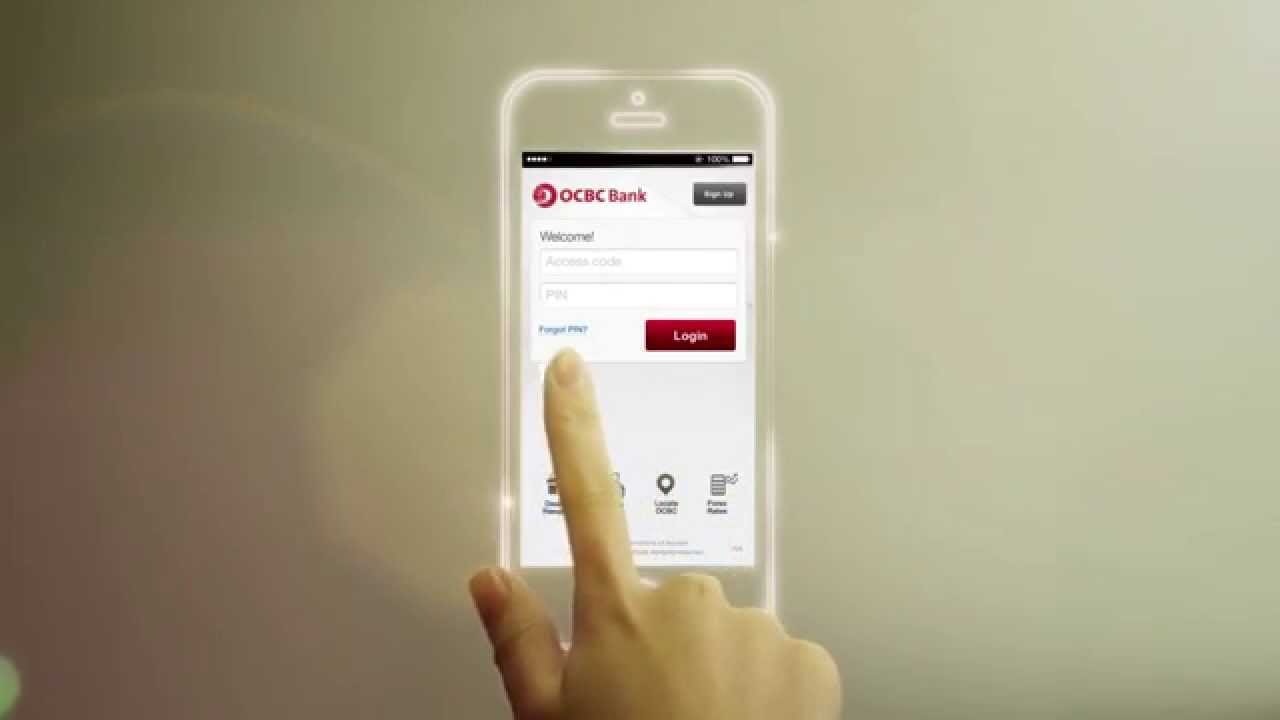
    OCBC Bank has launched its first standalone mobile payments app which makes QR code cashless payments available at close to 2,500 NETS terminals. The new standalone OCBC Pay Anyone app brings together all OCBC Pay Anyone services and enhancements – peer-to-peer e-payments, QR code payments and access to OCBC Pay Anyone integrated with Apple iPhone’s Siri and iMessage – into a fast and easy one-stop access to e-payments. With the app, customers can simply scan QR codes at participating merchants’ NETS terminals to pay for their purchases directly from their OCBC Bank account. Payments through OCBC Pay Anyone have increased exponentially with a tenfold increase in the amounts paid and almost fourfold increase in average monthly transactions since last year.

    The OCBC Pay Anyone app is available for download on the Apple and Google Play mobile app stores. From 1 June 2017, an OCBC Bank customer can pay for purchases at more than 1,000 merchants (from Robinsons to Zara, Marks & Spencer, Gap, Paradise Classic restaurants, Caltex stations and Gardens by the Bay) by scanning the QR codes on the NETS terminal or printed receipt using the OCBC Pay Anyone app. After authenticating the transaction securely with a fingerprint, the payment is immediately deducted from the customer’s OCBC Bank account and paid to the merchant through NETS. This is unlike mobile wallets which require additional steps to top up the mobile wallet using a bank account. By the end of the year, customers will be able to make QR code payments at more than 50,000 NETS terminals island wide.

    Mr Pranav Seth, OCBC Bank’s Head of E-Business, Business Transformation and Fintech and Innovation Group, said: “It’s a war on cash! OCBC Pay Anyone has been a favourite payment service among our customers, who have embraced the movement away from cash and increasingly adopted paying other individuals using just phone numbers. OCBC Pay Anyone payment volumes have increased 10 times since May last year. Now, we want to bring the same convenience to paying for your regular shopping and meals using QR codes, so we decided to consolidate all of our OCBC Pay Anyone payment services into a standalone mobile app to bring greater convenience to our customers.

    “The launch of QR code cashless payment adds to the suite of OCBC Pay Anyone e-payment services. I believe the pick-up of QR code cashless payments will be strong given the increasing acceptance rate of cashless payments in general over the years. We will continue to push the boundaries in mobile payments and move the needle in becoming a cashless society. We are excited about the new and varied cashless payment options that we will roll out on the OCBC Pay Anyone app.”

    OCBC Bank customers get a $10 rebate for first-time QR code payments

    From 1 June to 30 June, all OCBC Bank customers can enjoy one $10 rebate when they make their first QR code payment using the OCBC Pay Anyone app at Robinsons, Marks & Spencer, Paradise Classic restaurants or Caltex stations.

    Customers simply need to download the OCBC Pay Anyone app, perform the one-time setup and make a purchase of any amount by scanning the QR code on a NETS terminal at Robinsons, Marks & Spencer, Paradise Classic restaurants or Caltex stations. The $10 cash rebate will be credited to the customer’s account in July

    Making a QR code payment with OCBC Pay Anyone

    Once the OCBC Pay Anyone app has been downloaded, customers need to perform a one-time setup to enable payments via the app.

    –       To perform the one-time setup:

    –       Click “Get Started” and tick the box to agree to the app’s terms and conditions

    –       Key in online banking access code and PIN

    –       Enter the one-time password sent to your mobile device and click “submit”

    –       A message will be displayed indicating the successful setup

    –       Click “Next” to proceed with QR code payments

    QR code payments are available on Apple iPhone devices running iOS8 and above, and Samsung devices running on Android 4.4 Kit Kat with the fingerprint recognition feature.

    To make a payment at a participating merchant, customers simply open the OCBC Pay Anyone app, scan the QR code on the merchant’s NETS point-of-sale terminal or on the printed NETS terminal receipt and authenticate the transaction using their fingerprint. The app will prompt the customer to choose the OCBC Bank account to pay from. Once the bank account has been selected, customers click “pay now” to complete the transaction.

    1. Scan the QR code on the NETS point-of-sale terminal or on the printed NETS receipt. Authenticate transaction with fingerprint.
    2. Select OCBC Bank account to pay from, and click ‘Pay Now’.
    3. A successful transaction message will be shown once payment is complete.

    Evolution of OCBC Pay Anyone

    Launched in 2014, OCBC Pay Anyone is the only mobile payment service offered in Singapore that lets customers send money directly to any bank account in Singapore using just the recipient’s mobile number, email address or Facebook account – without having to perform transaction signing using a security token or to add the recipient as a “payee”.

    In September 2016, the daily transfer limit on OCBC Pay Anyone was increased from $100 to $1,000, bringing greater convenience to customers and allowing payments for bigger-ticket items. The average transaction amounts since then grew three-fold. In October 2016, OCBC Bank further enhanced OCBC Pay Anyone by enabling transactions using Apple’s Siri voice command feature and directly within iMessage.

    The number of e-payments performed grew fourfold, and the amounts paid grew tenfold, from a year ago. Seventy per cent of OCBC Pay Anyone users are aged between 16 and 29. OCBC Bank’s market penetration among youths and young adults continues to deepen, with one in every two members of this segment an OCBC Bank customer. The growing popularity of OCBC Pay Anyone requires OCBC Bank to continue innovating so that this e-payment service can deliver beyond the demands of its customers.

    QR code payments are the next phase of mobile contactless payments that OCBC Bank has embraced. The new OCBC Pay Anyone app will no doubt make payments even more convenient and accessible for customers.

  • Standardized payment QR code to launch in Thailand

    Standardized payment QR code to launch in Thailand

    Top payment card companies Mastercard, UnionPay International and Visa have jointly introduced a standardized QR code for mobile payments in Thailand.

    The new standardized code allows merchants to easily accept electronic payments without the need to invest in physical point-of-sale machines. They need only have a piece of paper with their unique QR code for consumers to scan.

    Customers with a Mastercard, UnionPay, or Visa card can use a mobile application to scan the code using both smartphones and feature phones with a camera function.

    In future, the standards are intended to be globally interoperable and useable anywhere they have been expected.

    The standardized code is expected to be implemented by banks and merchants across Thailand by the third quarter.

    The initiative also meshes with the Thai financial sector’s Electronic Data Capture (EDC) expansion initiatives under the government’s National e-Payment Roadmap, which aims to support the nation’s transition to a cashless society.

    The launch of the Standardized QR Code signals exciting times for Thailand as consumers move quickly to adopt new payments technology,” Mastercard country manager for Thailand Donald Ong said.

    “Our own research, for example, shows that 50% of young consumers across South East Asia would use the QR code straightaway, and we believe this reflects the demand in Thailand.”

  • Visa QR payments coming to Indonesia, Pakistan, Vietnam

    Visa QR payments coming to Indonesia, Pakistan, Vietnam

    Visa will soon be expanding its QR-based mobile payment service to ten more markets, including Indonesia, Pakistan and Vietnam.

    The service, named mVisa, is now live in India, Kenya and Rwanda, and will soon be available to merchants and consumers in the three new APAC markets, as well as Egypt, Ghana, Kazakhstan, and Nigeria.

    mVisa, a mobile solution, aims to provide easy and secure digital commerce to financial institutions, merchants and consumers in emerging markets.

    The service is designed to help merchants overcome infrastructure issues by allowing consumers to use their mobile phones to make cashless purchases at merchant outlets, pay bills remotely and send money to friends and family members by securely linking their Visa debit, credit or prepaid account to the mVisa application.

    mVisa digitizes the underlying account and allows consumers to transfer funds from their account to the retailer’s account reliably and securely by scanning a QR code.

    Use cases of mVisa include the allowing subscribers of Tata Sky, a direct-to-home service provider in India, to recharge their account by using their mobile phones to scan the WR code directly from the TV screen or online. This function allows Tata Sky customers to order and pay for monthly or one-time services from home without having to visit a physical retail outlet.

    Mahanagar Gas Limited, a utility provider in Mumbai, also issues customer bills printed with the mVisa QR code. Customers scan the QR code on the bill, as they would at a merchant outlet, and complete their transaction at their leisure.

  • Liquid Pay targets 25,000 retailers in Singapore with QR code mobile payments

    Liquid Pay targets 25,000 retailers in Singapore with QR code mobile payments

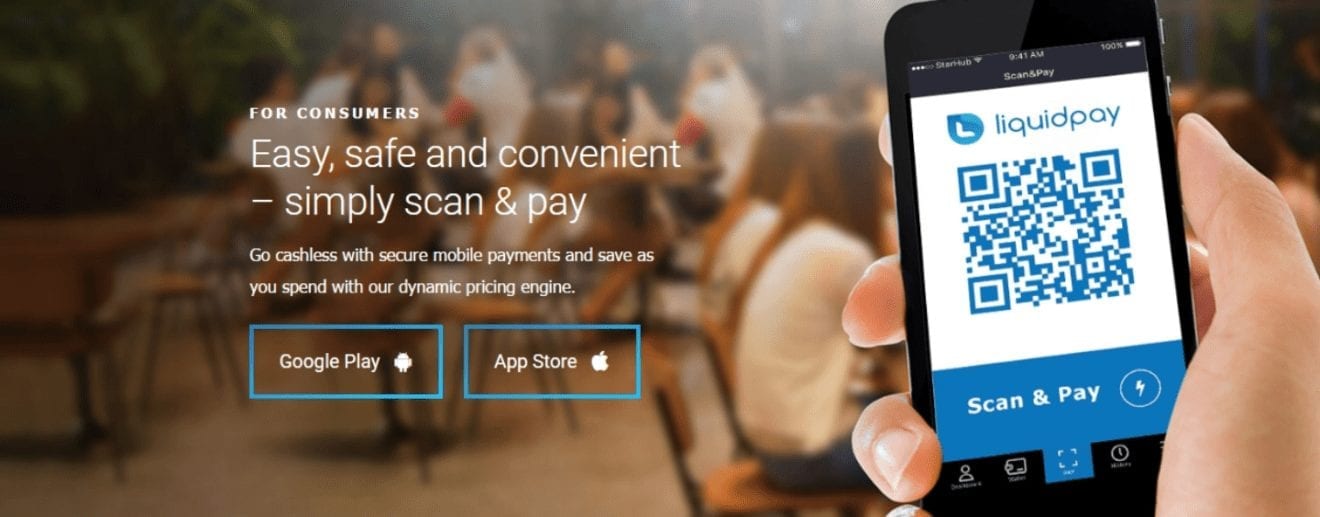
    Some 25,000 retail locations in Singapore are expected to accept a new mobile payment service within the next 12 months. Liquid Pay enables consumers to make payments by scanning a QR code at the point of sale, and compare merchant discounts and rewards from within the mobile app.

    “Liquid Pay has just successfully completed trials at select hawker stalls in Bukit Timah and Tiong Bahru markets, food and beverage (F&B) outlets at One-North/Galaxis and all Spinelli Coffee Company outlets,” Liquid Pay says.

    “Deployment to 30 more hawker centres and multiple F&B chains is expected to complete before the end of the year, with the target of 25,000 acceptance points in Singapore within 12 months.”

    “By adding their credit and debit cards onto the Liquid Pay app, consumers are able to compare the various card discounts and merchant rewards when making payments,” the company adds.

    Offers and rewards

    “To pay for their purchase at checkout, consumers scan the merchant’s individual QR code at the point of sale with Liquid Pay’s QR code reader.

    “Consumers can then view the savings, offers and rewards available with different payment methods, select the most beneficial one for that particular purchase and complete their transaction.

    “Merchants accept payments via QR codes without the need to upgrade equipment or make any costly upfront investment. Merchants and banks can also deepen engagement with customers by extending dynamic, real-time, hyper-personalised promotions and offers.

    “Liquid Pay’s robust architecture also enables banks and merchants to introduce e-cards (prepaid, debit, credit, discount and gift cards) instantaneously, with contextual data analytics for deep consumer insights.”