Tag: recovery

  • Hong Kong’s Luxury Hotels Triumph in Recovery, Surpassing Pre-Pandemic Levels

    Hong Kong’s Luxury Hotels Triumph in Recovery, Surpassing Pre-Pandemic Levels

    The luxury hotel sector in Hong Kong has shown remarkable resilience, bouncing back stronger than the broader hospitality industry in the city. According to the property consultancy JLL, room rates have even surpassed those of 2018, indicating a significant rebound in demand.

    A Robust Recovery for Luxury Hotels

    JLL reports that luxury properties were the only hotel segment to return to their 2018 average daily rates by 2025, reaching HKD2,169 (US$277). This figure represents a 1% increase over rates recorded before 2019 and during the Covid-19 pandemic.

    Meanwhile, the general hotel market in Hong Kong recorded average daily rates of HKD1,263, an 8% decrease from the 2018 level. In the first quarter of this year, luxury hotels maintained their strong performance, with average daily rates rising 12.3% year-on-year to HKD2,452. In contrast, non-luxury segments posted increases between 7% to 8.7%.

    Cleavon Tan, Senior Vice-President of JLL’s Hotels and Hospitality Group in Hong Kong, notes that the luxury hotel segment’s recovery in 2025 was more robust than that of the broader hotel market. He attributes this to the combination of improved demand in conjunction with a constrained supply environment, which allowed luxury hotels to rebuild occupancy while maintaining pricing power.

    Tan suggests that Hong Kong’s hotel recovery and long-term growth prospects will depend on specific segments and assets. Luxury hotels may experience slower physical-supply growth but potentially stronger pricing power, whereas selected mid-market hotels may capture broader visitor growth if their location, product, and cost structure remain competitive.

    Demand Drives Transaction Volumes Across Asia-Pacific

    The demand for luxury hotels across the Asia-Pacific region has also significantly increased. JLL’s report noted that this surge in demand has driven transaction volumes, including sales and acquisitions, up 77% between 2017 and 2025, totalling about US$2.1 billion.

    Luxury hotel transactions accounted for almost 20% of all hotel deals in the region in 2025, a sharp increase from 8% in 2017 and surpassing the previous pre-pandemic peak of 16%.

    In Hong Kong, prime luxury hotel assets are primarily held by local conglomerates, family offices, strategic long-term owners, and high-net-worth investors, resulting in a limited supply. Recent market activity has predominantly focused on refurbishments, repositioning projects, and reopenings rather than adding new supply.

    Noteworthy developments include the 2023 return of The Regent in Hong Kong, the launch of Mondrian Hong Kong, the upcoming Andaz Hong Kong Central, and the recent reopening of The Landmark Mandarin Oriental.
    Questions & Answers

    Why are luxury hotels in Hong Kong experiencing a stronger recovery than the broader hotel market?
    The stronger recovery in the luxury hotel sector is attributed to increased demand in tandem with a constrained supply environment, enabling these establishments to increase occupancy rates while retaining their pricing power.

    What does the future look like for Hong Kong’s hotel industry?
    The long-term outlook for Hong Kong’s hotel industry will vary depending on specific segments and assets. Luxury hotels may see slower growth in physical supply but potentially stronger pricing power. In contrast, selected mid-market hotels could capture more extensive visitor growth if their location, product, and cost structure remain competitive.

    What are some notable developments in Hong Kong’s luxury hotel market?
    Significant developments in Hong Kong’s luxury hotel sector include the 2023 return of The Regent, the launch of Mondrian Hong Kong, the upcoming Andaz Hong Kong Central, and the recent reopening of The Landmark Mandarin Oriental.
  • Coupang Bounces Back: Q1 Shows Promising Growth Amidst Ongoing Recovery Efforts

    Coupang Bounces Back: Q1 Shows Promising Growth Amidst Ongoing Recovery Efforts

    Coupang, the South Korean e-commerce giant, has made a steady start to Fiscal Year 2026, according to its first quarter results. The data indicates a slow but steady recovery following disruptions experienced towards the end of last year.

    Stronger Financial Performance

    The Q1 results unveiled a noticeable growth in the company’s revenue, which rose to $8.5 billion. This marks an 8 percent year-over-year increase, slightly outpacing analysts’ expectations. Coupang’s financial performance improved during February and March, following a less-than-stellar beginning to the year.

    Management indicated that January was the most challenging month, with a decline in order frequency, membership engagement, and overall customer interactions. However, these metrics consistently improved throughout the quarter, pointing towards a positive trend.

    Despite this promising uptick in performance, executives were quick to point out that the recovery process is not yet fully complete. According to founder Bom Kim, the company is committed to enhancing the customer experience that initially attracted shoppers to Coupang. The focus is not only on product commerce but also on the development of new offerings.

    Challenges and Future Prospects

    While the revenue showed positive growth during the quarter, the company’s profitability took a hit. Lower earnings were reported, driven by a variety of temporary factors and investment-related activities. The company’s management cited multiple pressures that are currently impacting margins, including increased promotional campaigns to re-engage customers during this recovery phase.

    Coupang remains optimistic about its future, reiterating its commitment to expanding new offerings and penetrating international markets, despite the potential impact on profitability. In Taiwan, for example, the company is laying the groundwork for an enhanced customer experience.

    Kim highlighted the company’s last-mile delivery network, which guarantees next-day delivery, saying it now covers the majority of their volume and is continuously expanding. This initiative is still in its early stages in Taiwan, but early feedback from customers has been overwhelmingly positive.

    Looking forward, Coupang is anticipating continued improvement during the second quarter with minimal lingering effects from previous disruptions.

    Questions & Answers

    What challenges did Coupang face in the beginning of Fiscal Year 2026?
    Coupang faced disruptions that resulted in a weak start to the year, particularly in January. Order frequency, membership engagement, and customer interactions declined during this period.

    How is Coupang planning to improve customer experience?
    Coupang’s founder, Bom Kim, stated that the company is focusing on enhancing the shopping experience that initially attracted customers to Coupang. This will involve improvements in product commerce as well as the development of new offerings.

    What are Coupang’s plans for expansion in international markets?
    Coupang has reaffirmed its commitment to scaling newer offerings and expanding into international markets, despite potential impacts on profitability. One such expansion is in Taiwan, where the company is working on enhancing its customer experience and expanding its last-mile delivery network.

  • Kering’s Revenue on the Upswing: Luxury Brand’s Road to Recovery Gains Momentum

    Kering’s Revenue on the Upswing: Luxury Brand’s Road to Recovery Gains Momentum

    Kering, the luxury conglomerate that owns brands such as Gucci and Balenciaga, has noted a sequential improvement in its revenue for the first quarter, indicating that the company’s recovery is gaining momentum.

    Quarterly Revenue Trends

    The company reported a revenue of €3.568 billion (US$4.2 billion) for the quarter that concluded on March 31. This figure represents a 6% decline year-on-year on a reported basis, but remained steady on a comparable basis.

    The fashion and leather goods segment, however, witnessed a 9% reduction in sales as per reports, and a 3% drop on a comparable basis. Brands like Saint Laurent, Bottega Veneta, Balenciaga, and Brioni showcased year-on-year growth during the quarter, with North America emerging as a significant influencer of this positive trend.

    Brand Performance

    Gucci, one of Kering’s prime assets, saw a 14% dip in revenue on a reported basis, and an 8% decrease on a comparable basis. Despite a promising 8% increase in North America, declining trends in Asia-Pacific (Apac) and Western Europe overshadowed its performance.

    On the other hand, Kering’s jewelry section reported a 14% increase in sales on a reported basis and a 22% surge on a comparable basis. This rise was attributed to strong performance across key regions, with Japan and Apac leading the demand.

    Kering Eyewear also experienced growth, with a 3% increase in sales on a reported basis and a 7% increase on a comparable basis.

    CEO’s Statement

    Kering’s CEO, Luca de Meo, highlighted that the stabilizing revenue signals an essential first step towards the group’s recovery. He further added, “Nearly all our Houses delivered growth during the quarter, with a particularly strong contribution from jewelry. Gucci remains our top priority. A comprehensive turnaround is underway, with decisive actions across client, distribution, and, above all, the offer.”

    Attention to Conflict Zones

    The luxury group acknowledged the ongoing conflict in the Middle East as an area of ‘heightened attention.’ The region, with around 1100 employees and 79 stores, accounts for approximately 5% of total retail revenue. The first quarter saw an 11% decline in retail revenue in the region, following growth in the initial two months. Despite temporary disruptions in some areas, the entire retail network is currently operational, as per the company’s statement.

    Questions & Answers

    What was the overall revenue of Kering for the first quarter?
    The overall revenue for the first quarter was €3.568 billion (US$4.2 billion).

    Which brand under Kering saw significant growth in this quarter?
    The brands Saint Laurent, Bottega Veneta, Balenciaga, and Brioni reported year-on-year growth in the quarter.

    How has the conflict in the Middle East affected Kering’s retail revenue in the region?
    There was an 11% decline in retail revenue in the Middle East in the first quarter.

  • Vietnam’s Fuel Tax Annihilation: A Boost for Economic Recovery Amid Global Energy Crisis

    Vietnam’s Fuel Tax Annihilation: A Boost for Economic Recovery Amid Global Energy Crisis

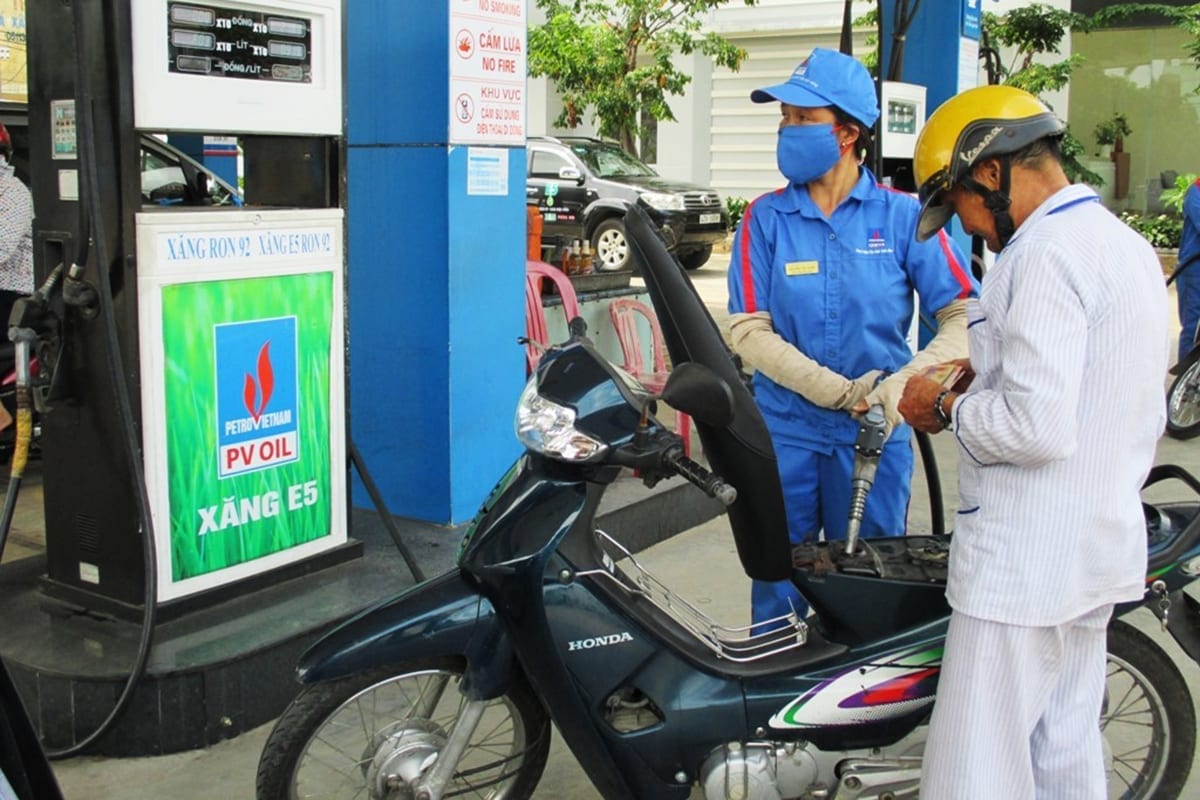
    The National Assembly (NA) of Vietnam has sanctioned the reduction of all fuel-related taxes to zero until June 30, in a move to mitigate price pressures, stabilize markets, and bolster economic resurgence in the face of global energy instability. This means that all taxes on gasoline, oil, and aviation fuel, covering environmental protection tax, value-added tax (VAT), and special consumption tax will be eradicated, as decreed by a resolution passed by the NA.

    Tax Cuts and Impact on Businesses

    The environmental protection tax on gasoline (excluding ethanol), diesel, aviation fuel, kerosene, and mazut will be nullified, along with the special consumption tax on gasoline. Additionally, gasoline, diesel, and aviation fuel will be exempt from VAT declaration and payment, though input VAT will remain deductible.

    This tax policy will be effective from April 16 through June 30. Businesses and importers handling gasoline, oil products such as diesel, kerosene, and mazut, and aviation fuel will not be obliged to declare or pay VAT at either the import or sales stages. In the event of emergencies, the government reserves the right to modify the duration of the policy, either shortening or extending it, and will report any such changes to the NA at its forthcoming session.

    According to the Ministry of Industry and Trade, taxes make up a substantial portion of fuel base prices, with VAT accounting for around 7.4%, environmental protection tax 2.7-6%, and special consumption tax approximately 6.7%. The annulment of these taxes is viewed as a strategy to support socio-economic development goals and curb inflation.

    Implications of the Tax Cuts

    Environmental protection tax, VAT, and special consumption tax on gasoline (excluding ethanol), diesel, and aviation fuel have already been lowered to zero under an existing decree, effective through April 15. However, kerosene and mazut have remained subject to environmental protection taxes of VND600 and VND1,000 per liter or kilogram, respectively, in addition to a 10% VAT.

    A government report states that reducing environmental protection tax on all types of fuel to zero is likely to decrease state budget revenues by an average of VND7.3 trillion ($277.19 million) per month. Despite this, the government views this move as a “special fiscal measure applied in exceptional circumstances” to alleviate the impact of global energy price fluctuations and preserve macroeconomic stability and social security.

    The ongoing conflict in the Middle East has significantly impacted global energy markets, including Vietnam, leading to a surge in fuel prices. The government has also implemented additional measures to manage fuel prices and support businesses and consumers.

    Questions & Answers

    What is the significance of this policy change by the Vietnamese government?

    The nullification of all fuel-related taxes is aimed at mitigating price pressures, stabilizing markets, and bolstering economic resurgence amidst global energy instability.

    What are the potential fiscal implications of reducing all fuel-related taxes to zero?

    The government anticipates a reduction in state budget revenues by an average of VND7.3 trillion ($277.19 million) per month. Despite this expected shortfall, they view it as a necessary measure under the current global energy circumstances.

    How has the conflict in the Middle East impacted Vietnam’s fuel market?

    The ongoing strife has significantly impacted global energy markets, including Vietnam, leading to a surge in fuel prices. Consequently, the Vietnamese government has had to implement measures to manage fuel prices and support businesses and consumers.

  • Hong Kong Housing Market Shows Signs of Recovery as Developers Boost Prices Amid Geopolitical Uncertainties

    Hong Kong Housing Market Shows Signs of Recovery as Developers Boost Prices Amid Geopolitical Uncertainties

    Hong Kong real estate developers are elevating their prices for newly built homes, following a pattern of successful sales. This trend is occurring amidst growing economic and political instability, as well as uncertainty revolving around interest rates.

    Increased Prices and Demand

    Henderson Land Development, on Monday, added an extra 39 units to its Chester project located in Hung Hom. Out of the 39, 25 units were sold, indicating a steady demand. A property agent reported that these units had an average reduced price of HKD22,198 (US$2,831) per square foot. This is a 4.6% increase in comparison to the price of the 123 units that were sold at the project’s initial launch last month.

    According to Derek Chan Hoi-chiu, head of research at real estate agency Ricacorp Properties, the steady demand has led developers to cautiously raise prices in new sales launches rather than revert to deep discounting. He described this as a typical recovery-phase strategy: assessing price elasticity while ensuring the momentum continues to build.

    Continued Developments

    Elsewhere, the developers of the La Mirabelle I project in Tseung Kwan O are planning to release 254 additional units on Tuesday. The discounted prices for these flats range from HKD5.93 million to HKD8.99 million, marking a 1% increase from the previous batch released a week ago. The earlier release of 254 units was completely sold out within hours.

    Uncertain Market Conditions

    Such moves by developers indicate an attempt to test the market demand despite the current uncertainties. The Hong Kong Monetary Authority has cautioned borrowers about the unpredictable outlook for interest rates after the U.S. Federal Reserve maintained its benchmark rate at between 3.5% and 3.75% last month.

    The recent disruptions in the oil supply due to geopolitical tensions have led to a significant increase in crude oil prices. This has raised concerns that a stricter monetary policy could follow in the world’s largest economy. Any rise in interest rates could potentially reduce both transaction volumes and residential property prices.

    Despite these uncertainties, the market seems to be signaling positivity. Official data from March shows that Hong Kong’s home sales value increased by 42.2% year-on-year to HKD55.2 billion. The number of residential property sale and purchase agreements registered last month also rose by 17.7% to 6,316 according to Land Registry figures.

    Questions & Answers

    What has been the trend in Hong Kong’s real estate market?
    Hong Kong’s real estate market has seen increased prices for new homes due to steady demand, despite political and economic uncertainties.

    What strategy are developers using in the current recovery phase?
    Developers are cautiously increasing prices for new sale launches, as opposed to resorting to deep discounts, to test price elasticity without slowing down the momentum.

    How have recent geopolitical events affected the real estate market?
    The uncertainties stemming from geopolitical events and fluctuating oil prices have led to apprehensions about stricter monetary policies, which could potentially affect transaction volumes and residential property prices. However, Hong Kong’s home sales have shown a positive trend, indicating a resilient market despite these uncertainties.

  • Gold Prices in Vietnam Bounce Back: An Afternoon Recovery Amidst Global Economic Uncertainty

    Gold Prices in Vietnam Bounce Back: An Afternoon Recovery Amidst Global Economic Uncertainty

    On Monday afternoon, gold prices in Vietnam witnessed a minor recovery following a more than 1% decline earlier in the session. After a challenging morning period, the Saigon Jewelry Company reported a 0.55% rise in their gold bar price, bringing it to VND184.1 million (US$6,965.01) per tael and reducing the day’s losses to 0.49%. For reference, a tael is equivalent to 37.5 grams or 1.2 ounces.

    Despite the global price for gold, the cost of the precious metal in Vietnam remains significantly higher. In particular, local bullion prices exceed the global rates by more than VND21 million per tael.

    The price of gold rings also rebounded on Monday, returning to VND183.8 million per tael, marking a 0.49% decrease for the day.

    Global Gold Market Conditions

    Internationally, spot gold fell 1.3% to $5,104 per ounce after a more than 2% decrease earlier in the session. This shift comes as geopolitical tensions in Iran escalate, resulting in a squeeze on world energy supplies. These circumstances also caused a boost in the dollar and a dampening in expectations for interest-rate cuts.

    The dollar is currently near a three-month high, which makes bullion more expensive for those dealing in other currencies. Inflation fears fueled by oil prices and expectations of delayed rate cuts likely strengthened U.S. yields and the dollar. This scenario outweighed the demand for safe-haven assets, pushing the price of gold downwards.

    However, gold prices have still risen approximately 18% this year, despite choppy trading conditions and stalled upward momentum.

    Christopher Wong, an OCBC strategist, commented on the situation. He noted that during periods of high geopolitical market stress, investors often sell assets like gold to raise cash. However, once this phase passes, the uncertainty usually continues to underpin demand for safe havens such as gold.

    Questions & Answers

    What was the gold price situation in Vietnam on Monday?
    On Monday, gold prices in Vietnam partially recovered following a more than 1% decrease earlier in the day. By the afternoon, the Saigon Jewelry Company’s gold bar price had risen 0.55%, taking it to VND184.1 million (US$6,965.01) per tael and reducing the day’s losses to 0.49%.

    What is the difference between local bullion prices and global rates in Vietnam?
    Despite global prices for gold, the cost in Vietnam remains significantly higher. More specifically, local bullion prices are more than VND21 million per tael higher than the global rates.

    What factors contributed to the global decrease in gold prices?
    The global decrease in gold prices was largely due to escalating geopolitical tensions in Iran, which resulted in a squeeze on world energy supplies, a stronger dollar, and lessened expectations for interest-rate cuts. This shift pushed the price of gold downwards, despite it being a safe-haven asset.

  • Google Messages Embraces Trash Feature, Enhancing Message Recovery: A Page from Samsung and Apple’s Playbook

    Google Messages Embraces Trash Feature, Enhancing Message Recovery: A Page from Samsung and Apple’s Playbook

    Google Messages has been the focal point of numerous updates recently. With a keen emphasis on enhancing user experience, developers have introduced new features and improvements. One such feature is an updated Details page, designed to increase usability. Further modifications are on the horizon, with a significant change in the pipeline concerning how the platform handles message deletion.

    Recovering Mistakenly Deleted Messages

    Presently, if a user attempts to delete a message in Google Messages, a pop-up warns the user that deletion is permanent and irreversible. This means once the “Delete” button is clicked, the message is permanently erased. However, situations may arise where a conversation is accidentally deleted, or a user realizes they need a message that was previously deleted.

    In response to such scenarios, Google has implemented a Trash feature in their messaging app. Notable in the beta version 20260227 of the app, this feature aims to retain accessibility to deleted messages.

    New Trash Feature Replaces the Delete Option

    The new trash feature supersedes the existing delete option in Google Messages. With this feature, when a message is deleted, it is moved to a new trash folder instead of being permanently discarded. This folder can be accessed by tapping the profile icon located in the top-right corner of the app and selecting the “Trash” option.

    Deleted messages remain in the trash folder for 30 days. Users have the option to restore all messages or delete them all simultaneously using the ‘restore all’ or ‘delete all’ icons. There’s also a provision for restoring or deleting individual messages.

    The previous delete option, which appeared when opening a conversation and tapping the three-dot menu, has been replaced with the new Trash feature. The swipe actions menu has also been updated to display the new Trash option in place of Delete.

    Consequently, upon the rollout of this update, users cannot permanently delete messages immediately. Instead, messages will first transition to the Trash section, providing users with a second chance to review their content. If a user is certain that a specific message isn’t required, they can permanently delete it from the trash section.

    Google Messages Follows in the Footsteps of Samsung and Apple Messages

    The concept of a trash folder may seem familiar to users of Samsung Messages or Apple Messages. Samsung’s app features a dedicated Recycle Bin section, storing deleted chats for 30 days before permanently erasing them.

    Likewise, Apple devices move deleted messages to a Recently Deleted section, where users can choose to either restore the message or permanently delete it. Both Samsung and Apple’s messaging platforms have incorporated this feature for years, and Google Messages now joins the bandwagon.

    Questions & Answers

    What happens when a message is deleted in the new Google Messages update?
    When a message is deleted in the new Google Messages update, it is moved to a Trash folder instead of being permanently erased. Users can access this folder from their profile icon.

    How long will deleted messages remain in the Trash folder?
    Deleted messages will be stored in the Trash folder for 30 days.

    Can users restore deleted messages from the Trash folder?
    Yes, users have the option to restore all messages at once or select individual messages for restoration. They can also permanently delete all or selected messages from the Trash folder.

  • True Protein Revamps Electrolyte Formula: Introduces New Flavours, Convenient Packaging

    True Protein Revamps Electrolyte Formula: Introduces New Flavours, Convenient Packaging

    True Protein, a leading health and wellness brand, is set to revamp its True Electrolyte Formula. The refreshed product will sport a fresh look alongside the introduction of two exciting new flavours – strawberry and blueberry. Additionally, the company will offer the formula in convenient single-sachet travel packs, making it ideal for customers on the go.

    The True Electrolyte Formula is a unique blend of sodium, potassium, and magnesium. True Protein asserts that this concoction has been meticulously formulated based on scientific research. The purpose of this blend is to restore essential minerals in the body and promote optimal hydration.

    True Protein emerged from the vision of its founder, Ben Kierath. On returning to Australia from the UK, Kierath spotted a gap in the market for pure, science-backed supplements that were locally sourced and devoid of unnecessary fillers or artificial ingredients.

    “We set out with a mission to inspire a world of healthier people,” Kierath stated, emphasizing the brand’s commitment to creating clean, science-backed products free from artificial and unnecessary additives.

    True Protein’s products are fully certified by Human and Supplement Testing Australia (HASTA), reflecting the company’s dedication to using only clean, natural ingredients in its products.

    Questions & Answers

    What is the True Electrolyte Formula?

    The True Electrolyte Formula is a unique blend of sodium, potassium, and magnesium that is intended to replenish essential minerals in the body and promote hydration.

    Who is the founder of True Protein?

    True Protein was founded by Ben Kierath, who identified a gap in the market for clean, science-backed, locally sourced supplements.

    What certification does True Protein hold?

    True Protein’s products are fully certified by Human and Supplement Testing Australia (HASTA), demonstrating the company’s commitment to using only pure, natural ingredients.

  • Vipshop Experiences Q2 Revenue Decline Amid Strategic Adjustments; Foresees Growth Ahead

    Vipshop Experiences Q2 Revenue Decline Amid Strategic Adjustments; Foresees Growth Ahead

    VIPshop Holdings, a prominent Chinese online discount retailer, has reported a decrease in revenue and profit for the second quarter of the 2025 fiscal year. This decline is part of a broader strategic adjustment that the company is currently undertaking.

    Revenue and Profit Decline

    The company’s total net revenues fell by 4.1 per cent, equating to RMB 25.8 billion (US$3.6 billion), a decrease from RMB 26.9 billion recorded in the second quarter of the 2024 fiscal year. The gross profit for the second quarter stood at RMB 6.1 billion (US$845.2 million), a small drop from RMB 6.3 billion during the same period in the previous year.

    Although the company experienced a reduction in earnings, it noted an increase in customer activity and signs of inherent robustness. The Gross Merchandise Value (GMV), a critical indicator of total sales on the platform, rose 1.7 per cent year-on-year to RMB 51.4 billion (US$7.12 billion). This increase suggests enhanced engagement and transaction volume.

    Business Stability and Growth Plans

    Eric Shen, Chairman and CEO of VIPshop, said, “We managed to stabilize our business trajectory by taking quick measures to boost customer activity and sales momentum. Our vision of discount retail for brands has guided us in implementing internal changes to augment the self-reinforcing flywheel across merchandising, operations, and customer engagement.”

    VIPshop has also seen growth in its high-value customer base. This growth is primarily attributed to the double-digit increases in its Super VIP membership program. The company continues to focus on fashion and lifestyle categories to retain value-conscious shoppers, with apparel remaining a key revenue driver.

    Platform Optimization Efforts

    The company’s current platform optimization strategies, which include more stringent inventory control, more focused brand partnerships, and enhanced personalization, are part of a broader effort to distinguish itself within China’s competitive e-commerce sector.

    Despite persistent revenue pressure, the management expressed cautious optimism that its revised strategy is taking hold. The stable GMV and the growing loyalty segment are seen as early signs of a turnaround.

    Mark Wang, CFO of VIPshop, stated, “We delivered another quarter of healthy profitability, demonstrating our consistent financial discipline in prioritizing growth initiatives and optimizing resource allocation. Looking ahead, our consistent strategy and focused execution position us well to return to sustainable growth.”

    Questions & Answers

    What could be the reasons for the decline in VIPshop’s revenue and profit?
    This decline is part of VIPshop’s ongoing strategic adjustment, which involves a more stringent inventory control and more focused brand partnerships.

    How is VIPshop planning to boost customer activity and sales momentum?
    VIPshop is implementing changes across merchandising, operations, and customer engagement to improve its business trajectory.

    What are the early signs of VIPshop’s strategic realignment taking effect?
    The stability of the Gross Merchandise Value (GMV) and the growth of the loyalty segment are early indicators of a positive turnaround.

  • Pure Sports Nutrition Revolutionizes Athlete Recovery With New ‘race Recovery’ Product

    Pure Sports Nutrition Revolutionizes Athlete Recovery With New ‘race Recovery’ Product

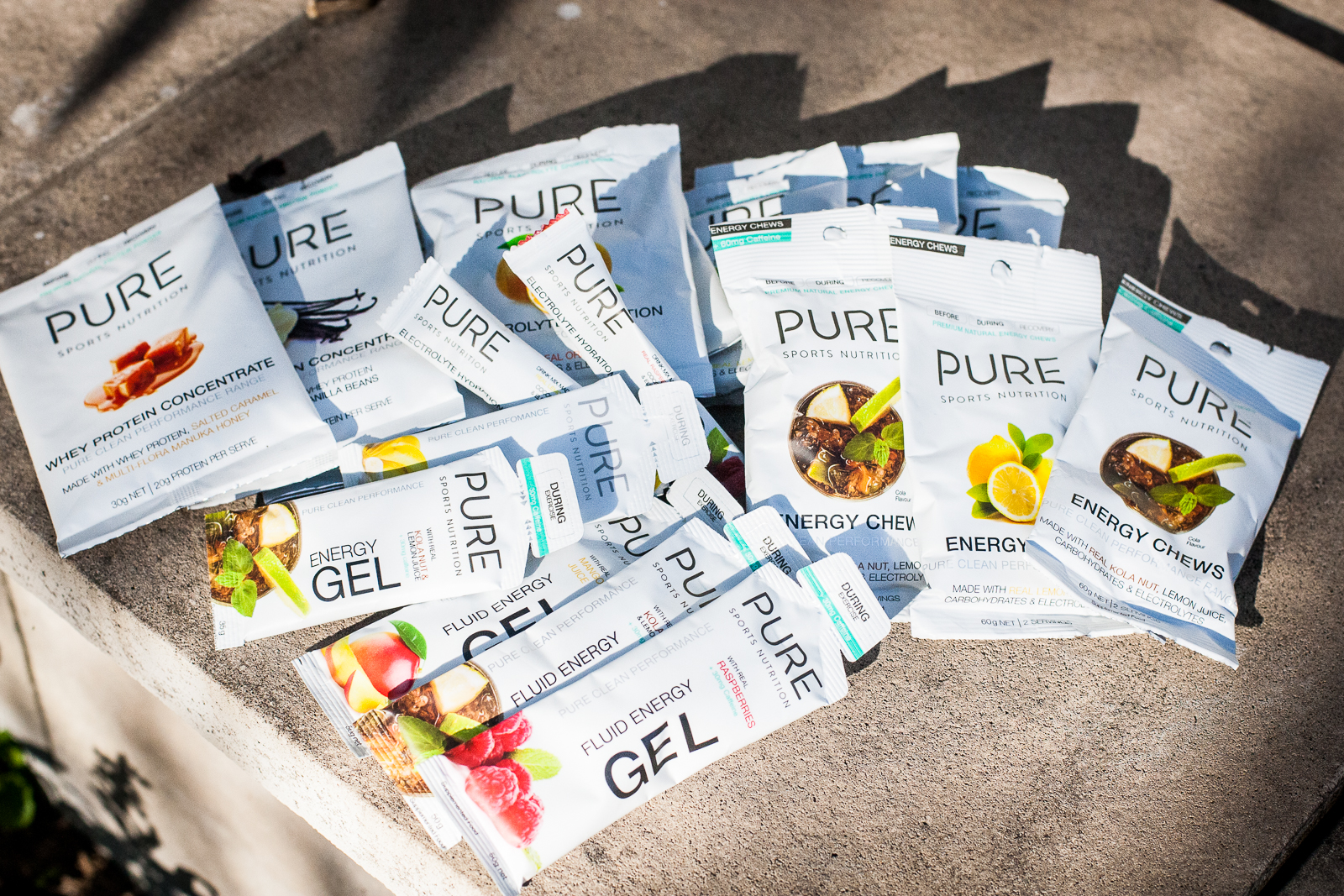
    Pure Sports Nutrition, a New Zealand-based company, has recently extended its Performance+ product line with the introduction of Race Recovery, a product specifically targeted at endurance athletes.

    Boosting Post-Exercise Recovery

    The company asserts that Race Recovery has been carefully designed to provide a comprehensive recovery solution following intense workouts or competitive sporting events. Each serving of Race Recovery boasts 29g of protein and 52g of carbohydrates.

    Marewa Sutherland, the co-founder and sports nutritionist of Pure Sports Nutrition, clarified that the carbohydrate-to-protein ratio in Race Recovery has been deliberately chosen to maximize the benefits during the crucial 30 to 60-minute window following exercise. During this period, recovery nourishment can significantly impact training outcomes.

    According to Sutherland, each component in Race Recovery plays a specific role, from replenishing carbohydrate and fluid levels to promoting gut health and mitochondrial function. She asserts that the formula approaches recovery from multiple angles, thus assisting athletes in becoming stronger, adapting quicker, and enhancing performance.

    About Pure Sports Nutrition

    Pure Sports Nutrition, which was founded in 2012, has made its mark with a variety of products including energy gels, electrolyte hydration powders, and functional foods.

    Race Recovery is now available in a select number of retailers including Aidstation, Active Health Clinic, Sole Motive Mr Vitamins, Nutrition Warehouse, WholeLife Pharmacy, and Healthfoods Pace Athletic. Pricing for Race Recovery is set at $11.99 for individual servings and $79.99 for multi-packs.

    Questions & Answers

    What is the new product launched by Pure Sports Nutrition?
    The new product is called Race Recovery, designed for endurance athletes to aid in their post-exercise recovery.

    What does each serving of Race Recovery contain?
    Each serving of Race Recovery contains 29g of protein and 52g of carbohydrates.

    Where can one purchase Race Recovery?
    Race Recovery is available in select retailers including Aidstation, Active Health Clinic, Sole Motive Mr Vitamins, Nutrition Warehouse, WholeLife Pharmacy, and Healthfoods Pace Athletic.

  • Hong Kong Retail Sales Rise In June, Slower Pace Indicates Stabilization

    Hong Kong Retail Sales Rise In June, Slower Pace Indicates Stabilization

    In June, Hong Kong experienced an increase in retail sales, albeit at a slower pace than the previous month of May. The total retail sales for the special administrative region came in at HK$30.1 billion (US$3.8 billion), marking a 0.7 per cent year-on-year growth. This rise, however, was less than the 2.4 per cent increase witnessed in May, which was the first surge in retail sales observed in over a year.

    The Impact of Price Changes

    When considering the impact of price changes during this period, the provisional estimate of retail sales for June revealed a 0.3 per cent year-on-year decrease. This is in comparison to a 1.9 per cent uptick seen in May.

    Industry-Specific Performance

    Breaking down the increase in retail sales by industry, the sectors of jewellery, watches and clocks, and valuable gifts led the pack, enjoying a 6.8 per cent upswing in June. The following industries also saw notable growth: medicines and cosmetics, with a 6 per cent increase; commodities in department stores, with a 5.7 per cent rise; and optical shops, which saw a 1 per cent surge in sales.

    On the other hand, some sectors witnessed a decline in sales. Sales of wearing apparel dipped by 4.3 per cent, while food, alcoholic drinks and tobacco dropped by 1.5 per cent. Additionally, sales in furniture and fixtures saw a significant decrease of 16.3 per cent, with books, newspapers, stationery and gifts experiencing a 4.7 per cent fall.

    First-Half Overview

    Looking at the bigger picture, retail sales in Hong Kong for the first half of the year showed a downward trend, dropping by 3.3 per cent when compared to the same period last year.

    However, a government spokesperson conveyed optimism, noting that the retail sector has been exhibiting signs of stabilization in recent months. The spokesperson cited several favourable factors contributing to this trend, including the steady rise in employment earnings, a robust stock market, and concerted efforts from the government and businesses to promote tourism. These factors are anticipated to augment consumer sentiment and provide a strong support for the retail sector.

    Questions & Answers

    What was the value of retail sales in June in Hong Kong?
    The value of retail sales in Hong Kong in June was HK$30.1 billion (US$3.8 billion), representing a 0.7 per cent year-on-year increase.

    Which sectors led the growth in Hong Kong’s retail sales in June?
    The sectors of jewellery, watches and clocks, and valuable gifts led the growth in June with a 6.8 per cent increase. Other sectors experiencing growth included medicines and cosmetics, commodities in department stores, and optical shops.

    What are the factors contributing to the stabilization of Hong Kong’s retail sector?
    The stabilization of Hong Kong’s retail sector can be attributed to the continuous increase in employment earnings, a solid stock market performance, and government and business efforts to boost tourism.

  • Gold Prices Stage a Strong Comeback Following Weekend Decline

    Gold Prices Stage a Strong Comeback Following Weekend Decline

    Gold prices in Vietnam experienced a rebound on Monday afternoon, recovering somewhat from a sharp decline over the weekend, while global bullion rates remained stable.

    Gold Prices on the Rise

    The price of gold bars from the Saigon Jewelry Company increased by 0.43%, reaching VND117.7 million (approximately US$4,500.77) per tael, partially reversing the 0.68% drop recorded last Saturday. Meanwhile, gold rings saw a modest uptick of 0.26%, bringing the price to VND113.8 million per tael, following a 0.7% dip over the weekend. To clarify, a tael is equivalent to 37.5 grams or 1.2 ounces.

    Globally, gold prices stabilized on Monday as investors exhibited caution ahead of U.S.-China trade talks, which could potentially alleviate ongoing tensions, as reported by Reuters. Spot gold edged up by 0.1%, reaching $3,313.54 an ounce, while U.S. gold futures slipped by 0.4% to $3,333.80.

    Market analyst Kelvin Wong from OANDA noted that short-term traders are hesitant to adopt aggressive long positions in advance of the U.S.-China discussions. Though tariffs may still persist, Wong suggested that the talks could mitigate some cost pressures in the U.S. However, he cautioned that the widening budget deficit could exacerbate inflationary issues.

    In a related development, Trump stated that a decision regarding the next Federal Reserve chair will be made soon, hinting that a favorable chair could lead to reduced rates. As a safe-haven asset, gold traditionally flourishes amid economic uncertainties and in low-interest environments.

    On the technical side, analysts predict that spot gold may retest support levels at $3,296. Should it break below this point, prices could potentially slide towards $3,262.

    And just like magic, a slight change in trade talks can turn the tide for gold prices faster than a rabbit out of a hat!

    Questions & Answers

    What caused the increase in gold prices in Vietnam?
    Gold prices rose due to a partial recovery from a steep drop over the weekend, coinciding with stable global bullion rates.

    How are global gold prices behaving amid the U.S.-China trade talks?
    Spot gold has shown a slight increase of 0.1%, as investors are cautious yet optimistic about the outcome of the trade discussions, which could lessen tensions between the two nations.

    What are analysts expecting for gold prices in the near future?
    Analysts are watching key support levels closely; if gold prices break below $3,296, they could fall further towards $3,262.

  • Thailand’s Car Sales Surge Back to Life After Nearly Two-Year Decline

    Thailand’s Car Sales Surge Back to Life After Nearly Two-Year Decline

    Domestic car sales in Thailand experienced a glimmer of hope in April, marking a 1% year-on-year increase—the first boost in nearly two years, as reported by the Federation of Thai Industries (FTI). This slight recovery comes as a welcome surprise amid a string of declines in both vehicle production and exports.

    Ongoing Challenges in Vehicle Production

    Despite the uptick in sales, production figures told a different story. In April, car manufacturing dipped by 0.4% from the previous year, totaling 104,250 units. This marks the 21st consecutive month of declining production, following a relatively steep 6.1% drop in March. Meanwhile, the export of vehicles fell by 6.3% compared to the same period last year, although this decline represents a gentler decrease than the 14.9% seen in the prior month.

    Thailand’s Role in the Automotive Landscape

    As Southeast Asia’s premier auto manufacturing hub, Thailand plays a crucial role as an export base for some of the globe’s leading car manufacturers, including heavyweights like Toyota, Honda, and China’s BYD. While car sales may be on the rise, the industry continues to grapple with production challenges—proving that the road to recovery is still a winding one. Who knew car sales could be just as turbulent as a roller coaster ride!

    Questions & Answers

    What factors contributed to the rise in car sales in Thailand?
    The increase in car sales is attributed to growing consumer demand, providing a much-needed boost after an extended period of decline.

    How has production been affected recently?
    Car production fell by 0.4% in April compared to the same time last year, marking the 21st straight month of decreased output.

    What is Thailand’s position in the automotive sector?
    Thailand remains Southeast Asia’s largest automotive production center and serves as an export base for major car manufacturers like Toyota, Honda, and BYD.

  • Billion-dollar projects stir hope of economic recovery

    Billion-dollar projects stir hope of economic recovery

    A number of billion-dollar projects are in the works, signaling a robust economic recovery. Last week Danish toy company Lego received a license for a $1-billion factory in the southern province of Binh Duong. The company’s second-largest factory in Asia and sixth largest in the world is among the fastest to be approved in Vietnam with all procedures being completed within six months.

    Local companies have also been launching billion-dollar projects.

    Steel giant Hoa Phat Group this month secured credit from eight banks for its Hoa Phat Dung Quat 2 plant, its biggest to date with a total investment of VND85 trillion.

    Diversified group T&T began work on a VND35-trillion resort and golf project in the northern province of Phu Tho at the end of last month, hoping to take advantage of the expected recovery in tourism in the next few years.

    Nguyen Van Toan, deputy chairman of the Vietnam Association of Financial Investors, said the country has the potential to attract $40 billion in FDI this year, a 27 percent increase from last year.

    It has shown resilience amid Covid-19 and focused on digital transformation during social distancing, and the government continues to prioritize FDI, he added.

    Nguyen Mai, chairman of the association, said the resumption of international travel on March 15 would allow more foreign investors to enter Vietnam without difficulty and therefore make business decisions quickly.

    American, European, and Japanese companies are looking to restructure supply chains and Vietnam could take this opportunity to attract their investments, he said.

    The key advantages for foreign companies here are the availability of land and human resources, he said.

    The government wants to make 2022 the year of recovery from Covid, and has set a GDP growth target of 6-6.5 percent compared to 2.58 percent last year.

  • Manufacturing continues recovery

    Manufacturing continues recovery

    Vietnam’s purchasing managers’ index rose to 53.7 in January 2022 from 52.5 in December, marking the highest growth since last April. The new index also points to the fourth straight month of growth, according to a report by U.K. research company IHS Markit. IHS Markit Vietnam Manufacturing Purchasing Managers’ Index measures the performance of the manufacturing sector and is derived from a survey of 400 companies.

    The index is based on five individual indexes with the following weights: new orders (30 percent), output (25 percent), employment (20 percent), supplier delivery times (15 percent) and stock of items purchased (10 percent), with the delivery times index inverted so it moves in a comparable direction.

    A reading above 50 indicates an expansion of the manufacturing sector compared to the previous month; below 50 represents a contraction; while 50 indicates no change.

    Both output and new orders increased at sharper rates in the opening month of the year as customer demand continued to improve. In each case the rate of expansion was the sharpest in nine months. Total new orders were supported by a further improvement in new business from abroad, with the rate of growth quickening to the fastest since November 2018, IHS Markit stated in its January report for Vietnam.

    Firms were also increasingly confident in the year-ahead outlook for production, although optimism depends to some extent on the pandemic being brought under control. Around 60 percent of respondents predicted a rise in output, with overall optimism the strongest in over three years.

    There were further signs inflationary pressures have become less pronounced than seen through much of 2021. Input costs increased at the second-slowest pace in seven months, while output price inflation eased to the weakest since last September.

    According to respondents, a key factor behind rising input costs was higher charges for freight and international shipping. Problems with shipping and ongoing disruption caused by the pandemic mean supplier delivery times continued to lengthen at the start of the year.

    A second successive rise in employment was recorded in January as firms continued to rebuild workforce numbers following the Delta wave of the pandemic in 2021. The rate of job creation picked up from that seen in December but remained only modest as some staff were off work with Covid and others had yet to return from their hometowns.

    Commenting on the latest survey results, Andrew Harker, Economics director at IHS Markit, said: “Vietnamese manufacturers made a positive start to 2022, with the absence of any widespread restrictions meaning that the sector was able to grow despite relatively high Covid-19 case numbers. Firms were also increasingly confident about the year-ahead outlook.

    “The pandemic continues to impact the sector, however, most notably through staff absences, while the possibility of sharply rising case numbers due to the Omicron variant could lead to even more disruption,” he said. A further headwind remains issues with shipping, which affected deliveries from suppliers and the ability of firms to deliver to customers, as well as adding to cost burdens.”