Tag: Reliance

  • Malaysia Vows to Slash Reliance on Foreign Food by Half by 2050 for Enhanced National Food Security

    Malaysia Vows to Slash Reliance on Foreign Food by Half by 2050 for Enhanced National Food Security

    Malaysia has outlined an ambitious plan to decrease its dependence on imported food by half by 2050 in an effort to bolster national food security. This objective arises as the nation grapples with an annual food import expenditure hitting around 80 billion MYR, or approximately US$20 billion, as per the statement of Ahmad Zahid Hamidi, Deputy Prime Minister and Minister of Rural and Regional Development, on July 4.

    Phased Implementation

    The strategy is set to be executed in stages, with intermediate milestones set at a 15% reduction by 2030 and just over 30% by 2040, before eventually realizing the ultimate aim by 2050. Hamidi stated that the strategy would focus on maximizing the use of underemployed and unused land owned by branches under the Ministry of Rural and Regional Development. This land would be transformed into agricultural and livestock production areas in order to increase domestic food production capacity.

    Hamidi further elaborated that the food security program has been active for the past three years and has already contributed to stabilizing prices, specifically through broiler chicken and egg production initiatives.

    Domestic Supply and Stable Prices

    Hamidi emphasized that the purpose of the plan is not to rival commercial producers. Instead, its primary focus is to guarantee an ample domestic supply and reduce price fluctuations. By increasing local production, Malaysia aims to obtain a more reliable and sustainable food source, reducing its vulnerability to global market changes and potential supply chain disruptions.

    Questions & Answers

    What is Malaysia’s goal with respect to imported food?
    Malaysia aims to cut its reliance on imported food by 50% by 2050 in order to enhance national food security.

    How does the country plan to achieve this objective?
    Malaysia plans to utilize underused and idle land owned by agencies under the Ministry of Rural and Regional Development, converting it into agricultural and livestock production zones.

    What is the purpose of this initiative?
    The goal is to ensure a sufficient domestic food supply and reduce price volatility, not to compete with commercial producers.

  • Reliance Retail Ups Beauty Game with Acquisition of Priyanka Chopra Jonas’s Anomaly

    Reliance Retail Ups Beauty Game with Acquisition of Priyanka Chopra Jonas’s Anomaly

    Reliance Retail, the premier retailer in India, has recently added the Anomaly haircare brand, owned by globally renowned actor Priyanka Chopra Jonas, to its portfolio.

    Strategic Acquisition of Anomaly

    Anomaly was established by Chopra Jonas in 2021. It offers a range of affordable vegan haircare products that are sold globally. The brand was acquired from Maesa, a U.S.-based beauty company. The acquisition marks a strategic move for Reliance Retail as it continues to diversify its range of offerings with cutting-edge, fast-growing beauty brands.

    Isha Ambani, Executive Director at Reliance Retail Ventures, commented on the acquisition. She stated that Anomaly’s powerful global presence, commitment to clean formulation, and affordable pricing make it a valuable addition to the company’s ecosystem. Ambani sees substantial potential for growth in a collaborative effort with Chopra Jonas, aiming to expand Anomaly’s market in India by capitalizing on Reliance Retail’s omnichannel capabilities and deep consumer insight, while also increasing the brand’s international footprint.

    Plans for Expansion

    Reliance Retail intends to concentrate on expanding Anomaly’s presence in India. The company will also work towards increasing the brand’s market in North America, the United Kingdom, and the Middle East.

    Chopra Jonas expressed her excitement about the new journey Anomaly embarks on following the acquisition by Reliance Retail. She remarked that what started as a deeply personal endeavor has now evolved into a brand with a significant purpose and global ambitions.

    Questions & Answers

    What is Anomaly and who owns it?
    Anomaly is a vegan haircare brand that was founded in 2021 by the world-renowned actor Priyanka Chopra Jonas.

    Who acquired Anomaly?
    Anomaly was recently acquired by Reliance Retail, the largest retailer in India.

    What are Reliance Retail’s plans for Anomaly?
    Reliance Retail plans to expand Anomaly’s presence in India using its omnichannel capabilities and deep consumer insights. It also aims to increase the brand’s market in North America, the United Kingdom, and the Middle East.

  • Reliance Retail Bolsters Beauty Portfolio with Acquisition of Sustainable Skincare Brand Pahadi Local

    Reliance Retail Bolsters Beauty Portfolio with Acquisition of Sustainable Skincare Brand Pahadi Local

    Reliance Retail, a major Indian retail company, has successfully acquired the skincare and wellness brand, Pahadi Local. Pahadi Local, established in 2018, is well-regarded for its clean ingredient formulations, ethical sourcing practices, and sustainable product offerings. The company is known for its Himalayan ingredients, especially Gutti Ka Tel (Apricot Kernel Oil), which has gained widespread recognition and consumer loyalty.

    The Acquisition & Future Plans

    Reliance Retail’s acquisition of Pahadi Local aligns with its strategic goal to invest in promising Indian brands across multiple sectors, including beauty, wellness, fashion, and lifestyle. The retail giant has plans to foster Pahadi Local’s next growth phase by broadening its retail presence, strengthening its digital footprint, and fast-tracking innovation.

    The founding team of Pahadi Local will remain integral to the company’s operations post-acquisition, playing a crucial role in shaping the brand’s creative direction, product development, and overall philosophy.

    Comment from Reliance Retail

    Isha Ambani, executive director of Reliance Retail Ventures, commented on the acquisition, emphasizing the company’s focus on curating brands that blend authenticity, innovation, and significant consumer relevance. Ambani praised Pahadi Local’s commitment to Himalayan wellness traditions and responsible sourcing, making it a valuable addition to their beauty brand portfolio.

    Reliance Retail is a subsidiary of Reliance Retail Ventures, the umbrella corporation for all retail companies within the Reliance Industries group.

    Questions & Answers

    What is the main product offering of Pahadi Local?
    Pahadi Local is known for its skincare and wellness products primarily made from Himalayan ingredients, with Gutti Ka Tel (Apricot Kernel Oil) as its standout product.

    What are Reliance Retail’s plans for Pahadi Local post-acquisition?
    Reliance Retail plans to expand Pahadi Local’s retail presence, strengthen its digital footprint, and accelerate innovation to foster the brand’s next phase of growth.

    How will the founding team of Pahadi Local be involved in the brand post-acquisition?
    The founding team will continue to play a critical role in shaping the brand’s creative direction, product development, and overall philosophy.

  • Former Flipkart Executive, Jeyandran Venugopal, Named New CEO of India’s Reliance Retail

    Former Flipkart Executive, Jeyandran Venugopal, Named New CEO of India’s Reliance Retail

    Reliance Retail Ventures (RRVL), the parent company of Reliance Retail, has just announced the appointment of Jeyandran Venugopal as its new President and CEO. Venugopal is a former executive of Flipkart, bringing with him over 25 years of global leadership experience in retail, e-commerce, and technology.

    A New Era with Venugopal

    Venugopal’s previous roles include serving as the Chief Product and Technology Officer at Flipkart. He has also assumed senior positions at Myntra and Jabong, where he supervised product, engineering, and data functions. These positions allowed him to gain invaluable experience during periods of rapid growth and profitability enhancement.

    In his new role, Venugopal is set to collaborate closely with RRVL’s Director, Isha Ambani. Together, they aim to enhance the company’s retail strategy, expand its capabilities across all channels, and fortify both operational and technology functions throughout RRVL’s value chain.

    Ambani expressed confidence in Venugopal’s expertise and anticipates it to be significant in the company’s next growth stage. “Venugopal’s deep understanding of consumer behaviour, commercial acumen, and technology-led retail transformation will be pivotal as we shape the next phase of RRVL’s growth journey,” Ambani added.

    Questions & Answers

    Who is Reliance Retail Ventures’ new CEO and President?
    Jeyandran Venugopal, a former executive of Flipkart, has been appointed as the new CEO and President of Reliance Retail Ventures.

    What experience does Venugopal bring to RRVL?
    Venugopal carries with him over 25 years of global leadership experience in retail, e-commerce, and technology. He has previously served as the Chief Product and Technology Officer at Flipkart and held senior roles at Myntra and Jabong.

    What role will Venugopal play in RRVL’s growth?
    Venugopal is expected to play a central role in the next phase of RRVL’s growth. His deep understanding of consumer behavior, commercial acumen, and experience in technology-led retail transformation will be a critical asset as RRVL shapes its future growth strategy.

  • Reliance Retail Expands Jiomart’s Reach With 600 New Dark Stores Across India

    Reliance Retail Expands Jiomart’s Reach With 600 New Dark Stores Across India

    Reliance Retail has expanded its network in India by opening over 600 dark stores. These new outlets are in support of the company’s rapidly growing quick commerce service called JioMart, which boasts a delivery promise of under 30 minutes.

    What are Dark Stores?

    Dark stores, as the name suggests, are not traditional retail outlets. They are small, localized fulfillment centers that are used to handle online orders, either for delivery or pickup. They have been redesigned from conventional retail spaces to facilitate speedier order processing. The primary distinguishing feature is that they do not cater to walk-in customers.

    Reliance Retail strategically selected the locations for its new facilities in both urban and suburban areas. This strategic placement is intended to improve speed and efficiency in serving the company’s expanding online clientele.

    JioMart’s Unique Service Models

    JioMart app provides its users with three distinct service models. First is the quick delivery model that promises delivery within 30 minutes. Second is the scheduled delivery model that offers a wider variety of products. The third model is subscription-based, providing early morning doorstep delivery of daily essentials.

    The JioMart app faces competition from other quick commerce platforms in India such as Blinkit, Swiggy Instamart, and BigBasket.

    Reliance Retail’s Competitive Advantage

    Dinesh Taluja, Reliance Retail’s CFO, stated that the company’s extensive scale and physical presence give it a competitive edge over others in the industry.

    “We operate through a network of over 2000 stores, covering more than 4000 postal codes. This gives us a much broader reach than any other quick commerce player,” he explained.

    Questions & Answers

    What is a dark store?

    A dark store is a small, localized fulfillment center that processes online orders for either delivery or pickup. Unlike traditional retail outlets, dark stores do not serve walk-in customers.

    What are the service models offered by JioMart?

    JioMart offers three service models: quick delivery within 30 minutes, scheduled delivery with a broader range of products, and a subscription-based model for early morning doorstep delivery of everyday essentials.

    What gives Reliance Retail a competitive edge in the quick commerce industry?

    According to Reliance Retail’s CFO, Dinesh Taluja, the company’s extensive scale and physical presence give it an advantage over other players in the quick commerce space. They have a network of over 2000 stores covering more than 4000 postal codes, offering a wider reach than other competitors.

  • Reliance Jio Surpasses 213 Million 5G Users: A Milestone in Connectivity!

    Reliance Jio Surpasses 213 Million 5G Users: A Milestone in Connectivity!

    Reliance Jio Infocomm has made impressive strides in the 5G landscape, wrapping up June 2025 with a staggering 213 million 5G subscribers, a sharp rise from 170 million at the close of 2024. This growth surge, detailed in its latest quarterly report released by parent company Reliance Industries, underscores the effectiveness of Jio’s innovative in-house 5G technology stack, which has now positioned itself for expansion into international markets. Notably, 5G accounted for an impressive 40% of Jio’s wireless traffic by the end of last year.

    A Noteworthy Expansion in Fixed Services

    In parallel, Reliance Jio has made considerable advancements in the fixed services segment, achieving over 20 million connected premises through its broadband network. The firm’s JioAirFiber service has emerged as the world’s largest fixed wireless access (FWA) platform, currently catering to nearly 7.4 million users — a feat that would surely make tech aficionados raise an eyebrow in surprise.

    Leadership’s Vision: Embracing Next-Gen Technologies

    Akash Ambani, Chairman of Reliance Jio, expressed his enthusiasm about the company hitting significant milestones. “We have delivered a milestone quarter at Jio with our 5G and home subscriber base crossing the 200 million and 20 million marks, respectively,” he stated. Ambani further emphasized Jio’s commitment to rolling out next-generation services, including the recently launched JioGames Cloud and the JioPC bundle, aimed at accelerating digital service adoption across India. He noted the company’s role in developing unparalleled technology infrastructure, crucial for driving the country’s artificial intelligence (AI) adoption.

    IPO Delay: A Strategic Move for Growth

    Despite these accolades, Jio Platforms has opted to postpone its initial public offering (IPO) beyond 2025. The aim is to bolster revenue growth and expand its user base further. Analysts estimate the company’s valuation at over USD 100 billion, with a significant 80% of its USD 17.6-billion annual revenue generated by its telecommunications unit.

    Bumps on the Road: Navigating 5G Challenges

    Last year, Jio faced challenges in its 5G rollout, which was slowed down by low capacity utilization and delays in monetization. Currently, reported 5G usage hovers around 15%, although insiders claim actual figures are likely much higher. The network operates using equipment from established providers like Nokia and Ericsson.

    Looking ahead, future investments in 5G will hinge on market demand, as analysts and industry watchers anticipate the next phase of expansion to unfold in response to intensified competition from rivals such as Bharti Airtel.

    Questions & Answers

    What factors contributed to Reliance Jio’s significant subscriber growth in 2025?
    The surge to 213 million 5G subscribers is attributed to Jio’s innovative in-house technology stack and the strategic positioning of its cloud-native core network, which is eyeing international markets.

    How has Reliance Jio performed in the fixed services segment?
    Reliance Jio surpassed 20 million connected premises through its broadband network, with its JioAirFiber service emerging as the largest fixed wireless access platform globally, catering to approximately 7.4 million users.

    What is the rationale behind the delay of Jio Platforms’ IPO?
    Jio Platforms has decided to postpone its IPO to 2025 to concentrate on enhancing revenue and expanding its user base, despite the firm’s high valuation estimated over USD 100 billion.

  • Reliance Industries Expands Consumer Durables Reach With Electrolux’s Kelvinator Acquisition

    Reliance Industries Expands Consumer Durables Reach With Electrolux’s Kelvinator Acquisition

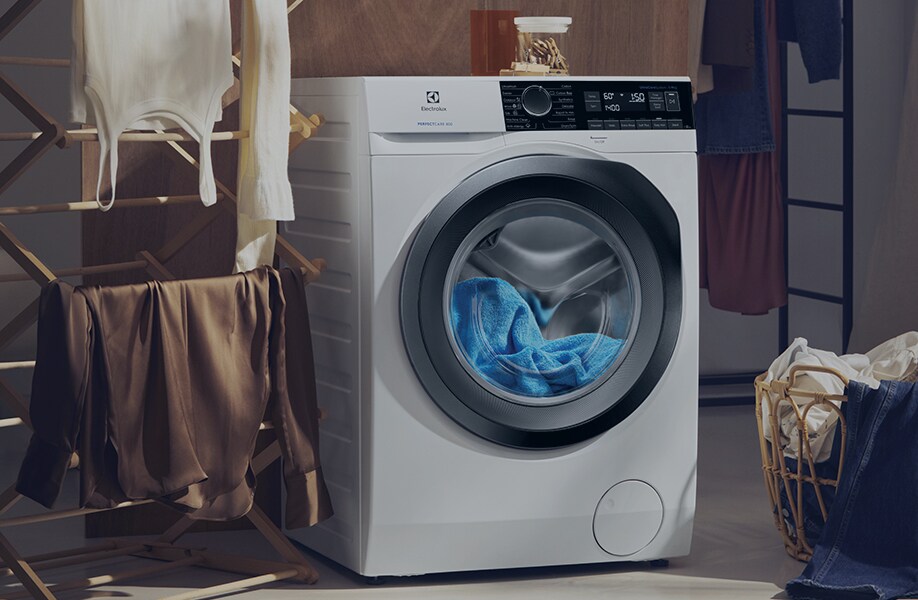
    Reliance Industries, a prominent Indian retailer, has recently acquired Swedish firm Electrolux’s Kelvinator, which is known for selling electronics such as refrigerators, washing machines, and air conditioners. This acquisition was carried out by the retail division of Reliance, demonstrating its ongoing expansion in the rapidly growing consumer durables market.

    Boosting Presence in Home Electronics and Appliances

    Reliance Retail is not only widening its presence in the consumer durables market but also extending its private-label portfolio of home electronics and appliances. This growth has been propelled by increased income levels, urbanisation, and sharpening competition in the market.

    The Background of Kelvinator

    Kelvinator, originating in the United States, had a significant international presence during the 1970s and 1980s, including a strong foothold in India. However, the brand experienced a downturn around the 1990s due to increased global competition and shifts in consumer preferences.

    Electrolux’s Profit from the Divestment

    Electrolux, in its latest quarterly report, disclosed that it had realised a profit of US$18.5 million from the sale of the Kelvinator brand.

    Questions & Answers

    What is the significance of Reliance Industries’ acquisition of Kelvinator?
    The acquisition signifies Reliance Industries’ commitment to expanding its presence in the burgeoning consumer durables market.

    What contributed to the expansion of Reliance Retail’s private-label portfolio?
    The expansion of Reliance Retail’s private-label portfolio has been driven by rising incomes, urbanisation, and increased competition in the market.

    What led to the decline of Kelvinator’s prominence in the market?
    Kelvinator’s market prominence declined around the 1990s due to heightened global competition and shifts in consumer preferences.

  • Reliance Retail Ventures Expands Global Footprint with Strategic Investment in UK’s Facegym

    Reliance Retail Ventures Expands Global Footprint with Strategic Investment in UK’s Facegym

    Reliance Retail Ventures Limited (RRVL) is making waves in the beauty and wellness market with its recent minority investment in UK-based FACEGYM, a brand that has carved out a niche in non-invasive facial workouts combined with advanced skincare. Founded by Inge Theron, FACEGYM has garnered an impressive global following, melding the worlds of beauty, fitness, and wellness in an innovative approach that could leave traditional skincare routines in the dust.

    FACEGYM’s Entry Into the Indian Market

    With a keen eye on expansion, Reliance’s Tira will spearhead the launch of FACEGYM in India, taking charge of local operations and market development. This partnership is not just transactional—it’s transformational. Over the next five years, Reliance aims to introduce FACEGYM’s compelling offerings through standalone studios and curated spaces within select Tira stores in critical urban centers.

    Leveraging a Strong Retail Network

    This expansion strategy plays to Reliance’s strengths, tapping into its extensive retail ecosystem, deep market expertise, and detailed consumer insights. It’s a calculated move to ensure that FACEGYM’s innovative concept resonates with Indian consumers who are increasingly blending wellness with beauty routines.

    A Vision for the Future of Beauty

    This partnership signifies more than just an investment; it underscores Reliance Retail’s commitment to expanding its beauty and personal care vertical, with Tira poised as India’s fastest-growing omnichannel beauty destination. The growing portfolio now includes brands like Akind, Dream, Immerse Play, and Nails Our Way, each contributing to a dynamic retail landscape.

    As Reliance ushers in this unique blend of fitness and skincare, one can’t help but wonder: will the idea of working out your face catch on like wildfire, or is it a workout trend best left for gyms? Only time will tell.

    Questions & Answers

    What is FACEGYM, and how does it differ from traditional skincare?
    FACEGYM is a beauty brand that integrates non-invasive facial workouts with advanced skincare, creating a unique blend of fitness and beauty that sets it apart from conventional skincare routines.

    How will Reliance Retail facilitate FACEGYM’s entry into India?
    Reliance’s Tira will manage the launch by developing local operations and establishing FACEGYM’s presence through standalone studios and dedicated spaces in select Tira stores across major cities.

    What does this partnership mean for Reliance’s beauty strategy?
    This partnership enhances Reliance Retail’s strategy to expand its beauty and personal care vertical, reinforcing Tira as a leading omnichannel destination and complementing its existing portfolio of innovative brands.

  • Shein and Reliance Join Forces to Expand Indian Supplier Network

    Shein and Reliance Join Forces to Expand Indian Supplier Network

    In a strategic move to reduce dependency on China amid escalating U.S. tariffs, Shein and Reliance Retail are set to ramp up their Indian supplier network from 150 to a remarkable 1,000 within just a year. This ambitious expansion plan, as reported by Reuters, includes plans to start exporting India-made Shein apparel globally within the next six to twelve months.

    A New Era for Indian Manufacturing

    This partnership is a pivotal element of a broader strategy aimed at relocating supply chains away from China—Shein’s largest market. By collaborating with Reliance, Shein seeks to expedite production in India with a primary focus on the lucrative U.S. and U.K. markets.

    Reviving Shein’s Presence in India

    While the partnership between Shein and Reliance is limited to a brand licensing deal for domestic sales, it marks a significant revival for Shein’s brand presence in India. The online fashion retailer initially entered the Indian market in 2018 but faced a temporary ban in 2020 alongside other Chinese applications. However, it made a comeback in February through a licensing agreement with Reliance Retail, which now operates SheinIndia.in, featuring garments produced by local manufacturers. Currently, a majority of Shein’s global offerings are still sourced from China.

    Boosting Local Production with Big Ambitions

    Reliance has already signed agreements with 150 garment manufacturers and is actively negotiating with an additional 400 to achieve its goal of 1,000 suppliers that can meet both local and international demands. The companies are rigorously evaluating whether Indian factories can replicate Shein’s best-selling items at competitive prices.

    Investing in the Future of Fashion

    Moreover, Reliance plans to bolster suppliers through investments, machinery imports, and sourcing fabric—particularly for synthetic textiles—where India is still catching up in expertise. With this move, Reliance isn’t just enhancing its operations; it’s also poised to transform India’s fashion landscape.

    In a world where fashion trends shift faster than a lightning bolt, could this partnership be the spark that ignites India’s manufacturing prowess on a global scale? Only time will tell!

    Questions & Answers

    What is the goal of Shein and Reliance Retail’s partnership? The aim is to expand their Indian supplier base to 1,000 within a year and begin exporting India-made Shein garments globally within six to twelve months, reducing dependency on China.

    How has Shein’s presence in India evolved? Shein initially entered India in 2018, faced a ban in 2020, and returned in February 2022 through a licensing agreement with Reliance Retail, enabling them to sell locally produced garments.

    What support will Reliance provide to Indian suppliers? Reliance plans to assist suppliers with investments, machinery imports, and fabric sourcing, especially targeting the synthetic textiles sector where local expertise is currently lacking.

  • Reliance Jio Pushes for Satellite Spectrum Auction

    Reliance Jio Pushes for Satellite Spectrum Auction

    In a letter to Minister Scindia, Reliance Jio highlighted the Supreme Court’s ruling in the 2G case, warning that the TRAI’s omission of questions regarding a level playing field could result in potential legal disputes.

    The letter from Reliance Jio was prompted by the TRAI’s rejection of its request to include questions about the level playing field between terrestrial network providers, which use ground-based towers for mobile services and satellite communication service providers.

    The TRAI previously reported to have initiated a consultation process that aimed to determine the methodology and pricing for assigning spectrum to satellite companies, enabling them to offer calling, messaging, broadband, and other services in India.

    In its letter, Reliance Jio pointed out that several satellite communication companies, including Elon Musk’s Starlink, Amazon’s Kuiper, Bharti Group-backed OneWeb, Eutelsat, and the SES-Jio joint venture, have shown interest in offering their services in India. This development poses a direct challenge to land-based mobile networks. Consequently, Reliance Jio asserted that a fair and transparent auction system for satellite services is crucial to ensure equitable competition in the market.

    Reliance Jio noted that while the Department of Telecommunications (DoT) acknowledged the necessity for a level playing field in its reference to the TRAI, the consultation paper released by the TRAI seemed to neglect this important concern. Reliance Jio expressed that it believes the TRAI has prematurely closed the discussion without seeking input from stakeholders.

    The telecom operator further stated that the consultation paper did not pose relevant questions regarding the level playing field, preventing stakeholders from expressing their views.

    “Such a consultation exercise could result in recommendations that disregard this vital issue of level playing field. Although we have raised this issue with TRAI and asked that the consultation paper be revised to address the level playing field issues between satellite and terrestrial networks, our request has not been considered favorably,” Reliance Jio said.

    The government, under the Telecommunications Act 2023, has chosen to allocate spectrum for specific satellite services through an administrative process instead of using an auction.

    Reliance Jio emphasized that a comprehensive analysis of technological advancements, market demand and supply, and the economic feasibility of conducting spectrum auctions was not carried out by the DoT or the TRAI prior to the decision to allow administrative allocation for satellite phone services.

    Reliance Jio further stated that, in accordance with the clear legislative intent and the DoT’s acknowledgment of the need for a level playing field between satellite and terrestrial services, the TRAI should conduct a thorough assessment of technological advancements, market demand and supply, as well as the technical and economic feasibility of auctions for satellite services.

    Reliance Jio warned that failing to do so could render the TRAI’s consultation process and subsequent recommendations subject to legal scrutiny. The company highlighted that the Honorable Supreme Court of India, in various judgments, has underscored the importance of a transparent and fair mechanism for spectrum assignment, rejecting the ‘first-come-first-served’ method.

    “Any preferential treatment of satellite-based services, whether under the guise of emerging technologies or global precedents, should be firmly rejected. Spectrum assignment policies must align with established legal mandates, including the Supreme Court’s directive on adopting a fair, transparent and non-discriminatory approach,” Reliance Jio added.

  • Reliance Retail in talks to secure rights for Sephora

    Reliance Retail in talks to secure rights for Sephora

    Reliance Retail, run by Indian billionaire Mukesh Ambani’s conglomerate Reliance Industries Ltd, is in advanced talks to get the rights for beauty retailer Sephora in India, the Mint newspaper reported on Wednesday, citing two people familiar with the matter.

    Sephora’s operations will transfer from Arvind Fashions Ltd to Reliance Retail if an agreement is reached, according to the report. On Wednesday, Arvind Fashions’ shares on BSE rose 11% to Rs 327.55 apiece.

    Reliance, Arvind Fashions and Sephora did not immediately respond to Reuters’ requests for comment.

    Sephora, owned by French luxury goods group LVMH, has 25 stores in 13 cities in India with brands in categories such as cosmetics, fragrances, skincare, makeup and hair care, according to Arvind Fashions’ annual report for the financial year 2021-22.

    Reliance plans to build a portfolio of 50 to 60 grocery, household and personal care brands within six months and is hiring an army of distributors to take them to mom-and-pop stores and bigger retail outlets across the nation, sources had told Reuters in May.

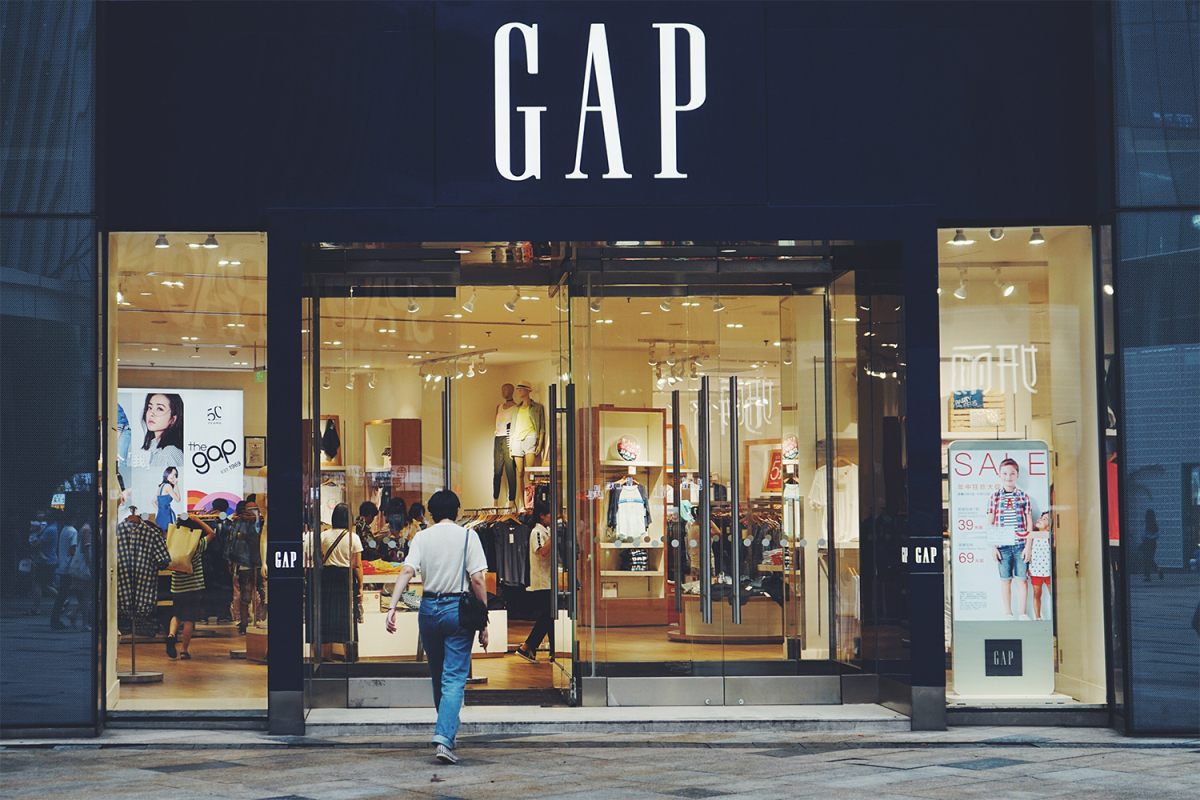
    Earlier this year, Reliance had signed a long-term franchise deal with French fashion house Balenciaga and partnered with Gap Inc to sell the U.S. clothing retailer’s brands locally.

  • India’s Reliance to develop new smartphone with Google in $25 billion 5G push

    India’s Reliance to develop new smartphone with Google in $25 billion 5G push

    India’s telecom leader Reliance said on Monday it is working with Alphabet’s Google to launch a budget 5G smartphone as it laid out a $25 billion plan for introducing the next-generation wireless services within two months.

    Speaking at the company’s annual general meeting, Reliance Chairman Mukesh Ambani said Jio’s 5G network will be the world’s largest, launching in main cities including New Delhi and Mumbai before being expanded across India by December next year.

    Ambani, one of India’s richest men, said only that the phone being developed with Google would be “ultra-affordable”. The cheapest 5G phones retail for around $150 currently in India, where around 700 million people don’t have a smartphone.

    “To take the 5G mass market, a sub-$100 phone is imperative and Jio is rightly positioned to bring 5G to the masses,” said Neil Shah, vice president of research at Counterpoint.

    5G data speeds in India are expected to be about 10 times faster than those of 4G, with the network seen as vital for emerging technologies like self-driving cars and artificial intelligence.

    Reliance’s 5G plans throw down the gauntlet to rivals Bharti Airtel and Vodafone-Idea in the world’s second biggest mobile market. Shares in Airtel and Vodafone closed down 1.3% and 3.3% respectively in a weak Mumbai market where Reliance also slipped 0.78%.

    Jio, India’s biggest mobile carrier with more than 420 million customers, snapped up airwaves worth $11 billion in a $19 billion 5G spectrum auction earlier this month.

    The aggressive 5G strategy builds on Jio’s playbook of disrupting India’s telecoms market having sparked a price war in 2016 when it launched cheap 4G data plans and free voice services, and later a 4G smartphone costing just $81, again in partnership with Google.

    With a market value of $220 billion, Ambani’s business empire spans telecoms, retail, oil-and-gas and new energy.

    He said he was among those mentoring his children on a daily basis as they begin to take the reins at the company, with Akash and Isha assuming leadership roles in Jio digital and in retail respectively, and Anant joining the new energy business.

    Akash, 30, was also named chairman of the board of Reliance’s telecom unit in June.

    Ambani senior added that he would provide an update next year on IPO plans for Reliance’s digital and retail units, which raised around $22 billion from global investors such as KKR & Co Inc and Silver Lake in 2020.

    Reliance also announced the long-awaited integration of its grocery shopping app JioMart with investor-partner Meta Platform Inc’s WhatsApp, allowing users to shop via the messaging app.

    Separately, Isha Ambani said Reliance will launch a new consumer goods company this year, without giving details.

    Reuters exclusively reported in May that Reliance has plans to acquire dozens of grocery and non-food brands to build a $6.5 billion business to challenge foreign giants like Unilever

  • Reliance Retail inks franchise deal with Gap

    Reliance Retail inks franchise deal with Gap

    Reliance Retail Ltd on Wednesday announced its long-term partnership with Gap and plans to bring the iconic American fashion brand to India.

    “Through a long-term franchise agreement, Reliance Retail has become the official retailer for Gap across all channels in India,” said a joint statement.

    Reliance Retail will introduce Gap’s offerings to Indian consumers through a mix of exclusive brand stores, multi-brand store expressions and digital commerce platforms.

    “The partnership is aimed at leveraging Gap’s position as a leading casual lifestyle brand and Reliance Retail’s established competencies in operating robust omni-channel retail networks and scaling local manufacturing and driving sourcing efficiencies,” it said.

    Founded in San Francisco in 1969, Gap is considered as an authority on modern American style. It continues to build on its heritage grounded in denim and connect with customers online and in company-operated and franchise retail locations globally.

    Reliance Retail CEO, Fashion & Lifestyle, Akhilesh Prasad said: “We believe that Reliance and Gap complement each other in their vision to bring industry-leading fashion products and retail experiences to their consumers.”

    Managing Director of International, Global Licensing and Wholesale at Gap Inc Adrienne Gernand said: “Partnering with regional experts, like Reliance Retail in India, allows us to deliver our relevant, purpose-driven brand to customers around the globe, while continuing to diversify our business portfolio through our partner-based model.”

    Reliance Retail is a subsidiary of Reliance Retail Ventures Ltd (RRVL), the holding company of all the retail companies under the Reliance Industries Ltd group.

    RRVL reported a consolidated turnover of Rs 1,99,704 crore ($26.3 billion) for the year ended on March 31, 2022.

    Gap Inc products are available for purchase worldwide through company-operated stores, franchise stores and e-commerce sites. Its net sales for the fiscal year 2021 was at $16.7 billion.

  • Reliance joins calls for India to tighten marketplace rules

    Reliance joins calls for India to tighten marketplace rules

    Vedanta Chairman Anil Agarwal on Tuesday said India is on the path of encouraging ease of doing business and stressed that the government is production-minded and not revenue-minded.

    In a tweet, Agarwal said trust, talent, and technology are the cornerstones of development.

    ”We fully agree with PM Shri Narendra Modi Ji at #DavosAgenda that it’s the best time to invest in India. It is a great opportunity for entrepreneurs to identify partners and investors to collaborate with them, as general consciousness is that they’d like to work with local entrepreneurs,” he tweeted.

    He also tweeted, ”#India is definitely on the path of encouraging ease of doing business. Govt. is production minded and not revenue minded.” Citing India’s commitment to deep economic reforms and the ease of doing business, Modi on Monday asserted that this is the best time to invest in the country as policy-making is focused on the needs for the next 25 years for a ‘clean and green’ as well as ‘sustainable and reliable’ growth period.

    In his special address to the World Economic Forum’s online Davos Agenda 2022 summit, Modi underlined a host of reform measures undertaken by his government to stress that it has worked to reduce the administration’s interference in business by deregulating many sectors and to clear the way for free trade agreements with different countries.

    India was once associated with ‘License Raj’, he had noted highlighting the measures, including the reduction of corporate tax to boost business and doing away with over 25,000 compliance requirements.

    He also mentioned new challenges, including cryptocurrencies, facing the world and said they call for countries to respond together as measures by any one country may be inadequate.

  • How Amazon’s retail battle with Reliance turned into a legal quagmire

    How Amazon’s retail battle with Reliance turned into a legal quagmire

    Amazon and Future Group have been stuck in a contentious business conflict for more than a year, which has stalled Futures $3.4 billion cash transfer to US rival Reliance Industries, with no end in sight. Here’s what the controversy is about, which is thought to be the driver of who has a say in one of the world’s fastest-growing retail markets. What caused the dispute In 2019, Amazon and Future, India’s second-largest retailer behind market leader Reliance, became business partners after the US corporation invested $200 million in an Indian group gift voucher unit. Amazon claims that the deal contained specific non-compete clauses that prohibited Future from selling retail assets to certain competitors, such as Reliance, which is managed by one of India’s richest men, Mukesh Ambani.

    However, Future, which was hit hard by the Covid-19 epidemic, decided to sell assets to Reliance in 2020. Amazon then approached Singapore arbitrators and successfully ended the transaction. Both parties have filed lawsuits in courts, including the Supreme Court, because the place of arbitration is in New Delhi, and Indian law governs the proceedings. What do Amazon and Future say about their partnership?

    Future claims that the agreements include: According to the US company, the thought of a Future-Reliance contract undermines the latter. Future admits to no wrongdoing, claiming that Amazon is illegally seeking to wrest control of Futures’ online market. Future Retail, the group’s flagship retail arm, has announced that it will be liquidated and that if the Reliance agreement fails, its more than 27,000 workers will become jobless. In this controversial controversy, both sides have deployed a team of lawyers and top law firms.

    What is the bigger picture assuming that Amazon will succeed in a $900 billion retail market with 1.3 billion consumers is the ultimate goal. Reliance, a conglomerate owned by Reliance, has 1,100 supermarkets, while Future has more than 1,500. Both are expanding rapidly into e-commerce, but the Future deal would also strengthen Reliance’s retail presence, which has attracted major foreign investors. Amazon has invested $6.5 billion in India, a key growth market for the company, which it considers to be a leading e-commerce market.

    Amazon’s efforts to stop billionaire Ambanis’ expansion plans coincide with Keeping Future away from Reliance. Amazon also stated that Reliances’ combined status with Future would further enhance competition in the Indian retail industry, according to a non-disclosure legal filing. What happened to CCI? Future reported to the Competition Commission of India (CCI) that Amazon was making inaccurate and contradictory submissions about the intentions of the 2019 deal.

    Although Amazon argues that the CCI acted beyond its power, Future maintains that the US corporation no longer has the right to assert its claims because the 2019 agreement itself lacks regulatory approval.In a blow to the US giant, the Delhi high court suspended the Singapore arbitration proceedings between the two sides earlier this month in reaction to the CCI decision.The case has since been postponed, but Amazon has appealed the court’s decisions which are yet to hear it.