Retail News CRM

Tag: rental

  • Bangkok Tops List as World’s Most Expensive City for Renters, Reveals DWS Housing Affordability Review 2025

    Bangkok Tops List as World’s Most Expensive City for Renters, Reveals DWS Housing Affordability Review 2025

    Bangkok, Thailand’s capital city, has distinguished itself as the least affordable city in the world for renters, as per the Housing Affordability Review 2025. The report, compiled by Germany’s DWS, indicates that the average middle-class family in Bangkok spends nearly 79% of their disposable income on renting a two-bedroom apartment.

    The Root of High Rental Rates

    The city’s inflated rental prices are primarily due to a scarcity of condominiums. The second quarter saw condo availability drop to a 16-year low, a situation exacerbated by climbing construction costs and high-interest rates.

    Global Ranking of Affordability

    Following Bangkok, Mumbai and Mexico City were ranked second and third as the least affordable cities, with renters spending 66% of their disposable income on rent. Hong Kong came in fourth at just over 60%, and Johannesburg, South Africa, was in fifth place at approximately 58%. These cities are part of a group of 24 global cities with the most challenging rental markets. Other Asian cities on this list include Manila, Beijing, Hanoi, and Singapore.

    The study analyzed the rent to median disposable income ratio in 80 cities. A lower ratio signifies more affordable rent, with the worldwide average ratio standing at 38%.

    Cities with More Affordability

    On the other end of the spectrum, Salt Lake City was deemed the most affordable city, with a ratio of 20%. Leipzig and Austin followed closely, both featuring a ratio of 23%.

    Cities that ranked lower in affordability experienced a more significant decrease in affordability ratios compared to those ranking higher. Additionally, these cities saw their remaining spending power increase at a slower rate compared to cities demonstrating more economic resilience.

    Disposable Income After Rent

    The report also calculated the disposable income households have left after paying their monthly rent. Singapore topped the list globally with approximately $8,000 of leftover income, which is twice the global average. San Francisco followed with $7,650, and Abu Dhabi was third with $7,000.

    According to the report, wealthier cities typically benefit from high-income levels and balanced housing costs, which allows residents to retain robust purchasing power even after paying rent.

    Questions & Answers

    What factors contribute to Bangkok’s high rental rates?
    A lack of available condos, heightened construction costs, and high-interest rates are all factors that contribute to Bangkok’s high rental rates.

    Which city has the most affordable rental market?
    Salt Lake City is considered the most affordable city for renters, with a rent to disposable income ratio of 20%.

    Which cities have the highest disposable income after rent payments?
    Singapore, San Francisco, and Abu Dhabi lead the world in terms of disposable income after rent, with Singapore households having an average of $8,000 left over.
  • Style Theory Shuts Down: High Operational Costs, Investor Departure Mark End Of Fashion Rental Platform

    Style Theory Shuts Down: High Operational Costs, Investor Departure Mark End Of Fashion Rental Platform

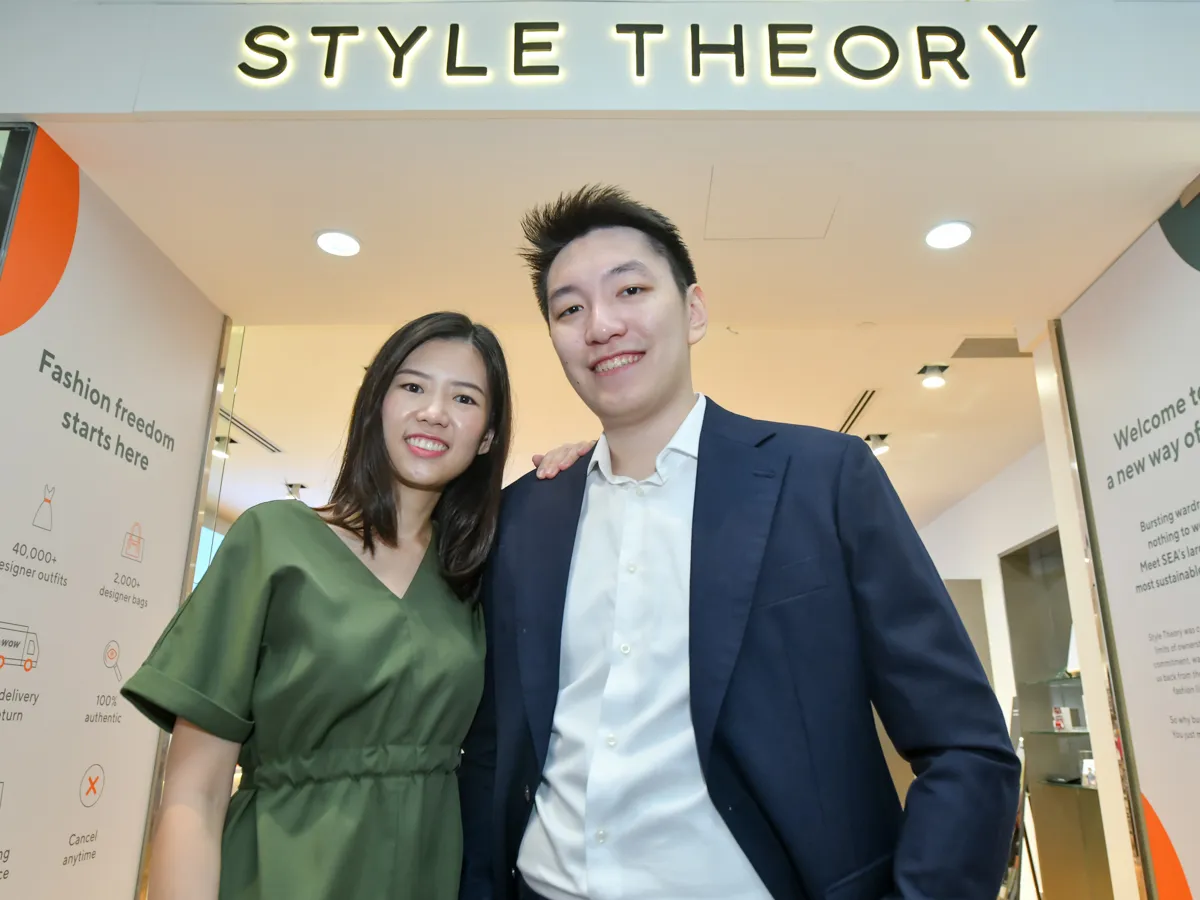
    Style Theory, a Singapore-based online clothing rental platform, has recently ceased operations due to increasing operational costs and the departure of its key investors.

    Established in 2016, Style Theory functioned as an online rental platform that operated on a subscription basis. For monthly fees ranging from $89 to $149, it provided its customers with access to designer clothing and fashionable accessories via its proprietary app.

    The company announced on its online platform that it discontinued its subscription service as of September 30. All related services including rental, delivery, membership, support among others, were also discontinued. Customers were alerted that unused points would not be refunded and they could retain any rented items indefinitely.

    The firm will go into liquidation, and those owed money will be classified as creditors. The economic climate, which the company describes as increasingly challenging, along with rising costs and unforeseen circumstances, including the withdrawal of key investors, were cited as the main factors behind this decision.

    Style Theory was supported by notable investors including Alpha JWC Ventures, Quest Ventures, The Paradise Group, and SoftBank Ventures Asia.

    The decision to shut down was not taken lightly, as stated by the founders. The main mission of Style Theory, since its inception, was to make fashion more sustainable, accessible, and circular. The unexpected discontinuation of services is regrettable, and the company sincerely apologizes for any disappointment caused. The founders assured that every possible alternative was considered before reaching this conclusion.

    This closure follows the shut down of the company’s operations in Indonesia in June. The company stated at that time that it wanted to concentrate its resources on strengthening its foundations in Singapore and Hong Kong.

    Questions & Answers

    Why has Style Theory ceased operations?
    Style Theory has ceased operations due to escalating operational costs and the departure of key investors.

    What happens to the customers who have unused points?
    Customers were informed that their unused points would not be refundable. They can, however, keep any items they have currently rented indefinitely.

    What was the primary mission of Style Theory?
    The primary mission of Style Theory was to make fashion more sustainable, accessible, and circular. The company aimed to achieve this through its online rental platform.

  • Tokyo’s Mid-Sized Apartments Experience Unprecedented Rental Growth in Q3

    Tokyo’s Mid-Sized Apartments Experience Unprecedented Rental Growth in Q3

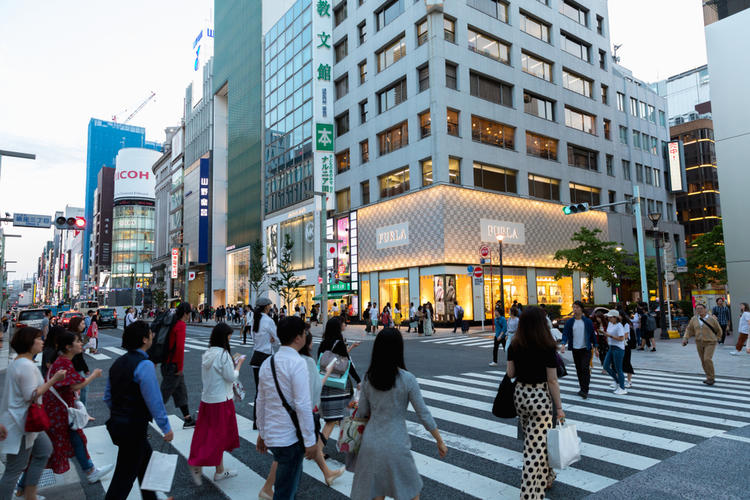
    In the heart of Tokyo, the rental landscape tells a distinct story. A recent report from Savills reveals that the city is dominated by compact living spaces, with apartments typically ranging from 30 to 45 square meters—ideal for the single urban professional. Almost 70% of rental listings in the 23W area feature units that fall into this compact category, signifying a clear preference for smaller residences among tenants.

    A Unique Market Segment

    Unlike cities like New York or London, where apartment sharing has become commonplace, Tokyo’s rental market boasts a large, stable demand for small- to mid-sized units. This trend is particularly noteworthy, as it highlights a cultural difference in living preferences. As the Savills report indicates, “there is a large, stable market for small- to mid-sized units,” catering to a population that seeks both comfort and convenience.

    Rising Rents Reflect Demand

    Average rental prices across various apartment sizes have seen steady growth in the C5W region throughout the third quarter of 2025. The medium-sized units, measuring 30 to 45 square meters, experienced the most substantial increase at 2.4% quarter-on-quarter. Larger apartments, sized between 45 and 60 square meters, followed closely with a 1.2% rise, while the smallest units, spanning 15 to 30 square meters, saw a modest uptick of 0.9%. This upward trend is viewed as a necessary adjustment, addressing the limited availability of these mid-sized apartments that strike an optimal balance between space and affordability.

    Demand Dynamics in Larger Units

    Even with an increasing supply of larger units in 2024, the Ministry of Land, Industry, Transport and Tourism (MLIT) notes that these properties continue to command a premium. The demand remains robust, driven by well-paid professionals who prefer to live close to their workplaces. With flexible work arrangements becoming more common, many residents are now opting for larger spaces that double as home offices—a trend that not only reflects lifestyle changes but also adds a creative twist to the rental market.

    Toward a Balanced Future

    Overall, the rental market in Tokyo appears set for continued growth across all apartment size bands. Following a slight correction in the previous quarter, rents are now on the rise, backed by a steady influx of foreign residents that promises to sustain the momentum. As the city evolves, so do the choices available to its inhabitants—whether it’s a cozy nook for one or a larger space designed for living and working, Tokyo’s rental market is a reflection of its dynamic and diverse citizenry.

    Questions & Answers

    What size apartments dominate the Tokyo rental market?
    Apartments between 30 to 45 square meters make up the majority of Tokyo’s rental listings, accounting for approximately 70% of the 23W area market.

    How have rents changed in the recent quarter?
    Average rents have increased across all size bands, with the 30-45 sq m range seeing a 2.4% rise quarter-on-quarter, highlighting strong demand for these compact living spaces.

    What factors contribute to the demand for larger rental units?
    The demand for larger units is largely driven by well-paid professionals desiring home office space in response to the growing trend of flexible work arrangements, which has reshaped the way many approach urban living.

  • Tokyo’s Grade A Office Leasing Set for Strong Performance in Second Half of 2023

    Tokyo’s Grade A Office Leasing Set for Strong Performance in Second Half of 2023

    The corporate world is buzzing, and Tokyo’s office leasing market is feeling the effects. According to the latest insights from JLL, a robust demand from companies is set to keep leasing volumes strong in the latter half of the year. The appetite for office space continues to grow, even as external risks loom, such as tariffs and global economic slowdowns. It seems that in the fast-paced landscape of corporate Japan, many businesses see their future as firmly grounded in tangible office spaces.

    Positive Predictions Amid Market Fluctuations

    Recently, Oxford Economics provided a forecast indicating a modest GDP growth of 0.8% by the end of 2025, alongside a consumer price index (CPI) prediction of 2.8%. While these figures paint a picture of stability, they come with caveats, primarily from potential tariffs affecting corporate activity and a possible downturn in overseas economies.

    Demand for Quality Office Spaces is Sky-High

    JLL’s report highlights that demand for existing office buildings remains resilient due to a substantial influx of headcounts and a trend toward high-quality relocations. In fact, net absorption in the Tokyo office market reached 30,816 square meters in Q2 2025, driven by significant activity in the information services, wholesale, retail trade, and professional services sectors. You could say the Tokyo office market is the land of opportunity—just without the neon lights.

    Rents Continue their Relentless Climb

    As companies vie for the best locations, rents have skyrocketed for six consecutive quarters. By the end of Q2 2025, average rents stood at JPY 36,237 per tsubo per month, marking a 2.0% quarterly increase and a striking 5.9% increase year-on-year. The Akasaka/Roppongi and Otemachi/Marunouchi areas, known for their premium real estate, have reported particularly tight vacancies and landlord-friendly market conditions.

    Vacancy Rates Plummet in Prime Locations

    Tokyo’s Grade A office vacancy rate averaged just 2.4% in Q2, reflecting a decline of 10 basis points quarter-on-quarter and 120 basis points year-on-year. The Otemachi/Marunouchi and Akasaka/Roppongi submarkets are seeing availability shrink to nearly non-existent levels, signaling that demand significantly outpaces supply.

    Capital Values Surge Despite Economic Uncertainty

    In line with rising rents, capital values in Q2 2025 rose 2.9% quarter-on-quarter and 9.5% year-on-year. This upswing can be attributed to the impenetrable ongoing demand and stable cap rates observed throughout the quarter. A standout transaction this quarter was Mitsubishi Estate’s acquisition of the Akasaka Park Building—a move that underscores the enduring allure of Tokyo’s real estate market.

    Questions & Answers

    What factors are contributing to the strong demand for office leasing in Tokyo?
    The strong demand can be attributed to increased headcount within corporations and a tendency towards relocating to higher-quality office spaces, driven by an appetite for premium environments.

    How have rental rates changed in Tokyo’s office market?
    Rentals have climbed for six consecutive quarters, with averages reaching JPY 36,237 per tsubo per month by Q2 2025, marking a 5.9% year-on-year increase.

    What are the implications of plummeting vacancy rates in key submarkets?
    The declining vacancy rates in districts like Otemachi/Marunouchi indicate a significant demand-supply imbalance, with nearly no space left available, making it a landlord’s market.

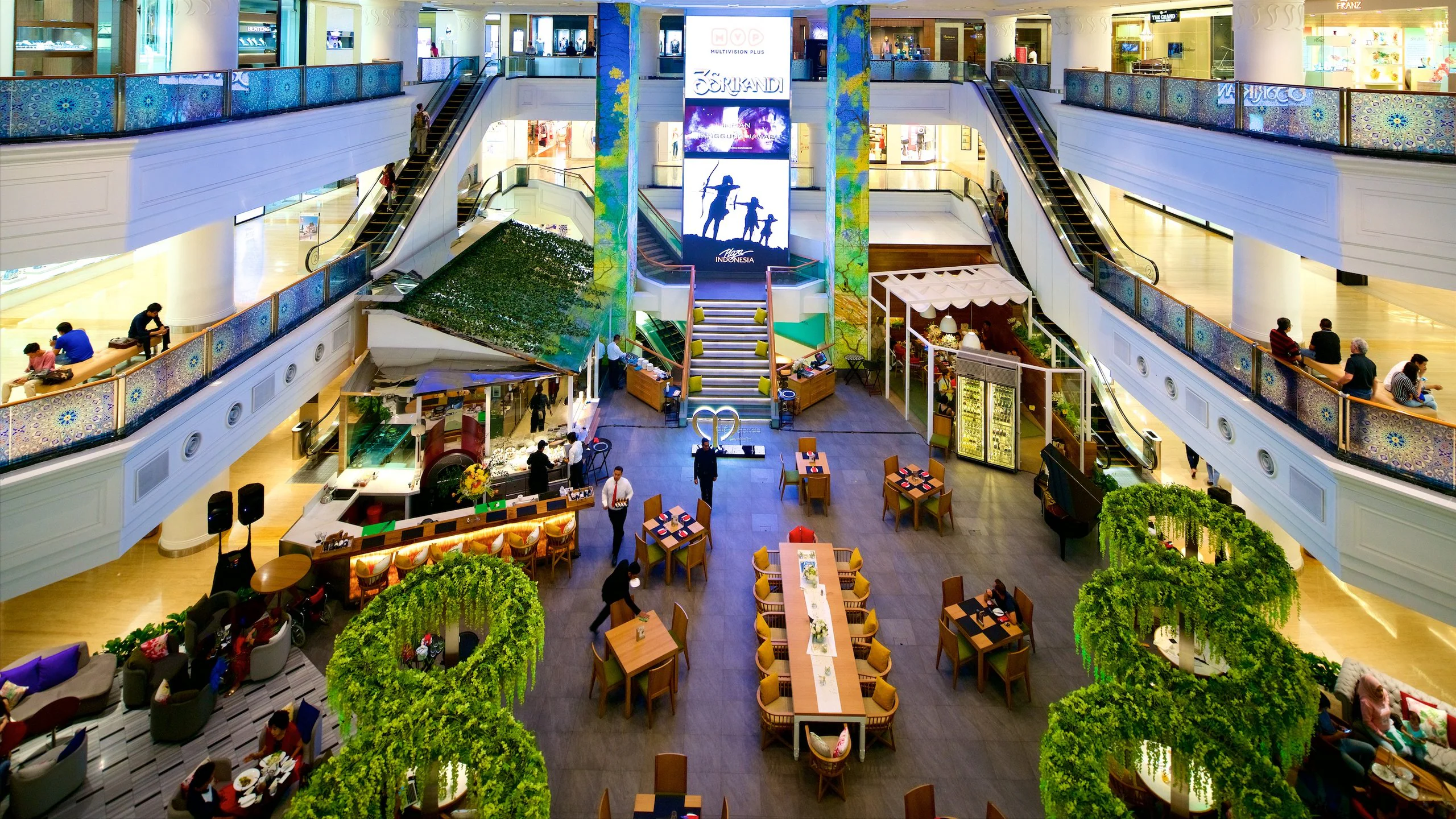
  • Jakarta Mall Rental Rates Rise 0.5% in Q2: A Sign of Optimism in Retail Space Market

    Jakarta Mall Rental Rates Rise 0.5% in Q2: A Sign of Optimism in Retail Space Market

    Rental prices in Jakarta’s vibrant retail landscape are holding strong despite a lull in new supply. According to a recent report from JLL, mall rents in the bustling Indonesian capital have risen approximately 0.5% in the second quarter of 2025. This increase is particularly pronounced in popular shopping centers where occupancy levels run high, suggesting that premium real estate continues to be a hot commodity. Analysts predict that rental rates will remain in the single digits for the remainder of the year.

    International Brands Drive Retail Expansion

    The retail scene is buzzing with activity, notably due to international brands that represented around 55% of new store openings during this period. Among the notable entrants are a slew of Chinese tea companies, making their debut in the thriving Jakarta market. This influx highlights Jakarta’s appeal as a burgeoning marketplace while underscoring the strategic partnerships that many retailers forge with influential retail groups. These relationships offer substantial bargaining power, enabling tenants to negotiate favorable lease terms and achieve reasonable rent increases.

    Active Lifestyles Fuel Sports Retail Growth

    As Jakarta residents increasingly embrace active lifestyles, the demand for sports retail has soared. Both local and international brands are capitalizing on this trend by opening flagship stores designed to attract health-conscious shoppers. However, the search for retail space has become competitive, prompting brands to explore alternative locations, both within and outside traditional shopping malls.

    Prime Retail Space Constraints

    This quarter marked a significant milestone with no new prime shopping malls making their debut. Consequently, vacancy rates have stabilized around 4%, despite the shrinking pool of available retail space. Some tenants are now opting for creative solutions such as island or booth locations to ensure they maintain visibility among consumers. With no immediate plans for new premium malls, expanding brands—particularly in the food and beverage sector—are increasingly targeting busy areas with outdoor options that resonate with today’s health-oriented lifestyle.

    Innovative Approaches Among Developers

    The outlook for Jakarta’s retail scene suggests a shift in development strategies as opportunities for new premium shopping malls diminish. Developers are now focused on crafting retail environments that reflect evolving market trends, with an emphasis on lifestyle malls and compound spaces. Although limited availability of prime locations may benefit developers, any decisions regarding rent adjustments are likely to be made with caution, as they must navigate the complexities of economic fluctuations and consumer foot traffic.

    Questions & Answers

    What factors are contributing to the rise in rental prices in Jakarta?
    An increase in occupancy rates at popular shopping centers and a surge in international brand openings are key factors driving rental prices upward in Jakarta.

    How are retailers adapting to the lack of new retail space?
    Many retailers are exploring alternative locations, including smaller islands or booths, to maintain visibility amidst a competitive environment where traditional mall space is becoming scarce.

    What types of retail developments are expected in the near future?
    Developers are anticipated to pivot toward creating lifestyle malls and compound spaces, aligning with contemporary consumer trends, as new premium malls are unlikely to be constructed in the next year.

  • Former HSBC Executive Makes Bold Moves In Hong Kong’s Sluggish Real Estate Market

    Former HSBC Executive Makes Bold Moves In Hong Kong’s Sluggish Real Estate Market

    In a surprising twist for Hong Kong’s real estate landscape, Peter Wong, the former HSBC executive, has been actively investing in the city’s housing market over the past three months. According to Bloomberg, these acquisitions were facilitated through Lion Rock, a local firm where Wong serves as the sole director.

    Luxury Living in Hong Kong’s Prime District

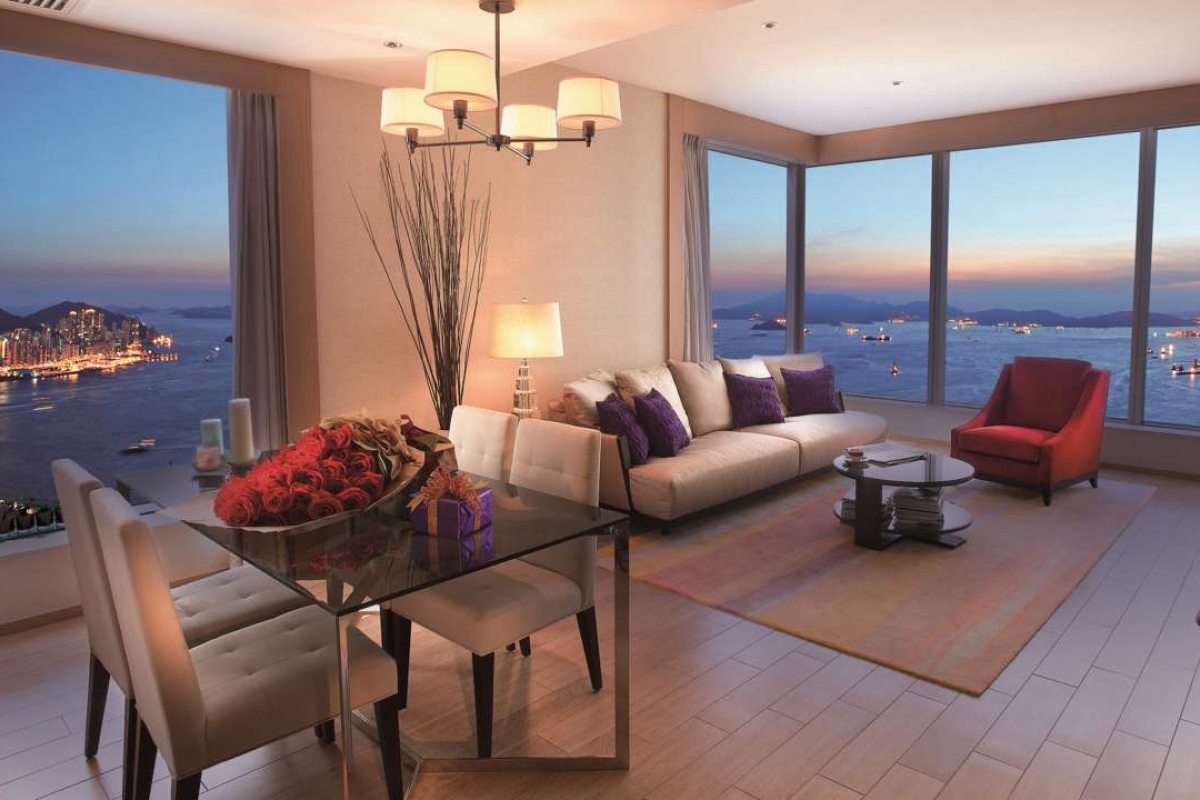
    The most recent transaction, finalized earlier this month, involved the purchase of two connected units within the prestigious Hong Kong Parkview. The deal, valued at an impressive HK$121.5 million, encompasses a generous 4,616 square feet of living space, which translates to a substantial HK$27,080 per square foot ($37,130 per square meter), as detailed by the South China Morning Post. This upscale complex, nestled in the city’s Southern District, continues to attract high-profile buyers even amid market fluctuations.

    A Smart Investment in a Sluggish Market

    Wong’s investment strategy seems particularly bold, considering that just a few months earlier, he had splurged HK$109 million for two adjacent units in another tower of the same development. This flurry of activity occurs against the backdrop of a sluggish Hong Kong housing market, which has grappled with a nearly 30% decline in prices since peaking in 2021. Factors contributing to this downturn include rising mortgage rates, a shift in professional demographics as many expatriates chose to depart the city, and a broader economic malaise, as reported by Reuters. However, signs of life are beginning to emerge; private home prices have actually ticked upwards for two consecutive months in April and May, offering a glimmer of hope for potential recovery.

    Legacy and Influence

    Peter Wong, 73, is not only a seasoned businessman but also holds a prestigious title as the non-executive chairman of HSBC’s Asian entity. His position affords him access to the grand Taipan House, a historic mansion situated on Victoria Peak, once reserved for the bank’s top executive and previous chairmen. The property has been under Wong’s stewardship since 2011, after being acquired in 1983 for the role of HSBC’s top executive.

    Following in Father’s Footsteps

    Interestingly, Peter’s son, Jeremy Wong, is also making waves in the business world; his LinkedIn profile indicates his current role at HSBC, along with a directorship at Energy World, a local enterprise that includes his mother, Camay Wong, and Peter Wong. This family affair in business adds a personal touch to the unfolding story of Hong Kong’s real estate investment landscape.

    Questions & Answers

    What inspired Peter Wong’s recent real estate purchases in Hong Kong?
    Peter Wong’s investments are likely driven by his confidence in the recovering Hong Kong housing market, despite its recent downturn. The strategic acquisitions at this time suggest he sees significant potential as signs of price increases emerge.

    How has the Hong Kong housing market changed recently?
    After enduring a considerable price decline of nearly 30% since 2021, the Hong Kong housing market has shown positive trends with home prices increasing for the last two months, indicating a potential rebound.

    What roles do Peter Wong’s family members play in the business?
    Peter Wong’s son, Jeremy, is active at HSBC and serves on the board of Energy World, a venture that includes both his parents. This family collaboration highlights their ongoing influence in Hong Kong’s business sector.

  • Home rental market booming

    Home rental market booming

    Searches for rental properties in Hanoi and Ho Chi Minh City surged 101% in January against last year, while rents rose, according to the real estate website Batdongsan.

    In Hanoi, searches for rental apartments and houses increased 112% and 38%, respectively. The respective figures for HCMC were 157% and 107%.

    The average rent of apartments in Hanoi and HCMC climbed up 8% and 4%, respectively. The average rent of rental houses increased 33% in Hanoi and 18% in HCMC.

    Dinh Minh Tuan, head of Batdongsan in the southern region, said the reasons include a higher demand from enterprises and migrant workers.

    He said some firms, which downsized last year, are now renting premises with an area of 50-70 square meters in apartment blocks in city centers.

    The higher demand has led to higher rents.

    Selling prices of apartments have increased 30-40% over the past two years, but rents have risen at lower rates.

  • Mercedes dealer to operate luxury car rental service

    Haxaco, a major Mercedes-Benz dealer, will focus on developing luxury car rental service this year besides its core business of car retail.

    In a recent annual meeting, its chairman Do Tien Dung said the firm has almost gained monopoly status in luxury car rental across Ho Chi Minh City and Hanoi, as competitors had been driven out of business due to the pandemic.

    Haxaco posted VND205 billion ($9 million) in profits in 2021, and it targets raising that by 3.4 percent this year.

    Besides being the dealer of Mercedes in Vietnam, it has also distributed MG, a UK car brand, since 2020.

    Dung said the MG reselling segment saw some achievements but has yet to meet the expectations of the company and its shareholders.

    Haxaco eyes becoming an exclusive distributor of a new car brand in Vietnam, but its chairman also noted that such ambitions need time and planning.

    It also plans to issue shares worth VND595 billion this year to raise funds for opening new Mercedes-Benz showrooms.

    Such investment is vital to maintain competitiveness against larger contenders, Dung added.

  • Singapore retailers call for ‘unprecedented rental relief’

    Singapore retailers call for ‘unprecedented rental relief’

    “Unprecedented rental relief measures” are needed from landlords to help retailers overcome the coronavirus crisis, according to the Singapore Retailers Association.  In an open letter to landlords, the association has urged landlords to implement a rental payment structure for six months capped at no more than 15 percent gross turnover or a 50-per-cent base rent reduction, whichever is lower. It also asks landlords to allow retail businesses who cannot sustain their businesses to exit before their lease expiration without losing security deposits or risking punitive legal action.

    “We fully realize and appreciate that both mall operators and tenants have been working very hard over the past two months to minimize the business losses from the drastic drop in footfalls,” read the letter signed by Singapore Retailers Association president R Dhinakaran, on behalf of its 400 members.

    “However with the government advice of safe distancing and stay at home (heading to malls for essentials like food only) … the sales of the majority of retail stores will be equivalent to zero sales, similar to a lockdown situation.”

    The letter asks landlords to exercise the requested measures to avoid massive permanent store closures and loss of jobs within the next three months.

  • Homestay startup raises $4.5 million

    Homestay startup raises $4.5 million

    Luxstay has raised $4.5 million from South Korean retailer GS Shop and venture capitalist Bon Angels in its bridge round. A Luxstay representative said Wednesday that receiving funding from reputable international investors in this round is an important stepping stone for the enterprise to expand to other areas in the future.

    GS Shop is a South Korean multimedia retailer as well as a global leader in TV home shopping. It also established a retail chain called GS25 in Vietnam in 2018.

    Bon Angels Venture Partners is a South Korean venture capital firm investing in early-stage startups. It has invested in well known South Korean startups like Woowa Brothers, Daily Hotels, and My Real Trip.

    Luxstay has targeted an annual turnover of over $300 million and 30 percent of Vietnam’s home-rental market share by 2023, the representative said.

    It is also working with financial investors and strategic partners for the next funding round, a Series A round, which is expected to close in 2019, aiming to raise $15-20 million.

    Prior to this investment, Luxstay had raised a total of around $6 million from CyberAgent Ventures (Japan), Genesia Ventures (Japan), ESP Capital (Vietnam), Founders Capital (Vietnam) and Nextrans (South Korea).

    Launched in late 2016, Luxstay has a network of nearly 10,000 properties across the country. This is a short-term rental booking platform for apartments, villas and other homestay accommodations positioned in the mid and high-end segments of Vietnam’s real estate market.

    It also offers property management and maintenance solutions to assist and save time for homeowners who want to participate in the home-sharing market through its system.

    “In developed countries, home-sharing accounts for 10-20 percent of the home-rental market. This shows a huge opportunity for this industry in Vietnam, which is expected to reach $2-4 billion in 2025,” Luxstay said.

  • Google offers Android users one 99-cent movie rental service

    Google offers Android users one 99-cent movie rental service

    Haven’t seen Lady Gaga and Bradley Cooper yet in A Star is Born? Google will let you rent it for only 99 cents from the Google Play Store. Android users are receiving a notification today about a special offer allowing them to pick one movie to rent from the Google Play Store library for 99 cents (+ Tax). The offer expires on April 21st. Once an Android user takes Google up on the deal, he or she will have 30 days to finish viewing the film selected. The video rented will play in the highest quality for the device being used to view it (4K, HD or SD).

    Typically, a movie like A Star is Born will cost $5.99 to rent in 4K, so Google is offering a good deal here, even though it is limited to one rental. Most likely Google is trying to get Android users to rent a film in the hope that the experience is so enjoyable, they decide to repeat it a number of times, paying full price, of course.

    There are plenty of movies available to rent for 99 cents (+ Tax). You might want to consider one of these:

    • Mary Poppins Returns
    • Aquaman
    • Fantastic Beasts: The Crimes of Grindelwald
    • Bohemian Rhapsody
    • Get Out
    • Ralph Breaks the Internet

    Remember, you only get one shot at a 99 cent rental, so choose wisely. Watch for the notification on your Android phone, or open the Google Play Store app on your device and tap on the Movies & TV heading.

  • The most expensive place to rent an office in the world

    The most expensive place to rent an office in the world

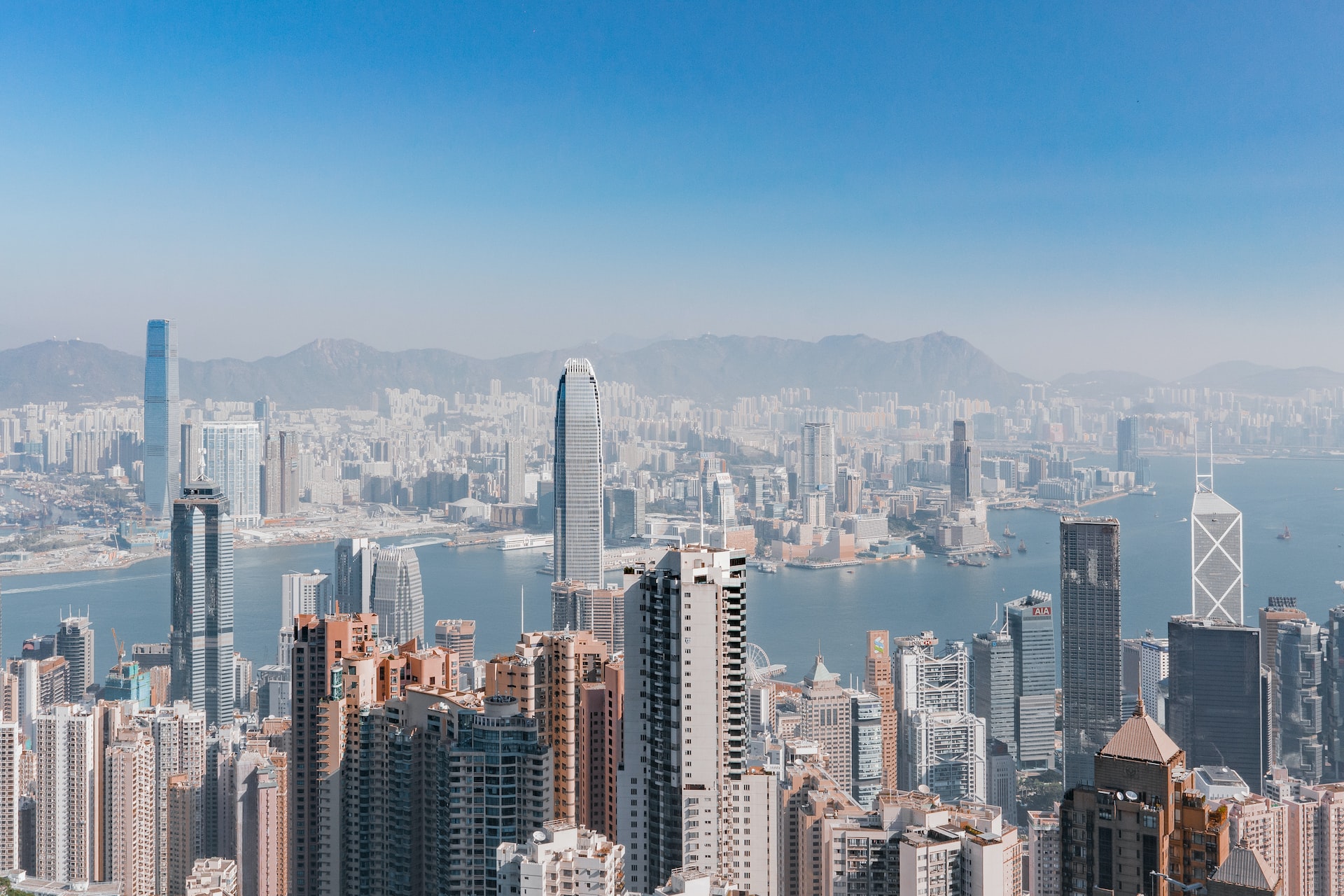
    Central, Hong Kong’s frenetic business and retail heart, crammed with skyscrapers, swanky malls and luxury hotels, is the most expensive district for renting office around the world. Although the office rent in Hong Kong’s Central district is already the world’s most expensive, and there are more and more companies moving out of the city centre to cheaper locations, prices are likely to remain sky high, or even higher.

    Hong Kong is the key financial centre in Asia, and Central is still the most important financial district in the city. Thus, the office rent in Central district is predicted to increase continuously.

    According to Raymond Chow, the Executive Director for Commercial Property at Hongkong Land, Central’s largest office landlord, “Central is still the home to the city’s most influential institutions, such as the Securities and Futures Commission, The Stock Exchange of Hong Kong and Hong Kong Monetary Authority, the connectivity of Central remains a magnet for leading players” he added,  “It is in a way that other districts cannot compare.”

    In June 2018, Central was ranked the most expensive office location in the world for the third year by global commercial real estate firm CBRE, thanks to the strong demand from mainland tenants, who would like to expand their business outside China and seeking Grade A office space.

    Office space in Central now costs USD $306 per square foot, 30 per cent higher than the second highest area, London’s West End, at US$235 per square foot.

    Of the top 10 most expensive premium rental locations, six were in Asia, including Shenzhen, Beijing, Tokyo, and Delhi.

  • The world’s most expensive retail street is not in NYC anymore

    The world’s most expensive retail street is not in NYC anymore

    Russell Street in Hong Kong’s Causeway Bay district has replaced New York’s Upper 5th Avenue as the world’s most expensive retail street by rental value, according to property consultants Cushman & Wakefield. For the first time in five years, the city has regained the crown, with average annual rents of US$2,671 per square foot (HK$20,953) despite a small decline of 1.5 per cent in average rents, according to the company’s annual Main Streets Across the World report.

    This was also the sixth time Causeway Bay has had the distinction of being named the world’s most expensive retail location.

    The report, now in its 30th year, tracks 446 of the top retail streets around the globe, ranking them by their prime rental value as of the second quarter of 2018.

    Upper 5th Avenue in New York slipped to second place globally, with average annual rents of US$2,250 per sq ft compared with US$3,000 per sq ft in the previous 12-month period as vacancy increased. The report said rents had fallen by 25 per cent because of the increased vacancy.

    London’s New Bond Street meanwhile is the most expensive European location and third globally. Annual rents here were broadly flat year-on-year at US$1,744 per sq ft, underlining the fact that luxury and high-end retailers still see the UK’s capital as a key retail destination.

    Beijing’s Wangfujing has become the most expensive street in China, with rents on average costing US$482 per sq ft a year, ranking 11th worldwide.

    “The retail market in Hong Kong has experienced a rebound over the last year, driven mainly by a return of mainland Chinese tourists,” said Kevin Lam, Cushman & Wakefield’s head of retail services for Hong Kong.

    Maureen Fung Sau-yim, executive director of Sun Hung Kai Real Estate Agency, said the number of mainland tourists would remain high if the yuan fell further.

    Fung manages 38 shopping malls with a gross floor area of 10 million square feet in Hong Kong and mainland China.

    One of them, APM, in Kwun Tong, was among the first to introduce round-trip direct buses from the mall to Zhuhai and Macau.

    “Since the opening of the Hong Kong-Zhuhai-Macau Bridge on October 24, APM has been running 780 round-trip direct buses to Zhuhai and Macau, serving 25,000 passengers, in which 80 per cent of them are Macau tourists who came for a one-day tour,”she said on Wednesday.

    Each of these visitors spends between HK$500 and HK$800, mainly on dining, cosmetics, and personal care.

    “APM aims to draw as many as 100,000 monthly visitors to the mall. Extra part-time staff are being hired to support the new demand,” adds Fung.

  • HMV owes US$600,000 unpaid rental, face legal case

    HMV owes US$600,000 unpaid rental, face legal case

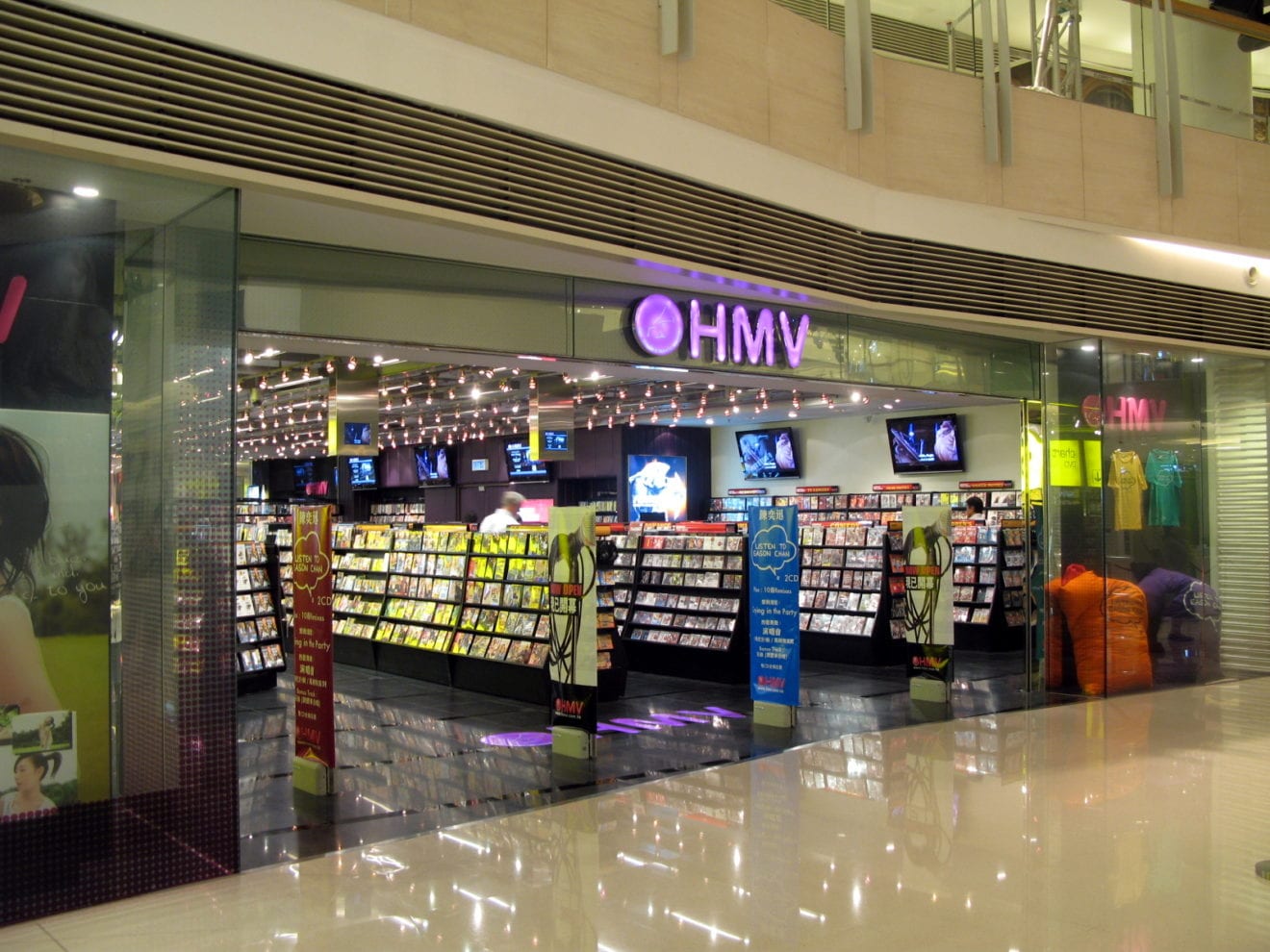
    Gadget, movie and music retailer HMV may face eviction from several of its Hong Kong store locations in coming weeks as landlords seek to recover unpaid rents and charges. Separate lawsuits have been filed relating to HMV stores in Causeway Bay, Central and Kowloon Bay, collectively seeking more than HK$5 million (US$640,000), according to court documents.

    The four-story HMV flagship store on Paterson Street in Causeway Bay was leased from Ever Light in July 2015 for four years at a monthly rent of $1.59 million for the first two years and $1.72 million for the ensuing two.

    Another store on Queen’s Road Central was leased in September 2016 from Pridemax for a term of six years at an initial monthly rent of $1 million.

    Those two landlords lodged legal action in the High Court of Hong Kong seeking payment of overdue amounts and vacation of the premises.

    About three weeks ago, MTR Corporation issued legal proceedings seeking to recover $273,300 in unpaid rent and charges and demanded the store vacate its space in Telford Plaza shopping mall.

    HMV was acquired by China 3D Digital Entertainment in March 2016 for $408 million, with the vendor, private equity company AID Partners retaining an approximate 18 per cent share.

    In 2015 AID received widespread acclaim for the restructure of the Hong Kong operations of what was once an iconic international brand name in music and movie retailing, but which collapsed in other markets with the advent of digital streaming undermining the popularity of DVDs and CDs.

    The Causeway Bay flagship, which incorporates a cafe and live music performance space, began specialising in lifestyle items including headphones, toys and even scooters, along with recognising the returning popularity of vinyl records.

  • Real estate in Saigon the most sought after in Vietnam

    Real estate in Saigon the most sought after in Vietnam

    Saigon leads Vietnam in real estate interest, drawing 300 million internet searches in the last 12 months. According to a report recently issued by Batdongsan.com.vn, one of the biggest property portals in Vietnam, Hanoi is the second most searched city when users look up real estate at 170 million searches.

    The two cities are followed by central Da Nang City, southern Bien Hoa Town, northern Hai Phong City, central Nha Trang Town, and Vung Tau Town and Can Tho City in the south in terms of popularity.

    Overall, the leading position of Saigon real estate is predicted to continue to remain the same because its housing market is still seeing a lot of actions.

    Consumer data collected from Internet queries also showed the level of interest given to real estate in each specific area.

    Saigon attracted the highest level of interest, at 41.8 percent of recorded consumers, the largest in Vietnam, while Hanoi had 29.7 percent. Central Khanh Hoa Province, Da Nang, and southern provinces of Dong Nai and Binh Duong recorded modest numbers, fluctuating between 3 to 4.5 percent. Interest is measured by saved searches, favorites and number of queries.

    The report also reveals that budget and midrange apartments in Saigon and Hanoi, which are priced between VND20-30 million ($860.47 – $1,290) per square meter, with an area of around 60-70 square meters are the type of high-rise apartments that attracts the most attention from Internet users.

    Meanwhile, in regards to content posted on the website of this organisation, foundation land (land serving as the foundation for housing projects to be built on) tops the board in the number of posts published, at 1.2 million posts.

    The land is also the most indulgent hunting with nearly 120 million searches, showing the habit of clinging to land, ownership of real estate in the territory of the Vietnamese, said the report.

    In addition, separate houses attached to land are also highly sought after, at nearly 120 million searchers. This shows the Vietnamese consumers’ preference to own land, or possess properties attached to land, according to the report.