Retail News CRM

Tag: rental

  • HCMC a top 20 Asia Pacific office rental market

    HCMC a top 20 Asia Pacific office rental market

    With office rents rising constantly for several years, HCMC has moved into the top 20 Asia-Pacific office rent markets. Grade-A office rents in Ho Chi Minh City have reached a five-year peak of $936 per square meter a year, according to property service firm JLL. The HCMC market has come under the spotlight in a premium office rent report for the Asia-Pacific region just released by the US-based global company.

    The report said that HCMC, an emerging market, saw annual gross premium office rents rising to $635 per square meter, a year-on-year increase of nearly seven percent, placing the city in the list of top 20 office rent markets in the Asia-Pacific region.

    It highlighted the case one unnamed building in the inner city, where a record rent level of $936 per square meter a year was registered, a peak unseen for many years.

    JLL assumes that the HCMC office market is heating up with increasing investment inflow from many multinational firms.

    The US firm added that the total supply of office space in HCMC has increased to two million square meters, a five-fold hike compared to Bangkok. The scarcity of premium office space in HCMC has constantly pushed up rents.

    Financial corporations are willing to pay for high-end office space in HCMC, while banking and financial firms were keen on premium office space, topping the list of 72 key tenant categories.

    Meanwhile, JLL said in the Global Premium Office Rent Tracker Q4 2018 that Ho Chi Minh City and Manila, the two more affordable cities in Southeast Asia, are attracting significant corporate interest, along with European cities like Amsterdam, Berlin and Warsaw.

    The firm said that growth in occupation costs is likely to slow down in 2019 as new supply comes through; however, while rental growth is expected to decelerate, there are very few major markets where a downward correction is projected for 2019. In fact, the delivery of new premium buildings will set fresh rental benchmarks in several markets, it predicts.

    Total occupancy costs are calculated by combining the net effective rent with additional costs, including service charges and taxes.

    JLL’s Global Premium Office Rent Tracker 2018 compares occupancy costs for premium office buildings across the world’s leading real estate markets. This fourth edition includes 72 office submarkets across 61 cities.

    The report includes the key elements of occupancy costs – net effective rent, service charges and government tax on rent – all standardized to enable true international comparisons.

  • Biggest car rental company heading to Vietnam

    Biggest car rental company heading to Vietnam

    Vietnam is the first stop for Enterprise Rent-A-Car in Asia, after 85 locations in Europe and the Americas. The world’s largest car rental servicer, Enterprise Holdings, recently announced that its Enterprise Rent-A-Car service is now available in Vietnam. The move is part of Enterprise Holdings’ goal to expand its car rental services across the Asia Pacific region.

    Enterprise Rent-A-Car will operate in Vietnam through its Vietnamese franchise partner MP Logistics.

    Cuong Dang, general director of Enterprise Rent-A-Car Vietnam, said the company currently has 300 rental cars, from 5 to 47 seaters, available in Ho Chi Minh City. The service is scheduled to be expanded to Hanoi and central Da Nang City in the first quarter of 2019.

    Rent-A-Car’s initial strategy will be to grow a base of corporate customers, foreign employees of multinational companies with operations in Vietnam. The initial emphasis will be on long-term rentals with a chauffeur.

    Later, it will expand its services to include short-term, chauffeur-driven options, self-drive rentals and leisure hire at popular tourist destinations likes Da Nang.

    Cuong said he believes that there is great demand in Vietnam’s car rental market but inadequate supply, and that in the future, this market will thrive.

    There are two reasons Vietnam’s car rental market will grow, he said.

    First, FDI growth will be maintained for the next 10 years, which will attract an increasing number of foreign workers.

    Second, the middle class is seeing strong growth. The younger generation does not accord much priority to saving to buying luxurious cars and big homes, but tend to pay more attention to quality of life and experiences, and as such would be more willing to rent cars.

    However, Cuong noted that the Rent-A-Car model brought to Vietnam would take longer to recoup capital and profits than in the U.S.

    “The price of buying a car in Vietnam is twice that in the U.S., but the rental price is the same in both markets, so the business risk will be higher,” Cuong said.

    Todd Prister, regional director for the Enterprise Franchise Asia-Pacific said that the company is excited about the potential of Vietnam’s economy.

    “Vietnam not only has one of the highest growth rates in the world as well as attractive business markets, but also is a prominent destination in Southeast Asia. Combining these factors, Vietnam will be a brilliant opportunity for us,” said Todd.

    Enterprise is the largest car rental company in the U.S. and is the 13th largest private enterprise in the country.

    Todd Prister said Enterprise is also the largest car rental company in the world in terms of vehicles owned, employees and sales.

    The company is present in 85 countries, 10,000 locations, owns over two million vehicles and has an average annual turnover of about $22 billion.

  • Appliance rentals prove popular

    Appliance rentals prove popular

    Home appliance companies are building their rental service businesses as the trend is for consumers to value experience more than ownership. With the growing size of the local home appliance rental market, some companies have started management services to take care of rental customers, while others have set up entire rental business subsidiaries.

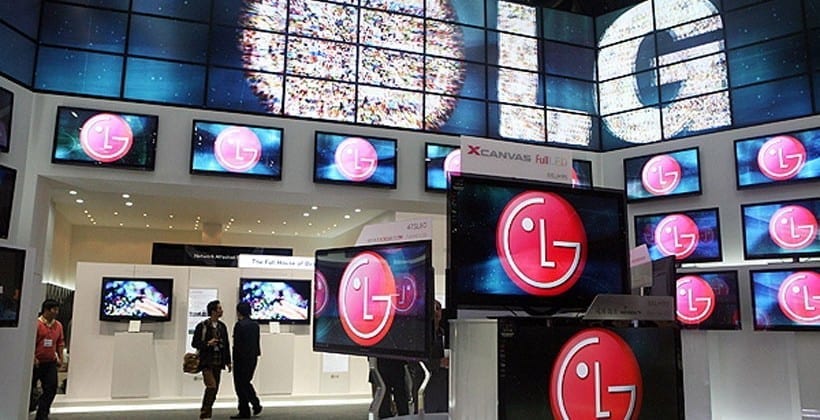
    On Nov. 17, LG Electronics announced the formation of “Care Solution,” which will manage home appliances for rental customers. While a rental management service existed before, the new offering goes beyond simply providing replacement parts and instead regularly replaces the main components of appliances.

    For rented water purifiers, LG Electronics will exchange filters and water pipes and inspect sensors. For those who rent its Tromm Styler home dry cleaning appliance, the company will replace water container components every two years and periodically provide scented aroma sheets.

    Cuckoo Electronics, known for rice cookers, jumped into the rental market last December when it established its Cuckoo Homesys subsidiary. Last month, the company introduced a new rental brand, “Inspure,” which focuses on water and air purifier products.

    Samsung Electronics has yet to launch a rental business on its own but has partnered with professional rental companies for its home appliance products. It started renting its products through Kyowon Wells last June and also joined hands with Hyundai Rental Care last July.

    Home appliance companies are focusing on the rental business as the market seems to be growing. According to the KT Economics & Management Research Institute, the rental market in Korea is expected to grow past 40 trillion won ($35.49 billion) by 2020 from 25 trillion won in 2016.

    LG Electronics recorded 128.2 billion won in rental-related sales in the first half of this year, more than doubling the 53.8 billion won reported two years ago. Operating profit for Cuckoo Homesys through the third quarter of this year was at 52.8 billion won, a 50 percent increase from the figure over the same period last year.

    With a sluggish job market and slowing economic growth in Korea, consumers are feeling the pinch and valuing experience over ownership. The result is an increase in demand for rental products.

    The rise of premium products, which have been developed by companies to stay competitive in the crowded home appliance market, has also contributed to the rental trend. As such products are expensive, consumers are looking toward rentals.

    For example, a 55-inch LG OLED TV costs 3.6 million won to buy outright, but it can be rented out at 59,900 won per month for 36 months. The price drops further when other discounts are applied, such as those offered by credit cards companies.

    “The need to use good products exists, but with troubling economic times, penny pinching is called for. Consumers are taking an interest in rentals that can meet their needs at a low cost at the moment,” said Jung Yeon-sung, a professor of business at Dankook University.

    The increase in one-person households has also contributed to the rise in rental services as it is difficult for a single person to afford appliances that could cost millions of won. According to government data, there were 5.5 million single-person households in Korea last year, accounting for 28.5 percent of the total number of households. The figure has doubled since 2000, when there were 2.22 million single-person households.

    For companies, the rental business doesn’t bring in big profits immediately, but it provides steady profits.

    “We plan to focus on management instead of just the leasing out products and help customers improve their quality of life,” said Choi Sang-gyu, head of domestic sales at LG Electronics.

  • Promising market for luxury rental services raises

    Promising market for luxury rental services raises

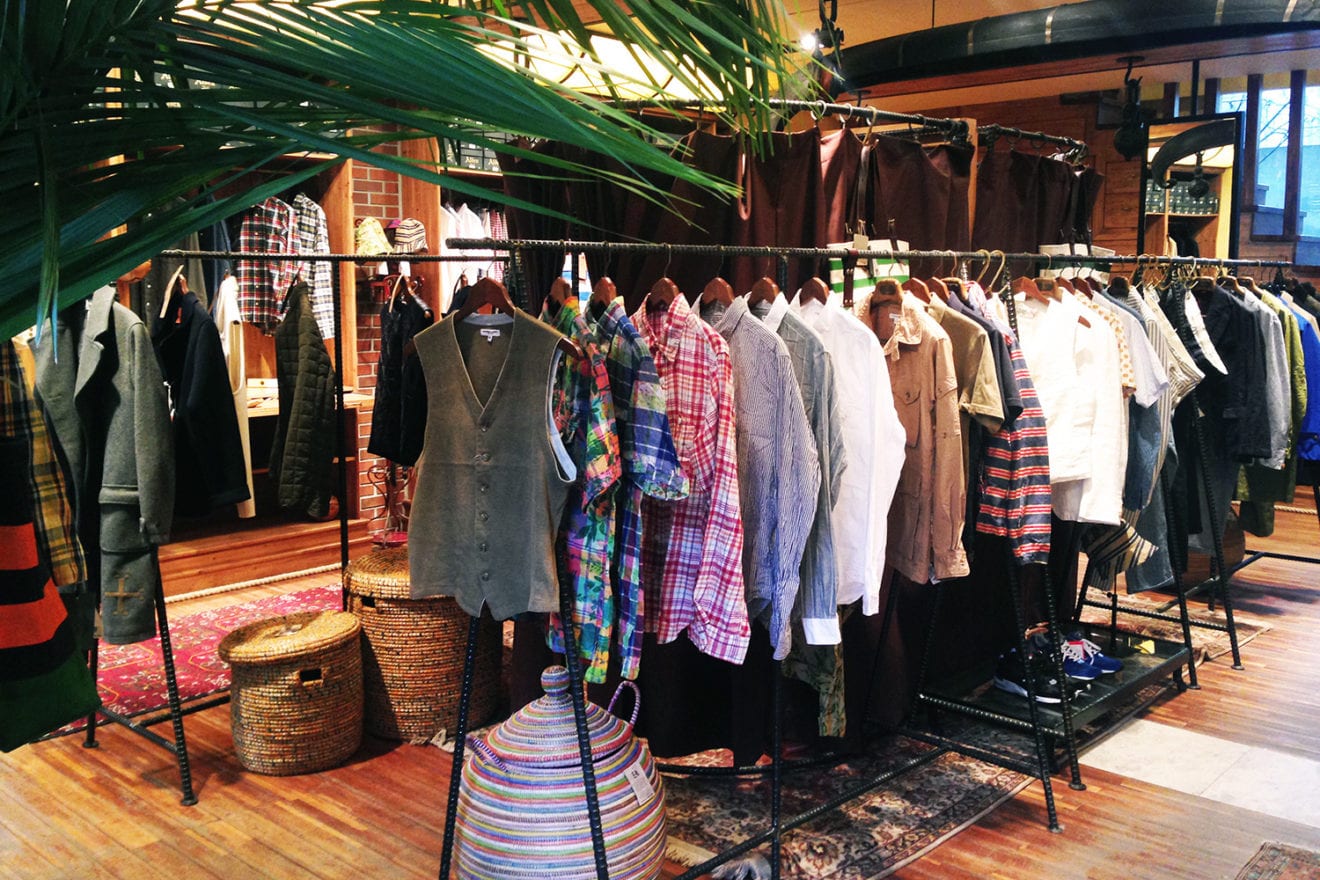
    A growing community of Korean women primarily in their 20s to 40s prefer renting high-end goods from subscription services such as Series Eight, The Closet and Reebonz Korea. Asked why they chooses to rent their wardrobe, they said the introduction of luxury goods rental services helped her prioritize living expenses and limit unnecessary spending on personal shopping.

    By paying a monthly subscription fee of 79,000 won (US$70), Reebonz customers, for example, can rent up to two bags a month. Customers opting for pricier premium plans are given the option to rent a bag from the most expensive or popular brands for up to 10 days for prices ranging from 9,800 won to 19,800 won.

    “Subscription-based business models have not seen much success in the local market compared to other countries. But, because luxury goods’ prices are so high compared to the low purchasing power of Koreans in their 20s and 30s, the (subscription) services are expected to see substantial growth in South Korea,” said Choi Kang-sik, a professor of economics at Yonsei University.

    Choi said that with more women wanting to rent luxury goods, rental companies must better communicate with luxury brands in order to bring better products to the table.

    “The power of luxury brands will always see an upward trend. The difference, now, will be that consumer groups won’t be women visiting department stores. It will be the luxury rental companies who will be supplying the bags to the original customer base,” he said.

    Even though popular American designer rental services such as Bag Borrow or Steal and Rent the Runway launched a decade earlier, designer subscription services garnered attention from local consumers starting in 2016, according to Series Eight CEO Kim Tae-hyun.

    Kim, who co-founded Reebonz Korea with current chief Ha Dong-gu, left Reebonz to launch the startup Series Eight under the Value Art Architect Group last year.

    On the surface, the two companies share similar concepts with regards to lending customers a hand in renting high-end products.

    If Reebonz sticks to a subscription model, Series Eight and its six-member team envisions a shopping platform beyond just a rental service where women can rent high-end bags whenever and for however long they please.

    “We essentially did not want to give the idea of pressuring women to pick a bag every month just because they are paying a certain amount. The pressure in itself ruins the shopping experience,” Kim said.

    In order for a business to be successful on a subscription-based model, it needs to provide convenience, value for the money and personalized experiences. Consumers will cancel services that do not deliver unique, excellent personalized experiences, according to Choi.

    Park Sun-young, juggling being a mom and public relations director at an ad agency in Seoul, appreciates such unique value from subscription services. Unlike her younger colleagues who seem to have time to go shopping, Park would rather save money and time by renting her wardrobe online.

    “I think young women may feel it’s weird to rent designer clothing and carry handbags that are ultimately not theirs. But, look inside your closet. How many bags are just sitting on the shelf collecting dust?” Park posed.

    “Being a mom and having a job, the rental services make my shopping experience something I look forward to at the end of the night before I go to bed. Just scroll down, look through the catalogue and click order.”

  • Rental services popping up in every corner of South Korean life

    Rental services popping up in every corner of South Korean life

    The rental service market in South Korea is rapidly expanding into every corner of South Koreans’ life with items ranging from fashion accessories to digital cameras and furniture, as a growing number of consumers are willing to borrow products at affordable prices.

    According to the KT Economy and Research Lab, the rental business in the country has increased over 30 percent in the last five years, with businesses that rent personal and household goods seeing a 50-percent jump.

    Last year’s market size for rental services is estimated at 25.9 trillion won (US$23.1 billion), sharply up from 19.5 trillion won posted in 2011. The local rental market is expected to further grow to reach 28.7 trillion won this year, 32 trillion won in 2016 and 40 trillion won in 2020, the think tank predicted.

    “Consumers are getting increasingly smart by reducing unnecessary spending while meeting their need to consume,” said Kim Jae-pil, a researcher at KT Economy & Research. “They are also not adverse to sharing goods with others to reduce their financial burden.”

    The researcher says that renting goods has emerged as a lucrative business here, as people, especially the younger generation, are increasingly open to the idea of borrowing items for everyday use and less inclined towards ownership, which was the case with their parents.

    In the past, the country’s rental service sector has been largely led by the auto rental business, as a growing number of young consumers on tight budgets want to experience a wide range of vehicles, with some players nimbly moving to capitalize on such subtle changes.

    Cars registered to rental services are estimated at some 624,000 units in 2016, a more than twofold increase from 280,000 units in 2011, according to data compiled by the Korea Rental Car Association.

    Retail giant Lotte Group and energy conglomerate SK Group are among those who have entered a car rental business.

    Market leader Lotte Rental has some 25 percent market share, with a customer base of some 2.3 million, followed by AJ Rent-a-car with a 12 percent share and SK Networks, which has an 11 percent market share.

    Recently, however, the rental business has further expanded its territory. People nowadays have started renting miscellaneous goods that can be considered rather unusual to borrow.

    SK Planet Co., the operator of leading e-commerce site 11Street, opened up a fashion rental service within the online shopping site named Project Anne last September, joining the rental business race.

    Over 30,000 apparel, handbag and accessory items from some 150 brands are available, with total subscribers standing at 95,000 as of end-February this year, according to the company. A subscriber can rent Gucci or Ferragamo handbags for a minimum fee of 80,000 won per month, with no laundering required, and can later purchase the item.

    SK Planet has partnered up with 17 companies that sell household goods to offer rental services to its users, diversifying the lineups to high-end wedding suits, kids items and beauty equipment, while retaining the existing lineup of air and water purifiers and massage chairs.

    Since its launch on November 2016, transactions in the rental shop have spiked 146 percent as of February.

    “Consumers are becoming more interested in rational or reasonable consumption, opting to borrow goods rather than to own something,” said Kim Min-seok, a manager at 11st. “Consumers can save on the cost by paying reasonable prices (to rental services), and they can trust such rental services.”

    Lotte Department Store, the country’s largest department store chain, operates a premium rental boutique named Salon de Charlotte, which mainly caters to those wanting to borrow party dresses, fancy suits and jewelry.

    Rare or less-sought-after items ready for rental services include suitcases, adjustable beds and golf clubs.

    “The rental business has seen rapid growth in the past few years as consumption was not backed by a rise in income,” said an analyst at SK Securities. “Without a sharp rise in disposable income, rental business in the country will continue to grow.”

  • Good direction for Korean rental booms

    Good direction for Korean rental booms

    South Korean Rental services, which in the past were typically limited to water purifiers or bidets in South Korea, are rapidly embracing other products.

    According to big data analysis firm Daumsoft, online mentions of “rental service” on blogs and Twitter more than doubled over the past three years from 75,300 in 2014 to 177,003 in 2016, and now include more lower priced goods, with shorter rental periods.

    Although water purifiers still ranked first in terms of the number of references, apparel such as clothes, coats, and bags have developed a significant presence in the rental market recently, officials said.

    For instance, the word “clothes” as a related term for rental services increased from 5587 mentions in 2014 to 23,047 in 2015 and 31,112 in 2016, while “coats” and “bags” soared from 108 to 14,777 and 454 to 3228 from 2014 to 2016, respectively.

    “While dress rentals for parties or other special occasions are most popular overseas, renting clothes for weddings (as guests), job interviews, and company meetings is also popular in Korea,” the company said. “The reason behind the dramatic increase in the number of ‘coats’ and ‘bags’ is probably because they’re among the more expensive fashion items.”

    Women were the biggest customers of the rental services, the analysis showed, with the word “women” topping the list in terms of the number of online mentions (at 23,848), followed by “babies”, with Daumsoft adding that baby products are increasingly sought after by local mothers.

    “During economic hardships, people tend to think twice about their spending and try to get the most out of their budget,” said professor Oh Se-jo at Yonsei University School of Business, adding that people compare more carefully the quality and the diversity of their consumption.

    “Rental services best serve consumers who want to save but at the same time pursue their interests and hobbies, which is why they’ll continue to grow,” he said.

  • Startup dreams bring real money to Vietnam’s office market

    Startup dreams bring real money to Vietnam’s office market

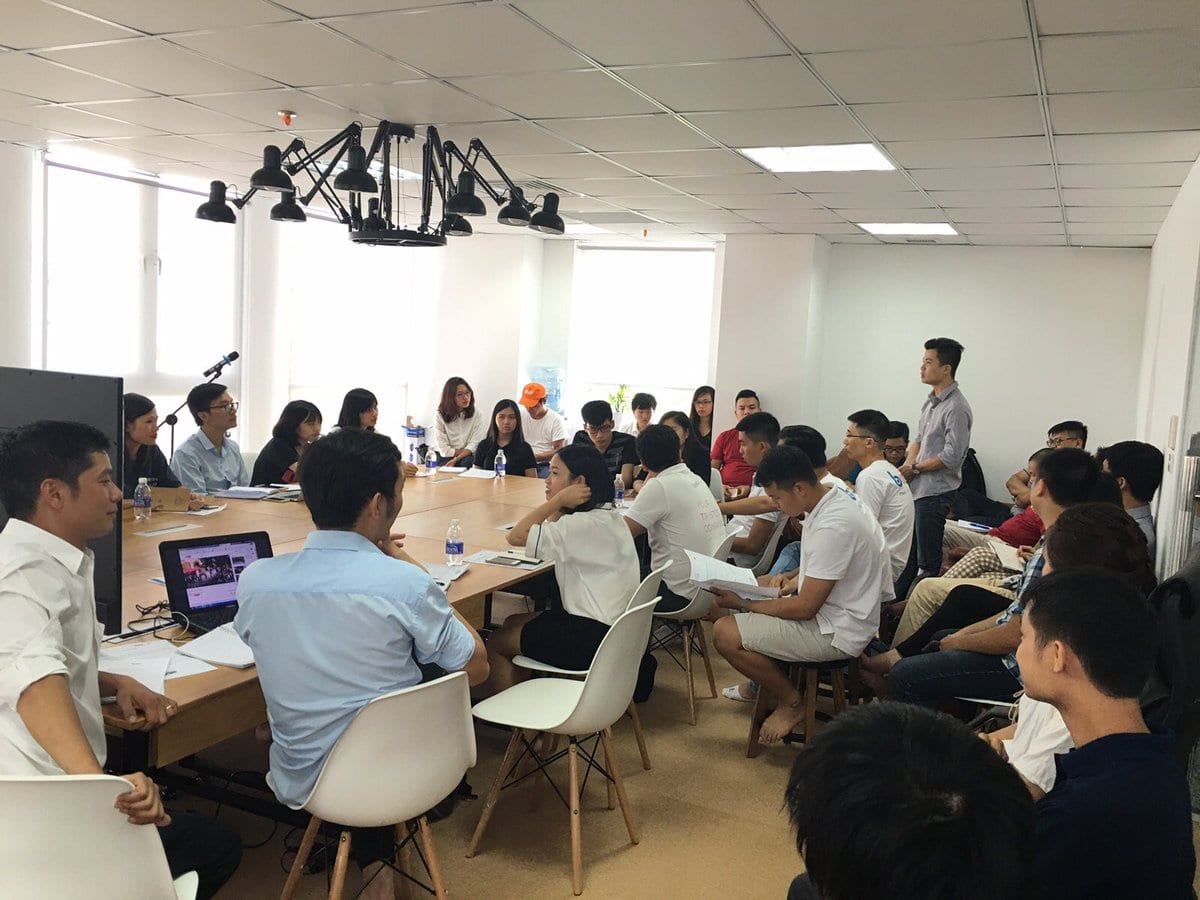
    Young companies looking for their first home are spiking the demand for small-sized office space. Tan, a self-employed real estate broker, paid $5,000 per month for the use of a six-story building in downtown Ho Chi Minh City. He then turned it into 15 office rooms with polished tiled floors, private bathrooms and internet connections.

    The offices, ranging from 25 to 40 square meters, are now rented out to startups at between VND5 million and VND10 million ($220 – $440) per month, said Tam, who asked to be identified by his first name only.

    For fledgling startups, which try to make every penny count, these small-sized offices with good locations fit their budget.

    Tan said currently 10 companies are his tenants, claiming a return of 20-25 percent.

    Local brokers said some estates in the city’s downtown areas are becoming mini-hubs for startups. These young companies give the office market in Ho Chi Minh City and Hanoi a much-needed boost as many landlords struggle to fill space, they said.

    However, according to Le Huu Dung, chief executive at brokerage Weland Investment, not just any space will do.

    “We have seen a strong growth in mini-office rentals in Ho Chi Minh City in the past two years following the recent startup boom,” Dung said. “While some investors have earned decent profits, others are losing money.”

    No one who starts out in such a tiny office expects to stay there for long, Dung said, referring to the fact that when startups become bigger, they will move to larger offices.

    Another flip side of the business is that this segment mainly relies on idea-stage companies, which may not even last longer than just a few months.

    Dung warned that if the occupancy rate is lower than 80 percent, the investor will start losing money.

  • Starbucks in Cambodia: From Coffee Beans to Housing Dreams?

    Starbucks in Cambodia: From Coffee Beans to Housing Dreams?

    There’s nothing particularly new with coffee places opening in Phnom Penh. There is a different brand of coffee shop at just about every corner.

    But the recent launching of the Starbucks Reserve brand in Phnom Penh seems to mean something significantly more for both the international F&B franchise sector, and local urbanite Phnom Penh citizens.

    Been There, Done That

    With 45 years of experience in the coffee industry, Starbucks has managed to open around 22,519 stores worldwide (as of June 28, 2015). The brand has become one of the world’s most recognized, through intensive advertising campaigns and aggressive product placement.

    Fast-forward to October of 2016, another branch just opened to serve the Cambodian public in Phnom Penh’s BKK1 district. It was launched under the high-end “Reserve” brand of the company.

    If the market can prove profitable for Starbucks, other international F&B and consumer goods franchises may look to enter the Cambodian market place as well

    The new branch features two floors and 650 square meters filled with local craftsmanship, including a mural centerpiece depicting the Cambodian Folklore of Sovann Maccha.

    Starbucks Cambodia has partnered up with a local NGO – Cambodian Children’s Fund – as part of its long-term community investment. They said, “We take a thoughtful, disciplined approach to growth in Cambodia that is locally relevant and in line with our company’s values. Our growth story is not just about expanding our store count in the market.”

    Something Brewing:

    Yet Starbucks’ opening of another high-end coffee place doesn’t only signal a positive outlook for the F&B industry…

    It also transcends into real estate. A few months back, the World Bank declared Cambodia a lower-middle income country – where Cambodians currently have an average yearly income of between $1,026 and $4,035.

    So, locals are now able to afford items that have a higher price tag, according to the Bank.

    With this rise in consumers’ expendable incomes, Starbucks isn’t worried about the huge difference in price of their coffee compared to local ones. The local coffee costs about $0.74 (and sometimes as cheap as $0.25), while a small latte from Starbucks is $2.95.

    If a cup of coffee is any indication of rising incomes, then sectors like real estate might follow a similar trend. Investors may be getting closer to a market in which the local population can afford resale units and higher rental rates. The current lack of a secondary market, resale and rental, for new development units is proving one of the biggest risks of the Cambodian market for pure investors.

    Furthermore, if the market can prove profitable for Starbucks, other international F&B and consumer goods franchises may look to enter the Cambodian market place as well – spurred by this signal of consumer confidence and affluence.

    So while Starbucks opening in BKK1 has been warmly welcomed by local cafe enthusiasts keen to try an international flavor, its significance for investors may have longer lasting influence.

  • eHi Car Services Announces Third Quarter 2016 Results

    eHi Car Services Announces Third Quarter 2016 Results

    eHi Car Services Limited rentals and car services provider in China, today announced its unaudited financial results for the third quarter ended September 30, 2016.

    Third Quarter 2016 Highlights

    • Net revenues increased by 47.8% year-over-year to RMB582.1 million (US$87.3 million[1]) for the third quarter of 2016, from RMB393.8 million for the third quarter of 2015.

    Three months ended September 30,

    Year-Over-Year

    (RMB ‘000)

    2015

    2016

    Comparison

    Car rentals

    300,700

    464,271

    54.4%

    Car services

    93,080

    117,783

    26.5%

    Total Net

    Revenues

    393,780

    582,054

    47.8%

    Gross profit[2] increased by 83.9% year-over-year to RMB165.7 million (US$24.8 million) for the third quarter of 2016, from RMB90.1 million for the third quarter of 2015. Gross profit margin[2] increased to 28.5% for the third quarter of 2016, from 22.9% for the third quarter of 2015.

    • Net income increased by 269.5% year-over-year to RMB22.3 million (US$3.3 million) for the third quarter of 2016, from RMB6.0 million for the third quarter of 2015. Net income margin increased to 3.8% for the third quarter of 2016, from 1.5% for the third quarter of 2015.
    • Non-GAAP adjusted EBIT[3] increased by 97.4% year-over-year to RMB80.6 million (US$12.1 million) for the third quarter of 2016, from RMB40.8 million for the third quarter of 2015. Non-GAAP adjusted EBIT margin[3]increased to 13.8% for the third quarter of 2016, from 10.4% for the third quarter of 2015.
    • Non-GAAP adjusted EBITDA[4] increased by 60.0% year-over-year to RMB264.5 million (US$39.7 million) for the third quarter of 2016, from RMB165.3 million for the third quarter of 2015. Non-GAAP adjusted EBITDA margin[4]increased to 45.4% for the third quarter of 2016, from 42.0% for the third quarter of 2015.
    • Total average available fleet size[5] increased by 46.5% year-over-year to 41,742 vehicles for the third quarter of 2016, from 28,499 vehicles for the third quarter of 2015. Total fleet RevPAC[6] increased to RMB152 for the third quarter of 2016, from RMB150 for the third quarter of 2015.

    [1] The Company’s business is conducted in China and substantially all of its revenues are denominated in Renminbi (RMB). However, this earnings announcement contains translations of RMB amounts into U.S. dollars (US$) at specified rates solely for the convenience of the reader. Unless otherwise noted, all translations from RMB to U.S. dollars are made at a rate of RMB6.6685 to US$1.00, the effective noon buying rate as of September 30, 2016 in The City of New York for cable transfers of RMB as certified for customs purposes by the Federal Reserve Bank of New York.

    [2] Gross profit is defined as net revenues less cost of net revenues (vehicle operating expenses).  Gross profit margin is defined as the percentage representing gross profit divided by net revenues.

    [3] Non-GAAP adjusted EBIT is defined as net income before share-based compensation, interest expenses, interest income, provision for income taxes, gains from waiver of warrants and gains from sale of cost method investment. For more information, refer to “About Non-GAAP Financial Measures” and “Reconciliation of GAAP and Non-GAAP Results” at the end of this press release. Non-GAAP adjusted EBIT margin is defined as the percentage representing Non-GAAP adjusted EBIT divided by net revenues.

    [4] Non-GAAP adjusted EBITDA is defined as net income before depreciation and amortization, share-based compensation, interest expenses, interest income, provision for income taxes, gains from waiver of warrants and gains from sale of cost method investment. For more information, refer to “About Non-GAAP Financial Measures” and “Reconciliation of GAAP and Non-GAAP Results” at the end of this press release. Non-GAAP adjusted EBITDA margin is defined as the percentage representing Non-GAAP adjusted EBITDA divided by net revenues.

    [5] “Average available fleet size” is calculated by dividing the aggregate number of days in which the Company’s fleet was in operation during a given period by the total number of days during the same period. In determining the size of the Company’s fleet in operation, eHi includes all vehicles in its car rentals and/or car services fleets except for vehicles that have been written off in accordance with its accounting policy and vehicles that have not been consistently made available for rent and that it may consider to dispose of when appropriate opportunities arise.

    [6] “RevPAC” refers to average daily net revenue per available car, which is calculated by dividing the net revenues during a given period by the aggregate number of days in which the Company’s fleet was in operation during the same period.


    Average Available

    Fleet Size

    RevPAC

    (RMB)

    2015Q3

    2016Q3

    Year-Over-Year

    Comparison

    2015Q3

    2016Q3

    Year-Over-Year

    Comparison

    Car rentals

    26,200

    39,227

    49.7%

    125

    129

    3.2%

    Car services

    2,299

    2,515

    9.4%

    440

    509

    15.7%

    Total

    28,499

    41,742

    46.5%

    150

    152

    1.3%

    • Fleet utilization rate[7] for car rentals was 71.9% for the third quarter of 2016, compared with 73.8% for the third quarter of 2015.
    • As of September 30, 2016, total period-end fleet size[8] was 48,934 vehicles.

    [7] “Fleet utilization rate” refers to the aggregate transaction days for the Company’s car rental fleet during a given period divided by the aggregate days the car rental fleet was in operation during the same period.

    [8] “Period-end fleet size” refers to the aggregate number of vehicles in the Company’s car rentals and car services fleets as of the last day of a given period which the Company holds legal title to and reflects in its balance sheet, including vehicles that are currently missing but have not been written off in accordance with its accounting policy. The period-end fleet size as of September 30, 2016 excluded 144 vehicles which the Company had written off from its balance sheet in accordance with its accounting policy.

    Mr. Ray Zhang, eHi’s Chairman and Chief Executive Officer, said, “Our business continued to thrive during the third quarter, leading to both strong top-line growth and significant improvement in profitability. As a fast-growing company, we are committed to driving ongoing operating leverage and are well-positioned to capture the growing demand from China’s rapidly rising domestic tourism and business-related travel.”

    “The recent regulations regarding online car-hailing business in China, we believe, provide us with greater potential to explore business and strategic cooperation opportunities to enhance our competitive position. Looking ahead, we remain focused on continuing to execute on our growth plan and achieving our strategic objectives,” Mr. Zhang concluded.

    Mr. Colin Sung, eHi’s Chief Financial Officer, said, “We are pleased to report strong third quarter results with net revenues increasing by 47.8% year-over-year, while recording 269.5% bottom-line growth from the prior-year period. Notably, our continued focus on operating efficiency and cost control measures contributed to broad-based margin improvement. Our gross margin and non-GAAP adjusted EBITDA margin both reached record-highs of 28.5% and 45.4%, respectively. Our financial discipline is well-established, and we remain committed to prudent expansion and a balanced approach between growth and profitability.”

    Third Quarter 2016 Financial Results

    Net revenues for the third quarter of 2016 were RMB582.1 million (US$87.3 million), up 47.8% year-over-year, attributable to increased net revenues from both car rentals and car services.

    Net revenues from car rentals for the third quarter of 2016 were RMB464.3 million (US$69.6 million), up 54.4% year-over-year, primarily driven by the growing average available fleet size for car rentals in response to customer demand.

    Net revenues from car services for the third quarter of 2016 were RMB117.8 million (US$17.7 million), up 26.5% year-over-year, primarily driven by the increased car services RevPAC as we provided services to more business clients.

    Cost of revenues (vehicle operating expenses) for the third quarter of 2016 was RMB416.4 million (US$62.4 million), up 37.1% year-over-year, primarily driven by increased depreciation and labor costs.

    In the third quarter of 2016, 486 used vehicles were disposed of, and 358 used vehicles were under sales contracts pending title transfer. The Company recognized a disposal loss of RMB0.3 million (US$0.04 million) in aggregate for these 844 vehicles. In addition, a disposal gain of RMB0.7 million (US$0.1 million), which was unrecognized in the previous quarters, was recognized in the third quarter of 2016 as a result of the completion of title transfer during such period. The disposal loss and gain were both recognized as adjustments to the vehicle-related depreciation expense as part of the cost of revenues.

    Gross profit for the third quarter of 2016 was RMB165.7 million (US$24.8 million), up 83.9% year-over-year. Gross profit margin for the third quarter of 2016 was 28.5%, compared with 22.9% for the third quarter of 2015. Gross profit margin improvement was due to certain cost controls primarily in vehicle insurance, and to a lesser extent, in vehicle repair and maintenance as well as labor costs, in connection with enhanced economies of scale and operating efficiency.

    Selling and marketing expenses for the third quarter of 2016 were RMB28.5 million (US$4.3 million), up 81.8% year-over-year, primarily due to increased channel marketing and promotion fees as the Company expanded branding and channel promotion activities during such period.

    General and administrative expenses for the third quarter of 2016 were RMB63.1 million (US$9.5 million), up 38.6% year-over-year, primarily due to increased employee-related costs including salaries and welfare expenses as a result of increased headcount, as well as a foreign exchange loss in the third quarter of 2016 compared with a foreign exchange gain in the third quarter of 2015.

    Profit from operations for the third quarter of 2016 was RMB77.0 million (US$11.5 million), up 124.2% year-over-year.

    Interest expense for the third quarter of 2016 was RMB55.7 million (US$8.3 million), up 79.5% year-over-year, primarily attributable to the interest expense associated with the Company’s senior unsecured notes of US$200 million due 2018.

    Net income for the third quarter of 2016 was RMB22.3 million (US$3.3 million), up 269.5% from RMB6.0 millionfor the third quarter of 2015. Net income margin for the third quarter of 2016 was 3.8%, compared with 1.5% for the third quarter of 2015.

    Basic and diluted earnings per ADS for the third quarter of 2016 were RMB0.32 (US$0.05) each, compared with basic and diluted earnings per ADS of RMB0.09 (US$0.01) each for the third quarter of 2015.

    Non-GAAP adjusted EBIT for the third quarter of 2016 was RMB80.6 million (US$12.1 million), up 97.4% year-over-year. Non-GAAP adjusted EBIT margin for the third quarter of 2016 was 13.8%, compared with 10.4% for the third quarter of 2015.

    Non-GAAP adjusted EBITDA for the third quarter of 2016 was RMB264.5 million (US$39.7 million), up 60.0% year-over-year. Non-GAAP adjusted EBITDA margin for the third quarter of 2016 was 45.4%, compared with 42.0% for the third quarter of 2015.

    As of September 30, 2016, the Company’s cash, cash equivalents and restricted cash balance was RMB1.5 billion (US$223.7 million).

    Recent Development

    On August 30, 2016, the Company entered into a US$150 million syndicated loan facility agreement. This loan facility agreement includes an initial facility of US$110 million and a greenshoe facility of US$40 million. The loan facilities have a three-year term and will be repaid in installments. The interest margin is priced at 350 basis points per annum over LIBOR. Deutsche Bank AG, Singapore Branch is acting as the original mandated lead arranger of the loan facilities. The Company had fully drawn down the US$150 million facility as of September 27, 2016, and used part of the proceeds for repaying certain existing indebtedness with high interest rates. The remaining proceeds will be used for funding capital expenditures and other general corporate purposes of the Company.

    Outlook

    The Company estimates that net revenues for the full year of 2016 will range from RMB2.1 billion to RMB2.2 billion, and total period-end fleet size will reach approximately 57,000 vehicles as of December 31, 2016. This outlook reflects the Company’s current and preliminary view, which is subject to change.


  • Pop-Up Stores In Hong Kong: Fad Or The Future?

    Pop-Up Stores In Hong Kong: Fad Or The Future?

    With vacancy at less than 1% in Hong Kong’s prime shopping malls, is it any wonder why brands, particularly those new to the market, are opting to grab a slice of the action by entering the market by doing a pop-up store. So what is a pop-up?

    • žžPop-up retail, also known as pop-up store or flash retailing, is a trend of opening short-term sales spaces.
    • žžA pop-up retail space is a venue that is temporary — the space could be a sample sale one day and host a private cocktail party the next evening.
    • The trend involves “popping-up” one day, then disappearing anywhere from one day to several months later.
    • žžThese shops, while small and temporary, can build up interest by consumer exposure.
    • žžPop-up retail allows a company to create a unique environment that engages their customers, as well as generates a feeling of relevance and interactivity.
    • žžPop-up retail also provides retailers to “prove” themselves in certain locations before the landlord decides whether they will provide them a shop on a long-term basis.

    Many brands are entering Hong Kong using the pop-up store model as a way to showcase their products. Although the stores are on a small scale and in a confined space, when done correctly, they allow customers to get a taste and a feel for the brand.

    Advantages for the landlord

    • Limited risk. It is allows the brand to occupy a small area that would otherwise be an open void space, a vacant shop or a shop that is undergoing some alteration work. This allowsthe landlord to maximise occupancy levels and revenues in what would otherwise be deemed as “dead space”.
    • žžAllows the brand to showcase their products and for the landlord to assess whether the brand is potentially worthy of securing a longer term store within the mall.
    • žžAllows the landlord to assess how the brand operates, how the staff interact with the customers and assess how good their customer service is.
    • žžKeeps the mall interesting and competitive.

    Advantages to the brands

    • žžWith competition for space in Hong Kong being extremely fierce, many brands are left to wait and wait for a prime location to be made available to them. A pop-up store allows them to enter the market more quickly.
    • žžBuild rapport with the landlords.
    • žžShowcase their products and designs to the landlord and use this as a platform to test their merchandise with the discerning Asian customer. In particular, mainland Chinese consumers, whose attention many brands are eager to capture.
    • žžAllows the brand to be uber creative in their design in a small space.
    • žžPop-up stores are usually located in areas with high footfalls which provide maximum exposure and opportunity to the brand.
    • žžRelatively low costs involved.

    Take an example such as Penhaligon’s, a new-tomarket brand that set up a lovely pop-up store in Harbour City and was able to parlay the success of the store to be offered permanent stores in prime locations in Hong Kong and Macau. Goes to show there are advantages to this approach.

    Disadvantages

    • žžLarge amount of investment is often required for what is a small and temporary space.
    • žžLimited time to recoup initial investment, produce impactful marketing and moreover showcase the brand and its DNA.
    • žžSometimes the tenant mix may not be ideal for the brand.
    • žžLocations are often isolated which means the brand has to work harder on the design, customer service and marketing to entice people into the pop-up store.

    Will the pop-up phenomenon remain? From what we can see in terms of market fundamentals and the success many popup concepts are enjoying, the answer is an overwhelming yes. With no let up on demand from brands seeking to expand, space availability being extremely limited and rentals not looking to subside any time soon, pop-up stores will become a more and more enticing option. However it is not all good news, many pop-ups, due to their limited time period and inability for the brand to showcase a sufficient range of products, can sometimes be detrimental to a brand. Take a fashion brand for example. They have hundreds of Stock Keeping Units (SKU’s) in their normal stores but this is often limited to a 10th of that in a pop-up. This could potentially damage the brand’s reputation, perception, sales and ultimately the brand’s ability to expand in Hong Kong. Overall, however, we believe that the positives outweigh the negatives but brands still need to be conscious of what they are doing. They need to have a strategy in place and ultimately know exactly what they are trying to achieve by having a pop-up.

  • GuestReady launches in Hong Kong, aims the short-term rental industry

    GuestReady launches in Hong Kong, aims the short-term rental industry

    Building on the global success of the sharing economy and its poster child Airbnb, a team of experienced entrepreneurs is building GuestReady.com to professionalise hosting on home-sharing platforms. The service, which is aimed at busy Airbnb hosts launches today in Hong Kong, Singapore, Kuala Lumpur, London, Paris, and Amsterdam.

    GuestReady’s set of services is aimed at real estate investors and hosts on Airbnb and it’s complementary platforms who are looking for help in managing their property. The startup provides a range of host services such as laundry, cleaning, check-in and check-out of guests, but more importantly, manages entire properties, which includes guest communication, maintaining listings on multiple short term rental sites, and ensuring the property generates the maximum possible yield.

    Airbnb and similar websites have become increasingly popular among leisure and business travellers who are looking for an alternative to long-term stays at hotels or serviced apartments. While traditional property agents focus on long-term rental and management of properties, GuestReady focuses on the underserved niche of short-term and vacation rentals.

    Lou Chan, Co-Founder and MD of GuestReady Hong Kong sees in this trend the big opportunity for GuestReady: “Hong Kong has long been the top choice for traveller, and the market naturally responds to it. According to a survey in 2015, 1 in 3 Hong Kong people who use the internet dip into sharing services like Airbnb. Supporting data also predicts that Asia-Pacific will become the world’s largest market for digital travel sales this year; alternate accommodation providers are set to cash in on this increasing traveller numbers.”

    “As the short-term rental industry is maturing, there is a natural need for more efficiency, professionalism, and standardisation. Especially with business travellers, the property and any service related to a stay need to be of immaculate quality. For non-professional hosts, this is hard to achieve, which is where we step in.”

    By launching GuestReady globally, the startup leverages location-specific advantages and taps into economies of scale to keep costs at bay. Chan, who previously was part of the founding teams of Rocket Internet’s Wimdu and Zalora, believes in the long-term success of platforms like Airbnb.

    The startup has been backed by Switzerland’s Swiss Founders Fund with an undisclosed sum. Romano Brandenberg, Venture Partner at Swiss Founders Fund, sees big potential in the growing and maturing short-term rental market. “Living and work patterns are becoming ever more mobile and the 12-month rental agreement or a room in a hotel is often not an adequate solution anymore for today’s business travellers, digital nomads or city hoppers. Short-term rentals offer a great alternative for these audiences” elaborates Brandenberg, and considers GuestReady a missing link in the industry to enable more property owners to become hosts.

    GuestReady.com launches today in Hong Kong and five other markets in Europe and Asia and is expected to roll into new countries soon.


  • Philippines office rates among cheapest in Asia

    Philippines office rates among cheapest in Asia

    The average office rental rate in the Philippines is much cheaper than anywhere else in Asia-Pacific but this segment is very lucrative because brisk demand from business process outsourcing (BPO) is driving growth at a “healthy” pace, experts from global property consulting firm Jones Lang LaSalle said on Wednesday.

    Apart from office property, JLL sees bright investment prospects for upper mid-end residential assets or those worth between P15 and P18 million particularly in Bonifacio Global City and Makati, JLL country head David Leechiu said in a briefing.

    JLL is also upbeat on investment prospects in budget hotels—referring to two- and three-star accommodations—across the country outside of Makati, Bonifacio Global City and the Manila Bay area as it expects tourism to be the next big thing in terms of Philippine real estate growth.

    In the office segment, local rental rates have risen but they are still 33 percent below the peak levels seen in 2007 or before the US-induced global financial crisis erupted. As of the second quarter, average rental rates for Grade A office in Manila amounted to $209 a square meter a year compared to $1,758 in Hong Kong, $683 in Beijing, $504 in New Delhi and $441 in Sydney, based on estimates by JLL.

    “Manila is much cheaper than anywhere else,” said Alastair Hughes, Jones Lang LaSalle chief executive officer for Asia Pacific. But such low rental prices should also allow the Philippines to be more competitive in attracting more BPO firms, Hughes said.

    This year, Hughes said rental rates in Manila could rise an average 10 percent, which he described as “a good level of sustainable rental growth.”

    Average office rental rates in Makati are estimated at between P600 and P900 a square meter a month; in Bonifacio Global City, P600-P800/sq.m.; in Pasig City, P500-P700/sq.m., Quezon City, P400-P600/sq.m., and in Manila Bay area, P500-P550/sq.m.

    Leechiu said the most lucrative areas for office investments were still in Bonifacio Global City, Makati and Quezon City. JLL estimated that average annual demand for office property would reach at least 300,000 sq.m. in gross leasable area a year up to 2015. Based on the number of buildings under construction, it projected an office supply deficit of about 200,000 sq.m. by 2015 if demand would go up to 360,000 sq.m.

    But outside Metro Manila, he said the opportunities were limited because demand for office space was mostly driven by BPOs that mostly thrive in Metro Manila, which produces the biggest bulk of skilled manpower required by this industry.

    Within the metropolis, he said there was very little office space left for rent. “BPOs have wiped them out,” he said. For the first time in three years, he noted there were BPO companies now signing lease contracts ahead of building completion.

    “The Philippines has become a part of the anti-crisis solutions of many companies. They’re thinking of cost and to address that cost, [offshoring to the Philippines] is part of the answer,” Leechiu said.

    On residential property, Leechiu said upper mid-end residential assets in Bonifacio Global City and Makati would be most promising. On the other hand, he said it was “very dangerous” now to invest in residential mid-market property, noting that there were 15 big property developers out there competing for this market.

  • Prime Central Rents Rise by 5.3% in a Quarter

    Prime Central Rents Rise by 5.3% in a Quarter

    In a review of the Hong Kong office and retail property markets today, DTZ/Cushman & Wakefield, a global leader in commercial real estate services, pointed out that office rents in core business districts continued to rise in Q1 2016, with Prime Central and Greater Central leading the pack with a surge of 5.3% and 4.3% quarter-on-quarter to HK$128.88 and HK$115.64 per sq ft per month respectively.

    The continuous surge in Greater Central’s rentals was underpinned by the demand from Mainland Chinese financial companies, which accounted for 49% of the major new lease in terms of size in Greater Central. In fact, insurance and banking & finance companies remained the main drivers of new lease demand in Q1, accounting for 80% of the total size of all major new lease in the quarter.

    The overall absorption at approximately 262,000 sq ft in Q1 was largely due to the purchase of One Harbour Gate (West Tower) in Hung Hom by China Life. Apart from this, most of the districts had negative absorption. Mr Andy Yuen, DTZ/Cushman & Wakefield’s Director of Office Agency in Hong Kong, noted, “The released stock in the core districts is evidence that the flight to premises with greater space and cost efficiency continued, as many companies relocated for consolidation purpose. This led to better absorption levels in non-core areas such as Hong Kong South and Kowloon West.”

    In the face of high rents, this quarter some traditional Central tenants began to decentralize. For example, legal firm Ince & Co. has committed to move from Citibank Plaza in Central to One Island East in Quarry Bay, and Mizuho Financial Group from Chater House, Two Pacific Place and The Gateway to K11 office in Tsim Sha Tsui.

    Mr John Siu, DTZ/Cushman & Wakefield’s Managing Director, Hong Kong, commented, “Although rental growth is expected to slow in Q2 due to corporations’ concern about the prospects of the global and China markets, the high rentals in Hong Kong is contributing to a growing gap between the city and some other key regional business centers. For example, between the CBD Grade A1 office rentals in Singapore and Hong Kong, there is a gap that grew from 37.0% in Q1 2015 to 54.3% in Q1 2016, and the difference in prime rentals2 was even bigger, from 29.9% in Q1 2015 to 57.3% in Q1 2016. This substantial gap is likely to affect MNCs’ decision to office location and might hurt Hong Kong’s competitiveness in the long run.”

    For the retail market, falling visitor volume – total volume in January and February declined by 13.6% year-on-year, Mainland tourist volume by 18% – and falling sales for all sectors of goods in January and February, led by jewelry and watches (down 24.2%) and electrical goods (down 26.7%), continued to undermine the rental level. Rent on high street, as indicated by general index, fell by another 5-7% quarter-on-quarter in Q1, with rentals in Causeway Bay falling by 51% from the peak level in 2013.

    In addition, concerns of economic slowdown and social instability are prompting some retailers to seek earlier termination of their leases, in an attempt to save on rental expenses. Should this become a broader trend, the general high street rent could see another drop of 10-15% from the current level in this year.

    Mr Kevin Lam, DTZ/Cushman & Wakefield’s Head of Business Space, Hong Kong, said, “Despite this, retailers are taking the opportunity of the falling rental level to re-enter the core retail areas. There are fashion, accessories, shoes, cosmetic companies taking up street frontage shops vacated by companies of luxury goods, as those trades are sustained by a broader base of demand.”

    “Foreign brands are also benefitting from the more affordable rents to enter the Hong Kong market. Recently more Japanese and Korean brands from fashion, cosmetics, lifestyles to the food & beverage sector are aiming at the Hong Kong retail scene.”

    Another positive development of the retail market is that rents for F&B venues maintained a gradual upward trend, rising by 0.3-1.0% quarter-on-quarter in Q1. Mr Lam commented, “Demand for F&B spaces remains keen, although for new F&B operators, they are more interested in upstairs venues of moderate size in the key retail areas instead of ground shops, as a way of better cost control.”

    The successful merger of Cushman & Wakefield and DTZ closed September 1, 2015. The firm now operates under the iconic Cushman & Wakefield brand and has a new visual identity and logo that position the firm for the future and reflect its trusted global legacy and wider history. The new Cushman & Wakefield is led by Chairman & Chief Executive Officer Brett White and Global President Tod Lickerman. The company is majority owned by an investor group led by TPG, PAG, and OTPP.

  • Hong Kong tenders five new retail contracts

    Hong Kong tenders five new retail contracts

    Hong Kong International Airport is currently tendering three retail contracts in the merchandise areas of fashion accessories, audio visual/electronics and gifts/souvenirs and toys.

    The first consists of a fashion or fashion accessories shop opportunity comprising 50sq m on Level 5 Departures in the North Satellite Concourse restricted area, where bids close on December 3.

    Another tender process is for an audio visual/electronics concession consisting of five shops, with four located on Level 7 in the Departures Check-in Hall, Terminal 1 non-restricted area. These outlets vary from between 18 to 70sq m in size.

    Another outlet comprising 48sq m which falls under the same contract is also located on Level 5 Arrivals in the Pre-Immigration Hall, Terminal 1 restricted area. The date for submission for offers for this five-outlet contract is December 10, 2015.

    Tenders also close for a small 48sq m gifts/souvenir/toy concession at Hong Kong Airport tomorrow afternoon. This is located on Level 5 Departures in the North Satellite Concourse restricted area.

    The airport describes all of these opportunities as ‘extraordinary’ and in ‘premium locations’.

  • China’s shopping mall operators struggle against e-commerce

    China’s shopping mall operators struggle against e-commerce

    “The supply of mall space in China is outpacing demand, as growth in retail sales slows because of the country’s lower GDP growth, and in cities where mall space is abundant, vacancy rates have risen substantially,” Marie Lam, an associate managing director with ratings agency Moody’s, said in a report.

    A raft of figures pointed to waning demand at home. China’s retail sales for the first half of the year grew by just 10.4 per cent from a year earlier, the lowest rate since 2004, data released by the National Bureau of Statistics showed.

    Although acknowledging that the outlook will continue to be murky for China’s traditional retailers, Bank of China International analysts led by Tang Jiarui noted consolidation may sweep across some of the major players in the sector, discarding the weak players and leaving the stronger ones as the survivors. “The distress, on the other hand, may give birth to a mergers-and-acquisitions boom. We see some of the leading regional shopping mall operators, including Wuhan-based Zhongbai Holdings, the potential buying targets of industrial powerhouses eyeing expansion,” she said.

    Unfazed by a flagging economy, Chinese developers’ headlong rush to branch out and build more shopping malls show no signs of dying down.

    China made up of 44 per cent of total global shopping mall completions in 2014, data from real estate consultancy CBRE said. The amount of mall-space in the pipeline is even more massive, representing 60 per cent of the total worldwide.

    In 2014, the retail space under construction in China soared by more than 50 per cent year-on-year, compared with a 21.8 per cent rise of the global total for the same period.

    “Demand for mall space from retailers in China is not catching up with supply,” Lam said.

    Adding to the burden on those brick and mortar retailers are their e-commerce rivals that managed to post robust results even as the economy grew at its slowest pace in a quarter century. Online retail sales registered a 48.7 per cent jump in the first six months of 2015 from a year earlier, according to the China e-Business Research Centre.

    A study by Fung Business Intelligence Centre found department stores in China were the worst performers among all retail formats last year with many forced to close shop.

    “Fragile global and domestic economies …competition from speciality stores and online retailers were major reasons for stores’ weak performances,” the Fung report said.

    Many of traditional retailers have been shifting to asset-light business models or exploring the online-to-offline business mode to get by.

    But a transformation can be painful for any company with more uncertainty the rule going forward.

    “Success also depends on whether the changed mall can differentiate itself from other malls that have also undergone facelifts,” said Lam, who saw rising difficulty for some shopping mall property developers in refinancing the loans they took out to shift gears.