Tag: report

  • Tourists devote a quarter of budget to shopping

    Tourists devote a quarter of budget to shopping

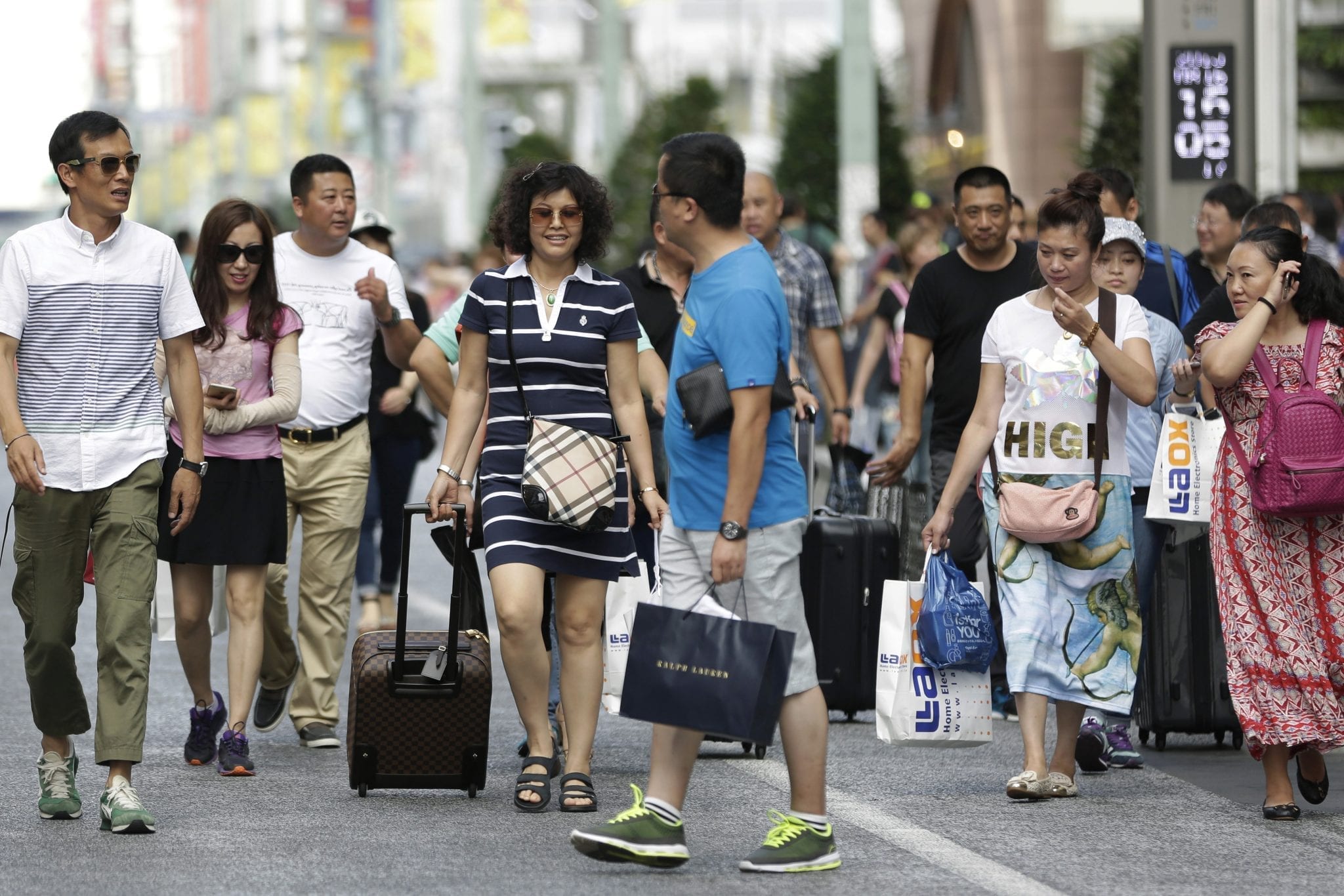
    Retail shopping continues to be the largest expense for tourists from China, according to a survey from Nielsen and Alipay, accounting for almost a quarter of total spend. The 2018 trends of Chinese mobile payment in outbound tourism survey revealed that retail spending took up 24.6 per cent of Chinese tourists average spend, followed by accommodation, dining and tourist attractions.

    Interestingly, the report found that Chinese millennials are no longer the single most dominant user of mobile payments.

    “In 2017, 55 per cent of Chinese tourists born between 1960-1979 used mobile payments while travelling overseas – significantly lower than the proportion of millennial tourists,” the report reads.

    “In 2018, the usage rate rose to 68 per cent, almost equalling their younger peers.”

    Average budget for the typical Chinese tourist increased 15 per cent to AU$9,382 over the year, and a familiarity with mobile payments drove increased spend, with 56 per cent of surveyed merchants claiming improved sales after adopting mobile payment system Alipay.

    However, a study by Coresight research in October 2018 found that, while Chinese tourists were travelling more often they were spending around 18 per cent less in the retail environment – a figure driven by a recorded 24 per cent decline in average shopping trip spend.
  • Northern Vietnam casino reports first profit in three years

    Northern Vietnam casino reports first profit in three years

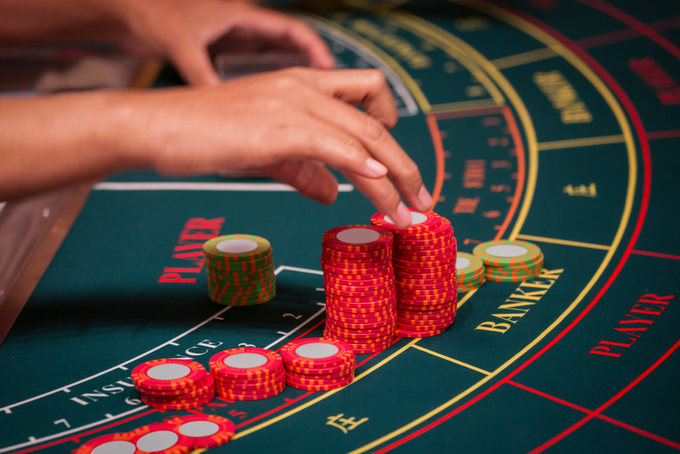
    Royal Casino, the largest in the northern Quang Ninh Province, last year reported a profit for the first time in three years. Royal International Corporation, its operator, said revenues grew by 48 percent from the previous year to VND288 billion ($12.39 million), and profit after tax to VND17 billion ($731,263) in 2018. This is the company’s first profit since 2015.

    The owner of the company is Khai Tiep International Investment Limited, registered in the Cayman Islands.

    The casino accounted for VND178 billion ($7.66 million) with the rest coming from hotel, villas and hospitality-related services.

    The company’s management said in a financial report that the growth in the casino’s revenues was due to the sharp increase in the number of customers after an expressway connecting Quang Ninh’s Ha Long town  with northern Hai Phong City was built last September.

    Linking up with the Hanoi-Hai Phong expressway, it cuts the travel time from the capital to Ha Long by half to just 90 minutes.

    The company also saved VND16 billion ($688,192) last year in sales and management costs.

    At the end of last year the casino had 1,346 employees, 80 fewer than at the beginning of the year.

    On Saturday Corona Resort and Casino in the southern Phu Quoc Island became the first casino in Vietnam to allow Vietnamese to gamble.

    The government has allowed a three-year trial period.

    Vietnamese who gamble here must be over 21, earn a minimum of VND10 million ($430) a month and have no criminal record or objections from family.

  • Vietnam liquor maker makes a loss, 4 years in a row

    Vietnam liquor maker makes a loss, 4 years in a row

    Nation’s leading liquor maker Halico has reported a loss of VND75 billion ($3.22 million) for 2018. With Vietnamese consumers moving towards foreign brands, the 120-year-old liquor maker, in which Vietnam’s second biggest brewery Habeco has 54.29 percent ownership and British multinational Diageo holds a 45.5 percent stake, Halico has reported losses for the fourth year in a row.

    It reported a loss of over VND20 billion ($859,780) in the fourth quarter of 2018, raising the total annual loss to VND75 billion ($3.22 million).

    In its annual statement for 2018, Halico’s board expressed doubts that the company can continue operating, with Vietnamese consumer tastes shifting to imported beer and foreign alcoholic products. It conceded that it has failed to capture younger consumer segments.

    In addition, Diageo has been unable to negotiate any substantial supply contracts with foreign partners, so the company has not been able to do well in exports.

    Furthermore, management costs have risen to over 60 percent of revenue. Despite a 30 percent rise in sales in 2018 (VND155 billion or $6.66 million), the difference was not able to compensate for expenses incurred.

    The Hanoi Liquor Joint Stock Company was originally a Hanoi winery, founded in 1898 and equitized in 2004 with initial charter capital of nearly VND50 billion ($2.15 million).

    In early 2011, Diageo Plc, a British multinational alcoholic beverages company, acquired an 18.67 percent stake in Halico for a total of VND800 billion ($34.4 million) from investment fund VinaCapital.

    Diageo is the world’s biggest liquor company, owning famous brands such as Johnnie Walker, Bailey and Smirnoff. It bought another 26.83 percent stake in 2012, hoping to cash in on the growing consumer market.

    Halico’s accumulated losses at the end of last year topped VND330 billion ($14.19 million), 1.6 times higher than its current charter capital at VND200 billion ($8.6 million).

  • ​Vietnam to remain a fast growing Asian economy

    ​Vietnam to remain a fast growing Asian economy

    With a 2019 GDP growth of 6.9 percent, Vietnam will remain one of the fastest growing economies in Asia. “We remain positive on Vietnam’s medium-term growth on strong manufacturing activity as FDI inflows to electronics manufacturing remain strong,” says economist Chidu Narayanan of Standard Chartered Bank. According to a report recently issued by the bank, the country is likely to reach GDP growth of 6.9 percent this year.

    The manufacturing sector has expanded by double digits for most of the past four years and this pace is likely to continue in 2019, says the report.

    The bank expects manufacturing growth to remain strong this year, though mildly lower than in 2018. Strong FDI inflows to manufacturing will likely support robust manufacturing output, it says.

    Standard Chartered economists also forecast FDI disbursement to stay at $15 billion this year and FDI inflows to the manufacturing sector, particularly electronics manufacturing, to remain high in the medium term.

    FDI disbursement in Vietnam reached a record $19.1 billion in 2018, a year-on-year increase of 9.1 percent,  according to the Ministry of Planning and Investment.

    “Most macro-economic indicators improved in 2018, interest and foreign exchange rates were kept stable despite the Fed’s hike in interest rates and U.S.-China tension, and non-performing loans were well-managed below three percent,” says Nirukt Sapru, CEO Vietnam and ASEAN and South Asia Cluster Markets.

    “We believe that the Vietnamese economy will remain one of the fastest growing in Asia and likely the fastest-growing ASEAN economy in 2019.”

    The World Bank forecast that Vietnam’s GDP is likely to drop to 6.6 percent in 2019 and 6.5 percent in 2020. Meanwhile, the Asian Development Bank (ADB) estimates the country’s GDP for 2019 at 6.8 percent.

    Vietnam’s GDP growth of 7.08 percent in 2018 was the highest in a decade, according to the General Statistics Office.

  • Vans, The North Face boost parents sales

    Vans, The North Face boost parents sales

    VF Brands has posted strong third-quarter results, with balanced growth across its entire portfolio. The US-listed apparel company, which owns and operates Vans, The North Face, Timberland, Wrangler and Lee, among others, says sales grew 8 per cent in the third quarter, to US$3.9 billion. Its share price soared 12.39 per cent after the announcement on Friday (US time) to $82.47.

    Vans sales soared 25 per cent and The North Face’s, by 14 per cent.

    “VF’s third-quarter results were fuelled by strong growth in our largest brands and balanced growth across the core dimensions of our portfolio,” said VF Brands president, chairman and CEO Steve Rendle.

    Revenue from VF’s ‘active’ segment, which includes brands such as Vans and JanSport, increased 16 per cent, while revenue from its ‘outdoor’ segment, which includes brands such as The North Face and Timberland, increased 11 per cent.

    VF reported $592 million in operating income, 22 per cent up on the prior year. Net income for the period was $463 million, a 613 per cent increase over the $90 million loss posted in the same period last year.

    “Based on the strength of our third-quarter performance and the growth trajectory we see for the remainder of fiscal 2019, we are again increasing our full year outlook,” Rendle said.

    The business expects revenue from its ‘work’ segment, which includes brands such as Dickies, is expected to increase 39 per cent, while revenue from its ‘active’ segment is expected to increase 16 per cent and revenue from its ‘outdoor’ segment is expected to grow 8 per cent.

    VF expects revenue from its ‘jeans’ segment, which includes brands such as Wrangler and Lee, to decline 3 per cent, while direct-to-consumer revenue is expected to increase 13 per cent, and digital revenue is set to increase by more than 30 per cent.

  • App-store spending to surpass US$120 billion this year

    App-store spending to surpass US$120 billion this year

    App-store spending by consumers is expected to surpass more than US$120 billion this year according to global mobile data and analytics provider App Annie. The firm’s annual The State of Mobile 2019 report found consumers downloaded 194 billion apps last year, spending $101 billion in app stores and averaging three hours per day on mobile.

    Time spent in-app grew 50 per cent over the past two years, with downloads up 35 per cent over the same period. Mobile consumed 62 per cent of global digital-ad spend last year, up from 50 per cent in 2017. Sixty per cent more apps will monetise through in-app advertising this year.

    The report also found that 10 minutes of every hour spent consuming media this year will be spent streaming video on mobile – and Generation Z consumers spend 20 per cent more time in apps than the rest of the population.

    “Mobile is no longer an add-on channel – it is the engine fueling digital transformation,” said App Annie CEO Theodore Krantz.

    The report looks at macrotrends, app rankings, and a number of industries including mobile marketing, shopping and retail, travel, gaming, social networking, media and entertainment, banking and fintech, video streaming, dating and more.

    The firm’s global marketing and insights EVP Danielle Levitas said consumers spending on apps globally last year was larger than the global live and recorded music industry and double the size of the global sneaker market.

    “Mobile experiences are so central to how we live, work and play and with consumers spending three hours a day on mobile, it’s clear how vital this platform is for all businesses in 2019 and beyond.”

  • Hong Kong high-street retail rents ease

    Hong Kong high-street retail rents ease

    Vacancy rates in tier 1 streets in the four core retail districts edged up by 0.2 percentage points from 3.6 per cent in the third quarter to 3.8 per cent in the last quarter. However, the full-year vacancy rate fell by 0.3 percentage points to 3.8 per cent compared to 4.1 per cent a year earlier.

    CBRE said market sentiment weakened in the fourth quarter, impacted by the US-China trade conflict and volatility in the stock market.

    While retail sales rose by 6 per cent year on year in October, growth slowed to just 1.4 per cent in November – the slowest monthly increase since June 2017.

    “Visitor arrivals remained solid, recording 15.9 per cent growth year on year in October and November combined, the strongest quarterly growth last year,” said CBRE’s report.

    “This ensured continued strong leasing demand from health, personal care and cosmetics retailers.”

  • Vietnam seafood export remains red

    Vietnam seafood export remains red

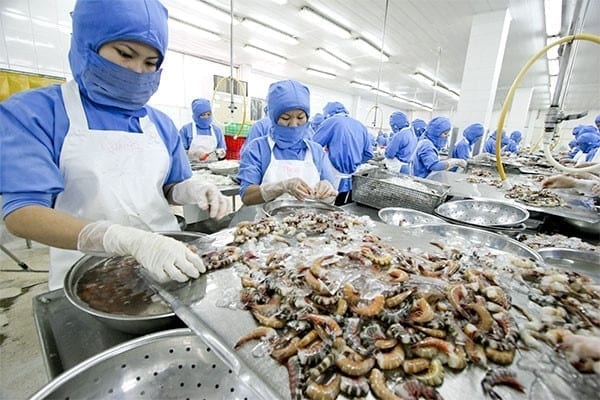
    Agifish, a major seafood company, reported a second straight year of losses in 2018 as both exports and domestic sales fell. The recently released 2018 audited financial report of one of Vietnam’s 10 largest seafood export companies puts its loss at VND178 billion ($7.66 million). The An Giang Fisheries Import Export Joint Stock Company, to give its formal name, had lost VND190 billion ($8.2 million) a year earlier.

    The company said the loss came as sales downed 43 percent to VND1.29 trillion ($55.27 million) in 2018, due to lower fish exports and domestic sales as well as lower revenues from by-products.

    The poor performance last year caused auditors to raise doubts about the company’s ability to remain a going concern, but the management rejected this, saying it would increase domestic and export sales, adjust prices and reduce costs to return to the black in 2019.

    Agifish has total assets of VND1.23 trillion ($52.92 million) and debts of VND800 billion ($34.42 million).

    The Vietnamese seafood industry faced some challenges last year such as being subject to a “yellow card” warning by the European Commission for failing to demonstrate sufficient progress in the fight against illegal, unreported and unregulated (IUU) fishing. There were also technical barriers and anti-dumping duties in several markets.

    Seafood export value rose 5.8 percent year-on-year in 2018 to reach $8.8 billion, according to the Vietnam Customs.

  • Bossini losses set to double

    Bossini losses set to double

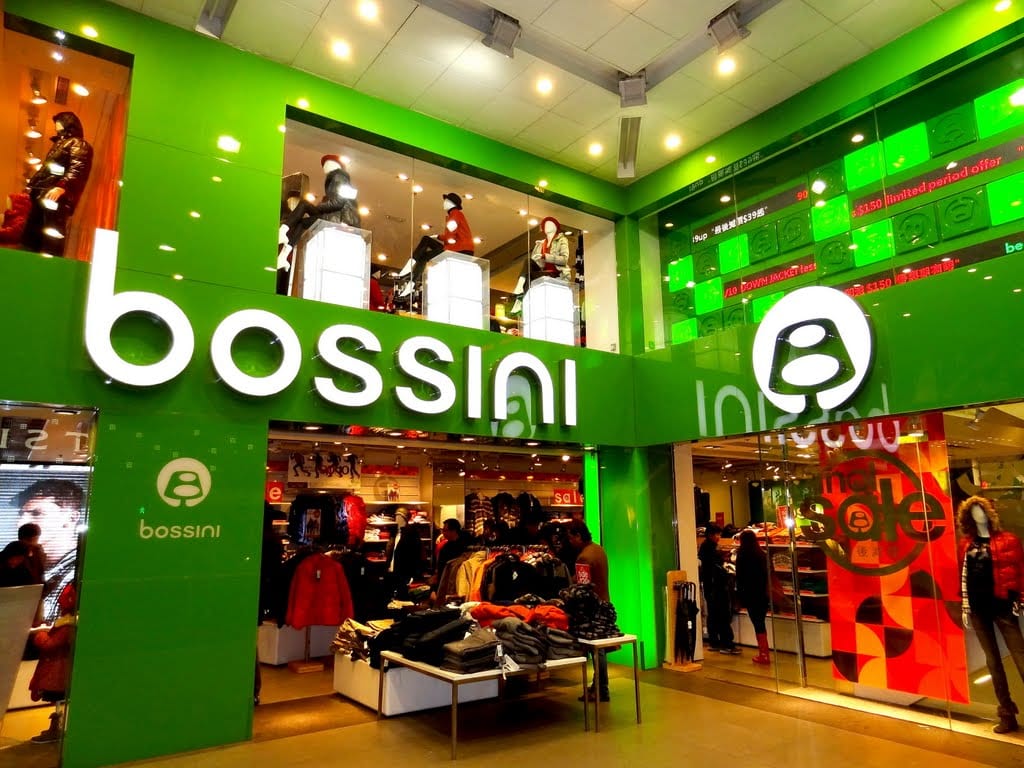
    Bossini International has warned the group is expected to record a loss attributable to owners of between HK$23 million and $28 million (US$2.93 million to $3.6 million) for the six months to December – roughly double the loss of the same period last year. Chairman Bess Tsin said in a stock exchange filing that the loss was largely due to “unseasonal warm winter weather and weak consumer sentiment in several core markets” where the group operates.

    The company said the estimate was based on a preliminary assessment of the company’s accounts for the period and details would be confirmed in late February, when the company announces its annual results.

  • 7-Eleven parent sales surges: Report

    7-Eleven parent sales surges: Report

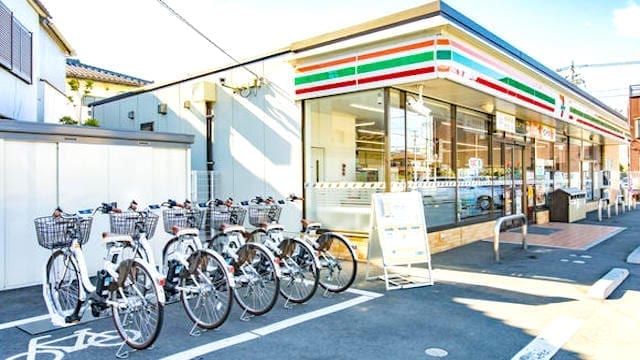
    Japanese retail giant Seven & I has reported a 15.8 per cent increase in net sales for the nine months to November. Profit rose by a less impressive 2.9 per cent. The 7-Eleven parent said its overseas convenience store business achieved an impressive 15.7 per cent increase in operating profit year on year.

    At home, its Ito-Yokado superstore managed to reduce its operating loss to ¥200 million (US$1.85 million), however its York-Benimaru supermarket division and Sogo & Seibu department stores both struggled, the latter losing ¥937 million ($8.6 million).

    Seven & I’s net sales totalled ¥4.11 trillion ($38 billion).

  • Vietcombank’s profit skyrockets, Vietinbank’s falls

    Vietcombank’s profit skyrockets, Vietinbank’s falls

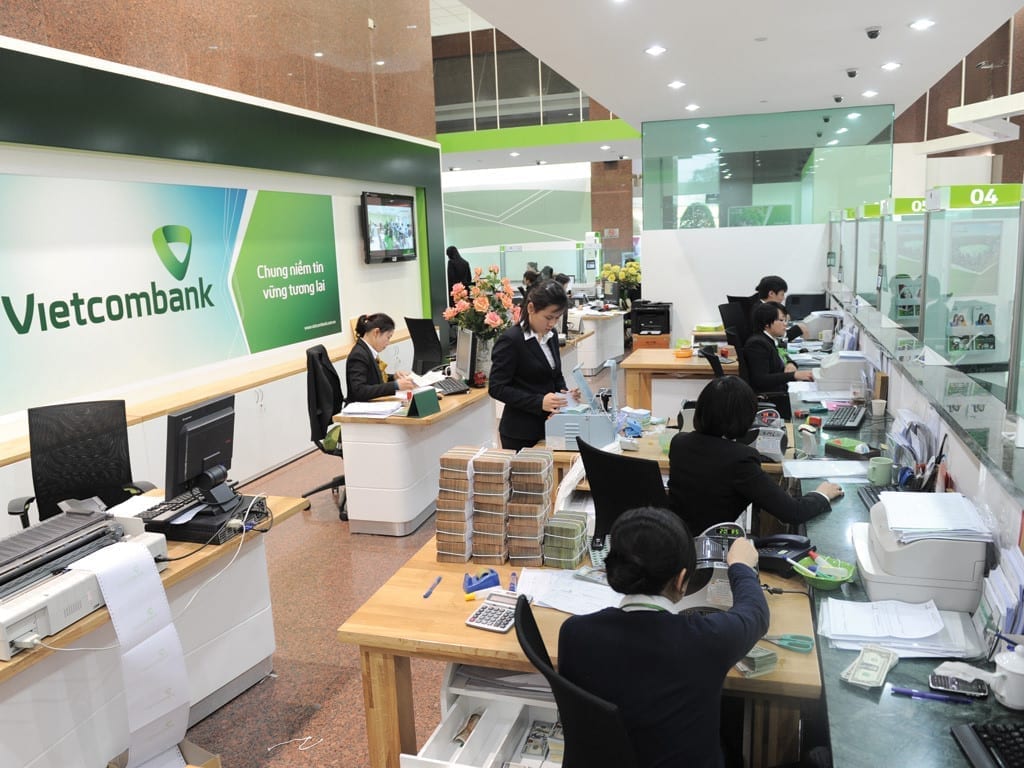
    Two of Vietnam’s largest banks reported contrasting performances in 2018, with Vietcombank’s profits rising by 63.5 percent and Vietinbank’s falling by 27 percent. Vietcombank, the largest listed bank by market capitalization, said profit before tax was VND18.02 trillion ($772.73 million) last year, up 63.5 percent over 2017. Vietcombank earlier this month raised VND6.2 trillion ($265.86 million) from selling a 3 percent stake to foreign investors.

    Singapore sovereign fund GIC bought 2.55 percent while Japan’s Mizuho Bank bought the remaining 0.45 percent to keep its 15 percent stake unchanged. Nghiem Xuan Thanh, Vietcombank’s chairman, said at a recent conference his bank had achieved all its target last year.

    Bad debts last year accounted for 0.97 percent of total loans and the bank hopes to keep it below 1 percent this year too. Vietcombank plans to have its total asset value increased by 12 percent, and its capital mobilization up by 13 percent this year.

    Vietinbank, the fourth largest listed bank by market cap, saw profit before tax slip to VND6.7 trillion ($287.3 million) in 2018 from VND9.2 trillion ($394.5 million) in 2017. Asset growth, credit growth and capital mobilization grew by 6-10 percent, lower than targeted.

    The lender’s proposal to increase charter capital has not been approved. Its chairman Le Duc Tho said increasing capital is “vital” since it has remained unchanged for years. The State Bank of Vietnam owns 65 percent of the bank, while foreign ownership has reached the 30 percent cap.

  • November Singapore retail sales stagnant

    November Singapore retail sales stagnant

    November Singapore retail sales were static, rising just 0.2 per cent year on year after removing motor vehicles from the data. On a month-on-month basis, sales rose 1.4 per cent, again after disregarding motor vehicles. Perhaps the most interesting figure was the share of total retail sales which occurred online, reaching 6.6 per cent. In September, online accounted for 4.9 per cent of sales, in October 5 per cent. The November figure suggests the Singles Day shopping promotions on November 11 had a significant impact in Singapore.

    The worst-performing retail category in November Singapore retail sales was computers and telecommunications equipment, slumping 22.1 per cent year on year, which Statistics Singapore attributes to strong sales of phones in November 2017 due to the launch of new models.

    The optical goods and books categories posted sales declines of 4.6 per cent, while food retailers and supermarkets & hypermarkets fell by 3.7 per cent and 1.4 per cent, respectively.

    Department stores registered an increase of 8.7 per cent in sales, while medical goods & toiletries sales rose by 4.8 per cent.

    Turnover of fast-food outlets, restaurants and other eating places (such as cafes) increased between by 2.5 per cent and 4.5 per cent year on year in November. However, sales of food caterers decreased 2 per cent.

  • Tesco Asia sales continue dropping despite growth in profit

    Tesco Asia sales continue dropping despite growth in profit

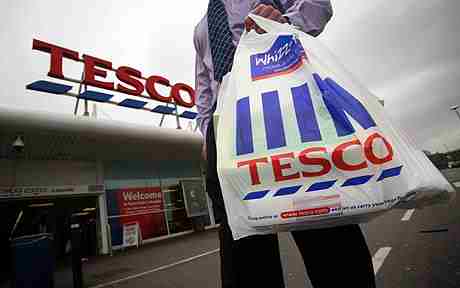
    Tesco Asia like-for-like sales continue to decline while the UK-headquartered company repositions its offer – masking a stronger underlying performance for the business. “We have made good progress in our discussions with suppliers towards a new commercial approach,” explained Tesco CEO Dave Lewis in a quarterly update. “We also accelerated planned changes to our operating model in Thailand, helping to reduce costs and underpinning our profit recovery.”

    Lewis said that despite minor changes to the government-issued welfare cards scheme during the third quarter, Tesco Thailand sales fell by about 1 per cent for the 19-weeks including the key Christmas trading period.

    Restructured Thailand store operations have led to reduced costs, underpinning profit recovery at the expense of sales.

    Referring to Tesco’s global operations, Lewis added: “We have more to do everywhere but remain bang on track to deliver our plans for the year and as we enter our centenary we are in a strong position.”

    The December quarter represented the 12th consecutive quarter of like-for-like sales growth for Tesco globally, with sales up 2.6 per cent.

  • Sa Sa sales drops in HK, Macau

    Sa Sa sales drops in HK, Macau

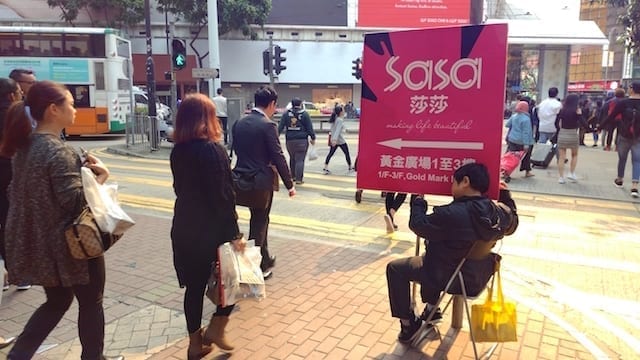
    Sa Sa International sales slipped 2.2 per cent in the latest quarter, with same-store sales in Hong Kong and Macau down 3.7 per cent. The company says that while the transaction volume of mainland tourists rose 5.8 per cent in the three months to December 31, transactions by locals fell 5.2 per cent. However the average sale to tourists fell by 6.1 per cent and just 0.2 per cent to locals.

    Sa Sa International’s retail and wholesale turnover in markets outside Hong Kong and Macau (including Mainland China, Singapore, Malaysia and e-commerce) increased by 1.3 per cent in the third quarter.

    “[Hong Kong] consumer sentiment remained sluggish due to the weaknesses in RMB exchange rate and stock market under the continued shadow of the Sino-US trade war,” said chairman and CEO Simon Kwok in a stock exchange filing.

    “In addition, the new e-commerce law passed by the Chinese government in August came into force early this year and made daigou traders more cautious in running their businesses. The group’s sales performance was affected and negative growth was recorded in both retail sales and same store sales in the Hong Kong and Macau markets in November and December.”

    Kwok said that since the launch of the Hong Kong section of the Express Railway Link, the Group’s SaSa stores located in the Hong Kong West Kowloon station and the neighbouring Tsim Sha Tsui district have been reporting satisfactory sales performance. However, the increased influx of mainland tourists via the new Hong Kong-Zhuhai-Macau Bridge were mainly sightseeing trippers with limited purchasing power and barely contributed to the group’s overall sales in Hong Kong.

    “Nevertheless, the group believes the two mega infrastructure projects will attract more mainland travellers with higher consumption when they are gradually consummated. The group remains optimistic towards the outlook of Hong Kong and Macau markets in the middle to long run under the favourable development of the Greater Bay Area.”

    Kwok said Sa Sa International will strengthen promotional efforts to boost traffic and sales in physical stores to offset a decline in the online-driven daigou business.

    “Digitalisation and information technology enhancement will be sped up to improve operational efficiency and shopping experience. In addition, the group will seize the opportunities brought by the Greater Bay Area to achieve sustainable business development for the group,” he said.

  • Vietnam retail sales reported soaring

    Vietnam retail sales reported soaring

    Vietnam retail sales grew at 13 per cent last year, with food and beverage, apparel and household appliances leading the way, according to Savills Vietnam. The country’s Ministry of Industry and Trade has estimated total revenue generated from retail sales and consumer services reached US$191 billion last year. Vietnam retail sales accounted for $143.3 billion of that figure, or more than 75 per cent.

    The highest growth was recorded in precious stones and metals, wood and building materials, food, household appliances, and garments.

    Sales from accommodation and catering services grew by 9.1 per cent to $23.3 billion, accounting for 12.3 per cent of the total retail sales.

    Retail space supply

    The supply of retail space in Vietnam increased by more than 28,000sqm last year with two new shopping centres opening and  several others changing format or closing. Total stock was approximately 1.3 million sqm, up 9 per cent year on year and the average gross rent rose 2 per cent quarter on quarter.

    This year, Savills predicts, new supply in CBD locations will be only 31,700sqm with another 215,000sqm becoming available in non-CBD districts.

    Outlook

    Meanwhile, the ministry predicts total revenue from retailing and consumer services will increase at an average of 13 per cent this year, reaching $255.5 billion.

    Between 2021 and 2025, the predicted growth rate is 14 per cent with total revenue reaching $484.58 billion by 2025.