Tag: Restaurant

  • Hong Kong restaurant sales fall as protests deter diners

    Hong Kong restaurant sales fall as protests deter diners

    Hong Kong restaurant sales slumped by 11.7 percent in the third quarter as protests deterred foreign visitors and locals dined in more often.

    The value of receipts was provisionally estimated at HK$26.4 billion (US$3.37 billion), and the value of purchases by restaurants decreased by 10.9 percent to HK$8.5 billion ($1.086 billion).

    After netting out the effect of price changes over the same period, the provisional estimate of the volume of restaurant receipts decreased by 13.6 percent year on year in the third quarter.

    Quarter on quarter, restaurant receipts decreased by 10.6 percent in value and by 11.4 percent.

    Comparing the first three quarters of this year with the same period last year, Hong Kong restaurant sales decreased by 3 percent in value and by 5.2 percent in volume.

    A government spokesman said the sharp deterioration of Hong Kong restaurant sales in the third quarter represented the largest year-on-year decline since the outbreak of Sars in the second quarter of 2003.

    “The plunge in restaurant receipts in the third quarter mainly reflected the severe disruptions to food and beverage businesses caused by the local social incidents, while weak consumer sentiment amid subdued economic conditions also played a part.”

    The spokesman said food-and-beverage businesses will continue to face “immense pressure” in the near term “amid continued protests involving violence and the subdued economic outlook”.
  • Fat Tiger expands with 1,000 more stores across India

    Fat Tiger expands with 1,000 more stores across India

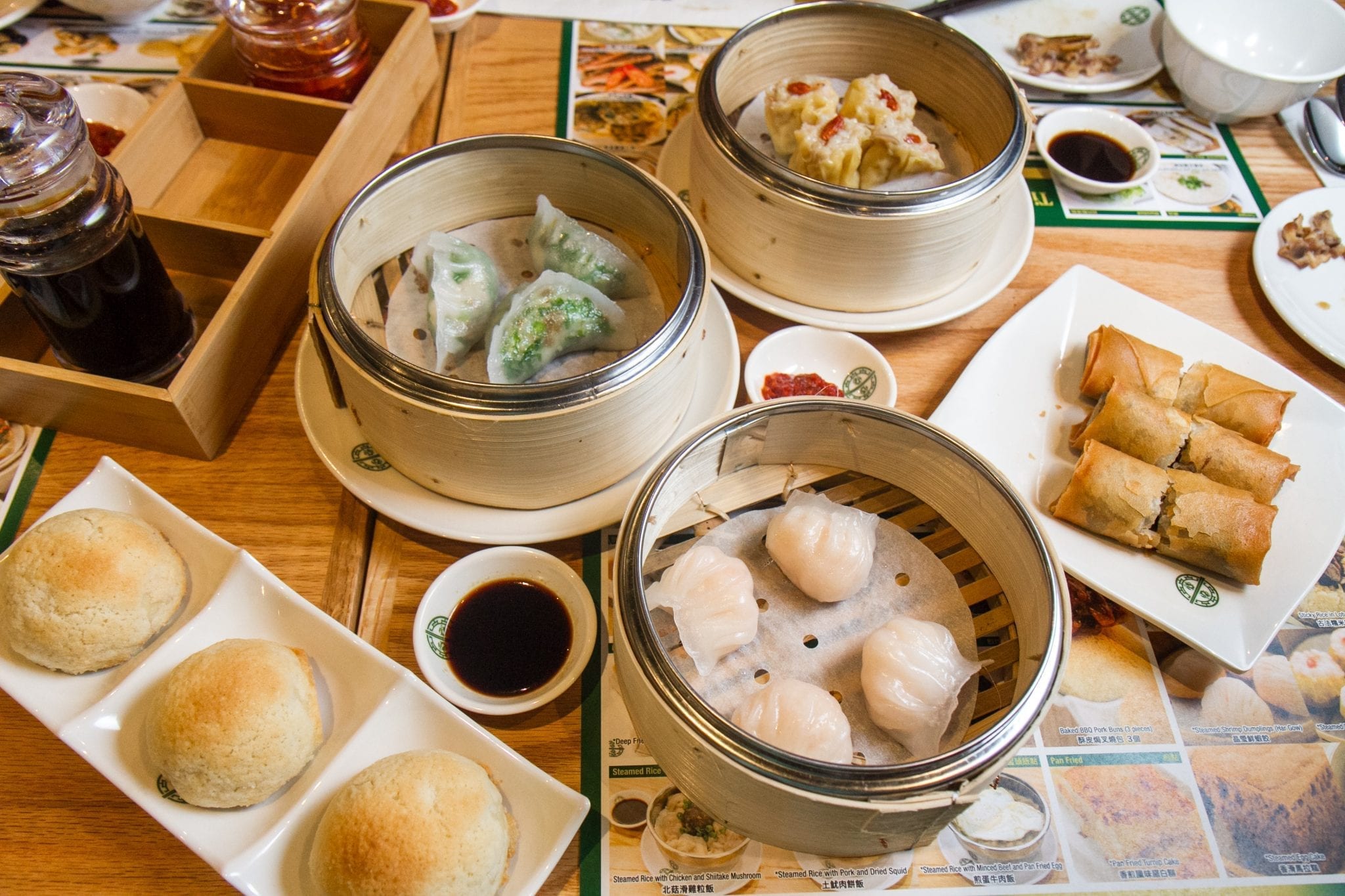
    Keventers milkshake-brand owner Sohrab Sitaram has launched Fat Tiger, a tea shop and dim sum franchise in India’s Delhi, Chandigarh, Ludhiana and Karnal.

    Sitaram says Fat Tiger introduces popular international flavors to the territory as well as a mid-market dim sum offering in a market where the cuisine is only associated with either street food or premium outlets. It plans to open more than 1000 stores throughout India.

    “The momo and dim sum preparations take inspirations from spice levels from Meghalaya, Nagaland, Mizoram, regions of Sikkim, and Arunachal Pradesh,” read a statement from the brand. “It is also influenced by Asian countries like China, Thailand, Nepal and Myanmar.”

    Fat Tiger serves tea reusable cups and dim sums with tongs instead of

  • Giant Vietnam restaurant chain Mon Hue shuts down

    Giant Vietnam restaurant chain Mon Hue shuts down

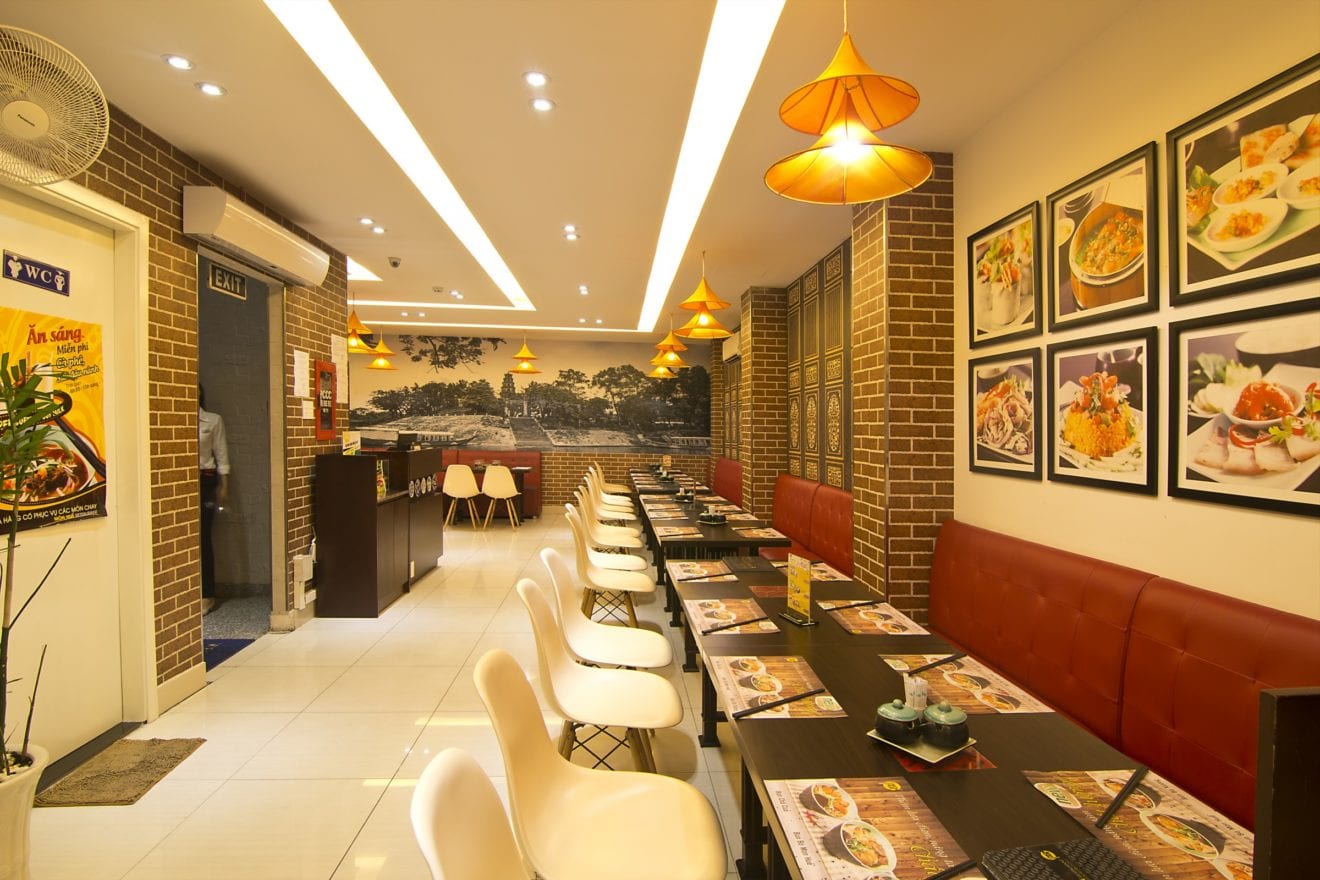
    Vietnam restaurant chain Mon Hue has closed down without notice, evidently unable to pay its debt.

    Restaurants under the Mon Hue brand along with sister chains including Pho Ong Hung and 99 House of Pho, have been shuttered and the company’s websites and social media channels have been switched off. Many of the abandoned stores in downtown Ho Chi Minh City already have for-lease signs on them.

    The company’s headquarters has been abandoned.

    The exact number of stores in the company’s network is hard to clarify. By the end of 2015 the company operated 110 and then embarked on a massive expansion program which may have peaked at 200 before closures began. Local media reported that 80 closed this week, but there is evidence that a long-term cull has been underway for at least several months.

    Several Mon Hue employees and suppliers have told local news media that they haven’t been paid “for months”.

    “Since about a week ago, the company stopped taking our supplies or paying for them. We couldn’t contact the procurement managers, directors of Mon Hue or its owner, Huy Nhat,” said Thuan, a supplier of the restaurant.

    DealStreet Asia reported today that private equity investors in Huy Vietnam have commenced a lawsuit in People’s Court of HCMC on behalf of the business against its founder and chairman Huy Nhat.

    According to VN Express, Mon Hue achieved a profit of VND300 million ($12,950) in 2016, but since then losses have accumulated to almost VND107 billion ($4.62 million) as expansion costs rose much faster than revenue.

    Meanwhile, dozens of the restaurant group’s suppliers owed money gathered in front of Ho Chi Minh City police headquarters to file complaints against the company, alleging Mon Hue had committed fraud.

    Staff, landlords, and suppliers have been left unpaid. Trade suppliers are owed at least US$430,000 including a production company whose $55,940 debt traces back three months. Others reduced their exposure by ceasing supplies but a promised installment repayment plan by Mon Huse was allegedly not honored.

    In addition to enormous debts, Mon Hue Restaurant accounts have been frozen by Vietnam’s tax authority.

    Mon Hue was operated by Nha hang Mon Hue Co, which is now wholly owned by Hong Kong-registered Huy Vietnam.

    In late 2015, Huy Vietnam announced it was planning to list on the Hong Kong Stock Exchange.  At the time it had already attracted US$65 million in investment from global investors such as AIF Capital Asia, Fortress Capital Asset Management, Welkin Capital, Prosperous Alliance and Templeton Emerging Markets Group. The company reported estimated it could raise up to $100 million from an IPO to fund expansion both inside and outside Vietnam. That plan was later abandoned.

  • Jollibee is expanding in the UK with more outlets

    Jollibee is expanding in the UK with more outlets

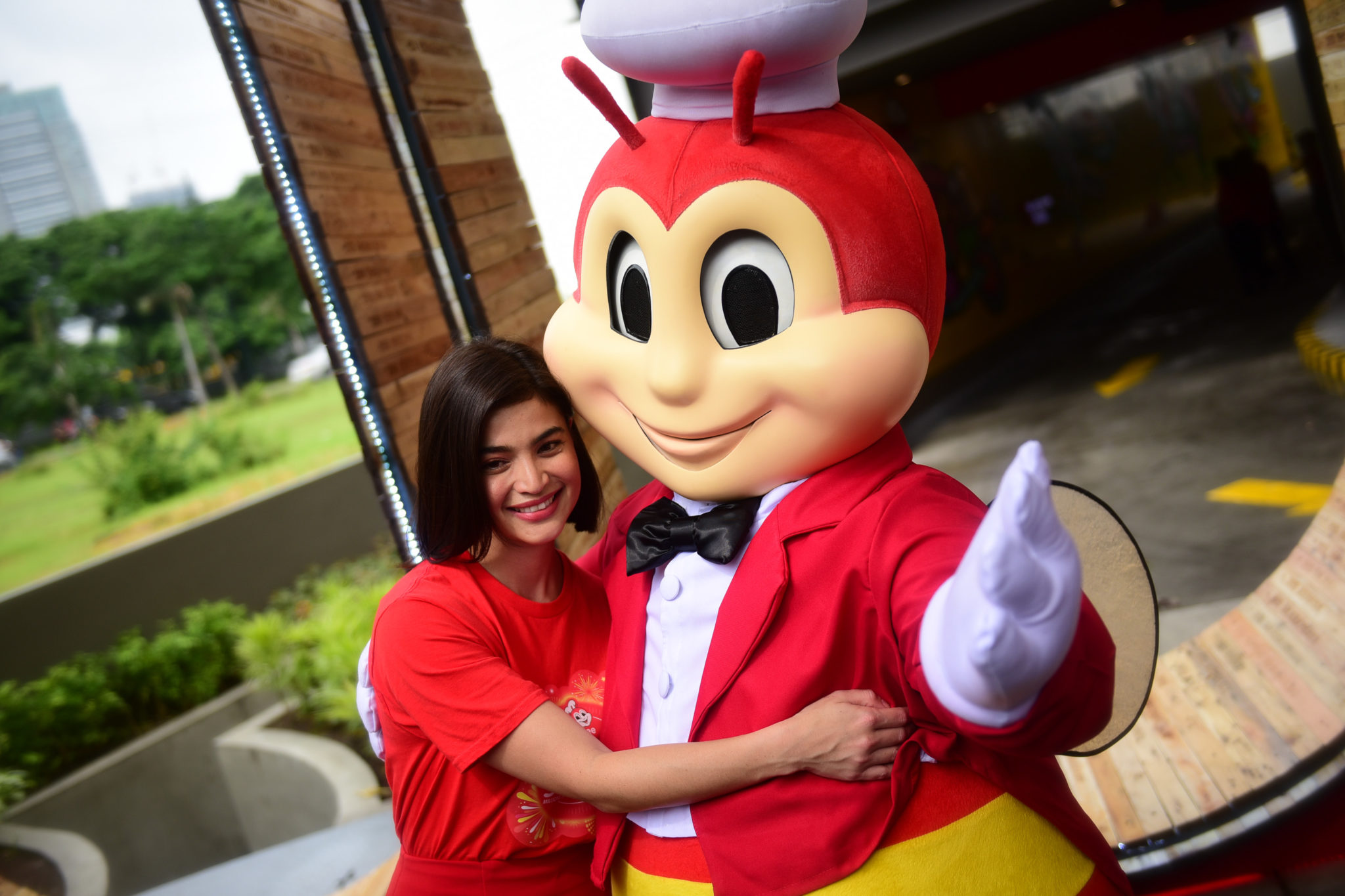
    Filipino fast-food chain Jollibee is set to open its second UK restaurant, in Liverpool.

    Bee World UK, part of the Jollibee Foods Corporation, has already submitted a plan to transform a Lush store on Whitechapel into its flagship restaurant in the northwest England city. The expansion comes after the successful opening of its first UK restaurant in London’s Earl’s Court last year. The opening is set to create 70 jobs, according to the planning application.

    Jollibee’s head of international business for Europe, Dennis Flores, said last year that the company plans to continue expansion by opening 25 restaurants and creating 1,500 jobs across the UK by 2023. He also said that they expect the brand to appeal not only to the Filipinos living and working in the UK but to the locals as well.

    Further expansion will see the fast-food chain launch in new cities including Manchester and Birmingham, said Flores.

    Jollibee, known for its Chicken Joy fried chicken and Jolly spaghetti, has a network of more than 1,300 restaurants in the Philippines, making it a dominant leader in the industry. Internationally, it has more than 200 branches spanning across countries including the US, Canada, Vietnam, Singapore, Saudi Arabia, Qatar, Italy, Bahrain, Singapore, and the UAE.

    Its parent company, Jollibee Foods Corporation, also owns brands including Chowking, Greenwich, Red Ribbon, Mang Inasal, Yonghe King, Hong Zhuang Yuan and Smashburger. It also owns 60 percent of the SuperFoods Group which operates Highland Coffee and Pho24 brands in Vietnam. It recently entered into an agreement to operate Panda Express in the Philippines and to buy the Coffee Bean & Tea Leaf business globally.

  • Burger King APAC opens 3,000th restaurant

    Burger King APAC opens 3,000th restaurant

    The Burger King Asia-Pacific network has reached a milestone, the 3000th restaurant which just opened in Shanghai.

    The new restaurant in China is a joint venture owned by Burger King, TFI TAB Food Investments and Cartesian Capital.

    “We have served the Asia-Pacific market for more than 40 years, and have grown rapidly in the region recently, doubling our restaurant count in just the past five years,” said Sami Siddiqui, president at Burger King Asia-Pacific. “We look forward to many more openings to come as we grow the brand in our fastest-growing region of the world.”

    Burger King has opened more than 1500 restaurants in the region within the last five years, helped by strong franchisee partnerships in major markets, including China, India and South Korea.

  • Habit Burger Grill Opens in Korea

    Habit Burger Grill Opens in Korea

    America’s Habit Burger Grill is eyeing South Korea expansion in partnership with consulting firm Bridging Culture Worldwide.

    “South Korea, with its savvy consumers, open-minded culture and interest in global brands is an ideal marketplace for The Habit Burger Grill’s expansion,” said John Phillips, chief global business partnership officer at the company.

    He said Habit Burger Grill wants to attract multi-unit franchise partners and ensure mutual success for both parties.

    With the partnership, Bridging Culture Worldwide will support The Habit Burger chain with its international expansion plans in Asia-Pacific region.

    Founder and CEO of Bridging Culture Worldwide, Don Southerton, said: “South Korea has embraced premium western brands and The Habit Burger Grill delivers exactly what consumers are seeking – great food and excellent service. With its distinctive fresh-off-the-grill Charburger and hand-crafted sandwiches, fresh salads and other menu items, we know South Koreans will appreciate all that The Habit Burger Grill has to offer,”.

    Bridging Culture Worldwide is a business consultancy providing strategic planning and market entry service to Korea-based global businesses as well as support for western firms entering Korea.

  • Shake Shack openening second store in Philippines soon

    Shake Shack openening second store in Philippines soon

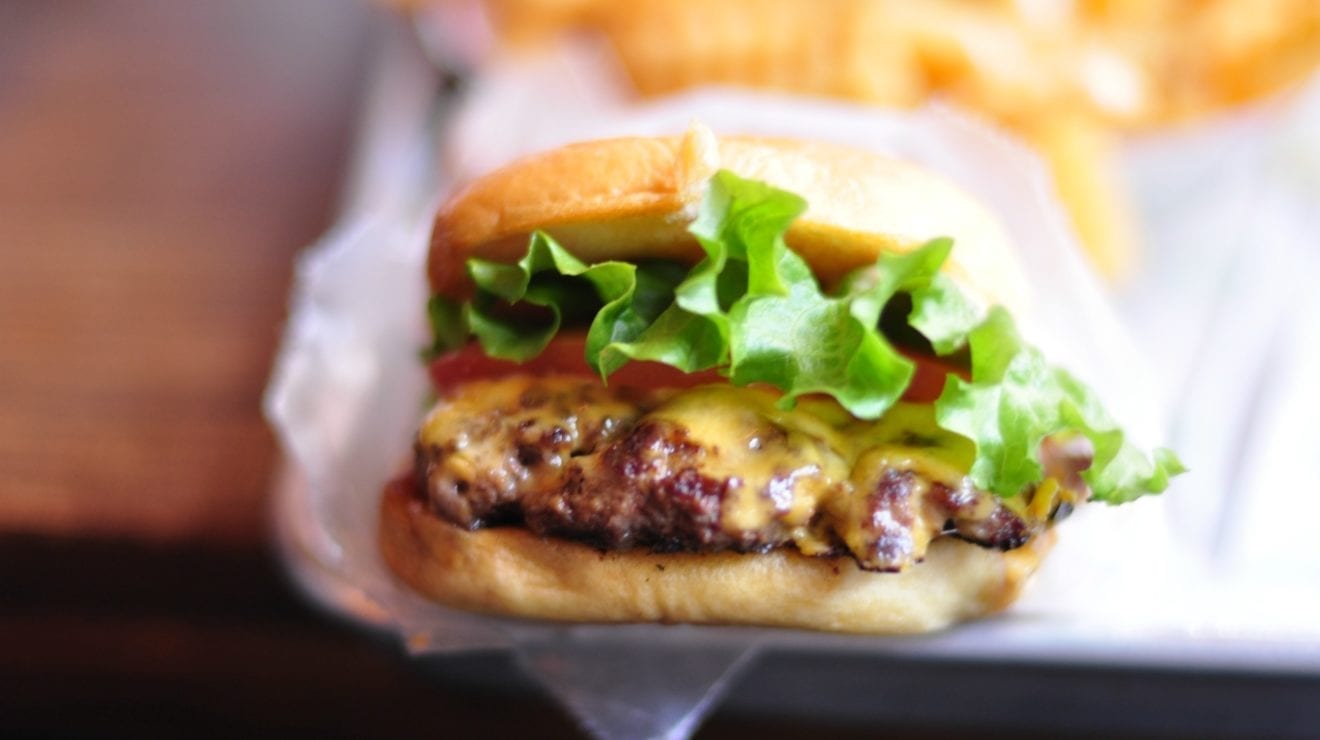
    Shake Shack is launching its second Philippines outlet at the Mega Fashion Hall at SM Megamall.

    The restaurant is expected to open before the end of the year, with construction on the new venue already underway following a board up made by artist Kris Abrigo, which features a “reimagined Ortigas skyline showcasing gradient colours as day shifts into night, and a multi-faceted community through textures and geometric shapes,” according to reporting in the Manila Standard.

    Brand enthusiasts are invited to interact with sliding panels in the board to reveal “surprises” during the lead-up period to the store’s opening.

  • Kyoto Ichinoden has opened a high-end Japanese restaurant in Hong Kong

    Kyoto Ichinoden has opened a high-end Japanese restaurant in Hong Kong

    The new venue, Tominokoji Yamagishi, is part of the 90-year-old firm’s expansion plan in the local dining industry. Located in the prime Ocean Centre in the heart of Tsim Sha Tsui, it provides 15 seats for booking and serves fine Kyoto cuisine.

    “Kyoto Ichinoden was founded in 1927,” noted Kyoto Ichinoden HK president Jumpei Tanaka. “Our first Kyoto Ichinoden restaurant in Hong Kong was opened in May this year and we have been successful. To sustain the growth momentum, we wanted to open an even more high-end Japanese restaurant in the city to promote high-quality Kyoto cuisine in Hong Kong. As we have a very close relationship with the founder and chef of Tominokoji Yamagishi, who actually was our head chef for more than 10 years, we decided to bring his brand to the city.

    “Hong Kong people have a strong passion for Japanese food and always look for high-quality food and dining experiences,” he added. “It gives us a good reason to bring a Michelin-starred restaurant brand here. The city is also very strong in terms of logistics and transportation, ensuring efficient supplies of high-quality ingredients for our restaurants.”

  • London superfood restaurant Avobar makes start in Hong Kong

    London superfood restaurant Avobar makes start in Hong Kong

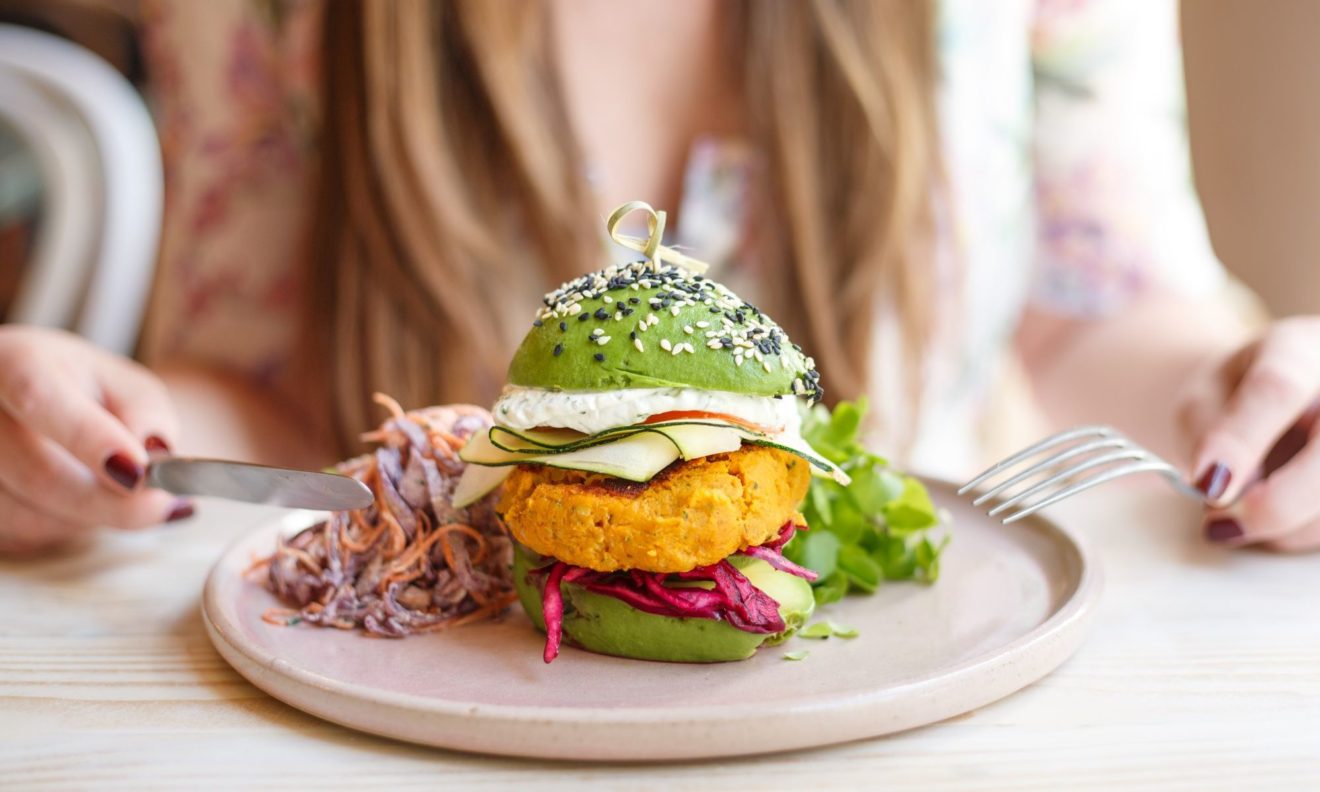
    London avocado-themed restaurant Avobar has opened its first overseas outpost in Hong Kong, one of a raft of new dining concepts at K11 Musea.

    Avobar considers itself a “superfood restaurant” offering a range of meals such as avocado salads, burgers and risotto during the day along with cocktails and desserts such as a chocolate avocado brownie.

    Besides food, Avobar sells a range of avocado-based lifestyle products, including avocado-inspired t-shirts and tote bags.

    Avobar champions the health benefits of avocados which it says contain about 20 vitamins, minerals and nutrients.

    “Avocados, which are at the heart and soul of the restaurant, are a symbol for positivity, health, uniqueness and fun,” the company explains in a statement.

    “Avobar’s offerings are perfect for contemporary health-conscious consumers who may also live a gluten-free or vegan-friendly lifestyle.”

    The avocadoes served at the new restaurant are ethically and sustainably sourced from growers all over the world.

    The dining space offers 60 seats in an industrial decorative setting. Designed with a relaxed feel, its own branding concept ‘botany meets urbanity’ shows through in a warm interior enhanced with eclectic furnishings. The main dining area features a bamboo-like wall, neutral wooden benches and stools and a bar countertop made with patterned concrete. Monochromatic geometric patterns on the floor complement coral-coloured leave decorations and industrial spotlights.

  • Thailand’s MK Group buys into seafood restaurant chain

    Thailand’s MK Group buys into seafood restaurant chain

    Thailand’s MK Restaurant Group will purchase a 65 per cent shareholding in the Lam Charoen Seafood chain.

    The 40-year-old restaurant brand, which has 26 branches across Thailand, will sell for THB2.06 billion (US$67.13 million), according to an announcement posted to the Thai stock exchange last Friday.

    The acquisition, which will most likely close by December, will take place via MK Restaurant Group subsidiary Catapult, funded by working capital.

    MK Restaurant Group currently operates more than 400 locations under several brand names including MK, Yayoi, Miyazaki, Hakata, Bizzy Box, Le Petit and MK Harvest.

  • Zhang Yong Tops the latest Forbes Singapore Rich List

    Zhang Yong Tops the latest Forbes Singapore Rich List

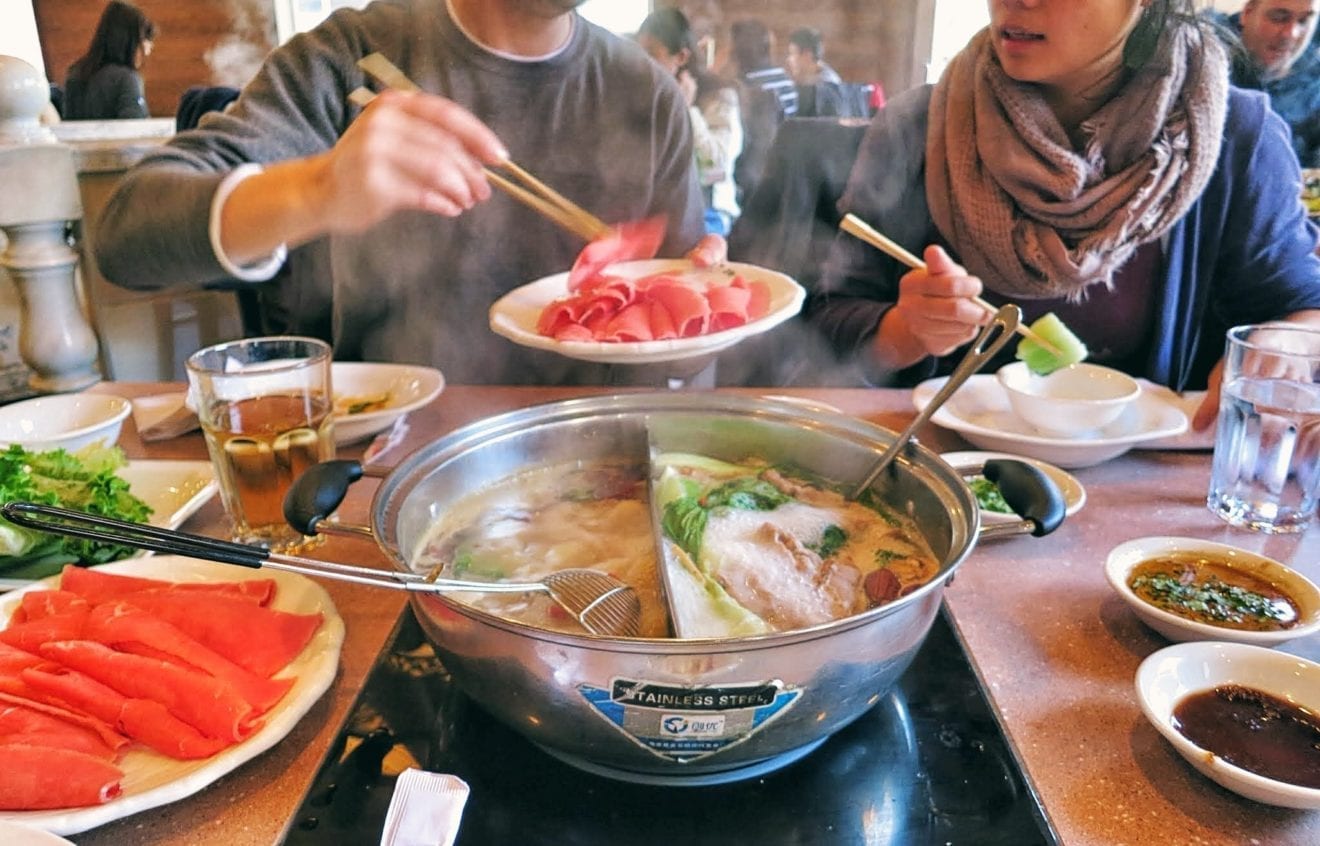
    Hotpot-restaurant tycoon Zhang Yong has topped the latest Forbes Singapore Rich List.

    Zhang, the founder of the Haidilao restaurant business, has an estimated net worth of US$13.8 billion (US$19.2 billion) – enough to push last year’s richest Singaporeans, property magnates Robert and Philip Ng into the second spot with their combined wealth of US$12.1 billion. This year is the first in a decade the Ngs, who own Far East Company, have not headed the rankings.

    Zhang, a native of China, has become a naturalized Singaporean citizen and resident, who was previously featured among China’s richest, is now a naturalized Singapore citizen and resident.

    Third place on this year’s list went to Eduardo Saverin, a founder and shareholder of Facebook, who lives in Singapore. His net worth was estimated at $10.6 billion, down $1.2 billion on last year.

    Haidilao opened 130 new restaurants in the first half of this year, boosting sales by 59.3 percent to RMB 11.7 billion (US$1.66 billion).

  • Yum China buys Chinese retail chain Huang Ji Huang

    Yum China buys Chinese retail chain Huang Ji Huang

    Yum China Holdings has entered into a definitive agreement to acquire a controlling interest in Huang Ji Huang group, a leading Chinese-style casual-dining franchise business.

    Subject to the satisfaction of closing conditions and regulatory approvals, the transaction is expected to close early next year.

    Founded in 2004 and headquartered in Beijing, Huang Ji Huang has more than 640 restaurants in China and internationally. The group operates primarily under a franchise model and its brand portfolio consists of simmer pot brand “Huang Ji Huang” as well as “San Fen Bao”, a newly launched Chinese fast food concept.

    Yum China is the largest restaurant company in China, with more than 8700 restaurants as of June 30. With the addition of Huang Ji Huang, Yum China aims to gain a stronger foothold and enhanced knowhow in the Chinese dining space, which represents a significant share of the dining market in China.

  • Hotpot-restaurant Haidilao plans to open 130 new outlets

    Hotpot-restaurant Haidilao plans to open 130 new outlets

    sales by 59.3 percent to RMB 11.7 billion (US$1.66 billion).

    The staggering expansion program saw the company’s global network grow from 466 restaurants as of December 31 to 593 at the end of June. Of those, 550 are located in 116 cities across Mainland China, the balance in Taiwan, Hong Kong and overseas locations including Singapore, South Korea, Japan, the US, Canada, the UK, Vietnam, Malaysia and Australia.

    Besides expanding its network, the company has been testing new technology including robotics and new generation machinery in its kitchens and robot waiters in 179 restaurants.

    Chairman Zhang Yong said the company was working to optimize the operational management of the business as well as enhance the dining experience of customers.

    In the first half of this year, Haidilao served more than 109 million customers with an average table turnover rate of 4.8 times per day.

    In the first half of the year, the company introduced 187 dishes across regional markets and started selling its own-brand milk tea and soft drinks.

    On the back of store openings, group revenue soared 59.3 percent. Same-store sales rose by 4.7 percent.

    Profit attributable to shareholders rose from RMB646 million to RMB911 million. (US$91,000 to $129,000).

  • Tokyo restaurant Kikanbo opens first Hong Kong Outlet

    Tokyo restaurant Kikanbo opens first Hong Kong Outlet

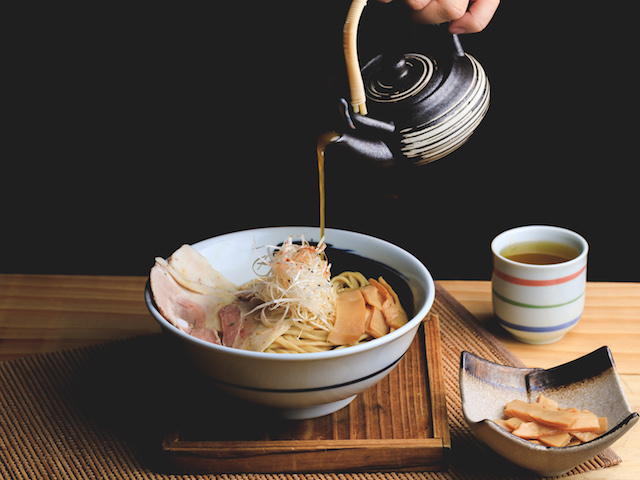
    Tokyo restaurant brand Kikanbo is to open its first Hong Kong restaurant in Causeway Bay, its third international market.

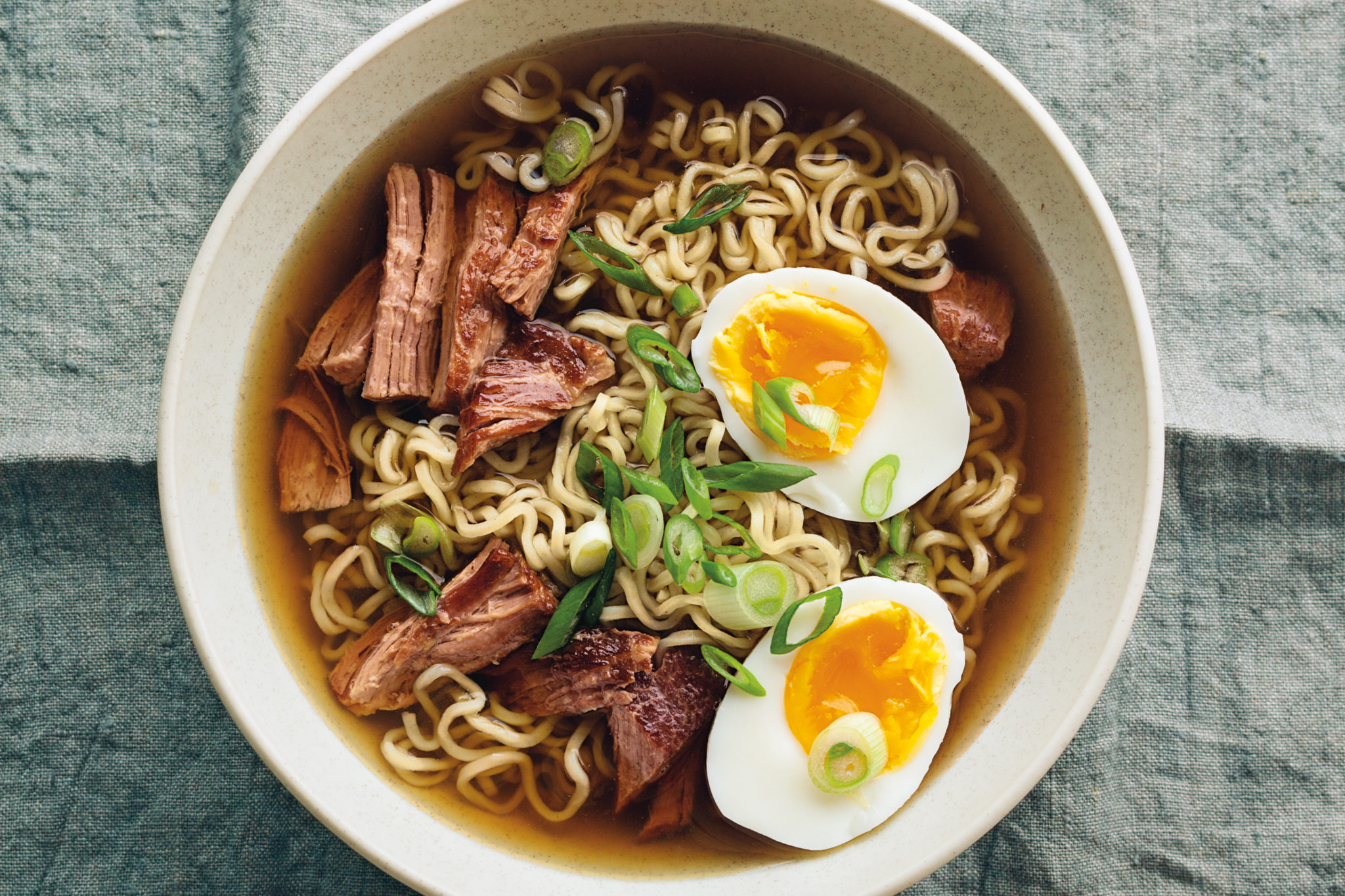
    From today, Hong Kong customers can enjoy a taste of the restaurant known as Tokyo’s “perennial long queue store”, and which sells 27,000 bowls of ramen each month

    Kikanbo, described as a karabishi miso ramen restaurant, features a dark ornamented restaurant design with red lighting and a counter seat from which guests can witness the entire ramen-making process closely.

    Multiple tables for two or four diners are available inside, with 29 seats overall.

    The brand’s president Masakazu Miura trained at a ramen restaurant for more than 10 years before establishing the first Kikanbo in Tokyo’s Kanda district. The brand is known for its five levels of spiciness and numbness for its miso soup with 25 soup base varieties.

    Kikanbo has opened at 530 Jaffe Road, its eye-catching shop front guarded by a painting of Aka Oni (red demon) and Ao Oni (blue demon) on either side of the entrance along with the gigantic Kanabo (oni stick).

    Established in Kanda in 2009, Kikanbo has three domestic branches in Tokyo, Kanda and Ikebukuro in Japan and two international branches in Taiwan.

  • Restaurant openings sap Jumbo Group profit

    Restaurant openings sap Jumbo Group profit

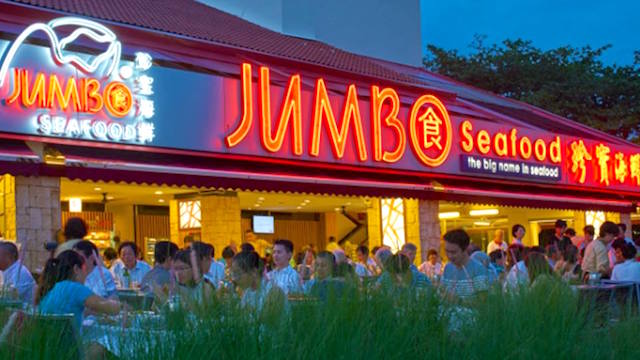
    Jumbo Group profit fell 24.8 percent in the third quarter to S$1.7 million (US$1.2 million) as new restaurant openings added to expenses.

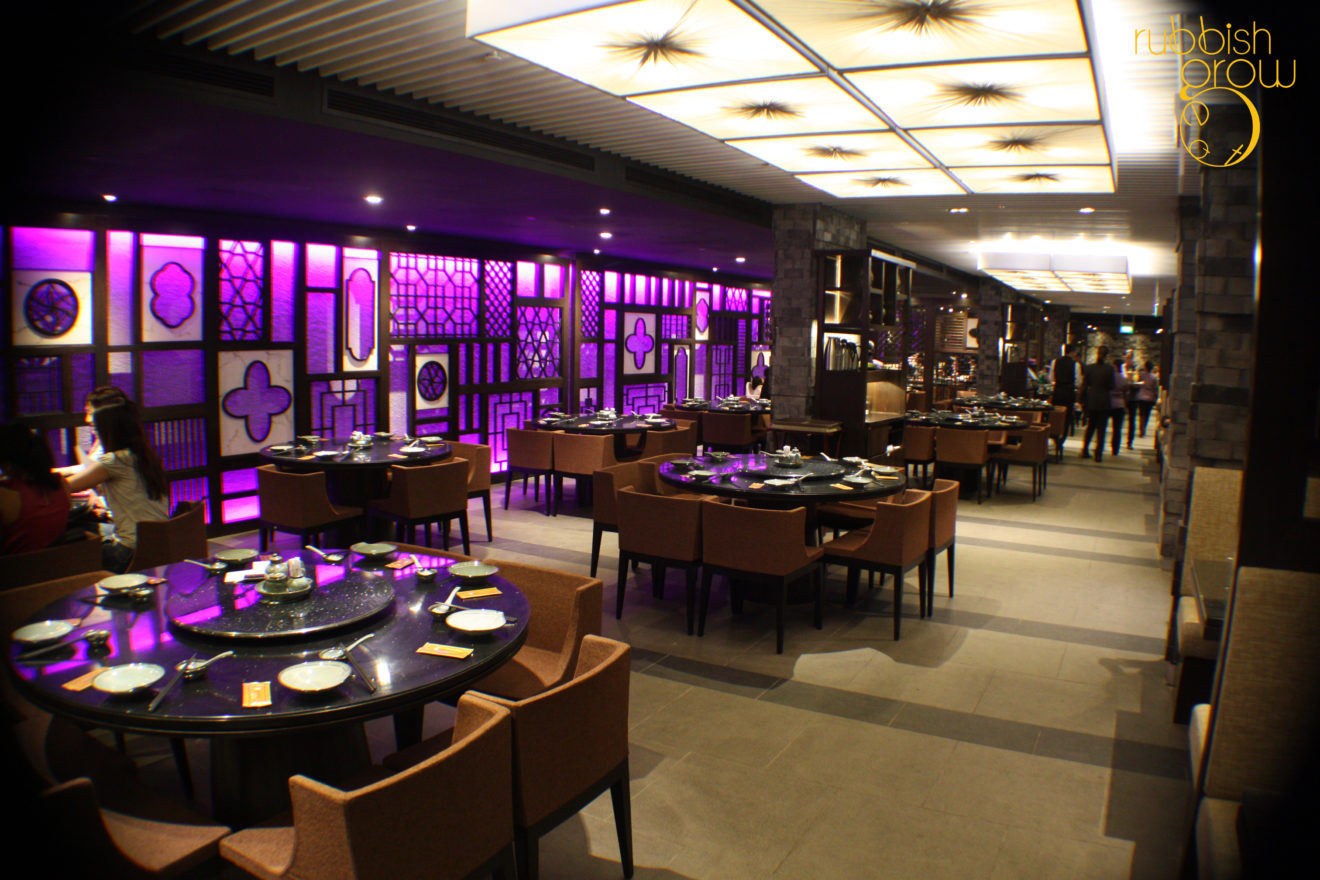
    The Singapore-listed restaurant group opened three new outlets in Singapore: a Jumbo Seafood at Jewel Changi, along with Zui Yu Xuan Teochew Cuisine and Chao Ting Teochew Pao Fan eateries at Far East Square.

    Sales were affected by the closure of the Jumbo Seafood restaurant on Riverwalk for one month during renovations.

    Group sales rose by 0.8 percent to $36.4 million.

    For the first nine months of the financial year, Jumbo Group profit was up 6.2 percent to $9.1 million on revenue down 0.4 per cent to $113.1 million.

    The company said in its results announcement that operating costs and tough competition across its Southeast Asian markets will continue to pose a challenge. However, the company expects new restaurants will help strengthen its market position in Singapore, “the bedrock of earnings growth”.