Tag: Restaurant

  • Tim Ho Wan to launch in Texas

    Tim Ho Wan to launch in Texas

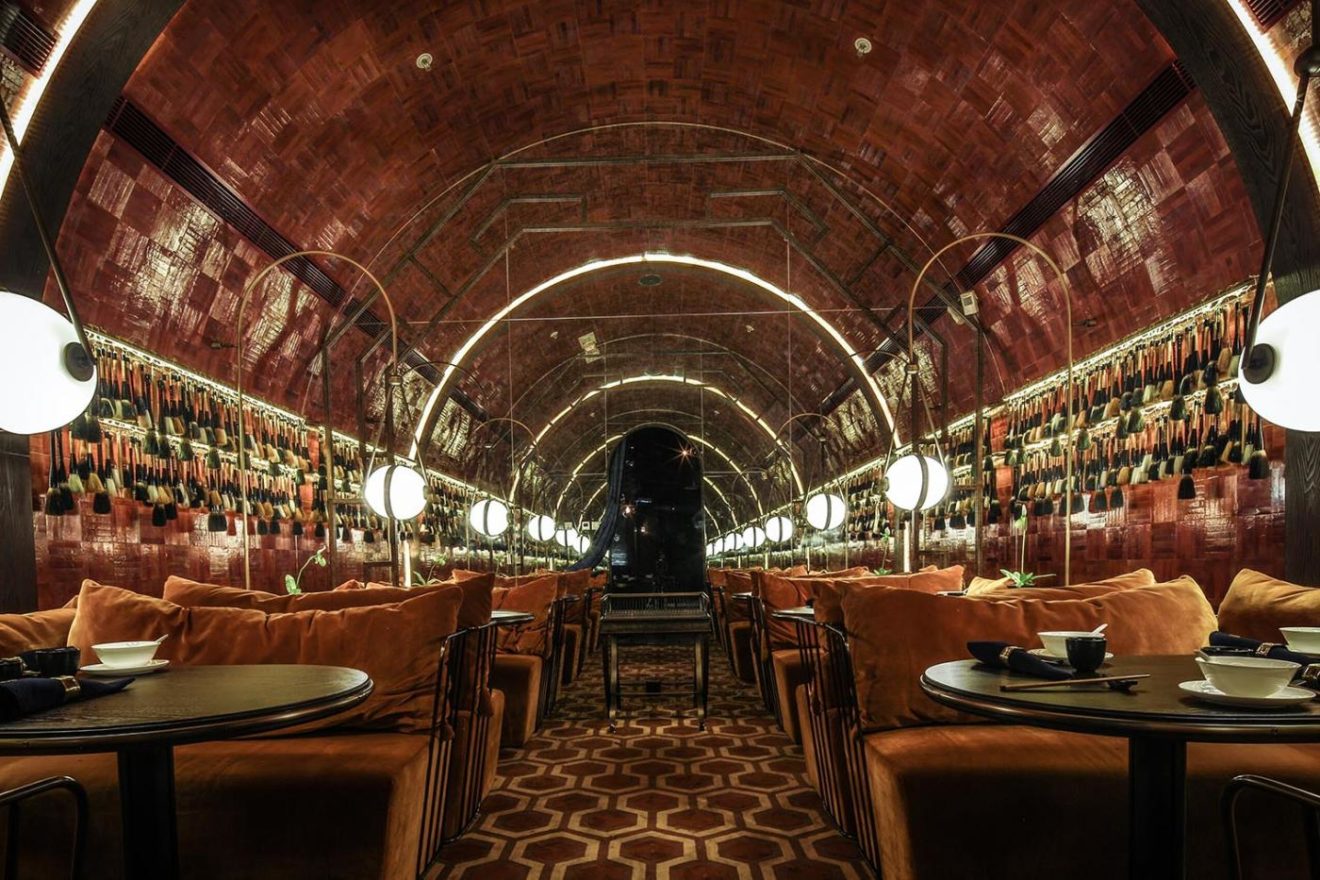
    Dim sum restaurant brand Tim Ho Wan is launching its first Texas location at NewQuest Property’s Katy Grand development.

    The new Katy store is the group’s fourth US location and is expected to open later this year or early 2020. The lease for the 5160sqft outlet has been signed, with plans to include a Zen garden, bringing total leasing of the first of two buildings for Phase 2 of the Katy Grand development to 100 percent.

    Other tenants at the complex are to include 85°C Bakery & Cafe, Kura’s Revolving Sushi Bar and Kinokuniya Books.

  • Popeyes China planning over 1500 restaurants openings

    Popeyes China planning over 1500 restaurants openings

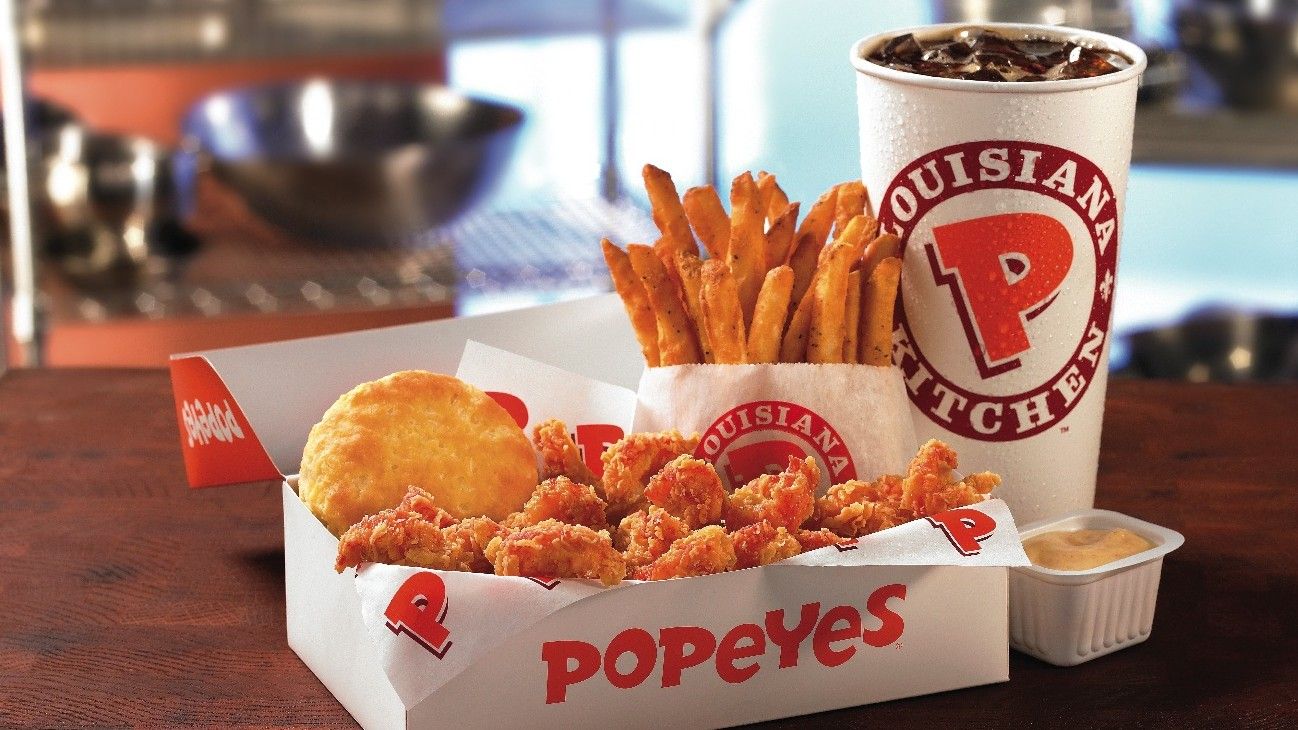
    Popeyes Louisiana Kitchen is set to develop and open more than 1500 Popeyes restaurants in Mainland China over the next 10 years.

    Popeyes China will be the last of Restaurant Brands International’s three major brands to enter the Chinese market. Burger King has operated in the territory since 2005, and it now has more than 1000 locations in China.

    “We’re very excited to grow the Popeyes brand in the Chinese market,” said Restaurant Brands International COO Josh Kobza. “We look forward to bringing our great tasting chicken, biscuits, sides and beautiful new restaurants to our guests in China with our partner, TFI TAB Food Investments.”

    Popeyes operates more than 3100 locations in more than 25 countries worldwide, including the United States and Canada. The commencement of Popeyes China operations is subject to regulatory clearances.

  • KFC Hong Kong tests new concept store format

    KFC Hong Kong tests new concept store format

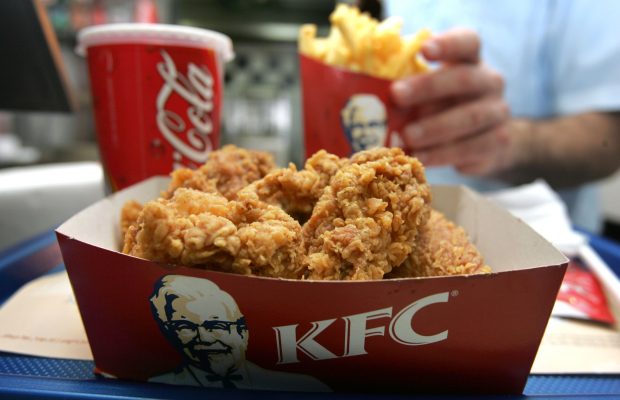
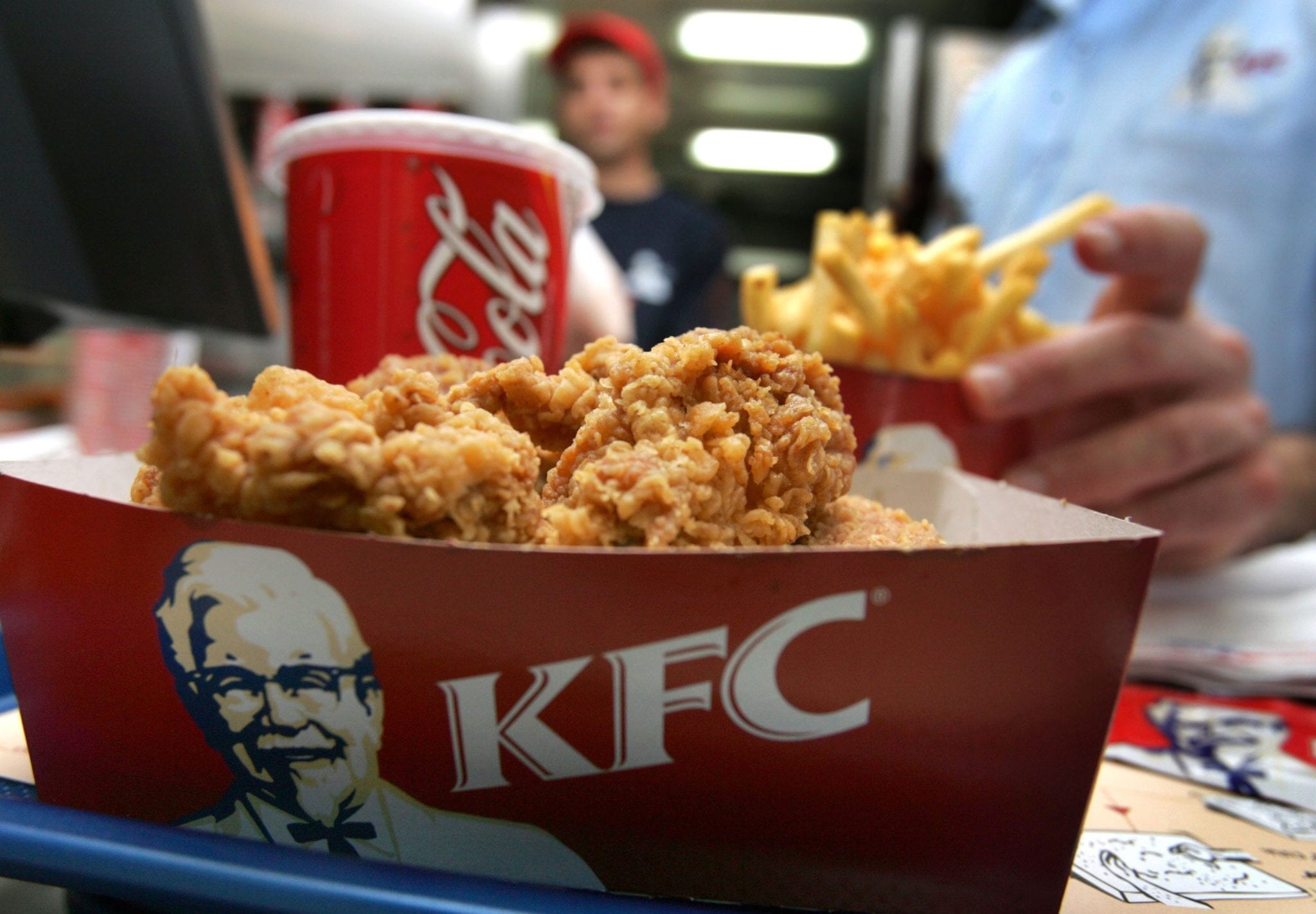
    Fast-food chain KFC Hong Kong has opened a new concept store format in Causeway Bay.

    The new three-storey store, which seats 150, aims to enhance the traditional fast-food dining experience with a chic style. It features a street-level kiosk offering desserts and ice creams, while the first floor has self-ordering kiosks with modern bar stools.

    The second floor is a dining area where the walls are decorated with murals. Three-dimensional art installations have been installed at each stairway, allowing customers to take instagrammable photos.

    “KFC is evolving,” said KFC Hong Kong and Macau CEO Janet Yuen. “We uplift the traditional fast-food experience and maintain brand authenticity with a more relaxed and chic cafe style.

    “The concept store is to create a trendy socialising hub, enabling our customers to enjoy valuable moments with friends.”

    The outlet has also introduced freshly cooked-to-order food items as the restaurant chain aims to uplift its fast-food dining experience in a more comfortable, trendy setting.

    Local franchisee Jardine Restaurant Group operates more than 810 outlets for KFC owner Yum! Brands, with operations under Pizza Hut in Taiwan, Hong Kong, Macau, Vietnam and Myanmar together with KFC in Hong Kong, Macau, Taiwan and Vietnam.

  • Australia’s Oporto to open 24 stores in Vietnam

    Australia’s Oporto to open 24 stores in Vietnam

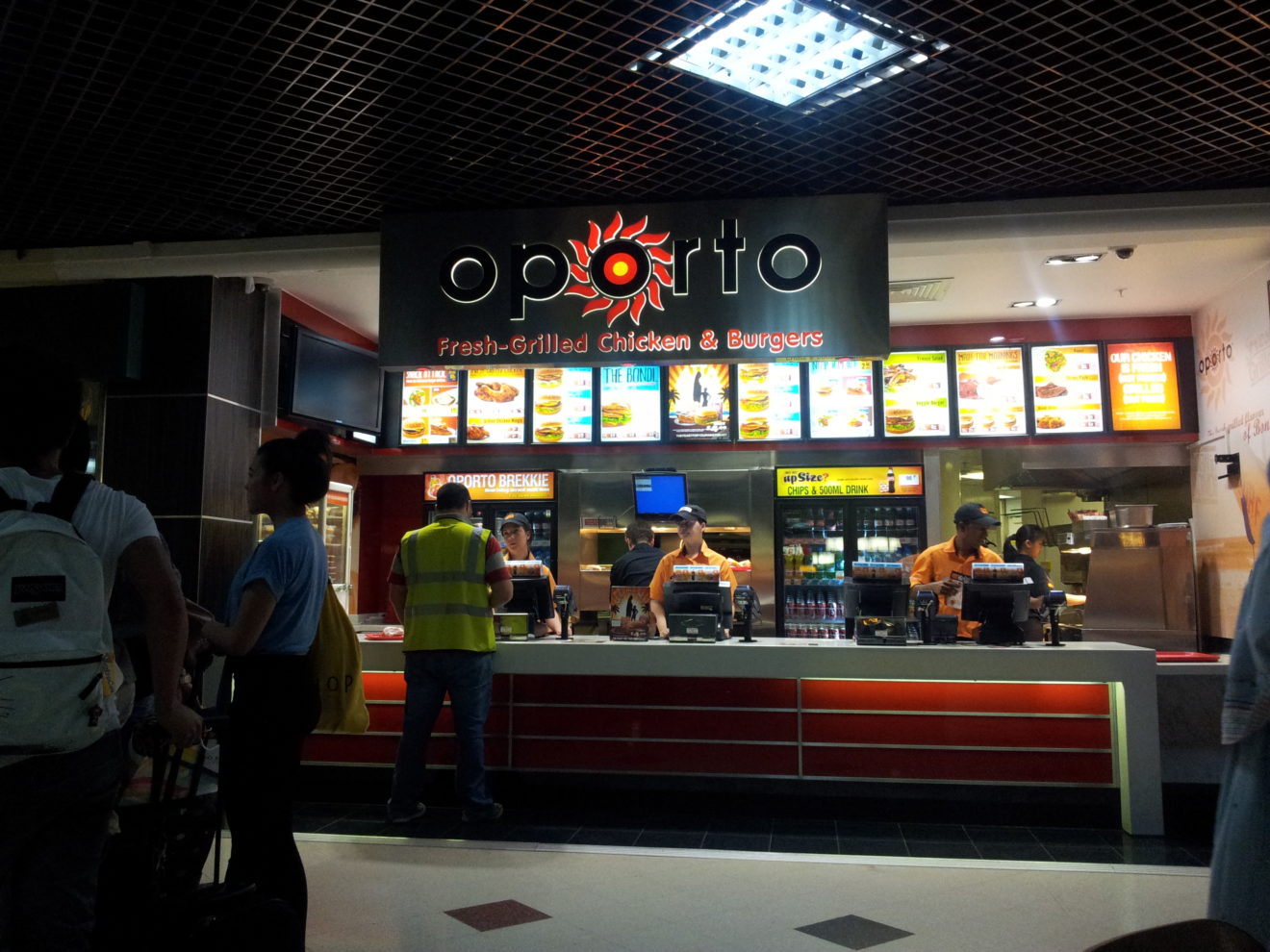
    Restaurant chain Oporto has launched in Vietnam under local franchisee Ben Thanh Group, with plans to open 24 restaurants across the territory in the next 10 years.

    The brand’s CEO Craig Tozer indicated the Vietnamese expansion provides a further gateway to a new market of potential consumers.

    “Vietnam is an ideal market for Oporto with nearly 100 million people and more than 60 per cent in our core demographic of under 35,” said Tozer. “Vietnam is experiencing double-digit growth in the retail and consumer sector and GDP has steadily grown at over 6 per cent. Consumers are urbanising and have an appreciation of quality food.”

    The announcement solidifies Oporto’s international growth strategy and follows a string of global signings. Three international master agreements have been secured in the last 14 months, with Oporto Vietnam following Singapore and Sri Lanka.

    Back home, Oporto is also forecasting an additional 20 plus restaurant openings in Australia for FY20, along with one in Vietnam, a second store in Singapore and further Asian expansion.

  • KFC India to sell 61 another stores

    KFC India to sell 61 another stores

    KFC India will offload 61 equity-owned restaurants to Devyani International as part of its international strategy to withdraw from capital-intensive operations while further developing its brand.

    Devyani, KFC owner Yum!’s biggest franchise partner in the territory, will take over the locations in Karnataka, AP and Telangana, dropping Yum!’s company-operated KFC locations within India to less than 10 per cent. Yum!’s other brand in India, Pizza Hut, is already fully franchised out, and Devyani operates almost 500 outlets under both brands in India.

    “We continue to re-evaluate ownership strategy as part of an annual process and in line with business growth,” said KFC India MD Samir Menon. “The strategic intent is to unlock growth for the brand.”

    “At this point, there is no intent to set up more equity restaurants, unless the market dynamics demand,” he added.

    “KFC is one of the fastest growing brands in our portfolio,” commented Devyani’s CEO Virag Joshi. “Our partnership with Yum! is driven by commitment to build the brand by expanding geographic presence and driving world-class operations.”

    More than 98 per cent of KFC’s 140-country international store network is operated under franchise agreements.

  • Deliveroo Launches Virtual Restaurant Brands in Hong Kong, Boosting Restaurant Operator Income by 85%

    Deliveroo Launches Virtual Restaurant Brands in Hong Kong, Boosting Restaurant Operator Income by 85%

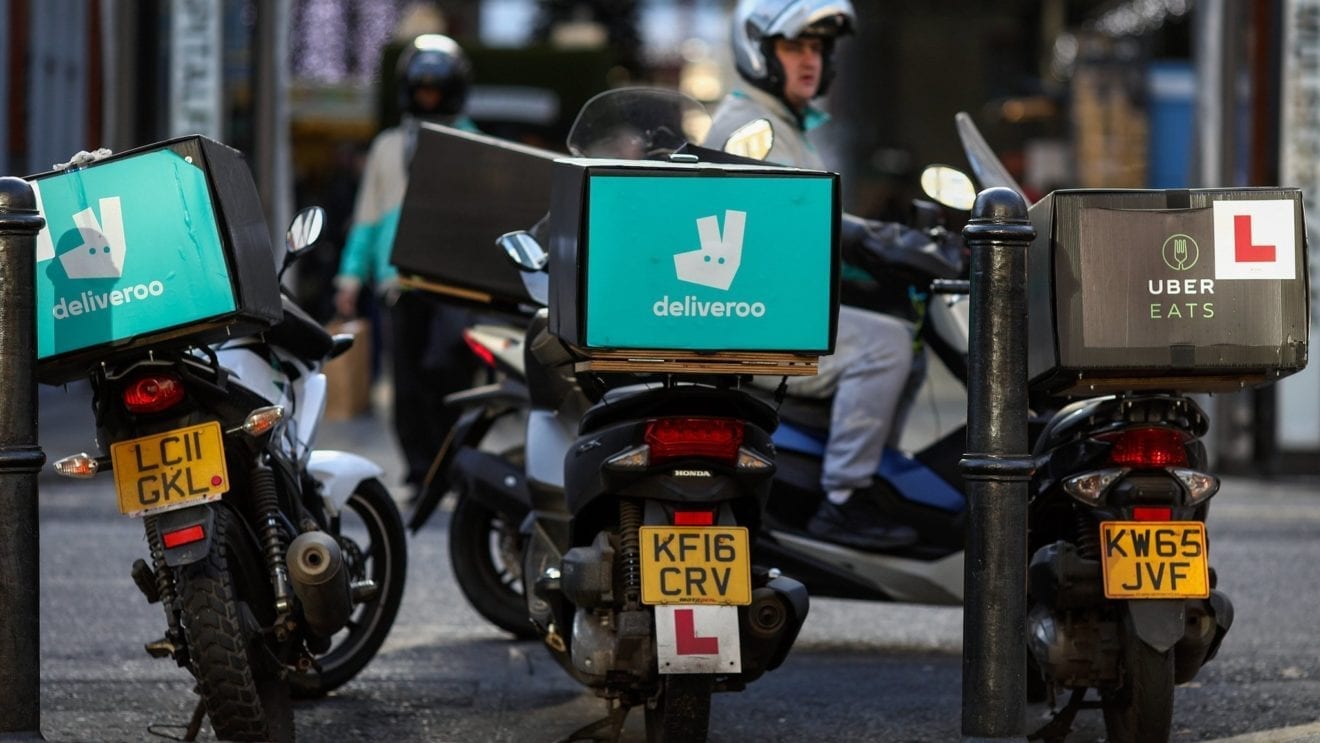
    Deliveroo, the food delivery service leader who has over 60% market share in Hong Kong, has today revealed how it is working with restaurants to create additional ‘virtual restaurants’, including in its state-of-the-art, delivery-only Editions kitchens. Deliveroo uses its expertise to help restaurants create, test and bring to market new brands that would be only possible due to the nature of online delivery.

    Creating virtual restaurants allows existing restaurants to increase revenue and customers by offering new or complementary cuisines from their current kitchen, but under new branding. Restaurants are able to therefore improve productivity and efficiency of existing kitchen staff and chefs and save on food costs and cut wastage, without increasing any of the fixed costs such as rent and other operating costs. For an industry that operates under challenging economic headwinds, virtual brands therefore provide a low cost, low risk way of increasing revenue and profit.

    Deliveroo currently has more than 100 virtual brands live across the platform in Hong Kong, and will have 200 by the end of the year. The most popular virtual brand cuisines in Hong Kong are first – Chinese; second – Hawaiian Poke; third – Chicken Wings. The most popular Chinese virtual brand is Soupday; the most popular Hawaiian Poke brand is Kai; the most popular Chicken Wing brand is Wingman. Since the inception of virtual brands, Deliveroo has seen web and app traffic from prospective customers to these brands jumped by 800% since January 2019. Furthermore, sales per store of virtual brands have also increased by 3-fold since the beginning of the year.

    Creating a successful virtual brand is no easy feat – Deliveroo works closely with their partners from start to finish.  It starts with big data, which is used to identify hotspots for growth, areas with high customer demand that are being underserviced with missing cuisine types, unsuitable price points, or a lack of restaurants in general. That data is then used to guide the creation of an optimal menu, from layout, to pricing recommendations, to featured items, all designed to help restaurants leverage existing ingredients and under-utilized kitchen space.  After a strong quality control process which involves tasting a lot of food and operational checks, Deliveroo also provides strong marketing support through online and offline channels, sponsored promos and discounts, and post-launch diagnostics of customer behavior towards the brand, not to mention partners getting access to Deliveroo’s global network, with opportunities to source cheaper packaging or food ingredients, learn new recipes, or even license foreign brands.

    There are 18 virtual brands at Editions sites in Hong Kong, with nine in Wan Chai and nine in Sai Ying Pun.

    A virtual brand appears as a separate restaurant on Deliveroo with a new identity driven by a new cuisine or menu offering. It means BBQ joints launching Mexican menus, Greek restaurants offering healthy protein bowls, or a favourite pizza joint delivering gourmet wraps.

    In markets around the world, restaurants on Deliveroo that launched virtual brands with the company have seen on average a 70% increase in revenues as a result of those brands. In Hong Kong this is higher at 85%.

    Commenting, Brian Lo, GM Deliveroo Hong Kong, said:

    “Virtual restaurants mean more great food for our customers. By creating new brands out of existing kitchens, restaurants can really boost their business and try new ideas without the need for expensive new premises. At Deliveroo we are using our knowledge, data and insight to help restaurants launch new brands in Deliveroo Editions and from their high street kitchens. We work with chefs every step of the way to make virtual restaurants a success from concept to delivery. The end result is great for restaurants and is helping to increase customer choice across Hong Kong.”

    Case study: Wingman

    Launching a new virtual concept and successfully opened its first brick & mortar restaurant in Central after proof of concept.

    What’s the background?

    Despite the growing trend for fried chicken, and wings in particular, no restaurants in Hong Kong specialised in them. Deliveroo shared the insights of this market potential with two entrepreneurs, Jack and Elliot who later became the founders of Wingman. The two parties decided to work together and build a virtual brand on Deliveroo platform.

    What were the solution and results?

    With the food trend and market data provided by Deliveroo, the founders created a range of wings infused with the most popular flavors. Once the flavours, brand and packaging were finalised, Wingman was launched just in time for the World Cup in July 2018, riding on the late night delivery offered by Deliveroo to kick this off a great start. Through July and August Deliveroo supported the brand with an OOH advertising campaign, and backed it up with a strong social media presence. Since its launch in July 2018, the brand has been growing in popularity via delivery business, acquiring new customers and expanding to new locations. Not only they have been acquiring 35% new customer growth month on month, but also opening its own restaurant door in Central in May 2019 – all happened within a year.

    To celebrate the opening, Wingman created an exclusive combo and partnered with Deliveroo in a flash marketing campaign to deliver hot wings by hot guys. In this campaign, the brand has acquired more than 100 new customers and generated 150% more traffic to their website. The revenue they gained in May has tripled than previous months, which creates a solid ground for its 1st restaurant in Central.

    “Here at Wingman, we owe a large portion of our success to Deliveroo! With their help, we were able to gain a foothold in the market that we would never have been able to achieve otherwise. By giving us a platform to sell, develop and refine our product, we were able to gain a market share without the large investment usually associated with opening an F&B outlet in Hong Kong. Working alongside the Deliveroo team, we were able to run a number of cross promotion campaigns, as well as providing us with a number of great data points we could utilise to improve our business model. This platform has allowed us to develop to the point that we have now opened our first sit-in restaurant, less than a year after delivering our first box of chicken wings! It really is a dream come true!” Jack Law and Elliot Nicholas, Founders of Wingman.

    Case Study: PizzaExpres

    Subject line: Introducing a new food type to an area and achieving new customer growth

    This was an opportunity to introduce a new dining concept and serve a creative menu at new targeted market segments.

    What’s the background?

    PizzaExpress always strives to bring delightful dining experiences to customers. In addition to the existing menu the brand provides, there is a demand gap in pasta and salad based on customer feedback and the data and analysis provided by Deliveroo. The kitchens also have the capacity to deliver more food during lunchtime and in the afternoon.

    What was the solution?

    Leveraging existing knowledge and manpower, PizzaExpress has launched The Pasta Project at Editions, a platform introducing new dining concept and serving a creative menu. Deliveroo consulted the brand with menu setting and operation by identifying relevant food trends using big data.The virtual brand has particularly focused on delivering great food to customers during lunchtime to capture new target segment and generate additional revenue.

    What were the results?

    The Pasta Project brand kicked off its first service zone in Wan Chai and received tremendous feedback from the consumers and has now expanded to five locations. This allows the brand to see the response from respective areas and the potential of the brand. With The Pasta Project, PizzaExpress has successfully tripled lunch turnover without having to invest in additional staffing, overhead cost and kitchen space. In addition, the brand has acquired new customers from The Pasta Project and is working to develop other virtual brands in the pipeline to delight diners with more variety and choices during different parts of the day and locations where Deliveroo’s data and analysis show cuisine and price gaps.

    Case study: Soupday

    Subject line:  Offering a wider variety of cuisine and geographic reach with virtual brands and Deliveroo

    What’s the background?

    Soupday was launched in June 2018 in Central. The innovative menu, food ingredients and the thematic shop design had gathered the likes of its neighbourhood in the Central area. Though, the founder felt that a personal touch is missing especially when ones are sick or tired as they wouldn’t want to leave their beds or sofas.

    What was the solution and results?

    Soupday partnered with Deliveroo to launch its first virtual brand, CongeeDay, on the platform. With the food trend information, data and the additional Wanchai Edition site provided by Deliveroo, Soupday was able to target the right customers from Sai Ying Pun to Causeway Bay and achieve 20% customer and revenue growth in only one month between April and May 2019, not to mention the great results by CongeeDay. Following the success of CongeeDay, the parties launched another virtual brand – Dim Chill in May 2019 after identifying the cuisine gap.

    Eric Fung, founder of Soupday said “All we want to do is to let our customers enjoy great food. This is why food quality is so important to us that we have to control it very closely. We preserve hotness and freshness of food by delivering via Deliveroo. We want customers to enjoy our quality food in the comfort of their own home or in their own environment. As we don’t have a kitchen or restaurant everywhere to deliver our food to customers, having a virtual brand on Deliveroo helps us be everywhere in Hong Kong to grow the business quickly without a massive investment upfront. The personal touch given by the Deliveroo team has been amazing and is the key ingredient to the success of our partnership.”

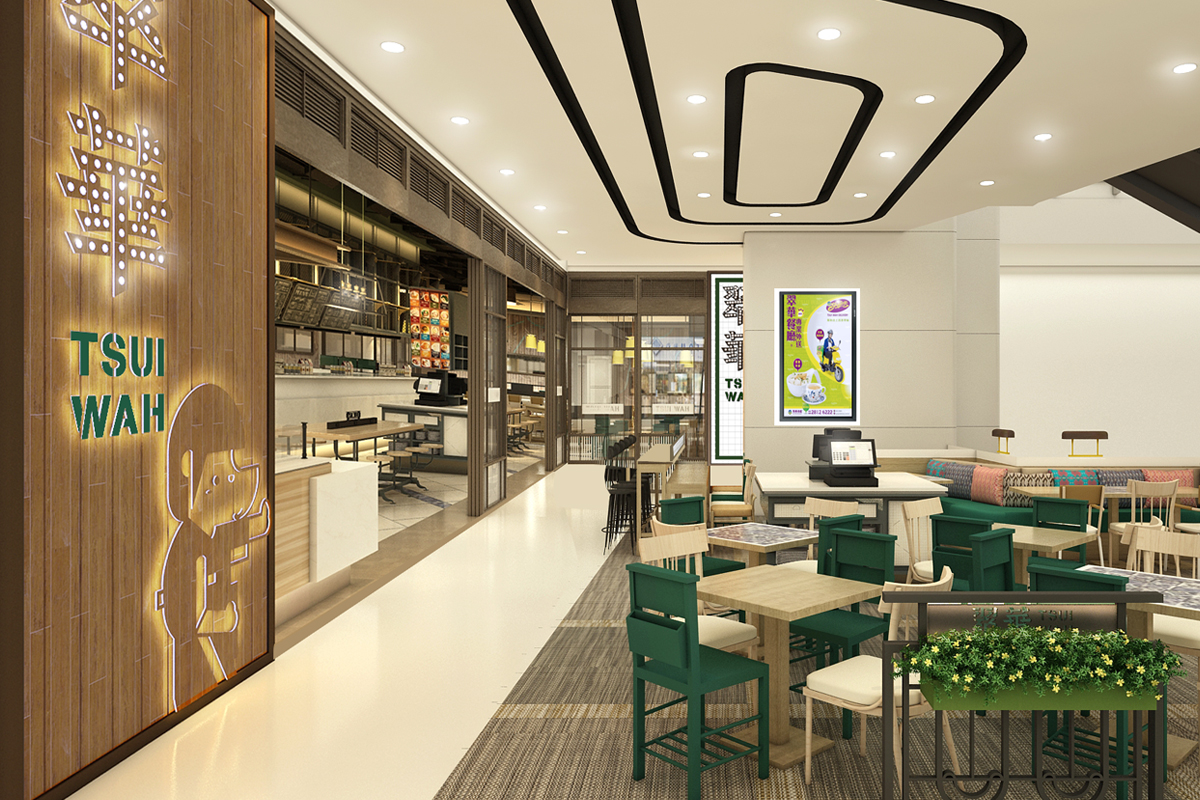
  • Tsui Wah Singapore to open second restaurant

    Tsui Wah Singapore to open second restaurant

    Tsui Wah Singapore will open a second outlet at Robinsons The Heeren, on Orchard Road.

    No official opening date has been set as yet, but the menu is expected to include signature items such as Swiss Sauce Chicken Wings, Crispy Bun with Sweet Condensed Milk, Kagoshima Style Pork Cartilage with Tossed Instant Noodles, and Milk Tea. Western food such as club sandwiches and French toast will also be available.

    The Hong Kong tea chain arrived in Singapore last June with an outlet at Clarke Quay.

    It is known for its mix of Cantonese cuisine and Western cafe-style fare.

  • Smart Ways to Start a Small Restaurant Business

    Smart Ways to Start a Small Restaurant Business

    Going into the restaurant business can be touch-and-go, since the restaurant industry can be quite volatile, especially for new ventures. That’s why it is essential to go into the restaurant business with clarity and purpose. Mistakes can cost money, so you want to ensure that you are fully prepared, financially capable, and in the know about the ins and outs of being a restaurant owner before you begin.

    Restaurants are daily staples for many consumers. People go out to eat a lot, and it makes sense that high quality, popular restaurant would be an entrepreneur’s dream. Only without prior knowledge and expertise, things can go awry quickly. Below are some excellent tips on making sure that your restaurant journey will go smoothly and as planned.

    Have a Business Plan

    Before you start your own restaurant, it is essential that you and your partners devise a business plan. You can usually get free help on your business plan from your local Small Business Administration or from your local Chamber of Commerce.

    Business plans need to be meticulously written with all of the components for business success in mind. Your plan should not be any whimsical document.

    Components of a good business plan includes a breakdown of the foods you’ll serve, your day-to-day operations, your potential customer base in the area, market analysis as well as competitor analysis, your start-up and marketing costs, your current operating capital, expense reports, your quarterly revenue projections needed to keep the restaurant running, and so forth.

    Without a solid business plan, you can expect failure. Again, contact your local Small Business Administration or Chamber of Commerce to assist you in devising a proper plan. Proper planning also means reaching out to companies who you will most likely have to pay to conduct market analysis, for instance, so be sure to factor these expenses into your overall budget.

    Concept and Competition

    As mentioned previously, people like to go out to eat. That’s why there are restaurants on every corner and nearly everywhere we look. Before you start a restaurant business, be sure to consider the competition in your area and the concepts they are using and the value they deliver. What are you going to do differently.

    Usually, this requires that you come up with a clear vision, a value statement, and a mission. Your vision is what you want your restaurant to become. Your value statement tells you and your customers what type of value you will bring to them and your community. Your mission is your daily goals to meet this value and your overall vision. It’s very important you put time into determining these components for yourself and your restaurant.

    Once you figure out what your mission, vision, and value will be, you will and a theme for your restaurant. Brand and theme should accent vision, mission, and value. They will go hand-in-hand and should be transparent to the customer, who should be able to see your intent based on day-to-day operations and the quality of your service. Coming up with brand and theme can require serious thought. Again, seek out professional advice and the advice of partners when in doubt.

    Menu Selection

    Along with your concept and your brand, the foods you select for your menu should mirror your intentions and your theme. For instance, if you decide to start a fast-food restaurant, the food you choose should be able to be prepared fast and convenient. If your goal is to provide fine dining and elegance, the food preparation can take longer, but the taste and experience should be part of the value you offer.

    As you’re coming up with your business plan, vision, and theme, start to think of the best foods you could serve, your own capabilities as a restaurateur and chef, and what is within your comfort zone and financial means. You wouldn’t want to start a five-star restaurant if you aren’t competent at cooking gourmet food and only have a shoestring budget. Think within your means and your capabilities.

    Also consider your restaurant’s location, your potential customers, and how your menu will impact your business plan. Some types of food do better in certain locations, while others do not. You wouldn’t want to open up a restaurant that won’t do well financially in a particular area, even if that is your passion. Analyze your competitors in the area, and find what works.

    Investing In Your Restaurant

    Once you feel like you’re ready to proceed with opening your own restaurant, you’ll want to ensure that you have the funds to do so. Many entrepreneurs believe in OPM or “other people’s money,” and they’ll reach out to investors to secure start-up capital. This is always a personal decision, as some people do quite well as borrowing money, while others would rather save up their own money before venturing into entrepreneurship.

    Either way, you’ll need to look at your business plan to ensure that you have the right amount of start-up capital before you begin. Many businesses don’t turn a profit until their third year, so it’s always wise to have at least enough capital to maintain operations for three years. This should include the cost of the lease, equipment and employee costs, food costs, and maintenance costs. Again, you’ll need to make sure your business plan is solid so that you don’t feel financially short before the business is given time to turn a profit.

    Finding Suppliers

    For food, you’ll need to find local suppliers who can deliver directly to your restaurant. For most of your equipment needs, you can order directly to find the best prices. Equipment can include anything for your kitchen, from ovens to tables and chairs to dinnerware. When selecting dinnerware, Macy Hooper from VEGA Direct https://www.vegadirect.ca/) suggests choosing a stylish set that is also durable. Durability is important for budgeting purposes, as you’ll have to purchase new dinnerware less often when you choose long-lasting dinnerware at the beginning. This is important when choosing other suppliers as well, as you’ll want to make sure any equipment you purchase will last and cut down on future replacement costs. Always make sure you research suppliers for the best possible deals and equipment.

    Find Your Location

    There is a lot of synergy to the process, as components of your business plan may hinge on your concept and theme, and vice versa. The location you choose is no different. You may not know how to plan for your restaurant until you’re sure of its future location, so scouting a good location may be necessary at the beginning of the process. Honestly, you may want to start a restaurant only because you found a location that sparked your interest in opening an eatery.

    Once you do find a great location for your restaurant, be sure to discuss your lease and other information with the owner. Of course, this information will need to go into your business plan. Also, you’ll need to check with your local government agencies to make sure you obtain the right licenses and permits for your restaurant.

    Be sure to pick a location that is in a great area, visible from the road, and preferably convenient to business locations so that you’ll always have a steady lunch crowd. Make sure that there is plenty of parking, that the building meets your standards, and that it provides the right atmosphere for your concept and theme.

    Hiring Employees

    Hiring employees is no easy task, so make sure you account for this information in your business plan. You’ll most likely need a head chef, a cashier, a floor manager, wait staff, and a dishwasher. Some restaurants can get by with only a few people doing multiple jobs, while others will require numerous employees. However, take into consideration that some states require certain licenses for food employees, so be prepared to invest in your new hires by offering training through programs like 360’s food handler training course.

    Advertising and Opening

    You’ll want to advertise your restaurant in the local yellow pages, on nearby billboards, through flyers and mailers, and digitally on the web. Your advertising budget should be accounted for in your business plan. You may also want to consult an advertising firm.

    Most restaurants will have a soft opening to make sure things are running smoothly. Soft openings give restaurants time to work out the kinks and increase efficiency. Once you feel like everything is going well and you’re ready to open full-time, you’ll want to announce your grand opening. The Chamber of Commerce and other business organizations can assist with grand openings and publicity. It’s also suggested you offer coupons and other discounts for your grand opening to get more people in the door.
  • Tim Ho Wan Singapore launches new Restaurant and menu

    Tim Ho Wan Singapore launches new Restaurant and menu

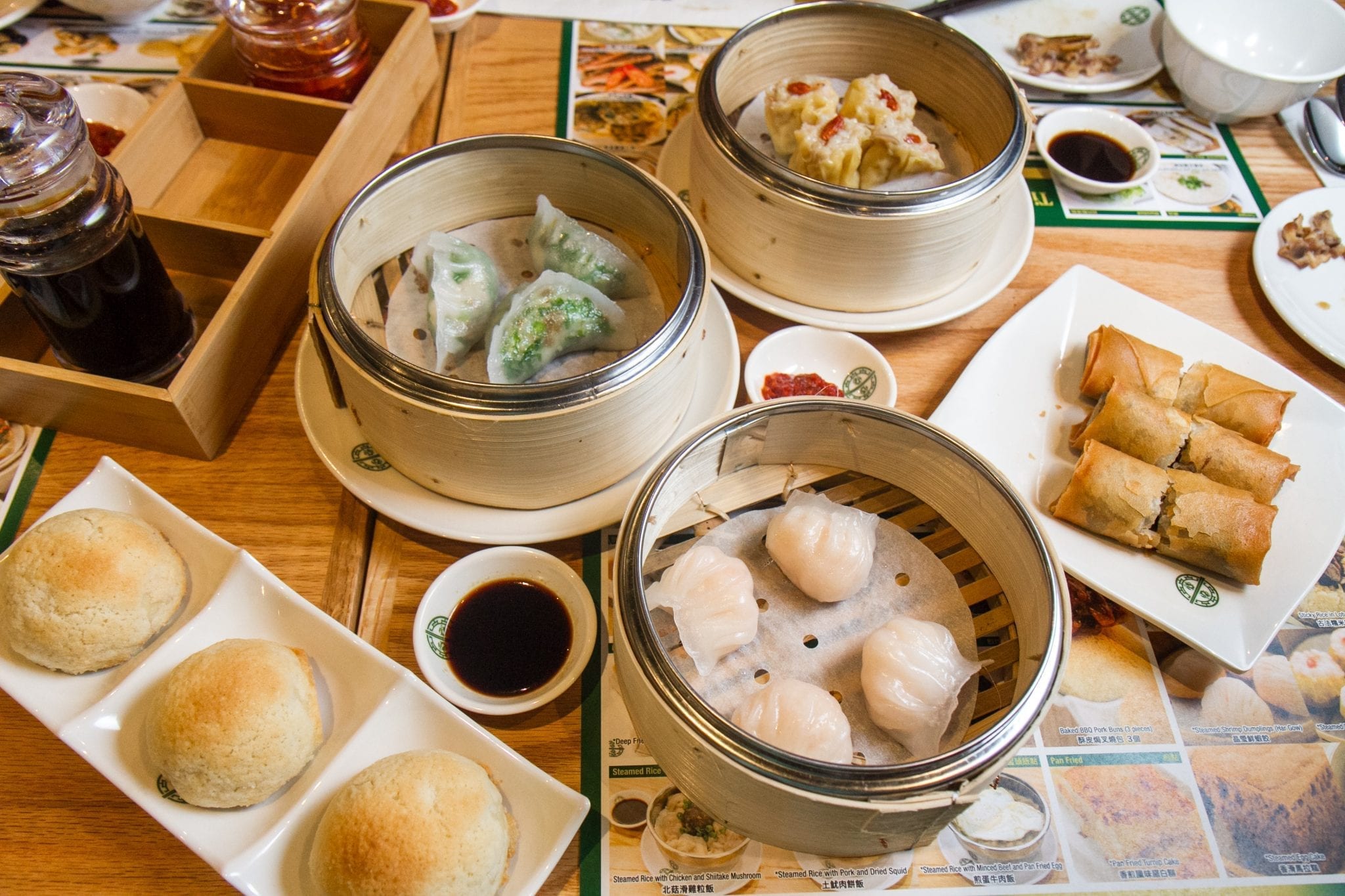
    Tim Ho Wan Singapore has opened its 11th outlet, at Punggol Waterway Point.

    The new 94-seater restaurant coincides with a revamped menu for the eatery, featuring a “refined and upgraded” menu in a modern dining space.

    Tim Ho Wan Singapore is operated by Titan Dining LP – the new master franchise holder in the Asia Pacific.

    The new menu features a limited-edition promotion the Spring Beef Specials, featuring four new beef-centric dishes. There are also upgraded Cantonese classics such as Signature BBQ Pork Bun, Beef Brisket Noodles, Shrimp dumplings, Wonton noodle soup.

  • Hong Kong’s Mana! to open third location in August

    Hong Kong’s Mana! to open third location in August

    Fast-casual plant-based whole-foods retailer Mana! will open its third location in Hong Kong’s Starstreet Precinct this August.

    Mana! Starstreet will be a 1600sqft flagship store offering the brand’s signature flats, plant-based burgers, and other “fast slow food” served “fast, in an eco-friendly and responsible manner, packaged and ready to go”

    The company’s original Mana! Central branch on Wellington Street has become a popular destination, serving more than 500 customers daily – while its second branch in Sheung Wan is a popular weekend spot for brunch, books, and vegan coffee.

    “We’re ready to build upon our success as a brand and embark beyond Central and Sheung Wan to bring our food revolution to Admiralty, Wanchai, and beyond,” said Mana! founder Bobsy Gaia. “With Mana! Starstreet, we’re excited to join Swire Properties’ vision to transform the area into a wellness and sustainability destination.

    “I have personally waited for this moment for a very long time, since I pulled out of Life [Cafe] circa 2009. Mana! has always played a unique role in Hong Kong with its emphasis on solid vibes, holistic atmosphere and cultural community. Finally, with a larger space, we can bring these to the fore of what we offer and allow many more people to enjoy our Mana! vibes.”

    Theresa Leung, GM of Pacific Place, said: “We’re delighted to welcome Mana! to the Starstreet Precinct, a wonderful addition that will further enhance the area’s unique and diverse lifestyle offerings. Mana! is part of our commitment to offering healthy and fresh new experiences that emphasise wellbeing, and to building strong vibrant communities.”

    The new flagship store will be located on Queen’s Road East opposite Three Pacific Place at the Starstreet Precinct, a historical, vibrant and eclectic community hotspot in Wan Chai.

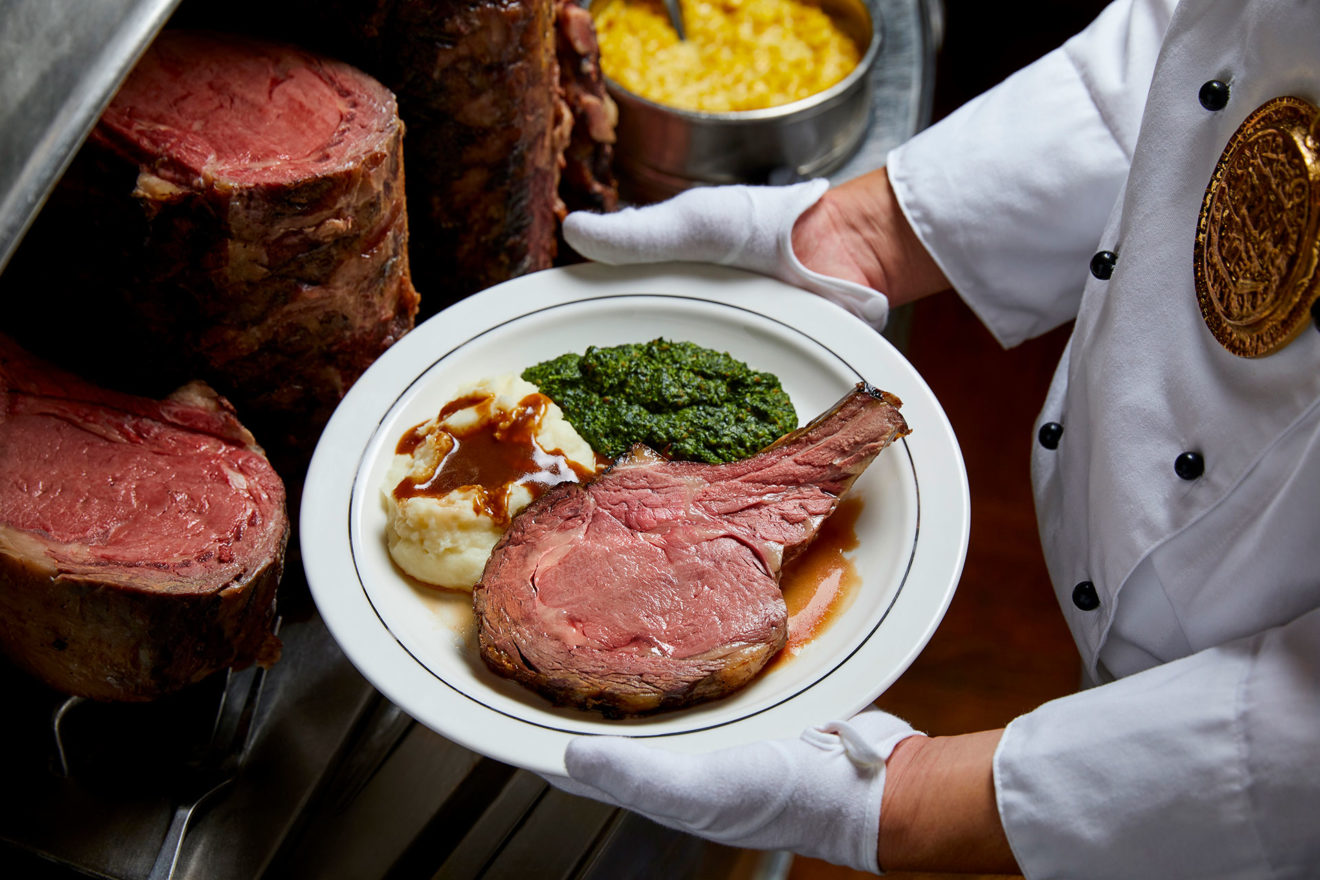
  • Luxury restaurant Lawry’s wins significant Rent Reduction

    Luxury restaurant Lawry’s wins significant Rent Reduction

    High-end US restaurant Lawry’s The Prime Rib, will pay 80 per cent less rent for its new location than the previous tenant who vacated the premises three years ago.

    The leased 6500sqft venue is located on the third floor of The Galleria in Central on the corner of Queen’s Road and Ice House Street, with a HK$150,000 (US$19,155) per month rental, or HK$23/sqft.

    News of the rent deal was broken by a local Chinese-language news media outlet and has not been verified. However it appears to suggest the reduction reflects an overpricing of the previous tenant’s deal rather than a true reflection of the decline in retail rents in premium Hong Kong retail strips, especially given the site has been empty for three years.

    The restaurant Lawry’s is considered a heritage dining brand with premium locations in several US cities, as well as a presence via franchisees in Singapore, South Korea, Taiwan and Japan. A point of difference is that food is taken to diners’ tables on silver carts as part of a theatre experience.

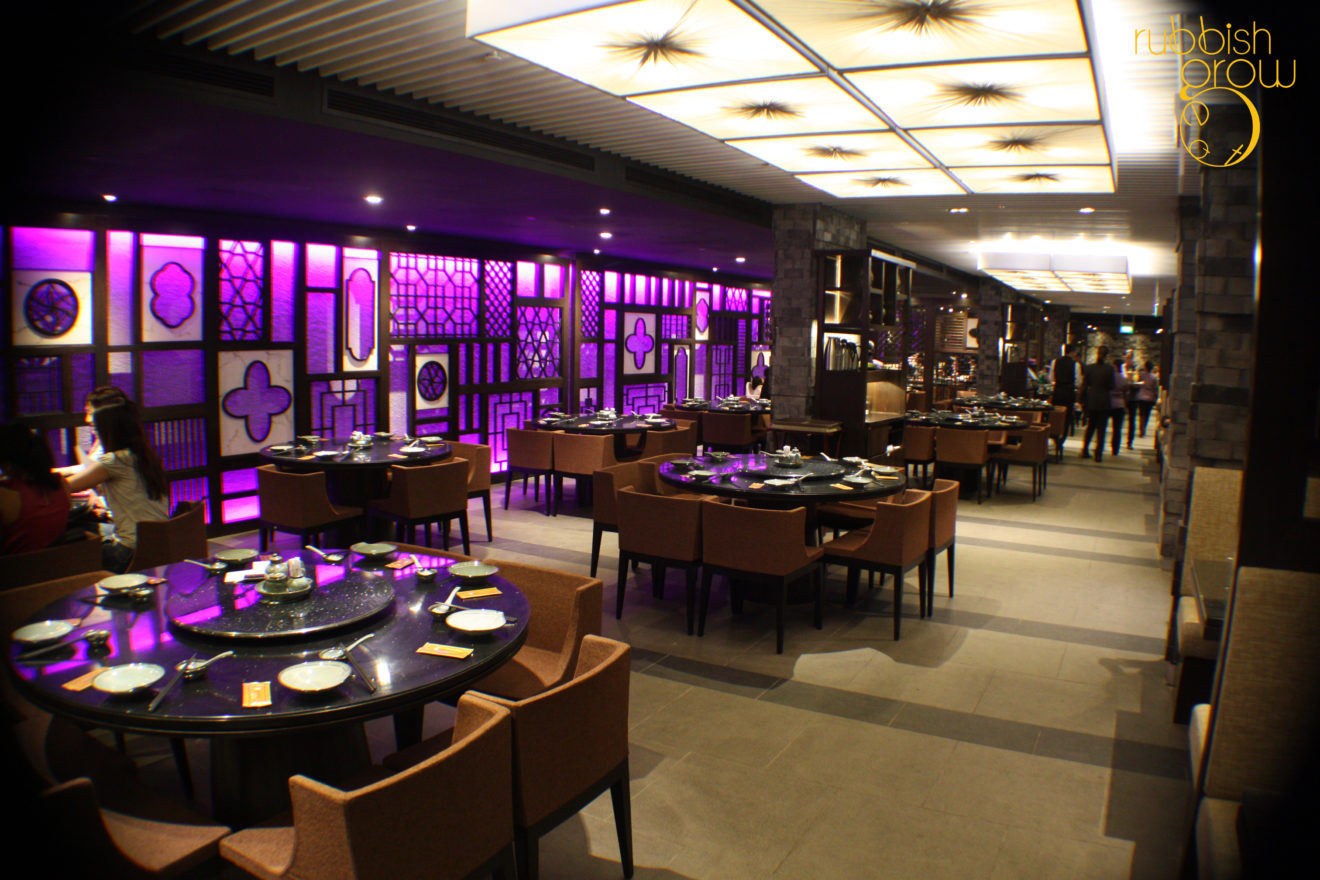
  • Hong Kong restaurant Mott 32 Opens in Singapore

    Hong Kong restaurant Mott 32 Opens in Singapore

    Hong Kong restaurant Mott 32 will open at Marina Bay Sands by the end of this year.

    Operated by MBS and Maximal Concepts, the 7000sqft space will occupy the space of Italian restaurant Nostra Cucina on level B1 at The Shoppes at Marina Bay Sands, which will close within the next two months.

    The space will be designed by Joyce Wang Studio, which is also behind the Hong Kong flagship.

    Set to offer lunch and dinner daily, the menu will feature signature Mott 32 items such as its apple wood-roasted Peking duck and deluxe dim sum, and some dishes with Singapore flavours.

    The restaurant will also have a bar serving Asian-style cocktails.

  • Shakey’s Pizza Asia Ventures acquires Restaurants

    Shakey’s Pizza Asia Ventures acquires Restaurants

    Shakey’s Pizza Asia Ventures has fully acquired local Philippines restaurant chain Peri-Peri Charcoal Chicken.

    The firm has also recently signed a memorandum of understanding to buy artisanal pizza brand Project Pie, including all assets and intellectual property. The brand was previously owned by Shakey’s parent firm Century Pacific Group and Singaporean sovereign wealth fund GIC.

    As of June 1, Shakey’s is now the owner-operator of all Peri Peri stores owned by the company, as well as brand owner and franchisor of the remaining outlets.

    Peri-Peri now has 23 locations throughout the Philippines.

  • Song Fa Bak Kut Teh Restaurant Chain to enter Taiwan

    Song Fa Bak Kut Teh Restaurant Chain to enter Taiwan

    Food Republic Taiwan is to open Song Fa Bak Kut Teh restaurants in Taiwan.

    The BreadTalk subsidiary has entered a franchise deal with Song Fa Holdings to develop and operate the Teochew pork-rib stew brand in Taiwan for the next 10 years.

    The first two outlets in Taiwan will be opened in popular Taipei malls.

    “Both malls have strong existing tenants and are household names among the local populace and tourists alike,” said Henry Chu, BreadTalk CEO.

    “With the addition of a star attraction like Song Fa Bak Kut Teh, we are confident to deliver the illustrious Song Fa experience to our customers in Taiwan.”

    Founded in 1969, Song Fa Bak Kut Teh has 10 outlets in Singapore, seven in Indonesia, six in China, and one in Thailand.

  • In-N-Out Burger opens pop-up Restaurant in Seoul

    In-N-Out Burger opens pop-up Restaurant in Seoul

    In-N-Out Burger, a popular American hamburger franchise, opened a pop-up store on Wednesday in Gangnam, Seoul, drawing hundreds of visitors.

    People began lining up at the store from 6am to try out what can otherwise be tasted only in America. The 250 burgers prepared for the day sold out in just 30 minutes.

    South Korea’s craze for American food brands, including Shake Shack in 2016, and recently Blue Bottle Coffee, is drawing attention from brands.

    The pop-up event, originally scheduled to start at 11am, had to open early at 9.30am due to the massive number of people queuing. All 250 wristbands, needed to purchase a burger, were given out before the clock struck 10.

    This is In-N-Out Burger’s third pop-up store since the last one in 2012. The burger franchise, however, currently has no plans to enter the South Korean market.

    Some argue that the pop-up store is In-N-Out Burger’s strategy to maintain trademark rights in South Korea.

    Experts say that South Korea’s craze over American food chains reflects the people’s need for ‘small but definite happiness’ in the age of social networks.

    When the first Shake Shake opened in South Korea in July 2016, for more than a month, customers had to line up for at least two or three hours to get a burger.

    People also lined up at Blue Bottle’s first store in Seoul’s Seongdong District, which opened early this month.

    “In the age of social networks, people’s need for a ‘small but definite happiness,’ which can be easily shared with other consumers, seems to coincide with these food chains,” said one expert.

    “That is why people seem to become more willing to wait in line for hours, just like how they did at Shake Shack or Blue Bottle.”