Tag: Restaurant

  • McDonald’s buys tech firm

    McDonald’s buys tech firm

    McDonald’s is set to purchase US/Israeli personalisation vendor Dynamic Yield in an attempt to boost drive-thru sales.

    The deal, reportedly worth more than US$300 million, will help the fast food vendor personalise outdoor digital drive-thru menu displays. The tech will analyse a range of variables in order to determine the most persuasive additional items to suggest to customers placing orders.

    “With this acquisition, we’re expanding both our ability to increase the role technology and data will play in our future and the speed with which we’ll be able to implement our vision of creating more personalised experiences for our customers,” said McDonald’s president and CEO Steve Easterbrook.

    Dynamic Yield has served multiple online retailers, including LVMH-owned cosmetics retailer Sephora and furniture giant Ikea. It has more than 300 clients worldwide.

    The technology will be rolled out in drive thrus at US restaurants this year before expanding to other leading international markets.

  • Wendy’s Malaysia Closing Down

    Wendy’s Malaysia Closing Down

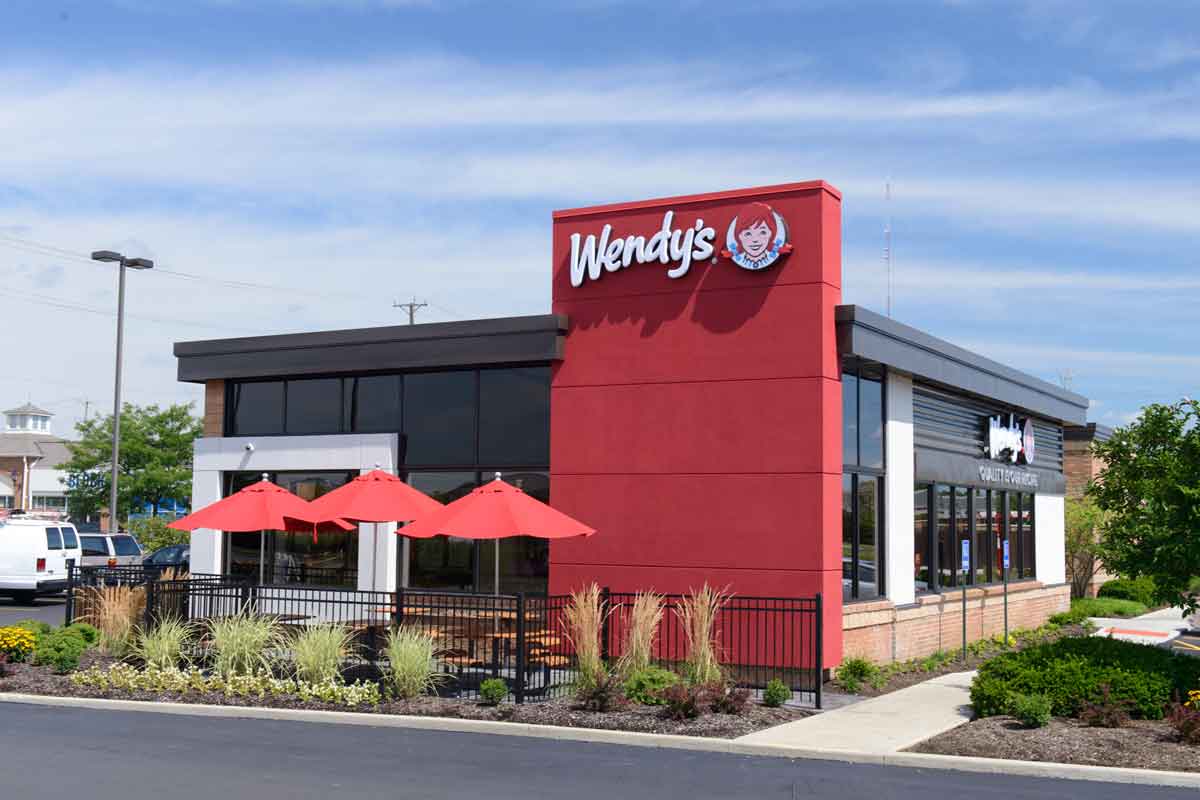
    A series of Wendy’s restaurant closures have prompted rumours that the brand is shutting down in Malaysia for good.

    While no formal announcement has been made of the brand’s apparent withdrawal from the territory, social media posts documenting vacated Wendy’s Malaysia premises have been circulating since venues began disappearing last year.

    Online users have speculated that Wendy’s Malaysia franchisor Berjaya Burger has decided not to renew its agreement with the international fast food chain. The Wendy’s Malaysia Instagram account has also been shut down, and the firm’s last Facebook post was in early January this year.

    A 2016 article announcing the planned expansion of Wendy’s in Malaysia has been held up as a relic of better times for the global brand.

    At last count, just one branch in Kuala Lumpur – at Berjaya Times Square – and two in Penang were still operating.

  • Domino’s Pizza Bangladesh opens first Restaurant

    Domino’s Pizza Bangladesh opens first Restaurant

    Domino’s Pizza Bangladesh has opened its first store, in the capital city, Dhaka.

    The store features a new ‘pizza theatre’ design with in-house seating offering a front-row view of pizza-making.

    More stores  are planned later this year.

    Domino’s Bangladesh is operated by master franchisee Jubilant FoodWorks and its local operator Golden Harvest.

    “We are excited to launch the first Domino’s restaurant in Dhaka and look forward to offering a menu that keeps the needs and preferences of local customers in mind, while also offering the best of the brand’s international menu,” said Pratik Pota, Jubilant FoodWorks CEO and director.

    Pota said the brand will also launch an ordering app that will help “redefine the pizza-ordering experience” for consumers in Bangladesh.

    “We are confident that Domino’s is going to be one of the most-loved pizza brands in Bangladesh,” said Rajeeb Samdani, MD at Golden Harvest Group.

    “The open-kitchen design will be innovative in this market and will show our commitment to food safety and quality standards.”

    Founded in 1960, Domino’s now operates in more than 85 markets worldwide, with more than half of its global retail sales coming from international stores.

  • SFFA and RPB Asia Announce Inaugural SG Food TechWeek

    SFFA and RPB Asia Announce Inaugural SG Food TechWeek

    s part of this year’s Speciality & Fine Food Asia (SFFA) and Restaurant, Pub & Bar Asia (RPB Asia) 2019 trade shows held from 17 – 19 July 2019 at Suntec Singapore, we are pleased to announce the inaugural SG Food Tech Week.

    Held over three days, SG Food Tech Week, developed in consultation with Edelman Predictive Intelligence Centre, will bring together the top minds in food and beverage technologies and consultancies with policy makers to uncover key challenges and opportunities in this space.

    The keynote session and panel discussions will focus on topics like block chain and its impact on supply chain management, big data trends and smart manufacturing and how to balance the power of predictive technologies with consumer privacy.*

    Themes for each session will also be co-curated by SFFA and RPB Asia’s panel of Industry Ambassadors to ensure that the content is relevant and tailored to the specific needs of participants.

    In addition, start-ups and SMEs in this space will also be invited to showcase their latest technologies in the second installment of the highly successful investor pitching series PITCH!. The competition will focus on spotlighting the latest technological solutions and innovations that tackle pressing hospitality challenges, streamline workflow and address the need for sustainability in various food production processes. PITCH! will be split into two different tracks focusing on hospitality and production solutions on day one and sustainability on day two, providing contestants with valuable face time with industry heavyweights, investors and mentors.


  • Habitat by Honestbee expands choices

    Habitat by Honestbee expands choices

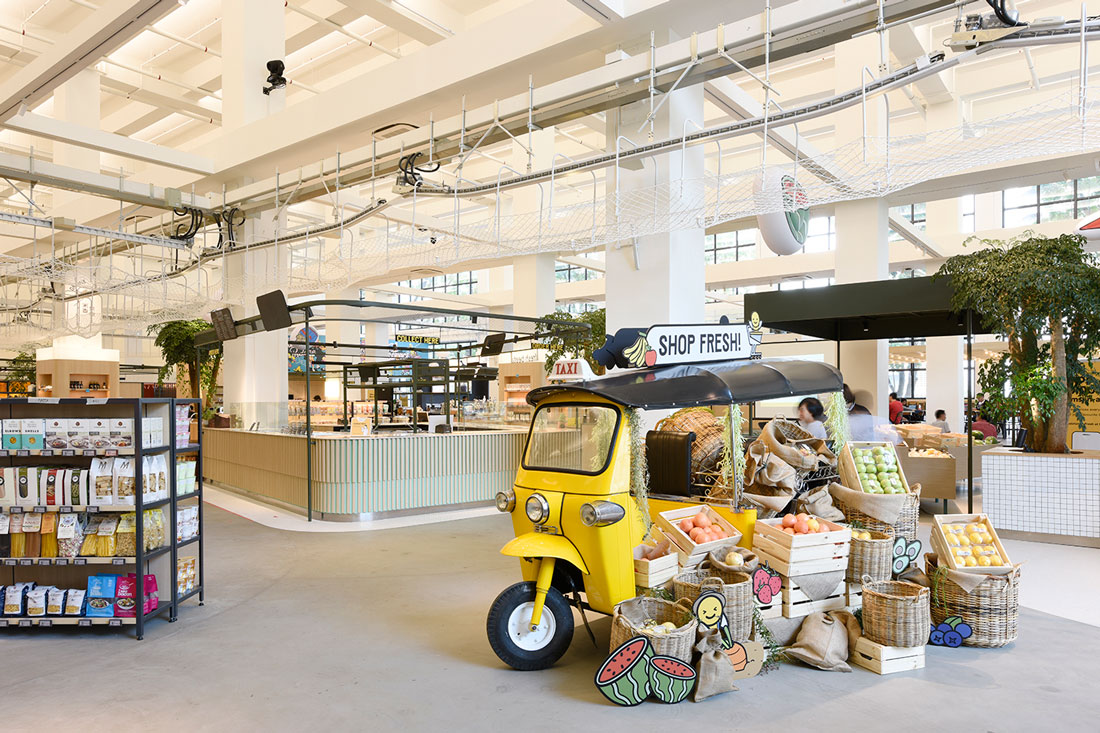
    Habitat by Honestbee has added two new outlets to its 15 existing eateries.

    The first, Hama Hama, is a seafood bar with Asian-centric small plates and a seasonal sharing menu, with oysters at its core.

    The second new offer is B Bar, located near the liquor aisle and serving classic drinks along with cocktails featuring local and Asian flavours. Mocktails are also available.

    Honestbee, the online grocery-delivery service, opened its 60,000sqft Habitat last November.  The full-scale supermarket hosts more than 20,000 Asian and global foods and ingredients as well as daily essentials, which can be purchased both online and offline.

  • Jollibee Malaysia makes debut

    Jollibee Malaysia makes debut

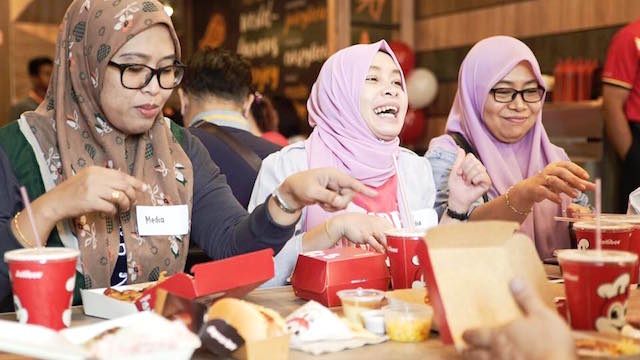
    Jollibee Malaysia has opened its first outlet – in the beachside city of Kota Kinabalu. CEO Ernesto Tanmantiong said opening in Malaysia marked a new chapter for the group.

    “We invite Malaysians to come and see for themselves why people line up for hours.”

    Jollibee Foods head of international business, Dennis Flores, said Jollibee is beloved throughout Asia, because it appeals to diverse tastes and cultures.

    “This has propelled us to become the fastest-growing Asian restaurant company, and we are thankful for the overwhelming support. It drives us to do better for our customers, and to continue to serve delicious food with our signature warm service.”

    The Jollibee Malaysia opening follows the brand’s recent expansion into London and Manhattan as its rapidly expands its global store network to surpass 4300.

    After making its debut in the capital of Sabah, Jollibee Malaysia plans further outlets in major cities across the country.

  • Jollibee Guam flagship Restaurant Opening Early April

    Jollibee Guam flagship Restaurant Opening Early April

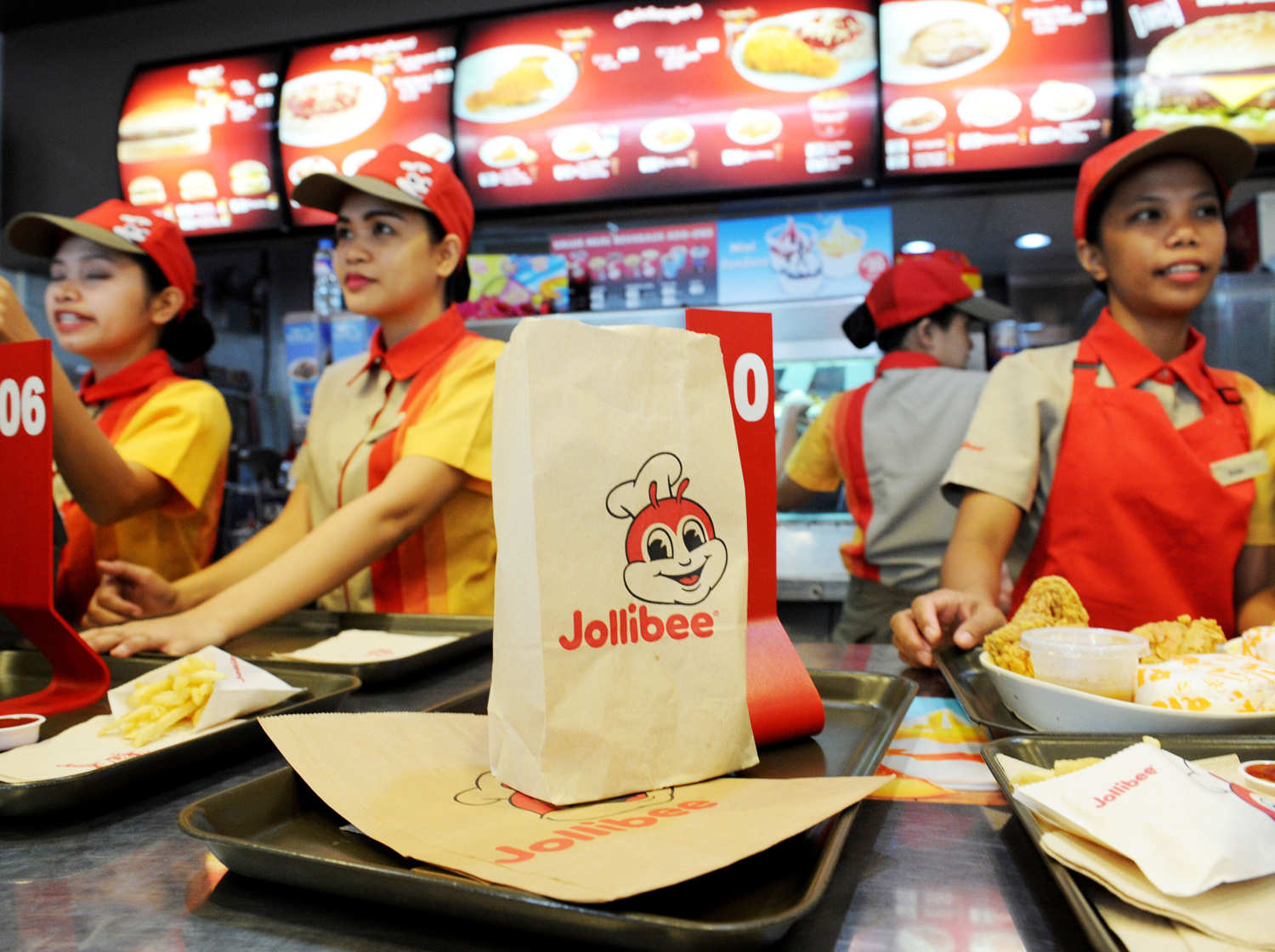
    Filipino fast food chain Jollibee, the largest and fastest-growing Asian restaurant company in the world, is soon to open its flagship brand in Guam.

    The first Jollibee Guam outlet will launch at Micronesia Mall on Saturday, April 6.

    “We’ve seen people queue even in extreme weather to enjoy our unique and tasty food,” said Jollibee Foods Corporation’s president and head of international business Dennis Flores. “We invite everyone – Chamorus, Micronesians, mainland Americans in Guam; everyone here in Guam – to come taste and see for themselves why people are willing to wait and line up for our food.”

    With Jollibee operating in Guam – where America’s day begins – the company says it can claim that it is serving food to more diners on American soil at any given moment of the day or night. Jollibee has 37 stores in the US.

    Jollibee, from its humble beginnings as an ice cream house in 1975, quickly grew into a fast-food giant with more than 1300 stores worldwide. Its openings have drawn queues with people lining up to 20 hours for a taste of their Jollibee favourites.

  • Disneyland for all things pasta

    Disneyland for all things pasta

    Five or six years ago, Australian retail pundits who’d visited the 50,000sqf Eataly Italian “food emporium” in New York (which opened in 2010), were breathlessly rhapsodising about it in presentations back home.

    My visit to its Munich outpost two years ago was pleasant but not earth-shattering. Still, the enterprise continues to march across the globe, currently with 40 locations across its core countries of Italy and the US, as well as Japan, Korea, Germany, Sweden, Russia, Brazil, Turkey and the Middle East, with further sites planned for Belgium, Hong Kong, South Africa, France, Canada, the UK and Australia in the “near future”.

    Eataly executive chairman Andrea Guerra told the Financial Times at the end of 2017 that the company was planning major expansion over the next decade and wanted to “have a store in every world capital”. Or maybe he was just talking the company up in advance of a theoretical IPO, which a potential overreach into theme parks may have derailed. Let’s take a look.

    Authentic or dumbed-down?

    For those not familiar with it – or somehow immune to past hype – Eataly is a large format/footprint Italian marketplace or food hall comprising a variety of upscale restaurants, food and beverage counters and delicatessens, bakery and other specialty food counters, a supermarket, other retail such as homewares and kitchen utensils, and a cooking school.

    Guerra defined its concept as “a complete emotional food experience where customers shop, eat and learn all about Italian food, all in a cross-selling approach”. Its strapline, Alti Cibi, translates literally as “high food” – which perhaps may go some way to explaining its perceived high prices, a continual source of aggravation on its Tripadvisor reviews.

    Eataly originally showcased a number of small and artisan companies operating in the food and wine sector, such as durum wheat pasta from Gragnano, mineral water from the Maritime Alps, Veneto and Piedmont wines, Ponente Riviera Ligure oil, Piedmont fassone meat, and traditional Italian cheese and cold cuts. In theory, Eataly offers “the best artisan products at reasonable prices” and says it creates a “direct relation between producers and distributors, focusing on sustainability, responsibility and sharing”.

    Despite its pun-in-English name, Eataly is not a US franchise. It’s actually Italian, and therefore in theory “authentic” although some Italians think it’s dumbed-down. It was founded in 2004 in Italy’s northern Piedmont region by Oscar Farinetti, an entrepreneur formerly involved in the consumer electronics business. In 2007 he converted a closed vermouth factory in Turin into the first location of Eataly.

    Fast forward to 2018 and Eataly has 40+ locations in the northern hemisphere and a 2017 revenue of €465 million ($737 million), a 20 per cent revenue increase on the previous year (7 per cent up in Italy, 48 per cent up in the US but primarily through lateral growth via new store openings) although its profits are negligible and variable. Like-for-like store growth statistics are hard to come by.

    Eataly was theoretically due to list on the Italian stock exchange in mid-2018 with a 33 per cent floating capital and a huge valuation (more than €2 billion). However it does not yet appear to have done so, and has been suspiciously “quiet” in new store openings in any market since early 2018.

    An educational dinner at the farm

    It appears ambition may have strangled the golden goose. In advance of a theoretical mid-2018 IPO, in November 2017 Farinetti and Guerra launched Fico Eataly World in the northern Italian city of Bologna, with at best mixed results and feedback.

    Dubbed the Disneyland of Pasta, Fico Eataly World was inaugurated by prime minister Paolo Gentiloni and claimed to be the world’s largest agri-food park. Its 20 acres contains three dozen restaurants, a gigantic market, farms and factories enabling visitors to see how products are made and processed, and a variety of “multimedia experiences”. It is intended to “unify Italy’s diverse food culture under one roof”. There is a multitude of pop-up-style stores selling Italian produce and kitchenware; six experiential educational pavilions; several classrooms, sports and play areas as well as a cinema and a 1000-capacity congress space. It is surrounded by several hectares of farm animals and vegetable plots. The project took four years to complete, at a cost of €120 million. It works with over 150 Italian companies, from relatively small to very large, and has created more than 3000 jobs.

    But inevitably it has its detractors, who denounce it as an American concept in search of an Italian home, and has had patchy performance.

    Forecast to bring in three million visitors a year, in 2018 in its first five months of operation it had brought in just 1.5 million. And only 1.8 per cent of them were foreigners versus a projection of 30 per cent. Reports suggested that on those initial numbers, it won’t meet the required breakeven of four million visitors a year.

    The site has been plagued by claims of isolation – the “culinary cathedral in the desert” is not readily accessible by public transport. It is now, apparently, investigating hotel and resort development to cater to the conference market. According to reports, it has laid off substantial numbers of staff.

    Where are the tourists?

    Either way, the question remains whether an American-style retail idea can work in Italy unless it’s substantially marketed to foreign visitors as a tourism (not retail) destination, and made readily accessible.

    It appears the substantial capital required for Fico Eataly World and its mixed performance have stalled its IPO.

    And regarding its Australian visions, it’s not as if the nation is bereft of Italian restaurants. Due to its sizeable Italian-heritage population, there are Italian eateries everywhere, both alti and not-so-alti. If and when Eataly’s food emporium returns to its retail roots and comes to Australia, it will be interesting to see how it caters to this market.
  • International sales bolster McDonald’s results

    International sales bolster McDonald’s results

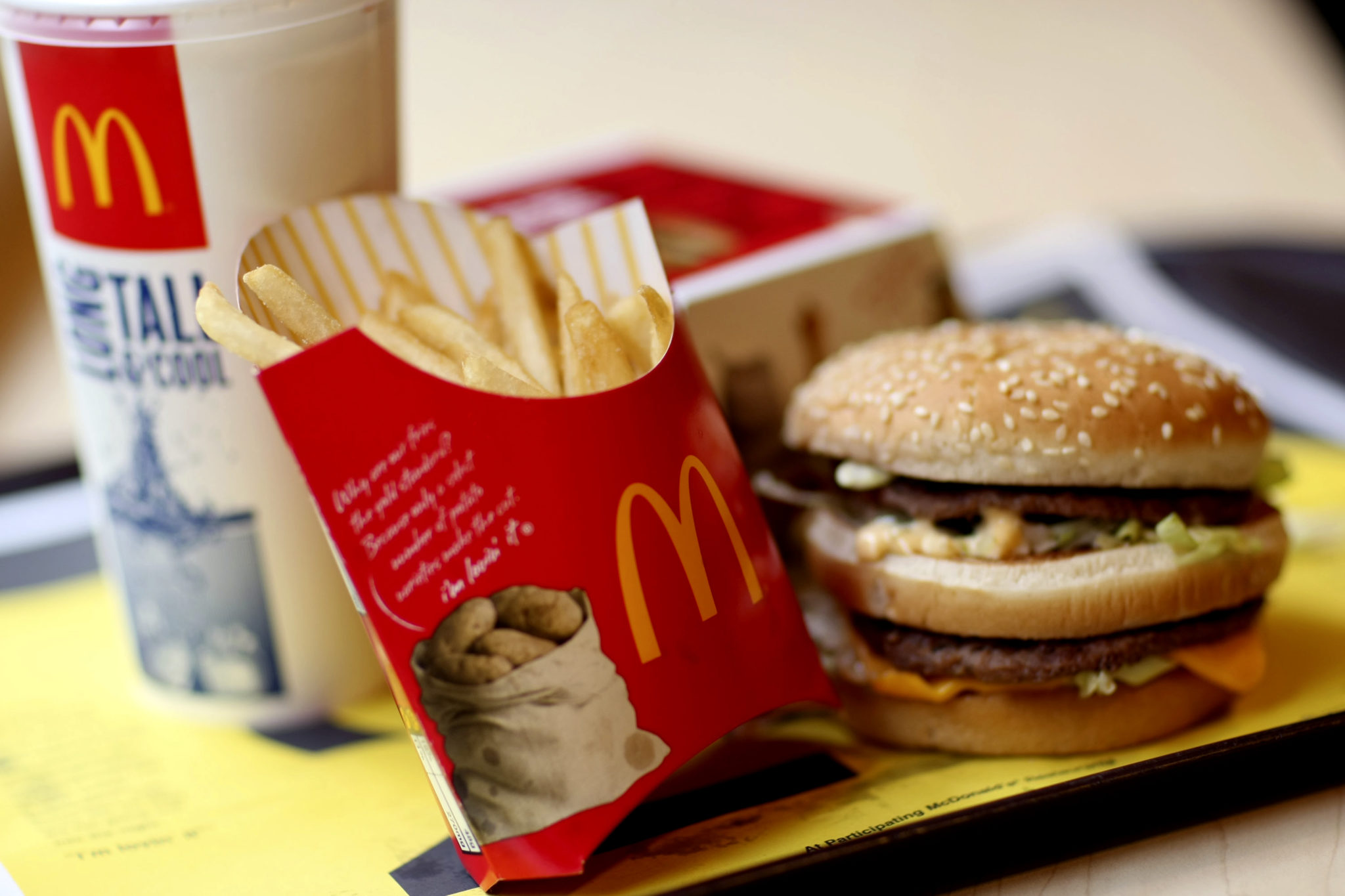
    Strong international sales ensured respectable McDonald’s results in the latest quarter as the fast-food giant encountered challenges in its core US market. Global sales slipped 3 per cent in the three months to December, to US$5.16 billion, although this was largely due to currency translations, without which sales would have been flat.

    While the company did not break out Asian performance, it said international same-store revenue rose 5.2 per cent.

    Same-store sales in the US rose 2.3 per cent, primarily due to increased prices, given foot traffic in stores fell by 2.2 per cent. Global visitor numbers crept up by a mere 0.2 per cent.

    Breakfast remains its most challenging category, with the chain struggling to attract diners in the mornings. While that mealtime accounts for about a quarter of its total sales, the breakfast market is experiencing fierce competition among rival chains.

    “We’re doing well with average check growth but we really want the customer to come back and more often,” CEO Steve Easterbrook said in an investor presentation about the McDonald’s results.

    He said McDonald’s is trying to recover breakfast customers by trialling different price promotions, launching localised advertising campaigns and improving the drive-through service.

    More stores, more kiosks

    Globally, McDonald’s plans to open a net 750 new stores this year. It will also speed up the rollout of its digital touchscreen ordering systems. Easterbrook says stores with self-ordering kiosks were achieving higher sales than those without.

    Commenting on the McDonald’s results, Neil Saunders, MD of GlobalData Retail, said the kiosks and order-by-app services need to be rolled out faster.

    “This isn’t just a case of installing and implementing the technology, it is about getting customers to actually use it. Consumers need to be given more incentives to use the new ways of ordering, especially mobile, as many still shun the technology,” said Saunders.

    “Longer term, more automation in the kitchen is also critical – something that will be particularly beneficial now McDonald’s menu options are more varied and complex.”

    Saunders described the latest McDonald’s results as “reasonable”. But he said a 6.7 per cent decline in operating income suggests that McDonald’s is having to work harder for much slimmer rewards.

    “In our view, this does not sit well with the increasing complexity and higher levels of capital expenditure the company is introducing into the business.”

    Saunders believes McDonald’s is on the right track. “However, this year will be a more challenging year than last and it will be a balancing act between keeping both customers and franchisees happy.”

  • Japanese eatery Botejyu opens in Manila

    Japanese eatery Botejyu opens in Manila

    Japanese eatery Botejyu, a restaurant chain specialising in okosoba and okonomiyaki dishes, has opened a flagship at One Bonifacio High Street in Taguig City.

    The new branch is the largest of 12 Botejyu locations in the Philippines, with more outlets expected to open later this year. All branches feature an open kitchen and a private meeting room at the back of the venue.

    The brand is the second concept imported by Viva International Food & Restaurants.

    “Most Japanese restaurants only specialise in one item like ramen, or just tempura,” said Viva International senior VP Vicente Raphael “VR” del Rosario IV. “But for Botejyu, though we specialise in okosoba and okonomiyaki, the main selling point is that technically, we carry the best of each place in Japan.”

    Botejyu is a legacy brand in Japan, credited as the first to use mayonnaise as a dressing on okonomiyaki pancakes, as well as inventing the okosoba by wrapping traditional stir-fried noodles in the okonomiyaki batter.

  • KFC China opens tribute to Lei Feng

    KFC China opens tribute to Lei Feng

    KFC China has held a promotion honouring Communist Lei Feng. The “Lei Feng Spirit” promotion was first launched in the legendary young soldier’s home province of Hunan on the national holiday dedicated to his memory. The figure of Lei Feng has been considered an inspiration to the Chinese people since he was first held up as a figurative icon of the communist movement by leader chairman Mao Zedong.

    KFC China is celebrating “the Lei Feng spirit in its over 250 outlets in the province and encouraging its staff to learn from the role model,” according to local news outlet Xinhua.

    KFC’s operator Yum China has also opened a 27,000sqft innovation centre in downtown Shanghai. The integrated R&D facility is designed to generate new ideas and concepts and enable the rapid roll out of localised and innovative products.

    The centre features a test kitchen, a sensory test area, as well as a suite of labs covering quality assurance, equipment and restaurant technology testing, packaging innovation, new store model prototypes, and content production.

    “The establishment of the Innovation Centre is testament to our commitment and vision to become the world’s most innovative pioneer in the restaurant industry,” said Yum China CEO Joey Wat.

    “Through creating an integrated hub, we look forward to continuing to explore innovative ways to drive growth, deliver value, and enhance every aspect of the customer experience.”

  • Chicken rice eatery Liao Fan opens in Malaysia

    Chicken rice eatery Liao Fan opens in Malaysia

    Michelin-starred chicken rice restaurant Liao Fan has opened its first Malaysia outlet. Located in Ipoh, Chan Hon Meng’s birthplace, the outlet attracted a big crowd and all the food sold out on the soft-opening day last week.

    Singapore’s street food hawker Chan Hon Meng made headlines in 2016 when his soy-sauce chicken rice dish received a Michelin star. The Liao Fan Hawker Chan stall became one of the first street-food stands in the world to receive the award and also the cheapest Michelin-star meal in the world.

    The Liao Fan Hawker Chan Malaysia is non-halal as the restaurant also sells pork dishes.

  • Moon Lok Chinese restaurant opens at Xiqu Centre

    Moon Lok Chinese restaurant opens at Xiqu Centre

    The first dining establishment has opened in the brand new Xiqu Centre in West Kowloon, showcasing high-calibre Chinese regional cuisine. Seating 260 guests, the 8000sqft Moon Lok Chinese Restaurant evokes the atmosphere of a Chinese garden as a place where one spends time with family and friends for pleasure and relaxation, inspiring a closeness with nature.

    The venue is operated by Buick Management, a Hong Kong-based hospitality group that has over 25 years’ experience in the food and beverage industry. It is best known for managing Pak Lok Chiu Chow, a household name for Chiu Chow cuisine in Hong Kong, with branches in Times Square, K11 and Elements, as well as Starhill Gallery in Kuala Lumpur.

    Located at the junction of Canton Road and Austin Road, Moon Lok Chinese Restaurant is easily accessible by the Hong Kong West Kowloon Station and Austin MTR station, the China Ferry Terminal that connects to Macau, Zhuhai, and Shekou, as well as the Guangzhou-Shenzhen-Hong Kong Express Rail Link.

    Reflecting the Xiqu Centre’s modern design inspired by traditional Chinese lanterns, the restaurant also blends traditional and contemporary elements to reflect the evolving nature of the culinary art form.

  • Jollibee Malaysia opens in Kota Kinabalu

    Jollibee Malaysia opens in Kota Kinabalu

    Jollibee Malaysia has opened its first outlet – in the beachside city of Kota Kinabalu. CEO Ernesto Tanmantiong said opening in Malaysia marked a new chapter for the group.

    “We invite Malaysians to come and see for themselves why people line up for hours.”

    Jollibee Foods head of international business, Dennis Flores, said Jollibee is beloved throughout Asia, because it appeals to diverse tastes and cultures.

    “This has propelled us to become the fastest-growing Asian restaurant company, and we are thankful for the overwhelming support. It drives us to do better for our customers, and to continue to serve delicious food with our signature warm service.”

    The Jollibee Malaysia opening follows the brand’s recent expansion into London and Manhattan as its rapidly expands its global store network to surpass 4300.

    After making its debut in the capital of Sabah, Jollibee Malaysia plans further outlets in major cities across the country.

  • Jollibee acquires Smashburger

    Jollibee acquires Smashburger

    Jollibee has taken full ownership and control of US fast-food chain Smashburger after acquiring an 85 per cent stake in February.

    The Philippine company said it paid US$10 million to acquire the remaining 15 per cent of the company and that it has made management changes.

    Tom Ryan, Smashburger founder and CEO, will take on the additional title of chief product development advisor at Jollibee Foods Corporation globally, focusing on strengthening taste and quality aspects across key brands and enhancing their relevance across global markets.

    Jose “Pepot” Minana has assumed the role of Smashburger president, including daily operations, collaborating on strategy and brand direction, and lead the continuing integration of Smashburger into the Jollibee Foods portfolio.

    Smashburger has 351 stores and accounts for 7 per cent of Jollibee’s global sales which totalled $3.4 billion last year.