Tag: Restaurant

  • India Food Forum 2019: Alliance avenues with foreign partners to expand food market in India

    India Food Forum 2019: Alliance avenues with foreign partners to expand food market in India

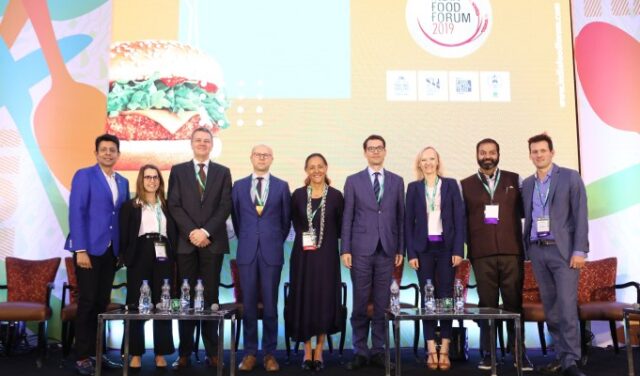
    India Food Forum 2019 identified avenues for partnerships in food, beverages and food service industry with Ambassadors, Trade Commissioners and Consul Generals of several countries and highlighted how Embassies and Trade Commissions can play a more pro-active role to facilitate such alliances. Emerging as major market of the world, India offers huge opportunities for manufacturers, producers and providers of products and services from across the globe to sell here or partner with Indian companies to serve this market.

    Acceptance of multinational culture, a growing taste for foods from across the globe, increasing inflow of foreign nationals, willingness to experiment new cuisines and more over avenues to market new products further add to the opportunity.

    The session was moderated by Amit Lohani, Convener, FIFI.

  • Jubilant FoodWorks Q3 net profit up 46 pc to Rs 96.5 cr

    Jubilant FoodWorks Q3 net profit up 46 pc to Rs 96.5 cr

    Jubilant FoodWorks Limited (JFL) has reported its financial results for the quarter and nine-months ended December 31, 2018. Operating revenue for Q3 FY19 stood at Rs 9,291 million, representing an increase of 16.8 percent over Q3 FY18, and a sequential growth of 5.4 percent over the preceding quarter. The growth was driven by a strong 14.6 percent same store growth (SSG) in Domino’s Pizza.

    EBITDA for Q3FY19 was Rs 1,706 million, or 18.4 percent of revenue, a growth of 24.6 percent over Q3FY18 and a margin expansion of 120 bps. This is the highest EBITDA margin in seven years.

    Profit after Tax in Q3 FY19 stood at Rs 965 million, or 10.4 percent of revenue, a growth of 46.2 percent over Q3 FY18 and a margin expansion of 210 bps.

    During the quarter, the company added new products to its portfolio. Domino’s launched ‘Multigrain Crust’ with an objective of offering a wider range to the customers. In addition to this, the company also introduced four new side dishes viz. Potato Cheese Shots, Crunchy Strips, Crinkle Fries and Brownie Fantasy.

    The store opening momentum accelerated during the quarter, with 35 new Domino’s stores being opened during the quarter.

    Dunkin’ Donuts delivered break-even in Q3 FY19 on the back of strong growth in the core portfolio of Donuts and Beverages, as also disciplined cost management.

    Commenting on the performance for Q3 FY19, Shyam S. Bhartia, Chairman and Hari S. Bhartia, Co-Chairman, Jubilant FoodWorks Limited said, “I am delighted to share that we have once again delivered healthy earnings growth during the quarter which stood in-line with our expectations. Performance was driven by consistent progress made across each of the growth pillars.”

    Commenting on the performance for Q3 FY19, Pratik Pota, CEO and Whole time Director, Jubilant FoodWorks Limited said, “We have demonstrated strong all-round performance in Q3 FY19, led by robust same-store sales growth (SSSG) of 14.6 percent reported in Domino’s Pizza. This was accompanied by a tight control on operating costs that led to EBITDA margins improving to a seven year high of 18.4 percent. In addition, Dunkin’ Donuts also broke even during the quarter, ahead of the targeted Q4 timeline. We are happy with our performance and confident of the prospects ahead, as evident in the 35 new stores opened in Q3, the highest in eleven quarters.”

  • Yum China to face challenges this year

    Yum China to face challenges this year

    An aggressive store rollout program is helping Yum China achieve sales growth, but its Pizza Hut business continues to struggle. In year-end results released overnight, Yum China said fourth-quarter system sales rose 6 per cent in constant currency, but same-store sales rose by a more modest 2 per cent. The company, which owns the Chinese operations of KFC and Pizza Hut, opened 819 new stores last year, taking its combined network to 8484 stores across more than 1200 cities. The company plans between 600 and 650 additional stores this calendar year.

    For the full year, total system sales grew 5 per cent over 2017, with a solid 7 per cent growth at KFC partially offset by a 1 per cent decline at Pizza Hut, (excluding foreign exchange impacts). Same-store sales increased 1 per cent overall, up 2 per cent at KFC and down 5 per cent at Pizza Hut.

    Full-year revenue reached US$8.42 billion with net Income up 78 per cent to $708 million, from $398 million.

    Joey Wat, CEO of Yum China, said the results marked the ninth consecutive quarter of system sales growth since the company was spun off from former US parent Yum! Brands.

    “This strong growth was led by accelerated new store openings and a robust performance at KFC, which delivered 3 per cent same-store sales growth and 9 per cent system-sales growth during the quarter. Although Pizza Hut’s sales remained soft, we are pleased to see same-store traffic growth of 1 per cent and positive trends in customer feedback.”

    Wat said the aggressive store rollout program last year further strengthened the company’s market position, laying a solid foundation for growth.

    “While the macro backdrop is relatively soft, with our resilient business model and leadership in digital and delivery, we are confident that we have the right strategy and capabilities to maintain our growth trajectory and capitalise on the long-term potential of the China market,” she said.

    Among the highlights of last year was exceeding 160 million members of the company’s KFC loyalty program and 50 million members of the Pizza Hut program, increases of 50 million and 15 million, respectively.

    Mobile payments accounted for 65 per cent of the company’s sales in the fourth quarter, an increase of 11 percentage points year on year. Digital payments accounted for more than 86 per cent of company sales in the quarter, an increase of 14 percentage points.

    And delivery services – now offered in 1118 cities – accounted for 19 per cent of sales in the fourth quarter of 2018, an increase of three percentage points year on year.

  • Little Caesars Philippines opens first store in Manila

    Little Caesars Philippines opens first store in Manila

    Pizza chain Little Caesars has opened its first restaurant in the Philippines. Little Caesars Philippines made its debut on Saturday, the first restaurant opened under the brand’s new franchise relationship with local operator Palmtree PH Foods Corp. It opened at the Metrosquare Building in Ermita with a promotional celebration that involved family activities and free pizza offerings.

    “Little Caesars is excited to celebrate the opening of its first restaurant in the Philippines, and to finally share our delicious pizzas with everyone”, said Paula Vissing, senior VP international for Little Caesars Pizza.

    Palmtree owner James Kodrowski, who manages a group of companies that operate in the region, said: “Little Caesars Pizza is exactly what this market needs … We believe that the Hot-N-Ready concept will have undeniable market appeal, as well as our commitment to excellent guest service, and superior value.

    It is our ambition to make Little Caesars the new favorite pizza of the Philippines.”

    Little Caesars Singapore also launched this month as the brand continues to experience growth internationally. The brand is the third largest pizza chain in the world, currently operating in 23 countries and territories.

  • McDonald’s challenging US market mitigated by international sales

    McDonald’s challenging US market mitigated by international sales

    Strong international sales ensured respectable McDonald’s results in the latest quarter as the fast-food giant encountered challenges in its core US market. Global sales slipped 3 per cent in the three months to December, to US$5.16 billion, although this was largely due to currency translations, without which sales would have been flat. While the company did not break out Asian performance, it said international same-store revenue rose 5.2 per cent.

    Same-store sales in the US rose 2.3 per cent, primarily due to increased prices, given foot traffic in stores fell by 2.2 per cent. Global visitor numbers crept up by a mere 0.2 per cent.

    Breakfast remains its most challenging category, with the chain struggling to attract diners in the mornings. While that mealtime accounts for about a quarter of its total sales, the breakfast market is experiencing fierce competition among rival chains.

    “We’re doing well with average check growth but we really want the customer to come back and more often,” CEO Steve Easterbrook said in an investor presentation about the McDonald’s results.

    He said McDonald’s is trying to recover breakfast customers by trialling different price promotions, launching localised advertising campaigns and improving the drive-through service.

    More stores, more kiosks

    Globally, McDonald’s plans to open a net 750 new stores this year. It will also speed up the rollout of its digital touchscreen ordering systems. Easterbrook says stores with self-ordering kiosks were achieving higher sales than those without.

    Commenting on the McDonald’s results, Neil Saunders, MD of GlobalData Retail, said the kiosks and order-by-app services need to be rolled out faster.

    “This isn’t just a case of installing and implementing the technology, it is about getting customers to actually use it. Consumers need to be given more incentives to use the new ways of ordering, especially mobile, as many still shun the technology,” said Saunders.

    “Longer term, more automation in the kitchen is also critical – something that will be particularly beneficial now McDonald’s menu options are more varied and complex.”

    Saunders described the latest McDonald’s results as “reasonable”. But he said a 6.7 per cent decline in operating income suggests that McDonald’s is having to work harder for much slimmer rewards.

    “In our view, this does not sit well with the increasing complexity and higher levels of capital expenditure the company is introducing into the business.”

    Saunders believes McDonald’s is on the right track. “However, this year will be a more challenging year than last and it will be a balancing act between keeping both customers and franchisees happy.”

  • Ready-To-Eat Food: Millennial’s new favourite

    Ready-To-Eat Food: Millennial’s new favourite

    Convenience food is a concept that has been prevalent and popular in the western countries for a long time now. Globally, the demand for ready-to-eat (RTE) food products has been increasing over the last few years on account of busier lifestyle of consumers and their rising income levels. Similar factors are fuelling the growth in the packaged food sector in India.

    Increased employment opportunities have increased migration of people from tier 1 and tier 2 cities to metropolitans, which is an important driver for RTE food products in the country. Nuclear families and bachelors residing in metros for study or employment purpose are among the major consumers of RTE food products in India. The number of working women is particularly on the rise, which is again driving the demand. All these factors are creating significant awareness about ready meals among consumers. Growth in retail chains and outlets is also adding to the product awareness among consumers in the country’s, supermarkets, convenience stores and hypermarkets, which are emerging as the key points-of-sale for offering a wide range RTE food products.

    The Indian cooking styles have undergone considerable changes over the past few years owing to the advent of modern technology and several other changes such as urbanization, increasing working population, increase in female work population and the rise of nuclear families. People have been increasingly shifting to ready-to-eat food items in order to save the time involved in preparing meals.

    With the growing media awareness, literacy rates and standard of living, people have grown more responsive towards the health and hygiene standards associated with food products. There has been a shift witnessed in the customers focus from price to quality in the recent years, particularly in the urban and a few semi-urban areas. Consumers have been drifting from openly or loosely sold food products to the consumption of hygienically packaged fortified RTE foods.

    The Indian food and grocery market is the world’s sixth largest, with retail contributing 70 percent of the sales. The Indian food processing industry accounts for 32 percent of the country’s total food market, one of the largest industries in India and is ranked fifth in terms of production, consumption, export and expected growth. It is believed that the Food Processing industry will be a US$ 25 billion market in India by 2020. Out of which, the serviceable metro market is expected to be close to almost US$ 20 billion. The past couple of years have seen a tremendous growth of this segment due to high consumer acceptance for convenience food nationwide.

    A recent survey done by Assocham (Associated Chamber of Commerce and Industry of India) says about 79 percent of Indian households today prefer to have instant food due to time constraints. With two working parents and families becoming nuclear, people prefer authentic, nutritious store bought options rather than spending hours in the kitchen after work. In recent years, the focus of the ready-to-eat market has gradually shifted from just homemakers or students to young professionals and families.

    It is found that 76 percent of parents in big cities, mostly both working with children under the age of five, are serving easy-to-make meals in some form or the other, at least 10-12 times every month! No wonder that the RTE market continues to expand at a brisk pace. The market for spreads, sauces and dips is now close to US$ 2 billion and growing at 22 percent CAGR. The RTE meals market is currently valued at INR 23 crore. It grew at a compounded annual growth rate of 3-5 percent in the last five years. According to data research company Nielsen, the breakfast mixes market is growing at 17 percent and is currently pegged at Rs 275 crore.

    However, as fancy as the various breakfast cereals available in the market might be, we crave the satisfaction that only a traditional dish can give. And hence the traditional brands are coming up with options that are suitable for the Indian palate. The traditional brands such as ITC and MTR have forayed into items such as bhel bar, pot upma, poha which can be had on the go, anytime, anywhere.To fulfil the demand of this large section of consumers, one will find a lot of new RTE brands in the market.

    Unlike the giant brands though, the new entrants are trying to create a niche category for themselves, be it breakfast cereals, canned, frozen foods, spreads, chutneys, and so on. Companies are looking to attract consumers within areas like olive oil, spreads and ready meals by offering promotions, new product developments, health and nutritional benefits and attractive packaging.

    The Indian consumer behaviour has been influenced by exposure to other cultures primarily in the West through travels, and popular literature. The ready-to- eat market is somewhat saturated in the West, hence developing countries like India are attracting the majority of big players in the promise of a high growth opportunity. The booming food sector, multiple food outlets, the popularity of international brands and distinctive distribution channels adopted by players are expected to help the market grow at a continuous pace.

    Consumers are increasingly realizing that majorly RTE foods are loaded with preservatives for a longer shelf life. Increasing health awareness, particularly in the young generation, is hindering the growth of this market. Still a large Indian population is price sensitive and therefore the price factor of RTE food makes them affordable only to select economic classes of the society. Hence it becomes all the more essential for new players in this field to marry convenience with health benefi ts to ensure convenience food does not mean compromising on quality. The key is to provide RTE food options focused on Indian taste for everyday consumption, which are is not harmful in the long run.

    This is the challenge taken up specifically by food tech start-ups who want to be considered as serious players and are getting into the game after years of R&D. With state of the art technology in packaging and processing to ensure the end product is not just a world class product that can eventually be on the shelves in countries across the globe but a product that is a strong contender in being a game changer.

  • Singapore Plum stops delivering food

    Singapore Plum stops delivering food

    Hong Kong food-delivery startup Plum has closed its Singapore operations. An email delivered to Plum’s customers read: “It is with great sorrow to announce that we are ceasing our operations in Singapore from 21st January. Plum would like to thank you for your past support and going on this wonderful journey with us. We would not have achieved what we had without you. Best wishes to the year ahead.”

    Plum’s Singapore operations lasted less than a year in a highly competitive market, which saw the exit of hawker food delivery service Fastbee several months ago. The firm’s entire Hong Kong staff were let go in November to “right size” operations.

    The market is set to get even more competitive this coming year as Grab and Go-Jek struggle for market share in the territory.

  • Food trends and their impact on consumption

    Food trends and their impact on consumption

    We are a young nation of 1.2 billion consumers. We are more connected to each other and the rest of the world than ever before. We travel within India and outside India more frequently. We are more informed about ourselves, about what we eat, about our environment and also about the impact of our consumption on environment. We see a large number of trends and counter trends that influence us. Some of these are fads that just pass away and some are here to stay. Here are some key trends that will have an impact on the way we consume.

    Food is an experience

    Indians have historically valued pure, freshly cooked home-made meals. The trend of eating out, widely prevalent in the West, has slowly emerged in India over the past few years. Eating out is no longer considered as a means of satiating hunger nor is it limited to the rare occasions. Shopping and casual outings, spending free time and experimentation are, not surprisingly, the new reasons for eating out!

    As per a recent Nielsen report, on average, Indians spend Rs 6,300 per year on eating out with affluent Indians spending approximately twice as much as their middle class counterparts.

    Usage of “Let’s Do…” for food is a true reflection of Food as an Experience. Consumers are frequently experimenting with a variety of cuisines, flavors, and combinations of food that were hitherto either unavailable or unheard of in the Indian market.

    Cross-cultural influences abound in dishes. Some examples of the innovative confluence of flavors are peri peri bhel, Schezwan and chocolate dosas and a wide variety of Frankies. Even the quintessential lassi can be found with a multitude of western influences such as chia seed additions and imported fruit flavors. Tikka and tandoori flavored mayonnaise, Indian versions of Chinese dishes, Chettinad sandwiches and paneer tikka pizzas are instances of Indian flavors seeping into western culinary dishes. The same is reflected in some of the food product launches.

    Variants range from quinoa rawa upma insta mix, smoky tikka mayonnaise & tamarind date chutney to beverages such as jamun kalakhatta, kokum, gol gappe ka pani, aam panna, and jal jeera made specifically as substitutes to fruit- based juice. These immensely popular products reveal the inclination of the Indian consumer towards mixing flavors.

    Health is Imperative

    As a nation, India is performing better on all indices of health such as quality and longevity of life. Indians are living better, longer and have healthier life spans. Thanks to mobile apps and wearable devices, it is possible to constantly monitor the heartbeat, quality of sleep, blood pressure and even the number of steps taken during the day. The entire idea of health has transformed from being curative to becoming preventive in nature.

    Although consumers are time constrained due to hectic work schedules, especially in urban areas, they are looking for avenues to build and maintain a healthy life style. While physical activity forms a core part of this endeavor, Indians are proactively choosing the right food products to meet their diet and health goals.

    Food products in the market range from breakfast cereals such as oats and muesli to vitamin pills. There is a marked rise in the consumption of baked goods, health biscuits, multi-grain flours, green tea and other health drinks. Furthermore, consumers are willingly buying premium products that promise health benefits. Some of the health attributes perceived to be the most important are high protein, high fiber, low cholesterol and low fat.

    Oats-based mango flavored, calcium and fibre-rich ready-to-drink breakfast option and power sprouts, honey dates flavored malt-based food drinks are good illustrations of healthy beverages available on the shelves. Snack packs of sweet and savory yoghurt and snack combos such as the Jalapeno Greek yoghurt with barley puffs are healthy replacements for the “in between meals” snacks that Indians are prone to eating. Packed khichdi mix infuses the health quotient of broccoli, carrots and almonds in the consumer’s diet. Another unique example is the gluten-free alternative to spaghetti made by cutting vegetables into thin noodle shapes or curls.

    Consumption of dietary supplements, especially in relation to adult nutrition, has also boomed. There is an emergence of “immunity boosting” foods as a major category in the market.

    These supplements can induce weight gain or weight loss or nourish the body with vital elements such as calcium, iron, omega 3 and vitamins. Moreover, active adults are consuming copious amounts of whey proteins and energy beverages.

    Consumers are as conscious of the wellness of their children as they are of their own. For instance, consumers are willing to experiment with chocolate-flavored nutritional supplements for children in a bid to ensure holistic growth. Busy parents who rely on prepackaged food or ready-to-eat meals are some of the key purchasers of probiotic drinks meant for children.

    The wide acceptance of health and wellness foods has created a Rs 10,352 crore market with a growth rate of about 10 percent. The sales contribution is the highest in non-metro but urban cities, at 40 percent. This is closely followed by rural areas at 32 percent and urban areas at 28 percent. The category penetration is highest in the south followed by the east.

    Natural & Ayurvedic Way of Life

    We see both these trends- Health and Tradition- coming together in Ayurveda and Natural Foods. The growing belief that natural products are uncontaminated and best is getting firmly ingrained in the minds of Indian consumers as the word “processed” implies a negative connotation of unoriginality. Ingredients recommended by our ancestors such as tulsi, turmeric, neem, lemon, mustard oil, ghee, saffron, amla juice, cold pressed oils of nuts and seeds are all finding their way on to the consumer’s plate. Food items made with these ingredients are not only considered as healthy but also as comfort food since consumers perceive that they have made a special effort to look after themselves. The re-emergence of yoga has only served to boost this trend. Consumers will continue to turn to nature to search for viable but healthy food options. This trend also manifests itself in organic foods though they are still a niche and are hampered by a lack of trust and high premiums. We foresee that the natural and ayurvedic trend will be stronger in the years to come and that multiple entrepreneurs will establish profitable ventures in these categories.

    Increasing Share of Proteins & Dairy

    The biggest trend as a Nation that we see is the shift to Proteins and Fats. For the first time in Indian history, milk has become the biggest agriculture crop at almost INR 5 lakh crore. It’s now bigger than all cereals and pulses put together and is 20% of the agricultural output. This shift towards fats and proteins from the traditional intake of carbohydrates for subsistence is the biggest perceptible proof of prosperity of the people. Though India is 70% non-vegetarian, it apparently has not yet crept into daily dietary preferences. Milk appears to be the most economic and culturally accepted protein source of daily diet in our country. It can also be seen as the reflection of the dietary habits of a younger India. In Modern Trade, we have seen milk and value-added milk products increasing their share and new entrepreneurs and new products coming up. We envision this trend to become stronger in the times to come.

    Startups in Food

    The emergence of modern trade and e-commerce has made it easy to be a single product company and has fostered innovation and entrepreneurship. Launching a new FMCG product is no longer the domain of multinationals or big players with financial and distribution muscle. Small and medium enterprises that were previously deterred by the huge capital investments required for distribution networks while launching new products can now easily develop and bring their products to the market in a cost effective manner.

    This has had a profound effect on the number of launches of innovative products in the market. Quinoa puffs, butter spreads, health and energy bars, pasta kits, packaged ready to cook idli/ dosa batters, raw juices, water based functional beverages, are all excellent examples of new age products built and marketed by small companies being widely accepted by the consumer base.

    In conclusion, the purchasing decisions of consumers are affected by trends to a large extent. As enablers in the consumer’s shopping journey, recognizing and translating these trends into viable business opportunities remains a key concern for manufacturers and retailers today.

  • Taco Bell reveals massive expansion plan in Asia

    Taco Bell reveals massive expansion plan in Asia

    US Mexican-themed dining chain Taco Bell says it plans to drive growth by expanding its presence in Asian markets. The brand intends to double its number of overseas restaurants to more than 500 outlets within the next few years. Taco Bell’s previous rollouts in Asian markets have occasionally been unsuccessful. An early franchise operation in Japan closed in the 1980s, although it reappeared in the territory four years ago. The brand also withdrew from Singapore in 2009.

    “Consumers weren’t ready in terms of awareness and the brand wasn’t positioned right at the time”, said president of Taco Bell International Liz Williams. The brand now expects to fare well in the territory with its more international young population and “heightened awareness” of Mexican food.

    A new store opening in Thailand this week will be modified for the market, including a spicier salsa recipe to suit local tastes. Forty more Thai locations are planned to open under local franchise partner Thoresen Thai Agencies.

    Taco Bell, operated by Yum! Brands, has 7000 restaurants in the US.

  • Zen Group Thailand prepares to go public

    Zen Group Thailand prepares to go public

    Thailand’s Zen Group is planning to list an IPO to fund expansion of its restaurant chains. With designs to become the leader in Thailand’s food service industry, the company plans to sell 75 million shares in the firm. The proceeds are expected to fund new restaurants in both domestic and international markets, as well as improving existing venues and increasing efficiency.

    While the Japanese-themed chain Zen is the group’s best-known chain, it also operates a string of Thai-branded restaurants including Tummour and Khiang, along with Japanese brands Aka, Musha, On the Table, Vietnamese chain IWO Pho and a Singaporean-style Granny’s Chicken Rice.

    “This year, we plan to add 36 of our owned branches and 87 franchise branches, and in 2020, we plan to expand by a further 50 of our owned branches and 175 franchise branches”, said CEO Boonyong Tansakul.

    The group expects its total revenue to reach THB10 billion (US$315.55 million) by 2022.

    “In the past two years, the group has invested in the management system within the organisation, including increasing personnel and investing in information systems to support business expansion both domestically and internationally”, said Tansakul.

    “This has led to increased administrative expenses, but the result is that at present the group stands ready to expand business and can use the support base that it had prepared beforehand to fully support growth”.

  • International Food Business: Current scenario and future in India

    International Food Business: Current scenario and future in India

    The misconception about Gourmet Food in India is amazing. There are many who equate gourmet with imported food, which is far from the reality. To encapsulate what the concept of gourmet is all about, let me say that it is less about the food than about the person who is the subject of the word. The term and its associated connotations are used positively to describe people with a refined taste and passion towards food.

    Add the word gourmet to any food or drink and, voila, it feels fancier, more upscale and generally more desirable. Gourmet food connotes food and drink that takes extra care to make or acquire. Gourmet food has a certain flair around it as it is usually found or made only in certain locations. The ingredients used are usually exotic, hard to find in regular grocery stores, and they are usually unique in flavor and/ or texture. Gourmet ingredients usually blend herbs and spices in an interesting manner to add flavour to the food. For example, lemon olive oil spray, black truffle balsamic glaze, and white wine vinegar are a unique take on the otherwise simple ingredients.

    Being an advocate of international food business for over 20 years now, I have seen the F&B sector in India go through various highs and lows over the years. But the one thing that I can say with absolute certainty is that the gourmet food category in the country has a tremendous scope and potential to grow in multiple areas, many of which still remain a virgin territory for food companies wanting to explore the business of international foods. We have been working diligently to bring new and exciting global gourmet food brands from all around the world to India. We have built our reputation through a commitment to offer unique products at competitive prices and we strive to never compromise on the quality of products or services that we offer. It is a passion for many of us who function in the realm of international food business and we aim to bring diversity to our Indian consumer base.

    Two-Way Trade is the Key to Future

    We firmly believe in two-way trade and in the current globalized world, it is a grave mistake to keep our consumers deprived of food options and opportunities available elsewhere in the world – from gourmet cheese to epicurean chocolates to the varieties of rice or spices or fresh fruits or exotic vegetables. The list is never ending and we must continue to explore to make it even more expansive. Unfortunately, our trade figures have been none too encouraging on this count. In the calendar year (CY) 2016, India exported consumer foods worth US$ 11 billion and imported consumer foods valued at US$ 4.25 billion. While our exports grew by 0.50 percent over the previous year, imports showed a decline of about five percent.

    The low takeoff of international food in India is surprising considering that there are quite a few success narratives around it: Italian pasta, Vietnamese basa, mayonnaise, Californian almonds, Canadian canola oil, Chileans walnuts and Washington apples, to name a few. When we look at Italian pasta, considered to be one of the most gourmet ingredients in Italian cuisine, the product is widely available in the country – from hand made to artisanal to commercially made – and it has penetrated the deepest corners of the Indian market with extensive marketing, transforming the kitchens of the aspirational Indians.

    A commodity like Californian almonds, which has about 80 percent of almond market share in India, touched a whopping US$ 693 million sales figure in India for 2016.

    For imported foods to expand their consumer base in India, it must be kept in mind that Indian consumers are rational shoppers who want value for money.

    Obviously, there is no one-size fits-all concept for a country as big as India but to have a deeper market penetration it is important to learn from the market leaders and try to do things the right way. Many of us confuse India with China, which is just not the case as the Indian market has its own set of business dynamics and consumption patterns here continue to evolve and offer valuable lessons in business.

    Teething Issues and Role of Associations like FIFI

    While on the one hand, we are facing teething issues like those associated with demonetization or Goods and Service Tax (GST), on the other hand, we also have government agencies like the Food Safety and Standards Authority of India that is willing to think out of the box and listen to the version of the trade side. We, at the Forum of Indian Food Importers (FIFI), have given numerous representations to Government of India and are pleased to note that several of our suggestions have been entertained as we always had a logical and scientific presentation to make. We still have some pending areas of concerns but are pretty confident that the regulator and trade will be able to come together on a common ground in the interest of the greater good of the food industry and consumers. Food safety is of utmost priority for us and, as industry representatives, we want global suppliers to understand the fact that Indian consumers have become very demanding and want only quality products. We are clearly out of the era when international companies looked at India as a not very important market for their food products. For many global food companies, India is now a critical country for doing international trade.

    Government’s Initiatives

    The Food and Beverage sector is governed by several Government of India agencies like Ministry of Health’s Food Safety and Standards Authority of India (FSSAI), Ministry of Food Processing and Industries (MoFPI), Ministry of Consumer Welfare, Food and Public Distribution, Ministry of Agriculture, Ministry of Commerce and Industries, and Ministry of Finance.

    With Government of India’s “Make in India” campaign, MoFPI aims to boost growth in the food processing sector by leveraging reforms such as 100 per cent foreign direct investment (FDI) in marketing of food products and by offering various incentives at the central and state government level along with a strong focus on supply chain infrastructure.

    – Government of India has relaxed foreign direct investment (FDI) norms for the sector, allowing up to 100 percent FDI in food product e-commerce through the automatic route.

    – FSSAI plans to invest around Rs 482 crore (US$ 72.3 million) to strengthen the food testing infrastructure in India, by upgrading 59 existing food testing laboratories and setting up 62 new mobile testing labs across the country. Additionally, FSSAI has been aggressively introducing numerous notifications pertaining to imported Food and Beverage category.

    – The Indian Council for Fertilizer and Nutrient Research (ICFNR) will adopt international best practices for research in the fertiliser sector, which will enable farmers to get good quality fertilizers at affordable rates and thereby achieve food security for the common man.

    International Chains Entering Indian Market

    With India opening the doors to numerous international restaurant chains, the youth is able to break the tradition and try several new international cuisines. This exposure is generating employment, changing the F&B scenario in India, bringing in international business practices, world-class technology, standard operating procedures and opening the way for trade. These chains buy imported ingredients or products to get a marketing edge or when such ingredients are not available domestically. They are able to lead the way for upscale manufacturing in the country and create more avenues for employment. It is important for us as an industry to understand that our strategy should be to grow hand-in-hand with these international chains and to open more ways for doing business with all stakeholders. Some of these chains, which already have a sizable market presence in India, are Chilli’s, Barista, Café Coffee Day, Au Bon Pain, McDonald’s, Subway, KFC, Starbucks, Tacobell, among others.

    Market Size Growing Despite all Odds:

    Despite numerous challenges such as high base tariffs and the fallout from the implementation of new regulations like demonetization and GST, the Indian market for imported and international foods is showing a noticeable growth trend. India is emerging as a favorite market destination for many national and international players in the food business. The Indian foodservice sector is valued at US$ 48 billion and is anticipated to grow to US$ 77 billion at a Compound Annual Growth Rate (CAGR) of 10 percent by 2021. The Indian food and grocery market is the world’s sixth largest, with retail contributing 70 percent of the sales. The Indian food processing industry accounts for 32 per cent of the country’s total food market, is one of the largest industries in India and is ranked fifth in terms of production, consumption, export and expected growth. The Indian gourmet food market is currently valued at USD 1.3 billion and is growing at a CAGR of 20 percent. India’s organic food market is expected to increase three times its current size by 2020.

    The online food ordering business in India is in a nascent stage but has a huge potential and a promising future. The online food delivery industry grew at 150 percent year-on-year with an estimated Gross Merchandise Value (GMV) of US$ 300 million in 2016.

    Emergence of Social Media

    We should not underestimate the role of the new generation bloggers and social media enthusiasts who are instrumental in shaping the trends and are helping brands and products to get visibility and gain popularity with the consumers. They are emerging as an alternative to the traditional media and are a less expensive media tool. However, they also act as watchdogs of quality and standards for the foodservice industry. Social media is helping to generate exciting stories around the foodservice industry but at the same time, we need more honest voices that understand the food business and its nuances better.

    Traditional Marketing Avenues Still Hold True

    While new marketing tools are becoming popular, the traditional methods should not be considered obsolete as they continue to have deeper penetration and visibility. Participation at trade shows and conferences, print and electronic media activities continue to rule the game and offer a range of visibility without comparable alternatives.

    Way Forward for the Imported F&B Industry

    The Indian consumers represent a community of diverse sentiments. A majority of them favour an experimental palate, which creates a plethora of opportunities for the international F&B sector in country. While maintaining a balance between aspiration and tradition agrees perfectly with the Indian palate, culinary trends originating in the West are promptly picked up by Indian social media and are translated on the ground with an instant recognition. The earlier practice of trends coming to India after three to five years of introduction in the Western world is now a thing of the past. This willingness to accept international trends without any inhibition has played a pivotal role in the marketing of international brands in India and has opened up the entire market for international foods. As a result, recent years have seen the launch of numerous new categories like gluten-free breads, organic chocolates and many others products in country. However, as mentioned earlier, it is important for us to ensure quality delivery to our consumers and adhere to the food safety regulations. We need a more organized voice in trade to echo the this message and to take the India story to many more global markets.
  • Gourmet Investments brings Ministry Of Crab to India

    Gourmet Investments brings Ministry Of Crab to India

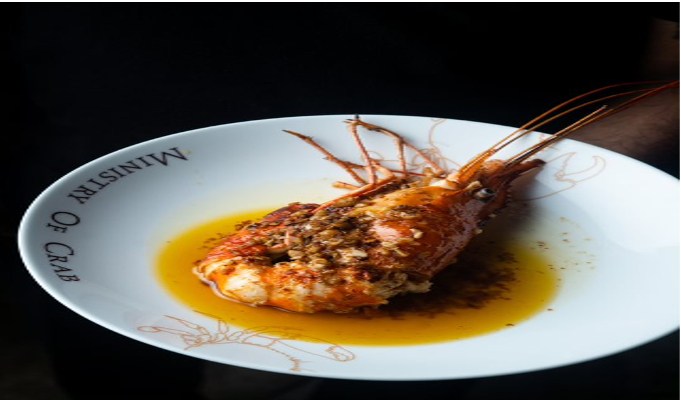
    Gourmet Investments Pvt. Ltd brings Mumbai’s most awaited launch of the year with the unveiling of Ministry Of Crab’s first-ever outlet in India. The grand launch of Sri- Lanka’s beloved restaurant is scheduled to take place at Zaveri House, Khar, Mumbai. Ministry Of Crab is the brainchild of celebrated chef and restaurateur Dharshan Munidasa in partnership with Sri Lankan cricket legends Mahela Jayawardane and Kumar Sangakkara. With its exemplary services and menu, Ministry Of Crab has safely secured its place for 3 consecutive years in the list of Asia’s 50 Best Restaurants.

    It was incepted in Sri Lanka on December 12, 2011 in the renovated 400-year-old Dutch Hospital, where it has successfully hosted the most renowned personalities from all walks of life. A haven for food lovers, Ministry Of Crab promises an unforgettable culinary experience with an array of intensely delicious recipes.

    Replicating success from the past, Ministry Of Crab becomes the newest entrant in India’s restaurant market by joining hands with GIPL. GIPL has extended unwavering support to a veteran of several landmark restaurant launches in India with the likes of PizzaExpress, Typhoon Shelter, The Bandra Project, The Runway Project, The Market Project, and The Poona Project. Through such partnerships, GIPL is committed to expanding its portfolio in food and beverage industry.

    Commenting on the partnership, Ramit Bharti Mittal, CEO of Gourmet Investments Pvt. Ltd., said, “We are thrilled to bring Ministry Of Crab to India. It is our constant endeavor to open doors for such brands that resonate with our values and we feel there couldn’t be a better choice for us than Ministry Of Crab. We see immense potential in Indian market for Ministry Of crab and through our strategic partnership, we embark on a new journey to deliver the best-in-class dining culinary experience to our customers.”

    Deepinder Batth, COO of Gourmet Investments Pvt. Ltd., says, “We envision transforming the gastronomic landscape of the country and with the launch of Ministry Of Crab, we feel we are moving towards that direction. MOC has received an exceptional response from food lovers in Sri-Lanka and Shanghai and we are excited to welcome the outlet in our country.”

    On coming to India, Chef Dharshan Munidasa says, “We are looking forward to working with Indian chefs in the country. As our delectable recipes are curated to perfection, we are sure the restaurant is slated to be an ultimate dining destination. We are happy to have partnered with Gourmet Investments, as they have shared our value system and are committed to bringing the DNA of Ministry of Crab to give our guests an authentic experience.”

  • Siri House opens in Singapore with new concept

    Siri House opens in Singapore with new concept

    Hybrid showroom, restobar, retail space and gallery Siri House has opened in Dempsey Hill as a taste test for a planned flagship in Thailand.

    The venue combines multiple concepts into a single interconnected area, including mock interiors for Bangkok apartments, display spaces for Thai artists, and discrete retail corners focusing on Thai culture and designer items, with jewellery, apparel, accessories and various collectibles available for purchase.

    The store is currently trading seven labels, ranging from homeware and souvenirs to crafts and ceramics. Most products on sale have a quirky or artistic vibe.

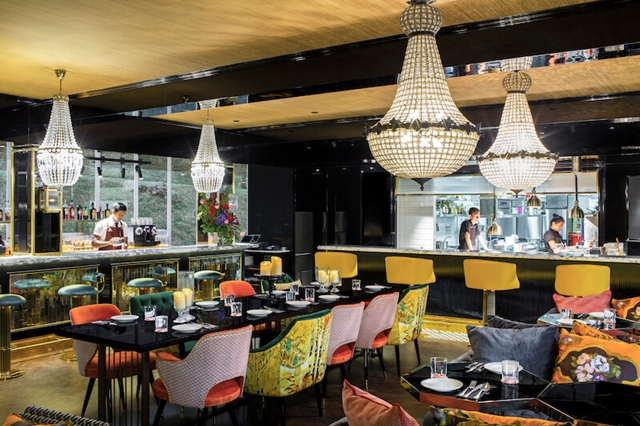
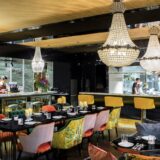
    The venue also houses a 48-seat restaurant with art deco stylings, serving a colourful Asian-influenced menu alongside a selection of wines and cocktails.

    The Siri House flagship is scheduled to open in Bangkok by March.

    View gallery below for images of the store :

  • Jollibee to sue Chinese copycat

    Jollibee to sue Chinese copycat

    Jollibee Foods has confirmed it is taking legal action against a copycat restaurant in China. A recent Facebook post which went viral featuring the Chinese restaurant – named JoyRulBee – drew much attention among internet users in the Philippines, after a Filipino couple travelling in Guangxi spotted the the familiar mascot and documented the knockoff.

    Pictures and a video showed that both the exterior and interior of the restaurant were close copies of the Jollibee brand, while the menu was also markedly similar.

    Jollibee’s response to the post indicated the firm was already aware of the existence of the copycat restaurant and has initiated legal proceedings to protect its trademark.

  • Revealing Subway Hong Kong’s new strategy

    Revealing Subway Hong Kong’s new strategy

    Subway Hong Kong has chosen a university campus to launch the first of its new-generation store concepts in Greater China. The Fresh Forward restaurant decor marks a modernisation for the iconic made-to-order sandwich chain which with a new development office in Hong Kong and Macau is achieving same-store annual sales growth of more than 20 per cent. The new development office management team, comprising CEO Christel LeBrun, GM Jamie LeBrun and director Mark Rutherglen have more than 50 years of Subway experience between them.

    Subway Hong Kong’s new Fresh Forward restaurant opened on level 3 of City University’s Lau Ming Wai Building in late August. It takes up a 900sqft site and seats 30 guests, making it one of the largest Subways in Hong Kong and Macau. The larger footprint is representative of the new development office’s strategy to develop the brand on a larger scale, unlike the smaller kiosk-style locations opened in the past.

    During the grand opening the store served more than 1300 customers, fulfilling 200-plus orders an hour during peak lunch periods. “Last year, we focused a lot of energy on better service, fresher products and cleaner restaurants,” said Christel LeBrun. “The way in which our sandwich artists and managers handled the volume on opening day is a testament to how far the operations have come in 12 months.”

    Subway Hong Kong expects that by the end of this year half of its outlets across the two territories will be remodelled to the new concept which Jamie LeBrun describes as “Subway stepping into the 21st Century”.

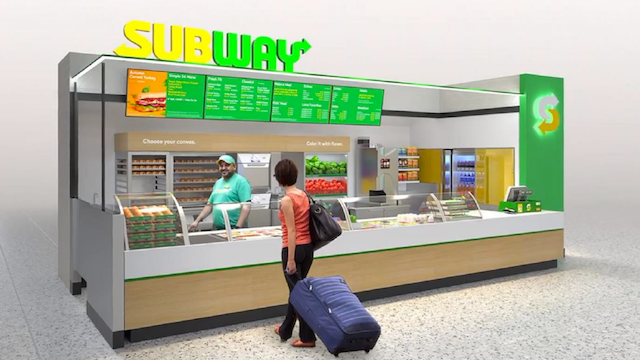
    Features of the new look include digital and interactive menu boards that have a more product-focused design and are controlled centrally via a content-management system.

    New fresh-vegetable and bread displays show customers how the chain’s products are prepared fresh in store each day.

    Brightly coloured furniture and eye-catching graphics on the walls create a more welcoming and “fresh” environment for dine-in customers, who can enjoy the convenience of power points for laptops and USB charging ports to recharge smart devices.

    “Our customers want good food, better value and clean restaurants. And we’re giving them that,” said Jamie LeBrun.

    Michael Kyprianou, director of development with Subway Hong Kong and a part owner of the City University store, describes the new concept as “an absolute game changer”.

    Future Fresh Forward stores in the two cities will be set up to cater better to online ordering.

    “With the move towards services like Deliveroo and Foodpanda, we have redesigned the back of house so where we have a prep bench, you can lift it up and you’ll have a salad bar so you can assemble orders at the back of the store for delivery,” says Jamie LeBrun. “So when orders are coming in online during peak hours, someone will be out the back preparing orders and not interfering with the in-store trade.”

    Jamie LeBrun says some Hong Kong Subway stores can earn up to 25 per cent of their sales online. “That’s how big the online space is. When it’s raining, no one wants to go out and pick it up. People have got short lunchtimes too – no one wants to go stand in line.”

    Menu evolution

    A major part of Subway’s success last year was a revamped menu which Jamie LeBrun says will continue to evolve to reflect local tastes and feature ‘limited-time offers’.

    “Product innovation is the cornerstone of future success for our business.”

    An avocado promotion in stores last year with three popular combinations – Roast Chicken and Avocado, Bacon and Avocado and Turkey, Bacon and Avocado – achieved sales 200 per cent higher than forecast.

    This year, Subway Hong Kong promises a new product every six weeks, including limited time offers such as Black Pepper Beef, Shrimp and Avocado and Rotisserie Chicken sandwiches.

    “Currently in restaurants you will find a Japanese Curry Chicken that offers a great warm flavour for these colder months,” says Christel LeBrun.

    Late last year, the company expanded the core menu offer adding coffee to new restaurants through a partnership with Kolb, offering fair-trade coffee beans and fresh milk in hot or cold drinks made in store.

    This year, Subway Hong Kong plans another menu-centric initiative called ‘restore the core’ – the first part of this initiative will be an analysis of existing items and optimising the menu based on what is popular and what can be removed. The second part is then to improve on the products left on the menu.

    Also this year, Subway will be more engaged in the community by sponsoring major ‘active lifestyle and sporting’ events around the territory to boost its profile and make consumers aware of its new outlet design and menu.

    “We are looking at a few events that complement the Subway brand to partner with this year, we are eager to get back into the event space and engage more with our customers,” says Jamie leBrun.

    On World Sandwich Day the company plans to launch a promotion with proceeds donated to those in need via the St James Settlement in Hong Kong. “A number of restaurants were doing 130 sandwiches an hour, every hour for eight hours on the day last year,” says Christel LeBrun.

    Franchisee search

    The development office has several new outlets scheduled to open during the next six weeks, including a new Fresh Forward outlet on Hollywood Road, Central.

    New franchisees are being sought to to help expand its store network now the brand has revamped its decor and upgraded its menu.

    “We are looking for new franchisees that are team players to help grow the brand in the right way,” explains Christel LeBrun.

    “People that are looking to own their own business or be their own boss. Training is provided so it doesn’t matter what background they come from. We have doctors, lawyers, graduates, teachers, parents and everyone in between,” adds Jamie LeBrun.

    Four new franchisees joined last year with another 10 sought this year with the longer-term goal to have 100 outlets in the two territories within 10 years.