Tag: retail earnings

  • Prada Group Net Revenues Reach €4,541 Million in First Nine Months

    Prada Group Net Revenues Reach €4,541 Million in First Nine Months

    Prada Group generated net revenues of €4,541 million in the first nine months of 2026, advancing 15 percent at constant exchange rates as recent consolidation masked a sharp deceleration across core retail markets.

    Excluding the newly consolidated Versace business, organic net revenue increased 4 percent year on year, while total retail sales reached €3,934 million across the nine-month period.

    Wholesale sales contributed €428 million, climbing 17 percent organically, while royalties reached €178 million, up 16 percent on an organic basis. Group retail sales across all brands rose 11 percent at constant currencies, but stripped of the Versace acquisition, organic retail growth was held to 2 percent. For the third quarter alone, organic retail revenues showed zero growth year on year.

    The Hong Kong-listed luxury house recorded a split performance across its commercial divisions. The flagship Prada brand generated retail sales of 2,414 million euros, up 2 percent organically across the nine months and 1 percent in the third quarter. Miu Miu booked retail sales of 1,156 million euros, managing a 1 percent organic increase over nine months before slipping 3 percent in the third quarter. Newly integrated Versace added 322 million euros in retail turnover, while Church’s generated 23 million euros, up 3 percent organically.

    Asia Retail Momentum Slows

    Asia Pacific remains Prada’s largest regional market by volume, delivering 1,344 million euros in retail sales during the first nine months. Reported growth hit 12 percent at constant exchange rates, but organic growth came in at 5 percent over nine months and ground to a complete halt at 0 percent during the third quarter.

    Japan produced 424 million euros in retail revenue, representing 2 percent organic growth over nine months and flat performance in the third quarter, following the reallocation of Hawaiian operations to the Americas division. In Europe, retail sales reached 1,180 million euros, contracting 3 percent organically both over nine months and throughout the third quarter. The Americas proved more resilient, contributing 851 million euros on 13 percent organic growth over nine months and 5 percent in the third quarter. Middle Eastern retail sales dropped 23 percent organically to 136 million euros.

    Chief Executive Officer Andrea Guerra pointed to shifting consumer sentiment across key luxury corridors.

    “The third quarter unfolded against a particularly challenging industry backdrop. In this context, the Group showed good resilience, underpinned by brand desirability and strong retail execution.”

    Cost Pressures Squeeze Half-Year Margins

    The nine-month trading slowdown follows compressed profitability recorded during the first half of the year. In the first half of 2026, net revenues stood at 3,048 million euros, but operating expenses rose to 1,858 million euros, consuming 60.9 percent of turnover compared to 57.5 percent in the prior-year period.

    Selling costs climbed to 1,242 million euros in the first half, while advertising and promotion outlays grew to 307 million euros, or 10.1 percent of revenue. Adjusted earnings before interest and taxes dropped to 530 million euros from 619 million euros, lowering the adjusted operating margin from 22.6 percent to 17.4 percent. Group net income for the half contracted to 327 million euros from 386 million euros.

    Chairman Patrizio Bertelli noted that market turbulence is likely to persist across the luxury sector, requiring agility and strict execution.

    Regional Exposure and Strategic Trade-Offs

    For store operators and commercial landlords across Asia, the stalled third-quarter organic retail figures confirm that the spending boom among regional consumers has reached an exhaustion point. Prada avoided outright regional contraction only through the top-line addition of Versace assets, a buffer that independent luxury peers lacking recent acquisitions do not possess.

    The risk now centers on whether promotional spending and real estate commitments in Asian gateway cities can yield sustainable returns as organic demand flattens. With Miu Miu turning negative in the third quarter, Prada cannot rely on secondary labels to offset slower traffic across primary flagship stores. Landlords negotiating lease renewals face a luxury tenant base that is defending operating margins rather than bidding up prime square footage.

    Milestones Across the Timeline

    Prada expanded its retail footprint and physical brand investments during 2026, opening the permanent Pradasphere exhibition inside Milan’s Galleria Vittorio Emanuele to anchor an eight-floor complex. Group marketing chief Lorenzo Bertelli projected the Milan space would add 100 million euros in annual revenues by driving visitor conversion.

    The group concluded its 2025 financial year on March 5, 2026, reporting full-year figures before convening its annual general meeting on April 30. First-quarter revenue updates were presented on the same day, followed by half-year financial statements released on July 30.

    Investors now await Prada Group’s full-year 2026 financial report, where balance sheet use tied to the Versace deal and year-end inventory levels across Asia will face direct scrutiny.

  • Coupang Swings to $501 Million Loss as Warehouse Fire Offsets Revenue Beat

    Coupang Swings to $501 Million Loss as Warehouse Fire Offsets Revenue Beat

    Coupang plunged to a $501 million net loss in the third quarter after absorbing $248 million in costs from a logistics centre fire in Incheon.

    Total net revenue rose 7 per cent year-on-year to $10 billion for the three months ended September 30, beating Wall Street consensus projections of $9.76 billion.

    On a constant currency basis, revenue climbed 11 per cent, clearing management’s guidance of 8 to 9 per cent growth. That top-line momentum failed to protect the bottom line against sudden operational shocks and aggressive promotional spending. The business posted an operating loss of $450 million for the quarter, compared to a $202 million operating loss when backing out the direct fallout of the warehouse blaze.

    The Balance Sheet Cost of the Incheon Blaze

    The July fire at the Incheon fulfilment facility tore through both cost of sales and administrative budgets. Direct fire expenses hit $248 million, split between $95 million in cost of sales and $153 million recorded across operating, general and administrative lines. Consolidated gross profit fell 6 per cent to $2.6 billion, contracting the group gross margin by 364 basis points to 25.7 per cent. Stripping out the $95 million inventory and fulfilment write-down left an adjusted gross margin of 26.7 per cent, which still deteriorated 270 basis points from the same period a year earlier.

    Diluted loss per share touched $0.28, or roughly $0.18 when excluding the fire impact. Consolidated adjusted EBITDA slid to $116 million, leaving a margin of just 1.2 per cent. Selling goods faster did not cushion profitability because the underlying delivery apparatus had to route around disrupted infrastructure.

    Core Commerce Margin Compression in South Korea

    Product Commerce, the core domestic marketplace in South Korea, delivered $8.4 billion in quarterly revenue. The unit grew 5 per cent on a reported basis and 8 per cent in constant currency. Adjusting for the calendar shift of the Chuseok holiday, constant-currency revenue growth reached roughly 9 per cent, an acceleration from the second quarter, extending the 4 per cent total net revenue increase posted in the second quarter. Active customers using the flagship apps inched up 2 per cent year-on-year and quarter-on-quarter to 25.2 million.

    Profit margins inside the home market took a heavy beating. Product Commerce gross profit stood at $2.4 billion, yielding a reported gross margin of 28.4 per cent. Excluding disaster costs, the division generated a 29.5 per cent margin, down 260 basis points from the prior year and 100 basis points from the preceding quarter. Product Commerce adjusted EBITDA excluding the fire came to $385 million, a 4.6 per cent margin down 420 basis points from the third quarter of last year. Chief financial officer Gaurav Anand pinned the deterioration on supply-chain bottlenecks, heavy promotional spending to win back shoppers, fixed-cost deleveraging, and a 40-basis-point margin drag caused by the Chuseok shift.

    Market Share Defences and Supplier Levers

    Domestic rivals have spent the past year slashing commission rates and subsidising shipping to chip away at Coupang’s dominance, forcing the group to buy customer loyalty at the expense of its own margins. Chief executive Bom Kim acknowledged that customer growth carried the scars of an earlier data incident, where an unreturned cohort continued to hold back domestic volumes. Returning customers are spending at historical levels, but reacquiring lapsed shoppers required sustained discount campaigns that weighed on quarterly returns. To anchor its 25.2 million users, the company rolled out a Try Now, Pay Later feature for its paid WOW subscription tier, allowing shoppers to test apparel for seven days before paying.

    The financial pressure travels down the supply chain. E-commerce platforms across North Asia face rising warehouse automation overheads alongside tighter seller economics. Coupang’s need to rebuild margins will inevitably force tougher terms on third-party merchants and brands that rely on Rocket Delivery to reach urban households. If the platform cuts promotional subsidies as planned, consumer brands will have to fund their own discounts or accept slower inventory turns.

    Taiwan Outpacing Domestic Momentum

    International and new ventures provided the top-line bright spot. The Developing Offerings division, which houses the rapid expansion into Taiwan, generated $1.6 billion in revenue during the quarter. That represented a 23 per cent reported jump and a 27 per cent surge in constant currency. Over the trailing twelve months, Developing Offerings brought in $5.8 billion, running 26 per cent ahead of the previous year.

    Building a second logistics network outside South Korea carries a familiar burn rate. The company is replicating its capital-intensive Rocket Delivery infrastructure, taking on upfront lease commitments and delivery fleet costs in an overseas market contested by established regional players. While the revenue contribution of overseas bets climbs, it dilutes consolidated margins just as the cash engine at home stutters.

    Mid-2027 Margin Recovery Target

    Operational repair now hinges on a strict deadline. Management has started trimming marketing budgets earmarked for win-back campaigns, projecting that customer acquisition costs will drop through the first half of the coming year. The company expects Product Commerce adjusted EBITDA margins to climb back toward pre-incident trajectories by mid-2027, with performance fluctuating across seasonal shopping peaks.

    RetailNews Asia will track Coupang’s fourth-quarter filings to verify whether customer retention holds as fashion try-out benefits scale up and promotional discounts wind down.

  • Hugo Boss Slashes Earnings Outlook as Q3 Profit Slumps 15%

    Hugo Boss Slashes Earnings Outlook as Q3 Profit Slumps 15%

    Hugo Boss lowered its full-year earnings guidance after third-quarter revenue fell 5 per cent to 946 million euros, dragged down by European weakness and flat sales across Asia-Pacific.

    Operating profit dropped 15 per cent to 81 million euros in the three months to Sept. 30, pulling the group operating margin down to 8.6 per cent from 9.6 per cent a year earlier.

    Currency-adjusted group revenue fell 4 per cent. Group management cut its full-year operating profit expectation to between 250 million euros and 300 million euros, down from an earlier target band of 300 million euros to 350 million euros. Full-year sales are now projected to decline in the high single digits, compared with prior expectations of a mid- to high-single-digit drop.

    Flat Demand Across Asia and Regional Pressure

    Performance across Asia-Pacific generated zero top-line growth during the quarter, mirroring flat results in the Americas and offering no counterbalance to the downturn in Europe. The core European, Middle Eastern and African operations saw revenue fall 7 per cent to 598 million euros, with deep declines in Britain and France outpacing relative resilience in Germany.

    For retail landlords and department store operators across key Asian shopping hubs, stagnation at the German brand points to stubborn hesitation among upper-middle-income apparel buyers. Premium fashion labels positioned just below traditional luxury houses face a specific squeeze. Shoppers either trade down to fast fashion or hold back discretionary spending entirely, leaving mid-tier luxury square footage exposed to lower inventory turns.

    The slowdown puts immediate operational pressure on Asian concession partners and franchise operators who committed to expanded floor space during earlier expansion drives. Holding inventory that moves slowly through high-rent retail corridors eats into working capital, forcing local merchants to reconsider promotional timing and order sizes for upcoming seasons.

    Casual Lines Suffer as Formal Wear Holds Up

    Core Boss collections eased 2 per cent to 813 million euros. Menswear maintained stronger footing, while Boss womenswear continued to feel the disruption of an operational reboot initiated ahead of the fall 2027 collection.

    Casualwear took the heaviest beating across global retail networks. Sales for the youth-oriented Hugo label tumbled 16 per cent during the three-month period, reflecting what management characterized as an ongoing strategic refinement of the brand footprint.

    “In the third quarter, our top line performance reflected both the deliberate strategic realignment of our business and a persistently subdued consumer environment,” Hugo Boss chief executive officer Daniel Grieder said in a statement, referring to a strategic “quality over quantity” reset initiated late last year. “At the same time, we made further progress in improving our gross margin and operating efficiencies.”

    Shift Away From Promotional Spending

    The revised full-year numbers follow a deliberate pivot away from aggressive marketing outlays that drove post-pandemic revenue spikes on soft historical comparables. The company had previously warned that 2026 would be difficult, pointing to 2027 as the earliest window for a return to meaningful expansion.

    Earlier quarters showed initial signs of operational discipline, which won over institutional backers including majority owner Frasers Group. The 100 million euro change in operating profit guidance tests that patience and increases pressure on management to protect store-level profitability rather than chasing top-line volume.

    Store networks across the region now face tighter merchandising budgets as the company manages inventory levels heading into the final quarter. The primary figure to track is whether full-year operating profit can clear the bottom of the revised 250 million euro floor when annual results close.

  • Sheng Siong Posts Q3 Profit of $44.6 Million

    Sheng Siong Posts Q3 Profit of $44.6 Million

    Sheng Siong lifted third-quarter profit by 1.9 per cent to $44.6 million for the period ended Sept 30, up from $43.7 million a year earlier, driven by new outlets and stronger comparable sales.

    Revenue rose 6.2 per cent to $441.5 million, compared with $415.5 million in the prior-year period. Earnings per share climbed 1.7 per cent to $0.0296 from $0.0291.

    The Singapore mainboard-listed supermarket chain attributed top-line growth to higher store numbers and improved same-store demand.

    New Floorspace Carries the Top Line

    Revenue growth came directly from new space and gains across existing aisles. The supermarket operator added eight stores in Singapore over twelve months, lifting its domestic network to 92 locations from 84. Total domestic retail space expanded to 799,775 square feet, up from 723,648 square feet in the prior-year period. Its footprint in China stayed flat at six outlets.

    Management acknowledged that discounting remains intense across the island. Sustained promotional campaigns across the grocery sector continue to squeeze receipts and operating margins, capping the flow-through from higher customer traffic.

    Wage Mandates Push Up Operating Costs

    Staff expenses climbed 9.3 per cent during the quarter to $71.6 million, compared with $65.5 million twelve months ago. The increase reflects state wage adjustments designed to lift compensation for lower-income retail staff across the island.

    Sheng Siong raised floor workers’ pay in September 2025 to comply with statutory Progressive Wage Model requirements for the retail industry. Management identified further overhead pressure coming from updated National Wage Council guidelines spanning 2026 and 2027.

    Cross-Border Shopping Threatens Basket Sizes

    Domestic grocers face a shifting competitive perimeter as regional transport links near completion. The Johor Bahru-Singapore Rapid Transit System Link, scheduled to begin passenger service in February 2027, will allow Singapore residents to cross the border into Malaysia in minutes. That connection threatens to siphon off household spending on packaged groceries and personal care goods, where price differentials between the two markets remain wide.

    For mass-market grocers, structural wage inflation combined with cross-border retail leakage leaves little room for pricing missteps. While premium supermarket operators serve a demographic less inclined to haul pantry staples across the Causeway, Sheng Siong’s value-driven shopper base is directly exposed to Malaysian price competition. Defending market share will require tighter inventory turns and selective promotions that protect basket volumes without eroding gross margins.

    Securing Real Estate in Underserved Estates

    The latest performance extends a multi-year push into newly completed residential developments across suburban Singapore. Securing tenancy in public housing commercial spaces has allowed the company to generate steady revenue growth even as older outlets contend with baseline saturation.

    Shares of Sheng Siong fell 1.4 per cent to close at $2.80 on October 29 before the company released its financial statement.

    The retailer continues to target suburban pockets where it lacks coverage.

    Looking ahead, we will continue to prioritise expansion in areas where the group has limited presence, to extend our reach to customers

    said Lim Hock Chee, group chief executive of Sheng Siong.

    Attention now turns to government commercial lease tenders over the coming quarter, where Sheng Siong must secure additional suburban sites to sustain floor-space growth ahead of the 2027 transit link opening.

  • Tata Consumer Profit Rises 16% as Salt and New Lines Offset Flat Tea

    Tata Consumer Profit Rises 16% as Salt and New Lines Offset Flat Tea

    Tata Consumer Products posted a 15.6 per cent increase in consolidated net profit to ₹470.14 crore for the September quarter, driven by higher salt volumes and faster momentum in packaged foods.

    Consolidated revenue climbed 14 per cent to ₹5,661.13 crore, matching analyst projections of ₹5,583.2 crore on revenue and ₹469.2 crore on earnings.

    Operating profit grew 18 per cent to ₹794 crore. Operating margins widened by 40 basis points to reach 14 per cent. Underlying volume growth in the core domestic branded business registered at 11 per cent, softening slightly from 13 per cent in the prior quarter. Price revisions took effect across key staples, lifting tea prices by 8 to 10 per cent and salt prices by 6 per cent compared to the first quarter.

    Value Added Lines Expand Operating Cushion

    Packaged staples and functional beverages now insulate the group from flat demand in legacy grocery lines. The company classified 38 per cent of its domestic business as growth portfolios, which surged 40 per cent year on year. Tata Sampann, covering spices, culinary oils and packaged pulses, reported 57 per cent year-over-year growth, driven by volume. Cold-pressed oils and dry fruits generated a combined annual recurring revenue run rate of approximately ₹1,000 crore, while ready-to-drink beverages like Tata Gluco+ and Tata Copper+ grew sales 47 per cent.

    Pricing power in salt proved resilient. Salt revenue increased 15 per cent on 9 per cent volume growth. In contrast, tea revenue slipped slightly as volumes stayed flat, squeezing category turnover despite direct price hikes. That bifurcation mirrors broader supermarket trends across urban India, where branded staples capture market share from unorganised mills while mass hot beverages face spending fatigue.

    Store Footprint and International Pressures

    Joint venture Tata Starbucks generated a 15 per cent revenue increase for the three-month period, marking a multi-quarter high driven by same-store sales. The chain closed September with 505 cafes across 81 cities in India. The rapid cafe rollout places the group in direct competition with international specialty chains and domestic coffee operators bidding for high-street real estate in tier-one and tier-two retail districts.

    Overseas revenue rose 7 per cent reported, but fell 2 per cent in constant-currency terms against a demanding year-earlier base. Prolonged warm weather in the United Kingdom dampened hot beverage consumption. Cost structures face new friction as well, with tea inflation and packaging input volatility balancing out recent declines in global green coffee purchasing costs.

    Building Margins Across Packaged Brands

    Management previously transformed Tata Sampann from negative 5 per cent margins five years ago to between 14 and 15 per cent this quarter, expanding 270 to 280 basis points year on year. In the June quarter, consolidated revenue had risen 12 per cent while net profit jumped 29 per cent, showing consistent volume expansion through the current fiscal year.

    “We had seen a little bit of inflation in Capital Foods as well, and we’ve taken pricing through the quarter, which will again start to flow. So across the board, I think the whole play of price increases has yet to, manifest fully into the P&L,” D’Souza said to analysts in the post-results call.

    Executive leadership has set a target for Indian food and beverage operating margins to reach 17 to 20 per cent over the next three to five years, requiring pricing actions at Capital Foods to flow through inventory cycles without degrading supermarket sales volume.

  • LVMH Fashion Sales Drop 5 Percent in Third Quarter

    LVMH Fashion Sales Drop 5 Percent in Third Quarter

    LVMH posted a 5 percent drop in third-quarter organic sales across its core fashion and leather division. Spending by Chinese shoppers deteriorated sharply.

    Total group revenue rose 1 percent on an organic basis to 18.5 billion euros ($20.7 billion). Market analysts had forecast 1.3 percent growth.

    Fashion and leather goods generate nearly half of group revenue. The unit’s contraction landed well below consensus estimates of a 1.8 percent decline. Flagship labels Louis Vuitton and Dior took the brunt of the downturn. Regional sales across Asia excluding Japan dropped 5 percent over the quarter.

    Chinese Spending Reverses Regionally

    Weakness in mainland China offset gains in other markets, including a 5 percent sales increase in the United States. Chinese consumers generate roughly one-fifth of global luxury purchases. That exposure hit regional department store concessions and flagship boutiques as footfall and basket sizes retreated.

    Recent regulatory pressure in China, including a tax crackdown on wealthy individuals, dampened appetite for high-ticket discretionary purchases. In mainland retail centers, luxury operators report tighter consumer budgets and reduced conversion rates across apparel and leather goods.

    “In the third quarter specifically, Asia was penalised by a sharp macro-led deterioration in Chinese consumer sentiment, with a tangible impact on discretionary expenses.”

    Hard Luxury Loses Momentum

    Slower demand spread into categories that previously showed resilience during broader retail pullbacks. Organic sales growth in the watches and jewellery unit, which includes Bulgari and Tiffany, slowed to 6 percent in the third quarter after posting 9 percent growth during the first half of the year.

    Hard luxury typically attracts shoppers seeking store-of-value assets during economic uncertainty. Slower momentum at Tiffany and Bulgari shows that even affluent shoppers across Greater China are delaying watch and jewellery transactions.

    Mall Landlords and Margin Pressure

    For high-end landlords across Shanghai, Beijing and Hong Kong, falling sales at anchor fashion tenants threaten revenue-share lease terms. Premium malls lean heavily on Louis Vuitton and Dior flagships to generate customer foot traffic. Softer sales volumes reduce landlord yields on turnover rents.

    Rival luxury conglomerates face identical pressure across their regional store networks. European luxury groups have shed roughly 330 billion euros in combined market capitalization this year. Marketing budgets and store renovation schedules across second-tier Asian cities now face immediate scrutiny.

    Three Years of Slower Growth

    The latest trading update extends a three-year luxury demand deceleration across Asia. Following a brief post-pandemic rebound in travel retail, Chinese outbound tourism shifted toward closer regional destinations where luxury price differentials have narrowed.

    LVMH shares fell more than 3 percent in US trading following the update. Investors and retail operators now track whether upcoming fourth-quarter holiday trading and Chinese New Year bookings stabilize inventory levels across luxury flagship networks.

  • Lotte Signs Blackpink Jennie as Foreign Spending Drives Record Department Store Profits

    Lotte Signs Blackpink Jennie as Foreign Spending Drives Record Department Store Profits

    Lotte Department Store signed Blackpink singer Jennie for a yearlong campaign. The deal follows foreign shoppers pushing international sales past 1 trillion won for the first time.

    The agreement gives South Korea’s largest department store operator its first brand ambassador in seven years. It covers 31 domestic branches and four outlets in Vietnam and Indonesia.

    Promotions launch in October across central transit hubs, including Incheon Airport and Seoul Station. Shinsegae Department Store counters without a formal contract. The rival chain, which operates 13 locations nationwide, features rookie group Allday Project member Annie on the digital screen outside its Myeong-dong flagship through Oct. 18. She is the daughter of Shinsegae Inc. Chair Chung Yoo-kyung.

    Foreign Footfall Rewrites Merchandising Strategies

    Department store operators across East and Southeast Asia spent years phasing out celebrity-driven advertising in favour of direct luxury brand partnerships. Rising tourist traffic reversed that playbook in Seoul. Floor plans evolved from standard retail halls into cultural destinations for international visitors.

    Foreign visitors spent 14.02 trillion won ($10.5 billion) on credit cards across South Korea from January through August. That represents a 48.5 percent increase from a year earlier, according to the Ministry of Culture, Sports and Tourism. Overseas visitors now generate almost 30 percent of total sales at the Myeong-dong flagships of both Lotte and Shinsegae. That share stood at 15 percent in 2024.

    “By combining our ambassador’s global influence with Lotte Department Store’s brand value, we will widen our reach to customers worldwide,” said Lotte Department Store CEO Jung Hyun-seok.

    Flagship Showdowns in Myeong-dong

    Concentrated tourist demand inside central Seoul creates intense pressure on prime retail real estate. Lotte built a dedicated hall for domestic fashion labels that draws most of its volume from inbound travellers. Shinsegae consolidated K-pop merchandise, packaged snacks, and domestic apparel labels onto a single tourist floor.

    Competition extends directly to the street. Shinsegae uses its building-scale outdoor digital media screen to display cultural and pop music content. Lotte plans to counter with an even larger outdoor display panel on its own building facade in December.

    Surging Operating Profits Across Both Chains

    Record quarterly and half-year earnings followed the spending surge. Lotte generated roughly 640 billion won in sales to overseas shoppers during the first half. Shinsegae collected 580 billion won from the same demographic.

    Second-quarter results set new records. Lotte’s department store division reported revenue of 891.2 billion won, lifting operating profit 84 percent to 119.7 billion won. Shinsegae posted store revenue of 738.5 billion won, up 17.5 percent, while operating profit jumped 53.5 percent to 108.8 billion won.

    First-half tallies confirmed the trend. Lotte expanded six-month operating profit by 54.8 percent to 295.9 billion won on revenue of 1.69 trillion won. Shinsegae grew first-half operating profit 39.7 percent to 249.9 billion won as division revenue reached 1.48 trillion won.

    Southeast Asian Footprint and Year-End Targets

    Across Southeast Asia, the celebrity campaign supports a retail footprint of four department stores in Vietnam and Indonesia. Cross-border brand recognition directly affects footfall in those assets. Korean lifestyle and beauty concepts drive the tenant mix at each location.

    Lotte had not used a single advertising model since actress Shin Min-a fronted its promotions in 2017. Its Myeong-dong flagship alone generated approximately 520 billion won of the retailer’s 1 trillion won in foreign sales this year. The chain focuses on maintaining foreign customer volumes into the final quarter.

    Both department store chains turn next to year-end campaigns for the winter travel season, led by the December opening of Lotte’s expanded media wall in Myeong-dong.

  • Shein Second Quarter Profit Plunges 67 per Cent to US$228 Million

    Shein Second Quarter Profit Plunges 67 per Cent to US$228 Million

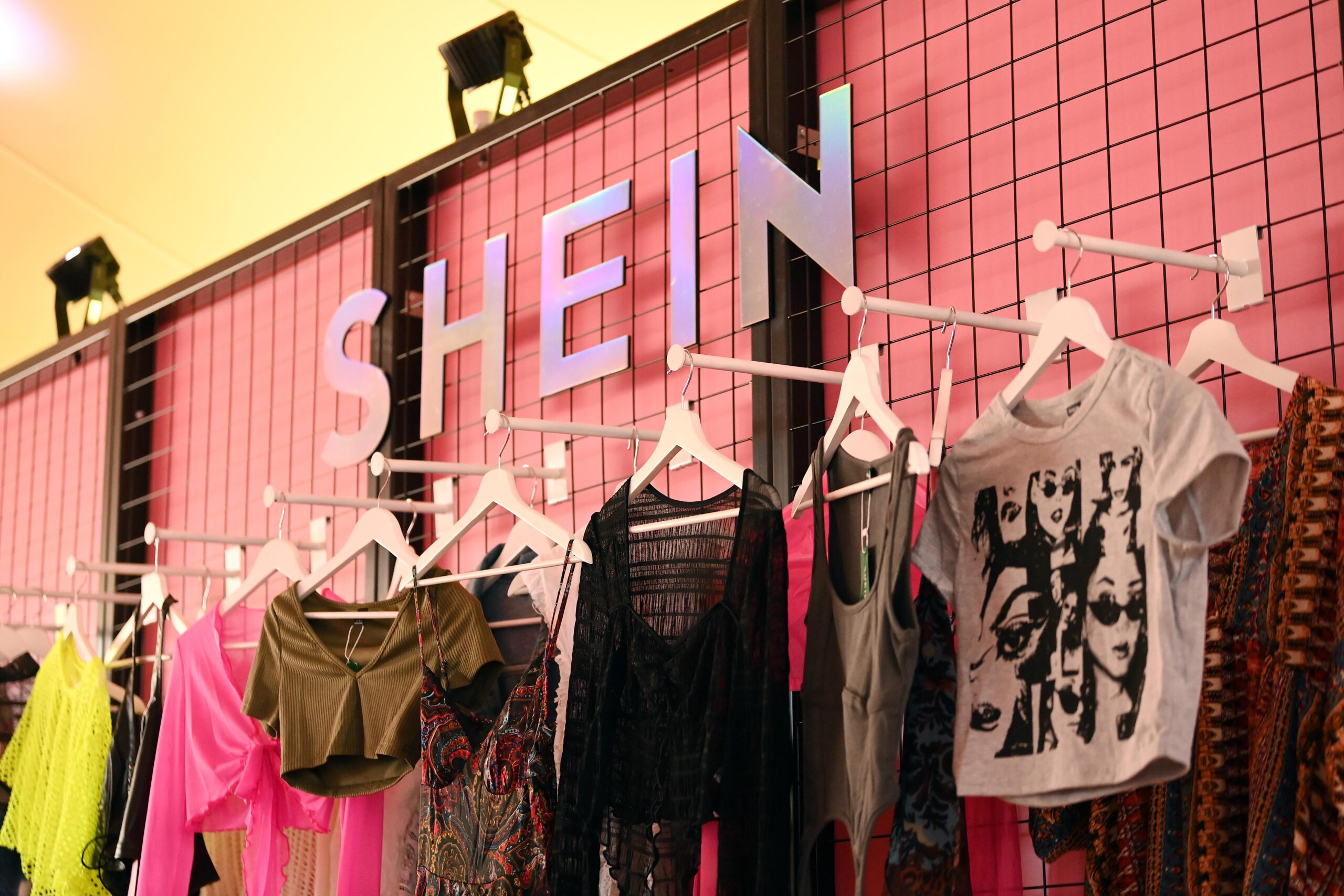
    Shein posted an adjusted net profit of US$228 million for the second quarter, down 67 per cent from a year earlier. Freight costs surged while sales across Europe fell.

    Net margin shrank to 2.1 per cent from 6.2 per cent a year ago. Flying low-cost parcels directly from Asian factories to consumers worldwide became far more expensive. Total revenue edged up 0.9 per cent to US$11.08 billion for the three months to June 30. Gains in Latin America counterbalanced declining receipts in Western markets.

    European sales dropped 13.9 per cent to US$3.77 billion during the quarter. The retailer raised prices and trimmed marketing budgets across the region ahead of July 1, when the European Union introduced a 3-euro customs charge on low-value parcels. United States revenue declined 6 per cent to US$2.5 billion. That drop continued a slide that began after American authorities ended duty-free treatment under de minimis rules last year.

    Air Freight and Customs Squeeze Margins

    Conflict in the Middle East disrupted aviation routes and pushed up jet fuel prices. That drove an 18.1 per cent increase in quarterly fulfillment costs. Shein’s direct-to-consumer model depends entirely on affordable air cargo capacity out of southern China. When air freight rates spike, the margin on five-dollar apparel vanishes.

    Shares in Hong Kong have fallen 27.3 per cent below their HK$48.56 offer price since the company went public on September 1. Institutional investors had already priced in regulatory scrutiny. Even so, the rapid deterioration in core operating earnings caught market analysts off guard.

    European Warehouses and On-the-Ground Logistics

    Shein is shifting inventory onto European soil to insulate operations from cross-border customs fees and volatile air cargo rates. The group opened a 740,000-square-metre logistics hub in Wroclaw, Poland, in December. It secured an additional 66,000 square metres of Polish warehouse space through developer CTP earlier this year.

    Holding stock locally cuts delivery transit times and skirts per-parcel import tariffs. Yet it also creates lease liabilities and inventory holding risks the platform once avoided. For suppliers in Guangdong province, bulk sea shipments to European distribution centres require longer production planning cycles. That slows down the ultra-fast test-and-reorder batches that built the brand.

    Pivot to Higher Price Points and Brand Acquisitions

    Executive leadership plans to adjust the product catalogue toward higher price tiers to rebuild profitability. Moving beyond ultra-cheap garments requires winning market share from established mid-market apparel groups. It also means managing higher marketing and acquisition costs.

    “As the product mix shifts towards brands at higher price points, the platform’s overall average selling price will rise accordingly,” Shein chief executive and chair Yangtian Xu said in a statement.

    Potential fast-fashion acquisition targets are under review as the company seeks to build a portfolio of distinct labels across different price tiers. Buying regional brands gives the group immediate recognition in overseas territories. It avoids relying purely on paid online advertising to acquire customers.

    Next Steps on Customs and Third Quarter Results

    Second-quarter figures reflect business conditions before the European Union’s 3-euro parcel levy took effect in July. Shein cautioned that the full financial hit could exceed the disruption caused by the end of American de minimis exemptions.

    Investors will watch third-quarter trading updates to see whether European warehouse operations can restore gross margins before the peak year-end holiday shopping rush.

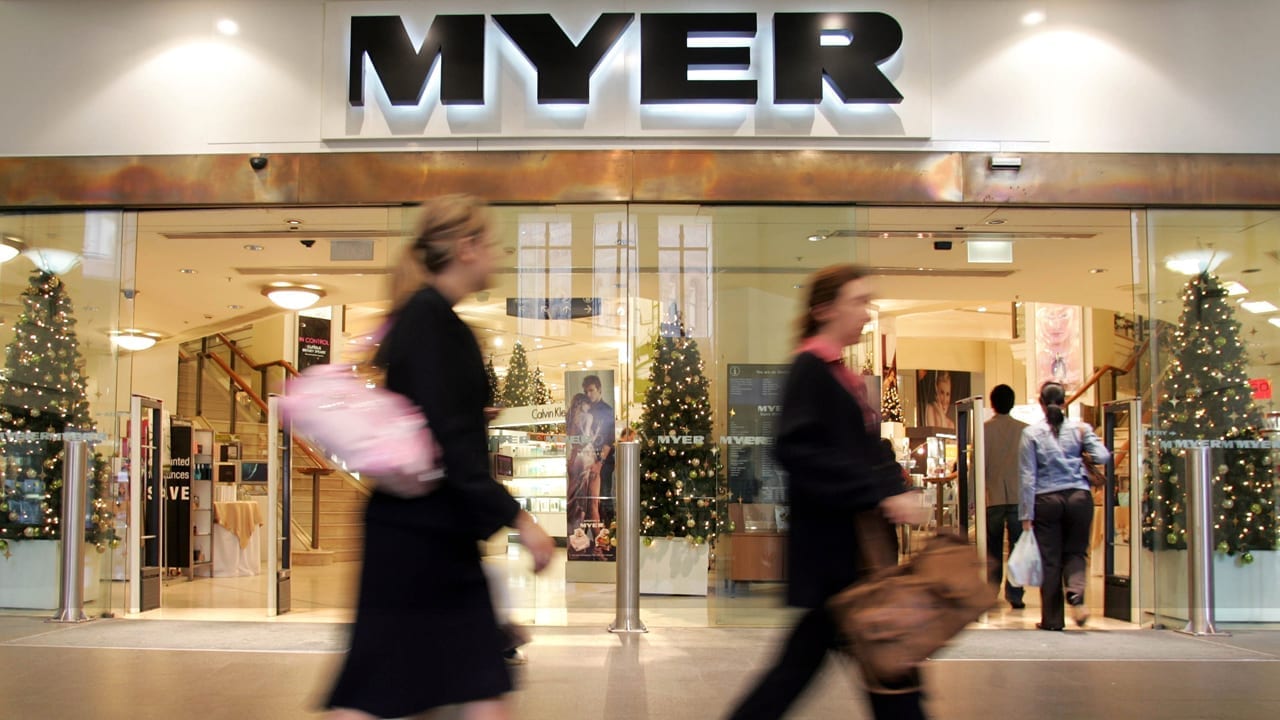
  • Myer Slips to $276.5 Million Annual Loss on Heavy Store and Brand Write-Downs

    Myer Slips to $276.5 Million Annual Loss on Heavy Store and Brand Write-Downs

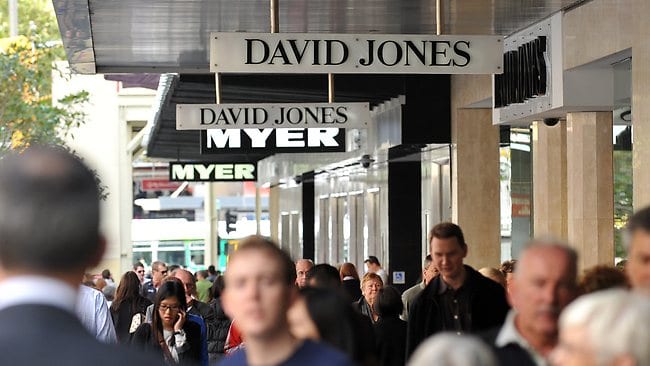
    Australian department store operator Myer posted a statutory net loss of $276.5 million for the financial year to July 25. Heavy write-downs across its store network and brand assets drove the result.

    Total sales edged up 0.7 per cent to $4.1 billion, crossing the four-billion-dollar mark. Weak discretionary spending squeezed margins across the department store sector.

    This statutory deficit is the second-largest in company history, behind only a $486 million loss in 2018. A post-tax, non-cash impairment of $279.6 million hit goodwill, brand intangibles and store asset valuations across the group. Underlying net profit after tax fell roughly 3 per cent to $42.5 million.

    Impairments Bite Across Apparel Portfolio

    Book valuations fell across Myer’s physical retail footprint and apparel labels as performance split sharply between categories. Weaker demand hit apparel businesses, including specialty fashion label Portmans. Core fashion, cosmetics and loyalty-driven sales held steadier.

    Trading deteriorated sharply during the second half. Three Reserve Bank of Australia interest rate increases and higher household bills thinned retail traffic across shopping centres.

    The second half of FY26 was characterised by a volatile and significantly more challenging macroeconomic and retail environment than 1H26 or FY25.

    Trading Headwinds Spread to Fiscal 2027

    Demand weakened notably through June and July, leaving store footfall volatile heading into the new fiscal year. August trading stayed soft as shoppers continued to trim non-essential purchases.

    Regional peers across Asia-Pacific face similar pressures as inflationary shocks exhaust household savings. Landlords and concession partners must now contend with an anchor tenant focused on store rationalisation and tighter capital allocation rather than floor space expansion.

    Stock management carries the primary near-term risk. Department store models carry substantial working capital commitments. Prolonged discounting to clear sluggish apparel stock will compress underlying gross margins further if volume fails to rebound.

    Board Reshuffle and Strategic Pivot

    Top shareholder Solomon Lew takes a seat on the Myer board in September. Lew returns to the boardroom decades after past shareholder disputes, bringing direct oversight of the retailer’s operational turnaround.

    Myer previously responded to footfall declines by building out digital channels, expanding customer loyalty incentives and refreshing designer concessions. Those investments preserved top-line sales above $4 billion. However, escalating store lease costs and inflationary overheads eroded net profitability.

    Executives are counting on key discount peaks to stabilise earnings this half. Promotional activity leans heavily toward Black Friday clearance events, Christmas gift pop-ups and end-of-year trading.

    Attention now turns to the group’s early trading update ahead of the crucial November discount period for signs of a consumer recovery.

  • JD Sports Sales Dip Globally as Asia Pacific Delivers 10.7% Organic Growth

    JD Sports Sales Dip Globally as Asia Pacific Delivers 10.7% Organic Growth

    JD Sports lifted organic sales in Asia Pacific by 10.7 per cent in the six months to August 1. It was the retailer’s sole expanding region globally.

    Total group revenue dipped 0.7 per cent to $11.1 billion (£5.89 billion) during the half-year period. Weaker consumer spending across larger Western markets weighed on the top line.

    Asia Pacific Leads Organic Revenue

    North America generated the largest share of group receipts. However, regional demand slowed compared with previous reporting periods. Asia Pacific bucked that trend with double-digit organic expansion while other divisions contracted.

    Brick-and-mortar shopping drove the regional gain. The company opened six stores across Asia Pacific in the half-year, lifting same-store receipts through event-driven sports merchandise sales.

    “We remained focused on ‘controlling the controllables’ – progressing our strategy at pace while maintaining tight cost and capital discipline,” said Régis Schultz, chief executive of JD Sports.

    Store Expansion and Footfall Dynamics

    Stores remain central to the JD Sports operating model, generating 79 per cent of group turnover during the period. Organic e-commerce sales rose 5.2 per cent.

    For landlords across Asia, the numbers confirm steady footfall demand for multi-brand athletic anchors. Standalone mono-brand stores face margin volatility. In contrast, multi-brand formats draw wider traffic by consolidating footwear lines under one roof.

    Local wage pressure and fit-out inflation still threaten store expansion. Managing occupancy costs across prime retail hubs will determine whether new sites generate positive returns on capital over the next cycle.

    Product Mix Shifts to Apparel

    Category diversification provided extra sales insulation. Apparel and accessories climbed to 36 per cent of total group sales. Demand grew for technical running gear and newly introduced shoe silhouettes.

    A push into higher-margin apparel gives the retailer flexibility against footwear supply bottlenecks from major athletic brands. Regional rivals have also built up non-footwear inventory to defend transaction values against cautious discretionary spending.

    Earnings Rebound and Regional Headwinds

    Group pre-tax profit rose nearly 75 per cent to $454 million, up from $260 million a year earlier. The prior-year figure had absorbed a $307 million one-off charge that suppressed net earnings.

    World Cup demand lifted regional merchandise sales, helping offset softer retail sentiment in Australia and New Zealand. The next test comes in the second half, when tournament sales cycles fade and the retailer must sustain full-price sell-through rates across its Asia-Pacific stores.

  • Myer Posts AU$276.5 Million Loss on Impairments as Solomon Lew Joins Board

    Myer Posts AU$276.5 Million Loss on Impairments as Solomon Lew Joins Board

    Department store operator Myer posted a statutory net loss of AU$276.5 million for fiscal 2026. The result followed AU$319 million in one-off write-downs and expenses.

    Total group revenue surpassed AU$4 billion, rising 11.3 per cent over the year after consolidating apparel chains acquired from Premier Investments. An asset impairment of AU$279.6 million drove the bulk of the bottom-line hit. Stripping out exceptional charges, underlying net profit after tax stood at AU$42.5 million.

    Retail magnate Solomon Lew joins the Myer board on September 24 as a non-executive director. Lew controls Premier Investments, which holds approximately 30 per cent of Myer equity. Premier executive Mark Middeldorf joins alongside him as an alternate director.

    Apparel Brands Show Mixed Integration

    Revenue in the consolidated Apparel Brands division, spanning Just Jeans, Jay Jays, Jacqui E, Dotti and Portmans, fell 1.3 per cent during the period. Just Jeans sales rose 6 per cent. That gain failed to offset weak customer demand at other former Premier labels like Portmans. Core department store operations under Myer Retail booked a 0.7 per cent sales increase year on year.

    Consumer demand shifted abruptly during the final quarter of the financial year across Australian shopping centers. Group executive chair Olivia Wirth cited steep slowdowns in June and July as household budgets tightened across the country.

    “The second half of FY26 was characterised by a volatile and significantly more challenging macroeconomic and retail environment than 1H26 or FY25,” said Myer Group executive chair Olivia Wirth.

    Asset Impairments and Market Pricing

    The AU$279.6 million impairment resets the balance sheet after years of structural pressure on department store floor space and portfolio valuations. Writing down those assets clears accumulated legacy costs ahead of integrating supply chains and loyalty programs across hundreds of regional storefronts. Equity investors took the writedowns in stride. They bid the stock higher on the underlying earnings figure, despite a 61 per cent share price drop over the preceding twelve months.

    Operating costs across Australian retail supply chains remain high as freight contracts, store rent escalations and award wage adjustments squeeze gross margins. Competing department store and apparel groups have trimmed inventory orders and turned to promotional discounts to clear seasonal stock. Myer must now extract distribution savings from its newly absorbed specialty brands before overheads erode specialty store cash flows.

    Earlier Steps in the Premier Transaction

    That restructuring traces back to December, when Myer completed the purchase of the Apparel Brands portfolio from Premier Investments in exchange for equity. The deal made Lew the retailer’s dominant shareholder and granted him board observer status while regulatory reviews concluded. Lew was initially slated to assume a formal directorship in April before the company finalized its full-year accounts.

    Earlier trading updates in July had warned of soft first-half momentum across discretionary retail categories. The full-year results confirm the winter retail slowdown deepened, leaving margins compressed across multiple apparel lines.

    Board Oversight and the Next Trading Window

    With Lew taking a direct seat in boardroom deliberations, capital allocation decisions will focus on store footprint rationalisation and digital integration across the combined portfolio. Management expects volatile consumer sentiment to persist across the domestic retail sector throughout the next twelve months. The upcoming November promotional period and December Christmas trading quarter will test whether the expanded brand lineup can stabilize operating cash flows.

  • Samsung India Profit Drops 36% to Rs 7,228 Crore in FY26

    Samsung India Profit Drops 36% to Rs 7,228 Crore in FY26

    Samsung India Electronics posted a 36 per cent drop in net profit to Rs 7,228.10 crore for the financial year ended March 31, 2026, as operational expenses outpaced revenue gains.

    Revenue from operations rose 1.2 per cent to Rs 1.12 lakh crore, keeping the South Korean brand as the sole consumer electronics and appliances maker in India with an annual turnover exceeding Rs 1 lakh crore.

    Margin pressure across consumer divisions

    Filings submitted to the Registrar of Companies and compiled by business intelligence platform Tofler show total consolidated income, which includes other income, reached Rs 1,14,738.60 crore during FY26. That compares with a total operating revenue of Rs 1,11,183.40 crore in FY25, when net profit stood at Rs 11,287.50 crore.

    Smartphones generated the bulk of top-line earnings across the twelve-month period. The Indian subsidiary also sells tablets, televisions, home appliances and personal computers through national retail chains, brand-owned stores and online platforms.

    Cost structures test electronics retail

    For appliance and device retailers across South Asia, the margin erosion at the market leader reflects broader inventory and component inflation. Rising bill-of-materials costs across display panels and memory chips have squeezed unit economics faster than retail shelf prices could absorb them.

    The sharp profit contraction confirms that volume stability in mobile handsets no longer guarantees bottom-line expansion in India. Premium device sales kept headline revenue flat, yet promotional discounts and elevated retail dealer commissions eroded operating margins across Tier 2 and Tier 3 distribution networks.

    Rival performance and regional positioning

    Korean competitor LG Electronics reported total income of Rs 2,46,049.12 in its corresponding local filing, marking an increase of nearly 1 per cent. While LG maintains strong white-goods distribution, Samsung continues to hold the dominant scale advantage in India through its combined appliance and mobile ecosystem.

    Samsung pushed through workforce reductions in early September, cutting roughly 100 positions in divisions facing margin stress, including televisions. The company also saw senior management changes during the same quarter following the departure of public policy director Rajiv Aggarwal after four years in the role.

    What to watch in the next cycle

    Retail partners now face tighter credit terms and stricter inventory allocations as the manufacturer shifts capital expenditure toward domestic production lines for artificial intelligence-enabled appliances and premium handsets.

    The key metric to track over the coming quarters is whether Samsung can lift gross margins during the autumn festive shopping season without conceding market share to aggressive Chinese handset rivals in the sub-Rs 20,000 retail segment.

  • Dollarama Australia Sales Reach $185.7M as Conversion Losses Widen

    Dollarama Australia Sales Reach $185.7M as Conversion Losses Widen

    Dollarama Australia posted a second-quarter net loss of $13.7 million for the period ended August 2 as costs from overhauling its local retail network accelerated.

    Sales rose to $185.7 million across 414 locations, up from $262,400 in net loss and a fraction of revenue a year earlier when accounts reflected only 13 days of ownership.

    Refitting The Reject Shop Network

    The Montreal-based value retailer took full control of The Reject Shop last July to establish a direct operating bridgehead in the Asia-Pacific region. Integrating those assets requires extensive capital work inside existing retail footprints.

    During the quarter, the company renovated 25 stores and opened four net new sites across the country. That pushed the total number of Australian locations operating with Dollarama standard layouts and fixtures to 60.

    Discount Margins Face Upfront Outlays

    Refurbishing discount outlets at speed exposes margins to immediate friction. Fit-out costs, supply chain realignment and temporary store disruption hit operating profit before new merchandising yields higher basket sizes.

    Rival value generalists in Australia operate lean supply chains and defend established suburban leases aggressively. Dollarama is betting that higher product density and proprietary sourcing can offset the conversion drag across its remaining 354 legacy stores.

    Full Year Loss Forecast

    The company acquired The Reject Shop in July 2025 to secure an instant national retail footprint rather than building real estate step by step. That transaction gave the Canadian group 414 operating sites across suburban centres and strip malls.

    Dollarama confirmed it expects the Australian business to remain loss-making for the entire fiscal year as refits continue across the balance of the 414-store fleet.

  • Victoria’s Secret Profit Tripled in Second Quarter Despite Sales Miss

    Victoria’s Secret Profit Tripled in Second Quarter Despite Sales Miss

    Victoria’s Secret nearly tripled its profit in the second quarter and lifted its full-year earnings guidance, overcoming a narrow top-line sales miss that rattled equity investors.

    Higher merchandise margins drove the profit surge as shoppers bought more lingerie and apparel at regular price points rather than clearance discounts.

    Margin Gains and Product Overhauls

    Chief executive Hillary Super faces scrutiny from financial markets to prove that the turnaround plan can deliver consistent revenue expansion alongside margin gains. The recovery strategy relies on fresh product lines, tighter brand positioning and the return of a revamped fashion show.

    Full-price sell-through provided the foundation for the quarterly improvement. By pulling back on heavy discounting, the apparel group protected profitability across its physical store fleet and digital sales channels.

    The Balance Between Price and Volume

    For store operators and regional franchisees, the profit rebound confirms that higher retail pricing can offset sluggish foot traffic and cautious consumer spending. Yet relying entirely on margin expansion without broad sales volume growth carries structural risk in competitive markets.

    Rival innerwear and athleisure brands continue to fight for floor space and customer wallet share across shopping centres. Landlords and retail partners need steady transaction volume to support retail footfall, not just cleaner balance sheets from lower inventory markdowns.

    The Turnaround Path

    The latest quarterly report follows multiple management efforts to reposition the brand away from outdated marketing concepts and rebuild credibility with mainstream apparel shoppers. Earlier restructuring phases focused on rationalising store networks, overhauling product assortments and adjusting wholesale partnerships.

    Attention now shifts to whether the upcoming fashion show and new seasonal merchandise can lift revenue through the second half of the financial year.

  • Lululemon Cuts Full-Year Forecast to US$10.35 Billion as Sales Slide

    Lululemon Cuts Full-Year Forecast to US$10.35 Billion as Sales Slide

    Lululemon Athletica lowered its full-year sales forecast to between US$10.35 billion and US$10.5 billion, posting its second consecutive guidance downgrade in three months.

    Comparable store sales dropped 9 per cent across the second quarter ended August 2, falling below market estimates and marking the company’s first quarterly decline on that metric since the pandemic.

    Shares tumbled 15 per cent in extended trading in New York following the announcement. The activewear maker has seen its equity lose more than 40 per cent of its value in 2026, trading at less than a quarter of its late-2023 record high.

    Slumping Americas and Rising Rivals

    Revenue in the Americas contracted 8 per cent during the quarter, while women’s apparel sales slipped 4 per cent. International revenue offered the lone bright spot, rising 4 per cent across overseas markets.

    Discounts and design missteps have eroded the brand’s pricing power across primary markets, opening space for fast-growing athleisure competitors such as Alo and Vuori. In Asia-Pacific, where premium sportswear demand has remained relatively steady, Lululemon faces a tight battle against agile regional entrants alongside these expanding Western labels.

    “While we continue to navigate some challenging dynamics, we are taking a prudent approach with our revised full-year outlook,” interim co-chief executive Meghan Frank said.

    Leadership Handover and Boardroom Truce

    Former Nike executive Heidi O’Neill assumes the chief executive role next week, concluding a four-month transition period after her appointment. She inherits depleted executive ranks following several senior departures this year.

    O’Neill must also manage relations with billionaire founder Chip Wilson. Wilson entered a cooperation pact with the board in May, agreeing to regular strategy sessions with O’Neill and an 18-month freeze on public criticism.

    Her first major operational milestone arrives with the release of third-quarter earnings in December, when investors will assess whether the product pipeline can arrest the slide in North American foot traffic.