Tag: retail earnings

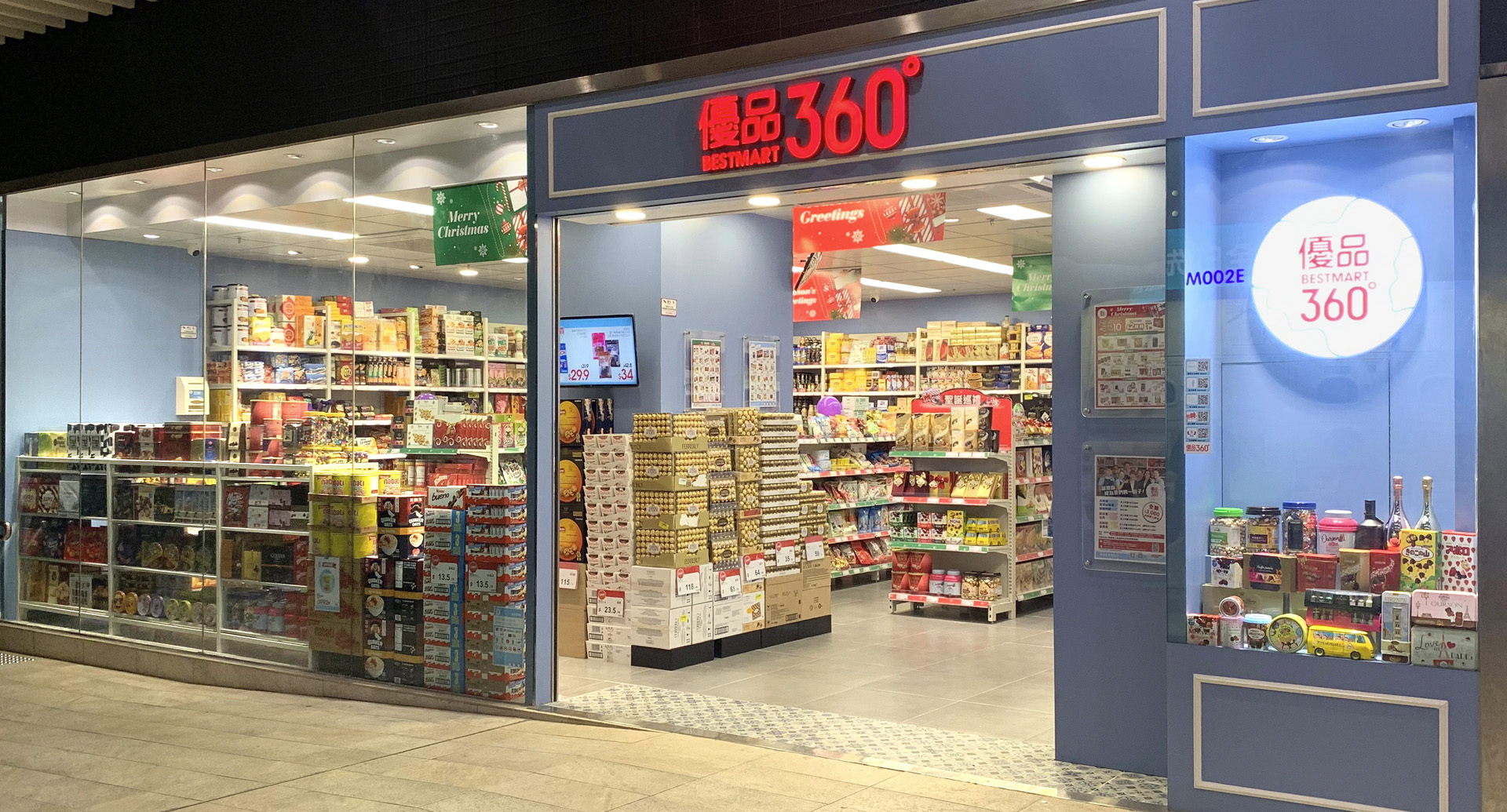
  • Best Mart 360 Lifts First Half Revenue to HK$1.45 Billion

    Best Mart 360 Lifts First Half Revenue to HK$1.45 Billion

    Hong Kong snack retailer Best Mart 360 Holdings reported a 1.0 per cent rise in revenue to HK$1.45 billion for the six months ended 30 June 2026. Profit attributable to owners reached HK$116.2 million, supported by steady store-level demand for imported packaged food and household staples.

    Gross profit edged up 0.1 per cent to HK$518.8 million, translating to a gross profit margin of 35.8 per cent. The board declared an interim dividend of HK11.0 cents per share on basic earnings of HK11.6 cents.

    Private labels drive margin defence

    Sales from in-house private labels generated HK$277.2 million, up 10.3 per cent from HK$251.2 million a year earlier. These proprietary lines now represent 19.1 per cent of total turnover, spanning 12 private labels and 272 stock-keeping units across dried fruits, canned seafood delicacies, cereals, honey, and personal care items.

    Total store count reached 190 outlets at the end of June 2026, comprising 184 locations in Hong Kong and six in Macau. Cash-basis rental expenses absorbed 9.7 per cent of sales revenue during the period, while staff costs accounted for 9.6 per cent across an operational workforce of 1,257 employees.

    Expanding the FoodVille footprint

    The company continues to run a dual-banner model, deploying eight premium specialty shops under the FoodVille brand alongside its core chain. FoodVille targets mid-to-high-end consumers with selections of imported wine, chocolates, cheeses, and Western condiments. Across its entire business, the group catalogued over 3,054 stock-keeping units from 1,045 global brands.

    Hong Kong packaged food retailers face mounting headwinds as mainland Chinese e-commerce platforms expand cross-border grocery deliveries into the territory. At the same time, weekend outbound travel to Shenzhen continues to divert discretionary retail spending away from local neighborhood shopping malls. Best Mart 360 has countered this pressure by deepening promotions through its foodpanda mall delivery channel and expanding its direct-procurement supply base.

    Customer membership reached 2.47 million registered accounts by mid-year, including 1.37 million app users. Management is now negotiating lease renewals across high-density residential clusters while testing automated workflow tools to trim store-level administrative costs before the peak year-end retail season.

  • Chagee Second Quarter Profit Jumps to $68.5 Million as Overseas Sales Surge

    Chagee Second Quarter Profit Jumps to $68.5 Million as Overseas Sales Surge

    Chagee posted a net income of RMB464.8 million ($68.5 million) for the second quarter, up from RMB77.2 million a year earlier as international expansion lifted returns.

    Net margin climbed to 13.6 per cent from 2.3 per cent in the prior-year period. Total revenue rose 2.5 per cent to RMB3.4 billion ($503.3 million) for the three months ended June 30, supported by an 8.5 per cent increase in store count to 7,639 locations worldwide.

    Overseas Momentum Offsets Domestic Softness

    Operating income surged 387.6 per cent to RMB524.7 million after the chain cut operating expenses by 10 per cent. While gross merchandise value dropped 9 per cent in Greater China, sales across eight international markets jumped 114.3 per cent.

    Seoul provided an early spark for that overseas push. Three teahouses in the South Korean capital sold over 16,000 drinks during their first three days, driven by more than 46,000 mobile app downloads recorded ahead of the launch.

    The divergence between domestic and overseas performance reflects the intense discounting battle among premium tea brands inside mainland China. Rivals such as Nayuki and Heytea have faced margin erosion at home, prompting operators to look abroad where pricing power remains intact and consumer demand for Chinese milk tea formats is expanding rapidly.

    Member Retention and Sales Outlook

    Loyalty membership reached 257 million registered users by the end of June. Repurchase rates among active loyalty users held above 43 per cent during the period.

    Management reported that same-store sales declines moderated in July, with comps projected to swing into positive territory in August.

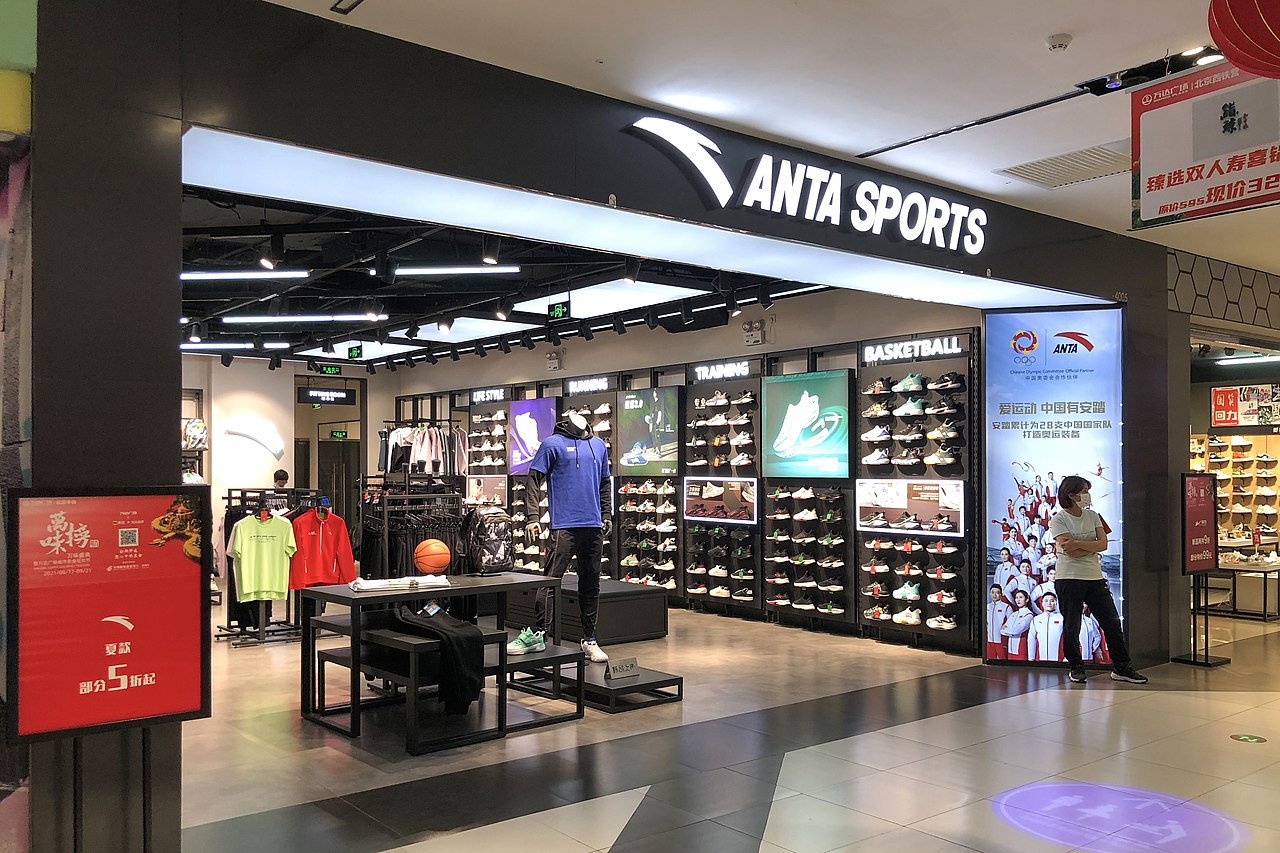
  • Anta Sports Lifts First-Half Revenue 12.9% to $6.1 Billion

    Anta Sports Lifts First-Half Revenue 12.9% to $6.1 Billion

    Anta Sports lifted first-half revenue 12.9 per cent to RMB43.51 billion ($6.1 billion) for fiscal 2026. Strong demand across the company’s outdoor portfolio drove the top-line gain.

    Revenue at the core Anta brand rose 4.8 per cent year on year to RMB17.77 billion ($2.64 billion). Sportswear line Fila added RMB15.05 billion ($2.24 billion), a 6.1 per cent increase over the six-month period.

    Outdoor labels outpace core brands

    Specialty outdoor and niche sports apparel carried the bulk of the group’s sales growth. The division covering Descente, Kolon Sport, Jack Wolfskin and female activewear label Maia Active surged 44.2 per cent to RMB10.69 billion ($1.59 billion).

    Spending on product development increased alongside the broader business. Anta allocated approximately RMB1.11 billion ($164.95 million) to research and development during the half.

    Chairman Ding Shizhong said the company will keep investing in product innovation, brand equity and regional retail upgrades. It also plans to build global management capabilities.

    Leadership reset at the flagship unit

    The financial update follows an executive change at the group’s main commercial division. Anta brand chief executive Xu Yang stepped down in July, citing personal family reasons. Directors placed co-chief executive Lai Shixian in charge of the flagship label on an interim basis.

    Market trends show a broader split in Chinese sportswear retail. Mainstream sneaker and apparel sales face stiffer price competition and saturated footprints. Meanwhile, premium outdoor lines continue to capture higher consumer spending in tier-one and tier-two cities.

    Beyond its directly run portfolio, Anta remains the controlling shareholder in Amer Sports, owner of Arc’teryx, Salomon, Wilson and Atomic. Focus now turns to how quickly interim chief Lai Shixian adjusts retail distribution for the core Anta brand ahead of the winter selling season.

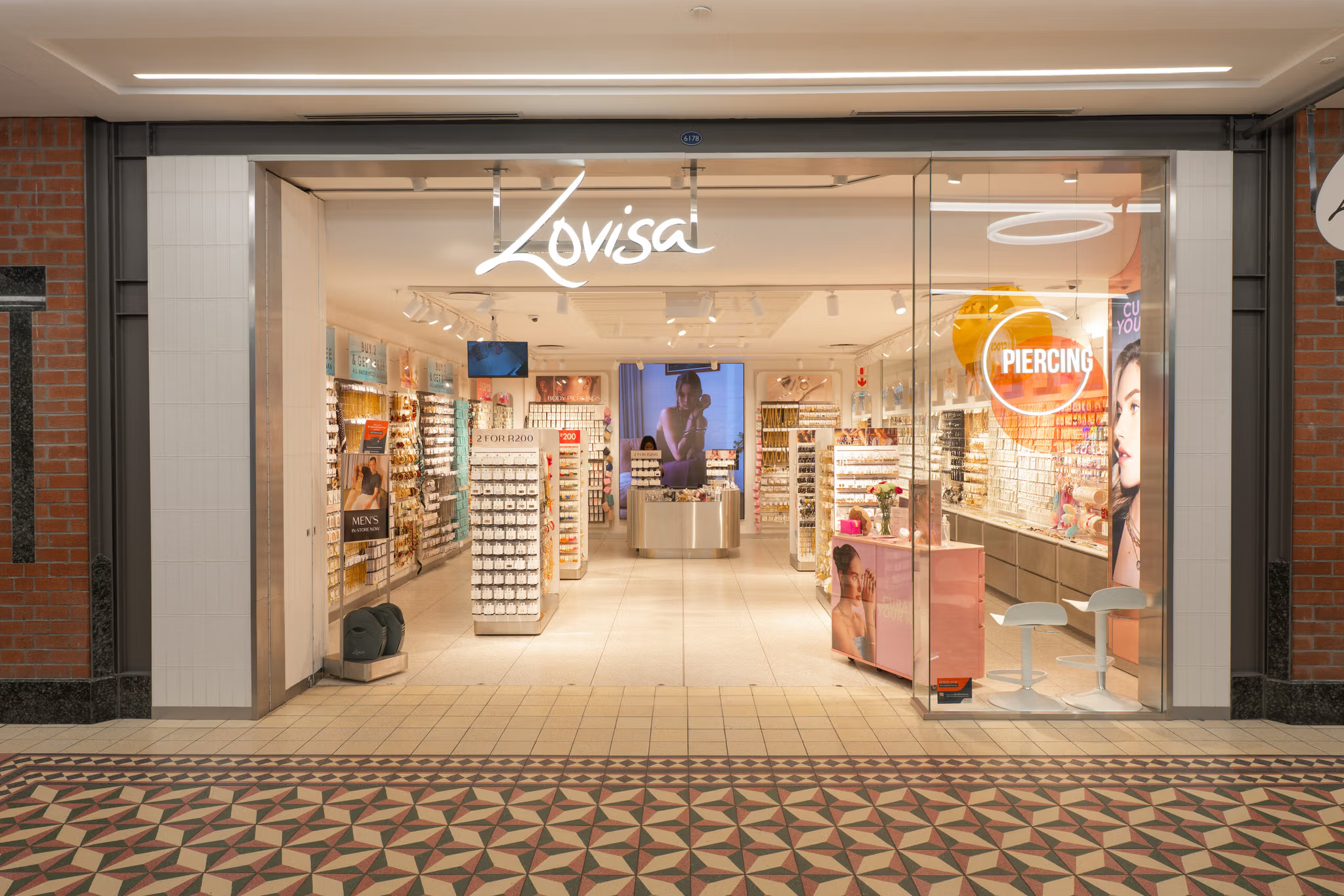
  • Lovisa Hits $938.8 Million in FY26 Sales on Fast Jewellery Demand

    Lovisa Hits $938.8 Million in FY26 Sales on Fast Jewellery Demand

    Lovisa posted double-digit revenue and profit growth for fiscal 2026, generating $938.8 million in total sales across its global store network. The result shows budget-conscious shoppers continued buying affordable accessories despite persistent cost-of-living pressure in Australia and key overseas markets.

    Tightened household budgets did little to slow store turnover. Fast-fashion jewellery continues to capture discretionary spending from consumers who pull back on higher-priced apparel and luxury goods, giving mass-market operators sustained foot traffic across shopping centres.

    Demand across budget accessories

    Lovisa relied on its high-turnover model to drive revenue across its retail footprint. Low price points allowed the brand to maintain transaction volume even as inflation squeezed general consumer spending.

    The performance reflects a broader split in retail spending across the Asia-Pacific region. While big-ticket discretionary categories face softer demand, impulse-driven accessory purchases continue to clear inventory rapidly.

    Market rivals and category pressure

    Competition in the affordable jewellery segment is intensifying across major retail hubs. New challenger brands, including ventures launched by former Lovisa executives, are expanding store networks and targeting the same demographic with rapid product drops.

    Sustaining double-digit expansion will depend on how effectively the chain defends mall real estate and controls store operating costs. Market watchers will track upcoming store rollout milestones and regional trading updates in the next financial reporting cycle.

  • Sigma Healthcare Profit Jumps 22 per Cent as Annual Sales Top $10.8 Billion

    Sigma Healthcare Profit Jumps 22 per Cent as Annual Sales Top $10.8 Billion

    Sigma Healthcare posted a 22.3 per cent rise in annual net profit to $732.3 million for the year ended June 30, lifted by pharmacy additions and GLP-1 prescription volumes.

    Group revenue advanced 15.5 per cent to $10.8 billion, while normalised earnings before interest and taxes climbed 20.6 per cent to breach $1 billion.

    The results reflect the first full operating cycle since Sigma combined operations with discount chain Chemist Warehouse. Chief Executive Officer Vikesh Ramsunder told investors the business now oversees nearly 1,000 pharmacies worldwide, supported by supply-chain integration across wholesale and retail divisions.

    Chemist Warehouse Drives Domestic Momentum

    Australia generated the bulk of earnings, lifting revenue 14.9 per cent to $10.4 billion and normalised operating profit by 18.3 per cent. Chemist Warehouse added 24 domestic sites to reach 561 stores, generating network sales growth of 15.9 per cent and same-store sales gains of 13.4 per cent.

    Sales of GLP-1 weight-loss medications contributed heavily to turnover across the network. While the high-cost treatments carry lower percentage returns, Sigma maintained its Australian gross margin at 17.6 per cent by expanding front-of-store retail lines, introducing more than 470 private-label products during the financial year.

    For retail pharmacy chains across the Asia-Pacific region, Sigma’s post-merger run shows how high-volume discount models can protect margins even as prescription product mixes shift toward expensive, low-margin therapies. It also demonstrates how domestic retail density provides cash flow stability after walking away from risky international takeovers, including Sigma’s abandoned $14 billion tilt at Britain’s Boots chain.

    Synergies and Franchise Pipeline

    Sigma captured $32.6 million in operational savings during the year as it works toward an annual cost-reduction target of $100 million by the 2029 financial year.

    Wholesale franchise networks Amcal and Discount Drug Stores are also rebuilding footprint after years of store rationalisation. Management has assembled an opening pipeline of 82 stores, scheduled to return both banner groups to net store count growth during the 2027 financial year.

  • Moshi Moshi Lifts First-Half Profit 21.5% as Thai Network Expands

    Moshi Moshi Lifts First-Half Profit 21.5% as Thai Network Expands

    Thai lifestyle retailer Moshi Moshi increased its first-half net profit by 21.5 per cent to 352.83 million baht, driven by new store openings and stronger gross margins.

    Operating revenue rose 17.3 per cent year on year to 1,654 million baht across the six months, keeping pace with management’s annual growth target of 15 to 20 per cent.

    During the second quarter, operating revenue climbed 17.2 per cent to 956.1 million baht, while net profit gained 20 per cent to 161.86 million baht. Gross margin widened 140 basis points to 56.4 per cent. Same-store sales grew 4.0 per cent in the quarter, building on a 15.2 per cent jump in the prior-year period.

    The company operated 218 stores at the end of June, an increase of 37 outlets over 12 months. Most of Thailand’s 76 provinces and Greater Bangkok now host at least one location. Management plans 35 net new store openings for the full 2026 financial year, having completed roughly half that target by mid-year.

    Inventory Velocity and Mall Pipeline

    Product turnover drives customer traffic across the chain’s 13 merchandise categories, which span stationery, beauty, plush toys, apparel and home accessories. Moshi Moshi manages an inventory catalogue of more than 25,000 stock-keeping units and releases approximately 1,000 new items every month at accessible price points.

    Physical malls remain the core sales channel. Key landlords Central Pattana, Central Retail’s Robinson lifestyle malls, Berli Jucker’s Big C, and CP Axtra’s Lotus’s offer about 500 commercial sites nationwide. The company is also opening stand-alone outlets near some of Thailand’s 150 universities, including a campus branch at Chulalongkorn University in Bangkok.

    Wholesale revenue, which represents 11 per cent of total turnover, expanded at a slower rate during the half. Disruption from bridge construction near Bangkok’s Platinum Fashion Mall cut pedestrian traffic and limited tour bus access to the company’s wholesale unit. Digital channels accounted for just 3 per cent of total sales across Shopee, Lazada and TikTok.

    Regional Competition and Overseas Targets

    Domestic mall coverage will eventually hit saturation as Moshi Moshi fills out second-tier provincial cities and campus locations. Maintaining double-digit annual sales growth beyond Thailand requires entering neighbouring Southeast Asian markets with matching demographics.

    Competitors are already securing positions across the region. Singapore-based lifestyle brand Oh!some operates stores in Cambodia across three Aeon malls in Phnom Penh, runs outlets in Hanoi and Ho Chi Minh City, and trades from three stores inside Bangkok. For Moshi Moshi, replicating its format in Vietnam, Indonesia and Cambodia represents the logical next leg of expansion once Thai site availability narrows.

    The company continues store renovations and floor-space expansions across its domestic mall network while tracking toward its target of 35 net new store additions by December 2026.

  • Lovisa Lifts Full-Year Profit 10.7 per Cent as Network Reaches 1,136 Stores

    Lovisa Lifts Full-Year Profit 10.7 per Cent as Network Reaches 1,136 Stores

    Australian fast-fashion jewellery retailer Lovisa increased net profit after tax by 10.7 per cent to $95.6 million for the 2026 financial year.

    Total revenue rose 17.6 per cent to $938.8 million, supported by 160 store openings and a 2 per cent rise in global comparable store sales. Gross margin widened by 60 basis points to 82.6 per cent, helped by lower sourcing costs and tighter promotional spending, while earnings before interest, tax, depreciation and amortisation grew 20.9 per cent.

    Offshore sales outpace domestic trade

    Western markets delivered the bulk of the growth. Sales in the Americas rose 29.6 per cent, while European revenue increased 29.5 per cent over the twelve-month period.

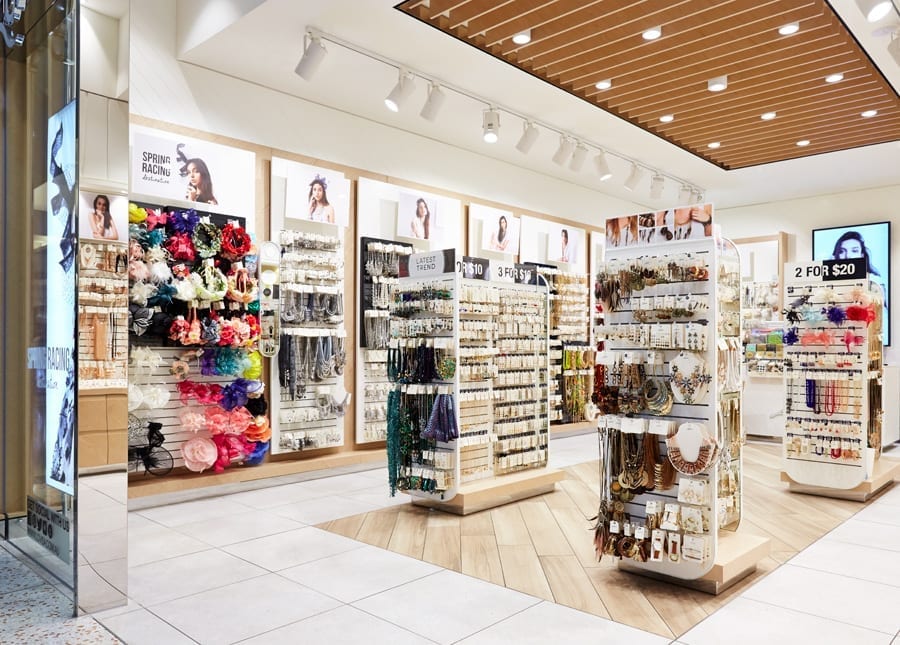
    The company accelerated its physical expansion by launching 160 locations and shuttering 43 underperforming sites. That netted 117 additions and lifted the total footprint to 1,136 stores across more than 50 markets. Lovisa relies on small-format stores with low fitout costs to enter new territories quickly, a model that allows it to exit unprofitable leases without heavy capital losses.

    Early momentum in the new financial year

    Trading in early fiscal 2027 maintained that pace. Total sales climbed 16.4 per cent over the first eight weeks of the new financial year, with comparable store sales up 3 per cent and momentum accelerating through August.

    Management plans to add further physical and digital stores across both established and new territories. Investors will track whether store opening targets hold as the group rolls into additional franchise and company-owned markets in the first half.

  • Viva Energy Convenience Earnings Jump 86% in First Half

    Viva Energy Convenience Earnings Jump 86% in First Half

    Viva Energy lifted adjusted EBITDA in its convenience and mobility division by 86.4 per cent to $774.4 million in the first half ending June 30.

    The convenience and mobility arm contributed $138.7 million to underlying group earnings, supported by higher retail fuel margins and stronger customer footfall across its Australian service stations. Group EBITDA rose 154 per cent to $774.4 million, landing inside the company’s previously stated guidance range.

    Liberty Integration Adds Volume

    Acquisition volume drove a substantial share of the division’s gains. Viva Energy integrated the Liberty Convenience network in March, adding retail fuel throughput and boosting non-fuel convenience sales across company-operated sites.

    The group’s performance mirrors a broader trend across Asia-Pacific fuel retailing, where operators such as rival Ampol are pivoting heavily toward convenience store merchandising to offset volatile refining margins. Forecourt retailers across the region are redesigning site formats to capture higher-margin grocery and ready-to-eat food sales from commuter traffic.

    Network Optimization Continues

    Management continues to roll out convenience upgrades across the company’s retail footprint. The operational focus shifts to second-half store conversion targets and margin retention across the integrated Liberty and Shell-branded network.

  • SM Retail Revenue Hits 223.6 Billion Pesos as Network Expands Beyond Manila

    SM Retail Revenue Hits 223.6 Billion Pesos as Network Expands Beyond Manila

    SM Retail posted first-half 2026 revenues of 223.6 billion pesos ($3.7 billion), up 5.6 per cent from a year earlier. Regional consumer spending gathered pace across the Philippines.

    Net income rose 6.0 per cent to 8.9 billion pesos ($270 million). Same-store sales grew 2.9 per cent across a nationwide network of 4,837 stores.

    Food and Speciality Stores Drive Turnover

    Food retail generated roughly 60 per cent of total sales across 2,824 points of sale. It rose 6.1 per cent with same-store gains of 3.3 per cent. SM Store, the group’s 79-location department store chain, grew revenue 3.2 per cent. Speciality store sales expanded 5.9 per cent, even after the operator closed a net 73 outlets to trim marginal locations.

    The company relies on an asset-light format by leasing space within sister developer SM Prime’s commercial properties. Of the 490 physical stores opened over the past year, 80 per cent sit outside Greater Manila. These target provinces where modern retail still represents less than half of household shopping spend.

    Mall Developer Backs Bay Reclamation

    SM Prime lifted first-half revenue 5.3 per cent to 71.7 billion pesos ($1.2 billion). The developer operates 90 malls across the Philippines and nine in mainland China. Rental income provided more than 60 per cent of that total. Revenue from leisure facilities, including cinemas and ice-skating rinks, rose by more than 10 per cent during the same period.

    Expansion into secondary provinces mirrors retail decentralisation across Southeast Asia, where operators such as Central Group in Thailand and Vincom Retail in Vietnam build commercial centers ahead of rising provincial incomes. Remittances from overseas workers feed directly into these regional retail hubs. They underpin Philippine private consumption at 75 per cent of gross domestic product.

    Work continues on Pasay 360, a 360-hectare Manila Bay reclamation joint venture with local authorities. The project will expand the Mall of Asia complex with new commercial, hotel, and residential districts over multiple development phases.

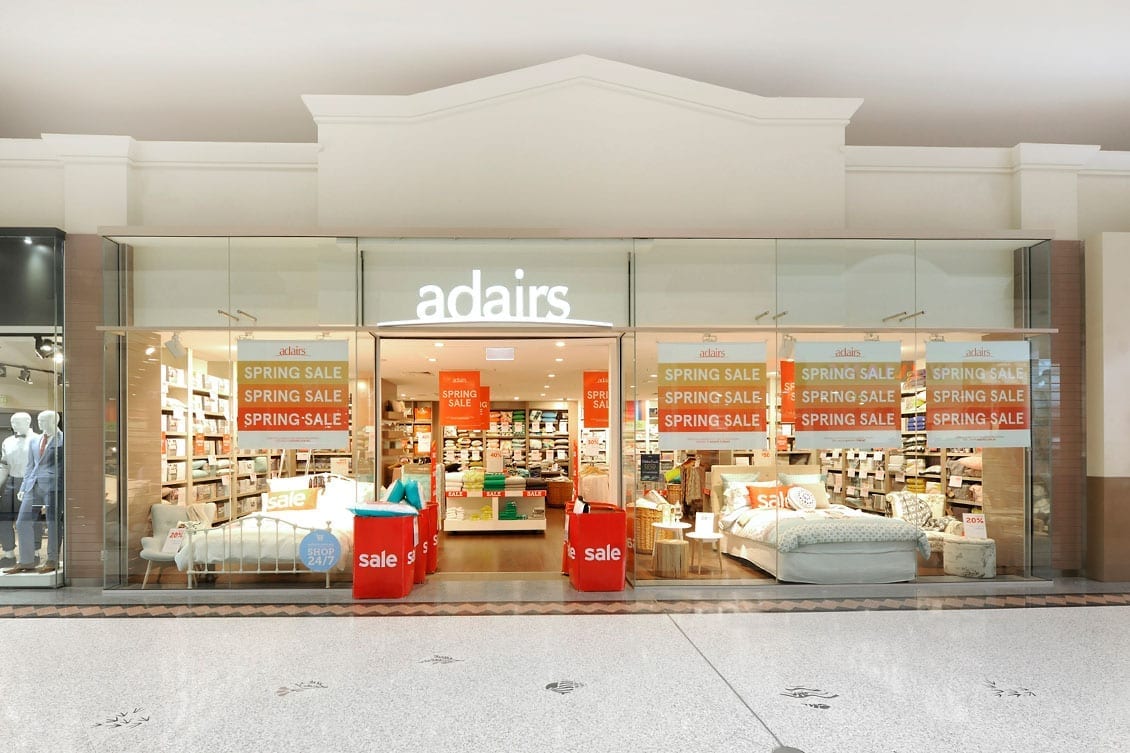
  • Adairs Lifts FY26 Revenue to $641.7 Million Despite Furniture Slump

    Adairs Lifts FY26 Revenue to $641.7 Million Despite Furniture Slump

    Adairs Limited lifted group revenue 3.8 per cent to $641.7 million in FY26 as solid sales at its core homewares brand and Mocka offset a furniture slump.

    Underlying net profit after tax rose to $34.6 million, though non-cash impairment charges dragged the Australian retailer to a statutory net loss of $39.4 million.

    The flagship Adairs banner drove the performance. Sales grew 3.9 per cent to $459.2 million, lifting underlying earnings before interest and tax 14.9 per cent to $41.1 million. Gross margin reached 60.9 per cent, while EBIT margin widened 90 basis points to 9 per cent.

    Mocka expanded at a faster clip. Revenue jumped 22.9 per cent to $71.2 million and underlying EBIT climbed 32.1 per cent to $10.1 million, supported by catalogue expansion and pricing adjustments. The brand also opened physical trial stores in June.

    Supply snags hit furniture earnings

    Focus on Furniture weighed on group returns. Sales dropped 5.6 per cent to $111.3 million and underlying EBIT plunged 67.6 per cent after a third-quarter leadership transition disrupted inventory purchasing, thinned showroom floor stock and stretched customer delivery timelines.

    The group installed a new divisional chief executive and restarted supplier ordering in April and May. Inbound stock shipments are scheduled to rebuild availability through the second quarter of FY27, with fresh furniture collections arriving from October.

    Store network plans and debt reduction

    Discretionary retailers across Australasia continue to grapple with uneven consumer sentiment by tightening supply chains and defending gross margins. Adairs countered the furniture drag by trimming net debt by $20 million to $47.6 million, funding a 9.5 per cent increase in full-year dividends to 11.5 cents per share.

    Network changes will remain selective in the year ahead. The group plans to open seven to 10 stores, refurbish four to six, and shut between two and five underperforming sites, while Focus on Furniture will focus on relocations rather than adding new stores before earnings recover across FY28.

  • Endeavour Group Earnings Fall 8.7% as Retail Price Cuts Hit Margins

    Endeavour Group Earnings Fall 8.7% as Retail Price Cuts Hit Margins

    Australia’s Endeavour Group posted an 8.7 per cent drop in underlying earnings to $845 million after aggressive price discounting across its retail bottle shop network squeezed operating margins.

    Total sales edged up 1.3 per cent to $12.2 billion, demonstrating that sharper shelf pricing succeeded in defending retail volumes even as profit yields contracted.

    Trading profit for volume

    The liquor and hospitality operator chose to sacrifice margins to protect foot traffic at Dan Murphy’s and BWS stores. Discretionary spending among Australian shoppers remained constrained, prompting the group to sharpen shelf pricing on core beverage lines.

    “Sales momentum in retail is building with customers responding positively to our renewed focus on value and price leadership,” said managing director and chief executive Jayne Hrdlicka.

    Supermarket rivals intensify price war

    Major grocery and liquor merchants across Australasia face identical margin pressure as household budgets tighten. Competing retail conglomerates have poured cash into promotional programs and private-label alternatives to stop shoppers from migrating to discount banners, accepting compressed margins to defend market share.

    Investors now await trading updates across the peak spring and summer beverage calendar to see whether customer volume gains can outpace sustained promotional costs.

  • Pop Mart Overseas Revenue Falls 11% as Labubu Toy Craze Cools

    Pop Mart Overseas Revenue Falls 11% as Labubu Toy Craze Cools

    Pop Mart International Group posted an 11.1 per cent decline in overseas revenue to RMB4.97 billion for the first half, hit by cooling international sales for its signature Labubu character.

    Shares in the Beijing-based toy maker fell more than 4 per cent in Hong Kong following the release, even as strong domestic sales lifted total group revenue 23.8 per cent to RMB17.17 billion ($2.55 billion). Profit attributable to shareholders rose 10.1 per cent to RMB5.04 billion, while operating profit gained 11.3 per cent. Revenue from Greater China jumped 47.3 per cent to RMB12.20 billion, now generating 71 per cent of group sales compared with 59.7 per cent a year earlier.

    Online sales slump outside China

    The international drop was sharpest across digital channels. Online sales fell 45.6 per cent in the Americas, 39.8 per cent in Asia Pacific excluding Greater China, and 59 per cent in Europe. The company’s own app and website sales in the Americas dropped 44.6 per cent.

    Physical stores showed resilience abroad. Offline sales grew 19.5 per cent in the Americas, 16.2 per cent in Asia Pacific, and 49.8 per cent in Europe. Yet store expansion failed to offset the online drop in the Americas, where regional sales fell 16.5 per cent despite the local store count jumping from 41 to 86 locations over the twelve-month period.

    Plush toys replaced vinyl figurines as Pop Mart’s primary sales driver, surging 60 per cent to RMB9.82 billion to account for 57.2 per cent of total turnover. Figurine sales remained flat with 0.3 per cent growth. Revenue from The Monsters series, which includes Labubu, contracted 7.5 per cent to RMB4.45 billion, marking its first recorded drop and shrinking its revenue share to 26 per cent. Twinkle Twinkle rose 580.6 per cent to RMB2.65 billion to become the second-largest intellectual property, while Crybaby, Dimoo, Skullpanda, and Hirono each surpassed the RMB1 billion mark.

    Rivals step up domestic pressure

    Domestic retail chains across Asia are accelerating their push into collectible toys to capitalize on the same customer demographic. Miniso has refiled to list its Top Toy business in Hong Kong, while rivals Kayou and 52Toys expand store networks across tier-one and tier-two Chinese cities. Frost & Sullivan projects China’s collectible toy market will reach RMB110 billion this year.

    Pop Mart is diversifying into location-based entertainment and hospitality through its Pop Land theme park, Pop Bakery food outlets, and a live-action Labubu feature film developed with Sony Pictures. Chief executive Wang Ning stated the company may fall short of its full-year 20 per cent revenue growth target as management executes operational adjustments across international distribution networks.