Tag: retail news

  • Domestic Demand Dwindles in China Despite Soaring Industrial Output

    Domestic Demand Dwindles in China Despite Soaring Industrial Output

    The second-largest economy in the world is currently experiencing a dual-speed growth pattern. While factories are flourishing due to robust exports, domestic demand is on a downward trajectory due to an ongoing slump in the property market.

    In May, retail sales, which serve as a critical measure of consumption, decreased by 0.6%, a significant drop from April’s 0.2% rise, and below the predicted 0.0%. This decline in retail sales marks the first reduction since December 2022. Even the extended Labour Day holiday was unable to boost consumer morale, and the government’s consumer goods trade-in initiative is gradually losing its effectiveness. An inflated base from the previous year’s May further added to this downturn.

    According to Zhiwei Zhang, chief economist at Pinpoint Asset Management, the disappointing retail sales data puts increased pressure on the government to contemplate policy measures aimed at stabilizing consumption. “Policy ‘fine tuning’ is anticipated around July, following the release of the second quarter GDP data,” Zhang added.

    On the other hand, data from the National Bureau of Statistics (NBS) revealed that industrial output in May grew by 4.5% compared to the previous year, an increase from the 4.1% growth recorded in April. This rise surpassed the projected 4.3% increase.

    Divides in the Economy

    A boom in global AI investment and related tech demand has allowed the world’s largest manufacturer to counterbalance the anticipated export blow from the Iran war. However, a 19.4% increase in exports has yet to positively impact domestic consumption.

    The economic weakness was particularly noticeable in the automotive sector, as domestic car sales suffered a decline for the eighth consecutive month in May. This trend hints at a diminishing demand in the world’s biggest car market, a pressure that is expected to linger throughout the year.

    Senior economist at the Economist Intelligence Unit, Xu Tianchen, identified several divisions in the May economy. “The divide between domestic and external demand, the divide between AI and traditional industries, and the divide between goods retail and services consumption,” he mentioned.

    He expects the second quarter’s economic growth to slow down to 4.5% from the first quarter’s 5%.

    Growing investment weakness and ongoing property drag

    Investment figures were also significantly weaker than expected. Fixed-asset investment dropped by 4.1% in the first five months of 2025, a fall from the 1.6% decrease recorded from January to April. Economists had anticipated a 2% decline.

    According to NBS spokesperson Fu Linghui, this fall is partially due to extreme weather conditions in several regions, as well as the shift from old to new growth drivers. Fu added that China still has substantial room for future investment, with urbanisation, rural revitalisation, the development of new quality productive forces, and public service improvements all requiring support.

    Questions & Answers

    What contributed to the decline in retail sales in May?
    Several factors contributed to the decline in retail sales in May, including a lack of consumer confidence, the waning effectiveness of the government’s trade-in scheme, and a high base from the same period last year.

    How are the car sales in China currently?
    Car sales within China have been on the decline, with May marking the eighth consecutive month of decreasing sales. This is indicative of a softened demand in the world’s largest auto market.

    What are the expectations for China’s economic growth?
    It’s anticipated that China’s economic growth may slow in the second quarter, dropping to 4.5% from 5% in the first quarter. While it might not be difficult to achieve a full-year growth target of 4.5-5%, the sluggish domestic demand may necessitate policy intervention in the second half of the year.

  • DFI Retail Group Sees Robust Sales Boost Driven by Beauty and Health Segment Amid Global Challenges

    DFI Retail Group Sees Robust Sales Boost Driven by Beauty and Health Segment Amid Global Challenges

    The Hong Kong-based DFI Retail Group has recently announced a steady increase in sales for the first quarter of the year, primarily fueled by their health and beauty sector.

    Driving Growth with Health and Beauty

    Excluding cigarette sales, the DFI Retail Group reports a 4% sales rise on a year-on-year basis, using a constant currency, and a 3% increase on a like-for-like (LFL) basis. The health and beauty division is credited with a large part of this growth, with a 7% boost in LFL sales, thanks to increased transaction counts and larger basket sizes.

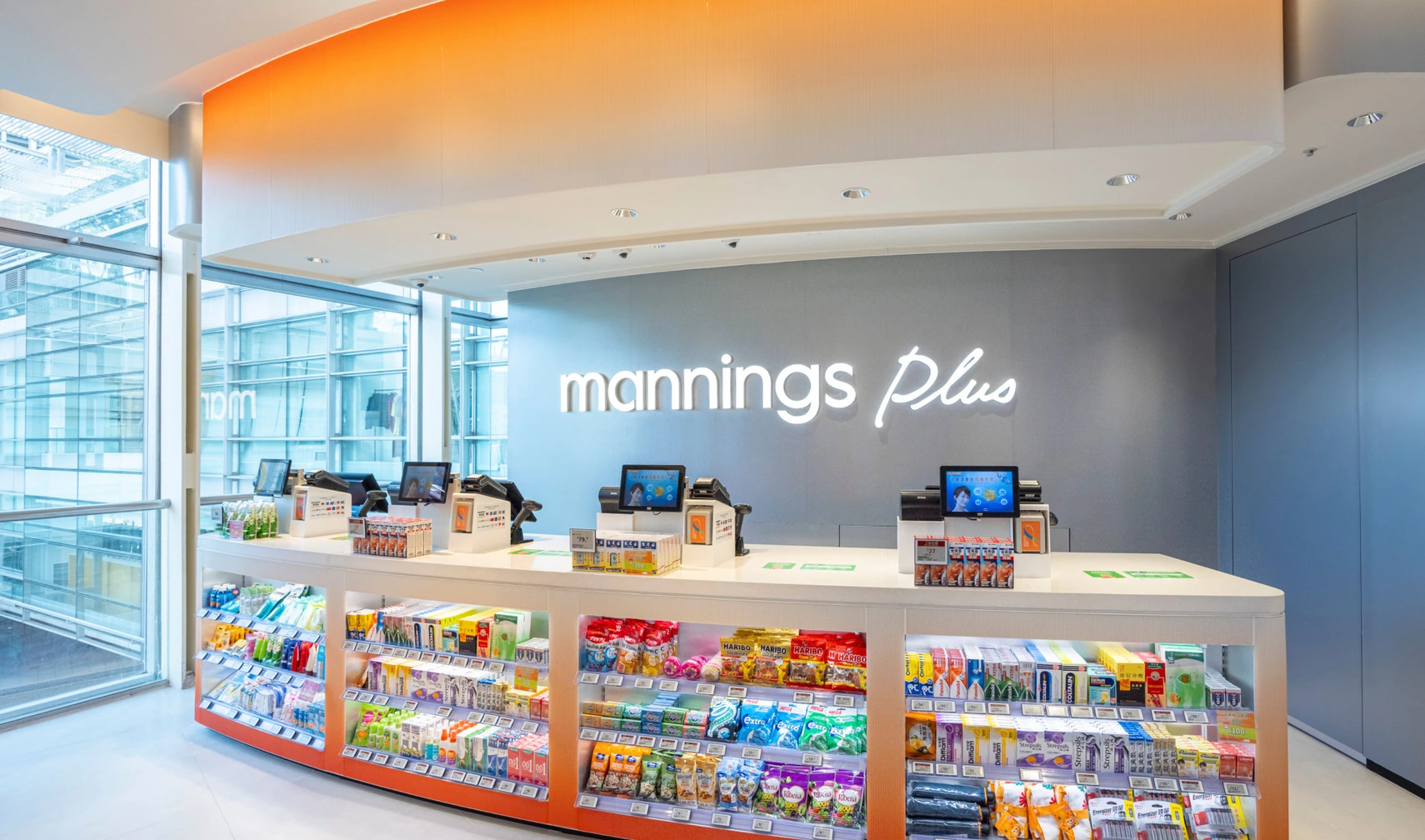
    In Hong Kong, Mannings saw notable growth due to a surge in tourist store sales, driven by an uptick in visitor arrivals. Similarly, Guardian’s sales in Southeast Asia reflected a robust performance in the wellness category. Standout growth was seen in Indonesia and Vietnam, which delivered double-digit LFL sales growth due to increased customer traffic.

    Divisional Performance and Growth

    Excluding cigarette sales, the convenience division, which includes 7-Eleven, saw a 2% growth on a LFL basis. Sales at 7-Eleven increased by 3% in both Hong Kong and Singapore, while sales in South China remained stable.

    The food division showed signs of improvement, with a reported 1% sales increase in Hong Kong. Home furnishings (Ikea) also showed positive trends, with a 4% growth. Both Hong Kong and Taiwan saw mid-single-digit LFL sales growth, owing to Chinese New Year promotions. Meanwhile, Indonesia bolstered its omnichannel strategy with robust online sales growth.

    Profit Growth Despite Market Challenges

    Operating profit from continuing businesses, excluding impacts from the divestment of the Singapore food business and the closure of Mannings China, grew by 12%. The underlying profit from ongoing businesses significantly increased by 49%.

    Despite a dynamic trading environment and increasing geopolitical uncertainties, DFI management stated the group remained resilient. This resilience was attributed to sourcing improvements and cost optimization, which supported price competitiveness and mitigated the impact of oil price volatility.

    DFI confirmed its full-year guidance of an underlying profit in the range of US$270 million to $300 million, supported by an organic revenue growth of approximately 2-3%.

    Questions & Answers

    What division drove the most growth for DFI Retail Group in the first quarter?
    The health and beauty division was the primary driver of growth in the first quarter, with a 7% increase in LFL sales.

    How did geopolitical uncertainties impact DFI Retail Group’s performance?
    Despite geopolitical uncertainties, DFI remained resilient due to sourcing improvements and cost optimization, which helped maintain price competitiveness and minimize the impact of oil price volatility.

    What is the projected full-year guidance for DFI’s underlying profit?
    DFI’s projected full-year guidance for underlying profit is in the range of US$270 million to $300 million, supported by an expected organic revenue growth of about 2-3%.

  • Thriving Metro Retail Surpasses $662M Revenue Mark, Propelled by Store Expansion and Steady Sales Growth

    Thriving Metro Retail Surpasses $662M Revenue Mark, Propelled by Store Expansion and Steady Sales Growth

    Metro Retail Stores Group (MRSGI) has achieved remarkable revenue growth in FY25, exceeding the PhP40-billion (approximately US$662.8 million) milestone. This growth was fueled by consistent sales growth, margin expansion, and ongoing network development.

    Income and Sales Data

    MRSGI reported a net income of PhP682.64 million (US$12.2 million), marking a 12 per cent increase from the previous year. This substantial increase was driven by improved operational efficiency and the contributions derived from new store launches.

    The company’s total sales for the year amounted to PhP41.56 billion (around US$742 million), representing a 4.9 per cent increase compared to 2024 figures. The same-store sales growth was 0.6 per cent, indicating steady underlying demand despite the challenging operating conditions.

    Strategic Execution and Growth

    “Last year marked a period of disciplined strategy implementation and tangible impact for MRSGI,” stated Joselito G Orense, the company’s president and COO.

    “Through our strategic expansion towards regions of high growth and the introduction of innovative store designs, our market presence was significantly enhanced. We witnessed increased sales and margins and improved cash earnings. These outcomes illustrate the commitment and dedication of our nationwide teams and our commitment to providing customers with modern retail experiences while pursuing sustainable, long-term growth.”

    Network Expansion and Sustainability

    MRSGI broadened its presence with the introduction of 10 new stores in Luzon and the Visayas during the past year. This expansion included additional Metro Value Mart outlets and a new Metro Supermarket and Department Store in Bais, Negros Oriental.

    The company also continued to develop its Metro Corner format. The inauguration of its Mandani Bay store signified a move into the elite urban retail sector.

    MRSGI also advanced its sustainability initiatives, implementing solar photovoltaic systems in up to 19 stores to aid in energy cost management. By the end of FY25, MRSGI was operating 81 stores across the nation in its primary retail formats.

    Questions & Answers

    What drove the increase in MRSGI’s net income in FY25?
    The increase in net income was driven by improved operational efficiency and the contributions from new store openings.

    How has MRSGI expanded its network?
    The company opened 10 new stores across Luzon and the Visayas, including additional Metro Value Mart branches and a new Metro Supermarket and Department Store in Bais, Negros Oriental.

    What sustainability initiatives has MRSGI undertaken?
    The company has implemented solar photovoltaic systems in up to 19 of its stores to manage energy costs more efficiently.

  • DFI Retail Group Triumphs with 35% Profit Surge Amid Strategic Overhaul – An In-depth Look at the 2025 Fiscal Year

    DFI Retail Group Triumphs with 35% Profit Surge Amid Strategic Overhaul – An In-depth Look at the 2025 Fiscal Year

    DFI Retail Group, a prominent pan-Asian retailer, has confirmed the efficacy of its ongoing strategic alterations, following a successful 2025 fiscal year. The group reported a substantial 35% increase in underlying profits to US$270 million, despite no growth in its year-end revenue stream, which remained consistent with the 2024 figure at $8.8 billion.

    Strategic Execution and Profitability

    The robust financial performance and enhanced shareholder returns in 2025 have been attributed to the effective implementation of strategic initiatives. DFI Retail Group’s Chairman, Lincoln Pan, emphasized that this was achieved despite the challenging circumstances in the retail industry. Significant strides in portfolio simplification have notably increased the group’s investment capabilities. This shift has facilitated the prioritization of strategic initiatives, providing greater value for customers and paving the way for sustainable growth and returns through accretive inorganic opportunities.

    Portfolio Adjustments and Performance

    In an effort to adapt to changing market conditions and consumer preferences, DFI Retail Group has made adjustments to its brand portfolios. As part of this strategy, 7-Eleven, one of the group’s brands, has shifted its focus towards higher-margin, non-cigarette categories. Ready-to-eat offerings now account for 24% of convenience sales for the brand in 2025, highlighting a considerable change in product focus.

    Financial Performance

    The group’s strong financial performance is also reflected in its operating cash flow. After making lease payments, the operating cash flow for the group stood at $430 million, marking a 30% increase from the previous year. In addition, the group’s free cash flow saw a remarkable year-on-year increase of 78%.

    Questions & Answers

    What were the underlying profits for DFI Retail Group in the fiscal year 2025?
    In the fiscal year 2025, DFI Retail Group reported underlying profits of US$270 million.

    What strategical changes did 7-Eleven, a brand under DFI Retail Group, adopt in 2025?
    7-Eleven shifted its focus towards higher-margin, non-cigarette categories. Ready-to-eat offerings constituted 24% of the brand’s convenience sales.

    How did the operating cash flow of DFI Retail Group fare in 2025?
    After lease payments, DFI Retail Group’s operating cash flow in 2025 stood at $430 million, which was a 30% increase from the previous year.

  • Li & Fung Strikes Gold: Secures Wholesale Distribution Rights for C&C California

    Li & Fung Strikes Gold: Secures Wholesale Distribution Rights for C&C California

    Hong Kong’s premier supply chain manager, Li & Fung, has recently entered into a licensing contract with C&C California. This agreement grants Li & Fung exclusive rights to wholesale distribution across all retail platforms, including full-price, off-price, and club retailers.

    C&C California and its Specialties

    C&C California operates as a part of the larger Established Lifestyle group. The company particularly excels in the design and development of women’s swimwear, sleepwear, and outerwear.

    The newly inked contract will allow Li & Fung to manage and guide the expansion of C&C’s new product ranges and their subsequent distribution process.

    Expansion of Products Range

    In the swimwear segment, the expanded product line will include separate pieces, one-piece swimsuits, and beachwear. Their sleepwear category is also set to grow, with the introduction of separate pieces, coordinated sets, and robes.

    The outerwear products will encompass a range of seasonal styles, varying from light windbreakers to heavier garments like puffers and parkas.

    Brand Expansion and Identity

    Mel Limoncelli, Senior Vice President and head of licensed brands at Li & Fung, stated that this partnership will allow the brand to venture into new product categories while preserving its core identity.

    In his words, “The category expansions remain true to a brand heritage rooted in 70s West Coast culture. Moreover, they continue to embrace the endless summer ideal through comfort, ease of wear, and easy-care fabrics.”

    Questions & Answers

    What is the nature of the agreement between Li & Fung and C&C California?
    The agreement is a licensing contract that provides Li & Fung with the rights to manage the wholesale distribution of C&C California products across all retail platforms.

    How does this agreement benefit C&C California?
    This agreement allows C&C California to expand their product ranges under the expert management of Li & Fung. This expansion includes new lines in swimwear, sleepwear, and outerwear categories.

    What does the expansion mean for the brand’s identity?
    Despite diversifying into new product categories, the brand intends to stay true to its roots, which are embedded in the 70s West Coast culture. The expansion aims to resonate with the idea of an endless summer through comfortable, easy-to-wear, and low-maintenance fabrics.

  • RedMart Now: Shaking Up Singapore’s Grocery Scene with 30-Minute Deliveries

    RedMart Now: Shaking Up Singapore’s Grocery Scene with 30-Minute Deliveries

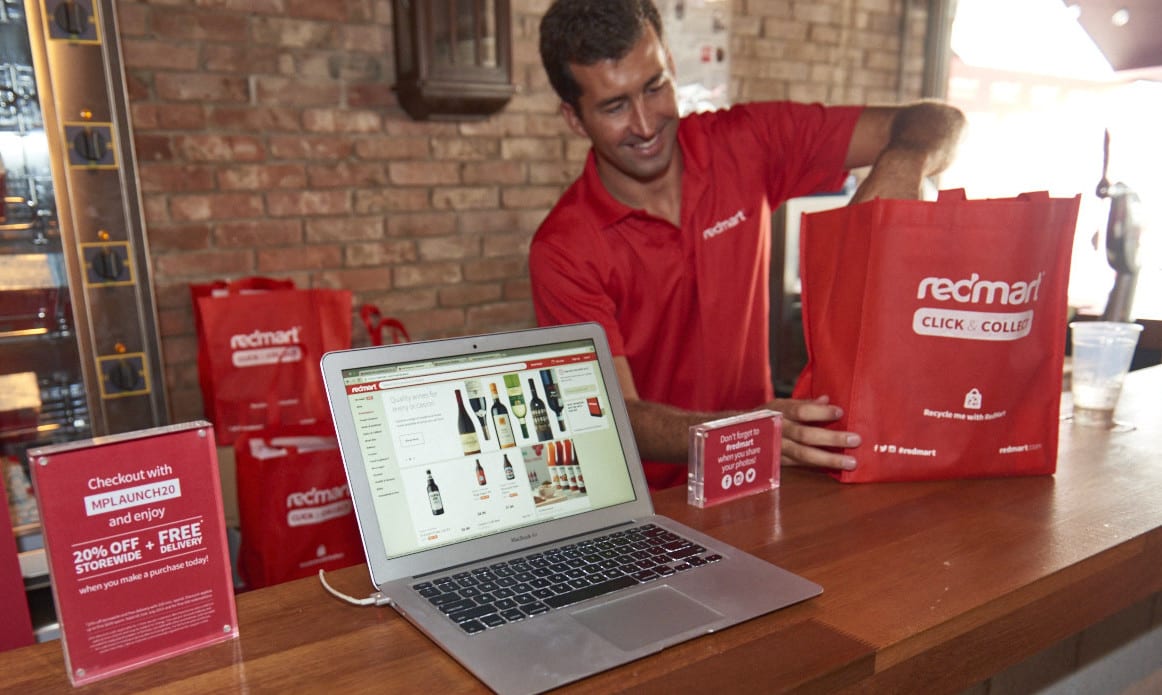
    Lazada’s RedMart has recently announced the launch of a new on-demand grocery delivery service in Singapore, RedMart Now, which guarantees to deliver orders within 30 minutes.

    Expanded Delivery Options

    The latest service supplements RedMart’s pre-existing same-day delivery offerings, including two-hour and six-hour delivery windows. RedMart Now will initially operate across selected southern and central neighborhoods such as Sentosa, Telok Blangah, Alexandra, Pasir Panjang, Clementi, Queenstown, Orchard, River Valley, Tanglin, and Bukit Timah. Plans are in place for a phased rollout across the rest of the island.

    Curated Product Range

    RedMart Now will feature a tailored selection of frequently used essentials such as fresh produce, snacks, beverages, festive goods, and household items. The delivery fee is set at S$3.99 for orders exceeding S$30.

    Martin Daney, SVP, Head of RedMart at Lazada, explained the rationale behind launching RedMart Now. He articulated that the aim of the service is to cater to urgent and unexpected shopping needs. He emphasized how the service was designed to allow customers to receive their needed items in as little as 30 minutes. The overall goal is to become the leading platform for both regular grocery shopping and urgent needs, thus allowing consumers to dedicate less time to running errands and more time to activities they enjoy.

    Entering the Quick Commerce Market

    The introduction of RedMart Now places the company in direct competition with other fast-delivery providers in Singapore’s dense and high-value grocery market. It also signifies a deeper penetration into the nation’s rapidly expanding quick commerce sector.

    Quick commerce presently constitutes about one-third of Singapore’s online grocery delivery revenue. Last year, according to Statista, the segment was projected to hit approximately US$371.75 million within a broader online grocery market estimated at US$1.04 billion.

    Questions & Answers

    What is RedMart Now?
    RedMart Now is a new on-demand grocery delivery service launched by Lazada-owned RedMart in Singapore, promising delivery within 30 minutes.

    Where will RedMart Now initially operate?
    RedMart Now will initially operate across selected southern and central neighborhoods in Singapore, with a phased rollout planned for the rest of the island.

    What does the launch of RedMart Now signify?
    The launch of RedMart Now signifies a deeper penetration into Singapore’s rapidly expanding quick commerce sector and places the company in direct competition with other fast-delivery providers in the country’s high-value grocery market.

  • Singapore Retail Sales Momentum Cooldown in December after November’s Record Highs

    Singapore Retail Sales Momentum Cooldown in December after November’s Record Highs

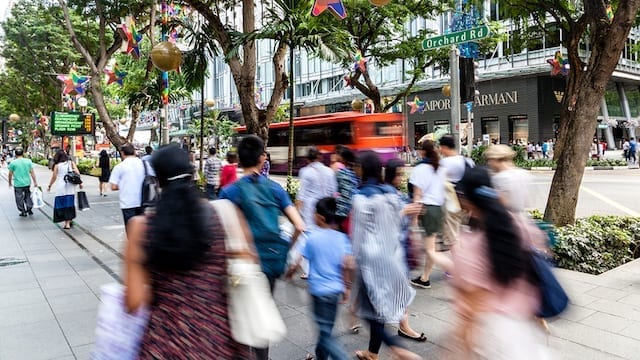
    The rate of retail sales growth in Singapore experienced a significant deceleration in December, following an impressive surge in November.

    As per the data provided by the Department of Statistics, retail sales, excluding motor vehicles, saw an increase of 1.7 per cent in December. This figure shows a sharp contrast to the revised growth of 5.7 per cent reported in November, the most robust monthly gain of the year.

    The projected total retail sales value for December was approximately SG$4.1 billion (US$3.2 billion), with online sales contributing to 17 per cent of this figure.

    On a seasonally adjusted basis, December’s retail sales experienced a 6.7 per cent decline when compared to November.

    Sector-specific Performance

    In terms of year-on-year sales growth, the majority of sectors demonstrated an upward trend in the final month of the year. Leading the pack were recreational goods (13.4 per cent), computer and telecommunications equipment (12.8 per cent), and watches and jewellery (7.1 per cent).

    However, some other sectors such as supermarkets, convenience stores, cosmetics, and optical goods and books reported modest increases of less than 5 per cent.

    In contrast, petrol service stations faced a harsh 9.1 per cent drop in sales, followed by the food and alcohol sector, which saw a 7.1 per cent dip in sales.

    Food and Beverage Services

    Despite the overall dip in retail sales, the food and beverage services sector saw a marginal rise of 0.7 per cent in December. This, however, was a downslide from the 2.5 per cent growth the sector had witnessed in November.

    Questions & Answers

    What was the total projected value for retail sales in Singapore in December?
    The total projected retail sales value in Singapore for December was approximately SG$4.1 billion (US$3.2 billion).

    Which sectors experienced the most significant growth in December?
    The sectors that saw the most significant growth in December were recreational goods, computer and telecommunications equipment, and watches and jewellery.

    How did food and beverage services perform in December compared to November?
    The food and beverage services sector experienced a slight increase of 0.7 per cent in December, a decrease from the 2.5 per cent growth seen in November.

  • Hong Kong Retail Boom: December Sales Surge in 8th Consecutive Monthly Increase

    Hong Kong Retail Boom: December Sales Surge in 8th Consecutive Monthly Increase

    In December, retail sales in Hong Kong rose by 6.6% compared to the previous year, marking the eighth consecutive month of growth. This trend indicates a steady economic recovery in the region, according to recent government data.

    This increase amounted to a total of HK$35 billion (US$4.48 billion) in retail sales. In November, there was a similar rise in retail sales, with a 6.5% year-on-year increase.

    Retail Sales Volume

    In terms of volume, December’s retail sales saw a 5.1% increase from the previous year, showing a slight acceleration compared to the 4.4% rise witnessed in November.

    Looking forward, the value of total retail sales in 2025 is projected to rise by 1% from the previous year. Meanwhile, the volume is expected to remain at a similar level as compared to 2024.

    Consumer Sentiment and Tourism

    A government spokesperson highlighted the positive local consumption sentiment, backed by robust economic growth momentum. Coupled with the continued surge in inbound visitors, this is expected to support the retail businesses in the region.

    Tourist arrivals in December saw a significant upturn, with 4.65 million visitors, a 9.2% increase from the previous year, according to data from the Hong Kong Tourism Board.

    Mainland Chinese visitors made up the majority of these arrivals, accounting for 3.35 million. This represents an 8.2% increase year-on-year.

    Sales Across Various Retail Sectors

    In December, certain retail sectors saw remarkable growth. Sales of jewellery, watches, clocks, and valuable gifts surged by 14.3% year-on-year, a significant jump from the 3.6% rise in November.

    However, not all sectors experienced growth. The sales of clothing, footwear, and allied products fell by 10.3% year-on-year in December, despite a 2% increase in November.

    Questions & Answers

    What was the percentage increase in retail sales in Hong Kong in December?

    In December, retail sales in Hong Kong increased by 6.6% compared to the same period in the previous year.

    What is the projected increase in the value of total retail sales in 2025?

    The value of total retail sales in 2025 is projected to increase by 1% from the previous year.

    How did the sales of jewellery, watches, clocks, and valuable gifts perform in December?

    In December, sales of jewellery, watches, clocks, and valuable gifts surged by 14.3% year-on-year.

  • Singapore Retailers Seek Increased Budget Support for Enhanced Competition and Sustainability in 2026

    Singapore Retailers Seek Increased Budget Support for Enhanced Competition and Sustainability in 2026

    In Singapore, the lifestyle industry, particularly retailers, has expressed the need for continuous support from the Budget allocation due to mounting challenges such as elevated costs, labour shortages, and fierce competition.

    According to the Singapore Retailers Association (SRA), the retail sector in the country continually faces obstacles that include labour shortages, high rents and operating costs, competition from the e-commerce sector, and evolving consumer preferences.

    The SRA cautioned that without ongoing support, local businesses could find themselves trailing behind their well-funded international competitors.

    Retail Sales Figures Reflect Struggles

    The tough conditions being faced by the industry are evident in the 2025 retail sales figures. Segments such as clothing and footwear have seen a continuous decrease, while other sectors such as supermarkets have managed to maintain their resilience, stated Ernie Koh, the president of the SRA.

    The retail market has also experienced a split-speed with well-funded global brands controlling high-traffic locations. This has put smaller local operators under pressure, added Koh.

    Joint Call for Support

    In an alliance with other lifestyle trade bodies including the Restaurant Association of Singapore and the Singapore Fashion Council, the SRA has marked several recommendations for the 2026 Budget to address the ongoing and future challenges facing the retail industry.

    The recommendations focus on three major areas: enhancing the competitiveness of SMEs, addressing labour issues, and promoting sustainability efforts.

    To boost the competitiveness of local SMEs, the groups suggest introducing a scale-up programme that provides them with capital for growth acceleration, as well as access to strategic guidance, mentorship, partnerships, and commercial opportunities.

    Proposed Measures

    The groups have also suggested a franchise and licensing accreditation system to gain more transparent insights into the entry of foreign brands. This would allow stakeholders to better forecast market shifts and protect local businesses.

    Refining the Community Development Council (CDC) voucher system was another suggestion, aiming to channel government support directly to essential items, thereby balancing the cost-of-living relief with support for local retailers.

    To address the labour shortage issue, the groups recommend extending the Progressive Wage Credit Scheme for the retail and food service industries until 2028, and increasing the co-funding for the retail industry from 20 per cent to 75 per cent this year.

    Further suggestions to tackle manpower shortages include reducing the cost of hiring foreign staff for frontline retail roles, encouraging the hiring of PMETs (professionals, managers, executives, and technicians) over 50, improving the career conversion programme, and implementing trade testing for new foreign workers.

    To accelerate sustainable retail, the group recommends expanding the Climate Vouchers scheme to include companies with trusted green certifications, such as B-Corp, Singapore Furniture Industries Council’s Sustainability Furniture Mark or Green Mark.

    The Future of Retail

    The SRA emphasised that the future of retail hinges on the seamless integration of omnichannel strategies, leveraging AI and personalisation, enhancing experiential retail, prioritising sustainability, and upskilling the workforce to overcome the challenges faced by the industry. These challenges include high costs and labour shortages, with growth being supported by tourism and technological adoption, despite short-term economic uncertainties.

    Questions & Answers

    What are the major challenges faced by the retail industry in Singapore?
    The key challenges faced by the industry mainly include high rents and operating costs, labour shortages, competition from e-commerce platforms, and shifting consumer demands.

    What are the recommendations made by the SRA for the 2026 Budget?
    The SRA has recommended actions in three key areas – enhancing SME competitiveness, addressing labour issues, and supporting sustainability efforts. These include a scale-up programme for SMEs, extension of the Progressive Wage Credit Scheme, and expanding the Climate Vouchers scheme.

    How does the SRA suggest dealing with labour shortages and high costs?
    The SRA suggests that extending the Progressive Wage Credit Scheme until 2028 and increasing co-funding for the retail industry could help with manpower shortages. To deal with high costs, the association recommends refining the CDC voucher system to balance cost-of-living relief with support for local retailers.

  • AS Watson Expands Empire: 1000 New Stores Set to Open Amid 10 Million Boost in Loyalty Membership

    AS Watson Expands Empire: 1000 New Stores Set to Open Amid 10 Million Boost in Loyalty Membership

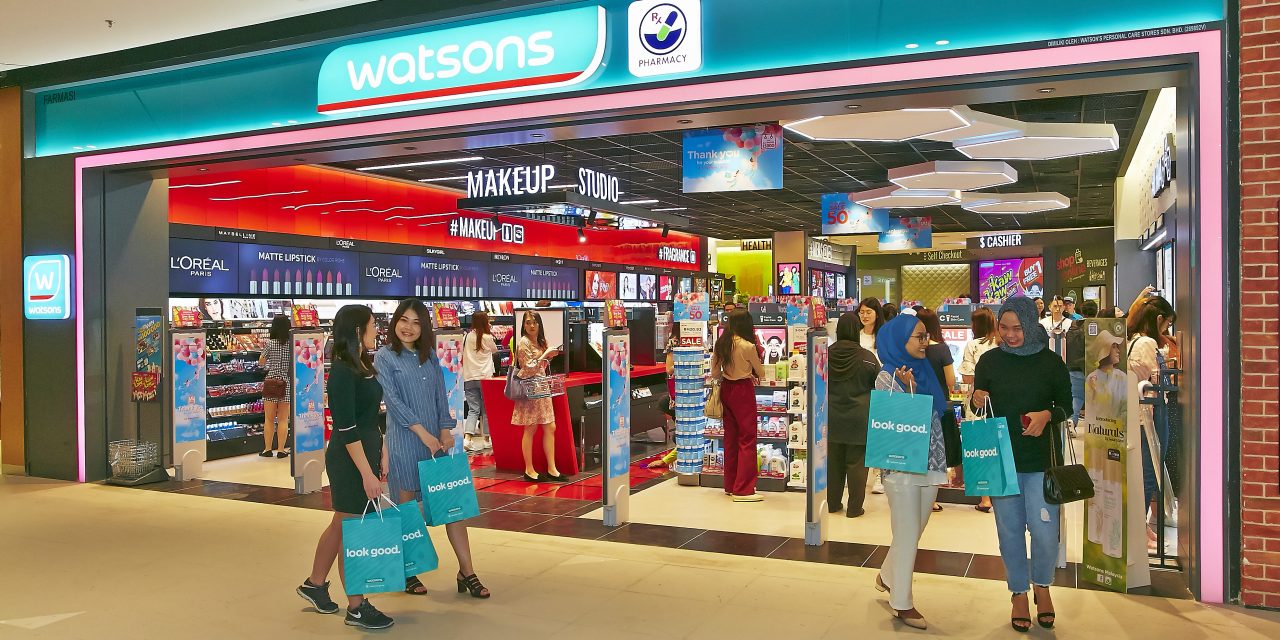
    AS Watson, a health and beauty retail giant, has announced ambitious expansion plans for the coming year, with around 1,000 new stores expected to open. This move comes in response to a significant surge in customer engagement via the company’s loyalty program.

    Growing Loyalty Program

    Last year, AS Watson witnessed an addition of 10 million new members to its loyalty program, pushing the global membership count to an impressive 180 million plus. This growth can be traced back to a successful integration between the firm’s brick-and-mortar store network and online platforms.

    Investment and Expansion

    AS Watson, which currently operates over 17,000 stores across 31 markets in Asia and Europe, is set to support its new store openings with an investment of approximately US$490 million. This funding will be allocated towards the launch of new stores, making store refurbishments, implementing technology updates, and enhancing supply chain processes.

    Strong Performance

    The retailer reported a robust category performance in the past year. Sales in the health category witnessed an 8 per cent increase, led by a double-digit rise in Europe. Simultaneously, beauty sales saw a 6 per cent uptick, propelled by a double-digit surge in Asia. The combined offline and online sales also saw a double-digit growth over the year.

    Preparation for the Future

    “Markets, technologies, and expectations are changing at an unprecedented speed. As we look to the future, our goal isn’t to predict what it holds but to be prepared for it. Our strategy remains the same – maintaining our dedication towards our customers, our employees, our partners, and upholding responsible business practices,” said Malina Ngai, Group CEO of AS Watson.

    AS Watson, which was established in Hong Kong in 1841, is celebrating its landmark 185th anniversary this year.

    Questions & Answers

    How many new stores is AS Watson planning to open this year?
    AS Watson plans to open about 1,000 new stores this year.

    What contributed to the growth in AS Watson’s loyalty program?
    The growth in AS Watson’s loyalty program can be attributed to the successful integration of its physical store network and online platforms.

    What is AS Watson’s strategy for the future, according to its Group CEO, Malina Ngai?
    AS Watson’s strategy for the future, as outlined by its Group CEO Malina Ngai, is not to predict the future but to be prepared for it by maintaining commitment towards their customers, employees, partners, and upholding responsible business practices.

  • Costco Australia Outperforms: Profits Soar by 40% Taking Top Spot Over Aldi

    Costco Australia Outperforms: Profits Soar by 40% Taking Top Spot Over Aldi

    Costco, the United States-based wholesale giant, continues to make waves in the Australian market. The company has seen a significant year-on-year profit increase of 39.4%.

    The financial report for the fiscal year ending on August 31, 2025, reveals an impressive annual income of $10.8 billion for the company. With a global footprint of 923 outlets, Costco currently provides employment to nearly 13,000 individuals.

    Australian Operations Showing Strength

    The Australian segment of Costco, which also oversees operations in Taiwan, has reported a profit increase from $279 million in 2024 to $389.1 million. This demonstrates the continuing growth and profitability of the company in the region.

    Costco has established 15 warehouses across Australia since launching its first location in Docklands, Melbourne, in 2009. The company’s expansion plans include the opening of another site in Victoria and a new location in Western Australia by 2027.

    Outperforming Competition

    Costco’s after-tax profits now surpass those of Aldi, which is currently the third-largest supermarket in terms of market share in Australia. This achievement indicates Costco’s aggressive growth strategy and successful performance in the competitive Australian market.

    Questions & Answers

    What is the recent growth rate of Costco in the Australian market?
    Costco has seen a significant year-on-year profit increase of 39.4% in the Australian market.

    How many Costco warehouses are there in Australia?
    As of now, Costco has established 15 warehouses across Australia.

    How does Costco’s after-tax profit compare with that of Aldi in Australia?
    Costco’s after-tax profits now surpass those of Aldi, which is the third-largest supermarket in the country in terms of market share. This indicates Costco’s strong performance in the competitive Australian market.

  • Vietnam’s Economy Soars with 8.02% GDP Growth in 2025, Claiming Second Highest Spot in Two Decades

    Vietnam’s Economy Soars with 8.02% GDP Growth in 2025, Claiming Second Highest Spot in Two Decades

    The Vietnamese economy experienced significant growth in the last year, with an impressive rate of 8.02%, marking the second-highest growth rate in the past 15 years. This growth was primarily fueled by the services and industry sectors. In the final quarter of the year alone, the economy expanded by 8.46% on a year-on-year comparison, as per the data from the General Statistics Office.

    Steady Growth Amid Global Economic Volatility

    Vietnam has demonstrated a remarkable economic performance in the face of global economic instability. This instability has been particularly marked by trade tensions and reciprocal tariff policies from the United States. Despite these challenges, Vietnam’s growth rate was the highest amongst Southeast Asian nations and one of the highest globally. The last time the economy grew at a higher rate was in 2022, with an expansion of 8.12%, following the Covid-19 pandemic.

    Economic Indicators

    In 2025, the Gross Domestic Product (GDP) of Vietnam rose to US$514 billion, and the per capita income reached $5,026. These figures have positioned Vietnam as an upper-middle-income nation. Nevertheless, the inflation rate for the year experienced a slight increase, reaching 3.31%.

    The services sector emerged as the largest contributor to the Vietnamese economy, accounting for 51.1% of the total. The industry and construction sectors followed with a 43.6% contribution, while the remainder was made up by agriculture, forestry, and fisheries.

    In terms of trade, Vietnam hit a new record with a total value of $930 billion, reflecting an 18.2% rise from the previous year. The export value increased by 17%, totaling $475 billion.

    In the same year, there was a notable increase in enterprise registration and revival, with 297,500 businesses registered or revived, marking a 27.4% surge.

    Future Economic Prospects

    Looking forward, the National Assembly has set an ambitious GDP growth target of 10% for the upcoming year. Achieving this target will increase the per capita income to a range of $5,400 to $5,500.

    Questions & Answers

    What was the growth rate of the Vietnamese economy last year?
    The Vietnamese economy grew at a rate of 8.02% last year.

    What sectors mainly drove Vietnam’s economic growth?
    The growth of the Vietnamese economy was primarily driven by the services and industry sectors.

    What is the GDP growth target set by the National Assembly for the next year?
    The National Assembly has set a GDP growth target of 10% for the next year.

  • Hong Kong Retail Sales Enjoy 7-Month Winning Streak with 6.5% Rise in November

    Hong Kong Retail Sales Enjoy 7-Month Winning Streak with 6.5% Rise in November

    Hong Kong’s retail sector has seen a seventh consecutive month of increased sales, with a 6.5% rise in value during November, according to government reports. The retail sales for the month totalled HK$33.7 billion (US$4.33 billion), demonstrating a steady incline when compared to the 6.9% increase recorded in October of the same year.

    Volume and Value

    Notably, the volume of retail sales in November saw a 4.4% increase compared to the same month in the previous year. This was slightly less than the 5.3% growth experienced in October. However, despite the ongoing monthly gains, the total retail sales for the first 11 months of 2025 only experienced a slight 0.4% increase in value when compared to the previous year. Furthermore, the volume of retail sales actually decreased by 0.9% over this period.

    Sustained Economic Growth

    A government spokesperson has expressed optimism towards the ongoing retail recovery, stating, “The gradual improvement in local consumption sentiment amid sustained economic growth, combined with the vibrant growth in inbound visitors, will continue to benefit retail businesses.”

    The number of visitors to Hong Kong in November was reported as 4.19 million, marking a 17.4% increase from the previous year. Mainland China contributed significantly to these figures, accounting for 3.04 million visitors – an 18.9% increase year-on-year.

    Sales across Different Sectors

    Different sectors within the retail industry have seen varied degrees of growth. Sales of high-value items such as jewellery, watches, clocks, and valuable gifts saw a smaller increase of 3.6% in November, compared to the revised 9.4% growth in October. Similarly, the sales of clothing, footwear and related products increased by 2% year-on-year in November, following a slight 0.9% rise in October.

    Questions & Answers

    What is the overall trend of Hong Kong’s retail sales?
    The overall trend shows a steady increase, with November marking the seventh consecutive month of growth.

    Which sectors experienced the most growth?
    High-value items such as jewellery, watches, clocks, and valuable gifts, as well as clothing, footwear, and related products experienced growth.

    What factors contributed to the growth of Hong Kong’s retail sector?
    The government spokesperson attributed the growth to improved local consumption sentiment, sustained economic growth, and an increase in inbound visitors, particularly from mainland China.

  • Revolutionizing Retail: How Meta, L’Occitane and Omnichat are Using WhatsApp to Drive Customer Loyalty

    Revolutionizing Retail: How Meta, L’Occitane and Omnichat are Using WhatsApp to Drive Customer Loyalty

    Omnichat, a notable omnichannel AI platform, recently conducted the third iteration of the Commerce Leadership Forum at Meta Singapore’s facility. The forum saw an assemblage of high-ranking leaders across various sectors, arranged to discuss the transformative influence of AI-empowered business messaging in retail, beauty, and lifestyle industries in the Asia Pacific.

    The Impact of WhatsApp on Commerce

    Prominent leaders from Meta and L’Occitane spoke about the swift adoption of WhatsApp as a crucial commercial platform, underscoring its evolution from a simple customer support tool to an engaging platform catering to committed customers, driving conversions, and establishing long-lasting loyalty.

    L’Occitane disclosed that WhatsApp has become the primary mode of customer communication across Asia Pacific markets, accounting for over 80% of inbound and outbound customer interactions. The brand further revealed that personal, conversational interactions have resulted in profitable outcomes compared to traditional channels. This increase in commercial success, coupled with real-time engagement, has enabled L’Occitane to extend relationship-building beyond transactional interactions, resulting in lasting brand loyalty.

    Terrence Siu, chief information officer of APAC at L’Occitane, stated, “Loyalty begins the moment a customer chooses to stay connected with the brand. Using WhatsApp as a unified touchpoint allows us to move customers smoothly from online discovery to in-store engagement without losing context. Customers receive a consistent and personalized experience wherever they interact with us, be it on Facebook, Instagram, or WhatsApp.”

    L’Occitane has extended this seamless experience into a complete loyalty journey by utilizing Omnichat and WhatsApp to deliver sample products, VIP privileges, and post-purchase experiences. This ensures that customers feel guided and appreciated long after their initial transaction. The distribution of samples and exclusive VIP offers directly through WhatsApp has elevated their coupon redemption rate to 87%.

    Messaging-led Commerce and Loyalty

    Messaging-led commerce has been further reinforced by YouGov’s new regional insights. The data showed that 32% to 43% of Asia Pacific shoppers now utilize business messaging to track orders, complete purchases, and maintain contact with brands throughout the sales cycle. WhatsApp has effectively become the default loyalty channel for high-intent engagement in Asia.

    Vicky Yiu, APAC strategic partnership manager for business messaging at Meta, asserted, “WhatsApp is increasingly becoming the commerce layer for brand engagement in Asia. When businesses move to a messaging-led experience, they shift from campaigns to relationships – and that is where long-term loyalty is earned.”

    Omnichat, powering these loyalty journeys, has illuminated how brands can evolve membership from a static database into an active relationship engine. By consolidating multi-channel identity into a unified customer profile and harnessing AI to trigger personalized re-engagement flows, Omnichat aids brands in converting one-time buyers into loyal members.

    CEO and founder of Omnichat, Alan Chan, emphasized, “Loyalty only works when it’s active, not passive. By linking QR codes to product samples, in-store touchpoints, and messaging-based rewards, brands can proactively engage members in real time. This is the difference between a loyalty database and a loyalty journey.”

    Questions & Answers

    How is AI-powered business messaging transforming the retail and lifestyle sectors?
    AI-powered business messaging is transforming these sectors by personalising customer interactions, driving profitable outcomes, fostering long-term loyalty, and reducing customer acquisition cost.

    How has WhatsApp influenced L’Occitane’s customer engagement?
    WhatsApp has become L’Occitane’s primary mode of customer communication. It has enabled the brand to provide a seamless experience, from online discovery to in-store engagement and beyond. It also allows L’Occitane to distribute samples and VIP offers directly, resulting in a high coupon redemption rate.

    What role does Omnichat play in this transformative process?
    Omnichat powers the loyalty journeys of brands, transforming membership from a passive database into an active relationship engine. It helps brands remain present in the customer’s daily routine, enabling real-time rewards and VIP benefits, and consolidates multi-channel identity into a unified customer profile.

  • KK Group Revives Indonesian Market with Tri-Brand Blast: X11, KKV, and The Colorist

    KK Group Revives Indonesian Market with Tri-Brand Blast: X11, KKV, and The Colorist

    KK Group, a Chinese lifestyle retailer, is making a strategic return to the Indonesian market. The company plans to reintroduce three of its brands: X11, KKV, and The Colorist.

    The Return of X11, KKV, and The Colorist

    The reintroduction begins with X11, KK Group’s trend and culture emblem, which targets youthful consumers with art toys, anime paraphernalia, and pop culture merchandise. The first stores are set to open in Greater Jakarta and other major cities throughout Java, Bali, and several regional centers.

    Following closely behind is KKV, KK Group’s primary lifestyle brand, scheduled to launch the following year. KKV boasts a remarkable range of over 20,000 Stock Keeping Units (SKUs) that include home goods, stationery, beauty products, snacks, and fashion items. Alongside KKV, The Colorist, a mass-premium beauty brand focused on Generation Z and young millennials, is also set to launch.

    Rojen Wu, COO of KK Group’s international business, expressed the company’s firm commitment to Indonesia. “Indonesia has consistently been a priority for us in Southeast Asia,” Wu said. “With KKV, The Colorist, and X11, we aim to cultivate a comprehensive lifestyle retail ecosystem while offering redefined retail experiences to Indonesian consumers.”

    KK Group’s Ambitious Expansion Plans

    KK Group’s multi-brand strategy includes the development of a network of over 500 stores across these three core brands. The company is also considering introducing Pet Tribes, a pet-centered concept recently launched in China, as part of its broader multi-brand strategy for Indonesia. In the long term, KK Group projects running over 1,000 stores under its enlarged brand portfolio.

    This Indonesian re-entry comes on the heels of KK Group’s aggressive Southeast Asian expansion, which has seen them breaking into new markets in Malaysia, Singapore, Thailand, Vietnam, and the Philippines. At present, KK Group operates over 1,000 stores in China and more than 150 stores across various regions.

    Questions & Answers

    What is KK Group’s re-entry strategy into the Indonesian market?

    KK Group plans to reintroduce three of its brands: X11, KKV, and The Colorist. The company also intends to develop a network of over 500 stores across these core brands.

    What are the three brands that KK Group is reintroducing into Indonesia?

    The three brands are X11, a trend and culture brand aimed at younger consumers; KKV, the company’s flagship lifestyle brand; and The Colorist, a mass-premium beauty brand targeted at Generation Z and young millennials.

    What is KK Group’s long-term vision for its multi-brand strategy in Indonesia?

    In the long term, KK Group plans to operate over 1,000 stores under its expanded brand portfolio. The company is also considering the introduction of Pet Tribes, a pet-focused concept recently launched in China.