Tag: retail news

  • Revolutionizing Retail: How Meta, L’Occitane and Omnichat are Using WhatsApp to Drive Customer Loyalty

    Revolutionizing Retail: How Meta, L’Occitane and Omnichat are Using WhatsApp to Drive Customer Loyalty

    Omnichat, a notable omnichannel AI platform, recently conducted the third iteration of the Commerce Leadership Forum at Meta Singapore’s facility. The forum saw an assemblage of high-ranking leaders across various sectors, arranged to discuss the transformative influence of AI-empowered business messaging in retail, beauty, and lifestyle industries in the Asia Pacific.

    The Impact of WhatsApp on Commerce

    Prominent leaders from Meta and L’Occitane spoke about the swift adoption of WhatsApp as a crucial commercial platform, underscoring its evolution from a simple customer support tool to an engaging platform catering to committed customers, driving conversions, and establishing long-lasting loyalty.

    L’Occitane disclosed that WhatsApp has become the primary mode of customer communication across Asia Pacific markets, accounting for over 80% of inbound and outbound customer interactions. The brand further revealed that personal, conversational interactions have resulted in profitable outcomes compared to traditional channels. This increase in commercial success, coupled with real-time engagement, has enabled L’Occitane to extend relationship-building beyond transactional interactions, resulting in lasting brand loyalty.

    Terrence Siu, chief information officer of APAC at L’Occitane, stated, “Loyalty begins the moment a customer chooses to stay connected with the brand. Using WhatsApp as a unified touchpoint allows us to move customers smoothly from online discovery to in-store engagement without losing context. Customers receive a consistent and personalized experience wherever they interact with us, be it on Facebook, Instagram, or WhatsApp.”

    L’Occitane has extended this seamless experience into a complete loyalty journey by utilizing Omnichat and WhatsApp to deliver sample products, VIP privileges, and post-purchase experiences. This ensures that customers feel guided and appreciated long after their initial transaction. The distribution of samples and exclusive VIP offers directly through WhatsApp has elevated their coupon redemption rate to 87%.

    Messaging-led Commerce and Loyalty

    Messaging-led commerce has been further reinforced by YouGov’s new regional insights. The data showed that 32% to 43% of Asia Pacific shoppers now utilize business messaging to track orders, complete purchases, and maintain contact with brands throughout the sales cycle. WhatsApp has effectively become the default loyalty channel for high-intent engagement in Asia.

    Vicky Yiu, APAC strategic partnership manager for business messaging at Meta, asserted, “WhatsApp is increasingly becoming the commerce layer for brand engagement in Asia. When businesses move to a messaging-led experience, they shift from campaigns to relationships – and that is where long-term loyalty is earned.”

    Omnichat, powering these loyalty journeys, has illuminated how brands can evolve membership from a static database into an active relationship engine. By consolidating multi-channel identity into a unified customer profile and harnessing AI to trigger personalized re-engagement flows, Omnichat aids brands in converting one-time buyers into loyal members.

    CEO and founder of Omnichat, Alan Chan, emphasized, “Loyalty only works when it’s active, not passive. By linking QR codes to product samples, in-store touchpoints, and messaging-based rewards, brands can proactively engage members in real time. This is the difference between a loyalty database and a loyalty journey.”

    Questions & Answers

    How is AI-powered business messaging transforming the retail and lifestyle sectors?
    AI-powered business messaging is transforming these sectors by personalising customer interactions, driving profitable outcomes, fostering long-term loyalty, and reducing customer acquisition cost.

    How has WhatsApp influenced L’Occitane’s customer engagement?
    WhatsApp has become L’Occitane’s primary mode of customer communication. It has enabled the brand to provide a seamless experience, from online discovery to in-store engagement and beyond. It also allows L’Occitane to distribute samples and VIP offers directly, resulting in a high coupon redemption rate.

    What role does Omnichat play in this transformative process?
    Omnichat powers the loyalty journeys of brands, transforming membership from a passive database into an active relationship engine. It helps brands remain present in the customer’s daily routine, enabling real-time rewards and VIP benefits, and consolidates multi-channel identity into a unified customer profile.

  • KK Group Revives Indonesian Market with Tri-Brand Blast: X11, KKV, and The Colorist

    KK Group Revives Indonesian Market with Tri-Brand Blast: X11, KKV, and The Colorist

    KK Group, a Chinese lifestyle retailer, is making a strategic return to the Indonesian market. The company plans to reintroduce three of its brands: X11, KKV, and The Colorist.

    The Return of X11, KKV, and The Colorist

    The reintroduction begins with X11, KK Group’s trend and culture emblem, which targets youthful consumers with art toys, anime paraphernalia, and pop culture merchandise. The first stores are set to open in Greater Jakarta and other major cities throughout Java, Bali, and several regional centers.

    Following closely behind is KKV, KK Group’s primary lifestyle brand, scheduled to launch the following year. KKV boasts a remarkable range of over 20,000 Stock Keeping Units (SKUs) that include home goods, stationery, beauty products, snacks, and fashion items. Alongside KKV, The Colorist, a mass-premium beauty brand focused on Generation Z and young millennials, is also set to launch.

    Rojen Wu, COO of KK Group’s international business, expressed the company’s firm commitment to Indonesia. “Indonesia has consistently been a priority for us in Southeast Asia,” Wu said. “With KKV, The Colorist, and X11, we aim to cultivate a comprehensive lifestyle retail ecosystem while offering redefined retail experiences to Indonesian consumers.”

    KK Group’s Ambitious Expansion Plans

    KK Group’s multi-brand strategy includes the development of a network of over 500 stores across these three core brands. The company is also considering introducing Pet Tribes, a pet-centered concept recently launched in China, as part of its broader multi-brand strategy for Indonesia. In the long term, KK Group projects running over 1,000 stores under its enlarged brand portfolio.

    This Indonesian re-entry comes on the heels of KK Group’s aggressive Southeast Asian expansion, which has seen them breaking into new markets in Malaysia, Singapore, Thailand, Vietnam, and the Philippines. At present, KK Group operates over 1,000 stores in China and more than 150 stores across various regions.

    Questions & Answers

    What is KK Group’s re-entry strategy into the Indonesian market?

    KK Group plans to reintroduce three of its brands: X11, KKV, and The Colorist. The company also intends to develop a network of over 500 stores across these core brands.

    What are the three brands that KK Group is reintroducing into Indonesia?

    The three brands are X11, a trend and culture brand aimed at younger consumers; KKV, the company’s flagship lifestyle brand; and The Colorist, a mass-premium beauty brand targeted at Generation Z and young millennials.

    What is KK Group’s long-term vision for its multi-brand strategy in Indonesia?

    In the long term, KK Group plans to operate over 1,000 stores under its expanded brand portfolio. The company is also considering the introduction of Pet Tribes, a pet-focused concept recently launched in China.

  • Hong Kong Retail Market Sizzles: Six Months of Consecutive Growth Capped by a Strong October

    Hong Kong Retail Market Sizzles: Six Months of Consecutive Growth Capped by a Strong October

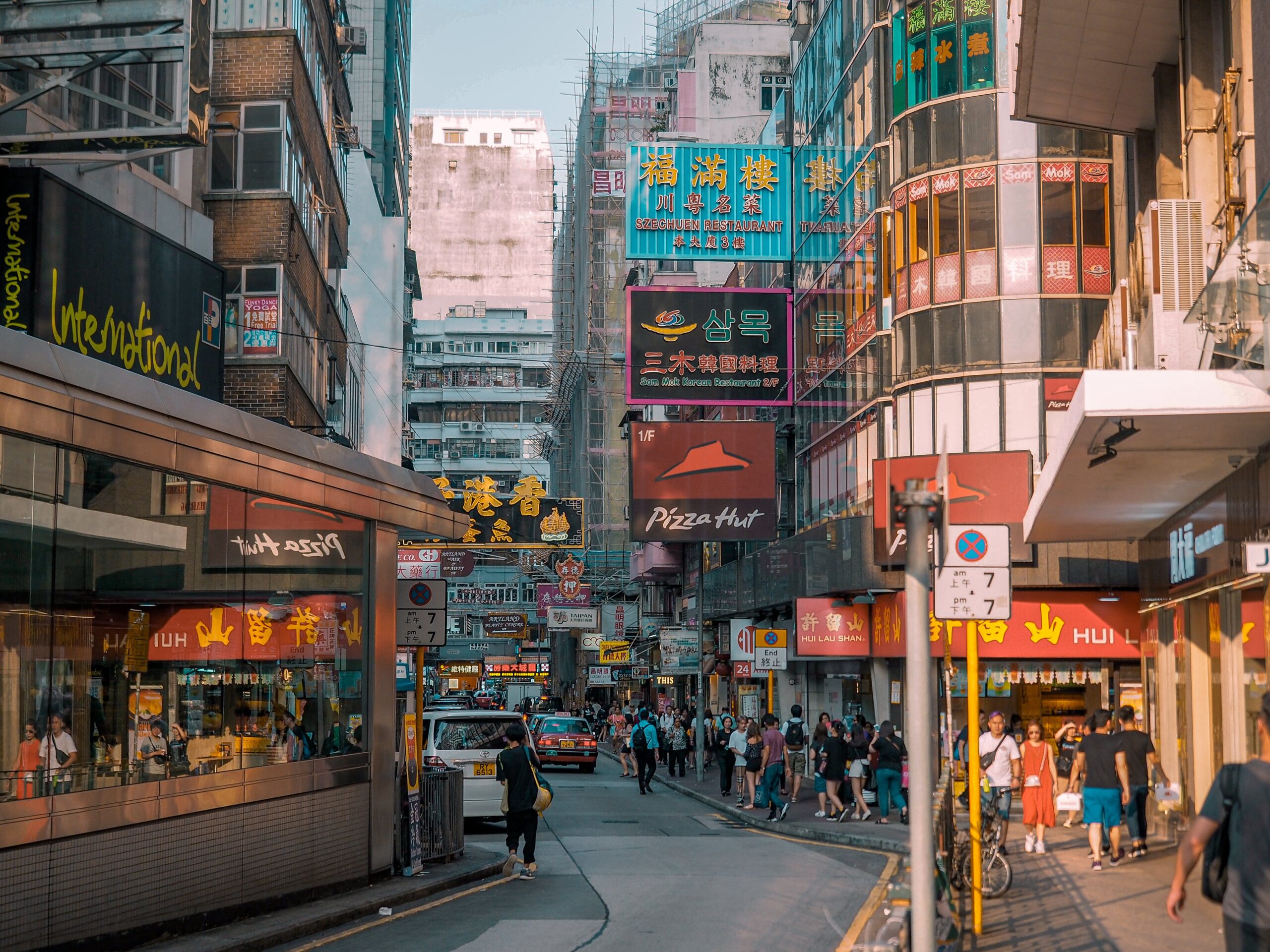
    Hong Kong’s retail sector has seen a significant upswing, with October marking the sixth consecutive month of sales increase. As per data from the Census and Statistics Department, there was a year-on-year increase of 6.9% in retail sales, provisionally estimated at HK$35.2 billion (US$4.5 billion) for the month. This represents the highest monthly increase witnessed over the past half year. Despite this, the retail sales over the first ten months remained largely on par with the same period the previous year.

    Noteworthy Sector Performances

    Specific sectors within the retail industry reported varying degrees of performance. Sales of electrical goods and other consumer durable goods took the lead with a significant increase of 24.6% in October. This was closely followed by jewellery, watches, clocks, and valuable gifts, which saw an increase of 9.5%. Alcoholic drinks and tobacco reported an increase of 6%, while department store commodities saw a 5.8% increase in sales.

    On the other hand, several sectors reported a decline in sales. Motor vehicle and parts sales saw the most significant drop, falling by 20%. This was followed by fuel sales, which decreased by 8.7%, and Chinese drugs and herbs, which fell 6.6%. Furniture and fixtures also saw a slight decrease in sales, falling by 2.3%.

    Government Statement

    The government has also weighed in on the positive trend in retail sales, with a spokesperson attributing the increase to an ongoing improvement in consumer sentiment. They noted that the retail sales recovery gathered momentum in October, indicating a forward progression from the sales increase in the previous month. The spokesperson expressed confidence in the continued improvement in local consumer sentiment and the sustained growth in visitor arrivals. These factors are expected to provide further support for retail businesses in the coming months.

    Questions & Answers

    What was the year-on-year increase in Hong Kong’s retail sales in October?
    The year-on-year increase in Hong Kong’s retail sales in October was 6.9%, according to the Census and Statistics Department.

    Which sectors reported the highest increase in sales?
    Electrical goods and other consumer durable goods reported the highest increase in sales, with a growth of 24.6%. They were closely followed by jewellery, watches, clocks, and valuable gifts, which saw a 9.5% increase.

    Which sectors saw a decrease in sales?
    Motor vehicle and parts experienced the most significant drop, falling by 20%. Fuels also decreased by 8.7%, with Chinese drugs and herbs falling 6.6%, and furniture and fixtures by 2.3%.

  • Riding the Retail Wave: SM Investments Sees Profit Surge Despite Weather Challenges

    Riding the Retail Wave: SM Investments Sees Profit Surge Despite Weather Challenges

    SM Investments, a conglomerate with operations in retail, banking, and property, experienced solid retail sales during the first three quarters of the year. These robust sales contributed to a consolidated net income of US$1.09 billion, a 6% rise compared to the same period in the previous year.

    The Impact of Weather Disruptions

    Despite significant weather disturbances in the Philippines, the company maintained steady performance. Frederic DyBuncio, President, and CEO of SM Investments remarked on the resilience of the company. He said, “In the face of adversities such as severe weather and flooding, our businesses have demonstrated sustained financial performance.”

    Income Breakdown

    Banking was the predominant contributor to SM Investments’ net income, accounting for 50% of the total. This was followed by property at 28%, retail at 15%, and portfolio investments at 7%.

    SM Retail’s Performance

    SM Retail disclosed a net income of $206.78 million, marginally lower than the $216.95 million recorded last year. Despite this slight dip, revenues grew by 5% to reach $5.39 billion. As a result, consolidated revenues climbed 4% to $8.17 billion.

    Consumer Behavior Shifts

    DyBuncio highlighted changes in consumer expenditure patterns as a factor impacting quarter-to-quarter comparisons. He explained that the earlier start of the school year in June shifted some expenditures from the third quarter to the second. Despite this shift, there was growth in niche retail spending, particularly in health and beauty, fashion, and kids categories. Essential spending also continued to bolster growth in food retail.

    Category Performance

    In terms of categories, department stores recorded a 3% revenue growth in fashion and children’s items. Food retail saw a 7% surge, largely attributable to store expansions. Specialty retail grew by 4%, driven mainly by increased demand in children’s and home categories.

    DyBuncio expressed confidence in the company’s outlook despite external challenges, declaring, “While external factors may impact the overall economic growth, we remain positive as we head into the fourth quarter.”

    Questions & Answers

    What was the significant factor contributing to SM Investments’ net income?
    Banking was the main contributor, accounting for 50% of the total net income.

    What consumer behavior change affected SM Investments’ quarterly comparison?
    The shift in school opening from the third to the second quarter caused some changes in consumer spending patterns.

    Which categories demonstrated notable growth in SM Investments’ retail sector?
    There was notable growth in specialty retail spending, particularly in health and beauty, fashion, and kids categories, as well as in food retail due to store expansions.

  • Woolworths Fuels Retail Innovation with $1.3B Automated Distribution Hub in Western Sydney

    Woolworths Fuels Retail Innovation with $1.3B Automated Distribution Hub in Western Sydney

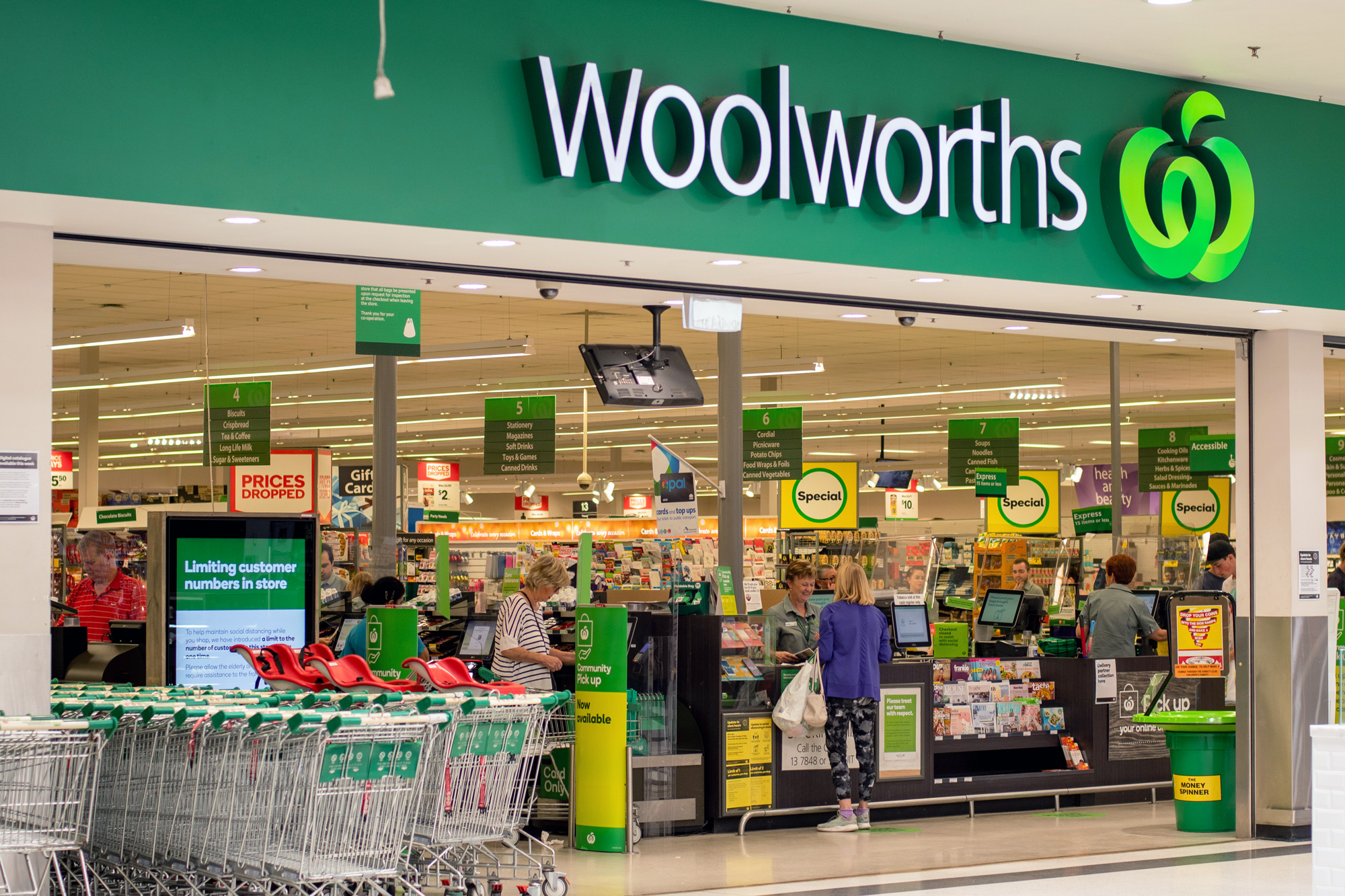
    Woolworths has inaugurated a regional distribution center in Western Sydney, advancing a $1.3 billion commitment to automated supply-chain infrastructure. The facility is strategically located adjacent to the supermarket’s national distribution center, and the two centers combined are projected to handle over 5 million cartons each week, servicing a product range of 20,000 items.

    Streamlining Logistics

    The new distribution center is ideally situated with direct connections to the Port Botany, interstate rail, and the M5 and M7 motorways in Sydney. This strategic positioning is aimed at optimizing freight flows and reducing the reliance on road transport.

    Improving Product Availability

    Woolworths stated that the amalgamation of these facilities will enhance product availability on the shelves and expedite the introduction of new products through more efficient replenishment. The centers, which spread across 75,000 square meters, will utilize automation to assemble aisle-ready pallets that align with the unique layouts of individual stores. This will assist teams in restocking shelves more rapidly.

    Strengthening Operations

    Amanda Bardwell, the CEO of Woolworths Group, expressed that the investment not only reinforces the company’s service and operations but also holds great significance for customers, the team, and the company’s future capability.

    She explained, “This investment is about far more than infrastructure. It is vital to our customers, our team, and our future capability.” She further added that the investment results in a more resilient supply chain. Furthermore, the automation significantly reduces heavy manual handling, making a notable difference to the team members on a daily basis.

    Questions & Answers

    How much investment has Woolworths made in automated supply-chain infrastructure?
    Woolworths has invested $1.3 billion in automated supply-chain infrastructure.

    What is the expected weekly carton handling capacity of the new regional distribution center and the national distribution center?
    The two centers combined are projected to handle over 5 million cartons each week.

    How will the new distribution center in Western Sydney benefit Woolworths operationally?
    The new center will boost product availability on shelves, expedite the introduction of new products, and assist teams in restocking shelves more quickly due to the use of automation. Furthermore, it will strengthen the company’s supply chain resilience and reduce heavy manual handling, improving working conditions for team members.

  • Singapore Retail Sales Rise in September, Pace Moderates: Jewellery and Watches Lead Growth

    Singapore Retail Sales Rise in September, Pace Moderates: Jewellery and Watches Lead Growth

    Retail sales in Singapore continued their upward trajectory in September, albeit at a slower rate than in August.

    Retail Sales Trend

    In September, retail sales, excluding motor vehicles, rose by 2 per cent. This is a slight dip compared to the 4.7 per cent increase witnessed in August. The total value of retail sales for September was estimated at SG$3.5 billion ($2.67 billion USD), with online sales accounting for 17.6 per cent of that figure. However, on a seasonally adjusted basis, retail sales in September saw a decline of 2.3 per cent when compared to August.

    Industry Performance

    The watches and jewellery sector remained at the forefront of sales growth in September with a substantial year-on-year increase of 16.6 per cent. This growth was primarily fueled by a surge in jewellery sales. The recreational goods sector trailed behind in second place with an 11 per cent increase, followed by supermarkets and hypermarkets, which saw a 5.1 per cent rise.

    On the other hand, petrol service stations and retailers of clothing and footwear saw a drop in sales by 8 per cent and 3.6 per cent respectively. The food and beverage services also experienced a decline, with sales slipping by 1.6 per cent, a steep fall from the 0.2 per cent decrease reported in the previous month. This slump was largely attributed to the underperformance of the restaurant sector.

    The overall sales value of food and beverage services was estimated at SG$966 million, with online sales representing 26.3 per cent.

    Questions & Answers

    Q: How did the retail sector perform in Singapore in September?
    A: Retail sales, excluding motor vehicles, rose by 2 per cent in September, a slower pace compared to the 4.7 per cent increase in August.

    Q: What sectors led the growth in retail sales in September?
    A: The watches and jewellery sector led the growth with a 16.6 per cent year-on-year increase, followed by the recreational goods sector and supermarkets and hypermarkets.

    Q: Which sectors experienced a decline in sales in September?
    A: Petrol service stations and clothing and footwear retailers saw a decrease in sales, with declines of 8 per cent and 3.6 per cent respectively. The food and beverage services sector also experienced a drop in sales, declining by 1.6 per cent.

  • “Vietnamese E-commerce Boom: Monthly Online Spending Hits $1.3B on Top Platforms

    “Vietnamese E-commerce Boom: Monthly Online Spending Hits $1.3B on Top Platforms

    In the first three quarters of the year, consumers in Vietnam have shown a growing preference for e-commerce, spending approximately VND34 trillion (US$1.3 billion) per month on popular platforms such as Shopee, TikTok Shop, Lazada, and Tiki. According to analysis from data provider Metric, the gross merchandise value of these leading platforms reached a total of VND305.9 trillion, marking a substantial 34% increase from the previous year.

    Factors Fueling E-commerce Growth

    Several factors contribute to the impressive growth of these e-commerce platforms. A surge in demand, coupled with enticing incentives such as heavy discounts and low shipping fees, has led to increased consumer spending. Additionally, sellers are investing more in livestreaming and short-form video content to further stimulate buyer interest.

    Shopee has maintained its position as the dominant platform, accounting for 56% of the gross merchandise value for the aforementioned period. It is trailed by TikTok Shop, which holds 41% of the market share.

    Shopee’s collaboration with YouTube has also paid off, with 2.4 million products now linked to the video sharing platform. In another strategic move, Shopee recently teamed up with Meta to facilitate the purchase of its products via Facebook livestreams.

    Platform-Specific Strategies

    Meanwhile, TikTok has honed its focus on promoting sales through videos and livestreams. One particular campaign in the northern mountain province of Lai Chau was notably successful, with 300 tons of potatoes sold in the months of September and October.

    Lazada, holding a steady 3% market share, saw the strongest growth in average order value over the past nine months. The platform has been expanding its product range by partnering with several milk brands and South Korean retailer G-Market, adding an estimated 20 million new products to its offerings.

    Looking forward, Metric predicts the gross merchandise value for these four platforms will rise by 15% year-on-year in the fourth quarter. Fashion, beauty, household goods, and groceries-food are expected to continue leading in sales.

    Questions & Answers

    What factors are contributing to the growth of e-commerce in Vietnam?
    Increased demand, attractive discounts, low shipping fees, and more investment in livestreaming and short video content are driving e-commerce growth.

    Which e-commerce platform holds the largest market share in Vietnam?
    Shopee holds the largest market share, accounting for 56% of the gross merchandise value in the first three quarters of the year.

    Which categories are expected to lead in sales in the fourth quarter?
    Fashion, beauty, household goods, and groceries-food are forecast to maintain the lead in sales.

  • Shinsegae Duty Free to Exit Incheon Airport’s DF2 Zone Amid Rising Losses: A Strategic Shift or an Economic Warning?

    Shinsegae Duty Free to Exit Incheon Airport’s DF2 Zone Amid Rising Losses: A Strategic Shift or an Economic Warning?

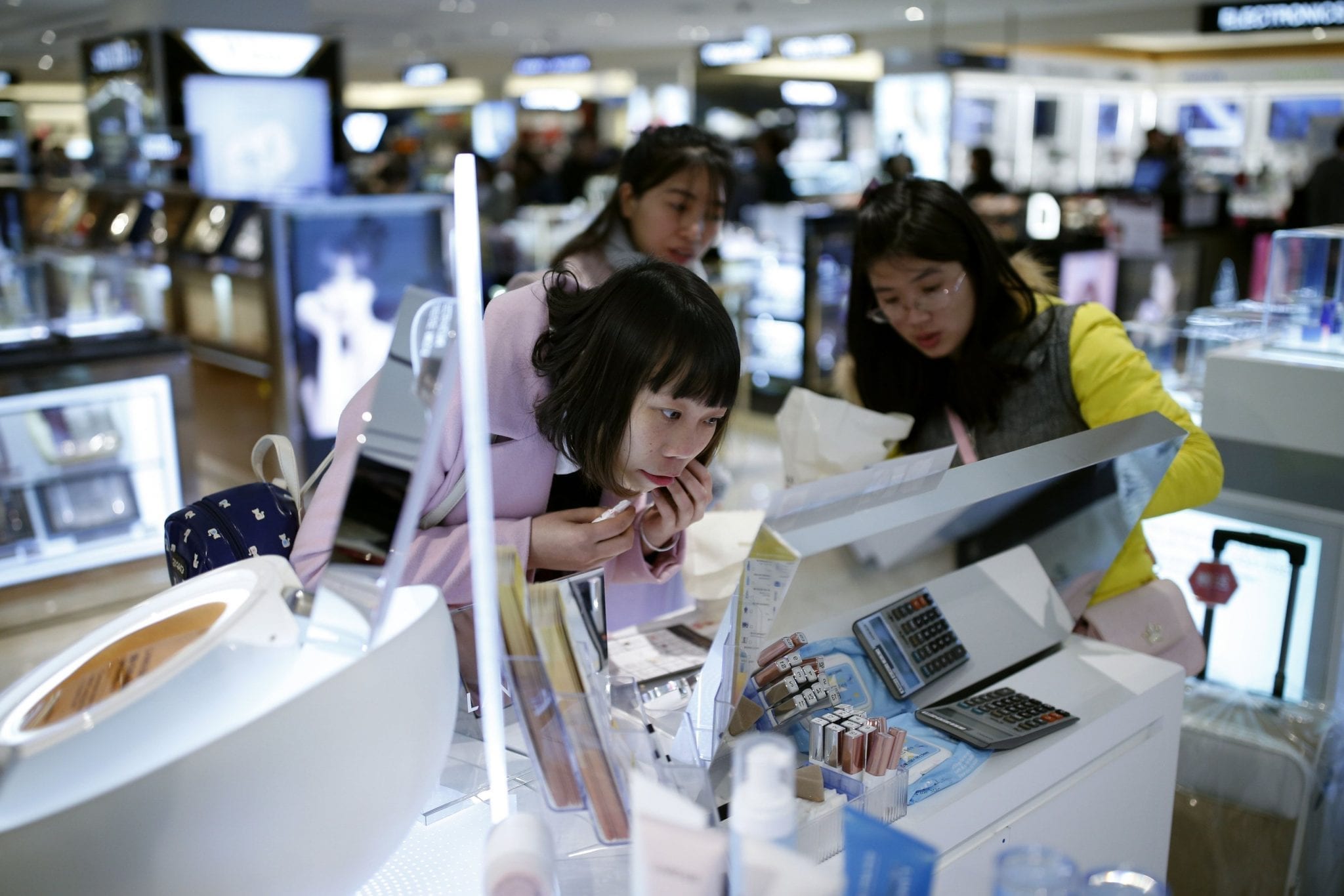
    Shinsegae Inc, a major retail conglomerate in South Korea, announced on Thursday that it plans to shut down its duty-free business unit in Incheon International Airport’s DF2 zone. This decision has been prompted by growing losses.

    Motivation Behind the Decision

    As South Korea’s second-largest department store chain, Shinsegae has resolved to enhance the operational efficiency of its duty-free business by confronting escalating losses head-on. The company intends to cease operations within the DF2 zone, which houses cosmetics, perfumes, liquor, and tobacco offerings, by April 27, 2026.

    However, Shinsegae DF Inc’s duty-free outlets in the airport’s DF4 zone will continue business as usual.

    Challenging Market Conditions

    A representative from Shinsegae cited a myriad of adverse and unpredictable circumstances plaguing the duty-free market, such as high exchange rates, economic downturn, and diminished spending among primary consumers. The company had previously sought rent modifications from the Incheon International Airport Corp (IIAC), but the airport authority denied these requests.

    Future Business Focus

    With the impending shutdown of its DF2 zone outlet, Shinsegae DF plans to concentrate on its continuing operations in the airport’s DF4 zone and its city center store in Myeongdong, central Seoul.

    Just last month, Hotel Shilla Co relinquished its DF1 zone license to the airport due to mounting losses. The IIAC is predicted to initiate a new bidding process for the DF1 zone license previously held by Shilla Duty Free later this year.

    Questions & Answers

    Why is Shinsegae closing its duty-free business in the DF2 zone?
    Shinsegae is closing its duty-free operations in the DF2 zone due to escalating losses and a desire to improve overall operational efficiency.

    What areas does the DF2 zone cover?
    The DF2 zone houses a variety of products, including cosmetics, perfumes, liquor, and tobacco.

    What will be the future focus of Shinsegae DF?
    Following the closure of its DF2 zone outlet, Shinsegae DF will focus on its remaining operations in the airport’s DF4 zone and its downtown store in Myeongdong.

  • Woolworths Sees 2.7% Surge in Sales: Riding the Wave of E-commerce and Food Sector Growth

    Woolworths Sees 2.7% Surge in Sales: Riding the Wave of E-commerce and Food Sector Growth

    Woolworths, a major retail group, has announced a rise of 2.7 percent in its total sales for the first quarter of the current fiscal year. The increase, which pushed the company’s revenue to $18.5 billion, is mainly due to a surge in food sales and the expansion of its on-demand services.

    Growth Powered by E-Commerce and Food Sales

    The company’s e-commerce sales experienced significant growth, rising by 13.2 percent to reach $2.7 billion. Australian food sales also saw an increase of 2.1 percent, amounting to $13.8 billion. This was largely fueled by an increase in the sales of chilled food, meat, and fruits. However, long-life sales experienced slower growth.

    Long-life sales saw a boost from drinks, snacking, and health and wellness products, while sales of baby, pet, and home essentials proved to be a challenge. Additionally, tobacco sales saw a considerable drop, declining by 51.5 percent compared to the same period the previous year.

    Increase in On-Demand Services

    Woolworths’ WooliesX sales in Australia increased by 12.9 percent, amounting to $2.2 billion, primarily driven by same-day and on-demand services. Among all of Woolworth’s e-commerce offerings, Milkrun, a grocery-delivery service, demonstrated the most growth. It is now supported by 628 stores, with 113 new stores added during the quarter.

    New Zealand Sales Performance

    In New Zealand, food sales reached $1.98 billion, marking a 2.5 percent year-on-year increase. This was primarily driven by the growth of e-commerce and sales of fruits and vegetables, meat, chilled, and frozen categories. E-commerce sales in the country grew by 15.8 percent, fueled by consumer demand for convenience and the company’s Same Day services. Milkrun also expanded its reach, extending to 87 stores across the nation.

    Other Notable Performances

    W Living, a division of Woolworths, saw a sales increase of 3.3 percent to $1.35 billion, largely due to the strong performance by Petstock. Petstock’s sales surged by 15.8 percent to $238 million, following the expansion of six stores and the inclusion of wholesale revenue from distributors Big Dog and TimePet.

    Big W saw a moderate increase in sales of 1 percent to $1.13 billion. However, the decline in items due to the cycling of winter clothing and clearance activity was evident. The brand’s e-commerce gross transaction value rocketed by 46.3 percent to $213 million, largely due to a 148 percent growth at Big W Market.

    Futures Outlook

    Woolworths’ group CEO Amanda Bardwell expressed cautious optimism for the key trading quarter ahead. She mentioned robust plans for the festive season, including a refreshed seasonal range. Bardwell concluded by stating that while it might take time for the full benefits of the company’s strategic actions to be realized, they remain confident these steps will lead to meaningful improvements for both their customers and shareholders.

    Questions & Answers

    What led to the growth of Woolworths’ sales in the first quarter?
    The growth was primarily driven by an increase in food sales and the expansion of on-demand services.

    How did Woolworths’ e-commerce perform in the first quarter?
    E-commerce sales rose by 13.2 percent to reach $2.7 billion, demonstrating strong performance.

    What is the company’s outlook for the future?
    Woolworths remains cautiously optimistic about the key trading quarter and has strong plans in place for the festive season, including a refreshed seasonal range.

  • Gap Inc. Partners With Google Cloud, Leveraging Ai To Revolutionize Retail And Customer Experience

    Gap Inc. Partners With Google Cloud, Leveraging Ai To Revolutionize Retail And Customer Experience

    Gap Inc. has joined forces with Google Cloud in a multi-year partnership aimed at fast-tracking the company’s tech strategy through the application of artificial intelligence (AI). The overarching objective is to bolster operations and improve consumer interactions throughout its various brands.

    Harnessing the Power of AI

    According to Sven Gerjets, Gap Inc’s Chief Technology Officer, the company is embracing AI as a transformative tool in retail, building its future tech roadmap around it.

    He stated, “This partnership offers us the proficiency and speed to integrate AI throughout our operations, enabling our teams, igniting creativity, and delivering to our customers more swiftly and with a higher degree of personalisation than ever before.”

    The collaboration with Google Cloud will equip Gap with a cohesive, AI-powered platform devised to enhance product development, planning, and pricing processes. This will spark creativity and efficiency across all its brands, which include Old Navy, Gap, Banana Republic, and Athleta.

    To facilitate product design, customer experience, and employee enablement, Gap will utilize Google Cloud technologies such as Gemini, Vertex AI, and BigQuery.

    Reinventing Retail with AI

    Thomas Kurian, CEO of Google Cloud, expressed his enthusiasm about the partnership, saying it’s about revolutionising the retail landscape with AI and supporting Gap in leading the industry in terms of speed, personalisation, and game-changing customer experiences.

    With AI, Gap envisages creating a hyper-personalised shopping experience for consumers, enabling stronger storytelling and relevance to engage a wider audience. Furthermore, Google AI will assist Gap in optimizing ad placements and fortifying omnichannel marketing through Google Ads.

    Gap has already begun leveraging AI tools to aid employees in decision-making and execution, thereby enhancing efficiency.

    Sven Gerjets stated, “By re-engineering our workflows and empowering every employee with AI, we are allowing Gap Inc teams to concentrate on creativity, culture, and customer connection, while preserving the company’s human-centric DNA at the heart of innovation.”

    Questions & Answers

    What is the aim of the partnership between Gap Inc and Google Cloud?
    The partnership aims to accelerate Gap Inc’s tech strategy through AI, thereby improving operations and customer experiences across all of its brands.

    How will Gap Inc implement Google Cloud technologies?
    Gap Inc will utilize Google Cloud technologies to enhance product development, planning, and pricing procedures, and streamline product design, customer experience, and employee enablement.

    How will AI effect the shopping experience for Gap Inc’s customers?
    With AI, Gap Inc aims to create a hyper-personalised shopping experience for customers, enabling stronger storytelling and reach to a wider audience.

  • Unlocking AI Success: How Data Readiness Paves the Way for Retail Innovation

    Unlocking AI Success: How Data Readiness Paves the Way for Retail Innovation

    In the rapidly evolving landscape of retail technology, the integration of artificial intelligence (AI) is increasingly becoming a cornerstone for businesses across Asia. Yet, amid the excitement lies a pressing question: How prepared are organizations in Singapore and the broader APAC region to embrace AI on a meaningful scale? While AI can be a game changer, the capability to leverage it effectively hinges significantly on one crucial element—data readiness.

    Data Preparedness Is Key to AI Success

    According to predictions by Gartner, by 2026, more than half of AI projects will falter due to a lack of AI-ready data, rendering even the most sophisticated algorithms ineffective. Disorganized, fragmented, or incomplete data can undermine an organization’s AI ambitions, leading to costly missteps, missed opportunities, and potential compliance breaches. In Singapore, where regulatory measures around data governance are rigorous, the challenge becomes not just gathering data but ensuring it is clean, structured, and secure enough for effective AI utilization.

    An Inside Look at AI Implementation

    To dissect the realities of data readiness and the journey toward sustainable innovation, iTNewsAsia sat down with Norihiro (Nick) Katagiri, the Senior Vice President at Canon in Singapore, who has been partnering with organizations to integrate smart technologies into their digital strategies.

    Katagiri notes that businesses in Asia are accelerating their AI adoption—a trend most evident in Singapore, where companies are eager to harness AI, often before fully articulating their goals. “While AI is used to enhance workflow efficiency and overall competitiveness, the challenge of widespread employee adoption remains paramount,” he explains. Even the fanciest AI tools can flop if the workforce lacks the understanding or trust needed to use them effectively.

    Assessing AI Readiness in Organizations

    Organizations looking to tap into the power of AI should first concentrate on achieving data readiness. Many enterprises still house valuable information in paper and analogue forms, and digitizing these records is essential to transform inert data into usable assets. Only after this can they categorize their data—into structured, semi-structured, and unstructured types—thus ensuring they can apply the right AI tools effectively.

    However, ensuring data readiness is just the beginning. Organizations must also focus on their technological capabilities, identifying specific workflows where AI can deliver immediate value. This requires careful planning rather than an expansive disruption of existing systems. It is equally crucial to prioritize workforce readiness, ensuring staff have the skills and training necessary to leverage AI effectively. After all, a well-prepared team can turn technological potential into tangible business results.

    Navigating the Challenges of AI Adoption

    The appetite for AI in APAC is strong, with investments projected to grow at a compound annual rate of 24 percent from 2023 to 2028. Yet, organizations often grapple with aligning their ambitions and operational readiness. Hurdles abound—companies frequently struggle to define measurable KPIs, ensure data accuracy, and manage their data effectively. One common pitfall is the continuing reliance on analogue records that inhibit the ability to leverage AI technology for critical business decisions.

    “Robust data governance is non-negotiable,” emphasizes Katagiri. Maintaining compliance, securing sensitive information, and fostering trust in AI-driven processes are essential elements for success.

    The Weight of Data Quality and Integrity

    At the heart of AI efficacy lies data quality. Flawed data, often resulting from human error—like mis-entered data or illegible handwriting—can derail even the most promising AI initiatives. Moreover, data consolidation fosters seamless collaboration by uniting various data channels into a cohesive platform, enabling AI to deliver insights from a singular, reliable source.

    For organizations operating on a multinational scale, the complexity multiplies as data transcends geographic and linguistic barriers. Convincing everyone to tidy up the data before calling in the AI cavalry is crucial to achieving reliable outcomes.

    Turning Data into Actionable Insights

    To unlock data’s true potential, organizations must first recognize the types of data they manage. While structured documents are straightforward for data capture solutions, semi-structured and unstructured documents require more sophisticated handling. Fortunately, modern AI can automate the processing of all types of documents, using Natural Language Processing (NLP) to derive context and discern meaning, thereby reducing the manual labor involved.

    For instance, Canon’s document capture solutions can process over 1,000 invoices daily, drastically reducing manual input and errors—a win-win that not only speeds up processes but also enhances compliance.

    Spearheading Smart Technology Implementation

    While the introduction of smart technologies can enhance collaboration and productivity, poorly integrated systems can lead to employee disengagement rather than empowerment. Recent surveys show that 51 percent of organizations face challenges in getting their staff to embrace new technologies, highlighting the need for human-centric design and robust change management.

    “It’s crucial to illustrate the real, practical benefits of smart technologies,” says Katagiri, emphasizing that tangible improvements in day-to-day operations can foster greater trust and engagement with new tools.

    Real-World Successes in AI Adoption

    In the legal sector, where professionals often juggle numerous documents under tight deadlines, AI can facilitate significant time savings. For example, tools developed for automated document comparison enable law firms to identify discrepancies quickly, while summary tools distill lengthy legal documents into concise overviews, equipped precisely for strategic decision-making. These advancements are reshaping how law firms manage workflow and maintain compliance.

    A Word of Caution in the Rush to AI

    As organizations feel pressure to jump onto the AI bandwagon, they must tread carefully to avoid common pitfalls. Treating every data set homogenously can lead to inefficiencies; similarly, a lack of clarity around objectives hinders performance evaluation. Organizations also need to fortify their data governance frameworks to mitigate risks related to compliance and security breaches.

    Ultimately, a comprehensive assessment of risks—beginning with disciplined data management—is vital for ensuring that AI initiatives yield actionable insights and sustainable business value.
    – Norihiro (Nick) Katagiri, Senior Vice President, Canon, Singapore

    Practical Steps Towards AI and Data Transformation

    To effectively embark on an AI and data transformation journey, organizations should begin with digitization, converting paper records into digital formats that promote accessibility and accuracy. This initial step paves the way for embedding advanced tools into everyday workflows, transitioning from basic data storage to innovative, data-driven decision-making.

    By methodically organizing their digital strategy—building from data capture to advanced analytics—organization can ensure a solid, risk-managed foundation that facilitates seamless integration of AI technology.

    Preparing for an AI-Driven Future

    Canon is actively adapting its technology and data infrastructure to support evolving customer needs across various sectors. By collaborating closely with clients, Canon gathers insights to deliver tailored solutions that meet specific challenges while optimizing operational efficiency.

    Canon’s commitment extends to deploying AI-driven security solutions across workplaces and retail environments, which not only enhance operational efficiency but also ensure compliance and protection of sensitive data. Their approach positions them poignantly at the intersection of innovation and practicality.

    To sustain and future-proof AI initiatives, organizations must begin with a robust data strategy, ensuring alignment between business aims and measurable KPIs. Investing in scalable, interoperable infrastructure is pivotal as the volume of data continues to grow.

    As AI technology evolves, adopting a modular and adaptable framework allows for the seamless integration of future innovations, ensuring longevity and relevance in a fast-paced digital marketplace.

    Questions & Answers

    What is the most critical first step for organizations looking to implement AI?
    Data readiness is paramount. Organizations must first digitize their analogue records to transform data into a usable format before they can successfully integrate AI tools.

    How does employee engagement impact AI implementation?
    Without trust and understanding from employees, even the best AI solutions can fail. Successful implementation requires human-centric design and robust change management strategies to ensure smooth adoption.

    What common challenges do organizations face in AI adoption?
    Many organizations struggle with defining clear business objectives, ensuring data accuracy, and integrating new technologies with existing workflows, hindering their ability to leverage AI effectively.
  • Hong Kong’s Retail Sales Rise For Third Consecutive Month Amid Increased Tourism

    Hong Kong’s Retail Sales Rise For Third Consecutive Month Amid Increased Tourism

    July’s retail sales in Hong Kong experienced an upward trend, marking the third consecutive month of positive growth. Sales figures showed a 1.8% year-on-year increase, achieving a total value of HK$29.7 billion ($3.8 billion). This increase followed a more modest growth of 0.7% in June.

    Sales Volume Increases

    In addition to this financial upturn, retail sales volume also saw a rise of 1% in July compared to the previous year. This is a significant improvement from the 0.3% decrease experienced in June. However, a broader look at the year reveals that retail sales decreased in value by 2.6% and in volume by 4% over the first seven months of 2025 compared to the same period in 2024.

    A government representative expressed optimism about these figures, suggesting that consumer sentiment is expected to remain consistent. Furthermore, this spokesperson highlighted the positive impact of government initiatives that encourage tourism and large-scale events, all of which are predicted to provide benefits to retail businesses.

    Tourist Arrivals Boost Retail

    Data from the Hong Kong Tourism Board showed an increase in visitor arrivals during July. A total of 4.39 million visitors marked a 12% increase from the same month the previous year. This is a noticeable acceleration compared to the 3.48 million in June, 4.08 million in May, and 3.85 million in April.

    Of these visitors, 3.51 million originated from mainland China, an 11.8% increase in comparison to the previous year. Despite the increasing number of visitors, spending habits indicate a more conservative approach with many choosing to limit their overall expenditure.

    Specific Sector Performance

    Particular sectors within the retail industry showcased robust growth. Jewellery, watches, clocks, and valuable gifts saw sales surge by 9.4% year-on-year in July, up from a rise of 6.9% in June. The clothing, footwear, and allied products segment, however, saw a marginal growth of 0.1%, a slight recovery from a 4.6% drop in June.

    Questions & Answers

    How much did Hong Kong’s retail sales increase in July?
    Sales rose by 1.8% year-on-year, achieving a total value of HK$29.7 billion ($3.8 billion).

    What was the growth in the number of visitors from mainland China?
    The number of visitors from mainland China increased by 11.8% compared to the previous year, reaching a total of 3.51 million in July.

    Which retail sector saw the most significant growth?
    The sector of jewellery, watches, clocks, and valuable gifts saw the most substantial growth with a 9.4% year-on-year rise in sales in July.

  • Singapore retail sales inch up 0.4 per cent in June

    Singapore retail sales inch up 0.4 per cent in June

    In June, retail sales in Singapore, not including motor vehicles, exhibited a modest 0.4% rise year-on-year, as reported by the Department of Statistics. This minor upswing follows a period of stagnant growth in May. With seasonal adjustments, retail sales showed a 1.4% decrease compared to May.

    The estimated overall retail sales value stood at SG$3.3 billion (US$2.6 billion), with online sales accounting for 16.2% of this figure.

    Industry Performance

    Most industries within the retail sector garnered an uptick in sales. The computer and telecommunications equipment industry saw a 7.3% increase, optical goods and book sales rose by 5.9%, and recreational goods experienced a 5.6% surge in sales.

    Additional categories such as watches and jewelry, cosmetics and medical goods, supermarkets and hypermarkets, as well as furniture and household equipment also witnessed increases ranging from 1.3% to 5.5%.

    However, not all areas of retail prospered. Petrol service stations, along with food and alcohol retailers, saw their sales decrease by 5.9% and 5.2%, respectively. Furthermore, the apparel and footwear segment, as well as minimarts and convenience stores, underwent a 2.6% reduction in sales.

    Food and Beverage Services

    Food and beverage service sales showed a marginal 0.1% increase amounting to SG$962 million in June, following a 1% rise in May. This modest growth was largely attributed to increased sales from food caterers and fast food outlets, which somewhat balanced the declining sales from restaurants, cafes, and food courts.

    Questions & Answers

    What was the overall increase in Singapore’s retail sales in June, excluding motor vehicles?
    There was a 0.4% increase in Singapore’s retail sales for the month of June, not including motor vehicles.

    Which sectors saw an increase in sales?
    Most industries within the retail sector saw an increase in sales. These include the computer and telecommunications equipment industry, optical goods and books, recreational goods, watches and jewelry, cosmetics and medical goods, supermarkets and hypermarkets, and furniture and household equipment.

    Which sectors experienced a decrease in sales?
    Sales decreased in petrol service stations, food and alcohol retailers, apparel and footwear segment, as well as minimarts and convenience stores.

  • H&M’s Balancing Act: Navigating Sustainability Goals Amid Rising Retail Competition

    H&M’s Balancing Act: Navigating Sustainability Goals Amid Rising Retail Competition

    In the fast-paced world of retail, brands often find themselves caught in a web of immediate consumer demands and long-term strategic planning. One company feeling the heat is H&M, which has recently made headlines for its sustainability initiatives and focus on ethical fashion. However, as the Swedish retailer grapples with fluctuating sales and increasing competition, a closer look at its approach reveals a mixture of innovation, challenges, and the occasional misstep.

    H&M’s Sustainability Journey

    H&M has positioned itself at the forefront of sustainability, pledging to use 100% recycled or other sustainably sourced materials by 2030. This ambitious commitment resonates well with eco-conscious consumers, particularly younger shoppers who prioritize sustainability in their purchasing decisions. Still, the journey has not been without pitfalls; the brand has faced scrutiny over greenwashing accusations, raising questions about the authenticity of its efforts.

    Facing Market Challenges Head-On

    As of mid-2023, H&M has reported a notable dip in sales, attributed partly to changing consumer preferences and the rise of fast fashion competitors who are nimble and aggressive. The retailer’s recent focus on overhauling its online platform and optimizing supply chains indicates a strategic pivot to better meet contemporary retail demands. A dash of urgency is in the air, as the brand aims to strike the right balance between sustainability and competitiveness — ensuring it doesn’t lose its footing in the rapid race that is retail.

    The Asian Market Landscape

    In Asia, where retail dynamics differ significantly from those in Europe and the Americas, H&M has been investing heavily. The brand has recently opened new flagship stores in key markets such as Bangkok and Shanghai, designed to deliver a more personalized shopping experience. It’s a gamble aimed at turning foot traffic into sales, as traditional shopping experiences are making a resurgence post-pandemic. Who knew that physical stores would have to go full circle and embrace digital experiences, incorporating tech-savvy elements while still allowing customers to feel the fabric before they buy?

    Looking Ahead

    The company is betting on strategic collaborations to further enhance its offerings. Partnerships with local designers and influencers have become pivotal in creating collections that resonate with diverse Asian consumers. By understanding local tastes and trends, H&M strives to craft a more cohesive brand narrative that appeals across cultural lines. The road ahead will require diligence and adaptability, and as H&M navigates these waters, the aim remains clear: to redefine what it means to be a responsible retailer in a rapidly evolving marketplace.

    Questions & Answers

    What sustainability goals has H&M set for itself?
    H&M aims to use 100% recycled or other sustainably sourced materials by 2030, reflecting its commitment to ethical fashion.

    What challenges is H&M currently facing in the retail market?
    H&M is dealing with declining sales due to shifting consumer preferences and stiff competition from fast fashion brands.

    How is H&M adapting to the unique demands of the Asian market?
    The retailer is opening flagship stores in major Asian cities and collaborating with local designers to tailor its offerings to regional tastes.

  • Revolutionizing Retail: Sensetime And K11’s Art-tech Pop-up Transforms Hong Kong’s Shopping Scene

    Revolutionizing Retail: Sensetime And K11’s Art-tech Pop-up Transforms Hong Kong’s Shopping Scene

    Hong Kong’s shopping landscape is poised for a remarkable transformation with the introduction of a unique retail pop-up venture by SenseTime and Hong Kong’s own K11 Art Mall. This innovative concept aims to blend art, technology, and retail in a synergy that promises to captivate shoppers and art aficionados alike. Designed to be an immersive experience, the pop-up installation is scheduled to run through October 2023, positioning itself at the forefront of the city’s retail evolution.

    A Fusion of Art and Technology

    Visitors to the pop-up can expect to walk through a mesmerizing journey where AI-generated art meets high-quality merchandise. Imagine stepping into a space where the boundaries between the virtual and the physical dissolve, offering a fresh perspective on both shopping and artistic appreciation. SenseTime, renowned for its advancements in artificial intelligence, has created interactive art pieces that respond to visitors, sparking engagement in ways that traditional retail environments seldom achieve.

    A Unique Shopping Experience

    What sets this venture apart isn’t just the novelty of AI-driven artwork. Shoppers will also have the opportunity to purchase selected products that feature these unique designs, allowing them to take home a piece of the experience. It’s not every day that a shopping bag can feel like a piece of the Metaverse! The K11 Art Mall aims to create a space where shopping transcends mere transaction and evolves into an exploration of culture and creativity.

    Community Engagement and Cultural Impact

    In addition to promoting consumer engagement, the pop-up event is a conscious effort to promote local artists alongside technological marvels. By showcasing their work, SenseTime and K11 Art Mall are nurturing a vibrant cultural scene in Hong Kong. This initiative reflects a broader trend within the retail industry across Asia, where brands are increasingly recognizing the importance of blending cultural elements with shopping experiences to enrich consumer interaction.

    As the pop-up continues to draw attention, it stands as a testament to the changing face of retail in Asia. With consumer preferences evolving towards experiences rather than mere products, forward-thinking brands are learning to adapt by integrating art, technology, and community into their retail strategies.

    Questions & Answers

    What can visitors expect from the SenseTime and K11 Art Mall pop-up?
    Visitors can look forward to an immersive experience that merges AI-generated art with unique merchandise, creating a intertwined environment that redefines shopping.

    How does this initiative support local artists?
    The initiative showcases local artists, providing them with a platform to reach new audiences while intertwining cultural elements into the shopping experience.

    What broader trend does this pop-up reflect in the retail industry?
    This pop-up exemplifies a growing trend where retailers are focusing on experiential shopping, merging art, technology, and cultural engagement to attract modern consumers.