Retail News CRM

Tag: retail rents

  • Singapore retail rents slipped in final quarter

    Singapore retail rents slipped in final quarter

    Singapore retail rents slipped 1.3 per cent in the last quarter of 2016, compared with the previous quarter.

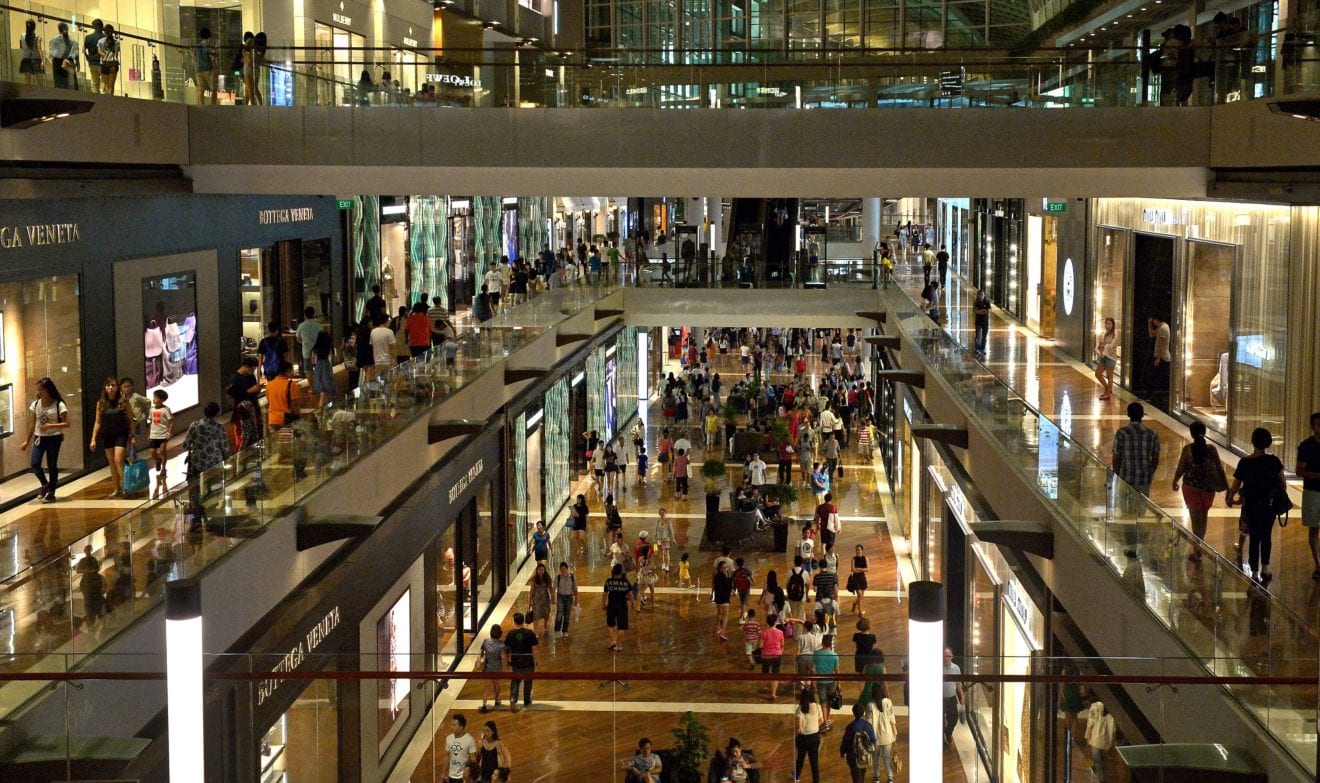
    According to data from JLL Singapore, included in a pan-industry market review, retail rents were under most pressure in the Marina quarter where most of the new space coming onto the market in the quarter was concentrated.

    Despite positive net absorption of the opening of South Beach (60,000 s ft) and Tanjong Pagar Centre (100,000 sqft), rental corrections in the Marina submarket remained underpinned by the weak performance of retailers, with many of them seeking pre-termination of their leases, reports JLL.

    The average vacancy rate of suburban malls, including Reit-owned and strata-titled shopping centres, has more than doubled from less than 1 per cent in 2013 to 2.4 per cent in the fourth quarter of last year. Year-on-year, average monthly gross rents for prime retail space in suburban malls fell by 7.1 per cent in the quarter.

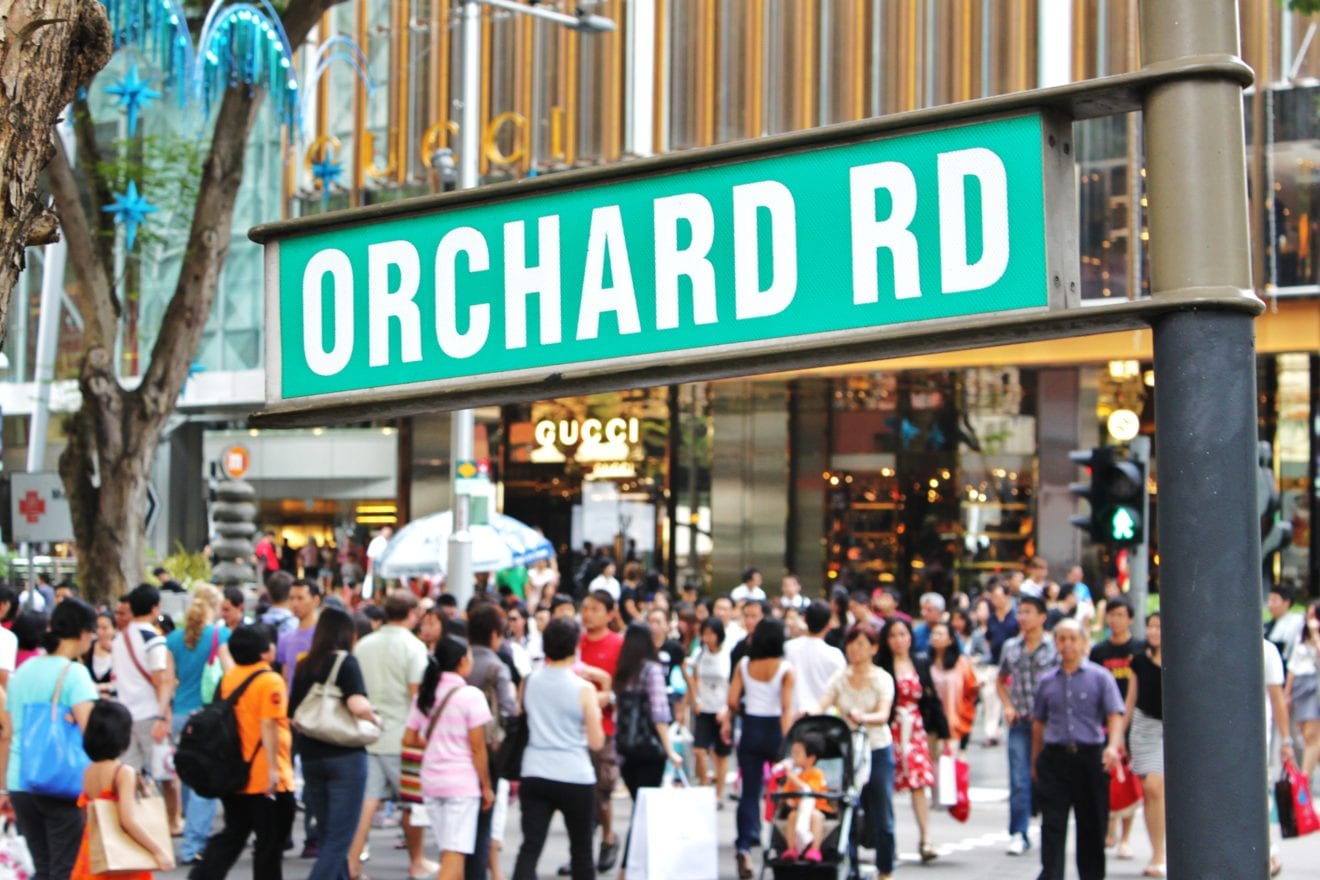
    Prime retail rents in Orchard Road have fallen 7.5 per cent over the same period.

    The quarter saw marginal year-on-year retail sales decline in October, (excluding motor vehicles), driven by poorer sales in computers and telecommunications equipment and watches and jewellery, “ indicating the persistence of weak consumer sentiment”.  And despite take-ups being dominated by the entry of new F&B operators, the F&B sales index also recorded a similar year-on-year decline.

    “Total retail investment sales value for the fourth quarter rose sharply from a quarter ago, driven by the interest in retail assets in the suburban submarket, likely due to the resilient rental income they provided,” reported JLL. “Jurong Point, one of the biggest suburban shopping centres, was put up for sale at a price of more than SG$2 billion and received considerable interest.

    “However, apart from the marginal compression of yields in the suburban submarket, overall yields remained relatively stable as the rate of capital value correction was in line with rental decline across the Orchard and Marina submarkets.”

  • Hong Kong still tops Asian retail rent rankings

    Hong Kong still tops Asian retail rent rankings

    Tokyo’s Ginza has overtaken Sydney into second spot behind Causeway Bay in the latest DTZ/Cushman & Wakefield Asian retail rent rankings.

    The annual Main Streets Across the World report tracks 462 of the top retail streets around the globe, ranking them by their prime rental value.

    Globally just 36 per cent of the markets witnessed an increase in rent rates, a reflection of the growing power of eCommerce and economic challenges in many economies around the world.

    New York’s Upper 5th Avenue, which saw its first decrease in annual rents per square foot since the financial crisis, and Causeway Bay remain more than twice as expensive as the leading street in any other country. So while Causeway Bay rents fell year-on-year, it had no impact on its ranking.

    But DTZ/Cushman & Wakefield says the downward pressure on Hong Kong retail rents is creating an opportunity for some retailers looking to snap up units on prime pitches in good rental terms.

    In Asia, Beijing’s Wangfujing has lept two places into eighth at the expense of Guangzhou’s Ti Yu Zhong Xin District, and Kuala Lumpur’s Pavilion has fallen one spot to 12th. Ho Chi Minh City in Vietnam has jumped two spots to 14th and is now more expensive than Auckland, Nanjing and New Delhi.

    DTZ/Cushman & Wakefield commentators say advances in technology will shape the consumer experience of retail as well as drive the way how people shop and live in the future, placing more pressure on retail rents.

    “We have seen an increasing number of retailers in Hong Kong continually enhance shoppers experience through leisure offerings and differentiate their market positions to maintain competitiveness under the impact of eCommerce disruption,” said Kevin Lam, DTZ/Cushman & Wakefield’s head of business space, Hong Kong.

    Key fact APAC

    “Though we could see that some high street rents were close to the bottom in Q3, eCommerce disruption so far on rents is rather indirect in view of close proximity in Hong Kong.”

    Elsewhere, Chinese brick-and-mortar retailers are facing stiff competition from the growing eCommerce market and the emerging trend is to partner with online-to-offline platforms in an attempt to capture these changing trends in consumer behavior. In parallel, both retailers and landlords are raising the bar on the experience offered to consumers by expanding the food and beverage and leisure offerings.

    Theodore Knipfing, Cushman & Wakefield’s, head of retail, Asia Pacific, says retailers continue to be cautious in their store expansion across the region due to concerns including continued global economic instability, and this will continue well into 2017.

    “When expansion does happen, the focus is typically on quality over quantity. All in all, despite the cautious outlook across the region, major international and regional retailers will have to eye overseas growth, as their respective domestic markets reach saturation point and investors demand results.”

    Most expensive locations by city Pacific chart

    Global rankings

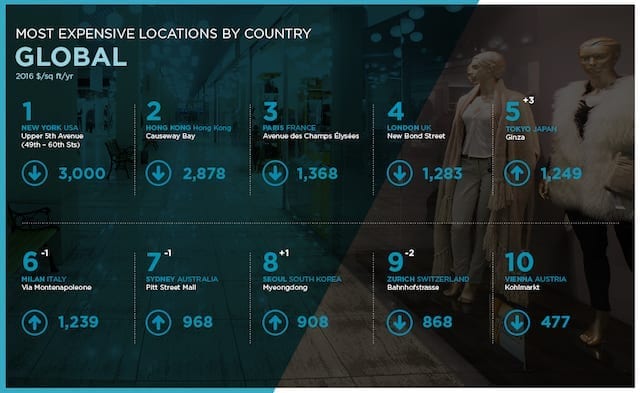
    In the global rankings, the Champs Elysees in Paris comes third followed by New Bond St, London, Tokyo’s Ginza and the Via Montenapoleone in Milan. Pitt St mall in Sydney is seventh followed by Seoul’s Myeongdong district, the Bahnhofstrasse in Zurich and Vienna’s Kohlmarkt.

    global

  • Vietnam retail rents rise as flurry of global brands arrive

    Vietnam retail rents rise as flurry of global brands arrive

    Prime Vietnam retail rents are rising as a flurry of international retail brands move into Ho Chi Minh City.

    The third quarter of 2016 saw major changes of supply market in HCMC, according to a research report by Colliers International.

    In recent months, more than 100,000 sqm of retail space has been added in the city with the opening of the revamped Saigon Center anchored by Japanese department store Takashimaya and a new Aeon Mall opening in Binh Tan.

    But average retail rental rates have slightly increased to US$126/sqm/month in the CBD and US$36/sqm/month in the suburbs.

    Saigon Centre has been completed and occupied by 400 local and foreign brands, including concessions in Takashimaya. Aeon’s Binh Tan mall is the company’s second in Ho Chi Minh City, home to a large supermarket, restaurants, fashion shops, cinemas and a variety of retail stores.

    Geert Jan ten Hoonte, retail advisor of Kusto Management Vietnam, said these two malls will bring an extra level into the market. “It will force other operators to rethink their offer to the consumers. It would be a good development if shopping centre developers start to think in location, functionality and market positioning for the malls they are planning,” he said.

    Foreign brands

    Vietnam’s retail industry’s latest quarter started with the departure of well-known F&B brand NYDC. The exit of the Singaporean dessert and coffee chain partly confirmed the struggle of international F&B brands face competing with domestic players.

    Q3 also saw the debuts of many international fashion brands. The first, and largest, was Spanish fast-fashion brand Zara, which has taken up 2400 sqm of Vincom Dong Khoi with its first flagship store in Vietnam. The opening day brought Zara more than VND5 billion sales, reportedly the highest first-day sales of any new Zara store opening worldwide.

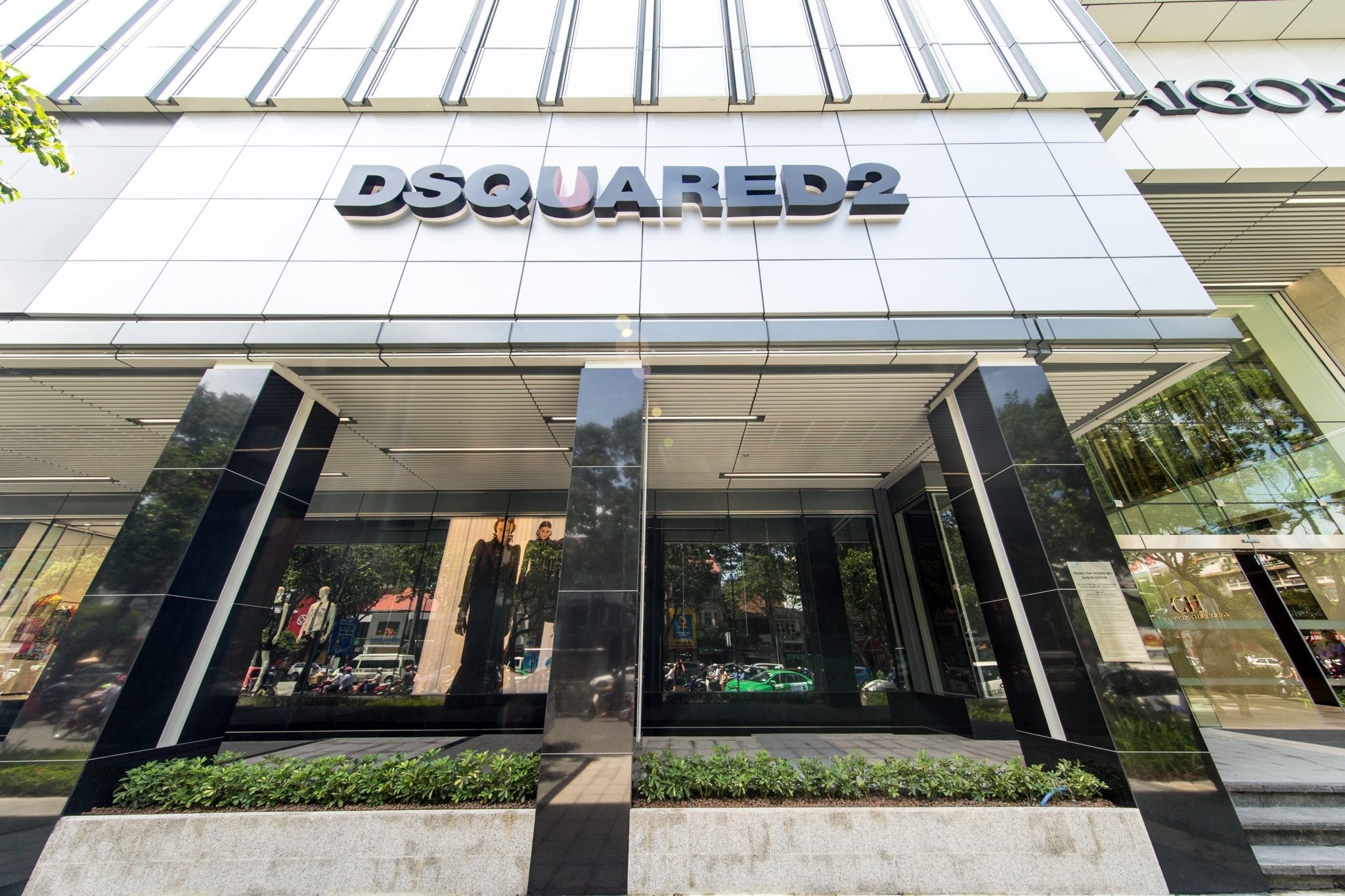
    Saigon Center and Takashimaya has enticed many international brands to HCMC such as Dsquared2, Fred Perry, and Ted Baker.

    Other significant retailers to launch in the city during the quarter included faux Japanese, Chinese-headquartered retail chain Miniso, Naughty Cat and Innisfree.

    With its fast-growing young population and emerging middle class, Vietnam’s retail market is expected to mature into a more convenient, modern retail environment in coming years. Vietnam’s admission to the WTO and the upcoming TPP trade agreement will draw a significant amount of FDI from international retailers in the future.

    Online shopping

    Meanwhile, online shopping is growing rapidly, with the Vietnam eCommerce and Information Technology Agency (VECITA) forecasting some 30 per cent of the population will be buying goods online by 2020, spending US$10 billion a year.

    In 2015, online sales were $4.07 billion, and growing at 37 per cent on the previous year.

    Despite being comparatively small by Asian standards, Vietnam’s eCommerce market is growing exponentially with more than 54 per cent of the population now connected online.

    The government plans to boost eCommerce with a goal of 50 per cent of local enterprises setting up online stores and 80 per cent doing business through eCommerce platforms.

    -Yen Hai Nguyen

  • Singapore retail sector’s weakness continues in 3Q

    Singapore retail sector’s weakness continues in 3Q

    Prime retail rents fell faster in Q3

    Orchard rents fell 0.9% to $39.86 per sq ft.

    Leasing activity slowed and the rental decline quickened in Q3 2016 due to continued headwinds from poor overall retail sales and online competition.

    Based on rental records captured by the Urban Redevelopment Authority’s Real Estate Information System (URA REALIS) as at 18 October 2016, there were a total of 2,460 leasing deals in Q3 2016, down 12.5% quarter on quarter (QOQ) and 14.7% year on year (YOY). This was a sharp contrast to the 41.4% QOQ jump in leasing volume in Q2 2016.

    According to Colliers International, the fall in leasing transactions in Q3 2016 reflected the weak sentiment in the retail sector which continued to face numerous challenges including Singapore’s weak economy, cost concerns, manpower shortages and intensifying competition from online retailers.

    Moreover, although the latest available figures showed tourist arrivals stayed on the uptrend and rose 6.7% YOY in July, the retail sales index (excluding motor vehicles) contracted by 3.1% YOY and 6.5% YOY in July and August, respectively.

    In light of the above, the decline in prime retail rents accelerated in Q3 2016, after slowing down in the second quarter.

    In the Orchard Road sub-market, the average monthly gross rent for prime ground floor shopping mall space contracted by 0.9% QOQ from SGD40.21 per sq ft in Q2 2016 to SGD39.86 per sq ft in Q3 2016. This is faster than the 0.5% QOQ slide in Q2 2016.

    Likewise, the rate of rental decline picked up pace in the Regional Centres.

    The average monthly gross rent for prime ground floor shopping mall space reached SGD33.38 per sq ft, after falling by 0.8% QOQ in Q3 2016. In comparison, rents fell by 0.3% QOQ in Q2 2016.

  • Singapore, Manila rise in retail rent rankings

    Singapore, Manila rise in retail rent rankings

    The data may be a little dated, but Asian cities are holding their own in the retail rent rankings.

    New York’s Fifth Avenue still tops the list with an average rent of US$3500 per sqft per year. Hong Kong’s Causeway Bay is cemented in second place at $2399 and the Champs Elysee in Paris a distant third at $1372.

    (It should be noted, the list ranks the single most most expensive shopping strip in each country, not overall.)

    Data released by Cushman Wakefield this month – albeit more than a year out of date – shows the Philippines making the biggest gain: retail rental rates in Manila’s Bonifacio Global City High St were a mere US$56.40 per sqft per annum, but that is enough to make Manila 51st on the top 65 list – up eight places.

    Singapore’s Orchard Rd ranked 14th – up two places – at $336.80 and Taipei’s ZhongXiao East Rd 20th, up three places, at $273.20.

    The Ginza in Tokyo,  Japan, ranks a modest eighth at $881.90 in a virtual tie with Myeongdong in Seoul, Korea at $881.80.  The Ginza has fallen from sixth in last year’s survey, while Myeongdong has dropped from eighth.

    Cushman & Wakefield stresses that the global rankings focus on high street locations. This excludes mall rental rates – and in cities like Manila, Bangkok and Kuala Lumpur, malls dominate the premium retail landscape, not high street strips.

    Vietnam’s Ho Chi Minh City CBD retail rents are more expensive than in Bangkok at $150.50 for 32nd place, and $125.40 for 35th respectively. Bukit Bintang in Kuala Lumpur, Malaysia, ranked 40th (up one place) at $111.

  • Singapore retail now ‘a tenant’s market’

    Singapore retail now ‘a tenant’s market’

    Singapore retail is now “a tenant’s market”, realtors warn in the wake of official data showing further decline in boath rental rates and occupancy levels.

    According to URA data out today (April 22), retail rents fell by 1.9 per cent in the first quarter of 2016, following a full year decline of 4.1 per cent in 2015. That’s the fifth consecutive quarter in which a decline has been recorded, and the latest figure is higher than the 1.3 per cent of the preceding three months.

    For retail space in the Central Area (which includes the Downtown Core, Orchard and Rest of Central Area), the rental index was down 2.1 per cent quarter-on-quarter.

    Occupancy rates also dipped, falling by 0.1 percentage point quarter-on-quarter to 92.7 per cent in the three months to March 31.

    In the Central Region, vacancies were up at a five-year high of 8.7 per cent by March 31, up from 8 per cent at the end of December. In the key orchard Planning Area, the occupancy rate dropped by 1.2-percentage points quarter-on-quarter to a five-year high of 8.8 per cent.

    “With a subdued retail landscape, landlords are placing greater emphasis on maintaining occupancy levels, more so than maintaining rental values in this challenging period,” commented Lee Na Jia, regional head of research with DTZ.

    “Should landlords be inflexible during rental negotiations, tenants can go elsewhere especially with the relatively large pipeline supply coming on-stream [215,000 sqm of GFA in the middle six months of 2016]. At this moment in time, it can be considered a tenant’s market as they will have more choices,” said Lee.

    “Moreover, declining retail sales, competition from eCommerce and rising operating costs also work against brick-and-mortar retailers. If businesses underperform, they exit the market.”

    Retailers who have recently announced their withdrawal from Singapore include Smoothie King, fashion chain New Look and furniture store Iwannagohome.

    Anthea To, senior associate director of research and advisory with Colliers International, said the continued easing of retail rents is unsurprising, as leasing momentum slowed and vacancies rose.

    “By and large, retailers remained cautious on their real estate requirements in the first quarter of 2016, amid growing economic uncertainties.”

    She noted a 32.4 per cent drop in the number of leasing deals being struck in the last quarter, according to details sourced from URA Realis – to 1725 transactions. That’s the lowest quarterly number since the second three months of 2012.

    Bleak outlook

    Anthea To fears the current economic headwinds might continue to erode consumer confidence in turn leading to a further reduction in discretionary spending in the city state as shoppers fear pay cuts or job losses.

    “Given retailers’ expected cost-conscious stance, landlords would also be more realistic on rental expectations for the rest of 2016. This would weigh down on retail rents in the coming quarters.”

    To expects retailers to respond to the depressed retail market with store network consolidation, greater focuses on eCommerce and customer engagement in-store, and new products, trying to keep their brick-and-mortar stores relevant to an increasingly digital-savvy market.

    “However, not all retailers are focusing on the digital world. Major retail brands are still committed in physical store expansion which allows them to offer more products, services and new shopping experiences under one roof,” said To.

    “While rents in the Central Area are on a downward trend and are under pressure to fall further, some brands are taking the opportunity to optimise their store portfolios and open new flagship stores to strengthen their branding.”

    Colliers expects retail demand will continue to be coming from international lifestyle and fashion brands showing strong interest for flagship and new concept stores, and local players in sectors such as health and beauty, as well as leisure and personal goods.

    Lee Na Jia concluded that Singapore landlords recognise the current market challenges and are more inclined to lowering rental reversion rates to retain tenants. Older malls are also constantly undergoing rejuvenation (such as changing their tenant mix and external facades) to keep up with competition from the new malls.

  • Retail landlords headed for another horrible year in 2016, says CBRE

    Retail landlords headed for another horrible year in 2016, says CBRE

    Retailing landlords will likely continue to feel the pinch in coming times, as the ongoing slump in tourism is poised to weigh negatively on capital values in prime shopping districts, thumping prices a further 20 per cent next year, on top of an expected 20 per cent drop this year, according to CBRE.

    But CBRE predicts the office market will be a bright spot next year as the potential launch of Shenzhen-Hong Kong Stock Connect will drive up demand from mainland firms.

    “Retail rents will continue to trend down as leases expire, but given a lower base of comparison, the pace of decline is expected to decelerate,” according to CBRE’s Hong Kong Commercial Real Estate Review & 2016 Preview.

    It predicts that rents will track the decline in capital values, tumbling as much as 35 per cent this and next.

    “Sales momentum of upmarket goods will remain slow but mass market sales should continue to have more resistance,” CBRE said.

    Symptomatic of the woes facing the luxury retail sector, on Friday high-end brands Prada, Miu Miu and Gucci unexpectedly offered up to 50 per cent discounts as a way to drum up sales and attract long queues of shoppers, including those from the mainland.

    In a stark contrast to the depressed retail market, CBRE expects overall office rents to increase 10 per cent for 2015, and a further 10 per cent next year.

    “Next year will be another year of landlords’ market but the rental cycle is approaching the peak,” CBRE said.

    In 2016 office rents in Central would register the largest year on year growth, climbing 10 per cent, after rising an estimated 15 per cent this year.

    The sector would also benefit from the limited supply with just 1.4 million square feet due for completion next year, it said.

    CBRE also expects the capital value of office real estate could rise as much as 10 per cent next year, after 5 per cent growth this year.

    Two noticeable office transactions in November offered an indication of the upwards momentum in the sector. Mainland developer Evergrande Real Estate agreed to buy the 26-storey Mass Mutual Tower in Wan Chai from Chinese Estates Holdings for a record-breaking HK$12.5 billion.

    On the same day, China Life, the mainland’s largest insurer, announced the purchase of an entire office tower with a two-storey retail block at One HarbourGate in Hung Hom for HK$5.85 billion from Wheelock & Co.

  • Causeway Bay retail rents remain expensive

    Causeway Bay retail rents remain expensive

    New York’s Upper Fifth Avenue is the most expensive retail street in the world with rents rising to US$3500/sqft. in 2015.

    That’s nearly 50 per cent expensive than Causeway Bay in Hong Kong, which has held its second place on Cushman & Wakefield’s latest global rankings, despite the decline this calendar year of 14 per cent.

    Cushman & Wakefield’s Main Streets Across the World report tracks over 500 of the top retail streets around the globe, ranking them by their prime rental value using Cushman & Wakefield’s proprietary data. The 27th edition of the report shows that rents have risen in 35 per cent of streets around the world – despite the increased global uncertainty experienced over the past 12 months. The report also includes a ranking of the 65 most expensive streets – the top one per country.

    New York’s Fifth Avenue retained its position as the most expensive global retail location with rents up an average 3.6 per cent year on year and 46 per cent above the second-placed Causeway Bay in Hong Kong ($2399/sqft).

    The top 10 Global high street retail destinations by rent (in US$/sqft/year):

    1 Fifth Avenue (New York) – $3500.

    2 Causeway Bay (Hong Kong) – $2399.

    3 Avenue des Champs Élysées (Paris) – $1372.

    4 New Bond Street (London) – $1321.

    5 Via Montenapoleone (Milan) – $1035.

    6 Bahnhofstrasse (Zurich) – $895.

    7 The Ginza (Tokyo) – $882.

    8 Myeongdong (Seoul) – $882

    9 Kohlmarket (Vienna) – $478.

    10 Kaufinger / Neuhauser (Munich) – $459.

    In Asia Pacific, there has been a downward pressure on rents on the back of weaker retail sales and slowing tourism in China, particularly. This has resulted in lower rents, which is creating incentives for more international luxury brands and high street retailers to move in. However, interest rate hikes by the Chinese government could impact consumer spending power. Elsewhere, high-profile international retailers are targeting both Australia and New Zealand and Metro Manila.

    Theodore Knipfing, head of retail, Asia Pacific at Cushman & Wakefield, said the outlook for Asia’s overall retail market is largely positive, with retail sales growth averaging 8.5 per cent over the next five years (in US dollar terms).

    “Rising tourist numbers are spurring robust and sustained retailer demand – albeit firmly focused on prime, well-located space. Although the growth of eCommerce is notable across the region, physical stores will remain important, although landlords will need to focus on improving the shopping environment and customer experience in order to compete for retailer demand.”

    Europe

    Avenue Champs Élysées in Paris retained its crown as the most expensive retail location in EMEA, followed closely by London’s New Bond Street. Strongest rental growth this year was recorded in Dublin’s Grafton Street and Covent Garden in London, as well as in top high streets in Milan and Rome. However, high streets in Russia and Ukraine experienced sharp declines linked to the conflict between the two countries that yielded slowdowns in economic growth and retail sales.

    Justin Taylor, head of EMEA retail at Cushman & Wakefield, said: “Improving employment prospects, rising real wages and healthier consumer confidence in advanced economies are set to offer more positive momentum for the retail sector. From an EMEA perspective, despite any economic and political uncertainties in certain countries, the retail market is expected to see further improvements. Indeed, a strong retail sales growth forecast, robust occupier demand and a lack of supply in many locations mean rents will keep rising in the most popular high streets.

    “Indeed, tight availability is shaping the retail landscape, pushing the geographic boundaries of well-established high street markets outwards,” Taylor concluded.

    The Americas

    The US represents seven of the Top 10 most expensive cities in the Americas, with Toronto, Rio de Janeiro and Vancouver at sixth, seventh and eighth, respectively. Seattle posted the highest rent growth in the US, up 27.3 per cent to $70 per sqft, while Los Angeles’ Rodeo Drive corridor posted the highest retail rents outside New York at $800 per sqft, a 23 per cent increase. Strong tourism and a vibrant local economy make San Francisco’s Union Square a market to watch with its 1.1 per cent vacancy, $650 per sqft rents and 13 per cent rent growth, which follows 21 per cent rent growth for the same period through mid-2014. Similarly, Chicago’s Michigan Avenue posted 8.2 per cent rent growth with average retail rents of $525 per sqft.

    At $320 per sq. ft., Toronto’s Bloor Street retail corridor was the most expensive high street in Canada, while Edmonton’s Whyte Avenue was the most affordable in the Americas at $45 per sq. ft.

    Gene Spiegelman, vice chairman, head of retail services, North America at Cushman & Wakefield, said: “The Americas region is expected to sustain a positive trajectory going forward into 2016, bolstered by a steady consumer sector benefiting from a material reduction in energy costs and stable employment expectations, especially in the US.

    “Retailers will continue to add physical stores to support their expansion plans while at the same time optimising their footprint to respond to the ongoing evolution of ‘clicks and bricks.’

    “International luxury brands will continue to dominate the high street, providing a boost to the key destination cities with high exposure from tourism and strong foot traffic.”
  • Hong Kong retail sector to suffer most from yuan devaluation

    Hong Kong retail sector to suffer most from yuan devaluation

    A weaker yuan means these tourists will now be spending in a more expensive Hong Kong dollar, denting the city’s retail sales even further.

    “Shopping in Hong Kong will get more expensive for mainlanders,” said Nicole Wong, regional head of property research at CLSA, “Landlords need to be more realistic [in setting their rents].”

    Wong said retail rents would in any case have to correct in view of the slump in Chinese spending and that the yuan devaluation would only steepen the fall.

    Big spenders from China had already been skipping Hong Kong and flying directly to Europe, taking advantage of a cheaper currency, she said. The euro has lost nearly 18 per cent in the past year.

    The yuan has lost more than 3 per cent against the US dollar since the People’s Bank of China shocked the markets by devaluing the currency by 1.85 per cent on Tuesday, the most in one day in more than 20 years.

    “Any meaningful depreciation of the yuan could further dampen Hong Kong retail sales as mainland visitors’ spending represented 38 per cent of Hong Kong’s total sales in 2014, compared to below 20 per cent prior to 2008,” wrote Bank of America Merrill Lynch analyst Raymond Ngai in a note to clients.

    The devaluation would be another direct headwind for Hong Kong retail landlords, he said, citing the widespread market expectation of a 10 per cent depreciation of the yuan against the US dollar in the next 12 months.

    Shares in Causeway Bay’s largest retail landlord Hysan Development have fallen for three straight days since Tuesday. In all, it lost 1.7 per cent to close at HK$33 on Thursday. Hang Lung Development, which owns Fashion Walk in Causeway Bay, lost nearly 3 per cent to close at HK$19.80.

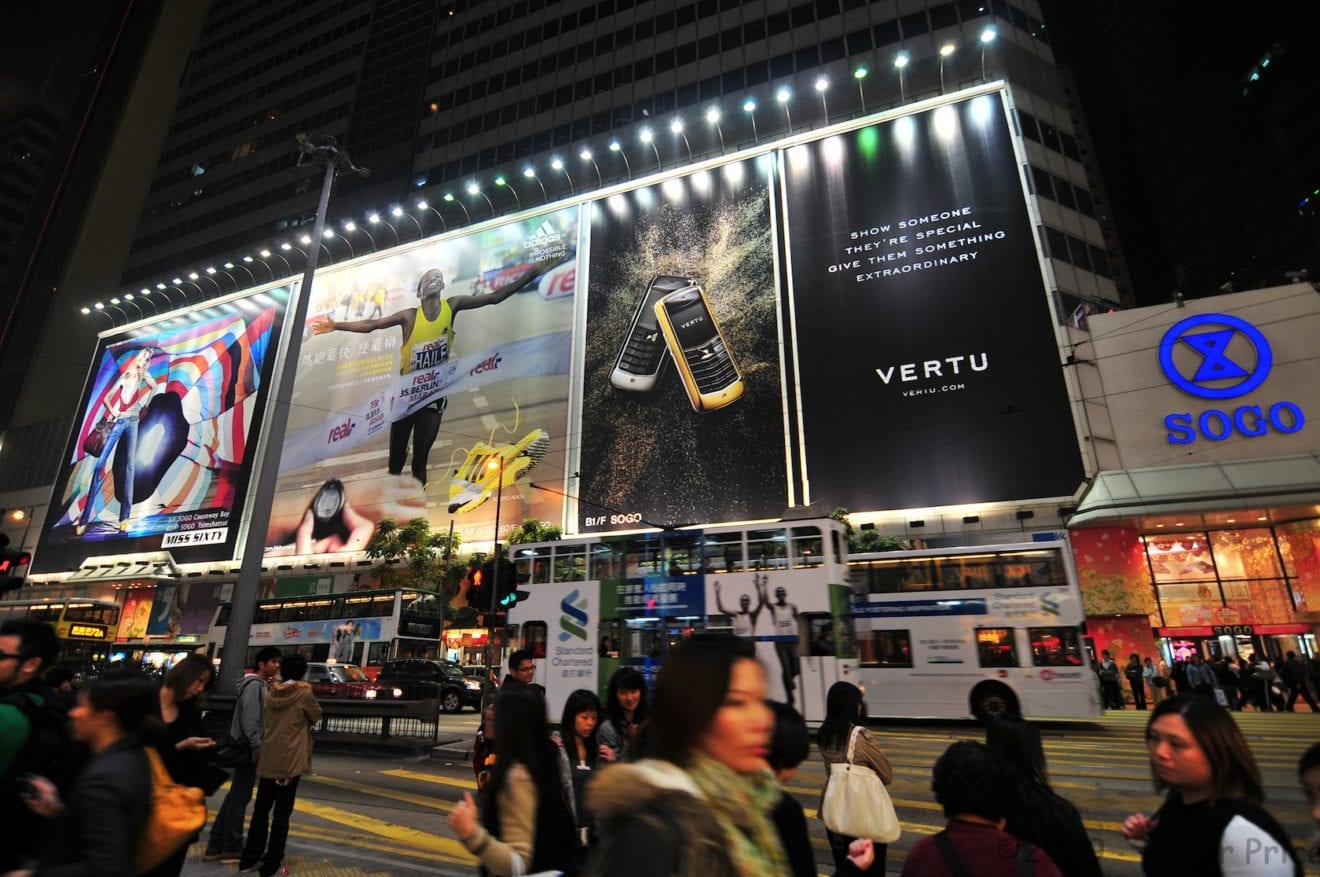
    Sogo department store operator Lifestyle International Holdings fell nearly 1 per cent on Thursday. Only Wharf (Holdings), which owns the city’s largest shopping mall Harbour City, but is diversified into areas other than retail, bucked the trend to edge up nearly 0.5 per cent on Thursday after falling 3.7 per cent the previous day.

    Jefferies downgraded Hysan to “hold” from “buy” for its concentration in retail operations.

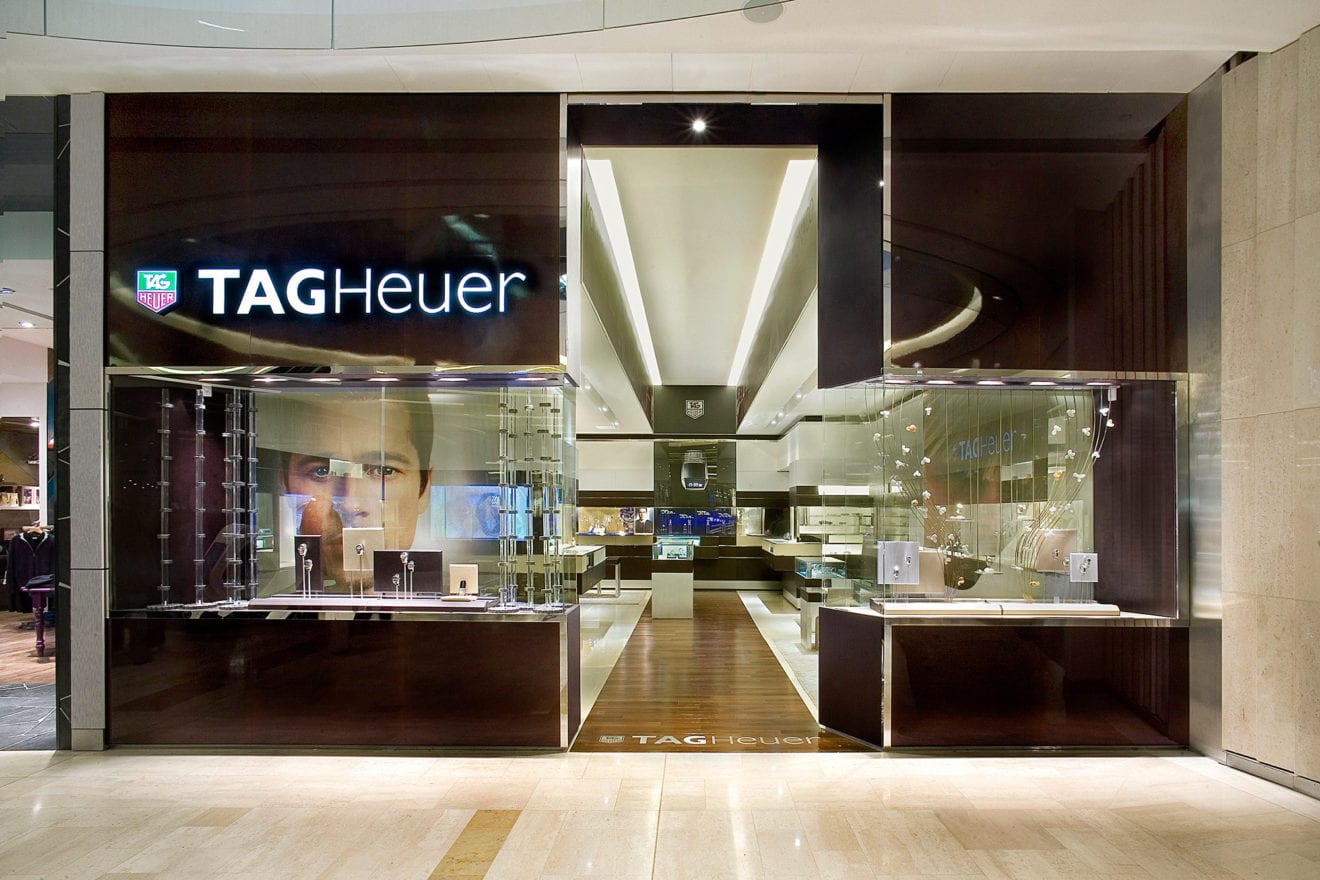
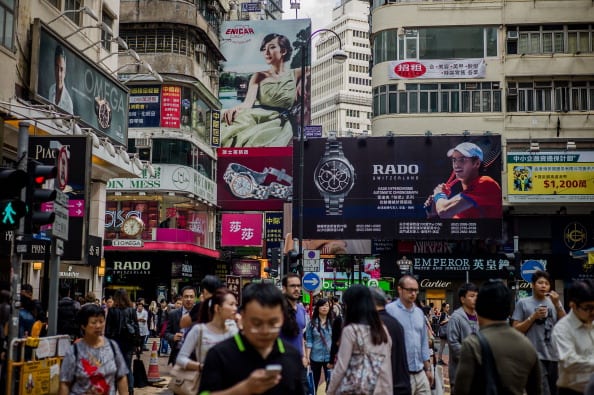
    Even before the devaluation, global brands have been pushing landlords to cut rents as mainland footfalls have been dwindling amid an economic slowdown as well as the anti-corruption drive on the mainland that has crimped luxury spending. Swiss watchmaker TAG Heuer last week said it was closing a store in Causeway Bay’s prestigious Russell Street.

    Tom Gaffney, head of retail at property consultancy JLL, said some retail outlets in Central and Causeway Bay had asked for rent reductions of up to a fifth.

    But the yuan depreciation is likely to have a mild impact on Hong Kong’s physical property market.

    Sammy Po, chief executive of Midland Realty’s residential department said mainlanders accounted for 20 to 30 per cent of new luxury homes sales in 2011.

    “Today, mainland buyers have dropped to about 4 per cent due to stamp-duty curbs for non-locals,” he said.

    This article appeared in the South China Morning Post print edition as Devalued yuan to hit retail sector

  • Tag Heuer Hong Kong to close store

    Tag Heuer Hong Kong to close store

    Tag Heuer is to close one of its Hong Kong stores as it battles high rents and falling sales.

    Tag Heuer Hong Kong’s Causeway Bay store on Russell St will close soon, according to Jean-Claude Biver, the head of Tag Heuer’s parent LVMH’s watch unit.

    While local watch and jewellery retail chains have been adjusting their store networks in the wake of plummeting sales to Chinese tourists over the last 12 months, this is the first significant closure announced by a global luxury player. Rival luxury retail group Kering has hinted it may close some stores, but has not announced firm plans as yet.

    However, the Tag Heuer plan itself is vague.

    “I am not sure if the shop will be closed this year or next but for sure I want to close it because of high rental costs and a drop in traffic,” Jean-Claude Biver told Reuters.

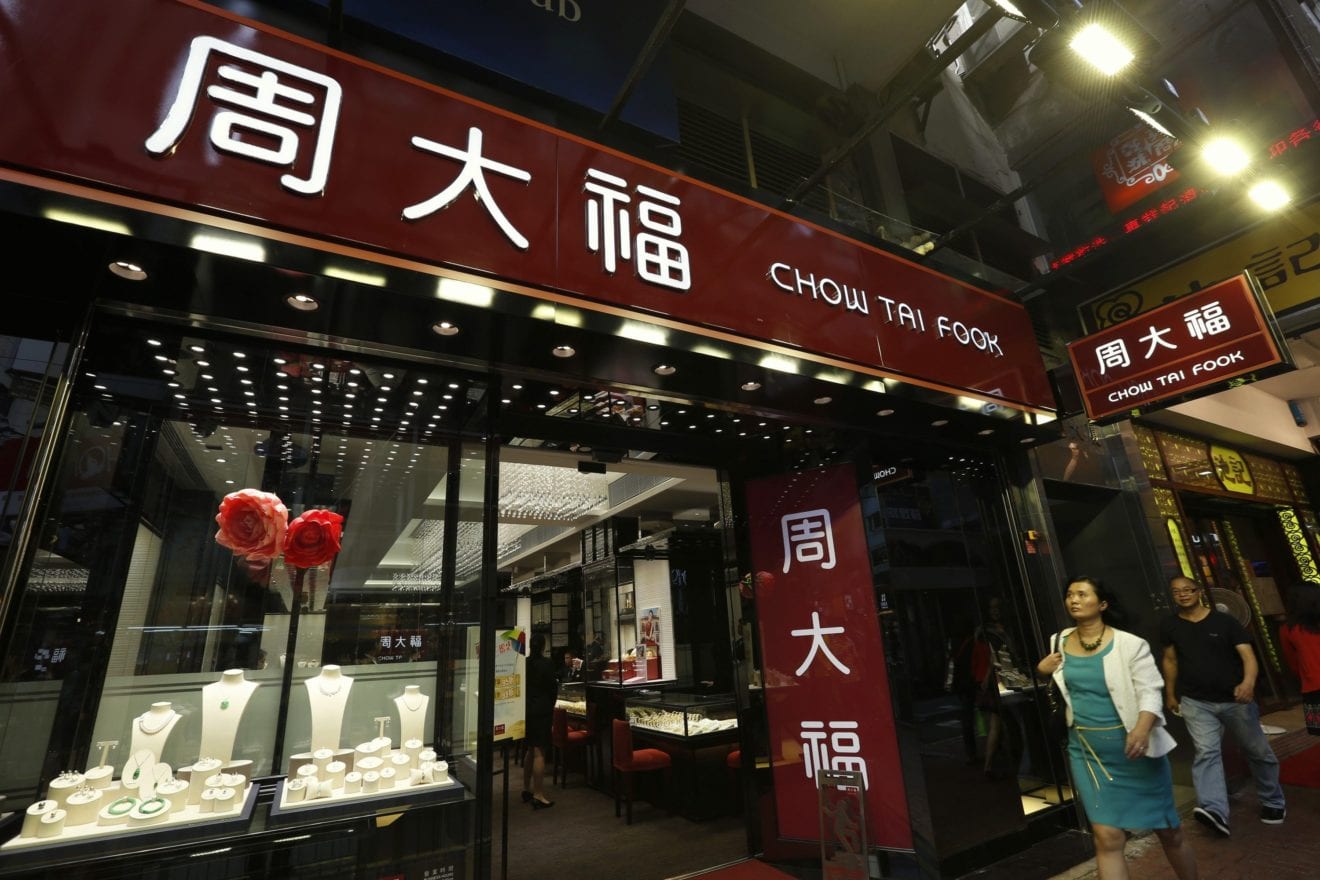
    Local jewellery retailers like Luk Fook and Chow Tai Fook have been renegotiating rents as they come up for renewal, and reporting reductions  of between 10 per cent and 20 per cent.

  • Chow Tai Fook wins 40 per cent rent cut

    Chow Tai Fook wins 40 per cent rent cut

    Jeweller Chow Tai Fook has reportedly re-signed a retail shop rental lease at a 40 per cent reduction.

    It’s a rent reduction which will energise the retail sector, but not doubt send shivers through Hong Kong’s property community.

    Several listed luxury retailers have in recent months been openly discussing expectations of reduced rents when re-negotiating with landlords over lease renewals. Their expectations are grounded in falling sales of luxury goods resulting from Mainland China;s gift-giving crackdown and a reduction in the number of cashed up, big spending Chinese tourists hitting the territory.

    But the sort of reductions being discussed have ranged between 10 and 20 per cent.

    According to Ming Pao, Chow Tai Fook has renewed the lease on its Mong Kok Bank centre branch – shops 6 and 7, on the ground floor.

    The previous rent agreed was $1.3 million in 2012. The new rent rate is 40 per cent lower. Other terms, such as the lease term, have not been disclosed.