Tag: retail technology

  • Shinsegae Chairman Joins US-Led AI Supply Chain Push

    Shinsegae Chairman Joins US-Led AI Supply Chain Push

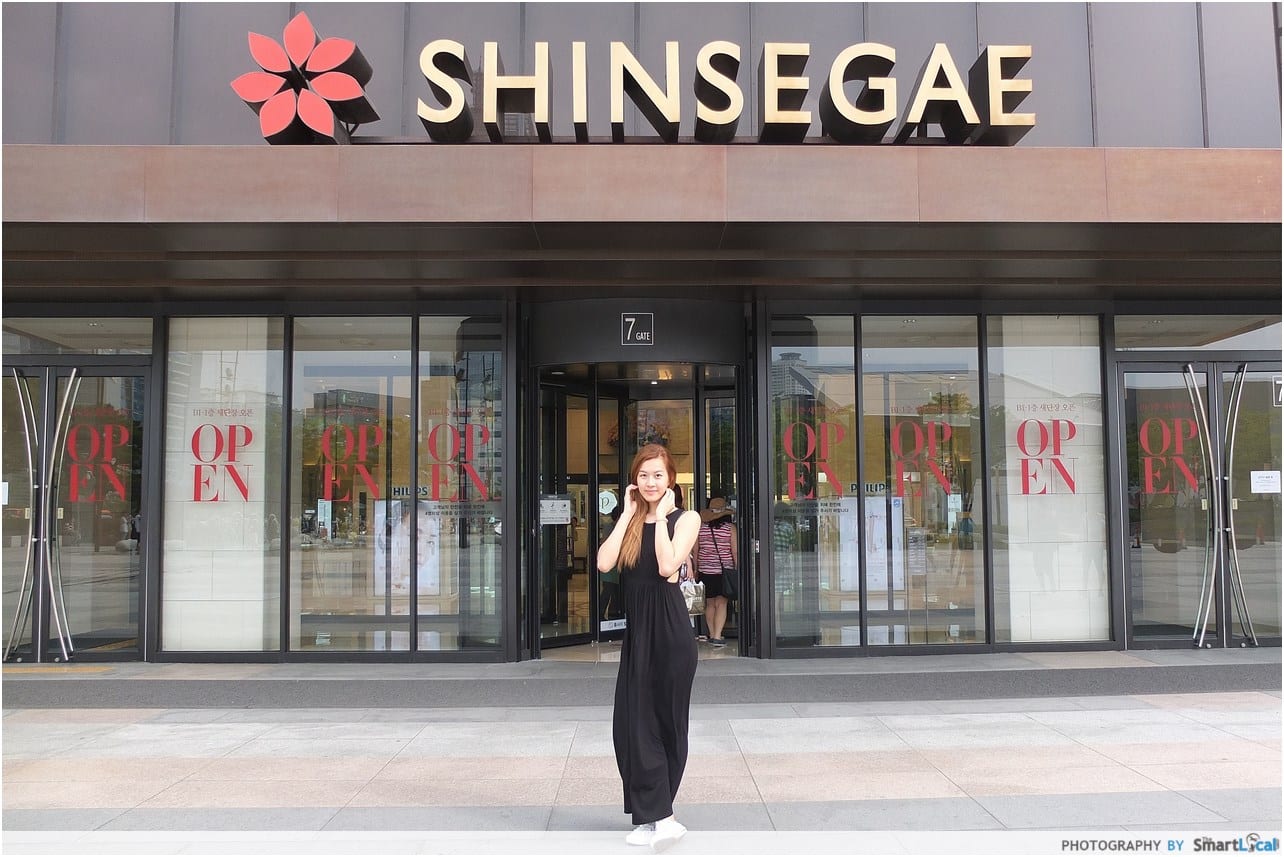
    Shinsegae Group Chairman Chung Yong-jin met senior United States officials in Washington on Thursday, expanding the Korean retail group’s role in a US-led artificial intelligence supply chain initiative.

    The Korean retail giant partnered with US startup Reflection AI in March, and the two companies are currently working to establish a joint venture and select a site for a large-scale AI data center in Korea.

    Washington Backing for Korean Infrastructure

    Chung attended the launch of Foundry School at the Donald J. Trump Institute of Peace after an invitation from US Vice President JD Vance and the US Department of State. Run jointly by the State Department and Stanford University, the program trains technical talent and entrepreneurs for strategic industrial sectors.

    US Under Secretary of State for Economic Affairs Jacob Helberg called the Shinsegae alliance with Reflection AI a template for allied economic security under Washington’s Pax Silica framework. The initiative aligns supply chains across semiconductors, artificial intelligence, advanced manufacturing and power generation among allied nations.

    Attendees included US Secretary of State Marco Rubio and House Republican Majority Leader Steve Scalise. Corporate leaders present included Meta President Dina Powell McCormick, Micron Technology CEO Sanjay Mehrotra and Applied Materials CEO Gary Dickerson.

    “Successfully leading an advanced-industry supply chain alliance centered on the US is the task of our time,” Chung said during discussions in Washington.

    From Department Stores to Server Racks

    Shinsegae is pivoting from traditional store networks into digital infrastructure. Department store operators across Asia face margin pressure in physical formats. That pressure is driving conglomerates to seek revenue from digital services, logistics networks and cloud infrastructure.

    Securing backing from Washington gives Shinsegae diplomatic standing and potential hardware access that purely domestic competitors lack. Execution carries risk. Developing and powering high-density data centers requires heavy capital expenditure and massive grid capacity in an already constrained Korean energy market.

    Next Steps for Joint Venture

    Talks in Washington build on an initial agreement signed in March, when Shinsegae and Reflection AI agreed to pursue a dedicated data center project in South Korea. That deal was the first project designated under the State Department framework promoting allied AI expansion.

    Both companies are now finalizing terms for the joint venture entity. They are reviewing prospective sites across South Korea ahead of formal construction filings.

  • Virtue Mirage Launches 17-Tool Fashion Personalisation Platform

    Virtue Mirage Launches 17-Tool Fashion Personalisation Platform

    Australian entrepreneur Lukas Cervenan launched Virtue Mirage in September 2026, introducing a hyper-personalisation platform designed to reshape the online fashion shopping experience.

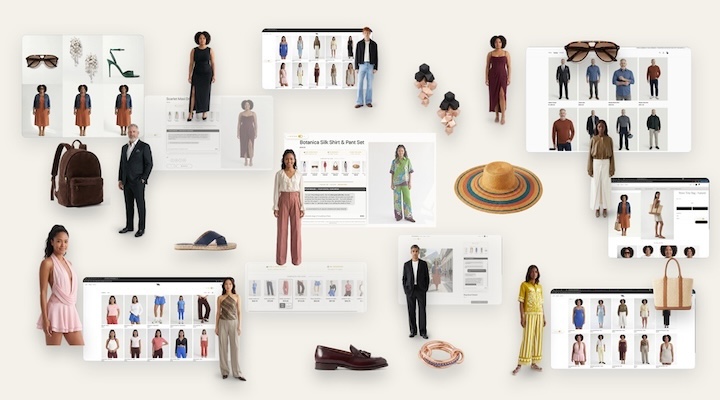
    The system offers 17 tools that create a digital twin of a shopper using photos or exact measurements, extending personalisation across entire online stores rather than limiting it to individual products.

    By replacing traditional model imagery across every product gallery, the platform allows shoppers to see garments on their real body sizes across participating stores running on services such as Shopify and BigCommerce.

    How the Network Functions

    Shoppers manage their profiles through a central dashboard that stores saved outfits, real-time stock availability, and tailored size advisories for specific garments. A semantic search engine pairs items across a merchant’s inventory directly onto the user’s avatar, rather than displaying isolated product grids. New inventory drops can be pre-rendered for registered customer profiles before users land on the store page.

    To our knowledge, we are the only platform in the world that is transforming entire websites. So a size-16 shopper is never looking at a professional size-6 model; she sees her real size, on her real body, in every image across a brand’s entire store.

    The Return Problem Across Regional Fashion

    Retail margins across Asia-Pacific e-commerce continue to erode under the weight of reverse logistics. Fit failures drive the bulk of fashion returns, worsened by bracket-buying habits where shoppers purchase several sizes of a single item with the intention of returning most of them. Eliminating the disconnect between model proportions and real customer bodies attacks reverse logistics costs at the point of discovery.

    Standalone virtual fitting widgets rarely alter overall conversion because they sit isolated on individual product detail pages. By transforming whole catalogues into personalised galleries, operators attempt to lift checkout completion while defending independent web stores against dominant regional marketplaces like Shein and Zalora. The primary technical hurdle remains rendering fidelity, as artificial intelligence tools frequently struggle with drape and textile weight across edge sizes.

    Decade of Commercial Imaging Preceded Launch

    The platform builds directly on Cervenan’s commercial imaging business, Virtue Creative Studios, which produced e-commerce and campaign photo shoots for more than 500 apparel brands over the past ten years. That production background informed the platform’s visual architecture, which formats store catalogs to allow external AI shopping agents and semantic web scrapers to parse inventory data directly.

    Participating merchants on Shopify and BigCommerce are now integrating the software into their live storefronts ahead of peak year-end trading cycles.

  • Zara Opens 2,100-Square-Metre Flagship Store in Seoul’s Gangnam District

    Zara Opens 2,100-Square-Metre Flagship Store in Seoul’s Gangnam District

    Zara opened a flagship store spanning more than 2,100 square metres in Seoul’s Gangnam district on September 8. The three-storey space is part of the retailer’s push into larger, experience-driven flagships across key Asian commercial hubs.

    Designed by Zara’s Architecture Studio, the interior uses stone, wood, concrete, and metal finishes to segment product categories across three levels. Womenswear and youth collections occupy the ground floor. The second floor carries an expanded women’s range, plus dedicated footwear and handbag sections. Menswear lines sit on the third floor, including Zara Origins, Athleticz, and limited collaboration releases.

    Floor Layout and In-Store Cafe

    The Gangnam store incorporates a Zacaffe outpost with an outdoor terrace and a book collection focused on Korean authors. It also houses a site-specific art installation titled Imugi, created with Seoul-based creative studio Our Labour. The artwork spans all three floors. It draws on Korean folklore, traditional timber construction, and dancheong decorative painting.

    Digital retail functions are embedded across the sales floor. Shoppers can check real-time store inventory through the Zara mobile app. They can also pick up online orders at dedicated counters and process refunds at automated return terminals alongside assisted checkout lanes.

    Store Rationalisation and Format Upgrades

    Across prime Asian shopping corridors, global apparel brands are trading smaller mall units for high-visibility, multi-category flagships. By bundling hospitality, local art, and specialized collections into destination spaces, operators aim to drive physical footfall against domestic e-commerce platforms. Seoul high street landlords face rising demand for experiential tenants who can draw sustained weekend crowds.

    This format brings operational complexity. Running in-store cafes and custom art installations alongside fast inventory cycles demands higher operating expenditure than standard retail units. It also requires tighter inventory turn rates. Fast-fashion retailers must balance these interior costs against strict store-level margin targets.

    Expansion Across East Asian Flagship Hubs

    The Seoul opening follows the June debut of Zara’s flagship on Huaihai Road in Shanghai, which introduced the brand’s updated global format to mainland China. Both openings show the company’s focus on prime retail corridors across North Asia rather than secondary market expansion.

    Attention now turns to how Inditex manages its remaining South Korean store fleet as leases expire. Industry watchers are also tracking whether the group brings the Zacaffe concept to other major metropolitan locations across the region.

  • GetUp Targets Hundreds of Coles Stores over Palantir AI Deal

    GetUp Targets Hundreds of Coles Stores over Palantir AI Deal

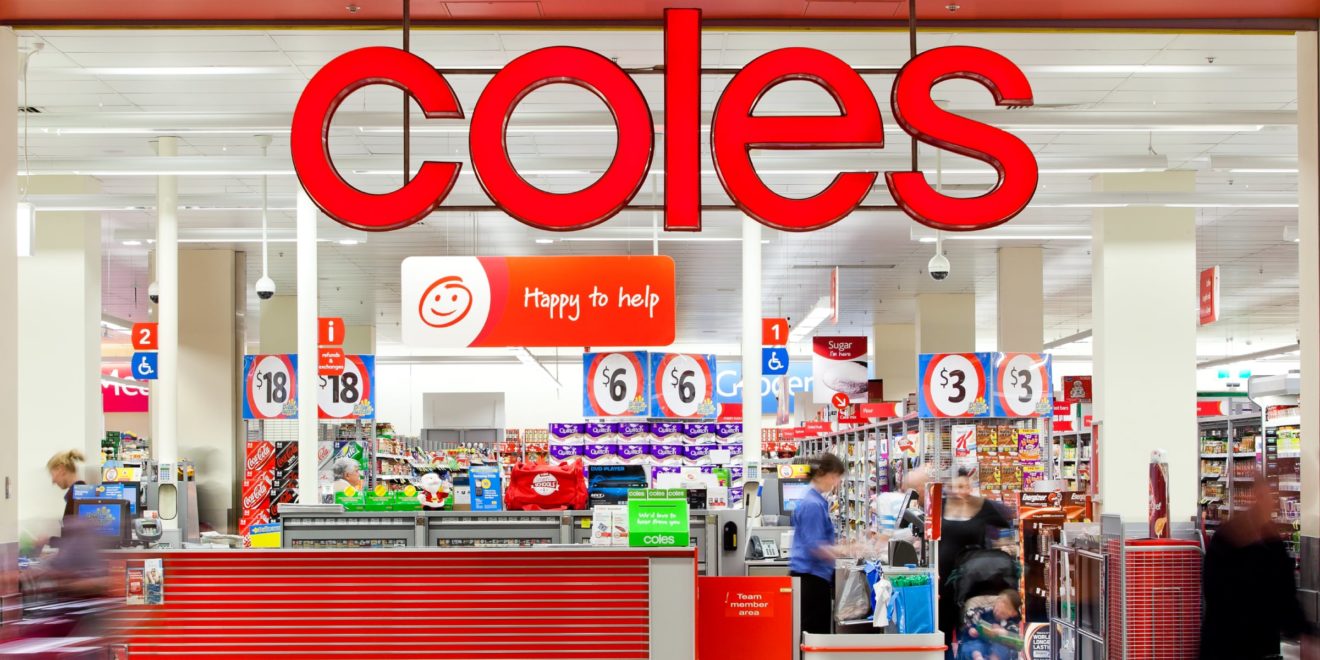
    Community advocacy group GetUp targeted hundreds of Coles stores across Australia with spoof digital billboards, challenging the supermarket operator over its enterprise partnership with US analytics vendor Palantir. The advertisements ran outside store entrances in July, mimicking the retailer’s signature red and white branding with the slogan: “Here at Coles, we’re always watching you.”

    The pushback followed Coles deploying software from the controversial US technology company to sharpen artificial intelligence and operational efficiency across its supermarket network. While the digital billboards were taken down quickly, the campaign triggered public debate over how large grocery chains handle customer data and explain tracking tools to shoppers.

    Public Scrutiny Over Store Analytics

    Supermarket operators across the Asia-Pacific region have accelerated investments in predictive analytics, automated inventory forecasting, and computer vision systems. Enterprise partnerships with overseas defence and intelligence contractors carry brand risks that standard retail IT upgrades do not. Consumer groups increasingly scrutinise the boundary between back-end supply chain optimisation and customer-facing surveillance.

    For grocery chains operating in concentrated retail markets, transparency around data architecture has become an operational necessity rather than an investor relations footnote. When retailers fail to define where data processing stops, third-party advocacy groups easily fill the information vacuum with negative messaging right at the store entrance.

    Retail AI Strategy Under Pressure

    The dispute reflects broader friction across Australian retail as grocers test advanced algorithmic tools to cut shrink and streamline operations. Coles had framed its AI rollout as an efficiency play, intended to modernise store workflows and stock management across its national footprint. Linking store-level operations to specialised analytics vendors has instead tested customer goodwill at a time of heightened consumer sensitivity around commercial data collection.

    Grocers managing similar automation rollouts across regional markets now face tighter questions regarding data sovereignty, third-party software governance, and in-store customer communications. Retailers will need to clarify operational boundaries as advocacy campaigns continue tracking corporate technology procurements.

  • NIQ and Similarweb Partner to Launch AI Commerce Measurement in Q4 2026

    NIQ and Similarweb Partner to Launch AI Commerce Measurement in Q4 2026

    NIQ and Similarweb are collaborating on an Agentic Commerce Measurement solution to help brands, retailers and technology platforms track purchases made through artificial intelligence, with an initial version scheduled for Q4 2026.

    The collaboration combines NIQ’s product intelligence, consumer behavior data and retail sales measurement with Similarweb’s digital signals across generative AI platforms. Together, the two New York Stock Exchange-listed companies will connect AI discovery to measured sales outcomes.

    Five tracking pillars

    The planned solution will initially focus on 5 areas across the buying journey: consumer intent, agentic shelf visibility, product content readiness, AI-driven traffic and AI-driven conversion into verified omnichannel purchases.

    Initial monitoring will cover major generative tools including ChatGPT, Gemini, Google AI Mode, Perplexity and Claude. These analytics feed directly into NIQ’s Commerce Intelligence ecosystem, which links brand product catalogs with enterprise retail operations.

    AI is becoming a new commerce channel, and NIQ intends to make it measurable. Our clients want to know where AI is already influencing their business, how quickly that influence is growing and what they should do about it.

    The shift to agentic checkouts

    Protocols such as Google’s Universal Commerce Protocol and OpenAI’s Agentic Commerce Protocol prompted the project. Both frameworks allow autonomous software agents to research, evaluate and purchase merchandise inside a single chat window without redirecting the shopper to a traditional storefront.

    For consumer brands and multi-brand merchants, automated shopping removes the classic digital shelf where banner placements and search bidding drove conversion. Brands drop out of the basket entirely if an AI agent filters options down to two choices based on structured technical metadata they lack.

    Catalog hygiene and algorithmic bias pose immediate hurdles for suppliers. A brand cannot buy sponsored placement inside an autonomous agent if the underlying Large Language Model cannot parse the product description or confirm inventory in real time.

    Platform coverage and next stages

    Integration relies on NIQ’s existing enterprise analytics tools, Optiq and ConnectAI, which feed commercial data directly into corporate workflow software. Similarweb previously built out dedicated digital footprint tools to capture referral traffic from generative artificial intelligence search portals.

    NIQ and Similarweb plan to reveal initial product categories and regional test markets ahead of the fourth-quarter rollout in 2026.

  • Coles Drops Palantir Contract After Activist Campaign over Data Use

    Coles Drops Palantir Contract After Activist Campaign over Data Use

    Coles will end its enterprise partnership with United States software vendor Palantir. The decision follows an 85,000-signature petition against deploying military-grade data systems in Australian supermarkets.

    Company officials confirmed the business will let the three-year agreement expire in 2027 rather than sign an extension.

    Rostering and Supply Chain Deployment

    The grocer brought in Palantir in early 2024 to manage backend administration across its store network. The software scheduled shift rosters and coordinated bakery production runs. It also modelled inventory flow through distribution centres.

    Community advocacy group GetUp launched a campaign against the deal shortly after the contract took effect. Activists cited Palantir’s contracts with the United States Immigration and Customs Enforcement agency and the Israeli Defence Forces. They argued military-grade systems had no place in retail operations.

    A spokesperson for the chain rejected claims that the platform ever tracked shoppers or gathered aisle surveillance feeds. “Palantir’s technology has delivered value across Coles’ operations, particularly in rostering, store operations and supply chain planning,” the spokesperson said.

    The Enterprise Risk in Retail AI

    Supermarket operators across the Asia-Pacific region are rushing to automate workforce management and stock replenishment. Yet vendor selection brings brand exposure that procurement teams often underestimate. When enterprise software providers run heavy defence and state intelligence divisions, consumer-facing retailers absorb the reputational fallout directly at the checkout.

    Coles chose to let the contract lapse quietly at its natural term rather than terminate immediately. That approach lets the grocer run down existing IT commitments while scouting replacement platforms for store-level forecasting and labor scheduling.

    A Push Toward Neutral Systems

    Earlier, the company maintained Palantir never controlled internal grocer data or held rights to repurpose operational metrics. It declined to detail commercial reasons for walking away from the contract when asked for clarification.

    Chains across Australia and the wider region face sharper scrutiny over in-store data management. Woolworths and Coles both encountered customer resistance in recent years when testing automated checkout monitoring and digital loss-prevention systems.

    Attention now turns to how the retailer will transition its store scheduling and supply chain workflows to alternative software providers before the agreement concludes in 2027.

  • 87% Of Australians Have AI Privacy Concerns, Report Finds

    87% Of Australians Have AI Privacy Concerns, Report Finds

    Eighty-seven per cent of Australians have concerns about privacy for artificial intelligence, according to Australian Retail Council research discussed at an industry roundtable in September 2026.

    The findings, highlighted by Diebold Nixdorf, show that only 5 per cent of Australians say they trust AI companies, presenting a live commercial risk for retailers integrating automation into everyday operations.

    Senior retail leaders at the gathering noted that while the technology for age verification, customer service, and loss prevention is ready, customer trust remains the primary barrier to adoption across Australian stores.

    Designing privacy into the checkout lane

    Automated age verification and theft detection represent the front line of store deployment. In international grocery markets, automated systems now approve most age-restricted purchases at self-checkout within seconds by processing visual data locally without retaining personal files.

    Hardware suppliers argue that keeping customer records off retail servers prevents chains from becoming targets for regulatory scrutiny. Similarly, loss prevention algorithms in newer self-checkouts prompt shoppers to scan missed items before store staff intervene, reducing confrontation at the register.

    Operating standards across store networks

    Supermarket operators across the Asia-Pacific region have accelerated camera-assisted checkout rollouts over the past three years to curb inventory shrink. Australian grocers that run uncoordinated systems across point-of-sale, payments, and security cameras risk alienating shoppers if privacy safeguards vary between store departments.

    For regional retail executives, deploying store AI without clear boundaries creates legal and operational liabilities. While Asian retailers in markets such as Singapore and Japan have integrated automated kiosks with high public compliance, Australian consumers push back when surveillance feels unchecked.

    Industry proposals for shared rules

    The push toward automation follows earlier disputes between major Australian supermarket chains and privacy regulators over facial recognition testing in retail aisles. Industry participants at the roundtable raised support for a retail-specific AI code of practice to set standard data retention limits across the sector.

    Diebold Nixdorf published the findings alongside its research report on self-service systems in Australia. Retailers now weigh whether to adopt voluntary operating rules or wait for formal regulatory guidelines on customer data capture at the till.

  • Solum Expands Electronic Shelf Labels Across Australian Retailers

    Solum Expands Electronic Shelf Labels Across Australian Retailers

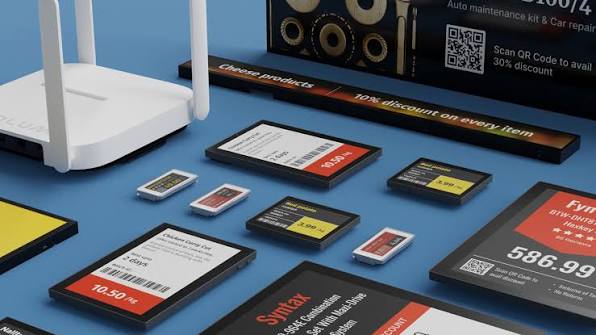
    Retail technology provider SOLUM has expanded its electronic shelf label network across Australia. The deployment covers rollouts with appliance chain Bing Lee and The Natural Grocery Company.

    Bing Lee is extending digital price tags across multiple consumer electronics stores. The chain aims to eliminate paper ticketing and curb pricing discrepancies on shop floors.

    Centralised Pricing at Scale

    The system connects in-store tags directly to a central management platform. Store managers can push real-time price updates and promotions instantly. Staff no longer need to replace physical shelf tags manually.

    Across its grocery aisles, The Natural Grocery Company has deployed the same digital setup. Freeing employees from manual repricing shifts floor labor toward customer service. It also cuts paper waste from recurring promotional cycles.

    “For The Natural Grocery Company, our ESL solution supports real-time pricing, rapid promotional updates, and greater pricing accuracy,” said Paul Kyriakos, General Manager at SOLUM Australia.

    Automation on Shop Floors

    Australian retailers face elevated labor costs and high operational overheads. Automated shelf-edge tools have become an operational priority across electronics and food retail. Supermarket operators and specialty chains across the Asia-Pacific region have accelerated similar rollouts to compete with dynamic pricing used online.

    SOLUM plans to roll out additional digital store infrastructure across retail partners in Australia and the wider Oceania region.

  • Japan Startup Muse Deploys Retail Robots to New York Grocery Stores

    Japan Startup Muse Deploys Retail Robots to New York Grocery Stores

    Japanese robotics startup Muse rolled out its automated retail helper robots in a New York grocery store to capture US supermarket demand for labor-saving physical artificial intelligence.

    The deployment puts automated shelf-stocking hardware directly into commercial grocery aisles alongside store clerks. Rising operational expenses and stubborn retail worker shortages across North America have accelerated the commercial rollout of Asian service robotics beyond domestic test markets.

    Automating shelf replenishment

    Muse built its physical AI machines to assist staff with the physical strain of routine grocery restocking. The robots navigate sales floors to handle merchandise replenishment tasks, reducing the repetitive lifting required of store associates during standard operating shifts.

    Store operators in the United States face persistent labor turnover in entry-level inventory roles. Deploying autonomous replenishment units allows grocers to maintain shelf availability without increasing headcount during peak restocking hours.

    Exporting Asian physical AI

    Japanese robotics developers are increasingly targeting overseas retail markets where wage pressures create faster paths to commercial adoption than domestic pilot schemes. While Japanese supermarkets have tested automated replenishment in limited urban formats, the scale of floor space in American grocery chains offers substantially larger hardware deployment volumes per client.

    Muse plans to use the New York supermarket deployment as an operational reference site to secure multi-unit rollouts across broader US retail chains.

  • TikTok Shop Doubles US Livestream Sales as Live Commerce Chases China Model

    TikTok Shop Doubles US Livestream Sales as Live Commerce Chases China Model

    TikTok Shop doubled its livestream shopping sales in the United States during the first half of 2026, exporting a commercial format pioneered across Asian digital marketplaces. The platform increased its live broadcast sessions by more than 60 per cent over the same period as total broadcast hours climbed 80 per cent.

    The expansion reflects an aggressive push by parent company ByteDance to replicate the live selling ecosystem that dominates Chinese retail. US live shopping sales are forecast to reach nearly $20 billion this year, up 35 per cent from 2025, according to eMarketer estimates. That total remains a fraction of China, where livestream retail sales are projected to top $1.1 trillion in 2026 after Alibaba launched Taobao Live a decade ago.

    Platform fees and broadcaster competition

    Merchant adoption has widened across social channels and dedicated auction platforms. Live selling specialist Whatnot reached a $20 billion valuation after generating $8 billion in global sales in 2025, mostly in the US market. Established television retailer QVC now broadcasts more than 200 hours weekly across seven TikTok channels following its recent corporate restructuring.

    Monetisation rules are tightening as volumes rise. TikTok takes a base commission fee of 6 per cent on merchant sales plus processing fees, while Whatnot charges between 4 per cent and 8 per cent. Sellers also face higher customer acquisition hurdles as algorithmic feeds demand longer daily broadcast schedules to sustain viewer traffic.

    Exporting the Asian super app playbook

    Western platforms are attempting to reconstruct an engagement habit that developed naturally inside Asian super apps such as WeChat and Taobao. While Asian consumers routinely combine entertainment, messaging and direct checkout inside single applications, legacy US retailers like Amazon, Walmart and eBay still operate primarily as utility search engines. Bridging that structural divide requires merchants to convert social viewers into buyers directly on video feeds.

    The test for ByteDance is whether livestream gross merchandise value can sustain its growth rate as US platform fees rise and competition for creator airtime intensifies into the fourth-quarter holiday trading period.

  • Southeast Asian Shopping App Installs Jump as Singapore and Indonesia Lead Gains

    Southeast Asian Shopping App Installs Jump as Singapore and Indonesia Lead Gains

    Shopping app downloads across Southeast Asia surged in the first half of 2026, led by a 67 per cent jump in Singapore.

    Average session duration in Singapore expanded 58 per cent over the same period as regional platforms stepped up user acquisition spending.

    Data from mobile analytics firm Adjust shows Vietnam recorded a 42 per cent rise in e-commerce application installs alongside a 21 per cent gain in session length. Indonesia registered a 36 per cent increase in installs and a 62 per cent jump in session time. Malaysia saw downloads rise 14 per cent and sessions increase 38 per cent, while Indian app installs climbed 37 per cent against a 42 per cent increase in sessions.

    Platform Spending and Acquisition Battles

    Shopee, Lazada and TikTok Shop are competing directly for user traffic across the region, channeling higher advertising budgets into external media channels including YouTube. Shopee has maintained quarterly revenue expansion of nearly 50 per cent, but escalating logistics requirements and higher sales expenses continue to weigh on operating budgets.

    Fulfillment across fragmented island networks and developing road corridors keeps shipping expensive across Southeast Asia. Those operational complexities earlier prompted Amazon to halt regional expansion plans beyond Singapore.

    Usage Gaps Behind Western Markets

    Actual time spent inside shopping apps across Asia remains lower than the global average despite the sharp uptick in downloads. North American shopping apps logged a 46 per cent increase in installs and a 26 per cent rise in session length over the same timeframe, holding higher total engagement per user.

    RetailNews Asia tracking shows marketplace operators are now focused on closing that engagement deficit as consumer acquisition costs rise heading into the final quarters of 2026.

  • 7-Eleven Singapore Adds 1,500 Products and Expands Digital App Across 460 Stores

    7-Eleven Singapore Adds 1,500 Products and Expands Digital App Across 460 Stores

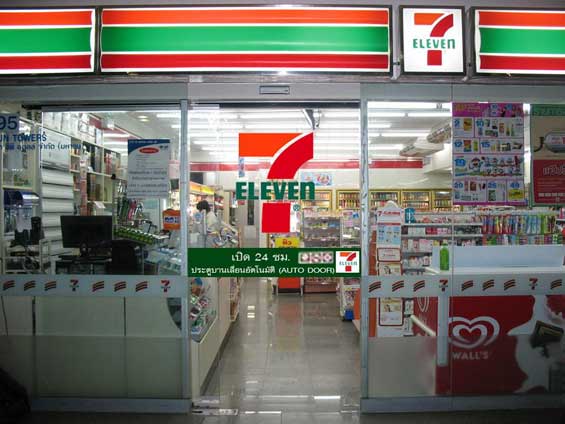
    7-Eleven Singapore added more than 1,500 exclusive products over the past 24 months and linked its digital app across more than 460 outlets nationwide.

    The convenience chain expanded its footprint beyond traditional impulse snacks, shifting square footage toward hot meals, private-label beverages, and licensed merchandise to build daily basket values.

    Self-Checkout and Hospital Automation

    Operational upgrades centered on store throughput. The chain installed dual self-checkout systems in more than 300 stores, giving staff the ability to toggle cashier stations to automated mode during morning and evening rush hours. At Singapore General Hospital, the operator opened a fully unmanned location using overhead computer vision and frictionless exit gates to process payments without cashier intervention.

    Physical refits also introduced dedicated sit-down dining counters and modular food prep stations. These spaces support branded ready-to-eat partnerships, including baked goods, personal-sized pizzas, and regional food collaborations with local operators such as Old Chang Kee and Andes by Astons.

    Omnichannel Ordering and App Metrics

    Digital ordering operations scaled through the dedicated 7-Eleven Singapore mobile platform, which accumulated 300,000 downloads within ten months of its February 2025 rollout. The app integrates three core transactional functions: EasyCollect, which routes click-and-collect fulfillment to neighborhood branches within 15 minutes, a digital stamp loyalty tracker, and prepaid product bundles called ValuePacks.

    Convenience operators across Southeast Asia face intense competition from instant-delivery platforms and specialty coffee chains, forcing traditional corner shops to emulate the Japanese konbini model. By building out prepared food counters, private-label collaborations, and in-app pickup, 7-Eleven is defending store margins against rising labor costs and higher urban commercial rents.

    The retailer is now tracking pickup adoption rates and repeat transaction frequencies through the app as it evaluates further autonomous store deployments in transport and healthcare facilities.

  • AI Retail Assistant Spending to Reach USD 22.4 Billion by 2036

    AI Retail Assistant Spending to Reach USD 22.4 Billion by 2036

    Global retail spending on artificial intelligence assistants will expand from USD 2.4 billion in 2026 to USD 22.4 billion by 2036, according to industry data from Fact.MR. The projected 25.0 per cent annual growth rate adds USD 20 billion in total market value over the decade, lifted from a baseline of USD 1.9 billion recorded in 2025.

    Asian retail markets represent two of the primary growth corridors over the forecast period. South Korea will expand at a 25.9 per cent compound annual rate through 2036, driven by high mobile commerce penetration and dense transaction pools inside native retail apps. Japan is projected to grow at 21.0 per cent annually, propelled by chain store operators adopting automated multilingual customer support and digital floor guidance.

    Cloud Platforms and Inventory Signals Dominate Spend

    Software platforms will account for 41.0 per cent of all retail assistant expenditure in 2026. Retailers are selecting single-platform layers to handle catalog search, guided selling journeys, and customer service escalation rather than buying point solutions.

    Cloud infrastructure will capture 51.0 per cent of deployments this year, giving store networks centralized access to generative models without the expense of hosting separate environments for each brand format. Large enterprises will generate 42.0 per cent of overall market demand, backed by dedicated governance teams and complex multi-channel data operations.

    Assistant capabilities are also shifting away from basic conversational bots toward merchandise planning. Forecasting tools will take 44.0 per cent of segment demand in 2026. Merchandising desks are connecting online search patterns with replenishment schedules to adjust inventory before store shortages occur.

    Integration Obstacles and Enterprise Rollouts

    The speed of commercial adoption faces technical friction across legacy systems. Data quality issues across fragmented product catalogs will shave an estimated 0.8 percentage points off market expansion, while internal governance reviews and legacy software integrations remain the primary bottlenecks for department store and hypermarket chains.

    Global technology providers have stepped up rollouts to meet store demand. Google Cloud launched its Conversational Commerce agent on Vertex AI in September 2025, while Microsoft introduced automated brand agents for Shopify and Copilot Studio templates in January 2026.

    The critical operational test for Asian retail operators through 2027 will center on catalog hygiene and real-time inventory synchronization across physical stores and marketplace channels.

  • Shippit Targets Grocery Fleets with NowGo Dispatch Software

    Shippit Targets Grocery Fleets with NowGo Dispatch Software

    Shippit rolled out its NowGo fleet software to fast-moving consumer goods suppliers in Australia, aiming to automate dynamic re-routing across supermarket delivery networks. The Sydney-based logistics provider claims the system lifted vehicle utilisation by 15 per cent and expanded completed drops by 12 per cent.

    Built on historical Australian and New Zealand transport data, the platform manages temperature-controlled loads, fixed dock booking windows, and delivery-in-full, on-time performance targets. The software combines owned vehicle fleets and third-party transport operators into a single dispatch dashboard. Dispatchers reassign delivery stops and adjust routes instantly when vehicles break down or store receiving slots shift, replacing manual spreadsheet adjustments.

    Dynamic Dispatch and FMCG Time Slots

    Supermarket supply chains across Australia enforce strict delivery windows and immediate penalties for missed dock bookings. When a chilled vehicle fails or a store moves a delivery window forward, manual rescheduling across legacy software often forces suppliers to dispatch costly emergency backup vehicles.

    NowGo allows operators to adjust live runs without pulling drivers off the road, according to Helen Studley, Senior Product Manager at NowGo. The platform also includes scenario-modelling tools designed to test fleet capacity ahead of seasonal volume spikes.

    Fleet Pressures Across Regional Supply Chains

    Across Asia-Pacific grocery networks, suppliers face continuous margin pressure from elevated fuel prices, driver shortages, and tighter supermarket service agreements. While regional logistics giants have historically built bespoke tracking tools or relied on fragmented transport management systems, software providers are pushing modular dispatch algorithms to mid-tier suppliers.

    Fleet operators now face the challenge of integrating real-time routing data across mixed subcontractor networks ahead of peak end-of-year trading volumes.

  • Tech Mahindra Partners with Rezolve Ai to Scale Agentic Retail Commerce

    Tech Mahindra Partners with Rezolve Ai to Scale Agentic Retail Commerce

    Indian IT services major Tech Mahindra partnered with London-based Rezolve Ai to deploy automated agentic shopping technology across its network of more than 1,100 enterprise clients.

    The agreement gives Rezolve access to 146,000 systems professionals across 90 countries to take retail artificial intelligence beyond conversational chatbots and into live transaction processing.

    Integrating AI Checkout into Enterprise Systems

    Under the alliance, Rezolve Ai will supply its Brain Suite software, which includes Brain Commerce for conversational product discovery and Brain Checkout for autonomous transactions. The system runs on proprietary brainpowa models designed to eliminate hallucinations during commercial transactions, alongside TraceWare audit software that tracks automated agent decisions.

    Tech Mahindra will manage consulting, cloud infrastructure and systems engineering for retail, consumer goods and financial services clients. The combined setup allows AI agents to interpret consumer intent, recommend inventory and execute payments inside existing digital storefronts.

    Daniel M. Wagner, chairman and chief executive of Rezolve Ai, noted that Tech Mahindra’s existing enterprise relationships provide the distribution engine needed to deploy transactional AI at commercial scale.

    Enterprise Push for Transactional AI

    Systems integrators across Asia are racing to shift enterprise clients from experimental chatbots to revenue-generating commerce tools. While basic generative AI handled customer support across Asian retail platforms over the past two years, enterprise rollouts previously stalled at checkout where transaction security and inventory data errors create financial liability.

    Rezolve Ai plans to present its enterprise commerce deployment data during an investor presentation scheduled for October 6, 2026.