Tag: retail technology

  • Asia-Pacific Startups Draw $2.4 Billion as Enterprise AI and Retail Tech Expand

    Asia-Pacific Startups Draw $2.4 Billion as Enterprise AI and Retail Tech Expand

    Early-stage companies across Asia-Pacific have secured a combined $2.4 billion in funding, with nearly $1 billion raised during 2026 alone.

    India led the regional cohort with 19 companies, followed by Singapore with 15, China with 10, Japan and South Korea with nine each, and Indonesia and Australia with eight apiece.

    Enterprise software and artificial intelligence providers account for almost a quarter of the group. Robotics suppliers, green technology providers and consumer commerce platforms took up most of the remaining slots across 16 countries and territories.

    Capital flows into retail networks and distribution

    Consumer-facing operators and supply chain software vendors pulled in fresh funding rounds to expand store footprints and digital trade across Southeast Asia and India. Mumbai grab-and-go chain Abcoffee doubled its network to more than 100 locations over the past year, serving 350,000 cups monthly before securing $6.4 million in pre-series B capital led by Kliff Ventures in May.

    Singapore supply chain platform Baskit raised $4.4 million in April in a series A round led by Cento Ventures, taking its total financing to $10 million. The company provides real-time order tracking, digital payments and credit tools to distributors, expanding from Indonesia into the Philippines this year.

    Indian discount brokerage Aaritya Broking secured $33 million in April through a series B round led by Accel India for its stock trading app Sahi. The platform charges 10 rupees per trade and has recorded more than 5 million downloads.

    Automation spreads to transport and operations

    Specialized mobility and infrastructure service firms also drew institutional capital. Melbourne autonomous vehicle developer Applied Electric Vehicles raised $40 million in January from Japan Post Capital and the Australian government’s National Reconstruction Fund to deploy driverless utility vehicles in mining and freight sites.

    Malaysian roadside assistance and battery provider Bateriku built a network of 1,000 mechanics and 2,000 repair shops across 270 locations before raising $7.4 million from pension fund KWAP and state-backed investors. In Thailand, maintenance provider 24 Solution Group closed $8 million across series B and B+ rounds after expanding from handyman services into electric vehicle charging systems and commercial solar installations.

    Venture investors in the region have shifted capital toward businesses with established commercial revenue, favoring workflow software and physical distribution infrastructure over cash-burning consumer acquisition models. RetailNews Asia tracks this transition as regional store operators increasingly buy software from local business-to-business specialists rather than building internal systems from scratch.

    Attention now shifts to the trial pipelines and regional market entries scheduled before the end of 2026, including Hong Kong biotechnology firm AIM Pharmaceutical International’s phase one clinical trials in mainland China for its Parkinson’s therapy.


  • Over Half of Southeast Asian Retailers Remain Stuck in AI Pilots

    Over Half of Southeast Asian Retailers Remain Stuck in AI Pilots

    More than 56 percent of consumer goods and retail companies across Southeast Asia remain trapped in continuous testing, unable to scale artificial intelligence into commercial production.

    While 8 percent of enterprises in the region have fully deployed AI initiatives compared to a 6 percent global average, retail operators lag behind banking and technology peers.

    Why Models Fail at the Border

    Across global retail, nearly 75 percent of AI projects fail to reach production deployment. Poor data quality accounts for roughly 85 percent of those collapses, compounded by the region’s mix of modern supermarkets, social commerce platforms, and traditional corner stores.

    A demand forecasting algorithm tuned on clean transaction records in Singapore often breaks down when deployed across Indonesian point-of-sale systems or Vietnamese wholesale networks. Without standardized data definitions across borders, multi-market rollouts stall before delivering operational cost cuts.

    Another 73 percent of failed retail AI programs lacked quantifiable performance metrics before launch. Broad mandates to improve customer personalization frequently dissolve without hard targets, such as cutting category stockouts by 4.5 percent across secondary regional logistics hubs.

    Regulatory Divergence and Vendor Risks

    Multi-market operators now run AI workloads across separate cloud platforms to mitigate operational outages. More than a third of large enterprises deploy five or more models in production, driven by concerns that single-vendor disruptions could halt real-time pricing and automated purchase orders across physical storefronts.

    Singapore and Vietnam have introduced comprehensive risk-based AI regulatory frameworks, while neighboring markets develop separate data residency rules. Retailers operating across Jakarta, Bangkok, and Manila face distinct local sovereignty laws that penalize centralized data models.

    For regional retail groups that expanded through rapid store acquisitions over the past decade, technical fragmentation creates the same operational drag that previously hobbled centralized enterprise resource planning rollouts. Successful operators are shifting away from standalone software pilots, requiring field managers to redesign replenishment and supply workflows around automated tools before approving cross-border rollouts.

    Regulatory compliance deadlines in Singapore and expanding data sovereignty enforcement in Jakarta will test whether multi-market retailers can maintain cross-border automated pricing and inventory pipelines through 2027.

  • Over A Third of Asian Shoppers Would Let AI Switch Brands, Accenture Finds

    Over A Third of Asian Shoppers Would Let AI Switch Brands, Accenture Finds

    More than a third of consumers across Asia would let artificial intelligence switch their purchases to a competing brand if the algorithm found a better match, according to data from Accenture.

    The finding reveals that conventional customer loyalty offers little protection against automated shopping tools designed to optimize price and product fit.

    Shoppers who identify as loyal to specific labels are willing to delegate buying decisions to autonomous digital assistants. These systems evaluate alternative products in real time and execute switches without requiring consumers to compare catalogs manually.

    Automated choices challenge legacy loyalty

    Retailers across the Asia-Pacific region have invested heavily in points schemes, subscription tiers, and bespoke mobile apps to lock in repeat buyers. Autonomous software cuts through those incentives by prioritizing immediate utility over historical brand affinity.

    When an algorithm spots a cheaper alternative, faster delivery, or better specifications, consumer willingness to let the machine override personal habits leaves traditional retention strategies exposed.

    The change shifts power toward platforms that control the automated interface rather than the merchants producing the goods.

    Trust gaps determine adoption speed

    Consumer willingness to hand over purchasing authority depends directly on how much trust shoppers place in the underlying algorithms. Retailers operating in Asian markets must now compete not only on shelf presence and digital advertising, but on whether their product feeds are structured for automated evaluation by third-party AI agents.

    Brands that fail to provide clean, verifiable product specifications risk being bypassed entirely by autonomous recommendation engines.

    Enterprise retailers across the region are now reassessing product data infrastructure as agentic commerce tools move from experimental pilots into mainstream consumer applications across Asian digital storefronts.

  • Mobile POS Deployments Accelerate Across Asian Retailers as Mobile Traffic Hits 59%

    Mobile POS Deployments Accelerate Across Asian Retailers as Mobile Traffic Hits 59%

    Singapore-based retail software vendor ETP Group rolled out its unified mobile point-of-sale platform across Asia-Pacific as mobile channels captured 59 percent of regional retail web traffic. That traffic share climbed from 46 percent in early 2024, forcing physical store operators to equip floor staff with connected billing and stock-checking tools.

    The system connects handheld devices directly to the enterprise core through ETP Unify, giving sales associates real-time visibility across retail locations and distribution warehouses. Rather than routing shoppers to fixed cash counters, staff can process billing, register loyalty accounts, and trigger ship-from-store or click-and-collect fulfillment directly beside the merchandise.

    Connecting Store Floors to Live Inventories

    Operating requirements vary sharply across individual markets. High-density retail centers in Singapore use mobile clienteling to retrieve shopper purchase histories and targeted promotions, while chains in Indonesia and the Philippines deploy handhelds to run endless-aisle transactions when shelf stock runs out. In India, where research from Meta and the Retailers Association of India found social media influences 77 percent of retail purchase decisions, mobile terminals allow associates to cross-reference products discovered on WhatsApp and third-party marketplaces.

    RetailNews Asia notes that fashion and specialty chains across Southeast Asia spent years treating mobile checkout hardware merely as auxiliary registers to ease holiday queues. Integrating those devices into enterprise inventory records marks a permanent move away from siloed store databases, bridging the operational gap between e-commerce catalogs and physical shops.

    Managing AI-Assisted Shoppers

    Store associates must also respond to consumers who arrive with machine-generated comparison data. Deloitte research across the region indicates that nearly three-quarters of consumers use artificial intelligence tools to research or compare products before buying, while 29 percent of consumer-facing enterprises have begun deploying agentic AI tools.

    Retail operators now face the task of unifying pricing logic, promotional rules, and local fiscal compliance across portable devices, with enterprise integration rollouts continuing across Southeast Asian store fleets through late 2026.

  • Asian Teams Secure Four of Six Finalist Spots in L’Oréal Brandstorm

    Asian Teams Secure Four of Six Finalist Spots in L’Oréal Brandstorm

    Asian teams took four of the six global finalist spots at the 34th L’Oréal Brandstorm competition at Vivatech, following pitches drawn from 400,000 proposals across 64 countries.

    The competition centered on luxury fragrance innovation, drawing record participation from Gen Z applicants across Asia who pitched formats ranging from artificial intelligence formulations to wearable scent patches.

    New Formats and Layering Concepts

    Contestants focused on shifting perfume away from standard alcohol spray bottles. Finalist entries incorporated primary packaging designed for fragrance layering, skin patch applicators, and AI tools built to reconstruct scent memories.

    Although the United States team won the overall competition with a melting patch concept called Capturé, Asian teams dominated the final stage. The trend reflects a broader consumer shift across Asian markets, where younger buyers are adopting fragrance wardrobes and personalized scent layering practices traditionally concentrated in the Middle East.

    Green Extraction and Sensory Tech

    L’Oréal used the Paris show to highlight Osmobloom, an air-capture extraction technology developed through a nine-year partnership with Cosmo International Fragrances. The solvent-free process extracts volatile scent molecules from flowers without heat or water, preserving delicate plant structures.

    The group also revealed 12 custom scents developed for the Dataland museum in Los Angeles, pairing algorithmic art with sensor-equipped diffusion necklaces that release fragrances based on visitor movement.

    For retailers and beauty operators across Asia-Pacific, the competition results point to where product pipelines are heading: portable application formats, waterless extraction, and customizable scent wardrobes built for first-time luxury fragrance buyers.

  • Coles Lifts Underlying Profit to $1.26 Billion as Supermarket Sales Surge

    Coles Lifts Underlying Profit to $1.26 Billion as Supermarket Sales Surge

    Coles Group lifted underlying annual profit 13.7 per cent to A$1.26 billion in Melbourne, powered by grocery volume and fast-expanding digital channels.

    Group sales revenue advanced 2.8 per cent to A$45.58 billion across the 2026 financial year. Reported net profit came in lower at A$1.09 billion after the grocer set aside A$235 million to cover remediation costs and penalties from a Federal Court staff underpayment judgment.

    Supermarkets drove the operating momentum. Core grocery revenue rose 3.7 per cent to A$41.47 billion, while division earnings before interest and tax increased 12.2 per cent to A$2.37 billion as the retailer took market share. Supermarket e-commerce sales jumped 26.4 per cent to A$5.6 billion, pushing the group’s automated customer fulfilment centres into positive earnings in their second full year of operation.

    Shoppers pinched by living costs continued to trade down to private labels and loyalty discounts while eating more meals at home. That grocery strength insulated Coles from regional retail headwinds, contrasting with discretionary Asian department store and hypermarket chains that continue to struggle against softer household demand.

    Liquor Slump and In-Store Shrink

    The liquor arm proved the main drag on the group balance sheet. Liquor sales slipped 3.3 per cent to A$3.55 billion, and division operating earnings plunged 47.8 per cent to A$59 million. Management responded with a multi-year restructuring plan that includes shutting standalone shops, co-locating bottle shops alongside supermarkets, and bundling food and beverage offerings.

    Security issues also weighed on store operations. Victoria recorded an 85 per cent surge in threatening incidents against staff over two years, pushing Coles to trial facial recognition systems, though management has not committed to a full network rollout.

    Restructuring Corporate Roles Under Accenture Deal

    Coles will cut hundreds of corporate jobs in the 2027 financial year as part of an expanded technology partnership with Accenture. The retailer plans to spend about A$190 million during the year on restructuring and redundancy costs to establish a dedicated capability centre.

    Store and customer-facing teams will remain exempt from the staff reductions, with the company offering reskilling pathways for affected corporate workers. Capital expenditure will increase in parallel, with Coles allocating an extra A$300 million across FY27 and FY28 to fund technology upgrades, store refurbishments, and 45 new supermarket openings.

  • Oz Hair and Beauty Discloses Customer Data Breach Across Order Platform

    Oz Hair and Beauty Discloses Customer Data Breach Across Order Platform

    Oz Hair and Beauty has suffered a cyber incident on its online purchasing platform. The breach exposed the personal details and transaction histories of customers who placed orders before August.

    An unauthorised third party gained brief access to data managed through an external service provider. The Australian e-commerce merchant disclosed the incident to shoppers in a direct notification.

    Exposed records include full names, email addresses, mobile numbers, and purchase details showing total spend, currency, city, state, and postcode. Attackers did not obtain passwords, credit card numbers, payment details, or street addresses, the company stated.

    Third-Party Platform Compromise

    External technical specialists launched an investigation immediately after staff detected the intrusion. Early findings point to data held by a contractor rather than a direct breach of internal systems.

    Oz Hair and Beauty has not disclosed the total number of affected customer accounts. It reported the incident to the Australian Cyber Security Centre and the Office of the Australian Information Commissioner while notifying affected buyers.

    Earlier this month, a separate cyber attack hit furniture retailer Nick Scali and forced core IT infrastructure offline across its regional business. Australian consumer brands face tightening scrutiny over vendor data storage as regulators press merchants to shorten retention schedules.

    Security Audit Underway

    The beauty retailer is now overhauling its data protection controls and third-party storage policies to prevent repeat exposures across its digital channels.

    Technical investigators are still determining the full timeline of the intrusion. The retailer has yet to submit its final incident report to federal privacy regulators.

  • Human Trust Remains Key Driver for Southeast Asia E-Commerce Amid Rising AI Adoption

    Human Trust Remains Key Driver for Southeast Asia E-Commerce Amid Rising AI Adoption

    Human trust continues to be a primary factor in consumer purchasing decisions across Southeast Asia, even as generative artificial intelligence (AI) tools gain traction in product discovery. A new report by impact.com, Cube, and Dentsu reveals that while AI is emerging as a significant channel, established human connections still hold sway over shoppers in the region’s burgeoning e-commerce market.

    The “E-commerce Influencer and Affiliate Marketing in Southeast Asia 2026” study indicates that recommendations from family and friends are the most influential factor, scoring 2.42 out of four. This outranks online reviews (2.36) and even creators (1.98). However, the report also highlighted the direct impact of creators, with two-thirds (67%) of consumers making a purchase specifically due to a creator’s recommendation. This trend underscores the enduring power of trusted individuals in guiding consumer choices.

    AI’s Growing Role in Discovery and Research

    Generative AI tools such as ChatGPT, Gemini, and Claude are increasingly being used by Southeast Asian consumers for shopping, particularly in product discovery and research. Approximately 24% of consumers in the region currently use these AI tools for initial product discovery, a figure that rises to 28% during the product research phase. Vietnam leads the adoption curve for AI in product discovery at 34%, followed by Indonesia at 31%, while Singapore recorded the lowest usage at 14%.

    Despite AI’s ascent, influencers retain their importance as a research channel, cited by 51% of consumers. YouTube garners the highest engagement for influencer content at 23%, with TikTok at 17% and Facebook at 15%. The report suggests that AI complements the existing commerce ecosystem, rather than replacing it. Consumers frequently navigate between AI assistants, marketplaces, creators, publishers, retail media, and brand-owned channels throughout their purchasing journey. RetailNews Asia has observed similar patterns in other markets, where technology enhances rather than entirely supplants traditional trusted channels, prompting brands to integrate diverse strategies.

    E-Commerce Growth and Influencer Impact

    Southeast Asia’s e-commerce sector is experiencing robust growth, with sales forecast to increase by nearly 15% year-on-year to $219 billion in 2026. This trajectory is expected to almost double to approximately $410 billion by 2031. Indonesia and Thailand collectively dominate the regional market, accounting for 58% of all e-commerce sales, with marketplaces holding an average 72% share. Influencer and affiliate marketing combined are linked to an estimated 32% of the region’s e-commerce sales, translating to about $70 billion in 2026.

    The study, which surveyed 2,400 consumers, also details conversion methods. For purchases made via influencer or creator channels, in-video product tags were the most common conversion route at 56%. This was followed by links in descriptions or comments (43%) and stories (41%). Consumer engagement with various purchasing incentives varies by market. Singapore shows high adoption of cashback and deal sites at 69%, contrasting with Vietnam (28%) and Indonesia (25%) where usage is considerably lower.

  • Alibaba and ByteDance Divest from Gaming and Retail to Fuel AI Ambitions

    Alibaba and ByteDance Divest from Gaming and Retail to Fuel AI Ambitions

    Alibaba Group Holding and ByteDance are restructuring their business portfolios, selling off non-core assets in gaming and retail to private equity firms. This strategic shift aims to re-focus substantial resources and investment into the burgeoning field of artificial intelligence, as competition in the AI sector intensifies across Asia.

    Strategic Divestment For AI Focus

    The move sees Alibaba Group Holding in the process of selling Lingxi Games, its video game unit, to a private equity fund. This divestment reflects a broader trend among leading Chinese technology firms to streamline operations and concentrate capital on high-growth, strategic areas like AI. The decision comes as these companies face mounting pressure to innovate and secure a leading position in the global AI race.

    For retailers and consumer brands in Asia, this reorientation by tech giants like Alibaba has significant implications. Alibaba’s strong presence in e-commerce means that resources diverted to AI are likely to enhance capabilities in areas such as personalised recommendations, supply chain optimisation, and customer service automation. Similarly, ByteDance’s TikTok, a major platform for consumer engagement, could see advanced AI integration impacting everything from content delivery to advertising effectiveness.

    Implications For Asia’s Retail And Tech Sectors

    The decision by Alibaba and ByteDance signals a clear prioritisation of AI development over other business segments, including those with direct ties to consumer spending like gaming and certain retail operations. While the full scope of ByteDance’s retail divestments is not detailed, Alibaba’s move with Lingxi Games indicates a willingness to shed assets to fund core strategic initiatives. This aligns with broader market trends where technology companies are doubling down on AI infrastructure and research, viewing it as the next frontier for competitive advantage.

    This redirection of investment could lead to more sophisticated AI tools and platforms becoming available for businesses, potentially driving efficiency and innovation within the retail and consumer sectors. RetailNews Asia has observed similar strategic realignments across the region, where companies are either investing heavily in AI or partnering with AI specialists to stay competitive in an increasingly tech-driven market.

  • KPMG Explores Global AI Integration in Retail from Strategy to Storefront

    KPMG Explores Global AI Integration in Retail from Strategy to Storefront

    Artificial intelligence is becoming a crucial component in retail operations, spanning from strategic planning to direct consumer engagement. A new report by KPMG details how retailers are adopting AI technologies across their global businesses to enhance efficiency and customer experience.

    The findings indicate that AI’s influence is moving beyond back-office functions and into more visible customer-facing roles. Retailers are deploying AI to optimize supply chains, personalize marketing efforts, and improve in-store shopping experiences. This comprehensive integration aims to streamline operations and create more responsive retail environments.

    Global Adoption Of AI In Retail

    The KPMG report outlines a broad spectrum of AI applications observed worldwide. These include predictive analytics for inventory management, AI-driven tools for customer service through chatbots, and personalized product recommendations online and in physical stores. The goal is often to meet evolving consumer expectations for speed, convenience, and tailored offerings.

    Such advancements require a strategic approach, as integrating AI effectively demands significant investment in technology infrastructure and skilled personnel. The report suggests that successful AI implementation relies on aligning these technological shifts with overall business objectives, ensuring that AI tools actively contribute to growth and competitive advantage.

    Implications For Asia-Pacific Retailers

    For retailers operating within the Asia-Pacific region, the global trends outlined by KPMG offer critical insights. Many regional companies are already at the forefront of AI adoption, particularly in markets like China and Singapore, where digital transformation is rapid. Businesses in Southeast Asia, for instance, are increasingly experimenting with AI to manage complex e-commerce logistics and to personalize mobile shopping experiences. The retail sector in Asia continues to invest heavily in smart technologies to improve operational efficiency and adapt to dynamic consumer behavior.

  • China Expands Digital Yuan Network to Accelerate Adoption with Eight New Banks

    China Expands Digital Yuan Network to Accelerate Adoption with Eight New Banks

    China has taken a significant step to boost the adoption of its central bank digital currency, the digital yuan or e-CNY, by adding eight new banks to its operational network. This expansion is designed to make the digital currency more accessible and integrated into daily financial transactions for consumers and businesses nationwide.

    Previously, only six state-owned commercial banks were authorised to handle e-CNY services. The inclusion of new institutions, including joint-stock commercial banks and city commercial banks, broadens the reach of the digital currency, allowing more citizens to open digital wallets and conduct transactions through a wider array of banking applications.

    Broadening Access and Integration

    The People’s Bank of China has been systematically rolling out the digital yuan in various pilot programs since 2019. These initiatives have included trials for cross-border payments, subsidies, and a wide range of retail scenarios, showing the currency’s potential utility. By expanding the network of participating banks, the central bank aims to move beyond these pilot stages and achieve more widespread public use.

    This strategic push is expected to streamline payment processes and enhance financial inclusion, particularly in areas where traditional banking services might be less accessible. The increased competition among banks offering e-CNY services could also lead to more innovative features and improved user experiences, benefiting both consumers and retailers.

    Implications for Asia’s Digital Payments

    The drive to scale the digital yuan network highlights China’s commitment to advancing its digital economy and potentially establishing a leading role in global central bank digital currency development. As the e-CNY becomes more entrenched in the domestic market, it presents new considerations for retailers and brands operating within China, particularly regarding payment infrastructure and consumer spending habits.

    For RetailNews Asia, this development signals a continuing trend across the region towards digitisation of financial services. Countries like Singapore and Thailand are also exploring or implementing their own digital currency initiatives, suggesting a future where digital currencies could play a more prominent role in cross-border trade and regional financial ecosystems.

  • Taiwan Semiconductor Manufacturing Emerges as Clearer Investment Choice over SoundHound AI

    Taiwan Semiconductor Manufacturing Emerges as Clearer Investment Choice over SoundHound AI

    Taiwan Semiconductor Manufacturing Company (TSMC), the world’s largest contract chipmaker, has been identified as a significantly stronger investment choice compared to conversational AI firm SoundHound AI for the year 2026. This assessment, rooted in a comprehensive financial and operational comparison, positions TSMC as a robust foundation for the global technology ecosystem, including critical support for Asia’s burgeoning retail and consumer technology sectors.

    TSMC’s Dominance and Financial Strength

    TSMC’s financial performance in fiscal year 2025 demonstrated remarkable strength, with revenues soaring to approximately $120.3 billion, a 33% increase from the previous year. The company recorded a net income of about $54.3 billion, yielding a net margin of 45.1%. This profitability is bolstered by its role as a dedicated foundry, manufacturing advanced chips that power everything from high-performance computing to smartphones. As of December 2025, TSMC maintained a low debt-to-equity ratio of 0.2x and a healthy current ratio of 2.5x, indicating strong financial stability. Free cash flow for the year reached approximately $34.3 billion, underscoring its operational efficiency and ability to fund ongoing expansion. This makes TSMC a cornerstone for Asian electronics manufacturing and by extension, the retail chains dependent on these devices.

    The company’s strategic importance extends to its global manufacturing footprint, with facilities across Taiwan, China, and the United States, serving over 500 customers. Its advanced chip production is essential for the AI industry, with high-performance computing now accounting for nearly two-thirds of its total revenue. TSMC’s continuous investment in cutting-edge fabrication technologies, despite annual billions spent on new factories, is crucial for maintaining its market leadership against rivals like Intel and Samsung. For Asian markets, this ensures a reliable supply chain for next-generation consumer electronics and enterprise solutions.

    SoundHound AI’s Growth Amidst Challenges

    In contrast, SoundHound AI, while showing rapid growth, faces a more challenging path. The company, which provides specialized voice software for sectors like automotive, retail, and hospitality, reported revenues of nearly $168.9 million in FY 2025, a growth rate of 99.4%. However, this growth came with a net loss of approximately $14.0 million, resulting in a negative 8.3% net margin. The company’s strategy involves aggressive growth through acquisitions, such as LivePerson and Amelia, which can introduce integration complexities and higher costs. Its balance sheet as of December 2025 showed a debt-to-equity ratio of 0.0x and a current ratio of 4.6x, but free cash flow remained negative at $103.1 million.

    SoundHound AI operates in a highly competitive landscape against larger technology firms like Microsoft and Alphabet, which possess significant resources. The company has also contended with internal control weaknesses and ongoing legal challenges. While its agentic AI software finds traction with partners like Casey’s convenience stores and MUSC Health, its financial scale and profitability remain far behind TSMC. For retail and hospitality businesses in Asia considering voice AI solutions, the long-term stability and competitive resilience of providers like SoundHound AI become key considerations.

    RetailNews Asia notes that while the allure of high-growth tech firms like SoundHound AI can be strong, the foundational importance and robust financial health of companies like TSMC offer a more predictable, albeit less explosive, investment outlook for those backing the region’s vast consumer tech ecosystem. Similar to how other regional manufacturing giants provide stability, TSMC’s role is critical for the continuous innovation seen across Asian retail and technology.

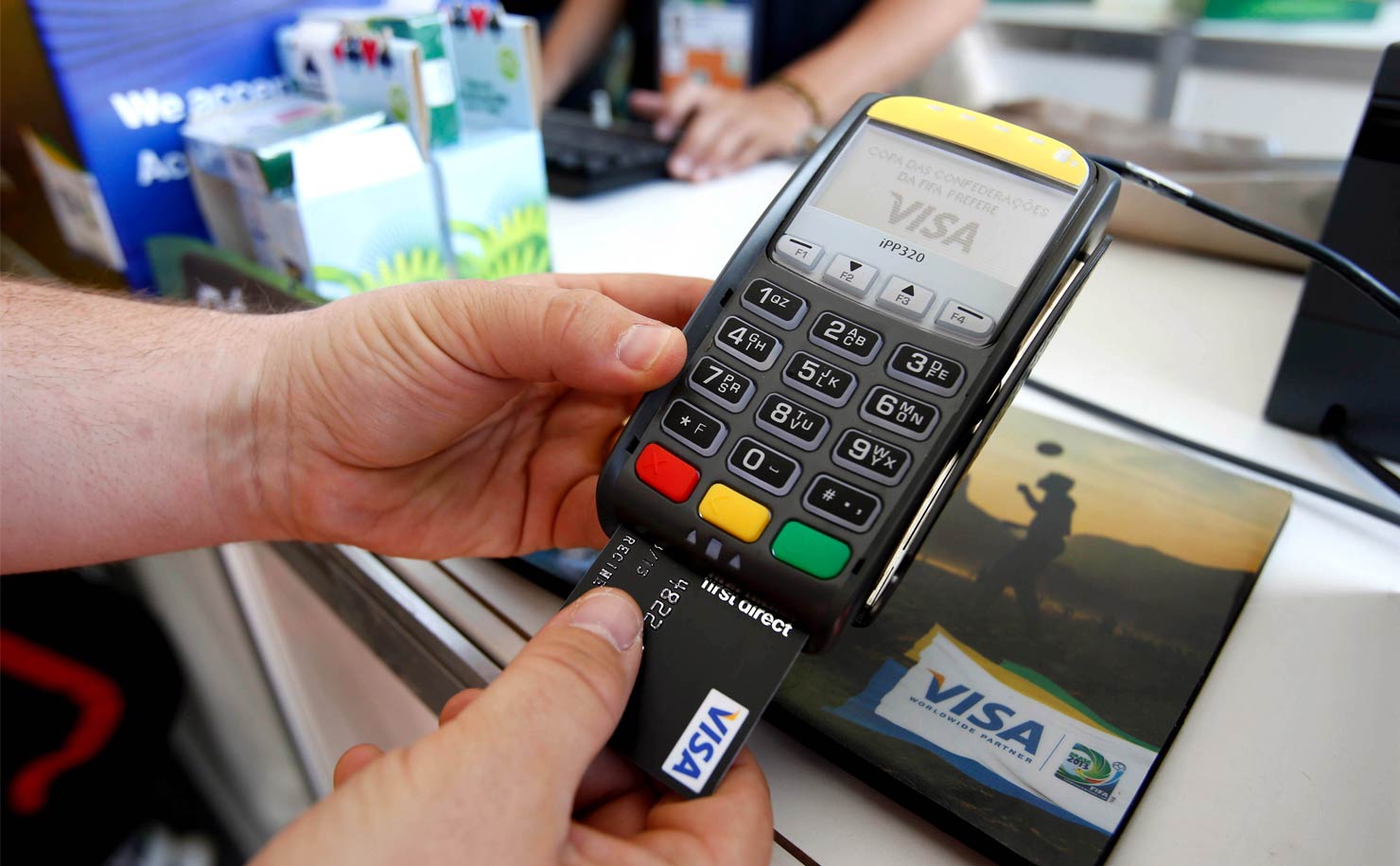
  • Digital Payments Now Comprise over 64% of Philippines Retail Transactions

    Digital Payments Now Comprise over 64% of Philippines Retail Transactions

    Digital payment methods have significantly surpassed traditional cash transactions in the Philippines, now representing 64.7 percent of all retail transactions by volume in 2025. This figure is a notable increase from 57.4 percent in the previous year, demonstrating a rapid adoption of electronic payment channels across the archipelago.

    The Bangko Sentral ng Pilipinas (BSP) reported that this growth has exceeded its target of 50 to 54 percent. The central bank credits its efforts towards interoperability, ensuring that a broad range of businesses and service providers operate within a unified payment system. This integration enhances the value proposition for all participants, including consumers, businesses, banks, and e-wallets, by expanding the network’s reach and utility.

    Accelerated Digital Shift in Retail

    The rise of digital payments in the Philippines has been dramatic, climbing from just 20.1 percent of retail transactions in 2020. The share grew to 30.3 percent in 2021, 42.1 percent in 2022, and 52.8 percent in 2023, before reaching the current level. This sustained momentum underscores a fundamental change in consumer behavior and retail operations across the country.

    Key drivers behind this acceleration include a 69.4 percent increase in digital payment accounts and a 36.3 percent expansion in the number of merchant locations accepting digital payments. QR Ph transactions, the national QR code standard, surpassed both debit and credit card transactions for the first time in 2025. A total of 2.47 billion QR Ph transactions, valued at P1.16 trillion, were processed during the year, reflecting a growing preference for interoperable, account-based payments among Filipinos. This wider adoption generates network externalities, where the convenience and value of electronic payment channels increase as more entities join the ecosystem.

    Broader Financial Inclusion and Future Outlook

    Beyond retail transactions, the push for digital payments aligns with the BSP’s broader goal of deepening financial inclusion. The number of basic deposit accounts reached 27.9 million as of March, up from 27.6 million at the end of 2025, with 177 banks now offering these accessible accounts. The central bank has also welcomed initiatives by several banks to reduce or waive interbank digital transaction fees, anticipating that lower costs will make electronic fund transfers more affordable and accessible for households and small businesses.

    For retailers and consumer brands operating in the Philippines, this trend necessitates continued investment in digital payment infrastructure and smooth integration of various e-wallet and QR code solutions. The rapid adoption seen in the Philippines mirrors similar patterns across Southeast Asia, where countries like Indonesia and Vietnam are also experiencing significant shifts towards cashless economies. This transformation offers opportunities for businesses to streamline operations, enhance customer experience, and reach a wider, digitally-savvy consumer base.

  • The benefits of using retail technology

    The benefits of using retail technology

    Technology is evolving rapidly and it is present in all sectors. While some industries might have a lower tech adoption rate than others, this doesn’t mean that they can’t benefit from using tech products and solutions.

    Retailers, especially brick and mortar stores, are starting to open their doors to technology and innovation.

    In this article, we are going to take a look at how retail technology can help stores and brands. Also, we’ll check out the top technologies that can increase customer engagement and drive up sales.

    Retail technologies

    There are different types of retail technologies that can be used to improve processes and impress shoppers. For instance, augmented reality is used by fashion retailers to show customers how a certain outfit looks on them. Augmented reality mirrors are available in different retail stores and they increase the productivity of the employees and increase customer satisfaction.

    Apart from augmented reality, retail robots are also appreciated by both retailers and shoppers. Some of these robots are used only for internal processes like stocking while others can be used for in-store marketing campaigns. Shopper marketing robots like Tokinomo can be used to amaze customers and engage with them. With the help of light, sound, and motion technology, this robot lets products talk to customers.

    Virtual technology can also be used by retailers to offer an amazing customer experience. Imagine shopping with VR glasses and seeing how those products were manufactured.

    Benefits of using retail technology

    1.   Increased productivity

    When you are using technology in your retail processes (from KPI monitoring to stocking), productivity will increase. Also, employees will have more time to focus on shoppers, on offering them information, answering questions, and creating an overall great shopping experience.

    2.   Always available

    Unlike humans, robots can work long hours and even work 24/7 without taking breaks. This will help you provide a non-stop retail solution. Customers could be able to come inside the store, shop, scan their products, and pay with the help of a checkout robot. The checkout system can be used even during working hours if shoppers like self-checkout. It’s easier and faster for both retailers and customers.

    3.   Monitor, improve, analyze

    Technology is on your side and it can help you with the most difficult tasks. Unlike eCommerce platforms that can use different analytics tools, brick and mortar have a hard time monitoring everything. The lack of relevant data is another problem. However, now retailers can use analytic solutions and even robotic POP displays that offer data in real-time.

    4.   Omnichannel retail

    The best thing about technology is that it can help you connect the offline environment with the online one. Customers want to have the full shopping experience and with the help of technology, you can provide that. BOPIS (buy online, pick up in-store) is a retail trend that is beneficial for both shoppers and retailers. People can select all of their products from the comfort of their home and then swing by the store to collect them. No need for checkouts, payments in-store, or long lines. Fast and efficient.

    5.   Increase customer satisfaction

    It’s a known fact that shoppers love to see that retailers innovate. This is because it shows that they care about their customers and their needs. When shoppers see that you offer them the possibility of self check-out, contactless pay, or BOPIS, they will be satisfied.

    Also, customer satisfaction increases when they can solve their problems faster and efficiently. A customer service robot inside the store can provide information about products and offer guidance anytime the customer needs it.

    6.   Offer an experience, not just products

    Another way in which you can benefit from using technology is that you can offer your customers much more than what they expect. Instead of just selling, you should focus on shopper marketing which means putting the customer first. Products that speak for themselves, amazing displays, retail events, and demos increase customer engagement.

    Customers expect more from brick and mortar retailers. This is why you should consider including various technologies in your day by day processes. As you can see, technology can help you increase customer satisfaction, increase productivity, and be able to monitor all of your in-store promotions. 

    Author Bio:

    Nicoleta Niculescu is a Content Marketing Specialist at Tokinomo, the ultimate in-store marketing solution for retailers and consumer goods brands. Tokinomo advertising robots bring CPG products to life on the shelf and lift sales by an average of 200%.

  • First humanless retail store launched in Malaysia

    First humanless retail store launched in Malaysia

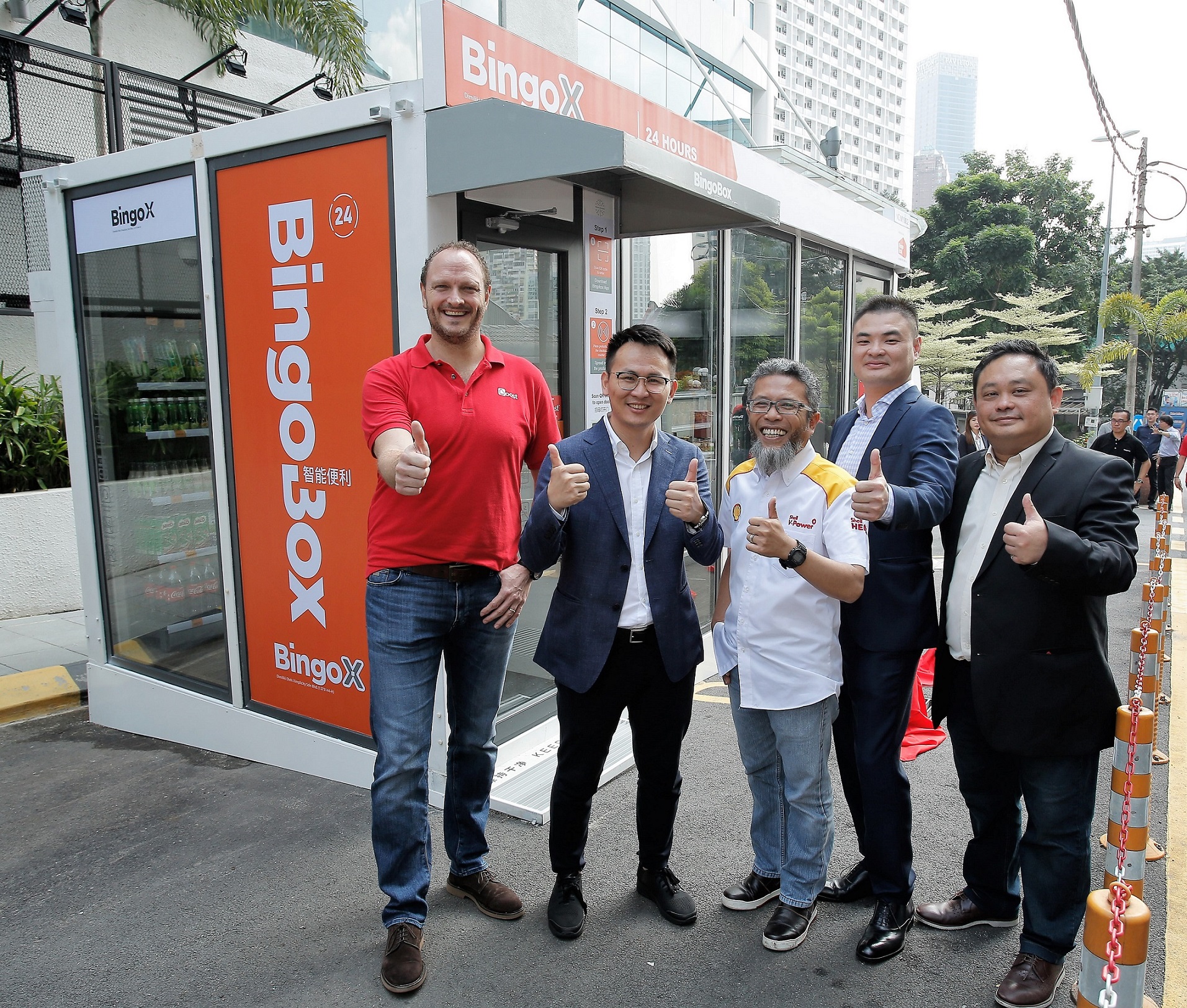
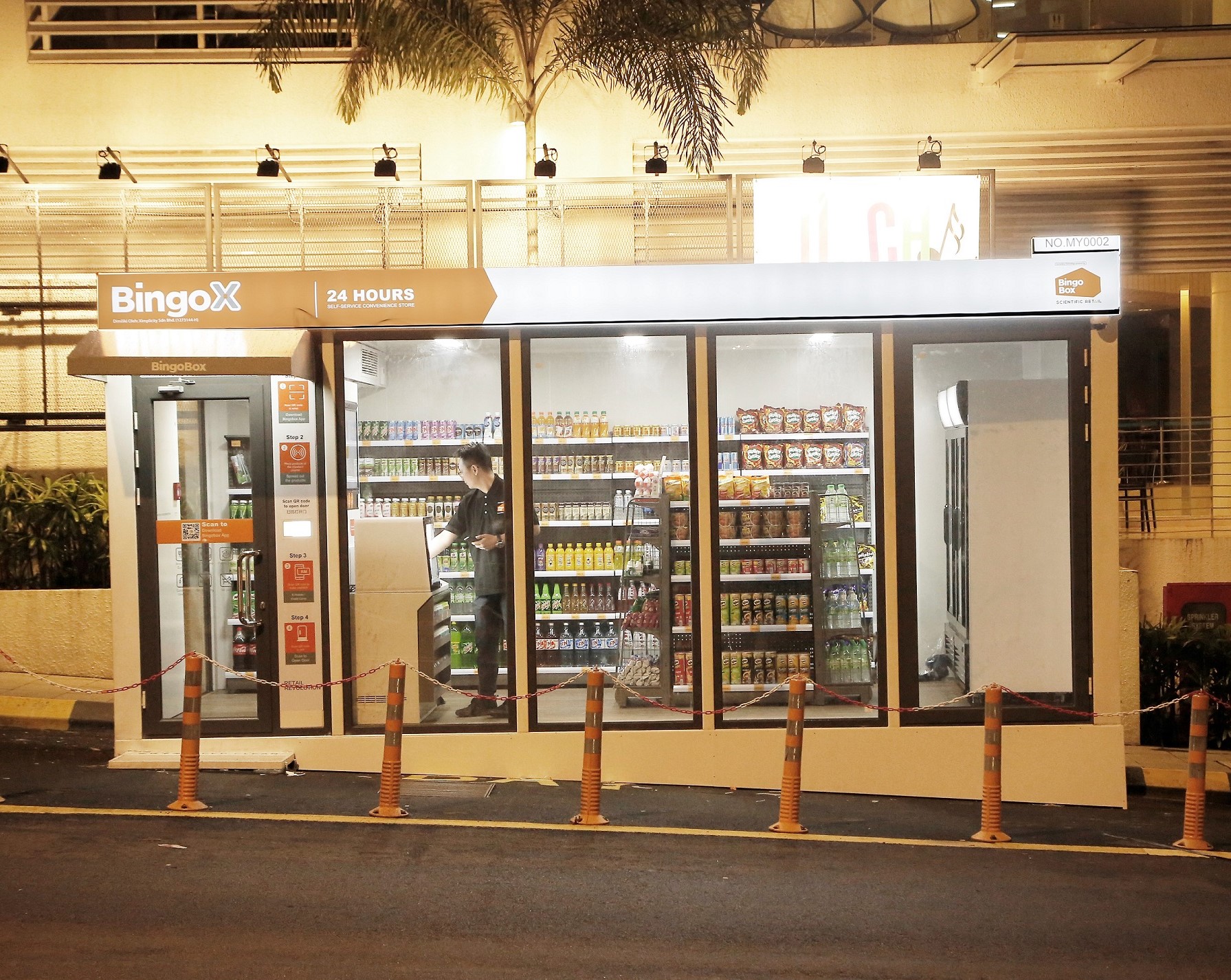
    The way Malaysians buy and sell products is set to be disrupted with the introduction of a revolutionary humanless retail technology called BingoBox Retail Technology. Launched recently, the state-of-the-art, BingoBox Retail Technology is the brainchild of Scientific Retail Sdn Bhd (Scientific Retail), a joint venture between a group of visionary Malaysian shareholders and BingoBox, the pioneer of the humanless and cashless convenience store in China and the world.

    In an effort to bring added value to Malaysian retailers and consumers, Scientific Retail has further enhanced the technology. BingoBox Retail Technology offers retailers an exciting, cost-efficient and practical avenue to market and sell their products. The easy availability and accesses-ability of the 24-hour unmanned store will provide consumers a simple and seamless shopping experience. Furthermore, smart entrepreneurs are also invited to create novel ideas leveraging on this technology to spearhead new business ventures.

    Ng Seong Ping, Chief Executive Officer of Scientific Retail alongside honoured guests Chen Zilin, Founder and Chief Executive Officer of BingoBox China; Shairan Huzani Husain, Managing Director of Shell Malaysia Trading Sdn Bhd and Shell Timur Sdn Bhd; Christopher Tiffin, Chief Executive Officer of Boost; and Remus Shai Meng Choon, Chief Executive Officer of Ximplicity Sdn Bhd officiated the launch of BingoBox Retail Technology.

    During the launch event, Ng said, “We at, Scientific Retail, were inspired by the growth and success of BingoBox, which launched its flagship store in June 2016. To date, BingoBox has been successfully installed in over 400 locations throughout China. We believe that this technology coupled with local enhancement will be ideal for the Malaysian market and we are delighted to be the first partner outside of China to introduce this technology.”

    “The cashless and unmanned store has many advantages including cost savings, improved convenience, and greater security. It also provides accurate data analytics, enabling business owners to understand consumers’ preferences, subsequently allowing them to customise their offerings to appeal to the targeted market segments.”

    “Our technology can cater to all types of businesses and across industries, from fashion to F&B, traditional retail to consumer electronics. The flexibility of this platform also allows unmanned stores to be placed at diverse locations including high rise residential and commercial towers, educational institutions and transportation hubs, amongst many others,” he added.

    “We have generated a lot of interest from various sectors for this technology, and we are looking forward to seeing about 500 retailers using our technology in Malaysia by the end of 2019. As a socially responsible corporate citizen, we are also committed to supporting small-sized brick-and-mortar retailers to grow its business and gain a competitive edge via BingoBox Retail Technology.”

    BingoBox Retail Technology features a highly advanced image recognition system that can auto-detect products. It also has sophisticated monitoring and interactive systems, including facial recognition, patented artificial intelligence and theft prevention. All these will come together cohesively to provide unparalleled convenience and seamless experience for consumers. In addition, Scientific Retail is able to provide consultancy services, end-to-end setup, which include external and internal fabrication, as well as 24-hour monitoring services and remote ‘face-to-face’ customer support, with a touch of a button, for consumers.

    Shairan Huzani Husain, Managing Director of Shell Malaysia Trading Sdn Bhd and Shell Timur Sdn Bhd, said, “We are delighted to be the first in our industry to offer this innovation to all Malaysians. Customers are at the heart of everything that we do; inspiring us to enhance our products and services to make life’s journeys better for all. This partnership allows Shell customers access to our Select store at any time of the day. Additionally, the cashless transactions provide added convenience which we hope will continue to keep them happy and satisfied.” Shell Malaysia is the

    Scientific Retail also collaborated with Malaysia’s leading e-wallet provider, Boost, to create a seamless mobile payment experience for users. Chris Tiffin from Boost, said, “We are pleased to work with Scientific Retail in creating an integrated payment system that works seamlessly with BingoBox Retail Technology. We have always focused on bringing convenience to our more than three million consumers and this partnership is yet another example of how we aim to achieve our goal of digitizing cash. This integration with BingoBox Retail Technology will allow consumers to shop and pay conveniently using one mobile app for a better user experience.”