Tag: Retail

  • Aldi targeted by Clean Clothes Campaign

    Aldi targeted by Clean Clothes Campaign

    German discounter Aldi is taking the heat from the latest campaign over fair working conditions at suppliers to major retail brands.

    The Clean Clothes Campaign is lobbying both Aldi and the Bangladesh government to take immediate action to ensure more than 1000 workers employed at the Swan Garment and Swan Jeans factories are provided with months of unpaid wages and bonuses they were allegedly deprived of following “the sudden and illegal closure of the factory” in April.

    Swan workers have been engaged in a sit-in outside the Dhaka Press Club since July 11 to demand action from the Bangladesh government and are due to meet with the Minister of Labour later this week to discuss their demands.

    The CCC says Swan Garments and Swan Jeans are both owned by the Swan Group, who also own a further three factories in the Dhaka area. The Swan Group websites lists a number of European brands as long term buyers from the Group including Lidl, Next, Bestseller, Dunnes and Walmart. Workers claim they were producing for Aldi, Piazza Italia and Motivi in the months prior to closure.

    “After almost three decades of operating in Bangladesh it appears the Swan Group started facing difficulties in 2014, when many of its long term buyers pulled their orders and the factories began to rely on subcontracting to maintain their business. In January 2015 the factory suddenly stopped paying salaries,” CCC said in a statement.

    “The Chinese owner of Swan Group, Ming Yuen Hon (Toby), attempted to flee the country on April 9, but was prevented from doing so by workers who confronted him at the airport and brought him back to the factory. This action forced Hon to pay one month salary to the workers, but on April 10 the two factories were illegally declared closed. According to his family Hon committed suicide some time in the following weeks.

    Workers have been engaged in various demonstrations since April 19 to demand their salaries and the reopening of factories.

    “Concerned that their fate will be the same as the Tuba Group workers who last year were forced to go on hunger strike to demand the wages and bonuses they were owed, several hundred Swan workers have been participating in a permanent sit down protest outside the Dhaka press club since July 12, and a number of workers have been injured by police using force to attempt to disperse protesters. In response the Ministry of Labour and the BGMEA have been promising that steps would be taken to resolve the issue of unpaid wages, but as the Eid holiday passed workers continued to wait for the money they are owed.”

    Joly Talukder, joint general secretary of the Garment Workers Trade Union Centre in Bangladesh said, the government is ignoring the protest, and the state of workers, and has not taken any step to meet the genuine legal demand to pay the arrears.

    CCC says the problem of sudden and illegal closures of garment factories is growing in Bangladesh, in part due to changes in the industry triggered by the Rana Plaza collapse.

    “These closures are leaving thousands of workers unemployed and deprived of their legally owed severance pay. To date little action has been taken by the Bangladesh government or international brands and retailers to ensure workers are not left without the wages and benefits they are owed.

    “Swan Garments is one of many factories that has closed illegally in Bangladesh over the last year. As in the majority of cases it is workers who are left with nothing – not even the wages and severance payments they are owed” says Samantha Maher of the Clean Clothes Campaign. “It is unacceptable that once again workers are being left to pay the price for bad factory management, impossible buyer demands and government inaction and we urge Aldi and the Ministry of Labour to ensure justice for the Swan workers.”

    The CCC did not define a “legal closure” of a factory, or explain where they expected the money to come from if the company was insolvent.

  • Apple China sales double

    Apple China sales double

    Apple China sales doubled in the three months to June 27 – but that wasn’t enough to pacify analysts whose reactions drove the tech giant’s stocks downwards.

    Apple says its quarterly profit leapt 38 per cent to US$10.7 billion on surging iPhone sales as turnover jumped 33 per cent to US$49.6 billion. It now has a massive $203 billion in cash reserves.

    But those figures weren’t enough to please analysts. The company’s stock price fell six per cent after the figures were released. Doomsayers fear Apple’s iPhone sales will come under pressure in Mainland China as consumers there reel in their spending – this despite the almost undentable local passion for Apple as a brand.

    “We had an amazing quarter,” Apple CEO, Tim Cook, insisted, noting that iPhone revenue was up 59 per cent from the same period a year earlier.

    But analysts expected higher sales – and some latched on to rumours the Apple Watch sales have tanked after launch and the fact iPad sales fell for the sixth straight quarter, this time by 18 per cent to 10.9 million. Mac sales increased 9.5 per cent to 4.8 million.

    Apple sold 47.5 million iPhones in the quarter, with sales up 85 per cent in Greater China – Mainland, Taiwan, Hong Kong and Macau – where the company’s overall revenue more than doubled to US$13 billion, according to Apple CFO Luca Maestri.

    But further analysis shows Apple’s Greater China revenue fell 21 per cent quarter on quarter, to US$13.2 billion, down from US$16.8 billion.

    Apple did not detail specifics on sales of its newly-launched smartwatch, instead folding the figure into an “other” category that rose 49 per cent to US$2.64 billion.

    Cook said during an earnings call that sales of iPhone, iPad, Apple Watch and Macintosh computers “topped internal expectations”.

    Nearly three months after the launch of Apple’s fashionably smart wrist wear, some analysts say it’s not a mainstream hit. But others see promise in its popularity with internet-savvy younger people.

    A recent study by research firm Slice Intelligence suggested that, based on a large sampling of email receipts in the US, orders for Apple Watch have plunged 90 per cent since the week that the wearable computing gadget made its debut.

  • Cool Kids Fashion Shanghai opens

    Cool Kids Fashion Shanghai opens

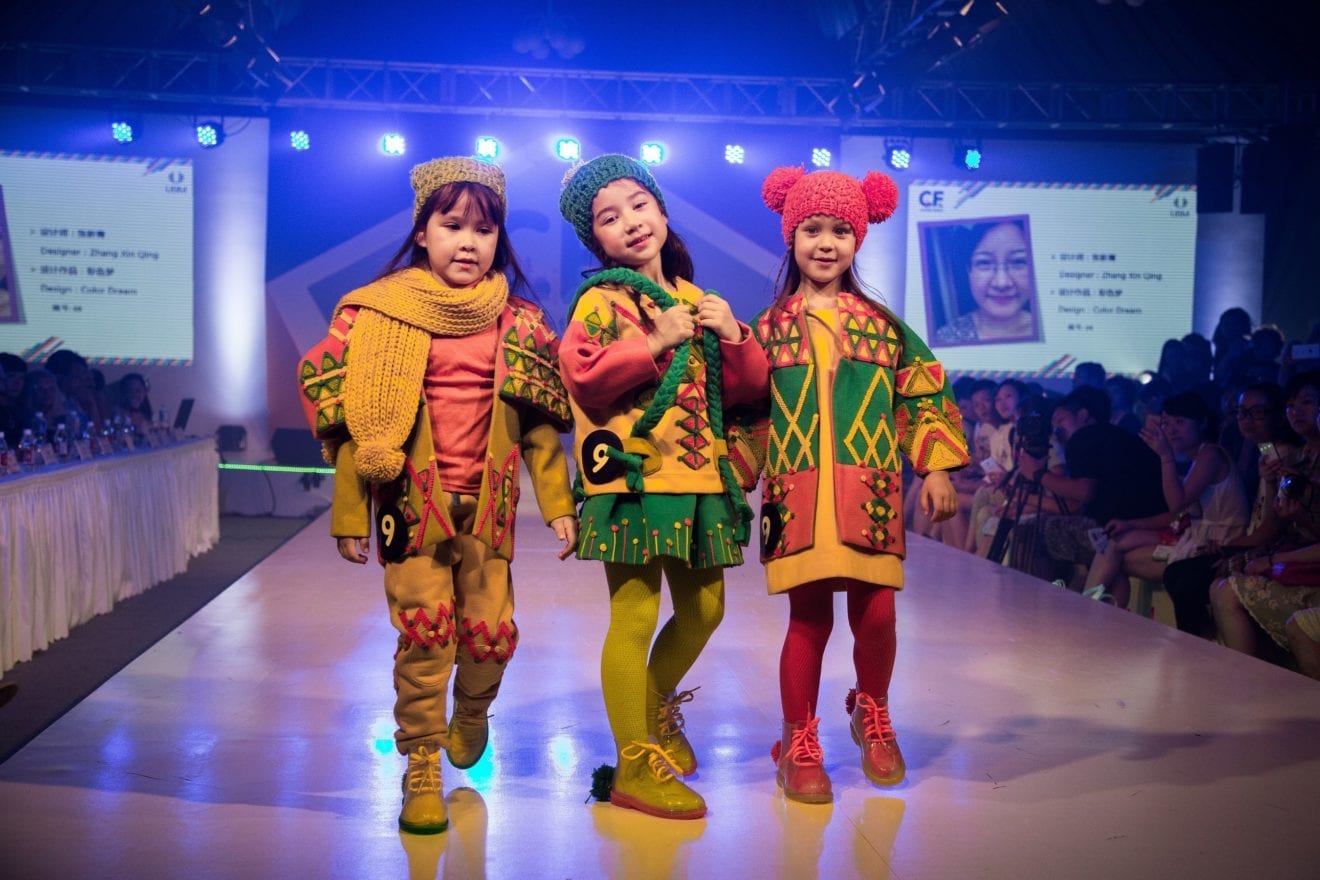
    China’s biggest trade event for kids’ fashion – has opened to kids fashion industry players.

    The event runs until Friday, July 24 at the Shanghai New International Expo Centre, China.

    More than 65 children’s fashion brands are exhibiting, from Australia, Austria, Belgium, Brazil, Canada, Denmark, France, Hong Kong, Italy, Japan, Korea, Taiwan, Spain, Sweden, the UK, US and beyond. Participating brands include Barefoot Dreams, Bibi, Cececo, Devilollipop, Desigual, Dickies, Dr. Apple, Ecobibi, Farg&Form by Kidstopia, Finn+Emma, Four-Lads, Manila Grace, Martin Marietta, Rockin’ Baby, Schwartz and more. They showcase a complete overview of children fashion and accessories (ages up to 16 years).

    Gal-la Calaf, sales manager of Spanish fashion brand Desigual says the children’s fashion market is booming in China.

    “Chinese parents are more brand-conscious, looking for more fashionable clothes for their children. With the relaxation of the one child policy and the growing middle class, the market here is booming. We are bringing our latest collections here to Cool Kids Fashion Shanghai to meet with potential partners.”

    Athena Gong, GM of the event’s organiser UBM China (Hangzhou), says the category is continually driven by China’s next-generation parents.

    “They are fashionable and want their kids to look stylish as well. They are looking for comfortable yet chic apparel and accessories for their babies and kids.

    “We are building a platform for international and domestic children’s fashion brand owners, distributors and investors to meet and do business with the key players of China’s kids fashion industry. From the Kids Fashion Design Contest to the Trend Zones, we want to help the industry set the trend for the season. We will continuously provide good service for brand owners and buyers and help boost China’s children’s wear industry,” said Gong.

    Highlights of Cool Kids Fashion Shanghai include:

    * Kids Design Contest Awards/Gallery: Launched in February 2015, the Kids Fashion Design Contest has received 942 entries from worldwide aspiring designers and 20 designers have been short-listed. Their collections are on display and are featured in the Kids Fashion Show.

    * Kids Fashion Design Kids Fashion Shows: The world renowned kids fashion brands including Babi Boo, Deseason, Desigual, Lesha, Maya, Pencil Club, Tuc Tuc and more take center stage and showcase their latest collections.

    * Trend Zones: Supported by Peclers Paris, the trend study organisation, the hot color, patterns and materials are illustrated in this area for industry people to spot 2016/2017 Autumn/Winter fashion trends. It’s showcased under four themes ¨C “Preppy College”, “Leisure”, “Trendy” and “Girly”.

    * Kids Fashion Museum: A display of collection of baby and children’s apparel from China’s ethnic minorities.

  • Wumart Stores sales surge

    Wumart Stores sales surge

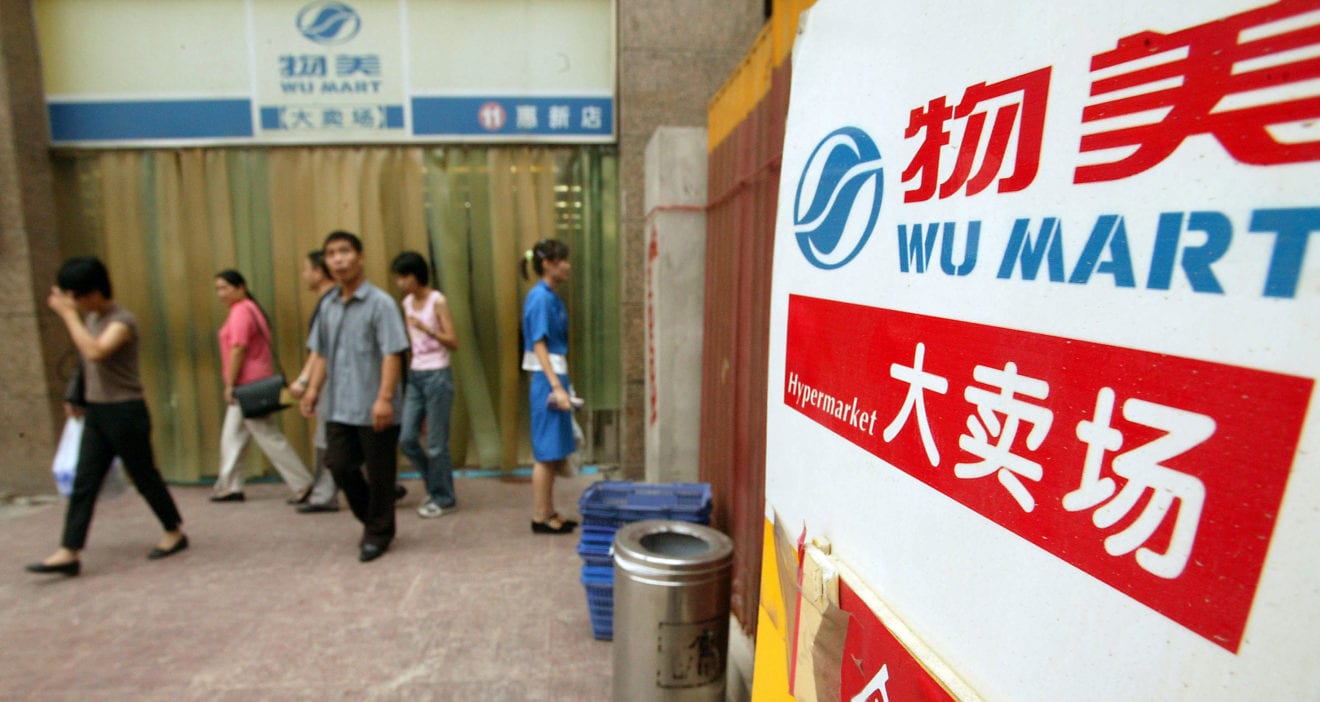
    Wumart Stores, the Beijing-based, Hong Kong-listed grocery retailing giant, has today reported an 11.9 per cent increase in sales in the first six months of the year.

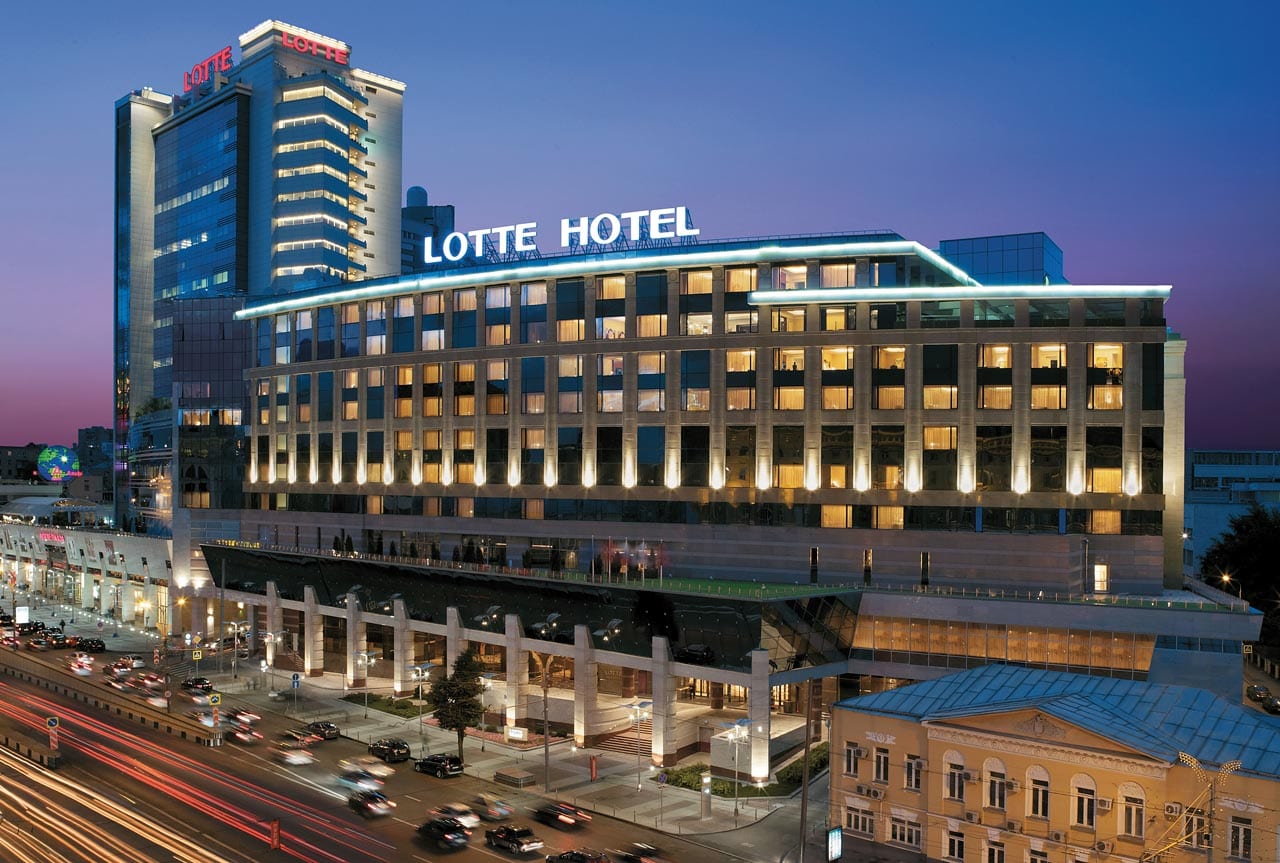
    Total revenue topped RMB11.6796 billion at a time when foreign box box food and hypermarket retailers are feeling the pressure. Lotte Mart this week said it was closing four China stores, and Walmart and Carrefour are both struggling to achieve growth and profitability.

    The company says its continuing growth is being driven by new store openings, same store sales increases, higher revenue from suppliers and increased rental income.

    During the Reporting Period, comparable store sales of the Group increased by approximately

    4.2 per cent, recording an increase of approximately 3.3 percentage points in growth as compared to the corresponding period of last year.

    The group’s consolidated gross profit amounted to about RMB2,265 billion, up about 6.8 per cent on the same period of 2014. Consolidated gross profit margin was 19.4 per cent.

    Wumart says it will prioritise its business expansion in Beijing, Tianjin, Hebei and Zhejiang.

    As at June 30, Wumart had 586 stores – 42 more than at the same time last year.

  • Qoo10 parent raises $82m

    Qoo10 parent raises $82m

    Singapore-based Giosis, the parent company of Pan-Asian eCommerce platform Qoo10, has raised US$82.1 million in new funding led by Singapore Press Holdings.

    Other investors in the mix included eBay, Saban Capital Group, UVM 2 Venture Investments LP, Brookside Capital and Oak Investment Partners.

    Qoo10 operates six online eCommerce marketplaces across Asia – in Singapore, Japan, Indonesia, Malaysia, Hong Kong and China. Qoo10 has 17.6 million registered users across the region and combined, turned over US$408 million in 2014. Of the six markets in which the company operates, Qoo10 Singapore is the best performer with 1.8 million registered users as of June 2015 and US$182 million in gross merchandise volume in 2014.

    “Through this Series A investment, Giosis will deploy the new funds to accelerate Qoo10’s technology growth and service development, while investing in additional infrastructure and talent acquisition,” the company said in a statement.

    “The new funds will also help Qoo10 strengthen its position as a leading Pan-Asian platform in its key markets Singapore, Japan and Indonesia, and accelerate its expansion in its other rapidly growing Asian markets Malaysia, Hong Kong and China.”

    As the lead investor in this Series A round, SPH will also partner with Qoo10 to explore strategic collaborations on the e-commerce platform across various content, marketplaces, retail, advertising and classifieds opportunities.

    Alan Chan, SPH CEO, said Qoo10 is the number one ranked eCommerce website in Singapore and its parent company Giosis has established itself as a market leader in the region’s e-commerce space.

    “The investment in Qoo10 will enhance our portfolio of digital assets and open up opportunities for future marketing collaborations. With the region’s eCommerce market poised to grow, this investment puts us in a good position to tap on the industry’s growth and be an active player in this space.”

    A joint venture between Gmarket Inc founder Ku Young Bae and eBay, Qoo10 was founded in 2010 with US$20 million seed capital, after Gmarket was acquired by eBay in 2009 for US$1.2 billion.

    Ku Young Bae, CEO of Qoo10, said: “From the beginning Qoo10 has strived to be a hyperlocal eCommerce platform which enables local merchants, big and small, to sell their products to a local and regional customer base across Asia.  Today, 90 per cent of our staff and merchants are local, in order to provide consumers with a seamless shopping experience in a specialised marketplace. With this new funding, we aim to further strengthen our position as the leading Pan-Asian marketplace.”

  • Tawandang eyes foreign expansion

    Tawandang eyes foreign expansion

    Thai-based brewery restaurant chain Tawandang is planning further expansion at home and abroad as its concept gains favour with consumers.

    There are currently three Tawandang Germany brewery restaurants operating in Bangkok, with a third scheduled to open on August 7. The first two are located on Rama III and Ram Intra, and the third will open on Chaeng Watthana Rd.

    Tawandang also has breweries in Singapore and Cambodia and a restaurant in Australia.

    In an interview with the Bangkok Post newspaper, CEO Supote Teerawatanachai said the company is now considering expanding into Myanmar and the UK.

    Meanwhile, a further two outlets have been confirmed for Bangkok over the next five years- one at Srinakarin and the other at Bang Khae, each outlet to cost about 200 million THB (US$5.7 million)

    The new Chaeng Watthana Tawandang brewery restaurant features 5000 sqm of space and a dining hall which can seat 1200.

    “The brewery business has shown significant growth every year we have operated,” Supote told the bangkok Post.

    “Even though spending per head may be down because of the poor economy, we believe our sales this year will grow 15 per cent as expected from more new clients and a bigger customer base.”

  • Harvey Nichols is closing in Baku

    Harvey Nichols is closing in Baku

    British luxury department store operator Harvey Nichols has pulled out of its first store in Azerbaijan just four months after  a high profile opening in March.

    The seven-storey Harvey Nichols store opened in the oil rich nation’s fast-growing capital city of Baku offering 110,000 sqft of space selling more than 500 labels in men’s, women’s, children’s and bridalwear; a cosmetics hall, perfumery, cafe, restaurant, lounge and club. It was its largest store outside London.

    Stacey Cartwright, group CEO of Harvey Nichols, said in an interview at the time that Azerbaijanis were showing an increasing demand for luxury goods and the market was “fast becoming one of the top luxury retail destinations in the world”.

    But Harvey Nichols has parted ways with joint venture partner in the store, Perfomans, a subsidiary of a Baku investment company.

    The reasons aren’t clear and appear to be subject to legal proceedings: “Harvey Nichols has terminated its licence agreement with the operator of the Baku store. Consequently, the Baku store no longer operates under the Harvey Nichols brand,” the retail company said in a statement. It said further comment was not possible due to “legal reasons”.

    Harvey Nichols already has stores in London, Hong Kong, Saudi Arabia, Turkey, Dubai and Kuwait.

  • Shin calls for fresh goals for entire Lotte group

    Shin calls for fresh goals for entire Lotte group

    The 60-year-old chairman on Thursday became chairman of Lotte Holdings, the holding company of the Lotte Group in Japan, which was previously held by his brother Shin Dong-joo. This sealed his control of Lotte operations in both Korea and Japan. It is believed to be the first step in uniting the businesses in both countries.

    According to industry sources, Hwang Gak-kyu, president of policy coordination at Lotte Group, is already making adjustments to the chairman’s Vision 2018.

    In 2009, Shin teamed up with the Boston Consulting Group to devise long-term goals for the Korean retail giant to expand into a conglomerate that would be 10th-largest in Asia with annual revenues of 200 trillion won ($173 billion).

    “It seems that Chairman Shin has come to the conclusion that the vision needs to be readjusted, as the leadership has changed and the retail industry is also changing rapidly,” said a high ranking official at Lotte.

    Lotte Japan has far smaller revenues than Lotte Korea. In 2013, Lotte Korea generated 83 trillion won in revenue from 74 affiliates. On the contrary, the Japanese businesses only generated 5.7 trillion won in revenue from 37 affiliates.

    The biggest change in the vision is said to be “select and focus” and “synergy management.”

    Lotte said it is looking into the idea of choosing duty free shopping, hotels, chemicals and finance as core businesses and focus its resources on enhancing those businesses. Additionally, since food and beverages are key businesses in Lotte Japan, it plans to generate synergy with Lotte Shopping and Lotte Confectionery.

    For new growth engines, the retail conglomerate is likely to inject large amounts of investment, but the affiliates that are not picked will likely undergo heavy restructuring, and some will probably shut down.

    One of the key areas for Lotte is chemicals.

    On Friday, the day after Shin was officially made the head of Lotte Japan, he visited Lotte Chemical’s headquarters in Sindaebang-dong, southwestern Seoul, where he was briefed on business.

    On the contrary, investments in department stores and supermarkets is expected to decline. Lotte Group is expected to pursue merger and acquisitions in channels that combine offline and online shopping in order to raise synergy with existing branches and businesses.

    “Considering the size of changes that Lotte will undergo, we can’t say the funding we have is sufficient,” a Lotte official said. “Our investments will likely focus on quality more than on quantity.”

  • E-commerce market in China is big enough for multiple players

    E-commerce market in China is big enough for multiple players

    Cross border e-commerce is gaining traction worldwide, partly because of rising business from China. Despite the rise in global players, US online retailer Amazon is not afraid of the competition.

    Amazon has felt the wind of late comers. Alibaba has brought the war onto Amazon’s home turf, recruiting small US businesses to join its sales network after its debut on the New York Stock Exchange last year.

    Amazon’s senior vice president of international consumer business Diego Piacentini says the market is big enough for multiple players.

    “Business is not sport, where there is one winner. Business has multiple winners,” Piacentini said.

    “The size of the business, particularly e-commerce, would be so large. There is room for global players. Amazon is going to be one of them, absolutely, Alibaba and Tmall is one of them and many others.”

    Besides talking the talk, Amazon has beefed up its operation in China since last year. It opened direct mail to China from six of its global locations. Amazon also set up a Chinese e-commerce website and increased its overseas purchases in China to bolster local sales.

    “For countries like China or India, they are not exposed to many years of modern retail, e-commerce, or mobile commerce. You can expect in the next few years, that the vast majority of retail activities in China and India would happen online,” Piacentini said.

    Last year, 18 million Chinese consumers spent US$213 billion overseas—more than double Amazon’s annual sales. For any global commerce site, such potential is hard to ignore.

  • Global Logistics Properties sets up US$7 billion China-focused fund

    Global Logistics Properties sets up US$7 billion China-focused fund

    Singapore-listed GLP has secured US$3.7 billion in equity commitments from seven unnamed investors, six of them national pension or sovereign wealth funds, for the CLF II fund. The largest China-focused logistics infrastructure fund so far, it will have an investment capacity of US$7 billion after adding leverage.

    “We continue to see strong demand from China,” GLP chief executive Ming Z. Mei said. “Despite the recent headlines about the GDP growth slowdown, 7 per cent is by definition a healthy rate anywhere in the world. Retail consumption, which is more relevant to logistics demand, maintains a double-digit growth rate.”

    Retail consumption, which is more relevant to logistics demand, maintains a double-digit growth rate

    Ming Z. Mei, GLP chief executive

    CLF II is an add-on to the US$3 billion CLF I, whose capital was fully allocated more than two years ahead of the planned investment horizon. GLP, created from a spin-off of US industrial property developer Prologis, dominates industrial property markets in China, Japan and Brazil. It is 36 per cent controlled by Singapore’s sovereign wealth fund GIC.

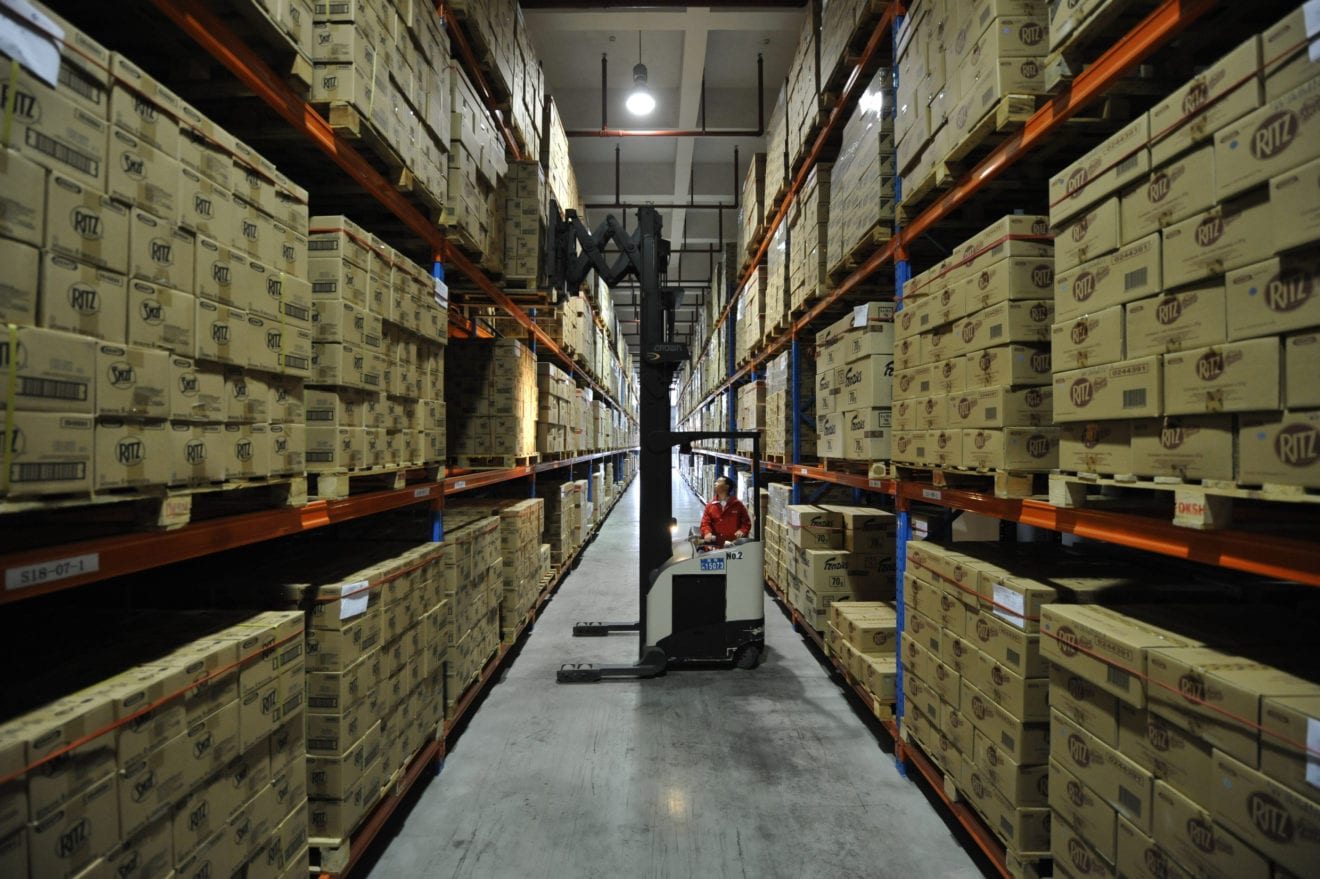
    The US$7 billion in funds will be channelled to develop 13 million square metres of warehouses in four years. GLP, the fund manager, holds a 56 per cent stake.

    China’s burgeoning industrial property market has lured investors from around the world – most recently Carlyle Group, Glodman Sachs and RRJ Capital – who believe a shifting economic pattern has created vast demand for modern warehouses, where courier firms, e-commerce outlets and third-party logistics service providers store, distribute and process goods.

    “Over the last few years, many people make noises about raising capital. Actually raising capital is not the hard part. Executing on the ground is,” Mei said. “As the market gets heated up, it requires deeper knowledge of logistics patterns.”

    As capital flocked in, oversupply had started to surface in certain locations, he said.

    “The market is no longer the way it used to be five, six years ago,” Mei said. “Supply and demand is more balanced now, with some markets oversupplied in the short term.”

    CLSA senior analyst Yew Kiang Wong said: “The big question mark here is demand. These investments are in anticipation of future demand. Third-party logistics companies represent large demand potential and are GLP’s bread and butter. But there’s also some cannibalisation from e-commerce companies which are now trying to develop their own warehouses, such as Alibaba. So there’s some risk in that respect.”

    GLP’s top tenants in China include e-commerce powerhouses JD.com and Amazon, and logistics firms Sinortans and Best Logistics.

    Mei said it was getting harder to source new land. Due to lower tax and employment contributions, local governments are less willing to release land for logistics use.

    In order to gain better access to land reserves and customers, GLP last year sold a 34 per cent stake in its China portfolio for US$2.5 billion to a consortium of state-owned investors including China Life Insurance, China Development Bank and Bank of China.

  • Scope of e-commerce expanding rapidly

    Scope of e-commerce expanding rapidly

    Thailand’s e-commerce sector is expected to see continued strong growth, of 30-35 per cent this year.

    More and more players are getting into the e-commerce game, such as online merchants, payment-service providers, order-fulfilment providers, tech start-ups and telecoms, and foreign interests as well, encouraged by the government’s “digital economy” initiative.

    Thai E-Commerce Association president Pawoot Pongvitayapanu said e-commerce was a very tough and competitive sector.

    “This year there is tough competition for e-commerce in Thailand. Large players will spend a lot of money to gain a share [of the market]. We recommend that small and medium-sized e-commerce businesses should focus on segmented marketing targeted at their [particular market],” he said.

    He said the rapid increase in mobile Internet users had been helping e-commerce to grow actively this year.

    As of the first quarter of this year, True Mobile had 20.7 million users of its fourth- and third-generation wireless broadband services, Total Access Communication had 14.8 million data subscribers, and Advanced Info Service (AIS) had 20.6 million data subscribers.

    According to research by eMarketer, by 2018, Thailand is projected to have nearly 27 million smartphone users, with mobile-phone penetration reaching 71 per cent, giving the Kingdom the 19th-largest smartphone-user population worldwide, ahead of Australia and Vietnam.

    This rapid increase of smartphone penetration and mobile Internet users is the key factor driving rapid growth of online shopping in Thailand.

    This has obliged all stakeholders included retailers, e-commerce businesses, e-marketplaces, e-payment providers, and logistics companies to focus more on this sector. If they do not, they will lose customers to the other online shopping sites or miss business opportunities.

    Pawoot, who is also managing director of Rakuten Tarad.com, said the company would launch a new e-commerce service next quarter as part of its strategy to grow by 40-50 per cent this year. “This year, our growth comes from an increase in merchant numbers, adjusted internal processes, focusing on the mobile channel, and conducting marketing and promotion. We have a marketing budget of more than Bt10 million.”

    Telecom online stores

    Pratthana Leelapanang, executive vice president for marketing at AIS, said sales through AIS Online Store were growing by more than 200 per cent when compared with last year. All products are telecom-related including devices, accessories, SIM cards, and premium packages and content.

    The sales goal of AIS Online Store this year is to sell 600,000 mobile phones, while the marketing goal is to be a “top of mind” store.

    Convenient payment is one of the factors in the online shop’s success. Customers can pay cash on delivery or via credit or debit cards, automated teller machines, Internet banking, or over the counter at more than 400,000 outlets nationwide such as at Tesco Lotus, FamilyMart, mPay Station and Thai Post.

    “Online business in Thailand is rapidly increasing. According to the latest research by Google in June, a lot of people do online shopping via smartphone. Thailand has the highest ratio with 31 per cent of smartphone users doing mobile shopping. Therefore, there are huge opportunities for online business in Thailand,” Pratthana said.

    However, one of the disadvantages faced by online businesses in Thailand right now is price wars. Many players have absorbed losses after offering big discounts to attract customers to their online shops. Meanwhile, logistics costs in Thailand are still high.

    “Online shopping cannot [allow] customers to try and touch products before purchase. Credit-card use is still limited as people are concerned about security,” Pratthana said.

    Tim Verouden, senior vice president and head of digital services at DTAC, said online business was growing. DTAC’s e-commerce is not confined to its dtac.co.th online store, but is a whole ecosystem of digital commerce-related activities and platforms based on its customers’ understanding that it can make personalised and relevant offers.

    “We see our digital-channel footprint from a holistic perspective where all channels can benefit from each other. In terms of portfolio, we used to have the same portfolio of handsets, packages and offers as the other channels, but especially due to advanced customer understanding we can now offer more and more personalised products and services. And this portfolio will only continue to grow in the big-data age,” Verouden said.

    Revenue from DTAC’s online store alone grew rapidly in the first half of 2015, by more than 30 per cent year on year.

    “When you look at growth rates for e-commerce transactions we have just started, I think overall revenue through digital channels will double in the coming year, for the reasons mentioned earlier,” he said.

    “We also see that channel convergence and digital being just part of a customer journey is an important factor, and having this omni-channel mindset is essential to better understand and accommodate customer needs. We are in the top five [among] e-retailers in Thailand, which is quite remarkable for a telco company.”

    Line Pay

    Last week, Line Pay, a payment platform using the Line chat application, made its Thailand debut. Chase Chang, vice president for global business development at Line Pay, said the service would become a mobile payment platform for both online and offline with the aim to drive growth of online commerce in Thailand.

    Currently there are more than 205 million monthly active Line users worldwide. As of January, Thailand was Line’s second-largest country, following Japan’s 58 million, with more than 33 million users.

    “Line is very big and growing very fast. Line is set to be a ‘life platform’. We started from a communication [chat] platform, then we introduced vertical services such as Line TV, Line Music and others. Line Pay is the fundamental for supporting all of Line’s services as well as to support our partners,” Chang said.

    Line users can apply for Line Pay with ties to their credit or debit card for seamless payment for digital goods and services from Line Shop and other online markets.

    Next quarter, Line Thailand will launch the Line e-wallet, which is a Line Pay account that people can tie to their ATM or bank account. When they make a payment, they can choose between their credit/debit card or Line Pay e-wallet.

    Currently more than 100 merchants accept Line Pay. By the end of this year, Line Thailand aims to get that number above 300.

    Retailers go e-commerce

    E-commerce in Thailand is growing by 30-40 per cent per year, said Worawut Ounjai, chief executive officer of COL.

    Recently, COL redesigned its shopping site www.Central.co.th, which is set to be Central Group’s flagship online store. The group’s online sales account for a very small proportion of its overall annual sales of more than Bt150 billion but are expected to grow strongly, because a lot more people are turning to online shopping.

    E-commerce in Thailand currently accounts for about 0.5 per cent of the retail industry, while globally, it is more like 5.6 per cent. By 2020, it should pass 20 per cent.

    Central’s strategy is to harness its strengths, both online and offline, to increase the competitiveness of Central.co.th such as next-day delivery, flash deals, and click and collect. The company has prepared a 40,000-square-metre warehouse that can support online sales of up to Bt5 billion. For now, it offers online shopping via websites and mobile sites only.

    Recently, Central Group also announced it was opening distribution channels for small and medium-sized enterprises through Central.co.th, This is in line with the group’s policy of supporting SMEs to ensure strong and sustainable growth of the Thai economy.

    Central has partnered with Line Pay.

    “With consumers going online for shopping, merchants who are not part of the e-commerce trend will be out of the era and unable to reach a large number of customers,” Worawoot said. “At Central.co.th, customers can pay for shopping with Line Pay. By the end of this year, there will be 100,000 product items available.”

    Global e-commerce platforms

    Recently, the giant Taiwanese e-commerce company PC Home Online arrived in Thailand. It entered a joint venture with Cal-Comp Electronics (Thailand) to set up PC Home (Thailand) to provide an e-commerce platform for Thais.

    The company will launch a consumer-to-consumer (C2C) e-commerce platform in September and aims to have more than 5 million product listings within one year of operation.

    For the first three years, it will offer its service to sellers free of charge, and after that they will have to pay a fee of 1.5 per cent of a transaction value.

    Hung-Tze Jan, founder and CEO of PC Home Online and the chairman of the Taiwan Internet and E-Commerce Association, said Thailand was the best place to land in Southeast Asia because of its well-established infrastructure.

    Meanwhile Ekachai Rukachantarakul, eBay’s Southeast Asia head, said eBay was strongly committed to the evolution of commerce in Thailand, and continued to work with local SMEs. It aims to provide them with a platform through which they can deliver goods and services on an unparalleled global scale.

    Thailand, as the nation with the highest number of eBay retail exporters in Southeast Asia, with annual sales in excess of US$1 million (Bt34 million), is seeing an increasing number of success stories on eBay’s US, Australia, UK and other global marketplaces.

    An example of a successful Thai entrepreneur benefiting from eBay’s platform is Tuff. Wuttinum Sangon, owner of Tuff, uses eBay as an online marketplace to sell his Muay Thai products such as shorts, gloves and protective gear. He said eBay enabled SMEs to compete with larger companies in the global market.

    Similarly, the giant Chinese e-commerce Alibaba.com has focused on Thailand’s e-commerce market. Thailand is a really important and high-potential market for Alibaba.com, said Thomas Ho, Thailand country manager.

    Alibaba.com provides an e-commerce platform for businesses. As of March, the number of registered users in Thailand had increased by 42 per cent year on year. This was natural growth without having a local reseller, so it is possible to expect more growth in Thailand this year.

    Currently, Alibaba.com has around 570,000 registered users in Thailand, mostly buyers.

    Apart from Alibaba.com’s B2B e-commerce platform, Ho said, the company’s other businesses such as AliExpress and AliPay are under consideration for bringing to the Thai market in the future.

    Local e-marketplace

    The local e-marketplace Weloveshopping.com has adjusted its business with the aim of capturing the rapid growth of e-commerce in Thailand and in Southeast Asia and to become leader in e-marketplace segment.

    Sunsern Samaisut, chief commercial officer for the e-business group at Weloveshopping, said no one had yet dominated the e-commerce markets in Thailand and Southeast Asia, while the markets were growing rapidly. The company is confident of becoming the e-marketplace leader.

    This year, it aims to have 10,000 merchants on Weloveshopping.com, with a combined transaction value of Bt2 billion.

    The company refreshed its brand and changed its business model from earning revenue from rentals of online stores to earning commissions from transaction fees ranging from 2.9 to 13 per cent.

    “This year, we strengthened our position in Thailand with the new business model. Early next year, we plan to expand [into Southeast Asia] through two possible models, including to cooperation with local partners and takeovers of local companies,” Sunsern said.

    Fulfilment services

    Order fulfilment is crucial to the success of e-commerce businesses. Currently, there are many such services. The newest one is Thailand Post Distribution. It is a subsidiary of Thailand Post recently established to provide a total logistics solution in Thailand and Indochina with the aim to be the hub of logistics in the Indochina region by 2019.

    The service fulfils orders for medicines and medical supplies, banks and financial institutions, multinational companies, and border traders, said Warakan Srinualnad, CEO of Thailand Post Distribution.

    The company offers a total logistics solution including packing, warehousing, delivery, and payment services for both private

    companies and government organisations. It also utilises 10 of Thailand Post’s 16 warehouses and distribution centres throughout the country to enhance its logistical efficiency.


  • Hong Kong residential property prices reached record high in May

    Hong Kong residential property prices reached record high in May

    Residential property prices in Hong Kong reached a record high in May, increasing more than 20% compared with the same month last year.

    The growth in values continues despite the government’s series of property market cooling measures.

    The transaction volume of new homes reached over 8,700 for the first half of 2015, the data from the Rating and Valuation Department shows.

    According to an analysis by international real estate firm Knight Frank it is a result of strong housing demand, ample liquidity partly attributable to the previous rally in the Mainland and Hong Kong stock markets and the continual return of wealthy Mainland investors to the city’s residential sector.

    Amid positive market sentiment, property developers have been actively acquiring residential sites this year, in line with the government’s target to boost housing supply. In early July, a large residential site in So Kwun Wat in Tuen Mun, estimated to require an investment of up to HK$8 billion, was sold for HK$3.82202 billion, representing the second highest ever accommodation value in the area.

    During the third quarter of this year the Hong Kong government will release three residential sites for sale. It has indicated that additional land may be launched by the end of September, depending on the market situation and progress of preparatory work.

    ‘The annual private housing supply target of 19,000 flats is considered achievable this year. Despite the rising supply, we expect home prices to continue rising this year, as it will take time for the new sites to be developed into flats,’ the Knight Frank report concludes.

    Meanwhile in Greater China the Grade-A office market remained active in June, driven by continual expansion demand from Chinese financial institutions, most notably fund and asset management companies.

    Knight Frank believes that Grade-A office rents in Central will continue rising steadily in the second half of 2015.

    Last month, with rents in prime retail districts softening, mid-range retailers gained opportunities to enter high profile streets at lower rents. Retail sales are not expected to recover in the near term.

    Knight Frank says that prime retail rents will continue to come under downward pressure for the remainder of the year.

  • China Bank set to open 50 more branches

    China Bank set to open 50 more branches

    CHINA Banking Corp., (China Bank) is planning to open 50 branches this year, on the back of the strong economic fundamentals of the country.

    Of the target branch expansion, three to four banks are set to open in Cebu to strengthen the bank’s foothold in the province.

    Cebu is home to China Bank’s first provincial branch—Cebu Magallanes, which opened in 1948.

    According to China Bank president and chief executive officer Ricardo Chua, Cebu is an important market, contributing 30 percent growth. He said the bank’s planned expansion in Cebu signifies their continued optimism to the strong growth story of Cebu, citing the province’s flourishing industries.

    “We are actually making a big bet in Cebu forward,” said Chua, citing the numerous developments around Cebu such as malls, infrastructure development and tourism, among others.

    Last week, the group opened its BPO tower—China Bank Corporate Center in Cebu Business Park.

    At present, China Bank has about 24 branches in Cebu.

    Alexander Escuchua, senior vice president and head of investor and corporate relations at China Bank, said they foresee growth in all of the bank’s products in retail, corporate and SME.

    Earnings

    “China Bank’s subsidiaries China Bank Savings (CBS) and Plantersbank have various programs, all meant to improve the banks’s performance this year at the same time meet all the customer needs,” Escuchua told Sun.Star Cebu.

    China Bank posted a consolidated net income of P1.21 billion for the first three months of the year, four percent higher than the earnings for the same period in 2014, on the back of strong growth of its core businesses.

    Its net interest income grew 23 percent to P3.71 billion, driven by a robust 31 percent jump in interest revenues from loans. Non-interest income increased six percent to P1.07 billion, boosted by higher trading gains and branch-based fees.

    In the first quarter, one China Bank and seven CBS branches were opened, all part of the planned 50 new branches for the year.

    Network

    Founded in 1920, China Bank is the country’s first privately-owned local commercial bank and now the fifth largest privately-owned universal bank in terms of assets. It serves the banking needs of the corporate, commercial, and retail markets.

    With the acquisition of Plantersbank in 2014 and its eventual merger with CBS, China Bank plans on building a stronger platform for SME finance. The China Bank Group now has 482 branches to date with 318 China Bank, 86 CBS, and 78 Plantersbank branches.

  • Italian label Antonia to launch in China

    Italian label Antonia to launch in China

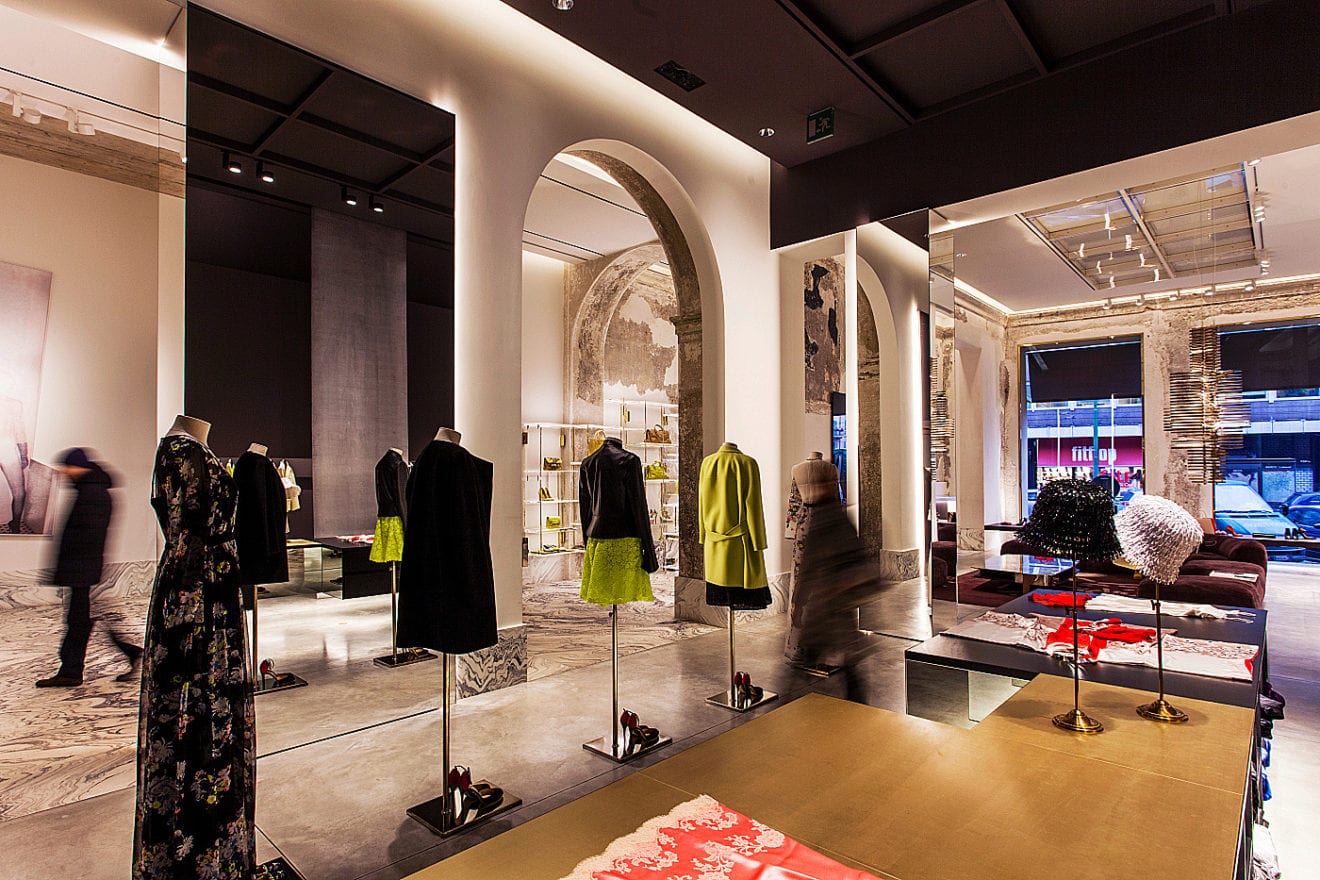
    Luxury fashion label Antonia is to open the first of 10 stores planned for greater China in Macau.

    Antonia, headquartered in the Italian fashion capital, Milan, has signed a partnership with Guangzhou Canudilo Fashion and Accessories, which has about 300 stores in China selling its own brands in the mid to high-end fashion space, along with 100 luxury monobrand stores in partnership with Armani, Givenchy, Roberto Cavalli and others.

    Antonia is the first brand to be publicly announced for the new Parisian retail development, another integrated resort with gaming, accommodation, entertainment and shopping.

    The US$5 billion project will feature a half size replica of the Eiffel Tower and 320,000 sqft of retail, housing 150 boutiques grouped in replicas of five famous shopping precincts of Paris, including the Champs Elysees and Rue du Faubourg Saint Honore, as well as 3000 hotel rooms.

    Antonia will take a 33,000 sqft space in the complex, according to Canudilo group president Yongfei Lin, who revealed the details during a Milan media event last week marking his company’s purchase of the Dirk Bikkembergs brand.

    Just five stores will be opened in China between now and 2020, with a further following.

    Antonia was founded in 1999 by Antonia Giacinti, who remains responsible for merchandise selection and store design.

    Luciano Donatelli, strategic consultant for the Canudilo group, said the Macau store will be “the twin” of the Milan flagship.

  • Ben Sherman rescued by PE

    Ben Sherman rescued by PE

    Loss-making menswear retailer Ben Sherman has been bought by a private equity investor.

    US-based Marquee Brands has paid a mere £40.8 million for the business which it considers still has potential, despite its troubled state.

    “Ben Sherman remains a uniquely classic British brand with a loyal following across five continents and a smartness that’s ageless. Its heritage, style and authenticity fits perfectly within Marquee’s growing portfolio,” said Cory M. Baker, COO of Marquee Brands.

    “We are particularly excited about this transaction as Ben Sherman is consistent with our mission to acquire high quality brands with substantial global growth potential,” added Michael DeVirgilio, president of Marquee Brands in a statement.

    “The current management team under Oxford’s leadership has done a great job building on the core essence of the brand. We’ve received supportive messages from retailers across the globe that share our view of the growth opportunity ahead.”

    Ben Sherman, established back in 1963, is Marquee Brands’ second acquisition this year, after Italian luxury brand Bruno Magli.

    Marquee considers its recent acquisitions as building “a glowing portfolio of relevant, storied brands with rich history and a global footprint”.

    “Our plans to market and promote the brand across various lifestyle categories are well underway with new products and expanded retail coming to market as early as first quarter, 2016,” Marquee said in its statement.

    The brand has had a chequered history over the last 30 years. The last time it changed hands, after two successive management buyouts, was in 2004 when Atlanta-based Oxford Industries paid 3i and Irish PE investor Enterprise Equity about £80 million for the business.

    The brand made a failed foray into womens fashion and childrenswear in the 2000s, axed by Oxford in 2010.