Tag: Retail

  • Macau Welcomes First Miniso Land Store: A New Era for Premium, IP-Driven Retail in Asia

    Macau Welcomes First Miniso Land Store: A New Era for Premium, IP-Driven Retail in Asia

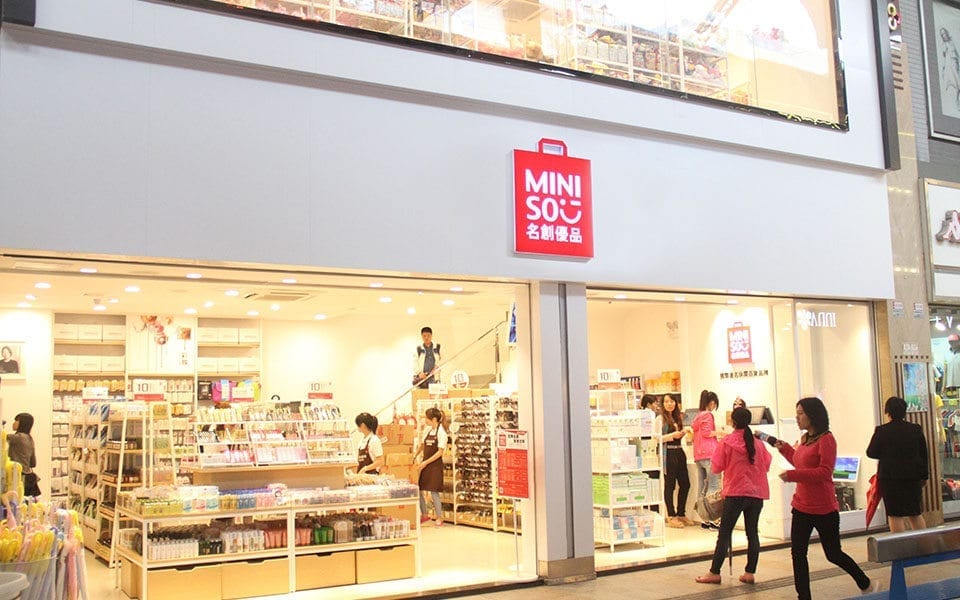
    Miniso, a leading retail brand, has launched its first ‘Miniso Land’ outlet in Macau, marking a significant milestone in its Asia-wide expansion strategy. This new premium retail store is part of Miniso’s broader efforts to strengthen its network of intellectual property (IP)-oriented stores across the region.

    Centrally located in The Shoppes at Venetian, this 400 square meter shop stands as Miniso’s largest outlet in Macau. Offering an extensive range of over 1200 stock keeping units (SKUs), the store boasts a vast selection of products across various categories, ranging from collectibles, blind boxes, plush toys, and stationery to lifestyle items.

    Innovative Conceptualization

    Miniso Land showcases the brand’s unique fusion of an expanded product assortment with themed merchandising and interactive displays. This signature premium concept store features more than 30 licensed and proprietary IP collections. Distinguished sections are dedicated to globally recognized brands, such as Disney, Harry Potter, Pokémon, One Piece, Crayon Shinchan, Sanrio, and Chiikawa. Additionally, the store highlights Miniso’s original character, YoYo, through special displays.

    This innovative retail strategy has been instrumental in driving the brand’s growth. By fostering licensed IP collaborations and creating destination retail experiences, Miniso aims to enhance customer engagement and boost sales.

    Expansion Across Borders

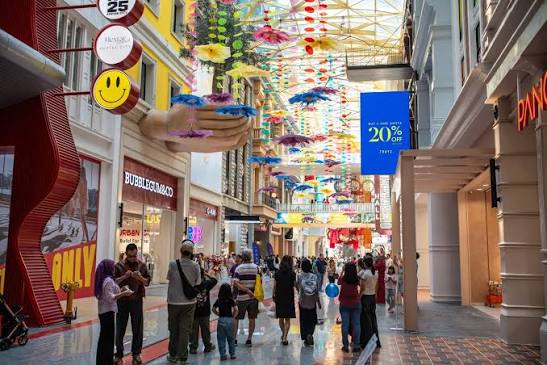
    Earlier this year, Miniso also unveiled its first Miniso Land store in Malaysia, located at Sunway Pyramid, which spans across a sprawling 1700 square meters. This outlet introduced a larger-format concept focused on IP collaborations and immersive retail design.

    The brand’s move to establish its premium store concept in Macau reaffirms its commitment to bolstering its global network of immersive IP-driven retail outlets.

    Questions & Answers

    What is the unique offering of the new Miniso Land store in Macau?
    The new Miniso Land store features a broad selection of more than 1200 SKUs across various categories and over 30 licensed and proprietary IP collections, providing a unique, immersive retail experience for customers.

    What is the strategic significance of the new store in Macao for Miniso?
    The opening of the new store in Macau is a crucial step in Miniso’s plan to expand its globally immersive IP-driven retail concept, strengthening its presence in the Asian market.

    What was Miniso’s previous significant expansion move?
    Earlier this year, Miniso opened a large-format Miniso Land store at Sunway Pyramid in Malaysia, marking a significant step in expanding its IP collaborations and immersive retail design concept.

  • Singapore’s Metro Redefines Retail, Plans Closure of Two Major Stores for Smaller Multi-Concept Outlets

    Singapore’s Metro Redefines Retail, Plans Closure of Two Major Stores for Smaller Multi-Concept Outlets

    Metro, a well-known retailer based in Singapore, has announced plans to shutter its department stores located at Paragon on Orchard Road and Causeway Point. This decision comes in line with the company’s strategic pivot away from traditional large-format department store models, as their leases approach expiration.

    Embracing a New Retail Model

    Metro’s future plans revolve around introducing a flexible retail model that focuses on smaller-format and multi-concept stores. The company is currently exploring potential locations and liaising with landlords to advance the rollout of these innovative multi-concept stores.

    To ensure the financial viability and success of its new retail approach, Metro is considering several key factors. These include the location, rental terms, and implementation timelines of these proposed stores. This strategic move is aimed at meeting the fundamentally different consumer expectations of today’s market, while allowing more flexibility for the introduction of new concepts, brands, and partnerships.

    Commenting on the new direction, Yip Hoong Mun, Group CEO and Executive Director of Metro, said that the company’s refreshed retail strategy is designed to tackle the challenging operating environment and align with customers’ evolving expectations.

    Transforming the Retail Landscape

    Tan Soo Khoon, the chairman of Metro, further highlighted that this repositioning would pave the way for a more agile retail platform. This transformation is expected to support the company’s long-term growth ambitions. “As the retail landscape continues to transform, it is vital for us to evolve alongside it,” Tan noted.

    In the past year, Metro has been revamping its offerings through various partnerships and experiential concepts. However, despite its initiatives, the company reported a net loss of US$8.8 million for the fiscal year ending March 31, attributing the downturn to lower revenue, weaker margins, and impairment charges.

    Meanwhile, potential plans are being reviewed to optimise and selectively reconfigure parts of the Orchard Road mall, which presently houses Metro.

    Questions & Answers

    What is the new retail model that Metro is adopting?
    Metro is shifting towards a flexible retail model centred on smaller-format and multi-concept stores.

    Why is Metro shifting away from traditional department stores?
    Metro’s shift is prompted by changing consumer expectations and a desire for greater flexibility to introduce new concepts, brands, and partnerships.

    Will Metro continue to operate in the Orchard Road Mall?
    Metro has expressed interest in remaining at the Paragon on Orchard Road under its new retail concept, and discussions are ongoing.

  • Expanding Horizons: Seven & I Eyes Multi-Billion Dollar Investment in Polish Retail Giant Zabka

    Expanding Horizons: Seven & I Eyes Multi-Billion Dollar Investment in Polish Retail Giant Zabka

    Japanese retail giant Seven & I, proprietor of the international 7-Eleven chain, saw its share price increase by 3% on the Tokyo stock market this past Friday. This rise comes amidst discussions of the corporation’s potential acquisition of a share in Zabka Group, a prominent convenience store conglomerate in Poland.

    According to reports, the prospective investment could amount to several hundred billion yen, equivalent to several billion US dollars. The deal would mark a significant expansion of the company’s operations into Eastern Europe, extending its current strongholds in Japan and North America. This move is part of the strategic growth plan implemented by Seven & I’s CEO, Stephen Dacus, who started his tenure last year.

    Beyond Domestic Markets

    Seven & I’s share price increase was a standout performance in a market experiencing turbulence due to falling semiconductor shares. Analyst Naoshi Matsumoto explains: “Defensive sectors centered on domestic demand are being bought.” Other Japanese retail stocks, such as Aeon, experienced a similar rise in share value. Meanwhile, Warsaw-listed Zabka Group, which operates over 13,000 stores in Poland and Romania, saw its share value surge by 11% following the news.

    In 2021, Seven & I expanded its US presence by acquiring Speedway petrol stations. The company already operates outlets in three Nordic countries and has identified Europe as a significant area for future growth. However, the corporation has faced challenges in improving its performance following a standoff with Canadian rival, Alimentation Couche-Tard, which previously attempted a takeover.

    A Strategic Approach

    Seven & I has faced pressure from investors due to underwhelming returns and calls to focus on its core convenience store operations. In response, the company agreed to sell its supermarket business to Bain Capital last year. Further developments include discussions with SoftBank Corp and mobile payment operator PayPay about making significant investments in Seven & I. Bernstein analysts suggest this potential partnership could serve as a protective measure against future takeover attempts.

    Questions & Answers

    What prompted Seven & I’s recent share price increase?
    The share price rose following news that the company is in talks to acquire a stake in the Polish convenience store operator, Zabka Group.

    What plans does Seven & I have for future growth?
    In addition to its potential acquisition of a stake in Zabka Group, Seven & I is reportedly viewing Europe as a significant growth area. The company is also considering investments from SoftBank Corp and mobile payment operator PayPay.

    What challenges has Seven & I faced recently?
    The company has been under pressure from investors due to lackluster returns. It has also faced calls to concentrate on its core convenience store business, leading to its decision to sell its supermarket business to Bain Capital last year.

  • Tagi Breaks International Barriers with First Retail Store in Bangkok’s CentralWorld

    Tagi Breaks International Barriers with First Retail Store in Bangkok’s CentralWorld

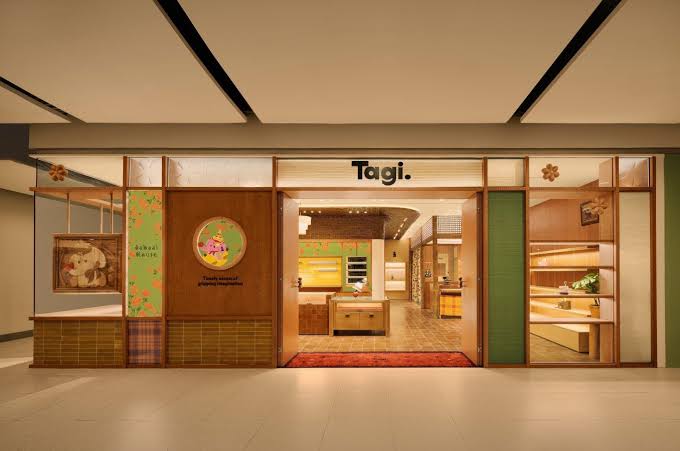
    Chinese lifestyle brand Tagi has embarked on its first international venture with the launch of a physical retail outlet at CentralWorld in Bangkok. Positioned on the second tier of the mall’s Eden Zone, this store presents a broad selection of the Shanghai-centric brand’s accessory collection to the Thai consumer market. This includes their signature bulky phone cases and puffer laptop bags, along with an assortment of other lifestyle products.

    Tagi, an acronym for ‘Timely access of gripping imagination’, was established in 2019 in Shanghai. The brand builds everyday accessories that incorporate an element of fun into their design. Tagi’s product lines are recognized for their vivid color contrasts, checkered motifs, and natural shapes, transforming functional items into statement fashion pieces.

    This brand has steadily grown in popularity, especially among Generation Z and young millennial consumers in China. This is largely credited to Tagi’s distinct visual branding and its effective use of social media platforms.

    The opening of the store in Bangkok denotes the beginning of Tagi’s global growth strategy. This strategic move also offers Thai customers direct access to the brand’s collections, thereby eliminating the need for cross-border pre-orders or shipping procedures.

    In addition to this, Tagi opened a temporary pop-up store at Changi Airport earlier this year.

    Questions & Answers

    What is Tagi known for?

    Tagi is known for its playful and colorful designs of everyday accessories, including phone cases and laptop bags. They incorporate bold color blocking, checkered patterns, and organic silhouettes into their designs, transforming functional items into fashion pieces.

    Who is Tagi’s primary consumer base?

    Tagi mainly targets Generation Z and young millennial consumers. Its distinctive visual identity and effective use of social media have helped it gain popularity among these demographics.

    What is the significance of Tagi’s store opening in Bangkok?

    The Bangkok store marks the first step in Tagi’s international expansion, giving Thai shoppers direct access to its collections. This eliminates the need for cross-border pre-orders or shipping, making it easier for customers to get their hands on Tagi products.

  • Unlocking Retail Growth: How Payment Data Transforms Customer Engagement Strategy

    Unlocking Retail Growth: How Payment Data Transforms Customer Engagement Strategy

    In the evolving retail environment, merchants are faced with an abundance of platforms and technologies to engage with customers. This, according to Mastercard’s SVP of consumer acquisition and engagement, Johann Suchon, has given rise to a new challenge: discerning where to allocate resources for tangible growth.

    The Changing Retail Ecosystem

    With an increasingly fragmented and competitive retail landscape, brands have numerous opportunities to connect with customers through both digital and physical channels. Navigating the optimal combination of platforms, technologies, and marketing tools, however, has become a complex task. The modern retail ecosystem is far more intricate than in the past, and retailers now face the challenge of identifying the most effective tools, along with those that best facilitate the management of their offers.

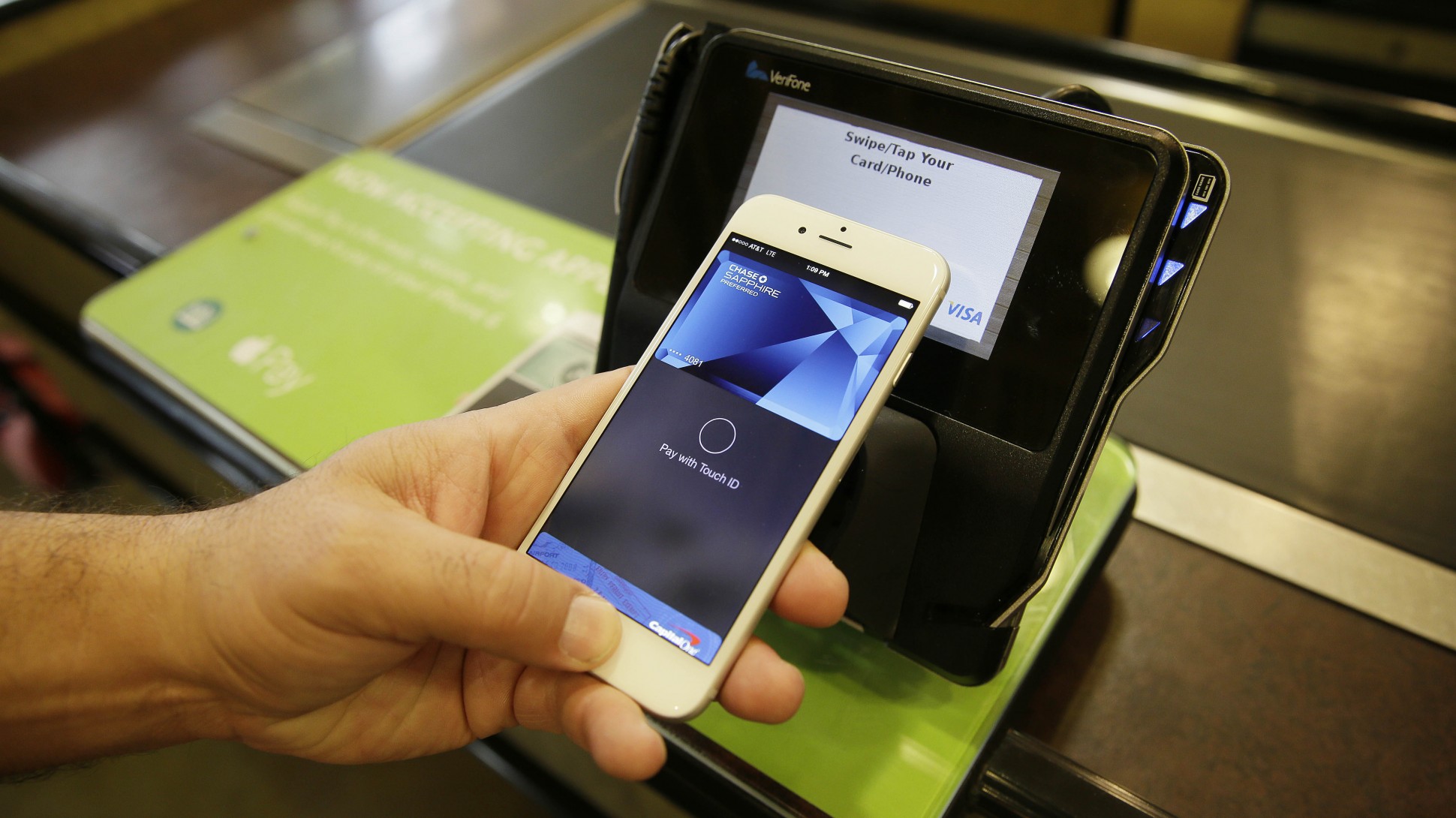
    Suchon asserts that retailers must begin influencing customer purchasing decisions early in the buying journey. Payments are evolving beyond a simple transactional function, morphing into a strategic engagement channel. Through payment data, brands can significantly influence customer behavior – a capacity that far exceeds what could be achieved by leveraging solely their first-party data.

    The Transformation of Loyalty Programs

    According to Suchon, loyalty programs are currently undergoing one of their most significant transformations. The key competitive edge lies not just in acquiring customers, but also in reaching the appropriate consumers with meaningful offers. Traditional loyalty programs, which typically offer uniform benefits to members, are becoming less effective as customers increasingly demand personalized experiences.

    By enriching their data with payment information, retailers can target offers much more accurately. Retailers who have previously invested in loyalty programs are in a strong position to transition, as their first-party data can be used to tailor communications and offers more effectively than brands without loyalty programs.

    The use of payment data also presents a broader view of customer behavior, allowing retailers to gain insights into spending patterns across various industries, thus identifying opportunities that may have otherwise been missed.

    Emerging retail trends also suggest a significant shift in cross-border spending in Asia-Pacific, with approximately 70% of transactions originating from local consumers. For retailers targeting inbound tourism, this offers a substantial opportunity to connect travelers with relevant offers before and during their visit.

    Questions & Answers

    What is the current challenge for retailers in term of customer engagement?
    The current challenge for retailers is discerning where to allocate resources for tangible growth amidst an abundance of platforms and technologies.

    How can payment data be utilized in the retail sector?
    Payment data can significantly influence customer behavior and offers a broader view of customer behavior, allowing retailers to gain insights into spending patterns across various industries, thus identifying opportunities that may have otherwise been missed.

    What is the future trend in loyalty programs in the retail sector?
    Loyalty programs are currently undergoing significant transformations, with a shift towards personalized experiences. By enriching their data with payment information, retailers can target offers much more accurately. This trend is likely to continue and evolve in the future.

  • Vicca Ng Steps into COO Role at Hextar Retail: Driving Expansion and Strategic Partnerships

    Vicca Ng Steps into COO Role at Hextar Retail: Driving Expansion and Strategic Partnerships

    Vicca Ng has been appointed as the Chief Operating Officer (COO) of Hextar Retail, a Malaysian retail conglomerate. Ng’s new role takes effect immediately and she will continue to supervise the group’s retail operations, in addition to serving as an executive director.

    Vicca Ng’s Role in Hextar Retail

    Ng has been instrumental in the expansion of Hextar Retail. She has successfully managed the brand’s growth, fostered strategic partnerships, and developed retail operations across a growing portfolio. Her background encompasses business expansion, retail operations, and commercial development. In her new role as COO and Executive Director, Hextar Retail looks forward to Ng’s continued leadership as the company evolves and expands.

    Hextar Retail, initially established in 1988 as Classic Scenic Berhad, was rebranded in 2024. The company is a subsidiary of the larger Malaysian conglomerate, the Hextar Group. The Hextar Retail portfolio covers a range of sectors, including lifestyle, apparel, food and beverage, as well as convenience retail sectors.

    Questions & Answers

    What is the new role of Vicca Ng in Hextar Retail?
    Vicca Ng has been appointed as the Chief Operating Officer and will function as an Executive Director. She will supervise the group’s retail operations.

    What role has Vicca Ng played in the expansion of Hextar Retail?
    Ng has been instrumental in the company’s expansion, overseeing brand growth, fostering strategic partnerships, and developing retail operations across the growing portfolio.

    What sectors does Hextar Retail’s portfolio cover?
    Hextar Retail’s portfolio spans a wide range of sectors, including lifestyle, apparel, food and beverage, and convenience retail sectors.

  • Chairman Tang Steps Down as Shein Gears Up for Hong Kong IPO

    Chairman Tang Steps Down as Shein Gears Up for Hong Kong IPO

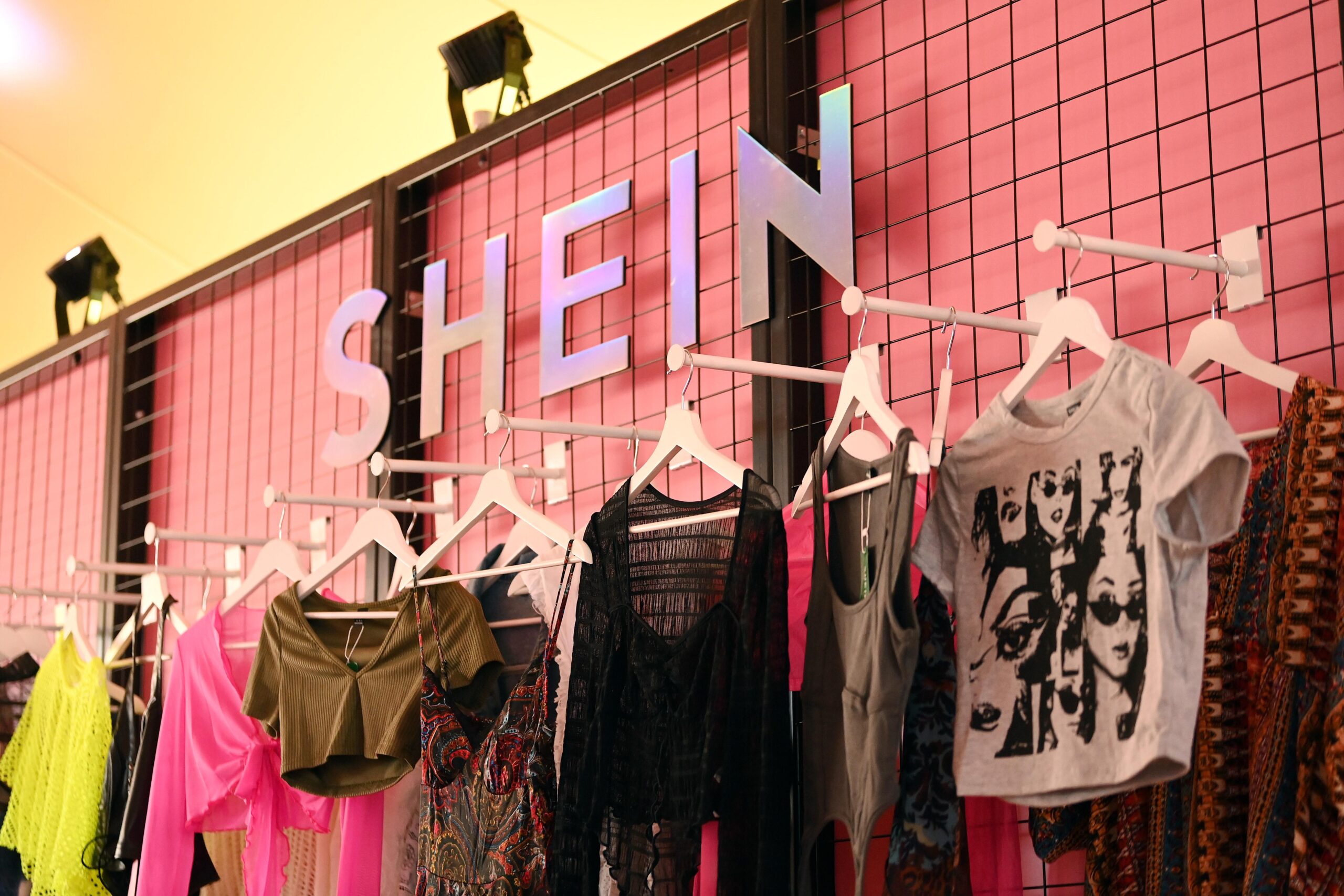
    Donald Tang, executive chairman of Shein, the global fast-fashion retailer, is preparing to step down as the company nears its public offering, according to sources with first-hand knowledge of the situation. Tang has been the public face of the company for the past three years, acting as a Western representative for Shein’s founder and CEO, Sky Xu.

    Tang’s Role and the Company’s Leadership Transition

    Tang, a Chinese American billionaire with a background in banking, has worked closely with Xu, interacting with politicians, regulators, and investors globally and representing the e-commerce giant at conferences and public events.

    As Tang steps down, CEO Sky Xu is set to assume the role of chairman and will spearhead the investor roadshow before Shein’s listing on the Hong Kong stock exchange. The company’s hearing with the exchange is scheduled for this Thursday.

    Tang will maintain a close relationship with the company’s leadership as a senior adviser for the foreseeable future, a source revealed. Despite his considerable contributions, Tang’s name will not appear in Shein’s public filing among the company’s top leadership, the sources noted.

    Previous Public Offering Attempts and Regulatory Challenges

    Initially, Tang aimed to list the company in New York and even relocated to Washington, D.C., to lobby politicians. However, as controversies surrounding Shein’s use of the ‘de minimis’ customs duty waiver grew, he voiced his support for removing the waiver in July 2023.

    Tang has also defended Shein against allegations linking its supply chain in China to forced labor, an issue strongly denied by Beijing. Shein maintains a zero-tolerance policy towards forced labor.

    Following the unsuccessful New York IPO attempt, Shein turned to London for a potential listing. Despite receiving approval from Britain’s Financial Conduct Authority, the plan fell through due to the China Securities Regulatory Commission withholding its approval. As a result, the company decided on a Hong Kong listing.

    Questions & Answers

    What has been Donald Tang’s role at Shein?
    Donald Tang has acted as the Western representative of Shein, liaising with global politicians, regulators, and investors, and representing the company at public events.

    Who will take over the role of chairman once Tang steps down?
    The current CEO of Shein, Sky Xu, will assume the role of chairman as Tang steps down.

    What were the challenges faced by Shein in their previous attempts at an IPO?
    Shein initially planned for an IPO in New York but faced criticism over its use of the ‘de minimis’ customs duty waiver. The company then pivoted to London, but the IPO was halted due to the China Securities Regulatory Commission withholding its approval. This led Shein to opt for a listing in Hong Kong.

  • China Targets $9 Trillion Retail Sales in Unprecedented Consumption-Driven Five-Year Plan

    China Targets $9 Trillion Retail Sales in Unprecedented Consumption-Driven Five-Year Plan

    China has unveiled its inaugural five-year scheme centered on consumption, where it anticipates annual retail sales to reach approximately 60 trillion yuan (US$9 trillion) by 2030. This indicates a deceleration in year-on-year growth to roughly 3.7 per cent, compared to the estimated 5 per cent noted between 2021 to 2025.

    Encouraging Household Consumption and Spending

    In addition to scaling retail sales, China also committed to enhancing household incomes and significantly augmenting the share of household consumption in the economy, which presently stands around 40 per cent. The yearly target for retail sales growth mirrors a declining impetus in goods consumption, prompting policymakers to shift the focus towards bolstering household expenditure as a key growth propeller.

    China’s State Council approved and unveiled the plan on Monday, with a pronounced focus on service consumption. Target sectors encompass elderly care, childcare, healthcare, culture, tourism, sports, and education. The State Council anticipates that, by 2030, the consumer market will expand further, the household consumption rate will increase considerably, and the economic growth’s reliance on consumption will be solidified further.

    The new blueprint also advocates for substantial tourism-related spending, broadening of visa-free entry to additional countries, and increasing direct international flights to Europe, the US, and countries involved in the Belt and Road Initiative.

    Addressing Consumption Imbalances and Enhancing Services

    While China’s services expenditure has outpaced goods consumption growth in recent years, it remains significantly behind developed economies. In 2025, per capita services consumption amounted to 46.1 per cent of total consumption, markedly lower than the approximately 70 per cent observed in the US.

    To redress the deepening imbalance between robust industrial output – buoyed by exports – and tepid domestic consumption, some government economists have advocated for long-overdue income and welfare reforms.

    The plan also aims to make China’s social security system more streamlined and sustainable, providing individuals with greater spending confidence and stability.

    The five-year plan underscores the need to strengthen household spending power via higher wages, increased property income, enhanced social security, and improved public services. Commitments have also been made to eliminate “unreasonable restrictive measures” in areas like car purchases, housing, and approvals for entertainment events.

    Fiscal and financial policy is expected to place heightened emphasis on direct benefits to consumers, spending related to livelihood, and consumption-related infrastructure.

    Questions & Answers

    What is China’s anticipated annual retail sales by 2030?
    China aims for annual retail sales to reach approximately 60 trillion yuan (US$9 trillion) by 2030.

    What sectors does China’s inaugural five-year scheme on consumption target?
    The industries of focus encompass elderly care, childcare, healthcare, culture, tourism, sports and education.

    What measures does China’s consumption plan propose to strengthen household spending power?
    The plan proposes measures such as increasing wages, enhancing property income, improving social security, and boosting public services. It also promises to remove restrictive measures in areas like car purchases, housing, and approvals for entertainment events.

  • World Cup Fever Ignites Retail Boom: How Vietnamese Consumers Score Big with Huge Discounts

    World Cup Fever Ignites Retail Boom: How Vietnamese Consumers Score Big with Huge Discounts

    In Vietnam, the excitement of the 2026 World Cup has sparked a shopping frenzy, as consumers eagerly take advantage of retail promotions. With retailers offering substantial discounts on household appliances and fashion items, Vietnamese shoppers have been quick to seize the opportunity.

    Major Discounts on Household Appliances

    One shopper, Hang, who resides in Ho Chi Minh City (HCMC), had been monitoring prices for a few months. In early June, she successfully purchased a slow juicer at half its regular price, thanks to a World Cup promotion. She excitedly shared how previous discounts on the product, which only ranged from 10-20%, hadn’t been enticing enough. However, with the price slashed by over half, she made the purchase immediately.

    Another Ho Chi Minh City resident, Lan Anh, also capitalized on the ongoing promotions to purchase a variety of household appliances, including a television and a vacuum cleaner. Anh noted that aside from the significant markdowns, retailers were also providing additional incentives such as vouchers and gifts as part of interactive match prediction programs.

    The World Cup’s influence also extends to the electronics retail market. Several electronics retailers in HCMC have been actively promoting televisions in light of the football event. Various TV models have been discounted significantly, with some prices reduced by as much as 61%. This has been described as the most substantial price-cutting campaign for TVs to date, with large-screen models being heavily discounted to meet the tournament-driven demand.

    Boost in Retail Sectors Beyond Electronics

    While electronics retailers are witnessing a surge in sales, other consumer goods retailers haven’t been left behind. Saigon Co.op, for example, offers discounts of up to 30% on almost half of their snack, beer, and beverage bundles, targeted at football fans. They are even rewarding customers making large purchases with gifts.

    Fashion retailers are also leveraging the World Cup frenzy to their advantage. Pierre Cardin Shoes and Oscar Fashion reported the simultaneous launch of their World Cup’s Vancouver 2026 collection in six markets: Vietnam, Cambodia, Myanmar, Thailand, Laos, and Canada. Since the campaign’s inception, store traffic has reportedly increased by more than 55%, and sales have reached approximately 65% of the campaign’s target.

    The World Cup’s impact on global retail activity is projected to be highly positive, with predictions suggesting it could contribute up to $41 billion to global GDP by stimulating tourism, services, and consumption.

    Questions & Answers

    Q: How have Vietnamese consumers reacted to the World Cup retail promotions?
    A: Vietnamese shoppers have been quick to take advantage of the significant discounts offered by retailers during the World Cup, leading to a shopping frenzy.

    Q: Which sectors have seen a boost in sales due to the World Cup?
    A: The electronics sector, particularly TV sales, has seen a substantial boost, along with other consumer goods retailers and the fashion industry.

    Q: What has been the impact of the World Cup on global retail activity and GDP?
    A: The World Cup is expected to have a highly positive impact on global retail activity and could potentially contribute up to $41 billion to the global GDP by boosting tourism, services, and consumption.

  • FamilyMart Revolutionizes Retail with Innovative Flagship Store Concept in Tokyo

    FamilyMart Revolutionizes Retail with Innovative Flagship Store Concept in Tokyo

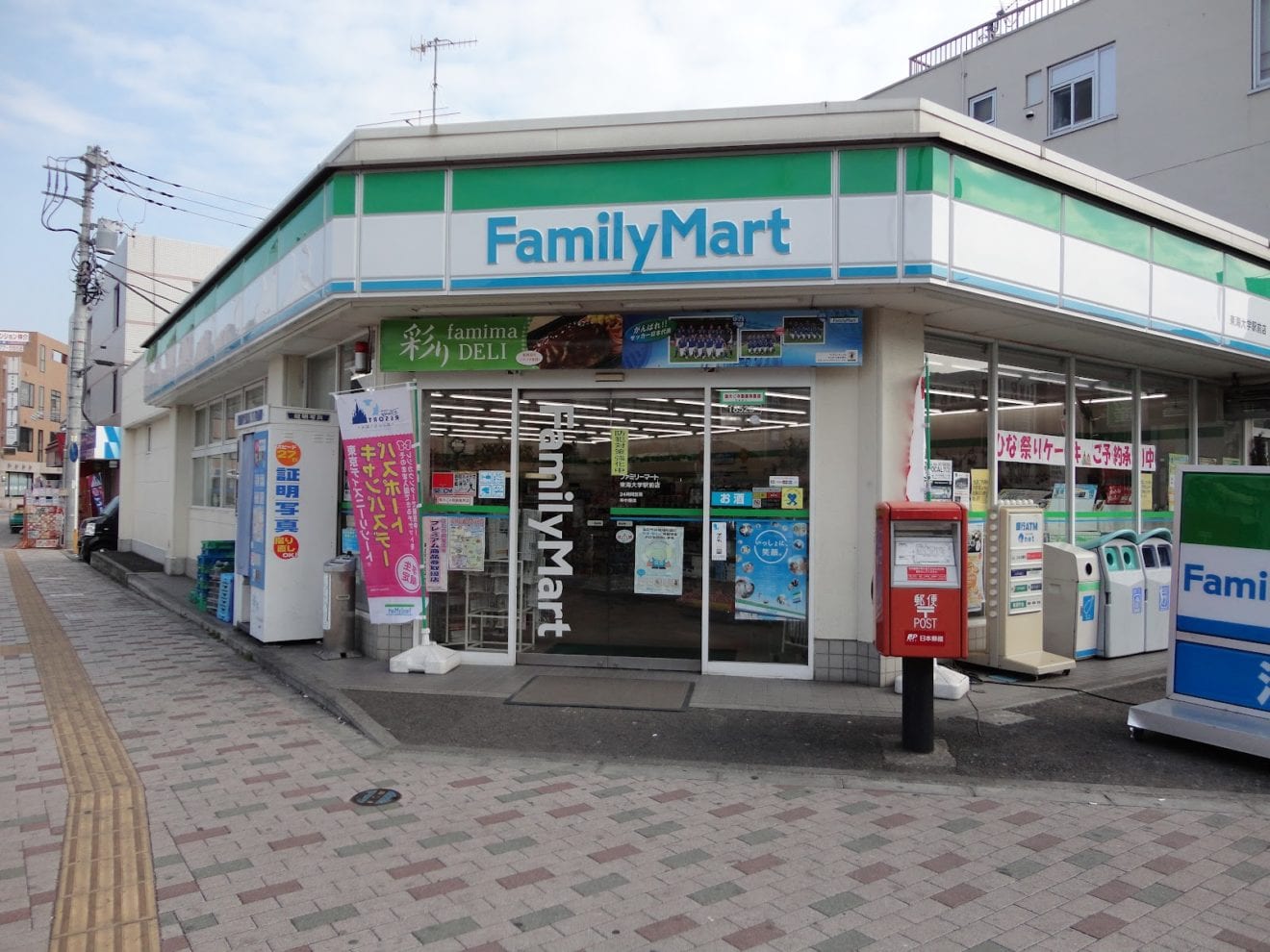
    FamilyMart, Japan’s widely recognized retailer, has launched its first Famima flagship store in Tokyo, marking a significant reimagining of the conventional convenience store as the company gears up for its 45th anniversary.

    FamilyMart’s Next Generation Retail

    Located in Tokyo’s upscale Azabudai district, the 217sqm store is a striking deviation from the traditional convenience store model. It features a unique blend of convenience, lifestyle products, and fashion; an official unveiling of a fresh retail concept. The new store boasts a ‘Convenience Wear’ apparel section, interactive styling tools, and exclusive merchandise. It also provides multilingual support to cater to a diverse customer base.

    The store design goes beyond the indoors, featuring outdoor seating areas, a rooftop garden, and even a takeaway counter.

    This innovative venture is part of FamilyMart’s ‘Next FamilyMart Project,’ an initiative aimed at experimenting with novel store formats, merchandising approaches, and customer experiences, with the potential for successful concepts to be implemented more broadly in the market.

    FamilyMart’s Collaboration and Expansion Strategy

    The store’s concept was conceived in partnership with renowned Japanese creative director Nigo. This collaboration underscores FamilyMart’s growing emphasis on delivering an experience-focused retail model that expertly melds lifestyle products, fashion, and design with the retailer’s staple convenience offerings.

    FamilyMart is expanding its intellectual property strategy with the introduction of a new Famima brand character. Merchandise featuring the new character is making its debut at the flagship store, with plans for a wider rollout across Japan in the future.

    Insights gleaned from the flagship store in Tokyo will influence future store expansions, with the expectation of gradually introducing selected concepts to FamilyMart’s nationwide network.

    FamilyMart’s representative director and president, Tatsuo Odani, stated, “Our new Famima initiative aims to unlock the full potential of convenience stores and bring it to life. Transformation and evolution, with a view to the future, will be necessary for sustained growth. Through collaboration with creators, we aim to infuse even more creativity, enjoyment, and excitement into the convenience store experience.”

    This initiative represents FamilyMart’s broader strategy to redefine the convenience store model in response to evolving customer expectations that extend beyond speed and accessibility to more distinct and unique retail experiences.

    Questions & Answers

    What is the Next FamilyMart Project?
    This is FamilyMart’s initiative to test new store formats, merchandising approaches, and customer experiences that could later be implemented across the market.

    What does the new Famima flagship store offer?
    The store offers a unique blend of lifestyle products, fashion, and convenience, featuring a ‘Convenience Wear’ apparel section, interactive styling tools, exclusive merchandise, outdoor seating, a rooftop garden, and a takeaway counter.

    What’s new about FamilyMart’s intellectual property strategy?
    FamilyMart has introduced a new Famima brand character as part of an expanded intellectual property strategy. Character-themed merchandise has debuted at the flagship store with plans for a broader rollout across Japan in the future.

  • Singapore Retail Sales Continue Upward Trend, Albeit at a Slower Pace in May

    Singapore Retail Sales Continue Upward Trend, Albeit at a Slower Pace in May

    Singapore’s retail sector experienced continued growth in May, albeit at a slower pace than in April. Statistics from the Department of Statistics indicate that retail sales, excluding motor vehicles, parts, and accessories, rose by 3.7% in May. This increase represents a slight slowdown when compared to April’s 4.5% growth. Nevertheless, this marks the continued progression of the positive trend that started in February.

    The total value of retail sales in May was estimated at SG$3.8 billion (US$2.9 billion). Interestingly, online sales made up 17.7% of the total. However, on a seasonally adjusted basis, retail sales decreased by 1.8% compared to the previous month.

    Trends by Category

    Examining the growth by category, recreational goods and watches and jewelry saw the most significant increases, with sales jumping 23.6% and 11.7% year-on-year, respectively. A 9.5% increase in sales was also noted at petrol service stations, primarily due to rising petrol prices.

    Other categories that noted sales boosts between 4.5% and 7.7% include cosmetics, optical goods and books, furniture, and telecommunications equipment.

    On the other hand, food and alcohol retailers and department stores experienced declines, reporting decreases of 3.7% and 3.3%, respectively. The sector of food and beverage services maintained a steady level in May, showing no significant increase when compared to the 0.1% growth in April.

    Questions & Answers

    Which retail categories experienced the most growth in May?
    Recreational goods and watches and jewelry saw the most significant growth, with sales increasing by 23.6% and 11.7% year-on-year, respectively.

    What percentage of total retail sales were made online?
    In May, online sales constituted 17.7% of the total retail sales.

    Did all retail categories see an increase in sales?
    No, not all categories saw an increase. Food and alcohol retailers and department stores reported declines in sales of 3.7% and 3.3%, respectively.

  • Booming Retail Sales in Hong Kong Predicted to Persist Amid Positive Economic Climate

    Booming Retail Sales in Hong Kong Predicted to Persist Amid Positive Economic Climate

    The retail sector in Hong Kong experienced a healthy growth in May, a trend that is anticipated to sustain, given the positive economic climate. Data from the Census and Statistics Department reveals a 7.9% year-on-year increase in retail sales, reaching HK$33.8 billion (US$4.3 billion) for the month of May. This extends the revised growth of 8.7% witnessed in April.

    Sales Performance in Different Retail Categories

    In the first five months of the year, retail sales showed an approximate increase of 10.6% compared to the same timeframe last year. When considering the effect of price changes over the same period, retail sales witnessed an improvement of 4.8% in May.

    A government representative stated that majority of the retail categories demonstrated gains in May, continuing the growth observed in the retail sector. The highest growth was seen in valuable gifts with a rise of 25.8%. This was followed by electrical goods and other consumer durable goods with a 13% increase, optical shops at 10.3%, and department store commodities at 9.2%.

    Meanwhile, other categories like apparel and footwear, cosmetics, and furniture experienced modest growth ranging between 3% and 5%.

    However, not all categories thrived. Fuels, Chinese medicines and herbs saw a significant decline in sales by 12.2% and 9.5% respectively. Food, alcoholic beverages, and tobacco also experienced a slight dip of 0.3%.

    Anticipated Trends and Government Overview

    Looking into the future, the government spokesperson is hopeful about the continued growth in the retail sector. The ongoing economic expansion, increasing local labour earnings, and a rise in inbound visitors are expected to keep benefiting retail businesses.

    The government, in response, has pledged to keep a close watch on any potential impact of changing external uncertainties on the local consumption market.

    Questions & Answers

    What was the growth rate for retail sales in Hong Kong in May?
    Retail sales in Hong Kong recorded a 7.9% year-on-year increase in May.

    Which retail category observed the highest growth?
    The highest growth was recorded in the category of valuable gifts, which saw a rise of 25.8%.

    What are the government’s expectations for the future of the retail market?
    The government anticipates continued growth in the retail market, backed by economic expansion, increasing local labour earnings, and a rise in inbound visitors.

  • Electronics Retail Giant Dien May Xanh Soars with $505m IPO in Vietnams Largest Market Listing in Two Years

    Electronics Retail Giant Dien May Xanh Soars with $505m IPO in Vietnams Largest Market Listing in Two Years

    Mobile World Investment Corporation, a renowned retail conglomerate in Vietnam, recently made a significant move in the business world by separating its electronics retail chain, Dien May Xanh, through an initial public offering (IPO) valued at US$505 million. This event has been one of the most substantial stock market listings in Vietnam over the past couple of years.

    According to internal documents from the company, investors showed substantial interest in the offering, with registrations to buy around 166 million shares. These shares accounted for 92.5 percent of the total 179.5 million shares available, effectively raising around 13.29 trillion dong (equivalent to US$505 million).

    Implications of the IPO

    This development was not unexpected as Dien May Xanh had earlier, in May, expressed its intent to raise approximately US$546 million. This fund-raising was to be accomplished by selling 179.5 million shares at a fixed price – 80,000 dong a share. The raised funds are targeted towards fueling the next phase of the company’s growth and solidifying its place in Vietnam’s consumer electronics market.

    It is expected that Dien May Xanh will make its debut appearance on the Ho Chi Minh Stock Exchange in the first week of August.

    As one of Mobile World Investment Corporation’s key business arms, Dien May Xanh is one of the largest electronics retailers in Vietnam. Its nationwide network comprises stores selling a wide range of consumer technology products, including smartphones, televisions, and home appliances.

    The company has set ambitious financial goals for the next decade. It aims to achieve a compound annual revenue growth of 11 percent and an annual net profit growth of 16 percent through to 2030, as it further broadens its market reach.

    Questions & Answers

    What is the significance of Dien May Xanh’s IPO?
    The IPO is a strategic move by the company to raise funds for its next growth phase and to bolster its position in Vietnam’s consumer electronics market.

    When is Dien May Xanh expected to join the Ho Chi Minh Stock Exchange?
    Dien May Xanh is expected to make its debut on the Ho Chi Minh Stock Exchange in the first week of August.

    What financial targets has the company set for the next decade?
    The company aims for a compound annual revenue growth of 11 percent and an annual net profit growth of 16 percent through 2030.

  • EU Imposes New €3 Duty on Chinese E-commerce Imports, Shaking up Online Retail Giants

    EU Imposes New €3 Duty on Chinese E-commerce Imports, Shaking up Online Retail Giants

    As part of its agenda to curb perceived unfair competition from online retailers like Shein, Temu, and AliExpress, Europe has initiated a €3 charge on low-value e-commerce imports from China that were previously duty-free. This move constitutes a significant challenge for platforms which leveraged customs exemptions in order to offer goods at extremely competitive rates, driving fast-paced growth. The new charges, effective since Wednesday, apply to each customs classification within a shipment. For instance, the total fee for a shipment with three different item categories would be €9, while a single-category shipment, such as multiple dresses or toys, will cost €3.

    Duty Exemptions and e-Commerce

    Duty exemptions for low-value imports have been a norm for many years, with the current threshold of €150 introduced in 2008. However, the surge in the number of e-commerce parcels entering the European Union under exemption rules has led to a rethink. The number of such parcels increased from 1.4 billion in 2022 to 5.8 billion by 2025. Dirk Gotink, an EU lawmaker spearheading customs reform in the European Parliament, argued that these exemptions were manipulated on an industrial scale to secure a competitive edge at the expense of EU businesses. He stated that the old trading world, which justified these exemptions, has been upended by the rise of e-commerce, particularly from China.

    Impact on Air Cargo and Consumer Prices

    In the aftermath of this decision, experts predict that e-commerce air cargo volumes to the EU could decrease by 10% to 35%. This could have wider repercussions on global air cargo volumes. Online platforms may also pressurize suppliers to offset some of the additional costs to avoid significant price hikes for consumers and maintain profitability.

    The €3 charge is a temporary measure, slated to be replaced by category-specific duties from July 1, 2028, in accordance with the new EU Customs Authority’s operational timeline. Consumer prices are likely to increase as platforms pass on some of the additional costs to buyers. Amazon, after its rival platforms Temu and Shein’s rapid growth, has argued that 97% of its EU shipments last year were delivered from warehouses within the bloc.

    Questions & Answers

    What is the new charge imposed by Europe on low-value e-commerce imports from China?
    A €3 fee has been imposed on each customs classification within a shipment of low-value e-commerce imports from China.

    What was the reason behind the implementation of this new charge?
    The charge is designed to curb what Europe perceives as unfair competition from online retailers who leveraged customs exemptions to offer goods at extremely low prices.

    How might this charge impact consumers?
    With the imposition of this charge, consumer prices are likely to increase as platforms pass on some or all of the additional costs to buyers.

  • OCE Debuts in Bangkok: Nordic Brand Spreads Wings in Thai Retail Market

    OCE Debuts in Bangkok: Nordic Brand Spreads Wings in Thai Retail Market

    OCE, a lifestyle brand inspired by Nordic culture, has launched its first retail location in Thailand, marking another stride in its ongoing global expansion efforts. The brand, originally based in Guangzhou, set up shop in Bangkok’s Central Chaengwattana shopping centre, introducing the Thai market to its “Nordic laid-back aesthetics”. Customers are offered a diverse selection of over 2000 unique products to choose from within the store.

    A Positive Outlook on Thai Retail Market

    Kenneth Tng, the International Leasing Head at Central Pattana, the parent company of the shopping centre, expressed optimism about OCE’s new venture. He stated that the store’s launch underscored the growing vitality and appeal of Thailand’s retail sector.

    “It’s a privilege for Central Pattana to be chosen as a collaborator for such a pivotal moment in OCE’s worldwide growth,” Tng added. He further stated that the new concept was unveiled at Central Changwattana on June 19.

    Tng reassured that Central Pattana will persist in its commitment to deliver innovative, fresh, and globally pertinent retail experiences to its clientele. The company also plans to continue supporting international brands, like OCE, making their entry and expansion in the Thai market.

    OCE has a strong presence in Mainland China, operating over 50 stores, primarily in the major cities. Last year, the brand extended its reach to Europe with a flagship store opening in Copenhagen, Denmark, and also made its debut in Malaysia with a store launch in Kuala Lumpur.

    Questions & Answers

    What is OCE’s brand inspiration?
    OCE takes inspiration from Nordic culture to create its unique, laid-back aesthetic.

    Where is OCE’s first store in Thailand located?
    OCE’s first Thai store is positioned in Central Chaengwattana shopping centre in Bangkok.

    Does OCE have a presence outside of Asia?
    Yes, OCE expanded its reach beyond Asia in 2020 with the opening of its European flagship store in Copenhagen, Denmark.